Overview
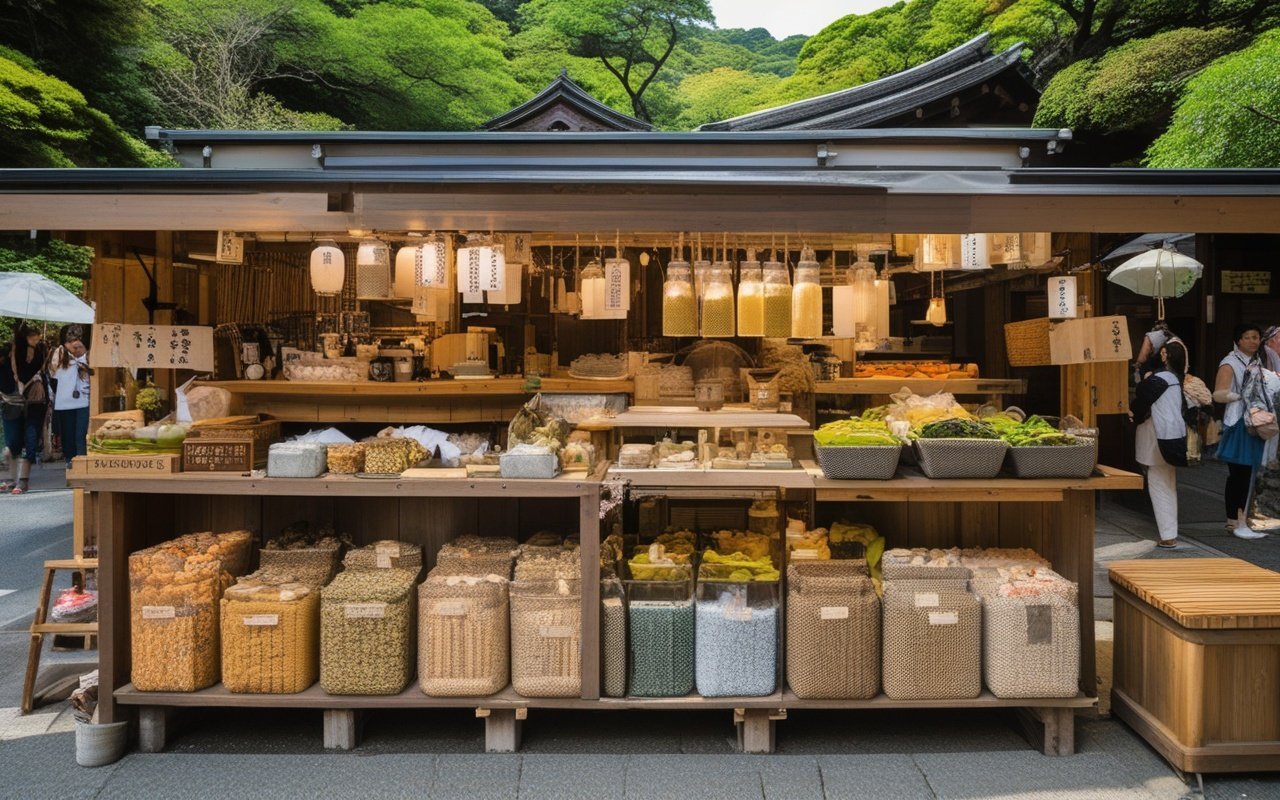
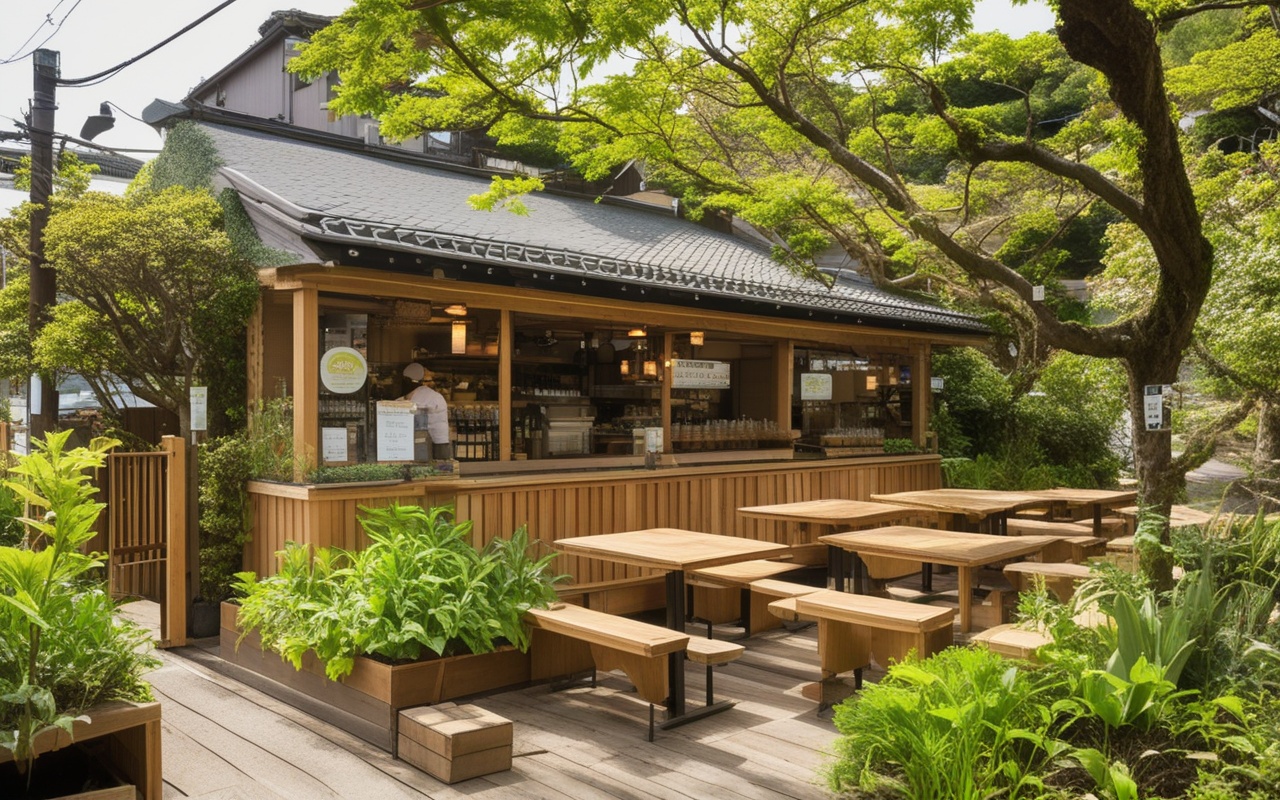
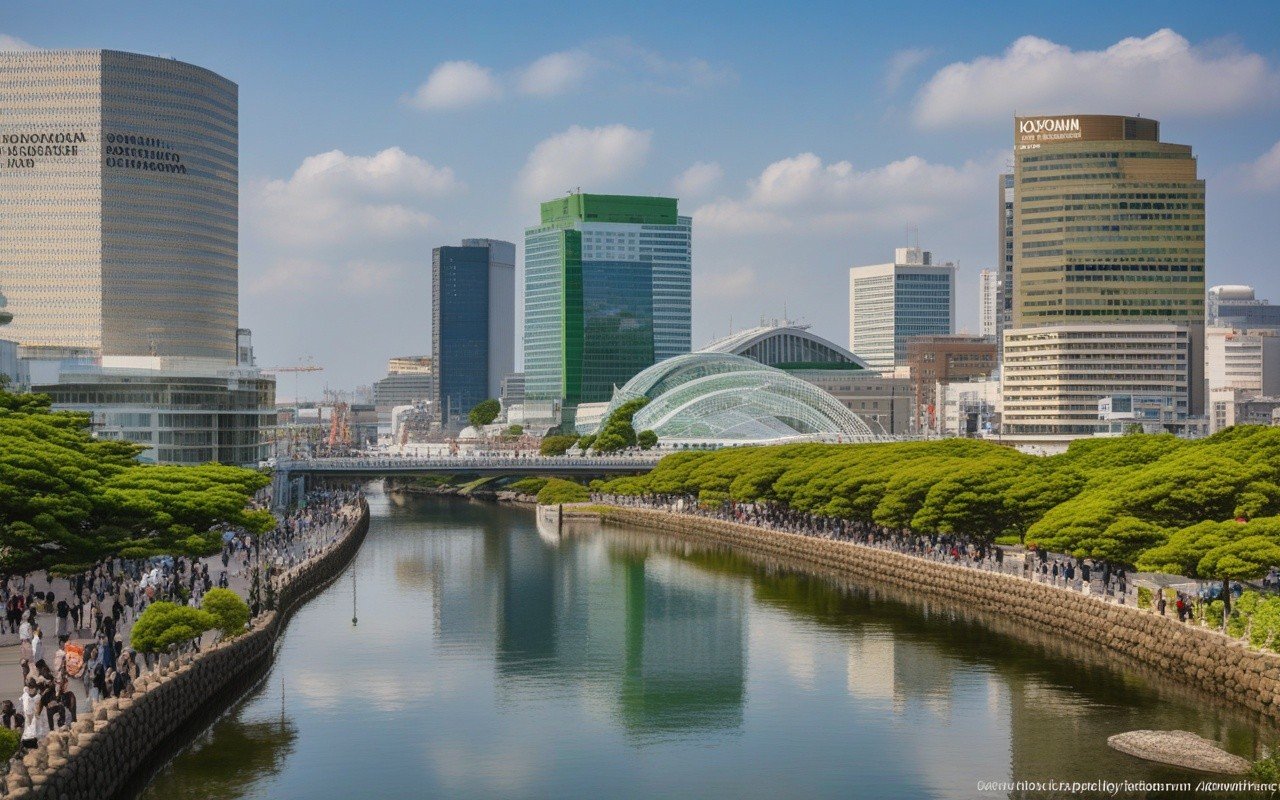
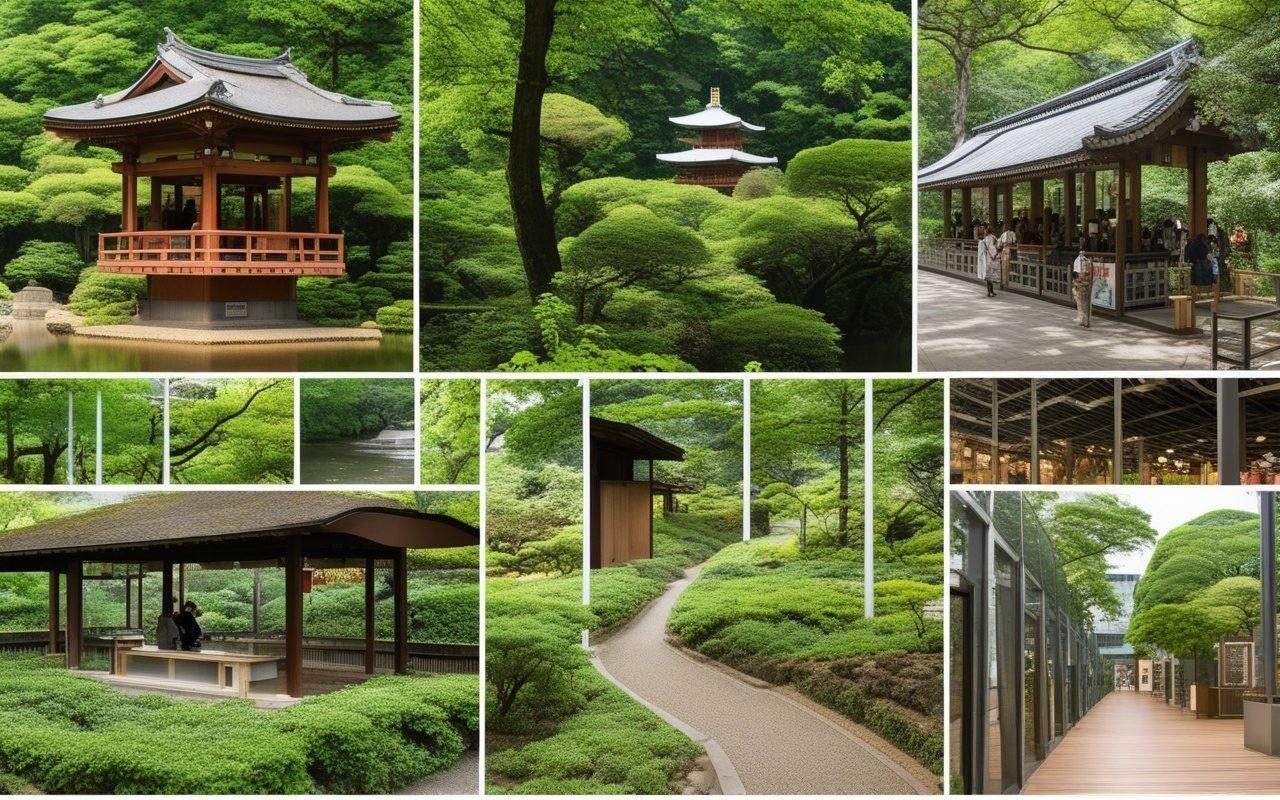
Experience Kanagawa Vegan Dining — 20+ Plant-Based Restaurants in an environmentally responsible way with this sustainable travel guide. Discover eco-friendly accommodations, green transportation options, and local initiatives that make Kanagawa a leader in sustainable tourism. Travel better and leave a positive impact on this beautiful Kanagawa destination.
Understanding Japanese Dining for Plant-Based Travelers
The Hidden Dashi Problem
Many Japanese dishes that appear vegetarian contain fish-based ingredients:
| Ingredient | Made From | Found In |
|---|---|---|
| Katsuobushi | Dried bonito flakes | Miso soup, okonomiyaki |
| Dashi (standard) | Bonito flakes + kelp | Simmered dishes, dipping sauces |
| Kaeshi | Soy sauce + mirin + bonito | Soba/udon dipping sauce |
| Fish sauce | Fermented anchovies | Some ramen broths, dipping sauces |
What to look for: Restaurants that explicitly mark items as「ビーガン」or「プラントベース」(plant-based) on their English menus are your safest bet. Shojin ryori (Buddhist temple cuisine) is naturally vegan — but still confirm, as some modern versions use fish stock.
Dietary Communication Cards
Before your trip, prepare a Japanese dietary card explaining your restrictions. Here is a template you can show at restaurants:
I am vegetarian/vegan. I do not eat meat, fish, or shellfish. I also cannot eat dashi (fish broth). Please remove katsuobushi (bonito flakes) from my food. Vegan: No eggs, no dairy products. Gluten-free: No wheat, no soy sauce (use tamari or salt). “`
Kamakura — Best for Plant-Based Dining
Kamakura is the most vegan-friendly town in Kanagawa, thanks to its history of Zen Buddhism and temple cuisine. The cafe culture here is also more accommodating than most Japanese cities.
Shojin Ryori (Buddhist Temple Cuisine)
| Restaurant | Area | Price | Vegan | Notes |
|---|---|---|---|---|
| Hachinoki (鉢の木) | Kita-Kamakura | ¥3,500-5,000 | ✅ 100% | Seasonal vegan course, traditional temple setting |
| Kobushi (こぶし) | Kencho-ji area | ¥3,000-4,000 | ✅ 100% | Set menu with seasonal vegetables, booking needed |
| Shigetsu (四季の味しげつ) | Near Tsurugaoka Hachimangu | ¥2,500-3,500 | ⚠️ Confirm | Mostly plant-based, but ask about dashi |
Hachinoki is the standout — a dedicated shojin ryori restaurant in Kita-Kamakura that serves five-course vegan meals in a traditional Japanese room overlooking a moss garden, bookings are essential (book at least 2-3 days ahead).
Vegan-Friendly Cafes
| Cafe | Area | Price | Best For |
|---|---|---|---|
| Kamakura 24sekki | Near Kamakura Station | ¥1,000-2,000 | Vegan bakery, soups |
| Magokoro (まごころ) | Hase area | ¥1,500-2,500 | Organic bowls, coffee |
| Kajiya (かじや) | Komachi-dori | ¥1,200-2,000 | Muslim-friendly, vegetarian options |
| Green Cafe | Komachi-dori | ¥1,000-1,800 | Vegan desserts, matcha lattes |
| Cafe Mame | Yuigahama | ¥1,200-2,000 | Vegetarian curry, organic coffee |
Kamakura 24sekki is a must-visit — a cozy vegan bakery and cafe near Kamakura Station’s east exit. Their sandwiches, quiches, and soups are all plant-based, and they have great takeaway options for picnics at Tsurugaoka Hachimangu. Magokoro is a relaxed seaside cafe near Hase Station, perfect after visiting the Great Buddha. They offer organic bowls clearly labeled with dietary icons. 📖 Related: Kamakura Cafe Guide · Kamakura Matcha Cafe Guide · Kamakura Farm-to-Table Guide
Yokohama — Best Variety for All Diets
Yokohama’s international port history means more restaurants are familiar with Western dietary needs. The city has the highest concentration of dedicated vegan restaurants in Kanagawa.
Dedicated Vegan Restaurants
| Restaurant | Area | Price | Cuisine | Notes |
|---|---|---|---|---|
| Kusum (クスム) | Kannai | ¥2,000-3,000 | Indian vegan | 100% plant-based, wide menu |
| Sala (サーラー) | Motomachi | ¥1,500-2,500 | Sri Lankan vegan | Buffet lunch, weekend dinner |
| Chaya Natural | Minato Mirai | ¥2,500-4,000 | Japanese vegan | Organic set meals, pretty setting |
| Farmer (multiple locations) | Yokohama Station area | ¥1,200-2,000 | Bowl-based | Clearly labeled vegetarian options |
| Maji Cafe | Isezakicho | ¥1,000-1,800 | Cafe | Vegan toast, smoothies |
Vegetarian-Friendly International
| Restaurant | Area | Cuisine | Vegetarian | Vegan |
|---|---|---|---|---|
| Yokohama Chinatown (select stalls) | Chinatown | Chinese | ✅ (steamed buns, veggie dumplings) | ⚠️ (ask about lard) |
| Kannai Izakaya (select shops) | Kannai | Japanese | ⚠️ (vegetable skewers) | ❌ (dashi-based) |
| Café Bota | Minato Mirai | Cafe | ✅ | ✅ (oat milk available) |
| Motomachi Brunch Spots | Motomachi | Western-Japanese | ✅ (most menus) | ⚠️ (check egg/dairy) |
📖 Related: Yokohama Chinatown Food Guide · Yokohama Backstreet Gourmet · Yokohama Premium Dining Guide
Hakone — Onsen Town Plant-Based Options
Hakone is more hard for plant-based dining because ryokan cuisine centers on *kaiseki* (multi-course meals) that heavily feature fish. However, with advance planning, great options exist.
Ryokan with Vegan Kaiseki
| Ryokan | Price/Night | Vegan Kaiseki | Advance Notice needed |
|---|---|---|---|
| Gora Kadan | From ¥50,000 | ✅ (on request) | 7 days |
| Hakone Suishoen | From ¥20,000 | ✅ (on request) | 5 days |
| Ryokan Kappa | From ¥15,000 | ⚠️ (modifications only) | 3 days |
| Guesthouse Gora | From ¥8,000 | Self-catering kitchen | N/A |
Important: Vegan kaiseki must be arranged before booking. Most ryokan booking forms include a dietary restrictions field — use it. If booking via Booking.com or Agoda, email the property directly after confirming the booking.
Standalone Restaurants
| Restaurant | Area | Price | Vegan | Notes |
|---|---|---|---|---|
| Kanmidokoro Hora | Hakone-Yumoto | ¥1,000-2,000 | ✅ | Tofu-based dishes, clear English labels |
| Suzuka | Gora | ¥1,500-2,500 | ⚠️ | Soba shop with vegetable tempura (ask about broth) |
| Hakone Bakery | Hakone-Yumoto | ¥500-1,000 | ✅ | Vegan bread, coffee |
Kanmidokoro Hora is your safest option — a cafe specializing in yuba (tofu skin) dishes, many of which are naturally vegan, found near Hakone-Yumoto Station, it is easy to find and has English menus. 📖 Related: Hakone Onsen Complete Guide · Hakone Yuba Cuisine Guide · Hakone lodging Guide
Shonan Coast & Enoshima
| Restaurant | Area | Price | Vegan | Best For |
|---|---|---|---|---|
| Chirashiya | Enoshima | ¥1,500-2,500 | ✅ | Vegetable sushi (shojin-modoki) |
| Sunset Cafe | Shichirigahama | ¥1,200-2,000 | ⚠️ | Smoothie bowls, salads (confirm dairy) |
| Cafe Lotta | Enoshima | ¥1,000-1,800 | ✅ | Vegan curry, soy meat dishes |
| Beach Houses (in summer) | Katase Beach | ¥800-1,500 | ⚠️ | Corn, grilled vegetables |
Chirashiya near Enoshima Station is famous for its creative vegetable sushi (*shojin-modoki*) — plant-based ingredients prepared to look and taste like traditional fish sushi. The textures are remarkably authentic. Cash only and bookings recommended. 📖 Related: Enoshima Family Day Guide · Shonan Enoshima Sunset Guide · Shonan Beach House Cafe Guide
Miura Peninsula
| Restaurant | Area | Price | Vegan | Notes |
|---|---|---|---|---|
| Misaki Port (select stalls) | Misaki | ¥800-1,500 | ⚠️ | Vegetable tempura, rice balls (confirm dashi) |
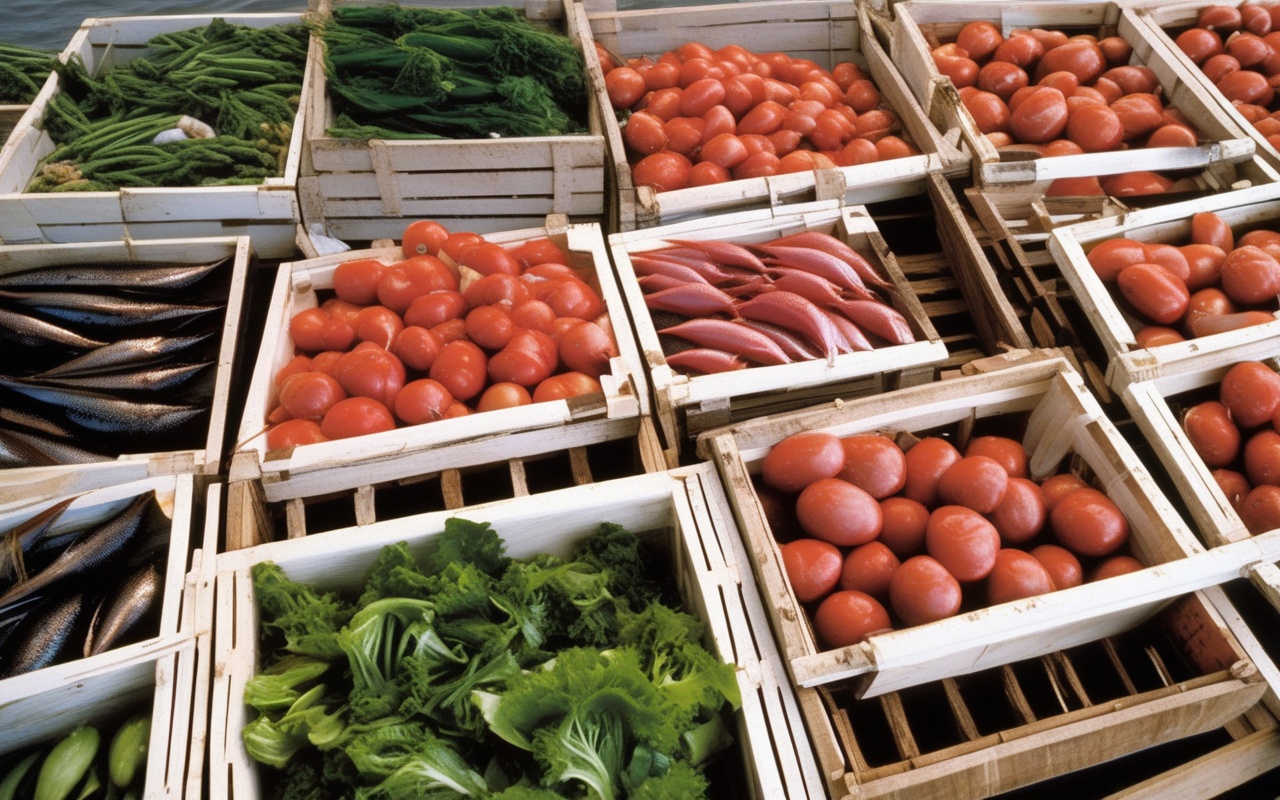
| Farmers Market (seasonal) | Miura | ¥500-1,000 | ✅ | Fresh local vegetables, fruit |
| Soba shops (select) | Jogashima | ¥1,000-2,000 | ⚠️ | Zaru soba (cold, no broth) is naturally vegan |
📖 Related: Miura Peninsula Tuna Complete Guide · Misaki Port Food Guide · Shonan Shirasu Complete Guide
Eco-Friendly Transport Options
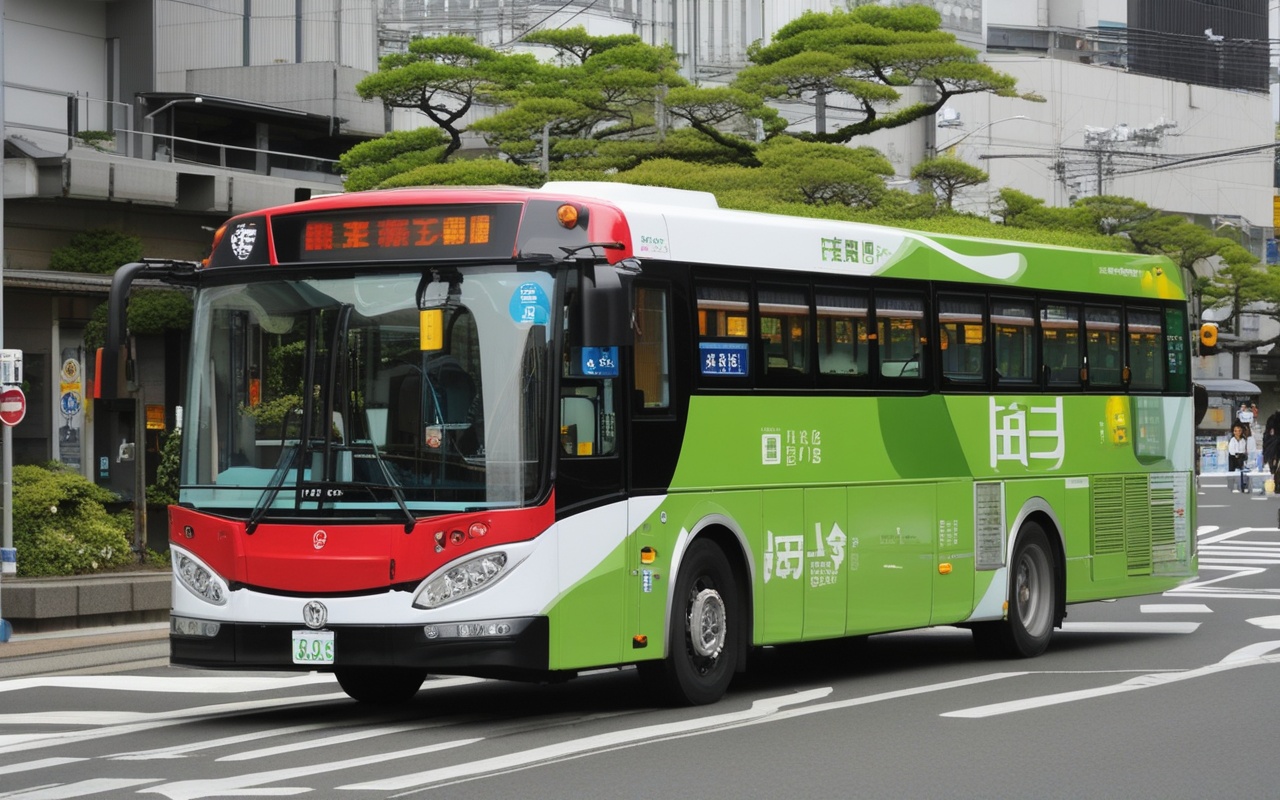
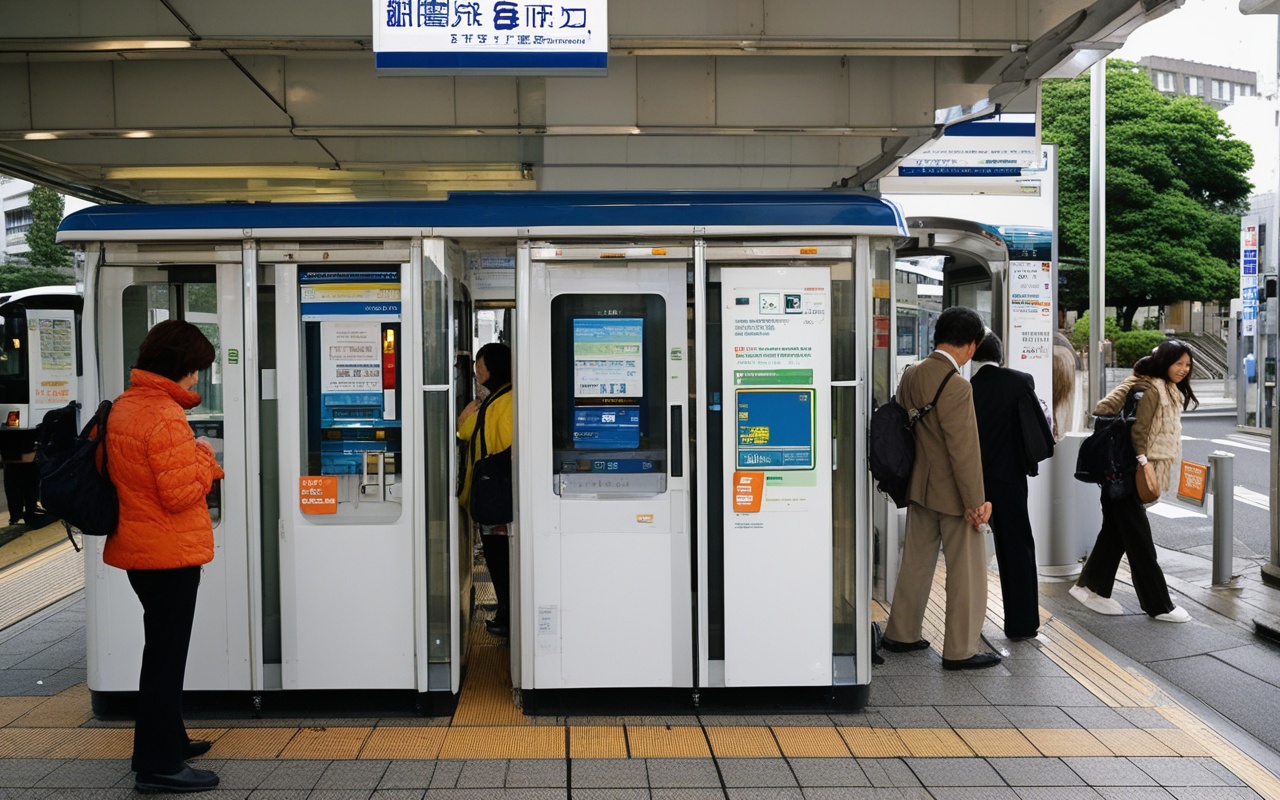
The most sustainable way to reach this destination is by train. Kanagawas rail network runs on electricity and has a significantly lower carbon footprint than driving. Consider purchasing a day pass for unlimited travel and combine your visit with nearby attractions to minimize transport impact.
Best Time to Visit
Visiting during off-peak seasons late autumn and winter reduces the environmental impact of tourism and provides a more authentic experience with fewer crowds. Spring and autumn offer the most comfortable weather for outdoor exploration.
What to Expect
Sustainable travel in Kanagawa is accessible and rewarding. The region has excellent public transport, reducing the need for rental cars. Many accommodations have environmental certifications. Local food movements are strong, with farm-to-table restaurants and farmers markets throughout the prefecture. Recycling bins are widely available, with clear sorting instructions in English at major tourist spots. Carrying a reusable water bottle and shopping bag significantly reduces your plastic footprint.
Nearby Recommendations
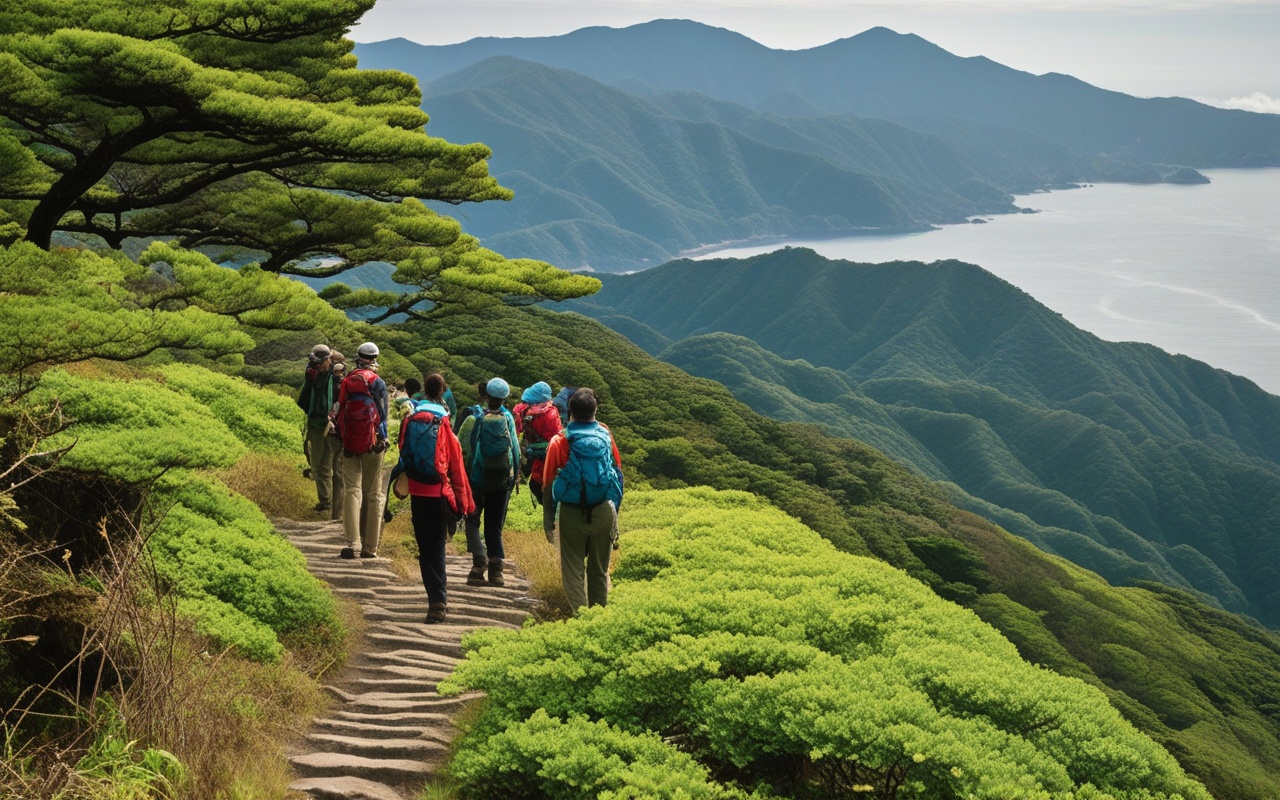
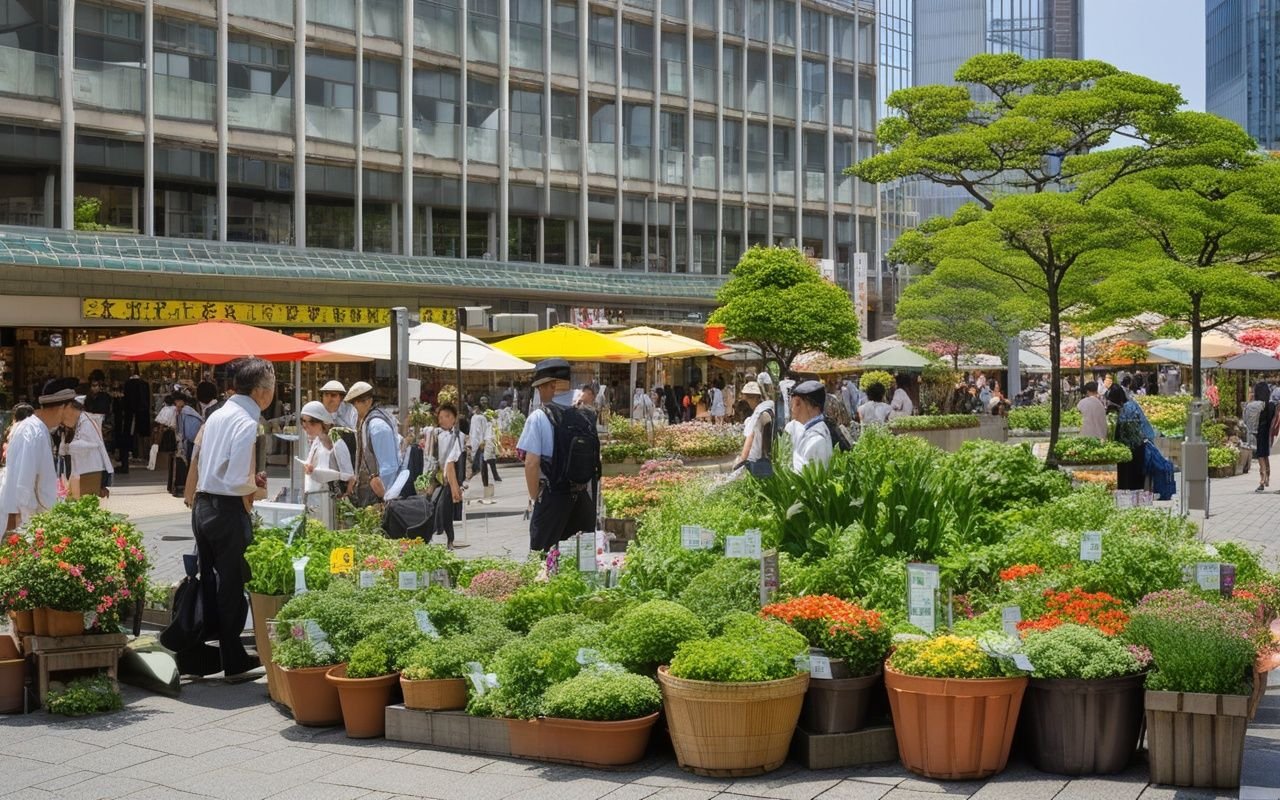
The surrounding area offers additional opportunities for eco-conscious travel. Nearby farmers markets provide fresh local produce and handmade crafts. Consider taking a guided nature walk to learn about local flora and fauna. Environmental education centers in the area offer workshops on traditional sustainable practices.
Local Tips
Sustainability advocates recommend choosing local, seasonal, organic food options that support regional farmers. Walking and cycling are the most environmentally friendly ways to explore Kanagawa’s compact destinations. Purchasing local crafts directly from artisans preserves traditional skills and reduces shipping emissions. Consider offsetting your travel carbon emissions through reputable programs.
Packing Essentials
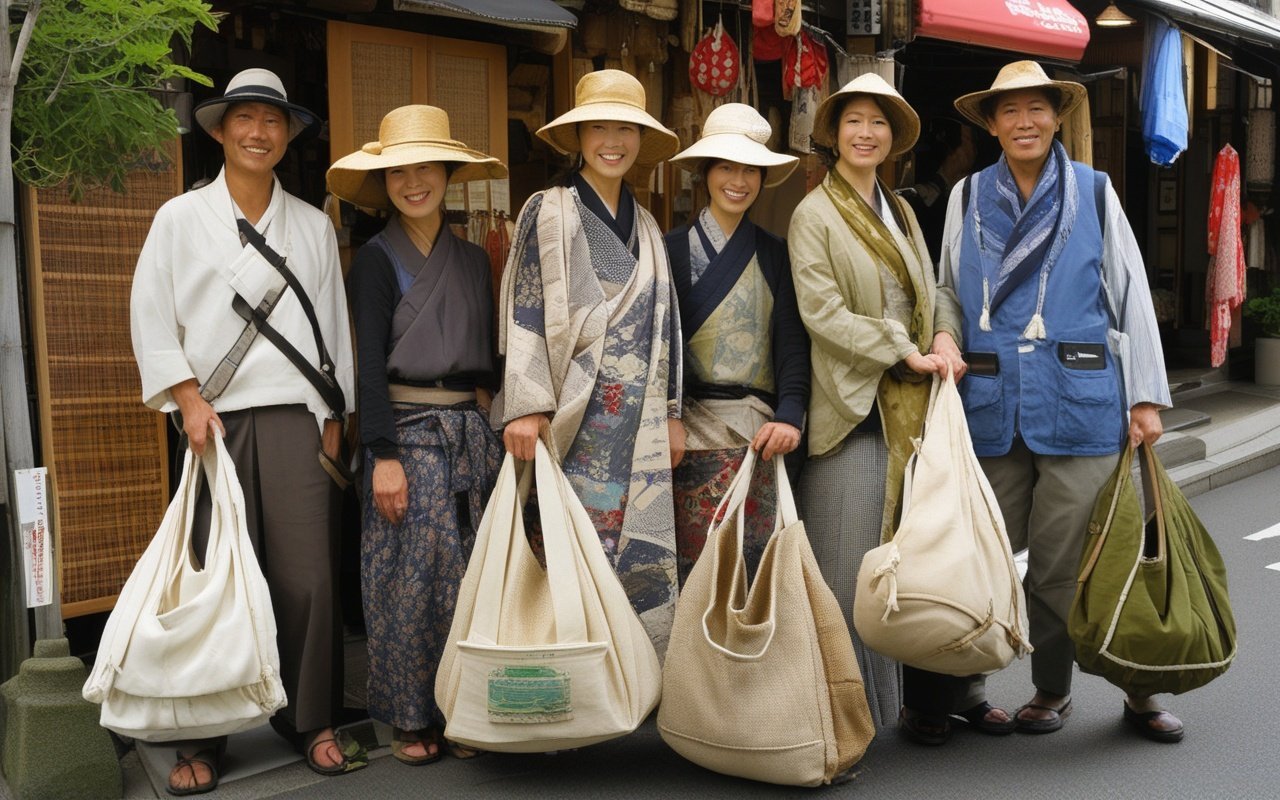
Eco-conscious travelers should pack a reusable water bottle, shopping bag, and food container to minimize single-use plastic. A bamboo toothbrush and solid shampoo bars reduce bathroom waste. Bring a reusable coffee cup for takeaway drinks at cafes. Pack a small repair kit for quick fixes to clothing or gear. Solar-powered chargers are excellent for multi-day trips in areas with limited power access.
Money-Saving Tips
Sustainable travel often saves money. Using public transport instead of taxis significantly reduces costs. Eating at local markets and family-run restaurants is cheaper than tourist-oriented establishments. Staying in eco-friendly accommodations often includes perks like free bicycle rental or discounted attraction tickets. Buying local products directly from producers eliminates middleman costs and supports the community.n
Dos and Don’ts
Do separate your trash according to local recycling rules. Do bring a reusable water bottle and shopping bag. Do support local businesses and artisans. Don’t use single-use plastics when alternatives are available. Don’t buy products made from endangered species or protected materials. Don’t leave any trace in natural areas – carry out what you bring in.
Practical Tips for Plant-Based Dining in Kanagawa
Essential Japanese Phrases
Write these on a card or save to your phone:
| English | Japanese | Pronunciation |
|---|---|---|
| “I am vegetarian.” | ベジタリアンです。 | Bejitarian desu |
| “I am vegan.” | ビーガンです。 | Biigan desu |
| “No meat, no fish.” | 肉と魚は食べません。 | Niku to sakana wa tabemasen |
| “Does this contain fish broth?” | これに魚のだしは入っていますか? | Kore ni sakana no dashi wa haitte imasu ka?. |
| “Please remove bonito flakes.” | かつおぶしを抜いてください。 | Katsuobushi o nuitte kudasai |
Smart Backup Options
Convenience stores (FamilyMart. Lawson) are reliable backup options:
- Onigiri (rice balls): Choose *umeboshi* (pickled plum) or *kombu* (kelp) fillings — but check the ingredient list for dashi in the rice
- Salads: Available at most konbini, skip the dressing
- Fruit: Bananas, cut fruit cups
- Nuts and snacks: Plain peanuts, nori (seaweed) snacks
- Instant miso soup: Some brands are vegan, check the label
Restaurant chain tips:
- CoCo Ichibanya: Vegetarian curry available (ask for no meat). specify no dashi
- Sushi chains: Order cucumber rolls (kappa maki). or natto rolls
- Ramen shops: Most broth contains pork/fish — skip unless the shop explicitly offers vegan broth
Apps to Download
| App | Purpose | Free |
|---|---|---|
| HappyCow | Find vegan/vegetarian restaurants near you | ✅ (in-app purchases) |
| Google Translate | Camera translation for Japanese menus | ✅ Free |
| OpenRice Japan | Restaurant reviews with dietary filters | ✅ Free |
What surprised me was how easy it is to travel sustainably here without sacrificing comfort.
Frequently Asked Questions
Q: Q: Is shojin ryori (Buddhist temple cuisine) always vegan?
A: A: Traditional shojin ryori is 100% vegan — no meat, fish, eggs, or dairy. However, some modern temples have adapted recipes to include dashi. Always confirm with the restaurant before ordering. Q: Q: Can I find vegan food at convenience stores in Kanagawa?
A: A: Yes, but you need to check labels carefully. Onigiri with umeboshi (plum) or kombu (kelp) fillings are usually vegan, but the rice itself may contain dashi. Plain salads, fruit, nuts, and edamame are safe choices. Q: Q: Are there vegan options at ryokan in Hakone?
A: A: Yes, but you must request a vegan kaiseki meal at least 5-7 days before your stay. Luxury ryokan like Gora Kadan are most accommodating. Budget options and guesthouses may not offer plant-based dinners. Q: Q: Do Yokohama restaurants understand vegan needs?
A: A: Generally yes, mostly in Minato Mirai and Motomachi areas. Yokohama’s international population means more restaurant staff are familiar with plant-based diets. Dedicated vegan restaurants like Kusum and Sala are great choices. Q: Q: What should I do if a restaurant has no English menu?**
A: A: Use the dietary communication card template above, show it to staff, and wait for confirmation. If they seem unsure, move to a backup option rather than risk miscommunication. HappyCow is your best resource for finding accommodating restaurants. —
My personal exploration of Kanagawa has been incredibly rewarding, and I recommend adding this region to any Japan travel itinerary — the variety of experiences within short distances is what makes it special.
Dining plant-based in Kanagawa requires planning and preparation, but it is entirely possible — mostly in Kamakura and Yokohama. For a stress-free time:
- Kamakura: Visit Hachinoki (shojin ryori) or Kamakura 24sekki (vegan bakery)
- Yokohama: Kusum or Sala for dedicated vegan dining
- Hakone: Arrange vegan kaiseki with your ryokan in advance
- Always carry: Dietary card, and backup konbini snacks
With these strategies and restaurant tips, you can enjoy Kanagawa’s culinary culture while staying true to your plant-based values. — Last Updated: June 29, 2026
Written by: Anaba OffJapan Editorial Team
Related: Kamakura Cafe Guide · Food Allergies in Kanagawa Guide · Yokohama Chinatown Food Guide · Hakone Yuba Cuisine Guide · Shonan Shirasu Complete Guide
Nearby Recommendations
Continue your sustainable travel journey by visiting nearby eco-friendly attractions. Many areas have nature trails, conservation centers, and organic farms. Check local event calendars for environmental workshops.
Conclusion
The details in this guide come from real visits, and the biggest lesson I took away was that the best experiences in Kanagawa rarely fit neatly into a checklist. During my visit I went with a rough plan and found that leaving room to wander made the trip far more memorable. Plan the essentials, keep your schedule flexible, and you will leave Kanagawa wanting to return.