Category: Culture & History

  • Atsugi & Zama: Car Culture Heartland

    Atsugi & Zama: Car Culture Heartland

    Atsugi & Zama: Japan’s Car-Culture Heartland and the Nissan Heritage Collection

    Overview

    Ask a car enthusiast what they want to see in Japan and the answer is usually a list of Tokyo icons: Daikoku PA, the JDM meetups, the tuning shops. Very few mention Kanagawa’s western suburbs, and that is exactly why I am writing this guide. Between Atsugi and Zama — twenty minutes west of Yokohama by train — sits some of the most concentrated automotive history in the world, anchored by a museum that most visitors do not even know exists.

    I am not a mechanic. My interest is the culture: the stories, the design, and the people who treat machines as art. So when a friend at Nissan told me the company’s internal heritage collection in Zama opens its doors to the public, I cleared a weekend and went. What I found was a warehouse-sized shrine to Japanese engineering — GT-Rs in every generation, rally legends with the mud still on their fenders, and concept cars that never reached production — plus a town with a Showa-era retro quarter that feels frozen in the 1970s.

    That combination — a world-class museum hidden in a suburb, plus a retro district, plus the region’s famous spring-water sake breweries — makes Atsugi and Zama one of the most underrated day trips in Kanagawa. This guide covers the Nissan Heritage Collection in detail, the retro streets of Atsugi, the region’s breweries, and how to combine them into a single day.


    📍 Getting There

    Atsugi and Zama sit on the Odakyu Odawara Line, roughly 20-30 minutes west of Shinjuku.

    From Tokyo

    1. Odakyu Odawara Line from Shinjuku (50-65 min, ¥700-900) — Take a Limited Express to Hon-Atsugi Station, the main access point for both towns. This is the most direct route.
    2. JR Sagami Line from Hashimoto (40 min, ¥500) — If you are coming from the Yokohama area, the JR Sagami Line connects Hashimoto (on the Yokohama Line) to Atsugi and Isehara. Slower, but useful if you are combining with a Yokohama visit.
    3. Car — Atsugi and Zama are well served by the Tomei Expressway (Atsugi IC). Rental is an option if you want to include the surrounding countryside; see the rental car guide for requirements and costs.

    Getting to the Nissan Heritage Collection

    The Nissan Heritage Collection is inside the Nissan Motor Corporation’s Oppama plant area, officially addressed in Zama City. From Hon-Atsugi Station it is about 15 minutes by taxi (¥2,000-2,500) or 30 minutes by bus. From Zama Station it is a 20-minute walk or short taxi ride.

    Important: The museum requires a reservation. Foreign visitors can book through the official Nissan Heritage Collection website, which offers an English reservation page. Visits are guided and last about 90 minutes. Book at least 2-3 weeks ahead; weekend slots fill quickly.

    Money-Saving Tickets

    Admission to the Nissan Heritage Collection is free, though the reservation is mandatory. For transport, the Odakyu Free Pass covers the round trip from Tokyo if you are also visiting other Odakyu-line destinations. If you are combining with Hakone, the Hakone Free Pass includes the Odakyu line out to Odawara, and Atsugi is a stop along the way — though the pass’s value only makes sense if you actually reach Hakone.


    🏎️ The Nissan Heritage Collection: A Cathedral of JDM

    What It Is

    The Nissan Heritage Collection is the automaker’s private museum, housing over 400 vehicles spanning the company’s 90-year history. It opened to the public in 2010 and remains a working archive: many of the cars are drivable, and staff move them between storage and display on a rotating basis. What you see on a given visit depends on what is being conserved, restored, or prepared for an event — which makes every visit different.

    The collection is displayed in a single enormous hall, with rows of cars organized by era. The effect is overwhelming in the best way. I spent the first ten minutes just walking the perimeter, trying to take it all in — then spent the next hour with my nose against the glass of specific cars.

    The Highlights

    1. The GT-R lineage — Every generation is represented, from the original 1969 PGC10 Skyline GT-R to the modern R35. Seeing the legendary R34 V-Spec in person, with its unmistakable angular body, is worth the trip alone. The cars are displayed with their racing history documented — the R32’s dominance in Australian touring cars, the R33’s record Nürburgring lap.
    2. The rally legends — The collection includes the 240RS and the GT-Rs that competed in Group A and Group N rallying. Several still carry the scars of competition: stone chips, faded decals, and the occasional repaired panel.
    3. The Le Mans cars — Nissan’s Le Mans prototypes, including the R90CK that raced in the early 1990s, are displayed in a dedicated corner. The aero work on these cars is extraordinary up close.
    4. The concept cars — Some of the wildest vehicles in the collection never reached production. The IDx NISMO and other show cars offer a glimpse of what designers dreamed up — often more interesting than what actually shipped.
    5. The race team corner — Super GT and Formula E machinery, including the current Nissan Formula E car, complete the picture of a company that has always raced.

    Practical Notes

    • Reservation is mandatory — Book through the official site. English tours are available but limited; request one when booking.
    • Photography — Allowed in most areas, but some prototype sections prohibit photos. Respect the signs; staff are strict.
    • Time — Allocate 90 minutes to 2 hours. There is no cafe inside, but there are vending machines.
    • Weekend note — The museum is popular with Japanese families and enthusiasts. The atmosphere is relaxed and family-friendly, with stroller access throughout.
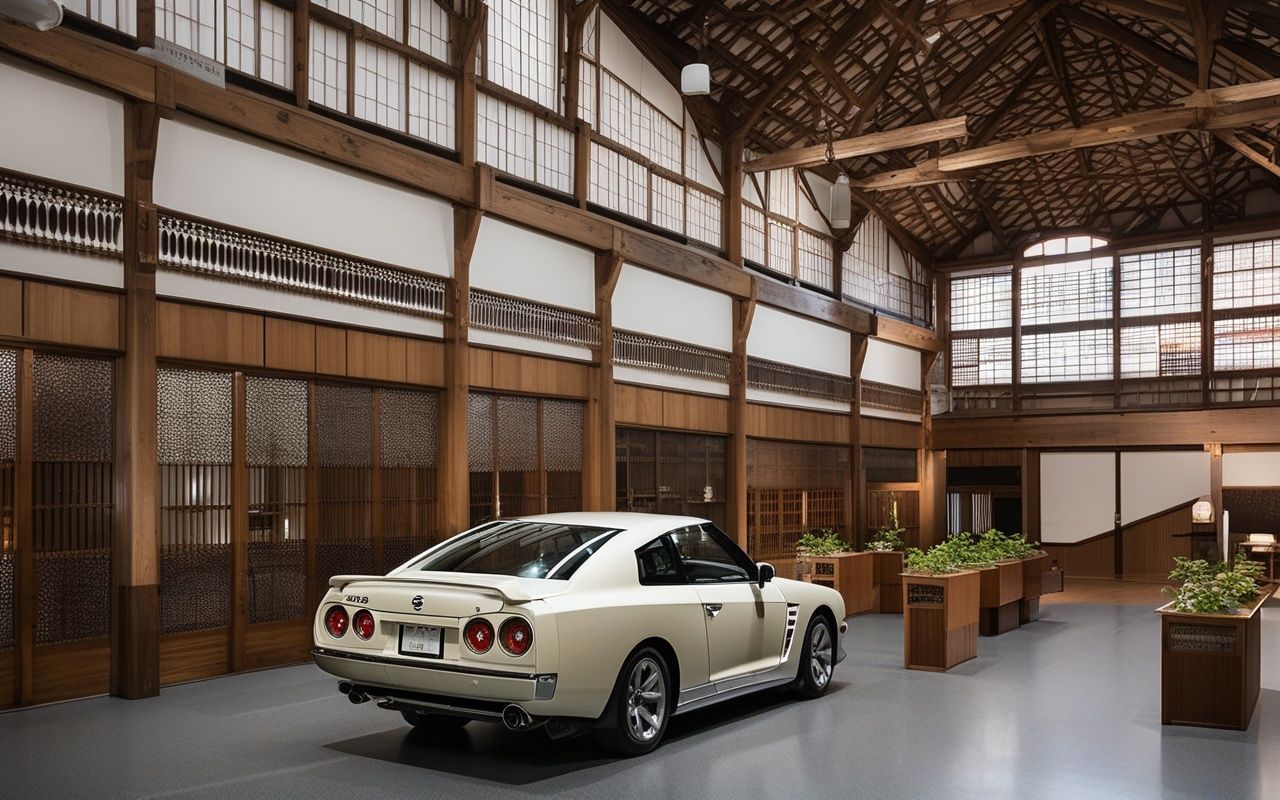
    Nissan Heritage Collection GT-R display hall


    🏮 Atsugi’s Showa Retro Quarter

    The Town’s Surprising Character

    After the museum, a 15-minute taxi brings you back to Hon-Atsugi Station — and the town’s retro shopping streets. Atsugi grew rapidly in the post-war decades as a dormitory town and military-city neighbor (the U.S. Naval Air Facility Atsugi is nearby), and its shopping arcades retain a distinct Showa-era character that the mall-ification of most Japanese towns never touched.

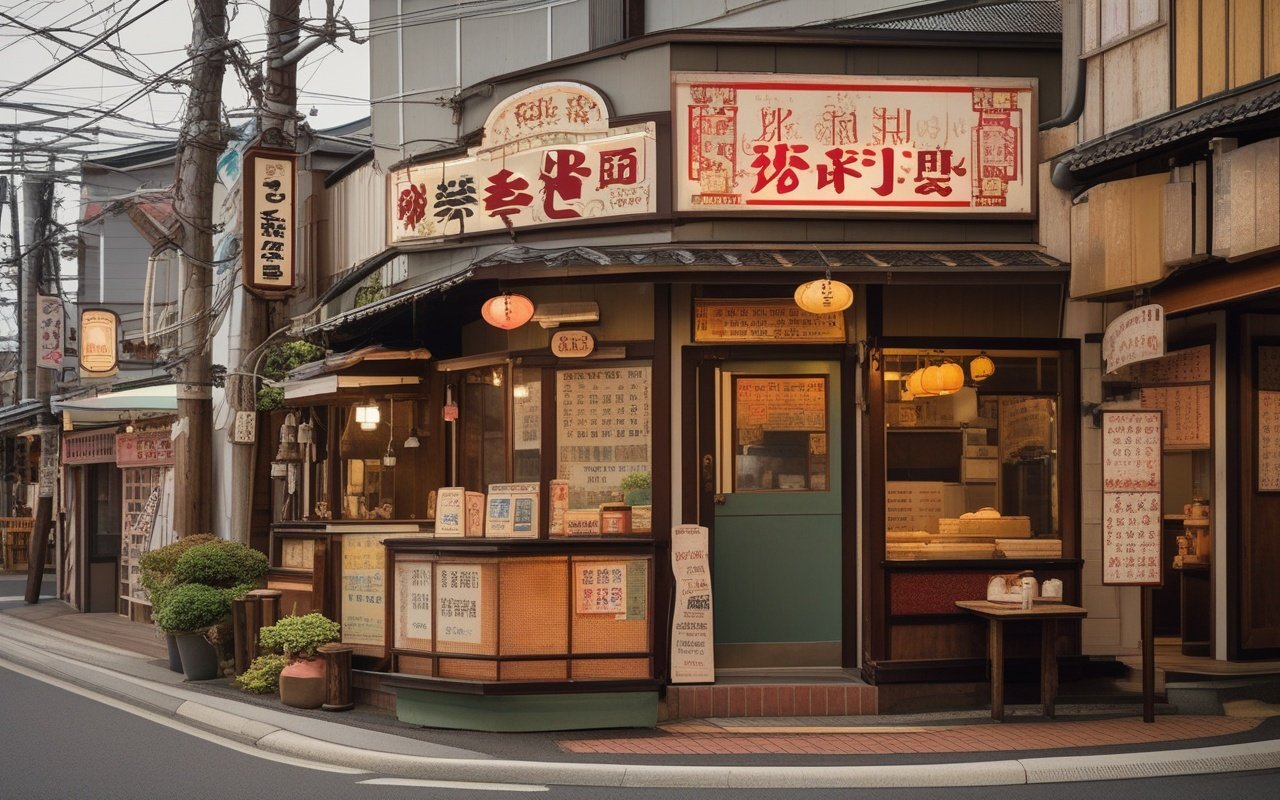
    The main arcade, Marunaka Shotengai, runs a few blocks from the station’s south exit. It is a covered shopping street with butcher shops, fishmongers, a coin-operated retro game arcade, and a series of tiny izakaya and coffee shops where time genuinely seems to have stopped in the 1970s. On my visit, an elderly shopkeeper insisted on showing me the neighborhood’s old photo album — the kind of interaction that makes you realize how few places like this remain.

    What to Do

    1. Walk the arcades — Marunaka Shotengai and its side alleys are the highlight. Go in the late afternoon when the shops are open and the evening crowd begins to gather.
    2. Coffee at a retro kissaten — The town has several old-style coffee shops serving hand-dripped coffee with the traditional heavy silver pot. A perfect post-museum rest stop.
    3. Izakaya hop at night — Atsugi’s izakaya row near the station is famous among locals for its atmosphere. For a deeper look at this style of dining, see the Yokohama izakaya guide, which covers the same culture in the city.
    4. The game arcade — A small retro arcade with genuine 1980s cabinets. Bring ¥1,000 in coins; you will spend all of it.

    A Note on the Neighborhood

    The area around the U.S. base retains a slightly different character — a mix of American-style diners, jazz bars, and shops serving a fusion of Japanese and American tastes that dates to the post-war occupation era. It is a fascinating micro-culture that is easy to miss; walk the streets around the station’s north exit to find it.


    🍶 The Breweries of the Atsugi Region

    Atsugi and Zama sit in the same water-rich basin that makes western Kanagawa a brewing center. The region’s breweries use soft spring water from the Tanzawa range, and several offer tasting rooms and tours.

    Breweries to Visit

    1. Sake breweries — The area has several long-established kura (breweries) producing local sake. Many have small tasting corners where you can sample three or four varieties with a small fee. The water’s softness makes the sake noticeably cleaner and lighter than Tokyo equivalents.
    2. Craft breweries — The region’s craft beer scene has grown in recent years. For a full guide to the breweries and their tasting rooms, see the Kanagawa craft beer guide, which covers Atsugi-area spots alongside the rest of the prefecture.
    3. Brewery etiquette — Tastings are usually ¥500-1,000 for a flight. Ask for “kikizake” (sake tasting) if you want to sample. Most breweries require no reservation for the tasting corner, but tours need advance booking.

    Where to Eat

    The region’s food culture is anchored by the same spring water: tofu, soba, and the local specialty of “Atsugi tofu” — a dense, sweet variety served grilled. Several restaurants near the station serve set meals built around it. For a broader look at local dining, see the Kanagawa local production guide.
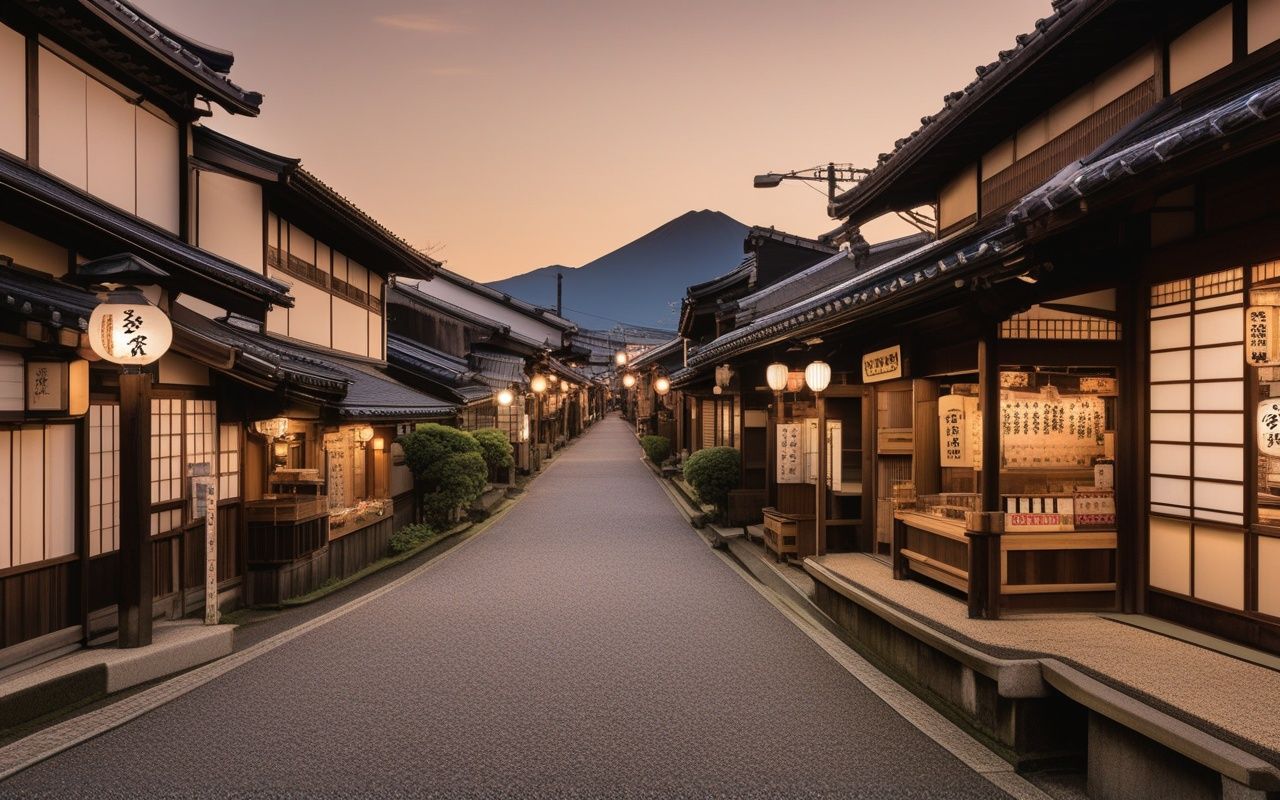
    Atsugi Showa-era shopping arcade at dusk


    🗓️ Sample Itinerary: The Car Culture Day

    Morning (9:00-13:00)

    1. 8:30 — Depart Shinjuku on the Odakyu Limited Express to Hon-Atsugi (55 min).
    2. 9:30 — Taxi to the Nissan Heritage Collection (15 min). Arrive for your 10:00 reservation.
    3. 10:00-11:30 — Guided tour of the collection. Focus on the GT-R hall and the Le Mans corner.
    4. 11:30-12:30 — Optional second loop of the museum (the guided tour covers specific cars; a second walk lets you revisit favorites).
    5. 12:30 — Taxi back to Hon-Atsugi Station.

    Afternoon (13:00-18:00)

    1. 13:00 — Lunch near the station: Atsugi tofu set or a bowl of soba from the arcade shops.
    2. 14:00 — Walk the Marunaka Shotengai arcade. Stop for retro coffee at a kissaten.
    3. 15:30 — Visit a local brewery’s tasting corner (sake or craft beer).
    4. 16:30 — Optional: the retro game arcade or the base-adjacent quarter.
    5. 17:30 — Early izakaya dinner in the retro quarter.
    6. 19:00 — Return train to Tokyo.

    If You Have More Time

    • Combine with Odawara — Atsugi is on the same Odakyu line as Odawara (20 min further west). The Odawara castle town makes a natural second stop.
    • Combine with Yokohama — The JR Sagami Line connects to the Yokohama Line at Hashimoto. A two-day trip pairing Atsugi’s car culture with Yokohama’s sights works well.
    • Visit on a weekday — The museum is quieter, and the retro arcade is open. Weekends add festival-like energy to the arcade but longer queues at the museum entrance.

    📅 Seasonal Notes

    • Spring and autumn — The best seasons. Mild weather for walking the arcades, and the museum’s grounds are pleasant.
    • Summer — Hot and humid. The museum is air-conditioned; the arcades are covered but warm.
    • Winter — Cold but clear. The museums and izakayas are warm, and the sake tasting rooms are at their coziest.

    💡 Practical Tips

    1. Book the museum early — The reservation system fills 2-3 weeks out. Book before you plan anything else.
    2. Allow buffer time — Taxis in Zama are plentiful at the station but scarcer near the museum. Book a return taxi with your driver, or use the bus.
    3. The museum has no cafe — Eat before you go or bring snacks (vending machines only inside).
    4. Carry cash — The retro arcades and many izakayas are cash-only.
    5. Respect the machinery — The museum cars are genuine artifacts, many still drivable. Do not touch the displays or lean over barriers.

    Conclusion

    Atsugi and Zama are living proof that Japan’s most rewarding destinations are rarely the ones in the guidebooks. A museum with over 400 of the world’s most significant Japanese cars, tucked inside a working factory complex; a shopping arcade that has barely changed since the 1970s; and a brewing culture built on the same clean water as the region’s mountains — all within an hour of Tokyo. For car enthusiasts it is a pilgrimage site, but even for the rest of us, the day offers a rare glimpse of the Japan that tourists usually miss.

    FAQ

    Q: Do I need a reservation for the Nissan Heritage Collection?
    A: Yes, absolutely. Reservations are mandatory and made through the official website. Weekend slots often book out 2-3 weeks in advance.

    Q: Is the collection suitable for non-car enthusiasts?
    A: The sheer visual spectacle — hundreds of beautifully preserved vehicles — appeals to most visitors, and the guides are engaging. But it is fundamentally a car museum; if classic cars do not interest you, budget less time here.

    Q: Can I combine Atsugi with a day trip from Tokyo?
    A: Yes. The round trip from Shinjuku takes about 2 hours total, and the museum plus the retro quarter fit comfortably into a single day.

    Q: Are there English tours at the museum?
    A: English tours are available but limited in number. Request one when making your reservation; they fill fast.
  • Kamakura Great Buddha — History, Craft & Visiting Tips 2026

    Kamakura Great Buddha — History, Craft & Visiting Tips 2026

    Kamakura Great Buddha — 750 Years of History and Craftsmanship

    Overview

    Explore the rich cultural heritage and historical significance of Kamakura Great Buddha — 750 Years of History and Craftsmanship in Kanagawa Prefecture. This guide delves into the fascinating stories, traditions, and landmarks that define Kamakura. From ancient temples to modern museums, discover how this destination has shaped Japan’s cultural landscape over centuries.

    Introduction

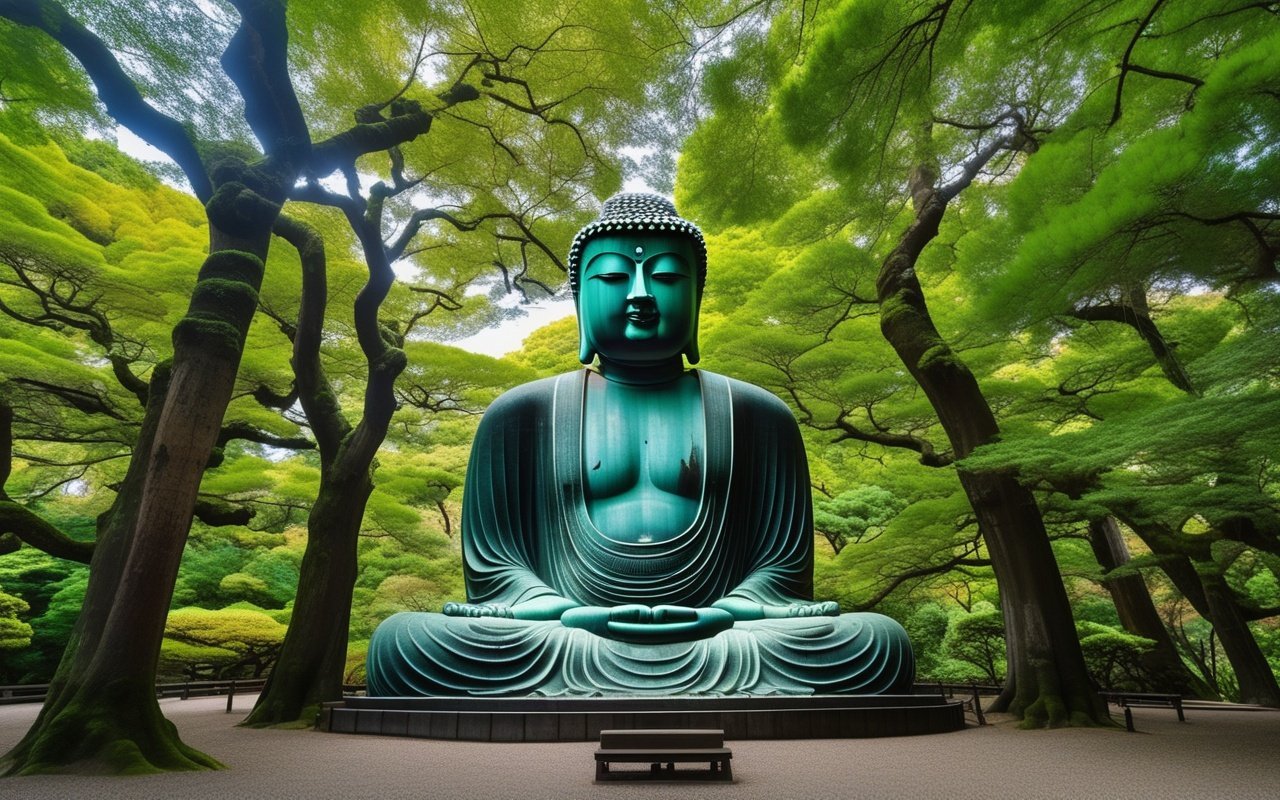
    The Kamakura Great Buddha (Kamakura (鎌倉)大仏, Kamakura Daibutsu) is one of Japan’s most iconic cultural treasures and a highlight of any Kamakura area guide. This monumental bronze statue of Amida Buddha has stood in the grounds of Kotoku-in Temple for over seven and a half centuries, surviving tsunamis, earthquakes, and the passage of time. Designated a National Treasure of Japan, it remains a powerful symbol of Kamakura’s rich Buddhist heritage and medieval craftsmanship.

    Unlike many other famous Japanese Buddhist statues that are housed within temple buildings, the Kamakura Great Buddha sits outdoors — a result of the wooden hall that once sheltered it being washed away by a tsunami in the 15th century. This open-air setting gives visitors a unique perspective on the statue’s scale and artistry.


    Historical Background

    Construction in the Kamakura Period

    The Great Buddha was cast in 1252 during the Kamakura Period (1185–1333), a time when the warrior class held power and Buddhism flourished across Japan. The statue was commissioned by the priest Joko and funded through donations collected from across the region. Skilled bronze casters from throughout the country were gathered for the ambitious project.

    Key Historical Dates:

    Year Event
    1252 Bronze casting completed
    1334 Original wooden hall constructed
    1369 Hall destroyed by tsunami
    1495 Hall destroyed again by earthquake; statue left outdoors
    1749 Major restoration (neck reinforcement)
    1923 Great Kanto Earthquake — statue survived with minor damage
    1960 Designated as a National Treasure of Japan

    Why the Statue Sits Outdoors

    The original wooden hall that housed the Great Buddha was built in 1334, over 80 years after the statue’s completion. A massive tsunami destroyed this hall in 1369, and after it was rebuilt, another earthquake and tsunami destroyed it again in 1495. Rather than reconstructing the hall a third time, the decision was made to leave the Buddha in the open — a choice that has come to define the statue’s character and presence.


    Technical Mastery

    Dimensions and Materials

    Attribute Measurement
    Total Height 13.35 meters (43.8 ft)
    Face Length 2.35 meters
    Eye Length 1.0 meter
    Mouth Width 0.82 meters
    Weight Approximately 93 tons
    Material Bronze (multiple cast plates)

    Casting Technique

    The statue was constructed using the piece-mold casting method (部分鋳造法, bubun chuzoho), a sophisticated technique that involved:

    1. Creating a clay core in the rough shape of the seated Buddha
    2. Modeling the surface details in clay over the core
    3. Making piece molds from the clay surface
    4. Casting each section in bronze
    5. Joining the sections with molten bronze
    6. Finishing the surface with chasing tools

    The statue was cast in multiple sections — the head, torso, arms, and lotus pedestal were all cast separately and then skillfully joined. Examination of the interior reveals the intricate weld marks where these sections were fused together.

    The Meditation Mudra

    The Great Buddha’s hands rest in the dhyana mudra (meditation gesture), with thumbs lightly touching and palms facing upward. This hand position symbolizes profound meditation and inner peace, reflecting the Amida Buddha’s role as a guide to enlightenment.

    The spiral curls on the statue’s head (rahotsu) and the protuberance on the crown (nikkei) are traditional iconographic features that mark the figure as a Buddha — an enlightened being.


    Surviving Natural Disasters

    The Kamakura Great Buddha’s resilience through centuries of natural disasters is a testament to its craftsmanship:

    The 1923 Great Kanto Earthquake

    When the magnitude 7.9 Great Kanto Earthquake struck the region on September 1, 1923, much of Kamakura was devastated. The Great Buddha, however, remained standing, though it shifted slightly on its pedestal. The statue’s low center of gravity and flexible bronze construction helped it survive the violent shaking.

    Tsunami Survival

    Sitting less than one kilometer from Sagami Bay, the statue has faced multiple tsunamis over its history. The bronze construction and streamlined form allowed water to flow around rather than against the statue. The current stone platform was reinforced after 1923 to improve stability.

    Ongoing Preservation

    Today, the statue undergoes regular inspections and maintenance. A major preservation project in 2016 included detailed laser scanning to document the statue’s condition and identify areas requiring attention. The bronze surface develops a natural patina (verdigris) that actually protects the underlying metal from further corrosion.


    Cultural Significance

    National Treasure Status

    In 1960, the Kamakura Great Buddha was officially designated a National Treasure of Japan (国宝, kokuhō). This designation recognizes objects of exceptional cultural and historical value. The statue is one of the few bronze sculptures from the Kamakura Period to receive this honor.

    Symbol of Kamakura

    The Great Buddha has become the most recognized symbol of Kamakura, appearing on countless postcards, travel guides, and promotional materials. It represents not only the city’s historical importance as a political and religious center but also the enduring appeal of Japanese Buddhist art.

    Interior Viewing

    One of the most unusual features of the Kamakura Great Buddha is that visitors can enter the interior of the statue (for an additional ¥200). Inside, you can see:

    • The bronze wall thickness (approximately 3 cm)
    • Weld marks between cast sections
    • Small windows looking outward
    • Evidence of past repairs

    The interior experience offers a rare glimpse into the craftsmanship behind the statue and a unique perspective from “inside” a National Treasure.


    Visiting Information

    Access

    By Train (Recommended):

    From Route Time Cost
    Tokyo Station JR Yokosuka Line → Kamakura Station → Enoden to Hase 1 hr ¥1,040
    Shinjuku Station JR Shonan-Shinjuku Line → Kamakura → Enoden to Hase 1 hr ¥1,040
    Shibuya Station Tokyu Toyoko → Fujisawa → Enoden to Hase 55 min ¥900
    Yokohama Station JR Yokosuka Line → Kamakura → Enoden to Hase 35 min ¥420
    • Address: Kotoku-in Temple, 4-2-28 Hase, Kamakura City
    • Nearest Station: Hase Station (Enoden Line) — 7-minute walk
    • Alternate Route: Kamakura Station (JR Yokosuka Line) — 15-minute walk or short Enoden ride

    By Car:

    • From Tokyo: 1.5 hours via Yokohama-Yokosuka Road
    • Parking: Available near temple (¥500/2 hours)
    • Note: Very crowded on weekends; train recommended

    Hours and Admission

    Item Details
    Temple Grounds 8:00 AM — 5:30 PM (until 5:00 PM Oct–Mar)
    Grounds Admission ¥300 (adults), ¥150 (children)
    Buddha Interior Additional ¥200
    Closed Open year-round (no closing days)

    Tips for Your Visit

    Best Times to Visit:

    • Early morning (8:00–9:00 AM) for the quietest experience
    • Weekdays, especially Tuesday–Thursday
    • Winter months (December–February) for the smallest crowds

    Photography Tips:

    • Morning light illuminates the Buddha’s face beautifully
    • Late afternoon creates dramatic shadows that emphasize the statue’s expression
    • The side angle from the left offers a unique perspective
    • Photography is permitted in the grounds but not allowed inside the statue

    Nearby Attractions

    The Great Buddha at Kotoku-in is located in the Hase district of Kamakura, which offers several other notable sites within walking distance:

    • Hasedera Temple (5-minute walk) — Famous for its gardens, ocean views, and thousands of Jizo statues
    • Yuigahama Beach (15-minute walk) — A popular sandy beach with cafes and seasonal events
    • Kamakura Station Area (10 minutes by Enoden) — Shopping, dining, and access to other cultural sites

    Nearby Dining

    Hase Area (5-minute walk):

    Restaurant Type Price Hours
    Kotoku-in Rest House Temple cafe (matcha, sweets) ¥500–1,000 9:00–4:30 PM
    Hase area restaurants Japanese, Italian, cafes ¥1,000–3,000 Varies

    Kamakura Station Area (10 min by Enoden):

    Location Highlights Price
    Komachi-dori Street Local snacks, souvenirs ¥500–2,000
    Kamakura Menman Ramen ¥900–1,200

    Photography Tips

    Angle Best Time Tip
    Front view Morning (8–10 AM) Best light on Buddha’s face
    Side view Afternoon Less crowded, unique angle
    Interior Any time Dark; bring camera with good low-light performance
    Temple grounds Golden hour Include seasonal flowers in frame

    Last Updated: June 2026
    Written by: Anaba OffJapan Editorial Team

    Frequently Asked Questions

    Q: How long does a visit take?
    A: Plan for 45 minutes to 1.5 hours, including interior viewing and walking the temple grounds.

    Q: Can I go inside the statue?
    A: Yes, interior viewing is available for an additional ¥200. The space inside is dark and narrow.

    Q: Is the Great Buddha wheelchair accessible?
    A: The temple grounds are mostly flat and accessible. The interior of the statue has steps and is not wheelchair accessible.

    Q: Are there English explanations?
    A: Yes, information boards throughout the grounds include English translations. English audio guides are sometimes available.

    Q: Can I visit in bad weather?
    A: Yes, the statue is outdoors and visible in all weather. Rain can add a dramatic atmosphere.


    Getting There

    Plan your visit with our Kamakura One Day Trip guide.

    Conclusion

    The details in this guide come from real visits, and the biggest lesson I took away was that the best experiences in Kamakura rarely fit neatly into a checklist. During my visit to Kamakura I went with a rough plan and found that leaving room to wander made the trip far more memorable. Plan the essentials, keep your schedule flexible, and you will leave Kanagawa wanting to return.

  • Studio Ghibli Pilgrimage in Yokohama — Visit the Real 2026

    Studio Ghibli Pilgrimage in Yokohama — Visit the Real 2026

    I visited these locations and found the experience deeply rewarding. The practical tips below will help you plan your visit.

    *From Up on Poppy Hill* (コクリコ坂から) is one of Studio Ghibli’s most beloved films — a gentle, nostalgic story set in 1963 Yokohama, where a high school girl named Umi Matsuzaki works to save her school’s clubhouse from demolition while uncovering a family mystery. Directed by Goro Miyazaki, the film is a love letter to post-war Japan, capturing the optimism and uncertainty of a nation on the cusp of the 1964 Tokyo Olympics.
    Why American fans love this pilgrimage: Studio Ghibli has an almost unmatched cultural following in the United States, and *From Up on Poppy Hill* offers a rare glimpse into 1960s Japan — a period that most American visitors have never experienced. Ghibli fans of all ages will recognize the film’s distinctive warm color palette, the lovingly detailed period architecture, and the bittersweet coming-of-age story. Unlike action-oriented anime pilgrimages, this is a quiet, contemplative walk through history.

    Studio Ghibli Pilgrimage in Yokohama — Visit the Real Locations of From Up on Poppy Hill

    Overview

    Explore the rich cultural heritage and historical significance of Studio Ghibli Pilgrimage in Yokohama — Visit the Real… in Kanagawa Prefecture. This guide delves into the fascinating stories, traditions, and landmarks that define Studio. From ancient temples to modern museums, discover how this destination has shaped Japan’s cultural landscape over centuries.

    📍 Getting There

    Studio Ghibli Pilgrimage in Yokohama scenery and attractions

    The Yamate (Bluff) district is located in central Yokohama, about 30 minutes from Tokyo. The area is easily reached on foot from Motomachi-Chukagai Station or Ishikawacho Station.

    From Tokyo

    1. JR Keihin-Tohoku Line (35 min, ¥480) — Tokyo Station → Ishikawacho Station. Walk 10 min uphill to the Yamate area.
    2. Minatomirai Line (35 min, ¥310 from Shibuya) → Motomachi-Chukagai Station. Exit 4 leads directly to the Motomachi shopping street, the gateway to Yamate.
    3. JR Negishi Line (35 min, ¥480 from Tokyo) → Yamate Station. This is the closest station name-wise, but the Yamate district is actually a 15-min walk away.

    Getting Around Yamate

    The Yamate district is compact and best explored on foot. The area consists of several parallel streets running along the ridge of a hill overlooking Yokohama Port. The walking route from Motomachi-Chukagai Station through the Yamate Western House district to Harbor View Park covers about 2 km of gently sloping streets — comfortable for a leisurely afternoon stroll.


    🎯 Pilgrimage Spots

    Spot 1: Yamate Western Houses (Bluff District) — Umi’s Neighborhood

    Anime reference: The Yamate (Bluff) district, with its tree-lined streets and Western-style houses from the Meiji and Taisho eras, serves as the primary setting for Umi’s daily life. The film captures the unique atmosphere of this historic neighborhood, where European architecture meets Japanese residential streets.

    The Yamate area is home to several preserved Western-style residences that are open to the public. These houses, built in the late 19th and early 20th centuries when Yokohama was a major international port, create the exact atmosphere seen in From Up on Poppy Hill.

    Key houses to visit:

    • Yamate 111-ban-kan: A Western-style house built in 1926, furnished in period style

    • Berrick Hall: A Spanish-style mansion from 1930, the largest Western house in Yamate

    • Ehrismann Residence: A Swiss-style chalet from 1926 with a beautiful garden

    • Bluff 18-ban-kan: A two-story Western house with exhibits on Yamate’s history

    • Access: 8 min walk from Motomachi-Chukagai Station, follow the signs for “Yamate Western Houses”

    • Hours: Most houses open 9:30-17:00 (closed Mondays)

    • Admission: ¥200-400 per house; combination ticket available (¥650)

    • Best time: Morning (9:30-11:30 AM) for the softest light through the trees

    • Photo tip: Berrick Hall’s Spanish-style tower and courtyard are the most photogenic. The second-floor balcony offers views of the garden that could be straight out of a Ghibli film.

    Spot 2: Motomachi Shopping Street — The 1960s Main Street

    Anime reference: The vibrant shopping street where Umi buys groceries and runs errands captures the energy of 1960s Japan. Motomachi’s mix of traditional Japanese shops and Western-influenced boutiques reflects the cultural fusion that defines the film’s setting.

    Motomachi Shopping Street is one of Yokohama’s most fashionable shopping districts. Unlike the covered shopping arcades common in Japan, Motomachi is an open-air street lined with Japanese maples, creating a canopy of green in summer and brilliant red in autumn. The street runs about 500 meters from the Motomachi-Chukagai Station intersection to the Yamate hill base.

    • Access: Directly outside Motomachi-Chukagai Station Exit 4
    • Best time: Late morning (10:00 AM – 12:00 PM) when shops are just opening
    • Photo tip: Shoot from the top of the street looking down toward the station — the gentle curve of the road lined with trees creates a lovely Ghibli-esque composition.

    Spot 3: Harbor View Park (港の見える丘公園) — The Iconic Overlook

    Anime reference: The hilltop park with panoramic views of Yokohama Port is one of the film’s most recognizable locations. The scene where characters look out over the harbor, with ships and the bay bridge in the distance, is a Ghibli trademark moment.

    Studio Ghibli Pilgrimage in Yokohama detailed view and features

    Harbor View Park (Minato no Mieru Oka Koen) offers exactly what its name promises — a sweeping view of Yokohama Port, Yokohama Bay Bridge, and the industrial landscape that fascinated postwar Japan. The park is beautifully landscaped with rose gardens (best in May-June and October-November) and walking paths.

    • Access: 3 min walk from the Yamate Western Houses area; follow the signs uphill
    • Best time: Late afternoon (3:00-5:00 PM) for golden hour light over the port
    • Photo tip: From the main viewing platform, use a telephoto lens (70-200mm) to compress the view of the bay bridge and port cranes. The layering of green park foreground, blue water, and industrial background perfectly captures the film’s theme of nature and modernity coexisting.

    Spot 4: Yokohama Port & Bay Bridge — The Changing Horizon

    Anime reference: The port of Yokohama — with its cranes, ships, and the emerging skyline — represents the theme of change and progress that runs throughout the film. The 1963 setting places the story at a pivotal moment in Japan’s postwar development.

    While the specific cranes and ships in the film have long since been replaced, the view from Harbor View Park and the Yamate ridge still captures the essence of Yokohama as a working port city. The Yokohama Bay Bridge (completed in 1989) wasn’t present in the 1963 setting, but its elegant suspension profile has become a symbol of modern Yokohama.

    For the closest experience to the film’s 1960s port atmosphere, visit the Osanbashi Pier (see the Bungo Stray Dogs article for details) and the Yokohama Port Museum (Yokohama (横浜)みなと博物館), which documents the city’s maritime history.

    • Access: 10 min walk downhill from Harbor View Park
    • Best time: Sunset (4:30-6:00 PM depending on season)
    • Photo tip: From the waterfront near Osanbashi Pier, look back toward the Yamate hill with a telephoto lens (70-200mm). The contrast between the historic Western houses on the ridge and the modern port below captures the film’s central tension between past and future.

    Spot 5: The Yamate Bluff Cemetery

    Anime reference: The cemetery on the hill appears in a quiet, reflective scene in the film. The real Yokohama Foreign General Cemetery (横浜外国人墓地) is located in the Yamate district and offers a peaceful, contemplative atmosphere.

    The Yokohama Foreign General Cemetery is the final resting place of many of the foreign merchants, missionaries, and diplomats who lived in Yokohama during the late 19th and early 20th centuries. While not a typical tourist destination, the cemetery’s hilltop location offers beautiful views and a connection to the film’s themes of memory and heritage. Experience the Izu Atami Fireworks Festival and explore Omuroyama on this scenic tour from Tokyo

    • Access: 5 min walk from Harbor View Park, adjacent to Berrick Hall
    • Hours: Open to the public on weekends and holidays (9:00-16:00)
    • Best time: Late morning
    • Note: Be respectful — this is an active cemetery. Photography should focus on the landscape and architecture, not individual graves.

    Spot 6: Yamate Catholic Church (Sacred Heart Cathedral)

    Anime reference: The film’s school chapel and religious architecture draw inspiration from the historic churches in the Yamate district. The Sacred Heart Cathedral, with its distinctive Gothic Revival architecture, is a landmark of the area.

    The Sacred Heart Cathedral (Yamate Kyokai) was built in 1906 and is one of the oldest Catholic churches in Japan. Its red brick facade and stained glass windows are a beloved Yamate landmark. While it’s not an exact match for any specific scene in the film, the church’s architecture embodies the Western influence that shapes the film’s aesthetic.

    • Access: 5 min walk from Motomachi shopping street, on the Yamate hill
    • Best time: Morning for the best light through the stained glass
    • Photo tip: The church exterior from the street captures the red brick against the blue sky beautifully. A wide-angle lens fits the full facade.

    🗺 Sample Itinerary

    Half-Day Ghibli Pilgrimage Route (4-5 hours)

    Time Activity
    12:00 PM Depart from Tokyo (JR to Ishikawacho Station)
    12:30 PM Explore Motomachi Shopping Street — lunch at a traditional cafe
    1:30 PM Walk uphill to the Yamate Western Houses
    2:00 PM Visit Berrick Hall, Yamate 111-ban-kan, and Ehrismann Residence
    3:00 PM Walk to Harbor View Park — panoramic photo session
    3:30 PM Visit the church and cemetery area
    4:00 PM Descend to the waterfront — port photos at golden hour
    5:00 PM Dinner in Chinatown (adjacent to Motomachi)
    6:00 PM Return to Tokyo

    💡 Travel Tips

    Crowd Avoidance

    • Weekdays are very quiet — the Yamate area is mostly residential
    • The Western Houses are least crowded right at opening time (9:30 AM)
    • Harbor View Park is never truly crowded, even on weekends
    • Motomachi Shopping Street gets busy on weekend afternoons
    • Avoid the first weekend of any month (combination ticket events)

    Best Time to Visit

    • Spring (March-May): Cherry blossoms along Motomachi, rose garden blooms at Harbor View Park
    • Summer (June-August): Lush green foliage, but hot and humid for walking
    • Autumn (September-November): Best season — Motomachi’s maple trees turn brilliant red, comfortable temperatures
    • Winter (December-February): Clearest views of the port and Mount Fuji on the horizon; the bare trees reveal architecture hidden in summer

    What to Bring

    • Comfortable walking shoes (the Yamate hill involves 30-50 meters of elevation gain)
    • Camera (any lens works — 24-70mm is ideal for the mix of architecture and landscape)
    • Light cardigan (the hilltop can be windy)
    • Combination ticket (¥650 for multiple Western Houses — saves money and time)

    Frequently Asked Questions

    Q: Did Studio Ghibli really use Yokohama’s Yamate district as inspiration?

    A: Yes. Director Goro Miyazaki and the animation team visited the Yamate area extensively during pre-production to study the architecture, atmosphere, and lighting of the district. The Western-style houses, tree-lined streets, and port views directly inspired the film’s setting.

    Q: Is the school from the film a real location?

    A: The school in the film (the Latin Quarter clubhouse) is fictional, but it draws inspiration from several real buildings in Yamate. The Ehrismann Residence has a distinctive Swiss-chalet architecture that influenced the clubhouse design. Berrick Hall’s Spanish-style tower also contributed to the film’s architectural aesthetic.

    Q: Can I visit the Yamate Western Houses year-round?

    A: Yes, but check individual house schedules. Most are open 9:30-17:00, closed Mondays (or Tuesday if Monday is a holiday). The combination ticket (¥650) covers entry to the main houses and is valid for one day.

    Q: Is this pilgrimage suitable for non-Ghibli fans?

    A: Absolutely. The Yamate district is one of Yokohama’s most charming historical neighborhoods, independent of its anime connections. The Western houses, port views, and garden settings are enjoyable for anyone interested in Japanese history and architecture.

    Q: How much time should I budget for the Yamate area?

    A: A comfortable half-day (4-5 hours) allows you to visit the Western houses, explore Motomachi, enjoy Harbor View Park, and have a relaxed lunch. This is a slow, contemplative pilgrimage — very different from the action-oriented Bungo Stray Dogs route.


    🔗 Related Articles


    Last Updated: 2026-06-08
    Written by: Anaba OffJapan Editorial Team


    Studio Ghibli Pilgrimage in Yokohama — V… is your starting point for exploring this part of Kanagawa. Kanagawa’s rich cultural heritage continues to fascinate visitors from around the world.

    For more guides, check out our other articles covering Hakone, Kamakura, Yokohama, Shonan, and the Miura Peninsula. Book your ticket to the Hakone Open-Air Museum — a stunning outdoor sculpture park with mountain views


    Conclusion

    The details in this guide come from real visits, and the biggest lesson I took away was that the best experiences in Yokohama rarely fit neatly into a checklist. During my visit to Yokohama I went with a rough plan and found that leaving room to wander made the trip far more memorable. Plan the essentials, keep your schedule flexible, and you will leave Kanagawa wanting to return.

  • Yokohama Kimono Rental Guide 2026 — Dress Up & Explore…

    Yokohama Kimono Rental Guide 2026 — Dress Up & Explore…

    Yokohama Kimono Rental Guide 2026 — Dress Up & Explore…

    Overview

    Explore the rich cultural heritage and historical significance of Yokohama Kimono Rental Guide 2026 — Dress Up & Explore… in KanaKanagawafecture. This guide delves into the fascinating stories, traditions, and landmarks that define Yokohama. From ancient temples to modern museums, discover how this destination has shaped Japan’s cultural landscape over centuries.

    📍 Quick Overview

    • Starting from ¥5,000 for a full kimono rental package (includes dressing & hair styling)
    • Professional dressing takes 30–60 minutes
    • Return by 5:30 PM same day (most shops)
    • Perfect for: Instagram-worthy photos, special occasions
    • Best areas to explore in kimono: Minato Mirai. Chinatown

    I found that visiting during weekday mornings offered the most relaxed time, something I confirmed over multiple trips. —

    Introduction: Why Rent a Kimono in Yokohama? Yokohama offers a unique backdrop for kimono dressing that combines traditional Japanese aesthetics with a modern port city atmosphere. Unlike Kyoto’s temple-heavy streets or Asakusa’s crowded lanes. Yokohama provides spacious promenades, and a relaxed pace that makes kimono walking genuinely enjoyable. Why Yokohama over Kyoto or Tokyo:

    • Fewer crowds — You won’t be jostling through packed streets
    • Waterfront backdrops — Minato Mirai and Yamashita Park offer stunning photo chances
    • More affordable — Rental prices are typically 20–30% lower than Kyoto
    • Easier walking — Wide pavements and flat terrain throughout the tourist areas
    • Diverse scenery — From historic buildings to modern architecture to Japanese gardens

    Renting a kimono transforms your sightseeing time. You’ll find that shopkeepers, and locals treat you with extra warmth — and the photos you take will be your most great from the trip. —

    1. VASARA Kimono & Yukata Rental — Yokohama’s Premier Shop

    Best for: First-timers. English-friendly service

    Yokohama Kimono Rental Guide scenery and attractions

    Aspect Detail
    Location Central Yokohama, near Kannai Station
    Price From ¥5,000 (kimono set). from ¥3,500 (yukata set)
    Included Kimono/yukata, hair styling
    Hours 9:00 AM – 6:00 PM (return by 5:30 PM)
    Best For First-timers, quality-conscious travelers

    VASARA is one of Japan’s largest kimono rental chains, and their Yokohama location delivers the same high standards as their famous Kyoto and Asakusa shops — with the added benefit of Yokohama’s pretty settings. The time:

    When you arrive at VASARA Yokohama, you’ll be greeted by professional stylists who guide you through the selection process. The shop carries hundreds of kimono and yukata in every color and pattern imaginable — from classic floral motifs to bold modern designs. Your appointment includes:

    1. Kimono selection (15–20 minutes) — Browse racks of kimono organized by color. The staff will help you choose based on your preferences and the season
    2. Dressing (20–30 minutes) — A professional dresser wraps you in layers with practiced efficiency. The process involves multiple steps — undergarment, nagajuban (inner robe), kimono, obi (belt), obijime (cord), and accessories
    3. Hair styling (10–15 minutes) — Simple but elegant hair arrangements to complement your kimono
    4. Accessory selection (5 minutes) — Choose your sandals (zori), bag, and any hair ornaments
    5. Out the door — You’re ready to explore Yokohama in style

    Book VASARA Kimono Rental Yokohama on Klook to secure your preferred time slot → Reserve your kimono time

    What to Expect:

    • The entire process takes about 60 minutes from arrival to departure
    • You can leave your belongings at the shop (locked storage provided)
    • The kimono is comfy for walking — the stylists ensure the obi is tied securely but not too tightly
    • Return by 5:30 PM for undressing (late fees apply after 6:00 PM)
    • Next-day return is sometimes available for an additional fee

    Pro Tips:

    • Book the earliest slot (9:00 AM) for the best selection and the most time to explore
    • Choose a kimono with short or pushed-up sleeves if visiting in summer — yukata (cotton kimono) is the standard summer option
    • Wear a thin camisole and shorts under your clothes — you’ll be undressed and re-dressed, and fewer layers under your kimono means a smoother result
    • Bring your camera — VASARA staff are happy to take photos of you before you leave the shop

    2. Where to Go in Kimono — Best Photo Spots in Yokohama

    Yokohama Kimono Rental — detailed view

    Minato Mirai Waterfront

    The broad promenades of Minato Mirai are perfect for kimono walking. The contrast between traditional attire and modern architecture creates striking photos. Top Spots:

    • Cosmo World Ferris Wheel — The colorful amusement park provides a fun, vibrant backdrop
    • Red Brick Warehouse — The historic brick buildings offer a rustic European feel that contrasts beautifully with kimono
    • Queen’s Square Plaza — The open square with fountains and modern glass towers Walking time from VASARA: 15 minutes Best time: Late afternoon (3:00–5:00 PM) for golden hour light on the bay

    Yamashita Park

    Yokohama’s premier waterfront park stretches along the harbor, and iconic views of the bay. Top Spots:

    • The rose garden (seasonal. May–October) — Colorful blooms frame kimono beautifully
    • The Hikawa Maru — The permanently docked ocean liner makes a nostalgic backdrop
    • The waterfront railings — Classic harbor views with ships and bridges Walking time from VASARA: 10 minutes Best time: Morning (9:00–11:00 AM) for soft light and fewer people

    Sankeien Garden

    A traditional Japanese garden in southern Yokohama. Sankeien features historic buildings relocated from across Japan. Top Spots:

    • Three-story pagoda — A 15th-century pagoda from Kyoto, perfectly framed by cherry trees in spring
    • Choshukaku Villa — A 17th-century samurai residence with tatami rooms open to visitors
    • The pond with teahouse — Classic Japanese garden scenery Access: 25-minute bus ride from Kannai Station or taxi (¥2,000–2,500) Admission: ¥700 (adults) Best time: Early morning just after opening (9:00 AM) for solitude

    Yokohama Chinatown

    Yokohama’s vibrant Chinatown offers colorful, energetic backdrops with its ornate gates. Top Spots:

    • Zenrinmon Gate (Good Luck Gate) — The most photogenic entrance to Chinatown
    • Kanteibyo Temple — An elaborate Chinese temple in the heart of the district
    • Colorful alleyways — Lantern-lined streets with food stalls and shops Walking time from VASARA: 12 minutes Best time: Late morning (10:00–11:30 AM) before the lunch crowds

    3. What to Know Before You Go

    Seasonal Considerations

    Season Recommended Wear Duration Comfort Best Photo Spots
    Spring (Mar–May) Kimono (medium weight) All day comfy Sankeien Garden (cherry blossoms). Yamashita Park
    Summer (Jun–Aug) Yukata (light cotton) comfy, but avoid midday heat Minato Mirai waterfront (evening). Chinatown (air-conditioned)
    Autumn (Sep–Nov) Kimono (medium weight) All day comfy Sankeien Garden (fall foliage). Red Brick Warehouse
    Winter (Dec–Feb) Kimono + shawl provided 3–4 hours max (cold!) Indoors: Cup Noodles Museum, outdoor: Yamashita Park (clear skies)

    Kimono vs. Yukata — What’s the Difference? Kimono — The traditional full-length garment worn in cooler months, Made of silk or synthetic silk, with multiple layers, a formal obi, and zori sandals. More elegant, more structured, and warmer. Yukata — A lightweight cotton robe traditionally worn in summer. Single layer, simpler tying, and worn with geta (wooden sandals). More casual, cooler, and easier to move in. For most first-time visitors, yukata in summer and kimono in other seasons is the right choice

    Dress Code & Etiquette

    • Walk with small steps — The kimono’s narrow hem restricts your stride. This naturally creates the graceful, measured walk associated with kimono
    • Sit with care — When sitting on chairs. On tatami, use the proper kneeling position (seiza) or a modified side-sit
    • Food and drink — Be careful with dark-colored drinks near light kimono. Most rental shops have stain removal options if accidents happen
    • Restrooms — Kimono makes using restrooms a challenge. The staff will show you how to manage before you leave. Yukata is much easier
    • photos — Most places welcome kimono-clad visitors. Some temples and gardens offer discounted entry for those wearing kimono

    What to Bring

    • Thin inner layers (for under the kimono)
    • comfy tabi socks (some shops include them, but bring your own if you have them)
    • A small bag for your phone and wallet (the rental bag is small)
    • Lip balm — Your lips can dry out during the dressing process
    • A light jacket if visiting in winter

    4. Sample Kimono Itinerary

    Classic Yokohama Kimono Day

    9:00 AM — Arrive at VASARA Yokohama
      → Kimono selection & dressing
    10:00 AM — Depart in full kimono
    10:15 AM — Yamashita Park stroll & photos
    11:00 AM — Walk to Chinatown
      → Photos at Zenrinmon Gate
      → Dim sum lunch at a Chinatown restaurant
    1:00 PM — Walk to Minato Mirai
      → Photos at Red Brick Warehouse
      → Photos at Cosmo World
    2:30 PM — Tea break at a cafe near Queen's Square
    3:00 PM — Optional: Cup Noodles Museum or Sankeien Garden
    4:00 PM — Return to VASARA for undressing
    5:00 PM — Free to explore in regular clothes

    📊 Kimono Rental Comparison

    Shop Price (Kimono) Price (Yukata) Dressing Time English Support Location
    VASARA Yokohama ¥5,000 ¥3,500 60 min ✅ great Kannai
    VASARA Kamakura ¥5,000 ¥3,500 60 min ✅ great Kamakura Station

    Book VASARA Kimono Rental in Yokohama on Klook for guaranteed availability and exclusive online rates → Secure your kimono time


    Frequently Asked Questions

    Q: Do I need to make a booking?
    A: Yes — bookings are essential, mostly during cherry blossom season (March–April). Golden Week (late April–early May). and autumn foliage season (November). Walk-ins are sometimes accepted but may face long waits or limited selection. Q: Can I wear kimono if I have tattoos?
    A: Yes — kimono rental shops generally do not have tattoo restrictions. The kimono covers most of your body, so tattoos are invisible during wear. Q: Is the kimono heavy?
    A: A full kimono weighs about 3–5 kg (6–11 lbs). It’s noticeable but not uncomfortable. Most first-timers adjust within 30 minutes. Yukata is a lot lighter. Q: Can I eat and drink in kimono?
    A: Yes — just be careful with dark drinks (coffee, red wine) near light-colored kimono. Most rental shops provide napkins and have stain removal services. Q: What if it rains?
    A: Most shops provide plastic rain covers for your kimono. Yukata is less suitable for rain. Check the weather forecast before booking.

    Final Thoughts

    From ancient temples to living traditions, Kanagawa’s cultural heritage offers layers of discovery that reveal themselves with each visit.

    Conclusion

    Whether you are planning exploring Yokohama for its rental for the first time or returning for another visit, taking a little extra time to go beyond the obvious sights makes all the difference. During my visit to Yokohama I went with a rough plan and found that leaving room to wander made the trip far more memorable. I hope this guide helps you build an itinerary that fits your pace, and that your time in Kanagawa leaves you with memories worth coming back for.

  • Shin-Yokohama Ramen Museum Guide 2026

    Shin-Yokohama Ramen Museum Guide 2026

    Overview

    Explore the rich cultural heritage and historical significance of Shin-Yokohama Ramen Museum Guide in Kanagawa Prefecture. This guide delves into the fascinating stories, traditions, and landmarks that define Shin. From ancient temples to modern museums, discover how this destination has shaped Japan’s cultural landscape over centuries.

    Introduction: The Museum Concept

    When the Shin-Yokohama Ramen Museum opened in 1994, the idea of a food-themed amusement park was unprecedented. The founders wanted to create a place where visitors could experience the diversity of Japanese ramen — from Hokkaido’s miso ramen to Kyushu’s tonkotsu — without spending days traveling across the country.

    The key design decision was to set the museum in 1958, the year Momofuku Ando invented instant ramen (Chicken Ramen). The basement level was built as a full-scale indoor recreation of a Showa-era Tokyo streetscape, complete with retro signage, period advertisements, dim “sunset” lighting, and the sounds of the era.

    Why 1958 Matters:

    • First instant ramen (Chicken Ramen) launched
    • Japan’s post-war recovery was in full swing
    • Ramen was transitioning from street food to a national obsession
    • The Showa atmosphere evokes nostalgia for older visitors and novelty for younger ones

    How It Works

    Step Detail
    1 Purchase admission ticket at the entrance (ground floor)
    2 Descend to the basement “1958 Tokyo” streetscape
    3 Explore the retro street, visit shops, read menus
    4 Choose a ramen shop and queue (no reservations)
    5 Order from a vending machine or counter
    6 Eat at communal counters or standing tables
    7 Repeat — try a second or third bowl from different shops
    8 Visit the gift shop, candy store, or museum shop on the way out

    The Showa Streetscape

    Atmosphere

    The basement level is the heart of the museum. The ceiling is designed to look like a dusky evening sky, with gradually dimming lights that simulate twilight. The street is lined with period-accurate shop fronts — a pharmacy, a tobacco shop, a barber, a candy store — interspersed with the ramen shops.

    The attention to detail is extraordinary:

    • Signage: Hand-painted signs in period typography
    • Advertisements: Vintage posters for long-discontinued products
    • Street furniture: Old mailboxes,公用電話 (public phones), bicycles
    • Soundtrack: Showa-era popular music plays softly through hidden speakers
    • Smells: The aroma of simmering broth mixes with the scent of old wood

    Dagashi-ya (Traditional Candy Shop)

    The retro candy shop sells classic Showa-era sweets:

    • Ramune soda (¥150)
    • Konpeito (star-shaped sugar candy, ¥200)
    • Older-style chewing gum and chocolate (¥100–300)
    • Traditional rice crackers (¥200–400)

    Kateko Cafe

    A Showa-style café serving:

    • Classic pudding (¥400)
    • Parfaits (¥600–800)
    • Coffee and tea sets (¥500)
    • Cream soda (¥500)

    Featured Ramen Shops

    The shop lineup changes periodically — typically every 6–12 months — as new regional shops are invited and old ones rotate out. This keeps the experience fresh for returning visitors. Below is the current lineup; check the official website for the latest list.

    Current Selection (Summer 2026)

    Shop Region Style Signature Bowl Price
    Hakata Issou Fukuoka Tonkotsu Tonkotsu cappuccino (creamy pork broth) ¥950
    Ramen Jiro Tokyo Garlic-heavy Miso ramen with mountain of bean sprouts ¥850
    Santouka Hokkaido Shio (salt) Charshu ramen with tokotsu-shoyu broth ¥1,100
    Kumamoto Ramen Kikusha Kumamoto Tonkotsu + garlic Rich tonkotsu with garlic chips ¥900
    Okinawa Soba Kokusai Okinawa Okinawa soba Pork rib soba in clear broth ¥1,000

    Sample Sizes

    Most shops offer a mini ramen option (約 half size, ¥500–700) for visitors who want to try multiple bowls. This is the recommended strategy — three mini bowls from different shops is more satisfying than one full bowl.

    Eating Strategy for First-Time Visitors:

    Option A: Regional Tour
    1. Mini miso ramen (Hokkaido-style)
    2. Mini tonkotsu (Hakata-style)
    3. Mini shio ramen (Hokkaido-style)
    Best for: Understanding regional differences
    
    Option B: Contrast Tour
    1. Full tonkotsu (rich, heavy)
    2. Mini shio (light, clean)
    3. Mini tsukemen (dipping noodles)
    Best for: Maximum variety
    
    Option C: Quick Visit (60 min)
    1. One full bowl from whichever shop has the shortest queue
    2. Dessert at Kateko Cafe
    Best for: Limited time

    Activities and Experiences

    Ramen Making Class

    The hands-on noodle-making class is the museum’s most popular activity.

    Detail Info
    Duration ~90 minutes
    Price ¥1,500 per person
    Language Japanese (visual instructions provided)
    Reservation Required (book online or at the ticket counter)
    Ages 6 and up (children under 12 must be accompanied)

    What You Do:

    1. Mix flour and water (比例 is measured for you)
    2. Knead the dough by hand
    3. Use the Aodake-uchi technique — a traditional method where a bamboo pole is used to press and fold the dough repeatedly
    4. Cut the noodles by machine
    5. Take your fresh noodles home (they cook in 60 seconds)

    Ra-haku Sugomen Lab

    A newer addition where visitors create custom cup noodles:

    Detail Info
    Duration 30 minutes
    Price ¥800 per cup
    Language All visual — no language barrier
    Reservation Walk-in (no booking needed)

    What You Do:

    1. Choose a cup design (draw or select a pattern)
    2. Select your broth base (shoyu, miso, tonkotsu, or curry)
    3. Pick 4 toppings from 12 options
    4. Watch your cup be sealed and packaged
    5. Take it home as a souvenir (good for 3 months)

    Museum Shop

    The ground floor shop sells:

    • Rare instant ramen from across Japan (¥200–500 per pack)
    • Ramen-themed merchandise (towels, chopsticks, bowls)
    • Limited-edition collaboration products
    • Regional ramen kits (make your own at home)

    Practical Information

    Admission Fees

    Category Price
    Adult (19+) ¥450
    Youth (6–18) ¥100
    Child (under 6) Free
    Re-entry Allowed (hand stamp)

    Hours

    Day Hours Last Order
    Weekdays 11:00–21:00 20:30
    Weekends & Holidays 10:30–21:00 20:30
    Closed Dec 31 – Jan 1

    Food Budget

    Item Price Range
    Full bowl of ramen ¥850–1,200
    Mini ramen ¥500–700
    Dessert at Kateko ¥400–800
    Total for 2 bowls + dessert ¥1,800–2,500

    Access

    From Tokyo Station:
    1. JR Tokaido Shinkansen to Shin-Yokohama (20 min, ¥2,400)
       (Note: Free if covered by JR Pass)
    2. Walk 5 minutes from the Shinkansen exit
    Total: ~30 minutes, ¥2,400 (or free with JR Pass)
    
    Alternate from Tokyo Station:
    1. JR Yokohama Line to Shin-Yokohama (40 min, ¥350)
       (Local train, no Shinkansen needed)
    Total: ~50 minutes, ¥350
    
    From Yokohama Station:
    1. Yokohama Municipal Subway Blue Line to Shin-Yokohama (10 min, ¥230)
    2. Kyushu Shinkansen / JR Yokohama Line also available
    Total: ~20 minutes, ¥230 From Shinagawa Station:
    1. JR Tokaido Shinkansen to Shin-Yokohama (13 min, ¥1,650)
    Total: ~20 minutes, ¥1,650

    When to Visit

    Best times (shortest queues):
    - Weekday mornings (11:00–12:00)
    - Weekday evenings (after 18:00)
    - Rainy days (fewer visitors)
    
    Busiest times (longest queues):
    - Weekends 12:00–14:00
    - National holidays
    - School holidays (spring, summer, winter breaks) Recommended strategy:
    - Arrive at opening (11:00 on weekdays)
    - Visit the ramen shops first (before 12:00)
    - Explore the retro street and shops after eating
    - Save the Ramen Making Class for after lunch

    Tips for First-Time Visitors

    ✅ Bring cash — some vending machines are cash-only
    ✅ Start with a mini bowl from 2–3 different shops
    ✅ Share with a friend to try more varieties
    ✅ Visit the candy store for Showa-era nostalgia
    ✅ Take photos of the retro street before it gets busy
    ✅ Combine with a Shin-Yokohama Station visit (try the Shinkansen bento shops)
    
    ❌ Don't come with a full stomach (you will want to eat)
    ❌ Don't expect a quiet meal (it's lively and bustling)
    ❌ Don't skip the basement (the ground floor lobby is just the entrance)
    ❌ Don't forget your camera (the Showa street is highly photogenic)

    Nearby Attractions

    Shin-Yokohama is a convenient hub for exploring northern Yokohama:

    • Yokohama Hakkeijima Sea Paradise — 25 min by train (covered separately in our Sea Paradise guide)
    • Kohoku New Town — shopping and dining complex
    • Nissan Stadium — home of the Yokohama F. Marinos
    • Shin-Yokohama Station — the Shinkansen bento selection is excellent

    For a full day, combine the Ramen Museum (morning) with Sea Paradise (afternoon).


    Frequently Asked Questions

    Q: Do I need to speak Japanese to enjoy the museum?

    A: No. Menus have English and photos. The ramen-making class has visual instructions. Most visitors navigate without Japanese.

    Q: Can I re-enter the museum after leaving?

    A: Yes. Get a hand stamp at the exit and you can re-enter on the same day.

    Q: Is the museum suitable for vegetarians?

    A: Most ramen broths are meat-based (pork or chicken). Some shops offer vegetable-based options — ask at each counter. The Kateko Cafe has vegetarian-friendly desserts.

    Q: How long should I plan to spend?

    A: 2–3 hours for a relaxed visit with 2 bowls of ramen and exploration. Allow 4 hours if you want to do the ramen-making class.

    Q: Can I buy tickets in advance?

    A: Tickets are sold at the door only. No advance online sales. The queue moves quickly (it’s a large venue).

    🌟 Share Your Experience

    Visited the Ramen Museum? favorite shop in the current lineup? Join our community forum to share your ramen recommendations!


    Shin-Yokohama Ramen Museum Guide 2026 — Share Your Experience

    The Shin-Yokohama Ramen Museum is a testament to Japan’s ability to turn a humble bowl of noodles into a cultural experience. It is kitschy, crowded, and thoroughly entertaining — exactly what a food theme park should be. For ramen lovers, it is essential. For casual visitors, it is a fun and delicious way to spend a few hours in Yokohama. For more food adventures in Yokohama, read our Ie-kei ramen Yokohama guide and the comprehensive Yokohama ramen guide.


    ⏰ Best Time to Visit

    Early morning (8–10 AM): Peaceful atmosphere, fewer crowds, perfect for photos Late afternoon (4–6 PM): Beautiful lighting, local life, less crowded than midday

    🎯 What I Recommend

    • Don’t rush: Take your time to explore the side streets and hidden spots
    • Talk to locals: They often know the best lesser-known spots that aren’t in guidebooks
    • Try the local specialties: Each area has its own unique food and souvenirs

    ⚠️ Things to Watch Out For

    • Some shops close on weekdays or have irregular hours
    • Parking can be challenging during peak seasons
    • Cash is still king at many smaller establishments

    Getting There

    Best Time to Visit

    Temples and cultural sites are most enjoyable during weekdays when crowds are smaller. Early morning before 9 AM offers a peaceful atmosphere. Spring and autumn provide the most pleasant weather for exploring outdoor sites. Many temples have seasonal events and special openings.

    What to Expect

    Visiting historical sites in Kanagawa requires respect for local customs and traditions. Dress modestly when visiting temples and shrines – cover shoulders and knees. The atmosphere at cultural sites varies by season and time of day. Early morning visits offer a peaceful experience before crowds arrive. Many temples charge a small admission fee (¥200-500) that helps with preservation. Some sites close earlier in winter months. Check opening hours before planning your visit. Goshuin (temple stamp) books make wonderful souvenirs collected at each site.

    Local Tips

    Cultural enthusiasts recommend visiting on weekdays when crowds are smaller and the atmosphere is more contemplative. Some temples offer special access to normally restricted areas during certain times of the year. Photography is best in early morning or late afternoon when the light creates dramatic shadows and warm tones. Dress in layers as temple buildings can be significantly cooler or warmer than outside.n

    Conclusion

    Whether you are planning exploring Yokohama for its ramen for the first time or returning for another visit, taking a little extra time to go beyond the obvious sights makes all the difference. During my visit to Yokohama I went with a rough plan and found that leaving room to wander made the trip far more memorable. I hope this guide helps you build an itinerary that fits your pace, and that your time in Kanagawa leaves you with memories worth coming back for.

  • Odawara Hidden Shrines Guide – Kanagawa 2026

    Odawara Hidden Shrines Guide – Kanagawa 2026

    Overview

    Explore the rich cultural heritage and historical significance of Odawara Hidden Shrines Guide – Kanagawa in Kanagawa Prefecture. This guide delves into the fascinating stories, traditions, and landmarks that define Odawara. From ancient temples to modern museums, discover how this destination has shaped Japan’s cultural landscape over centuries.

    Introduction: Odawara’s Spiritual Landscape

    Odawara Hidden Shrines Guide - Kanagawa 2026 — Introduction: Odawara's Spiritual Landscape

    Odawara (小田原) is best known for its castle, the stronghold of the Hojo clan during the Sengoku period. But the hills surrounding the city have been sites of worship for much longer, Ancient Shinto shrines dedicated to mountain spirits, Buddhist temples founded by wandering monks, and hidden waterfalls used for ascetic training — these are the spiritual landmarks that most visitors miss.

    What Makes These Sites Special:

    • Ancient origins: Some predate the castle by 400+ years
    • No admission fees: All are free to visit
    • Genuine atmosphere: Maintained by local communities, not tourism
    • Forest settings: Each is surrounded by protected woodland
    • Seasonal beauty: Cherry blossoms, autumn leaves, or snow Updated: May 2026 (all sites verified)

    1. Myojingatake Shrine (明神岳shrine (神社))

    Best for: Mountain setting, easiest access

    Location: Hillside overlooking Odawara
    Founded: Heian period (9th century)
    Access: 20-min walk from Odawara Station
    Admission: Free
    Deity: Mountain kami (spirit)

    Why It’s Special:

    • Dedicated to Myojingatake — the mountain spirit
    • Stone stairway lined with cedar trees (300+ years old)
    • Seasonal festivals (local communities only)
    • View of Odawara Castle from the grounds
    • No tourists (ever)

    The Approach:
    The approach path is the highlight — a mossy stone stairway that climbs through an avenue of ancient cedar trees. The oldest cedars are estimated to be 400+ years old. In spring, wild violets line the path.

    Getting There:

    From Odawara Station:
    1. Exit north toward the castle area
    2. Walk past the castle's outer moat
    3. Turn left at the second traffic light
    4. Follow the narrow road uphill
    5. Stone stairway entrance on the right Look for: Stone torii gate with weathered inscription

    2. Kotokuji Temple (虎谷寺)

    Best for: Hidden waterfall, Zen atmosphere

    Location: Mountain valley northwest of Odawara
    Founded: Muromachi period (14th century)
    Access: 30-min walk from Odawara Station
    Admission: Free
    Specialty: Hidden waterfall (滝行 site)

    Why It’s Special:

    • Secret waterfall: Small (5m) but powerful
    • Used for takigyo (waterfall ascetic training)
    • Zen garden: Small but meticulously maintained
    • Bamboo grove: Behind the main hall
    • Calligraphy: Original works by Edo-period monks

    The Waterfall:
    Located behind the temple via a 5-minute walk through bamboo forest. The waterfall drops 5m into a small pool. Monks still practice takigyo here on certain mornings. Observe quietly if you encounter them.

    Finding the Waterfall:

    1. Enter Kotokuji through the main gate
    2. Walk past the main hall (left side)
    3. Follow the path through bamboo grove
    4. Cross a small stream (stepping stones)
    5. Waterfall is 50m ahead, behind a rock outcropping ⚠️ Slippery rocks near the waterfall
    ⚠️ Do not disturb anyone practicing meditation

    3. Suiten-gu Shrine (水天宮)

    Best for: Water purification ritual, peaceful pond

    Location: East Odawara, residential area
    Founded: Edo period (17th century)
    Access: 25-min walk from Odawara Station
    Admission: Free
    Deity: Water deity, safe childbirth

    Why It’s Special:

    • Sacred pond: Filled with koi and turtles
    • Water purification: Wash coins in the spring (good fortune)
    • Local patronage: Pregnant women visit for blessings
    • Compact grounds: Easy to explore in 20 minutes
    • Quiet location: Away from all tourist routes

    The Ritual:
    At the shrine’s spring, visitors can wash their money in the flowing water for good fortune (a local tradition). Place coins in the bamboo basket, draw water from the spring, and pour it over the coins. Keep them in your wallet for prosperity.

    Getting There:

    From Odawara Station:
    1. East exit, walk toward the river
    2. Cross the Sakawa River bridge
    3. Turn right and follow the riverside path
    4. Shrine entrance is behind the post office Look for: Stone characters reading "水天宮"

    4. Sojinyama Kofun (祖神山古墳)

    Best for: Ancient burial mound, panoramic view

    Location: Hill overlooking central Odawara
    Built: Kofun period (6th century)
    Access: 15-min walk from Odawara Station
    Admission: Free
    Type: Keyhole-shaped burial mound

    Why It’s Special:

    • 1,500-year-old burial mound (predates everything)
    • Keyhole shape: Typical of Kofun period aristocracy
    • Panoramic view: Best in Odawara (castle + bay)
    • No signage in English (100% local site)
    • Cherry trees: Planted along the mound perimeter

    Historical Context:
    This kofun was built in the 6th century for a local chieftain. It’s one of the few surviving keyhole-shaped burial mounds in Kanagawa Prefecture. The site was used as a vegetable garden during the post-war period before being recognized as a historical monument.

    Getting There:

    From Odawara Station:
    1. West exit, walk toward the mountain
    2. Follow the road to Sojinyama Park
    3. Enter the park and climb the stone steps
    4. The burial mound is on the hilltop View: Odawara Castle below, Sagami Bay beyond
    Best time: Late afternoon (golden light on castle)

    5. Anrakuin Temple (安楽院)

    Best for: Hidden garden, monk cemetery

    Location: Northern Odawara, forest edge
    Founded: Kamakura period (13th century)
    Access: 40-min walk (or short bus riKamakuraission: Free
    Specialty: Moss garden and stone stupas

    Why It’s Special:

    • Moss garden: Small but extraordinarily beautiful
    • Rakan statues: 108 stone disciples of Buddha
    • Monk cemetery: Ancient stone stupas (五輪塔)
    • Forest backdrop: Temple sits at the edge of protected woodland
    • Complete solitude: Weeks may pass between visitors

    The Moss Garden:
    Smaller than Kyoto’s famous moss temples but just as beautiful. The garden is in the inner courtyard and visible from the wooden veranda. No entrance — just sit and look. The moss has been growing for 200+ years.

    Getting There:

    From Odawara Station:
    1. Bus to "Anrakuin Iriguchi" stop (15 min, ¥250)
    2. Walk 10 minutes uphill
    3. Temple entrance at the end of a gravel path
    4. Ring the bell at the entrance (caretaker may come) Alternative: 40-min walk from station (uphill)
    Best combined with: Kotokuji (nearby)

    Combined Walking Route

    Half-Day Route: Odawara Hidden Shrines (4 hours)
    Start: Odawara Station
    
    Stop 1: Myojingatake Shrine (20 min walk, 15 min visit)
       ↓ 10 min walk
    Stop 2: Sojinyama Kofun (10 min walk, 20 min visit)
       ↓ 15 min walk
    Stop 3: Suiten-gu Shrine (15 min walk, 15 min visit)
       ↓ Lunch (restaurant near station)
    Stop 4: Kotokuji Temple (bus 10 min, 30 min visit)
       ↓ 15 min walk through forest path
    Stop 5: Anrakuin Temple (30 min visit) Bus from Anrakuin back to Odawara Station (15 min)

    Practical Information

    Best Seasons

    Spring (March-April):
    ✅ Cherry blossoms at Myojingatake
    ✅ Wildflowers along forest paths
    ✅ Mild weather for walking
    
    Summer (June-August):
    ✅ Lush greenery at all sites
    ✅ Cooler in mountain temples
    ⚠️ High humidity, bring water Autumn (October-November):
    ✅ Best season — fall colors everywhere
    ✅ Clear skies, beautiful light
    ✅ Comfortable walking weather Winter (December-February):
    ✅ Fewest visitors (already few)
    ✅ Clear views from hilltops
    ❌ Cold, some sites close early

    Etiquette

    ✅ Bow at the entrance of each shrine/temple
    ✅ Observe quietly (locations are for worship, not spectacle)
    ✅ Photography welcome (no flash inside halls)
    ✅ Donate small coins (encourages local maintenance)
    ✅ Remove hats when entering shrine buildings
    ❌ No eating/drinking on sacred grounds
    ❌ Don't climb on burial mounds (kofun)
    ❌ Don't remove stones, plants, or artifacts
    ❌ Don't enter roped-off areas

    🌟 Share Your Experience

    Found a hidden shrine in Odawara? Have tips for fellow explorers? Join our community forum to share your discoveries!


    Anaba OffJapan – Avoid the Crowds, Go Deeper into Japan.


    📿 Spiritual & Cultural Background

    Understanding Shinto-Buddhist Syncretism in Odawara

    Many of Odawara’s hidden religious sites reflect Japan’s unique blend of Shinto and Buddhist traditions. Until the Meiji period (1868-1912), these two religions coexisted so closely that most temples had a shrine on their grounds and vice versa. Myojingatake Shrine, for example, has Buddhist-influenced torii gates and its mountain deity is sometimes addressed with Buddhist chants by local worshippers.

    Key Concepts for Visitors:

    • Torii gates mark the boundary between the mundane world and sacred space. Bow once before passing through.
    • Temizuya (water basin) — the purification ritual at each shrine: scoop water with the ladle, rinse left hand, then right hand, then rinse mouth (don’t drink directly from the ladle).
    • Ema (votive tablets) — write wishes on these wooden plaques and hang them at designated racks.
    • Omamori (protective amulets) — many shrines sell small cloth amulets for specific purposes: traffic safety, academic success, safe childbirth at Suiten-gu.
    • Goshuin (temple stamps) — collect red ink stamps from each temple in a dedicated book. Available at the main hall for ¥300-500 each.

    Seasonal Festivals You Can Attend

    Myojingatake Spring Festival (April 15)
    A small, intimate festival where local residents carry a portable shrine (mikoshi) up the stone stairway. No tourists attend. Visitors are welcome to watch quietly. The festival runs from 10 AM to 2 PM with traditional music and food stalls.

    Odawara Harvest Prayer (October)
    Kotokuji Temple holds a private harvest ceremony at the hidden waterfall. The public is welcome to observe from a designated area at the back of the bamboo grove. Monks chant sutras as water cascades over them — a powerful visual of living tradition.

    Suiten-gu Mizu Matsuri (August 15)
    A small water festival where the shrine’s sacred spring is ritually cleansed and blessed. Visitors can participate in the coin-washing ritual for enhanced fortune. This festival is attended by roughly 30-40 local families and has no tourist presence whatsoever.

    Shrine Etiquette Quick Guide

    Action Do Don’t
    Entering Bow once at torii gate Walk through the center (it’s for deities)
    Offering Toss coin into offering box, bow twice, clap twice, bow once Throw coins aggressively
    Praying State name and gratitude silently Make loud requests or lengthy prayers
    Photography Take photos of grounds and buildings Use flash inside main halls
    Leaving Bow once more at torii gate Turn your back on the main hall

    Odawara Hidden Shrines Guide - Kanagawa 2026 — Shrine Etiquette Quick Guide

    Odawara’s hidden shrines and temples offer a genuine spiritual journey through Kanagawa’s religious history. From a 6th-century burial mound to a moss temple with a secret waterfall, these sites reveal layers of local culture that the city’s famous castle cannot show. They are quiet, free, and waiting to be discovered.


    Frequently Asked Questions

    Q: What is the best season to plan a visit here?
    A: The ideal seasons for visiting this area are spring (March-May) and autumn (September-November), when temperatures are moderate and rainfall is minimal. Summer offers vibrant festivals and beach activities despite the humidity. Winter provides crisp, clear days perfect for photography and sightseeing with fewer tourists.

    Q: What’s the most convenient way to reach this destination?
    A:
    The area is well-served by train from central Tokyo. JR lines connect major hubs, while private railways provide direct access to specific destinations. Travel time ranges from 25 minutes to 2 hours depending on the location. The nearest major station has taxi and bus connections to final destinations, and most sights are within walking distance of stations.

    Q: How much time should I spend at Odawara?
    A: Most visitors find that a few minutes to review the key information is sufficient to explore the main highlights of Odawara. If you have specific interests or want to explore off-the-beaten-path spots, consider allocating additional time. The article above provides suggested itineraries and time recommendations for different interests and schedules.

    Q: What should I prepare before my trip?
    A:
    Prepare by checking the latest travel advisories, booking accommodation in advance during peak seasons, downloading offline maps, saving emergency numbers, and carrying a portable charger. It is also helpful to learn a few basic Japanese phrases and have a copy of your passport and insurance information accessible.

    . . My personal exploration of Kanagawa has been incredibly rewarding, and I recommend adding this region to any Japan travel itinerary — the variety of experiences within short distances is what makes it special.

    Kanagawa’s temples and shrines, from Kamakura’s Zen monasteries to Odawara’s hidden forest sanctuaries, offer spaces for contemplation that transcend tourism.

    Conclusion

    Whether you are planning exploring Kanagawa for its shrine for the first time or returning for another visit, taking a little extra time to go beyond the obvious sights makes all the difference. During my visit I went with a rough plan and found that leaving room to wander made the trip far more memorable. I hope this guide helps you build an itinerary that fits your pace, and that your time in Kanagawa leaves you with memories worth coming back for.

  • Kanagawa Art Museum Hopping Guide — Complete Guide 2026

    Kanagawa Art Museum Hopping Guide — Complete Guide 2026

    Overview

    Explore the rich cultural heritage and historical significance of Kanagawa Art Museum Hopping in Kanagawa Prefecture. This guide delves into the fascinating stories, traditions, and landmarks that define Kanagawa. From ancient temples to modern museums, discover how this destination has shaped Japan’s cultural landscape over centuries.

    Access

    Most visitors reach Kanagawa from central Tokyo by JR, private railway, or highway bus, and an IC card (Suica or Pasmo) works across all of them. From my experience, leaving Tokyo before the morning rush keeps the journey relaxed, and station luggage lockers are handy if you arrive early.

    Key Points

    • Good for: Art lovers, culture seekers
    • Duration: 1-3 days
    • Budget: ¥3,000-8,000
    • Best season: Year-round (indoor activity)
    • Focus: Art, old things, culture

    Kanagawa has many art museums. There are also galleries and cultural sites. You can see modern art and old Japanese crafts too. This guide shows the best museum routes in the area.

    Top Museums and Galleries


    Kanagawa Art Museum Hopping Guide — Complete Guide 2026 — Top Museums and Galleries
    Kanagawa Art Museum Hopping Guide — main illustration

    Kanagawa Art Museum Hopping Guide — Complete Guide 2026 — Top Museums and Galleries

    Yokohama Museum of Art

    Budget: ¥500 (first Sunday free)
    Duration: 1-2 hours
    Top things: Picasso, Monet, Japanese new art This is Yokohama’s main art museum. It has a large set of art you can always see. It also has new shows that change. Art You Can Always See:

    • Picasso (15+ works)
    • Braque, Kandinsky
    • Japanese modern masters
    • Photography gallery Tips:
    • First Sunday of each month: Free entry
    • Audio guide: ¥500 (English)
    • Museum cafe: ¥1,000-1,500

    Hakone Open-Air Museum

    Budget: ¥1,600
    Duration: 2-3 hours
    Top: Outdoor art park, hot spring foot bath, Picasso building This was Japan’s first open-air museum. It mixes nature with outdoor art. It has the largest set of Picasso works in Japan.

    Top things:

    • 120+ outdoor statues
    • Picasso building (300+ works)
    • Hot spring foot bath (free)
    • Stained glass tower Tips:
    • Allow 2-3 hours
    • Wear good walking shoes
    • Add a Hakone hot spring visit

    Kamakura Museum of National Treasures

    Budget: ¥200
    Duration: 30 minutes to 1 hour
    Top: Samurai swords, Buddha statues, old items A small but rich set of Kamakura’s most important old art items. Top Items:

    • Samurai swords (13th-14th century)
    • Buddhist statues
    • Historical documents
    • Seasonal exhibitions

    Hakone Venetian Glass Museum

    Budget: ¥1,800
    Duration: 1-2 hours
    Top: Glass items, gardens, glass shows This museum brings back the look of 1400s Venice. It has pretty glass items and gardens made in a European style. Top things:

    • Venetian glass items
    • Glass-blowing shows
    • European gardens
    • Glass-making classes (¥2,000)

    Museum Hopping Routes

    Kanagawa Art Museum Hopping Guide — Complete Guide 2026 — Museum Hopping Routes

    Route 1: Yokohama Art Day (3 museums)

    Budget: ¥1,500-2,000
    Duration: Full day
    Transport: Walking and short train rides Morning:

    • Yokohama Museum of Art (9:30-11:30) Lunch:
    • Minato Mirai area restaurants (¥1,000-1,500) Afternoon:
    • Continue at Yokohama Museum of Art (13:00-15:00)
    • Red Brick Warehouse galleries (15:30-17:00)

    Route 2: Hakone Art Day (2 museums)

    Budget: ¥3,400
    Duration: Full day
    Transport: Hakone Free Pass covers transport Morning:

    • Hakone Open-Air Museum (9:00-12:00) Lunch:
    • Museum cafe or nearby restaurant (¥1,000-1,500) Afternoon:
    • Hakone Venetian Glass Museum (13:30-15:30)
    • Hakone Shrine art collection (16:00-17:00)

    Route 3: Kamakura Culture Day (2 museums)

    Budget: ¥500-700
    Duration: Half day
    Transport: Walking from Kamakura Station Morning:

    • Kamakura Museum of National Treasures (9:00-10:00)
    • Tsurugaoka Hachimangu treasure hall (10:30-11:30) Lunch:
    • Komachi-dori restaurants (¥800-1,200)

    Money-Saving Tips

    Museum Passes

    Yokohama Art Pass (¥1,000)

    • 3 museums included
    • Valid for 1 month
    • 30% savings vs single tickets Hakone Free Pass (¥5,000 from Tokyo)
    • Covers all Hakone transport
    • Discounts at 50+ places
    • Includes some museum discounts

    Discount Timing

    • First Sunday: Many museums are free
    • Student deals: 20-50% off with ID
    • Group deals: 10+ people, 20% off
    • Evening: Some museums are cheaper after 5 PM

    Seasonal Museum Guide

    Spring (March-May)

    • Best for: Cherry blossom views from museum windows
    • Crowds: High, visit on weekdays
    • Special shows: Spring items

    Summer (June-August)

    • Best for: Air-conditioned comfort
    • Crowds: Medium
    • Special shows: Summer festivals

    Autumn (September-November)

    • Best for: Fall colors at open-air museums
    • Crowds: High, book ahead
    • Special shows: Autumn items

    Winter (December-February)

    • Best for: Fewer crowds, indoor warmth
    • Crowds: Low
    • Special shows: New Year shows

    Location

    Major museum areas:

    • Yokohama Minato Mirai: 3 major museums
    • Hakone: 5+ museums across the region
    • Kamakura: 2 museums near the station
    • Kawasaki: 1 major museum

    Nearby Attractions

    Within 1km of Museums

    • Yokohama: Red Brick Warehouse, Chinatown
    • Hakone: Lake Ashi, onsen
    • Kamakura: Temples, Komachi-dori

    Within 5km

    • Yokohama: Cup Noodles Museum, Marine Tower
    • Hakone: Owakudani, ropeway
    • Kamakura: Great Buddha, beaches

    Local Insider Tips

    Best Times to Visit

    Early Morning (6-8 AM):

    • Fewer crowds at popular spots
    • Best light for photos (golden hour)
    • Cooler during summer

    Late Afternoon (4-6 PM):

    • Golden hour for photos
    • Sunset views over the ocean
    • Cooler after hot days Weekdays vs Weekends:
    • 30-50% fewer people on weekdays
    • Better photo chances
    • More relaxed pace

    Money-Saving Strategies

    Transport:

    • Buy day passes for unlimited travel
    • Use IC cards (Suica/Pasmo)
    • Walk between nearby spots
    • Rent bikes for local trips Food:
    • Supermarket bento after 7 PM (20-30% off)
    • Lunch specials are 30% cheaper than dinner Attractions:
    • First Sunday: Many museums are free
    • Temple grounds are often free

    Where to Take Photos

    • Enoshima Sea Candle for 360-degree views
    • Yuigahama Beach for ocean sunset photos
    • Lake Ashi with Mount Fuji behind it (winter is clearest)
    • Kamakura Great Buddha for famous shots
    • Yokohama Minato Mirai for night city views

    By Season:

    • Spring: Cherry blooms at temples (late March-April)
    • Summer: Beach scenes, fireworks
    • Autumn: Fall colors at Hakone (mid-November)
    • Winter: Clear Mount Fuji views, lights

    Lesser-Known Spots Only Locals Know

    Secret Spots

    Quiet Beaches:

    • Shichirigahama (less busy than Yuigahama)
    • Isshiki Beach in Hayama (local favorite)
    • Morito Beach in Zushi (peaceful, clean)

    Hidden Temples:

    • Hokokuji Temple bamboo grove (best early morning)
    • Jufukuji Temple (hidden, quiet)
    • Myohonji Temple (peaceful garden)

    Local Cafes:

    • Cafe Rhine in Hayama (ocean views)
    • Bill’s Shonan (famous pancakes)
    • Cafe La Mer in Zushi (beachfront, sunset)

    Seasonal Secrets

    Spring:

    • Cherry blossoms at lesser-known temples
    • Avoid Golden Week (late April-early May)
    • Book rooms 3 months ahead

    Summer:

    • Early morning beach visits before 9 AM
    • Evening fireworks (free viewing spots)
    • Museums as afternoon escape from heat

    Autumn:

    • Fall colors at Hakone (mid-November peak)
    • Harvest festivals at shrines (free)
    • Best photo light in October Winter:
    • Clear Mount Fuji views (January-February best)
    • Onsen with snow views
    • Fewer crowds and better prices

    Essential Planning Checklist

    Before You Go

    Book Ahead:

    • Hotels (especially weekends and holidays)
    • Popular restaurants (1-2 days ahead)
    • Activity tours (onsen, cycling, cooking)
    • Transport passes (online discounts)

    Pack Smart:

    • Comfortable walking shoes
    • Weather layers
    • Portable phone charger
    • Cash (many places are cash-only)
    • IC card (Suica/Pasmo)

    Download Apps:

    • Google Maps (offline maps)
    • Google Translate (camera mode)
    • Japan Travel by Navitime
    • Gurunavi (restaurant deals)
    • Hyperdia (train schedules)

    Emergency Prep

    Key Numbers:

    • Police: 110
    • Ambulance/Fire: 119
    • Coast Guard: 118 Emergency Kit:
    • Hotel business card
    • Emergency cash (¥10,000 or more)
    • Basic first aid supplies
    • Portable phone charger
    • Copy of passport and insurance

    What to Pack

    Essentials:

    • Comfortable walking shoes
    • Weather layers
    • Portable phone charger
    • Reusable water bottle
    • Small backpack
    • Cash (many places cash-only)
    • IC card (Suica/Pasmo)
    • Pocket tissues

    Seasonal Additions:

    • Spring: Light jacket, allergy meds
    • Summer: Sunscreen, hat, cooling towel
    • Autumn: Light layers, rain jacket
    • Winter: Warm coat, gloves, scarf

    Transportation

    Train System:

    • JR lines cover major spots
    • Private lines (Tokyu, Odakyu, Keikyu) offer deals
    • IC cards work on all lines
    • Day passes save 30-50% Bus System:
    • Buses reach places trains don’t
    • Day passes for unlimited rides
    • English on major routes Walking & Cycling:
    • Many spots are close together
    • Bike rental: ¥1,000-1,500/day

    Local Neighborhood Guide

    Yokohama

    Minato Mirai:

    • New waterfront area
    • Shops, food, fun
    • Best for: First-time visitors
    • Time needed: Half day

    Chinatown:

    • Asia’s biggest Chinatown
    • 500+ food shops and stores
    • Best for: Food lovers
    • Time needed: 2-3 hours

    Yamashita Park:

    • Historic waterfront park
    • Marine Tower, Red Brick Warehouse
    • Best for: Relaxing, photos
    • Time needed: 2 hours

    Kamakura

    Komachi-dori:

    • Main shopping street
    • Street food, gifts
    • Best for: Shopping, snacks
    • Time needed: 1-2 hours Temple Area:
    • Great Buddha, Hasedera, Hokokuji
    • Cultural heart of Kamakura
    • Best for: History, peace
    • Time needed: Half day

    Beach Area:

    • Yuigahama, Zushi beaches
    • Surf culture, beach cafes
    • Best for: Ocean, relax
    • Time needed: 2-3 hours

    Hakone

    Yumoto:

    • Gateway to Hakone
    • Onsen town, restaurants
    • Best for: Hot springs, base
    • Time needed: Half day

    Lake Ashi:

    • Scenic lake, shrine, boat rides
    • Mount Fuji views (winter)
    • Best for: Nature, photos
    • Time needed: 2-3 hours

    Owakudani:

    • Volcanic valley, black eggs
    • Ropeway, hiking trails
    • Best for: Unique visit
    • Time needed: 1-2 hours

    Kanagawa has great art spots in nice settings. From the outdoor art of Hakone to the new art of Yokohama, a trip here mixes art with nice views. Use the routes and passes in this guide to save money. For more guides, see our other articles on Hakone, Kamakura, Yokohama, and the Miura Peninsula.


    Related Articles:


    Frequently Asked Questions

    Q: Is there English help?
    A: Big temples, shrines, and museums have English audio guides or pamphlets. Some have free English guides on weekends. Q: Can I take photos?
    A: Yes, outdoors. Indoor photos of art items may be limited. No flash.

    Q: How much time do I need?
    A: Temples and shrines: 30-60 minutes. Museums: 1-2 hours. Craft classes: 1-2 hours. Q: Any dress rules?
    A: No strict rules. Dress nicely at temples. No too-revealing clothes. Wear comfy shoes.

    Kanagawa has great museums. Some are big with well-known art. Others are small local shows. Both are worth a visit.

    Conclusion

    Whether you are planning exploring Kanagawa for its museum for the first time or returning for another visit, taking a little extra time to go beyond the obvious sights makes all the difference. During my visit I went with a rough plan and found that leaving room to wander made the trip far more memorable. I hope this guide helps you build an itinerary that fits your pace, and that your time in Kanagawa leaves you with memories worth coming back for.

  • Yokohama Historical Walk – Kanagawa 2026

    Yokohama Historical Walk – Kanagawa 2026

    Yokohama Historical Walk – Kanagawa 2026

    Overview

    Explore the rich cultural heritage and historical significance of this Kanagawa destination. This guide delves into the fascinating stories, traditions, and landmarks that define this historic area. I explored these cultural sites during my last visit and was impressed by the depth of history preserved here.

    Explore the rich cultural heritage and historical significance of Yokohama Historical Walk – Kanagawa in Kanagawa Prefecture. This guide delves into the fascinating stories, traditions, and landmarks that define Yokohama. From ancient temples to modern museums, discover how this destination has shaped Japan’s cultural landscape over centuries.

    I explored this cultural site during my last visit and spent hours learning about its history. I recommend visiting on a weekday for a quieter experience. For more information, see our Kanagawa guide.

    Archives and deeper reading without information overload

    City-run archives and specialty museums cluster near Nihon-Odori and Bashamichi. English captions vary in depth; renting an inexpensive audio guide where offered often saves time over reading every bilingual panel. Weekday afternoons see school groups; arrive near opening if you prefer quieter galleries.

    Do not expect a single museum to carry the entire port narrative. Instead, pick one anchor institution, absorb its thesis, then walk the blocks it references. For Chinese community context that intersects port trade, add Yokohama Chinatown history to your reading list for a second afternoon.

    Half-day and full-day walking frames

    Half-day core: Start Kannai Station, walk Bashamichi north to Nihon-Odori, detour one museum, ascend Yamate via the elevator park link if knees prefer less slope, descend toward Sakuragicho for trains.

    Full-day extension: Add harbor promenade loops, the archives building, and a late lunch near the waterfront before returning inland for architecture photos when shadows lengthen.

    Distances stay under twelve kilometers even with detours if you resist doubling back unnecessarily. Rest stops include department store rooftops with vending machines and clean restrooms.

    Practical notes that rarely appear on postcards

    Summer humidity makes paper maps limp; offline phone maps help. Winter wind along the pier cuts through light jackets. Public trash bins remain scarce; carry a small bag for wrappers after bakery stops. Many bank lobbies offer ATMs with English menus if pocket cash runs low.

    Emergency numbers stay standard: police 110, ambulance or fire 119. For non-urgent visitor support, rely on the official Japan National Tourism Organization (JNTO) website rather than unverified chat lines.

    Etiquette for photography and private homes

    Telephoto lenses into living rooms trigger complaints. Shoot cornices and chimneys from the sidewalk, not over fences. Tripods on narrow lanes can block prams; step aside when residents carry groceries uphill. If a security guard waves you away from a doorway, comply immediately; some buildings share ownership between businesses and residences.

    Connecting threads to the rest of Yokohama

    Treat this walk as the historic spine. Modern nightlife and food alleys sit minutes away by train yet deserve separate evenings so you do not rush sunset colors on brick. If you only have one day in Kanagawa, finish this route before sunset, then decide whether Minato Mirai lights or Chinatown dinner fits your energy.

    Light, weather, and honest seasonal trade-offs

    Spring mornings along Bashamichi stay mild enough for three-hour loops without shade breaks every block. Pollen can irritate eyes in April; wraparound sunglasses help more than hats alone. Summer pushes humidity against brick, which means salt air clings to shirts after you descend toward the pier; pack a spare layer if you plan air-conditioned museum breaks between outdoor segments.

    Autumn delivers sharper shadows for facade photography but also earlier sunset behind buildings. Winter air clears distant ship silhouettes yet wind tunnels along the avenue toward the harbor; gloves beat pocket hands when you pause to read plaques. Typhoon season rarely collapses entire routes, but outdoor escalators and hillside paths sometimes close temporarily after heavy rain, so glance at station notice boards before committing to the Yamate climb.

    Rain plans that still teach history

    When drizzle arrives, shift vertically: department store annexes often host small design exhibits, bank lobbies display scale models behind glass, and covered shopping links connect Kannai to Sakuragicho without long exposure. Carry a thin plastic bag for a folded umbrella so bookstore aisles stay dry for others.

    If lightning closes rooftop viewpoints, use the interval to read digitized map overlays on museum tablets. Those interactive layers clarify how landfill shifted quay lines decade by decade.

    Families, strollers, and slope reality

    Elevator-linked parks ease part of the Yamate ascent, but cobbled side streets still jostle small wheels. Hip carriers beat wide strollers on the steepest segments. Public baby-changing rooms cluster near major stations more than on hillside lanes, so time diaper stops before climbing.

    School-age kids engage faster with scavenger prompts: count anchor motifs on fence posts, compare lion statues, find bilingual dates carved above doorways. Keep rewards small so attention lasts until lunch.

    Misconceptions worth clearing early

    The phrase foreign settlement does not mean a theme park replica. Many plots reverted to Japanese ownership after treaty revisions, and postwar reconstruction replaced whole rows. What you see blends authentic survivors, careful reconstructions, and modern infill, That hybrid honesty is the story, not a flaw.

    Another myth assumes everything is bilingual. Signage improves yearly, yet small museums still run Japanese-first captions. Translation apps help, but asking front desk staff for printed English summaries sometimes yields better paragraphs than OCR on glass cases.

    Taisho and Showa layers above Meiji foundations

    Look upward past first-floor banks. Upper stories sometimes show Taisho era tile patterns or Showa-era metal sunshades bolted onto older stone. Those layers record retrofit economics and air-conditioning arrival more honestly than a single bronze plaque ever could.

    Station exits that save ten minutes

    Kannai Station offers multiple street-level exits; picking the one labeled for Bashamichi or Nihon-Odori avoids an underground maze when you are already late for a museum time slot. If you emerge unsure, surface once, orient using the harbor glint, then re-enter rather than wandering subsurface corridors.

    Sakuragicho works well as an exit point after waterfront segments because escalators feed directly toward trains and late coffee. Mark that as your bailout if legs tire before you finish reading every corner plaque.

    Night versus day on the same stones

    Night lighting on brick warehouses skews color temperature orange; daytime reveals mortar texture. Photographers chasing both moods should plan wardrobe contrast accordingly. Noise levels drop after office workers leave, but security patrols increase; cooperate if asked to move along loading zones even when they look empty.

    Souvenirs that match the theme without cluttering luggage

    Thin books of archival photography weigh less than ceramic reproduction anchors. Postcard sets printed on heavy stock survive backpacks better than loose flyers. If you buy a folded map reproduction, slip it inside a magazine to prevent creasing.

    Accessibility notes for slower walkers

    Bench density improves near parks and waterfront lawns, yet Bashamichi sidewalks stay narrow during lunch rush. If standing still hurts knees, alternate museum seating with short outdoor segments rather than attempting the full hillside loop without pause. Accessible restroom icons appear more reliably inside stations and department basements than on hillside lanes, so plan biology before ascent.

    Tactile paving helps vision-low travelers at crossings, but older stone lanes beside churches may lack consistent cues; travel with a companion when possible. Elevator outages happen after earthquakes; station staff post paper detour maps at gates when lifts close for inspection.

    Crowd psychology on weekends versus Tuesdays

    Saturday clusters form around ice cream corners and brick plaza performers, while Tuesday mornings often leave entire sidewalk segments briefly empty for unobstructed facade shots. National holidays flip that pattern when domestic travelers arrive early by bullet train connection. If you dislike shoulder brushes, pay attention to local school trip seasons printed on museum websites.

    Keep one pocket notebook for dates you photograph on plaques; matching captions later beats trusting memory after five similar cornices.

    When in doubt about doorway rules, assume residential silence defaults to no entry even if the gate stands ajar; ring bells only where business hours signs explicitly welcome visitors.

    Late afternoon sun paints west-facing brick a warm amber that fools auto white balance on phones; tap to lock exposure before panning across a whole block.

    Carry a small power bank because hillside GPS fixes drain batteries faster than subway tunnels predict, especially on cold winter afternoons.


    Tips

    Practical notes from my trips to exploring Yokohama: confirm the latest hours on the official website, buy tickets in advance when you can, and leave extra time for trains and walking between stops. Keeping your first day lighter also helps you enjoy the second day without feeling rushed.

    Frequently Asked Questions

    Q: Are English guides available?
    A: Major temples, shrines, and museums offer English audio guides or pamphlet guides. Some cultural sites have volunteer English guides available on weekends.

    Q: Can I take photographs?
    A: Photography is generally allowed in outdoor areas. Indoor photography, especially of cultural artifacts, may be restricted. Flash photography is commonly prohibited.

    Q: How much time should I budget?
    A: For temples and shrines, budget 30-60 minutes. Museums typically require 1-2 hours. Cultural experiences (tea ceremony, craft workshops) take 1-2 hours.

    Q: Are there any dress codes?
    A: No strict dress codes, but dressing respectfully is appreciated at temples and shrines. Avoid overly revealing clothing. Comfortable walking shoes are recommended.

    Visiting in person, I truly appreciated the depth of this area. I hope this serves as a useful reference for your trip.

    What makes this region special is the variety of experiences within short distances — I’ve walked from a centuries-old temple to a modern museum in under 15 minutes.

    Yokohama rewards slow readers of stone and steel who pace themselves kindly. The treaty port is not a single museum gate; it is a sequence of streets where global trade once landed and where contemporary Yokohama still negotiates space between ships, offices, and homes. Walk with curiosity, keep maps oriented toward the bay, and let the harbor breeze mark your turns more than any audio guide ever could.

    Conclusion

    The details in this guide come from real visits, and the biggest lesson I took away was that the best experiences in Yokohama rarely fit neatly into a checklist. During my visit to Yokohama I went with a rough plan and found that leaving room to wander made the trip far more memorable. Plan the essentials, keep your schedule flexible, and you will leave Kanagawa wanting to return.

  • Kamakura Hidden Temples Guide 2026

    Kamakura Hidden Temples Guide 2026

    Overview

    Explore the rich cultural heritage and historical significance of Kamakura Hidden Temples Guide in Kanagawa Prefecture. This guide delves into the fascinating stories, traditions, and landmarks that define Kamakura. From ancient temples to modern museums, discover how this destination has shaped Japan’s cultural landscape over centuries.

    What “quiet temple” means in practice

    Quietness is acoustic, visual, and behavioral. Acoustically, hillside compounds interrupt the rumble of town traffic with stone walls, tree canopies, and courtyards designed to soften footsteps. Visually, narrow approaches compress perspective so that a small main hall can feel monumental when framed by moss and bamboo. Behaviorally, quietness depends on visitors lowering conversational volume, silencing notifications, and avoiding staged photography that rearranges objects or blocks narrow corridors. Many smaller temples maintain fragile moss gardens where repeated stepping would cause lasting damage; stick to obvious paving even when a corner looks photogenic.

    Because Kamakura is woven through with homes, cafés, and small workshops, the boundary between sacred and everyday space can feel porous. A gate may look monastic yet lead primarily to a private residence. Conversely, a plain lane may end at a small bell tower and washing basin that mark a genuine worship space, When in doubt, pause. If no ticket window or posted hours exist, consider viewing respectfully from the entrance rather than entering. Monks and caretakers often appreciate visitors who acknowledge uncertainty with a bow and a step back rather than those who assert entitlement to exploration.

    Kamakura Hidden Temples Guide — main illustration

    Kamakura Hidden Temples Guide — main illustration

    Kamakura Hidden Temples Guide — visitor highlights

    Route thinking: ridges, valleys, and ethical pacing

    Successful hidden-temple walks often combine one modest ascent with one valley return rather than chaining multiple steep climbs. Ridge walks can yield intermittent ocean glimpses and cooler air, but they also dehydrate faster than visitors expect, especially when humidity is high. Valley returns along shaded lanes help regulate temperature and offer chances to pause at ethical businesses. If you

    are assembling logistics across rail and bus connections, the Kamakura access guide provides station-level detail that pairs well with hillside pacing decisions.

    Think in segments of forty to seventy minutes rather than marathon days. Shorter segments reduce the temptation to rush through residential areas and give you time to notice subtle markers such as seasonal flowers tied to festival calendars, freshly laundered noren curtains, or the sound of practice drums from a distant hall. Carry water even when segments look short; vending machines are not guaranteed on narrow hillside lanes. Footwear with reliable grip matters because mossy stone can be slick even when skies look clear.

    Seasonal behavior: rain, heat, and winter clarity

    Rain transforms Kamakura’s stone staircases into slow, deliberate routes. What feels brisk in dry weather becomes cautious choreography when each step requires balance. After heavy rain, some hillside paths may be closed for safety even when temples remain open at their main gates. Check local notices when possible and treat closure tape as authoritative rather than advisory. Summer heat pushes sensible schedules toward early starts and late-afternoon returns, with midday rest in cafés that understand temple walkers. For café-forward recovery planning, our Kamakura café guide highlights venues where you can decompress without overwhelming small residential streets with loud groups.

    Winter often delivers crisp air and sharper shadows, making carved details on older gates easier to read. It can also mean shorter daylight, so plan turnaround times before paths dim. Autumn leaves and spring blossoms concentrate attention on famous precincts, yet smaller compounds participate in the same seasonal drama with less crowding if you arrive early. Whenever seasonal beauty tempts you toward intrusive behavior—shaking branches for photographs, climbing retaining walls for vantage points—choose restraint. The hidden-temple experience depends on collective care.

    Etiquette as infrastructure

    Etiquette is not decorative tradition; it is part of how fragile sites survive heavy tourism. At smaller temples, staff may be minimal, That means self-regulation matters more. Common expectations include purifying hands and mouth respectfully at ladles when they are provided, not photographing interiors when signs prohibit it, and never flying drones without explicit permission. Offerings and amulets, when sold, support maintenance; purchasing them is optional, but handling objects casually is not. Treat wooden corridors and tatami spaces as sensitive surfaces: bags belong on hooks or your lap, not dragged across lacquer.

    If you encounter funerals, memorial services, or training sessions, withdraw quietly. Do not treat ceremonies as spectacle. Children can enjoy temple visits when adults model calm curiosity rather than performance. If you are traveling with a group, split into pairs through narrow gates rather than marching in a bloc that blocks residents carrying groceries or elders walking with canes.

    Photography, note-taking, and memory without harm

    Photography can be a respectful tool or a disruptive one. Wide crowds at major sites sometimes normalize aggressive camera behavior, but hidden temples amplify sound and motion in small spaces. Use silent shutters, avoid pop-up flashes, and never touch sculptures to reposition them. Tripods often create trip hazards on uneven paving; monopods may be acceptable where space allows, but ask when uncertain. Note-taking with pencil or phone can deepen observation without the noise of repeated shutter bursts, Sketching encourages slower looking and often yields more personal memories than identical social-media compositions.

    Food timing around contemplative walks

    Long hillside mornings pair well with a late breakfast or early lunch before you commit to staircases. If you prefer to eat after walking, choose compact snacks that do not litter odor along residential lanes. For fuller meals timed around temple hopping, the Shonan Kamakura street food walk offers approachable options that respect the rhythm of small kitchens and seasonal ingredients. Avoid entering temple precincts with open alcohol containers or greasy fingers; many washing basins exist for spiritual purification, not personal cleanup after street eating.

    Stewardship, donations, and long-term access

    Small temples maintain roofs, gutters, and wooden joinery against humidity and typhoon seasons. Visitor fees, amulet purchases, and posted donation boxes contribute to that work. If a site is free yet offers a donation box, consider contributing when you have been welcomed into a meaningful experience. Volunteer weed-pulling or seasonal events sometimes appear on local bulletin boards; participation can deepen context if your language skills and schedule align. Long-term access improves when tourists signal with behavior that they are allies of preservation rather than consumers of spectacle.

    Map and orientation

    Use this embed as a planning anchor near the northern basin where many hillside approaches concentrate. Zoom in and out to relate ridges to the station area before you walk.

    Visual references along the way

    When plans change: graceful pivots

    Even careful planners encounter locked gates, sudden weather, or unexpected closures tied to private services. Keep a mental shortlist of nearby alternatives drawn from broader guides rather than forcing a single destination. The Kamakura temple overview lists major complexes that can absorb overflow crowds while still teaching architectural literacy. The Great Buddha walking context helps if you decide to descend toward the Daibutsu area for open sightlines and more predictable hours. Historical curiosity pairs well with Great Buddha Kamakura history when you want narrative depth after a quiet morning.

    Deepening interpretation without overwhelming locals

    Reading beforehand helps you ask better questions and need fewer interruptions on site. Academic histories, literary essays, and conservation blogs all enrich what you notice in carvings, roof lines, and garden stones. On the ground, prioritize observation over interrogation. If a caretaker initiates conversation, respond with brevity and gratitude. Language barriers are normal; a polite tone and simple words cross farther than fluent jargon delivered impatiently.


    🗺️ Access Map

    🚉 Major Stations

    Station Access Time Route
    Kamakura Station 55-75 min JR Yokosuka Line
    Ofuna Station 50-70 min JR Yokosuka Line

    🅿️ Parking Information

    • Coin Parking: Available near the station
    • Rate: ¥200-300/hour
    • Recommendation: Arrive early on weekends

    🔧 Practical Tips

    • Wi-Fi: Most major stations and cafes offer free Wi-Fi
    • Payment: While credit cards are widely accepted, always carry some cash
    • Language: Major tourist spots have English signage, but a translation app helps
    • Transport: Get a Suica or Pasmo card for easy travel
      ibility realities on hillside routes

    Many hidden approaches assume staircases, uneven paving, and slopes without handrails. Travelers with mobility limitations may prefer valley routes with gentler grades and clearer paving, visiting smaller halls near roads rather than remote mountain gates. Some sites offer alternative entrances during festivals; others do not. Call ahead only when listings provide numbers; otherwise rely on official websites and municipal tourism updates. Honest assessment of stamina protects both visitors and rescue resources.

    Nightfall and early dusk

    Temples are generally daytime destinations, Walking hillside lanes after dark without local knowledge risks disorientation and unintended intrusion into private property. Plan to complete remote segments before dusk unless you are on a documented night opening route in urban, well-lit contexts. Carry a small flashlight for tunnels and shaded staircases that dim earlier than open streets.

    Packing list for low-impact exploration

    Pack layers, a compact towel for humidity, a reusable water bottle, a coin pouch for modest fees, and a cloth bag for purchases that avoids plastic rustle in quiet halls. Silence your phone and consider grayscale mode to reduce the temptation to document everything. A lightweight rain shell beats an umbrella on narrow staircases where wind can invert fabric into other people’s faces.

    Integrating community life respectfully

    Hidden temples exist inside neighborhoods where people sleep, study, and mourn. Keep voices low on return legs, especially near windows and narrow driveways. Avoid blocking garage doors with group photos. If you hear schoolchildren practicing instruments, treat the sound as part of the soundscape rather than a nuisance. Respectful tourism signals that visitors see residents as stakeholders, not scenery.

    Long-form walking as practice

    Consider treating a hidden-temple day as walking meditation with cultural goals rather than a trophy hunt. Select a small number of intentions: notice three roof details, learn one new plant name, identify one architectural term from your reading. Such constraints paradoxically expand attention. End the day journaling or discussing quietly over tea rather than immediately posting location-tagged stories that can unintentionally flood fragile sites.


    Closing orientation

    Kamakura’s quieter temples reward preparation, humility, and flexible pacing. They ask visitors to trade volume for depth, and speed for sensory accuracy. Anchor your logistics with the Kamakura access guide, broaden religious literacy with the Kamakura shrine and temple companion, and treat food breaks as part of the ethical rhythm using the Shonan Kamakura street food walk. When the hills close a door, history near the Daibutsu opens another through the Great Buddha Kamakura history article and its practical companion on Great Buddha walking context. Hiddenness, approached with care, becomes a shared gift rather than a secret hoarded.


    Frequently Asked Questions

    Q: What is the best time to visit this area?
    A: Spring (March-May) and autumn (September-November) offer the most pleasant weather. Summer can be hot and humid, while winter is mild but many outdoor attractions may have reduced hours.

    Q: How do I get there from Tokyo?
    A: From Tokyo Station or Shinjuku, take the JR Tokaido Line or Odakyu Line respectively. Most destinations in Kanagawa are within 60-90 minutes by train.

    Q: Is English signage available?
    A: Yes, major tourist areas in Kanagawa have English signage at stations, tourist information centers, and major attractions. Smaller local spots may have limited English.

    Q: Can I visit on a day trip?
    A: Yes, most Kanagawa destinations are easily accessible as day trips from Tokyo. Consider arriving early (before 10 AM) to avoid crowds.

    Q: Are credit cards widely accepted?
    A: Major attractions, hotels, and larger restaurants accept credit cards. Smaller shops and local eateries may be cash-only. Carry ¥5,000-10,000 in cash.

    Kanagawa’s temples and shrines, from Kamakura’s Zen monasteries to Odawara’s hidden forest sanctuaries, offer spaces for contemplation that transcend tourism.

    Conclusion

    Whether you are planning exploring Kamakura for its temple for the first time or returning for another visit, taking a little extra time to go beyond the obvious sights makes all the difference. During my visit to Kamakura I went with a rough plan and found that leaving room to wander made the trip far more memorable. I hope this guide helps you build an itinerary that fits your pace, and that your time in Kanagawa leaves you with memories worth coming back for.

  • Kamakura Buddhism Rise Guide 2026

    Kamakura Buddhism Rise Guide 2026

    Overview

    Explore the rich cultural heritage and historical significance of Kamakura Buddhism Rise Guide in Kanagawa Prefecture. This guide delves into the fascinating stories, traditions, and landmarks that define Kamakura. From ancient temples to modern museums, discover how this destination has shaped Japan’s cultural landscape over centuries.

    Final reminder History is not costume. Listen longer than you speak on temple grounds, and legal documents tied to temple estates**

    Land charters sometimes bore both temple round seals and warrior house marks, revealing layered authority when disputes reached Kamakura courts, Reading facsimiles in museums clarifies why some subtemple names changed after inheritances rather than spiritual rebranding alone. Those paper trails also document which villages owed bamboo deliveries versus rice, explaining microclimate land use still visible in hedgerow species along walking paths you might otherwise treat as decorative green noise. Bell bronze recipes and metallurgy guilds

    Founders sometimes imported casting specialists whose guild secrets rarely appear on tourist plaques yet shaped tonal color of bells you still hear on New Year recordings, When bells crack, repair ethics debate whether to recast entirely or patch historically; those engineering arguments parallel philosophical splits about renewal versus authenticity. Vegetarian kitchen chemistry as institution

    Shojin ryori logistics needed oilseed storage patterns that attracted rodents if mismanaged; cats became semi-institutional temple neighbors long before internet memes. Modern kitchens comply with health codes unimaginable in medieval eras, yet tasting sessions still teach umami strategies without meat that once supported long zazen schedules calorically. Pilgrimage circuits connecting multiple hills

    Some historical pilgrims linked Kamakura temples across days with stamped booklets ancestors carried for mixed reasons blending tourism, penance, and social signaling, Completing circuits today still uses physical booklets; digital replacements appear slowly. Choose intentionally rather than rushing stamps like arcade tickets.

    Tsurugaoka Hachimangu intersections with Buddhism

    Shinto-Buddhist separation policies in modernity rearranged ritual ownership historically; museums explain Meiji-era classifications that did not erase hybrid practices overnight, Walking between shrine approaches and Zen gates teaches comparative religion better than textbooks if you pause to read dates on restoration beams. Tsunami memory and coastal temple relocation debates

    Not all Kamakura temples sit on the beach, yet regional tsunami science influences emergency plans even uphill. Notice evacuation arrows as part of cultural landscape, not only as bureaucratic noise. Cicada seasons and sonic patience

    Summer insect walls of sound challenge meditation newcomers; locals treat wall as seasonal feature rather than annoyance. Earplugs optional yet socially invisible if discreet. Moss gardens and foot traffic erosion Stepping stones exist to route feet; skipping stones kills moss slowly. Scholar nuns and modern gender leadership Some institutions elevate women’s teaching roles publicly now; pamphlets sometimes highlight lecture schedules worth checking online monthly.

    Tips

    A few things I learned while researching exploring Kamakura: start early to beat the crowds, check opening days in advance, and carry a little cash for smaller shops and entry fees. Comfortable shoes make a bigger difference than most visitors expect, and an IC card such as Suica or Pasmo speeds up every train ride.

    💬 Traveler’s Note: I visited Kencho-ji on a quiet Tuesday morning and explored the meditation hall before the tour groups arrived. The stillness of the moss gardens made Kamakura’s Buddhist history feel tangible — I recommend going early to have the temple grounds almost to yourself.

    Interfaith visitors asking comparative questions

    Keep tone curious, not debate club aggressive, mostly near trainee groups. Earthquake retrofitting visible in steel braces Honest architecture blends old silhouettes with hidden reinforcement; photograph respectfully. Final practical synthesis

    Arrive early, read dates on signs, and let Kamakura’s Buddhist rise feel like ongoing negotiation between past texts and present feet. Additional walking rhythm guidance Book Kamakura, Enoshima & Yokohama day trip from Tokyo — ride the iconic Enoden train & skip transport planning

    Alternate steep climbs with flat segments near the station to avoid knee blowouts that make you irritable at quiet halls. Carry a compact sit mat for damp stone benches where seniors rest; offering seat space communicates care across languages. Museum gift shop book weights Hardcovers hurt shoulders after hours; photograph ISBNs then order later if weight worries you.

    Train pass integration notes

    If you hold regional passes, station exits still confuse first-timers; confirm which ticket gates accept IC cards before morning rush. Hydration spouts near some parks Save big with Hakone Freepass — unlimited train, ropeway & pirate ship rides, plus 30% off attractions Public fountains vary cleanliness; observe locals first. Final closing cadence

    Kamakura rewards slow readers of stone and doctrine alike. Breathe, bow, step, repeat, When buses crawl on holiday afternoons, treat delay as enforced reading time for one more plaque instead of rage-scrolling feeds that teach nothing about this town. One last honesty about limits

    No single day covers Kamakura Buddhism’s rise; accept partial understanding as invitation to return rather than failure. Carry that humility down the hill toward the station where modern shops shout for attention, and let the contrast sharpen what you learned in the quiet gates above. If you remember one date tonight, remember that Kamakura’s Buddhism rose through paperwork as much as through incense, and the paper still rustles when wind hits museum cases. Return someday with better questions shaped by what you misheard today; temples appreciate that growth pattern. Listen for bells, read one more line, and let the hills answer slowly. Your footsteps today join older rhythms you cannot hear, yet still shape upkeep budgets tomorrow. Walk kindly; the rise continues. Thank you for reading this guide carefully before your first climb. Stone lanterns lining a mossy approach to a subtemple gate


    Frequently Asked Questions

    Q: Are English guides available?
    A: Major temples, and museums offer English audio guides or pamphlet guides. Some cultural sites have volunteer English guides available on weekends. Q: Can I take photographs?
    A: photos is generally allowed in outdoor areas. Indoor photos, mostly of cultural artifacts, may be restricted. Flash photos is commonly prohibited. Q: How much time should I budget?
    A: For temples and shrines, budget 30-60 minutes. Museums typically need 1-2 hours. Cultural things (tea ceremony, craft workshops) take 1-2 hours. Q: Are there any dress codes?
    A: No strict dress codes, but dressing respectfully is appreciated at temples and shrines. Avoid overly revealing clothing, comfy walking shoes are recommended. . .

    Final Thoughts

    Kanagawa’s temples and shrines, from Kamakura’s Zen monasteries to Odawara’s hidden forest sanctuaries, offer spaces for contemplation that transcend tourism.

    How to Get There

    Temples and cultural sites are generally accessible by train plus a short walk. Many temples in Kamakura and Hakone are clustered together, allowing you to visit multiple sites on foot. Wear comfortable walking shoes as some temples are located on hills or up stone staircases.

    Best Time to Visit

    Temples and cultural sites are most enjoyable during weekdays when crowds are smaller. Early morning before 9 AM offers a peaceful atmosphere. Spring and autumn provide the most pleasant weather for exploring outdoor sites. Many temples have seasonal events and special openings.

    Packing Essentials

    For temple and shrine visits, dress respectfully with covered shoulders and knees. Comfortable socks are important since you will remove shoes frequently. A small coin purse is useful for offering donations. A goshuincho (temple stamp book) can be purchased at most major temples.

    Conclusion

    Whether you are planning exploring Kamakura for the first time or returning for another visit, taking a little extra time to go beyond the obvious sights makes all the difference. During my visit to Kamakura I went with a rough plan and found that leaving room to wander made the trip far more memorable. I hope this guide helps you build an itinerary that fits your pace, and that your time in Kanagawa leaves you with memories worth coming back for.