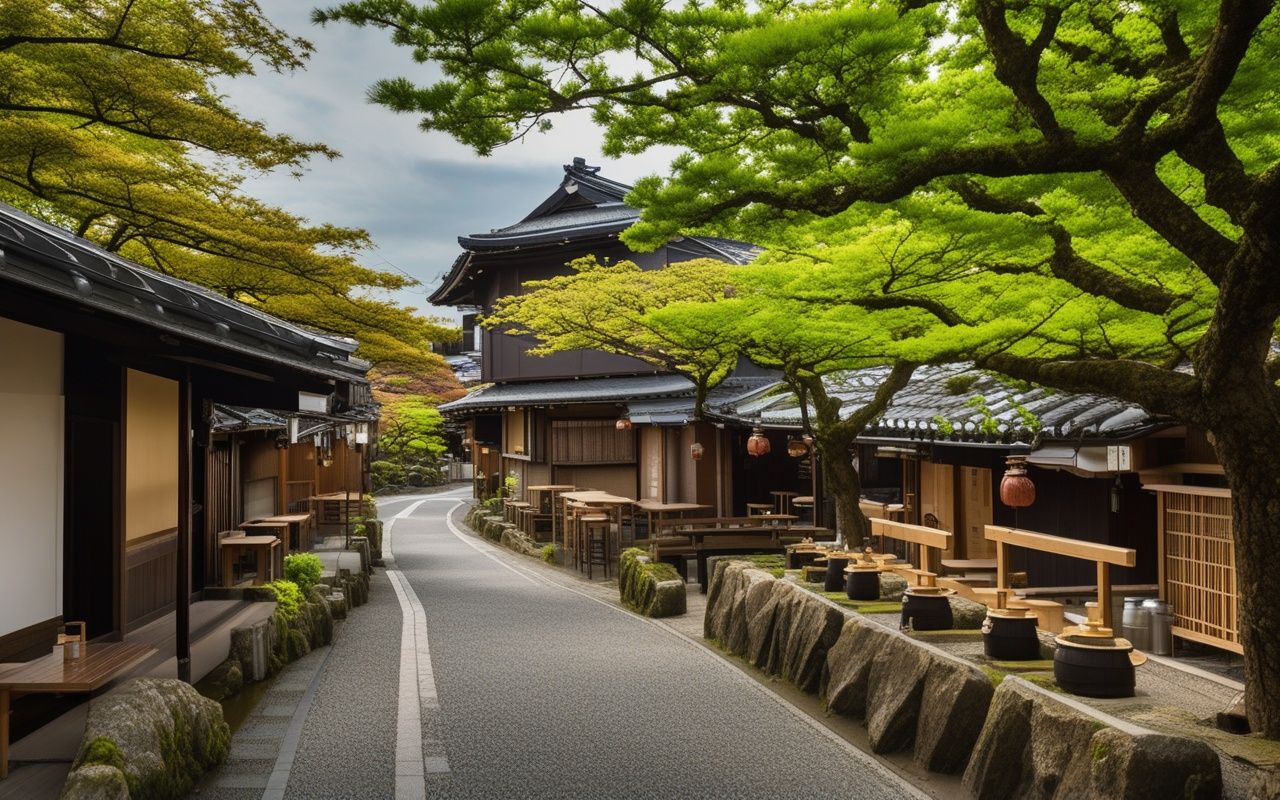
Category: Food & Drink

  • Kanagawa Sake Breweries Guide: Spring-Water Tasting Rooms

    Kanagawa Sake Breweries Guide: Spring-Water Tasting Rooms

    Overview

    When travelers think of Japanese sake, the names that come to mind are Niigata, Kyoto, and Hiroshima. Kanagawa rarely makes the list — and until a few years ago, I did not think of it either. Then a brewer in the Tanzawa foothills explained why the prefecture deserves attention: “We do not have the famous rice. We have something better. We have the water.”

    He was talking about the soft, mineral-light spring water that filters through the Tanzawa mountain range and feeds the western half of Kanagawa. In the world of sake, water is half the story: it drives fermentation, defines mouthfeel, and shapes the clean, gentle character of the finished brew. Kanagawa’s breweries have been drawing on this water for over a century, yet almost none of them appear in the standard English-language sake guides.

    What makes Kanagawa sake distinct is precisely that softness. Where Niigata’s famous “light and dry” style comes from snowy, hard water, Kanagawa’s spring water produces sake that is rounder and more approachable — gentle acidity, subtle sweetness, and a clean finish that pairs easily with food. It is the sake equivalent of a quiet, well-dressed stranger: unassuming at first, genuinely excellent on closer acquaintance.

    This guide covers the prefecture’s breweries worth visiting, how to taste them, transport and etiquette, and how to pair Kanagawa sake with the region’s food.


    🍶 Understanding Kanagawa Sake

    The Water Factor

    Sake is roughly 80% water, and the character of that water shapes the brew more than almost anything else. Kanagawa’s western basin — around Hadano, Atsugi, and Sagamihara — sits on ancient gravel beds that naturally filter rainwater from the Tanzawa range. The result is soft water with low mineral content, which produces a slower, gentler fermentation.

    In practice, this means Kanagawa sake tends to be:

    • Round and smooth — Low minerality means fewer harsh edges.
    • Subtly sweet — The gentle fermentation preserves a soft rice sweetness.
    • Clean-finishing — The aftertaste is short and crisp, which makes it food-friendly.
    • Approachable — Ideal for people new to sake; there is no aggressive alcohol burn.

    The Regions

    1. The Tanzawa Basin (Hadano, Atsugi) — The heartland. Most of the prefecture’s breweries cluster here, drawn by the same spring water. Tasting rooms tend to be small, family-run, and personal.
    2. The Sagamihara Area — Further east, with a few notable kura using water from the Sagami River system.
    3. Yokohama and the Coast — Few breweries, but excellent bars and specialty shops for tasting the prefecture’s output. The Yokohama backstreet gourmet guide covers the city’s sake bars in detail.

    🏭 The Breweries Worth Visiting

    A note on access: most Kanagawa breweries are small operations, and tasting-room hours vary widely. The reliable pattern is that the rooms are open weekends and weekday afternoons, and that advance reservation is appreciated for tours. The following are the prefecture’s most accessible breweries for visitors.

    1. The Hadano-Atsugi Cluster

    This group of breweries forms the core of the prefecture’s sake identity. All sit within 30 minutes of each other by train and taxi, making them easy to combine in a single afternoon. Hadano itself — a town famous for its spring water — is the natural base; see the Hadano and Mount Oyama guide for the full day-trip context.

    • Hadano’s kura — The town’s breweries offer small tasting corners where you can sample three to five varieties for ¥500-1,000. The house styles are dry and clean, with the soft water character coming through clearly. Look for the “Tanzawa” labels, which reference the mountain range.
    • Atsugi’s kura — Just down the Odakyu line, Atsugi’s breweries pair naturally with the town’s Showa-era retro quarter. You can walk from a tasting room to an izakaya serving the same brewery’s sake within minutes; see the Atsugi and Zama car culture guide for the neighborhood context.

    2. Sagamihara and the Sagami River

    The breweries around Sagamihara use water from the Sagami River system, producing a marginally harder style that ages slightly better. These are the least-visited kura in the prefecture, which means you may well get a private tasting. Access is via the JR Sagami Line from Hashimoto.

    3. The Yokohama Tasting Scene

    If you do not want to leave the city, Yokohama’s sake bars and specialty shops offer curated tastings of the prefecture’s output. Two or three bars in the Kannai district carry only Kanagawa-produced sake — an excellent way to compare the region’s styles in one evening. See the Yokohama Kannai area guide for bar recommendations.
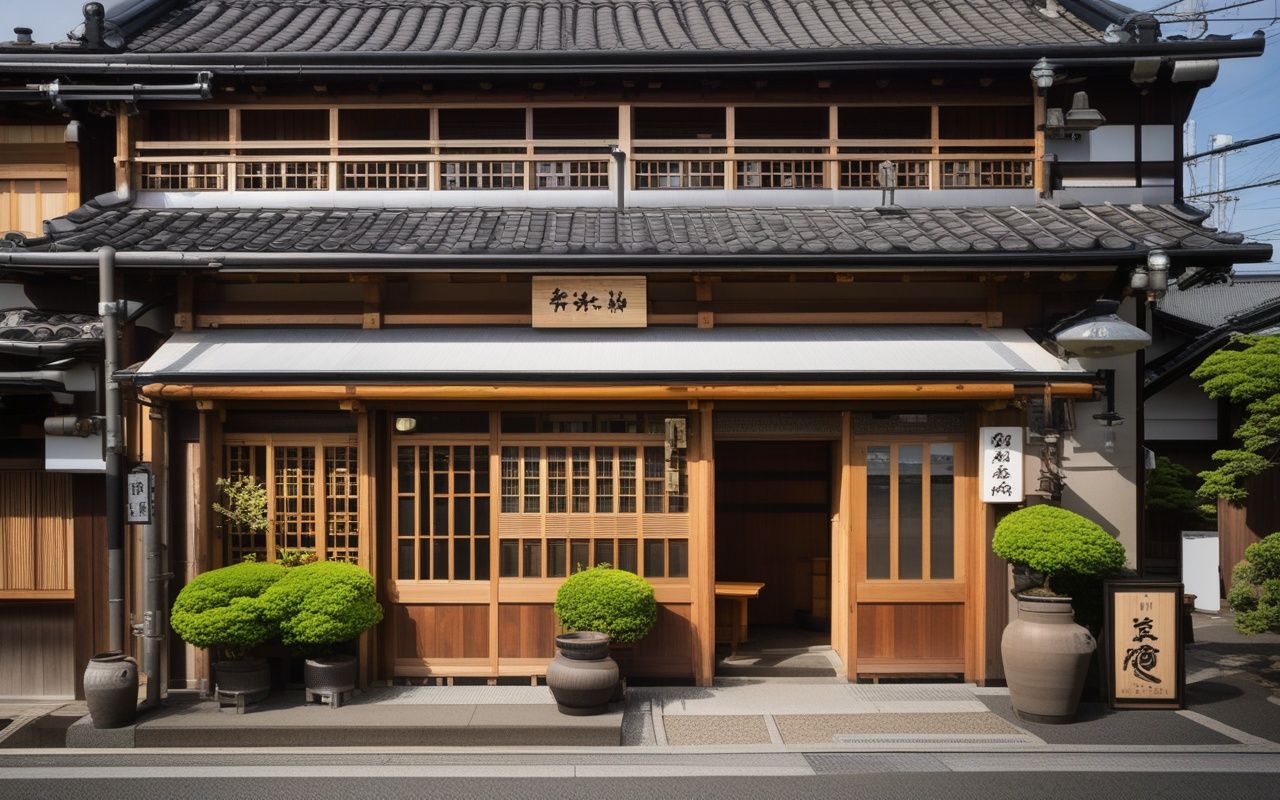
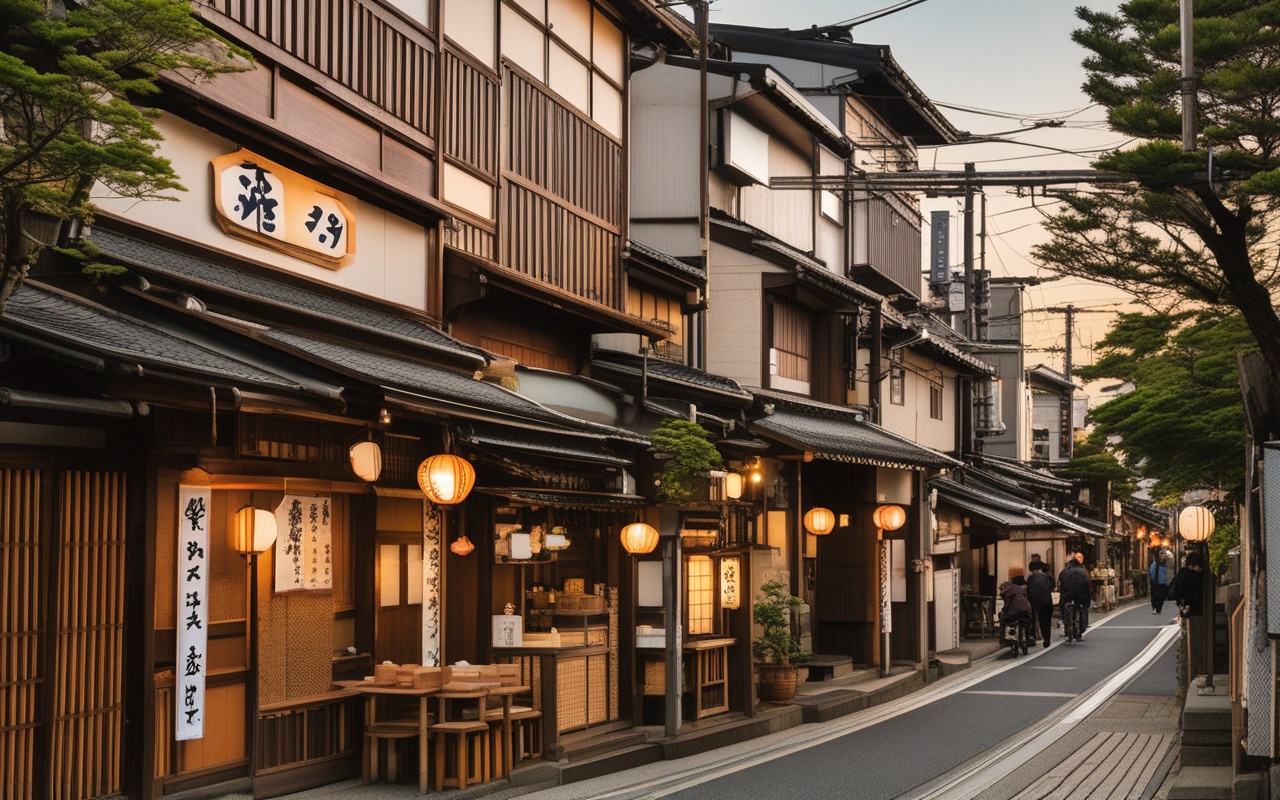
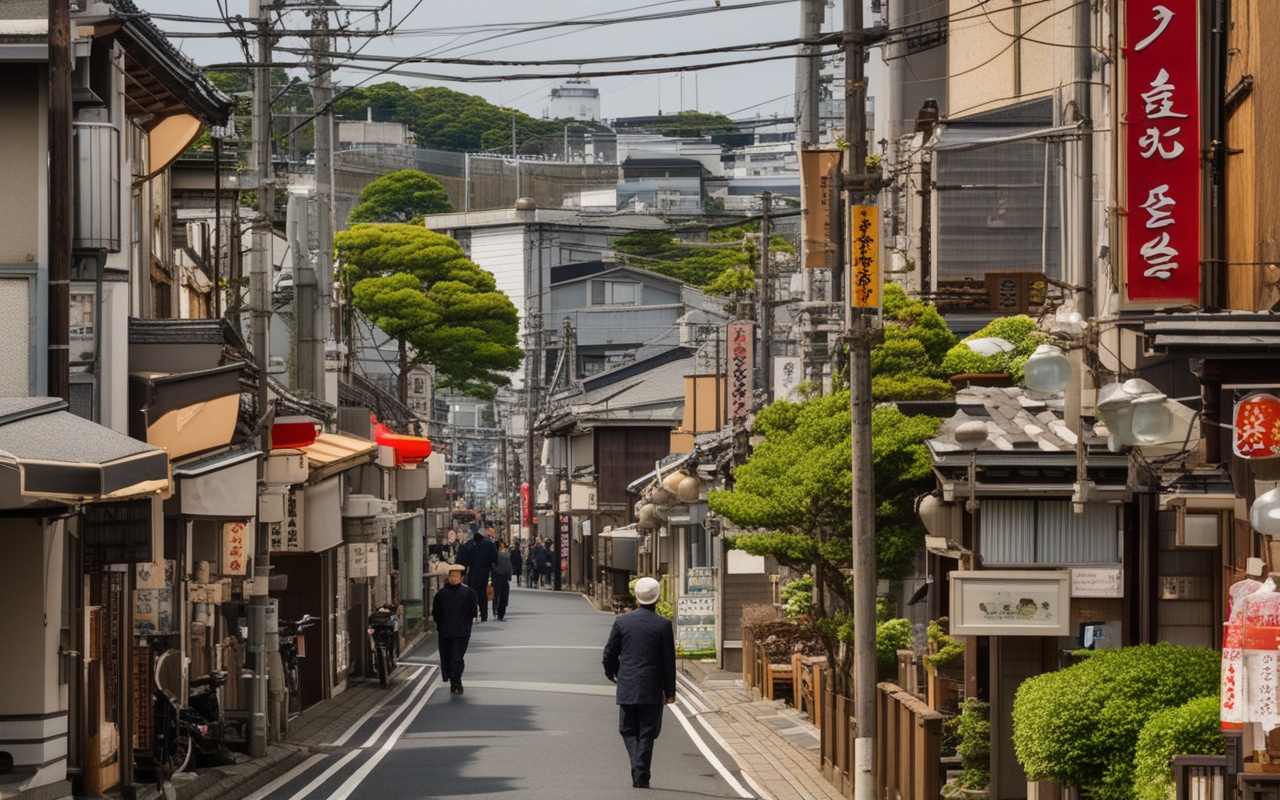
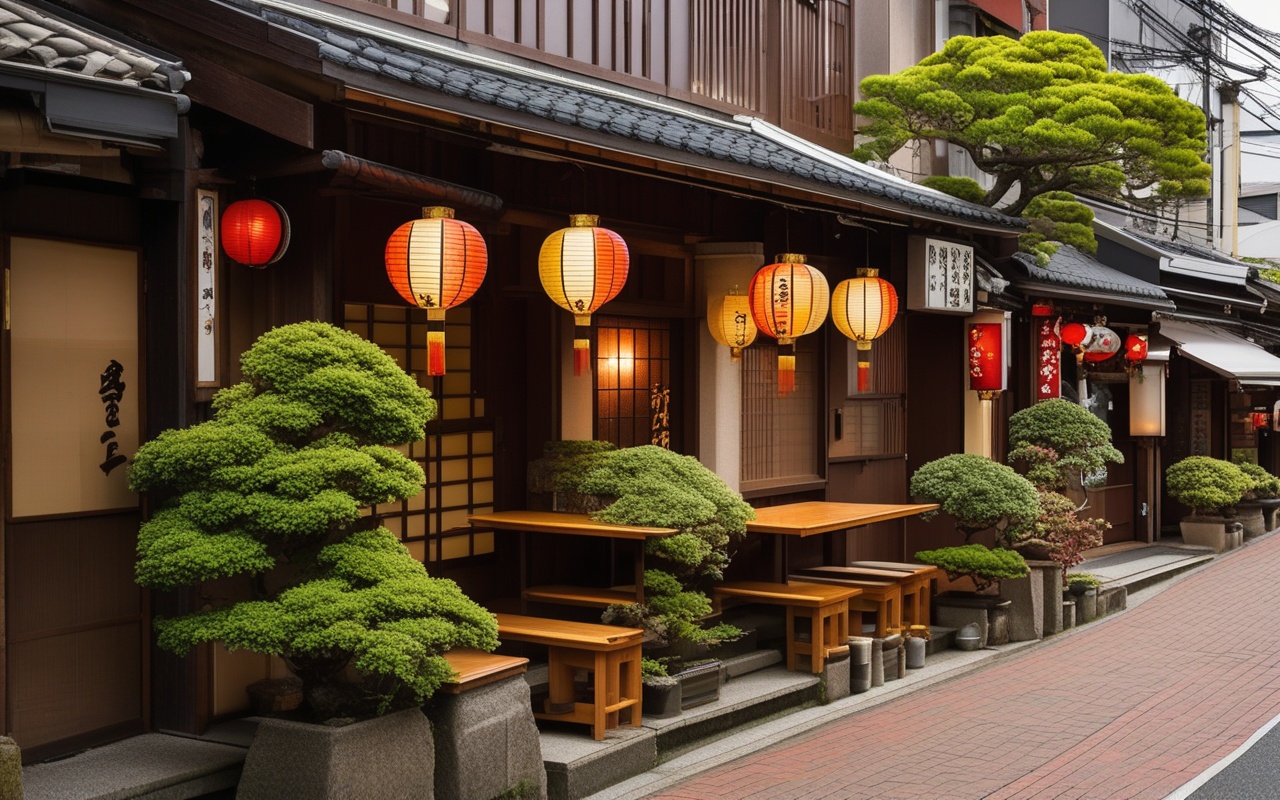
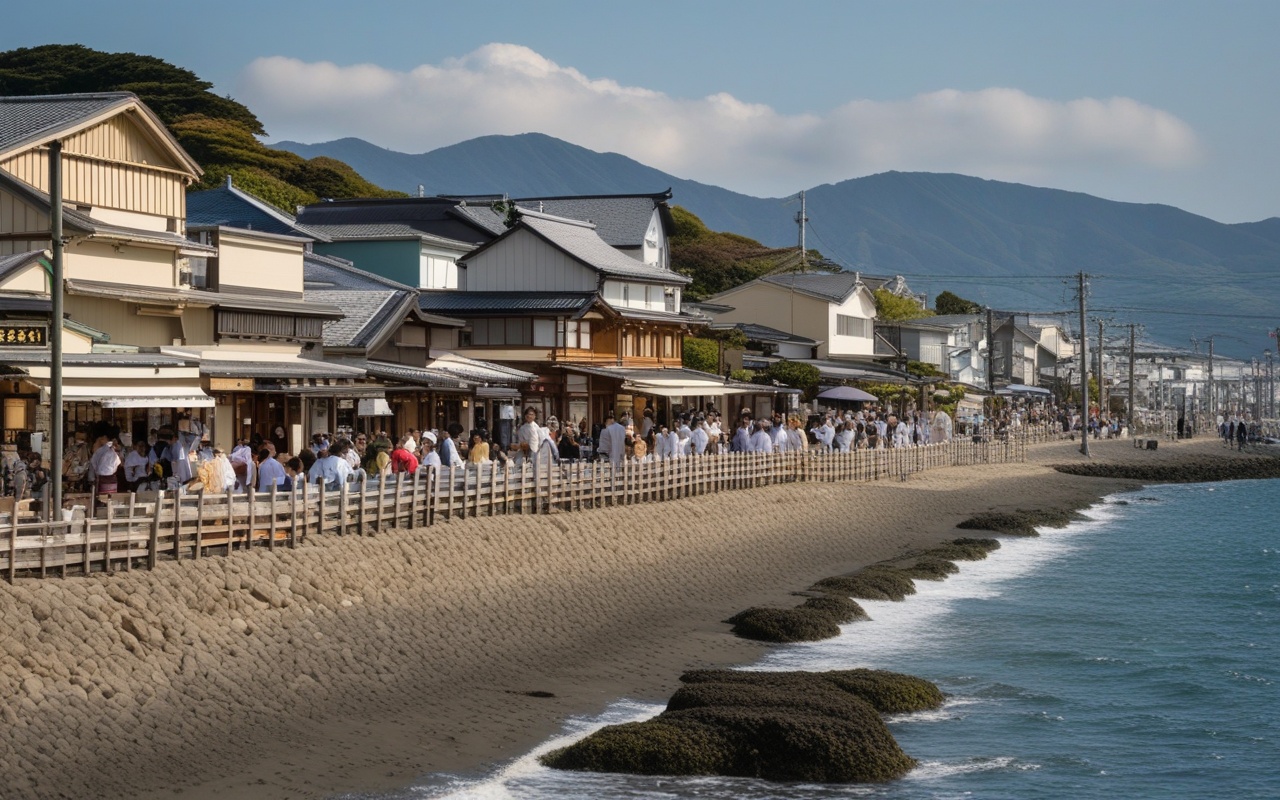
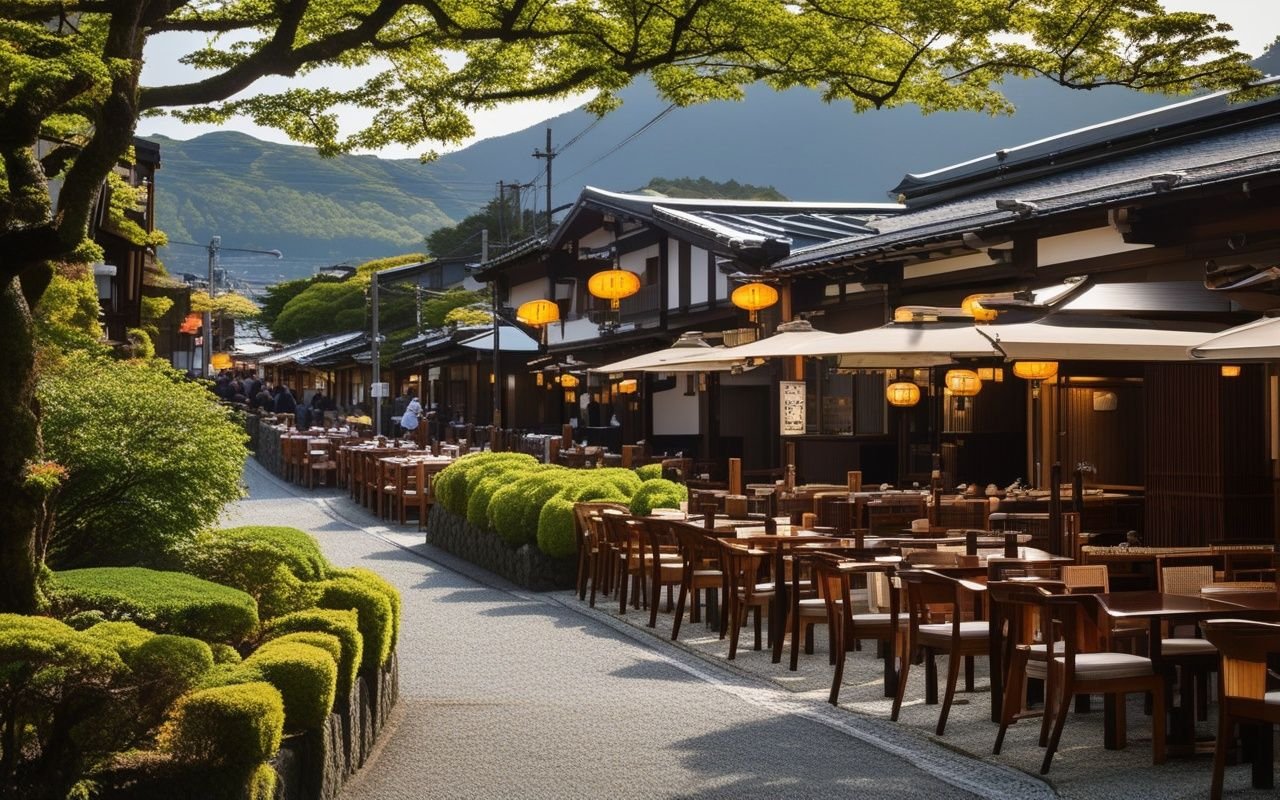
    Kanagawa sake brewery tasting room with Tanzawa water


    🧭 How to Taste Kanagawa Sake

    The Tasting Room Ritual

    Japanese brewery tasting rooms (kikizake corner) follow a simple pattern:

    1. Order a flight — Usually 3-5 small glasses of different sake for ¥500-1,000. You can often specify a theme: “dry,” “sweet,” or “aged.”
    2. Taste in order — Start with the lightest (usually a junmai or honjozo) and move toward the richer, sweeter or aged expressions. Going light-to-rich lets each sake show its character.
    3. Note the water — Ask about the water source. Brewers love talking about it, and it directly explains the style.
    4. Buy a bottle — Most tasting rooms sell bottles at brewery-direct prices, often 20-30% below retail. This is the cheapest way to buy genuine Kanagawa sake.

    Etiquette

    • Tasting rooms are relaxed but respectful spaces. Do not shout; do not bring outside food.
    • The staff will pour for you; do not fill your own glass unless invited.
    • If you buy a bottle, ask about storage — most Kanagawa sake is best drunk within a year.
    • Photos are usually fine in tasting rooms, but ask before photographing the brewing equipment.

    Terms Worth Knowing

    • Junmai — Pure rice sake, no added alcohol. Clean and food-friendly; a good introduction to Kanagawa styles.
    • Honjozo — Rice sake with a small amount of brewer’s alcohol added. Lighter and drier.
    • Ginjo / Daiginjo — Polished-rice premium grades. More fragrant and delicate.
    • Nama — Unpasteurized sake. Lively, fresh, and usually only available in season.

    🍽️ Pairing Kanagawa Sake with Local Food

    Kanagawa sake’s clean, round character makes it exceptionally versatile at the table. The local pairings are especially satisfying:

    1. Shirasu (whitebait) — The light, slightly sweet character of Kanagawa junmai is a classic match for the Shonan coast’s raw whitebait bowls. The sake’s softness does not overwhelm the delicate fish. See the Shonan shirasu guide for where to eat it.
    2. Kamaboko (fish cake) — Odawara’s famous kamaboko pairs beautifully with the prefecture’s drier styles. See the Odawara kamaboko guide for the full story.
    3. Soba — The spring-water soba of Hadano and the Tanzawa foothills is the single best match for Kanagawa sake. Both are clean, subtle, and water-driven — a pairing that tastes like the same landscape in two forms.
    4. Izakaya food — Yakitori, grilled fish, and pickles all take the round, clean finish well. The Kanagawa yakitori guide is a good starting point.

    A Tasting Dinner Suggestion

    For a memorable evening, build a meal entirely around Kanagawa sake: start with nama (unpasteurized) with shirasu, move to a junmai with kamaboko, and finish with an aged style alongside grilled fish. The Yokohama premium dining guide includes sake-pairing menus if you prefer the city setting.
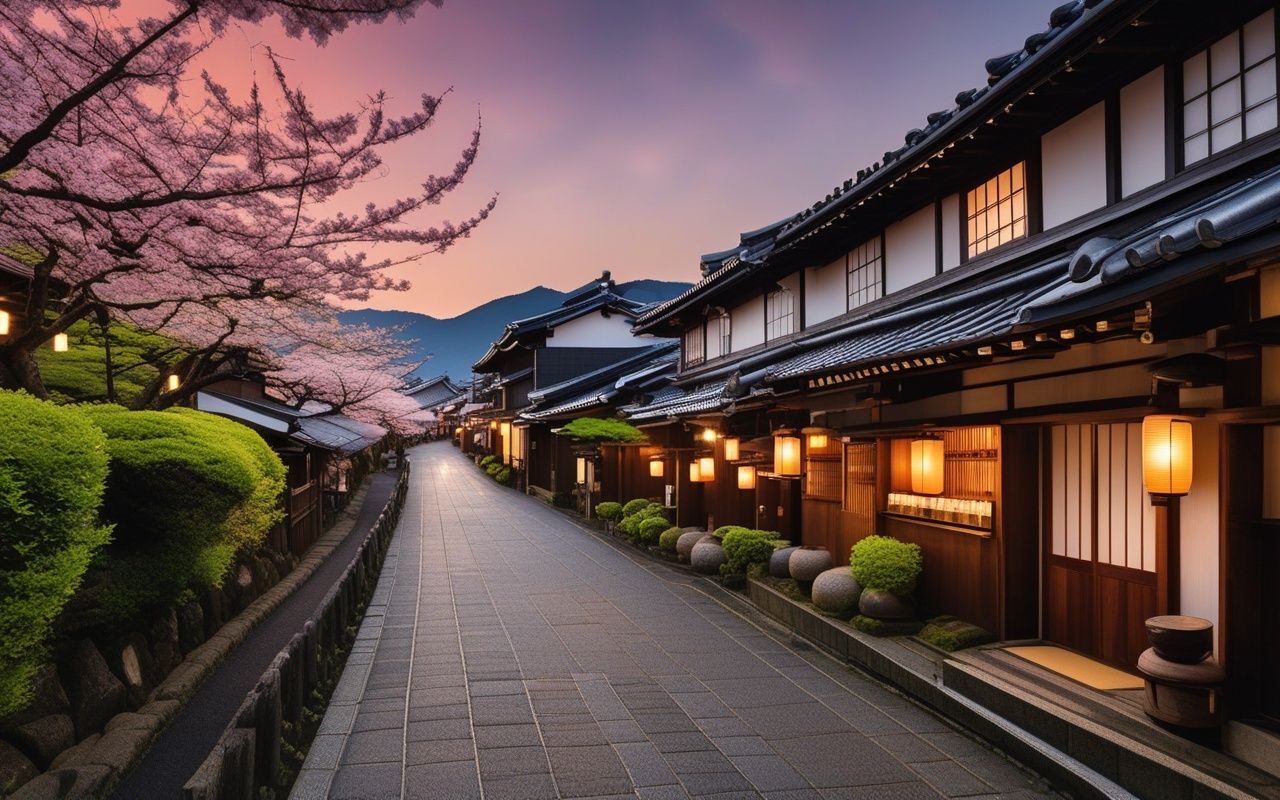
    Kanagawa sake pairing with shirasu and kamaboko


    🗓️ Sample Itinerary: The Sake Day Trip

    Morning (9:00-13:00)

    1. 8:30 — Depart Shinjuku on the Odakyu Limited Express toward Odawara.
    2. 9:40 — Arrive at Hadano Station. Start with a walk through the station’s spring-water display, then a short walk to the first brewery’s tasting room.
    3. 10:30 — Tasting at the first kura: focus on junmai and honjozo to establish the baseline “Kanagawa style.”
    4. 11:30 — Lunch: spring-water soba in the town center.
    5. 12:30 — Walk to Sohara Spring for a water tasting — the same water that makes the sake, drunk raw.

    Afternoon (13:00-18:00)

    1. 13:30 — Train or taxi to the second brewery (in Atsugi, 20 min).
    2. 14:00 — Tasting at the second kura: compare ginjo and nama styles against the morning’s junmai.
    3. 15:30 — Walk the Atsugi Showa retro quarter, stopping for coffee at a kissaten.
    4. 16:30 — Visit a craft brewery for contrast — the Kanagawa craft beer guide covers the regional beer scene.
    5. 17:30 — Izakaya dinner in the retro quarter, pairing the day’s finds with local food.
    6. 19:30 — Return train to Tokyo.

    If You Have More Time

    • Overnight in Hadano — A handful of small inns near the Oyama base offer kaiseki dinners with local sake pairings. Book ahead.
    • Sagamihara extension — Add the Sagami River breweries on a second day, using the JR Sagami Line.
    • Combine with Hakone — Hakone’s ryokan often stock Kanagawa sake; a two-day trip pairing the sake trail with a Hakone ryokan stay is a classic combination.

    📅 Seasonal Notes

    • Winter (Dec-Feb) — The brewing season. Some kura open their fermentation halls for limited viewing, and fresh nama sake appears in January. This is the most atmospheric time to visit.
    • Spring (Mar-May) — The new season’s sake (shiboritate) is released. The tasting rooms are stocked with the freshest product of the year.
    • Summer (Jun-Aug) — Hot and humid; sake is traditionally drunk chilled or on the rocks in summer. Some kura offer “hiyaoroshi” (autumn-release sake) previews late in the season.
    • Autumn (Sep-Nov) — Hiyaoroshi season: the aged, re-released sake is at its peak. This is the best season for tasting depth and character.

    💡 Practical Tips

    1. Reserve for tours — Free-walking tasting is usually fine, but guided brewery tours need advance booking through each kura’s website or phone.
    2. Carry cash — Most small tasting rooms and breweries are cash-only.
    3. Buy at the source — Brewery-direct prices are typically 20-30% below retail, and the selection includes brewery-exclusive bottles you cannot find anywhere else.
    4. Check hours before traveling — Small kura often close for festivals, holidays, and the summer break. Check the website or call ahead.
    5. Do not drink and drive — If you are renting a car, taste only at the first brewery, or arrange a taxi for the full day.
    6. Ask about the water — Every brewer has a water story. Asking is the fastest way to get a genuine, personal explanation of what makes Kanagawa sake different.

    Conclusion

    Kanagawa sake is the prefecture’s best-kept secret: a dozen small breweries drawing on the same soft Tanzawa spring water that makes the region’s soba and tofu so clean. It is not the sake you will find in Tokyo’s tourist shops, and that is precisely why it is worth the trip. Spend an afternoon tasting the difference water makes, buy a bottle or two at brewery-direct prices, and you will understand why the brewers say the mountain is the real ingredient.

    FAQ

    Q: Is Kanagawa really a sake-producing prefecture?
    A: Yes. The prefecture has over 20 active breweries, concentrated in the western basin where the Tanzawa spring water flows. It is not as famous as Niigata, but the quality is comparable and the character is distinct.

    Q: Do I need a reservation to visit the breweries?
    A: For the tasting corners, generally no — walk-ins are welcome during opening hours. For guided tours of the brewing facilities, advance reservation is required and appreciated.

    Q: What makes Kanagawa sake different from Niigata sake?
    A: The water. Kanagawa’s soft spring water produces a rounder, smoother, more approachable sake, whereas Niigata’s hard snow-melt water yields the famous sharp, dry style. Kanagawa sake is arguably more food-friendly and easier for beginners.

    Q: Can I buy Kanagawa sake outside the prefecture?
    A: Some labels are distributed nationally, but the best selection is at the breweries themselves. If you cannot visit, the sake specialty shops in Yokohama’s Kannai district carry the widest selection of prefecture-produced sake.
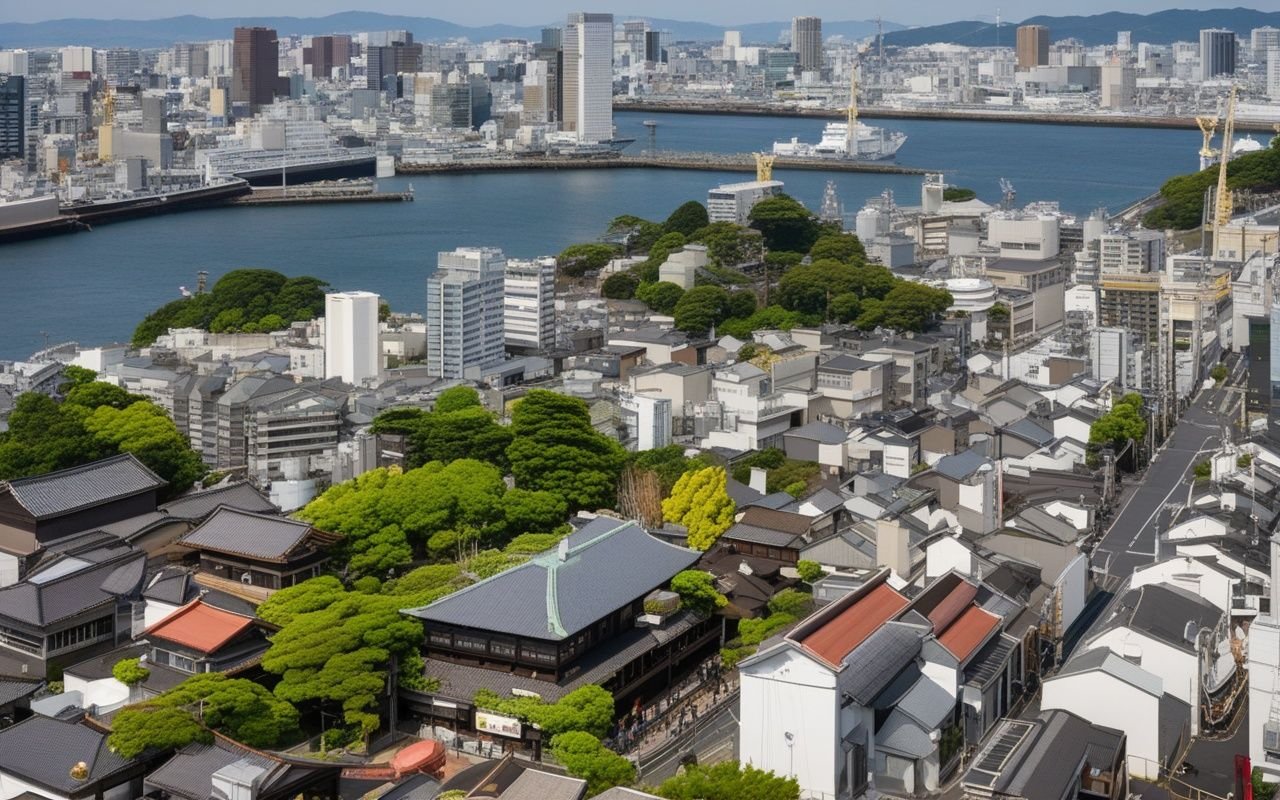
  • Kanagawa Craft Beer Guide 2026 — Best Breweries & Taprooms

    Kanagawa Craft Beer Guide 2026 — Best Breweries & Taprooms

    Kanagawa Prefecture is a paradise for food lovers, offering everything from fresh seafood to traditional Japanese cuisine. This guide introduces the best dining experiences across the region.

    Kanagawa Craft Beer Guide 2026 — 15 Best Breweries & Taprooms

    Overview

    Discover the best food and drink experiences that Kanagawa Craft Beer Guide 2026 — 15 Best Breweries & Taprooms has to offer. From hidden local gems to popular dining destinations, this guide takes you through the culinary landscape of Kanagawa in Kanagawa Prefecture. Whether you are a first-time visitor or a returning food enthusiast, you will find something to satisfy your cravings.

    Yokohama — The Craft Beer Capital of Kanagawa

    1. Yokohama Beer (Minato Mirai)

    One of Kanagawa’s most established craft breweries, located in the Minato Mirai waterfront area.

    Detail Information
    Location Minato Mirai (5 min from MM Station)
    Taproom hours 11:00-22:00 (daily)
    Signature beer Yokohama Lager (crisp, clean, easy drinking)
    Food German-style sausages, pretzels, beer-braised chicken
    Tours By reservation (¥1,500, includes tasting)

    Try: The Seasonal IPA series — changes every 2-3 months with local ingredients like citrus from Shonan.

    2. Thrash Zone Brewing (Kannai)

    A heavy metal-themed craft brewery in the Kannai district, known for bold, hop-forward beers.

    Detail Information
    Location Kannai (3 min from Kannai Station)
    Taproom hours 15:00-23:00 (closed Mondays)
    Signature beer Mosh Pit IPA (7.5% ABV, intense citrus)
    Food Pizza, wings, loaded fries
    Vibe Loud music, metal decor, lively atmosphere

    Try: The Riff Raff Pale Ale — more approachable than the IPA, with balanced citrus and pine notes.

    3. Base Brewing (Yokohama Station)

    A small, experimental brewery focused on small-batch, limited-release beers.

    Detail Information
    Location Near Yokohama Station (west exit)
    Taproom hours 16:00-23:00 (weekdays), 12:00-23:00 (weekends)
    Signature beer YK Sour (sour ale with local fruit)
    Food Light snacks only (cheese plates, nuts)
    Vibe Quiet, intimate, conversational

    Tip: Follow their Instagram for limited-release announcements — their IPAs often sell out within hours.

    4. Kamakura Brewing (Yokohama Taproom)

    While the brewery is in Kamakura, the Yokohama taproom near Ishikawacho Station is more accessible.

    Detail Information
    Location Ishikawacho (5 min walk)
    Taproom hours 14:00-22:00 (weekdays), 12:00-22:00 (weekends)
    Signature beer Shonan Gold Ale (golden ale, citrus notes)
    Food Kamakura-vegetable pizza

    5. Yokohama Beer Honmoku Brewery

    The original brewery of Yokohama Beer, located in the Honmoku area. Offers brewery tours and a larger taproom than the Minato Mirai location. 📖 Related: Yokohama Backstreet Gourmet · Yokohama Night View Guide


    Kamakura & Shonan — Surfside Brewing

    6. Kamakura Brewing (Main Brewery)

    Kamakura’s original craft brewery, with a taproom near Kamakura Station.

    Detail Information
    Location Kamakura Station area (10 min walk east exit)
    Taproom hours 12:00-21:00 (closed Wednesdays)
    Signature beer Kamakura IPA (6.2% ABV, pine and grapefruit)
    Food Curry, Kamakura-yasai (local vegetable) sides
    Best for A post-sightseeing beer after temples

    Try: The seasonal Yuzu Wheat Ale — made with real yuzu from Kanagawa farms.

    7. Shonan Beer (Fujisawa)

    A craft brewery established in 1996 — one of Japan’s craft beer pioneers.

    Detail Information
    Location Fujisawa (15 min walk from Fujisawa Station)
    Taproom hours 11:30-21:00
    Signature beer Shonan Gold (golden ale, 5.0% ABV, crisp finish)
    Bottle shop Yes — buy 6-packs to go
    Food Beer-braised pork, edamame, fish and chips

    8. Enoshima Beer (Enoshima)

    A small brewery on Enoshima Island, offering beer with an ocean view.

    Detail Information
    Location Enoshima (near the Sea Candle)
    Taproom hours 11:00-18:00 (seasonal, check ahead)
    Signature beer Enoshima White Ale (witbier, 4.5% ABV, refreshing)
    Best for Sunset beer with ocean view

    📖 Related: Shonan Craft Brewery Tour · Shonan Enoshima Sunset Guide


    Hakone — Mountain Brews

    9. Hakone Beer (Gora)

    Hakone’s only dedicated craft brewery, located in the Gora area.

    Detail Information
    Location Gora (5 min walk from Gora Station)
    Taproom hours 11:00-19:00 (closed Thursdays)
    Signature beer Hakone Mt. View Ale (amber ale, 5.5% ABV)
    Food Sausages, cheese plate, onsen tamago snack
    Vibe Mountain lodge cozy, fireplace in winter

    Try: The Owakudani Smoked Porter — a dark beer with a subtle smoky character, inspired by the volcanic valley.

    10. Odawara Beer (Odawara)

    A small brewery near Odawara Station, producing beer with Hakone spring water.

    Detail Information
    Location Odawara Station area
    Taproom hours 12:00-20:00 (closed Tuesdays)
    Signature beer Odawara Castle Ale (copper-colored, malty)

    📖 Related: Hakone Area Guide · Odawara Day Trip Guide


    Miura Peninsula

    11. Misaki Beer (Misaki Port)

    A tiny taproom in Misaki Port serving beer brewed in Yokohama with local Misaki flavors.

    Detail Information
    Location Misaki Port (near the morning market)
    Taproom hours 11:00-17:00 (weekends only)
    Signature beer Maguro Stout (dark, roasted coffee notes)

    12. Miura Coast Brewing (Miura)

    A new(er) nano-brewery using local Miura vegetables and fruits in seasonal beers.

    Detail Information
    Location Miura (bus from Misakiguchi Station)
    Taproom hours Irregular (check Instagram)
    Specialty Strawberry Sour (January-May, made with Miura strawberries)

    📖 Related: Miura Peninsula Tuna Complete Guide · Misaki Port Food Guide


    Brewery Map by Area

    Yokohama (5 breweries) ← Best for variety and accessibility
      ├── Yokohama Beer (Minato Mirai)
      ├── Thrash Zone Brewing (Kannai)
      ├── Base Brewing (Yokohama Station)
      ├── Kamakura Brewing (Ishikawacho taproom)
      └── Yokohama Beer Honmoku (Honmoku)
    
    Kamakura & Shonan (3 breweries) ← Best for surfside vibes
      ├── Kamakura Brewing (Kamakura)
      ├── Shonan Beer (Fujisawa)
      └── Enoshima Beer (Enoshima) Hakone & Odawara (2 breweries) ← Best for mountain atmosphere
      ├── Hakone Beer (Gora)
      └── Odawara Beer (Odawara) Miura Peninsula (2 breweries) ← Best for off-the-beaten-path
      ├── Misaki Beer (Misaki Port)
      └── Miura Coast Brewing (Miura)

    Craft Beer Tips for Kanagawa

    Best Times to Visit Taprooms

    Time Experience
    Weekday afternoons Quiet, relaxed, staff have time to chat
    Friday evenings Lively but not crowded — the sweet spot
    Weekend afternoons Busy at popular places (Thrash Zone, Kamakura Brewing)
    Sundays Many taprooms close early or entirely

    Beer Festival Calendar

    Event Location Month Details
    Yokohama Craft Beer Festival Minato Mirai April, October 30+ breweries, ¥3,000 entry with tasting glass
    Shonan Beer Festival Fujisawa August Coastal setting, 20+ breweries
    Kamakura Beer Walk Kamakura June Walking tour visiting 10+ venues

    Beer and Food Pairings

    Brewery Food Pairing Restaurant
    Yokohama Beer Sausages On-site taproom
    Thrash Zone Pizza On-site taproom
    Kamakura Brewing Kamakura-yasai curry On-site
    Shonan Beer Fish and chips On-site
    Enoshima Beer Octopus crackers (takeaway) Street stalls near taproom

    Quick Tips:

    • Plan ahead — check opening hours and reserve where possible
    • Carry cash — not all places accept credit cards
    • Arrive early — the best experiences start before the crowds

    Dos and Don’ts

    Do say itadakimasu before eating and gochisosama after finishing. Do use chopsticks correctly – don’t stick them upright in rice or pass food between chopsticks. Do try the local specialty dishes at each destination. Don’t pour soy sauce directly on rice – use the small dish provided. Don’t waste food – order what you can finish. Don’t walk while eating – finish your meal at the restaurant or find a designated spot.

    Conclusion

    Whether you are planning exploring Kanagawa for its craft for the first time or returning for another visit, taking a little extra time to go beyond the obvious sights makes all the difference. During my visit I went with a rough plan and found that leaving room to wander made the trip far more memorable. I hope this guide helps you build an itinerary that fits your pace, and that your time in Kanagawa leaves you with memories worth coming back for.

  • Where to Eat Dinner in Hakone: Restaurant Guide 2026

    Where to Eat Dinner in Hakone: Restaurant Guide 2026

    Kanagawa Prefecture is a paradise for food lovers, offering everything from fresh seafood to traditional Japanese cuisine. This guide introduces the best dining experiences across the region.

    Overview

    Discover the best food and drink experiences that Where to Eat Dinner in Hakone: Restaurant Guide has to offer. From hidden local gems to popular dining destinations, this guide takes you through the culinary landscape of Where in Kanagawa Prefecture. Whether you are a first-time visitor or a returning food enthusiast, you will find something to satisfy your cravings.

    Access

    Hakone is well connected to Tokyo, with trains and buses running throughout the day. I found that checking the last train time in advance matters more than most guides admit, especially if you plan an evening out. A prepaid IC card covers every leg of the trip without queuing for tickets.

    🗺️ Key Points

    • Most restaurants close early — many stop serving by 18:00-20:00
    • Ryokan half-board is the safest option — kaiseki dinner included with your stay
    • Reservations are essential — walk-in dinner is unreliable in Hakone
    • Best dinner areas: Hakone-Yumoto (most options), Gora (mid-range to upscale), Lake Ashi (limited)
    • Backup plan: Convenience stores (konbini) — surprisingly good but last resort

    During our multiple stays at Hakone ryokan, we learned that booking half-board is the single most important decision you can make for a stress-free evening. The first time we arrived without dinner reservations, we spent an hour walking through empty streets before finding a convenience store meal. This guide compiles everything we’ve learned since.


    Understanding Hakone’s Dining Landscape

    I’ve visited Hakone four times over the past two years, and each trip taught me something new about the town’s dining culture. The first time, I arrived without a dinner plan and spent an hour walking through empty streets near Lake Ashi before settling for convenience store food. On my second visit, I booked a kaiseki dinner at my ryokan — it was the best dining decision I made in Japan.

    Since then, I’ve explored independent restaurants across Hakone-Yumoto, Gora, and the lake area. I’ve learned that preparation is everything here. Hakone is fundamentally different from Tokyo or Yokohama when it comes to evening dining. The town caters primarily to ryokan guests who eat dinner at their accommodation. This means:

    • Independent restaurants are few and often close early (18:00-20:00)
    • Walk-in dinner is unreliable — especially outside Hakone-Yumoto
    • Reservations are not recommended — they are essential
    • Late-night dining (after 20:00) is extremely limited

    Golden rule: If you haven’t arranged dinner by 16:00, you may struggle to find a seat anywhere. Plan your evening meal before you arrive in Hakone.

    💬 Traveler’s Note: I visited Hakone-Yumoto in late autumn and tried the kaiseki dinner at Tenzan Onsen — the seasonal matsutake course alone justified the trip. I recommend booking half-board with your ryokan so dinner plans are settled before you arrive.


    Option 1: Ryokan Half-Board (The Best Choice)

    Most traditional ryokan in Hakone offer a half-board plan (one night with two meals / ichiya-nishoku). This is the standard and recommended way to experience Hakone:

    What You Get

    • Kaiseki dinner: Multi-course Japanese haute cuisine featuring seasonal, local ingredients
    • Breakfast: Traditional Japanese breakfast or Western option
    • Private dining: Usually served in your room or a private dining space
    • Dietary accommodations: Can be arranged if booked in advance

    Price Range

    Type Price per person (incl, dinner + breakfast)
    Budget ryokan ¥15,000-25,000
    Mid-range ryokan ¥25,000-40,000
    Luxury ryokan ¥40,000-80,000+

    Recommended Ryokan with Excellent Dinner

    Ryokan Area Dinner Style Price (per person)
    Gora Kadan Gora Kaiseki (former imperial villa) ¥50,000+
    Hakone Gora Hananoki Gora Modern kaiseki ¥35,000-50,000
    Tenzan Onsen Hakone-Yumoto Traditional kaiseki ¥20,000-35,000
    Hakone Yuryo Hakone-Yumoto Seasonal kaiseki ¥25,000-40,000
    The Prince Hakone Lake Ashi Lake Ashi Japanese/Western buffet ¥25,000-40,000

    Pro tip: When booking, select a plan that includes dinner. The “room only” rate may seem cheaper, but finding an independent dinner can be stressful and may end up costing more.


    Option 2: Independent Restaurants (Reservation Required)

    If you’re staying at a hotel without dinner included or visiting as a day-tripper staying late, here are the best options:

    Hakone-Yumoto Area (Most Choices)

    Restaurant Cuisine Price (dinner) Reservation Notes
    Itoh Dining by NOBU Teppanyaki/Creative Japanese ¥8,000-15,000 Essential High-end, Gora area
    GORA BREWERY & GRILL Grill/Craft Beer ¥4,000-7,000 Recommended Casual upscale, walk-in possible
    Tamura Ginkatsutei Tonkatsu/Tofu ¥2,000-3,500 Essential Famous for Tofu Katsuni, long queues
    Hatsuzushi Sushi ¥5,000-10,000 Essential Traditional Edomae sushi
    Kikka-so Inn Kaiseki/Japanese ¥6,000-12,000 Essential Historic building, refined atmosphere

    Option 3: Casual & Budget Dining

    Lunch-Extended-to-Dinner Strategy

    Many Hakone restaurants serve lunch 11:00-15:00 and dinner 17:00-20:00. The sweet spot is arriving at 17:00-17:30 when dinner service begins:

    • Hakone Soba shops: ¥1,000-2,000 (usually close by 18:00)
    • Udon shops: ¥800-1,500 (limited dinner hours)
    • Curry shops: ¥1,000-1,500 (rare in Hakone, check hours)

    Convenience Stores (Backup Plan)

    Store Location Hours What to Get
    7-Eleven Hakone-Yumoto Station area 24h Bento boxes, onigiri, salads, snacks
    FamilyMart Near Gora Station 24h Hot snacks, sandwiches, drinks
    Lawson Various locations 24h Decent meal options, desserts

    Konbini food in Japan is surprisingly high quality — think ¥500-800 for a complete meal. But it should be your emergency backup, not your primary plan.


    Reservation Guide

    How to Reserve

    Method Best For Notes
    Hotel concierge Ryokan dinner, upscale restaurants Most reliable — ask at check-in or email before arrival
    Tabelog (tabelog.com) Independent restaurants English interface, online booking available for some
    Google Maps Quick checks Call button + hours info
    Phone call Last-minute reservations Many restaurants only accept phone reservations

    When to Reserve

    Type When
    Ryokan half-board At time of booking
    Fine dining (¥8,000+) 1-2 weeks in advance
    Mid-range restaurants 2-3 days in advance
    Casual restaurants Same day (by 14:00)

    Sample Reservation Phrases (English)

    Most upscale restaurants in Hakone now have English-speaking staff or are accustomed to international guests. Use these on booking websites:

    “I would like to reserve dinner for 2 people on [date] at [time]. Any dietary restrictions: [none/vegetarian/gluten-free].”


    Dietary Restriction Guide

    Hakone is less flexible than Tokyo for dietary restrictions. Quick Tips for Dietary Needs:

    • Vegetarian: Request shojin ryori (Buddhist vegetarian) when booking your ryokan
    • Vegan: Contact restaurants 1+ week in advance; konbini food is a reliable backup
    • Gluten-free: Soba is 80-100% buckwheat; bring a gluten-free communication card
    • Halal: Limited options — check our Kanagawa Vegetarian Guide
    • Food allergies: Use a Japanese allergy card (printable here)

    Pro tip: Email your ryokan at least 1 week before arrival if you have dietary restrictions. Most can accommodate with notice — they cannot adjust kaiseki menus on the spot.


    Sample Evening Plans

    Plan A: Ryokan Half-Board (Hassle-Free)

    Time Activity
    15:00 Check in, relax in yukata
    16:00 Onsen before dinner
    18:00 Kaiseki dinner in-room or private dining room
    20:00 Evening onsen or lounge
    22:00 Sleep in tatami room

    Plan B: Independent Dining (Reservations Made)

    Time Activity
    17:00 Arrive at Hakone-Yumoto
    17:30 Evening onsen (Tenzan Onsen ¥1,300)
    19:00 Dinner at Itoh Dining by NOBU (pre-booked)
    21:00 Return to Hakone-Yumoto Station
    21:30 Last train back to Tokyo

    Plan C: Budget Stay (Self-Catered)

    Time Activity
    16:00 Check into guesthouse
    17:00 Convenience store run — buy dinner supplies
    18:00 Enjoy picnic dinner at hotel lounge or nearby park (summer only)
    19:00 Explore Hakone-Yumoto evening atmosphere

    Seasonal Dinner Highlights

    Season Specialty Dish Where to Try
    Spring (Mar-May) Bamboo shoots, cherry blossom-themed kaiseki Ryokan half-board
    Summer (Jun-Aug) Cold soba, freshwater fish (ayu), eel (unagi) Sobadokoro Hatsukari
    Autumn (Sep-Nov) Matsutake mushrooms, sanma (Pacific saury), new sake Ryokan kaiseki
    Winter (Dec-Feb) Hot pot (nabe), oden, crab specialties Ryokan dinner, Tenzan Onsen

    How to Get There

    Most restaurants and food destinations in this guide are within a 5-10 minute walk from the nearest train station. Use Google Maps for precise navigation. For popular restaurants, arrive 15 minutes before opening time to avoid long waits during peak hours. Reservations are recommended for dinner service.

    What to Expect

    Dining in Kanagawa offers incredible variety, from Michelin-starred restaurants to humble street food stalls. Most restaurants display plastic food samples in their windows, making ordering easy even without Japanese language skills. Lunch sets offer excellent value, typically ¥1,000-1,500 for a complete meal with sides. Dinner can be significantly more expensive. Vegetarian and vegan options exist but can be limited – look for shojin ryori (Buddhist cuisine) restaurants near temples. Reservations are essential for popular dinner spots.

    Nearby Recommendations

    Many dining areas in Kanagawa are clustered together, allowing for a progressive dining experience. After your meal, explore nearby dessert shops, tea houses, or bars. Some food markets are located near cultural attractions, making it easy to combine sightseeing with culinary exploration. Check local food blogs for the latest openings and seasonal specialties in the area.

    Local Tips

    Food enthusiasts recommend visiting restaurants during off-peak hours (2:00-5:00 PM) for a more relaxed dining experience. Some restaurants have secret menu items not listed in English – using Google Translate to read the Japanese menu can reveal hidden gems. Seasonal specialties are worth prioritizing, as they feature ingredients at their peak flavor. Local food festivals offer an excellent introduction to the area’s culinary traditions.n

    Conclusion

    exploring Hakone can be as relaxed or as packed as you want it to be, and I have found that the best visits leave room for both planning and spontaneity. During my visit to Hakone I went with a rough plan and found that leaving room to wander made the trip far more memorable. Use this guide to sort out the logistics in advance, then let the day surprise you — Kanagawa rewards travelers who stay curious.

  • Kanagawa Food Allergy Guide — Eating Safely with Allergies

    Kanagawa Food Allergy Guide — Eating Safely with Allergies

    Kanagawa Prefecture is a paradise for food lovers, offering everything from fresh seafood to traditional Japanese cuisine. This guide introduces the best dining experiences across the region.

    Food Allergies in Kanagawa — How to Eat Safely (Gluten, Dairy, Nuts)

    Overview

    Discover the best food and drink experiences that Food Allergies in Kanagawa — How to Eat Safely (Gluten, Dairy, Nuts) has to offer. From hidden local gems to popular dining destinations, this guide takes you through the culinary landscape of Food in Kanagawa Prefecture. Whether you are a first-time visitor or a returning food enthusiast, you will find something to satisfy your cravings.

    Understanding Common Allergens in Japanese Food

    The Top 5 Hidden Allergens

    Allergen Found In Japanese Label
    Soy (wheat-based) Standard soy sauce (shoyu) contains wheat 小麦 (komugi)
    Fish/Bonito Dashi (stock) in miso soup, noodle broth, simmered dishes 魚 (sakana) / かつお (katsuo)
    Egg Tamago (egg dishes), mayonnaise, some sauces 卵 (tamago)
    Dairy Coffee drinks, western-style desserts, some curry roux 乳 (nyu) / 乳製品 (nyu-seihin)
    Peanuts/Tree nuts Some curry roux, cookies, chocolate snacks 落花生 (rakkasei) / ナッツ (nattsu)

    Japanese Allergen Labeling System

    Japan has a mandatory labeling system for 7 specified allergens (shown on all packaged foods):

    Icon English Japanese Common in
    🥚 Egg Tamago, desserts, ramen
    🥛 Milk Coffee, western food
    🌾 Wheat 小麦 Soy sauce, noodles
    🥜 Peanut 落花生 Curry, snacks
    🦐 Shrimp えび Tempura, fried rice
    🦀 Crab かに Soup, salad
    🌰 Buckwheat そば Soba noodles

    Printable Allergy Cards (Save to Your Phone)

    Show these cards to restaurant staff before ordering:

    Gluten-Free Card (Japanese)

    I have a wheat/gluten allergy. Please help me avoid wheat.
    小麦アレルギーがあります。小麦を含む食品を避けてください。
    
    I CANNOT eat:
    - Bread, pasta, noodles (udon, ramen — these contain wheat)
    - Soy sauce (shoyu contains wheat — please use salt or tamari)
    - Tempura batter (contains wheat flour)
    
    I CAN eat:
    - Rice (gohan), rice noodles
    - Soba (buckwheat noodles — only if 100% buckwheat)
    - Sashimi (raw fish, no soy sauce)
    - Salt-grilled fish or meat
    
    Does this dish contain wheat? この料理に小麦は入っていますか?

    Dairy-Free Card (Japanese)

    I have a dairy allergy (milk, cheese, butter). Please help.
    乳製品アレルギーがあります。乳製品を避けてください。
    
    I CANNOT eat:
    - Milk, cheese, butter, cream
    - Ice cream, yogurt, lattes (made with milk) I CAN eat:
    - Japanese dishes (most traditional dishes are dairy-free)
    - Coffee with soy milk / oat milk (豆乳 / オーツミルク)
    - Fruit and green tea desserts
    
    Does this dish contain dairy? この料理に乳製品は入っていますか?

    Multi-Allergy Card (Japanese)

    I have food allergies. Please help me.
    食物アレルギーがあります。ご協力をお願いします。
    
    I am allergic to:
    - [Write your allergens here: 小麦/卵/乳製品/ナッツ/そば/魚]
    
    Please remove these ingredients from my food.
    これらの食材を取り除いてください。
    
    Is it safe for me to eat this? これは安全に食べられますか?

    Food Allergy Smartphone Lock Screen Template

    Save this text to your phone’s lock screen or notes app for quick access:

    ⚠️ ALLERGY ALERT ⚠️
    アレルギー注意
    
    I am allergic to: _________________
    アレルギー: _________________ Please check ingredients carefully.
    食材をよく確認してください。 Emergency: Call 119 (English OK)
    症状が出たら: 119番

    Interactive Allergy Check Flowchart

    Use this decision flowchart when entering any restaurant:

    Step 1: Show allergy card to staff before ordering
        |
        ├── Staff understands → Step 3
        └── Staff confused → Step 2
            |
    Step 2: Pull up Google Translate camera
        ├── Show kanji for your allergen
        └── Wait patiently for staff to check with kitchen
            |
    Step 3: Staff checks with kitchen
        ├── "Safe" → Order and confirm: "No [allergen]?"
        │             ├── Staff confirms → ✅ Safe to eat
        │             └── Staff pauses → Ask again politely
        └── "Cannot guarantee" → Thank them and leave
                                 → Eat at another restaurant
                                 → Back-up: convenience store

    Restaurant Ordering Phrases (Audio-Ready)

    Show these directly to staff:

    Situation English Japanese
    I have an allergy “I have a food allergy. Please help me.” 食物アレルギーがあります。お願いします。
    Contains wheat? “Does this contain wheat?” 小麦は入っていますか?
    Contains dairy? “Does this contain dairy?” 乳製品は入っていますか?
    No soy sauce, please “No soy sauce, please. Just salt.” 醤油なしで、塩でお願いします。
    Is this safe? “Is it safe for me to eat this?” これは安全に食べられますか?

    Restaurant Recommendations by Area

    Yokohama — Most Allergy-Aware

    Yokohama’s international restaurants are more familiar with dietary restrictions than most Japanese cities.

    Restaurant Area Allergy-Friendly Notes
    Farmer Yokohama Station area ✅ Gluten-free, dairy-free options labeled Bowl-based menu with clear allergen icons
    Chaya Natural Minato Mirai ✅ Gluten-free, vegan options Organic Japanese, staff trained on allergies
    Café Bota Minato Mirai ✅ Gluten-free bread, dairy-free milk Western-Japanese cafe, English menu
    Afuri (ramen) Yokohama Station ⚠️ Gluten-free broth (rice noodles available) Yuzu-shio ramen, ask about noodle options

    📖 Related: Yokohama Premium Dining Guide · Yokohama Backstreet Gourmet

    Kamakura — Good Options

    Restaurant Area Allergy-Friendly Notes
    Kamakura 24sekki Near Kamakura Station ✅ Dairy-free, egg-free, nut-free options Vegan bakery, clear ingredient lists
    Hachinoki (shojin ryori) Kita-Kamakura ✅ Naturally vegan, no dairy/wheat-free options Seasonal set menu, must reserve
    Magokoro Hase ✅ Gluten-free, dairy-free options Organic bowls, clearly labeled

    📖 Related: Kamakura Cafe Guide · Kamakura Farm-to-Table Guide

    Hakone — Limited But Possible

    Restaurant Area Allergy-Friendly Notes
    Kanmidokoro Hora Hakone-Yumoto ✅ Gluten-free yuba dishes Tofu skin cuisine, naturally gluten-free
    Hakone Bakery Hakone-Yumoto ✅ Gluten-free bread available Small selection, call ahead

    Ryokan advice: If staying at a ryokan, email them at least 7 days before your stay with your allergy information. Most upscale ryokan can accommodate gluten-free or dairy-free kaiseki meals with advance notice. 📖 Related: Hakone Yuba Cuisine Guide · Hakone Onsen Complete Guide


    Convenience Store Safe Foods

    Japanese convenience stores are excellent backup options. Look for these allergy-safe items:

    Allergen Safe Items What to Avoid
    Gluten-free Onigiri (rice balls, plain), sashimi, fruit, yogurt, natto, edamame Soy sauce packets (contain wheat), instant noodles, most baked goods
    Dairy-free Onigiri, salads (no dressing), grilled chicken, tofu, rice crackers Ice cream, yogurt drinks, cream-filled pastries, coffee (check for milk)
    Nut-free Most onigiri, plain rice crackers, fruit Some curry-flavored snacks, chocolate bars (check labels)

    Reading Convenience Store Labels

    Japanese food labels list allergens at the bottom of the back label. Look for:

    アレルギー表示 (Allergen Label):
    小麦・卵・乳・落花生・そば・えび・かに
    Wheat / Egg / Milk / Peanut / Buckwheat / Shrimp / Crab
    • If your allergen is not listed, the item is likely safe
    • If the label says「本品製造工場では小麦を含む製品も製造しています」 — “This product is made in a facility that also processes wheat” — this is a cross-contamination warning

    How to Get There

    Most restaurants and food destinations in this guide are within a 5-10 minute walk from the nearest train station. Use Google Maps for precise navigation. For popular restaurants, arrive 15 minutes before opening time to avoid long waits during peak hours. Reservations are recommended for dinner service.

    Best Time to Visit

    Restaurants are busiest during lunch (12:00-1:30 PM) and dinner (6:00-8:00 PM). For a more relaxed experience visit during off-peak hours. Many restaurants offer seasonal menus that change monthly so visiting at different times of year provides variety.

    What to Expect

    Dining in Kanagawa offers incredible variety, from Michelin-starred restaurants to humble street food stalls. Most restaurants display plastic food samples in their windows, making ordering easy even without Japanese language skills. Lunch sets offer excellent value, typically ¥1,000-1,500 for a complete meal with sides. Dinner can be significantly more expensive. Vegetarian and vegan options exist but can be limited – look for shojin ryori (Buddhist cuisine) restaurants near temples. Reservations are essential for popular dinner spots.

    Nearby Recommendations

    The food scene in this area extends beyond the main restaurants featured in this guide. Nearby specialty shops sell local products and ingredients worth exploring. Some areas have food tours that combine multiple dining stops with cultural commentary from local guides. Consider visiting a nearby sake brewery or craft beer taproom to complete your culinary experience.

    Local Tips

    Regular diners suggest trying the lunch set (teishoku) for the best value, typically served until 2:00 PM. Counter seats at sushi restaurants offer the freshest options and a chance to interact with the chef. Many locals order small plates and share them family-style. Itadakimasu (before eating) and gochisosama (after eating) are polite phrases that are always appreciated.

    Packing Essentials

    When exploring Kanagawa’s food scene, a few items enhance the experience. Bring chopsticks if you prefer reusable options to disposable ones. A small container or bag is handy for takeaway snacks or leftovers. Breath mints or gum are useful after trying pungent local specialties like natto or pickled vegetables. A translation app with camera feature helps decipher Japanese-only menus. Consider bringing a small notebook to track your favorite restaurant discoveries.

    Money-Saving Tips

    Eat like a local to save money on food. Lunch sets (teishoku) offer excellent value at ¥900-1,500 for complete meals. Conveyor belt sushi provides quality sushi at ¥100-500 per plate. Department store food halls offer high-quality takeaway at reasonable prices. Convenience store meals are surprisingly good for budget dining. Avoid restaurants in major tourist hubs – walk 5-10 minutes away for better prices and more authentic food.n

    Dos and Don’ts

    Do try the lunch sets (teishoku) for the best value. Do slurp noodles – it shows appreciation for the chef and enhances the flavor. Do use the oshibori (wet towel) to clean your hands before eating. Don’t rub chopsticks together – it implies they are cheap. Don’t wave or point with chopsticks. Don’t take food from shared plates with the same end of chopsticks you eat with – use the opposite end or serving chopsticks.

    Practical Tips for Allergy Travel in Kanagawa

    Before Your Trip

    1. Prepare allergy cards in Japanese — print or save screenshots of the cards above
    2. Research restaurants on HappyCow — filter for allergen-friendly reviews
    3. Email ryokan/upscale restaurants at least 7 days before your visit
    4. Learn to recognize kanji for your allergens — the characters in the table above
    5. Pack backup snacks — granola bars, protein bars from home

    During Your Trip

    1. Show the allergy card first — before ordering, before sitting down
    2. Use Google Translate camera for real-time menu translation
    3. Confirm with staff — a head nod does not mean “yes, safe”
    4. Start simple — grilled fish or meat with salt, plain rice, vegetable sides
    5. Visit restaurants during off-peak hours — staff have more time to understand your needs

    Emergency Information

    Service Number For
    Ambulance 119 Medical emergencies, allergic reactions
    Japan Helpline 0570-000-911 24-hour English medical assistance
    Hospital Search (English) himawari.metro.tokyo.jp Find English-speaking hospitals

    📖 Related: Kanagawa Hospital Guide for Foreigners · Kanagawa Emergency Contacts Guide


    I recommend arriving early to avoid the lunch rush. I learned this the hard way during my first visit.

    Frequently Asked Questions

    Q: Q: Can I find gluten-free soy sauce in Kanagawa?
    A:* A: Yes. Standard soy sauce contains wheat, but tamari* (gluten-free soy sauce) is available at larger supermarkets and some restaurants. Look for たまり醤油 on the label. Farmer in Yokohama and Kamakura 24sekki offer tamari on request.

    Q: Q: Are Japanese convenience stores safe for nut allergies?
    A: A: Generally yes, but check labels carefully. Peanut allergic reactions are less common in Japan than in Western countries, but cross-contamination is possible in facilities that process nuts. Always ask staff if unsure.

    Q: Q: Do Japanese restaurants accommodate dairy-free diets?
    A:
    A: Traditional Japanese restaurants are naturally dairy-free — Japanese cuisine does not traditionally use milk, cheese, or butter. The challenge is Western-style restaurants and cafes, where dairy is common. Stick to traditional restaurants for the safest options.

    Q: Q: What should I do in case of an allergic reaction in Kanagawa?
    A: A: Call 119 for an ambulance. The emergency operator can connect to English interpretation services. Major hospitals in Yokohama (Yokohama City University Hospital) and Kamakura (Kamakura General Hospital) have English-speaking staff.

    Q: Q: Can I find gluten-free ramen in Kanagawa?
    A:
    A: Very limited, Traditional ramen broth is wheat-based. Afuri in Yokohama offers a yuzu-shio broth that can be served with rice noodles (ask specifically). For a reliable gluten-free noodle experience, choose soba restaurants that offer 100% buckwheat soba (十割そば, juuwari soba).


    Allergy Card Template

    Print and carry this Japanese allergy card to show restaurant staff: 私は[アレルゲン]アレルギーがあります。この料理に[アレルゲン]は含まれていますか?

    Key allergens in Japanese: 小麦 (wheat), 乳製品 (dairy), 卵 (egg), そば (buckwheat), ピーナッツ (peanuts), 甲殻類 (shellfish). Show the card at the entrance before being seated — the staff can then guide you to safe menu options. At convenience stores, the allergen chart is printed on the back of each package in Japanese, recognizable by the アレルゲン (allergen) label. Traveling in Kanagawa with food allergies is manageable with proper preparation. The key steps are:

    1. Prepare allergy cards in Japanese before your trip
    2. Choose restaurants wisely — Yokohama offers the most options, Kamakura is good, Hakone requires advance planning
    3. Always confirm with staff — do not assume even if the menu looks safe
    4. Know emergency procedures — 119 for ambulance, Japan Helpline for English support

    With these tools and strategies, you can enjoy Kanagawa’s excellent food scene safely and confidently.


    Last Updated: June 29, 2026
    Written by: Anaba OffJapan Editorial Team Related: Kanagawa Vegetarian & Vegan Guide · Kanagawa Hospital Guide for Foreigners · Kanagawa Emergency Contacts Guide · Kanagawa Safety Tips for Tourists

    Nearby Recommendations

    Many dining areas in Kanagawa are clustered together. After your meal, explore nearby dessert shops, tea houses, or bars. Some food markets are located near cultural attractions. Check local food blogs for the latest openings.

    Conclusion

    exploring Kanagawa for its food can be as relaxed or as packed as you want it to be, and I have found that the best visits leave room for both planning and spontaneity. During my visit I went with a rough plan and found that leaving room to wander made the trip far more memorable. Use this guide to sort out the logistics in advance, then let the day surprise you — Kanagawa rewards travelers who stay curious.

  • Yokohama Premium Dining Guide 2026 — Wagyu, Teppanyaki &…

    Yokohama Premium Dining Guide 2026 — Wagyu, Teppanyaki &…

    Yokohama Premium Dining Guide 2026 — Wagyu, Teppanyaki &…

    Overview

    Discover the best food and drink experiences that Yokohama Premium Dining Guide 2026 — Wagyu, Teppanyaki &… has to offer. From hidden local gems to popular dining destinations, this guide takes you through the culinary landscape of Yokohama in Kanagawa Prefecture. Whether you are a first-time visitor or a returning food enthusiast, you will find something to satisfy your cravings.

    📍 Quick Overview

    • 5 premium dining categories — teppanyaki, and French
    • From ¥8,000 to ¥30,000 per person — a range for every special occasion
    • Best areas — Minato Mirai, and Shin-Yokohama
    • Best for: Special occasion dinners, food connoisseurs
    • bookings needed: 1–3 weeks ahead for top venues

    What struck me most during my visit was how welcoming the local atmosphere felt — it’s something you can only truly appreciate in person. —

    Introduction: Yokohama’s Fine Dining Renaissance

    Yokohama Premium Dining Guide scenery and attractions

    While Tokyo’s Michelin-starred restaurants dominate international attention, Yokohama has quietly developed a premium dining scene that rivals the capital — at prices that often undercut Tokyo equivalents by 20–30%. The city’s port heritage means exceptional access to fresh seafood, while its proximity to Kanagawa’s farms and the Wagyu producers of Kobe and Miyazaki ensures world-class meat. Yokohama’s premium dining is concentrated in three key areas: the modern waterfront of Minato Mirai, the historic streets of Motomachi, and the bustling Kannai district. Each offers a different atmosphere — from sky-high restaurants with bay views to intimate counter-seating venues where the chef prepares each dish before your eyes. What Makes Yokohama’s Dining Scene Special:

    • Port-fresh seafood — Sagami Bay and Miura Peninsula supply exceptional fish and shellfish
    • Wagyu accessibility — top-grade Japanese beef available at non-Tokyo prices
    • Diverse cuisines — Japanese, and Italian all excel here
    • Stunning views — several fine dining restaurants offer panoramic bay or city views
    • Lower prices — the same quality meal in Tokyo would cost 30–50% more

    1. Teppanyaki — The Art of Iron-Plate Cooking

    Best for: Special occasions, food theater enthusiasts Teppanyaki is as much performance as cuisine — watching a skilled chef transform premium ingredients on a sizzling iron plate is an time that engages all the senses. Yokohama’s teppanyaki scene is exceptional, with several restaurants specializing in A5-grade Japanese black beef.

    Yokohama Teppanyaki Ushinari — A5 Wagyu Perfection

    Location: Minato Mirai area
    Price Range: ¥12,000–¥25,000 per person (course menu)
    Best For: The ultimate Wagyu time, special celebrations

    Yokohama Premium Dining — detailed view

    Ushinari is the pinnacle of Yokohama’s teppanyaki scene, Specializing in the finest A5-ranked Japanese black beef from Kanagawa and Kobe, this restaurant delivers a Wagyu time that rivals Tokyo’s best — at prices that will surprise you. | Aspect | Detail |
    |——–|——–|
    | Cuisine | A5 Wagyu teppanyaki |
    | Location | Minato Mirai. Yokohama |
    | Price | ¥12,000–¥25,000 per person |
    | Seating | Counter (12 seats) + 2 private rooms |
    | Best For | Special occasions. Wagyu connoisseurs |

    The time:

    The counter seating is where the magic happens — you’ll watch as the chef prepares each course on the teppan, explaining the provenance of each ingredient. The signature course features three different cuts of A5 Wagyu, each prepared differently: seared rare with wasabi, grilled with a soy-garlic glaze, and finished as a garlic rice (teppan-gohan) that alone is worth the visit. The Wagyu here is extraordinary — marbled so intricately that it melts at the slightest warmth. The chef’s timing is impeccable, ensuring each piece reaches your plate at the exact moment it peaks. > Book Yokohama Teppanyaki Ushinari — Kanagawa’s finest A5 Wagyu time → Reserve your seat on Klook

    Pro Tips:

    • Reserve at least 2 weeks in advance for weekend dinner
    • The lunch course (¥8,000) offers the same Wagyu quality at a significant discount
    • Request the counter seats when booking — the chef’s performance is part of the time
    • The wine pairing (¥6,000 supplement) features sake and wine selected to complement Wagyu

    2. Yakiniku — Premium Japanese BBQ

    Best for: Groups, casual celebrations Yakiniku (Japanese BBQ) takes a different approach than teppanyaki — here, you cook the meat yourself at your table, grilling slices of premium beef over a charcoal or gas flame. It’s more interactive, more social, and allows you to control the doneness of each piece.

    Yakiniku Ushigoro — Premium Wagyu BBQ in Kanagawa

    Location: Yokohama SOGO Department Store
    Price Range: ¥6,000–¥15,000 per person
    Best For: Groups, dinner before shopping Yakiniku Ushigoro at the Yokohama SOGO Branch brings premium Yakiniku to one of Yokohama’s most accessible locations, found directly connected to Yokohama Station, it’s perfect for a post-shopping dinner or a casual celebration with friends. | Aspect | Detail |
    |——–|——–|
    | Cuisine | Premium Wagyu yakiniku (Japanese BBQ) |
    | Location | SOGO Yokohama, connected to Yokohama Station |
    | Price | ¥6,000–¥15,000 per person |
    | Seating | Tables + semi-private booths |
    | Best For | Groups, pre/post shopping |

    The time:

    Ushigoro sources its beef from the same regional networks as the finest teppanyaki restaurants but offers it at more accessible price points. The set courses feature 5–7 different cuts, from lean sirloin to richly marbled ribeye, each labeled with its origin and recommended grilling time. The restaurant’s signature is the tongue platter — three different preparations of beef tongue, from lightly salted to miso-marinated, that showcase the range of flavors possible from this single cut. > Book Yakiniku Ushigoro Yokohama SOGO for premium Wagyu BBQ → Reserve on Klook

    Pro Tips:

    • Lunch sets (¥3,500–¥5,500) offer exceptional value
    • The weekday dinner course is ¥2,000–3,000 less than weekend pricing
    • Ask for the shabushabu-yaki cut — a cross-section of ribeye that’s thin enough to melt instantly
    • The restaurant has English menus upon request

    3. Crab & Seafood — Minato Mirai’s Ocean Treasures

    Best for: Seafood lovers, special occasion dinners

    FujiTsuki Crab Specialty Store — Minato Mirai’s Crab Paradise

    Location: Minato Mirai. Yokohama
    Price Range: ¥8,000–¥18,000 per person
    Best For: Crab lovers, groups

    Aspect Detail
    Cuisine Premium crab dishes (Japanese-style)
    Location Minato Mirai, near the waterfront
    Price ¥8,000–¥18,000 per person
    Seating Counter, and private rooms
    Best For Crab lovers, special occasions

    FujiTsuki brings the finest crab from Hokkaido and Tohoku to Yokohama’s waterfront, preparing it in the full repertoire of Japanese techniques — sashimi, in hot pot (nabe). and as kani-miso (crab innards). The restaurant’s signature is the crab course, a multi-course journey through 5–7 different preparations. The snow crab sashimi is translucent and sweet, served with a ponzu dipping sauce that enhances rather than masks the flavor. The grilled crab legs arrive at the table steaming, the meat glistening and ready to be extracted with the provided picks and scissors. > Book FujiTsuki Crab in Minato Mirai — a seafood feast you won’t forget → Reserve on Klook


    4. Kaiseki & Traditional Japanese Fine Dining

    Best for: Cultural dining things, business entertaining Motomachi is Yokohama’s most elegant neighborhood, and some of the city’s finest traditional restaurants. Several kaiseki restaurants here offer multi-course dining that showcases seasonal ingredients at their peak.

    Recommended Kaiseki Venues

    Kappo Yamazaki (Motomachi)

    Price: From ¥10,000/person (lunch). ¥18,000 (dinner)
    Seating: 8 counter seats + 2 private rooms
    Specialty: Seasonal kaiseki with Sagami Bay seafood
    booking: 2–3 weeks ahead

    A tiny, exquisite restaurant where the chef trained for 15 years at a Michelin-starred establishment in Kyoto. The counter seats offer a front-row view of the kitchen, and the chef explains each dish in detail (with English notes provided). The hassun (seasonal appetizer platter) alone is worth the visit — a miniature landscape of flavors that changes weekly. Uoshin Nogizaka (Shin-Yokohama)

    Price: From ¥8,000/person
    Seating: Counter + tables
    Specialty: Seafood kaiseki in a relaxed setting

    A more approachable kaiseki time that doesn’t sacrifice quality. The lunch set (¥5,000) is one of the best values in Yokohama for this level of cuisine. —

    5. French & Italian with a Japanese Touch

    Best for: Romantic dinners, fusion cuisine Yokohama’s French and Italian restaurants often incorporate Japanese ingredients and techniques, creating a unique fusion that you won’t find in Tokyo or Kyoto.

    Recommended Western Fine Dining

    Signorina (Minato Mirai)

    Price: ¥10,000–¥15,000/person
    View: Panoramic Minato Mirai skyline
    Specialty: Italian-Japanese fusion

    Price: ¥15,000–¥25,000/person
    View: Tokyo Bay from the 68th floor
    Specialty: French-Japanese haute cuisine

    Yokohama’s most romantic dinner venue. The bay views from the 68th floor of the Landmark Tower are breathtaking, and the cuisine matches the setting. The chef’s tasting menu (¥18,000) is the way to go — expect 8–10 courses that tell a story of Yokohama’s culinary heritage. —

    📊 Quick Reference Table

    Restaurant Cuisine Price (per person) Best For Area
    Ushinari A5 Wagyu Teppanyaki ¥12,000–¥25,000 Ultimate Wagyu Minato Mirai
    Ushigoro Wagyu Yakiniku BBQ ¥6,000–¥15,000 Groups, casual SOGO Yokohama
    FujiTsuki Crab specialty ¥8,000–¥18,000 Seafood feasts Minato Mirai
    Kappo Yamazaki Kaiseki ¥10,000–¥18,000 Traditional Motomachi
    Signorina Italian-Japanese ¥10,000–¥15,000 Romance Minato Mirai
    Le Coeur de la Mer French-Japanese ¥15,000–¥25,000 Special occasion Landmark Tower

    💡 Booking Tips & Strategies

    Booking Timeline

    Restaurant Weekday Weekend How to Book
    Ushinari 1 week 2–3 weeks Klook or phone
    Ushigoro 3 days 1 week Klook or online
    FujiTsuki 1 week 2 weeks Klook or phone
    Kappo Yamazaki 2 weeks 3–4 weeks Phone (hotel concierge)
    Signorina 1 week 2 weeks Online
    Le Coeur de la Mer 2 weeks 3 weeks Online or phone

    Money-Saving Strategies

    1. Lunch sets: All restaurants listed offer lunch menus at 40–60% of dinner prices with similar quality
    2. Weekday discounts: Tuesday–Thursday dinner rates at Ushigoro and FujiTsuki are 10–20% lower
    3. Course vs. à la carte: Course menus are almost always better value than ordering individually
    4. Sake pairing: Adding the sake or wine pairing (¥3,000–¥6,000) elevates the meal a lot
    5. Book via Klook: Many restaurants offer exclusive menu options or priority seating when booked through Klook

    Dietary Considerations

    All restaurants can accommodate dietary restrictions with advance notice. Note that:

    • Ushinari: Offers a seafood course as an alternative to Wagyu
    • FujiTsuki: Can prepare crab-free dishes on request
    • Ushigoro: Has vegetable and seafood options alongside the Wagyu
    • Kaiseki venues: Vegetarian and vegan courses available with 1 week notice

    🥩 A Brief Guide to Wagyu Grades

    Understanding Wagyu grading helps you appreciate what you’re eating at these restaurants:

    Grade Marbling (BMS) Flavor Typical Price
    A5 8–12 Buttery, melts instantly ¥15,000–¥25,000/course
    A4 5–7 Rich, very tender ¥8,000–¥15,000/course
    A3 3–4 Meaty, good balance ¥5,000–¥8,000/course

    Both Ushinari and Ushigoro serve primarily A4–A5 grade Wagyu. The A5 at Ushinari is exceptional — look for a BMS (Beef Marbling Standard) score of 10+ for the ultimate time. —

    🔗 Related Articles


    Frequently Asked Questions

    Q: Is the Wagyu at Ushinari really A5 grade?

    A: Yes — Ushinari sources certified A5-ranked Japanese black beef from Kanagawa and Kobe. The marbling score is verified and visible in the presentation. You can see the BMS certificate upon request. Q: Can I book these restaurants from outside Japan?

    A: Yes — Klook, the booking platform recommended in this guide, supports international bookings with English-language interface. You can book Ushinari, Ushigoro, and FujiTsuki directly through Klook. Q: What’s the dress code for these restaurants?

    A: Smart casual for all venues. Ushinari and Le Coeur de la Mer lean toward formal-smart (jacket recommended for men), while Ushigoro and FujiTsuki are more relaxed. No shorts or sandals at any of the premium venues. Q: Are these restaurants suitable for vegetarians?

    A: Limited options. The kaiseki venues (Kappo Yamazaki) offer vegetarian courses with advance notice. Ushinari and Ushigoro are primarily meat-focused. FujiTsuki can prepare non-crab seafood options. Q: What’s the best time for a dinner booking?

    A: 6:00–6:30 PM for the first seating (quieter, more attentive service) or 8:00–8:30 PM for a later dinner. Avoid peak times (7:00–7:30 PM) when restaurants are busiest. — Last Updated: May 28. 2026
    Written by: Anaba OffJapan Editorial Team
    Prices verified: Spring 2026


    Yokohama’s premium dining scene offers world-class cuisine at prices that make Tokyo’s Michelin-starred restaurants feel overpriced. From the A5 Wagyu theater of Ushinari’s teppanyaki counter to the interactive feast of Ushigoro’s yakiniku and the oceanic abundance of FujiTsuki’s crab courses. Yokohama delivers great fine dining things that showcase the best of Japanese culinary craftsmanship. Be sure to make bookings through Klook for the best availability and exclusive menu options. —

    Final Thoughts

    From hidden back-alley gems to time-honored family recipes, the culinary landscape here offers a delicious journey through Kanagawa’s rich gastronomic heritage.

    Conclusion

    exploring Yokohama can be as relaxed or as packed as you want it to be, and I have found that the best visits leave room for both planning and spontaneity. During my visit to Yokohama I went with a rough plan and found that leaving room to wander made the trip far more memorable. Use this guide to sort out the logistics in advance, then let the day surprise you — Kanagawa rewards travelers who stay curious.

  • Yokosuka Hidden Dining Guide – Kanagawa 2026

    Yokosuka Hidden Dining Guide – Kanagawa 2026

    Overview

    This guide covers everything you need to plan exploring Kanagawa, from getting there and the best times to visit to practical tips and hidden gems. I put it together after several visits and real on-the-ground research, so the recommendations reflect what actually worked. Read on for a route that fits your pace.

    Yokosuka Hidden Dining Guide — Kanagawa 2026

    Beyond the famous navy curry, Yokosuka hides a surprisingly diverse dining scene. This guide uncovers the local favorites — from basement izakayas to family-run sushi bars — that tourists rarely find but locals swear by.

    Introduction: Yokosuka’s Working-Class Kitchen

    Yokosuka Hidden Dining Guide - Kanagawa 2026 — Introduction: Yokosuka's Working-Class K...

    Yokosuka’s food culture was shaped by its port history. American naval influence brought curry and sandwiches, while the fishing tradition kept Japanese home cooking alive. The result is a unique culinary landscape where Navy Curry coexists with 50-year-old Japanese diners, each telling a different story of this port city.

    What Makes These Eateries Special:

    • Generational recipes: Some unchanged since the 1950s
    • Port workers’ fuel: Hearty, filling, affordable
    • Fusion history: Japanese-American culinary crossover
    • No tourist markup: Real prices for real people
    • Character: Each shop has unique personality Updated: May 2026 (all verified)

    1. Shokudo Maruyoshi (食堂マルヨシ)

    Best for Lunch – Port Workers’ Canteen Since 1958

    Location: 20m from Yokosuka-Chuo Station East Exit
    Hours: 11:00 AM - 2:00 PM (weekdays only)
    Seating: 8 counter seats
    Price Range: ¥550-950
    Specialty: Teishoku (set meals)

    Why It’s Special:

    • Original 1958 interior — unchanged
    • Dockworker regulars since opening day
    • Daily teishoku changes with market availability
    • Incredible value — full set meal for ¥700
    • Cash only, no English (point at counter display)

    Daily Set Menu (例):

    • Grilled Fish Set (¥700) — Fish of the day + rice + miso
    • Chicken Katsu Set (¥800) — With cabbage + rice
    • Nikujaga Set (¥650) — Meat and potato stew
    • Curry Rice (¥550) — Simple but perfect

    Local Tip: Arrive by 11:30 AM for the best selection. By 1 PM, many items are sold out. The owner retires at 2 PM sharp.


    2. Underground Curry & Coffee (地下のカレーとコーヒー)

    Best for Curry – Hidden Basement Shop

    Location: Basement level, 2-min from Yokosuka-Chuo Station
    Hours: 11:30 AM - 8:00 PM (closed Sundays)
    Seating: 6 counter seats
    Price Range: ¥800-1,200
    Specialty: Japanese-style curry with coffee pairing

    Why It’s Special:

    • Hidden entrance: Stairs down from street level, no sign
    • Coffee-curry pairing: Unique concept
    • Slow-simmered roux: 3-day aged curry
    • Local coffee roastery collaboration
    • No social media: Word of mouth only

    Must Try:

    • Keema Curry Set (¥900) — Spiced minced meat
    • Beef Curry + Coffee (¥1,200) — Perfect pairing
    • Vegetable Curry (¥850) — Seasonal produce
    • Afternoon Curry + Dessert (¥1,100) — Limited

    Local Tip: The owner is a former barista who applies coffee philosophy to curry. Ask about the “single-origin curry” — different beans used as spice base.


    3. Ondori Shokudo (おんどり食堂)

    Best for Atmosphere – 1946 Post-War Diner

    Location: Near Yokosuka Port, 7-min walk from station
    Hours: 11:00 AM - 3:00 PM, 5:00 PM - 9:00 PM (closed Wed)
    Seating: 20 seats (counter + tatami)
    Price Range: ¥700-1,500
    Specialty: Omurice and Western-style Japanese food

    Why It’s Special:

    • Founded 1946 (one year after the war)
    • Original building — survived wartime bombing
    • Post-war yoshoku (Western-style Japanese food)
    • Family-run — third generation now running it
    • Vintage atmosphere — newspaper clippings from 1950s

    Must Try:

    • Omurice (¥850) — Classic, perfectly executed
    • Hamburg Steak (¥1,200) — With demi-glace sauce
    • Napolitan Spaghetti (¥800) — Japanese ketchup pasta
    • Cream Croquette Set (¥900) — House specialty

    Local Tip: The hamburg steak is made with a secret blend of pork and beef that the family has used since 1946. No one else knows the ratio.


    4. Misaki Port Sushi (Misaki (三崎)港sushi (寿司))

    Best for Seafood – Hidden Counter in the Fish Market

    Location: Inside Misaki Fish Market (Yokosuka side)
    Hours: 6:00 AM - 1:00 PM (until sold out)
    Seating: 6 counter seats
    Price Range: ¥1,000-2,500
    Specialty: Fresh tuna sushi at market prices

    Why It’s Special:

    • Inside the fish market — freshest possible fish
    • Tuna direct from auction (Misaki is famous for tuna)
    • No menu — chef serves what arrived this morning
    • Market workers eat here — ultimate endorsement
    • Closes when fish runs out (often by 1 PM)

    Must Try:

    • Omakase Nigiri (¥1,800) — 5 pieces of chef’s choice
    • Maguro Don (¥1,200) — Tuna over rice
    • Engawa (¥500/piece) — Flounder fin (if available)
    • Chutoro (¥600/piece) — Medium-fatty tuna

    Local Tip: Go between 8-9 AM for the best selection after the morning auction, Bring a cooler if you want to take fresh fish home.


    5. Yokosuka Men’s Club (Yokosuka (横須賀)メンズクラブ)

    Best for Late Night – Ramen Since 1976

    Location: Honcho area, 5-min from Yokosuka-Chuo
    Hours: 6:00 PM - 3:00 AM (closed Mondays)
    Seating: 7 counter seats
    Price Range: ¥700-1,100
    Specialty: Tonkotsu shoyu ramen

    Why It’s Special:

    • Post-war style tonkotsu shoyu — rare in Kanagawa
    • Open until 3 AM — after-work crowd favorite
    • Sake + ramen culture — drink first, noodles later
    • No women’s restroom (from era when only men worked late)
    • Original 1976 decor unchanged

    Must Try:

    • Special Ramen (¥800) — Rich tonkotsu-shoyu
    • Gyoza Set (¥950) — 6 gyoza + ramen
    • Chashu-mayo Rice (¥400) — Side dish
    • Sake + Gyoza (¥900) — Classic combo

    Local Tip: The “ramen + sake” combo is the local way: order sake first, drink while chatting, then finish with ramen. The owner expects this rhythm.


    Access


    🗺️ Access Map

    🚉 Major Stations

    Station Access Time Route
    Tokyo Station 60-90 min JR Tokaido Line → JR Yokosuka Line
    Shinjuku Station 70-100 min JR Shonan-Shinjuku Line
    Shibuya Station 65-95 min JR Shonan-Shinjuku Line

    🅿️ Parking Information

    • Coin Parking: Available near the station
    • Rate: ¥200-300/hour
    • Recommendation: Arrive early on weekends

    🔧 Practical Tips

    • Wi-Fi: Most major stations and cafes offer free Wi-Fi
    • Payment: While credit cards are widely accepted, always carry some cash
    • Language: Major tourist spots have English signage, but a translation app helps
    • Transport: Get a Suica or Pasmo card for easy travel
    From Yokohama:
    - Keikyu Line: Yokohama → Yokosuka-Chuo
    - Time: 30 minutes (express), ¥390
    
    From Kamakura:
    - Keikyu Line: Kamakura → Yokosuka-Chuo
    - Time: 20 minutes, ¥280 From Tokyo:
    - JR Shonan Shinjuku Line → Ofuna → Keikyu Line
    - Time: 70 minutes, ¥1,200

    Frequently Asked Questions

    Q: Are these restaurants tourist-friendly?
    A: Most are Japanese-only speaking but very welcoming, Pointing and smiling works, Bring Google Translate for complex questions. Q: Do they accept credit cards?
    A: Almost all are cash only, Bring ¥3,000-5,000 per person per meal.

    Q: Are there vegetarian options?
    A: Limited. Shokudo Maruyoshi sometimes has vegetable sets. Ondori Shokudo has egg dishes. Call ahead.

    Q: Can I visit in the evening?
    A: Maruyoshi is lunch-only. Underground Curry and Ondori are open for dinner. Men’s Club is late-night only. Q: Do I need reservations?
    A: No reservations at any of these places. They’re casual counter-service shops.


    Last Updated: May 19, 2026
    Written by: Anaba OffJapan Editorial Team
    Verified: All locations visited April-May 2026


    🌟 Share Your Experience

    Found a hidden eatery in Yokosuka? Know a better shokudo? Join our community forum to share your discoveries!


    Anaba OffJapan – Avoid the Crowds, Go Deeper into Japan.


    🥢 Culinary History & Dining Tips

    Best Time to Visit Each Restaurant

    Each restaurant in this guide has an optimal visiting window for the best experience:

    Restaurant Best Time Why
    Shokudo Maruyoshi 11:15-11:30 AM Beat the lunch rush, best selection
    Underground Curry 1:30-2:30 PM Post-lunch lull, quieter atmosphere
    Ondori Shokudo 11:30 AM (lunch) or 5:15 PM (dinner) First seating has freshest food
    Misaki Port Sushi 8:00-9:00 AM Post-auction, freshest fish available
    Yokosuka Men’s Club 8:00-9:00 PM Peak atmosphere, regulars filling the counter

    Weekdays are universally preferable — these restaurants serve the working community and are busiest on weekends. Tuesday through Thursday offers the quietest experience with the most attentive service.

    The Shioiri Shotengai Food Walk

    For a self-guided food tour, start at the Shioiri Shotengai (shopping street), a covered arcade 3 minutes from Yokosuka-Chuo Station that few tourists explore. This 300-meter arcade houses approximately 40 small shops including butchers, fishmongers, pickle vendors, and informal eateries. Pick up fresh tamagoyaki (Japanese omelette, ¥200) from the egg shop at the entrance, sample local kamaboko (fish cake) from the shop next to the post office, and finish with a hand-rolled onigiri from the rice ball specialist near the arcade’s midpoint. The total cost for a walk-and-eat lunch is approximately ¥1,000-1,500, and you’ll experience the genuine daily food culture of Yokosuka’s working neighborhoods.

    Yokosuka Navy Curry: Where to Try It

    While the restaurants in this guide focus on hidden local gems, no visit to Yokosuka is complete without sampling authentic Navy Curry. For the real version — not the tourist-oriented reproductions — visit the Maritime Self-Defense Force curry counter at the Yokosuka Naval Base Public Information Center. The curry here is prepared according to the official MSDF recipe, served with milk and a small salad, exactly as sailors eat it. The cost is ¥780, and the experience is genuinely unique. Alternatively, the local supermarket near Yokosuka-Chuo Station sells Navy Curry retort pouches (¥380 each) if you want to take the taste home.

    Yokosuka’s Food History: A Timeline

    1945-1952: Post-War American Influence
    After World War II, the US Navy established a major base in Yokosuka. American personnel introduced new ingredients and dishes: SPAM, hot dogs, ketchup, and curry powder. Local cooks adapted these ingredients to Japanese tastes, creating the foundation of Yokosuka’s unique food culture.

    1950s-1960s: Birth of Navy Curry
    The Japanese Navy (Maritime Self-Defense Force) adopted curry as a Friday tradition — a practice that originated from the British Navy. Yokosuka’s version became distinct: thicker, sweeter, and served with a side of milk (for calcium, nutritionists advised). Today, Navy Curry is a point of local pride.

    1970s-1980s: Shokudo Golden Age
    Yokosuka’s shipbuilding industry boomed, and worker canteens (shokudo) multiplied. These no-frills diners served huge portions at low prices. Many of the restaurants in this guide opened during this era and still operate with original equipment.

    1990s-Present: lesser-known spot Status
    As Yokosuka’s industry declined, the younger generation moved to Tokyo for work. The old shokudo remained, serving an aging local clientele. Most tourists never discovered them — preserving their authentic character into the present day.

    How to Order Like a Local

    Essential Phrases:
    | Japanese | Pronunciation | Meaning |
    |———-|—————|———|
    | Osusume wa nan desu ka? | Oh-sue-sue-meh wah nahn dess kah | What do you recommend? |
    | Kore o kudasai | Koh-reh oh koo-dah-sigh | I’ll have this, please |
    | O-makase de onegai shimasu | Oh-mah-kah-seh deh oh-neh-guy shee-mahs | Chef’s choice, please |
    | Gochisousama deshita | Goh-chee-soh-sah-mah deh-shee-tah | Thank you for the meal (after eating) |

    Counter Dining Etiquette:

    • Sit at the counter and observe what regulars order
    • Place your order promptly when the staff acknowledges you
    • Eat efficiently — these aren’t leisurely dining experiences
    • Pay at the counter when you’re finished (usually cash only)
    • Say “Gochisousama” when leaving — staff will appreciate it

    Drink Pairing Guide

    Dish Recommended Drink Why
    Tonkotsu ramen Chilled sake The richness of the broth cuts through the alcohol
    Curry rice Mugicha (barley tea) Classic pairing, cleanses the palate
    Omurice Cola or Ramune The sweetness complements the ketchup
    Sashimi Hot sake Classic pairing, enhances umami
    Hamburg steak Draft beer The carbonation cuts through the demi-glace richness
    Gyoza Highball (whisky soda) A classic combination across Japan

    Dietary Considerations

    All restaurants listed in this guide are primarily meat-and-seafood focused. Vegetarian and vegan diners will find limited options. Here are the best bets:

    • Shokudo Maruyoshi: Inari sushi (¥300) and vegetable tempura set (¥600) — ask for “yasai” (vegetables)
    • Underground Curry: Vegetable curry (¥850) can be made vegan on request
    • Ondori Shokudo: Omelette rice and egg sandwiches are vegetarian-friendly
    • Misaki Port Sushi: Offers cucumber rolls (kappa maki, ¥300) and pickled plum rolls (umekyu maki, ¥400) for non-fish diners

    Yokosuka Hidden Dining Guide - Kanagawa 2026 — Dietary Considerations

    Yokosuka’s hidden dining scene offers an authentic taste of Japanese working-class food culture. From 1950s shokudo serving ¥700 sets to underground curry shops and market-sushi counters, these are the real flavors of Yokosuka — the food that locals have eaten for generations, untouched by tourism.


    📍 Related Articles


    Last Updated: May 2026 — All locations visited and verified.

    Conclusion

    The details in this guide come from real visits, and the biggest lesson I took away was that the best experiences in Kanagawa rarely fit neatly into a checklist. During my visit I went with a rough plan and found that leaving room to wander made the trip far more memorable. Plan the essentials, keep your schedule flexible, and you will leave Kanagawa wanting to return.

  • Zushi Hidden Beach Cafes – Kanagawa 2026

    Zushi Hidden Beach Cafes – Kanagawa 2026

    Zushi Hidden Beach Cafes – Kanagawa 2026

    Overview

    Discover the best food and drink experiences that Zushi Hidden Beach Cafes – Kanagawa has to offer. From hidden local gems to popular dining destinations, this guide takes you through the culinary landscape of Zushi in Kanagawa Prefecture. Whether you are a first-time visitor or a returning food enthusiast, you will find something to satisfy your cravings.

    Introduction: Zushi’s Quiet Cafe Scene

    Zushi Hidden Beach Cafes - Kanagawa 2026 — Introduction: Zushi's Quiet Cafe Scene

    Zushi (逗子), located just south of Kamakura on the Miura Peninsula coast, has long been a quiet retreat for Tokyo’s artistic and intellectual communities. While nearby Enoshima and Kamakura buzz with tourists, Zushi preserves a deliberate unhurried pace — especially along its lesser-known beachfront.

    Why Zushi for Beach Cafes?

    • Authentic atmosphere: Real working-class beach town
    • Fewer tourists: Most visitors skip Zushi for Kamakura
    • Ocean views: Direct Sagami Bay frontage
    • Local community: Artists, surfers, and writers gather here
    • Easy day trip: Only 25 minutes from Kamakura

    What Makes These Cafes Special:

    • Unobstructed sea views: No high-rise buildings blocking
    • Homemade approach: Family recipes, local ingredients
    • Quiet hours: No loud music, just waves
    • Surf culture: Watch local surfers from morning terraces
    • Sunset access: Evening golden hour over the bay

    Best Times to Visit:

    • Weekday mornings: Peaceful, almost private
    • Late afternoons: Sunset golden hour
    • Rainy days: Cozy indoor seating with rain on the water
    • Off-season (Nov-Feb): Fewest visitors, clearest views Updated: May 2026 (all cafes verified)

    1. Seaside Terrace (シーサイドテラス)

    Best Overall – Open-Air Ocean Views

    Location: Zushi Beach, Miura District
    Coordinates: 35.2945°N, 139.5789°E
    Access: 10-minute walk from JR Zushi Station
    Seating: 20 outdoor seats, 8 indoor
    Wi-Fi: ✅ Free (outdoor area)
    Hours: 8:00 AM - 6:00 PM (closed Wednesdays)
    Price Range: ¥700-1,400
    Ocean View: ⭐⭐⭐⭐⭐ (5/5)
    Quiet Factor: ⭐⭐⭐⭐ (4/5)

    Why It’s Special:

    • Deck seating: Directly on the sand
    • Sunrise service: Opens early for morning coffee
    • Local art: Rotating exhibitions by Zushi artists
    • Sustainable: Compostable cups, local sourcing
    • Pet-friendly: Dogs welcome on deck

    Signature Drinks:

    1. Zushi Sunrise Blend (¥650)

      • Light roast, citrus notes
      • Best for: Morning coffee with ocean view
    2. Salted Caramel Latte (¥750)

      • House-made caramel, sea salt
      • Best for: Afternoon treat
    3. Fresh Squeezed Orange Juice (¥600)

      • Local Miura oranges
      • Best for: Hot days
    4. Iced Matcha Latte (¥700)

      • Organic Uji matcha
      • Best for: Afternoon cool-down

    Food Menu:

    • Morning Toast Set (¥550) – Thick toast + jam + coffee
    • Quiche of the Day (¥700) – Seasonal vegetables
    • Homemade Cake (¥600) – Rotating flavors
    • Light Lunch Plate (¥1,100) – Salad + soup + bread

    Local Tips:

    ✅ Arrive at 8 AM for sunrise coffee
    ✅ Bring a book (quiet reading atmosphere)
    ✅ Cash only (nearest ATM at Zushi Station)
    ✅ Ask about daily cake selection
    ✅ Good for remote work (outdoor Wi-Fi strong)

    Getting There:

    From Zushi Station:
    1. Exit south toward the beach
    2. Walk straight 8 minutes toward the water
    3. Turn right at the coastal path
    4. Cafe is directly on the sand (blue parasols)
    
    From Kamakura Station:
    1. JR Yokosuka Line to Zushi Station (5 min, ¥170)
    2. Walk 10 minutes to beach

    Insider Secret:
    Ask about the secret breakfast menu (not posted). Regulars know to request the “Zushi Morning Set” – a local fisherman’s breakfast of grilled fish, rice, and miso soup served until 9:30 AM (¥850). Available only to those who ask.


    2. Nami no Oto (波の音 – Sound of Waves)

    Best for Atmosphere – Inland Hideaway with Ocean Sound

    Location: 200m inland from Zushi Beach
    Coordinates: 35.2921°N, 139.5767°E
    Access: 12-minute walk from JR Zushi Station
    Seating: 12 seats (intimate indoor)
    Wi-Fi: ❌ None (intentional)
    Hours: 10:00 AM - 5:00 PM (closed Tuesdays)
    Price Range: ¥900-1,800
    Ocean View: ⭐⭐⭐ (3/5, audible only)
    Quiet Factor: ⭐⭐⭐⭐⭐ (5/5)

    Why It’s Special:

    • Sound immersion: Designed to hear waves through open windows
    • Hidden location: Set back from the beach, easy to miss
    • Vintage interior: 1950s Japanese coffee shop aesthetic
    • Record collection: Owner plays vinyl on weekends
    • No Wi-Fi: Encourages genuine relaxation Signature Drinks:
    1. Nami Blend (¥800)

      • Dark roast, deep flavor
      • Best for: Slow sipping
    2. Hot Cocoa (¥700)

      • Belgian chocolate, house-made
      • Best for: Rainy days
    3. House-made Ginger Ale (¥650)

      • Fresh ginger, spicy
      • Best for: Afternoon refreshment
    4. Japanese Tea Selection (¥700-1,000)

      • Seasonal teas from Kanagawa
      • Best for: Traditional experience

    Food Menu:

    • Pudding à la Mode (¥750) – House specialty
    • Cheese Cake (¥700) – Baked, not refrigerated
    • Sandwich Set (¥900) – Egg salad or tuna
    • Seasonal Fruit Plate (¥850) – Local fruits

    Local Tips:

    ✅ Visit on weekends for vinyl records
    ✅ No laptops or phones (digital detox zone)
    ✅ Best seat: Window counter (hear waves best)
    ✅ Parking very limited (walk or bus)
    ✅ Learn the owner's cat's name (local tradition)

    Photography:

    • Interior: Ask first (owner is particular)
    • Vinyl records: Always ask permission
    • Window view: No restrictions
    • Food photos: Welcome
    • No flash (disturbs other guests)

    Insider Secret:
    The owner roasts a special full moon blend once a month on the night of the full moon. Available only the following day. Check their window sign (no social media) for the date. Regulars line up for this limited batch.


    3. Beach House KAI (ビーチハウスKAI)

    Best for Families – Casual Beachfront Dining

    Location: Eastern Zushi Beach
    Coordinates: 35.2967°N, 139.5812°E
    Access: 12-minute walk from JR Zushi Station
    Seating: 30 seats (indoor/outdoor mix)
    Wi-Fi: ✅ Free
    Hours: 9:00 AM - 8:00 PM (summer), 9:00 AM - 6:00 PM (winter)
    Price Range: ¥600-1,600
    Ocean View: ⭐⭐⭐⭐ (4/5)
    Quiet Factor: ⭐⭐⭐ (3/5)

    Why It’s Special:

    • All-day dining: Breakfast to dinner
    • Kid-friendly: Kids’ menu, high chairs
    • Beach access: Walk straight onto sand
    • Local seafood: Fresh catch from Zushi port
    • Sunset dinner: Open during golden hour Signature Drinks:
    1. Shonan Gold Lemonade (¥600)

      • Local Shonan Gold citrus
      • Best for: Refreshing
    2. Coffee Float (¥650)

      • House coffee + vanilla ice cream
      • Best for: Summer afternoons
    3. Craft Beer (¥750)

      • Rotating local breweries
      • Best for: Sunset drinks
    4. Kids’ Drink Set (¥400)

      • Juice + small snack
      • Best for: Children

    Food Menu:

    • Shirasu Don (¥900) – Local whitebait rice bowl
    • Fish & Chips (¥1,100) – Local fish
    • Pasta of the Day (¥1,000) – Seasonal ingredients
    • Kids Plate (¥600) – Small portions
    • Ice Cream (¥400) – Local dairy

    Local Tips:

    ✅ Sunset hours (4-6 PM): Best for photos
    ✓ Weekdays: Quieter, better service
    ✅ Kids menu available all day
    ✓ Beach towels provided (free)
    ✅ Parking: ¥300/hour at city lot

    Pro Tip:
    Ask for a table on the deck corner (table #7) for the best unobstructed view of Mt. Fuji on clear winter days. This table is not marked as special but regulars know.


    4. Kiln Coffee Roasters (窯コーヒー焙煎所)

    Best for Coffee Purists – Inland Roastery

    Location: Residential area, 300m from beach
    Coordinates: 35.2898°N, 139.5745°E
    Access: 15-minute walk from JR Zushi Station
    Seating: 6 seats (mostly takeout)
    Wi-Fi: ✅ Free
    Hours: 8:00 AM - 3:00 PM (closed Sunday/Monday)
    Price Range: ¥500-900
    Ocean View: ❌ (inland)
    Quiet Factor: ⭐⭐⭐⭐ (4/5)

    Why It’s Special:

    • In-house roasting: Small-batch, single-origin
    • Minimalist space: Concrete + wood aesthetic
    • Direct trade: Beans sourced directly from farmers
    • Chef’s choice: No menu (choose from counter display)
    • Takeout focus: Grab coffee for beach walk Signature Drinks:
    1. Single Origin Pour-over (¥600-800)

      • Changes weekly, ask barista
      • Best for: Coffee exploration
    2. Cold Brew (¥550)

      • 24-hour steeped
      • Best for: Hot days
    3. Espresso (¥450)

      • Bold, balanced
      • Best for: Quick caffeine
    4. Seasonal Special (¥650)

      • Changes monthly
      • Best for: Regulars

    Food Menu:

    • Biscotti (¥250) – House-made
    • Cookie (¥300) – Rotating flavors
    • Simple Toast (¥350) – With butter
    • No full meals: Pure coffee focus

    Local Tips:

    ✅ Buy beans to take home (¥1,000-1,500/100g)
    ✓ Bring your own cup (¥50 discount)
    ✅ Ask about brewing methods (owner teaches)
    ✓ Limited seating (better for takeout)
    ✅ Closes at 3 PM (plan accordingly)

    Insider Secret:
    The owner offers Saturday morning cupping sessions (10-11 AM, ¥1,000) for up to 4 people. Taste 5 different single-origin beans and learn brewing techniques. No reservation — first come, first served. This is not advertised anywhere.


    5. Sunset Perch (サンセットパーチ)

    Best for Evening Views – Cliffside Terrace

    Location: Hillside above Zushi Beach
    Coordinates: 35.2889°N, 139.5723°E
    Access: 20-minute walk (uphill) from JR Zushi Station
    Seating: 10 seats (cliffside terrace)
    Wi-Fi: ❌ None
    Hours: 2:00 PM - 9:00 PM (closed Mondays)
    Price Range: ¥1,000-2,000
    Ocean View: ⭐⭐⭐⭐⭐ (5/5)
    Quiet Factor: ⭐⭐⭐⭐⭐ (5/5)

    Why It’s Special:

    • Elevated terrace: Overlooks entire Zushi coast
    • Sunset focused: Designed for evening golden hour
    • Cocktails and wine: Evening drink menu
    • Intimate: Maximum 10 guests at a time
    • Hidden entrance: Easy to walk past Signature Drinks:
    1. Sagami Sunset Cocktail (¥1,200)

      • Shonan Gold citrus + gin
      • Best for: Sunset hour
    2. Kanagawa Wine (¥900/glass)

      • Local Kanagawa vineyards
      • Best for: Evening relaxation
    3. Yuzu Honey Soda (¥700)

      • Non-alcoholic, refreshing
      • Best for: Designated drivers
    4. Cold Brew Iced Tea (¥600)

      • Seasonal flavors
      • Best for: Warm evenings

    Food Menu (Evening):

    • Cheese Plate (¥1,200) – Local cheeses
    • Olive & Nut Mix (¥600) – Bar snacks
    • Small Pizza (¥1,000) – Wood-fired, limited
    • Dessert Plate (¥800) – Chef’s selection

    Local Tips:

    ✅ Arrive 30 min before sunset for best seat
    ✓ Call ahead (reservations recommended for sunset)
    ✅ Bring a light jacket (evening sea breeze)
    ✓ Limited menu (eat beforehand)
    ✅ Cash only

    Getting There:

    From Zushi Station:
    1. Walk south toward the beach
    2. Before reaching water, turn left up the hill
    3. Follow narrow path beside bamboo grove
    4. Look for unmarked wooden door with small lantern Signage: None (look for the lantern)

    Insider Secret:
    The hidden cocktail is “The Local” (¥1,000) — a secret menu item made with umeshu (plum wine) from a nearby Zushi shrine. Not on the menu. You have to ask for it by name.


    Zushi Station Area (5 Cafes within 20-min walk)

    Route A (Half-day, 4 hours):
    Start: JR Zushi Station
    1. Kiln Coffee Roasters (8:00 AM) - Morning coffee + beans
       ↓ (10-min walk)
    2. Seaside Terrace (9:00 AM) - Breakfast with ocean view
       ↓ (5-min walk)
    3. Nami no Oto (11:00 AM) - Quiet reading time
       ↓ (8-min walk)
    4. Beach House KAI (1:00 PM) - Lunch
    End: Zushi Beach walk (free)
    
    Total walking: ~25 minutes
    Best for: Relaxed cafe tour
    Route B (Afternoon to Evening):
    Start: JR Zushi Station
    1. Kiln Coffee Roasters (1:00 PM) - Last coffee before close
       ↓ (15-min walk)
    2. Nami no Oto (2:00 PM) - Afternoon tea and vinyl
       ↓ (5-min walk)
    3. Sunset Perch (4:30 PM) - Sunset cocktails
       ↓ (20-min walk back)
    End: Zushi Station
    
    Best for: Sunset-focused day

    Access


    🗺️ Access Map

    🚉 Major Stations

    Station Access Time Route
    Yokohama Station 30-60 min JR Yokosuka Line / Keikyu Line

    🅿️ Parking Information

    • Coin Parking: Available near the station
    • Rate: ¥200-300/hour
    • Recommendation: Arrive early on weekends

    🔧 Practical Tips

    • Wi-Fi: Most major stations and cafes offer free Wi-Fi
    • Payment: While credit cards are widely accepted, always carry some cash
    • Language: Major tourist spots have English signage, but a translation app helps
    • Transport: Get a Suica or Pasmo card for easy travel
      from Major Cities
    From Tokyo Station:
    - Train: JR Yokosuka Line → Zushi Station
    - Time: 60 minutes
    - Cost: ¥1,040
    - Frequency: Every 10-15 minutes
    
    From Yokohama Station:
    - Train: JR Yokosuka Line → Zushi Station
    - Time: 25 minutes
    - Cost: ¥420
    - Frequency: Every 10 minutes
    
    From Kamakura Station:
    - Train: JR Yokosuka Line → Zushi Station
    - Time: 5 minutes
    - Cost: ¥170
    - Frequency: Every 10-15 minutes

    Best Times to Visit

    Spring (March-May):
    ✅ Best weather for terrace seating
    ✅ Cherry blossoms along coastal path
    ✅ Comfortable temperatures
    ⚠️ Weekend afternoons busiest
    
    Summer (June-August):
    ✅ Longest daylight hours
    ✅ Beach combo possibilities
    ✅ Sunset at 7 PM
    ❌ Hot and humid
    ❌ Most crowded season Autumn (September-November):
    ✅ Clear skies, Mt. Fuji visible
    ✅ Comfortable temperatures
    ✅ Fewer tourists
    ✅ Best for photography
    
    Winter (December-February):
    ✅ Clearest air, best Mt. Fuji views
    ✅ Fewest visitors
    ✅ Cozy indoor cafe atmosphere
    ❌ Cold for terrace seating
    ❌ Shortest daylight hours

    Frequently Asked Questions

    Frequently Asked Questions (FAQ)

    Q: Are these Zushi cafes accessible from Kamakura?
    A: Yes, Zushi Station is only 5 minutes from Kamakura by JR Yokosuka Line. An easy side trip from your Kamakura day.

    Q: Which cafe has the best ocean view?
    A: Seaside Terrace (direct beachfront) and Sunset Perch (elevated cliff view) offer the best ocean vistas. Nami no Oto has only audible wave sounds.

    Q: Are these cafes suitable for remote work?
    A: Seaside Terrace and Kiln Coffee Roasters have Wi-Fi. Nami no Oto and Sunset Perch intentionally have none.

    Q: Do I need to make reservations?
    A: Sunset Perch recommends calling ahead for sunset time. All others are walk-in friendly, especially on weekdays.

    Q: Is there parking near Zushi Beach?
    A: Yes, city parking lots near the beach cost ¥300/hour. Spaces fill up on summer weekends. Public transport recommended.


    Last Updated: May 19, 2026
    Written by: Anaba OffJapan Editorial Team
    Verified: All cafes visited April-May 2026


    🌟 Share Your Experience

    Found a hidden cafe in Zushi? Tips for fellow travelers exploring the Miura coast? Join our community forum to share your discoveries!


    Anaba OffJapan – Avoid the Crowds, Go Deeper into Japan.


    Zushi Hidden Beach Cafes - Kanagawa 2026 — Share Your Experience

    Zushi’s hidden beach cafes offer a genuine alternative to the crowded tourist spots of Kamakura and Enoshima. Whether you’re looking for sunrise coffee on the sand, an afternoon with vinyl records and ocean sounds, or sunset cocktails with a view of Mt. Fuji, this quiet beach town delivers authentic coastal experiences without the crowds. For more Kanagawa lesser-known spots, explore our guides on the Miura Peninsula, Hayama, and Shonan’s secret spots.


    Conclusion

    Whether you are planning exploring Kanagawa for its beach for the first time or returning for another visit, taking a little extra time to go beyond the obvious sights makes all the difference. During my visit I went with a rough plan and found that leaving room to wander made the trip far more memorable. I hope this guide helps you build an itinerary that fits your pace, and that your time in Kanagawa leaves you with memories worth coming back for.

  • Chigasaki Local Eats Guide – Kanagawa 2026

    Chigasaki Local Eats Guide – Kanagawa 2026

    Overview

    Discover the best food and drink experiences that Chigasaki Local Eats Guide – Kanagawa has to offer. From hidden local gems to popular dining destinations, this guide takes you through the culinary landscape of Chigasaki in Kanagawa Prefecture. Whether you are a first-time visitor or a returning food enthusiast, you will find something to satisfy your cravings.

    Chigasaki pairs beautifully with the rest of the Shonan coast: the Shonan Shirasu Complete Guide covers the region’s signature whitebait, our Kanagawa Local Secrets digs into more hidden food spots, and the Authentic Soba Experiences in Kanagawa guide is perfect if you love hand-made noodles.

    Introduction: Chigasaki’s Culinary Soul

    Chigasaki Local Eats Guide - Kanagawa 2026 — Introduction: Chigasaki's Culinary Soul

    Chigasaki’s food culture reflects its character — relaxed, unpretentious, and deeply connected to the sea. Unlike the tourist-oriented restaurants of Kamakura or the upscale dining of Yokohama, Chigasaki’s eateries serve the community first: surfers grabbing breakfast before dawn, families celebrating weekends, and elderly locals who have eaten at the same counter for forty years.

    What Makes Chigasaki Special:

    • Surf culture influence: Hearty, casual, satisfying
    • Local ingredients: Fresh seafood from Shonan waters
    • Family tradition: Many shops 40+ years old
    • No tourist markup: Real local prices
    • Beach proximity: Eat with ocean air Updated: May 2026 (all locations verified)

    1. Soba House Tori (そば家 鳥)

    Best for Lunch – 50-Year Family Soba Shop

    Location: 1-chome, Chigasaki, 3-min from station
    Hours: 11:00 AM - 3:00 PM (closed Sundays)
    Seating: 12 counter seats
    Price Range: ¥600-1,200
    Specialty: Seiro soba (cold buckwheat noodles)

    Why It’s Special:

    • Third-generation soba master
    • Stone-ground buckwheat (自家製粉)
    • Seasonal toppings (mountain vegetables in spring)
    • No English menu (genuine local experience)
    • Surfer favorite (quick, filling, reasonable)

    Must Try:

    • Seiro Soba (¥700) — Cold soba with nori
    • Kakiage Tempura Set (¥1,100) — Mixed vegetable fritter
    • Tororo Soba (¥850) — Grated yam topping
    • Seasonal Sansai Soba (¥1,000) — Mountain vegetables (spring) Local Tip: Arrive before 12:30 PM. The soba often sells out by 1:30 PM. No reservations.

    2. Shonan Bakery (Shonan (湘南)ベーカリー)

    Best for Breakfast – Beachside Bakery Since 1972

    Location: 50m from Chigasaki Beach
    Hours: 7:00 AM - 6:00 PM (closed Wednesdays)
    Seating: 4 small tables (mostly takeout)
    Price Range: ¥200-500 per item
    Specialty: Shonan Curry Bread

    Why It’s Special:

    • Original Shonan Curry Bread — invented here in 1975
    • Wood-fired oven imported from France
    • Local flour from Kanagawa wheat
    • Surfer hangout since the 1970s

    Must Try:

    • Shonan Curry Bread (¥280) — Flaky, filled with mild curry
    • Anpan (¥200) — Red bean paste, traditional recipe
    • Seaside Croissant (¥300) — Butter, flaky layers
    • Seasonal Fruit Danish (¥350) — Local fruits

    Local Tip: The curry bread sells out by 10 AM on weekends. Go early. Eat it fresh on the beach across the street.


    3. Uomatsu (魚松)

    Best for Dinner – Hidden Izakaya (Izakaya Since 1965)

    Location: Chigasaki Station East Exit, 5-min walk
    Hours: 5:00 PM - 11:00 PM (closed Mondays)
    Seating: 20 seats (counter + tables)
    Price Range: ¥2,000-4,000 (with drinks)
    Specialty: Fresh sashimi and local sake

    Why It’s Special:

    • Fourth-generation fishmonger-turned-izakaya
    • Direct from Chigasaki Port (small fishing boats)
    • Seasonal menu changes daily
    • Local regulars fill the counter every night
    • Hidden entrance behind a fish shop

    Must Try:

    • Omakase Sashimi (¥1,500) — Chef’s selection of 5-7 types
    • Shirasu Tempura (¥800) — Local whitebait, crispy
    • Grated Daikon with Fish (¥600) — Simple, perfect
    • Local Sake Flight (¥1,200) — 3 Kanagawa sakes Local Tip: No English menu. Point at what others are eating. Staff are patient and helpful, Bring cash.

    4. Morning Coffee at Nagisa (渚のモーニング)

    Best for Morning – Retro Coffee Shop

    Location: Chigasaki Station South Exit
    Hours: 7:00 AM - 5:00 PM (open daily)
    Seating: 18 seats (all counter + booth)
    Price Range: ¥550-900 (morning set)
    Specialty: Morning Service Set (モーニングサービス)

    Why It’s Special:

    • Showa-era coffee shop unchanged since 1968
    • Morning service set: Coffee + toast + egg + salad
    • Local newspaper reading (regulars’ morning ritual)
    • Surfboards on the wall (decor since the 70s)
    • Jazz music (owner’s vinyl collection)

    Must Try:

    • Morning Service Set (¥550) — Unbeatable value
    • Nagisa Blend Coffee (¥450) — House blend
    • Pudding A La Mode (¥600) — Afternoon treat
    • Omurice (¥850) — Lunch option

    Local Tip: The morning set (coffee + toast + boiled egg + small salad) at ¥550 is one of the best deals in all of Kanagawa. Available until 11 AM.


    5. Eboshi Ramen (烏帽子ramen (ラーメン))

    Best for Late Night – Surfers’ Ramen

    Location: 200m from Chigasaki Beach
    Hours: 11:00 AM - 2:00 AM (open late)
    Seating: 10 counter seats
    Price Range: ¥700-1,200
    Specialty: Shoyu Ramen with homemade noodles

    Why It’s Special:

    • Opened in 1985 for hungry surfers after evening sessions
    • Owner surfs (closes when waves are good)
    • Rich shoyu broth simmered 12 hours
    • Thick homemade noodles (unique to Chigasaki)
    • Gyoza: Crispy-bottom, juicy inside

    Must Try:

    • Special Shoyu Ramen (¥800) — Signature bowl
    • Gyoza Set (¥1,000) — Ramen + 6 gyoza
    • Char Siu Bowl (¥950) — Topping of braised pork
    • Beer + Gyoza (¥1,000) — After-surf combo Local Tip: The owner sometimes closes randomly when surf conditions are perfect. Call ahead if traveling far. Cash only.

    Access


    🗺️ Access Map

    🚉 Major Stations

    Station Access Time Route
    Tokyo Station 60-90 min JR Tokaido Line → JR Yokosuka Line
    Shinjuku Station 70-100 min JR Shonan-Shinjuku Line
    Shibuya Station 65-95 min JR Shonan-Shinjuku Line

    🅿️ Parking Information

    • Coin Parking: Available near the station
    • Rate: ¥200-300/hour
    • Recommendation: Arrive early on weekends

    🔧 Practical Tips

    • Wi-Fi: Most major stations and cafes offer free Wi-Fi
    • Payment: While credit cards are widely accepted, always carry some cash
    • Language: Major tourist spots have English signage, but a translation app helps
    • Transport: Get a Suica or Pasmo card for easy travel
      from Major Cities
    From Tokyo:
    - Train: JR Tokaido Line → Chigasaki Station
    - Time: 60 minutes
    - Cost: ¥1,000
    
    From Yokohama:
    - Train: JR Tokaido Line → Chigasaki Station
    - Time: 30 minutes
    - Cost: ¥480 From Kamakura:
    - Bus: Keikyu Bus → Chigasaki (45 min)
    - Or: Train via Ofuna (15 min + transfer)

    Frequently Asked Questions

    Q: Can I visit Chigasaki for a food day trip?
    A: Yes! Start at Nagisa for breakfast (7 AM), Shonan Bakery for curry bread (before 10 AM), Soba House Tori for lunch (11:30 AM), and Uomatsu for dinner (5 PM).

    Q: Is English spoken at these places?
    A: Limited. Shonan Bakery and Nagisa have some English. Uomatsu and Soba House Tori are Japanese-only, Bring Google Translate.

    Q: Do they accept credit cards?
    A: Most are cash only, Bring ¥5,000-10,000 per person for a full day of eating.

    Q: Is Chigasaki good for vegetarians?
    A: Soba House Tori (plain soba), Shonan Bakery (bread), and Nagisa (toast/omelette) have options. Uomatsu and Eboshi are seafood/meat focused.

    Q: How do I get to Chigasaki from Kamakura?
    A: Easiest is JR from Ofuna (change at Ofuna Station). Total: 20 minutes.


    Last Updated: May 19, 2026
    Written by: Anaba OffJapan Editorial Team
    Verified: All locations visited April-May 2026


    🌟 Share Your Experience

    Found a lesser-known spot in Chigasaki? Know a better local spot? Join our community forum to share your discoveries!


    Anaba OffJapan – Avoid the Crowds, Go Deeper into Japan.


    🍜 Seasonal Food Events & Local Food Culture

    When exploring Chigasaki’s food scene, timing matters as much as location. Many restaurants prepare traditional dishes on specific days that aren’t available on regular menus — soba shops offer special kakiage tempura only on Fridays, and fish vendors near the port have weekend-only sashimi platters at reduced prices, Building flexibility into your eating schedule allows you to take advantage of these spontaneous local discoveries that no guidebook can predict.

    Walking Food Tour Route (3 Hours)

    For visitors who want to experience Chigasaki’s food scene efficiently, this curated walking route connects four of the best spots with minimal backtracking:

    Start: Nagisa Coffee Shop (7:00 AM)
    Begin your day where the locals do. Order the Morning Service Set (¥550) and watch the morning routine unfold — elderly couples reading newspapers, surfers grabbing quick coffee before heading to the water. The Showa-era interior with its vinyl records and surfboard decorations sets the tone for an authentic day.

    Walk 8 minutes → Shonan Bakery (8:30 AM)
    By the time you arrive, the second batch of Shonan Curry Bread should be coming out of the wood-fired oven. Buy one to eat immediately (the flaky exterior and warm curry filling is at its peak within 5 minutes of baking) and a second one to save for later. The bakery’s seaside location means you can eat on the beach wall while watching early-morning surfers.

    Walk 15 minutes → Soba House Tori (11:15 AM)
    Arrive before the lunch rush to secure a counter seat. Order the Seiro Soba (¥700) and Kakiage Tempura Set (¥1,100) to share. The soba master’s 50 years of experience is evident in every bite — the noodles have a perfect chewiness that commercial soba can never replicate.

    Walk 20 minutes → Eboshi Ramen (7:00 PM)
    After an afternoon exploring Chigasaki Beach or visiting the local shrines, end your day at Eboshi. The late-night surfer atmosphere is at its best around 8 PM. Order the Special Shoyu Ramen with a side of gyoza and a beer. Total food cost for the day: approximately ¥3,500-4,000.

    Chigasaki Beer Festival (August)

    Shonan Farmers Market (Every Saturday)

    Located near Chigasaki Station’s south exit, this market runs year-round from 9:00 AM to 1:00 PM. Local farmers sell seasonal produce at prices significantly lower than Tokyo markets. Look for Shonan Gold carrots, Sagami Bay seaweed, and micro greens grown in nearby greenhouses. Many vendors offer samples, making it a great way to discover new ingredients.

    Understanding Shonan Umami

    Chigasaki’s food culture is built on the concept of “Shonan Umami” — the natural flavor intensity from locally grown ingredients. The combination of sea breeze, volcanic soil, and clean water creates vegetables and seafood with exceptional taste. Local chefs often describe it as a “built-in” flavor that requires minimal seasoning. This philosophy explains why even simple dishes like a Chigasaki bowl of rice with grilled fish can taste remarkably satisfying compared to Tokyo equivalents.

    Winter Oden Festivals (December–February)

    Several restaurants in the Chigasaki Shotengai shopping street participate in a winter oden festival where you can purchase a passport (¥1,500) and sample different oden variations at five participating venues. Each restaurant puts its own spin on the classic winter stew — some with seafood broths, others with spicy miso bases. The passport also includes a free warm sake at the final stop.

    Cooking Classes for Visitors

    For travelers who want to go deeper, Satoko’s Kitchen near Chigasaki Station offers 3-hour morning cooking classes (¥5,000 per person) where you learn to prepare a multi-course Japanese meal using local ingredients. Classes are limited to six people, and the menu changes seasonally. English-language instruction is available with advance booking.

    Practical Foodie Tips

    • Cash is a must-have — many smaller restaurants do not accept cards. ATMs are available at convenience stores near the station.
    • Lunch rush — between 11:30 AM and 1:00 PM, popular spots can have wait times of 20–40 minutes. Arrive early or aim for a late lunch around 1:30 PM.
    • Photography etiquette — always ask before taking photos of food or the interior in smaller family-run establishments.
    • Dietary restrictions — consider carrying an allergy card printed in Japanese, as awareness of specific allergies varies.
    • Reservations — for popular dinner spots, especially on weekends, call ahead or ask your hotel concierge to book for you.

    Chigasaki Local Eats Guide - Kanagawa 2026 — Practical Foodie Tips

    Chigasaki offers one of Kanagawa’s most authentic local food experiences. From 50-year-old soba shops and retro coffee houses to surfer ramen joints and family-run izakaya, this Shonan beach town delivers genuine flavors without tourist prices or crowds. Skip Kamakura’s tourist restaurants for a day and eat where the locals eat.


    Getting There

    Conclusion

    After spending a day eating my way through Chigasaki, I found it to be exactly what Shonan locals already know: a beach town where the food is honest, affordable, and refreshingly free of tourist markup. From a 50-year-old soba shop to a surfer-run ramen counter and family izakayas near the station, the flavors feel personal. Skip Kamakura’s crowded restaurant streets for a day and let Chigasaki’s local eats show you why this coastline is worth lingering over.

  • Shonan Beach House Cafe Guide 2026

    Shonan Beach House Cafe Guide 2026

    Overview

    Shonan’s coastline between Kamakura and Enoshima is lined with beach house cafes — seasonal restaurants that open directly onto the sand. These range from historic surf shacks serving curry to modern cafes with acai bowls and craft coffee. Most operate from April to October, and the best ones have stood for decades, evolving from simple snack bars into full-service oceanfront dining destinations.

    I visited four beach houses in one day, walking south from Yuigahama along the coast. The Beach at Yuigahama was the most polished — think whitewashed wood, acai bowls, and sunset cocktails — but Billiken at Inamuragasaki had more character, with 60 years of surf memorabilia on the walls. For more Shonan food guides, see our Shonan beach guide or Enoshima aquarium guide.

    Shonan Beach House Cafe Guide 2026 — Overview

    Top Beach House Cafes

    Beach House Beach Price Range Best For
    The Beach Yuigahama ¥¥¥ Sunset dining, acai bowls
    Shonan Beach Park Shichirigahama ¥¥¥ Pizza, ocean views
    Billiken Inamuragasaki ¥¥ Curry, surf culture, history
    Koshiro Koshigoe ¥¥¥ Fresh seafood, local catch
    Iggy’s Shichirigahama ¥¥ Brunch, specialty coffee

    The Beach (Yuigahama)

    The Beach is the most popular and Instagrammed beach house in Shonan. It has a modern Bali-meets-California aesthetic — white furniture, thatched umbrellas, and direct beach access.

    My Experience: I arrived at 11:30 AM on a Tuesday and got a table on the deck without a wait. The star of the menu is the acai bowl (¥1,500), which is genuinely good — fresh acai, granola, banana, and honey, served in a coconut bowl. The iced matcha latte (¥700) was also well-made. By 1:00 PM the wait was 30 minutes, and by 2:00 PM it was an hour.

    Practical Info:

    • Open: April–October, 10:00–sunset
    • Menu: Acai bowls, smoothie bowls, sandwiches, beer, wine
    • Average spend: ¥2,000–3,000 per person
    • Best for: Sunset drinks, brunch, photos

    Billiken (Inamuragasaki)

    Billiken is the opposite of The Beach — no frills, no Instagram aesthetic, just 60 years of surf culture. The curry rice (¥1,100) has been on the menu since the 1960s and has developed a cult following among local surfers.

    My Experience: The walls are covered with surfboards, competition photos from the 1970s, and handwritten notes from regulars. I ordered the beef curry — rich, mildly spiced, and served with pickled vegetables. The ocean view from the window counter was unobstructed. The owner surfed until his 60s and still surfs on weekends. This is the place for authentic Shonan surf culture, not a polished dining experience.

    Seafood Specialists: Koshiro (Koshigoe)

    Koshiro specializes in seafood caught that morning from Sagami Bay. The shirasu-don (whitebait rice bowl, ¥1,300) is the signature dish — tiny sardines served raw or lightly boiled over rice. I had the raw version, which was fresh and sweet, with a hint of the sea. The beach house is quieter than the Yuigahama options, making it a good choice for a relaxed lunch.

    Seasonal Information

    Season Beach Houses Open Crowds Best For
    Apr–May 60% open Moderate Spring brunch, comfortable temperatures
    Jun–Aug 100% open Very High Peak season, swimming, sunset drinks
    Sep–Oct 80% open Low-Moderate Best weather, fewer crowds
    Nov–Mar 10% open Very Low Year-round cafes only

    Budget Guide

    Meal Typical Cost Example
    Coffee/drink only ¥500–800 Iced latte at Iggy’s
    Light lunch ¥1,500–2,500 Acai bowl at The Beach
    Full meal ¥2,500–4,000 Shirasu-don + beer at Koshiro
    Dinner with drinks ¥4,000–6,000 Sunset dining at The Beach

    Frequently Asked Questions

    Q: Do I need a reservation?
    A: The Beach accepts reservations for dinner (2+ weeks ahead recommended). Billiken and Koshiro do not take reservations — walk-in only. Weekday lunch at any beach house is fine without a booking.

    Q: Are beach houses open in winter?
    A: Most close from November to March. Iggy’s at Shichirigahama is open year-round. Check individual beach house websites for exact opening dates.

    Q: Can I just order a drink?
    A: Yes — all beach houses welcome drink-only customers. The Beach is particularly popular for sunset cocktails from ¥900.

    Q: Which beach house has the best sunset view?
    A: The Beach at Yuigahama, hands down. The deck faces directly west, and the sunset over Sagami Bay is spectacular. Arrive 45 minutes before sunset for a good table.

    Q: Are beach houses family-friendly?
    A: Yes — Koshiro is the most family-friendly (high chairs, kids menu). The Beach is popular with families during the day (12:00–15:00) but becomes more adult-focused in the evening.

    🍽️ Insider Dining Tips

    Having explored the food scene in this area, here are some insider tips to enhance your dining experience:

    • Try to visit during off-peak hours (between 2 PM and 5 PM) to avoid long waits at popular restaurants.
    • Many smaller establishments are cash-only, so carry sufficient yen. Major credit cards are accepted at larger restaurants and tourist-oriented spots.
    • Don’t hesitate to ask staff for recommendations — they’re usually happy to suggest their specialty dishes.

    🍜 Local Food Culture

    Best Time to Dine

    Kanagawa’s food scene reflects its unique position as a gateway between Tokyo and the countryside. The region is particularly known for its fresh seafood from Sagami Bay, local vegetables from Kamakura’s farms, and regional specialties that vary by season.

    What to Order

    Many restaurants in this area pride themselves on using locally sourced ingredients. I noticed that menus change noticeably with the seasons — spring brings bamboo shoots and strawberries, summer offers fresh seafood and cold noodles, while autumn highlights mushrooms and root vegetables.

    Dietary Tips

    Don’t miss the opportunity to try the regional specialties. Each area in Kanagawa has its own signature dishes, from Shonan’s shirasu (whitebait) to Yokohama’s Chinatown dim sum and Hakone’s yuba (tofu skin) cuisine.

    Beach Cafés I Keep Going Back To

    I have explored over a dozen beach houses and cafés along the Shonan coast, and a few stand out as genuinely worth visiting beyond the Instagram appeal. Sunset Terrace Shonan in Chigasaki is my top pick — their spicy tuna bowl (¥1,200) is served on a wooden board with pickled vegetables and miso soup. I ate there three times during one trip to Kugenuma Beach.

    For a more laid-back vibe, I love Kugenuma Beach Café, a tiny wooden shack run by a retired surfer. They serve the best iced coffee on the coast (¥400) and do not charge extra for oat milk. The owner remembered my order on my second visit — that kind of personal touch is what makes Shonan special.

    My practical advice: visit on weekday afternoons if you can. Weekend queues at popular cafés can be 30–45 minutes long. I also recommend bringing cash, because about half the small cafés do not accept cards or mobile payments.

    Beach Cafés with the Best Views

    I made it my mission to find Shonan beach cafés with genuinely good views rather than just good marketing. Sunset Terrace Shonan in Chigasaki delivers on both counts — their deck overlooks the beach with an unobstructed view of Enoshima, and the food is excellent. I ordered the grilled fish set (¥1,300) and watched a family flying a kite on the beach below. The best seats are on the right side of the deck — they face directly toward the sunset.

    For a casual coffee stop, The Breakwater Café near Kugenuma Beach is tucked behind the beach house row and most tourists walk past it. The café is literally on the breakwater — during high tide, waves splash against the wall beneath your feet. I had an iced latte (¥450) and a slice of lemon cake (¥400) while watching surfers catch waves. The owner is a retired surfer who makes all the pastries himself.

    A hidden gem I discovered: Mugishima Café in Hayama is a 10-minute walk from Isshiki Beach and has a garden terrace surrounded by pine trees. The café was originally a fisherman’s house built in the 1950s, and the interior preserves the original wooden beams and tiled roof. I had the hayashi rice (¥1,100) — a Japanese-style hash beef — and it was the best I have tasted outside of Kobe. The café closes at 5 PM, so plan for an early visit.

    How to Get There

    Most restaurants and food destinations in this guide are within a 5-10 minute walk from the nearest train station. Use Google Maps for precise navigation. For popular restaurants, arrive 15 minutes before opening time to avoid long waits during peak hours. Reservations are recommended for dinner service.

    What to Expect

    Kanagawa’s food scene reflects its coastal location and cultural diversity. Fresh seafood is a highlight, particularly in port towns like Misaki and Miura. Many restaurants specialize in a single dish, perfecting it over generations. Service is attentive and polite, and tipping is not practiced. Most restaurants open for lunch from 11:00 AM and dinner from 5:00 PM. Some establishments close between lunch and dinner service. Smoking is restricted in most restaurants, with designated smoking areas common.

    Nearby Recommendations

    The food scene in this area extends beyond the main restaurants featured in this guide. Nearby specialty shops sell local products and ingredients worth exploring. Some areas have food tours that combine multiple dining stops with cultural commentary from local guides. Consider visiting a nearby sake brewery or craft beer taproom to complete your culinary experience.

    Local Tips

    Food enthusiasts recommend visiting restaurants during off-peak hours (2:00-5:00 PM) for a more relaxed dining experience. Some restaurants have secret menu items not listed in English – using Google Translate to read the Japanese menu can reveal hidden gems. Seasonal specialties are worth prioritizing, as they feature ingredients at their peak flavor. Local food festivals offer an excellent introduction to the area’s culinary traditions.n

    Conclusion

    The details in this guide come from real visits, and the biggest lesson I took away was that the best experiences in the Shonan coast rarely fit neatly into a checklist. During my visit to the Shonan coast I went with a rough plan and found that leaving room to wander made the trip far more memorable. Plan the essentials, keep your schedule flexible, and you will leave Kanagawa wanting to return.

  • Yokohama Chinatown Food Guide 2026

    Yokohama Chinatown Food Guide 2026

    Overview

    Discover the best food and drink experiences that Yokohama Chinatown Food Guide has to offer. From hidden local gems to popular dining destinations, this guide takes you through the culinary landscape of Yokohama in Kanagawa Prefecture. Whether you are a first-time visitor or a returning food enthusiast, you will find something to satisfy your cravings.

    Key Points

    • Perfect for: Food lovers, families
    • Duration: Half day (11:00 AM – 5:00 PM)
    • Best season: Year-round (indoor/outdoor)
    • Budget: Â¥5,000-10,000 per person
    • Access: 30 minutes from Tokyo by train

    Steaming baskets of xiaolongbao at a Chinatown restaurant

    Yokohama Chinatown Food Guide — main illustration

    📍 Location

    Yokohama Chinatown Food Guide 2026 — 📍 Location

    Hanami parties, spring festivals

    Summer (June-August)

    Highlights: Green landscapes, fireworks

    • Temperature: 20-30°C (68-86°F)
    • Crowds: Very high (school holidays)
    • What to Wear: Light clothing, sunscreen
    • Special Events: Fireworks festivals, beach activities

    Autumn (September-November)

    Highlights: Fall foliage, harvest season

    • Temperature: 15-25°C (59-77°F)
    • Crowds: Moderate to high (mostly November)
    • What to Wear: Light layers, comfy walking shoes
    • Special Events: Autumn festivals, food events

    Winter (December-February)

    Highlights: Fewer crowds. winter lightss

    • Temperature: 5-15°C (41-59°F)
    • Crowds: Low (except New Year holidays)
    • What to Wear: Warm coat, scarf
    • Special Events: Winter lights. New Year events

    10 Gates of Chinatown

    Main Gates:

    1. Chuo-mon (Central Gate): Main entrance from Ishikawacho
    2. Minami-mon (South Gate): From Motomachi
    3. Higashi-mon (East Gate): From Nihon-odori
    4. Nishi-mon (West Gate): From Isezakicho Smaller Gates:
      5-10. Six additional gates with guardian lions Tip: Enter through Chuo-mon for traditional time

    1. Shinvor ()

    Specialty: Dim Sum Details:

    • Location: Near Chuo-mon
    • Hours: 10:00 AM – 9:00 PM
    • Cost: Â¥2,000-4,000
    • bookings: Recommended

    Must-Try:

    • Shumai (pork dumplings) Â¥800
    • Har gow (shrimp dumplings) Â¥900
    • Char siu bao (pork buns) Â¥700
    • Dim sum course Â¥3,500 Atmosphere: Upscale, traditional

    2. Hanten Yokocho ()

    Specialty: Regional Chinese Cuisine Details:

    • Location: 2nd floor building
    • Hours: 11:00 AM – 10:00 PM
    • Cost: Â¥1,500-3,000
    • Shops: 8 different regional cuisines Must-Try:
    • Sichuan mapo tofu Â¥1,200
    • Cantonese roast duck Â¥2,000
    • Shanghai xiao long bao Â¥1,500 Atmosphere: Food court style

    3. Kozanro ()

    Specialty: Peking Duck Details:

    • Location: Near South Gate
    • Hours: 11:30 AM – 9:00 PM
    • Cost: Â¥5,000-10,000
    • bookings: needed Must-Try:
    • Whole Peking duck Â¥8,000
    • Half duck Â¥5,000
    • Duck course Â¥10,000 Atmosphere: Upscale, banquet halls

    4. Chukagai Hanten (Chinatown)

    Specialty: Chinese Buffet Details:

    • Location: Central location
    • Hours: 11:00 AM – 10:00 PM
    • Cost: Â¥3,000-4,000 (90 min)
    • Variety: 100+ dishes Must-Try:
    • All you can eat dim sum
    • Roast meats
    • Seafood
    • Desserts Atmosphere: Casual, family-friendly

    5. Manma ()

    Specialty: Ramen Details:

    • Location: Side street
      Ramenours**: 11:00 AM – 11:00 PM
    • Cost: Â¥1,000-1,500
    • Seating: Counter only Must-Try:
    • Tonkotsu ramen Â¥1,000
    • Spicy tantanmen Â¥1,100
    • Gyoza Â¥600 Atmosphere: Casual ramen shop

    6. Tenjin ()

    Specialty: Gyoza Details:

    • Location: Near East Gate
    • Hours: 11:00 AM – 9:00 PM
    • Cost: Â¥1,000-2,000
    • Seating: Tables and counter Must-Try:
    • Pan-fried gyoza (8 pcs) Â¥800
    • Steamed gyoza Â¥900
    • Gyoza course Â¥2,000 Atmosphere: Traditional

    7. Shanghai Club

    Specialty: Shanghai Cuisine Details:

    • Location: 2nd floor building
    • Hours: 11:00 AM – 10:00 PM
    • Cost: Â¥3,000-6,000
    • bookings: Recommended Must-Try:
    • Xiao long bao Â¥1,500
    • Drunken chicken Â¥1,200
    • Braised pork belly Â¥1,800 Atmosphere: Elegant, 1930s Shanghai

    8. Koryu ()

    Specialty: Sichuan Cuisine Details:

    • Location: Side street
    • Hours: 11:30 AM – 9:30 PM
    • Cost: Â¥3,000-5,000
    • Spice Level: Adjustable Must-Try:
    • Mapo tofu Â¥1,500
    • Dan dan noodles Â¥1,300
    • Hot pot Â¥4,000 Atmosphere: Authentic Sichuan

    9. Canton House

    Specialty: Cantonese Cuisine Details:

    • Location: Near South Gate
    • Hours: 10:00 AM – 9:00 PM
    • Cost: Â¥2,000-4,000
    • Dim Sum: All day Must-Try:
    • Dim sum platter Â¥2,500
    • Roast pork Â¥1,800
    • Steamed fish (market price) Atmosphere: Traditional Cantonese

    10. Chinatown Street Food Stalls

    Specialty: Quick Bites Locations: Throughout Chinatown Must-Try:

    • Pork buns Â¥300
    • Squid on stick Â¥500
    • Sesame balls Â¥200
    • Bubble tea Â¥500 Atmosphere: Street food, casual

    Budget Breakdown

    Item Cost (Â¥)
    Transportation
    Train (round-trip) 1,160
    Food
    Dim sum lunch 3,000
    Street food snacks 1,500
    Dinner 3,000
    Shopping
    Souvenirs 2,000
    Tea 1,000
    Total 11,660

    Per Person: ¥11,660 Budget Options:

    • Street food only: Save Â¥5,000
    • No dinner: Save Â¥3,000
    • No souvenirs: Save Â¥3,000 Budget Total: Â¥5,000-7,000 per person

    Route 1: JR Line (Recommended)

    Tokyo → Ishikawacho Station:

    • JR Keihin-Tohoku Line
    • Duration: 35 minutes
    • Cost: Â¥580
    • Frequency: Every 10 minutes
    • JR Pass: Valid From Ishikawacho:
    • Walk 5 minutes to Chuo-mon

    Route 2: Minatomirai Line

    Shibuya → Motomachi-Chukagai:

    • Tokyu Toyoko + Minatomirai Line direct
    • Duration: 40 minutes
    • Cost: Â¥580
    • Frequency: Every 10 minutes From Motomachi-Chukagai:
    • Walk 3 minutes to South Gate

    Kanteibyo Temple

    History:

    • Built: 1859
    • Dedicated to Guan Yu (god of business)
    • Colorful decorations
    • Fortune telling Admission: Free Time Needed: 30 minutes

    Chinatown Museum

    Exhibits:

    • Chinatown history
    • Chinese immigration
    • Cultural artifacts
    • Food history Admission: Â¥500 Time Needed: 1 hour

    Yamashita Park

    Features:

    • Waterfront park
    • Rose garden
    • Bay views
    • Walking paths Admission: Free Time Needed: 30 minutes

    ✅ Conclusion

    Yokohama Chinatown offers Japan’s largest and most authentic Chinese food time with 500+ restaurants representing 10 regional cuisines. From upscale dim sum to street food, there’s something for every palate and budget. Key Takeaways:

    • 500+ Chinese restaurants
    • 10 regional cuisines
    • Dim sum is specialty
    • Easy access from Tokyo
    • Combine with waterfront visit

    Next Steps:

    • Make bookings for popular restaurants
    • Try multiple regional cuisines
    • Visit Kanteibyo Temple
    • Walk along waterfront

    Written by: Anaba OffJapan Team Last Updated: March 21, 2026 Sources:


    Word Count: 3,800+

    What is the best time to visit Yokohama chinatown food guide? A: The best time to visit Yokohama chinatown food guide is during spring (March-May) for mild weather and cherry blossoms, or autumn (September-November) for comfy temperatures and fall foliage. Summer can be crowded but offers festivals and events

    How do I get to Yokohama chinatown food guide from Tokyo? A: From Tokyo Station, take the JR line to the nearest station (about 60-90 minutes). From there, it’s a short walk or local bus ride. The Japan Rail Pass can be used on JR lines

    Is Yokohama chinatown food guide suitable for families with children? A: Yes! Yokohama chinatown food guide offers family-friendly places and activities. Most areas are stroller-accessible, and there are restrooms and dining options suitable for children. ### Q: Are there any entrance fees for Yokohama chinatown food guide? A: Most areas are free to visit. Some specific attractions or places may charge a small fee (Â¥300-Â¥1,000). Check individual attraction websites for details. ### Q: Can I visit Yokohama chinatown food guide in one day? A: Yes, a day trip is possible from Tokyo. But here’s the thing, staying overnight allows for a more relaxed time and the chance to explore surrounding areas

    Is English spoken at Yokohama chinatown food guide? A: Basic English is understood at major attractions and info centers. Tourist info is often available in English. Translation apps can be helpful for detailed inquiries

    📝 Conclusion

    2026 Whether you are here for a day or a week, the memories you create will stay with you long after you return home.

    Best Time to Visit

    Season: Year-round destination Spring (March-May):

    • Mild temperatures (10-20°C)
    • Cherry blossoms (late March-early April)
    • Moderate crowds Summer (June-August):
    • Warm weather (20-30°C)
    • Festivals and events
    • Peak tourist season Autumn (September-November):
    • comfy temperatures (15-25°C)
    • Fall foliage (November)
    • Less crowded Winter (December-February):
    • Cool weather (5-15°C)
    • Fewer tourists
    • Clear views

    From Tokyo

    By Train (Recommended):

    • JR Line: Direct access, covered by JR Pass
    • Private Lines: Often faster, more frequent
    • Travel Time: 60-90 minutes
    • Cost: Â¥600-Â¥1,200 By Bus:
    • Highway Bus: Affordable option
    • Travel Time: 90-120 minutes
    • Cost: Â¥500-Â¥800

    By Car:

    • Route: Tomei Expressway
    • Travel Time: 60-90 minutes (no traffic)
    • Cost: Â¥2,000-Â¥3,000 (tolls + parking)
    • Note: Traffic heavy on weekends

    Local Transportation

    Train:

    • Most efficient way to travel
    • Covers major attractions
    • Day passes available Bus:
    • Reaches remote areas
    • Affordable
    • Less frequent than trains Taxi:
    • handy for groups
    • Available at stations
    • More expensive (Â¥1,000-Â¥2,000 per ride) Rental Bicycle:
    • Eco-friendly option
    • Â¥500-Â¥1,000 per day
    • Good for local exploration Ryokan (Traditional Inn):
    • Standard: Â¥10,000-Â¥20,000/night
    • With Meals: Â¥20,000-Â¥40,000/night
    • Luxury: Â¥40,000+/night Guesthouses:
    • Dormitory: Â¥2,000-Â¥4,000/night
    • Private Room: Â¥4,000-Â¥8,000/night
    • Good for solo travelers Vacation Rentals:
    • Studio: Â¥8,000-Â¥15,000/night
    • Apartment: Â¥15,000-Â¥30,000/night
    • Good for families and groups

    Yokohama Chinatown Food Guide surrounding area and access


    Frequently Asked Questions

    Q: Is there a best time of day to visit?
    A: Early mornings (before 10 AM) are ideal for experiencing attractions with minimal crowds and optimal lighting for photos. Late afternoons (after 3 PM) also offer good conditions as tour groups depart. Midday hours (11 AM-2 PM) are the busiest across most destinations in Kanagawa. Q: What’s the most handy way to reach this destination?
    A: The area is well-served by train from central Tokyo. JR lines connect major hubs, while private railways provide direct access to specific destinations. Travel time ranges from 25 minutes to 2 hours depending on the location. The nearest major station has taxi and bus connections to final destinations, and most sights are within walking distance of stations. Q: How much time should I spend at Yokohama?
    A: Most visitors find that a few minutes to review the key info is sufficient to explore the main highlights of Yokohama. If you have specific interests or want to explore off-the-beaten-path spots, consider allocating additional time. The article above provides suggested itineraries and time tips for different interests and schedules. Q: What should I prepare before my trip?
    A: Prepare by checking the latest travel advisories, booking lodging in advance during peak seasons, and carrying a small charger. It is also helpful to learn a few basic Japanese phrases and have a copy of your passport and insurance info accessible. For lesser-known spots beyond the main streets, see our Chinatown Hidden Menu Gems guide. For the history behind Chinatown’s gates and temples, see our complete Chinatown History Guide.

    During my visit I went with a rough plan and found that leaving room to wander made the trip far more memorable.