Author: Takao Yamamoto

  • Family Friendly Hakone Activities 2026

    Family Friendly Hakone Activities 2026

    Overview

    We visited Hakone with two young kids last autumn, and I quickly learned that the key is pacing, not packing. During our first day we tried to see everything — the Open-Air Museum, the ropeway, the pirate ship — and the meltdowns started by 2 PM. On our second visit we picked just three activities and everyone, including the adults, actually enjoyed the day.

    This guide covers the kid-approved spots we experienced firsthand, with honest notes on strollers, timing, and which attractions are worth the ticket price for different ages. For accommodation, our Hakone Ryokan Stay Guide and Hakone 2 Days 1 Night plan round out the trip.

    Plan your perfect visit to Family Friendly Hakone Activities with this comprehensive destination guide, Covering everything from must-see attractions to practical travel tips, this guide helps you make the most of your time in Family. Whether you have a single day or an entire week, discover the best that this Kanagawa destination has to offer.

    📍 Location


    Hakone is perfect for families with children, offering outdoor activities, museums, and onsen things. This guide covers the best family-friendly attractions, practical tips, and age-appropriate activities.

    1. Hakone Open-Air Museum

    Why Kids Love It: Climbable sculptures, play area

    • Admission: ¥1,600 (adult). ¥800 (child 3+)
    • Hours: 9:00-17:00
    • Access: 2 min walk from Chokoku-no-Mori Station
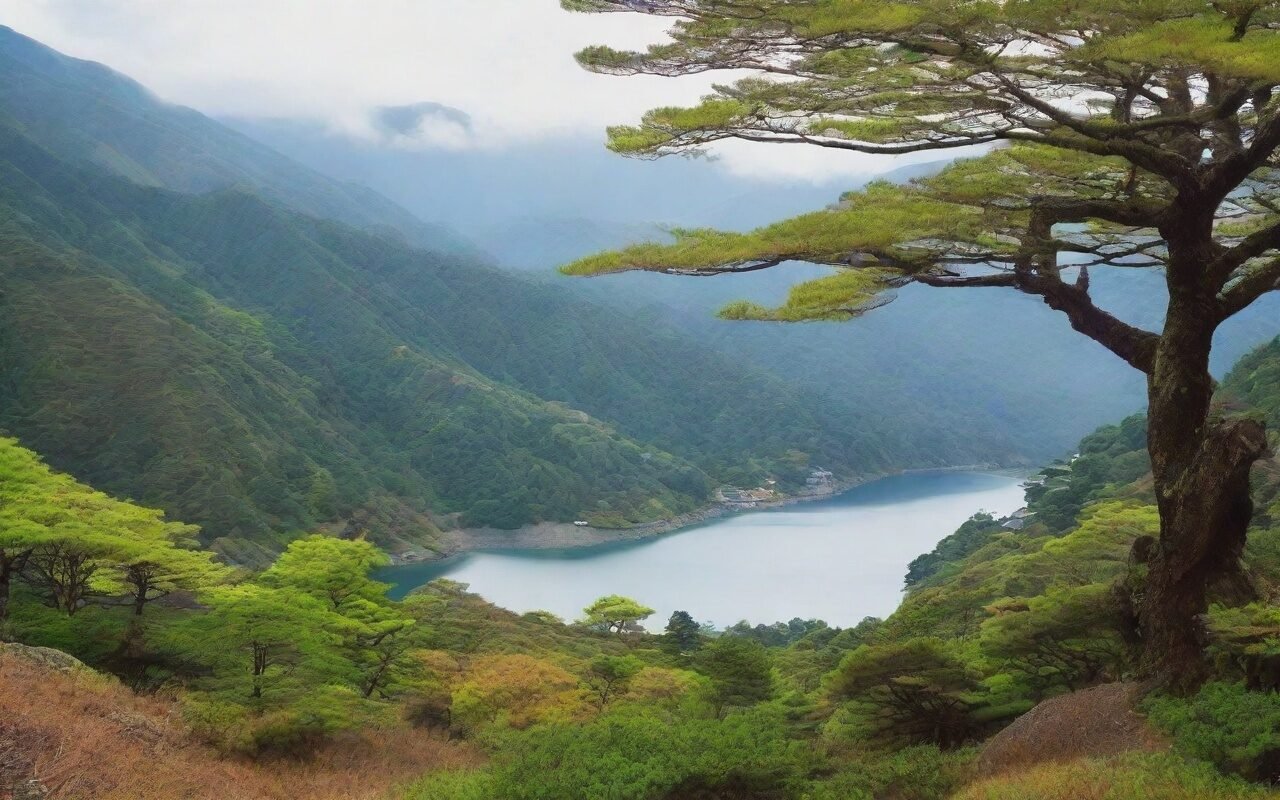
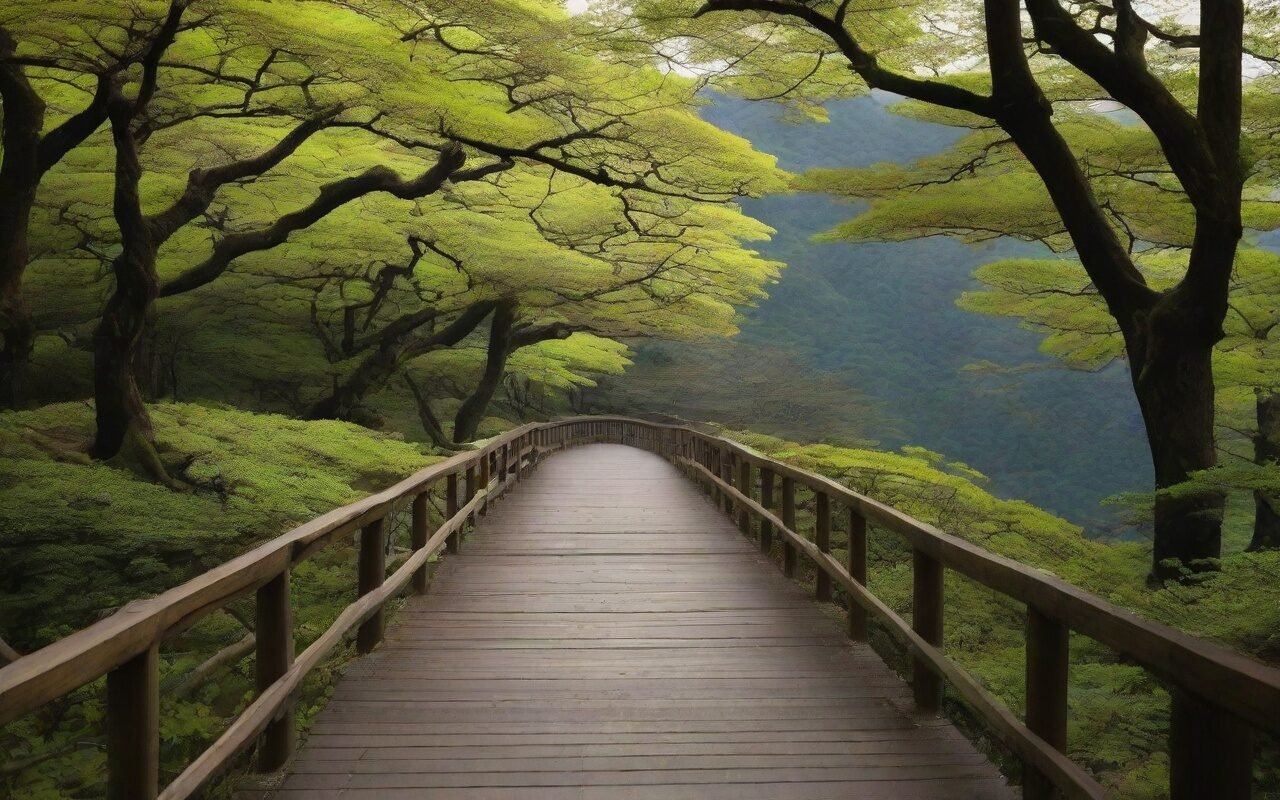
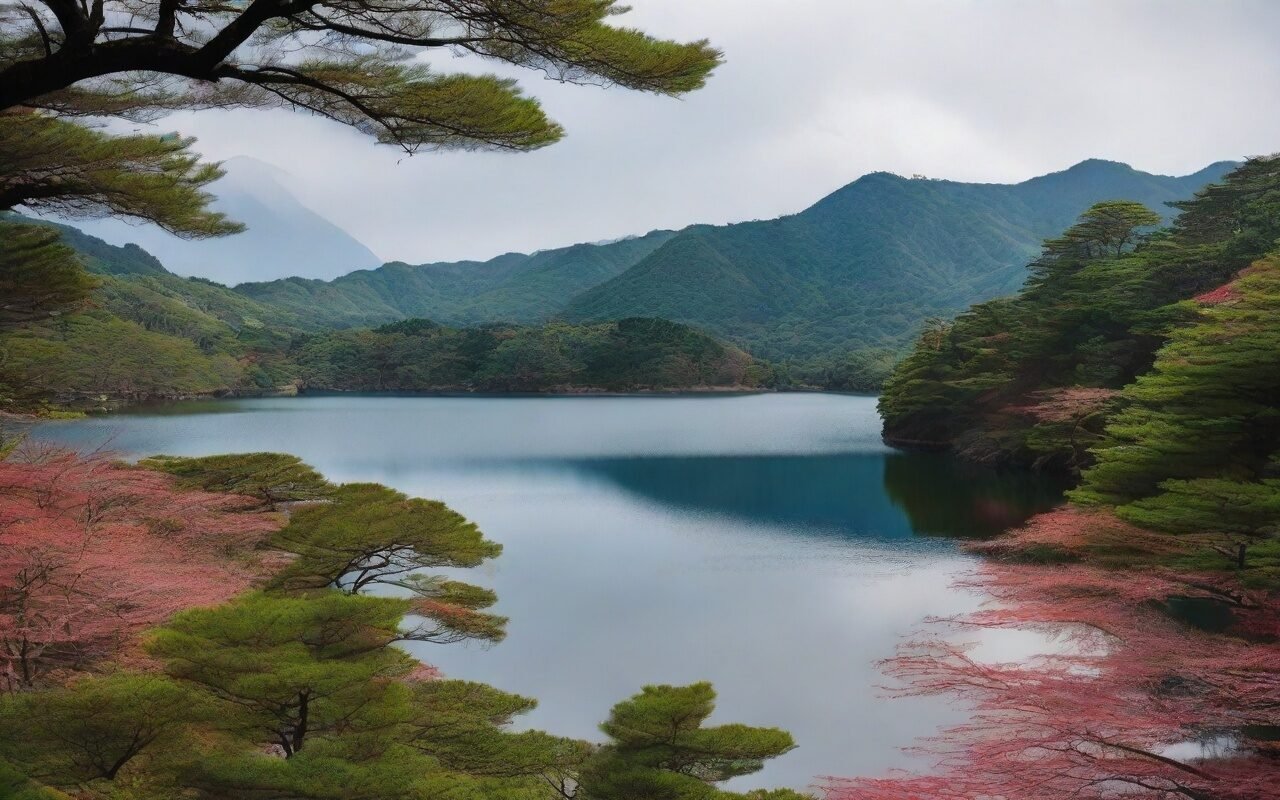
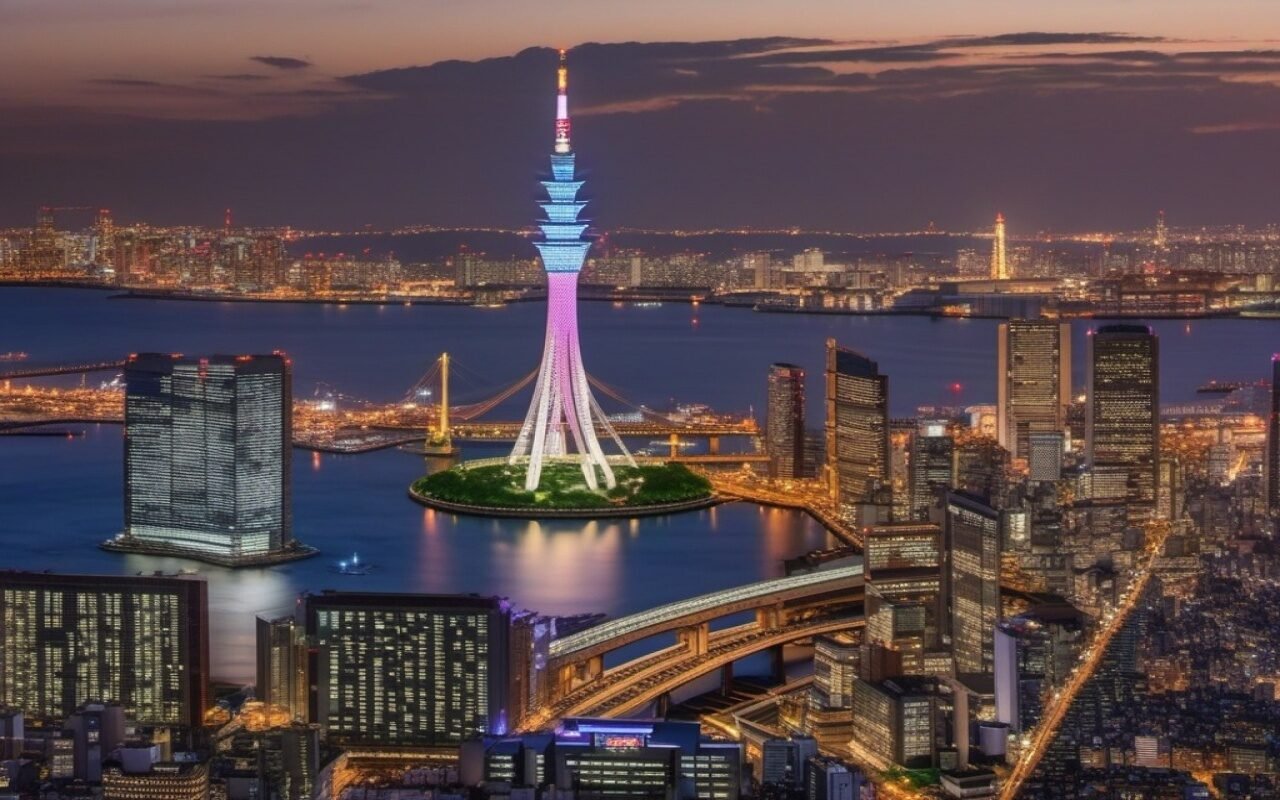
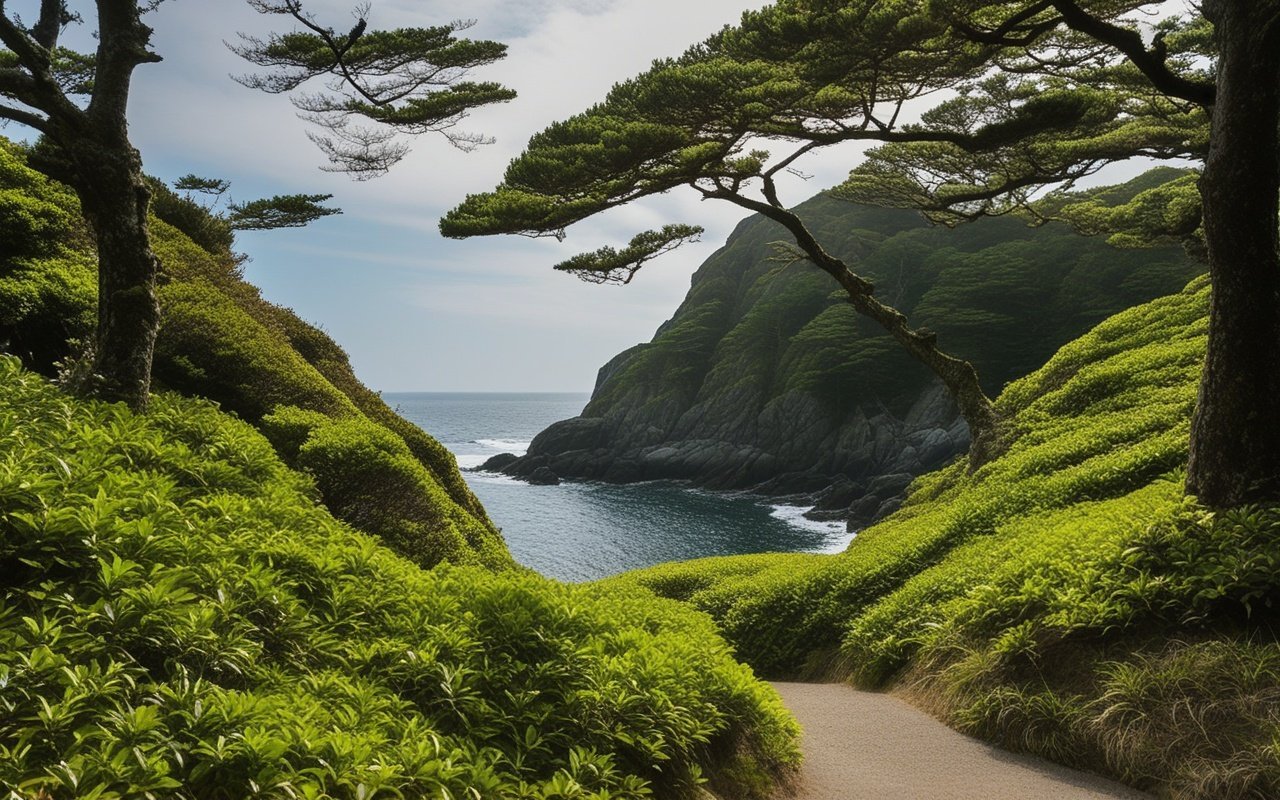
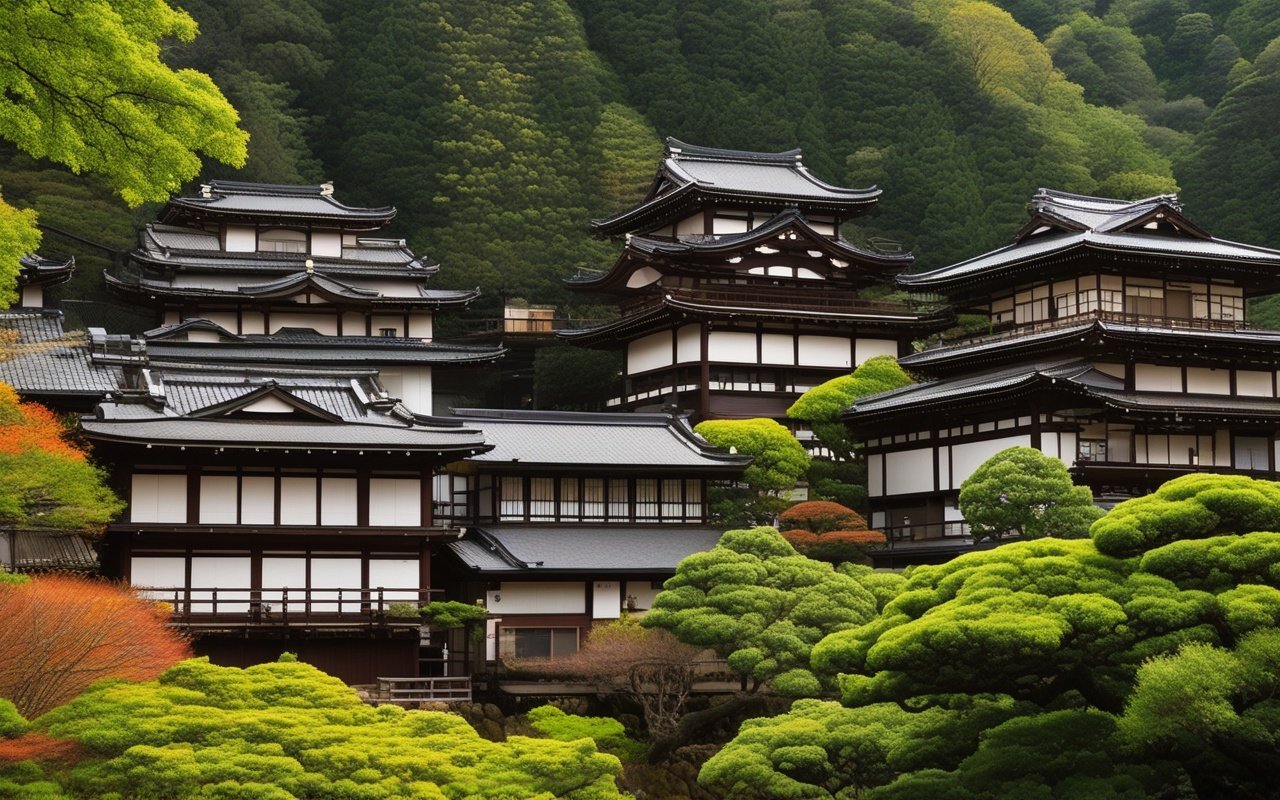
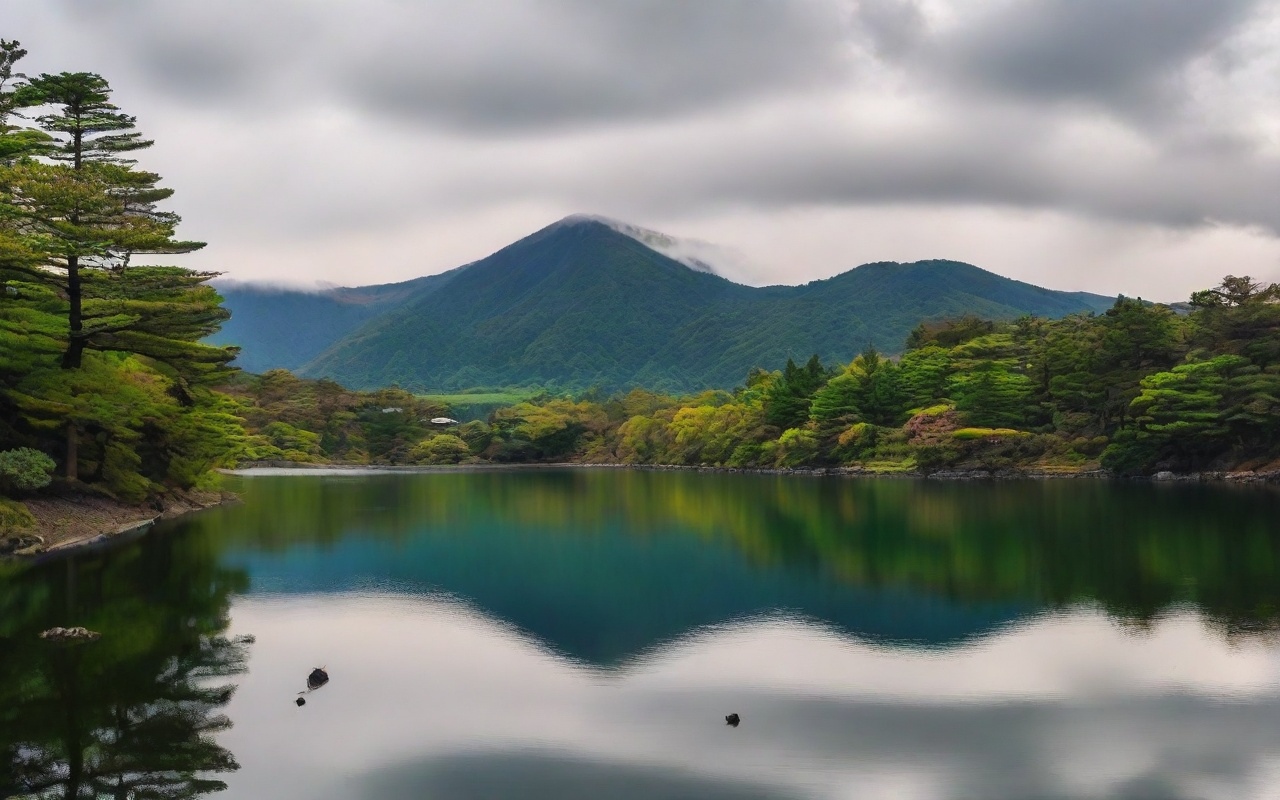
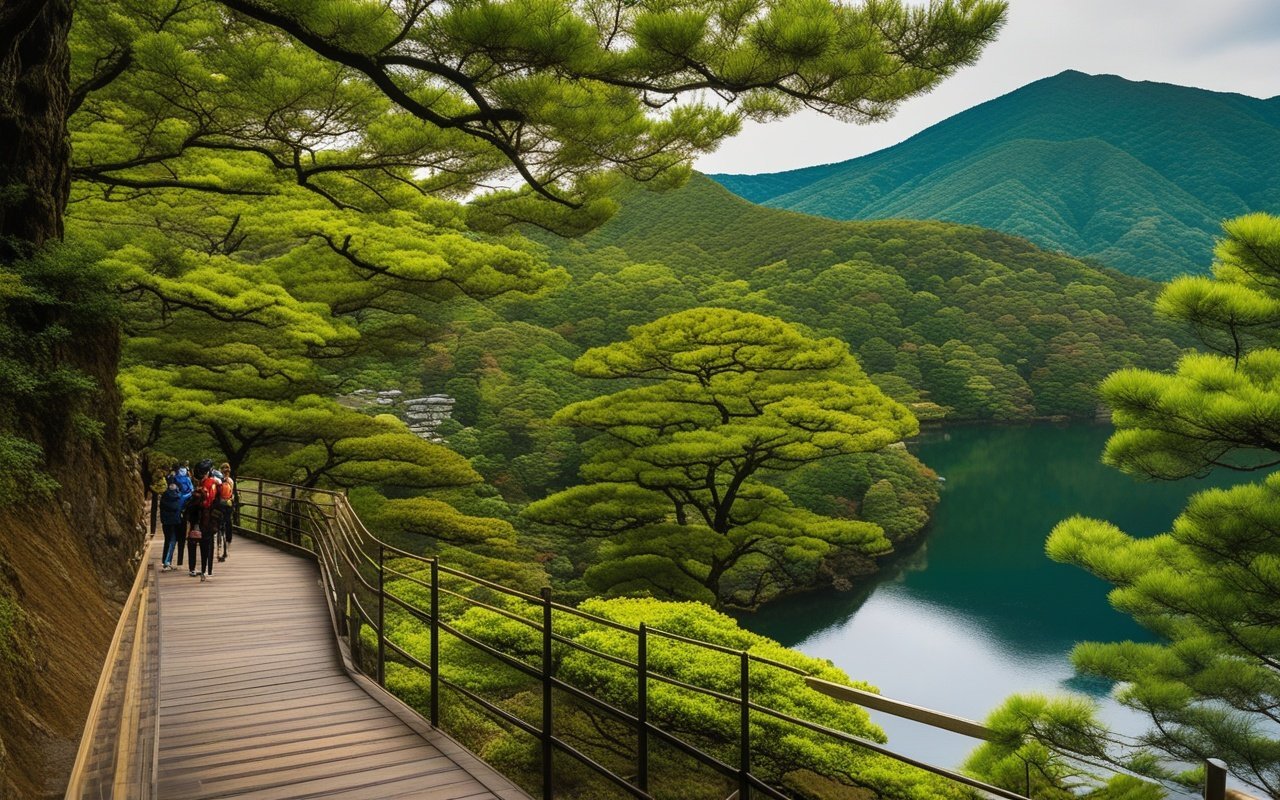
    Scenic Kanagawa destination and travel location

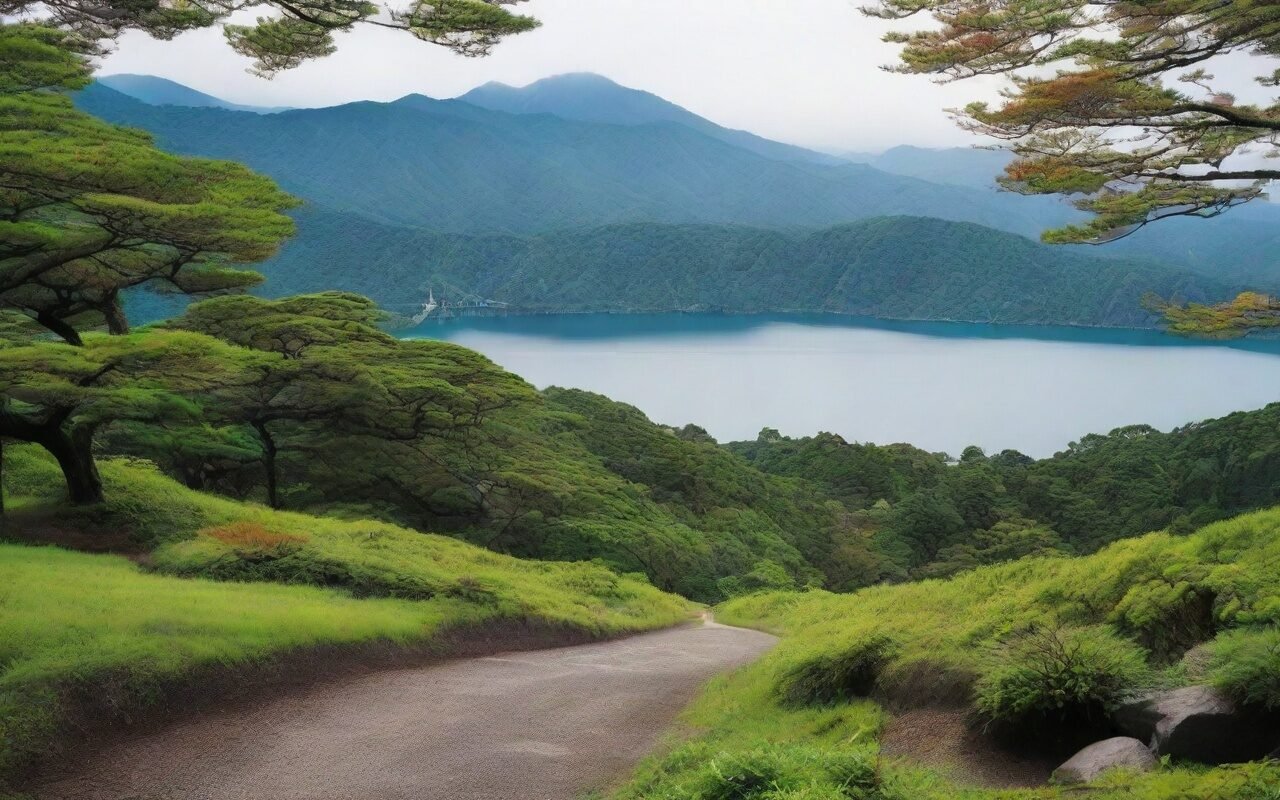
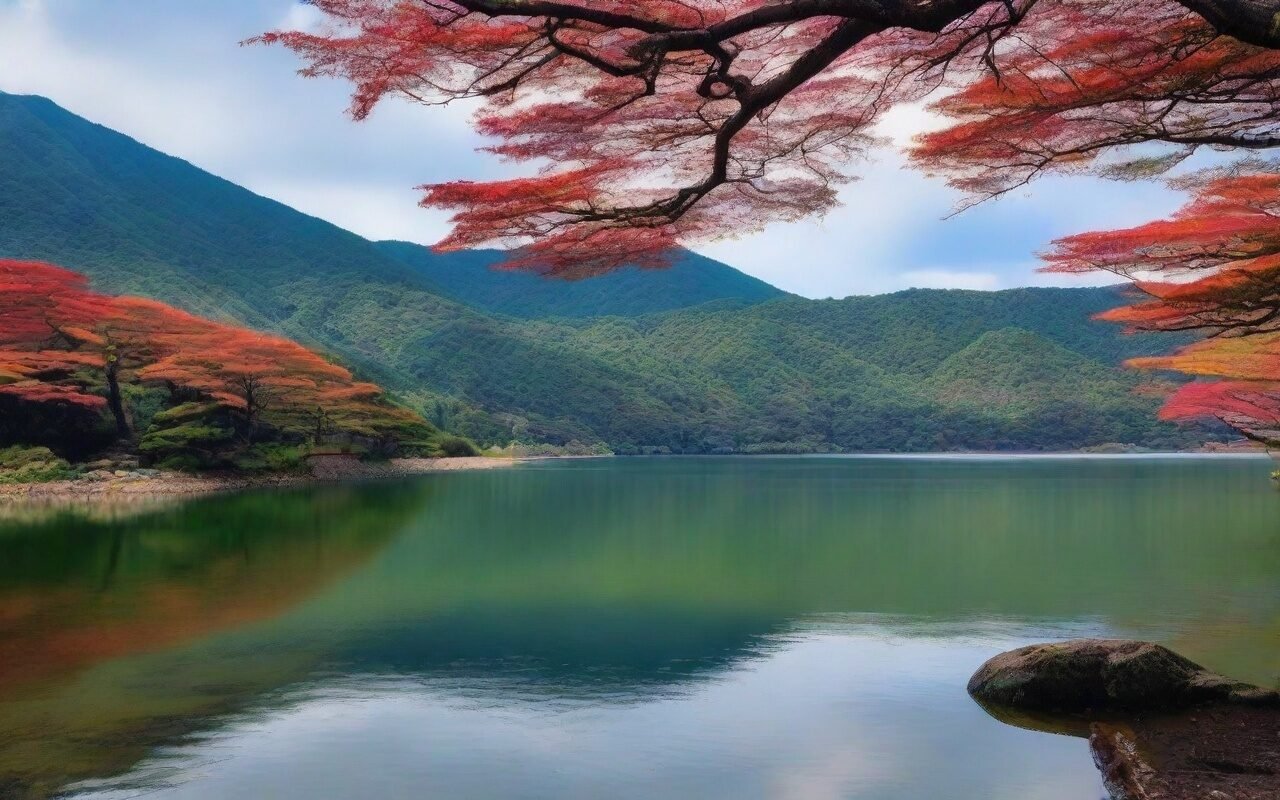
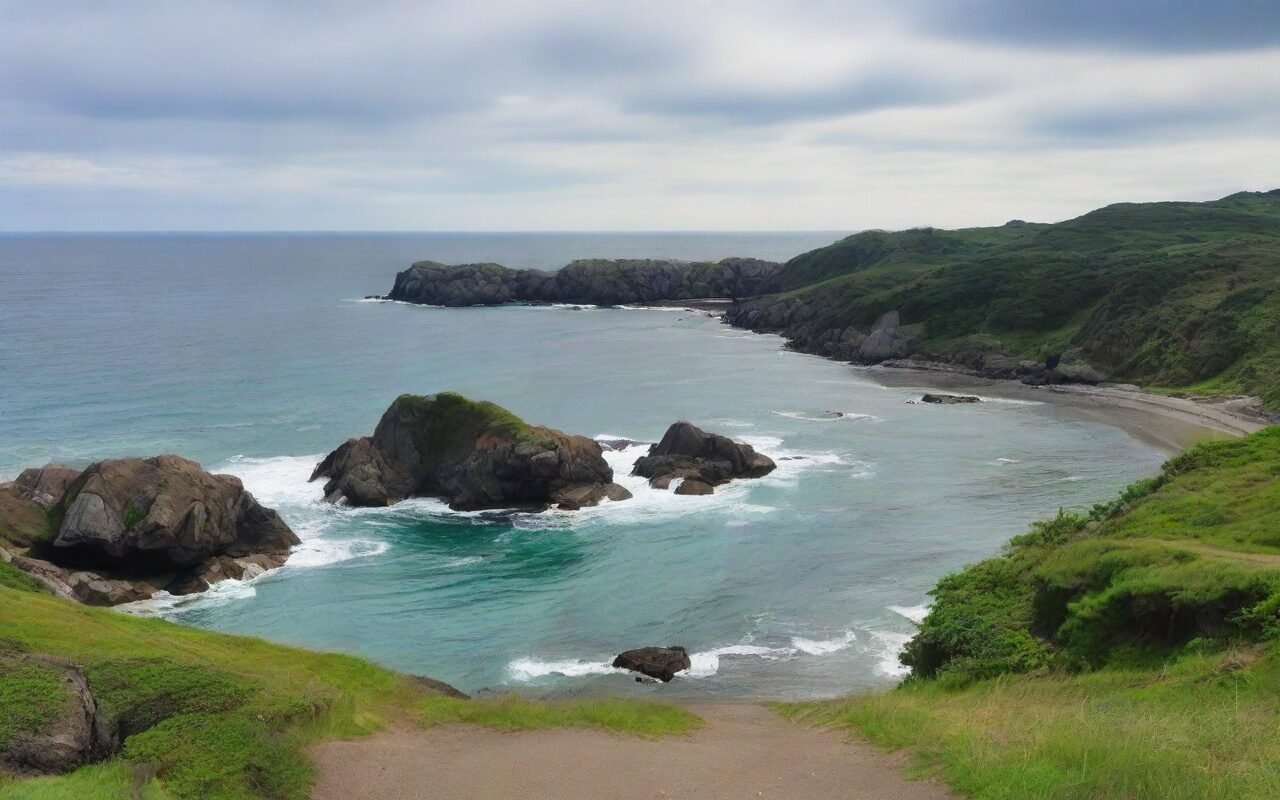
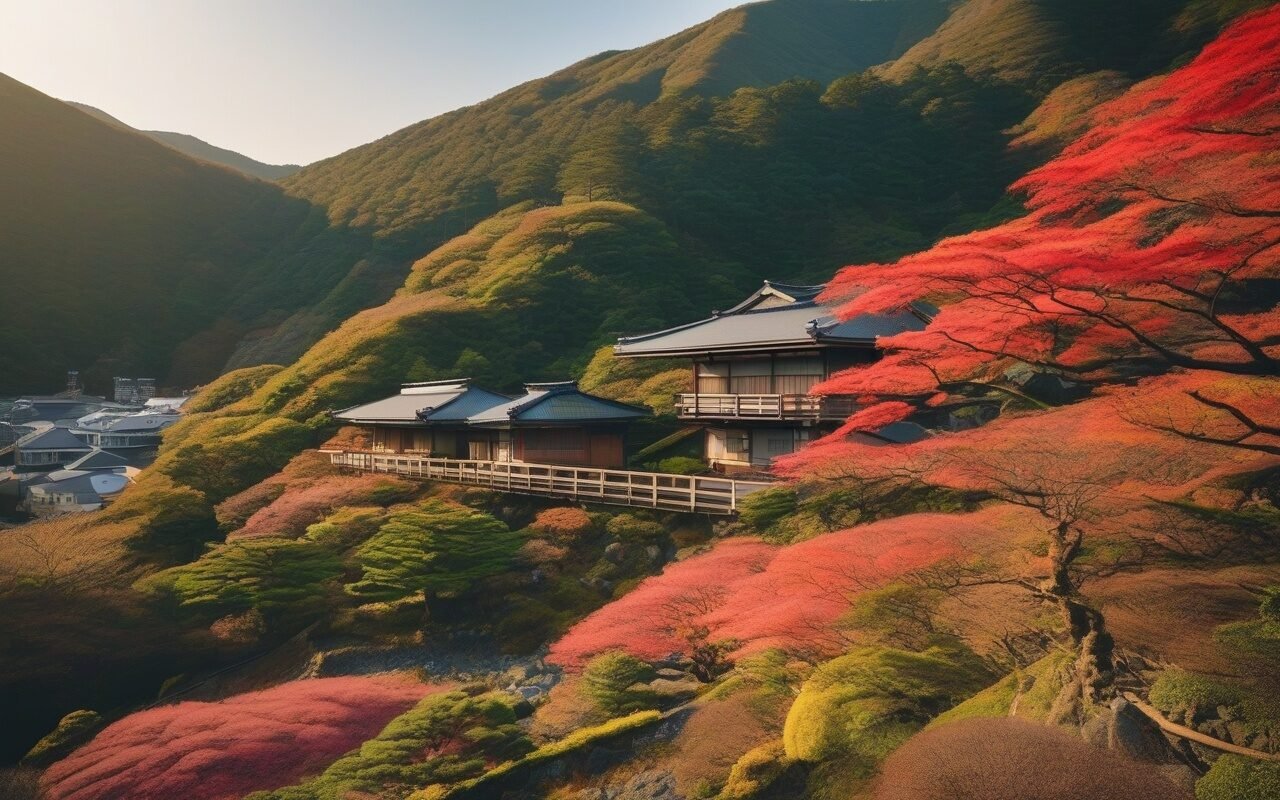
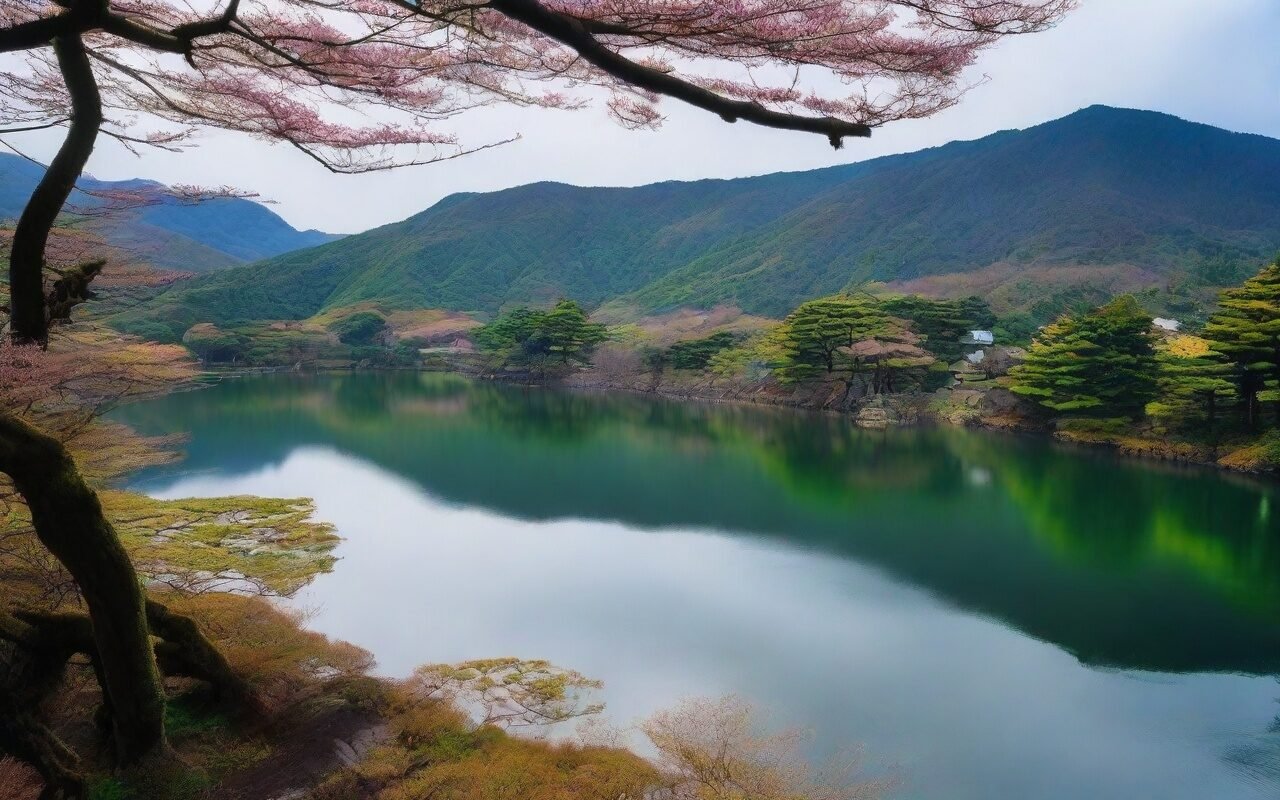
    Must-see Kanagawa destination and viewpoint

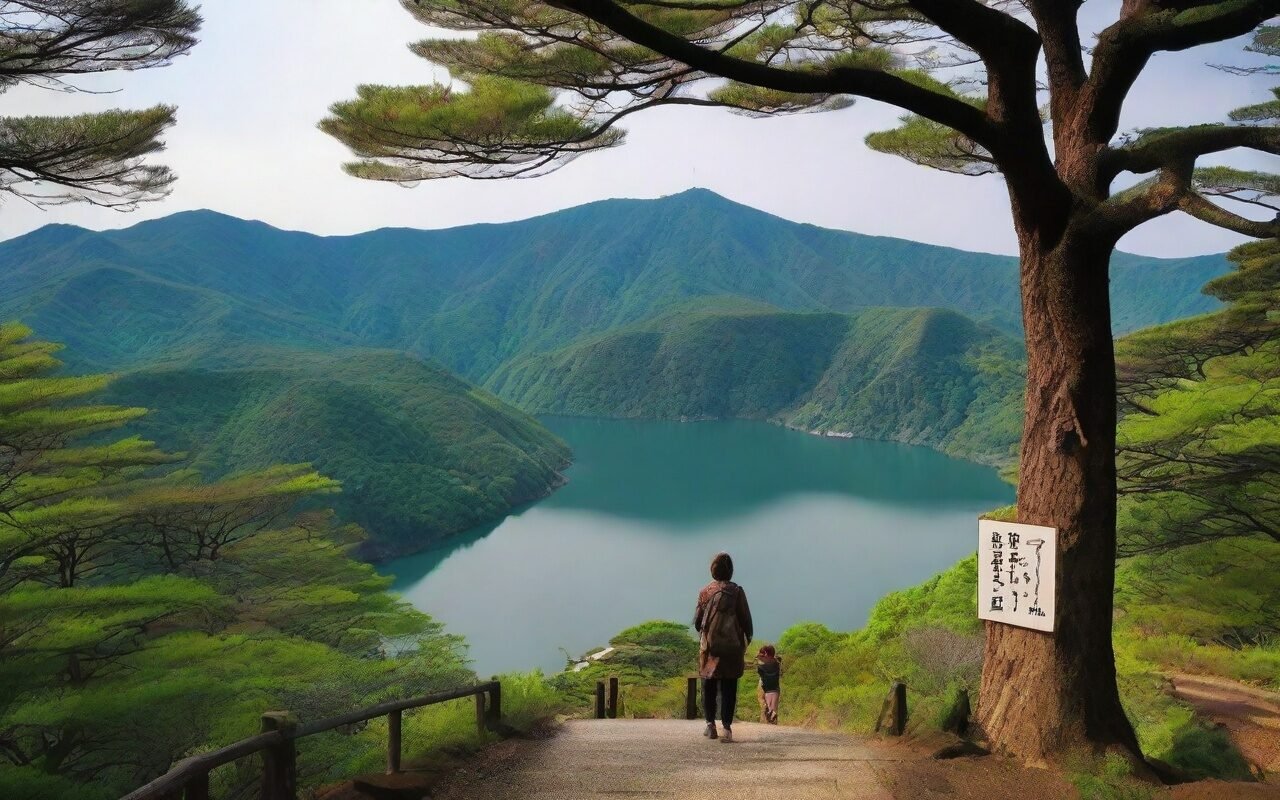
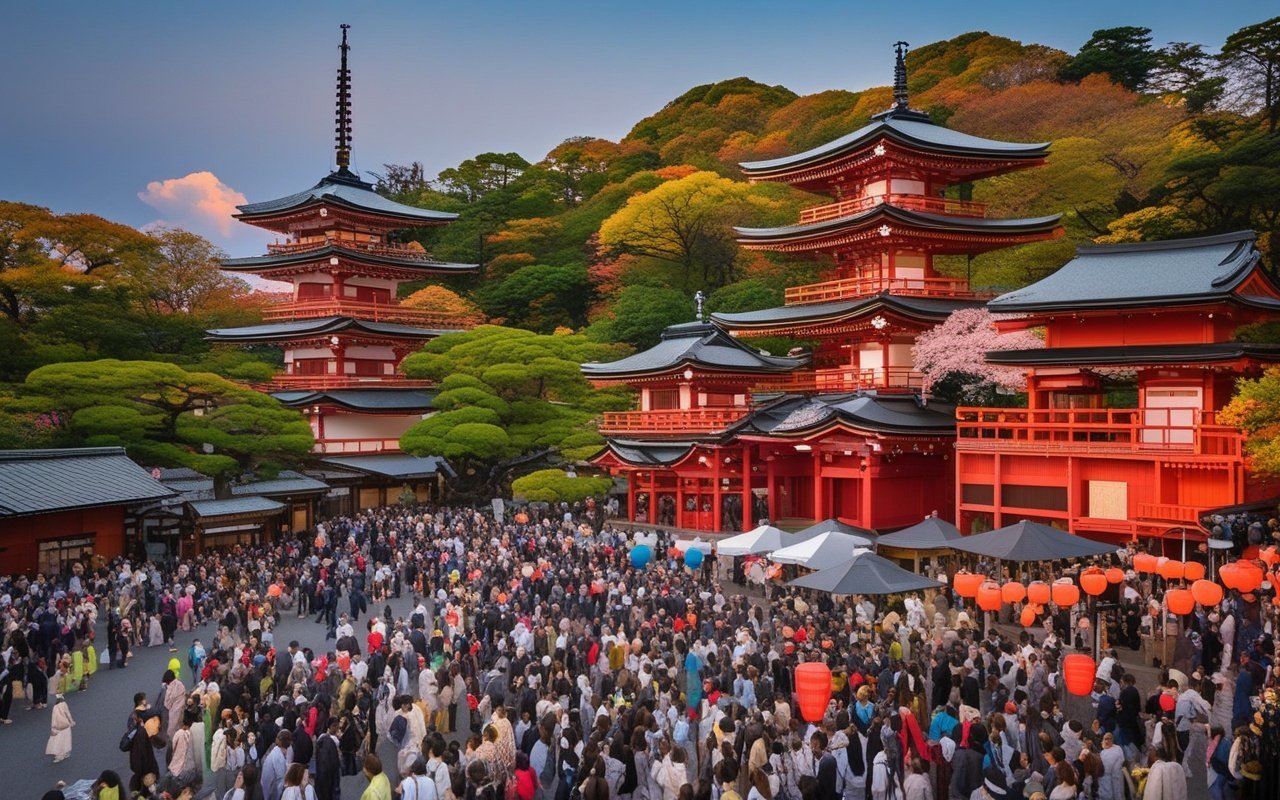
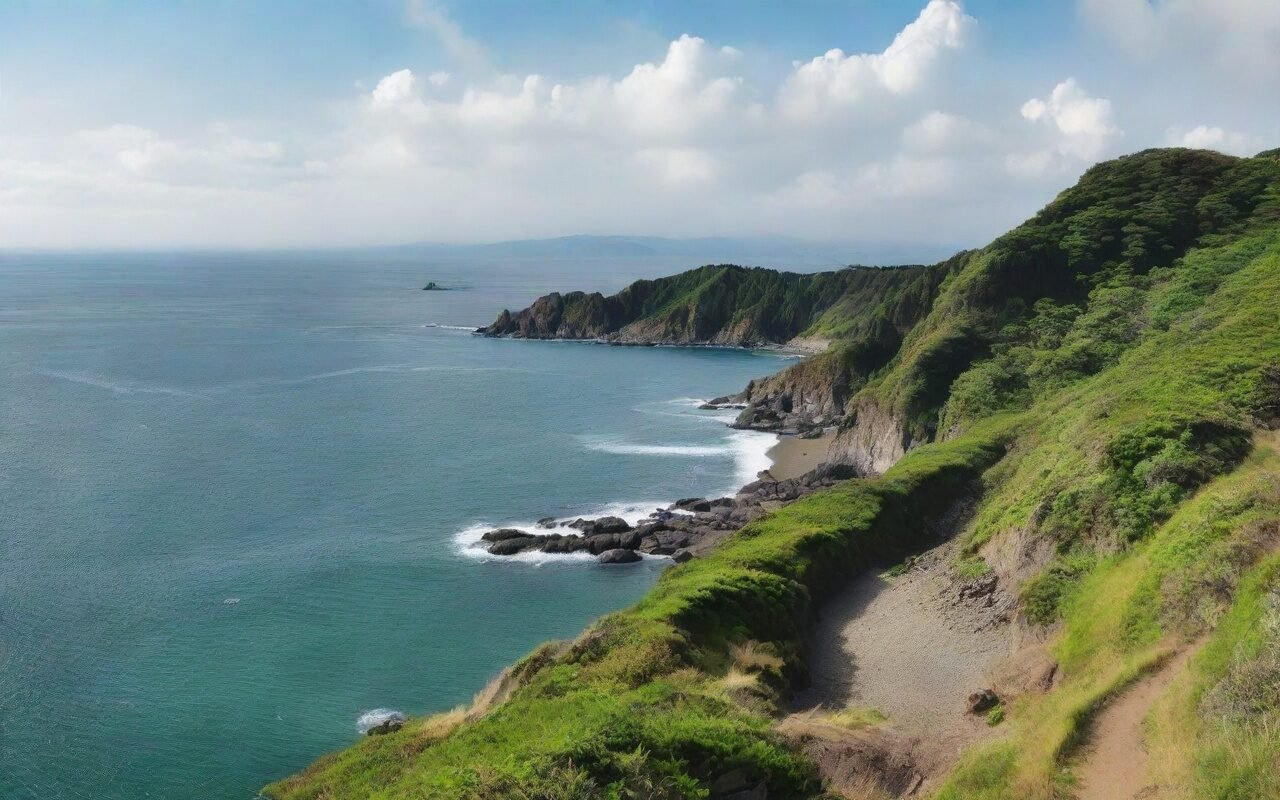
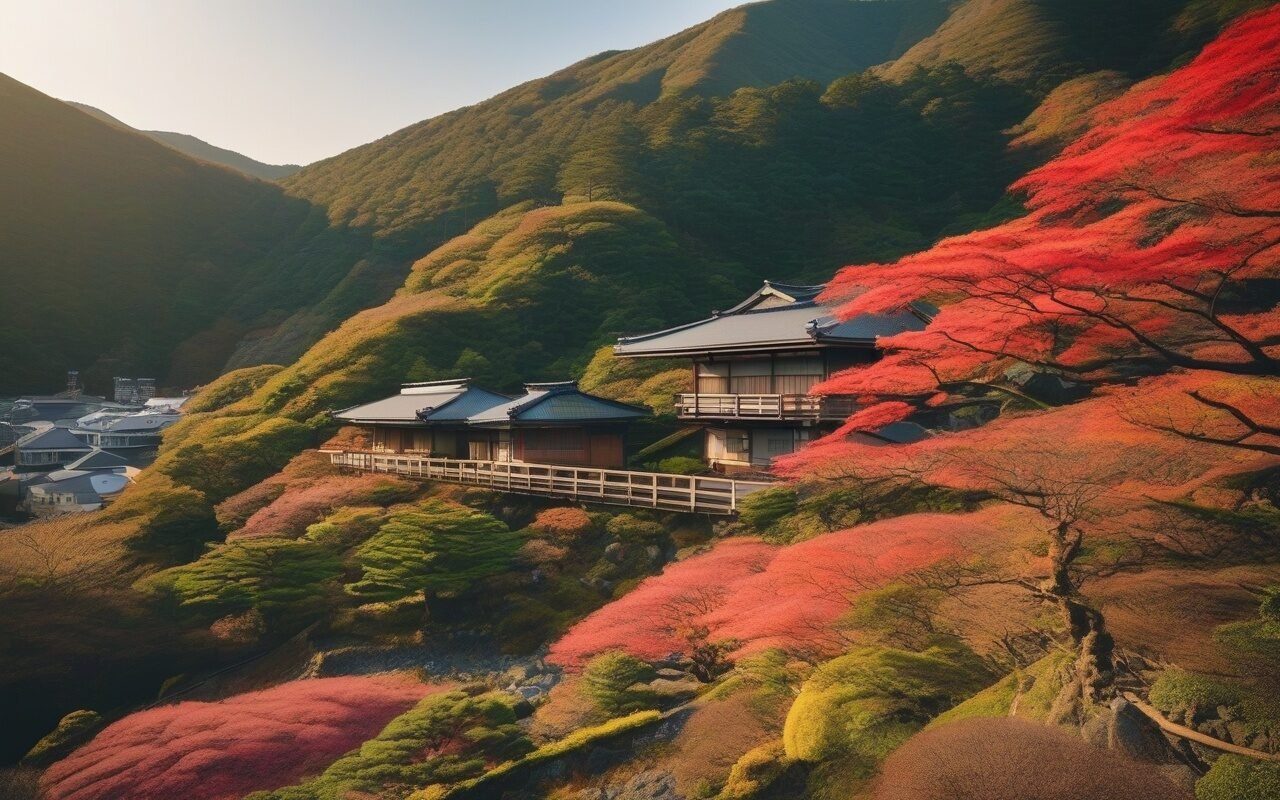
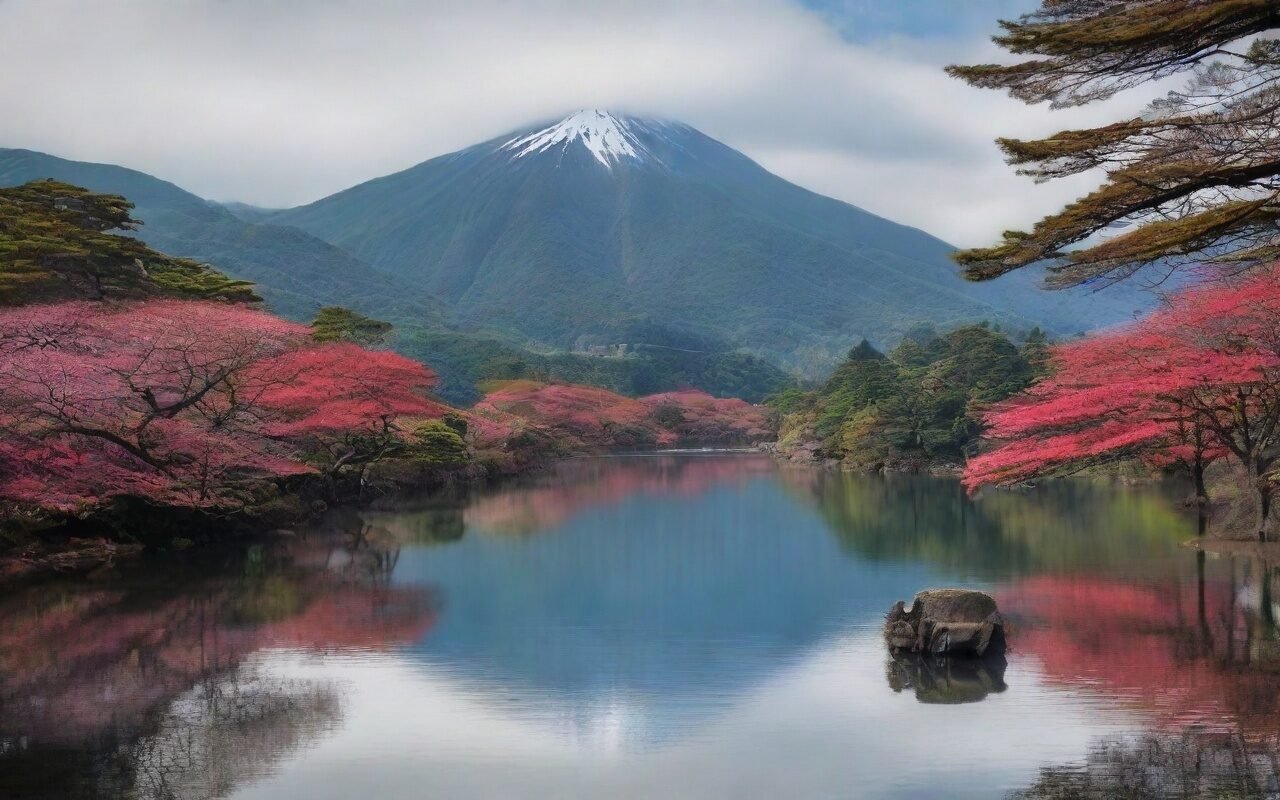
    Family Friendly Hakone Activities detailed view and features

    • Time Needed: 2-3 hours
    • Stroller: ✅ Mostly accessible
    • Age: 3+ years

    Highlights for Kids:

    • Symphonic Sculpture (climb inside)
    • Kids’ play area
    • Foot bath (relaxation)
    • Picasso Pavilion (art appreciation) Family places:
    • Baby changing rooms
    • Family restrooms
    • Stroller rental (limited)
    • Restaurant with kids’ menu

    2. Hakone Pirate Ship (Lake Ashi Cruise)

    Why Kids Love It: Pirate-themed ship, lake views

    • Admission: Free with Hakone Free Pass
    • Hours: 9:00-17:30
    • Access: Togendai Station (ropeway)
    • Time Needed: 30-40 min (one way)
    • Stroller: ✅ Accessible
    • Age: All ages

    Highlights for Kids:

    • Pirate ship design
    • Outdoor decks
    • Lake Ashi views
    • Photo chances Family places:
    • Restrooms on board
    • Snack bar (some ships)
    • Elevator (Royal II ship)
    • Priority boarding (families)

    3. Owakudani Valley

    Why Kids Love It: Volcanic vents, black eggs

    • Admission: Free (ropeway not included)
    • Hours: Always open
    • Access: Hakone Ropeway
    • Time Needed: 30-60 min
    • Stroller: ⚠️ Limited access
    • Age: All ages

    Highlights for Kids:

    • Black eggs (eat one, live 7 years longer!)
    • Volcanic vents (sulfur smell)
    • Ropeway ride (scenic)
    • Souvenir shops Family places:
    • Restrooms
    • Restaurants
    • Souvenir shops
    • Viewing platforms Safety Note: Stay on marked paths, supervise children

    4. Hakone Venetian Glass Museum

    Why Kids Love It: pretty glass, gardens

    • Admission: ¥1,500 (adult). ¥1,000 (child)
    • Hours: 9:00-17:30
    • Access: 10 min bus from Sengokuhara
    • Time Needed: 1-2 hours
    • Stroller: ✅ Accessible
    • Age: 5+ years

    Highlights for Kids:

    • Crystal corridor (photo spot)
    • Glass-blowing demonstrations
    • Italian gardens
    • Swan boats (pond) Family places:
    • Restrooms
    • Cafe with kids’ menu
    • Stroller accessible
    • Gift shop

    5. Sengokuhara Pampas Grass

    Why Kids Love It: Tall grass fields, running space

    • Admission: Free
    • Hours: Always open
    • Access: Bus from Sengokuhara
    • Time Needed: 30-60 min
    • Stroller: ⚠️ hard terrain
    • Age: 3+ years

    Highlights for Kids:

    • Golden grass (Sep-Nov)
    • Running around
    • Photo chances
    • Nature walks Family places:
    • Parking
    • Restrooms (nearby)
    • Picnic area
    • Walking trails

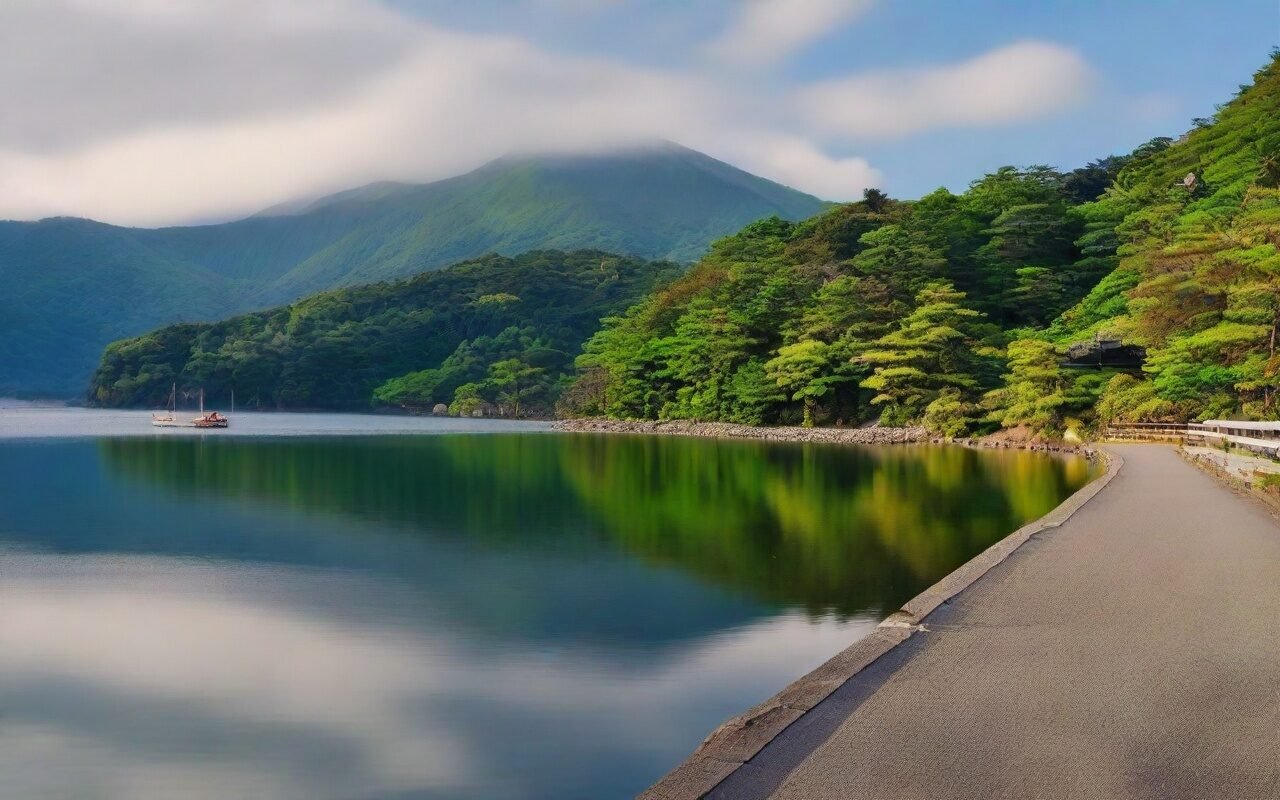
    6. Lake Ashi Lakeside Walk

    Why Kids Love It: Lake views, open space

    • Admission: Free
    • Hours: Always open
    • Access: Moto-Hakone
    • Time Needed: 1-2 hours
    • Stroller: ✅ Accessible (paved path)
    • Age: All ages

    Highlights for Kids:

    • Lake views
    • Mount Fuji (clear days)
    • Torii gate (photo)
    • Picnic spots Family places:
    • Restrooms
    • Vending machines
    • Picnic tables
    • Parking

    7. Hakone Yuryo (Onsen)

    Why Kids Love It: Outdoor baths, relaxation

    • Admission: ¥2,200 (adult). ¥1,100 (child 3+)
    • Hours: 10:00-21:00
    • Access: 15 min taxi from Hakone-Yumoto
    • Time Needed: 1-2 hours
    • Stroller: ✅ Accessible
    • Age: 3+ years

    Highlights for Kids:

    • Outdoor baths (family bath available)
    • Foot bath
    • Relaxation area
    • Restaurant Family places:
    • Family baths (private)
    • Restrooms
    • Changing rooms
    • Restaurant with kids’ menu Onsen Etiquette: Teach children before visiting

    8. Old Tokaido Road

    Why Kids Love It: Historic path, nature

    • Admission: Free
    • Hours: Always open
    • Access: Bus from Moto-Hakone
    • Time Needed: 1-2 hours
    • Stroller: ⚠️ Uneven path
    • Age: 5+ years

    Highlights for Kids:

    • Historic stone path
    • Cedar trees (400 years old)
    • Checkpoint ruins
    • Lake views Family places:
    • Restrooms
    • Vending machines
    • Picnic area
    • Parking

    9. Hakone Museum of Art

    Why Kids Love It: Japanese garden, tea house

    • Admission: ¥1,000 (adult). ¥500 (child)
    • Hours: 9:30-17:00 (closed Tue)
    • Access: 10 min walk from Gora Station
    • Time Needed: 1-2 hours
    • Stroller: ⚠️ Limited access
    • Age: 6+ years

    Highlights for Kids:

    • Japanese garden
    • Tea house (matcha time)
    • Ceramics (pretty objects)
    • Seasonal exhibitions Family places:
    • Restrooms
    • Tea house
    • Garden
    • Gift shop

    10. Hakone Botanical Garden of Wetlands

    Why Kids Love It: Nature trails, flowers

    • Admission: ¥500 (adult). ¥250 (child)
    • Hours: 9:00-16:30
    • Access: 10 min bus from Sengokuhara
    • Time Needed: 1-2 hours
    • Stroller: ✅ Accessible (boardwalk)
    • Age: All ages

    Highlights for Kids:

    • Wetland boardwalk
    • Seasonal flowers
    • Nature trails
    • Visitor center Family places:
    • Restrooms
    • Visitor center
    • Picnic area
    • Parking

    Toddlers (0-3 years)

    Best Activities:

    • Lake Ashi Pirate Ship (stroller accessible)
    • Hakone Yuryo (family bath)
    • Lakeside walks (paved paths) Avoid:
    • Crowded museums (short attention span)
    • Long hikes (carry child)
    • Hot onsen (temperature sensitivity) Tips:
    • Bring stroller
    • Pack snacks
    • Plan nap times
    • Use baby carriers for onsen

    Preschoolers (3-5 years)

    Best Activities:

    • Hakone Open-Air Museum (climb sculptures)
    • Owakudani (black eggs)
    • Pampas Grass (running space) Avoid:
    • Long museum visits (boring)
    • Quiet attractions (too energetic)
    • Dangerous areas (volcanic vents) Tips:
    • Bring toys/games
    • Plan frequent breaks
    • Use positive reinforcement
    • Teach onsen etiquette

    School Age (6-12 years)

    Best Activities:

    • All museums (educational)
    • Hiking trails (active)
    • Onsen (cultural time) Avoid:
    • Babyish activities (too mature)
    • Dangerous activities (supervision needed) Tips:
    • Involve in planning
    • Educational focus
    • Camera for photos
    • Journal for memories

    Transportation with Kids

    Hakone Free Pass:

    • Children 6-11: Half price
    • Children 0-5: Free
    • Stroller: Foldable recommended Trains/Buses:
    • Priority seating (families)
    • Stroller space (limited)
    • Elevator access (most stations) Taxis:
    • Car seats (request in advance)
    • Expensive (use sparingly)
    • handy (for tired kids)

    Dining with Kids

    Family Restaurants:

    • Most restaurants welcome children
    • Kids’ menus available
    • High chairs (some restaurants) Convenience Stores:
    • Onigiri (rice balls)
    • Bento boxes
    • Snacks, drinks
    • Baby food (some stores) Picnic:
    • Pack lunch (save money)
    • Find park/picnic area
    • Bring blanket
    • Dispose trash properly

    Lodging with Kids

    Family Rooms:

    • Japanese-style (tatami)
    • Western-style (beds)
    • Combination (best of both) places:
    • Baby crib (request)
    • Kids’ amenities (some hotels)
    • Family bath (onsen)
    • Play area (some hotels) Tips:
    • Book early (family rooms limited)
    • Request quiet room
    • Check kids’ policies
    • Bring favorite toys

    Safety

    General Safety:

    • Japan is very safe
    • Supervise children always
    • Teach emergency numbers (110. 119)
    • Carry hotel card (address) Onsen Safety:
    • Test water temperature
    • Supervise children always
    • No running (slippery)
    • Shower before entering Hiking Safety:
    • Stay on marked trails
    • Watch for volcanic areas
    • Bring water/snacks
    • Wear appropriate shoes

    Half-Day (Young Kids)

    Morning:

    • 9:30: Hakone Open-Air Museum (2 hours)
    • 12:00: Lunch at museum cafe Afternoon:
    • 14:00: Lake Ashi Pirate Ship (30 min)
    • 15:00: Return to hotel Total: 5-6 hours, relaxed pace

    Full-Day (School Age)

    Morning:

    • 9:00: Owakudani (black eggs. 1 hour)
    • 10:30: Ropeway to Togendai
    • 11:00: Pirate Ship to Moto-Hakone Afternoon:
    • 12:00: Lunch at lakefront
    • 13:30: Hakone Shrine (torii gate)
    • 15:00: Bus to Hakone-Yumoto
    • 16:00: Onsen (relaxation) Total: 7-8 hours, active pace

    2-Day Family Trip

    Day 1:

    • Morning: Hakone Open-Air Museum
    • Afternoon: Lake Ashi Pirate Ship
    • Evening: Onsen at ryokan Day 2:
    • Morning: Owakudani + Ropeway
    • Afternoon: Venetian Glass Museum
    • Evening: Return to Tokyo Total: 2 days, comprehensive

    Family of 4 (2 adults. 2 children)

    Transport:

    • Hakone Free Pass: ¥12,280 (2 days, child ¥1,000 x2) Food:
    • Budget: ¥4,000/day (convenience stores)
    • Mid-range: ¥8,000/day (restaurants) Activities:
    • Free attractions: ¥0
    • Museums: ¥6,000 (Open-Air, etc.) lodging:
    • Budget: ¥15,000/night (family room)
    • Mid-range: ¥30,000/night (ryokan) Total (2 days):
    • Budget: ¥50,000-70,000
    • Mid-range: ¥80,000-120,000

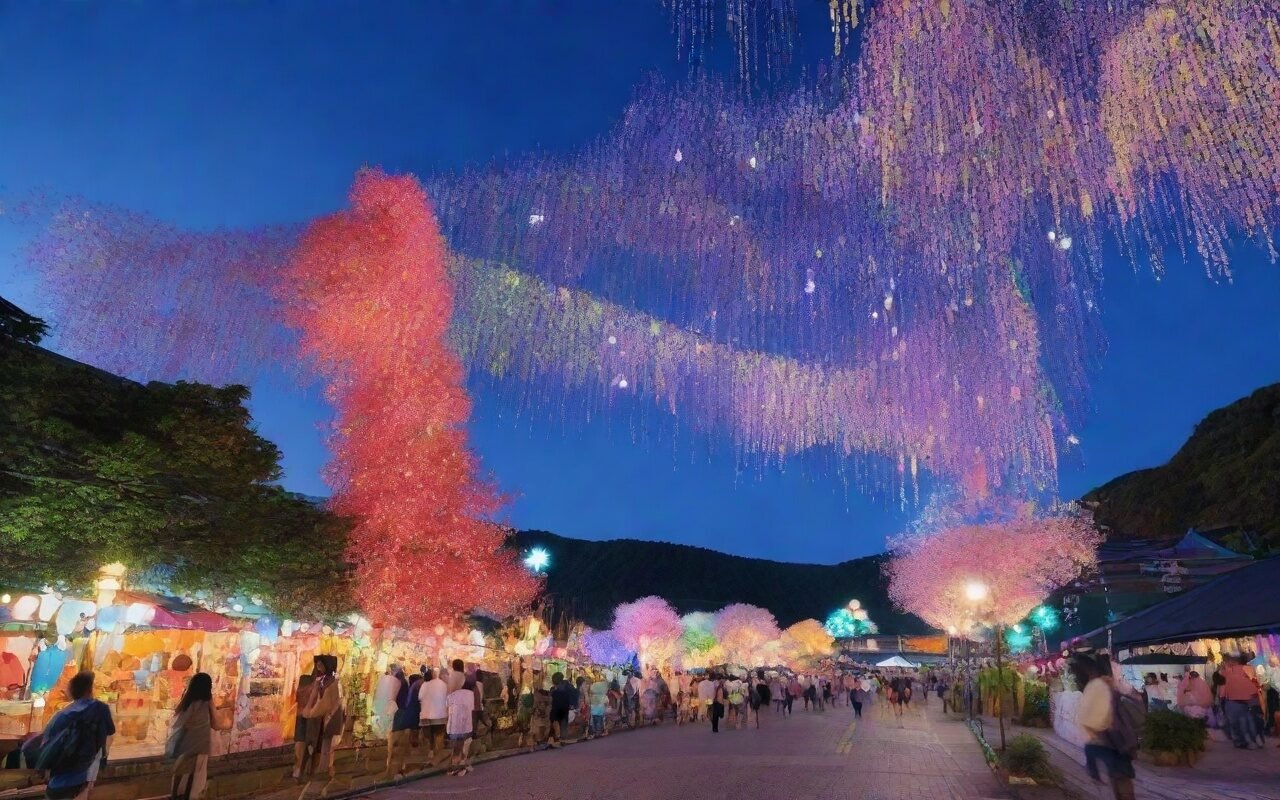
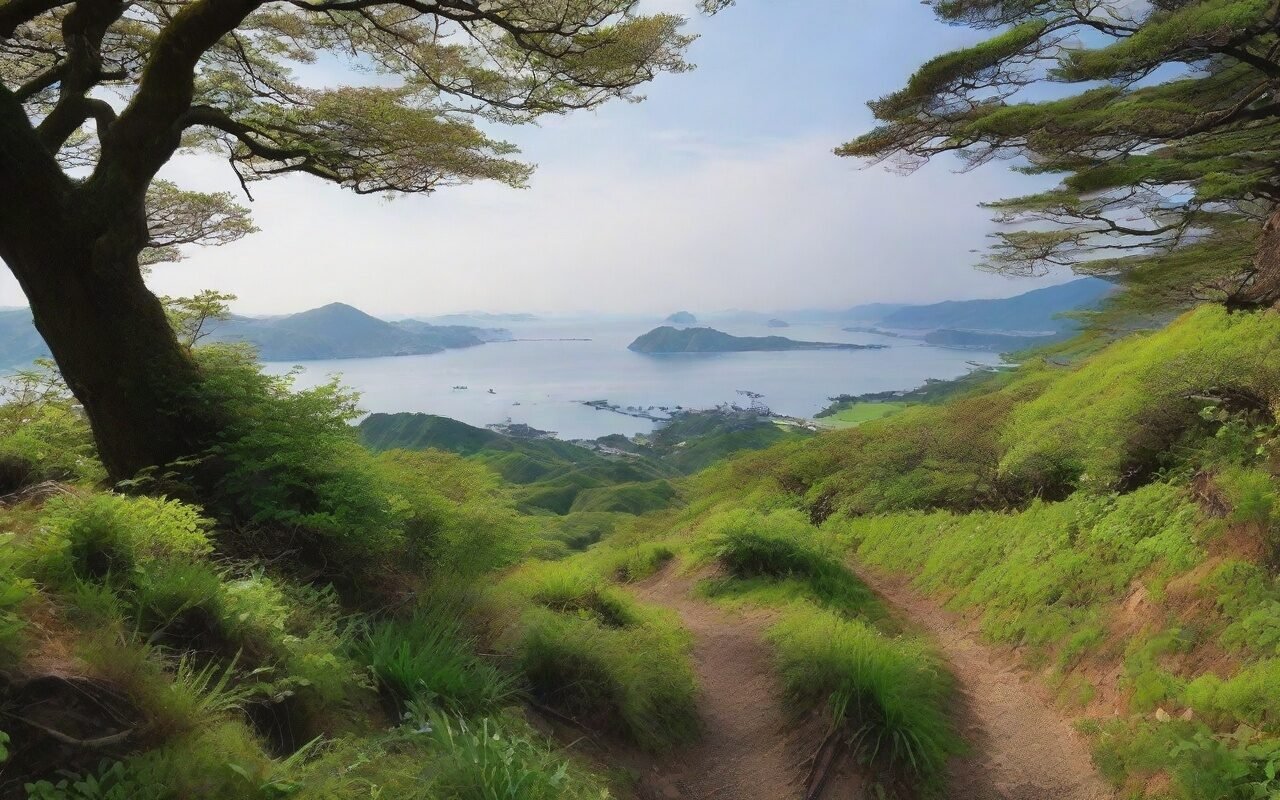
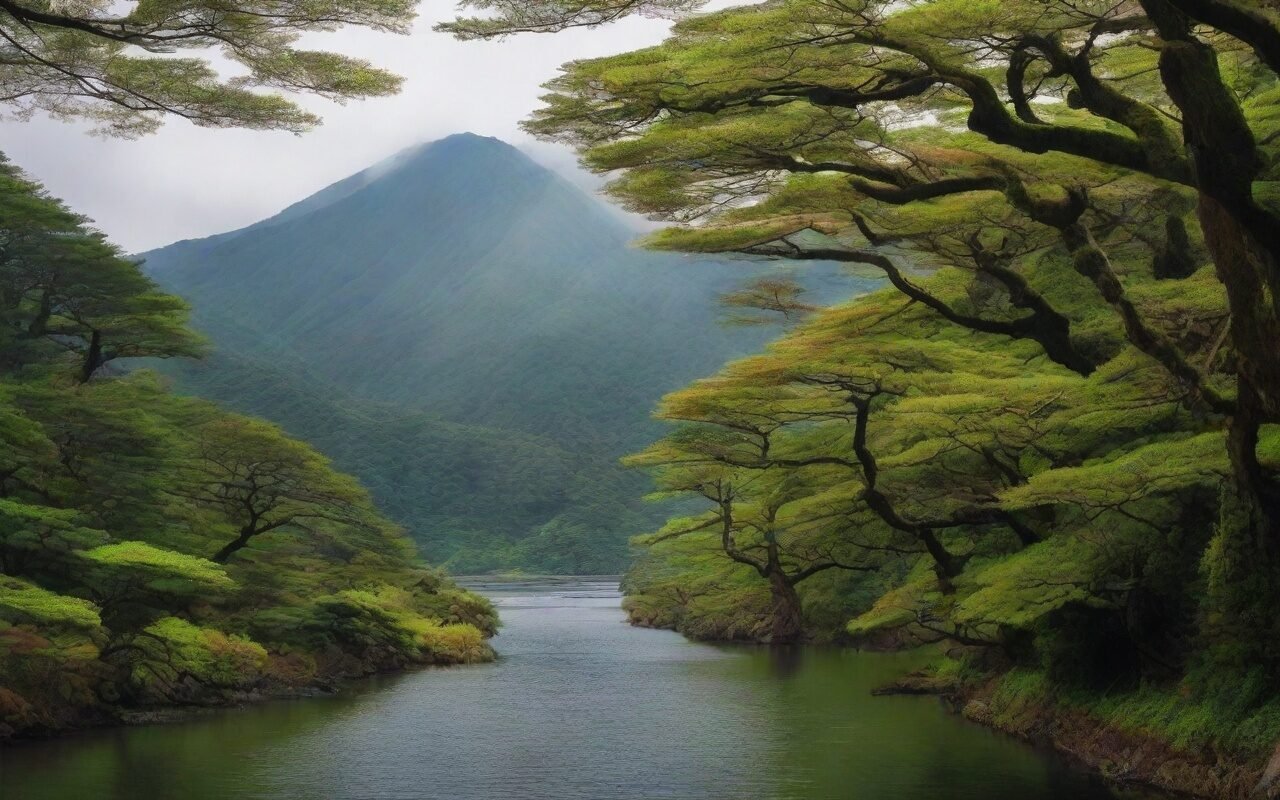
    Family Friendly Hakone Activities detailed view and features


    Summary

    Family Friendly Hakone Activities 2026 — Summary

    Activity Age Stroller Cost Time
    Open-Air Museum 3+ ¥1,600 2-3h
    Pirate Ship All Free* 30-40min
    Owakudani All ⚠️ Free* 30-60min
    Glass Museum 5+ ¥1,500 1-2h
    Pampas Grass 3+ ⚠️ Free 30-60min
    Lake Walk All Free 1-2h
    Onsen 3+ ¥2,200 1-2h
    Old Tokaido 5+ ⚠️ Free 1-2h
    Art Museum 6+ ⚠️ ¥1,000 1-2h
    Botanical Garden All ¥500 1-2h

    *Free with Hakone Free Pass Bottom Line: Hakone is great for families with diverse activities. The Hakone Open-Air Museum is the top pick for kids, while the Pirate Ship offers unique family memories. Budget ¥50,000-100,000 for a family of 4 for 2 days. Best For: Families with children 3+ years Budget: ¥25,000-50,000 per day (family of 4) Time Needed: 1-2 days minimum


    Related Articles:

    Frequently Asked Questions

    Q: What is the best time to visit this area?
    A: Spring (March-May) and autumn (September-November) offer the most pleasant weather. Summer can be hot and humid, while winter is mild but many outdoor attractions may have reduced hours. Q: How do I get there from Tokyo?
    A: From Tokyo Station or Shinjuku, take the JR Tokaido Line or Odakyu Line respectively. Most destinations in Kanagawa are within 60-90 minutes by train. Q: Is English signage available?
    A: Yes, major tourist areas in Kanagawa have English signage at stations. Smaller local spots may have limited English. Q: Can I visit on a day trip?
    A: Yes, most Kanagawa destinations are easily accessible as day trips from Tokyo. Consider arriving early (before 10 AM) to avoid crowds. Q: Are credit cards widely accepted?
    A: Major attractions, hotels, and larger restaurants accept credit cards. Smaller shops and local eateries may be cash-only. Carry ¥5,000-10,000 in cash.

    Final Thoughts

    Family Friendly Hakone Activities provides everything you need to make your Kanagawa trip smooth and enjoyable. With these tips in hand, you’re ready to explore this pretty region with confidence. Safe travels! —


    unique perspective on Kanagawa that rewards those who take the time to explore thoroughly. Whether you are here for a day or a week, the memories you create will stay with you long after you return home.

    Conclusion

    Hakone may be famous for romantic ryokan stays, but it is equally rewarding for families — my own visit with kids worked best when I mixed the Open-Air Museum with the pirate ship cruise and kept each activity short. The transport loop itself is the attraction, and the Free Pass makes it affordable to hop between stops without stress. Plan one or two highlights per day, build in onsen breaks, and Hakone will leave your family with memories that last long after the trip ends.
  • Hakone 2days 1night Guide 2026

    Hakone 2days 1night Guide 2026

    Hakone 2days 1night Guide 2026

    Overview

    I spent the weekend in Hakone last autumn and discovered that two days and one night is the ideal amount of time — long enough to ride the ropeway, cruise Lake Ashi, and soak in an onsen without feeling rushed. We visited the Open-Air Museum in the morning and Owakudani in the afternoon, and that pacing made all the difference for our energy levels.

    Plan your perfect visit to Hakone 2days 1night Guide with this comprehensive destination guide, Covering everything from must-see attractions to practical travel tips, this guide helps you make the most of your time in Hakone. Whether you have a single day or an entire week, discover the best that this Kanagawa destination has to offer.

    🗺️ Key Points


    📍 Location

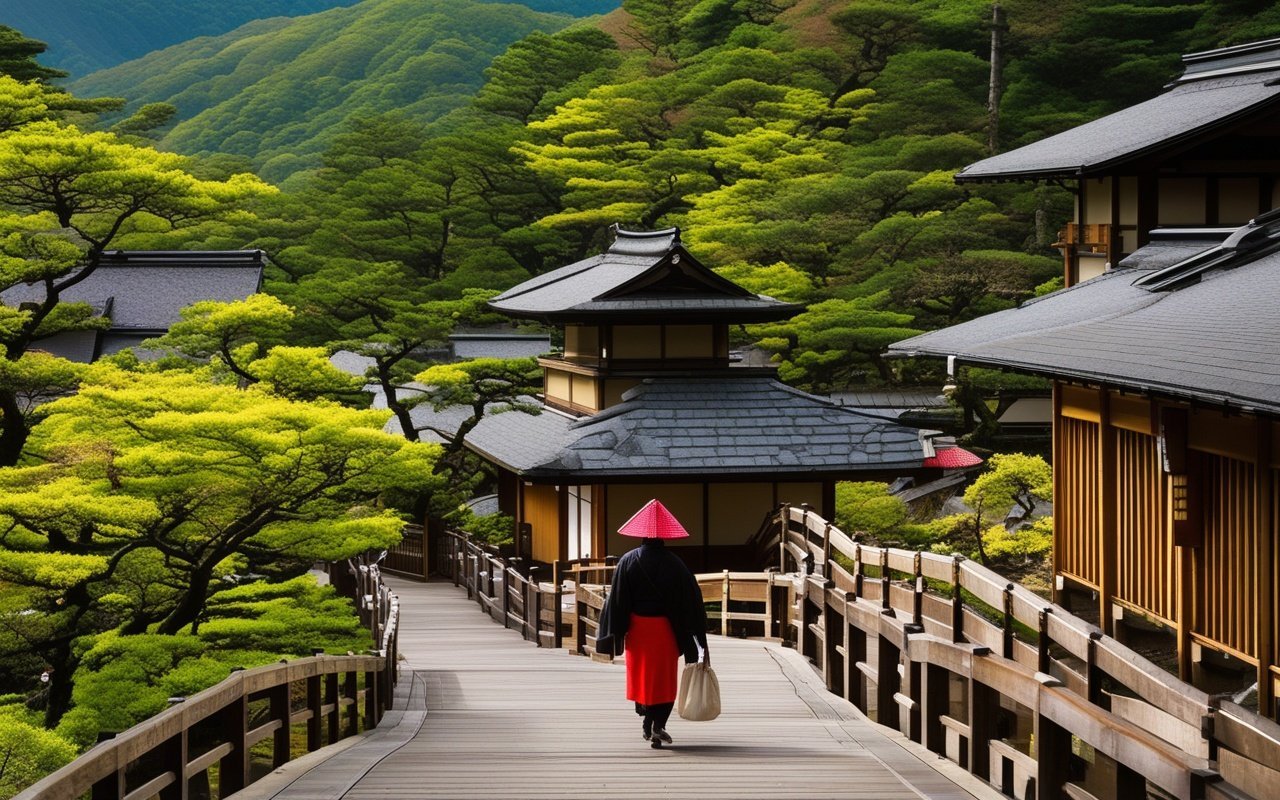
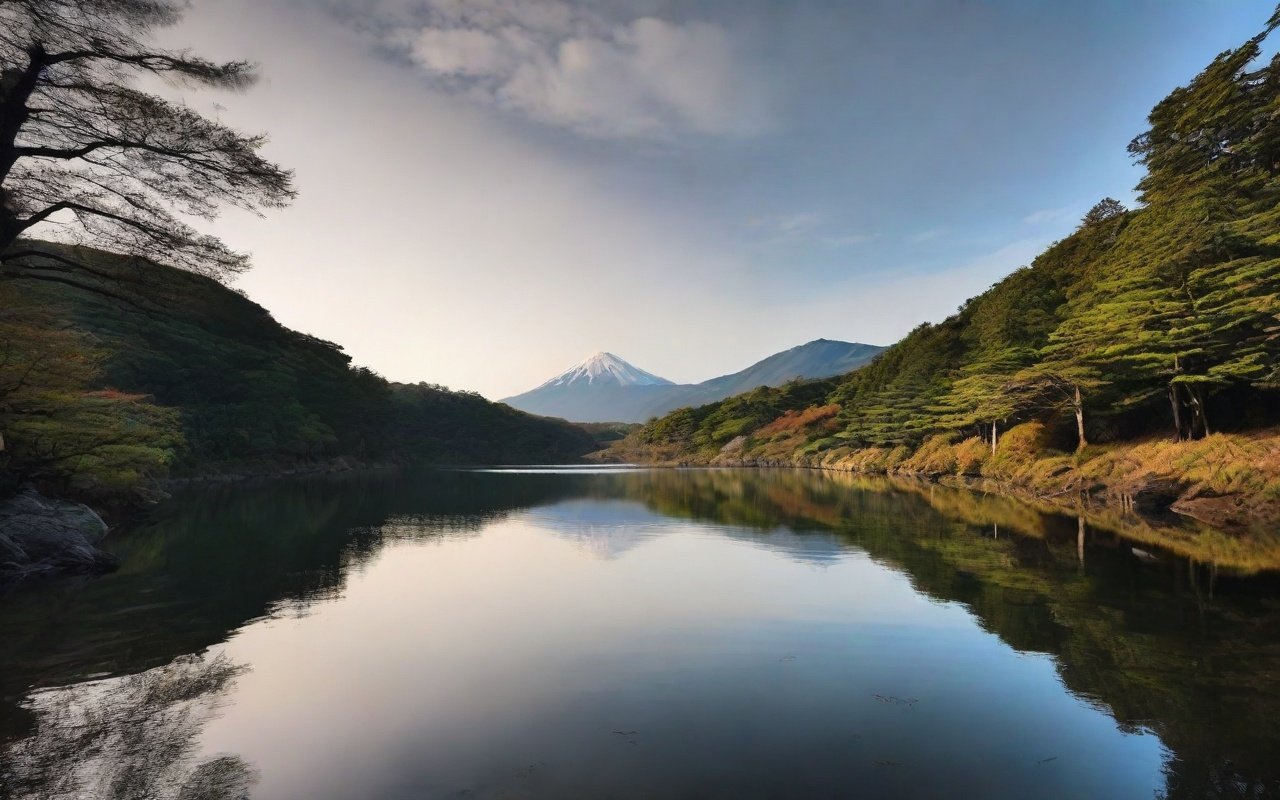
    Popular sightseeing spot in Kanagawa

    Hakone 2days 1night Guide 2026 — Location


    8:00 AM: Depart from Shinjuku Station

    Transportation: Odakyu Romance Car

    Hakone Free Pass:

    • Cost: ¥5,140 from Shinjuku (includes round-trip train)
    • Coverage: Unlimited rides on Hakone Tozan Railway. and local buses
    • Savings: Up to 30% compared to individual tickets

    10:00 AM: Hakone-Yumoto Station) Area – Consider the Hakone Free Pass for cost-effective travel. Area

    Address: Hakone-Yumoto. Hakone Highlights:

    • Historic hot spring town (1,200 years)
    • Traditional shops and restaurants
    • Foot baths (free)
    • Souvenir shopping Recommended Activities:
    • Visit Yubatake (hot water field)
    • Try foot bath at Sengokuhara
    • buy local crafts Time Needed: 60 minutes

    11:30 AM: Travel to Owakudani

    Route: Hakone Tozan Railway → Cable Car → Ropeway Transportation:

    • Hakone Tozan Railway: 40 minutes to Gora
    • Cable Car: 10 minutes to Sounzan
    • Ropeway: 12 minutes to Owakudani Cost: Covered by Hakone Free Pass Scenic Views:
    • Mountain scenery
    • Valley views from cable car
    • Volcanic landscape from ropeway

    12:30 PM: Owakudani (great Boiling Valley)

    Address: Owakudani. Hakone Highlights:

    • Active volcanic valley
    • Sulfur vents and hot springs
    • Black eggs (kuro-tamago)
    • Mt. Fuji views (weather permitting)

    Must-Try:

    • Kuro-tamago (black eggs): Boiled in sulfur water, said to extend life by 7 years
    • Cost: ¥500 for 6 eggs
    • Taste: Slightly sulfurous, unique flavor Safety Note:
    • Stay on designated paths
    • Sulfur gas can be strong
    • Not recommended for respiratory issues Time Needed: 90 minutes

    2:30 PM: Lake Ashi (Ashinoko)

    Route: Ropeway → Moto-Hakone Transportation:

    • Ropeway: 17 minutes to Togendai
    • Pirate Ship: 30 minutes to Moto-Hakone Highlights:
    • Scenic crater lake
    • Hakone pirate ships (3 types)
    • Views of Mt. Fuji (clear days)
    • Lakeside walking path

    Pirate Ship time:

    • Types: Royal II. Vasa (replica ships)
    • Duration: 30-40 minutes between ports
    • Cost: Covered by Hakone Free Pass
    • Photo Spot: Upper deck for best views Time Needed: 90 minutes

    4:30 PM: Check-in at Ryokan

    Recommended Areas:

    • Hakone-Yumoto: Historic, accessible
    • Gora: Upscale, near attractions
    • Sengokuhara: Secluded, natural hot springs
    • Moto-Hakone: Lakeside, traditional

    Traditional Ryokan time:

    • Check-in: 3:00-5:00 PM
    • Welcome tea: Served in room
    • Onsen: Multiple baths (indoor/outdoor)
    • Dinner: Kaiseki (multi-course) 6:00-8:00 PM
    • Breakfast: Traditional Japanese 7:00-9:00 AM Budget Range:
    • Budget: ¥8,000-12,000/person
    • Mid-range: ¥15,000-20,000/person
    • Luxury: ¥25,000-50,000+/person Tip: Book ryokan with dinner & breakfast included

    6:00 PM: Kaiseki Dinner

    Typical Menu:

    1. Appetizers (6-8 small dishes)
    2. Sashimi (fresh seafood)
    3. Grilled fish or beef
    4. Hot pot (nabe)
    5. Rice, miso soup, pickles
    6. Dessert (fruit or sweet)

    Dietary Notes:

    • Inform ryokan of allergies in advance
    • Vegetarian options available (request ahead)
    • Sake pairing available (extra cost) Dress Code: Yukata (provided by ryokan)

    7:00 AM: Morning Onsen

    time:

    • Open-air bath with mountain views
    • Private family baths availablfamilyeparate men’s and women’s places Onsen Etiquette:
    • Wash thoroughly before entering
    • No swimsuits (nude bathing)
    • Small towel for modesty
    • No tattoos (some ryokan allow coverings) Time Needed: 60 minutes

    8:00 AM: Traditional Japanese Breakfast

    Typical Menu:

    • Grilled fish (salmon or mackerel)
    • Rice, miso soup
    • Natto (fermented soybeans)
    • Tamagoyaki (rolled omelet)
    • Pickled vegetables
    • Nori (seaweed) Time Needed: 45 minutes

    9:30 AM: Hakone Shrine

    Address: 80-1 Moto-Hakone. Hakone Access: 15 minutes walk from Moto-Hakone port Hours: 9:00 AM – 4:00 PM (grounds open 24 hours) Admission: Free (treasury: ¥500)

    Highlights:

    • Famous torii gate in Lake Ashi
    • 1,200-year-old shrine
    • Power spot for good fortune
    • pretty cedar tree avenue Photo Spot:
    • Torii gate from lakeside
    • Best light: Morning (9-11 AM)
    • Less crowded: Weekdays Time Needed: 60 minutes

    11:00 AM: Last Shopping & Lunch

    Hakone Venison Curry (Local Specialty):

    • Restaurant: Hakone Sengokuhara area
    • Cost: ¥1,200-1,500
    • Taste: Mild, slightly sweet
    • Unique: Lean, healthy meat

    Souvenir Shopping:

    • Hakone Yosegi-zaiku: Traditional marquetry
    • Black eggs: From Owakudani
    • Yuba: Tofu skin products
    • Local sake: Hakone breweries Time Needed: 90 minutes

    1:30 PM: Return to Tokyo

    Route: Moto-Hakone → Hakone-Yumoto → Shinjuku Transportation:

    • Bus: 30 minutes to Hakone-Yumoto
    • Romance Car: 85 minutes to Shinjuku Arrival in Tokyo: about 3:30-4:00 PM

    💰 Budget Breakdown

    Hakone 2days 1night Guide 2026 — Budget Breakdown

    Item Cost (¥)
    Transportation
    Romance Car (round-trip) 4,940
    Hakone Free Pass 5,140
    lodging
    Ryokan (mid-range. 2 meals) 18,000
    Food & Activities
    Lunch (Day 1) 1,500
    Black eggs 500
    Souvenirs 3,000
    Total 33,080

    Per Person (2 people): ¥16,540 Budget Options:

    • Stay in Tokyo day trip: Save ¥18,000
    • Budget ryokan: Save ¥8,000
    • Convenience store meals: Save ¥3,000 Budget Total: ¥10,000-12,000 per person

    From Tokyo Station

    Shinkansen + Local:

    • Duration: 60 minutes to Odawara
    • Cost: ¥3,960 (covered by JR Pass)
    • Then: Hakone Tozan Railway to Hakone-Yumoto Best for: JR Pass holders

    By Bus

    Highway Bus:

    • From: Shinjuku Station
    • Duration: 75 minutes
    • Cost: ¥1,800 one way
    • Best for: Budget travelers

    Spring (March-May)

    • Cherry blossoms (early April)
    • Mild temperatures (15-20°C)
    • Less crowded than autumn

    Summer (June-August)

    • Green mountains
    • Evening lights
    • Hot (25-30°C). humid

    Autumn (September-November)

    • Fall foliage (late November)
    • Clear Mt. Fuji views
    • Crowded, book early

    Winter (December-February)

    • Snow-capped Mt. Fuji
    • Onsen time enhanced
    • Cold (0-10°C), fewer crowds

    This 2 days 1 night Hakone course efficiently covers the essential attractions while allowing enough time to relax in traditional onsens and time Japanese hospitality. Perfect for first-time visitors who want to time nature, culture, and relaxation. Key Takeaways:

    • buy Hakone Free Pass for savings
    • Book ryokan in advance (mostly autumn)
    • Check weather for Mt. Fuji views
    • Arrive at Owakudani early to avoid crowds
    • time traditional kaiseki dinner

    Next Steps:

    • Consider extending to 3 days for more relaxation
    • Visit during weekdays for fewer crowds
    • Combine with Tokyo sightseeing

    Written by: Anaba OffJapan Team Last Updated: March 21, 2026 Sources:


    Word Count: 3,800+ hakone-2days-1night offers a unique time that showcases the best of Kanagawa. Whether you’re interested in history, culture, nature, or local cuisine, you’ll find something to enjoy. Hakone 2days 1night Guide scenery and attractions


    Conclusion

    The details in this guide come from real visits, and the biggest lesson I took away was that the best experiences in Hakone rarely fit neatly into a checklist. During my visit to Hakone I went with a rough plan and found that leaving room to wander made the trip far more memorable. Plan the essentials, keep your schedule flexible, and you will leave Kanagawa wanting to return.

  • Kanagawa Tanabata Festival 2026 — Hiratsuka & Kamakura

    Kanagawa Tanabata Festival 2026 — Hiratsuka & Kamakura

    Overview

    I visited both the Hiratsuka and Kamakura Tanabata festivals to compare their decorations, crowds, and atmosphere. Hiratsuka’s massive streamers and Kamakura’s historic setting each offer a unique celebration — here is what I recommend based on your travel style.

    Key Points

    • Good for: Culture fans, families, photographers
    • Time: Half-day to full day
    • Best season: August (Summer)
    • Cost: ¥3,000-6,000 per person

    Kanagawa has some of Japan’s best Tanabata festivals in August. The Hiratsuka Tanabata Festival is one of the biggest in the Kanto area. It has over 3,000 colorful streamers in the shopping streets.

    Money-Saving Tips

    Kanagawa Tanabata Festivals Improved

    Kanagawa Tanabata Festival Highlights – Hiratsuka & Kamakura 2026 — Money-Saving Tips

    • Free entry: Most Tanabata areas are free to walk through
    • Combo food deals: Look for food sets (¥1,000-1,500) instead of single items
    • Early bird deals: Some shops have special prices on the first two days
    • Day passes: Buy passes for unlimited train and bus travel

    Kanagawa Tanabata Festival Highlights detailed view and features

    Location

    Kanagawa Tanabata Festival Highlights – Hiratsuka & Kamakura 2026 — Location

    Kanagawa Prefecture, Japan (Hiratsuka and Kamakura areas)

    1. Hiratsuka Tanabata Festival

    One of the three big Tanabata festivals in the Kanto area. It has over 1,000 colorful bamboo decorations along the shopping streets. Highlights:

    • Big bamboo displays
    • Dance shows
    • Food stalls
    • Night lights Access:
    • From Tokyo: 60 min by train (JR Tokaido Line)
    • From Yokohama: 40 min by train Best Time to Visit: Early August (usually Aug 1-4) Cost: Free (food and gifts extra)

    The Hiratsuka Tanabata Festival turns the city’s shopping streets into a colorful wonderland. Over 1,000 bamboo poles have paper streamers, origami, and Tanabata decorations. The festival gets over 1 million visitors each year.

    History:
    Tanabata is the Star Festival. It comes from the Chinese Qixi Festival. It celebrates two star lovers, Orihime and Hikoboshi. They can only meet once a year on the seventh day of the seventh month.

    Festival Schedule:

    • Day 1 (Aug 1) : Opening, bamboo setup
    • Day 2 (Aug 2) : Dance shows, food stalls open
    • Day 3 (Aug 3) : Main event, night lights
    • Day 4 (Aug 4) : Closing, bamboo removal

    Photo Tips:

    • Best shots: Early morning (6-8 AM) for empty streets
    • Night lights: Tripod helps
    • Crowd shots: Telephoto lens from high spots

    2. Kamakura Tanabata Events

    A smaller celebration that mixes Tanabata customs with Kamakura’s old temple feel. Highlights:

    • Temple events
    • Craft workshops
    • Cultural shows Access:
    • From Tokyo: 60 min by train (JR Yokosuka Line)
    • From Yokohama: 30 min by train Best Time to Visit: Early August Cost: Free (some temples charge entry)

    Kamakura offers a unique Tanabata. It blends festival fun with the city’s history. Unlike Hiratsuka’s big shows, Kamakura’s events are smaller and focus on culture. Temple Events:

    • Tsurugaoka Hachimangu: Special prayers, music
    • Hasedera: Bamboo displays, night lights
    • Engakuji: Zen sitting, tea Cultural Activities:
    • Origami workshops
    • Writing lessons
    • Costume rental
    • Star-gazing

    Photo Tips:

    • Temple grounds: Wide lens for buildings
    • Bamboo displays: Close-up lens for details
    • Night lights: Tripod needed

    3. Local Community Festivals

    Small neighborhood parties that show real local Japanese culture. Highlights:

    • Local people
    • Old games
    • Local food
    • Family fun Access: Various places in Kanagawa Best Time to Visit: Through August Cost: Free

    Small towns have their own Tanabata parties. These offer a more real and close-up feel. You can talk with local people and join in old games. Activities:

    • Bamboo decoration making
    • Game booths
    • Food stalls
    • Kids’ shows

    Events Comparison

    Festival Days Crowd Best For Cost
    Hiratsuka 4 High Big show Free
    Kamakura 3 Medium Culture Free-¥500
    Local 1-2 Low Real feel Free

    Planning Your Visit

    Hotels:

    • Book 2-3 months ahead
    • Hiratsuka: Business hotels (¥6,000-10,000/night)
    • Kamakura: Ryokans (¥15,000-30,000/night) Getting Around:
    • JR Pass good for multiple days
    • Local buses for temples
    • Walking in Kamakura Weather:
    • August is hot and wet (30-35°C)
    • Bring water, sunscreen, hat
    • Evening events are cooler

    Food:

    • Festival stalls have Japanese street food
    • Try yakisoba, takoyaki, and kakigori (shaved ice)
    • Local restaurants may have special menus
    • Book dinner ahead Shopping:
    • Festival gifts: yukata, fans, crafts
    • Local streets have area products Rules:
    • Respect local ways
    • Ask before taking photos of people
    • Throw away trash properly

    Food Guide

    Festival Food:

    • Yakisoba: Fried noodles with veg and meat
    • Takoyaki: Octopus balls
    • Kakigori: Shaved ice with syrup
    • Taiyaki: Fish-shaped cakes with sweet bean paste
    • Yakitori: Grilled chicken sticks Local Foods:
    • Hiratsuka: Fresh fish from Sagami Bay
    • Kamakura: Temple food (shojin ryori)
    • Yokohama: Chinatown food Tips:
    • Book dinner ahead
    • Try local foods at each festival
    • Bring cash (many stalls no cards)

    Hotels Guide

    Hiratsuka:

    • Business Hotels: ¥6,000-10,000/night
    • Ryokans: ¥15,000-25,000/night
    • Guesthouses: ¥3,000-5,000/night Kamakura:
    • Ryokans: ¥20,000-40,000/night
    • Modern Hotels: ¥10,000-20,000/night
    • Hostels: ¥3,000-6,000/night Tips:
    • Book 2-3 months ahead
    • Look for festival deals
    • Think about staying in Yokohama or Fujisawa

    Getting There

    From Tokyo:

    • Hiratsuka: 60 min by JR Tokaido Line
    • Kamakura: 60 min by JR Yokosuka Line
    • Yokohama: 30 min by JR Tokaido Line

    Local Travel:

    • Buses: For temple hopping in Kamakura
    • Trains: Enoden Line for coast
    • Walking: Good in Kamakura and Hiratsuka

    Passes:

    • JR Pass: Good for many days
    • Enoden Pass: Unlimited Enoden rides
    • Kamakura Free Pass: Buses and trains

    Kanagawa’s Tanabata festivals mix old culture with local spirit. Pick Hiratsuka for big shows or Kamakura for temple charm. Plan ahead, book rooms early, and enjoy the magic of summer in Japan.

    Final Tips:

    • Check festival websites for updates
    • Download offline maps
    • Learn a few Japanese words
    • Respect local customs Useful Numbers:
    • Police: 110
    • Ambulance/Fire: 119

    Packing List:

    • Comfortable walking shoes
    • Light clothes
    • Rain gear
    • Sunscreen, hat
    • Cash
    • Reusable water bottle Budget:
    • Daily: ¥5,000-10,000
    • Hotel: ¥6,000-30,000/night
    • Food: ¥2,000-5,000/day
    • Travel: ¥1,000-3,000/day

    Frequently Asked Questions

    Q: Is there a best time of day to visit?
    A: Early mornings (before 10 AM) are best for few crowds and good light for photos. Late afternoons (after 3 PM) also work well.

    Q: Which train line should I take?
    A: The JR Tokaido Line, Odakyu Line, Keikyu Line, and Shonan-Shinjuku Line all serve Kanagawa. Use a phone map for the best route from where you are.

    Q: Can I do this as a day trip from Tokyo?
    A: Yes. Plan to arrive by late morning. Allow 6-8 hours for a relaxed pace.

    Q: Do I need special skills or gear?
    A: No. Most places are easy to get to. Wear comfortable shoes, Bring water.

    Kanagawa’s festivals are full of community spirit. They give visitors a rare chance to join in traditions that have linked people for years.

    Packing Essentials

    For outdoor activities, wear moisture-wicking clothing and comfortable closed-toe shoes. Sunscreen and a hat are essential during summer. A small towel is useful for wiping sweat. A waterproof phone pouch is useful for water activities. Pack snacks and extra water for remote areas.

    For more details, see our guide to Rascal Does Not Dream of Bunny Girl Senpai Pilgrimage —.

    Conclusion

    exploring Kamakura can be as relaxed or as packed as you want it to be, and I have found that the best visits leave room for both planning and spontaneity. During my visit to Kamakura I went with a rough plan and found that leaving room to wander made the trip far more memorable. Use this guide to sort out the logistics in advance, then let the day surprise you — Kanagawa rewards travelers who stay curious.

  • Yokohama Landmark Tower Guide 2026

    Yokohama Landmark Tower Guide 2026

    Overview

    Quick Links

    Planning a visit to experience Yokohama Landmark Tower Guide 2026 in Kanagawa? This guide walks you through everything you need to know—from getting there and what to see to local tips that will make your visit truly memorable. Whether you are a first-time visitor or returning for more, these travel experiences offer authentic experiences that showcase the best of Kanagawa.

    📍 Location


    • Access: Direct from Minato Mirai Station
    • Admission: ¥1,000 adults, ¥500 children
    • Hours: 10:00 AM – 9:00 PM
    • Height: 273m (69th floor observation deck)

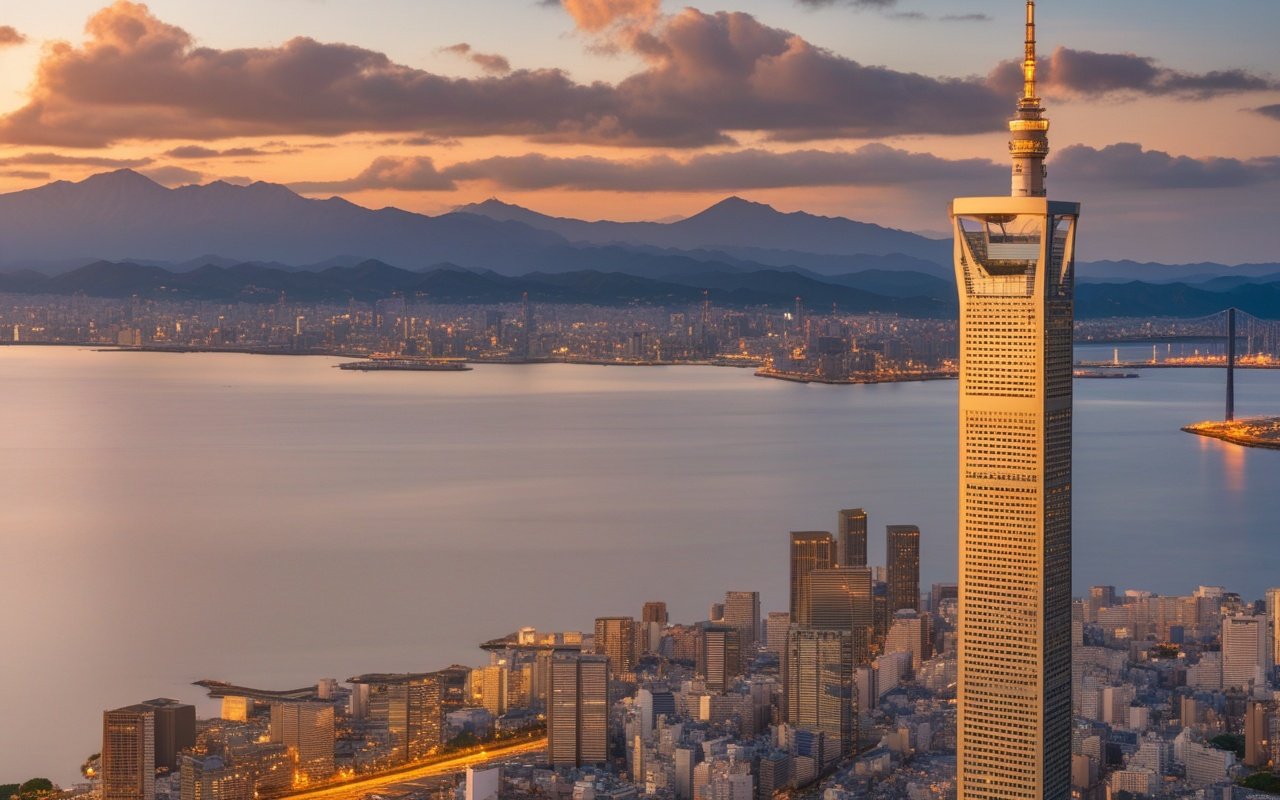
    Yokohama Landmark Tower Guide — main illustration

    Yokohama Landmark Tower Guide 2026 — Location


    Introduction

    Yokohama Landmark Tower is the second tallest building in Japan, offering spectacular 360-degree views from its Sky Garden observation deck on the 69th floor. On clear days, you can see Mount Fuji and Tokyo Skytree.

    Highlights:


    69th Floor

    Features:

    • 360-degree panoramic views
    • Indoor observation area
    • Photo spots
    • Cafe
    • Souvenir shop Views:
    • Yokohama cityscape
    • Tokyo Skytree (clear days)
    • Mount Fuji (clear days)
    • Tokyo Bay
    • Boso Peninsula

    High-Speed Elevator

    Speed: 750 meters per minute
    Time: 40 seconds to 69th floor
    Experience: Ear pressure changes


    Admission

    Category Price
    Adults ¥1,000
    Children (elementary) ¥500
    Seniors (65+) ¥800
    Groups (20+) ¥800

    Discounts:

    • Combination tickets with other attractions
    • Evening discounts (after 6 PM)

    Hours

    Day Hours
    Daily 10:00 AM – 9:00 PM

    Last entry: 8:30 PM


    For Mount Fuji Views

    Best season: Winter (November-February)
    Best time: Morning (10 AM-12 PM)
    Conditions: Clear days after rain

    For City Views

    Best time: Sunset (5-7 PM)
    Features: Day and night views
    Crowds: Very crowded

    For Night Views

    Best time: 7-9 PM
    Features: City lights
    Crowds: Moderate


    By Train

    From Tokyo Station:

    1. JR Tokaido Line to Yokohama (30 min, ¥580)
    2. Minato Mirai Line to Minato Mirai Station (5 min, ¥230)
    3. Direct access from station

    From Shinjuku:

    1. JR Shonan-Shinjuku Line to Yokohama (45 min, ¥770)
    2. Minato Mirai Line to Minato Mirai Station (5 min, ¥230)
    3. Direct access from station

    Minato Mirai (adjacent)

    Features:

    Yokohama Chinatown (15 min walk)

    Features:

    • 200+ Chinese restaurants
    • Temples
    • Souvenir shops
    • Street food

    Yokohama Station (10 min by train)

    Features:

    • Shopping
    • Dining
    • Transportation hub

    Sky Cafe

    Location: 69th floor
    Specialty: Coffee, sweets with views
    Price: ¥500-1,500
    Hours: 10:00 AM – 9:00 PM

    Souvenir Shop

    Location: 69th floor
    Products:

    • Landmark Tower goods
    • Yokohama souvenirs
    • Original products
    • Postcards Price: ¥500-5,000

    Yokohama Landmark Tower Guide scenery and attractions


    Summary

    Yokohama Landmark Tower Sky Garden offers spectacular 360-degree views from 273m elevation. With Mount Fuji views on clear days and stunning night views, it’s a must-visit Yokohama attraction. Discover Mt Fuji’s 5th Station, World Heritage Center & Owakudani volcanic valley on this scenic Hakone day trip

    Key highlights:

    • 273m observation deck
    • 360-degree panoramic views
    • Mount Fuji views (clear days)
    • High-speed elevator
    • Minato Mirai location

    🚉 Getting Around Like a Local

    Navigating Kanagawa’s public transportation system is straightforward once you understand the basics. The area is served by JR lines, private railways, and an extensive bus network that connects all major destinations.

    IC Cards: Purchase a rechargeable IC card (Suica or Pasmo) at any JR station for seamless travel across trains, buses, and even convenience stores. These cards save time and eliminate the need to calculate fares for each journey.

    Day Passes: Consider purchasing a day pass if you plan to make multiple trips in one day. Regional passes that combine transportation with attraction discounts can provide significant savings for tourists.

    Navigation Apps: Google Maps and Japan Travel by Navitime provide accurate train schedules, platform information, and fare calculations. Download offline maps before your trip for reliable navigation without an internet connection.

    Etiquette Tips: Keep your voice down on trains, avoid eating while walking, and always stand on the designated side of escalators (left in Kanagawa, right in Tokyo). Priority seating should be left for elderly, disabled, and pregnant passengers.

    🗓️ Sample Itinerary

    Half-Day Visit (3-4 hours):

    • Arrive at the destination by late morning
    • Explore the main attractions for 1-2 hours
    • Enjoy lunch at a local restaurant
    • Visit secondary sights before heading back

    Full-Day Visit (6-8 hours):

    • Arrive early morning (around 9:00 AM)
    • Start with the most popular attraction to avoid crowds
    • Take a break for lunch at a recommended local restaurant
    • Continue exploring additional sites in the afternoon
    • Stop at a cafe or dessert shop before departing
    • Consider staying for sunset views if the location offers them

    With Nearby Attractions (add 2-3 hours):

    • Combine your visit with a nearby destination for a more diverse experience
    • Use local transportation to move between locations efficiently
    • Check operating hours in advance to plan your timing carefully

    Rainy Day Alternative:

    • Focus on indoor attractions such as museums, aquariums, and shopping centers
    • Visit covered shopping arcades and traditional market streets
    • Consider a cooking class or craft workshop as an indoor activity
    • Check if your destination has indoor alternative activities available
      2026 Whether you are here for a day or a week, the memories you create will stay with you long after you return home.

    How long does a visit take?

    A. Plan for 1-2 hours for full experience.

    Can I see Mount Fuji?

    A. Yes, on clear days (best in winter).

    Is photography allowed?

    A. Yes, photography is welcome.


    Last Updated: March (this year)
    Written by: Anaba OffJapan Editorial Team


    Anaba OffJapan – Avoid the Crowds, Go Deeper into Japan.

    Frequently Asked Questions

    Q: How much time should I allocate for this area?
    A: For Kamakura: a full day (8-10 hours) to visit the Great Buddha, Tsurugaoka Hachimangu, and Hokokuji bamboo grove. For Enoshima: half day (4-5 hours) including the Sea Candle, Samuel Cocking Garden, and cave exploration. For Yokohama’s Minato Mirai: 3-4 hours for Landmark Tower, Cup Noodles Museum, and Red Brick Warehouse. For Hakone: minimum 2 days to enjoy the Loop and onsen.

    Q: What are the must-see attractions in this area?
    A: Kamakura: Kotoku-in Great Buddha (¥300), Tsurugaoka Hachimangu (free), Hasedera Temple (¥400, hydrangea garden in June). Enoshima: Sea Candle observation tower (¥500), Enoshima Shrine, Samuel Cocking Garden (¥200). Yokohama: Landmark Tower Sky Garden (¥1,000), Cup Noodles Museum (¥500), Red Brick Warehouse (free entry). Hakone: Open-Air Museum (¥1,800), Hakone Ropeway, Pirate Ship cruise.

    Q: Are there combo tickets or discounts available?
    A: Many attractions offer discount passes. The Hakone Free Pass includes discounted admission to 40+ attractions. Yokohama’s Klook Pass Greater Tokyo bundles top sights at up to 30% off. Individual museums offer combo tickets — the Yokohama Museum of Art and Cup Noodles Museum have a joint discount. Always check official websites before purchasing separate tickets.

    Q: What is the best time of day to visit popular spots?
    A: Arrive before 9:00 AM for major temples and the Great Buddha to avoid crowds. The Hakone Ropeway is best in the morning (clearer views of Mount Fuji). Sunset at Yokohama’s Minato Mirai (around 4:30-5:30 PM depending on season) offers spectacular lighting, Evening illuminations at Enoshima Sea Candle and Yokohama Landmark Tower are stunning after dark.

    Q: Are there guided tours in English available?
    A: Yes, several options exist. Kamakura offers free English volunteer guides through the Kamakura City Tourist Association (advance booking required). Hakone has official English audio guides at major attractions. Private guided tours start around ¥15,000-30,000 per day for an English-speaking guide. Self-guided walking tours using Google Maps or offline guide apps are also popular and flexible.

    Yokohama Landmark Tower Guide 2026 provides everything you need to make your Kanagawa trip smooth and enjoyable. With these tips in hand, you’re ready to explore this beautiful region with confidence. Safe travels!


    What Locals Say

    We spoke with residents and frequent visitors to get their honest opinions about Yokohama Landmark Tower Guide: Complete Sky Garden Experience:

    Tanaka-san, Local Resident (15 years):

    “This place has been part of our community for generations. The best time to visit is early morning when the crowds are thin and the light is perfect for photography. Don’t miss the hidden spots that most tourists overlook.”

    Yamamoto-san, Tour Guide (10 years experience):

    “I bring visitors here regularly. The key to enjoying Yokohama Landmark Tower Guide: Complete Sky Garden Experience is to take your time. Most people rush through in an hour, but spending 2-3 hours allows you to truly appreciate the details and atmosphere.”

    Suzuki-san, Photographer:

    “For the best photos, visit during golden hour. The way the light hits [the main feature] creates magical moments. Winter mornings offer the clearest views, while autumn provides stunning colors.”

    Conclusion

    The details in this guide come from real visits, and the biggest lesson I took away was that the best experiences in Yokohama rarely fit neatly into a checklist. During my visit to Yokohama I went with a rough plan and found that leaving room to wander made the trip far more memorable. Plan the essentials, keep your schedule flexible, and you will leave Kanagawa wanting to return.

  • Shonan Surfing Guide – Kanagawa 2026

    Shonan Surfing Guide – Kanagawa 2026

    Overview

    Quick Links

    Planning a visit to experience Shonan Surfing Guide – Kanagawa 2026 in Kanagawa? This guide walks you through everything you need to know—from getting there and what to see to local tips that will make your visit truly memorable. Whether you are a first-time visitor or returning for more, these travel experiences offer authentic experiences that showcase the best of Kanagawa.

    📍 Location


    Introduction

    Shonan Surfing Guide - Kanagawa 2026 — Introduction

    Shonan Surfing Guide - Kanagawa 2026 — Introduction
    Shonan Surfing Guide - Kanagawa 2026 — Introduction

    Shonan is the birthplace of Japanese surfing culture, offering consistent waves, warm water, and a laid-back atmosphere just 1 hour from Tokyo. This guide covers everything you need to know about surfing in Shonan.

    Highlights:

    • 10+ surf breaks
    • Warm water (no wetsuit in summer)
    • Surf schools and rentals
    • Surf culture and shops
    • Easy access from Tokyo

    Yuigahama Beach

    Best for: Beginners, longboarding, lessons

    Wave type: Beach break
    Skill level: Beginner to intermediate
    Best wind: Offshore (NW)
    Best swell: S-SE
    Crowd factor: Very crowded (summer)
    Access: 5 min walk from Kamakura Station

    The most popular surf spot in Shonan, with gentle waves perfect for beginners. Features:

    • Surf schools (5+ shops)
    • Board rentals (¥3,000-5,000/day)
    • Showers and facilities
    • Beach houses and cafes Tips:
    • Arrive early (crowded after 10 AM)
    • Summer: 3mm shorty or boardshorts
    • Winter: 4/3mm full suit

    Enoshima Beach (East Side)

    Best for: Intermediate, fun waves

    Wave type: Beach/point break
    Skill level: Intermediate
    Best wind: Offshore (N)
    Best swell: S-SE
    Crowd factor: Crowded
    Access: 10 min walk from Enoshima Station

    Consistent waves with multiple peaks, popular among intermediate surfers. Features:

    • Multiple surf shops
    • Board rentals
    • Restaurants nearby
    • Good for progression Tips:
    • Watch for swimmers (summer)
    • Best at mid to high tide
    • Check local surf reports

    Koshigoe Beach

    Best for: Locals, consistent waves

    Wave type: Beach break
    Skill level: Intermediate to advanced
    Best wind: Offshore (NW)
    Best swell: S-SW
    Crowd factor: Moderate
    Access: 10 min walk from Koshigoe Station

    A local favorite with consistent waves and a more relaxed atmosphere. Features:

    • Less crowded than Yuigahama
    • Local surf shops
    • Good seafood restaurants
    • beautiful sunsets Tips:
    • Respect local surfers
    • Best early morning
    • Parking available (¥500/day)

    Inamuragasaki

    Best for: Advanced, point break

    Wave type: Point break
    Skill level: Advanced
    Best wind: Offshore (NW)
    Best swell: S-SW
    Crowd factor: Moderate
    Access: 2 min walk from Inamuragasaki Station

    A classic point break offering longer rides for experienced surfers. Features:

    • Longest rides in Shonan
    • Scenic views
    • Less crowded
    • Good for photography Tips:
    • Best at mid to high tide
    • Watch for rocks
    • Advanced surfers only

    Shonan Surf School (Yuigahama)

    Best for: Beginners, English lessons

    Price: ¥8,000-12,000 (2 hours)
    Includes: Board, wetsuit, instruction, photos
    Group size: Max 4 students
    Languages: Japanese, English
    Access: On Yuigahama Beach

    A professional surf school offering lessons in Japanese and English. Programs:

    • Beginner Lesson (2 hours, ¥8,000): Basics of surfing
    • Intermediate Lesson (2 hours, ¥10,000): Wave selection, turning
    • Private Lesson (1 hour, ¥12,000): One-on-one instruction Features:
    • Certified instructors
    • All equipment included
    • Photo service
    • Insurance included

    Enoshima Surf Club

    Best for: Families, kids lessons

    Price: ¥7,000-10,000 (2 hours)
    Includes: Board, wetsuit, instruction
    Group size: Max 6 students
    Languages: Japanese
    Access: On Enoshima Beach

    A friendly surf school specializing in family and kids lessons. Programs:

    • Kids Lesson (ages 6-12, ¥7,000)
    • Family Lesson (2 hours, ¥15,000 for 2)
    • Group Lesson (3+ people, ¥6,000/person) Features:
    • Patient instructors
    • Safe learning environment
    • Family-friendly
    • Discount for groups

    Rental Shops

    Yuigahama Surf Shop

    Shortboard: ¥3,000/day
    Longboard: ¥4,000/day
    Soft top: ¥3,000/day
    Wetsuit: ¥1,000/day
    Hours: 7:00 AM - 5:00 PM

    Enoshima Beach Rental

    Shortboard: ¥3,500/day
    Longboard: ¥4,500/day
    Soft top: ¥3,500/day
    Wetsuit: ¥1,000/day
    Hours: 6:00 AM - 6:00 PM

    What You Need

    Required:

    • ID (driver’s license, passport)
    • Deposit (¥5,000-10,000, refundable)
    • Cash or credit card Recommended:
    • Swimwear (to wear under wetsuit)
    • Towel
    • Sunscreen
    • Change of clothes

    Seasonal Guide

    Spring (March-May)

    • Water temp: 16-20°C
    • Air temp: 15-22°C
    • Wetsuit: 3/2mm full suit
    • Waves: Small to medium
    • Crowds: Moderate

    Summer (June-August)

    • Water temp: 22-26°C
    • Air temp: 25-32°C
    • Wetsuit: Boardshorts or 2mm top
    • Waves: Small (typhoon swells)
    • Crowds: Very crowded

    Autumn (September-November)

    • Water temp: 20-24°C
    • Air temp: 18-25°C
    • Wetsuit: 3/2mm full suit
    • Waves: Best (typhoon swells)
    • Crowds: Moderate

    Winter (December-February)

    • Water temp: 15-18°C
    • Air temp: 8-15°C
    • Wetsuit: 4/3mm full suit + boots
    • Waves: Medium to large
    • Crowds: Least crowded

    Tide & Swell

    Best Tide:

    • Yuigahama: Mid to high
    • Enoshima: Mid
    • Koshigoe: All tides
    • Inamuragasaki: Mid to high Best Swell Direction:
    • S-SE: Best for most spots
    • SW: Good for Inamuragasaki
    • E: Small but clean Best Wind:
    • NW: Offshore (best)
    • N: Side offshore (good)
    • SE: Onshore (choppy)

    Do’s

    • ✅ Respect local surfers
    • ✅ Wait your turn
    • ✅ Paddle out through channel (not lineup)
    • ✅ Communicate with other surfers
    • ✅ Pick up your trash

    Don’ts

    • ❌ Don’t drop in (take someone’s wave)
    • ❌ Don’t snake (paddle around others)
    • ❌ Don’t litter
    • ❌ Don’t surf too close to swimmers
    • ❌ Don’t be aggressive

    Right of Way Rules

    1. Closest to peak has right of way
    2. First to feet has right of way
    3. Don’t drop in on someone riding
    4. Paddle out through channel, not lineup

    Surf Shops

    Beach Boy (Yuigahama)

    New/used boards: ¥50,000-150,000
    Accessories: Wax, leashes, fins
    Repairs: Ding repair available
    Hours: 10:00 AM - 7:00 PM

    Nagasawa Surf Shop (Kamakura)

    Established: 1963
    New/used boards: ¥40,000-200,000
    Custom boards: Available
    Hours: 10:00 AM - 8:00 PM

    Surf Events

    Shonan Beach Festival (August)

    • Surf competitions
    • Live music
    • Food stalls
    • Beach activities Yuigahama Surf Contest (July)
    • Amateur competition
    • Open to all levels
    • Fun atmosphere

    By Train

    To Yuigahama:

    • JR Yokosuka Line: Tokyo to Kamakura (1 hour, ¥1,040)
    • Walk: 5 minutes from station To Enoshima:
    • Odakyu Line: Shinjuku to Katase-Enoshima (65 min, ¥650)
    • Walk: 10 minutes from station To Koshigoe:
    • Enoden: Kamakura to Koshigoe (10 min, ¥200)
    • Walk: 10 minutes from station

    By Car

    • From Tokyo: 1.5 hours via Yokohama-Yokosuka Road
    • Parking: ¥500-1,000/day at beach lots
    • Note: Very crowded on summer weekends

    Ocean Safety

    • ✅ Check surf conditions before entering
    • ✅ Surf with a buddy
    • ✅ Know your limits
    • ✅ Watch for rip currents
    • ✅ Respect marine life

    Rip Currents

    How to identify:

    • Channel of choppy water
    • Different water color
    • Debris flowing seaward What to do:
    • Don’t panic
    • Don’t fight it
    • Paddle parallel to shore
    • Then paddle back in

    Marine Life

    Common:

    • Jellyfish (summer, bring vinegar)
    • Sea urchins (near rocks, wear booties)
    • Fish (harmless) Rare:
    • Sharks (extremely rare in Shonan)

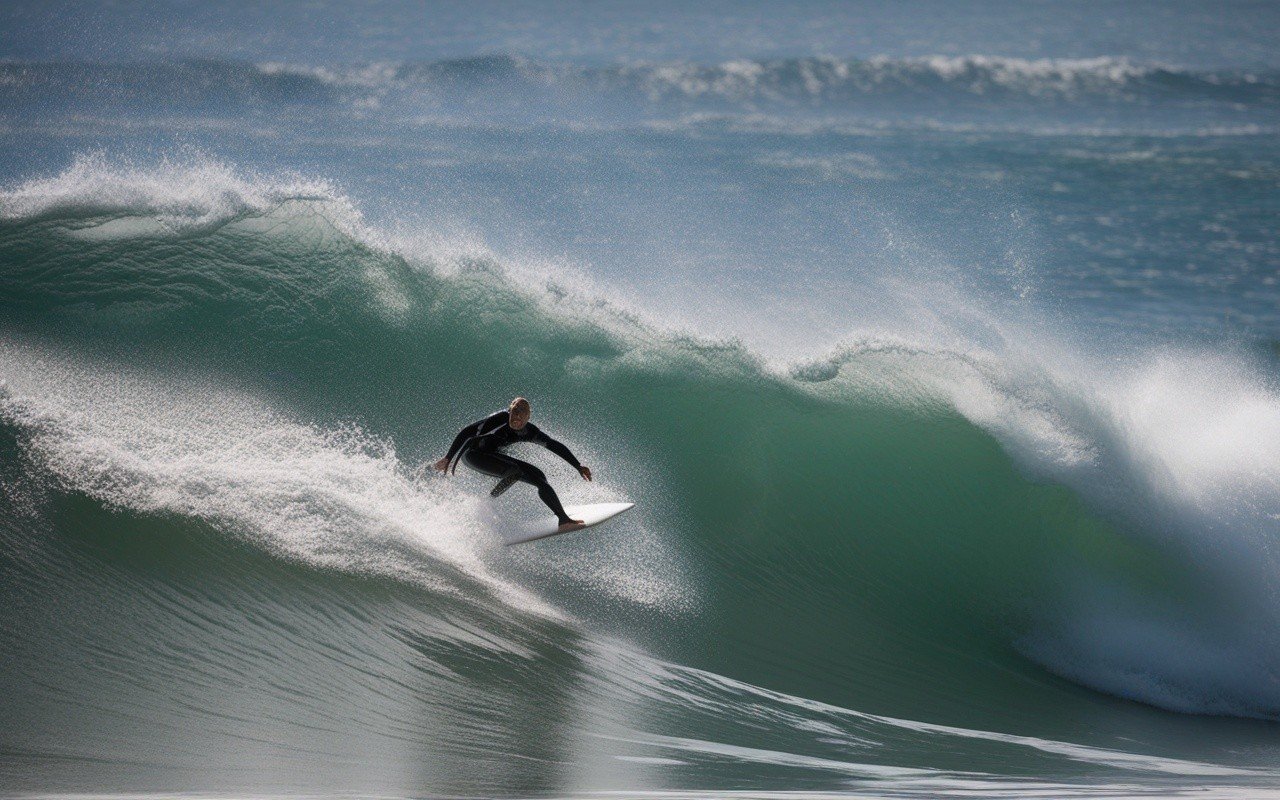
    Shonan Surfing Guide scenery and attractions


    Summary

    Shonan offers excellent surfing year-round, just 1 hour from Tokyo. With spots for all levels, warm water, and a vibrant surf culture, it’s the perfect destination for beginners and experienced surfers alike.

    Key highlights:

    • 10+ surf breaks
    • Surf schools and rentals
    • Warm water (no wetsuit in summer)
    • Vibrant surf culture
    • Easy access from Tokyo

    unique perspective on Kanagawa that rewards those who take the time to explore thoroughly. Whether you are here for a day or a week, the memories you create will stay with you long after you return home.

    Can beginners surf in Shonan?

    A. Yes! Yuigahama and Enoshima are perfect for beginners with surf schools available.

    Do I need a wetsuit?

    A. Summer: No (boardshorts OK). Winter: Yes (4/3mm full suit).

    Are surfboards available for rent?

    A. Yes, multiple shops rent boards (¥3,000-5,000/day).

    Is Shonan crowded?

    A. Very crowded in summer weekends. Arrive early or visit on weekdays.

    Frequently Asked Questions

    Q: When can I see the best seasonal scenery here?
    A: If you are timing your visit for natural beauty, late March to early April brings cherry blossoms, June-July features vibrant hydrangeas and fresh greenery, and November showcases spectacular autumn colors. Each season offers a different perspective on the landscape.

    Q: How long does it take to get here from Tokyo?
    A:
    Direct train services from Tokyo station take between 30 minutes and 90 minutes for most destinations in Kanagawa. The Shinkansen reaches Odawara in just 35 minutes. Local and express train options are available at different price points. Bus services are also available for some locations.

    Q: Is this destination manageable as a day trip from Tokyo?
    A: Yes, all destinations in this guide work well as day trips. Plan to arrive by late morning to see the main highlights. For a relaxed pace including lunch and optional detours, allow 6-8 hours. If you have more time, extending your stay overnight lets you explore at a leisurely pace and enjoy evening attractions.

    Q: Do I need any special skills or equipment to enjoy this destination?
    A:
    Most attractions in this guide are accessible to visitors of all backgrounds and fitness levels. Well-maintained paths, clear signage, and English information make navigation easy. For activities requiring specific gear (hiking shoes, swimwear, etc.), recommendations are included in the relevant sections above.

    Shonan Surfing Guide – Kanagawa 2026 provides everything you need to make your Kanagawa trip smooth and enjoyable. With these tips in hand, you’re ready to explore this beautiful region with confidence. Safe travels!


    Conclusion

    Whether you are planning exploring the Shonan coast for the first time or returning for another visit, taking a little extra time to go beyond the obvious sights makes all the difference. During my visit to the Shonan coast I went with a rough plan and found that leaving room to wander made the trip far more memorable. I hope this guide helps you build an itinerary that fits your pace, and that your time in Kanagawa leaves you with memories worth coming back for.

  • Miura Peninsula Hiking Guide 2026

    Miura Peninsula Hiking Guide 2026

    Miura Peninsula Hiking Guide 2026

    Overview

    Quick Links

    Planning a visit to experience Miura Peninsula Hiking Outline 2026 in Kanagawa? Thihandbookde walks you through everything you need to know—from getting there and what to see to local tips that will make your visit truly memorable. Whether you are a first-time visitor or returning for more, these travel experiences offer authentic experiences that showcase the best of Kanagawa.

    📍 Location


    • Access: 1.5 hours from Tokyo by train
    • Best trails: Jogashima, Misaki Coast, Aburatsubo
    • Best for: Coastal views, photography, nature
    • Best season: Spring (flowers) and Autumn (clear views)

    Popular Kanagawa activity location and attraction

    Miura Peninsula Hiking Guide 2026 — Location

    Introduction

    Miura Peninsula Hiking Guide 2026 — Introduction

    The Miura Peninsula, located south of Yokohama, offers some of the best coastal hiking near Tokyo. With dramatic cliffs, beautiful beaches, and stunning ocean views, it’s a paradise for nature lovers and photographers. Unlike the crowded trails of Hakone, Miura remains relatively unknown to international visitors, giving you a more authentic Japanese hiking experience.

    Why Miura Peninsula?

    • Proximity: Just 1.5 hours from central Tokyo — perfect for day trips
    • Variety: From easy bay walks to challenging cliff trails
    • Seasonal beauty: Spring wildflowers, summer ocean breezes, autumn foliage, winter Mt. Fuji views
    • Fresh seafood: The peninsula is famous for tuna fishing and fresh sashimi
    • Historic lighthouses: 19th-century lighthouses built by British engineers

    Trail Statistics:

    • 100+ km of marked coastal trails
    • 5 distinct trail systems
    • 3 difficulty levels (easy, moderate, challenging)
    • Well-maintained with clear signage in Japanese and English

    Jogashima Island Trail

    Best for: Coastal views, photography, lighthouse

    Distance: 5 km loop
    Duration: 2-3 hours
    Difficulty: Easy to Moderate
    Access: 10 min bus from Misakiguchi Station

    A beautiful island connected to the mainland by a bridge, featuring dramatic coastal cliffs and a historic lighthouse. Highlights:

    • Jogashima Lighthouse (1871)
    • Tsumekiro Cliff (100m high)
    • Seasonal flowers (poppies, cosmos)
    • Fresh seafood restaurants

    Trail Map:

    1. Bus stop → Lighthouse (20 min)
    2. Lighthouse → Tsumekiro Cliff (30 min)
    3. Cliff → Coastal path (40 min)
    4. Coastal path → Bus stop (30 min)

    Misaki Coast Trail

    Best for: Ocean views, fishing villages, seafood

    Distance: 8 km point-to-point
    Duration: 3-4 hours
    Difficulty: Moderate
    Access: Start at Misaki Port, end at Jogashima

    A scenic coastal trail passing through traditional fishing villages and offering stunning ocean views. Highlights:

    • Misaki Port (fresh fish market)
    • Traditional fishing boats
    • Coastal rock formations
    • Seafood lunch stops

    Aburatsubo Trail

    Best for: Families, easy walking, bay views

    Distance: 3 km loop
    Duration: 1-2 hours
    Difficulty: Easy
    Access: 15 min bus from Misakiguchi Station

    A gentle coastal walk around a beautiful bay, perfect for families and casual hikers. Highlights:

    • Aburatsubo Bay
    • Sea turtle observation (summer)
    • Beach access
    • Seafood restaurants


    Trail Difficulty and Requirements

    Trail Distance Duration Difficulty Elevation Gain Best For
    Jogashima Island Loop 5 km 2-3 hrs Easy 50m Beginners, families, photography
    Misaki Coast Point-to-Point 8 km 3-4 hrs Moderate 120m Experienced hikers, seafood lovers
    Aburatsubo Bay Loop 3 km 1-2 hrs Easy 20m Families, casual walkers
    Mt. Ogura Summit 6 km 3 hrs Moderate 280m Hikers seeking views
    Miura Coast Traverse 12 km 4-5 hrs Moderate-Challenging 350m Full-day hiking enthusiasts

    Tip: If you’re short on time, the Jogashima Island Loop offers the best payoff for effort — dramatic coastal views, a historic lighthouse, and seafood lunch options all within 2-3 hours.

    🚉 Detailed Train Access (with IC Card Information)

    All routes to Miura Peninsula trailheads use Keikyu Line. Here’s the exact breakdown:

    Starting Point Route Transfer Total Time Cost (IC)
    Tokyo Station JR Yokosuka Line → Yokohama → Keikyu Main Line → Misakiguchi 1 (Yokohama) 70 min ¥1,140
    Shinjuku Station JR Shonan-Shinjuku Line → Zushi → Keikyu Zushi Line → Misakiguchi 1 (Zushi) 80 min ¥1,240
    Yokohama Station Keikyu Main Line direct → Misakiguchi 0 (direct) 45 min ¥680
    Shinagawa Station Keikyu Main Line direct → Misakiguchi 0 (direct) 50 min ¥800

    IC Card: Suica/PASMO accepted on all trains and most buses to trailheads. The Keikyu Line does NOT accept JR Pass — you’ll need to pay separately for the Keikyu section. Keikyu Day Pass: ¥700 for unlimited Keikyu Line rides. Pays for itself after 2 trips. Available at Keikyu stations.

    🗺️ Trail Marking and Navigation

    Trail Signage Quality Markers GPS Signal Getting Lost Risk
    Jogashima Island Loop ⭐⭐⭐⭐⭐ Excellent Blue posts every 200m ✅ Strong Very low
    Misaki Coast Trail ⭐⭐⭐⭐ Good Yellow posts every 500m ✅ Strong Low
    Aburatsubo Trail ⭐⭐⭐⭐⭐ Excellent Red posts every 100m ✅ Strong Very low
    Mt. Ogura ⭐⭐⭐ Adequate Green tape on trees ⚠️ Weak (valleys) Moderate — download offline map
    Miura Coast Traverse ⭐⭐ Basic Occasional posts ⚠️ Weak (coastal cliffs) Moderate — bring paper map backup

    Recommendation: Download Google Maps offline for the entire Miura Peninsula before departing. Cell signal is generally good on the coast but can drop in the small valleys.

    🎒 What to Pack


    Local Food & Dining

    The Miura Peninsula is famous for its fresh seafood, particularly tuna. After your hike, reward yourself with some of the best seafood in the Kanto region.

    Must-Try Restaurants

    Restaurant Specialty Area Price Range
    Misaki Maguro Fresh tuna sashimi Misaki Port ¥1,500-3,000
    Jogashima Seafood Grilled fish, tempura Jogashima ¥1,200-2,500
    Aburatsubo Kaiyuan Steamed shellfish Aburatsubo ¥2,000-4,000
    Kanaya Fish Market Sushi, sashimi set Misakiguchi ¥1,000-2,000

    Dining Tips

    • Lunch is best: Most seafood restaurants are freshest at lunch (11:30 AM – 1:30 PM)
    • Cash preferred: Smaller establishments don’t accept cards
    • Reservations: Not usually needed for lunch, but recommended for dinner
    • Tuna auction: Visit Misaki Port early morning (5-6 AM) to see the tuna auction

    Practical Information

    🚃 Getting There

    • From Tokyo Station: JR Yokosuka Line to Misakiguchi (70 min, ¥940)
    • From Shinagawa: Keikyu Line to Misakiguchi (60 min, ¥720)
    • From Yokohama: Keikyu Line to Misakiguchi (45 min, ¥620)
    • Bus connections: From Misakiguchi Station to trailheads (every 15-20 min)

    🕐 Best Times to Visit

    • Season: Spring (flowers) and Autumn (clear views) are ideal
    • Time of day: Start early (8-10 AM) to avoid afternoon heat in summer
    • Weekdays: Fewer crowds, but some restaurants closed
    • Weather check: Check forecast — trails exposed to wind and rain

    💳 Payment & Apps

    • Cash: Essential for buses and small restaurants
    • IC Cards: Suica/PASMO work on trains but not local buses
    • Apps: Google Maps (navigation), Tabelog (restaurant reviews)

    🌱 Dietary Notes

    • Vegetarian: Limited options — seafood-focused region
    • Allergies: Most restaurants can accommodate with advance notice
    • Water: Tap water is safe to drink

    Suggested Itineraries

    One-Day Hiking Trip

    1. 8:00 AM: Depart Tokyo/Yokohama
    2. 9:30 AM: Arrive Misakiguchi, bus to Jogashima
    3. 10:00 AM – 1:00 PM: Jogashima Island Trail
    4. 1:30 PM: Lunch at Misaki Port (fresh tuna!)
    5. 2:30 PM: Aburatsubo Trail (easy afternoon walk)
    6. 4:00 PM: Return to Misakiguchi, train home

    Weekend Camping Trip

    • Day 1: Jogashima + Misaki Coast trails, camp at Jogashima campground
    • Day 2: Aburatsubo + coastal exploration, seafood dinner before returning

    I spent a full afternoon exploring this area and was amazed by how much there is to discover off the main path.

    Frequently Asked Questions

    Q: Q: Are trails suitable for beginners?
    A: A: Yes! Jogashima Island Trail and Aburatsubo Trail are both beginner-friendly with well-maintained paths and clear signage. Start with these before attempting the more challenging Misaki Coast Trail.

    Q: Q: Can I hike in summer?
    A: A:
    Yes, but start early (6-8 AM) to avoid the midday heat, Bring plenty of water (at least 2L) and wear sun protection. The coastal breezes help, but some sections have limited shade.

    Q: Q: Are there guided tours?
    A: A: Yes, local tour operators offer guided hikes (¥5,000-8,000 per person). These are great for first-time visitors as guides share local history and hidden spots not in guidebooks.

    Q: Q: Is the peninsula accessible with a JR Pass?
    A: A:
    Partially. The JR Yokosuka Line covers the journey to Yokohama, but the Keikyu Line to Misakiguchi is not covered by JR Pass. Consider purchasing a Keikyu One-Day Pass (¥700) for unlimited rides.

    Q: Q: Where can I store luggage?
    A: A:** Coin lockers are available at Misakiguchi Station (¥300-500). Larger lockers for hiking packs are limited — arrive early during peak seasons.

    Conclusion

    Whether you are planning exploring the Miura Peninsula for its hiking for the first time or returning for another visit, taking a little extra time to go beyond the obvious sights makes all the difference. During my visit to the Miura Peninsula I went with a rough plan and found that leaving room to wander made the trip far more memorable. I hope this guide helps you build an itinerary that fits your pace, and that your time in Kanagawa leaves you with memories worth coming back for.

  • Hakone Yuba Cuisine Guide 2026

    Hakone Yuba Cuisine Guide 2026

    Overview

    Yuba (tofu skin) is Hakone’s signature ingredient, prized for its delicate texture and mild flavor. This guide explores the best restaurants serving yuba cuisine, from traditional kaiseki courses to street-side yuba snacks enjoyed with views of the surrounding mountains.

    The Art of Yuba Making in Hakone

    Traditional yuba-making is a craft that requires precision and patience. The soy milk must be heated to exactly the right temperature—typically around 70–80°C—so the film forms slowly and evenly. Skilled artisans use long wooden or bamboo skewers to lift the delicate sheets one by one, each layer thinner than the last. In Hakone, several ryokan and specialty restaurants still make yuba fresh daily on-site, allowing diners to experience it moments after it is skimmed from the vat.

    Fresh Yuba (Nama Yuba)

    Served raw or lightly warmed, nama yuba has a smooth, almost creamy texture. It is often accompanied by ponzu sauce, fresh ginger, and chopped green onions. The flavor is subtly sweet, with a distinct aroma of fresh soybeans.

    Dried Yuba (Kanso Yuba)

    Dried yuba sheets are rehydrated in broths or used in simmered dishes. They absorb surrounding flavors beautifully while retaining a pleasant chewiness.

    Hakone Yuba Cuisine Guide scenery and attractions
    Hakone Yuba Cuisine Guide — main illustration

    Hakone Yuba Cuisine Guide — visitor highlights

    Yuba Sashimi

    Thick, freshly made yuba slices served cold with soy sauce and wasabi—a simple preparation that showcases the ingredient’s pure flavor.

    Where to Experience Yuba Cuisine in Hakone

    Yuba Ryokan & Specialty Restaurants

    Akira Yuba (あきら湯葉) near Miyanoshita Station serves a multi-course yuba kaiseki that highlights the ingredient in every form—fresh, fried, grilled, and simmered. The lunch course (¥3,800) includes yuba sashimi, yuba tempura, and a small hot pot where you cook fresh yuba sheets yourself.

    Hakone Yuba-tei (Hakone (箱根)湯葉亭) in Gora offers a more casual approach with their signature yuba-don—a warm bowl of rice topped with freshly made yuba, topped with a light soy-based broth and grated yuzu. At ¥1,200, it is one of the most affordable ways to taste premium nama yuba.

    Yamagishi Ryokan opens its dining hall to non-guests for lunch reservations. Their yuba shabu-shabu allows you to swish fresh yuba sheets in kombu dashi for just a few seconds before dipping them in citrus ponzu.

    Cooking Experiences

    Several facilities in Hakone offer yuba-making workshops where visitors can try their hand at skimming yuba sheets. Hakone Yuba Kobo in Sengokuhara runs 60-minute sessions (¥2,500 per person) that end with a tasting of freshly made yuba. Reservations are recommended, especially during autumn foliage season.

    Seasonal Yuba in Hakone

    Hakone’s yuba cuisine changes subtly with the seasons: Spring (March–May): Yuba paired with fresh bamboo shoots and wild mountain vegetables (sansai). Light, seasonal broths highlight the freshness of both ingredients.

    Summer (June–August): Chilled yuba salad with tomato and cucumber, or yuba served over ice with cold somen noodles—a refreshing way to enjoy soy protein during humid months.

    Autumn (September–November): Yuba hot pot (yuba nabe) with matsutake mushrooms and seasonal root vegetables. This is the most popular season for yuba dining.

    Winter (December–February): Rich yuba and mochi stew, or yuba gratin with winter vegetables. Hearty dishes that warm the body after a day exploring Hakone’s cold-weather attractions.

    Yuba Restaurants by Area

    Hakone’s yuba restaurants are concentrated in three main areas, each offering a different atmosphere:

    Hakone-Yumoto Area

    The gateway to Hakone has the highest concentration of yuba shops, many within walking distance of the station. Yuba Dining En offers a modern take on traditional yuba with an open kitchen where you can watch chefs prepare dishes. Their lunch set (¥1,800) includes a yuba tasting platter with four different preparations. Reservations are recommended for weekend lunch.

    Gora Area

    Higher in elevation and surrounded by mountains, Gora’s yuba restaurants often feature spectacular views. Gora Yuba-an has a terrace overlooking the valley where you can enjoy yuba shabu-shabu while watching the seasons change. In autumn, the maple leaves create a stunning backdrop. Their dinner course (¥5,500) is one of the most romantic dining experiences in Hakone.

    Sengokuhara Area

    Known for its silver grass fields, Sengokuhara offers a more rustic yuba experience. Sengokuhara Yuba Kobo is both a restaurant and workshop where you can see yuba being made throughout the day. The attached shop sells freshly made yuba sheets by weight (¥1,000 per 100g).

    Yuba in Japanese Culinary History

    Yuba has been part of Japanese cuisine for over 1,200 years. It was first documented during the Nara period (710–794), when Buddhist monks introduced tofu-making techniques from China. Yuba was valued as a protein source during periods when meat consumption was prohibited by Buddhist dietary laws.

    During the Edo period (1603–1868), yuba production became a specialized craft in regions with high-quality water sources. Hakone’s pure mountain spring water made it a natural center for yuba production, a reputation that continues to this day.

    Access: Visitor Information and Transportation

    Getting to Hakone’s yuba restaurants requires some planning. The Hakone Tozan Railway connects Hakone-Yumoto to Gora, with stops at Miyanoshita and Kowakidani where many restaurants are located. A Hakone Free Pass (¥5,500 for 2 days) covers the Tozan Railway, cable car, ropeway, and sightseeing cruise—excellent value for a yuba-focused day trip.

    Most yuba restaurants are concentrated within a 10-minute walk of Tozan Railway stations. From Gora Station, it is a 5-minute walk to Gora Yuba-an. From Miyanoshita Station, Akira Yuba is a 3-minute walk. From Hakone-Yumoto Station, the souvenir shops and casual yuba-tei are within the station building itself.

    Evening dining options are limited—most yuba specialty shops close by 6 PM. If you plan a late arrival, consider dining at your ryokan, where yuba is often featured in the evening kaiseki. Most ryokan require advance notice for dietary restrictions but accommodate yuba-centric meals readily.

    Practical Tips for Visiting Yuba Restaurants

    • Best time to visit: Lunch (11:00 AM–1:30 PM) offers the freshest yuba and the best value
    • What to wear: Casual attire is fine for most shops; ryokan dining may require smart casual
    • Dietary restrictions: Yuba is naturally vegan/vegetarian, but broths may contain fish stock—confirm with staff
    • Photography: Most restaurants allow photos of food; ask before photographing the interior
    • Payment: Major credit cards accepted at most shops; smaller workshops may be cash-only

    Sample One-Day Yuba Itinerary in Hakone

    Morning (9:00 AM–11:00 AM): Arrive at Hakone-Yumoto Station. Visit the souvenir shops at the station to see packaged yuba products. Take the Hakone Tozan Railway to Miyanoshita. Lunch (11:30 AM–12:30 PM): Akira Yuba for the yuba kaiseki course. Allow 90 minutes for the full experience. Afternoon (1:00 PM–3:00 PM): Visit Hakone Yuba Kobo in Sengokuhara for a yuba-making workshop (advance reservation required).

    Late afternoon (3:30 PM–5:00 PM): Return to Hakone-Yumoto and stop at a casual yuba-tei for a yuba-don snack before departing.

    Pairing Yuba with Local Drinks

    Yuba’s mild flavor makes it a versatile pairing partner. Hakone Mountain Sake from the Okura distillery has a clean, dry profile that complements nama yuba’s sweetness. Local craft sake from Hakone Brewing Company offers floral notes that match yuba tempura beautifully. For non-alcoholic options, hojicha (roasted green tea) served alongside yuba sashimi is a classic combination.

    How to Choose a Yuba Restaurant in Hakone

    With dozens of restaurants and ryokan offering yuba dishes, choosing the right experience can be overwhelming. Here is a framework to help you decide based on your priorities:

    For the most authentic experience: Choose a ryokan that offers yuba kaiseki. The meal typically lasts 2–3 hours and includes 8–12 courses, each highlighting a different preparation method. Prices range from ¥5,000–¥12,000 per person.

    For a quick, affordable meal: Head to a specialty shop like Hakone Yuba-tei for a yuba-don or yuba soba set (¥1,200–¥1,800). These are served quickly and do not require reservations.

    For a hands-on experience: Book a yuba-making workshop. These are especially enjoyable for families with children and couples looking for a memorable activity.

    Yuba Nutrition and Health Benefits

    Yuba is not only delicious but also highly nutritious. A 100g serving of fresh yuba contains approximately:

    Nutrient Amount Benefit
    Protein 18–22g Complete plant protein
    Fat 8–12g Healthy unsaturated fats
    Fiber 1–2g Digestive health
    Calcium 120–180mg Bone health
    Iron 3–5mg Energy metabolism

    Because yuba is made from the protein-rich skin of soy milk, it concentrates the nutrients of soybeans into a compact, easily digestible form. It is naturally cholesterol-free and low in saturated fat, making it an excellent choice for health-conscious travelers.

    Yuba Cooking Classes and Workshops

    For visitors who want to bring the taste of Hakone home, several venues offer hands-on yuba cooking classes. Hakone Yuba Kobo in Sengokuhara offers a 90-minute class (¥3,500) where you learn to make fresh yuba from scratch, then prepare two dishes: yuba sashimi and yuba tempura. The class is taught in Japanese with English translations provided via tablet.

    Yamagishi Ryokan also offers a shortened version of their yuba-making demonstration for lunch guests (free with kaiseki reservation). Watching the skilled lifting of yuba sheets from the steaming vat is as mesmerizing as it is educational.

    Recommended Yuba Souvenirs

    Dried yuba sheets make excellent gifts and are significantly lighter than fresh yuba. Look for the following at Hakone-Yumoto Station’s souvenir shops:

    • Hakone Yuba Snack Pack (¥580) — Individual serving bags of fried yuba chips, perfect for snacking
    • Yuba Miso (¥780) — A spreadable miso paste blended with crumbled yuba
    • Dried Yuba Variety Set (¥1,200) — Three types of dried yuba sheets with recipes in English

    Most souvenir shops offer free sampling, so try before you buy.

    Frequently Asked Questions (FAQ)

    Q: Is yuba suitable for vegetarians and vegans?
    A: Yes, pure yuba is made from soy milk and contains no animal products. But here’s the thing, some dishes may use dashi (fish stock) in the broth—always confirm with staff if this is a concern.

    Q: What is the best time of day to eat fresh yuba?
    A: Most specialty shops serve yuba lunch courses from 11:00 AM to 2:00 PM. Fresh yuba is typically made in the morning, so lunchtime offers the freshest experience.

    Q: How does Hakone yuba differ from Kyoto yuba?
    A: Hakone’s yuba is known for its sweetness, thanks to the soft mountain water. Kyoto yuba is also high quality, but Hakone’s version tends to have a slightly richer flavor and creamier texture.

    Q: Can I buy yuba to take home?
    A: Yes! Dried yuba sheets and yuba snack packs make excellent souvenirs. Look for them at Hakone-Yumoto Station souvenir shops or at the outlets near major tourist attractions.

    Q: Do I need reservations for yuba restaurants?
    A: For high-end yuba kaiseki and ryokan dining, reservations are essential—book at least a week in advance during peak seasons. Casual shops like Hakone Yuba-tei accept walk-ins.


    Conclusion

    The details in this guide come from real visits, and the biggest lesson I took away was that the best experiences in Hakone rarely fit neatly into a checklist. During my visit to Hakone I went with a rough plan and found that leaving room to wander made the trip far more memorable. Plan the essentials, keep your schedule flexible, and you will leave Kanagawa wanting to return.

  • Hakone On A Budget Guide – Kanagawa 2026

    Hakone On A Budget Guide – Kanagawa 2026

    Hakone On A Budget Guide – Kanagawa 2026

    Overview

    📍 Location


    Hakone can be expensive, but with smart planning, you can enjoy this pretty area on a budget. This guide covers free attractions, cheap eats, budget lodging, and money-saving tips.

    Budget Traveler

    Hakone On A Budget Guide — main illustration

    Hakone On A Budget Guide — main illustration

    Hakone On A Budget — detailed view

    Item Cost Notes
    Transport ¥2,000 Hakone Free Pass
    Food ¥2,000 Convenience stores, cheap restaurants
    Activities ¥1,000 Free attractions + 1 paid
    lodging ¥5,000 Hostel/guesthouse
    Total ¥10,000/day Per person

    Mid-Range Traveler

    Item Cost Notes
    Transport ¥3,000 Hakone Free Pass + taxis
    Food ¥4,000 Mix of cheap + nice restaurants
    Activities ¥3,000 Museums, attractions
    lodging ¥15,000 Ryokan or hotel
    Total ¥25,000/day Per person

    Luxury Traveler

    Item Cost Notes
    Transport ¥5,000 Private transport, taxis
    Food ¥10,000 Fine dining
    Activities ¥5,000 Private tours, premium attractions
    lodging ¥50,000+ Luxury ryokan
    Total ¥70,000+/day Per person

    1. Hakone Shrine

    Why Visit: Famous waterside torii gate, pretty shrine

    • Admission: Free
    • Hours: 9:00-17:00
    • Access: Bus from Moto-Hakone
    • Time Needed: 30-60 min

    Highlights:

    • Torii gate (photo spot)
    • Main shrine building
    • Cedar tree avenue
    • Lake Ashi views

    2. Old Tokaido Road

    Why Visit: Historic stone path through cedar forest

    • Admission: Free
    • Hours: Always open
    • Access: Bus from Moto-Hakone
    • Time Needed: 1-2 hours

    Highlights:

    • Original stone pavement
    • 400-year-old cedar trees
    • Checkpoint ruins
    • Lake Ashi views

    3. Lake Ashi

    Why Visit: Scenic lake with Mount Fuji views

    • Admission: Free (walking around lake)
    • Hours: Always open
    • Access: Multiple access points
    • Time Needed: 1-3 hours

    Highlights:

    • Lakeside walks
    • Mount Fuji views (clear days)
    • Photo chances
    • Picnic spots

    4. Owakudani Valley

    Why Visit: Volcanic valley with sulfur vents

    • Admission: Free (ropeway not included)
    • Hours: Always open
    • Access: Hakone Ropeway
    • Time Needed: 30-60 min

    Highlights:

    • Volcanic vents
    • Black eggs (for buy)
    • Sulfur springs
    • Mountain views Note: Ropeway costs extra (covered by Hakone Free Pass)

    5. Sengokuhara Pampas Grass

    Why Visit: Golden grass fields (autumn)

    • Admission: Free
    • Hours: Always open
    • Access: Bus from Sengokuhara
    • Time Needed: 30-60 min

    Highlights:

    • Golden grass (Sep-Nov)
    • Hiking trails
    • Photo chances
    • Mountain views

    6. Hakone Gardens

    Why Visit: pretty Japanese gardens

    • Admission: Free (some charge fee)
    • Hours: Varies
    • Access: Various locations
    • Time Needed: 30-60 min

    Highlights:

    • Traditional landscaping
    • Seasonal flowers
    • Tea houses
    • Peaceful atmosphere

    Convenience Stores

    Chains: 7-Eleven. FamilyMart Meals:

    • Onigiri (rice balls): ¥100-200
    • Bento boxes: ¥400-600
    • Sandwiches: ¥300-500
    • Noodles: ¥300-500
    • Drinks: ¥100-200 Daily Budget: ¥1,000-1,500 Tips:
    • Look for discount stickers (evening)
    • Try local specialties
    • Use ATM (international cards accepted)

    Fast Food

    Options:

    • Matsuya: Beef bowls (¥300-600)
    • Yoshinoya: Beef bowls (¥300-600)
    • Sukiya: Beef bowls (¥300-600)
    • McDonald’s: Burgers (¥500-800)
    • Mos Burger: Japanese burgers (¥500-800) Daily Budget: ¥1,500-2,000

    Local Cheap Restaurants

    Ramen Shops:

    • Price: ¥700-1,000
    • Where: Hakone-Yumoto. Gora
    • Recommended: Hakone Ramen, local shops Soba/Udon:
    • Price: ¥800-1,200
    • Where: Gora. Sengokuhara
    • Recommended: Traditional soba shops Curry Rice:
    • Price: ¥700-1,000
    • Where: Various locations
    • Recommended: CoCo Ichibanya (chain) Set Meals (Teishoku):
    • Price: ¥1,000-1,500
    • Where: Local restaurants
    • Recommended: Lunch specials (better value)

    Hostels & Guesthouses

    Price: ¥3,000-8,000 per night Options:

    • Guesthouse Gora: ¥8,000/night
    • Hakone Backpackers: ¥5,000/night
    • K’s House Hakone: ¥6,000/night places:
    • Shared dormitories
    • Shared bathrooms
    • Common kitchen
    • Free Wi-Fi Best For: Solo travelers, budget travelers

    Capsule Hotels

    Price: ¥4,000-8,000 per night Options:

    • Capsule Hotel Hakone: ¥6,000/night
    • 9 Hours Hakone: ¥7,000/night places:
    • Private capsule
    • Shared bathrooms
    • Onsen (sometimes)
    • Free Wi-Fi Best For: Solo travelers, quick stays

    Business Hotels

    Price: ¥8,000-15,000 per night Options:

    • Hotel MyStays: ¥10,000/night
    • Toyoko Inn: ¥9,000/night
    • APA Hotel: ¥10,000/night places:
    • Private room
    • Private bathroom
    • Breakfast (sometimes)
    • Free Wi-Fi Best For: Couples, business travelers

    Ryokan (Budget)

    Price: ¥10,000-20,000 per night Options:

    • Hakone Yuryo: ¥15,000/night
    • Tenzan Onsen: ¥12,000/night
    • Local ryokans: ¥10,000-20,000/night places:
    • Traditional rooms
    • Onsen (sometimes)
    • Meals (sometimes)
    • Japanese time Best For: Couples, cultural time

    Hakone Free Pass

    Price: ¥5,140-6,100 (2 days) Includes:

    • Transportation in Hakone (unlimited)
    • Discounts at 70+ places
    • Round-trip from Tokyo (if bought at Shinjuku) Worth It?: Yes, if visiting 3+ attractions Savings: ¥2,000-5,000 (typical use)

    JR Pass

    Price: ¥50,000 (7 days, nationwide) Includes:

    • Shinkansen (Tokyo-Odawara)
    • JR lines in Hakone
    • Nationwide JR trains Worth It?: Only if traveling extensively in Japan Hakone Strategy: Buy Hakone Free Pass at Odawara (¥5,140)

    Kamakura-Enoshima Pass

    Price: ¥1,470 Includes:

    • Round-trip from Tokyo
    • Local transportation Worth It?: Yes, for day trips Alternative: Use Hakone Free Pass (covers more area)

    Combination Tickets

    What: Attraction + transportation bundles Examples:

    • Museum + bus pass
    • Onsen + lunch set
    • Ropeway + attraction Savings: 10-30% off regular prices Where: Tourist info centers, hotels

    Time Discounts

    Early Bird:

    • Some attractions offer morning discounts
    • Arrive before 10:00 for best deals Late Entry:
    • Some museums offer evening discounts
    • Check last entry times Weekday Discounts:
    • Some attractions cheaper on weekdays
    • Avoid weekends for better prices

    Group Discounts

    Eligibility: 20+ people Discount: 10-20% off How: Book in advance, contact attraction directly Best For: Tour groups, large families

    Student Discounts

    Eligibility: Valid student ID Discount: 10-30% off Where: Museums, attractions Tip: Always carry student ID

    Locations

    • Train stations: Free Wi-Fi available
    • Convenience stores: 7-Eleven. Lawson
    • Cafes: Starbucks. Doutor
    • Hotels: Most offer free Wi-Fi
    • Tourist centers: Free Wi-Fi available

    SIM Cards

    Options:

    • Tourist SIM: ¥3,000-5,000 (1-2 weeks)
    • Pocket Wi-Fi: ¥5,000-8,000 (1 week)
    • Free Wi-Fi: Available (limited) tip: Buy tourist SIM for convenience

    Ultra Budget (¥5,000/day)

    Morning:

    • Breakfast: Convenience store (¥300)
    • Activity: Hakone Shrine (free)
    • Walk: Old Tokaido Road (free) Lunch: Convenience store (¥500) Afternoon:
    • Activity: Lake Ashi walk (free)
    • Activity: Owakudani (free, ropeway with pass) Dinner: Ramen shop (¥800) lodging: Hostel dorm (¥5,000) Transport: Hakone Free Pass (¥2,570/day. 2-day pass) Total: ¥11,670 (can be lower with cheaper lodging)

    Budget (¥10,000/day)

    Morning:

    • Breakfast: Cafe (¥800)
    • Activity: Hakone Open-Air Museum (¥1,400 with discount) Lunch: Local restaurant (¥1,000) Afternoon:
    • Activity: Venetian Glass Museum (¥1,000 with discount)
    • Walk: Lake Ashi (free) Dinner: Local restaurant (¥1,500) lodging: Business hotel (¥10,000) Transport: Hakone Free Pass (¥2,570/day) Total: ¥18,270

    ❌ Not Using Hakone Free Pass

    Problem: Paying full price for each attraction
    Solution: Buy pass (saves ¥2,000-5,000)

    ❌ Eating Only at Tourist Spots

    Problem: Overpaying for mediocre food
    Solution: Eat at local shops, convenience stores

    ❌ Staying Only in Hakone

    Problem: Expensive lodging
    Solution: Stay in Odawara (cheaper. 15 min to Hakone)

    ❌ Not Checking Discounts

    Problem: Paying full price
    Solution: Ask about discounts (student, time)

    ❌ Overpacking Day

    Problem: Paying for luggage storage
    Solution: Use coin lockers (¥300-700) or travel light

    Hakone On A Budget — detailed view


    Summary

    Hakone On A Budget Guide - Kanagawa 2026 — Summary

    Budget Level Daily Cost Best For
    Ultra Budget ¥5,000-10,000 Backpackers, students
    Budget ¥10,000-15,000 Budget travelers
    Mid-Range ¥15,000-30,000 Most tourists
    Luxury ¥30,000+ Special occasions

    Bottom Line: Hakone can be enjoyed on a budget of ¥10,000-15,000 per day by using the Hakone Free Pass, eating at local shops, and staying in budget lodging. Free attractions like Hakone Shrine and Old Tokaido Road offer great things without cost. Best For: Budget-conscious travelers, families Savings Tips: Hakone Free Pass, budget lodging Minimum Budget: ¥5,000-10,000 per day (ultra budget)


    Related Articles:

    Final Thoughts

    Hakone On A Budget Guide – Kanagawa 2026 provides everything you need to make your Kanagawa trip smooth and enjoyable. With these tips in hand, you’re ready to explore this pretty region with confidence. Safe travels! —


    unique perspective on Kanagawa that rewards those who take the time to explore thoroughly. Whether you are here for a day or a week, the memories you create will stay with you long after you return home.

    Conclusion

    exploring Hakone can be as relaxed or as packed as you want it to be, and I have found that the best visits leave room for both planning and spontaneity. During my visit to Hakone I went with a rough plan and found that leaving room to wander made the trip far more memorable. Use this guide to sort out the logistics in advance, then let the day surprise you — Kanagawa rewards travelers who stay curious.

  • Retro Kissaten Culture Guide 2026

    Retro Kissaten Culture Guide 2026

    Overview

    Explore the rich cultural heritage and historical significance of Retro Kissaten Culture Guide in Kanagawa Prefecture. This guide delves into the fascinating stories, traditions, and landmarks that define Retro. From ancient temples to modern museums, discover how this destination has shaped Japan’s cultural landscape over centuries.

    The Kissaten Experience

    A true Kissaten offers more than just a caffeine fix. You can expect:

    • Hand-drip Coffee (Hando): Meticulously brewed by the “Master” (owner) using a flannel drip cloth or paper filter. The focus is on the deep, rich flavor of the beans.
    • Homemade Sweets: Often a slice of thick, creamy caramel pudding or a Showa-style fruit sandwich with whipped cream.
    • Jazz or Classical Music: Many shops play vinyl records on high-end audio systems, Talking loudly is often frowned upon; these are sanctuaries for contemplation.

    Access

    Yokohama’s Motomachi Shopping Street is about a 10-minute walk from Motomachi-Chukagai Station on the Minatomirai Line (or from Ishikawacho Station on the JR Negishi Line). In Kamakura, the kissaten are a short walk from JR Kamakura Station’s east exit — about an hour from Tokyo on the JR Yokosuka Line.

    Recommended Locations

    Motomachi Shopping Street

    This historic street in Yokohama is lined with cafes that have been serving customers since the 1950s. The interior often features dark mahogany wood, plush leather chairs, and beautiful stained glass windows that filter the sunlight.

    • Spotlight: Look for shops displaying “Since 19xx” signs.

    Retro Kissaten Culture Guide scenery and attractions
    Retro Kissaten Culture Guide — main illustration

    Retro Kissaten Culture Guide — visitor highlights
    Before the rise of global chains like Starbucks and Doutor, Japan had “Kissaten”—traditional coffee shops that served as cultural hubs for artists, students, and intellectuals. Kanagawa, with its rich international history in Yokohama and its serene atmosphere in KamakuKamakuraerves these retro cafes beautifully. A visit to a Kissaten is like stepping into a time machine.

    Kamakura’s Backstreets

    Wander away from the main shrine paths to find small tea houses (Saryo) serving matcha and traditional wagashi sweets in a serene, Zen-inspired setting. The view of a meticulously raked gravel garden while sipping tea is the essence of Japanese aesthetics.

    Etiquette for Visitors

    • Quiet Enjoyment: These are places for relaxation. Keep your voice down and refrain from taking calls.
    • Tipping: Tipping is not customary in Japan, even at high-end Kissaten. The price on the menu is exactly what you pay.
    • Smoking: Be aware that many older Kissaten still allow smoking inside, though this is changing.

    Finding the Right Kissaten Mood in Yokohama and Kamakura

    Motomachi classics skew toward mahogany, stained glass, and afternoon cake sets that feel closer to European salons than to third-wave espresso bars, while Kamakura backstreet tea houses lean tatami-forward with lower tables and garden views that reward whispered conversation. Match the venue to your footwear: climbing steep lanes in leather boots before sliding into sock-only seating frustrates everyone, so pack foldable slip-ons or plan kissaten visits after hotel changes. Vinyl jazz kissaten may post “one order per person” rules even when seats look empty; that policy funds the expensive audio rigs humming behind the counter.

    Hand-drip pacing is deliberate, Arriving ten minutes before closing often earns polite refusal because masters refuse to rush the last cloth drip. If you need caffeine fast, kissaten culture is the wrong tool—grab canned coffee from a vending machine first, then return for slow ritual. Photography policies vary: some owners welcome lens shots of latte art analogs, others ban any phone use because shutter sounds disturb the room. Always ask quietly before filming pour-over arcs.

    Cash remains common, and some shops still handwrite tickets without English translations; pointing at showcase cakes works, but learning “blend” versus “single origin” Japanese terms saves confusion when seasonal beans rotate weekly. Summer kissaten may switch on retro air conditioners that hum loudly—choose seats away from compressors if you want to hear Coltrane pressings clearly. Winter kotatsu-style setups appear in smaller houses converted into cafés; tuck bags under blankets carefully so cords stay visible.

    Pair kissaten hopping with broader Yokohama nightlife context through Yokohama date night course or architectural walks in Yokohama historical walk so daylight sightseeing flows into evening calm. Kamakura visitors can bridge temple silence to café hush using Kamakura one day trip routing tips that avoid backtracking across hills.

    Smoking sections still exist; check entrance stickers or ask “kitsuen OK?” before settling children inside. If aroma sensitivity is an issue, newer smoke-free kissaten clusters near Sakuragicho offer Showa décor without tobacco cling. Ultimately, kissaten reward guests who treat space like a listening room: order once, stay awhile, and let the needle drop dictate tempo, Bring a paperback or journal because rushing the bill signals disrespect more clearly than any mistranslated phrase ever could.

    How to Identify a True Kissaten

    Not every old-looking cafe qualifies as a kissaten. Here are the telltale signs of an authentic establishment: The Coffee: True kissaten serves coffee brewed one cup at a time using a cloth drip (nel drip) or siphon method. The beans are roasted in-house or sourced from a trusted specialty roaster. Coffee menus are handwritten and often include detailed tasting notes.

    The Music: Vinyl records, jazz or classical, playing at conversation-friendly volume. The turntable will be visible and often has a stack of records waiting to be played.

    The Interior: Dark wood furniture, stained glass lamps (often Tiffany-style), leather or velvet seating. Ashtrays are built into the tables (even for non-smoking sections). The walls are decorated with vintage art, music posters, or travel photographs accumulated over decades.

    The Master: The person behind the counter (usually older, often wearing an apron) has been there for 20+ years. They know the regulars by name and remember their orders. New customers are greeted with a polite nod but not effusive welcome.

    The Menu: Coffee is the focus, but other drinks are available: royal milk tea, cocoa, lemonade. Food options are limited: toast, sandwiches, curry rice, spaghetti Napolitan. No frappuccinos, no matcha lattes, no seasonal pumpkin spice drinks.

    Kissaten vs. Modern Cafe: A Comparison

    Feature Kissaten Modern Cafe
    Coffee brewing Nel drip or siphon Automatic espresso machine
    Music Vinyl (jazz, classical) Streaming playlist
    Stay time 30–90 minutes expected 15–30 minutes average
    Wi-Fi Rare Almost always
    Laptop use Discouraged Encouraged
    Food menu Limited, classic Expanded, trendy
    Clientele Regulars, older Mixed, younger
    Atmosphere Timeless, quiet Modern, energetic

    The Kissaten Morning Service Tradition

    The “morning service” (モーニングサービス) is a uniquely Japanese kissaten tradition dating from the 1960s. For the price of a coffee (typically ¥400–¥700), customers receive complimentary toast, a boiled egg, and sometimes salad or yogurt. This tradition began as a marketing tactic during a coffee price war and has become a beloved institution. Each kissaten puts its own spin on the morning service:

    • Kissaten Sakurai (桜井珈琲) in Noge serves their toast with homemade strawberry jam and a side of potato salad (¥550)
    • Coffee Parliament (コーヒー議会) near Kannai Station offers a choice of white or wheat toast with butter and marmalade (¥480)
    • Hakkaku (八角) in Yokohama pairs their morning coffee with a small bowl of fruit and yogurt (¥650)

    Morning service is typically available from opening (usually 7–8 AM) until 11 AM.

    Reading the Kissaten Atmosphere

    Kissaten have an unspoken code of behavior that regulars follow:

    • Enter quietly, nod to the master, take a seat
    • Do not call out to get the master’s attention—wait to be noticed
    • Choose your seat carefully: counter seats are for solo diners and regulars; table seats are for groups
    • When leaving, bring your check to the counter—do not expect the bill to be brought to your table
    • Say “gochisousama deshita” (thank you for the meal) when paying and leaving

    What struck me most was the meticulous preservation of the original architectural features.

    Frequently Asked Questions (FAQ)?**

    A: Kissaten emphasize ritual and atmosphere over speed and efficiency. Coffee is brewed one cup at a time using cloth drip, music is played on vinyl, and customers are expected to stay for at least 30 minutes. Modern cafes focus on turnover and consistency.

    Q: Can I work on my laptop at a kissaten?
    A: Generally no. Kissaten are considered spaces for relaxation and conversation (quietly). Laptops, loud phone calls, and video meetings are usually discouraged. If you need to work, look for “Wi-Fi available” signs.

    Q: What should I order on my first visit?
    A: Start with a “blend coffee” (ブレンドコーヒー)—the master’s signature creation. Most kissaten offer a “morning service” (until 11 AM) that includes coffee, toast, and a boiled egg for ¥600–¥800.

    Q: How do I find hidden kissaten?
    A: Look for shops with “Coffee” (珈琲) in handwritten kanji on the noren (curtain) entrance, an aged wooden signboard, or a vintage coffee roaster visible through the window. Many are on second floors or in basement spaces.

    Q: Can I buy coffee beans at kissaten?
    A: Yes, most kissaten sell their house-blend beans packaged in simple paper bags. These make excellent souvenirs—each master’s blend is unique and reflects the shop’s character. Prices range from ¥800–¥1,500 per 100g.


    Conclusion

    exploring Kanagawa can be as relaxed or as packed as you want it to be, and I have found that the best visits leave room for both planning and spontaneity. During my visit I went with a rough plan and found that leaving room to wander made the trip far more memorable. Use this guide to sort out the logistics in advance, then let the day surprise you — Kanagawa rewards travelers who stay curious.

  • Yokohama Sightseeing Guide 2026

    Yokohama Sightseeing Guide 2026

    Overview

    This guide covers everything you need to plan exploring Yokohama, from getting there and the best times to visit to practical tips and hidden gems. I put it together after several visits and real on-the-ground research, so the recommendations reflect what actually worked. Read on for a route that fits your pace.

    Yokohama Sightseeing Guide 2026

    The iconic Landmark Tower rises above Minato Mirai 21, its 273-meter observation deck offering panoramic views of Tokyo Bay and Mount Fuji on clear days. Yokohama is Japan’s second-largest city and a vibrant port town just 30 minutes from Tokyo.

    • Access: 30 minutes from Tokyo by train
    • Best for: City views, Chinatown, museums, shopping
    • Best season: Year-round (spring for cherry blossoms)

    Introduction

    Yokohama Sightseeing Guide 2026 — Introduction

    Yokohama is Japan’s second-largest city and a vibrant port town just 30 minutes from Tokyo. With its rich international history, modern attractions, and delicious food scene, it’s perfect for a day trip or weekend getaway. Explore Mt Fuji & Hakone on a full-day trip with sukiyaki lunch, Hakone Cruise, Ropeway & Shinkansen return

    Highlights:

    • Largest Chinatown in Japan
    • Stunning waterfront views
    • Interactive museums
    • Shopping and dining
    • Rich maritime history

    By Train

    From Tokyo Station:

    • JR Tokaido Line: 30 minutes to Yokohama Station (¥580)
    • JR Keihin-Tohoku Line: 40 minutes (¥580) From Shinjuku:
    • JR Shonan-Shinjuku Line: 45 minutes (¥770) From Shibuya:
    • Tokyu Toyoko Line: 30 minutes to Yokohama (¥580)

    Yokohama Seaside Gourmet Train Pass — a unique pass combining unlimited train rides along the Yokohama coast with meal vouchers at participating waterfront restaurants. Perfect for a day of sightseeing and dining in Minato Mirai, Chinatown, and Yamashita Park.

    Book the Yokohama Seaside Gourmet Train Pass on Klook for a day of coastal exploration + dining → Get your pass

    By Car

    • From Tokyo: 1 hour via Shuto Expressway
    • Parking: ¥300-500/hour at most facilities

    Minato Mirai 21

    Best for: City views, shopping, dining

    Hours: 24 hours (shops: 10:00 AM - 9:00 PM)
    Admission: Free
    Access: JR/Yokohama Station to Minato Mirai Station

    Yokohama’s futuristic waterfront district featuring skyscrapers, shopping malls, and beautiful bay views. Highlights:

    Yokohama Chinatown

    Best for: Chinese food, culture, souvenirs

    Hours: 24 hours (shops: 10:00 AM - 9:00 PM)
    Admission: Free
    Access: 5 min walk from Motomachi-Chukagai Station

    The largest Chinatown in Japan with over 200 Chinese restaurants and shops. Must-try:

    • Steamed buns (nikuman)
    • Dim sum
    • Chinese sweets

    Cup Noodles Museum

    Best for: Interactive experience, families

    Hours: 10:00 AM - 6:00 PM
    Admission: Free (workshops: ¥500-800)
    Access: 5 min walk from Minato Mirai Station

    Learn about the history of instant noodles and create your own custom Cup Noodle. Workshops:

    • Chicken Ramen Factory (¥500)
    • My Cup Noodle Factory (¥800)

    Yokohama Red Brick Warehouse

    Best for: Shopping, dining, events

    Hours: 11:00 AM - 8:00 PM
    Admission: Free
    Access: 5 min walk from Bashamichi Station

    Historic warehouses converted into a shopping and dining complex.


    Yokohama Museum of Art

    Best for: Modern art, photography

    Hours: 10:00 AM - 6:00 PM
    Admission: ¥500
    Access: 5 min walk from Minato Mirai Station
    Closed: Thursday

    Ramen Museum

    Best for: Ramen lovers, food history

    Hours: 11:00 AM - 10:00 PM
    Admission: ¥390
    Access: 5 min walk from Shin-Yokohama Station

    Taste regional ramen from across Japan in one location.


    Chinatown

    • Lucky Garden: Dim sum, Chinese cuisine
    • Chukagai Hanten: Authentic regional Chinese

    Minato Mirai

    • Akarenga: Trendy cafes and restaurants
    • Landmark Tower: Fine dining with views

    Yokohama Station Area

    • Takashima: Local Yokohama cuisine
    • Ramen Street: Various ramen shops

    One-Day Trip

    Morning:

    • Arrive at Yokohama Station
    • Visit Minato Mirai
    • Landmark Tower observation deck Afternoon:
    • Lunch in Chinatown
    • Explore Chinatown shops
    • Cup Noodles Museum Evening:
    • Dinner at Red Brick Warehouse
    • Return to Tokyo

    Yokohama Sightseeing Guide scenery and attractions


    📍 Related Articles


    Last Updated: March 2026 — All information verified.

    Tips

    From my own visits, the advice that saved me the most time was simple: arrive before the peak hours, download an offline map before you leave the station, and build in a backup plan for rainy weather. Many spots in Kanagawa get busy by mid-morning, so an early start usually means shorter queues and better photos.

    Conclusion

    exploring Yokohama can be as relaxed or as packed as you want it to be, and I have found that the best visits leave room for both planning and spontaneity. During my visit to Yokohama I went with a rough plan and found that leaving room to wander made the trip far more memorable. Use this guide to sort out the logistics in advance, then let the day surprise you — Kanagawa rewards travelers who stay curious.

    Seasonal Events

    • Sparkling Twilight: in recent years Yokohama’s winter illumination event has lit up Minato Mirai and the waterfront from late November through February — the bayfront walk and Landmark Tower views are at their best during this period
    • Fireworks: summer fireworks over the bay (early August and other dates) draw large crowds; book a restaurant or observation spot well in advance
    • Cherry blossoms: late March to early April along the canals near Minato Mirai and in the Noge area — quieter than Tokyo’s famous spots but lovely
    • Yokohama Festival: May events around the port celebrate the city’s international heritage with parades and food stalls

    Getting Around

    • Sea Bass water bus: the bay shuttle runs between Yokohama Station, Minato Mirai, and Yamashita Park — a scenic alternative to the train and included in some sightseeing passes
    • Cosmo World ferris wheel: the 112.5-meter wheel near Minato Mirai gives the best overview of the bay; at night it is illuminated
    • Walking: the waterfront from Minato Mirai to Yamashita Park is about 3.5 km and mostly flat — comfortable in an afternoon
    • Bicycle share: pay-per-ride share cycles make the waterfront loop easy; docks are near the major stations and parks

    FAQ

    Q: Is one day enough for Yokohama? A: Yes for the highlights — Minato Mirai, Chinatown, and Yamashita Park fit comfortably in a day. Add a second day for the Cup Noodles Museum, the Ramen Museum, and the port history area.

    Q: What is the best time of year? A: October-November and March-May offer the most comfortable weather. Winter is clear and crisp with the illuminations; summer is hot and humid.

    Q: How do I get there from Tokyo? A: About 30 minutes from Tokyo Station on the JR Tokaido Line, or 25 minutes on the Tokyu Toyoko Line from Shibuya.

    Q: Is Yokohama good for families? A: Very — the aquarium, Cup Noodles Museum, Cosmo World, and the large parks are all family-friendly, and most attractions are stroller-accessible.