
Overview
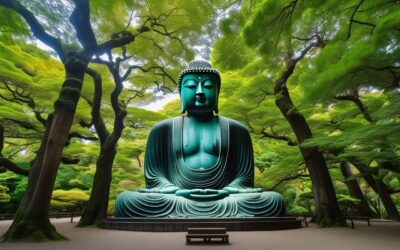
Explore the rich cultural heritage and historical significance of Kanazawa Bunko Kamakura Culture in Kanagawa Prefecture. This guide delves into the fascinating stories, traditions, and landmarks that define Kanazawa. From ancient temples to modern museums, discover how this destination has shaped Japan’s cultural landscape over centuries. Visit Kamakura’s iconic Great Buddha, Tsurugaoka Hachimangu Shrine & Enoshima on a guided day trip
Access
Most visitors reach Kamakura from central Tokyo by JR, private railway, or highway bus, and an IC card (Suica or Pasmo) works across all of them. From my experience, leaving Tokyo before the morning rush keeps the journey relaxed, and station luggage lockers are handy if you arrive early.
The History of Kanazawa Bunko
Kanazawa Bunko was established in 1275 by Hojo Sanetoki (北条実時), a member of the powerful Hojo regency that governed Japan from Kamakura. Sanetoki was a scholar and bibliophile who collected Chinese classics, housing them in a library on his estate in the Kanazawa district. The library survived the fall of the Kamakura Shogunate in 1333 and continued to operate through the Muromachi period, kept by the Kanazawa branch of the Hojo clan, During the Edo period, the collection was moved and reorganized several times, but it was never dispersed or lost — a notable feat considering Japan’s turbulent history. In 1930, Kanazawa Bunko was designated a national repository and opened to the public as a museum and research library. The current building, designed in a old-style Japanese style with modern climate control and conservation places, was completed in 1990. The collection now encompasses about 50,000 items, of which several are designated National Treasures and Important Cultural Properties. Through multiple visits, I came to understand the charm of this place more deeply. — Book Kamakura, Enoshima & Yokohama day trip from Tokyo — ride the iconic Enoden train & skip transport planning
The Museum set
The Kanazawa Bunko Museum presents a rotating choice of its set across several themed galleries:
Buddhist Art and Sutras
The core of the set is religious: beautifully illustrated Buddhist sutras, many hand-copied in the Kamakura period with gold and silver ink on indigo-dyed paper. The Heike Nokyo (平家納経) — a set of sutras dedicated by the Taira clan — is among the most visually stunning, with intricate frontispiece illustrations depicting Buddhist paradise scenes. Exhibits also include wooden Buddhist statues from the Kamakura period, and painted scrolls (emaki) that tell the stories of famous monks and miraculous events. Rent a kimono in Kamakura and explore temples in traditional attire — includes dressing & hair styling
Samurai Documents
For history enthusiasts, the archive’s set of medieval documents is unparalleled. Letters, land grants, military orders, and administrative records from the Hojo shogunate provide a direct window into the workings of samurai government. Highlights include:
- Hojo Masako’s letters: Correspondence from the “Nun Shogun” — wife of Minamoto no Yoritomo and mother of the first Hojo regent — with rare insight into the role of women in Kamakura politics. – Siege of Kamakura records: Documents from the 1333 siege that ended Hojo rule, including surrender terms and casualty lists. – Tea ceremony manuscripts: Early texts on chanoyu (Japanese tea ceremony) that show how the practice evolved from Zen monastic ritual to samurai pastime.
Maps and Scrolls
A fun section of the museum displays old maps of Kamakura and the surrounding Kanagawa area, showing how the landscape has changed over 700 years. The Kamakura Shigaku (Kamakura (鎌倉)志学) scroll from the Edo period depicts all major temples, and landmarks of the Kamakura area with annotations. —
Visiting Kanazawa Bunko
The museum is housed in a modern building that harmonizes with its wooded surroundings in the Kanazawa Ward. The galleries are spacious and well-lit, with English explanations provided for major exhibits. – Hours: 9:00 AM – 5:00 PM (last entry 4:30 PM)
- Closed: Mondays (or Tuesday if Monday is a holiday). New Year period (Dec 29 – Jan 3)
- Admission: ¥300 for adults, free for high school students and under
- Special shows: more fee of ¥500–¥1,000 (rotated quarterly)
- photos: Permitted in permanent galleries (no flash). not permitted in special shows
- Research library: Open to accredited researchers by appointment
Plan to spend 1.5–2 hours seeing the museum. The permanent collection is supplemented by two to three special shows per year focusing on specific themes like “Zen in Kamakura,” “The Hojo Clan’s Cultural Legacy,” or “Kamakura-period Buddhist Art.”
The Surrounding Area
Kanazawa Bunko is found within walking distance of several other cultural sites worth visiting: Shomyoji Temple (称名寺): Founded in 1267 by Hojo Sanetoki as a family temple, Shomyoji is a pretty Pure Land Buddhist temple connected directly to Kanazawa Bunko, is an Important Cultural Property, and the surrounding pond garden is designed for gokuraku (paradise) contemplation — with lotus flowers in summer and brilliant maple foliage in autumn. Admission is free, and the temple is a 5-minute walk from the museum. Kanazawa Zoo: A small municipal zoo (¥300 admission) found in a park setting, loved with families. The zoo has a modest set of animals including red pandas and monkeys. Sea Paradise: Yokohama’s large aquarium and marine fun complex is a 15-minute bus ride away, making it easy to combine a cultural morning at Kanazawa Bunko with an afternoon at the aquarium. —
📍 spot
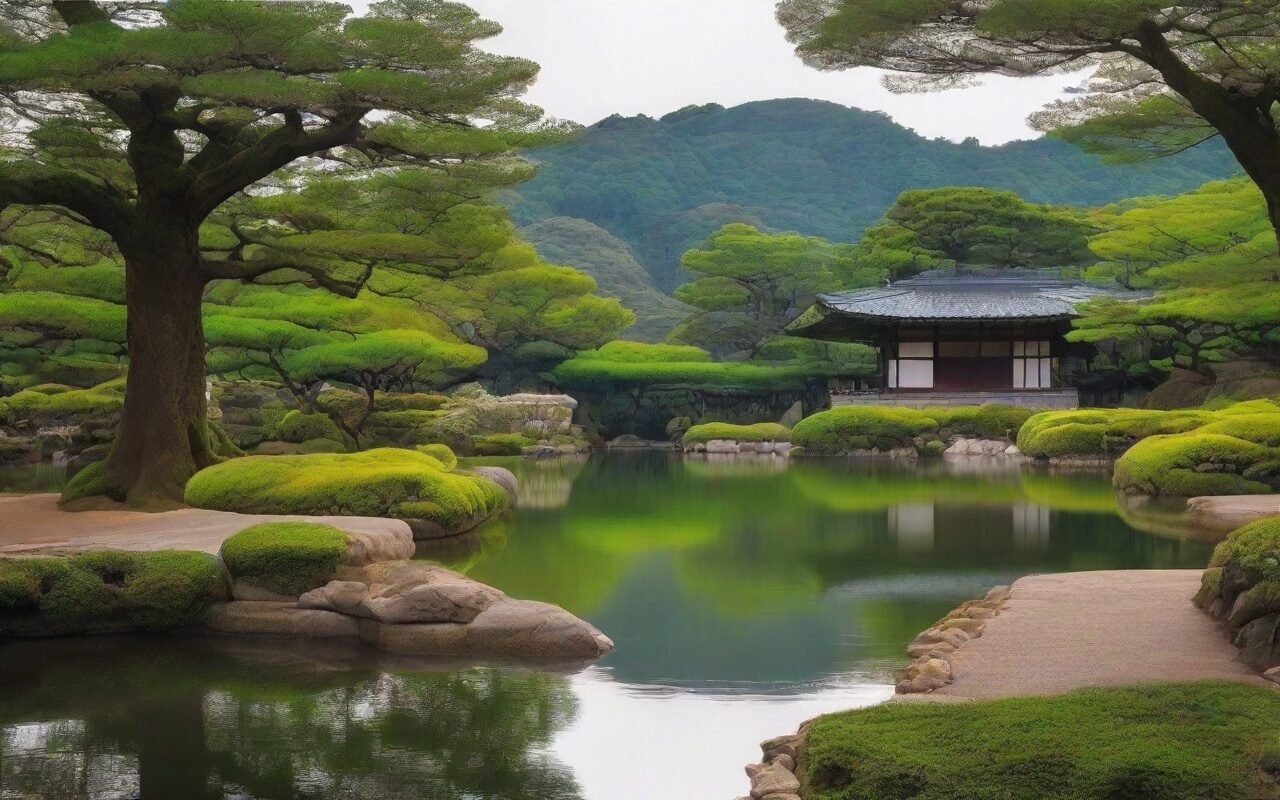
Kanazawa Bunko is found at 142 Kanazawa-cho, Kanazawa Ward, Yokohama. Take the Keikyu Line from Yokohama Station to Kanazawa-Bunko Station (about 30 minutes, then walk 10 minutes through a pleasant residential area with signposts in Japanese and English. 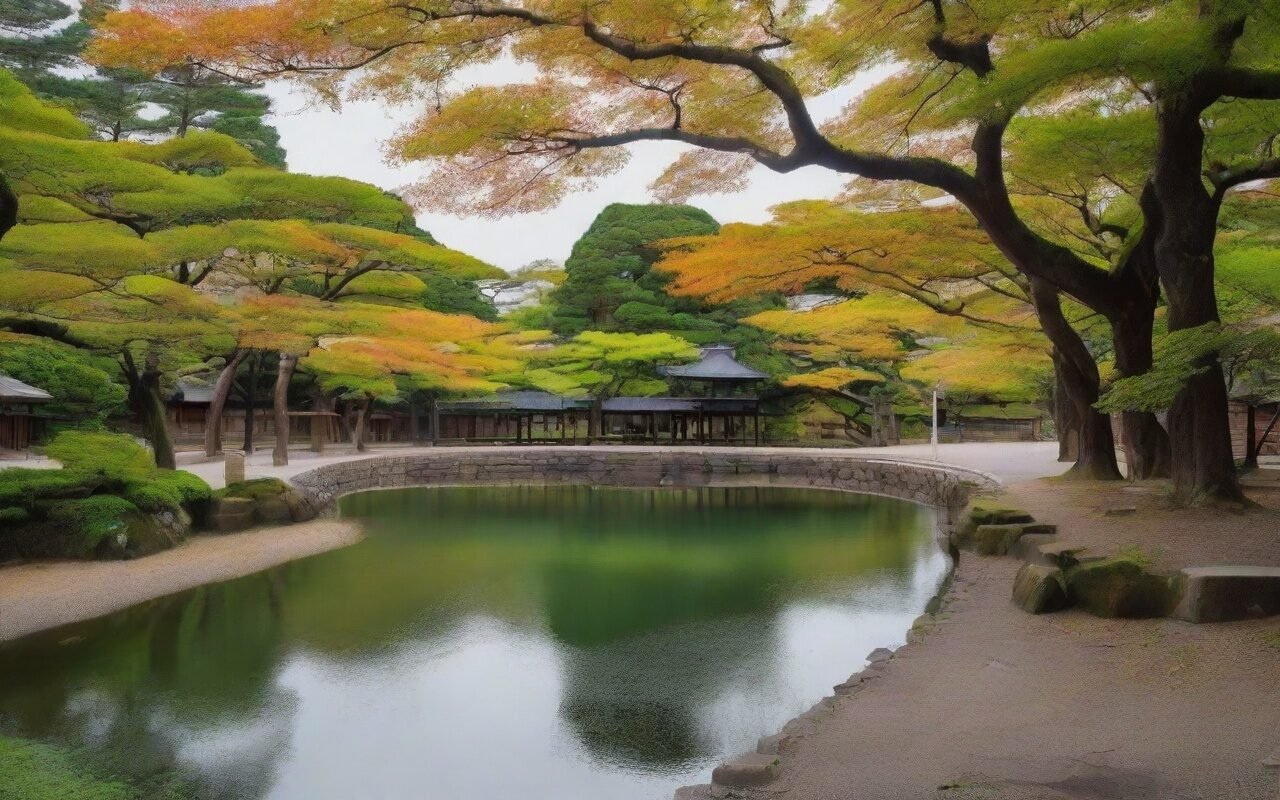
💰 Budget Breakdown
| Item | Price |
|---|---|
| Keikyu Line round trip (Yokohama) | ¥660 |
| Museum admission | ¥300 |
| Special show (optional) | ¥500–¥1,000 |
| Shomyoji Temple | Free |
| Total per person | ¥1,000–¥2,000 |
Useful Tips
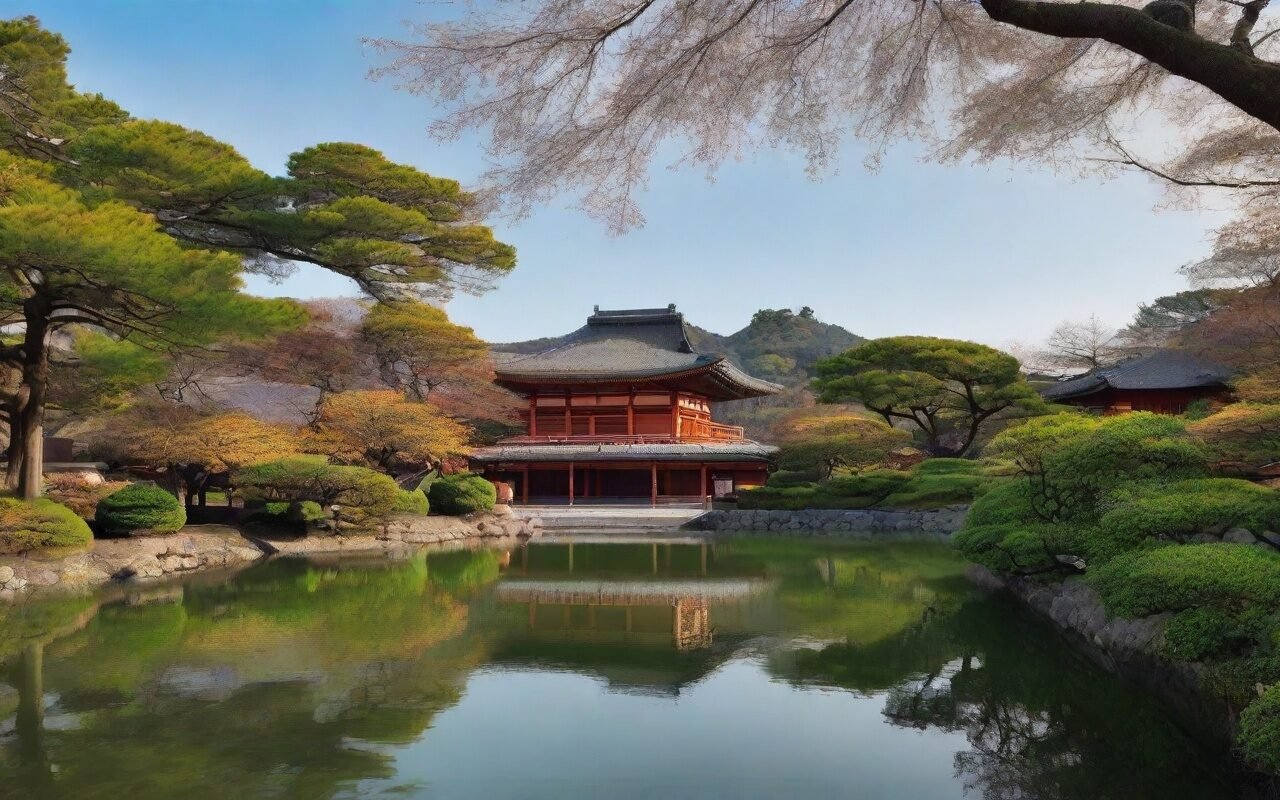
- Combine with Kamakura: Kanazawa Bunko is between Yokohama and Kamakura, making it a logical stop on a day trip that includes both cities. Visit in the morning, then take the Keikyu Line to Kamakura (15 minutes, ¥240) for the afternoon. – Check the show schedule: The museum’s website (Japanese only, but Google Translate works well) lists upcoming shows. The quarterly special shows are often the highlight of a visit. – Language: Major exhibits have English info panels. A translation app is helpful for more detailed labels, though the visual impact of the art and artifacts requires no translation. – Seasonal bonus: From mid-November to early December, the grounds of Shomyoji Temple are illuminated for autumn leaf viewing — an atmospheric addition to a Kanazawa Bunko visit.
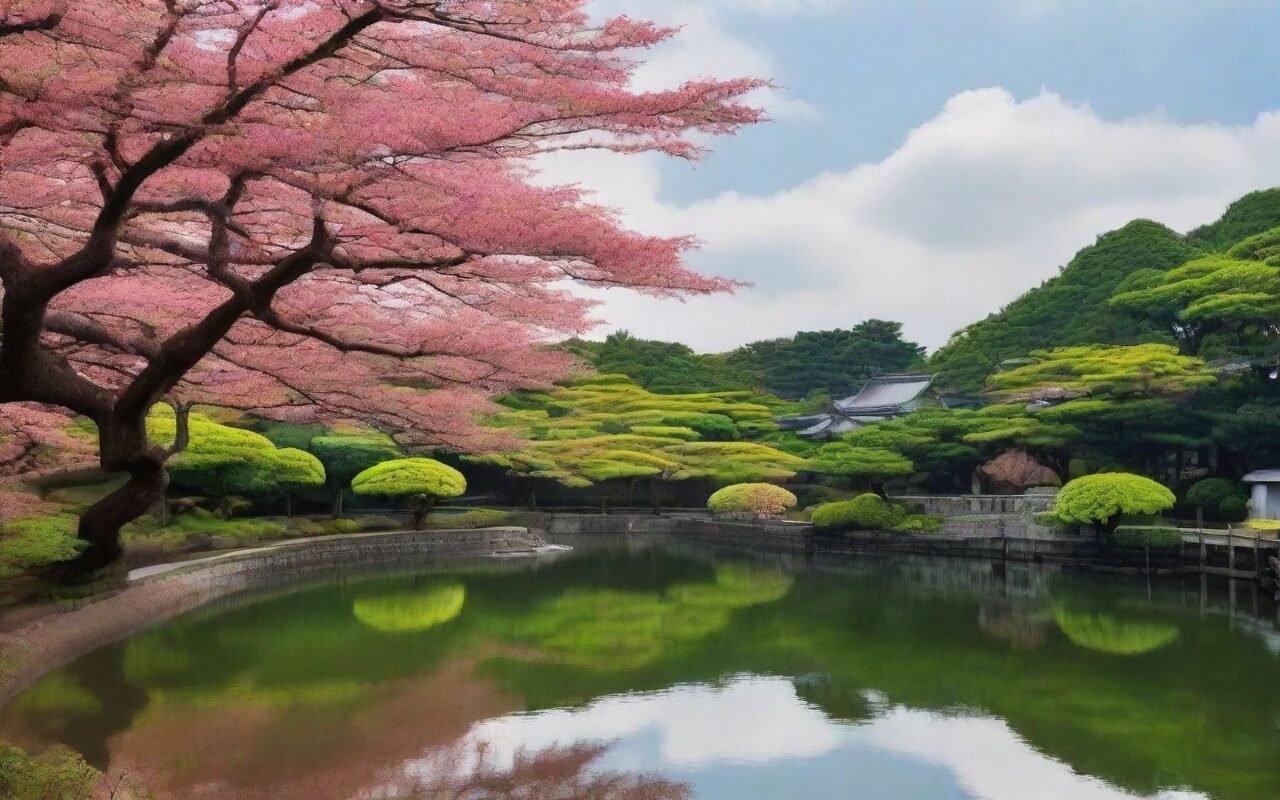
Kanazawa Bunko offers a rare chance to encounter medieval Japanese civilization at the level of primary sources — the actual documents, and objects that shaped Kamakura-period culture. For anyone interested in going beyond the standard temple-visiting circuit, it is one of Kanagawa’s most rewarding cultural places. —
Frequently Asked Questions
Q: Are English guides available?
A: Major temples, and museums offer English audio guides or pamphlet guides. Some cultural sites have volunteer English guides available on weekends. Q: Can I take photographs?
A: photos is generally allowed in outdoor areas. Indoor photos, mostly of cultural artifacts, may be restricted. Flash photos is commonly prohibited. Q: How much time should I budget?
A: For temples and shrines, budget 30-60 minutes. Museums typically need 1-2 hours. Cultural things (tea ceremony, craft workshops) take 1-2 hours. Q: Are there any dress codes?
A: No strict dress codes, but dressing respectfully is appreciated at temples and shrines. Avoid overly revealing clothing, comfy walking shoes are recommended, Visiting in person, I truly appreciated the depth of this area. I hope this serves as a useful reference for your trip.
Final Thoughts
From ancient temples to living traditions, Kanagawa’s cultural heritage offers layers of discovery that reveal themselves with each visit.
Conclusion
Whether you are planning exploring Kamakura for the first time or returning for another visit, taking a little extra time to go beyond the obvious sights makes all the difference. During my visit to Kamakura I went with a rough plan and found that leaving room to wander made the trip far more memorable. I hope this guide helps you build an itinerary that fits your pace, and that your time in Kanagawa leaves you with memories worth coming back for.