Tag: kamakura

  • Kamakura Hiking Trails & Hidden Backstreets: Escape Crowds

    Kamakura Hiking Trails & Hidden Backstreets: Escape Crowds

    Overview

    Kamakura has a crowd problem, and everyone knows it. On a Saturday afternoon in autumn, Komachi-dori is a river of people, and the Great Buddha’s photo line stretches into the garden. But Kamakura has a second city that most visitors never see: a network of hiking trails through the hills that ring the town, and a web of quiet backstreets where the crowds thin out to nothing. The same weekend that feels overwhelming at the temples becomes peaceful within twenty minutes of leaving the main streets.

    I have walked through these trails in every season, and the pattern is always the same. I recommend the Ten’en course above all — it rewards the effort more than any other walk in town. The crowds cluster around the big-name sights: Hase-dera, the Great Buddha, the main approach to Tsurugaoka Hachimangu. The hills above them are nearly empty, and the backstreets between the northern temples belong to residents, schoolchildren, and the occasional café that has survived by being hard to find. The hiking trails connect the temples in a loop that rewards the effort with views, and the backstreets reward the wandering with the Kamakura that locals actually live in.

    This guide covers the best hiking routes — the Ten’en Hiking Course above all — the quiet backstreets worth a detour, and the practical details for a day that trades the famous queues for the town’s hidden layers.


    📍 Getting There and Route Basics

    Kamakura is 50-60 minutes from Tokyo by the JR Yokosuka Line from Tokyo Station, or the Shonan-Shinjuku Line from Shinjuku. For access details and train options, see my Kamakura access guide. The town’s sights and trailheads are all walkable from Kamakura Station, which makes it one of the easiest hiking days in the region — you can be on a mountain path within 25 minutes of stepping off the train.

    The Three Main Trails

    1. Ten’en Hiking Course — The classic. Runs roughly 5 kilometers through the hills from Kencho-ji (near Kita-Kamakura Station) to Zuisen-ji in the east. The best single hike in Kamakura.
    2. Daibutsu Hiking Trail — A shorter, gentler route connecting the Great Buddha at Hase to Jochi-ji and Kencho-ji in the north. Good for families and for combining temple visits with a walk.
    3. Gionyama Circuit — A compact loop around the hill behind the Tsurugaoka Hachimangu shrine, with views over the town center. The easiest option, and a good sunset spot.

    🥾 The Ten’en Hiking Course: Kamakura’s Backbone Trail

    The Ten’en Hiking Course is the walk that separates Kamakura day-trippers from Kamakura regulars. It runs through the wooded ridge behind the northern temples, connecting the great Zen temples of Kita-Kamakura with the quieter eastern hills, and it offers the town’s best views over the bay.

    The Route in Detail

    The course has two natural starting points. From Kita-Kamakura Station, the trailhead sits at the back of Kencho-ji, the first of Kamakura’s five great Zen temples. From Kamakura Station, you reach the eastern end at Zuisen-ji after a 20-minute walk through backstreets. Both ends work; the standard direction is Kita-Kamakura to Zuisen-ji, which keeps the sun at your back in the morning.

    1. Kencho-ji (trailhead) — The temple itself is worth arriving early for: its bamboo grove and dragon-painted ceiling are quieter than the famous tourist temples. The trail begins at the upper gate.
    2. The ridge (1.5-2 hours) — The path climbs through mixed forest, dips across a few valleys, and passes several viewpoints. The highlight is the view over Sagami Bay from the ridge’s highest point, with Enoshima visible on clear days. For more of the bay, see my Shonan beach guide, which covers the coast below.
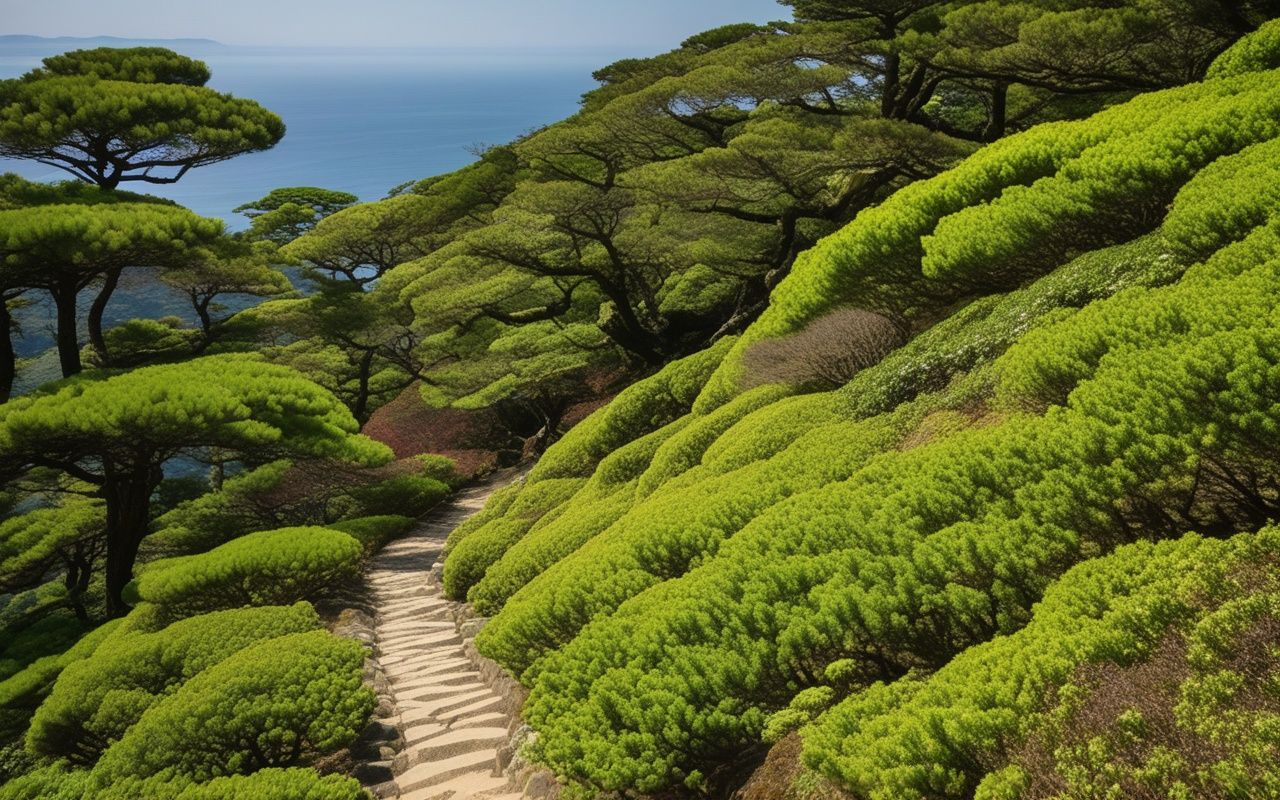
    Ten'en Hiking Course ridge trail with view over Sagami Bay

    1. Jochi-ji and the fork — The trail passes a junction where the Daibutsu trail branches off. Jochi-ji, a small Zen temple on the ridge, has a famous hydrangea garden in June.
    2. Zuisen-ji (end) — The eastern terminus is a garden temple built around a cave, with a lovely pond and rock garden. The temple is rarely busy, which makes it a perfect, quiet finish.

    Practical Notes

    • Total time: 2.5-3 hours at a relaxed pace, including brief temple stops.
    • Difficulty: Easy-moderate. There are steady climbs but nothing steep or technical. Sneakers with grip are fine; hiking boots are overkill.
    • Trail conditions: The path is well marked in English at junctions, but the surface includes some exposed roots. It can be muddy after rain — avoid the day after heavy weather.
    • No food on the trail: Carry water and a snack; the only shops are at the two ends.

    🛕 The Backstreets: Where the Crowds Aren’t

    The hills are half the story. The other half is Kamakura’s backstreet network — the narrow lanes behind the main roads, where the town’s real life happens. The lanes north of Komachi-dori and around the northern temples reward wandering, and they hold most of the town’s hidden shrines and best cafes.

    The Northern Backstreets

    The area between the Kencho-ji approach and the town center is a grid of residential lanes with a handful of small shrines and old merchant houses. Walking it takes an hour and feels like traveling back in time — the houses are wooden, the streets are barely car-width, and the only sounds are bicycles and birds. The small shrines and temple gardens along the way, such as the garden of Myoho-ji with its famous mossy stairs, have no entrance fees and no crowds, and several are genuinely beautiful.

    Onari-machi and the Cafes

    The backstreet area around Onari-machi, west of the station, has become the town’s cafe quarter. The famous Kamakura cafe scene concentrates here, in converted houses and garden cafes that you have to actively seek out. The coffee is serious, the cakes are local, and the clientele is mostly residents — the tourists are still queuing at the Komachi-dori dessert shops while the locals drink espresso in the lanes.
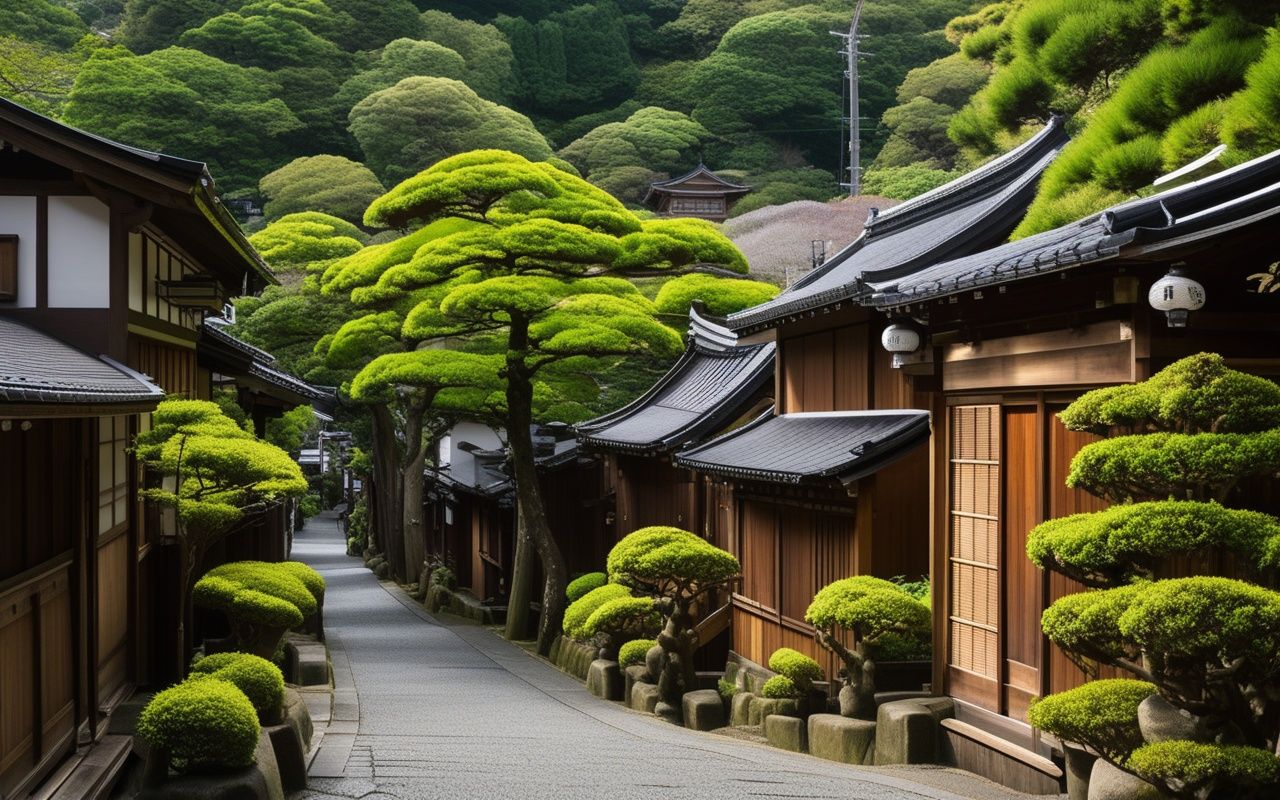
    Quiet Kamakura backstreet lane with wooden houses and greenery

    The Hidden Shrine Route

    One of my favorite loops connects three hidden shrines north of the station: the cave shrine of Zuisen-ji’s hillside, the small shrine hidden behind the Kencho-ji approach, and the tiny neighborhood shrine with the stone steps and the mossy lanterns. The loop takes an hour, passes no other tourists on most days, and ends at a café. It is the closest Kamakura comes to a secret.


    📷 The Daibutsu Trail and the Great Buddha Alternative

    If the Ten’en course feels like too much, the Daibutsu Hiking Trail offers a shorter taste of the same hills. It runs from the Great Buddha area at Hase up over the ridge to Jochi-ji, connecting the famous statue with the quiet northern temples.

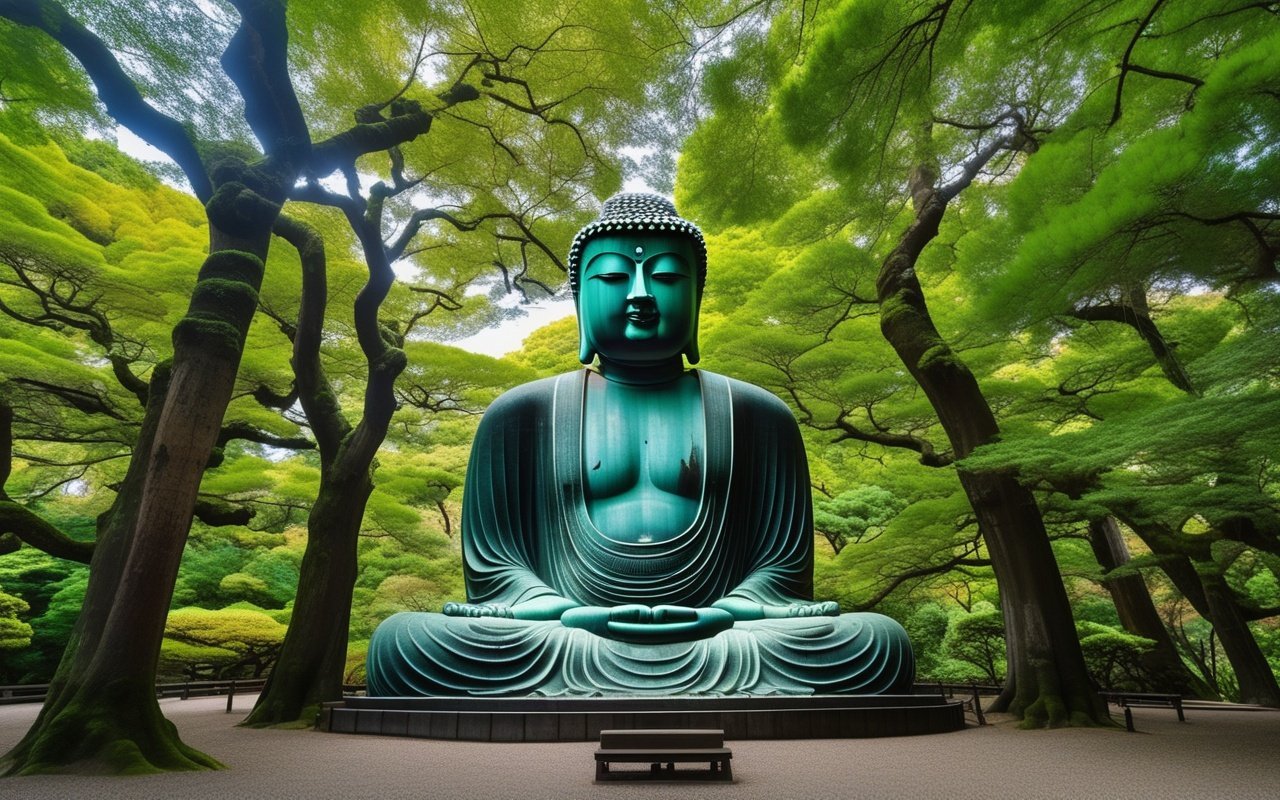
    The Great Buddha itself is worth seeing once — the bronze statue is genuinely impressive — but the crowds are relentless. My alternative: visit it at opening time, then take the Daibutsu trail up the hill and spend the rest of the day on the quiet side. For more on managing the famous sights, see my Kamakura crowd-avoidance guide, which covers timing and routes for the busiest spots.

    The trail takes about 45 minutes one way, is gentle enough for families, and ends at Jochi-ji, where the Ten’en course can take you onward. It is the perfect middle option between the full hike and the temple-only day.


    🗓️ Sample Itinerary: The Quiet Kamakura Day

    1. 08:30 — Arrive at Kita-Kamakura Station. Walk the backstreets toward Kencho-ji while the town is still asleep.
    2. 09:00 — Kencho-ji, early and quiet. Bamboo grove, main hall, and the trailhead at the upper gate.
    3. 09:45 — Start the Ten’en Hiking Course. Ridge views over Sagami Bay.
    4. 11:30 — Jochi-ji fork and the highest viewpoint. Rest, water, and the view down to Shonan’s beaches.
    5. 12:30 — Descend to Zuisen-ji. Garden and cave temple, almost empty.
    6. 13:30 — Lunch at a backstreet café in the northern lanes. No queues.
    7. 14:30 — The hidden shrine loop, ending at the mossy lantern shrine.
    8. 16:00 — Optional: the Gionyama circuit at sunset, with the town below and the bay beyond.
    9. 17:30 — Return train from Kamakura Station.

    If you have a second day, the town pairs well with the Kamakura-Enoshima area guide for the coast, or with the Tanzawa-Oyama hiking guide if you want a bigger mountain day in the same region.


    📅 Seasonal Notes

    • March-April: Cherry blossoms on the temple approaches and the backstreets. The trails stay quieter than the famous blossom spots.
    • June-July: Hydrangea season at Jochi-ji and Meigetsu-in. Expect crowds at the hydrangea temples themselves, but the trails above them stay manageable.
    • September-November: The best hiking season — cool, clear, and colorful. The ridge views over the bay are at their finest.
    • December-February: Cold and empty. Winter views are the clearest of the year, and the cafes are at their coziest.
    • Winter mornings: The classic Fuji view from the ridge — the mountain appears over the bay on clear days.

    💡 Practical Tips

    • Start early and go on a weekday if you can. The trails are never crowded, but the temples at the ends fill up fast on weekends.
    • Carry water and a snack — there is no food on the trails.
    • Wear shoes with grip; the trails have exposed roots and can be muddy.
    • The backstreets are residential. Walk quietly, don’t block lanes, and photograph houses sparingly.
    • Buy drinks at the ends, not the middle — the only convenience stores are near the stations.
    • Combine the hike with the cafe route in Onari-machi for the classic quiet day: hills in the morning, espresso in the afternoon.

    Conclusion

    Kamakura’s famous crowds are real, but they are also concentrated — and everything outside that concentration is the town’s best self. The Ten’en Hiking Course connects the great Zen temples through forest and ridge views, the backstreets hold the hidden shrines and local cafes, and the whole quiet layer is reachable within minutes of the station. It is the same Kamakura that day-trippers rush past, and it rewards anyone who slows down enough to find it. Start at Kita-Kamakura, walk the ridge, and let the backstreets lead you home.


    FAQ

    Q: How hard is the Ten’en Hiking Course?
    A: Easy-moderate. It has steady climbs but nothing steep or technical, and the full route takes 2.5-3 hours. Sneakers with grip are sufficient on dry days.

    Q: Do I need a map?
    A: No. The trail is well marked with English signs at junctions, and the two ends are easy to reach from their stations. A phone map helps at the backstreet sections.

    Q: Can I do the hike with children?
    A: Yes, the Ten’en course is fine for older children. For younger kids, the shorter Daibutsu trail (45 minutes) is the better choice.

    Q: When should I visit to avoid the crowds?
    A: Weekday mornings, or any day before 10:00. The trails themselves are rarely crowded; the queues form at the famous temples, which you can visit at opening time or skip in favor of the quiet shrines.
  • Shonan Kamakura Two-Day Itinerary — 48-Hour Model Course

    Shonan Kamakura Two-Day Itinerary — 48-Hour Model Course

    Shonan Kamakura Two Day Itinerary — Ultimate 48-Hour Model Course

    Overview

    Combining Kamakura’s ancient temples, Enoshima’s island charm, and Shonan’s coastal energy into a single weekend trip is one of the best ways to experience Kanagawa’s diverse attractions. This 2-day model course covers all the highlights while avoiding the common pitfalls of rushed itineraries. Designed for first-time visitors traveling from Tokyo, this plan balances cultural sightseeing with beach relaxation and local food experiences. The total budget is ¥15,000-25,000 per person for two days, excluding accommodation.

    Day 1 — Kamakura Temples and Samurai History

    Morning: Tsurugaoka Hachimangu and Komachi Street (9:00-12:00)

    Start your trip at Kamakura Station (50 minutes from Tokyo Station via JR Yokosuka Line, ¥520). Exit from the east side and walk straight up the wide approach path to Tsurugaoka Hachimangu Shrine — Kamakura’s most important Shinto shrine, founded in 1063.

    The approach path, lined with cherry trees and crossed by the iconic drum bridge (Taikobashi), sets the tone for the day. Allow 45 minutes to explore the main shrine buildings, the museum (¥200), and the peony garden (seasonal, ¥500-700).

    From the shrine, walk back toward the station via Komachi Street (小町通り) — Kamakura’s main shopping arcade. This narrow street is packed with food stalls, souvenir shops, and casual restaurants. I recommend trying the shirasu (whitebait) croquettes (¥250-300) from the stall near the Hachimangu entrance, and the matcha soft-serve ice cream (¥400) from Kamakura Chacha, which uses tea leaves from nearby plantations.

    Lunch: Shirasu Cuisine (12:00-13:00)

    Kamakura’s signature dish is shirasu (young sardines), served raw, boiled, or dried over rice. Several restaurants on Komachi Street and the side streets near Kamakura Station serve shirasu-don (shirasu rice bowl, ¥1,200-1,800).

    Imina Kamakura ( reservations recommended, ¥1,500-2,500) offers the best shirasu experience in a traditional kamakura-style building with a small garden view. Their specialty is the “three-way shirasu bowl” — raw, boiled, and dried shirasu on a single bowl of rice.

    Afternoon: Great Buddha and Hase-dera (13:30-16:30)

    Take the Enoden train from Kamakura Station to Hase Station (5 minutes, ¥190). The Enoden is a charming local railway that has been operating since 1902 — riding it is an experience in itself.

    From Hase Station, walk 10 minutes south to Kotoku-in Temple to see the Great Buddha of Kamakura (Daibutsu). This 13.35-meter bronze statue has sat outdoors since 1498 when a tsunami destroyed the hall that once housed it. Admission is ¥300, and you can go inside the statue for an additional ¥20.

    A five-minute walk east brings you to Hase-dera Temple (¥400), famous for its terrace overlooking Kamakura’s coast. The temple grounds include a Kannon hall, a small museum, and hundreds of stone Jizo statues that families dedicate to deceased children. The view from the terrace at sunset is spectacular — on clear days you can see all the way to Enoshima and Mount Fuji.

    Evening: Kamakura Evening Exploration (17:00-19:00)

    Most temples close by 17:00, so use the evening for exploring. Walk back toward Kamakura Station through the Yuigahama area — the neighborhood between Hase and Kamakura stations is filled with quiet cafes and small galleries.

    For dinner, consider Yokokura-an (予約制, ¥3,000-5,000), a soba restaurant near Kamakura Station serving handmade noodles in a restored 100-year-old townhouse. Their seasonal soba sets change monthly based on local ingredients.

    Overnight: Where to Stay

    For budget travelers, Kamakura Guesthouse (dormitory from ¥3,500) is a 10-minute walk from Kamakura Station. Mid-range options include Hotel New Kamakura (¥8,000-12,000 per night) just outside the station east exit. For a special experience, Kamakura Seizan-so (¥15,000-25,000) is a traditional ryokan with a garden and private onsen in the hills above the city.


    Kamakura Great Buddha and Hase-dera terrace view

    Day 2 — Enoshima Island and Shonan Coast

    Morning: Enoshima Island Exploration (9:00-12:30)

    Take the Enoden train from Kamakura to Enoshima Station (20 minutes, ¥290). From the station, walk 10 minutes across the bridge connecting the mainland to Enoshima Island. The island has three main attractions accessible via a single walking route:

    Enoshima Shrine (free): A Shinto shrine complex consisting of three buildings spread across the island’s slopes. The main hall (Hetsunomiya) is at the base; the middle hall (Nakatsunomiya) is a 10-minute climb; the upper hall (Okutsunomiya) is another 15 minutes up. The entire shrine visit takes about 45 minutes.

    Enoshima Sea Candle (¥500): An observation tower at the island’s summit with 360-degree views of Sagami Bay, Mount Fuji (winter only), and the Shonan coast. The elevator ride to the top takes 30 seconds.

    Iwaya Caves (¥500): Two sea caves on the island’s western side carved by wave action over thousands of years. The caves have been a pilgrimage site since the Kamakura period. Flashlights are provided at the entrance.

    Lunch: Enoshima Street Food (12:30-13:30)

    Enoshima is famous for its food stalls along the main approach path. Must-tries include:

    • Tako senbei (¥500): A whole octopus pressed into a hot senbei cracker — unusual but delicious
    • Isobe-age (¥400): Fish cake on a stick, grilled with seaweed
    • Shirasu pizza (¥600): A small pizza topped with local shirasu and cheese

    Afternoon: Shonan Beach and Coast (14:00-17:00)

    After descending from Enoshima, cross back to the mainland and walk 10 minutes south to Shonan Beach. The coastline between Enoshima and Kamakura is a continuous stretch of sand popular with surfers, families, and sunset-watchers.

    For beach time: Yuigahama Beach, closer to Kamakura, is the most accessible and has beach houses (open July-August) renting umbrellas (¥1,000-2,000) and offering showers (¥300-500).

    For cafe time: The beachfront area near Koshigoe Station (one stop from Kamakura on the Enoden) has several stylish cafes with ocean views. Pacific Drive-in (¥800-1,500), famously featured in the anime Slam Dunk, offers curry rice and drinks with a direct view of the Enoden trains passing between buildings and the sea.

    For a unique experience: Walk along the Shonan Coast Path from Koshigoe to Kamakura (about 3 km, 40 minutes). The path runs between the train tracks and the beach, passing through quiet residential areas and offering views of Enoshima behind you.

    Evening: Sunset at Shonan and Return (17:00-19:00)

    Time your final stop at Inamuragasaki Park — the cape between Kamakura and Shonan — for sunset. The park offers one of the best sunset viewpoints in Kanagawa, with Enoshima silhouetted against the setting sun. Access is a 5-minute walk from Inamuragasaki Station on the Enoden line.

    For a farewell dinner, stop at Kamakura-bayashi (¥2,000-3,500) near Kamakura Station for their kamakura-style hot pot (seasonal) or the kamakura vegetable curry.

    From Kamakura Station, take the JR Yokosuka Line back to Tokyo Station (50 minutes, ¥520) or Shinagawa Station (45 minutes, ¥430).

    Budget Breakdown

    Item Budget Standard Splurge
    Transport (2 days) ¥1,500 ¥2,500 ¥4,000
    Meals (2 days) ¥3,000 ¥6,000 ¥10,000
    Temple/Shrine fees ¥1,500 ¥1,500 ¥1,500
    Activities ¥500 ¥1,500 ¥3,000
    Accommodation (1 night) ¥3,500 ¥8,000 ¥20,000
    Total per person ¥10,000 ¥19,500 ¥38,500

    Enoden train passing through Kamakura residential area

    Seasonal Considerations

    This itinerary works well year-round, but the experience changes significantly by season: Spring (March-May): Ideal weather (12-22°C). Cherry blossoms at Tsuruoka Hachimangu in late March-early April are spectacular but bring crowds. Start Day 1 by 8:30 AM to avoid the worst congestion.

    Summer (June-August): Hot and humid (25-35°C). Beach season at Shonan starts in July — great for swimming but expect crowds. Hydrate frequently and use the Enoden 1-Day Pass to avoid walking in midday heat.

    Autumn (September-November): My personal favorite. Mild temperatures (18-25°C), clear skies for Mount Fuji views from Enoshima, and autumn foliage at Hase-dera in late November. Fewer crowds than spring.

    Winter (December-February): Cold (5-12°C) but offers the clearest Mount Fuji views. Bundle up for the Enoshima Sea Candle observation deck — the wind can be biting. Hot soba at Yokokura-an is especially satisfying on a cold day.

    Transport Tips

    • Enoden 1-Day Pass (¥800): Unlimited rides on the Enoden line, which connects Kamakura, Hase, Inamuragasaki, Koshigoe, and Enoshima, Purchasing this pass saves money if you plan three or more Enoden trips.
    • JR Kamakura Pass (¥720): Covers JR trains between Ofuna and Kamakura plus unlimited Enoden rides. Valid for one day only.
    • Suica/PASMO: Works on all trains and most buses. I recommend loading ¥3,000 onto your IC card before starting the trip.

    What to Bring

    • Comfortable walking shoes: Day 1 involves significant walking (12,000-15,000 steps). Kamakura’s temple paths include stairs and uneven surfaces.
    • Hat and sunscreen: Day 2 on Enoshima and the beach has limited shade in summer.
    • Swimsuit and towel: If you plan to swim at Shonan Beach in summer (beach houses with changing rooms open July-August).
    • Cash: Many smaller restaurants and souvenir stalls are cash-only. I recommend carrying ¥10,000-15,000 per person.

    Frequently Asked Questions

    Q: Is this itinerary possible without staying overnight?
    A: Yes, but it would be very rushed. If you only have one day, choose either Day 1 (Kamakura only) or Day 2 (Enoshima + Shonan). Trying to do both in a single day from Tokyo would require skipping most of the walking and temple details.

    Q: Which season is best for this itinerary?
    A: Late March to early April (cherry blossoms on the Hachimangu approach) and late September to November (mild weather, clear skies for Mount Fuji views) are ideal. Summer (July-August) is hot and crowded but the beach is at its best. Winter offers the clearest Mount Fuji views but cold beach winds.

    Q: Is the itinerary suitable for families with children?
    A: Yes, with some adjustments. The Great Buddha and Enoshima Sea Candle are kid-friendly. Shonan Beach has gentle waves suitable for children. Komachi Street has many snack options that appeal to children. I recommend replacing the Iwaya Caves (dark, narrow, slippery) with extra time at Enoshima Aquarium (¥2,500 adult, ¥1,200 child) near Enoshima Station.

    Q: Where should I eat dinner on Day 1 in Kamakura?
    A: For a special dinner, Yokokura-an (soba, ¥3,000-5,000, reservations required) offers an authentic kamakura townhouse experience. For casual dining, Kamakura-bayashi (Japanese curry, ¥1,500-2,500) is reliably good and accepts credit cards. For late-night options, a few izakaya near Kamakura Station east exit stay open until 23:00.

    Q: Can I use a JR Pass for transport?
    A: Yes, but only partially. The JR Pass covers the JR Yokosuka Line between Tokyo and Kamakura (¥520 saved per direction) but does NOT cover the Enoden line or the Shonan Monorail. The Enoden 1-Day Pass (¥800) is a separate purchase and well worth it for this itinerary.


    Last Updated: 2026-07-16
    Written by: Anaba OffJapan Editorial Team
    Photos: Editorial photography and on-site field research

    Conclusion

    Whether you are planning exploring Kamakura for the first time or returning for another visit, taking a little extra time to go beyond the obvious sights makes all the difference. During my visit to Kamakura I went with a rough plan and found that leaving room to wander made the trip far more memorable. I hope this guide helps you build an itinerary that fits your pace, and that your time in Kanagawa leaves you with memories worth coming back for.

  • Yokohama & Kamakura Seasonal Sightseeing Routes 2026

    Yokohama & Kamakura Seasonal Sightseeing Routes 2026

    Overview

    Plan your perfect visit to Yokohama & Kamakura Seasonal Sightseeing Routes with this comprehensive destination guide, Covering everything from must-see attractions to practical travel tips, this guide helps you make the most of your time in Yokohama. Whether you have a single day or an entire week, discover the best that this Kanagawa destination has to offer.

    🌸 Spring Route: Cherry Blossoms & Coastal Views (March–May)

    Route Overview

    Yokohama Kamakura Spring Sightseeing Route begins at Minato Mirai and follows the cherry blossom trail south to Kamakura’s ancient temples via the Enoden train. This route takes approximately 10 hours and covers 8 major stops.

    Morning: Yokohama Waterfront

    Start your day at Yokohama’s Yamashita Park, where over 180 cherry trees line the waterfront promenade. From here, walk to Minato Mirai 21 and visit the iconic Yokohama Red Brick Warehouse — the spring flower displays outside the buildings are a local highlight.

    Pro Tip: Visit on a weekday morning before 10 AM. The waterfront path is significantly less crowded and you will have the cherry blossom views almost to yourself.

    Midday: Enoden Coastal Ride

    Take the JR Keihin-Tohoku Line from Yokohama Station to Ofuna, then transfer to the Enoden line at Kamakura Station. The Enoden train’s coastal section between Kamakura and Fujisawa offers stunning views of Sagami Bay with cherry blossoms in the foreground during late March.

    Afternoon: Kamakura Temples & Gardens

    Disembark at Hase Station and walk to Hasedera Temple — its hillside garden features late-blooming cherry varieties that peak in early April. From there, the Great Buddha at Kotokuin Temple is a 10-minute walk away.

    Evening: Komachi-dori & Return

    Stroll through Komachi-dori shopping street for cherry blossom-themed sweets and souvenirs before catching the train back to Yokohama for dinner at Yokohama Chinatown, Japan’s largest Chinatown and a spring evening highlight.


    ☀️ Summer Route: Beaches, Fireworks & Night Views (June–August)

    Summer Route Details

    Summer in Kanagawa means beach culture, evening festivals, and rooftop bars. This Shonan Kamakura itinerary maximizes afternoon beach time and evening illuminations.

    Morning: Zushi & Hayama Beaches

    Start your morning at Zushi Beach, a 25-minute ride from Kamakura Station via the Keikyu Line. The beaches here are less crowded than nearby Kamakura’s beaches and offer clear views of Mount Fuji on summer mornings.

    Midday: Shonan Seafood Lunch

    Head to Enoshima Island via the Enoden line for lunch. The island’s seafood restaurants serve Shirasu (whitebait) — a Sagami Bay specialty available fresh from June to August. For a deeper dive into the area’s marine attractions, explore the Enoshima Aquarium, one of Japan’s largest and most family-friendly aquariums.

    Afternoon: Kamakura Hydrangea Season

    June is hydrangea season in Kamakura, and Meigetsuin Temple (the “Hydrangea Temple”) is the premier spot. The garden path lined with hundreds of hydrangea bushes in full bloom is a breathtaking sight. July and August shift the focus to Kamakura’s beaches — Kamakura Beach and Yuigahama Beach are both easily accessible from Kamakura Station.

    Evening: Minato Mirai Illumination & Fireworks

    Return to Yokohama for the evening. The Minato Mirai waterfront features summer illuminations, and Yokohama’s major fireworks festivals (mid-July and mid-August) launch from the bay directly in front of the Red Brick Warehouse.


    🍂 Autumn Route: Foliage, Museums & Craft Beer (September–November)

    Autumn Route Details

    Autumn foliage season draws visitors from around the world. This Yokohama Kamakura autumn itinerary layers fall colors with cultural experiences.

    Morning: Sankeien Garden

    Begin at Sankeien Garden in Yokohama — a sprawling Japanese landscape garden with historic buildings relocated from across Japan. The maple and ginkgo trees peak in late November, creating a stunning tapestry of red and gold.

    Midday: Kamakura’s Autumn Temples

    Take the train to Kamakura Station and walk to Tsurugaoka Hachimangu Shrine via the Komachi-dori approach. The shrine’s ginkgo avenue turns brilliant yellow in late November. From there, visit Kenchoji Temple — Kamakura’s oldest Zen temple — where the maple-lined approach is at its peak in mid-to-late November.

    For a complete guide to getting around, check the Yokosuka transportation guide for train routes connecting Yokohama, Kamakura, and the Miura Peninsula.

    Afternoon: Yokohama Craft Beer & Culture

    Return to Yokohama and head to the Kamakura-ko area near the Red Brick Warehouse, where autumn craft beer festivals are held on weekends. Visit the Yokohama Museum of Art for its excellent permanent collection of modern art.

    Evening: Autumn Night Illumination

    The Sankeien Garden autumn night illumination runs for two weeks in late November. The garden is dramatically lit, and the reflection of autumn foliage in the central pond is unforgettable.


    ❄️ Winter Route: Illuminations, Onsen & Warming Foods (December–February)

    Winter Route Details

    Winter in Kanagawa features world-class illuminations, clear views of Mount Fuji, and steaming bowls of regional ramen. This winter Yokohama Kamakura route combines all three.

    Morning: Yokohama’s Winter Sights

    Start at the Landmark Tower Sky Garden (69th floor, 273 meters) for panoramic views of Mount Fuji — winter mornings offer the clearest visibility. Then visit the Yokohama Red Brick Warehouse for its winter market, featuring local crafts and warming street food.

    Midday: Kamakura Winter Walk

    Take the train to Kamakura and follow the Tsurugaoka Hachimangu approach to the shrine. Winter is the quietest season in Kamakura, and the bare branches of the ancient ginkgo trees create a serene atmosphere. The nearby Kamakura Museum of National Treasures houses samurai artifacts and Buddhist sculptures.

    Afternoon: Warming Up with Kanagawa Food

    Winter is the perfect time to explore Kanagawa’s comfort food. The Yokosuka Navy Curry is a hearty curry dish with roots in the Japanese Maritime Self-Defense Force — it is served with milk and salad in the traditional style. For ramen lovers, the Yokohama ramen guide covers the city’s signature Iekei ramen style.

    Evening: Minato Mirai Winter Illumination (December–February)

    The Minato Mirai Winter Illumination uses over 300,000 blue and white LEDs to transform the waterfront into a sparkling winter wonderland. The display runs from early November to mid-February. End the evening with dinner at one of the Yokohama premium dining restaurants overlooking the illuminated bay.


    🚃 Transport Pass Recommendations

    To make the most of these seasonal routes, consider purchasing a transport pass:

    Enoshima-Kamakura Free Pass (¥1,470)

    • Round-trip from Shinjuku
    • Unlimited Enoden rides
    • Discounts at 30+ attractions
    • Best for: Spring and autumn routes

    Yokohama Minato Burari Pass (¥500)

    • Unlimited bus travel in Yokohama
    • Discounts at major attractions
    • Best for: Winter route’s Yokohama section

    Kamakura Free Pass (¥2,160)

    • Round-trip from Tokyo Station
    • Unlimited local bus rides
    • Best for: Summer route with beach access

    For a detailed comparison of all Kanagawa transport passes, refer to the Kanagawa transport pass comparison.


    💰 Budget Breakdown by Season

    Season Transport (per person) Meals Admissions Total
    Spring ¥2,000–3,000 ¥3,000–4,000 ¥1,500 ¥6,500–8,500
    Summer ¥2,000–3,000 ¥4,000–5,000 ¥2,500 ¥8,500–10,500
    Autumn ¥2,000–3,000 ¥4,000–5,000 ¥2,000 ¥8,000–10,000
    Winter ¥2,000–3,000 ¥3,000–4,000 ¥2,000 ¥7,000–9,000

    📍 Seasonal Highlights Calendar

    Spring Must-Sees

    • Late March: Cherry blossoms at Yamashita Park
    • Early April: Hasedera Temple cherry trees
    • May: Peonies at Hasedera

    Summer Must-Sees

    • June: Hydrangeas at Meigetsuin Temple
    • July–August: Beach season at Yuigahama
    • August: Yokohama Sparkling Twilight fireworks

    Autumn Must-Sees

    • Mid-November: Kenchoji Temple maples
    • Late November: Sankeien Garden foliage
    • November: Kamakura-ko craft beer festival

    Winter Must-Sees

    • December–February: Minato Mirai illumination
    • December: Red Brick Warehouse winter market
    • January: New Year hatsumode at Tsurugaoka Hachimangu

    🎒 What to Pack by Season

    • Spring: Light jacket, comfortable walking shoes, umbrella (April showers)
    • Summer: Sunscreen, hat, swimwear, light towel, reusable water bottle
    • Autumn: Layered clothing, light sweater, camera for foliage
    • Winter: Warm coat, gloves, scarf — the bay wind is cold

    💡 Pro Travel Tips

    Pro Tip 1: The Enoden train between Kamakura and Fujisawa is scenic but can be crowded during peak seasons (Golden Week in spring, Obon in summer, foliage weekends in autumn). Board at Kamakura Station terminus for the best chance of a window seat.

    Pro Tip 2: Many temples in Kamakura close at 4:30 PM from October to February. Plan your afternoon route accordingly during the winter season.


    Frequently Asked Questions

    Q: Can I combine Yokohama and Kamakura in one day?
    A: Yes — the Yokohama-Kamakura seasonal route is designed as a full-day itinerary. The train between Yokohama and Kamakura takes only 25 minutes on the JR Yokosuka Line. For a single-city focus, see the Yokohama sightseeing guide or the Kamakura one day trip guide.

    Q: What is the best season for first-time visitors?
    A: Spring (March–May) and autumn (September–November) offer the most pleasant weather and the most spectacular natural beauty. Summer is ideal for beach lovers, while winter provides the clearest Mount Fuji views.

    Q: Are these routes suitable for solo travelers?
    A: Absolutely. The train and bus network is well-signposted in English, and all stops on these routes are safe and accessible for solo travelers. See the solo travel Kanagawa 3-day itinerary for an extended solo route.

    Q: Do I need to book attractions in advance?
    A: For temples and shrines, no advance booking is needed. For the Landmark Tower Sky Garden and special seasonal illuminations, advance tickets are recommended on weekends and holidays.

    Q: What is the best transport pass for visiting both cities?
    A: The Enoshima-Kamakura Free Pass covers the Enoden line used heavily in the spring and autumn routes, while individual JR tickets are affordable for the Yokohama-Kamakura connection.

    Q: Are these routes family-friendly?
    A: Yes — each route includes family-friendly stops. The Enoshima Aquarium is excellent for children in summer, and the Minato Mirai area has wide, stroller-friendly walkways year-round.


    Yokohama and Kamakura offer distinct seasonal experiences that reward repeat visits. Each season transforms these cities — from spring cherry blossoms along the Enoden coast to winter illuminations at Minato Mirai. By matching your travel dates to the seasonal highlights in this guide, you will experience the very best of Kanagawa Prefecture.

    Whether you choose a spring flower route, a summer beach escape, an autumn foliage walk, or a winter illumination tour, the transport connections between these two cities make multi-destination sightseeing effortless. Plan your seasonal Kamakura itinerary, pack accordingly, and discover why Kanagawa is one of Japan’s most rewarding regions for seasonal travel.


    Written by: Anaba OffJapan Team
    Last Updated: July 14, 2026
    Sources:

    Conclusion

    exploring Kamakura can be as relaxed or as packed as you want it to be, and I have found that the best visits leave room for both planning and spontaneity. During my visit to Kamakura I went with a rough plan and found that leaving room to wander made the trip far more memorable. Use this guide to sort out the logistics in advance, then let the day surprise you — Kanagawa rewards travelers who stay curious.

  • Enoden Etiquette Guide — Riding the Enoshima Railway

    Enoden Etiquette Guide — Riding the Enoshima Railway

    Enoden Etiquette Guide 2026 — Manners for the Enoshima Electric Railway

    Overview

    Enoden etiquette might sound fussy, but getting it right is the difference between a relaxing coastal ride and a stressful one. After riding the line dozens of times — and making a few mistakes myself — I’ve put together everything you need to know before you board.

    For the practical side of planning, the Enoden 1-Day Pass Guide explains ticketing and value, while the Enoden Unlimited Guide covers the full route and stops. Planning to drive instead? Our Kanagawa parking guide covers lots near major attractions.

    🧳 Luggage Rules: What Fits and What Doesn’t

    Large Suitcases: Strongly Discouraged

    Enoden trains use narrow, historic carriages with limited aisle space. I learned this the hard way during my first visit — my carry-on barely fit through the aisle and I blocked three seats. There is no official ban on large luggage, but bringing full-size suitcases is strongly discouraged — especially during peak hours (9 AM–11 AM, 4 PM–7 PM) and on weekends.

    Planning to drive? Our Kanagawa parking guide covers lots near major attractions.
    | Bag Type | OK? | Notes |
    |:———|:—:|:——|
    | Daypack / small backpack | ✅ | Wear on front in crowded trains |
    | Medium duffel (under 50cm) | ✅ | Place on lap or between feet |
    | Carry-on suitcase (under 55cm) | ⚠️ | OK if not crowded — avoid peak hours |
    | Full-size suitcase (65cm+) | ❌ | Use coin lockers or luggage forwarding |
    | Stroller (folded) | ⚠️ | OK when folded — avoid rush hour |
    | Bicycle (in rinko bag) | ✅ | Must be fully enclosed in a bicycle bag |

    Smart Luggage Strategy

    1. Before boarding Enoden: Store large bags at Kamakura Station (¥300–700, 300+ lockers) or Fujisawa Station (200+ lockers)
    2. Mid-route option: Coin lockers at Enoshima Station and Hase Station for medium bags (¥300–500)
    3. Luggage forwarding: Use Yamato Transport (Kuroneko) from your hotel — bags arrive next day, ¥1,500–2,500 per piece
    4. ENJOY Enoden luggage-free: Travel with only a daypack for the best experience

    💡 Pro Tip: If you must bring a wheeled bag, hold it on your lap rather than blocking the aisle. Never place bags on seats — seats are at a premium.

    🚃 Boarding and Alighting: Do’s and Don’ts

    Step-by-Step Boarding

    Step Action Common Mistake
    1 Wait behind the yellow line on the platform Stepping too close to the train edge
    2 Let passengers alight first before boarding Pushing in while people are exiting
    3 Tap your IC card on the reader Forgetting to tap at both entry AND exit
    4 Move to the center of the car Stopping at the doorway to check your phone
    5 Hold onto overhead straps or handrails Standing loose — trains stop suddenly

    At Unmanned Stations

    Many Enoden stations (like Gokurakuji, Inamuragasaki, Shichirigahama) have simple card readers instead of full ticket gates. Look for vertical card readers near the platform entrance — they’re easy to miss!

    • Entry: Tap your IC card on the reader
    • Exit: Tap your IC card on the reader again
    • If you miss tapping out: You’ll be charged the maximum fare. Contact staff at Fujisawa or Kamakura to adjust

    📸 Photography: Capture the Views Respectfully

    Enoden is one of Japan’s most photogenic trains — but photography comes with responsibilities. I visited during hydrangea season in June and watched tourists block the entire aisle trying to get the perfect shot through the window. Don’t be that person.

    ✅ Allowed ❌ Not Allowed
    Handheld phone/camera photos from seat Flash photography (disturbs the driver)
    Photos through train windows Using lighting equipment or tripods onboard
    Platform photography between trains Blocking aisles or doorways for photos
    Photos at designated scenic spots Leaning out of windows or doors

    Where to Get the Best Shots

    Spot Best For When
    Inamuragasaki Crossing Train with ocean backdrop Late afternoon golden hour
    Shichirigahama Beach Coastline + Fuji on clear days Morning when Fuji is visible
    Hase Station area Train weaving through narrow streets Any time (urban charm)
    Enoden Fujisawa end Vintage train in station Early morning (less crowds)

    Platform Safety

    • Never step beyond the yellow line — trains pass within centimeters of the platform edge
    • No selfie sticks on the platform during busy times
    • Keep bags close — narrow platforms mean bags can easily bump other passengers or trip someone

    🎫 IC Cards, Tickets, and the Noriorikun Pass

    IC Card Usage

    All major Japanese IC cards work seamlessly on Enoden:

    Card Type Compatible
    Suica (JR East)
    PASMO (Tokyo private railways)
    ICOCA (JR West)
    other nationwide IC cards
    Contactless credit cards (Visa, JCB, Amex, etc.) ✅ (tap at gate)

    Balance tip: Enoden fares are distance-based, ranging from ¥190–320. Ensure at least ¥500 on your card to cover the longest possible trip.

    Noriorikun 1-Day Pass

    The Noriorikun is Enoden’s unlimited-ride day pass:

    • Price: ¥800 (adults), ¥400 (children)
    • Validity: Full day on Enoden line only
    • Purchase: Ticket vending machines at any Enoden station (English menu available)
    • Worth it if: You plan 3+ one-way trips (Fujisawa→Enoshima→Kamakura→back = 4 rides × ~¥250 = ¥1,000 → save ¥200)

    Buying Single Tickets

    Vending machines have an English button (bottom left of screen). Payment options:

    • Coins (¥10, ¥50, ¥100, ¥500)
    • Bills (¥1,000)
    • IC cards (Suica/PASMO)

    Access: Getting to Enoden Stations

    From Tokyo to Kamakura Station (East end)

    Take the JR Yokosuka Line from Tokyo Station to Kamakura Station (1 hour, ¥950). The Enoden platform is a short walk from the JR ticket gates — follow the overhead signs. Use a Suica or PASMO card for seamless transfer.

    From Tokyo to Fujisawa Station (West end)

    Take the JR Tokaido Line from Tokyo Station to Fujisawa Station (50 minutes, ¥780). Alternatively, the Odakyu Line from Shinjuku to Fujisawa (60 minutes, ¥620). Enoden platforms are directly connected at Fujisawa.

    Starting from Enoshima (Mid-route)

    Take the Odakyu Enoshima Line from Shinjuku to Katase-Enoshima Station (65 minutes, ¥650), then walk 5 minutes to Enoden’s Enoshima Station. This route is ideal if you plan to visit Enoshima island first.

    By Car

    Parking near Enoden stations is limited and expensive (¥1,000–2,000 per day). Use park-and-ride facilities at Kamakura or Fujisawa Station parking lots (¥500–800 per day with train ticket discount).

    From Hakone

    Take the Hakone Tozan Railway to Odawara, then JR Tokaido Line to Fujisawa (90 minutes total). Alternatively, take the Odakyu Romancecar from Hakone-Yumoto to Shinjuku, then transfer to JR for Kamakura.

    🕐 Peak Hours and Crowd Management

    When Enoden is Most Crowded

    Time Crowd Level Why
    7:00–9:00 AM Medium Commuters heading to work/school
    9:00–11:00 AM High Tourists heading to Kamakura sights
    11:00 AM–3:00 PM Very High Peak sightseeing hours — worst time for luggage
    3:00–5:00 PM High Return tourists + school students
    5:00–7:00 PM Very High Commuter peak + sunset tourists
    After 7:00 PM Low-Medium Quieter, pleasant ride

    Seasonal Crowd Peaks

    Season Cause Advice
    Mid-June to July Hydrangea season (ajisai) Extreme crowds — arrive by 8 AM or avoid weekends
    Cherry blossom (late March) Sakura at Kamakura temples Similar to hydrangea season
    Summer weekends (July-August) Beachgoers to Shonan coast Trains packed with surfboards and beach gear
    New Year (Jan 1-3) Hatsumode at Tsurugaoka Hachimangu Expect long queues at Kamakura Station

    🪑 Priority Seating and Onboard Behavior

    Priority Seats

    Enoden cars have priority seats (yūsenseki) near the doors. These are for:

    • Elderly passengers
    • Passengers with disabilities
    • Pregnant passengers
    • Passengers with small children
    • Passengers with medical conditions (e.g., hidden disabilities)

    Mobile phone etiquette near priority seats: Power off your phone entirely — the signal can interfere with pacemakers and other medical devices.

    Onboard Rules

    Rule Why
    No phone calls — set to silent mode Japanese train etiquette strictly prohibits calls. Text or use data only
    No loud conversations Trains are quiet spaces — even in tourist-heavy areas
    No eating or drinking (on local trains) Avoid smelly or messy food. Quick hydration from a sealed bottle is acceptable
    Backpack off on crowded trains Wear your backpack on your front or hold it on your lap
    Don’t block doors Move to the center of the car after boarding
    Offer your seat to elderly, pregnant, or families It’s expected — no need to say anything, just stand and gesture

    For accessible travel options, see the Kanagawa senior travel guide.

    🗺️ Coin Lockers Along the Enoden Line

    For luggage-free sightseeing, here are the coin locker locations:

    Station Small (¥300) Medium (¥400) Large (¥500–700) Notes
    Kamakura (JR + Enoden) ✅ Many ✅ Many ✅ 50+ Best option for large suitcases. JR side has more lockers
    Fujisawa (JR + Enoden) ✅ Many ✅ Many ✅ 30+ Second-best. Good for starting/ending trips
    Enoshima ✅ 20+ ✅ 10+ ⚠️ Limited Best for Enoshima island visits
    Hase ✅ 15+ ✅ 8+ ⚠️ Few Convenient for Kotoku-in (Great Buddha)
    Gokurakuji No lockers — plan ahead
    Shichirigahama No lockers
    Inamuragasaki No lockers

    Tips:

    • Lockers fill by 9:30 AM during hydrangea season — arrive early
    • Most lockers accept coins only (¥100). Have change ready
    • 24-hour operation at all stations with lockers
    • Download the “Coin Locker” app or check ecbo for temporary luggage storage at local shops

    ❌ 5 Common Tourist Mistakes on Enoden

    1. Boarding with Full-Size Luggage

    The problem: Enoden carriages are narrow — a large suitcase blocks the entire aisle.
    The fix: Use coin lockers or luggage forwarding. Travel with only a daypack.

    2. Blocking the Doorway

    The problem: Stopping right after boarding to check maps or take photos.
    The fix: Step fully into the car or move to the window-side before checking anything.

    3. Missing the IC Card Reader at Unmanned Stations

    The problem: Small stations have vertical card readers that are easy to overlook.
    The fix: Always look for a card reader when entering AND leaving. If you miss it, use the intercom at the ticket vending machine.

    4. Taking Photos from Dangerous Spots

    The problem: Stepping onto tracks or crossing barriers for the perfect shot.
    The fix: Stay behind yellow lines. Use designated photo spots. No photo is worth a fine — or worse.

    5. Expecting Staff to Speak English

    The problem: Enoden stations (except Kamakura and Fujisawa) have limited English-speaking staff.
    The fix: Have screenshots of your destination (station name in kanji), use Google Translate, or point at the route map.

    ♿ Accessibility Information

    Feature Available At
    Elevators Kamakura, Fujisawa
    Wheelchair-accessible restrooms Kamakura, Fujisawa, Hase
    Barrier-free boarding Kamakura, Fujisawa (platform gap still exists)
    Staff assistance Kamakura, Fujisawa (ask at ticket counter)

    Note: Most Enoden stations are historic and have limited accessibility. The platform gap can be wide at older stations. Wheelchair users and parents with strollers should plan to board/disembark at Kamakura or Fujisawa where possible.

    Frequently Asked Questions

    Q: Can I bring my surfboard on Enoden?
    A: Surfboards are not allowed on Enoden trains. Most surf shops near Shichirigahama and Koshigoe offer board rental — no need to bring your own.

    Q: Is it okay to eat on the train?
    A: On local commuter trains like Enoden, eating is considered impolite, especially during peak hours. Quick hydration from a sealed bottle is fine.

    Q: Can I use my Suica card from Tokyo?
    A: Yes! Suica works everywhere on Enoden. The fare simply deducts from your Suica balance at entry and exit. Welcome Suica (tourist version) also works.

    Q: Where can I buy the Noriorikun pass?
    A: At any Enoden station’s ticket vending machine. Press the English button, select “1-Day Pass (Noriorikun)”, and pay ¥800. The machine accepts coins, bills, and IC cards.

    Q: Is Enoden crowded on weekdays?
    A: Yes, even weekdays can be crowded between 9 AM–11 AM and 4 PM–7 PM. The quietest time is after 7 PM or before 8 AM. Tuesday–Thursday tend to be slightly quieter than Monday/Friday.

    Conclusion Enoden Etiquette Guide 2026 — Riding the Enoshima Electric Railway is an incredible destination that offers something for every traveler. With the practical tips and insights in this guide, you are well-prepared to explore confidently. Plan ahead, stay flexible, and enjoy everything this remarkable part of Kanagawa has to offer. Safe travels!

  • Best Time to Visit Kamakura — Seasonal Guide & Weather 2026

    Best Time to Visit Kamakura — Seasonal Guide & Weather 2026

    This guide provides essential travel tips and practical advice for navigating Kanagawa Prefecture. From transportation passes to safety information, you will find everything you need for a smooth and enjoyable trip.

    Best Time to Visit Kamakura: Monthly Weather & Seasonal Guide 2026

    Overview

    I visited Kamakura in every season over the past two years, and the difference between a June hydrangea morning and a crisp January day is like visiting two different towns. During my first trip — an August weekend — I spent the day queueing at Hase-dera in the humidity and barely saw the Great Buddha through the crowds. It was only when I returned on a foggy November weekday that I realized how much of Kamakura I had been missing.

    This guide is built from those experiences, plus weather data and crowd patterns I’ve tracked month by month. If you’re still deciding on the basics, our Kamakura Area Guide covers getting around, while the Kamakura Temple Guide and Enoden Unlimited Guide help you plan the temple-hopping part of your trip.

    🗺️ Quick Verdict

    Season Rating Best For
    🌸 Spring (Mar-May) ⭐⭐⭐⭐⭐ Cherry blossoms, Kamakura Festival, perfect weather
    🌿 Summer (Jun-Aug) ⭐⭐⭐ Hydrangea season (Jun-Jul), beach swimming (Jul-Aug), but hot & humid
    🍂 Autumn (Sep-Nov) ⭐⭐⭐⭐⭐ Comfortable temperatures, autumn colors, fewer crowds
    ❄️ Winter (Dec-Feb) ⭐⭐⭐⭐ Clear skies, Mount Fuji views, fewest crowds, lowest prices

    Bottom line: April-May and October-November offer the best combination of weather, beauty, and manageable crowds. Visit on weekdays for the best experience. For photography, December-February delivers the clearest Mount Fuji views from the coast.


    What is the best month to visit Kamakura?

    May is the best month to visit Kamakura. Temperatures hover around a comfortable 22°C (72°F), the greenery is vibrant after spring rains, and crowds are manageable outside Golden Week (April 29-May 5). It’s ideal for temple walking, hiking the Daibutsu Trail, and cycling along the coast.

    What is the cheapest time to visit Kamakura?

    January (after New Year), February, September, and December offer the lowest accommodation prices. September is particularly good value — summer crowds have dispersed but the weather remains pleasant.

    When is the hydrangea season in Kamakura?

    Mid-June to early July is peak hydrangea (ajisai) season. Hase-dera, Meigetsu-in (Hydrangea Temple), and Jochi-ji are covered in thousands of blue and purple blooms. Arrive before 7:30 AM to avoid the worst crowds.


    Monthly Breakdown

    January ☀️ ❄️

    Factor Details
    Temperature Avg high 10°C (50°F) / Avg low 4°C (39°F)
    Rainfall 55mm (6 rainy days) — driest month
    Crowds Low (except Jan 1-3)
    Highlights Hatsumode (New Year shrine visit), clear Fuji views, Sagicho fire festival (Jan 15)
    Packing Warm coat, scarf, gloves — coldest month

    Why visit: January offers crystal-clear skies with the best chance of seeing Mount Fuji across Sagami Bay. Temples are quiet after the New Year rush subsides. The Sagicho festival at Tsurugaoka Hachimangu on January 15 features traditional fire rituals. Watch out: January 1-3 are extremely crowded for Hatsumode (first shrine visit). Many shops are closed January 1-3.


    February 🥶 🌸 (early blooms)

    Factor Details
    Temperature Avg high 11°C (52°F) / Avg low 4°C (39°F)
    Rainfall 75mm (7 rainy days)
    Crowds Low
    Highlights Setsubun festival (Feb 3), plum blossoms (ume), Mount Fuji views
    Packing Warm layers, waterproof jacket

    Why visit: February is still cool and dry with excellent visibility. Plum blossoms begin blooming at Tsurugaoka Hachimangu and local temples. Setsubun (bean-throwing festival) on February 3 is a fun cultural experience. Watch out: Still cold — especially near the coast where wind chill is significant.


    March 🌸 🌸

    Factor Details
    Temperature Avg high 13°C (56°F) / Avg low 7°C (44°F)
    Rainfall 115mm (9 rainy days) — windier month
    Crowds Moderate (increasing toward month end)
    Highlights Cherry blossom season begins (late March), warmer weather
    Packing Light jacket, layers

    Why visit: Late March brings the start of cherry blossom season. The path from Tsurugaoka Hachimangu to Komachi-dori is lined with cherry trees — stunning when in bloom. Weather is transitional but increasingly pleasant. Watch out: Crowds build significantly during cherry blossom peak (last week of March). Book accommodation early.


    April 🌸 🌸 🌸 (Peak Season)

    Factor Details
    Temperature Avg high 18°C (64°F) / Avg low 12°C (53°F)
    Rainfall 130mm (10 rainy days)
    Crowds Very high (peak season)
    Highlights Cherry blossoms (early April), Kamakura Festival (mid-April), perfect weather
    Packing Light layers, comfortable walking shoes

    Why visit: April is Kamakura’s most beautiful month. Cherry blossoms peak in early April. The Kamakura Festival (second Sunday of April, week-long) features the spectacular Yabusame (horseback archery) at Tsurugaoka Hachimangu, traditional dances, and a parade.

    Watch out: Extremely crowded on weekends. Golden Week (April 29-May 5) is among the busiest periods of the year. Visit on weekdays if possible. 🌸 Kamakura Festival dates: Mid-April (check official site for exact dates)


    May 🌿

    Factor Details
    Temperature Avg high 22°C (72°F) / Avg low 17°C (61°F)
    Rainfall 130mm (10 rainy days)
    Crowds Moderate (except Golden Week)
    Highlights Fresh greenery, comfortable weather (best overall month), iris flowers
    Packing Light clothing, light jacket for evenings

    Why visit: May is arguably the best month to visit Kamakura. The weather is warm but not hot, the greenery is vibrant, and crowds are manageable outside Golden Week (first week). Great for temple walking, hiking trails like Daibutsu Hiking Course, and cycling along the coast.

    Watch out: Golden Week (April 29-May 5) is extremely crowded. Avoid this period. After May 7, the crowds return to normal levels.


    June 🌧️

    Factor Details
    Temperature Avg high 25°C (77°F) / Avg low 21°C (67°F)
    Rainfall 175mm (12 rainy days) — rainy season
    Crowds High (hydrangea season)
    Highlights Hydrangea (ajisai) season — the main event!
    Packing Umbrella, waterproof shoes, light clothing

    Why visit: June is hydrangea season — Kamakura’s most famous natural spectacle. Hase-dera Temple, Meigetsu-in (Hydrangea Temple), and Jochi-ji are covered in thousands of blue and purple hydrangea blooms. The atmosphere is magical despite the rain.

    Watch out: Rain is frequent and crowds are massive at hydrangea temples. Arrive before 8:00 AM to avoid queues. Weekends are chaotic. Waterproof shoes are essential.

    June pro tip: Visit hydrangea temples on a weekday, arriving by 7:30 AM. The early morning light through rain-dampened petals creates stunning photo opportunities.


    July 🏖️

    Factor Details
    Temperature Avg high 28°C (83°F) / Avg low 24°C (74°F)
    Rainfall 145mm (10 rainy days) — rain decreasing
    Crowds High (summer vacation begins)
    Highlights Beach season opens (Yuigahama, Shichirigahama), summer festivals, firefly viewing
    Packing Light clothing, swimwear, sunscreen, sun hat

    Why visit: July marks the start of beach season. Yuigahama and Shichirigahama beaches come alive with swimmers, surfers, and beach houses (umibe no ie). Evening summer festivals (matsuri) begin appearing at local shrines.

    Watch out: Hot and humid. Seek shade during midday (11:00-14:00). Start temple visits early (before 10:00) or late afternoon (after 15:00).


    August 🔥 🎆

    Factor Details
    Temperature Avg high 29°C (85°F) / Avg low 25°C (76°F)
    Rainfall 130mm (9 rainy days)
    Crowds Very high (peak summer + Obon holidays)
    Highlights Beach activities, fireworks (mid-Aug), Kamakura Summer Festival
    Packing Lightest clothing, swimwear, strong sunscreen

    Why visit: Peak beach season. The Kamakura Summer Festival (mid-August) features traditional dances, concerts, and the highlight — fireworks over the coast (~3,000 shells). Great for surfers and sunbathers.

    Watch out: Hot, humid, and crowded. Obon week (mid-August) is peak travel season — book far in advance. Visit temples early morning (before 9:00) to avoid heatstroke.


    September 🌀

    Factor Details
    Temperature Avg high 26°C (79°F) / Avg low 22°C (70°F)
    Rainfall 195mm (12 rainy days) — wettest month
    Crowds Low (post-summer, pre-autumn)
    Highlights Quieter temples, early autumn colors, fewer tourists
    Packing Light layers, rain jacket, umbrella

    Why visit: September is the quietest month for crowds. Summer heat lingers but humidity drops toward month end. Accommodation prices are lower. Great for unhurried temple exploration.

    Watch out: Typhoon season (August-October). Check weather forecasts. September is the wettest month — have a rainy day backup plan.


    October 🍂

    Factor Details
    Temperature Avg high 21°C (70°F) / Avg low 17°C (61°F)
    Rainfall 165mm (9 rainy days)
    Crowds Moderate (increasing toward month end)
    Highlights Autumn colors begin, comfortable weather, excellent hiking conditions
    Packing Light layers, comfortable walking shoes

    Why visit: October offers near-perfect weather — warm days, cool evenings, low humidity. Autumn colors begin appearing at temples in late October. Excellent for hiking the Daibutsu Trail or Genjiyama Park. Mount Fuji visibility starts improving. Watch out: Mid-autumn, typhoon remnants possible in early October.


    November 🍂 🍁

    Factor Details
    Temperature Avg high 17°C (62°F) / Avg low 12°C (52°F)
    Rainfall 95mm (7 rainy days)
    Crowds Moderate-High (autumn leaf season)
    Highlights Peak autumn colors (mid-Nov), comfortable weather, clear Fuji views
    Packing Warm layers, light jacket

    Why visit: November features spectacular autumn colors. Kencho-ji, Engaku-ji, and Tsurugaoka Hachimangu are at their most beautiful with red and gold maple leaves. The weather is crisp and clear — the second-best month after May. Watch out: Popular temples are crowded during autumn leaf peak (mid-late November). Visit on weekdays.


    December ❄️

    Factor Details
    Temperature Avg high 13°C (55°F) / Avg low 7°C (43°F)
    Rainfall 55mm (6 rainy days) — dry month
    Crowds Moderate (except Dec 31-Jan 1)
    Highlights Best Mount Fuji views, winter illuminations, fewest crowds, lowest prices
    Packing Warm coat, scarf, gloves

    Why visit: December offers the clearest skies and the best chance of seeing Mount Fuji from Kamakura’s beaches and viewpoints. Yuigahama Beach with Fuji in the background is a classic winter sight. Temples are quiet and peaceful. Year-end illuminations add festive charm. Watch out: Cold! Especially near the coast. December 31 (New Year’s Eve) is busy at Tsurugaoka Hachimangu.


    Seasonal Activity Guide

    Activity Best Months Notes
    Temple visiting Apr-May, Oct-Nov Best weather for walking between temples
    Hiking (Daibutsu Trail) Mar-May, Oct-Dec Avoid summer heat; excellent in autumn
    Beach / swimming Jul-Aug Beach houses open, water warm enough
    Surfing Year-round Best waves: Sep-Nov (typhoon swell)
    Hydrangea viewing Jun-Jul June peak — iconic Kamakura experience
    Cherry blossoms Late Mar-early Apr Tsurugaoka Hachimangu approach
    Autumn leaves Mid Nov-early Dec Kencho-ji, Engaku-ji, Genjiyama
    Mount Fuji viewing Nov-Feb Winter offers clearest views
    Cycling Apr-May, Oct-Nov Best weather for coastal routes
    Street food (Komachi-dori) Year-round Covered options available on rainy days

    Crowd Calendar

    Period Crowd Level Recommendation
    Weekdays (non-peak) 🟢 Low Best time to visit
    Weekends (non-peak) 🟡 Moderate Arrive before 9:00 AM
    Cherry blossom weekends 🔴 Very High Avoid if possible
    Hydrangea weekends 🔴 Very High Arrive before 7:30 AM
    Golden Week (Apr 29-May 5) 🟣 Extreme Avoid entirely
    Obon (Aug 13-16) 🟣 Extreme Avoid entirely
    Autumn leaf weekends 🔴 Very High Visit on weekdays
    New Year (Jan 1-3) 🔴 Very High Cultural experience but crowded
    Winter weekdays 🟢 Lowest Best for quiet exploration

    Photography Calendar

    Subject Best Time Best Location
    Cherry blossoms + temple Late Mar-early Apr, 6:00-8:00 AM Tsurugaoka Hachimangu approach
    Hydrangea + temple Mid-late Jun, 7:00-9:00 AM Hase-dera, Meigetsu-in
    Autumn leaves + temple Mid-late Nov, 7:00-9:00 AM Kencho-ji, Engaku-ji
    Mount Fuji + beach Dec-Feb, sunrise Yuigahama Beach, Shichirigahama
    Sunset over Enoshima Year-round, 30 min before sunset Inamuragasaki Cape
    Enoden tram + flowers Apr-May (wisteria), Jun (hydrangea) Enoden tracks near Gokuraku-ji
    Great Buddha Early morning year-round Kotoku-in (arrive at 8:00 AM opening)

    Budget Calendar

    Period Accommodation Flights (from overseas) Overall
    Jan-Feb (except New Year) 💰 Low 💰 Low Best value
    Mar 💰💰 Mid 💰💰 Mid Good value
    Apr-May (peak) 💰💰💰💰 High 💰💰💰💰 High Most expensive
    Jun (hydrangea) 💰💰💰 High 💰💰 Mid Expensive but worth it
    Jul-Aug 💰💰💰💰 High 💰💰💰💰 High Peak summer pricing
    Sep 💰💰 Mid 💰💰 Mid Best value season
    Oct-Nov 💰💰💰 High 💰💰💰 High Premium autumn pricing
    Dec (except New Year) 💰 Low 💰💰 Mid Good value

    Access

    Kamakura is one of Kanagawa’s most accessible destinations — just 55 minutes from Tokyo Station on the JR Yokosuka Line (¥330, direct) or about 45 minutes from Shinjuku via the Shonan-Shinjuku Line. From Kamakura Station, the Enoden Line connects the coast toward Enoshima, while JR serves Kita-Kamakura and Ofuna. Most visitors arrive on the Yokosuka Line; for Enoden hopping all day, the Enoden 1-Day Pass (¥800) is excellent value. See our Enoden unlimited guide and Kamakura area guide for route details.

    Conclusion

    There is no single “best” time to visit Kamakura — it depends on what you want to experience. I visited in every season while researching this guide, and the answer I kept coming back to was: cherry blossom season (early April) and hydrangea season (June) are the most spectacular, while October–November offers the best balance of weather, crowds, and autumn light. If Mount Fuji views and quiet temples matter most, come in winter; if beach weather and festivals are your priority, summer delivers. Whichever season you choose, arriving early — before 9 AM — will always reward you with calmer streets and better photos.


  • Kamakura Rainy Day Activities: Top 10 Indoor Spots 2026

    Kamakura Rainy Day Activities: Top 10 Indoor Spots 2026

    Overview

    🗺️ Key Points

    • Kamakura has great rainy-day options — museums, and craft workshops
    • Best indoor spots: Kamakura Museum of National Treasures, tea ceremony things
    • Rainy days mean fewer crowds — 30-50% fewer visitors than sunny days
    • Budget: ¥2,000-5,000 per person for a full rainy day
    • Bottom line: Rain in Kamakura is an chance, not a problem

    During a rainy June visit to Kamakura, we discovered that the hydrangea temples were nearly empty — the rain had kept the crowds away, and the damp petals were at their most vibrant, That time changed how we think about wet-weather travel in Kamakura.


    Why Rainy Days Are Actually Great in Kamakura

    Most travelers cancel Kamakura plans when rain is forecast. This is a mistake. Rainy days offer:

    • Dramatically fewer crowds — popular temples at 50% capacity
    • pretty atmosphere — rain-soaked temple gardens, misty hydrangea views
    • Better photos — soft diffused light, vibrant colors
    • Unique things — tea ceremonies feel cozier, onsen more inviting

    Mindset shift: A rainy day in Kamakura isn’t a ruined day — it’s a different. —

    Top Indoor Activities in Kamakura

    1. Kamakura Museum of National Treasures (Kamakura Kokuhōkan)

    Detail Info
    Location Near Tsurugaoka Hachimangu
    Access 10 min walk from Kamakura Station
    Hours 9:00-16:30 (closed Mondays. Dec 29-Jan 1)
    Fee ¥500 adults. ¥200 students
    Time needed 45-60 minutes

    Why visit: Houses Kamakura’s most important cultural artifacts — samurai swords. The building itself is a pretty example of traditional museum architecture. English labels are available for major exhibits. Highlights:

    • National Treasure wooden statues from the Kamakura period
    • Samurai armor displays with English explanations
    • Rotating special exhibitions (check website)
    • Peaceful garden visible from indoor viewing areas

    2. Komachi-dori (Covered Shopping Street)

    Detail Info
    Location Kamakura Station East Exit
    Access 1 min walk from station
    Hours 10:00-18:00 (shops vary)
    Fee Free
    Time needed 1-2 hours

    Why visit: Kamakura’s main shopping street has covered arcades for most of its length — perfect for rainy-day browsing. Sample street food, buy traditional crafts, and explore dozens of specialty shops without getting wet. Rainy day highlights:

    • Traditional wagashi (Japanese sweets) shops with indoor sampling
    • Kamakura-bori lacquerware shops — watch craftspeople at work
    • Matcha & tea houses — duck inside for a warm bowl of matcha
    • Kamakura vegetables — indoor farmers market section
    • Umbrella shops — buy a traditional Japanese wagasa (optional, ¥3,000-5,000)

    3. Kamakura-bori Lacquerware Workshop

    Detail Info
    Location Various studios near Komachi-dori
    Access 5-10 min walk from Kamakura Station
    Hours 10:00-17:00 (booking recommended)
    Fee ¥2,000-4,000 per person
    Time needed 1-2 hours

    Why visit: Kamakura-bori (Kamakura (鎌倉)彫) is a traditional lacquerware craft dating back 800 years. Several studios offer hands-on workshops where you can paint your own lacquerware piece — a perfect rainy-day activity and unique souvenir. Recommended studios:

    • Kamakura-bori Crafts Center — Near Tsurugaoka Hachimangu. English-friendly
    • Kamakura Traditional Crafts Center — Komachi-dori, walk-in possible

    4. Tea Ceremony time (Indoor)

    Detail Info
    Location Multiple venues near Kamakura Station
    Access 5-15 min walk
    Hours 10:00-17:00 (booking essential)
    Fee ¥1,500-3,000 per person
    Time needed 45-90 minutes

    Why visit: A traditional tea ceremony is even more atmospheric on a rainy day — the sound of rain on the roof, the warmth of matcha, and the quiet contemplation are perfectly suited to wet weather. Recommended venues:

    • Kamakura Tea House — Near Tsurugaoka Hachimangu. English instruction available
    • Enoden Tea Room — Near Hase Station, casual atmosphere
    • Hachimangu Tea House — Inside Tsurugaoka Hachimangu grounds

    5. Tsurugaoka Hachimangu (Covered Areas)

    Detail Info
    Location Kamakura city center
    Access 10 min walk from Kamakura Station
    Hours Grounds: 5:00-20:30 (free). Museum: 9:00-16:00 (¥200)
    Fee Grounds free; Museum ¥200
    Time needed 45-60 minutes

    Why visit: While the approach is open, and treasure house are covered. The shrine’s Treasure Museum displays artifacts, swords, and masks. The main hall offers sheltered contemplation of the grounds. Rainy day highlights:

    • Treasure Museum (covered. ¥200)
    • Main hall (covered, free)
    • Gekkō-in (sub-shrine with covered walkway)
    • Maiden (dance stage, covered viewing area)

    6. Kamakura Museum of Literature

    Detail Info
    Location Near Hase Station
    Access 15 min walk from Hase Station
    Hours 9:00-16:30 (closed Mondays)
    Fee ¥300 adults
    Time needed 45-60 minutes

    Why visit: Housed in a historic Western-style building, this museum showcases works by writers connected to Kamakura — including Natsume Sōseki. The atmospheric reading room is perfect for a rainy-day pause. —

    7. Zen Meditation time (Indoor)

    Detail Info
    Location Kencho-ji or Engaku-ji temples
    Access 15-20 min walk from Kamakura Station
    Hours 9:00-16:00 (booking needed)
    Fee ¥500-1,000
    Time needed 1-2 hours

    Why visit: Many Zen temples in Kamakura offer seated meditation (zazen) sessions in their main halls — a covered, contemplative time that’s enhanced by the sound of rain. Kencho-ji and Engaku-ji offer regular sessions with English instruction. —

    8. Kamakura Craft & Sweets Making

    Detail Info
    Location Various locations
    Hours 10:00-17:00 (booking recommended)
    Fee ¥2,000-4,000
    Time needed 1-2 hours

    Options:


    9. Indoor Cafes & Bookshops

    Cafe Location Vibe Price
    Cafe Vivement Dimanche Near Kamakura Station cozy, jazz ¥800-1,500
    Kamakura Coffee Stand Komachi-dori area Specialty coffee ¥500-1,000
    Hachinoki Near Tsurugaoka Hachimangu Organic, vegetarian ¥1,000-2,000
    Slow Coffee Near Hase Station Rustic, quiet ¥600-1,200
    Kamakura Ten Komachi-dori Matcha + views ¥800-1,500

    Bookshops to browse:

    • Kamakura Buchhandlung — German-language bookstore with cozy reading corner. ¥500-1,500 coffee included

    10. Kamakura-bori Lacquerware Museum + Shopping

    Detail Info
    Location Near Kamakura Station
    Hours 10:00-17:00
    Fee Free (museum area)
    Time needed 30-45 minutes

    View exquisite lacquerware pieces, watch artisans at work, and shop for souvenirs — all indoors. Many pieces are reasonably priced (¥2,000-10,000) and make great gifts. —

    Rainy Day Itineraries

    Half-Day Course (4 hours)

    Time Activity
    10:00 Arrive Kamakura Station
    10:15 Komachi-dori covered shopping + street food
    11:30 Kamakura Museum of National Treasures
    12:30 Lunch at covered Komachi-dori restaurant
    13:30 Tea ceremony time
    15:00 Return to Tokyo

    Full-Day Course (7 hours)

    Time Activity
    9:30 Arrive Kamakura Station
    10:00 Tsurugaoka Hachimangu (covered areas + museum)
    11:00 Kamakura-bori workshop (make your own lacquerware)
    12:30 Lunch — indoor restaurant near Komachi-dori
    14:00 Kamakura Museum of National Treasures
    15:00 Tea ceremony or calligraphy time
    16:30 Cafe time — warm matcha + bookshop browsing
    17:30 Return to Tokyo

    Rainy Day + Onsen Combo

    Time Activity
    10:00 Explore covered Komachi-dori
    12:00 Lunch + museum visit
    14:00 Day-use onsen at Ofuna Kannon-ji Onsen (20 min from Kamakura by JR)
    17:00 Return to Tokyo — refreshed and dry

    Rainy Day Packing List

    Item Why
    Compact umbrella Available at any convenience store (¥500-800)
    Waterproof shoes Essential — temple paths get muddy
    Small towel For drying hands after temple visits
    Plastic bag For wet umbrella at restaurant entrances
    Extra socks If shoes get wet, you’ll thank yourself
    Phone charger More indoor time means more browsing/photos

    Best Rainy Day Activities by Interest

    Interest Activity
    Art & culture Museum of National Treasures. Literature Museum
    Food & cooking Wagashi making. Komachi-dori food crawl
    Hands-on craft Kamakura-bori workshop, calligraphy
    Relaxation Tea ceremony, onsen
    Shopping Komachi-dori covered arcade
    Spiritual Zen meditation at Kencho-ji
    photos Rain-soaked temple gardens (covered paths)

    Rain Probability by Month

    Month Rain Days Best Rainy Backup
    January 6 Museums + cafe hopping
    February 7 Craft workshops + tea ceremony
    March 10 Komachi-dori + museums
    April 10 Tea ceremony + onsen combo
    May 10 Museum + Komachi-dori
    June 12 (rainy season) Full indoor plan recommended
    July 10 Covered shopping + craft workshops
    August 9 Air-conditioned museums + cafes
    September 12 (typhoon) Full indoor plan recommended
    October 9 Museum + tea ceremony
    November 7 Craft workshops + Komachi-dori
    December 6 Museums + cozy cafes

    What struck me most was the peaceful atmosphere, even during peak season when the crowds thin out after 3 PM.

    Frequently Asked Questions (FAQ)

    Q: Are temples open during rain?
    A: Yes — most temples remain open in rain. Indoor areas (main halls, treasure houses, museums) are accessible. Some temple gardens may close during typhoons — check before visiting. Q: Is Komachi-dori fully covered?
    A: Most of Komachi-dori has covered arcades, though some side streets are exposed. The main street from the station approach is well-covered. Q: What about the Great Buddha during rain?
    A: The Great Buddha (Kotoku-in) is outdoors and fully exposed, but the statue is still impressive in rain. You can view it from under the covered entrance area. However, skip it for indoor spots on heavy rain days. Q: Are craft workshops available in English?
    A: Yes — Kamakura-bori workshops and tea ceremony things near Komachi-dori and Tsurugaoka Hachimangu offer English instruction. Reserve in advance. Q: What if there’s a typhoon?
    A: During typhoon warnings, many attractions may close. Check official websites. In extreme weather, stay at your lodging or postpone your visit. —

    Related Articles


    Last Updated: June 29, 2026
    Written by: Anaba OffJapan Editorial Team Kamakura Rainy Day Activities: Top 10 In… is your starting point for exploring this part of Kanagawa. From outdoor adventures to cultural things, this guide helps you make the most of your time in Kanagawa. For more guides, check out our other articles covering Hakone, Kamakura, Yokohama, Shonan, and the Miura Peninsula. — Discover Mt Fuji’s 5th Station, World Heritage Center & Owakudani on this Hakone day trip

    I spent a full afternoon participating in this activity and was amazed by how well-organized everything was. I recommend booking in advance for the best experience.

    How to Get There

    Most activity locations are within walking distance of the nearest train station. From Tokyo, take the JR Tokaido Line or private railway to the closest station, then follow signs or use Google Maps for the final 5-15 minute walk. Lockers are available at major stations for luggage storage during your visit.

    Best Time to Visit

    Outdoor activities are best enjoyed in spring and autumn when temperatures are comfortable. Summer activities like swimming and surfing are popular from July to August. Some activities may close during winter months. Check operating schedules before planning your visit. Weekday mornings offer the best experience with fewer crowds.

    What to Expect

    Most activities are designed to be accessible for international visitors. Staff at popular attractions are accustomed to non-Japanese speakers and can communicate through basic English or translation apps. Duration varies from 1-2 hour experiences to half-day adventures. Wear appropriate clothing – many activities involve walking or standing for extended periods. Some outdoor activities may have age or height restrictions. Always check the official website before visiting for the latest information.

    Nearby Recommendations

    The area surrounding this activity has plenty to offer. Nearby cafes and restaurants provide good options for a meal before or after your activity. Consider checking local event calendars for festivals or special events happening during your visit. Many activity venues offer guided combinations that include multiple experiences in one booking.

    Local Tips

    Those who frequent these activities suggest checking social media for last-minute openings and special events. Some venues offer discounted admission during certain hours or days of the week. Combining multiple activities in the same area saves travel time and often qualifies for package discounts. Consider joining a group tour for activities that require specialized equipment or guidance.n

    Conclusion

    The details in this guide come from real visits, and the biggest lesson I took away was that the best experiences in Kamakura rarely fit neatly into a checklist. During my visit to Kamakura I went with a rough plan and found that leaving room to wander made the trip far more memorable. Plan the essentials, keep your schedule flexible, and you will leave Kanagawa wanting to return.

  • Kamakura vs Hakone — Which Day Trip is Best in 2026?

    Kamakura vs Hakone — Which Day Trip is Best in 2026?

    Kamakura vs Hakone Day Trip: Which Should You Choose in 2026?

    Overview

    🗺️ Key Points

    • Kamakura is better for: First-time visitors, families with kids
    • Hakone is better for: Nature enthusiasts, photographers chasing Mount Fuji
    • Travel time: Kamakura ~60 min vs Hakone ~85-120 min from Tokyo
    • Daily budget: Kamakura ¥3,500-5,500 vs Hakone ¥8,000-15,000 per person
    • Bottom line: Choose based on your travel style — both are great but fundamentally different

    Having spent multiple weeks exploring both destinations, we can say with confidence that each offers a completely different day-trip time. Kamakura is compact, walkable, and steeped in samurai-era history. Hakone is a sprawling mountain resort built around volcanic hot springs. Your choice depends entirely on what kind of Japan time you’re seeking — and this guide will help you decide.


    Quick Verdict

    Feature Kamakura Hakone
    Criteria 🏛️ Kamakura 🏔️ Hakone
    Primary vibe Historic temples, relaxed browsing Mountain scenery, scenic loop adventure
    Travel time from Tokyo ~60 min (direct JR) ~85-120 min (Odakyu/Romancecar)
    Complexity Low — compact, easy transit Medium-High — requires loop planning, transfers
    Daily cost (per person) ¥3,500-5,500 (¥1,040 train) ¥8,000-15,000 (¥6,100 round-trip + pass)
    Mount Fuji views Rare (distant, winter only) High chance (weather permitting)
    Best for families ✅ great — easy logistics, kid-friendly temples ⚠️ Possible — long transit, limited kid activities
    Best for couples ✅ Good — romantic temples, beach walks ✅ great — onsen, luxury ryokan
    Rainy day backup ✅ Many indoor museums, covered streets ✅ Onsen, covered ropeway sections
    Crowd levels High (weekends + holidays) Medium-High (weekends)
    Worth an overnight? Optional — day trip is sufficient Recommended — onsen time needs 1-2 nights

    In-Depth Comparison

    1. Getting There: Travel Logistics

    Kamakura

    The journey to Kamakura is straightforward and beginner-friendly:

    • JR Yokosuka Line from Tokyo Station: 60 minutes. ¥1,040 (one-way)
    • JR Shonan-Shinjuku Line from Shinjuku: 55 minutes. ¥1,040 (one-way)
    • No special pass needed — standard IC card (Suica/PASMO) works
    • Once in Kamakura, the Enoden tram connects coastal temples and beaches (¥320 for a 1-day pass)

    🚆 Pro tip: Kamakura Station is the main hub. Most major sights are within a 15-30 minute walk or a short Enoden ride. The city is compact and easy to navigate without a detailed plan.

    Hakone

    Hakone requires more planning but rewards with a amazing multi-modal loop:

    • Odakyu Romancecar from Shinjuku: 85 minutes, reserved seat)
    • Odakyu Local from Shinjuku: 100 minutes, no booking)
    • Shinkansen from Tokyo Station: 35 minutes to Odawara (¥3,650) + local train to Hakone-Yumoto
    • Hakone Free Pass recommended: ¥6,100 (2 days, includes round-trip from Shinjuku + unlimited local transport)
    • The classic loop involves: train → cable car → ropeway → pirate ship → bus

    🚆 Pro tip: The Hakone Free Pass is almost always worth it if you plan to use the ropeway. Buy it at Shinjuku Station before departure. —

    2. Cost Comparison

    Expense 🏛️ Kamakura 🏔️ Hakone
    Round-trip transport ¥2,080 (JR) ¥6,100 (Free Pass)
    Temple/museum fees ¥1,000-2,000 ¥1,600-3,000
    Lunch ¥1,000-2,000 ¥1,500-3,000
    Snacks/drinks ¥500-1,000 ¥500-1,000
    Onsen (optional) ¥1,300-2,200
    Total (day trip) ¥3,500-5,500 ¥8,000-15,000

    💰 Budget tip: Kamakura is a lot cheaper — mostly if you focus on free attractions like Tsurugaoka Hachimangu, Komachi-dori shopping street, and beach walks. —

    3. What You’ll time

    🏛️ Kamakura: Temples. History & Coastal Charm

    Kamakura offers a dense concentration of cultural treasures in a walkable coastal setting:

    • Great Buddha (Kotoku-in): The iconic 13.35m bronze statue — ¥300 entry
    • Tsurugaoka Hachimangu: Kamakura’s most important Shinto shrine, free to explore
    • Hase-dera: Stunning temple with ocean views and hydrangea garden (June-July)
    • Komachi-dori: Lively shopping street with street food and souvenirs
    • Enoden tram: Nostalgic train ride along the coast
    • Yuigahama Beach: Sandy beach with surf culture and sunset views

    Best for: History enthusiasts, casual explorers

    🏔️ Hakone: Onsen. Nature & Scenic Adventure

    Hakone delivers a complete nature and wellness time:

    • Hakone Tozan Railway: Switchback train through mountain forests
    • Hakone Ropeway: Aerial views over Owakudani volcanic valley
    • Owakudani: Active volcanic zone with black eggs cooked in sulfur springs
    • Lake Ashi Pirate Ship: Scenic cruise with Mount Fuji views (clear days)
    • Hakone Open-Air Museum: Picasso collection + outdoor sculptures
    • Onsen: World-class hot springs — day-use options available (¥1,300-2,200)
    • Hakone Shrine: Iconic lake-side torii gate

    Best for: Couples, photographers


    4. Best For Different Traveler Types

    Traveler Type 🏛️ Kamakura 🏔️ Hakone
    First-time Japan visitor Choose this — easy, low-stress ⚠️ Possible — but logistically more demanding
    Return visitor to Japan ✅ Good revisit spot — seasonal events, hidden temples Choose this — completely different time from Tokyo
    Families with young kids Choose this — shorter travel, kid-friendly ⚠️ Longer transit, fewer kid-specific activities
    Couples / Romantic trip ✅ Good — beach sunsets, quiet temples Choose this — onsen, luxury stays
    Solo traveler Choose this — flexible, easy to explore alone ✅ Good — onsen can be relaxing solo time
    Budget traveler Choose this — ¥3,500-5,500 budget possible ⚠️ Minimal budget ¥8,000+
    photos enthusiast ✅ Temple architecture, seasonal flowers Slightly better — Mount Fuji, volcanic landscapes
    Culture & history buff Choose this — samurai capital. 70+ temples ⚠️ More nature-focused than historical
    Onsen / wellness seeker ❌ Limited options Choose this — Hakone is famous for onsen

    5. Seasonal Considerations

    Best Seasons for Kamakura

    Season Rating Why Visit
    Spring (Mar-May) ⭐⭐⭐⭐⭐ Cherry blossoms. Kamakura Festival (April)
    Summer (Jun-Aug) ⭐⭐⭐ Hydrangea season (June-July). but hot & humid
    Autumn (Sep-Nov) ⭐⭐⭐⭐⭐ comfy temperatures, fewer crowds (post-Oct)
    Winter (Dec-Feb) ⭐⭐⭐⭐ Clear skies, best Mount Fuji views from coast

    Best Seasons for Hakone

    Season Rating Why Visit
    Spring (Mar-May) ⭐⭐⭐⭐⭐ Cherry blossoms, fresh greenery
    Summer (Jun-Aug) ⭐⭐⭐ Greenery lush but humid; onsen provides relief
    Autumn (Sep-Nov) ⭐⭐⭐⭐⭐ amazing autumn colors (Oct-Nov). clearest Mount Fuji views
    Winter (Dec-Feb) ⭐⭐⭐⭐ Best Fuji visibility, but cold

    Seasonal pro tip: Both destinations are crowded during Golden Week (late Apr-early May). and New Year holidays. Visit on weekdays for the best time. —

    6. Can You Do Both in One Day? Technically yes — realistically no.

    Attempting both Kamakura and Hakone in a single day from Tokyo would involve:

    • 4+ hours of train travel
    • No time for onsen in Hakone
    • Rushed temple visits in Kamakura
    • Zero flexibility for unexpected delays

    If you have limited time: Pick one and explore it properly. Both deserve a full day. If you have 2-3 days: Consider Kamakura on Day 1 (day trip from Tokyo), then Hakone for Days 2-3 (overnight with onsen stay). —

    7. Itinerary Suggestions

    1-Day Kamakura Itinerary

    Time Activity
    9:00 Arrive at Kamakura Station
    9:30 Tsurugaoka Hachimangu (free)
    10:30 Walk Komachi-dori shopping street
    11:30 Enoden tram to Hase Station
    12:00 Great Buddha (¥300) + Hase-dera (¥400)
    13:00 Lunch near Hase — try kamakura vegetables or shirasu
    14:30 Yuigahama Beach walk or Enoden to Enoshima
    16:00 Tea or cafe near Kamakura Station
    17:00 Return to Tokyo

    1-Day Hakone Itinerary

    Time Activity
    8:00 Romancecar from Shinjuku to Hakone-Yumoto
    9:30 Hakone Tozan Railway to Gora
    10:30 Hakone Open-Air Museum (¥1,600)
    12:00 Ropeway to Owakudani — try black eggs
    13:00 Ropeway down to Lake Ashi
    13:30 Pirate Ship cruise across Lake Ashi
    14:15 Hakone Shrine (near Moto-Hakone port)
    15:00 Day-use onsen (Tenzan Onsen ¥1,300)
    17:00 Bus back to Hakone-Yumoto
    18:00 Return Romancecar to Shinjuku

    8. When Hakone Beats Kamakura (and vice versa)

    Choose Hakone if any of these apply:

    • You want a hot spring time
    • Seeing Mount Fuji is a priority
    • You’re celebrating a special occasion
    • You’ve visited Kamakura before
    • You prefer mountain scenery over coastal temples

    Choose Kamakura if any of these apply:

    • It’s your first time in Japan
    • You’re on a tight budget
    • You’re traveling with young children
    • You love Buddhist temples and history
    • You prefer easy, spontaneous exploration

    9. Both Destinations: Common Misconceptions

    Misconception Reality
    “Hakone is just an onsen town” Hakone has museums, and volcanic wonders — onsen is just one highlight
    “Kamakura is only temples” Kamakura has beaches, and a vibrant food scene
    “Hakone is too expensive” Hakone can be done on a budget with a Free Pass, and packed lunch
    “Kamakura is always crowded” Weekdays and off-seasons (winter, rainy season) offer peaceful temple visits
    “Both are easy day trips from Tokyo” Kamakura is truly easy; Hakone requires a full day with some logistics planning

    Summary Table

    Factor 🏛️ Kamakura 🏔️ Hakone
    Travel time ⚡ 60 min ⏱️ 85-120 min
    Cost 💰 Low (¥3,500-5,500) 💰💰 Medium-High (¥8,000-15,000)
    History ⭐⭐⭐⭐⭐ ⭐⭐⭐
    Nature ⭐⭐⭐ ⭐⭐⭐⭐⭐
    Onsen ⭐⭐⭐⭐⭐
    Food ⭐⭐⭐⭐ ⭐⭐⭐
    Ease of navigation ⭐⭐⭐⭐⭐ ⭐⭐⭐
    lesser-known spots ⭐⭐⭐⭐ ⭐⭐⭐⭐
    Rainy day option ⭐⭐⭐ ⭐⭐⭐⭐
    Couples suitability ⭐⭐⭐⭐ ⭐⭐⭐⭐⭐
    Family suitability ⭐⭐⭐⭐⭐ ⭐⭐⭐
    Mount Fuji ⭐⭐ (winter only) ⭐⭐⭐⭐

    Related Articles


    Last Updated: June 29. 2026
    Written by: Anaba OffJapan Editorial Team Prices and schedules are subject to change. Check official websites before your visit. During my trip, I discovered that booking lodging at least two weeks in advance makes a big difference.

    Access Information

    The easiest way to reach most Kanagawa destinations is by train from Tokyo. The Shinkansen reaches Odawara in 35 minutes, while local and express trains serve Yokohama, Kamakura, and the Shonan coast. Buses are available for mountain and coastal areas not served by rail. Check the specific access section for detailed route information.

    Best Time to Visit

    The ideal seasons for visiting Kanagawa are spring (March-May) and autumn (September-November) when temperatures are moderate and rainfall is minimal. Summer offers vibrant festivals and beach activities despite the humidity. Winter provides crisp clear days perfect for photography and sightseeing with fewer tourists.

    What to Expect

    Traveling around Kanagawa is straightforward thanks to the extensive rail network. Trains run frequently from early morning until around midnight. Expect to walk a fair amount – comfortable shoes are essential. Many temples and shrines have uneven stone paths and stairs. Ticket machines at stations have an English language option. If you get lost, station staff are helpful and many speak basic English. Taxis are reliable but expensive; only use them for short trips or when trains have stopped.

    Nearby Recommendations

    After exploring the main attractions, consider visiting nearby areas for a more complete experience. Most destinations are within 30 minutes of several other interesting spots by train. Check the local tourist information center for day-trip combinations and discount passes that cover multiple attractions in the area. Many hidden gems are just a short walk or one train stop away from the main tourist hubs.

    Local Tips

    Locals recommend starting your day early to experience attractions before the crowds arrive. Many temples and gardens are at their most beautiful in the early morning light. Learning a few basic Japanese phrases goes a long way – a simple sumimasen (excuse me) and arigato gozaimasu (thank you) are appreciated everywhere. Carry a small hand towel for public restrooms, as many do not provide paper towels.n

    Conclusion

    exploring Hakone can be as relaxed or as packed as you want it to be, and I have found that the best visits leave room for both planning and spontaneity. During my visit to Hakone I went with a rough plan and found that leaving room to wander made the trip far more memorable. Use this guide to sort out the logistics in advance, then let the day surprise you — Kanagawa rewards travelers who stay curious.

  • Kamakura Great Buddha — History, Craft & Visiting Tips 2026

    Kamakura Great Buddha — History, Craft & Visiting Tips 2026

    Kamakura Great Buddha — 750 Years of History and Craftsmanship

    Overview

    Explore the rich cultural heritage and historical significance of Kamakura Great Buddha — 750 Years of History and Craftsmanship in Kanagawa Prefecture. This guide delves into the fascinating stories, traditions, and landmarks that define Kamakura. From ancient temples to modern museums, discover how this destination has shaped Japan’s cultural landscape over centuries.

    Introduction

    The Kamakura Great Buddha (Kamakura (鎌倉)大仏, Kamakura Daibutsu) is one of Japan’s most iconic cultural treasures and a highlight of any Kamakura area guide. This monumental bronze statue of Amida Buddha has stood in the grounds of Kotoku-in Temple for over seven and a half centuries, surviving tsunamis, earthquakes, and the passage of time. Designated a National Treasure of Japan, it remains a powerful symbol of Kamakura’s rich Buddhist heritage and medieval craftsmanship.

    Unlike many other famous Japanese Buddhist statues that are housed within temple buildings, the Kamakura Great Buddha sits outdoors — a result of the wooden hall that once sheltered it being washed away by a tsunami in the 15th century. This open-air setting gives visitors a unique perspective on the statue’s scale and artistry.


    Historical Background

    Construction in the Kamakura Period

    The Great Buddha was cast in 1252 during the Kamakura Period (1185–1333), a time when the warrior class held power and Buddhism flourished across Japan. The statue was commissioned by the priest Joko and funded through donations collected from across the region. Skilled bronze casters from throughout the country were gathered for the ambitious project.

    Key Historical Dates:

    Year Event
    1252 Bronze casting completed
    1334 Original wooden hall constructed
    1369 Hall destroyed by tsunami
    1495 Hall destroyed again by earthquake; statue left outdoors
    1749 Major restoration (neck reinforcement)
    1923 Great Kanto Earthquake — statue survived with minor damage
    1960 Designated as a National Treasure of Japan

    Why the Statue Sits Outdoors

    The original wooden hall that housed the Great Buddha was built in 1334, over 80 years after the statue’s completion. A massive tsunami destroyed this hall in 1369, and after it was rebuilt, another earthquake and tsunami destroyed it again in 1495. Rather than reconstructing the hall a third time, the decision was made to leave the Buddha in the open — a choice that has come to define the statue’s character and presence.


    Technical Mastery

    Dimensions and Materials

    Attribute Measurement
    Total Height 13.35 meters (43.8 ft)
    Face Length 2.35 meters
    Eye Length 1.0 meter
    Mouth Width 0.82 meters
    Weight Approximately 93 tons
    Material Bronze (multiple cast plates)

    Casting Technique

    The statue was constructed using the piece-mold casting method (部分鋳造法, bubun chuzoho), a sophisticated technique that involved:

    1. Creating a clay core in the rough shape of the seated Buddha
    2. Modeling the surface details in clay over the core
    3. Making piece molds from the clay surface
    4. Casting each section in bronze
    5. Joining the sections with molten bronze
    6. Finishing the surface with chasing tools

    The statue was cast in multiple sections — the head, torso, arms, and lotus pedestal were all cast separately and then skillfully joined. Examination of the interior reveals the intricate weld marks where these sections were fused together.

    The Meditation Mudra

    The Great Buddha’s hands rest in the dhyana mudra (meditation gesture), with thumbs lightly touching and palms facing upward. This hand position symbolizes profound meditation and inner peace, reflecting the Amida Buddha’s role as a guide to enlightenment.

    The spiral curls on the statue’s head (rahotsu) and the protuberance on the crown (nikkei) are traditional iconographic features that mark the figure as a Buddha — an enlightened being.


    Surviving Natural Disasters

    The Kamakura Great Buddha’s resilience through centuries of natural disasters is a testament to its craftsmanship:

    The 1923 Great Kanto Earthquake

    When the magnitude 7.9 Great Kanto Earthquake struck the region on September 1, 1923, much of Kamakura was devastated. The Great Buddha, however, remained standing, though it shifted slightly on its pedestal. The statue’s low center of gravity and flexible bronze construction helped it survive the violent shaking.

    Tsunami Survival

    Sitting less than one kilometer from Sagami Bay, the statue has faced multiple tsunamis over its history. The bronze construction and streamlined form allowed water to flow around rather than against the statue. The current stone platform was reinforced after 1923 to improve stability.

    Ongoing Preservation

    Today, the statue undergoes regular inspections and maintenance. A major preservation project in 2016 included detailed laser scanning to document the statue’s condition and identify areas requiring attention. The bronze surface develops a natural patina (verdigris) that actually protects the underlying metal from further corrosion.


    Cultural Significance

    National Treasure Status

    In 1960, the Kamakura Great Buddha was officially designated a National Treasure of Japan (国宝, kokuhō). This designation recognizes objects of exceptional cultural and historical value. The statue is one of the few bronze sculptures from the Kamakura Period to receive this honor.

    Symbol of Kamakura

    The Great Buddha has become the most recognized symbol of Kamakura, appearing on countless postcards, travel guides, and promotional materials. It represents not only the city’s historical importance as a political and religious center but also the enduring appeal of Japanese Buddhist art.

    Interior Viewing

    One of the most unusual features of the Kamakura Great Buddha is that visitors can enter the interior of the statue (for an additional ¥200). Inside, you can see:

    • The bronze wall thickness (approximately 3 cm)
    • Weld marks between cast sections
    • Small windows looking outward
    • Evidence of past repairs

    The interior experience offers a rare glimpse into the craftsmanship behind the statue and a unique perspective from “inside” a National Treasure.


    Visiting Information

    Access

    By Train (Recommended):

    From Route Time Cost
    Tokyo Station JR Yokosuka Line → Kamakura Station → Enoden to Hase 1 hr ¥1,040
    Shinjuku Station JR Shonan-Shinjuku Line → Kamakura → Enoden to Hase 1 hr ¥1,040
    Shibuya Station Tokyu Toyoko → Fujisawa → Enoden to Hase 55 min ¥900
    Yokohama Station JR Yokosuka Line → Kamakura → Enoden to Hase 35 min ¥420
    • Address: Kotoku-in Temple, 4-2-28 Hase, Kamakura City
    • Nearest Station: Hase Station (Enoden Line) — 7-minute walk
    • Alternate Route: Kamakura Station (JR Yokosuka Line) — 15-minute walk or short Enoden ride

    By Car:

    • From Tokyo: 1.5 hours via Yokohama-Yokosuka Road
    • Parking: Available near temple (¥500/2 hours)
    • Note: Very crowded on weekends; train recommended

    Hours and Admission

    Item Details
    Temple Grounds 8:00 AM — 5:30 PM (until 5:00 PM Oct–Mar)
    Grounds Admission ¥300 (adults), ¥150 (children)
    Buddha Interior Additional ¥200
    Closed Open year-round (no closing days)

    Tips for Your Visit

    Best Times to Visit:

    • Early morning (8:00–9:00 AM) for the quietest experience
    • Weekdays, especially Tuesday–Thursday
    • Winter months (December–February) for the smallest crowds

    Photography Tips:

    • Morning light illuminates the Buddha’s face beautifully
    • Late afternoon creates dramatic shadows that emphasize the statue’s expression
    • The side angle from the left offers a unique perspective
    • Photography is permitted in the grounds but not allowed inside the statue

    Nearby Attractions

    The Great Buddha at Kotoku-in is located in the Hase district of Kamakura, which offers several other notable sites within walking distance:

    • Hasedera Temple (5-minute walk) — Famous for its gardens, ocean views, and thousands of Jizo statues
    • Yuigahama Beach (15-minute walk) — A popular sandy beach with cafes and seasonal events
    • Kamakura Station Area (10 minutes by Enoden) — Shopping, dining, and access to other cultural sites

    Nearby Dining

    Hase Area (5-minute walk):

    Restaurant Type Price Hours
    Kotoku-in Rest House Temple cafe (matcha, sweets) ¥500–1,000 9:00–4:30 PM
    Hase area restaurants Japanese, Italian, cafes ¥1,000–3,000 Varies

    Kamakura Station Area (10 min by Enoden):

    Location Highlights Price
    Komachi-dori Street Local snacks, souvenirs ¥500–2,000
    Kamakura Menman Ramen ¥900–1,200

    Photography Tips

    Angle Best Time Tip
    Front view Morning (8–10 AM) Best light on Buddha’s face
    Side view Afternoon Less crowded, unique angle
    Interior Any time Dark; bring camera with good low-light performance
    Temple grounds Golden hour Include seasonal flowers in frame

    Last Updated: June 2026
    Written by: Anaba OffJapan Editorial Team

    Frequently Asked Questions

    Q: How long does a visit take?
    A: Plan for 45 minutes to 1.5 hours, including interior viewing and walking the temple grounds.

    Q: Can I go inside the statue?
    A: Yes, interior viewing is available for an additional ¥200. The space inside is dark and narrow.

    Q: Is the Great Buddha wheelchair accessible?
    A: The temple grounds are mostly flat and accessible. The interior of the statue has steps and is not wheelchair accessible.

    Q: Are there English explanations?
    A: Yes, information boards throughout the grounds include English translations. English audio guides are sometimes available.

    Q: Can I visit in bad weather?
    A: Yes, the statue is outdoors and visible in all weather. Rain can add a dramatic atmosphere.


    Getting There

    Plan your visit with our Kamakura One Day Trip guide.

    Conclusion

    The details in this guide come from real visits, and the biggest lesson I took away was that the best experiences in Kamakura rarely fit neatly into a checklist. During my visit to Kamakura I went with a rough plan and found that leaving room to wander made the trip far more memorable. Plan the essentials, keep your schedule flexible, and you will leave Kanagawa wanting to return.

  • Slam Dunk Pilgrimage in Kamakura — Visit the Iconic 2026

    Slam Dunk Pilgrimage in Kamakura — Visit the Iconic 2026

    Kanagawa offers a wide range of activities for every type of traveler. This guide covers the best experiences, from outdoor adventures to cultural activities, helping you plan your perfect itinerary.

    Slam Dunk Pilgrimage in Kamakura — Visit the Iconic Railroad Crossing & Shonan Coast

    Overview

    📍 Getting There

    The Enoden train snakes along the Shonan coastline, offering spectacular ocean views on one side and the residential streets of Kamakura on the other. This 10 km railway line between Kamakura and Fujisawa is an attraction in itself, and riding it is the first step in your Slam Dunk pilgrimage.

    From Tokyo

    The journey takes about 60-75 minutes from central Tokyo:

    Slam Dunk Pilgrimage in Kamakura scenery and attractions

    1. JR Yokosuka Line (55 min, ¥950) — Tokyo Station → Kamakura Station → transfer to Enoden → Kamakurakōkōmae Station (3 min, ¥170). Most straightforward route.
    2. Shonan Shinjuku Line (60 min, ¥950) — Shinjuku Station → Ofuna Station → Kamakura Station → Enoden. Good option if staying in west Tokyo.
    3. Odakyu Line → Enoden (70 min, ¥820) — Shinjuku → Fujisawa → transfer to Enoden → Kamakurakōkōmae. Slightly cheaper but requires one more transfer.

    Money-Saving Tickets

    The Enoden 1-Day Pass (¥800) is your best bet if you plan to visit multiple stops along the line. It pays for itself after 3-4 rides and lets you hop on and off at all the Slam Dunk locations.


    🎯 Pilgrimage Spots

    Spot 1: Kamakurakōkōmae Station Railroad Crossing

    Anime reference: The opening theme sequence — Hanamichi waving at the crossing as the Enoden train passes by. This is the single most recognizable Slam Dunk location worldwide.

    Slam Dunk Pilgrimage in Kamakura detailed view and features

    The railroad crossing is located just a 2-minute walk from Kamakurakōkōmae Station. Look for the pedestrian crossing that leads toward the coast — this is the exact angle where you can recreate the iconic shot. The Enoden line runs every 6-8 minutes, so you won’t wait long for a train to pass.

    • Access: Kamakurakōkōmae Station (Enoden Line), 2 min walk south toward the coast
    • Best time: Early morning (7:00-8:30 AM) for fewer crowds and soft golden light. Weekdays are significantly quieter than weekends.
    • Photo tip: Stand on the sidewalk side (not the street) and set up at a low angle facing the ocean. Wait for the Enoden train approaching from the right (Kamakura direction) for the closest match to the anime opening. A zoom lens around 70-100mm works best for compressing the perspective.

    ⚠️ Important: This is an active railroad crossing with regular train traffic. Cars, pedestrians, and bicycles use this road throughout the day. Do not stand on the tracks, do not block traffic, and be aware of your surroundings at all times. Local residents have expressed concerns about tourist behavior — be respectful.

    Spot 2: Shonan Coast (The Beach Where Hanamichi Grows)

    Anime reference: Multiple scenes throughout the series show Hanamichi running along the beach, practicing basketball shots, or sitting contemplatively facing the ocean. The Shonan Coast between Kamakurakōkōmae and Shichirigahama is the backdrop for these moments of reflection.

    Slam Dunk Pilgrimage in Kamakura — visitor highlights

    After photographing the crossing, walk down the steps toward the beach. The coastline here stretches for kilometers, with Enoshima Island visible in the distance on clear days, During summer (July-August), the beach is lively with swimmers and surfers. In the off-season, you’ll have the coastline mostly to yourself.

    The walking path along the seawall from Kamakurakōkōmae to Shichirigahama takes about 20-25 minutes and offers continuous ocean views. This is the same path that inspired the anime’s atmospheric beach scenes.

    • Access: 3 min walk south from the railroad crossing, down the stairs
    • Best time: Late afternoon (3:00-5:00 PM) for golden hour lighting on the water. Winter months offer the clearest views of Mount Fuji on the horizon.
    • Photo tip: Frame your shot with Enoshima in the background for the classic Shonan aesthetic, During winter, Mount Fuji appears to the left of Enoshima on clear days — this is the “double iconic” shot.

    Spot 3: Enoshima Island in the Distance

    Anime reference: The silhouette of Enoshima appears in several Slam Dunk establishing shots, representing the idyllic Shonan setting where the characters live and compete.

    Enoshima is visible from all along the Shonan coast, but the best view is from the Shichirigahama area, about a 10-minute walk from Kamakurakōkōmae Station along the coast. The island with its distinctive observation tower becomes a stunning backdrop, especially at sunset when the sky turns shades of orange and purple.

    • Best time: Sunset (golden hour + blue hour for night shots)
    • Photo tip: Use a telephoto lens (200mm+) to create a compressed shot with the Enoden train in the foreground and Enoshima in the background. This layered composition captures the essence of Slam Dunk’s Shonan setting.

    Spot 4: Kamakura High School Area

    Anime reference: Shōhoku High School — the fictional school where Hanamichi plays basketball. The real-life Kamakura High School (located near the station) served as visual inspiration for the school’s architecture and surrounding environment.

    Slam Dunk Pilgrimage in Kamakura surrounding area and access

    Note: Kamakura High School is an active educational institution. You cannot enter the school grounds, and photography of the building facade should be done from public streets. The area around the school has a similar hillside atmosphere to the anime — narrow streets, traditional homes, and glimpses of the ocean between buildings.

    • Access: 5-7 min walk from Kamakurakōkōmae Station, heading inland
    • Best time: Late morning (10:00-11:00 AM) for good lighting on the architecture
    • Photo tip: Shoot from the street below the school to capture the hillside setting. Do not block the school entrance or photograph students.

    🗺 Sample Itinerary

    Half-Day Pilgrimage Route (4-5 hours)

    Time Activity
    8:00 AM Depart from Tokyo (JR Yokosuka Line)
    9:00 AM Arrive at Kamakurakōkōmae Station
    9:15 AM Photograph the railroad crossing (morning light, fewer crowds)
    10:00 AM Walk the Shonan Coast toward Shichirigahama
    11:00 AM Explore the Kamakura High School area
    12:00 PM Lunch at a local restaurant near the station
    1:00 PM Visit Enoshima Island (optional extension)
    3:00 PM Return to Tokyo

    Full-Day Route (add these for a complete experience)

    • Enoshima Aquarium — Featured in many anime and great for families
    • Hase-dera Temple — Beautiful temple with ocean views, a 5-min Enoden ride from Kamakurakōkōmae
    • Komachi-dori Street — Kamakura’s main shopping street, near Kamakura Station

    💡 Travel Tips

    Crowd Avoidance

    The Kamakurakōkōmae crossing has become increasingly popular with international tourists. To avoid crowds and get the best photo:

    • Visit on weekdays (Tuesday-Thursday are quietest)
    • Arrive before 8:30 AM — tour groups start arriving around 9:30 AM
    • Avoid Golden Week (late April-early May) and summer weekends
    • Consider visiting during off-season (December-February) for the clearest views of Mount Fuji

    Best Time to Visit

    • Spring (March-May): Cherry blossoms in Kamakura + comfortable temperatures
    • Summer (June-August): Beach season — lively atmosphere but crowded
    • Autumn (September-November): Best weather, clear skies, comfortable for walking
    • Winter (December-February): Fewest crowds, clearest Mount Fuji views, cold but sunny

    What to Bring

    • Camera with zoom lens (70-200mm recommended for train shots)
    • Comfortable walking shoes (you’ll walk 5-8 km)
    • Sunscreen and hat (limited shade along the coast)
    • Enoden 1-Day Pass (¥800 — buy at Kamakura or Fujisawa Station)
    • Small towel (for the beach walk in summer)

    Frequently Asked Questions

    Q: Is the Kamakurakōkōmae crossing the exact same one from the anime?

    A: Yes! The railroad crossing at Kamakurakōkōmae Station is the real-life location that inspired the opening scene of Slam Dunk. The creators of the anime visited this area for background reference. The crossing has become famous worldwide because of its appearance in the anime’s opening sequence.

    Q: How long should I spend at the railroad crossing?

    A: Plan for about 30-45 minutes at the crossing. This gives you enough time to capture the classic shot from multiple angles, wait for trains in both directions, and get photos with and without crowds. Add another 30 minutes for the beach walk below.

    Q: Is the crossing safe for photography?

    A: Yes, but exercise caution. The crossing has active train traffic every 6-8 minutes, and cars and pedestrians use the road continuously. Stay on the sidewalk, never step onto the tracks, and be aware of your surroundings. Local police occasionally patrol the area during peak tourist season.

    Q: What other anime locations are nearby?

    A: The Enoshima-Fujisawa area is rich in anime pilgrimage spots. Bunny Girl Senpai uses Shichirigahama Station and Enoshima Aquarium. Tsuritama is set on Enoshima itself. You can easily combine these into a multi-anime pilgrimage day trip.

    Q: Can I visit in winter?

    A: Absolutely! Winter offers the clearest views of Mount Fuji, fewer crowds at the crossing, and comfortable temperatures (8-12°C / 46-54°F). The golden winter light creates stunning photo conditions, especially in the late afternoon.


    🔗 Related Articles


    Last Updated: 2026-06-08
    Written by: Anaba OffJapan Editorial Team


    The Kamakurakōkōmae railroad crossing and the surrounding Shonan coast offer one of Japan’s most memorable anime pilgrimage experiences. From the iconic crossing view to the sweeping coastline walks, this destination brings Slam Dunk’s world to life. Whether you are a longtime fan or new to the series, the combination of nostalgia, scenic beauty, and easy access from Tokyo makes it a rewarding day trip. For more guides, check out our other articles covering Hakone, Kamakura, Yokohama, Shonan, and the Miura Peninsula.

    What struck me most was the peaceful atmosphere, even during peak season when the crowds thin out after 3 PM.

    Conclusion

    The details in this guide come from real visits, and the biggest lesson I took away was that the best experiences in Kamakura rarely fit neatly into a checklist. During my visit to Kamakura I went with a rough plan and found that leaving room to wander made the trip far more memorable. Plan the essentials, keep your schedule flexible, and you will leave Kanagawa wanting to return.

  • Kamakura Travel Guide 2026 — Ultimate Area Guide for…

    Kamakura Travel Guide 2026 — Ultimate Area Guide for…

    Overview

    Plan your perfect visit to Kamakura Travel Guide 2026 — Ultimate Area Guide for… with this comprehensive destination guide, Covering everything from must-see attractions to practical travel tips, this guide helps you make the most of your time in Kamakura. Whether you have a single day or an entire week, discover the best that this Kanagawa destination has to offer.

    📍 Getting to Kamakura

    Kamakura is one of the easiest day trips from Tokyo, with multiple train lines connecting the city in about an hour. Kamakura Travel Guide scenery and attractions

    Must-see Kanagawa destination and viewpoint

    Popular sightseeing spot in Kanagawa

    From Tokyo

    • JR Yokosuka Line: 55–60 minutes from Tokyo Station to Kamakura Station (¥1,040. no transfers)
    • JR Shonan-Shinjuku Line: 60 minutes from Shinjuku to Kamakura Station (¥1,040. direct)
    • Odakyu Line to Enoshima: 65 minutes from Shinjuku to Katase-Enoshima Station (¥650). then Enoden to Kamakura

    Money-Saving Tickets

    • Kamakura Free Pass (Odakyu): Round-trip from Shinjuku + unlimited Enoden rides — best value if arriving via Odakyu
    • JR Kamakura Pass: Unlimited JR train rides in the Kamakura area for 1 day
    • Enoden 1-day Pass: ¥800 for unlimited rides on the nostalgic Enoden tram

    📖 Deep dive: Complete Kamakura access guide · Enoden 1-day Pass guide · Tokyo day trip guide

    Getting Around Kamakura

    The city center is walkable, but you will rely on two key transport modes:

    • Enoden Tram: The iconic green tram that runs between Kamakura and Enoshima along the coast. Essential for reaching Hase (Great Buddha), Inamuragasaki, and Shonan beaches. – Local buses: Useful for temples in the hills (Kencho-ji, Engaku-ji areas) and the Kita-Kamakura district. – Bicycle rental: Flat coastal areas are bike-friendly. Electric bicycles available near Kamakura Station. > 📖 Deep dive: Enoden unlimited guide · Shonan Monorail connection · Bicycle rental guide

    ⛩️ Must-See Temples & Shrines

    Kamakura’s religious sites are the city’s main draw — and with good reason. The concentration of nationally significant temples within walking distance of each other is unmatched in Japan outside of Kyoto and Nara.

    The Big Three (Cannot Miss)

    Site Built Highlights Time Needed Admission
    Tsurugaoka Hachimangu 1063 City’s most important shrine, cherry tree-lined approach 45 min Free
    Kotoku-in (Great Buddha) 1252 13.35m bronze statue, national treasure 30 min ¥300
    Hasedera 736 Hillside temple, cave tunnels 60 min ¥400

    Zen Temples of Kita-Kamakura

    The northern district of Kita-Kamakura is home to several major Zen temples from the Kamakura period:

    • Kencho-ji (1253) — First Zen temple in Japan. National Treasure gate
    • Engaku-ji (1282) — Stunning autumn foliage, massive temple bell
    • Jochi-ji (1283) — Small, off the tourist trail

    Lesser-Known Spots

    • Meigetsu-in (Ajisai-dera) — Famous for hydrangeas in June
    • Tokei-ji — Historic nunnery, pretty bamboo grove
    • Sugimoto-dera — Oldest temple in Kamakura (founded 734)

    📖 Deep dive: Kamakura temple guide · Shrine & temple overview · Hidden temples guide · Tsurugaoka Hachimangu guide · Great Buddha guide · Great Buddha history · Samurai history


    🍜 Food & Drink Guide

    Kamakura’s food scene blends traditional Japanese flavors with modern cafe culture. The city is mainly known for its matcha (green tea) sweets, shirasu (whitebait) cuisine, and creative cafe culture.

    Cafes & Coffee

    Kamakura has one of the highest cafe densities per capita in Japan. The Komachi-dori area near the station has dozens of options, while quieter streets in the north and west offer specialty coffee shops and traditional kissaten.

    Must-Try Foods

    • Matcha soft cream and kakigori — mostly in summer. Kamakura’s matcha desserts are a highlight
    • Kamakura vegetables — Local produce from nearby farms, featured at farm-to-table restaurants
    • Shirasu donburi — Fresh whitebait over rice, a Shonan specialty
    • Kamakure-style curry and Kamakura wagashi (traditional sweets)

    📖 Deep dive: Kamakura cafe guide · Matcha cafe guide · Matcha sweets guide · Wagashi sweets guide · Farm-to-table guide · Street food guide · Kakigori guide


    🏄 Activities & things

    Beyond temples and food. Kamakura offers a wide range of activities that take advantage of its coastal location and natural surroundings.

    Beaches

    • Yuigahama Beach — Kamakura’s main beach, surfable year-round
    • Zaimokuza Beach — Quieter alternative, popular for evening walks
    • Enoshima Beach — Surfing hub with rental shops and lessons

    Hiking & Nature

    Kamakura is surrounded by forested hills with well-marked trails connecting temples. The Daibutsu Hiking Course (2.5 hours) connects Kita-Kamakura to the Great Buddha, passing through bamboo groves and offering panoramic views.

    Photos

    From sunrise at Inamuragasaki Point to the golden hour light at Yuigahama Beach, Kamakura is a photographer’s paradise. The city is mostly photogenic during hydrangea season (June) and autumn foliage (November). > 📖 Deep dive: Best beaches guide · Cycling routes · photos guide · Sunrise photos · Gorge walk · Family spots · Crowd avoidance


    🌊 Enoshima Island

    Connected to the mainland by a 600-meter bridge, Enoshima is a small island with a separate identity from Kamakura, an observation tower with Fuji views, and some of the best sunset spots on the Shonan coast. – Enoshima Shrine — Three-shrine complex dedicated to Benzaiten, goddess of music and art

    • Enoshima Sea Candle — 59.8m observation lighthouse. 360-degree views
    • Iwaya Caves — Sea caves with historical and spiritual significance
    • Samuel Cocking Garden — English-style garden with seasonal flowers

    📖 Deep dive: Enoshima aquarium guide · Enoshima cave exploration · Enoshima sunset


    🏨 Where to Stay

    Kamakura lodging ranges from traditional ryokan to modern hotels and boutique guesthouses. The best area to stay depends on your priorities:

    Area Best For Atmosphere
    Near Kamakura Station First-time visitors, central
    Yuigahama/Zaimokuza Beach lovers, coastal
    Kita-Kamakura Temple enthusiasts, nature lovers Quiet, historic
    Enoshima Ocean views, seafood Resort-like

    📖 Deep dive: Kamakura & Enoshima lodging · Hayama lodging


    📅 Seasonal Guide

    Spring (March–May)

    • Cherry blossoms at Tsurugaoka Hachimangu, and Genjiyama Park
    • Perfect weather for hiking and cycling

    Summer (June–August)

    • Hydrangeas at Meigetsu-in. Hasedera — June peak
    • Beach season July–August at Yuigahama and Enoshima
    • Summer festivals and fireworks

    Autumn (September–November)

    • Autumn foliage at Engaku-ji. Kencho-ji — November peak
    • Pleasant weather, fewer crowds than spring

    Winter (December–February)

    • Hatsumode (New Year visit) at Tsurugaoka Hachimangu
    • Winter lights at Enoshima
    • Clear winter days offer the best Mount Fuji views

    📖 Deep dive: Rainy season hydrangeas · Summer festivals · Night lights · New Year guide · Autumn foliage


    💡 Travel Tips

    Crowd Avoidance

    Kamakura is busiest on weekends, and during hydrangea season (June). Visit on weekdays if possible, arrive before 9 AM. and consider the quieter Kita-Kamakura area if you want to escape the crowds. > 📖 Deep dive: Crowd avoidance guide

    Rainy Day Options

    Kamakura has plenty of indoor attractions: temples with covered halls, the Kamakura Museum of Literature, and the many cafes of Komachi-dori. > 📖 Deep dive: Kanagawa rainy day guide

    Check out our Enoshima Rainy Day Guide guide for detailed information.

    WiFi & Connectivity

    Free public WiFi is available at Kamakura Station and major tourist info centers. For reliable connectivity throughout your visit, consider a prepaid eSIM. > 📖 Deep dive: Japan public WiFi guide · eSIM guide

    Luggage Storage

    Coin lockers are available at Kamakura Station (limited, fills by 10 AM). Several luggage storage shops near the station offer same-day storage. > 📖 Deep dive: Luggage storage guide · Coin locker guide


    Frequently Asked Questions

    Q: Is one day enough for Kamakura?
    A: Yes, one day is enough to see the main attractions (Great Buddha. But two days allows you to add Enoshima, a hike, or beach time without rushing. Q: What is the best time of year to visit?
    A: Late spring (May) and autumn (October–November) offer the best weather and lower crowds. June is peak hydrangea season but also the rainy season. Summer is beach season but very crowded. Q: How much does a Kamakura day trip cost?
    A: Budget about ¥5,000–8,000 per person including round-trip train from Tokyo (¥1,040–1,840), temple admissions (¥1,000–1,500), lunch (¥1,200–2,000), and incidentals. Q: Is Kamakura wheelchair accessible?
    A: Major attractions like Tsurugaoka Hachimangu, the Great Buddha, and Hasedera have accessible paths. However, some hillside temples (Meigetsu-in, Kencho-ji hillside areas) have steps and steep slopes. Q: Can I visit Kamakura and Enoshima in one day?
    A: Yes, but it makes for a packed day. Visit Kamakura in the morning and take the Enoden tram to Enoshima in the afternoon. Skip one of the less essential temples to make time.

    Conclusion

    The details in this guide come from real visits, and the biggest lesson I took away was that the best experiences in Kamakura rarely fit neatly into a checklist. During my visit to Kamakura I went with a rough plan and found that leaving room to wander made the trip far more memorable. Plan the essentials, keep your schedule flexible, and you will leave Kanagawa wanting to return.