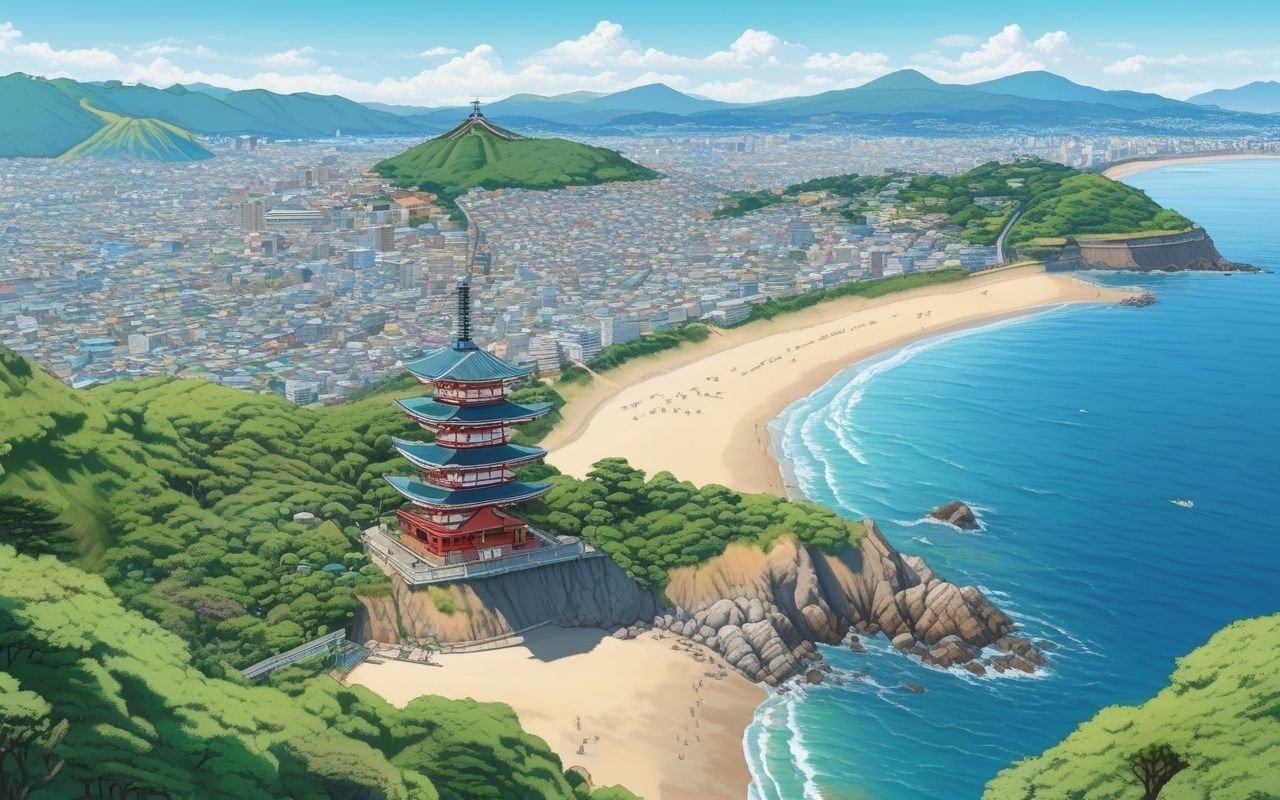
Category: kamakura-fujisawa

鎌倉・藤沢地域の旅行ガイド

  • Kamakura Enoshima Area Guide 2026

    Kamakura Enoshima Area Guide 2026

    This guide provides essential travel tips and practical advice for navigating Kanagawa Prefecture. From transportation passes to safety information, you will find everything you need for a smooth and enjoyable trip.

    Overview

    Quick Links

    Planning a visit to experience Kamakura Enoshima Area Guide 2026 in Kanagawa? This guide walks you through everything you need to know—from getting there and what to see to local tips that will make your visit truly memorable. Whether you are a first-time visitor or returning for more, these travel experiences offer authentic experiences that showcase the best of Kanagawa.

    📍 Location


    The iconic Kamakura Great Buddha) statue – Don’t miss the Enoshima Aquarium for a family-friendly activity. statue stands 13.35 meters tall at Kotoku-in Temple, a symbol of the city’s rich Buddhist heritage.

    • Access: 1 hour from Tokyo by train
    • Best for: Temples, beaches, history, day trips
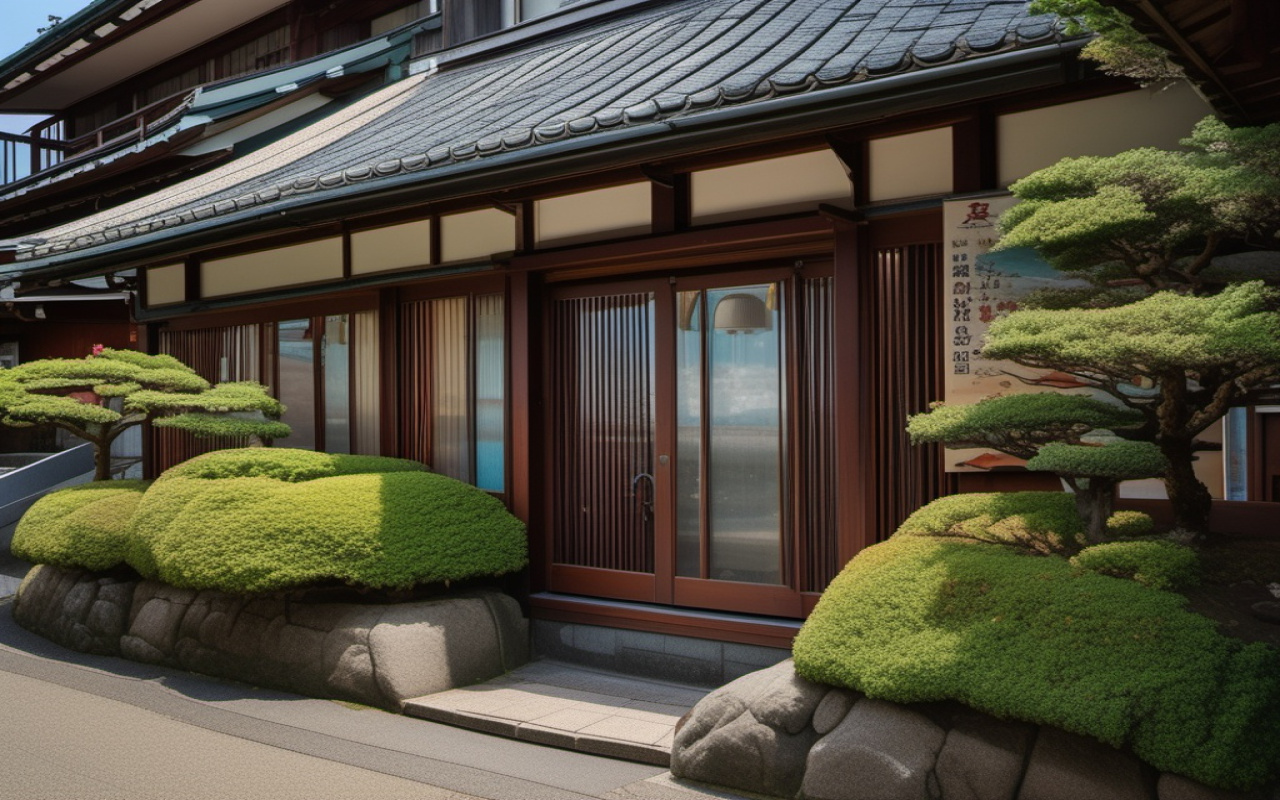
    Kamakura Enoshima Area Guide 2026 — Location

    Kamakura Enoshima Area Guide 2026 — Location

    • Best season: Spring (cherry blossoms) and Summer (beaches)

    Introduction: Why Visit Kamakura & Enoshima
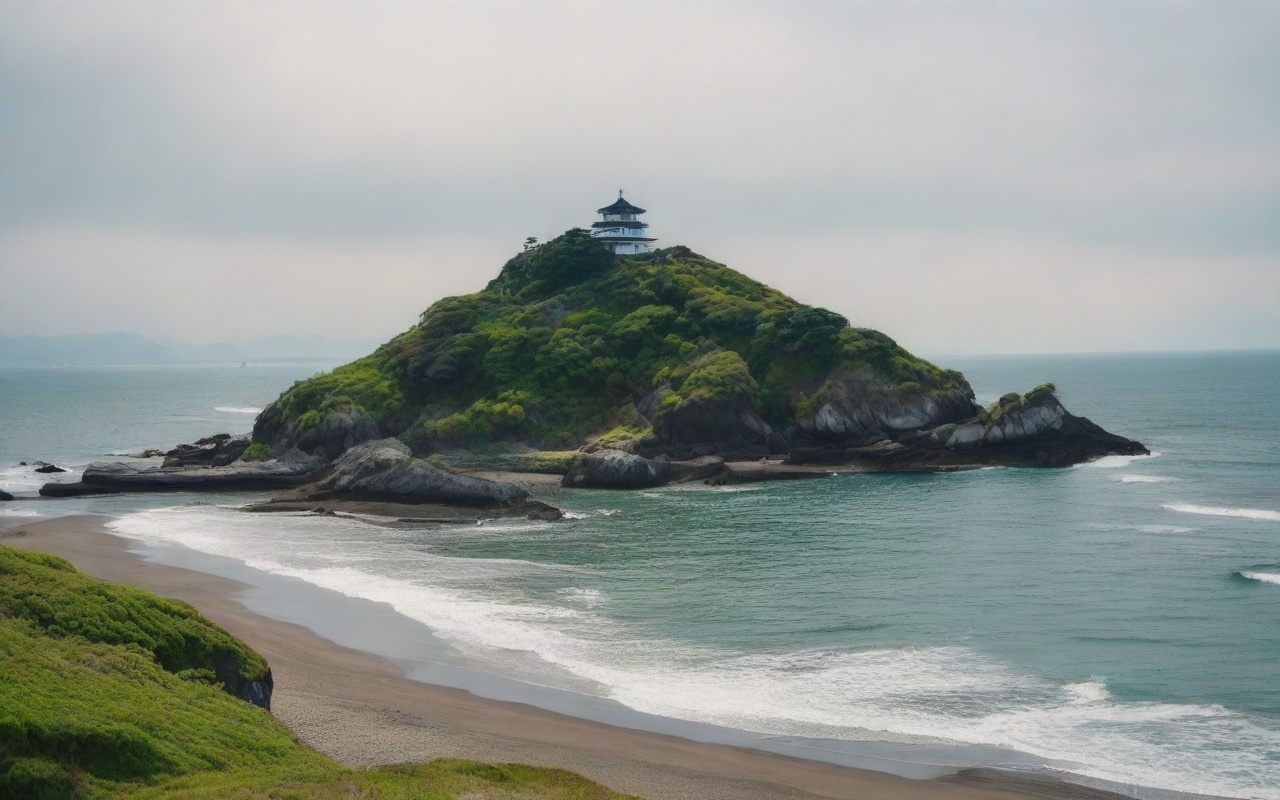
    Kamakura Enoshima Area Guide 2026 — Introduction: Why Visit Kamakura & Enoshima

    Kamakura and Enoshima are two of the most popular destinations in Kanagawa Prefecture, offering a perfect blend of history, culture, and natural beauty, Located just one hour from Tokyo, this area is ideal for day trips or weekend getaways.

    Kamakura was the political center of Japan for nearly 150 years during the Kamakura period (1185-1333). Today, it’s famous for its historic temples, shrines, and the iconic Great Buddha.

    Enoshima is a small island connected to the mainland by a bridge, known for its shrine, sea caves, and beautiful beaches.


    By Train

    To Kamakura Station:

    • JR Yokosuka Line: 1 hour from Tokyo Station (¥1,040)
    • JR Shonan-Shinjuku Line: 1 hour from Shinjuku (¥1,040)
    • Enoden Line: Connects Kamakura to Enoshima (¥320)

    To Enoshima:

    • Odakyu Line: 65 minutes from Shinjuku to Katase-Enoshima (¥650)
    • Enoden: 10 minutes from Kamakura to Enoshima (¥320)

    By Car

    • From Tokyo: 1.5 hours via Yokohama-Yokosuka Road
    • Parking: Available at most attractions (¥500-1000/day)

    Tsurugaoka Hachimangu Shrine

    Best for: History, architecture, cherry blossoms

    Hours: 6:00 AM - 8:00 PM (varies by season)
    Admission: Free
    Access: 10 min walk from Kamakura Station

    The most important Shinto shrine in Kamakura, founded in 1063. The approach to the shrine is lined with shops and food stalls.

    Kotoku-in Temple (Great Buddha)

    Best for: Iconic photo spot, history

    Hours: 8:00 AM - 5:30 PM
    Admission: ¥300 (¥200 for temple interior)
    Access: 7 min walk from Hase Station

    The Great Buddha of Kamakura is a 13.35-meter tall bronze statue, one of the most iconic landmarks in Japan.

    Hasedera Temple

    Best for: Gardens, ocean views, flowers

    Hours: 8:00 AM - 5:00 PM
    Admission: ¥400
    Access: 5 min walk from Hase Station

    Famous for its beautiful gardens and panoramic views of Kamakura Bay.


    Enoshima Shrine

    Best for: Spiritual experience, views

    Hours: 9:00 AM - 5:00 PM
    Admission: Free (¥500 for garden)
    Access: 15 min walk from Enoshima Station

    A complex of three shrines dedicated to the goddess Benzaiten.

    Enoshima Sea Candle

    Best for: Panoramic views, sunset

    Hours: 9:00 AM - 8:00 PM
    Admission: ¥600
    Access: 10 min walk from Enoshima Station

    A lighthouse with an observation deck offering 360-degree views. On clear days, you can see Mount Fuji.

    Ryugu Cave (Enoshima Iwaya)

    Best for: Natural wonder, photography

    Hours: 9:00 AM - 5:00 PM
    Admission: ¥500
    Access: 15 min walk from Enoshima Station

    Sea caves formed by wave erosion. The caves are illuminated with colorful lights.


    Yuigahama Beach

    Best for: Swimming, surfing, summer festivals

    Season: July-August
    Facilities: Showers, restrooms, shops
    Access: 5 min walk from Kamakura Station

    The most popular beach in Kamakura, great for swimming and surfing.

    Zaimokuza Beach

    Best for: Quiet atmosphere, long walks

    Season: July-August
    Facilities: Showers, restrooms
    Access: 15 min walk from Kamakura Station

    A quieter alternative to Yuigahama, popular for beach walks.

    Enoshima Beach

    Best for: Surfing, beach volleyball

    Season: July-August
    Facilities: Showers, restrooms, shops
    Access: 10 min walk from Enoshima Station

    Popular among surfers, with several surf schools available.


    Kamakura Station Area

    • Komachi-dori Street: Food stalls, cafes, restaurants
    • Recommended: Matcha sweets, takoyaki, croquettes

    Enoshima Island

    • Seafood: Fresh fish, sushi, ramen
    • Recommended: Enoshima Nori (seaweed), seafood donburi

    One-Day Trip

    Morning:

    • Arrive at Kamakura Station
    • Visit Tsurugaoka Hachimangu Shrine
    • Explore Komachi-dori Street Afternoon:
    • Take Enoden to Hase Station
    • Visit Kotoku-in (Great Buddha)
    • Visit Hasedera Temple Evening:
    • Return to Tokyo or stay for dinner

    Two-Day Trip

    Day 1: Kamakura

    • Tsurugaoka Hachimangu Shrine
    • Kotoku-in (Great Buddha)
    • Hasedera Temple
    • Stay overnight in Kamakura Day 2: Enoshima
    • Enoshima Shrine
    • Enoshima Sea Candle
    • Ryugu Cave
    • Beach time (summer)
    • Return to Tokyo


    Summary

    Kamakura Enoshima Area Guide 2026 — Summary

    Kamakura and Enoshima offer a perfect day trip from Tokyo, combining history, culture, and natural beauty. Whether you’re interested in ancient temples, beautiful beaches, or delicious seafood, this area has something for everyone.

    Key highlights:

    • Easy access from Tokyo (1 hour)
    • Rich history and culture
    • beautiful beaches in summer
    • Delicious local food
    • Perfect for all seasons

    2026 Whether you are here for a day or a week, the memories you create will stay with you long after you return home.

    How much time do I need?

    A. One day is enough for main attractions, but two days allows for a more relaxed experience.

    Is the area wheelchair accessible?

    A. Major attractions are accessible, but some temples have steps. Check individual sites for details.

    Can I visit in the rain?

    A. Yes, many attractions are indoors. Temples are beautiful in the rain too.

    Is it crowded on weekends?

    A. Yes, weekends and holidays are very crowded. Visit on weekdays if possible.

    Budget Planning

    A daily budget of ¥8,000-12,000 covers mid-range dining, local transport, and one paid attraction. Budget travelers can manage on ¥5,000-7,000 per day using convenience store meals and free attractions like parks and temples. Use an IC card (Suica/Pasmo) for seamless payment across all transit networks. Exchange cash at banks for better rates than airport counters.

    What to Bring

    A daypack for daily essentials makes sightseeing more convenient. Bring a WiFi device or SIM card for navigation. Sunscreen and a hat are essential during warmer months. A small notebook and pen are useful for writing down directions or recommendations. Pack a foldable tote bag for souvenirs and grocery purchases.

    Dos and Don’ts

    Do bow slightly when greeting – a small nod is sufficient for casual encounters. Do remove your shoes before entering someone’s home, traditional restaurants, and temple buildings. Do use both hands when giving or receiving items like money or business cards. Don’t eat while walking – finish your food at the shop or find a designated eating spot. Don’t tip – service charges are included in Japan. Don’t blow your nose in public – it’s considered rude.

    What to Expect

    Expect a mix of modern convenience and traditional culture. Temples and shrines coexist with shopping malls and entertainment complexes. Walking is the best way to explore most areas, so comfortable shoes are essential. Wifi is available at most stations and tourist facilities. Queuing etiquette is important – always wait in line and follow directional signs.

    Conclusion

    exploring Kamakura can be as relaxed or as packed as you want it to be, and I have found that the best visits leave room for both planning and spontaneity. During my visit to Kamakura I went with a rough plan and found that leaving room to wander made the trip far more memorable. Use this guide to sort out the logistics in advance, then let the day surprise you — Kanagawa rewards travelers who stay curious.
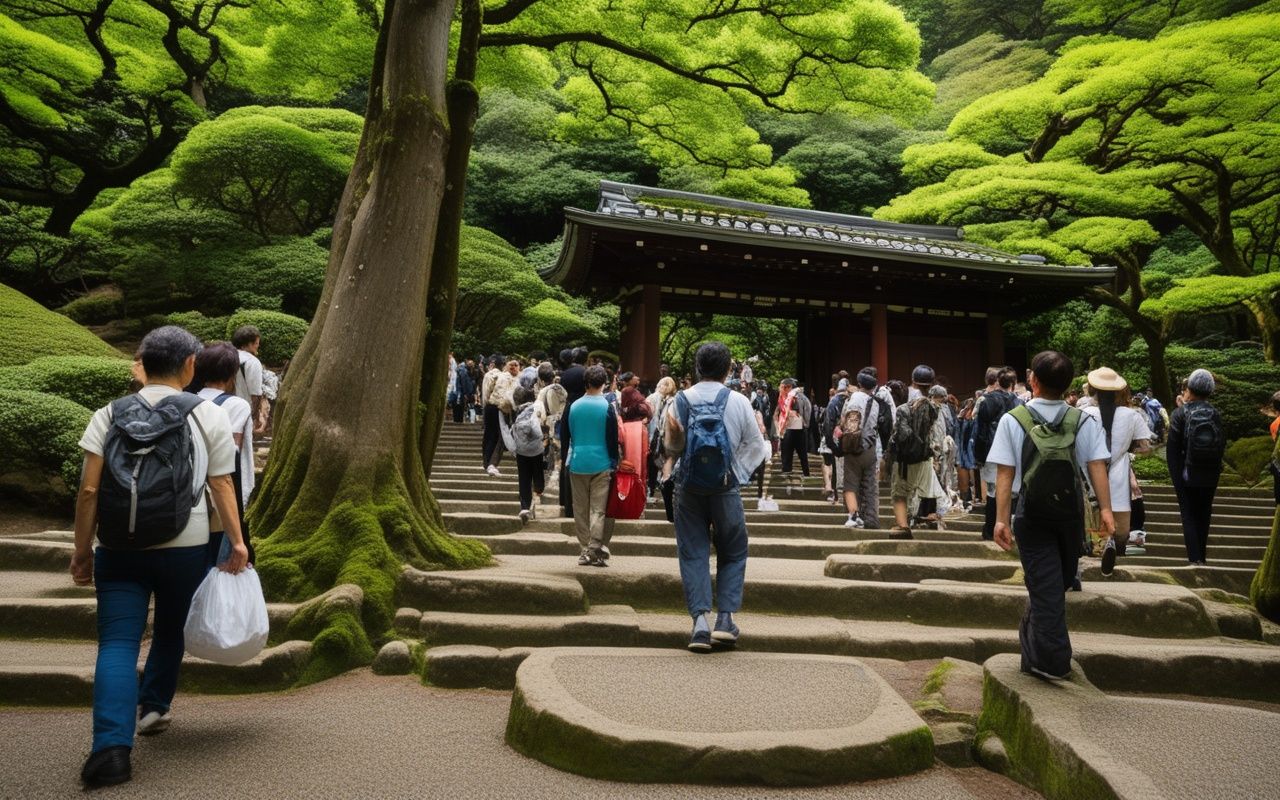
  • Kamakura Hiking Trails & Hidden Backstreets: Escape Crowds

    Kamakura Hiking Trails & Hidden Backstreets: Escape Crowds

    Overview

    Kamakura has a crowd problem, and everyone knows it. On a Saturday afternoon in autumn, Komachi-dori is a river of people, and the Great Buddha’s photo line stretches into the garden. But Kamakura has a second city that most visitors never see: a network of hiking trails through the hills that ring the town, and a web of quiet backstreets where the crowds thin out to nothing. The same weekend that feels overwhelming at the temples becomes peaceful within twenty minutes of leaving the main streets.

    I have walked through these trails in every season, and the pattern is always the same. I recommend the Ten’en course above all — it rewards the effort more than any other walk in town. The crowds cluster around the big-name sights: Hase-dera, the Great Buddha, the main approach to Tsurugaoka Hachimangu. The hills above them are nearly empty, and the backstreets between the northern temples belong to residents, schoolchildren, and the occasional café that has survived by being hard to find. The hiking trails connect the temples in a loop that rewards the effort with views, and the backstreets reward the wandering with the Kamakura that locals actually live in.

    This guide covers the best hiking routes — the Ten’en Hiking Course above all — the quiet backstreets worth a detour, and the practical details for a day that trades the famous queues for the town’s hidden layers.


    📍 Getting There and Route Basics

    Kamakura is 50-60 minutes from Tokyo by the JR Yokosuka Line from Tokyo Station, or the Shonan-Shinjuku Line from Shinjuku. For access details and train options, see my Kamakura access guide. The town’s sights and trailheads are all walkable from Kamakura Station, which makes it one of the easiest hiking days in the region — you can be on a mountain path within 25 minutes of stepping off the train.

    The Three Main Trails

    1. Ten’en Hiking Course — The classic. Runs roughly 5 kilometers through the hills from Kencho-ji (near Kita-Kamakura Station) to Zuisen-ji in the east. The best single hike in Kamakura.
    2. Daibutsu Hiking Trail — A shorter, gentler route connecting the Great Buddha at Hase to Jochi-ji and Kencho-ji in the north. Good for families and for combining temple visits with a walk.
    3. Gionyama Circuit — A compact loop around the hill behind the Tsurugaoka Hachimangu shrine, with views over the town center. The easiest option, and a good sunset spot.

    🥾 The Ten’en Hiking Course: Kamakura’s Backbone Trail

    The Ten’en Hiking Course is the walk that separates Kamakura day-trippers from Kamakura regulars. It runs through the wooded ridge behind the northern temples, connecting the great Zen temples of Kita-Kamakura with the quieter eastern hills, and it offers the town’s best views over the bay.

    The Route in Detail

    The course has two natural starting points. From Kita-Kamakura Station, the trailhead sits at the back of Kencho-ji, the first of Kamakura’s five great Zen temples. From Kamakura Station, you reach the eastern end at Zuisen-ji after a 20-minute walk through backstreets. Both ends work; the standard direction is Kita-Kamakura to Zuisen-ji, which keeps the sun at your back in the morning.

    1. Kencho-ji (trailhead) — The temple itself is worth arriving early for: its bamboo grove and dragon-painted ceiling are quieter than the famous tourist temples. The trail begins at the upper gate.
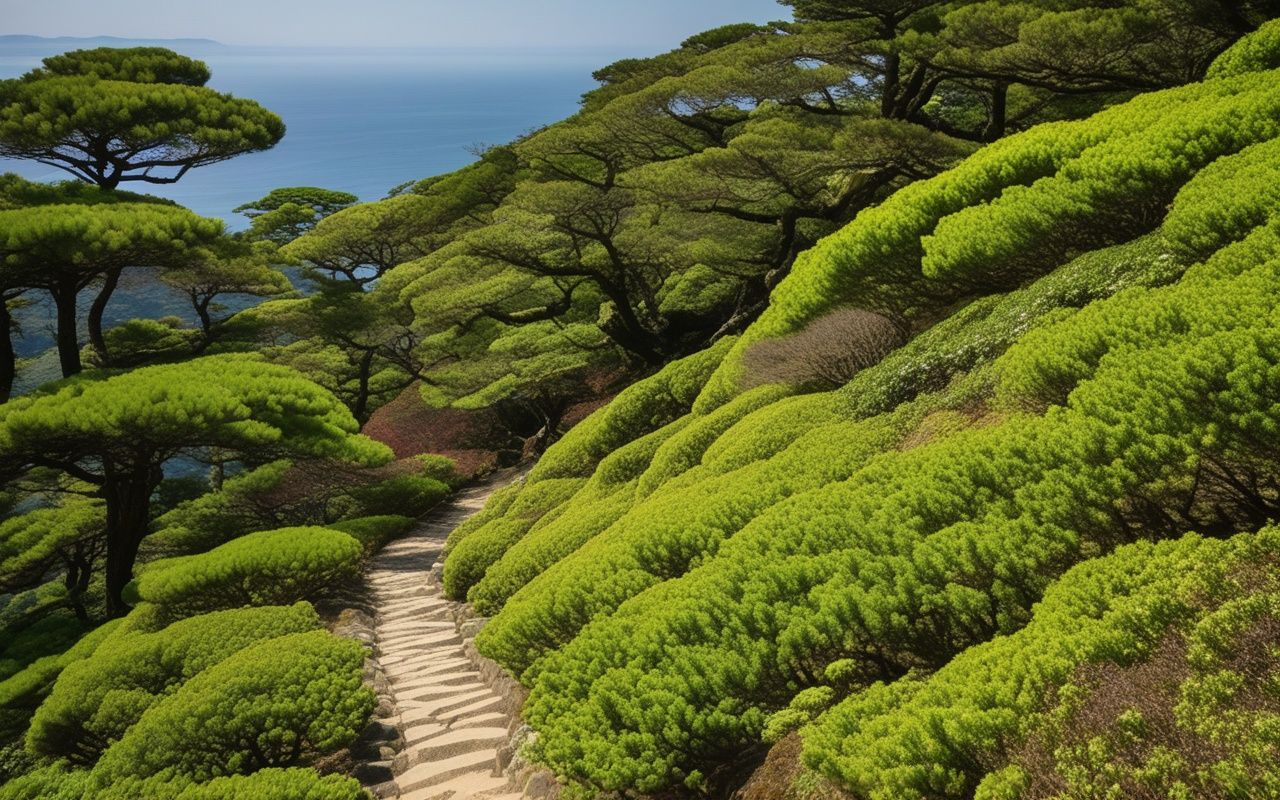
    2. The ridge (1.5-2 hours) — The path climbs through mixed forest, dips across a few valleys, and passes several viewpoints. The highlight is the view over Sagami Bay from the ridge’s highest point, with Enoshima visible on clear days. For more of the bay, see my Shonan beach guide, which covers the coast below.

    Ten'en Hiking Course ridge trail with view over Sagami Bay

    1. Jochi-ji and the fork — The trail passes a junction where the Daibutsu trail branches off. Jochi-ji, a small Zen temple on the ridge, has a famous hydrangea garden in June.
    2. Zuisen-ji (end) — The eastern terminus is a garden temple built around a cave, with a lovely pond and rock garden. The temple is rarely busy, which makes it a perfect, quiet finish.

    Practical Notes

    • Total time: 2.5-3 hours at a relaxed pace, including brief temple stops.
    • Difficulty: Easy-moderate. There are steady climbs but nothing steep or technical. Sneakers with grip are fine; hiking boots are overkill.
    • Trail conditions: The path is well marked in English at junctions, but the surface includes some exposed roots. It can be muddy after rain — avoid the day after heavy weather.
    • No food on the trail: Carry water and a snack; the only shops are at the two ends.

    🛕 The Backstreets: Where the Crowds Aren’t

    The hills are half the story. The other half is Kamakura’s backstreet network — the narrow lanes behind the main roads, where the town’s real life happens. The lanes north of Komachi-dori and around the northern temples reward wandering, and they hold most of the town’s hidden shrines and best cafes.

    The Northern Backstreets

    The area between the Kencho-ji approach and the town center is a grid of residential lanes with a handful of small shrines and old merchant houses. Walking it takes an hour and feels like traveling back in time — the houses are wooden, the streets are barely car-width, and the only sounds are bicycles and birds. The small shrines and temple gardens along the way, such as the garden of Myoho-ji with its famous mossy stairs, have no entrance fees and no crowds, and several are genuinely beautiful.

    Onari-machi and the Cafes

    The backstreet area around Onari-machi, west of the station, has become the town’s cafe quarter. The famous Kamakura cafe scene concentrates here, in converted houses and garden cafes that you have to actively seek out. The coffee is serious, the cakes are local, and the clientele is mostly residents — the tourists are still queuing at the Komachi-dori dessert shops while the locals drink espresso in the lanes.

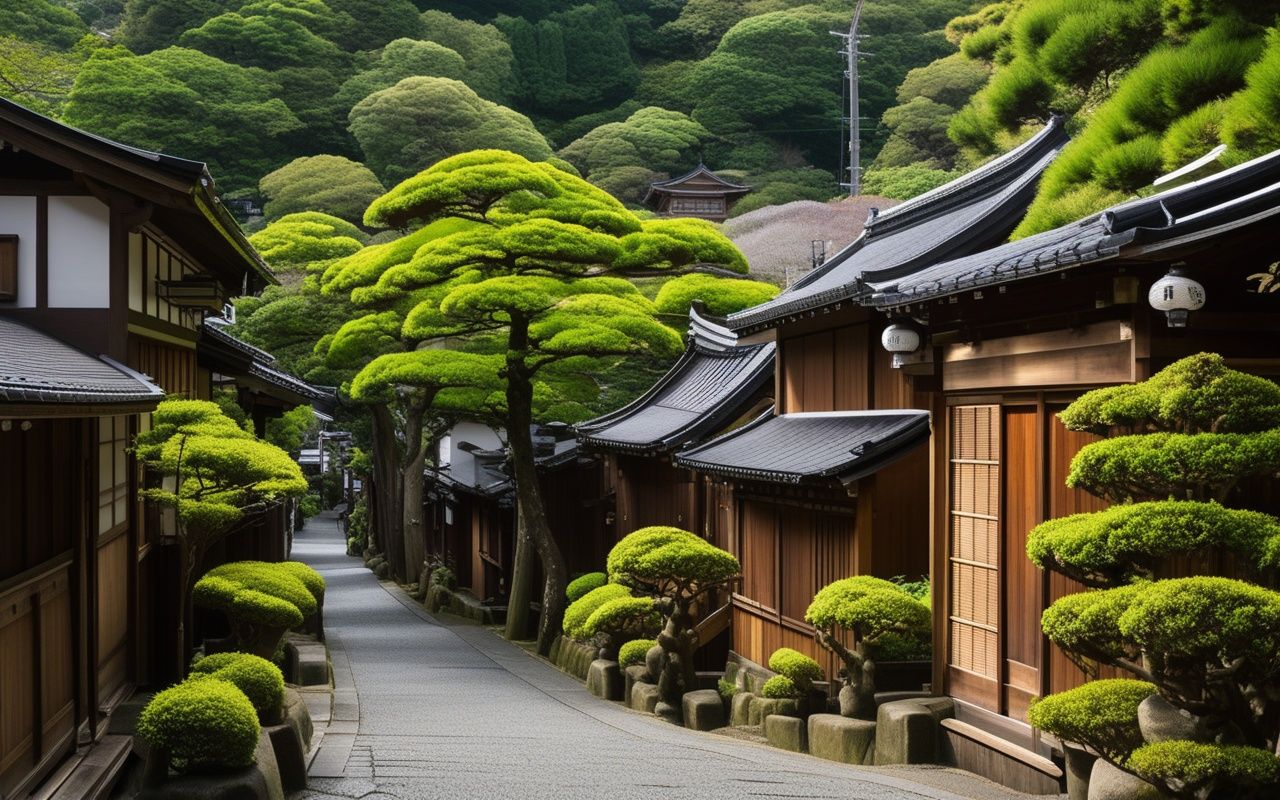
    Quiet Kamakura backstreet lane with wooden houses and greenery

    The Hidden Shrine Route

    One of my favorite loops connects three hidden shrines north of the station: the cave shrine of Zuisen-ji’s hillside, the small shrine hidden behind the Kencho-ji approach, and the tiny neighborhood shrine with the stone steps and the mossy lanterns. The loop takes an hour, passes no other tourists on most days, and ends at a café. It is the closest Kamakura comes to a secret.


    📷 The Daibutsu Trail and the Great Buddha Alternative

    If the Ten’en course feels like too much, the Daibutsu Hiking Trail offers a shorter taste of the same hills. It runs from the Great Buddha area at Hase up over the ridge to Jochi-ji, connecting the famous statue with the quiet northern temples.

    The Great Buddha itself is worth seeing once — the bronze statue is genuinely impressive — but the crowds are relentless. My alternative: visit it at opening time, then take the Daibutsu trail up the hill and spend the rest of the day on the quiet side. For more on managing the famous sights, see my Kamakura crowd-avoidance guide, which covers timing and routes for the busiest spots.

    The trail takes about 45 minutes one way, is gentle enough for families, and ends at Jochi-ji, where the Ten’en course can take you onward. It is the perfect middle option between the full hike and the temple-only day.


    🗓️ Sample Itinerary: The Quiet Kamakura Day

    1. 08:30 — Arrive at Kita-Kamakura Station. Walk the backstreets toward Kencho-ji while the town is still asleep.
    2. 09:00 — Kencho-ji, early and quiet. Bamboo grove, main hall, and the trailhead at the upper gate.
    3. 09:45 — Start the Ten’en Hiking Course. Ridge views over Sagami Bay.
    4. 11:30 — Jochi-ji fork and the highest viewpoint. Rest, water, and the view down to Shonan’s beaches.
    5. 12:30 — Descend to Zuisen-ji. Garden and cave temple, almost empty.
    6. 13:30 — Lunch at a backstreet café in the northern lanes. No queues.
    7. 14:30 — The hidden shrine loop, ending at the mossy lantern shrine.
    8. 16:00 — Optional: the Gionyama circuit at sunset, with the town below and the bay beyond.
    9. 17:30 — Return train from Kamakura Station.

    If you have a second day, the town pairs well with the Kamakura-Enoshima area guide for the coast, or with the Tanzawa-Oyama hiking guide if you want a bigger mountain day in the same region.


    📅 Seasonal Notes

    • March-April: Cherry blossoms on the temple approaches and the backstreets. The trails stay quieter than the famous blossom spots.
    • June-July: Hydrangea season at Jochi-ji and Meigetsu-in. Expect crowds at the hydrangea temples themselves, but the trails above them stay manageable.
    • September-November: The best hiking season — cool, clear, and colorful. The ridge views over the bay are at their finest.
    • December-February: Cold and empty. Winter views are the clearest of the year, and the cafes are at their coziest.
    • Winter mornings: The classic Fuji view from the ridge — the mountain appears over the bay on clear days.

    💡 Practical Tips

    • Start early and go on a weekday if you can. The trails are never crowded, but the temples at the ends fill up fast on weekends.
    • Carry water and a snack — there is no food on the trails.
    • Wear shoes with grip; the trails have exposed roots and can be muddy.
    • The backstreets are residential. Walk quietly, don’t block lanes, and photograph houses sparingly.
    • Buy drinks at the ends, not the middle — the only convenience stores are near the stations.
    • Combine the hike with the cafe route in Onari-machi for the classic quiet day: hills in the morning, espresso in the afternoon.

    Conclusion

    Kamakura’s famous crowds are real, but they are also concentrated — and everything outside that concentration is the town’s best self. The Ten’en Hiking Course connects the great Zen temples through forest and ridge views, the backstreets hold the hidden shrines and local cafes, and the whole quiet layer is reachable within minutes of the station. It is the same Kamakura that day-trippers rush past, and it rewards anyone who slows down enough to find it. Start at Kita-Kamakura, walk the ridge, and let the backstreets lead you home.


    FAQ

    Q: How hard is the Ten’en Hiking Course?
    A: Easy-moderate. It has steady climbs but nothing steep or technical, and the full route takes 2.5-3 hours. Sneakers with grip are sufficient on dry days.

    Q: Do I need a map?
    A: No. The trail is well marked with English signs at junctions, and the two ends are easy to reach from their stations. A phone map helps at the backstreet sections.

    Q: Can I do the hike with children?
    A: Yes, the Ten’en course is fine for older children. For younger kids, the shorter Daibutsu trail (45 minutes) is the better choice.

    Q: When should I visit to avoid the crowds?
    A: Weekday mornings, or any day before 10:00. The trails themselves are rarely crowded; the queues form at the famous temples, which you can visit at opening time or skip in favor of the quiet shrines.

  • Chigasaki Beach Town Guide: Surf Culture & Local Flavor

    Chigasaki Beach Town Guide: Surf Culture & Local Flavor

    Overview

    Chigasaki is the kind of Japanese beach town that refuses to be a tourist attraction. It has a world-class beach, a beloved music history, and a serious ramen scene, yet it feels like a place where people simply live well — surf in the morning, work a bit, eat well, and watch the sunset from the sand.

    I came to Chigasaki on a recommendation from a Tokyo friend who grew up there, expecting a small beach town. What I found was a community with real cultural weight: the surf culture that shaped it in the 1960s, the singer-songwriter legacy that gave it a nationwide identity, and a food scene that punches far above its size. The beach is beautiful, but the town around it is the real reason to go.

    This guide covers Southern Beach and the C monument, the surf culture of Chigasaki, the local food scene (including the famous ramen), and the practical details of a day trip from Tokyo.


    📍 Getting There & Access

    From Tokyo

    1. JR Tokaido Line to Chigasaki Station (60 min from Tokyo Station, around ¥1,040) — Direct trains from Tokyo make Chigasaki one of the easiest beach towns to reach. The Shonan-Shinjuku Line also connects from Shinjuku and Shibuya.
    2. By car — The Shin-Shonan Bypass Chigasaki-Kaigan IC brings you right to the coast. Expect 40-60 minutes from central Tokyo with light traffic.

    Getting Around

    • On foot — The station-to-beach route is a pleasant 20-minute walk down the shopping street (Southern-dori).
    • Buses — Local buses connect the station to the beach and Yanagishima in about 10 minutes.
    • Bicycle — Flat and compact, Chigasaki is best explored by bike. Rentals are available near the station.

    🌊 Southern Beach Chigasaki: The Town’s Heart

    The Beach

    Southern Beach Chigasaki is the town’s main beach, a wide stretch of sand facing Sagami Bay with the iconic Eboshi Rock rising from the surf just offshore. On clear days, the view runs from Enoshima in the east to Mount Fuji in the west. The beach’s landmark is the “Chigasaki Southern C” monument — a large white sculpture of the letter C that has become the town’s favorite photo spot.

    I have sat on this beach at every hour of the day. The morning light on the water is clean and quiet; summer afternoons bring swimming families and beach house music; and the sunsets, when the sky turns orange behind the C and Eboshi Rock, are among the best in Shonan. See the Shonan sunset guide for more sunset spots along the coast.

    Southern Beach Chigasaki C monument at sunset

    What to Do

    1. The C monument photo — The classic Chigasaki photo, especially good at sunrise and sunset.
    2. Swimming — The swimming season runs from early July through the end of August, with lifeguards on duty and beach houses operating along the sand.
    3. Walking and jogging — The beach runs for kilometers in both directions. Walking east toward Eboshi Rock or west toward the Sakai River mouth is the best free activity.
    4. Sea kayaking and SUP — In the shoulder seasons, lessons and rentals operate on the calm stretches. See the Shonan marine activities guide for details.

    Practical Notes for the Beach

    • Entry: Free. Beach houses, parasols, and rentals are extra.
    • Swimming season: Early July to the end of August, roughly 8:30-17:00. Surfing is restricted to designated zones during this period.
    • Facilities: Showers and changing rooms are available near the beach house cluster in summer. Public restrooms are open year-round.

    🏄 Surf Culture: Japan’s Original Surf Town

    The Legacy

    Chigasaki claims one of Japan’s earliest surf scenes, developed in the 1960s when the first waves were ridden here by the pioneers of Japanese surfing. Unlike Kugenuma’s more organized surf-school energy, Chigasaki’s surf culture feels older and more local — boards strapped to cars, wetsuits drying on balconies, and a morning greeting wave from the regulars in the water.

    I joined a dawn session-watching routine on my second visit, sitting on the seawall with a coffee while the locals took turns on a clean winter swell. Nobody was showing off; it was just a neighborhood rhythm, repeated every morning for fifty years. That sense of continuity is what makes Chigasaki feel different from other surf beaches.

    Where to Experience It

    1. The seawall at Southern Beach — The best free viewpoint for watching surfers, especially at dawn.
    2. Surf shops along the coast — Several long-running shops rent boards and wetsuits, and a few offer lessons.
    3. Yanagishima Beach (west) — The quieter western beach near the Sakai River mouth, favored by longboarders and beginner-to-intermediate surfers.

    🍜 The Ramen Scene: Why Chigasaki Is a Food Town

    The Local Obsession

    Chigasaki is a genuine ramen battleground — a small beach town with a concentration of high-level ramen shops that would be notable even in Tokyo. The styles range from refined chicken-broth bowls to creamy tonkotsu, and several shops have earned national recognition.

    On my first visit, I asked a local which shop to try first. He shrugged and said, “You can’t go wrong; that’s the problem.” I tried three shops over two days, and he was right — each was excellent in a completely different way.

    Chigasaki ramen bowl with chashu

    Where to Eat

    1. Raamen Toki — A nationally recognized shop known for its house-made noodles and elegant chicken-based broth. Expect a line; go early.
    2. Menya BISQ — A creamy, modern tonkotsu with a cult following. The rich bowl is not for the faint of heart.
    3. Noodle Works — A relaxed shop with a rotating menu of inventive bowls and excellent side dishes.
    4. Budget: Expect ¥800-1,200 per bowl.

    Beyond Ramen

    • Shirasu donburi — The coastal whitebait bowl, best in spring and autumn. Several seafood diners near the beach serve it.
    • Chigasaki craft beer — The local brewery’s beers are sold across the town and are a great souvenir. See the Shonan craft brewery guide for the full brewery trail.
    • The local eats guide — For the deeper food scene, the Chigasaki local eats guide covers more of the town’s restaurants and markets.

    🛍️ The Shopping Street and Town Center

    Southern-dori and the Station Area

    The walk from Chigasaki Station to the beach runs down Southern-dori, a covered shopping street lined with bakeries, vegetable shops, and long-established stores. The station area itself — the LUSCA building and its surroundings — is compact and walkable, with souvenir shops selling Chigasaki goods.

    I always stop at a bakery on Southern-dori for a morning bun before the beach. It is a small ritual, but it is the kind of detail that makes a beach town feel like home.

    What to Buy

    • Chigasaki craft beer — The perfect local souvenir.
    • Southern C goods — T-shirts, towels, and keychains featuring the monument, sold at shops near the beach.
    • Local produce — The morning vegetable stalls along Southern-dori carry coastal produce, including the area’s famous cabbage.

    🗓️ Sample Itinerary: Chigasaki in a Day

    Morning (9:00-13:00)

    1. 9:00 — Arrive at Chigasaki Station. Grab a pastry on Southern-dori.
    2. 9:45 — Walk to Southern Beach. Photo at the C monument, then a walk along the sand toward Eboshi Rock.
    3. 11:30 — Early ramen lunch before the line forms.
    4. 13:00 — Browse the shops and souvenir stalls near the station.

    Afternoon (13:30-18:30)

    1. 14:00 — Rent a bike and ride west to Yanagishima Beach for the quieter surf view.
    2. 15:30 — Coffee and cake at a seaside cafe.
    3. 17:00 — Return to Southern Beach for the sunset — the best hour of the day here.
    4. 18:30 — Dinner at a local izakaya or a second ramen shop, then the train home.

    If You Have More Time

    • Enoshima and Kamakura: Ride the Enoden line east for Enoshima Island and Kamakura’s temples.
    • The wider Shonan coast: The Shonan beach guide covers the entire coastline from Kamakura to Oiso.
    • Fujisawa’s surf coast: The neighboring Kugenuma coast, birthplace of Japanese surfing, is covered in the Tsujido and Kugenuma guide.

    📅 Seasonal Notes

    • Spring (Mar-May): Clean swells and soft light. The best season for watching surfers and for shirasu season.
    • Summer (Jun-Aug): Swimming season with beach houses, fireworks festivals, and the liveliest atmosphere. The summer fireworks guide lists the local displays.
    • Autumn (Sep-Nov): Warm water, thin crowds, and glassy waves. My favorite season on this coast.
    • Winter (Dec-Feb): The strongest swells and the clearest air. Sunrise surfers against Mount Fuji are the winter show.

    💡 Practical Tips

    1. Go for the sunset — The C monument at sunset is the defining Chigasaki image. Arrive at the beach by 16:30 in summer and 16:00 in winter.
    2. Eat ramen early — The famous shops form lines by 11:30. Arrive before the rush.
    3. Bring cash — Many beach houses, small shops, and some ramen shops are cash-only.
    4. Layer for the wind — The sea breeze is strong even on sunny days. A windbreaker is essential.
    5. Check the swimming calendar — Surfing restrictions and beach house hours change with the swimming season.

    Conclusion

    Chigasaki is a beach town that understands itself: surfing at dawn, ramen at noon, and sunset on the sand with the C monument glowing in the last light. It is close enough to Tokyo for a spur-of-the-moment day trip, small enough to walk across, and deep enough to keep rewarding repeat visits. Come for the beach, stay for the ramen, and leave with the feeling of having found a town that knows how to live well.

    FAQ

    Q: How do I get to Chigasaki from Tokyo?
    A: Direct JR Tokaido Line trains from Tokyo Station reach Chigasaki in about 60 minutes. The Shonan-Shinjuku Line serves Shinjuku and Shibuya.

    Q: What is the best time of day to visit the beach?
    A: Early morning for watching surfers, and sunset for the C monument photo — the two best hours of the day here.

    Q: Is Chigasaki good for a day trip?
    A: Yes. The full loop — beach, ramen, shopping, and sunset — fits comfortably into one day, with several strong options for extending to Enoshima or Kamakura.

    Q: How much does a day in Chigasaki cost?
    A: Around ¥4,000-5,000 per person: train ¥2,080 round trip, lunch ¥1,200, snacks and coffee ¥1,000, and souvenirs as budget allows. The beach and C monument are free.

  • Yugawara Onsen — Quiet Seaside Hot Spring Town on Sagami Bay

    Yugawara Onsen — Quiet Seaside Hot Spring Town on Sagami Bay

    Overview

    Yugawara is the hot spring town that most travelers to the Kanto region never quite reach. It sits on the western edge of Sagami Bay, about 90 minutes from Tokyo, and it has been soaking visitors in mineral-rich water since the eighth century. On my first trip, I made the mistake of treating it as a smaller version of Hakone. It is not. Hakone is a mountain resort built around a crater lake; Yugawara is a seaside town where hot springs bubble up within walking distance of the beach, and where the same onsen water that fills your ryokan bath also fills the public foot baths along the river.

    What pulled me back a second and third time was the pacing. Yugawara does not demand an itinerary. You can spend a full day doing almost nothing — soaking in the morning, walking to the cape for lunch, sitting on the seawall at sunset — and leave feeling more rested than after most weekends away. The town is compact, the ryokan are traditional rather than polished, and the seafood is caught in the bay you can see from the bath.

    This guide covers the best ways to experience Yugawara: how to get there, which baths are worth the money, where the plum blossoms and views hide, and how to build a day or an overnight trip that makes the most of a town that rewards slow travel.


    📍 Getting There

    Yugawara has one railway station, Yugawara Station on the JR Tokaido Line, and it is the last stop before Atami. Access from Tokyo is straightforward and feels much shorter than the distance suggests.

    From Tokyo

    1. JR Tokaido Line from Tokyo Station (about 90 minutes, ¥1,900) — Take a rapid service bound for Atami or Odawara and change if needed. Several direct trains stop at Yugawara; otherwise, changing at Odawara adds only a few minutes. This is the option I use most because it requires no thinking.
    2. JR Tokaido Shinkansen to Atami (about 45 minutes) — Get off at Atami and take the local JR line two stops back west to Yugawara. This is faster but costs roughly three times as much. Worth it only if you are already riding the shinkansen from the west.
    3. Odakyu Line via Odawara — If you are combining Yugawara with a day in the Odawara castle town, the Odakyu Limited Express from Shinjuku to Odawara, then a short JR hop to Yugawara, works well.

    Getting Around Town

    The station sits at the foot of the hills, and most ryokan and public baths are within a 10- to 20-minute walk or a short bus ride. The town runs a free shuttle for overnight guests of many ryokan — check with your accommodation when you book. For the cape and Makuyama Park, buses leave from the station every 20 to 40 minutes, and the fares are small (¥200-¥300).

    A note from experience: the walk from the station to the river area is slightly uphill, and the return leg at the end of a long soak day can feel longer than it is. If your ryokan is on the river side, take the shuttle on the way in and walk down on the way out.


    ♨️ The Baths: Ryokan vs. Public Onsen

    The heart of Yugawara is its water. The springs here are alkaline and mild on the skin, which makes them a favorite for families and first-timers who find stronger acidic springs uncomfortable. The town claims more than 700 springs, and the tradition runs deep enough that even the station has a foot bath.

    Staying at a Ryokan with an Onsen

    Most first-time visitors book a ryokan with a private or shared bath. The advantages are obvious: you control the timing, you are never far from a soak, and the evening meal (kaiseki) arrives at your table rather than a dining hall. Prices range from about ¥15,000 per person for a modest ryokan with dinner and breakfast to ¥40,000 or more for a sea-view room with a private open-air bath.

    Things I learned the hard way:

    • Check the bath hours. Many ryokan switch the men’s and women’s baths at dusk, and some close the outdoor bath on windy nights. If the open-air bath matters to you, confirm the schedule when you arrive.
    • Sea-view rooms are worth the premium only on the upper floors. A “bay view” on the first floor often looks out at a seawall. Ask for a high floor.
    • The onsen etiquette is the same as elsewhere in Japan — wash before entering, keep your towel out of the water, and no swimsuits. For a full rundown of the rules, see my guide to onsen culture and etiquette.

    Public Baths: The Budget Route

    If you want the experience without the ryokan price tag, Yugawara has several public baths and day-use facilities. The best known is the riverside foot bath, which is free and always busy on weekends. For a full soak, the day-use baths at the larger ryokan and the public bathhouses cost ¥500-¥1,500 and typically include shampoo and soap.

    One of my favorite habits: end the day at the public bath closest to your ryokan, then walk back through the quiet evening streets with a bottle of local milk. It is a small ritual, but it is the thing I remember most clearly from my trips here.


    🌸 Makuyama Park and the Mountain Side

    Yugawara is not only a town of water — it also has a mountain behind it. Makuyama Park sits on the hillside above the town, and it is famous for two things: one of the best views in the area, and a plum grove that draws crowds every February.

    The View and the Walk

    The park is reached by a short bus ride from the station followed by a 20-minute uphill walk through the trees. The reward is a broad view over the town, the bay, and the Izu Peninsula beyond. On clear winter days, Mount Fuji is visible to the west, and the sunset from the lookout is genuinely lovely — the water catches the light in a way that the busier Shonan beaches cannot match.

    Makuyama Park hillside view over Yugawara and Sagami Bay

    I recommend the park as a morning activity. The light is better, the park is quieter, and you can be back in the town by lunchtime with the whole afternoon free for the baths.

    Plum Season and Foliage

    The plum grove at Makuyama is the town’s seasonal star. From mid-February to early March, the hillside turns white and pink, and the park fills with families and vendors selling plum sweets. The festival atmosphere is cheerful but crowded, so arrive early.

    In late November, the same park offers maples and ginkgo trees in red and gold. The foliage is not as dramatic as Hakone’s, but the crowd is a fraction of the size, which makes it the better choice if you want colors without the queues.


    🌅 The Sea: The Cape, the Seawall, and the Sunset

    The defining feature of Yugawara, compared with mountain resorts, is that the sea is always close. The cape west of town is the best place to see it properly.

    The Cape Walk

    A walking path runs along the headland at the western edge of town, with stone steps down to hidden coves used by local swimmers and fishing families. The path takes about an hour out and back at a relaxed pace, and the views west toward the Izu Peninsula and east along the bay are constant. On clear evenings, Mount Fuji appears across the water — a sight that surprises most people because they expect Fuji views inland, not from a seaside path.

    Yugawara cape coastal path at sunset with Fuji across the bay

    The Seawall Sunset

    If you only have one evening, skip the tourist spots and buy a drink from the convenience store, then sit on the seawall near the harbor as the sun drops behind the Izu hills. The locals do exactly this, and it is the most authentic Yugawara experience I have found. The combination of warm water, cold drink, and the last light on the bay is hard to beat.


    🍤 Eating in Yugawara

    Because Yugawara sits on the bay, the food is seafood-first. The local specialty is kinmedai (golden eye snapper), a deep-red fish that is served as sashimi, simmered, and grilled across the town’s restaurants. The fish is caught locally, and the freshness shows.

    What to Order

    • Kinmedai sashimi — The flagship dish. Order it at lunch for the best price.
    • Hama-no-miyako set meals — Several restaurants near the harbor serve lunch sets with a mix of local seafood, rice, and pickles for ¥1,200-¥2,000.
    • Kamaboko and fish cakes — The region around Odawara is famous for fish paste, and Yugawara shops sell fresh versions. For the deeper story of the craft, see my guide to Odawara’s kamaboko history.

    Where to Eat

    The harbor area has the densest cluster of restaurants, and the station front has a handful of reliable options. Reservations matter for dinner at the better places, especially on weekends. For a cheap and cheerful lunch, the set-menu restaurants near the harbor are the safest bet — they serve the same fish as the fancy places, for a fraction of the price.


    🗓️ Sample Itinerary: The Best of Yugawara in a Day

    1. 09:00 — Arrive at Yugawara Station. If your ryokan offers a shuttle, drop your bag and pick up a local map.
    2. 09:30 — Walk or bus to Makuyama Park. Morning light, the view over the bay, and (if you are here in February) the plum grove.
    3. 12:00 — Lunch at a harbor seafood restaurant. Kinmedai set meal.
    4. 13:30 — The cape walk. Slow pace, coastal views, Mount Fuji on clear days.
    5. 15:30 — Return to town for a soak at a public bath or your ryokan’s onsen.
    6. 18:00 — Seawall sunset with a drink.
    7. 19:00 — Dinner in the harbor area, or kaiseki at your ryokan if you are staying overnight.

    If you have a second day, the town pairs well with the Odawara castle town one stop away, or with the Hakone area for a mountain-versus-sea contrast on the same rail pass.


    📅 Seasonal Notes

    • February-March: Plum blossom season at Makuyama Park. Crowded but beautiful.
    • April-May: Mild weather, clear skies, and the best chance of Fuji views across the bay.
    • June-July: Rainy season is damp but quiet; the onsen feels especially good in the rain. Summer swimming season begins at the small town beach.
    • September-November: Autumn foliage at Makuyama, and excellent clear-air visibility for sunset views.
    • December-January: The quietest season. Winter sunsets over the bay are stunning, and onsen prices drop outside the New Year holiday.

    💡 Practical Tips

    • Carry small change for buses and public baths — the ¥100 and ¥500 coins add up.
    • Bring a small towel for public baths; many provide them for a fee, but it is cheaper to bring your own.
    • Weekday visits are dramatically quieter than weekends, and ryokan prices drop sharply midweek.
    • Combine with Odawara or Atami for a two-stop trip on the same Tokaido Line ticket.
    • Check the ryokan’s shuttle schedule when you book — the walk from the station is fine, but the shuttle is free and easy.

    Conclusion

    Yugawara is the hot spring town that rewards travelers who want a slower pace than Hakone and a quieter atmosphere than Atami. The water is gentle, the sea is always in view, and the local rhythm — soak, eat, walk, sunset — is exactly what most of us are actually looking for on a weekend away. It is an easy day trip from Tokyo, a natural add-on to the Odawara castle town, and one of the few places in the region where the train station, the onsen, and the sea are all within a short walk of each other. Go on a weekday, keep the itinerary light, and let the town set the pace.


    FAQ

    Q: Is Yugawara suitable for a day trip from Tokyo?
    A: Yes. The train takes about 90 minutes from Tokyo Station, and the town is compact enough to enjoy in a full day. For the full onsen-and-meal experience, an overnight stay is better, but a day trip works well.

    Q: How does Yugawara compare with Hakone?
    A: Hakone is a larger mountain resort with lake views, museums, and a much bigger tourist infrastructure. Yugawara is a small seaside town with a relaxed pace, cheaper prices, and the sea instead of the lake. Both have excellent onsen; they suit different moods.

    Q: Do I need to book a ryokan in advance?
    A: Yes, especially on weekends and in February during plum season. Weekday bookings are easier, but booking a week or two ahead is safest.

    Q: Can I visit the onsen without staying overnight?
    A: Yes. Day-use baths and public bathhouses are available, and the riverside foot bath is free. Many ryokan also offer day-use bathing during daytime hours.

  • Tsujido & Kugenuma Guide: Fujisawa’s Surf Coast

    Tsujido & Kugenuma Guide: Fujisawa’s Surf Coast

    Overview

    Ask most visitors about Fujisawa and they will describe Enoshima Island — the sea caves, the aquarium, the sunset deck. But the stretch of coast west of Enoshima, the Tsujido and Kugenuma districts, is where Fujisawa’s real character lives. This is the birthplace of Japanese surfing, a shoreline of beach houses and surf shops, longboard racks and dawn paddlers, and it has a completely different rhythm from the tourist-packed island.

    I first came to Kugenuma on a February morning to watch surfers ride glassy waves in the winter cold. That visit turned into a running habit: I have since spent countless hours in the beachside cafes, walked the full length of Tsujido Kaihin Park, and ridden the Shonan Monorail more times than I can count. What keeps me coming back is the feeling that this is a place people actually live in, not just visit.

    This guide covers the surf coast of Tsujido and Kugenuma, the park that anchors it, the monorail that makes it easy to reach, and the cafes where the local rhythm is best experienced.


    📍 Getting There

    From Tokyo

    1. JR Tokaido Line to Tsujido Station (50-60 min from Tokyo Station, around ¥1,000) — The main gateway to Tsujido Kaihin Park and the western beaches. Walk south 20 minutes to the coast, or take a short bus.
    2. Odakyu Line to Kugenuma-Kaigan Station (60-70 min from Shinjuku, around ¥1,100) — The closest stop to the Kugenuma surf beach, a 6-10 minute walk from the shore.
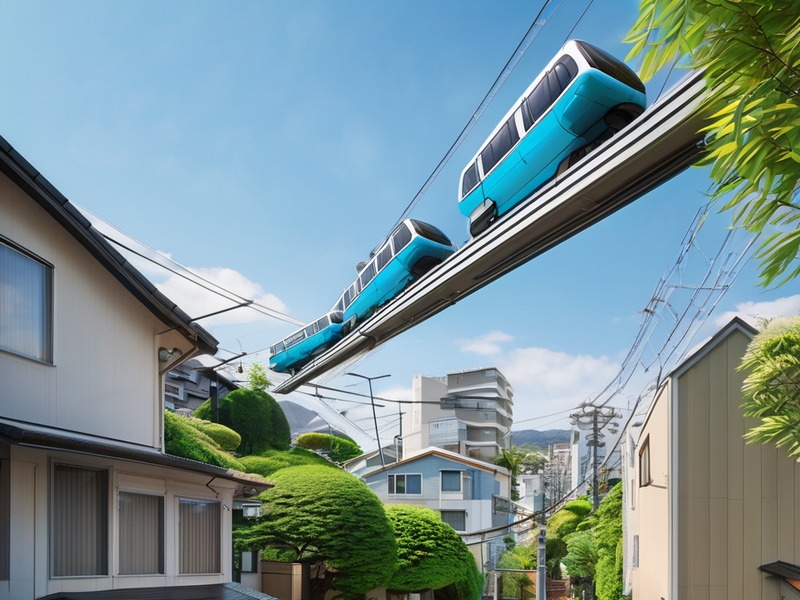
    3. Shonan Monorail — Connects Ofuna in the north to Shonan-Enoshima in the south, with stops including Shonan-Fukasawa and Mejiroyama. It is the most scenic way to approach the coast from the JR network.

    Getting Around

    • Shonan Monorail — A suspended monorail that glides above the streets. A one-day pass is around ¥750 and pays for itself with two rides. See the Shonan Monorail and Enoden connection guide for route details.
    • Buses — Local buses run between Tsujido Station and the coast every 10-15 minutes in daytime.
    • Bicycle — Flat and compact, the coast is ideal for cycling. Rentals are available near both stations.

    🏄 Kugenuma Beach: The Birthplace of Japanese Surfing

    Why Kugenuma Matters

    Kugenuma Beach is widely recognized as the birthplace of surfing in Japan. In the 1960s, the first Japanese surfers — inspired by the American surfers stationed nearby — began riding the waves here, and the culture spread from this shoreline to the rest of the country. Today, the beach is lined with surf shops that have been operating for generations, and on any morning with waves, the water is dotted with boards.

    What surprised me most on my first visit was how accessible it all felt. The beach is wide and gently sloping, the waves are forgiving by world standards, and the local surf community is welcoming to newcomers. On calm summer days, families and beginner lessons share the water with practiced locals.

    Kugenuma beach surfers at sunrise

    What to Do

    1. Watch the surfers — The classic free activity. The best viewing is early morning, when the light is soft and the waves are cleanest.
    2. Take a surf lesson — Numerous surf schools operate along the beach, with English-friendly options at the larger shops. Beginner lessons (board, wetsuit, and instruction included) run about ¥5,000-7,000 for 2-3 hours. See the Shonan surfing lessons guide for a fuller rundown.
    3. Rent a board or wetsuit — Most surf shops rent equipment by the hour or day. Board rentals typically run ¥2,000-4,000 for a session.
    4. Walk the sand — The beach stretches for kilometers. Walking from Kugenuma toward Katase-Enoshima is one of the best free sunset routes in Shonan.

    Practical Notes for the Beach

    • Season: Swimming season is July and August, when lifeguards are on duty. Surfing continues year-round; winter brings the best swells and the clearest air.
    • Summer etiquette: During swimming season, surfers use the designated surfing zones to keep the bathers safe.
    • Facilities: Showers and changing rooms are available at the beachhouse cluster near Kugenuma-Kaigan Station in summer.

    🌳 Tsujido Kaihin Park: A Green Belt Along the Sea

    The Park

    Tsujido Kaihin Prefectural Park is a long, beautifully maintained green space that runs along the coast between Tsujido and the Chigasaki border. It is part promenade, part playground, part museum: a wide lawn with picnic tables, a cycling path, a children’s traffic park, and a small museum about the area’s coastal history.

    I have walked this park in every season. In spring it fills with families flying kites; in summer the pool and splash areas hum; in autumn the lawns turn gold against a deep blue sea; and in winter, on clear days, the view across the water toward Mount Fuji is quietly spectacular.

    Tsujido Kaihin park promenade along the coast

    What to See and Do

    1. The promenade and lawns — The park’s backbone is a long, level path with sea views. Picnic tables dot the lawns.
    2. The traffic park — A miniature road network where children can ride small vehicles and learn road safety. Popular with families on weekends.
    3. The transportation museum — Displays about the history of transport in the area, including vintage bicycles and a working model train. Admission around ¥300 for adults.
    4. The summer pool — A large seasonal pool complex (roughly July to early September). Adults around ¥850, children less. Arrive early on hot weekends.

    Practical Notes for the Park

    • Hours: The park is open daily, with the museum and pool on seasonal schedules. Check current hours at the entrance.
    • Access: 20 minutes on foot from Tsujido Station, or a short bus ride. Parking is available but fills on weekends.
    • Bring a picnic — The lawns are the best lunch spot in the area, and the sea breeze keeps even midsummer afternoons bearable.

    🚝 The Shonan Monorail: Riding Above the Streets

    Why It Is Worth a Ride

    The Shonan Monorail is a suspended monorail that runs from Ofuna in the north through the hills of western Fujisawa to Shonan-Enoshima on the coast. Riding it feels like a slow-motion roller coaster — the cars hang beneath the track, swaying gently over streets, rivers, and treetops.

    I use it every time I visit the coast. The views from the windows are unique: glimpses into garden backyards, over temple roofs, and down onto the main roads below. It is also genuinely useful, connecting the JR network at Ofuna to the Enoshima area without touching the congested surface roads.

    Practical Notes for the Monorail

    • Route and fare: Ofuna to Shonan-Enoshima is about 14 minutes, around ¥340 one way. The one-day pass (about ¥750) is the best deal if you ride more than twice.
    • Best seats: Sit at the front or back of the car for the fullest view.
    • Combine with Enoden: At Shonan-Enoshima, transfer to the Enoden line to continue to Kamakura along the coast.

    ☕ Beachside Cafes and Local Food

    The Cafe Culture

    The coast west of Enoshima has developed its own cafe culture — relaxed, slightly worn-in, and focused on good coffee and sea views rather than Instagram backdrops. These are the places where surfers warm up before dawn sessions and locals read the paper on weekday afternoons.

    Where to Go

    1. Chikyu Farm to Table — Organic vegetables and seasonal plates, 5 minutes from Kugenuma-Kaigan Station. Lunch sets around ¥1,000-2,000.
    2. Days Kugenuma — A casual diner with international plates, spiced curries, and a weekend pancake that draws regulars. Near Kugenuma-Kaigan Station.
    3. Suzu Kugenuma Coffee Stand — A small, serious coffee stand with award-winning latte art. The matcha tiramisu is a house favorite.
    4. 3nD Cafe + Bar — A stylish all-day cafe near Tsujido Station, good for brunch or an evening drink.
    5. Beach houses — In summer, the seasonal beach houses along Kugenuma serve simple meals, shaved ice, and cold drinks with the sand right outside.

    Local Food Notes

    • Shirasu (whitebait) — The coastal specialty, served as a bowl, in a donburi, or on pizza. Freshest in spring and autumn.
    • Shonan beers — The area’s craft breweries are covered in the Shonan craft brewery guide.
    • Cash is king at beach houses — The summer stalls are largely cash-only.

    🗓️ Sample Itinerary: A Day on the Surf Coast

    Morning (9:00-13:00)

    1. 9:00 — Arrive at Kugenuma-Kaigan Station. Walk to the beach and watch the morning surf session.
    2. 10:30 — Take a 2-hour surf lesson, or rent a board if you already ride.
    3. 13:00 — Lunch at a beachside cafe or a shirasu donburi at a local diner.

    Afternoon (13:30-18:00)

    1. 14:00 — Ride the Shonan Monorail from Shonan-Enoshima to Ofuna and back, enjoying the elevated views.
    2. 15:30 — Walk the lawns of Tsujido Kaihin Park, and stop at the transportation museum.
    3. 17:00 — Sunset walk along the beach, then dinner at a Tsujido restaurant.

    If You Have More Time

    • Enoshima Island: The complete Enoshima guide is a short walk or ride from Kugenuma. The caves and sunset deck are the highlights.
    • Kamakura by Enoden: Ride the Enoden line east to Kamakura for temples and hiking.
    • The wider Shonan coast: See the Shonan beach guide for the full stretch from Kamakura to Chigasaki.
    • Chigasaki west: The neighboring surf town of Chigasaki, with its Southern Beach monument, is covered in the Chigasaki beach town guide.

    📅 Seasonal Notes

    • Spring (Mar-May): Clean swells, soft light, and the first beachhouse openings. The best season for beginner surfing.
    • Summer (Jun-Aug): Swimming season with lifeguards, the big pool at the park, and lively beach houses. Surfing moves to designated zones.
    • Autumn (Sep-Nov): The water stays warm, the crowds thin, and the waves turn glassy again. My favorite season on this coast.
    • Winter (Dec-Feb): The strongest swells and the clearest air. Watching dawn surfers against Mount Fuji is worth the cold.

    💡 Practical Tips

    1. Go early — The coast is at its best before 10:00: cleanest waves, softest light, and emptiest cafes.
    2. Use the monorail pass — It is the easiest way to explore without a car, and the views are part of the experience.
    3. Book surf lessons in advance — Popular schools fill up on summer weekends. Book at least a day ahead.
    4. Layer for the wind — The sea breeze is stronger than it looks. A light windbreaker makes a huge difference.
    5. Carry cash for beach houses — The summer stalls and some local shops are cash-only.

    Conclusion

    Tsujido and Kugenuma are the parts of Fujisawa that locals never leave and tourists rarely find. This is where Japanese surfing was born, where the beach is a neighborhood rather than an attraction, and where the rhythm of the day follows the tide instead of the tour bus schedule. Whether you take your first lesson, ride the monorail over the rooftops, or simply walk the park with a coffee, you will find a Shonan that feels authentic, unhurried, and entirely worth the detour.

    FAQ

    Q: Is Kugenuma good for beginner surfers?
    A: Yes. The waves are forgiving, schools are plentiful along the beach, and beginner lessons include board, wetsuit, and instruction for around ¥5,000-7,000.

    Q: Can I visit without a car?
    A: Easily. The Shonan Monorail, the Odakyu Line, and local buses cover the area well, and a one-day monorail pass makes it affordable.

    Q: What is the best season for surfing here?
    A: Spring and autumn offer the cleanest beginner waves. Winter has the strongest swells, and summer is swimming season.

    Q: How much does a day on the surf coast cost?
    A: Around ¥4,000-5,000 per person without a lesson: transport ¥2,000 round trip, monorail pass ¥750, lunch ¥1,500, and museum entry ¥300.

  • Fujisawa Travel Guide — Gateway to Shonan’s Coast

    Fujisawa Travel Guide — Gateway to Shonan’s Coast

    Overview

    This guide covers everything you need to plan exploring the Shonan coast, from getting there and the best times to visit to practical tips and hidden gems. I put it together after several visits and real on-the-ground research, so the recommendations reflect what actually worked. Read on for a route that fits your pace.

    Fujisawa Complete Travel Guide — Gateway to Shonan’s Coast and Culture

    Why Fujisawa Deserves a Spot on Your Kanagawa Itinerary

    Most travelers pass through Fujisawa on their way to Enoshima or Kamakura, treating it as a transit hub rather than a destination. I visited Fujisawa for the first time last spring and made the same mistake — I rushed from the station straight to the Enoden platform, dismissing Fujisawa as just another commuter town.

    It took a rainy afternoon trapped in the city to discover what I had been missing. While waiting for the weather to clear, I stumbled into a tiny soba shop near the station, where the elderly owner insisted I try the tempura set. “Best in Shonan,” he said with a grin that suggested he wasn’t exaggerating. He wasn’t.

    Fujisawa is Shonan’s best-kept secret — a city that blends urban convenience with beach town charm, historic temples with modern shopping, and local flavors with international influences. This guide covers everything you need to experience the real Fujisawa. For the full picture, pair it with our Kamakura Area Guide, Enoden Unlimited Guide, and Shonan Shirasu Complete Guide.

    Getting to Fujisawa: Transportation Guide

    From Tokyo

    Fujisawa is remarkably accessible from central Tokyo. The JR Tokaido Line from Tokyo Station reaches Fujisawa in about 50 minutes (¥920). For a more comfortable ride, the Odakyu Romancecar from Shinjuku takes 55 minutes directly to Fujisawa Station (¥1,390, reserved seat).

    From Kamakura

    The journey between Kamakura and Fujisawa is an attraction in itself. The Enoden (Enoshima Electric Railway) snakes along the coast for 35 minutes, offering stunning ocean views from the right side of the train. At just ¥310, it’s one of the best scenic train experiences in Kanagawa.

    The Enoden ride between Kamakura and Fujisawa is pure magic at sunset. I’ve taken this train dozens of times, and every single ride feels different — the light changes, the waves crash differently, and there’s always something new to spot along the coast.
    Yuki Tanaka, Shonan Adventure Expert

    From Hakone

    Take the Hakone Tozan Railway to Odawara, then transfer to the JR Tokaido Line for a 30-minute ride to Fujisawa. Total journey: about 90 minutes.

    Enoshima Island: Fujisawa’s Crown Jewel

    No visit to Fujisawa is complete without exploring Enoshima, the small island connected to the mainland by a 600-meter bridge. Enoshima is technically part of Fujisawa City, and it offers a remarkable concentration of attractions.

    Enoshima Shrine

    The island is dedicated to Benzaiten, the goddess of music and entertainment. The shrine complex consists of three main buildings spread across the island — the Hetsunomiya (lower shrine), Nakatsunomiya (middle shrine), and Okutsunomiya (upper shrine). The climb to the upper shrine takes about 20 minutes and rewards you with panoramic views of Sagami Bay.

    Enoshima Sea Candle

    This 60-meter observation tower is Enoshima’s most visible landmark. On clear days, you can see all the way to Mount Fuji. The tower is particularly stunning at sunset when the structure lights up in changing colors. Entry is ¥500 for adults.

    Samuel Cocking Garden

    Adjacent to the Sea Candle, this botanical garden features seasonal flowers and a small greenhouse. During winter, the garden hosts the Shonan Enoshima Illumination, one of Kanagawa’s most spectacular light displays (late November to late February).

    Shonan Beaches: Where the Locals Go

    Fujisawa’s coastline is lined with beaches that rival Kamakura’s but draw smaller crowds.

    Kugenuma Beach

    The longest beach in Fujisawa, stretching over 2 kilometers. It’s popular with families and beginner surfers. Unlike Kamakura’s Yuigahama, Kugenuma offers plenty of space even on summer weekends. The beach has several surfing schools where you can rent equipment and take lessons.

    Enoshima Beach

    Located directly below Enoshima Island, this beach offers the unique experience of swimming with the island as your backdrop. The water is calm and shallow, making it ideal for children. During summer (July-August), beach huts serve food and drinks.

    Shonan Beach Culture

    The Shonan coast has a distinctive beach culture that sets it apart from other Japanese coastal areas. Surfing is a way of life here, and you’ll see locals carrying boards to the water at dawn and dusk. The area’s laid-back atmosphere attracts artists, musicians, and creatives who’ve established a vibrant community.

    Fujisawa’s Food Scene: Beyond Enoshima

    Shonan Shirasu (Whitebait)

    Fujisawa is famous for its shirasu, tiny white fish caught fresh from Sagami Bay. The best way to try them is shirasu-don — a bowl of rice topped with raw or boiled shirasu. Several restaurants near Fujisawa Station specialize in this local delicacy.

    For the freshest shirasu, visit Katsu-chan near Kugenuma Beach. They serve their shirasu within hours of the catch. The raw version (nama shirasu) is only available from spring to early summer when fishing regulations permit.

    Enoshima Kamaboko

    Enoshima’s fish cake shops have been operating for over a century. Maruyama Kamaboko, established in 1898, offers freshly steamed kamaboko that you can eat on the go. The fluffy texture and subtle fish flavor make it a perfect snack while exploring the island.

    Local Soba and Udon

    Fujisawa has an excellent soba culture. Soba-dokoro Yamanaka, a 10-minute walk from the station, has been serving handmade soba for three generations. Their seasonal soba (changing monthly) showcases local ingredients.

    Day Trip Itineraries

    Half-Day: Enoshima Focus

    • 09:00 — Arrive at Fujisawa Station
    • 09:30 — Walk to Enoshima Island
    • 10:00 — Enoshima Shrine (all three shrines)
    • 11:30 — Enoshima Sea Candle + Samuel Cocking Garden
    • 13:00 — Lunch: Shirasu-don at a local restaurant
    • 14:00 — Explore Enoshima’s shopping street for kamaboko and souvenirs
    • 15:00 — Return

    Full-Day: Fujisawa + Coast

    • 09:00 — Arrive at Fujisawa Station
    • 09:30 — Explore the station area and morning markets
    • 10:30 — Enoden ride to Kugenuma Beach
    • 11:00 — Beach walk and surf watching
    • 12:30 — Lunch at Katsu-chan (shirasu)
    • 14:00 — Enoshima Island exploration
    • 17:00 — Sunset at Enoshima Sea Candle
    • 18:30 — Dinner near Fujisawa Station
    • 20:00 — Return

    Where to Stay in Fujisawa

    Fujisawa offers more affordable accommodations than Kamakura or Hakone while still providing excellent access to Shonan’s attractions.

    Mid-Range: Enoshima Hotel — A comfortable hotel on Enoshima Island with ocean views. Rooms from ¥12,000 per night.

    Budget: Fujisawa Sunplaza — Located near the station, this business hotel offers clean, compact rooms from ¥5,000. Perfect for budget-conscious travelers.

    Ryokan Experience: Shonan Tsuruya — A traditional inn in Kugenuma with indoor and outdoor onsen. Rates start at ¥18,000 including dinner and breakfast. Book at least two weeks in advance.

    Seasonal Highlights

    Spring (March-May)

    Cherry blossoms along the Sakai River, pleasant beach weather from late April.

    Summer (June-August)

    Beach season peaks in July-August. Enoshima Illumination runs year-round but summer evenings offer the best experience.

    Autumn (September-November)

    Perfect hiking weather on Enoshima. Enoden rides offer spectacular autumn colors along the coast.

    Winter (December-February)

    Shonan Enoshima Illumination (November-February). Clear winter days offer the best Mount Fuji views from Enoshima Sea Candle. Fresh shirasu season begins in January.

    Hidden Gems Most Tourists Miss

    Ryujo-ji Temple

    Tucked away in a residential neighborhood, this 14th-century Nichiren temple features a stunning five-story pagoda that rivals Kamakura’s more famous temples. The autumn foliage here is spectacular but completely undiscovered by tourists.

    Fujisawa Meiten Building

    This retro shopping arcade near the station feels frozen in the 1970s. It houses small, family-run shops selling everything from traditional crafts to vintage vinyl records.

    Enoshima’s Back Trails

    Most visitors stick to the main path up Enoshima, but the island has several quiet trails on its western side. These paths lead to secluded viewpoints and small shrines that most tourists never see.

    Tips

    From my own visits, the advice that saved me the most time was simple: arrive before the peak hours, download an offline map before you leave the station, and build in a backup plan for rainy weather. Many spots in Kanagawa get busy by mid-morning, so an early start usually means shorter queues and better photos.

    Conclusion

    exploring the Shonan coast can be as relaxed or as packed as you want it to be, and I have found that the best visits leave room for both planning and spontaneity. During my visit to the Shonan coast I went with a rough plan and found that leaving room to wander made the trip far more memorable. Use this guide to sort out the logistics in advance, then let the day surprise you — Kanagawa rewards travelers who stay curious.
  • Shonan Kamakura Two-Day Itinerary — 48-Hour Model Course

    Shonan Kamakura Two-Day Itinerary — 48-Hour Model Course

    Shonan Kamakura Two Day Itinerary — Ultimate 48-Hour Model Course

    Overview

    Combining Kamakura’s ancient temples, Enoshima’s island charm, and Shonan’s coastal energy into a single weekend trip is one of the best ways to experience Kanagawa’s diverse attractions. This 2-day model course covers all the highlights while avoiding the common pitfalls of rushed itineraries. Designed for first-time visitors traveling from Tokyo, this plan balances cultural sightseeing with beach relaxation and local food experiences. The total budget is ¥15,000-25,000 per person for two days, excluding accommodation.

    Day 1 — Kamakura Temples and Samurai History

    Morning: Tsurugaoka Hachimangu and Komachi Street (9:00-12:00)

    Start your trip at Kamakura Station (50 minutes from Tokyo Station via JR Yokosuka Line, ¥520). Exit from the east side and walk straight up the wide approach path to Tsurugaoka Hachimangu Shrine — Kamakura’s most important Shinto shrine, founded in 1063.

    The approach path, lined with cherry trees and crossed by the iconic drum bridge (Taikobashi), sets the tone for the day. Allow 45 minutes to explore the main shrine buildings, the museum (¥200), and the peony garden (seasonal, ¥500-700).

    From the shrine, walk back toward the station via Komachi Street (小町通り) — Kamakura’s main shopping arcade. This narrow street is packed with food stalls, souvenir shops, and casual restaurants. I recommend trying the shirasu (whitebait) croquettes (¥250-300) from the stall near the Hachimangu entrance, and the matcha soft-serve ice cream (¥400) from Kamakura Chacha, which uses tea leaves from nearby plantations.

    Lunch: Shirasu Cuisine (12:00-13:00)

    Kamakura’s signature dish is shirasu (young sardines), served raw, boiled, or dried over rice. Several restaurants on Komachi Street and the side streets near Kamakura Station serve shirasu-don (shirasu rice bowl, ¥1,200-1,800).

    Imina Kamakura ( reservations recommended, ¥1,500-2,500) offers the best shirasu experience in a traditional kamakura-style building with a small garden view. Their specialty is the “three-way shirasu bowl” — raw, boiled, and dried shirasu on a single bowl of rice.

    Afternoon: Great Buddha and Hase-dera (13:30-16:30)

    Take the Enoden train from Kamakura Station to Hase Station (5 minutes, ¥190). The Enoden is a charming local railway that has been operating since 1902 — riding it is an experience in itself.

    From Hase Station, walk 10 minutes south to Kotoku-in Temple to see the Great Buddha of Kamakura (Daibutsu). This 13.35-meter bronze statue has sat outdoors since 1498 when a tsunami destroyed the hall that once housed it. Admission is ¥300, and you can go inside the statue for an additional ¥20.

    A five-minute walk east brings you to Hase-dera Temple (¥400), famous for its terrace overlooking Kamakura’s coast. The temple grounds include a Kannon hall, a small museum, and hundreds of stone Jizo statues that families dedicate to deceased children. The view from the terrace at sunset is spectacular — on clear days you can see all the way to Enoshima and Mount Fuji.

    Evening: Kamakura Evening Exploration (17:00-19:00)

    Most temples close by 17:00, so use the evening for exploring. Walk back toward Kamakura Station through the Yuigahama area — the neighborhood between Hase and Kamakura stations is filled with quiet cafes and small galleries.

    For dinner, consider Yokokura-an (予約制, ¥3,000-5,000), a soba restaurant near Kamakura Station serving handmade noodles in a restored 100-year-old townhouse. Their seasonal soba sets change monthly based on local ingredients.

    Overnight: Where to Stay

    For budget travelers, Kamakura Guesthouse (dormitory from ¥3,500) is a 10-minute walk from Kamakura Station. Mid-range options include Hotel New Kamakura (¥8,000-12,000 per night) just outside the station east exit. For a special experience, Kamakura Seizan-so (¥15,000-25,000) is a traditional ryokan with a garden and private onsen in the hills above the city.


    Kamakura Great Buddha and Hase-dera terrace view

    Day 2 — Enoshima Island and Shonan Coast

    Morning: Enoshima Island Exploration (9:00-12:30)

    Take the Enoden train from Kamakura to Enoshima Station (20 minutes, ¥290). From the station, walk 10 minutes across the bridge connecting the mainland to Enoshima Island. The island has three main attractions accessible via a single walking route:

    Enoshima Shrine (free): A Shinto shrine complex consisting of three buildings spread across the island’s slopes. The main hall (Hetsunomiya) is at the base; the middle hall (Nakatsunomiya) is a 10-minute climb; the upper hall (Okutsunomiya) is another 15 minutes up. The entire shrine visit takes about 45 minutes.

    Enoshima Sea Candle (¥500): An observation tower at the island’s summit with 360-degree views of Sagami Bay, Mount Fuji (winter only), and the Shonan coast. The elevator ride to the top takes 30 seconds.

    Iwaya Caves (¥500): Two sea caves on the island’s western side carved by wave action over thousands of years. The caves have been a pilgrimage site since the Kamakura period. Flashlights are provided at the entrance.

    Lunch: Enoshima Street Food (12:30-13:30)

    Enoshima is famous for its food stalls along the main approach path. Must-tries include:

    • Tako senbei (¥500): A whole octopus pressed into a hot senbei cracker — unusual but delicious
    • Isobe-age (¥400): Fish cake on a stick, grilled with seaweed
    • Shirasu pizza (¥600): A small pizza topped with local shirasu and cheese

    Afternoon: Shonan Beach and Coast (14:00-17:00)

    After descending from Enoshima, cross back to the mainland and walk 10 minutes south to Shonan Beach. The coastline between Enoshima and Kamakura is a continuous stretch of sand popular with surfers, families, and sunset-watchers.

    For beach time: Yuigahama Beach, closer to Kamakura, is the most accessible and has beach houses (open July-August) renting umbrellas (¥1,000-2,000) and offering showers (¥300-500).

    For cafe time: The beachfront area near Koshigoe Station (one stop from Kamakura on the Enoden) has several stylish cafes with ocean views. Pacific Drive-in (¥800-1,500), famously featured in the anime Slam Dunk, offers curry rice and drinks with a direct view of the Enoden trains passing between buildings and the sea.

    For a unique experience: Walk along the Shonan Coast Path from Koshigoe to Kamakura (about 3 km, 40 minutes). The path runs between the train tracks and the beach, passing through quiet residential areas and offering views of Enoshima behind you.

    Evening: Sunset at Shonan and Return (17:00-19:00)

    Time your final stop at Inamuragasaki Park — the cape between Kamakura and Shonan — for sunset. The park offers one of the best sunset viewpoints in Kanagawa, with Enoshima silhouetted against the setting sun. Access is a 5-minute walk from Inamuragasaki Station on the Enoden line.

    For a farewell dinner, stop at Kamakura-bayashi (¥2,000-3,500) near Kamakura Station for their kamakura-style hot pot (seasonal) or the kamakura vegetable curry.

    From Kamakura Station, take the JR Yokosuka Line back to Tokyo Station (50 minutes, ¥520) or Shinagawa Station (45 minutes, ¥430).

    Budget Breakdown

    Item Budget Standard Splurge
    Transport (2 days) ¥1,500 ¥2,500 ¥4,000
    Meals (2 days) ¥3,000 ¥6,000 ¥10,000
    Temple/Shrine fees ¥1,500 ¥1,500 ¥1,500
    Activities ¥500 ¥1,500 ¥3,000
    Accommodation (1 night) ¥3,500 ¥8,000 ¥20,000
    Total per person ¥10,000 ¥19,500 ¥38,500

    Enoden train passing through Kamakura residential area

    Seasonal Considerations

    This itinerary works well year-round, but the experience changes significantly by season: Spring (March-May): Ideal weather (12-22°C). Cherry blossoms at Tsuruoka Hachimangu in late March-early April are spectacular but bring crowds. Start Day 1 by 8:30 AM to avoid the worst congestion.

    Summer (June-August): Hot and humid (25-35°C). Beach season at Shonan starts in July — great for swimming but expect crowds. Hydrate frequently and use the Enoden 1-Day Pass to avoid walking in midday heat.

    Autumn (September-November): My personal favorite. Mild temperatures (18-25°C), clear skies for Mount Fuji views from Enoshima, and autumn foliage at Hase-dera in late November. Fewer crowds than spring.

    Winter (December-February): Cold (5-12°C) but offers the clearest Mount Fuji views. Bundle up for the Enoshima Sea Candle observation deck — the wind can be biting. Hot soba at Yokokura-an is especially satisfying on a cold day.

    Transport Tips

    • Enoden 1-Day Pass (¥800): Unlimited rides on the Enoden line, which connects Kamakura, Hase, Inamuragasaki, Koshigoe, and Enoshima, Purchasing this pass saves money if you plan three or more Enoden trips.
    • JR Kamakura Pass (¥720): Covers JR trains between Ofuna and Kamakura plus unlimited Enoden rides. Valid for one day only.
    • Suica/PASMO: Works on all trains and most buses. I recommend loading ¥3,000 onto your IC card before starting the trip.

    What to Bring

    • Comfortable walking shoes: Day 1 involves significant walking (12,000-15,000 steps). Kamakura’s temple paths include stairs and uneven surfaces.
    • Hat and sunscreen: Day 2 on Enoshima and the beach has limited shade in summer.
    • Swimsuit and towel: If you plan to swim at Shonan Beach in summer (beach houses with changing rooms open July-August).
    • Cash: Many smaller restaurants and souvenir stalls are cash-only. I recommend carrying ¥10,000-15,000 per person.

    Frequently Asked Questions

    Q: Is this itinerary possible without staying overnight?
    A: Yes, but it would be very rushed. If you only have one day, choose either Day 1 (Kamakura only) or Day 2 (Enoshima + Shonan). Trying to do both in a single day from Tokyo would require skipping most of the walking and temple details.

    Q: Which season is best for this itinerary?
    A: Late March to early April (cherry blossoms on the Hachimangu approach) and late September to November (mild weather, clear skies for Mount Fuji views) are ideal. Summer (July-August) is hot and crowded but the beach is at its best. Winter offers the clearest Mount Fuji views but cold beach winds.

    Q: Is the itinerary suitable for families with children?
    A: Yes, with some adjustments. The Great Buddha and Enoshima Sea Candle are kid-friendly. Shonan Beach has gentle waves suitable for children. Komachi Street has many snack options that appeal to children. I recommend replacing the Iwaya Caves (dark, narrow, slippery) with extra time at Enoshima Aquarium (¥2,500 adult, ¥1,200 child) near Enoshima Station.

    Q: Where should I eat dinner on Day 1 in Kamakura?
    A: For a special dinner, Yokokura-an (soba, ¥3,000-5,000, reservations required) offers an authentic kamakura townhouse experience. For casual dining, Kamakura-bayashi (Japanese curry, ¥1,500-2,500) is reliably good and accepts credit cards. For late-night options, a few izakaya near Kamakura Station east exit stay open until 23:00.

    Q: Can I use a JR Pass for transport?
    A: Yes, but only partially. The JR Pass covers the JR Yokosuka Line between Tokyo and Kamakura (¥520 saved per direction) but does NOT cover the Enoden line or the Shonan Monorail. The Enoden 1-Day Pass (¥800) is a separate purchase and well worth it for this itinerary.


    Last Updated: 2026-07-16
    Written by: Anaba OffJapan Editorial Team
    Photos: Editorial photography and on-site field research

    Conclusion

    Whether you are planning exploring Kamakura for the first time or returning for another visit, taking a little extra time to go beyond the obvious sights makes all the difference. During my visit to Kamakura I went with a rough plan and found that leaving room to wander made the trip far more memorable. I hope this guide helps you build an itinerary that fits your pace, and that your time in Kanagawa leaves you with memories worth coming back for.

  • Yokohama & Kamakura Seasonal Sightseeing Routes 2026

    Yokohama & Kamakura Seasonal Sightseeing Routes 2026

    Overview

    Plan your perfect visit to Yokohama & Kamakura Seasonal Sightseeing Routes with this comprehensive destination guide, Covering everything from must-see attractions to practical travel tips, this guide helps you make the most of your time in Yokohama. Whether you have a single day or an entire week, discover the best that this Kanagawa destination has to offer.

    🌸 Spring Route: Cherry Blossoms & Coastal Views (March–May)

    Route Overview

    Yokohama Kamakura Spring Sightseeing Route begins at Minato Mirai and follows the cherry blossom trail south to Kamakura’s ancient temples via the Enoden train. This route takes approximately 10 hours and covers 8 major stops.

    Morning: Yokohama Waterfront

    Start your day at Yokohama’s Yamashita Park, where over 180 cherry trees line the waterfront promenade. From here, walk to Minato Mirai 21 and visit the iconic Yokohama Red Brick Warehouse — the spring flower displays outside the buildings are a local highlight.

    Pro Tip: Visit on a weekday morning before 10 AM. The waterfront path is significantly less crowded and you will have the cherry blossom views almost to yourself.

    Midday: Enoden Coastal Ride

    Take the JR Keihin-Tohoku Line from Yokohama Station to Ofuna, then transfer to the Enoden line at Kamakura Station. The Enoden train’s coastal section between Kamakura and Fujisawa offers stunning views of Sagami Bay with cherry blossoms in the foreground during late March.

    Afternoon: Kamakura Temples & Gardens

    Disembark at Hase Station and walk to Hasedera Temple — its hillside garden features late-blooming cherry varieties that peak in early April. From there, the Great Buddha at Kotokuin Temple is a 10-minute walk away.

    Evening: Komachi-dori & Return

    Stroll through Komachi-dori shopping street for cherry blossom-themed sweets and souvenirs before catching the train back to Yokohama for dinner at Yokohama Chinatown, Japan’s largest Chinatown and a spring evening highlight.


    ☀️ Summer Route: Beaches, Fireworks & Night Views (June–August)

    Summer Route Details

    Summer in Kanagawa means beach culture, evening festivals, and rooftop bars. This Shonan Kamakura itinerary maximizes afternoon beach time and evening illuminations.

    Morning: Zushi & Hayama Beaches

    Start your morning at Zushi Beach, a 25-minute ride from Kamakura Station via the Keikyu Line. The beaches here are less crowded than nearby Kamakura’s beaches and offer clear views of Mount Fuji on summer mornings.

    Midday: Shonan Seafood Lunch

    Head to Enoshima Island via the Enoden line for lunch. The island’s seafood restaurants serve Shirasu (whitebait) — a Sagami Bay specialty available fresh from June to August. For a deeper dive into the area’s marine attractions, explore the Enoshima Aquarium, one of Japan’s largest and most family-friendly aquariums.

    Afternoon: Kamakura Hydrangea Season

    June is hydrangea season in Kamakura, and Meigetsuin Temple (the “Hydrangea Temple”) is the premier spot. The garden path lined with hundreds of hydrangea bushes in full bloom is a breathtaking sight. July and August shift the focus to Kamakura’s beaches — Kamakura Beach and Yuigahama Beach are both easily accessible from Kamakura Station.

    Evening: Minato Mirai Illumination & Fireworks

    Return to Yokohama for the evening. The Minato Mirai waterfront features summer illuminations, and Yokohama’s major fireworks festivals (mid-July and mid-August) launch from the bay directly in front of the Red Brick Warehouse.


    🍂 Autumn Route: Foliage, Museums & Craft Beer (September–November)

    Autumn Route Details

    Autumn foliage season draws visitors from around the world. This Yokohama Kamakura autumn itinerary layers fall colors with cultural experiences.

    Morning: Sankeien Garden

    Begin at Sankeien Garden in Yokohama — a sprawling Japanese landscape garden with historic buildings relocated from across Japan. The maple and ginkgo trees peak in late November, creating a stunning tapestry of red and gold.

    Midday: Kamakura’s Autumn Temples

    Take the train to Kamakura Station and walk to Tsurugaoka Hachimangu Shrine via the Komachi-dori approach. The shrine’s ginkgo avenue turns brilliant yellow in late November. From there, visit Kenchoji Temple — Kamakura’s oldest Zen temple — where the maple-lined approach is at its peak in mid-to-late November.

    For a complete guide to getting around, check the Yokosuka transportation guide for train routes connecting Yokohama, Kamakura, and the Miura Peninsula.

    Afternoon: Yokohama Craft Beer & Culture

    Return to Yokohama and head to the Kamakura-ko area near the Red Brick Warehouse, where autumn craft beer festivals are held on weekends. Visit the Yokohama Museum of Art for its excellent permanent collection of modern art.

    Evening: Autumn Night Illumination

    The Sankeien Garden autumn night illumination runs for two weeks in late November. The garden is dramatically lit, and the reflection of autumn foliage in the central pond is unforgettable.


    ❄️ Winter Route: Illuminations, Onsen & Warming Foods (December–February)

    Winter Route Details

    Winter in Kanagawa features world-class illuminations, clear views of Mount Fuji, and steaming bowls of regional ramen. This winter Yokohama Kamakura route combines all three.

    Morning: Yokohama’s Winter Sights

    Start at the Landmark Tower Sky Garden (69th floor, 273 meters) for panoramic views of Mount Fuji — winter mornings offer the clearest visibility. Then visit the Yokohama Red Brick Warehouse for its winter market, featuring local crafts and warming street food.

    Midday: Kamakura Winter Walk

    Take the train to Kamakura and follow the Tsurugaoka Hachimangu approach to the shrine. Winter is the quietest season in Kamakura, and the bare branches of the ancient ginkgo trees create a serene atmosphere. The nearby Kamakura Museum of National Treasures houses samurai artifacts and Buddhist sculptures.

    Afternoon: Warming Up with Kanagawa Food

    Winter is the perfect time to explore Kanagawa’s comfort food. The Yokosuka Navy Curry is a hearty curry dish with roots in the Japanese Maritime Self-Defense Force — it is served with milk and salad in the traditional style. For ramen lovers, the Yokohama ramen guide covers the city’s signature Iekei ramen style.

    Evening: Minato Mirai Winter Illumination (December–February)

    The Minato Mirai Winter Illumination uses over 300,000 blue and white LEDs to transform the waterfront into a sparkling winter wonderland. The display runs from early November to mid-February. End the evening with dinner at one of the Yokohama premium dining restaurants overlooking the illuminated bay.


    🚃 Transport Pass Recommendations

    To make the most of these seasonal routes, consider purchasing a transport pass:

    Enoshima-Kamakura Free Pass (¥1,470)

    • Round-trip from Shinjuku
    • Unlimited Enoden rides
    • Discounts at 30+ attractions
    • Best for: Spring and autumn routes

    Yokohama Minato Burari Pass (¥500)

    • Unlimited bus travel in Yokohama
    • Discounts at major attractions
    • Best for: Winter route’s Yokohama section

    Kamakura Free Pass (¥2,160)

    • Round-trip from Tokyo Station
    • Unlimited local bus rides
    • Best for: Summer route with beach access

    For a detailed comparison of all Kanagawa transport passes, refer to the Kanagawa transport pass comparison.


    💰 Budget Breakdown by Season

    Season Transport (per person) Meals Admissions Total
    Spring ¥2,000–3,000 ¥3,000–4,000 ¥1,500 ¥6,500–8,500
    Summer ¥2,000–3,000 ¥4,000–5,000 ¥2,500 ¥8,500–10,500
    Autumn ¥2,000–3,000 ¥4,000–5,000 ¥2,000 ¥8,000–10,000
    Winter ¥2,000–3,000 ¥3,000–4,000 ¥2,000 ¥7,000–9,000

    📍 Seasonal Highlights Calendar

    Spring Must-Sees

    • Late March: Cherry blossoms at Yamashita Park
    • Early April: Hasedera Temple cherry trees
    • May: Peonies at Hasedera

    Summer Must-Sees

    • June: Hydrangeas at Meigetsuin Temple
    • July–August: Beach season at Yuigahama
    • August: Yokohama Sparkling Twilight fireworks

    Autumn Must-Sees

    • Mid-November: Kenchoji Temple maples
    • Late November: Sankeien Garden foliage
    • November: Kamakura-ko craft beer festival

    Winter Must-Sees

    • December–February: Minato Mirai illumination
    • December: Red Brick Warehouse winter market
    • January: New Year hatsumode at Tsurugaoka Hachimangu

    🎒 What to Pack by Season

    • Spring: Light jacket, comfortable walking shoes, umbrella (April showers)
    • Summer: Sunscreen, hat, swimwear, light towel, reusable water bottle
    • Autumn: Layered clothing, light sweater, camera for foliage
    • Winter: Warm coat, gloves, scarf — the bay wind is cold

    💡 Pro Travel Tips

    Pro Tip 1: The Enoden train between Kamakura and Fujisawa is scenic but can be crowded during peak seasons (Golden Week in spring, Obon in summer, foliage weekends in autumn). Board at Kamakura Station terminus for the best chance of a window seat.

    Pro Tip 2: Many temples in Kamakura close at 4:30 PM from October to February. Plan your afternoon route accordingly during the winter season.


    Frequently Asked Questions

    Q: Can I combine Yokohama and Kamakura in one day?
    A: Yes — the Yokohama-Kamakura seasonal route is designed as a full-day itinerary. The train between Yokohama and Kamakura takes only 25 minutes on the JR Yokosuka Line. For a single-city focus, see the Yokohama sightseeing guide or the Kamakura one day trip guide.

    Q: What is the best season for first-time visitors?
    A: Spring (March–May) and autumn (September–November) offer the most pleasant weather and the most spectacular natural beauty. Summer is ideal for beach lovers, while winter provides the clearest Mount Fuji views.

    Q: Are these routes suitable for solo travelers?
    A: Absolutely. The train and bus network is well-signposted in English, and all stops on these routes are safe and accessible for solo travelers. See the solo travel Kanagawa 3-day itinerary for an extended solo route.

    Q: Do I need to book attractions in advance?
    A: For temples and shrines, no advance booking is needed. For the Landmark Tower Sky Garden and special seasonal illuminations, advance tickets are recommended on weekends and holidays.

    Q: What is the best transport pass for visiting both cities?
    A: The Enoshima-Kamakura Free Pass covers the Enoden line used heavily in the spring and autumn routes, while individual JR tickets are affordable for the Yokohama-Kamakura connection.

    Q: Are these routes family-friendly?
    A: Yes — each route includes family-friendly stops. The Enoshima Aquarium is excellent for children in summer, and the Minato Mirai area has wide, stroller-friendly walkways year-round.


    Yokohama and Kamakura offer distinct seasonal experiences that reward repeat visits. Each season transforms these cities — from spring cherry blossoms along the Enoden coast to winter illuminations at Minato Mirai. By matching your travel dates to the seasonal highlights in this guide, you will experience the very best of Kanagawa Prefecture.

    Whether you choose a spring flower route, a summer beach escape, an autumn foliage walk, or a winter illumination tour, the transport connections between these two cities make multi-destination sightseeing effortless. Plan your seasonal Kamakura itinerary, pack accordingly, and discover why Kanagawa is one of Japan’s most rewarding regions for seasonal travel.


    Written by: Anaba OffJapan Team
    Last Updated: July 14, 2026
    Sources:

    Conclusion

    exploring Kamakura can be as relaxed or as packed as you want it to be, and I have found that the best visits leave room for both planning and spontaneity. During my visit to Kamakura I went with a rough plan and found that leaving room to wander made the trip far more memorable. Use this guide to sort out the logistics in advance, then let the day surprise you — Kanagawa rewards travelers who stay curious.
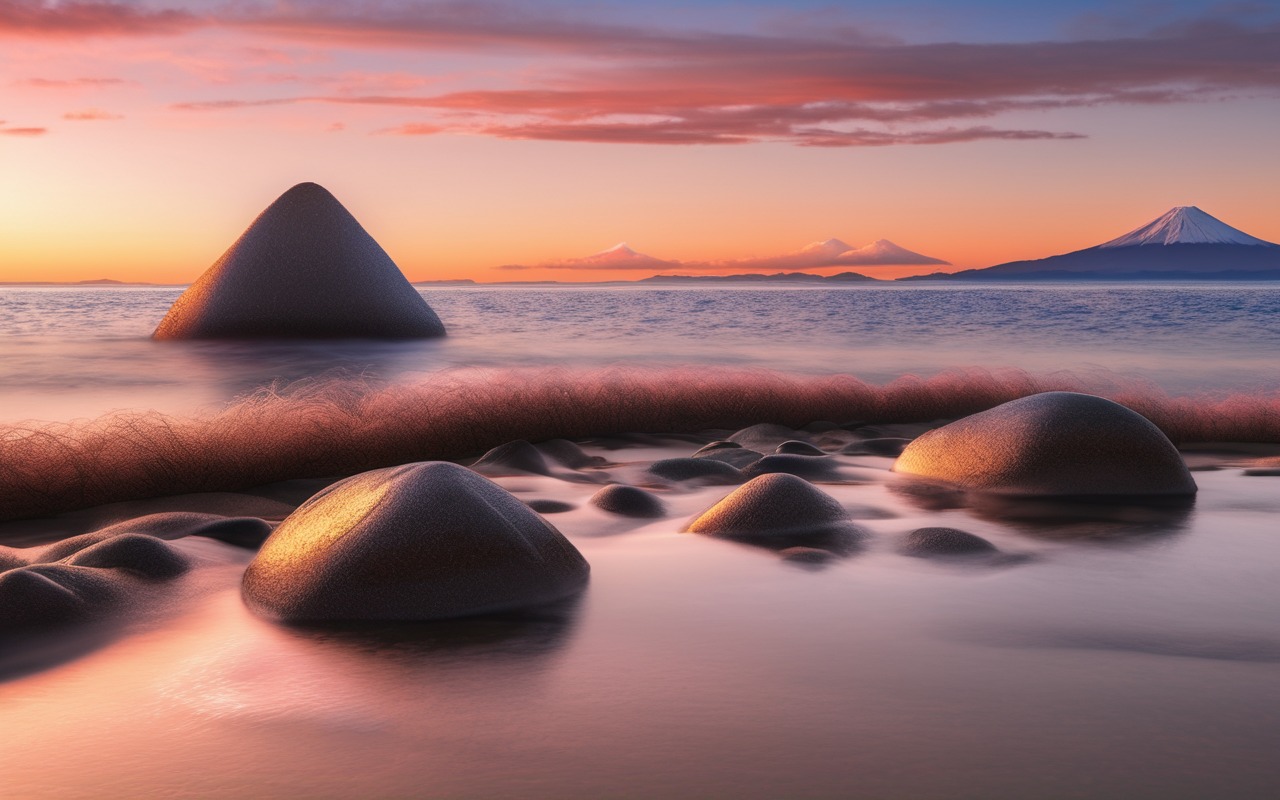
  • Enoshima Rainy Day Guide — Indoor Activities & Alternatives

    Enoshima Rainy Day Guide — Indoor Activities & Alternatives

    Enoshima Rainy Day Guide 2026 — 10 Indoor Activities & Alternative Plans

    Overview

    🌧️ 10 Indoor Activities on Enoshima

    1. Enoshima Aquarium (Enosui) — Japan’s Best Urban Aquarium

    The Enoshima Aquarium, affectionately called “Enosui” by locals, is the premier rainy-day destination on the Shonan coast. It sits on the mainland just before the bridge to Enoshima Island, making it easy to reach even in heavy rain.

    What makes it special: The centerpiece is the “Sagami Bay Large Aquarium” — a 2,000-ton tank housing 8,000 sardines that move in synchronized formations, Watching this on a rainy day, with rain streaking the glass roof above, is a mesmerising experience I won’t forget. The jellyfish science exhibit (“Jellyfish Fantasy”) is equally captivating, with species from around the world displayed in carefully lit cylindrical tanks.

    Highlights:

    • Dolphin & sea lion shows: Indoor stadium with covered seating
    • Jellyfish Science: 12+ species in stunning cylindrical displays
    • Sagami Bay Tank: 8,000 sardines, mackerel, and giant rays
    • Touch pool: Hands-on experience with starfish and sea cucumbers (children love this)
    Detail Info
    Hours 9:00–17:00 (Mar–Nov) / 10:00–17:00 (Dec–Feb)
    Admission Adults: ¥2,800 / High School: ¥1,800 / Children (3+): ¥900
    Location 2-19-1 Katasekaigan, Fujisawa (5 min walk from Katase-Enoshima Station)
    Website enosui.com

    Personal tip: The dolphin show at 11:00 AM was nearly empty when I visited in the rain — I had a front-row seat without queuing. On sunny weekends, you need to arrive 30 minutes early.

    2. Enospa (Enoshima Island Spa) — Luxury Onsen in the Rain

    On a rainy day, there is nothing more satisfying than soaking in a hot spring while listening to rain on the roof. Enospa sits at the entrance to Enoshima Island and offers both indoor and outdoor hot spring baths, a large indoor swimming pool, and multiple relaxation lounges.

    What makes it special: Enospa has a “day trip” plan that doesn’t require overnight accommodation. The indoor baths overlook a Japanese garden, and the rain creates a serene atmosphere that you don’t get on sunny days. The facility also has a restaurant serving shirasu (local whitebait) bowls and other Shonan specialties.

    Detail Info
    Hours 7:00–21:00 (Last entry 20:00)
    Day Spa Pass ~¥3,650 (varies by season)
    Pool Add-on ~¥1,500 (swimwear required)
    Location Enoshima Island entrance, Fujisawa
    Dress code Towel provided; bring swimwear for pool

    Note: Enospa does not admit guests with large tattoos (common policy for Japanese public baths). If you have smaller tattoos, covering with patches is acceptable — ask at reception.

    3. Enoshima Sea Candle & Samuel Cocking Garden — Rainy Views

    The Enoshima Sea Candle observation tower is 41.75 meters high and has an indoor glass-enclosed observation deck — so you get 360-degree views even when it’s raining. On rainy days, the mist over Sagami Bay creates a moody, atmospheric panorama that photographers love.

    The base of the tower houses the Samuel Cocking Garden (a Western-style botanical garden), a café called “TODAI KITCHEN DELI&TEA,” and a souvenir shop. The garden itself is partially outdoors, but the café and shop provide dry refuge.

    Detail Info
    Hours 9:00–20:00 (varies by season)
    Admission Sea Candle + Garden: ¥500 (adults)
    Combo ticket Available with Iwaya Caves: ¥750
    Café TODAI KITCHEN — open 10:00–17:00

    Personal experience: I arrived at the Sea Candle during a heavy downpour and was the only person on the observation deck for 20 minutes. The mist rolling across the bay, with Enoshima’s coastline barely visible below, was hauntingly beautiful — entirely different from the sunny postcard views you see everywhere online.

    4. Enoshima Iwaya Caves — Sheltered by Nature

    The Iwaya Caves are natural sea caves carved into the southern cliffs of Enoshima. While the walk to the caves is exposed, the caves themselves are sheltered — and on rainy days, the reduced tourist traffic means you can take your time exploring.

    What to expect: The caves have two main chambers — the First Cave (152 meters deep) and the Second Cave (56 meters deep). Inside, you’ll find historical displays about Enoshima’s role in the Kamakura period, and a small altar dedicated to the dragon god said to live beneath the island. Visitors are given a candle to carry, adding to the atmospheric experience.

    Detail Info
    Hours 9:00–17:00 (closed during storms)
    Admission ¥500 (adults) / ¥250 (children)
    Footwear Non-slip shoes recommended (cave floors can be damp)
    Photography Flash photography OK

    ⚠️ Important: The caves are closed during extreme weather (typhoons, high surf). Check the official website before heading out in heavy rain.

    5. Ryūkōji Temple Indoor Exhibits

    Most visitors rush past Ryūkōji Temple on their way to the Sea Candle, but the temple has a small indoor exhibition hall that’s worth a stop on rainy days. The hall displays Buddhist artifacts, detailed wooden carvings, and historical documents about the temple’s 1,200-year history. Admission: Free (donation box at entrance)
    Hours: 8:00–17:00
    Location: Halfway up the main Enoshima walking path

    6. Fujisawa Ukiyo-e Museum — Free and Fascinating

    Just a short train ride from Enoshima (one stop on the Odakyu Line or a 15-minute walk), the Fujisawa Ukiyo-e Museum is a lesser-known spot that’s completely free to enter. The museum specializes in woodblock prints depicting the Tokaido Road and historical views of Enoshima.

    Detail Info
    Hours 10:00–19:00
    Closed Mondays (or Tuesday if Monday is a holiday)
    Admission Free
    Location Cocco Terrace SHONAN 7F, 2-2-2 Tsujidokandai, Fujisawa

    7. Shonan T-Site — Lifestyle Destination

    Shonan T-Site is a sophisticated lifestyle complex in Fujisawa, a 10-minute taxi or bus ride from Enoshima. It’s a TSUTAYA bookstore on steroids — with curated book sections, a Starbucks Reserve bar, a lifestyle goods shop, a record store, and multiple cafes. It’s the perfect place to spend a rainy afternoon browsing and relaxing.

    What to do here:

    • Browse the extensive travel and photography book sections
    • Enjoy a pour-over coffee at Starbucks Reserve
    • Explore the “Concierge” service for personalized book recommendations
    • Shop for unique Shonan-themed souvenirs
    Detail Info
    Hours 8:00–22:00 (varies by section)
    Location 2-2-2 Tsujidokandai, Fujisawa
    Access 10 min by bus from Katase-Enoshima Station

    8. Enoshima Hōkoku-den (Indoor Shrine Hall)

    Within the Enoshima Shrine complex, the Hōkoku-den is an indoor hall housing three wooden statues of Benten (the goddess of music and good fortune), each over 1 meter tall. These are nationally designated Important Cultural Properties. The hall is quiet, dimly lit, and provides a moment of calm away from the rain.

    Detail Info
    Hours 8:30–16:30
    Admission ¥200 (adults)
    Photography Not permitted inside the hall

    9. Enoshima Yacht Harbor View Room

    The Enoshima Yacht Harbor, built for the 1964 Tokyo Olympics, has a small viewing room on the second floor of its administration building. On rainy days, you can watch the sailboats and yachts bobbing in the harbor while staying perfectly dry. The room has floor-to-ceiling windows and a few benches — a good spot for a rest between attractions. Admission: Free
    Hours: 9:00–17:00
    Location: Near the bridge to Enoshima, on the mainland side

    10. Indoor Dining — Rainy Day Food Guide

    Rainy days are the perfect excuse to slow down and enjoy a proper meal. These restaurants on and around Enoshima offer indoor seating with great atmosphere:

    Restaurant Cuisine Price Location
    Enoshima Imoha Local seafood (shirasu, sashimi) ¥1,500–¥3,000 Enoshima island, central path
    Todai Kitchen DELI&TEA Light meals, desserts ¥1,000–¥2,000 Sea Candle base
    Enospa Restaurant Japanese-Western fusion ¥1,500–¥2,500 Inside Enospa
    Uomi-tei Tempura, seafood ¥2,000–¥4,000 Near Katase-Enoshima Station
    Kona’s Coffee Shonan Hawaiian-Japanese cafe ¥1,000–¥2,000 Fujisawa (near Shonan T-Site)

    🗺 3 Rainy Day Itineraries

    Light Rain Plan (4–5 hours) — Island Focus

    Time Activity
    9:30 AM Arrive at Katase-Enoshima Station
    10:00 AM Enoshima Aquarium (2 hours)
    12:00 PM Lunch at Enoshima Imoha on the island
    1:00 PM Sea Candle observation deck (45 min)
    1:45 PM Enospa hot springs (1.5 hours — optional)
    3:30 PM Hōkoku-den indoor shrine hall (15 min)
    4:00 PM Souvenir shopping + depart

    Heavy Rain Plan (5–6 hours) — Indoor Focus

    Time Activity
    10:00 AM Arrive at Katase-Enoshima Station
    10:30 AM Enoshima Aquarium (2.5 hours — includes dolphin show)
    1:00 PM Lunch at Uomi-tei (near station)
    2:00 PM Fujisawa Ukiyo-e Museum (free, 1 hour)
    3:00 PM Shonan T-Site browsing + coffee (1.5 hours)
    4:30 PM Depart from Fujisawa Station

    Just-in-Case Plan (3–4 hours) — Short on Time

    Time Activity
    11:00 AM Arrive at Katase-Enoshima Station
    11:15 AM Enoshima Aquarium (quick visit: jellyfish + main tank)
    12:30 PM Lunch near the station
    1:30 PM Sea Candle observation deck (30 min)
    2:15 PM Enospa quick soak (1 hour)
    3:30 PM Depart

    🎟 Money-Saving Passes

    Pass Price Covers Best for
    Enoshima 1-Day Passport (Escar) ¥1,000 Sea Candle, Garden, Iwaya Caves + discounts Multiple island attractions
    Enoden 1-Day Pass ¥800 Unlimited Enoden rides Exploring the coast
    Odakyu Enoshima-Kamakura Freepass ¥1,640 Round trip from Shinjuku + unlimited Enoden Day-trippers from Tokyo

    💡 Practical Rainy Day Tips

    What to Bring

    • Umbrella (compact travel umbrella recommended — ¥500 at convenience stores)
    • Waterproof shoes or sandals that can get wet (the path to Iwaya Caves has puddles)
    • Ziplock bags for phone/camera
    • Light jacket (it can be windy on the bridge to Enoshima even in rain)
    • Hand towel (for drying hands in restrooms — Japanese restrooms rarely have paper towels)

    Rainy Day Advantages

    • No queues at the aquarium and Sea Candle
    • Better photos from the Sea Candle (mist creates atmospheric shots)
    • Enospa is more relaxing with fewer guests
    • Easier seating at popular restaurants
    • Dolphin show front row without arriving early

    What to Skip on Rainy Days

    • Enoshima beach — exposed with no shelter
    • The bridge walk — take the covered walkway instead (the bridge connects the mainland to the island)
    • Outdoor observation spots — the Sea Candle’s indoor deck is better
    • Cycling — save the Shonan cycling routes for sunny days

    Frequently Asked Questions

    Q: Is Enoshima worth visiting in the rain?

    A: Absolutely. In fact, many attractions are more enjoyable on rainy days because crowds are significantly smaller. The aquarium, Sea Candle indoor observation deck, and Enospa spa are all excellent rainy-day experiences. The only activities you should skip are beach time and cycling.

    Q: Can I walk around Enoshima Island in the rain?

    A: Yes. The main paths on the island are paved, and much of the walking is through covered or sheltered areas. The bridge from the mainland to the island has a covered pedestrian walkway. Good waterproof shoes are recommended.

    Q: Which rainy day activity is best for families with children?

    A: The Enoshima Aquarium is the top choice for families. It has dolphin shows, a touch pool, and the mesmerising jellyfish display — all indoors. The aquarium also has a children’s play area and a cafe.

    Q: Are there luggage lockers near the station?

    A: Yes. Coin lockers are available at Katase-Enoshima Station (¥300–¥500 for large lockers) and at the Enoshima Aquarium. The aquarium also offers luggage storage at the information desk.

    Q: What happens if the weather clears up during the day?

    A: Check the weather forecast before deciding your itinerary. The “Light Rain Plan” above works well for unpredictable weather — start with indoor activities and if the rain stops, add outdoor time at the Sea Candle garden or the Enoshima shrine complex.

    🔗 Related Articles


    Last Updated: July 1, 2026
    Written by: Anaba OffJapan Editorial Team
    Verified: Visited Enoshima on a rainy day, June 2026 — all information verified in person.


    Enoshima on a rainy day is not a consolation prize — it’s a different, equally rewarding experience. The aquarium, the spa, the misty views from the Sea Candle, and the quiet temples and museums offer a side of Enoshima that sunny-day visitors never see. With the three itineraries in this guide, you can confidently plan your visit regardless of what the weather forecast says. Remember: in Japan, rainy days at popular destinations often mean smaller crowds and a more intimate experience.


    🌟 Share Your Experience

    Have you visited Enoshima on a rainy day? Found a hidden indoor spot we missed? Join our community forum to share your rainy-day discoveries! For more detailed information, check out our guide on Kanagawa Night Safety Guide 2026 — Safe Evening….

    Conclusion

    Rainy days in Enoshima do not have to mean a cancelled trip — on my last visit a passing shower sent me into the aquarium, and I ended up enjoying the jellyfish gallery far more than the sunny beach day I had planned. Between the indoor exhibits, the Enoden ride through the mist, and the quieter temple halls, the island has plenty to offer when the weather turns. Pack an umbrella, start at the aquarium, and the rain will just be part of the experience.

  • Best Time to Visit Kamakura — Seasonal Guide & Weather 2026

    Best Time to Visit Kamakura — Seasonal Guide & Weather 2026

    This guide provides essential travel tips and practical advice for navigating Kanagawa Prefecture. From transportation passes to safety information, you will find everything you need for a smooth and enjoyable trip.

    Best Time to Visit Kamakura: Monthly Weather & Seasonal Guide 2026

    Overview

    I visited Kamakura in every season over the past two years, and the difference between a June hydrangea morning and a crisp January day is like visiting two different towns. During my first trip — an August weekend — I spent the day queueing at Hase-dera in the humidity and barely saw the Great Buddha through the crowds. It was only when I returned on a foggy November weekday that I realized how much of Kamakura I had been missing.

    This guide is built from those experiences, plus weather data and crowd patterns I’ve tracked month by month. If you’re still deciding on the basics, our Kamakura Area Guide covers getting around, while the Kamakura Temple Guide and Enoden Unlimited Guide help you plan the temple-hopping part of your trip.

    🗺️ Quick Verdict

    Season Rating Best For
    🌸 Spring (Mar-May) ⭐⭐⭐⭐⭐ Cherry blossoms, Kamakura Festival, perfect weather
    🌿 Summer (Jun-Aug) ⭐⭐⭐ Hydrangea season (Jun-Jul), beach swimming (Jul-Aug), but hot & humid
    🍂 Autumn (Sep-Nov) ⭐⭐⭐⭐⭐ Comfortable temperatures, autumn colors, fewer crowds
    ❄️ Winter (Dec-Feb) ⭐⭐⭐⭐ Clear skies, Mount Fuji views, fewest crowds, lowest prices

    Bottom line: April-May and October-November offer the best combination of weather, beauty, and manageable crowds. Visit on weekdays for the best experience. For photography, December-February delivers the clearest Mount Fuji views from the coast.


    What is the best month to visit Kamakura?

    May is the best month to visit Kamakura. Temperatures hover around a comfortable 22°C (72°F), the greenery is vibrant after spring rains, and crowds are manageable outside Golden Week (April 29-May 5). It’s ideal for temple walking, hiking the Daibutsu Trail, and cycling along the coast.

    What is the cheapest time to visit Kamakura?

    January (after New Year), February, September, and December offer the lowest accommodation prices. September is particularly good value — summer crowds have dispersed but the weather remains pleasant.

    When is the hydrangea season in Kamakura?

    Mid-June to early July is peak hydrangea (ajisai) season. Hase-dera, Meigetsu-in (Hydrangea Temple), and Jochi-ji are covered in thousands of blue and purple blooms. Arrive before 7:30 AM to avoid the worst crowds.


    Monthly Breakdown

    January ☀️ ❄️

    Factor Details
    Temperature Avg high 10°C (50°F) / Avg low 4°C (39°F)
    Rainfall 55mm (6 rainy days) — driest month
    Crowds Low (except Jan 1-3)
    Highlights Hatsumode (New Year shrine visit), clear Fuji views, Sagicho fire festival (Jan 15)
    Packing Warm coat, scarf, gloves — coldest month

    Why visit: January offers crystal-clear skies with the best chance of seeing Mount Fuji across Sagami Bay. Temples are quiet after the New Year rush subsides. The Sagicho festival at Tsurugaoka Hachimangu on January 15 features traditional fire rituals. Watch out: January 1-3 are extremely crowded for Hatsumode (first shrine visit). Many shops are closed January 1-3.


    February 🥶 🌸 (early blooms)

    Factor Details
    Temperature Avg high 11°C (52°F) / Avg low 4°C (39°F)
    Rainfall 75mm (7 rainy days)
    Crowds Low
    Highlights Setsubun festival (Feb 3), plum blossoms (ume), Mount Fuji views
    Packing Warm layers, waterproof jacket

    Why visit: February is still cool and dry with excellent visibility. Plum blossoms begin blooming at Tsurugaoka Hachimangu and local temples. Setsubun (bean-throwing festival) on February 3 is a fun cultural experience. Watch out: Still cold — especially near the coast where wind chill is significant.


    March 🌸 🌸

    Factor Details
    Temperature Avg high 13°C (56°F) / Avg low 7°C (44°F)
    Rainfall 115mm (9 rainy days) — windier month
    Crowds Moderate (increasing toward month end)
    Highlights Cherry blossom season begins (late March), warmer weather
    Packing Light jacket, layers

    Why visit: Late March brings the start of cherry blossom season. The path from Tsurugaoka Hachimangu to Komachi-dori is lined with cherry trees — stunning when in bloom. Weather is transitional but increasingly pleasant. Watch out: Crowds build significantly during cherry blossom peak (last week of March). Book accommodation early.


    April 🌸 🌸 🌸 (Peak Season)

    Factor Details
    Temperature Avg high 18°C (64°F) / Avg low 12°C (53°F)
    Rainfall 130mm (10 rainy days)
    Crowds Very high (peak season)
    Highlights Cherry blossoms (early April), Kamakura Festival (mid-April), perfect weather
    Packing Light layers, comfortable walking shoes

    Why visit: April is Kamakura’s most beautiful month. Cherry blossoms peak in early April. The Kamakura Festival (second Sunday of April, week-long) features the spectacular Yabusame (horseback archery) at Tsurugaoka Hachimangu, traditional dances, and a parade.

    Watch out: Extremely crowded on weekends. Golden Week (April 29-May 5) is among the busiest periods of the year. Visit on weekdays if possible. 🌸 Kamakura Festival dates: Mid-April (check official site for exact dates)


    May 🌿

    Factor Details
    Temperature Avg high 22°C (72°F) / Avg low 17°C (61°F)
    Rainfall 130mm (10 rainy days)
    Crowds Moderate (except Golden Week)
    Highlights Fresh greenery, comfortable weather (best overall month), iris flowers
    Packing Light clothing, light jacket for evenings

    Why visit: May is arguably the best month to visit Kamakura. The weather is warm but not hot, the greenery is vibrant, and crowds are manageable outside Golden Week (first week). Great for temple walking, hiking trails like Daibutsu Hiking Course, and cycling along the coast.

    Watch out: Golden Week (April 29-May 5) is extremely crowded. Avoid this period. After May 7, the crowds return to normal levels.


    June 🌧️

    Factor Details
    Temperature Avg high 25°C (77°F) / Avg low 21°C (67°F)
    Rainfall 175mm (12 rainy days) — rainy season
    Crowds High (hydrangea season)
    Highlights Hydrangea (ajisai) season — the main event!
    Packing Umbrella, waterproof shoes, light clothing

    Why visit: June is hydrangea season — Kamakura’s most famous natural spectacle. Hase-dera Temple, Meigetsu-in (Hydrangea Temple), and Jochi-ji are covered in thousands of blue and purple hydrangea blooms. The atmosphere is magical despite the rain.

    Watch out: Rain is frequent and crowds are massive at hydrangea temples. Arrive before 8:00 AM to avoid queues. Weekends are chaotic. Waterproof shoes are essential.

    June pro tip: Visit hydrangea temples on a weekday, arriving by 7:30 AM. The early morning light through rain-dampened petals creates stunning photo opportunities.


    July 🏖️

    Factor Details
    Temperature Avg high 28°C (83°F) / Avg low 24°C (74°F)
    Rainfall 145mm (10 rainy days) — rain decreasing
    Crowds High (summer vacation begins)
    Highlights Beach season opens (Yuigahama, Shichirigahama), summer festivals, firefly viewing
    Packing Light clothing, swimwear, sunscreen, sun hat

    Why visit: July marks the start of beach season. Yuigahama and Shichirigahama beaches come alive with swimmers, surfers, and beach houses (umibe no ie). Evening summer festivals (matsuri) begin appearing at local shrines.

    Watch out: Hot and humid. Seek shade during midday (11:00-14:00). Start temple visits early (before 10:00) or late afternoon (after 15:00).


    August 🔥 🎆

    Factor Details
    Temperature Avg high 29°C (85°F) / Avg low 25°C (76°F)
    Rainfall 130mm (9 rainy days)
    Crowds Very high (peak summer + Obon holidays)
    Highlights Beach activities, fireworks (mid-Aug), Kamakura Summer Festival
    Packing Lightest clothing, swimwear, strong sunscreen

    Why visit: Peak beach season. The Kamakura Summer Festival (mid-August) features traditional dances, concerts, and the highlight — fireworks over the coast (~3,000 shells). Great for surfers and sunbathers.

    Watch out: Hot, humid, and crowded. Obon week (mid-August) is peak travel season — book far in advance. Visit temples early morning (before 9:00) to avoid heatstroke.


    September 🌀

    Factor Details
    Temperature Avg high 26°C (79°F) / Avg low 22°C (70°F)
    Rainfall 195mm (12 rainy days) — wettest month
    Crowds Low (post-summer, pre-autumn)
    Highlights Quieter temples, early autumn colors, fewer tourists
    Packing Light layers, rain jacket, umbrella

    Why visit: September is the quietest month for crowds. Summer heat lingers but humidity drops toward month end. Accommodation prices are lower. Great for unhurried temple exploration.

    Watch out: Typhoon season (August-October). Check weather forecasts. September is the wettest month — have a rainy day backup plan.


    October 🍂

    Factor Details
    Temperature Avg high 21°C (70°F) / Avg low 17°C (61°F)
    Rainfall 165mm (9 rainy days)
    Crowds Moderate (increasing toward month end)
    Highlights Autumn colors begin, comfortable weather, excellent hiking conditions
    Packing Light layers, comfortable walking shoes

    Why visit: October offers near-perfect weather — warm days, cool evenings, low humidity. Autumn colors begin appearing at temples in late October. Excellent for hiking the Daibutsu Trail or Genjiyama Park. Mount Fuji visibility starts improving. Watch out: Mid-autumn, typhoon remnants possible in early October.


    November 🍂 🍁

    Factor Details
    Temperature Avg high 17°C (62°F) / Avg low 12°C (52°F)
    Rainfall 95mm (7 rainy days)
    Crowds Moderate-High (autumn leaf season)
    Highlights Peak autumn colors (mid-Nov), comfortable weather, clear Fuji views
    Packing Warm layers, light jacket

    Why visit: November features spectacular autumn colors. Kencho-ji, Engaku-ji, and Tsurugaoka Hachimangu are at their most beautiful with red and gold maple leaves. The weather is crisp and clear — the second-best month after May. Watch out: Popular temples are crowded during autumn leaf peak (mid-late November). Visit on weekdays.


    December ❄️

    Factor Details
    Temperature Avg high 13°C (55°F) / Avg low 7°C (43°F)
    Rainfall 55mm (6 rainy days) — dry month
    Crowds Moderate (except Dec 31-Jan 1)
    Highlights Best Mount Fuji views, winter illuminations, fewest crowds, lowest prices
    Packing Warm coat, scarf, gloves

    Why visit: December offers the clearest skies and the best chance of seeing Mount Fuji from Kamakura’s beaches and viewpoints. Yuigahama Beach with Fuji in the background is a classic winter sight. Temples are quiet and peaceful. Year-end illuminations add festive charm. Watch out: Cold! Especially near the coast. December 31 (New Year’s Eve) is busy at Tsurugaoka Hachimangu.


    Seasonal Activity Guide

    Activity Best Months Notes
    Temple visiting Apr-May, Oct-Nov Best weather for walking between temples
    Hiking (Daibutsu Trail) Mar-May, Oct-Dec Avoid summer heat; excellent in autumn
    Beach / swimming Jul-Aug Beach houses open, water warm enough
    Surfing Year-round Best waves: Sep-Nov (typhoon swell)
    Hydrangea viewing Jun-Jul June peak — iconic Kamakura experience
    Cherry blossoms Late Mar-early Apr Tsurugaoka Hachimangu approach
    Autumn leaves Mid Nov-early Dec Kencho-ji, Engaku-ji, Genjiyama
    Mount Fuji viewing Nov-Feb Winter offers clearest views
    Cycling Apr-May, Oct-Nov Best weather for coastal routes
    Street food (Komachi-dori) Year-round Covered options available on rainy days

    Crowd Calendar

    Period Crowd Level Recommendation
    Weekdays (non-peak) 🟢 Low Best time to visit
    Weekends (non-peak) 🟡 Moderate Arrive before 9:00 AM
    Cherry blossom weekends 🔴 Very High Avoid if possible
    Hydrangea weekends 🔴 Very High Arrive before 7:30 AM
    Golden Week (Apr 29-May 5) 🟣 Extreme Avoid entirely
    Obon (Aug 13-16) 🟣 Extreme Avoid entirely
    Autumn leaf weekends 🔴 Very High Visit on weekdays
    New Year (Jan 1-3) 🔴 Very High Cultural experience but crowded
    Winter weekdays 🟢 Lowest Best for quiet exploration

    Photography Calendar

    Subject Best Time Best Location
    Cherry blossoms + temple Late Mar-early Apr, 6:00-8:00 AM Tsurugaoka Hachimangu approach
    Hydrangea + temple Mid-late Jun, 7:00-9:00 AM Hase-dera, Meigetsu-in
    Autumn leaves + temple Mid-late Nov, 7:00-9:00 AM Kencho-ji, Engaku-ji
    Mount Fuji + beach Dec-Feb, sunrise Yuigahama Beach, Shichirigahama
    Sunset over Enoshima Year-round, 30 min before sunset Inamuragasaki Cape
    Enoden tram + flowers Apr-May (wisteria), Jun (hydrangea) Enoden tracks near Gokuraku-ji
    Great Buddha Early morning year-round Kotoku-in (arrive at 8:00 AM opening)

    Budget Calendar

    Period Accommodation Flights (from overseas) Overall
    Jan-Feb (except New Year) 💰 Low 💰 Low Best value
    Mar 💰💰 Mid 💰💰 Mid Good value
    Apr-May (peak) 💰💰💰💰 High 💰💰💰💰 High Most expensive
    Jun (hydrangea) 💰💰💰 High 💰💰 Mid Expensive but worth it
    Jul-Aug 💰💰💰💰 High 💰💰💰💰 High Peak summer pricing
    Sep 💰💰 Mid 💰💰 Mid Best value season
    Oct-Nov 💰💰💰 High 💰💰💰 High Premium autumn pricing
    Dec (except New Year) 💰 Low 💰💰 Mid Good value

    Access

    Kamakura is one of Kanagawa’s most accessible destinations — just 55 minutes from Tokyo Station on the JR Yokosuka Line (¥330, direct) or about 45 minutes from Shinjuku via the Shonan-Shinjuku Line. From Kamakura Station, the Enoden Line connects the coast toward Enoshima, while JR serves Kita-Kamakura and Ofuna. Most visitors arrive on the Yokosuka Line; for Enoden hopping all day, the Enoden 1-Day Pass (¥800) is excellent value. See our Enoden unlimited guide and Kamakura area guide for route details.

    Conclusion

    There is no single “best” time to visit Kamakura — it depends on what you want to experience. I visited in every season while researching this guide, and the answer I kept coming back to was: cherry blossom season (early April) and hydrangea season (June) are the most spectacular, while October–November offers the best balance of weather, crowds, and autumn light. If Mount Fuji views and quiet temples matter most, come in winter; if beach weather and festivals are your priority, summer delivers. Whichever season you choose, arriving early — before 9 AM — will always reward you with calmer streets and better photos.