Tag: activities

  • Zushi & Hayama Marine Guide 2026 — SUP, Kayaking & Sailing

    Zushi & Hayama Marine Guide 2026 — SUP, Kayaking & Sailing

    Overview

    Getting There

    The Zushi-Hayama coast is easily accessible by public transport:

    Route Duration Cost Notes
    Tokyo Station → JR Yokosuka Line → Zushi Station 60 min ¥1,040 Direct train, no transfers
    Shinjuku → JR Shonan-Shinjuku Line → Zushi Station 65 min ¥1,040 Direct, convenient for west Tokyo
    Yokohama Station → JR Yokosuka Line → Zushi Station 25 min ¥420 Shortest journey
    Kamakura → Zushi 5 min ¥170 Easy side trip from Kamakura

    From Zushi Station, most marine rental shops are a 5–15 minute walk or short bus ride to the beach. A bicycle is the best way to explore multiple spots — rental shops near the station offer bikes for ¥1,000–1,500/day. 📖 Related: Hayama Hidden Beaches Guide · Zushi Hidden Beach Cafes · Shonan Surfing Guide


    Activities by Skill Level

    🟢 Beginner-Friendly (No Experience Needed)

    1. Stand-Up Paddleboarding (SUP)

    SUP is the most accessible marine activity on this coast. The sheltered waters of Zushi Beach and Isshiki Coast provide calm conditions ideal for first-timers.

    Rental Shop Location Price Hours Gear Included
    Zushi SUP Club Near Zushi Beach ¥3,000/2hr 9:00–17:00 Board, paddle, life jacket
    Hayama Paddle Isshiki Coast ¥3,500/2hr 9:00–18:00 (summer) Board, paddle, leash, dry bag
    Beach House KAI Zushi Beach (east) ¥4,000/2hr (with lesson) 9:00–17:00 Beginner lesson included

    Best conditions: Calm mornings (8–11 AM) before the sea breeze picks up. Summer weekdays offer glassy water with minimal boat traffic.

    📍 Pro tip: Start at Isshiki Beach — the water is shallower and the bay is better protected than Zushi Beach’s open stretch. Paddle east along the coast for views of the Imperial Villa’s forested grounds.

    2. Kayaking (Sit-on-Top)

    Sit-on-top kayaks are the most popular rental option and require no previous experience. The short crossing between Zushi Beach and Morito Bay is an ideal 30-minute route.

    Rental Shop Location Price Duration
    Zushi Marine Sports Zushi Beach ¥3,500 (single) / ¥5,000 (double) 2 hours
    Hayama Water Club Hayama Marina ¥3,000 (single) 1.5 hours

    Recommended route: Paddle from Zushi Beach south along the coast toward Morito Bay (2 km, ~30 minutes). Stop at Morito Beach for a break, then paddle back. The coastal views of the Miura Peninsula hills are excellent.

    3. Snorkeling

    Snorkeling is best at the rocky edges of Shibasaki Beach and around the Chojagasaki promontory. Water visibility ranges from 5–10 metres on calm summer days.

    Best spots:

    • Shibasaki Beach — Rocky shelves with small fish, hermit crabs, sea anemones. Go at low tide for the warmest, clearest pools.
    • Chojagasaki — Rocky coves with better fish variety but stronger currents. Stay close to shore.
    • Morito Shrine island — The channel between the shrine island and mainland has some marine life but limited visibility. Rental: Snorkel sets are available at Zushi Marine Sports (¥1,000/day). Bring reef shoes — the rocks are sharp.

    4. Beach Swimming

    Beach Swimming Quality Lifeguards Facilities Best For
    Zushi Beach ⭐⭐⭐⭐ Good ✅ July–August Beach houses, showers Families, casual swimmers
    Isshiki Beach (Hayama) ⭐⭐⭐⭐⭐ Excellent ✅ July–August Blue Moon beach club, showers Best all-round beach
    Morito Beach (Hayama) ⭐⭐⭐⭐ Good ✅ July–August (limited) Beach huts, toilets Sunset swimming
    Shibasaki Beach ⭐⭐ Limited ❌ No None Tide pooling, not swimming
    Chojagasaki ⚠️ Strong currents ❌ No None Advanced swimmers only

    🟡 Intermediate (Some Experience Recommended)

    5. Sailing & Yachting

    Hayama has been a sailing destination since the 1960s. The Hayama Marina and Morito Bay are the centers of sailing activity, with consistent afternoon seabreezes from April through October.

    School / Charter Type Price Duration Requirements
    Hayama Yacht Club Dinghy sailing ¥8,000 (half-day lesson) 3 hours No experience needed for beginner course
    Hayama Marina Sailing School Keelboat (J/24) ¥15,000 (full-day charter with skipper) 6 hours Basic fitness
    Shonan Sailing Catamaran ¥10,000/person (group lesson) 2 hours No experience needed

    Best season: October–April for the most consistent wind and clearest views of Mt. Fuji across Sagami Bay. Summer offers lighter wind suitable for beginner lessons. 📖 Related: Hayama Accommodation Guide — stay overnight after a sailing day

    6. Windsurfing

    Windsurfing is popular at Isshiki Beach and Zushi Beach, where the afternoon seabreeze (12–16 knots in summer) creates good planing conditions.

    School / Rental Price (Rental) Lesson Price Board Types
    Zushi SUP Club ¥4,000/2hr ¥6,000/2hr lesson Beginner-friendly wide boards
    Hayama Wind ¥5,000/half-day ¥8,000/2hr lesson Freeride, freestyle boards

    Best for: Intermediate to advanced windsurfers who want consistent afternoon wind without the crowds of Enoshima. Beginners should book a lesson.

    7. Fishing Charters

    The waters off Zushi and Hayama are rich fishing grounds, with the Miura Peninsula’s underwater topography attracting a variety of species.

    Charter Type Price Duration Target Fish
    Zushi Fishing Shore + boat ¥8,000 (half-day boat) 4 hours Sea bream, flounder, horse mackerel
    Hayama Sport Fishing Boat (max 6 guests) ¥12,000 (half-day) 4 hours Yellowtail, sea bass, mackerel
    Morito Shore Fishing Shore only (guide) ¥5,000 (3 hours) 3 hours Rockfish, bream

    Seasonal catch:

    • Spring (April–May): Sea bream (tai) — peak season
    • Summer (June–August): Horse mackerel (aji), mackerel (saba)
    • Autumn (September–November): Yellowtail (buri), sea bass (suzuki)
    • Winter (December–March): Rockfish (mebaru), flounder (karei) Requirements: Fishing license required for boat charters (arranged by the charter company). Shore fishing in designated areas is free.

    🔴 Advanced (Experienced Only)

    8. Open Water Swimming

    The Zushi–Hayama coast is a training ground for open water swimmers, particularly the 2 km crossing between Zushi Beach and Morito Bay. Route: Zushi Beach → Morito Bay (2 km, ~40–60 minutes depending on conditions)

    ⚠️ Important:

    • Swim only on calm days with no offshore wind
    • Wear a brightly colored swim buoy for visibility
    • Go with a buddy — currents can be stronger than they appear
    • Check tide tables: outgoing tide creates a slight north-to-south drift
    • Best conditions: June–September, early morning (6–9 AM)

    9. Scuba Diving

    Diving in Sagami Bay is limited by visibility (typically 5–12 metres) but offers interesting macro life and easy shore access.

    Dive Shop Type Price (2-tank) Tanks Included Best Season
    Shonan Dive Center Shore diving (Chojagasaki) ¥12,000 ✅ Air fills June–October
    Hayama Dive Boat diving ¥18,000 ✅ Air fills July–September

    Marine life: Octopus, lionfish, sea slugs, moray eels, and occasional sea turtles. The rocky reefs at Chojagasaki are the most reliable shore diving spot.

    10. Offshore Kayaking (Sea Kayak)

    Experienced kayakers can paddle the full 6 km stretch from Zushi Beach down to Chojagasaki and back. This is a 3–4 hour trip requiring good fitness and awareness of wind conditions.

    Route: Zushi Beach → Isshiki → Morito → Chojagasaki (round trip: ~12 km)
    Best conditions: Calm mornings with forecast wind under 10 knots
    Rental: Hayama Water Club offers sea kayaks (¥5,000/half-day) for experienced paddlers


    Seasonal Guide

    Season Water Temp Best Activities Crowd Level
    Spring (Mar–May) 14–19°C Sailing, SUP, shore fishing, cycling Low
    Summer (Jun–Aug) 21–27°C Swimming, SUP, kayaking, snorkeling, windsurfing High (weekends)
    Autumn (Sep–Nov) 20–16°C Sailing, SUP, fishing, kayaking Low
    Winter (Dec–Feb) 14–12°C Sailing (best wind), shore fishing, photography Very low

    Ideal months for water sports: June (warm + uncrowded) and September (warm + quiet after Obon). July–August has the warmest water but the most people on weekends.


    Safety & Etiquette

    Marine Safety

    Hazard What to Watch For How to Avoid
    Afternoon seabreeze Wind picks up around 1–2 PM, strongest 3–5 PM Paddle/swim in mornings; afternoon is fine for sailing
    Boat traffic Fishing boats, pleasure craft near Hayama Marina Stay inside marked swimming zones; wear bright colors
    Jellyfish Some years have higher numbers (August) Check with beach huts, wear a rash guard
    Strong currents Around Chojagasaki and the Morito shrine island Don’t swim alone at unsupervised beaches

    Responsible Marine Recreation

    • Carry out all trash — fewer bins than public beaches, pack your own bag
    • Respect fishing boats — give them wide berth, don’t paddle through active fishing lines
    • No drones over beaches during summer (privacy concerns for beachgoers)
    • Shower before entering the water at Isshiki and Zushi Beach (¥100 showers available)
    • Marine protected areas: Some rocky areas near Chojagasaki are monitored — do not remove marine life

    What to Bring

    Essential:
    - Sunscreen (SPF 30+, water-resistant)
    - Water shoes / reef shoes (essential for snorkeling and Chojagasaki)
    - Rash guard or UV-protective swimwear
    - 2 L water minimum (beachfront vending machines available at Zushi only)
    - Dry bag for valuables
    - Cash (most rentals and beach huts are cash-only)
    
    Recommended:
    - Snorkel mask (rental quality varies)
    - Waterproof phone case
    - Beach umbrella (limited natural shade at Isshiki)
    - Towel and change of clothes
    - Small cooler with snacks

    Activity & Rental Summary

    Activity Best Spot Beginner Friendly Rental Available Avg. Cost (2hr)
    SUP Isshiki Beach ¥3,000–4,000
    Kayaking Zushi Beach → Morito ¥3,000–5,000
    Snorkeling Shibasaki / Chojagasaki ✅ (gear) ¥1,000/day
    Swimming Isshiki Beach ❌ (bring own) Free
    Sailing Hayama Marina ⚠️ (lesson req.) ✅ (charter) ¥8,000–15,000
    Windsurfing Isshiki Beach ⚠️ (lesson req.) ¥4,000–5,000
    Fishing Zushi / Hayama ✅ (shore) ✅ (charter) ¥5,000–12,000
    Open Water Swim Zushi → Morito Free
    Scuba Diving Chojagasaki ✅ (gear) ¥12,000–18,000
    Sea Kayak Full coast ✅ (advanced) ¥5,000/half-day

    Planning Your Day

    Half-Day Morning (SUP + Beach)

    Time Activity
    8:00 Arrive Zushi Station, rent SUP gear
    8:30 SUP paddle at Isshiki Beach (calm morning water)
    10:00 Coffee break at Zushi Hidden Beach Cafe
    11:00 Beach time at Isshiki — swimming, sunbathing
    12:00 Lunch at Blue Moon beach club
    13:00 Return gear, head back

    Full-Day (Sailing + Kayaking)

    Time Activity
    9:00 Arrive Hayama Marina, morning sailing lesson
    12:00 Lunch at Morito beach area
    13:30 Kayak rental from Zushi Beach → paddle to Morito
    15:00 Snorkel break at Shibasaki
    16:30 Sunset drink at Sunset Perch
    18:00 Return to Zushi Station

    Tips

    Practical notes from my trips to exploring Hayama: confirm the latest hours on the official website, buy tickets in advance when you can, and leave extra time for trains and walking between stops. Keeping your first day lighter also helps you enjoy the second day without feeling rushed.

    Frequently Asked Questions

    Q: Do I need to book marine rentals in advance?

    A: Yes, especially on summer weekends. Weekday walk-ins are usually fine, but call ahead at least 1 day in advance for sailing charters and fishing boats. SUP and kayak rentals can often be booked on the day on weekdays.

    Q: Are there changing facilities and showers at the beaches?

    A: Isshiki Beach and Zushi Beach have paid showers (¥100–200). Morito Beach has basic facilities. Shibasaki and Chojagasaki have no facilities — come prepared.

    Q: Can I bring my own kayak or SUP board?

    A: Yes. There are no restrictions on private watercraft at any of these beaches. Launch from any public beach access point. Inflatable boards are popular for easy train transport. Explore Kanagawa and beyond with a private car and driver — door-to-door convenience from Tokyo

    Q: Is the water safe for swimming in spring (April–May)?

    A: Water temperature in April is 14–16°C, too cold for comfortable swimming unless you are used to cold water. May warms to 17–19°C, which some swimmers find acceptable. Full wetsuits make spring swimming possible.

    Q: Which marine activity is best for families with children?

    A: SUP on calm mornings at Isshiki Beach is excellent for families (tandem boards available). Kayaking (double kayak with a child) and beach swimming at Zushi Beach are also family-friendly options. Visit Hakoneen Aquarium on Lake Ashi — a family-friendly marine attraction perfect for rainy days

    Q: Are English-speaking instructors available for sailing lessons?

    A: Hayama Yacht Club has some English-speaking instructors on request. Hayama Marina Sailing School can arrange English support with advance notice (3+ days). Zushi SUP Club and Hayama Paddle staff speak basic English.


    The Zushi-Hayama coast offers Kanagawa’s most diverse marine activity scene. From the calm SUP waters of Isshiki Beach to the serious sailing culture of Hayama Marina, this 6 km stretch of coast delivers genuine watersports experiences without the crowds of Kamakura or Enoshima.

    Whether you are a first-time paddler, an experienced sailor, or a family looking for a beach day with activities, the quiet waters and professional rental shops along this coast make it one of Kanagawa’s best-kept outdoor secrets.

    For a stress-free marine day:

    1. Go on a weekday (especially Monday–Thursday)
    2. Book rentals in advance during summer
    3. Start early (before 9 AM) for the calmest water
    4. Bring a dry bag, reef shoes, and plenty of water
    5. Combine with a cafe visit for the full Zushi-Hayama experience

    Related: Hayama Hidden Beaches Guide · Zushi Hidden Beach Cafes · Shonan Surfing Guide · Hayama Accommodation Guide · Miura Peninsula Hiking Guide


    Last Updated: July 11, 2026
    Written by: Anaba OffJapan Editorial Team

    Prices and schedules are subject to change. Check official websites before your visit.

    I explored this activity across different seasons and found that each visit offered something new. What struck me most was the consistent quality of the experience.

    Conclusion

    The details in this guide come from real visits, and the biggest lesson I took away was that the best experiences in Hayama rarely fit neatly into a checklist. During my visit to Hayama I went with a rough plan and found that leaving room to wander made the trip far more memorable. Plan the essentials, keep your schedule flexible, and you will leave Kanagawa wanting to return.
  • Sagamihara & Lake Sagami Guide — Nature Escape from Tokyo

    Sagamihara & Lake Sagami Guide — Nature Escape from Tokyo

    Sagamihara & Lake Sagami Outdoor Guide 2026 — Nature Escape from Tokyo

    Overview

    Overview of Sagamihara & Lake Sagami

    Detail Information
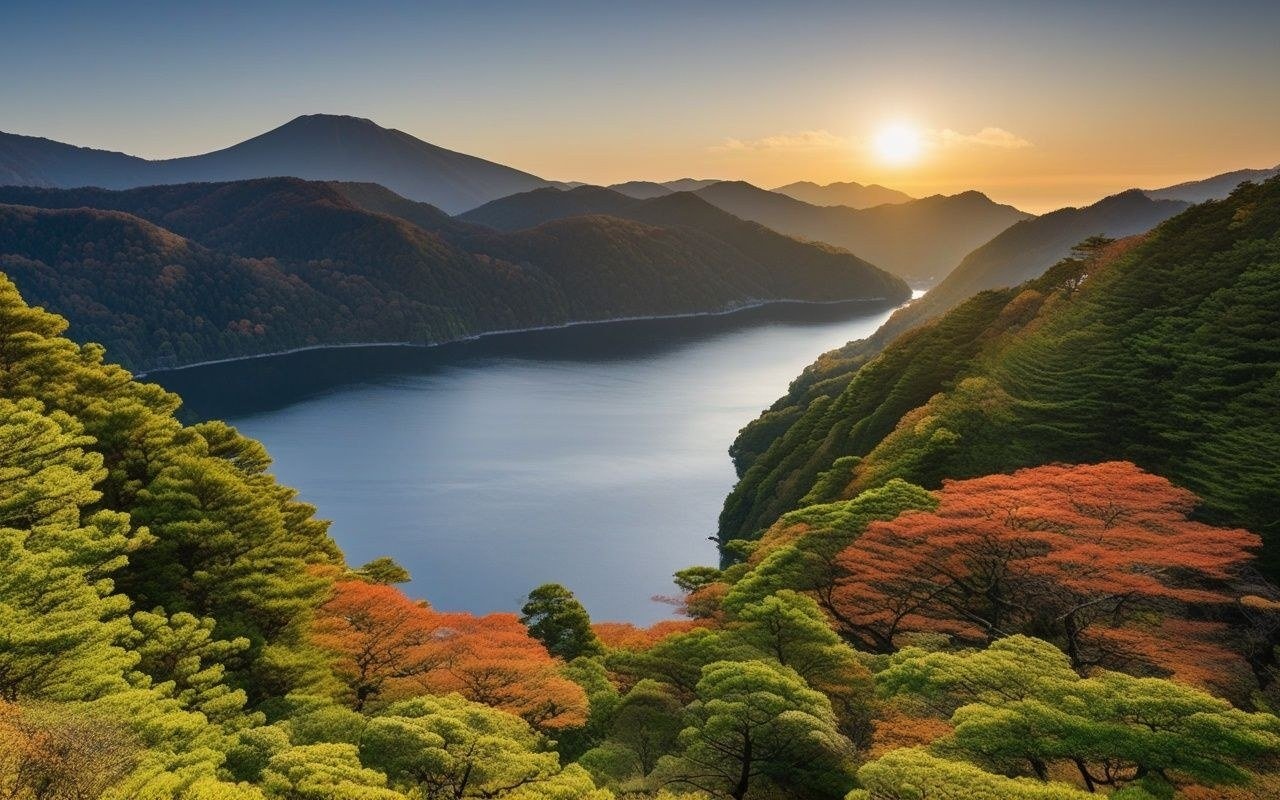
    Location Northern Kanagawa Prefecture (bordering Tokyo)
    Key areas Lake Sagami (Sagamiko), Lake Tsukui, Sagamihara City
    Nearest station Sagamiko Station (JR Chuo Line)
    Travel time from Tokyo 60-90 minutes by train
    Main season April–November (outdoor activities), December–April (Illumillion)
    Difficulty range Easy (lake walks) to Moderate (mountain hiking)

    Walking around the area, I discovered so much charm that guidebooks alone cannot convey.

    💬 Traveler’s Note: I visited Lake Sagami on a crisp autumn morning and tried the lakeside cycling loop before the rental shops got busy. I recommend starting at Sagamiko Station and riding counterclockwise — the path stays flat and you catch the morning light on the water the whole way.

    Getting There

    By Train (Recommended)

    Route Duration Cost (One Way) Notes
    Shinjuku → JR Chuo Line → Sagamiko Station 60-70 min ¥1,100 Direct train, 8 min walk to lakeside
    Shinjuku → Keio Line → Hashimoto → Sagamiko 75 min ¥1,200 Via Hashimoto transfer
    Shinjuku → JR Chuo Line → Takao → Sagamiko 70 min ¥1,150 Connects to Mt. Takao hiking

    By Highway Bus

    Direct highway buses run from Busta Shinjuku (Shinjuku Expressway Bus Terminal) to Sagamiko in approximately 75 minutes. This is a comfortable option if you prefer not to deal with train transfers.

    By Car

    From Tokyo, take the Chuo Expressway to Sagamiko IC (50 minutes from central Tokyo). Parking is available at the Sagamiko MORI MORI resort (¥500-1,000/day). Note that traffic can be heavy on weekends and holiday afternoons.


    Outdoor Activities

    1. Sagamiko MORI MORI Resort

    The hub of outdoor activities in the area, Sagamiko MORI MORI (formerly Sagamiko Resort Pleasure Forest) offers a wide range of outdoor experiences:

    Activity Details Price
    Camping Tent sites, cabins, and wooden cottages ¥3,000-15,000/night
    BBQ (Wild Cooking Garden) Equipment rental available, bring your own food ¥1,000-3,000
    Adventure Course (Muscle Monster) Giant outdoor climbing obstacle course ¥2,500
    Kids’ Adventure (Picasso’s Eggs) Child-friendly climbing and obstacle course ¥1,500
    Boat Rental Rowboats and pedal boats on Lake Sagami ¥1,500-2,500/hour
    Sagamiko Onsen Hot spring bath with lake views ¥1,200

    Hours: 9:00-17:00 (weekdays), 9:00-18:00 (weekends). Check ahead for seasonal variations.

    2. Hiking Trails

    The area around Lake Sagami serves as a gateway to the mountains west of Mount Takao, offering several excellent hiking routes:

    Trail Duration Distance Difficulty Best For
    Takao-to-Sagamiko Ridge 4-5 hours 10 km Moderate Ridge walking, views
    Mt. Kobotoke-Shiroyama 3-4 hours 7 km Moderate Panoramic views, fewer crowds
    Lake Sagami Loop 1.5-2 hours 5 km Easy Families, photo walks
    Mt. Kagenobu 4-5 hours 8 km Moderate Forest hiking, wildlife

    Takao-to-Sagamiko Route: This point-to-point hike starts at Takaosanguchi Station (Keio Line), passes over the summit of Mount Takao (599m), continues along the ridge to Mount Kobotoke-Shiroyama, and descends toward Lake Sagami. It exits near Sagamiko Station (JR Chuo Line), making it a perfect one-way hike with train access at both ends.

    Lake Sagami Loop: A flat, well-maintained walking path around the lake. Perfect for families, casual walkers, and photographers. The path is paved and passes several rest areas with views of the lake and surrounding mountains.

    3. Cycling

    The roads around Lake Sagami and the nearby Tanzawa foothills are popular with recreational cyclists. The loop around the lake is approximately 10 km and offers gentle elevation changes suitable for casual cyclists. More experienced riders can extend their route toward the Tanzawa mountain passes, but be prepared for significant climbs. Bike rental: Available at Sagamiko MORI MORI (¥1,500/half day). Bring your own bike for the best experience.

    4. Fishing

    Lake Sagami is known for bass fishing, attracting anglers from across the Kanto region, Fishing is permitted from the shore or by boat (rentals available at the resort). A fishing license is required and can be purchased at local tackle shops near the lake.


    Attractions

    Sagamiko Illumillion (Winter Only)

    From late November to April, the resort transforms into one of the Kanto region’s most spectacular illumination displays. Over 6 million LEDs turn the forest and lakeside into a magical light show.

    Detail Information
    Period Late November – April
    Hours 17:00-21:00
    Admission ¥1,500
    Best time Weekday evenings (avoid weekends for the lightest crowds)

    Retro Vending Machine Collection

    One of the area’s most unique lesser-known spots is the Used Tire Market Sagamihara Store (中古タイヤ市場 相模原店), which features a massive collection of retro 1960s-70s vending machines. These vintage machines serve hot food like udon, soba, ramen, and even hamburgers — a true piece of Japanese pop culture history. Location: Near Sagamihara Station. Tip: Bring small change (¥100 and ¥500 coins) as some machines don’t accept bills.

    Lake Tsukui (Tsukui-ko)

    Just a short distance from Lake Sagami, this quieter lake formed by the Shiroyama Dam offers beautiful views, hiking trails, and the ruins of Tsukui Castle — particularly impressive during cherry blossom season in spring. Access: 15 minutes by bus from Sagamiko Station. Best time: Late March-April for cherry blossoms.


    Seasonal Highlights

    Season What to See Best Activities
    Spring (March-May) Cherry blossoms at Lake Tsukui, fresh greenery Hiking, cycling, picnics
    Summer (June-August) Lake activities, Sagamiko Lake Fireworks Festival (August) Camping, BBQs, water sports
    Autumn (October-November) Spectacular autumn foliage, cool hiking weather Hiking, photography
    Winter (December-April) Sagamiko Illumillion, crisp mountain air Illumination viewing, onsen

    Where to Eat

    Restaurant Type Price Notes
    Sagamiko MORI MORI Food Court Casual ¥800-1,500 Located inside the resort, family-friendly
    Lakeside Restaurants Japanese ¥1,000-2,000 Several small restaurants near the dock serve fresh lake fish
    Used Tire Market (retro vending machines) Unique ¥300-800 per item Vintage vending machines serving hot food — a must-try experience
    Convenience stores near Sagamiko Station Takeaway ¥500-1,000 Good for picnic supplies

    What to Expect

    Most activities are designed to be accessible for international visitors. Staff at popular attractions are accustomed to non-Japanese speakers and can communicate through basic English or translation apps. Duration varies from 1-2 hour experiences to half-day adventures. Wear appropriate clothing – many activities involve walking or standing for extended periods. Some outdoor activities may have age or height restrictions. Always check the official website before visiting for the latest information.

    Nearby Recommendations

    The area surrounding this activity has plenty to offer. Nearby cafes and restaurants provide good options for a meal before or after your activity. Consider checking local event calendars for festivals or special events happening during your visit. Many activity venues offer guided combinations that include multiple experiences in one booking.

    Local Tips

    Regular participants recommend bringing your own water bottle and wearing moisture-wicking clothing for active experiences. Arriving 15 minutes before your scheduled time allows for check-in and preparation. Many activities have seasonal variations, so check what’s available during your visit. Don’t be shy about asking questions – instructors are happy to help.n

    Conclusion

    Whether you are planning exploring Sagami Bay for the first time or returning for another visit, taking a little extra time to go beyond the obvious sights makes all the difference. During my visit I went with a rough plan and found that leaving room to wander made the trip far more memorable. I hope this guide helps you build an itinerary that fits your pace, and that your time in Kanagawa leaves you with memories worth coming back for.

  • Kanagawa Event Calendar 2026 — Festivals & Seasonal Events

    Kanagawa Event Calendar 2026 — Festivals & Seasonal Events

    Overview

    I explored Kanagawa’s event calendar throughout the year and attended festivals across every season. This month-by-month guide reflects the events I personally recommend based on crowd levels, accessibility, and overall experience. — Festivals & Seasonal Highlights? This guide covers the best things to do in and around Kanagawa, from outdoor adventures to cultural experiences. Whether you are traveling solo, with family, or with friends, this guide offers something for everyone throughout the year.

    January — New Year & Winter Lights

    Top Events:

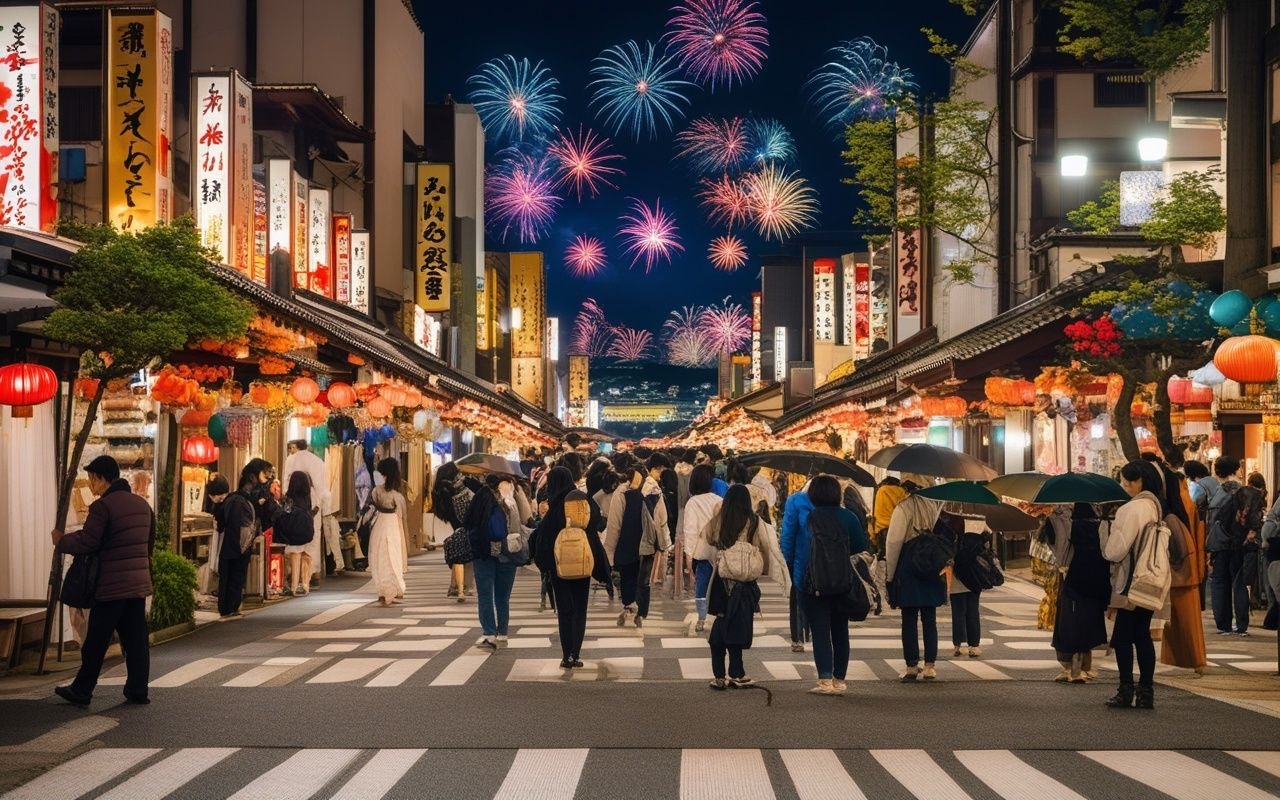
    • Hatsumode (New Year Visit) at Tsurugaoka Hachimangu (Kamakura): Jan 1-7. Millions visit for New Year prayers.
    • Hakone Ekiden: Tokyo to Hakone, Jan 2-3. Famous university relay race, 217 km over 2 days.
    • Winter Lights at Enoshima Sea Candle, Yokohama: Through Jan. “Gems of Shonan” winter lights.
    • New Year at Odawara Castle: Jan 1-7. Samurai shows. Tip: Tsurugaoka Hachimangu gets 3+ million visitors in the first week of January. Visit Jan 4-7 for fewer crowds. Related: Kamakura New Year Guide · Hakone Area Guide

    February — Plum Blossoms & Winter Events

    Top Events:

    • Odawara Plum Festival at Odawara Castle: Early Feb to early Mar. 300+ plum trees in bloom, tea.
    • Yokohama Port Opening Anniversary: Feb 11. Marks the 1859 port opening.
    • Kamakura Winter Special at temples: Feb weekends. Special open times, limited stamps.
    • Kawasaki Daishi Setsubun: Feb 3. Bean-throwing for good luck. Tip: The Odawara Plum Festival is less busy than Tokyo’s same-season festival.

    March — Cherry Blossoms Begin

    Top Events:

    • Sakura Season at Tsurugaoka Hachimangu, Sankeien Garden: Late Mar to early Apr. Cherry blossoms.
    • Yokohama International Women’s Marathon: Early Mar.
    • Hina Matsuri (Doll Festival) at Kamakura Museum: Mar 1-31. Old doll displays. Tip: Cherry blossoms at Sankeien Garden are pretty and less busy than Kamakura’s main spots. Arrive by 8 AM. Related: Kanagawa Sakura Spots · Sankeien Garden

    April — Peak Cherry Blossoms

    Top Events:

    • Sakura Peak across Kanagawa: Early to mid-Apr. Best cherry blossom week.
    • Yokohama Port Opening Festival: Late Apr. Parade, music, fireworks.
    • Kamakura Festival: Mid to late Apr. Horseback archery, tea.
    • Hakone Open-Air Museum Cherry Blossoms: Mid Apr. Sakura plus outdoor art. Tip: The horseback archery at Tsurugaoka Hachimangu is a must-see. Arrive 1 hour early for a good spot.

    May — Green Season & Festivals

    Top Events:

    • Yokohama Port Festival at Minato Mirai, Chinatown: Early May. Parade, music, fireworks.
    • Odawara Castle Festival: Early May. Samurai walks, history shows, food stalls.
    • Shonan Beach Opening Prep: Late May. Beach houses go up, surf season starts.

    Tip: Golden Week (Apr 29 – May 5) is Japan’s busiest travel time. Go early (before 9 AM) or visit quiet areas.

    June — Hydrangeas & Rainy Season

    Top Events:

    • Hydrangea Season at Meigetsu-in, Hasedera, Kamakura: Mid Jun to mid Jul, Famous blue flowers.
    • Hakone Hydrangea Train on Hakone Tozan Railway: Jun-Jul. Night lights on flowers along the tracks.
    • Shonan Beach Opening: Late Jun. Beach season begins.

    Tip: Hydrangea season is KAMAKURA’S BUSIEST TIME. Visit on weekdays only. Meigetsu-in needs timed tickets. The Hakone night train is a magical choice.

    July — Summer Beaches & Fireworks Begin

    Top Events:

    • Kamakura Fireworks Festival at Yuigahama Beach: Mid Jul. 7,000 fireworks over the bay.
    • Enoshima Beach Season: Jul 1. Beach houses, swimming, water sports.
    • Miura Fireworks Festival on Miura Coast: Late Jul. Small, cozy fireworks. Tip: The Kamakura Fireworks Festival draws 200,000+ people. Arrive by 4 PM, Bring a blanket and snacks.

    August — Peak Summer

    Top Events:

    • Shonan Beach Peak Season: All Aug. Busiest beach month.
    • Yokohama Pikachu Outbreak at Minato Mirai: Early to mid Aug. 2,000+ Pikachu parade.
    • Odawara Summer Festival: Early Aug. Fireworks over Odawara Castle.
    • Kamakura Bon Odori at temples: Mid Aug. Summer dance. Tip: Pikachu Outbreak is huge. Book rooms months ahead. Weekdays are less busy.

    September — Autumn Begins

    Top Events:

    • Yokohama Oktoberfest at Minato Mirai: Late Sep to early Oct. Beer, food, music.
    • Hakone Autumn Color Preview at high places: Late Sep. First fall colors.
    • Miura Tuna Festival at Misaki Port: Sep. Tuna cutting shows, fresh market. Tip: September is a good month to visit. Summer crowds thin out. Weather is still warm.

    October — Autumn Colors

    Top Events:

    • Yokohama Autumn Leaves at Sankeien Garden: Late Oct to late Nov. Peak fall colors.
    • Hakone Autumn Peak at Open-Air Museum, ropeway: Late Oct to mid Nov. Great fall colors.
    • Halloween Events in Yokohama, Kawasaki: Oct 31. Costume parades. Tip: For Hakone fall colors without crowds, go on a weekday when the ropeway opens (9 AM).

    November — Peak Autumn & Lights Begin

    Top Events:

    • Yokohama Red Brick Winter Market: Late Nov to Dec. Christmas market, mulled wine.
    • Kamakura Autumn Peak at Engaku-ji, Kencho-ji: Mid Nov. Fall colors at Zen temples.
    • Enoshima Gems of Shonan lights: Late Nov to Feb. Winter lights on the island. Tip: Visit both the Red Brick Market and Enoshima lights on the same day for a great evening.

    December — Winter Magic

    Top Events:

    • Yokohama Christmas Market at Minato Mirai, Red Brick: Dec. European-style market, lights.
    • Enoshima Gems of Shonan: Through Feb. Peak winter lights.
    • Yokohama New Year Countdown at Minato Mirai: Dec 31. Fireworks. Tip: Dec 30 to Jan 3 is quiet for attractions (many close) but busy for temples and shops.

    Year-Round Events

    • Misaki Morning Market at Misaki Port: Daily (7 AM – 1 PM)
    • Kamakura Antique Market near Kamakura Station: 1st & 3rd Sunday
    • Yokohama Chinatown Events: Seasonal (Chinese New Year, Moon Festival)

    Tips

    Practical notes from my trips to exploring Kanagawa: confirm the latest hours on the official website, buy tickets in advance when you can, and leave extra time for trains and walking between stops. Keeping your first day lighter also helps you enjoy the second day without feeling rushed.

    Conclusion

    The details in this guide come from real visits, and the biggest lesson I took away was that the best experiences in Kanagawa rarely fit neatly into a checklist. During my visit I went with a rough plan and found that leaving room to wander made the trip far more memorable. Plan the essentials, keep your schedule flexible, and you will leave Kanagawa wanting to return.
  • Tanzawa-Oyama Hiking Guide 2026 — Best Day Hikes from Tokyo

    Tanzawa-Oyama Hiking Guide 2026 — Best Day Hikes from Tokyo

    Overview

    💬 Traveler’s Note: I visited Mount Oyama on a clear late-autumn morning and explored the stone staircase through the cedar forest before the crowds arrived. I recommend taking the first cable car up — the summit views over Sagami Bay are worth the early start, and the trail is far quieter before 9 AM.

    Overview of Tanzawa-Oyama

    Detail Information
    Location Western Kanagawa Prefecture
    Area 27,000+ hectares of protected forest
    Peak Mount Hiru (1,673m)
    Season April–November (main season), December–March (winter gear required)
    Getting there 90 minutes from Shinjuku by Odakyu Line
    Difficulty range Easy (family walks) to Challenging (full-day summit hikes)

    Getting to Tanzawa-Oyama

    By Train (Recommended)

    Route Duration Cost (One Way) Notes
    Shinjuku → Odakyu Line → Shibusawa Station 90 min ¥1,100 Most common access, bus to trailheads
    Shinjuku → Odakyu Line → Hon-Atsugi Station 65 min ¥830 Access to Mount Oyama
    Shinjuku → Odakyu Romancecar → Hon-Atsugi 50 min ¥1,320 Reserved seat, comfortable

    By Car

    From Tokyo, take the Tomei Expressway to Atsugi IC (50 minutes), then follow Route 246 toward Tanzawa, Parking available at most trailheads (¥500-1,000/day).


    Best Hiking Trails

    1. Mount Oyama (Beginner-Friendly)

    Mount Oyama (1,252m) is the most popular hiking destination in Tanzawa and the easiest summit to reach. The mountain has been a sacred site for centuries and is dotted with Shinto shrines.

    Detail Information
    Duration 3-4 hours round trip
    Distance 5.5 km round trip
    Elevation gain 600m
    Difficulty Easy to Moderate
    Best season April–November

    Route:

    1. From Hon-Atsugi Station, take the bus to Oyama Cable Car Station (30 min, ¥700)
    2. Ride the Oyama Cable Car to the top station (7 min, ¥700 one way)
    3. Hike from the cable car top to the summit (45 min-1 hour)
    4. Visit Oyama Afuri Shrine (main shrine, waterfall, views)
    5. Descend via the same route or the longer womenmonomichi trail

    Highlights: Oyama Afuri Shrine, panoramic views of Sagami Bay, Mount Fuji on clear days Discover Mt Fuji’s 5th Station, World Heritage Center & Owakudani on this Hakone day trip

    2. Lake Tanzawa Loop (Easy, FLakey-Friendly)

    A flat, well-maintained walking path around Lake Tanzawa (Miyagase Lake) — perfect for families and casual walkers.

    Detail Information
    Duration 1.5-2 hours
    Distance 5 km loop
    Elevation gain Minimal (flat)
    Difficulty Easy
    Best season Year-round

    Route: From Shibusawa Station, take the bus to Lake Tanzawa (25 min, ¥500). Follow the paved path around the lake, stopping at rest areas, picnic spots, and the Miyagase Dam. Highlights: Lake views, Miyagase Dam, picnic areas, restrooms at multiple points

    3. Mount Hiru Summit (Challenging, Full Day)

    Mount Hiru (1,673m) is the highest peak in the Tanzawa range and the most rewarding hike for experienced hikers.

    Detail Information
    Duration 6-8 hours round trip
    Distance 12 km round trip
    Elevation gain 900m
    Difficulty Challenging
    Best season May–October

    Route:

    1. From Shibusawa Station, bus to the trailhead at Yabitsu Pass (40 min, ¥800)
    2. Hike from Yabitsu Pass to Mount Hiru summit (3-4 hours)
    3. Summit break (30 min-1 hour)
    4. Return via the same route or the Nabewari Pass loop

    Warning: This is a serious mountain hike, Bring proper hiking boots, at least 2 liters of water, food, rain gear, and warm layers even in summer. The temperature at the summit can be 10°C cooler than at the trailhead.

    4. Mizugasenba Plateau (Moderate, Scenic)

    A beautiful highland plateau with rolling hills and panoramic views — perfect for photographers and nature lovers.

    Detail Information
    Duration 3-4 hours round trip
    Distance 6 km
    Elevation gain 350m
    Difficulty Moderate
    Best season June–October (flowers), October–November (autumn colors)

    Route: From Shibusawa Station, bus to Tanzawa-ko (Lake Tanzawa) and follow the signs toward Mizugasenba. The trail climbs through forest before opening onto a massive plateau with 360-degree views. Highlights: Wildflowers in summer, autumn foliage, mountain views


    Trail Comparison

    Trail Duration Difficulty Best For Crowds
    Mount Oyama 3-4 hours Easy-Moderate Beginners, families, shrine visits Medium
    Lake Tanzawa Loop 1.5-2 hours Easy Families, photo walks, picnics Low
    Mount Hiru 6-8 hours Challenging Experienced hikers, summit seekers Low
    Mizugasenba Plateau 3-4 hours Moderate Photographers, nature lovers Low

    Getting to the Trailheads

    All trailheads are accessible by public transport from Shinjuku Station via the Odakyu Line. For Mount Oyama, take the Odakyu Romancecar to Hon-Atsugi Station (50 min, ¥1,320 reserved seat), then bus to Oyama Cable Car Station (30 min, ¥700). For Lake Tanzawa and Mizugasenba, take the Odakyu Line to Shibusawa Station (90 min, ¥1,100), then bus to the trailheads (25-40 min, ¥500-800). Buses run approximately once per hour — always check the return schedule before setting out, as the last bus departs as early as 4:30 PM on some routes.

    Where to Eat

    There are limited food options within the park itself. The Mount Oyama cable car top station has a restaurant serving soba noodles and set meals (¥800-1,200). Lake Tanzawa has a small shop selling snacks and drinks. For all other trails, you must bring your own food and water. After hiking, Hon-Atsugi Station has numerous restaurants and izakayas — try the local Atsugi-style ramen (¥800-1,000) for a rewarding post-hike meal.

    Safety Tips for Beginners

    • Always register your hike at the trailhead box (登山計画書) — it’s mandatory and helps rescue services if you don’t return
    • Download offline maps before heading out — cell reception is unreliable in mountain valleys
    • Check the mountain-specific weather forecast (Tanzawa-sanchi) rather than Tokyo’s forecast
    • Start early (by 8 AM) to ensure you catch the last return bus
    • Carry a whistle and headlamp even for short hikes — trails take longer than expected
    • Tell someone your planned route and expected return time

    Getting There

    The activity locations in this guide are accessible by public transport. Major train stations have clear signage in English. For remote locations, consider renting a bicycle from the station area. Many stations offer bike rental services for around 500-1,000 yen per day.

    What to Expect

    Most activities are designed to be accessible for international visitors. Staff at popular attractions are accustomed to non-Japanese speakers and can communicate through basic English or translation apps. Duration varies from 1-2 hour experiences to half-day adventures. Wear appropriate clothing – many activities involve walking or standing for extended periods. Some outdoor activities may have age or height restrictions. Always check the official website before visiting for the latest information.

    Nearby Recommendations

    Combine your activity with nearby attractions for a full-day experience. Many activity locations are close to other points of interest, making it easy to plan a varied itinerary. Check the official website for nearby partner attractions that offer discounts when visited together. Most areas have good lunch options within walking distance of activity venues.

    Local Tips

    Regular participants recommend bringing your own water bottle and wearing moisture-wicking clothing for active experiences. Arriving 15 minutes before your scheduled time allows for check-in and preparation. Many activities have seasonal variations, so check what’s available during your visit. Don’t be shy about asking questions – instructors are happy to help.n

    Conclusion

    Whether you are planning exploring Kanagawa for its hike for the first time or returning for another visit, taking a little extra time to go beyond the obvious sights makes all the difference. During my visit I went with a rough plan and found that leaving room to wander made the trip far more memorable. I hope this guide helps you build an itinerary that fits your pace, and that your time in Kanagawa leaves you with memories worth coming back for.