Tag: cafes

  • Kamakura Hiking Trails & Hidden Backstreets: Escape Crowds

    Kamakura Hiking Trails & Hidden Backstreets: Escape Crowds

    Overview

    Kamakura has a crowd problem, and everyone knows it. On a Saturday afternoon in autumn, Komachi-dori is a river of people, and the Great Buddha’s photo line stretches into the garden. But Kamakura has a second city that most visitors never see: a network of hiking trails through the hills that ring the town, and a web of quiet backstreets where the crowds thin out to nothing. The same weekend that feels overwhelming at the temples becomes peaceful within twenty minutes of leaving the main streets.

    I have walked through these trails in every season, and the pattern is always the same. I recommend the Ten’en course above all — it rewards the effort more than any other walk in town. The crowds cluster around the big-name sights: Hase-dera, the Great Buddha, the main approach to Tsurugaoka Hachimangu. The hills above them are nearly empty, and the backstreets between the northern temples belong to residents, schoolchildren, and the occasional café that has survived by being hard to find. The hiking trails connect the temples in a loop that rewards the effort with views, and the backstreets reward the wandering with the Kamakura that locals actually live in.

    This guide covers the best hiking routes — the Ten’en Hiking Course above all — the quiet backstreets worth a detour, and the practical details for a day that trades the famous queues for the town’s hidden layers.


    📍 Getting There and Route Basics

    Kamakura is 50-60 minutes from Tokyo by the JR Yokosuka Line from Tokyo Station, or the Shonan-Shinjuku Line from Shinjuku. For access details and train options, see my Kamakura access guide. The town’s sights and trailheads are all walkable from Kamakura Station, which makes it one of the easiest hiking days in the region — you can be on a mountain path within 25 minutes of stepping off the train.

    The Three Main Trails

    1. Ten’en Hiking Course — The classic. Runs roughly 5 kilometers through the hills from Kencho-ji (near Kita-Kamakura Station) to Zuisen-ji in the east. The best single hike in Kamakura.
    2. Daibutsu Hiking Trail — A shorter, gentler route connecting the Great Buddha at Hase to Jochi-ji and Kencho-ji in the north. Good for families and for combining temple visits with a walk.
    3. Gionyama Circuit — A compact loop around the hill behind the Tsurugaoka Hachimangu shrine, with views over the town center. The easiest option, and a good sunset spot.

    🥾 The Ten’en Hiking Course: Kamakura’s Backbone Trail

    The Ten’en Hiking Course is the walk that separates Kamakura day-trippers from Kamakura regulars. It runs through the wooded ridge behind the northern temples, connecting the great Zen temples of Kita-Kamakura with the quieter eastern hills, and it offers the town’s best views over the bay.

    The Route in Detail

    The course has two natural starting points. From Kita-Kamakura Station, the trailhead sits at the back of Kencho-ji, the first of Kamakura’s five great Zen temples. From Kamakura Station, you reach the eastern end at Zuisen-ji after a 20-minute walk through backstreets. Both ends work; the standard direction is Kita-Kamakura to Zuisen-ji, which keeps the sun at your back in the morning.

    1. Kencho-ji (trailhead) — The temple itself is worth arriving early for: its bamboo grove and dragon-painted ceiling are quieter than the famous tourist temples. The trail begins at the upper gate.
    2. The ridge (1.5-2 hours) — The path climbs through mixed forest, dips across a few valleys, and passes several viewpoints. The highlight is the view over Sagami Bay from the ridge’s highest point, with Enoshima visible on clear days. For more of the bay, see my Shonan beach guide, which covers the coast below.
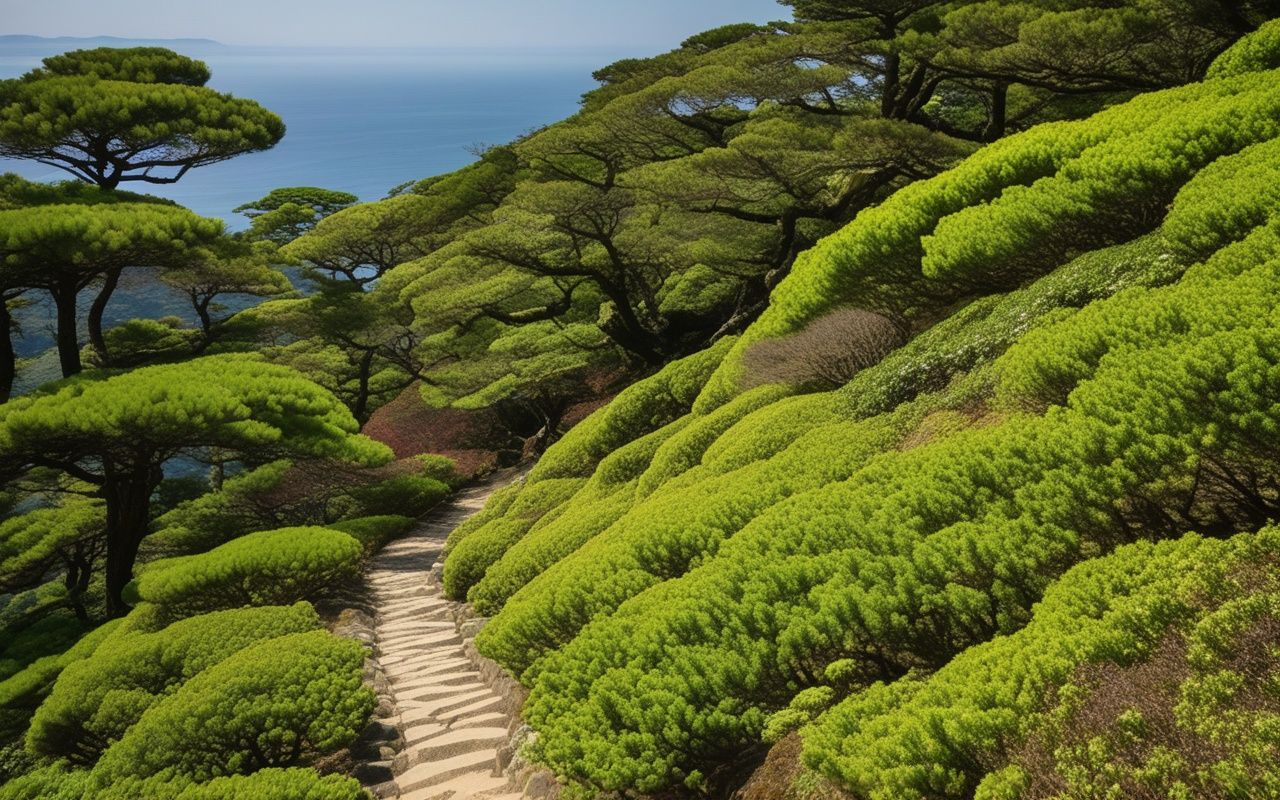
    Ten'en Hiking Course ridge trail with view over Sagami Bay

    1. Jochi-ji and the fork — The trail passes a junction where the Daibutsu trail branches off. Jochi-ji, a small Zen temple on the ridge, has a famous hydrangea garden in June.
    2. Zuisen-ji (end) — The eastern terminus is a garden temple built around a cave, with a lovely pond and rock garden. The temple is rarely busy, which makes it a perfect, quiet finish.

    Practical Notes

    • Total time: 2.5-3 hours at a relaxed pace, including brief temple stops.
    • Difficulty: Easy-moderate. There are steady climbs but nothing steep or technical. Sneakers with grip are fine; hiking boots are overkill.
    • Trail conditions: The path is well marked in English at junctions, but the surface includes some exposed roots. It can be muddy after rain — avoid the day after heavy weather.
    • No food on the trail: Carry water and a snack; the only shops are at the two ends.

    🛕 The Backstreets: Where the Crowds Aren’t

    The hills are half the story. The other half is Kamakura’s backstreet network — the narrow lanes behind the main roads, where the town’s real life happens. The lanes north of Komachi-dori and around the northern temples reward wandering, and they hold most of the town’s hidden shrines and best cafes.

    The Northern Backstreets

    The area between the Kencho-ji approach and the town center is a grid of residential lanes with a handful of small shrines and old merchant houses. Walking it takes an hour and feels like traveling back in time — the houses are wooden, the streets are barely car-width, and the only sounds are bicycles and birds. The small shrines and temple gardens along the way, such as the garden of Myoho-ji with its famous mossy stairs, have no entrance fees and no crowds, and several are genuinely beautiful.

    Onari-machi and the Cafes

    The backstreet area around Onari-machi, west of the station, has become the town’s cafe quarter. The famous Kamakura cafe scene concentrates here, in converted houses and garden cafes that you have to actively seek out. The coffee is serious, the cakes are local, and the clientele is mostly residents — the tourists are still queuing at the Komachi-dori dessert shops while the locals drink espresso in the lanes.
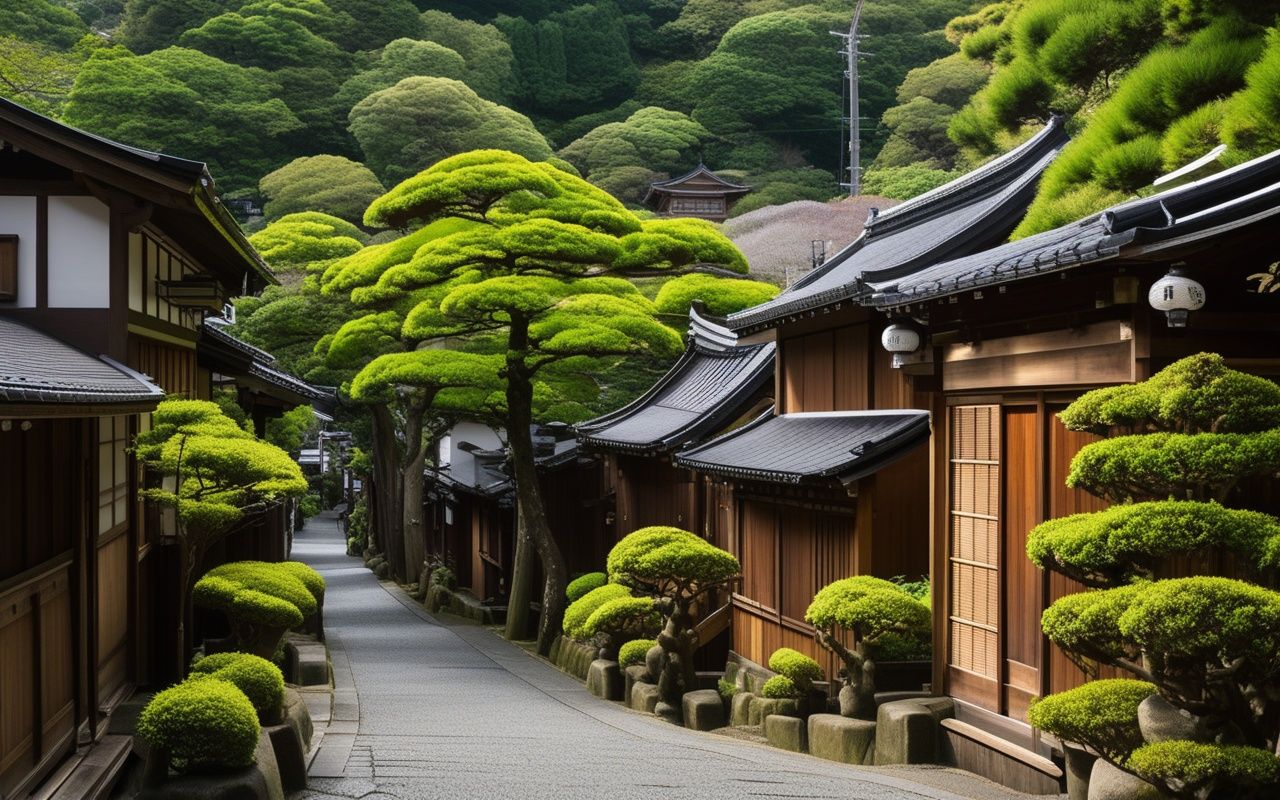
    Quiet Kamakura backstreet lane with wooden houses and greenery

    The Hidden Shrine Route

    One of my favorite loops connects three hidden shrines north of the station: the cave shrine of Zuisen-ji’s hillside, the small shrine hidden behind the Kencho-ji approach, and the tiny neighborhood shrine with the stone steps and the mossy lanterns. The loop takes an hour, passes no other tourists on most days, and ends at a café. It is the closest Kamakura comes to a secret.


    📷 The Daibutsu Trail and the Great Buddha Alternative

    If the Ten’en course feels like too much, the Daibutsu Hiking Trail offers a shorter taste of the same hills. It runs from the Great Buddha area at Hase up over the ridge to Jochi-ji, connecting the famous statue with the quiet northern temples.

    The Great Buddha itself is worth seeing once — the bronze statue is genuinely impressive — but the crowds are relentless. My alternative: visit it at opening time, then take the Daibutsu trail up the hill and spend the rest of the day on the quiet side. For more on managing the famous sights, see my Kamakura crowd-avoidance guide, which covers timing and routes for the busiest spots.

    The trail takes about 45 minutes one way, is gentle enough for families, and ends at Jochi-ji, where the Ten’en course can take you onward. It is the perfect middle option between the full hike and the temple-only day.


    🗓️ Sample Itinerary: The Quiet Kamakura Day

    1. 08:30 — Arrive at Kita-Kamakura Station. Walk the backstreets toward Kencho-ji while the town is still asleep.
    2. 09:00 — Kencho-ji, early and quiet. Bamboo grove, main hall, and the trailhead at the upper gate.
    3. 09:45 — Start the Ten’en Hiking Course. Ridge views over Sagami Bay.
    4. 11:30 — Jochi-ji fork and the highest viewpoint. Rest, water, and the view down to Shonan’s beaches.
    5. 12:30 — Descend to Zuisen-ji. Garden and cave temple, almost empty.
    6. 13:30 — Lunch at a backstreet café in the northern lanes. No queues.
    7. 14:30 — The hidden shrine loop, ending at the mossy lantern shrine.
    8. 16:00 — Optional: the Gionyama circuit at sunset, with the town below and the bay beyond.
    9. 17:30 — Return train from Kamakura Station.

    If you have a second day, the town pairs well with the Kamakura-Enoshima area guide for the coast, or with the Tanzawa-Oyama hiking guide if you want a bigger mountain day in the same region.


    📅 Seasonal Notes

    • March-April: Cherry blossoms on the temple approaches and the backstreets. The trails stay quieter than the famous blossom spots.
    • June-July: Hydrangea season at Jochi-ji and Meigetsu-in. Expect crowds at the hydrangea temples themselves, but the trails above them stay manageable.
    • September-November: The best hiking season — cool, clear, and colorful. The ridge views over the bay are at their finest.
    • December-February: Cold and empty. Winter views are the clearest of the year, and the cafes are at their coziest.
    • Winter mornings: The classic Fuji view from the ridge — the mountain appears over the bay on clear days.

    💡 Practical Tips

    • Start early and go on a weekday if you can. The trails are never crowded, but the temples at the ends fill up fast on weekends.
    • Carry water and a snack — there is no food on the trails.
    • Wear shoes with grip; the trails have exposed roots and can be muddy.
    • The backstreets are residential. Walk quietly, don’t block lanes, and photograph houses sparingly.
    • Buy drinks at the ends, not the middle — the only convenience stores are near the stations.
    • Combine the hike with the cafe route in Onari-machi for the classic quiet day: hills in the morning, espresso in the afternoon.

    Conclusion

    Kamakura’s famous crowds are real, but they are also concentrated — and everything outside that concentration is the town’s best self. The Ten’en Hiking Course connects the great Zen temples through forest and ridge views, the backstreets hold the hidden shrines and local cafes, and the whole quiet layer is reachable within minutes of the station. It is the same Kamakura that day-trippers rush past, and it rewards anyone who slows down enough to find it. Start at Kita-Kamakura, walk the ridge, and let the backstreets lead you home.


    FAQ

    Q: How hard is the Ten’en Hiking Course?
    A: Easy-moderate. It has steady climbs but nothing steep or technical, and the full route takes 2.5-3 hours. Sneakers with grip are sufficient on dry days.

    Q: Do I need a map?
    A: No. The trail is well marked with English signs at junctions, and the two ends are easy to reach from their stations. A phone map helps at the backstreet sections.

    Q: Can I do the hike with children?
    A: Yes, the Ten’en course is fine for older children. For younger kids, the shorter Daibutsu trail (45 minutes) is the better choice.

    Q: When should I visit to avoid the crowds?
    A: Weekday mornings, or any day before 10:00. The trails themselves are rarely crowded; the queues form at the famous temples, which you can visit at opening time or skip in favor of the quiet shrines.
  • Shonan Beach House Cafe Guide 2026

    Shonan Beach House Cafe Guide 2026

    Overview

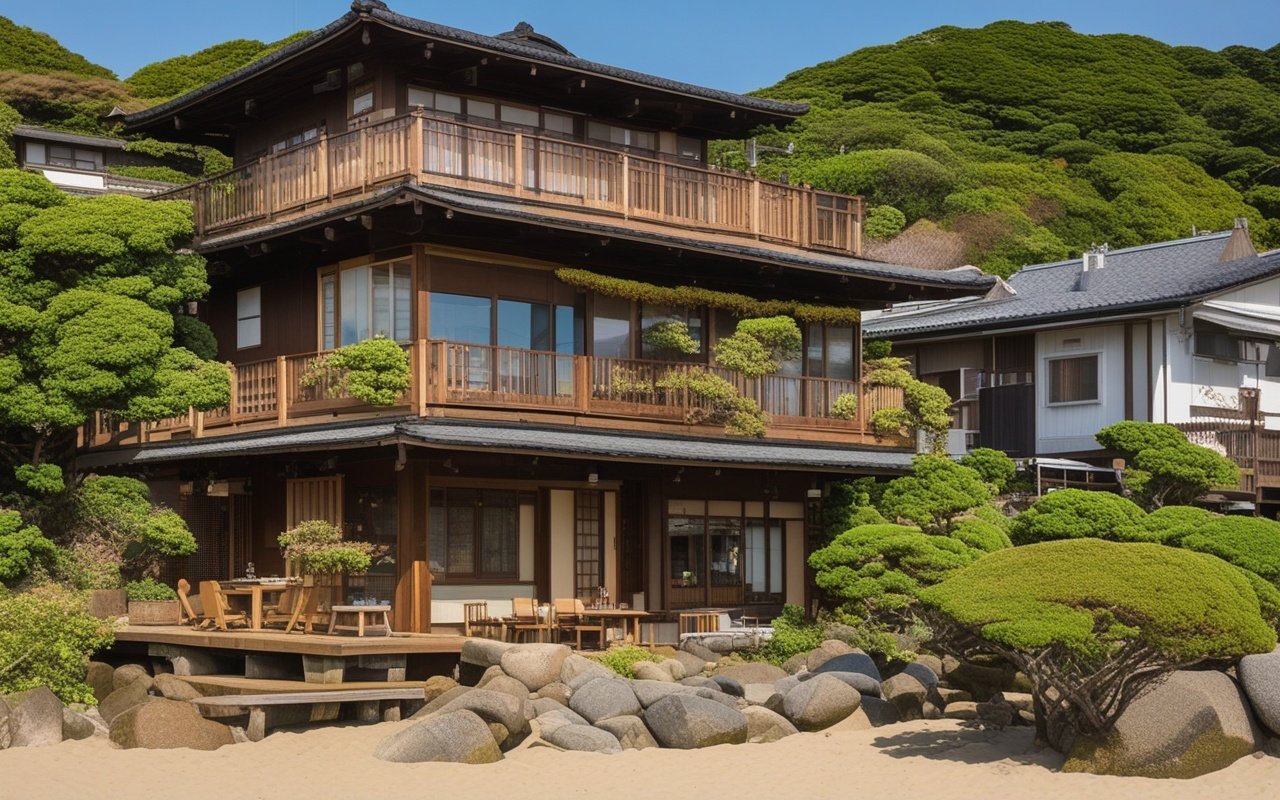
    Shonan’s coastline between Kamakura and Enoshima is lined with beach house cafes — seasonal restaurants that open directly onto the sand. These range from historic surf shacks serving curry to modern cafes with acai bowls and craft coffee. Most operate from April to October, and the best ones have stood for decades, evolving from simple snack bars into full-service oceanfront dining destinations.

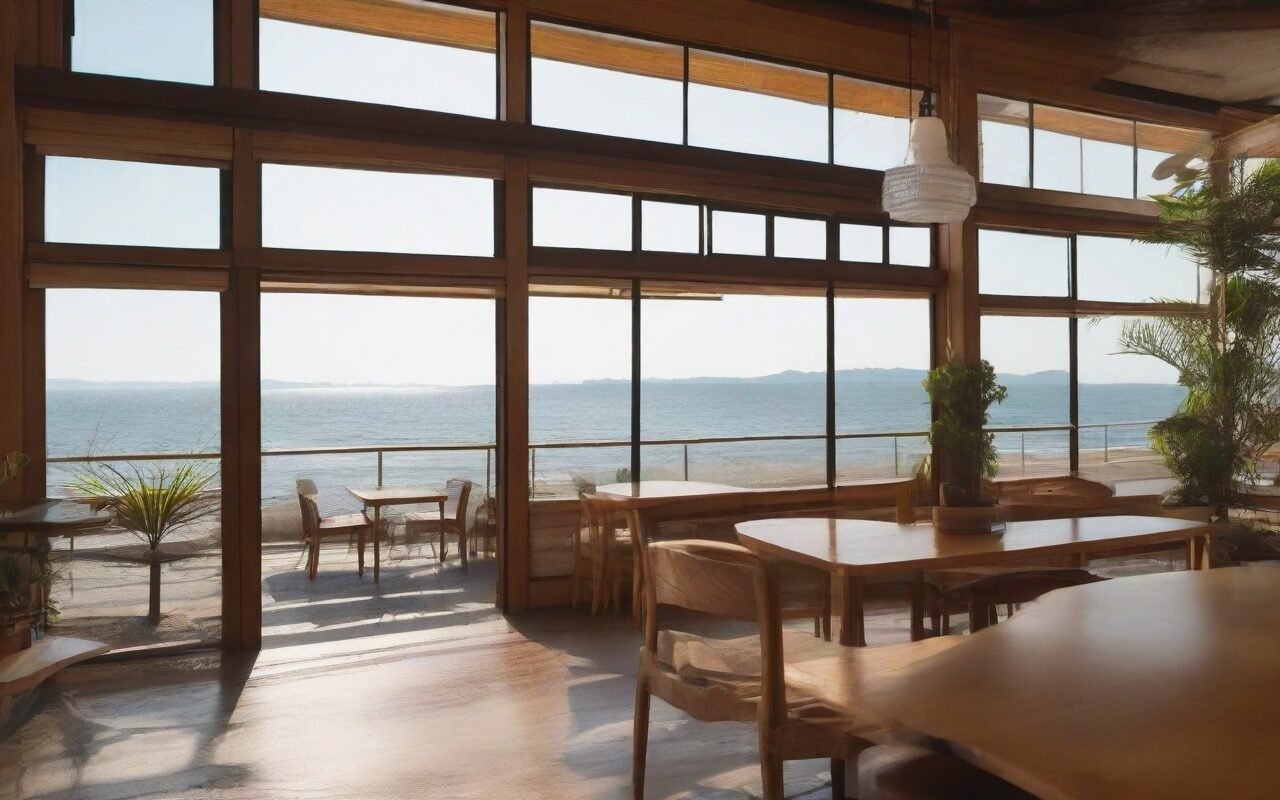
    I visited four beach houses in one day, walking south from Yuigahama along the coast. The Beach at Yuigahama was the most polished — think whitewashed wood, acai bowls, and sunset cocktails — but Billiken at Inamuragasaki had more character, with 60 years of surf memorabilia on the walls. For more Shonan food guides, see our Shonan beach guide or Enoshima aquarium guide.

    Shonan Beach House Cafe Guide 2026 — Overview

    Top Beach House Cafes

    Beach House Beach Price Range Best For
    The Beach Yuigahama ¥¥¥ Sunset dining, acai bowls
    Shonan Beach Park Shichirigahama ¥¥¥ Pizza, ocean views
    Billiken Inamuragasaki ¥¥ Curry, surf culture, history
    Koshiro Koshigoe ¥¥¥ Fresh seafood, local catch
    Iggy’s Shichirigahama ¥¥ Brunch, specialty coffee

    The Beach (Yuigahama)

    The Beach is the most popular and Instagrammed beach house in Shonan. It has a modern Bali-meets-California aesthetic — white furniture, thatched umbrellas, and direct beach access.

    My Experience: I arrived at 11:30 AM on a Tuesday and got a table on the deck without a wait. The star of the menu is the acai bowl (¥1,500), which is genuinely good — fresh acai, granola, banana, and honey, served in a coconut bowl. The iced matcha latte (¥700) was also well-made. By 1:00 PM the wait was 30 minutes, and by 2:00 PM it was an hour.

    Practical Info:

    • Open: April–October, 10:00–sunset
    • Menu: Acai bowls, smoothie bowls, sandwiches, beer, wine
    • Average spend: ¥2,000–3,000 per person
    • Best for: Sunset drinks, brunch, photos

    Billiken (Inamuragasaki)

    Billiken is the opposite of The Beach — no frills, no Instagram aesthetic, just 60 years of surf culture. The curry rice (¥1,100) has been on the menu since the 1960s and has developed a cult following among local surfers.

    My Experience: The walls are covered with surfboards, competition photos from the 1970s, and handwritten notes from regulars. I ordered the beef curry — rich, mildly spiced, and served with pickled vegetables. The ocean view from the window counter was unobstructed. The owner surfed until his 60s and still surfs on weekends. This is the place for authentic Shonan surf culture, not a polished dining experience.

    Seafood Specialists: Koshiro (Koshigoe)

    Koshiro specializes in seafood caught that morning from Sagami Bay. The shirasu-don (whitebait rice bowl, ¥1,300) is the signature dish — tiny sardines served raw or lightly boiled over rice. I had the raw version, which was fresh and sweet, with a hint of the sea. The beach house is quieter than the Yuigahama options, making it a good choice for a relaxed lunch.

    Seasonal Information

    Season Beach Houses Open Crowds Best For
    Apr–May 60% open Moderate Spring brunch, comfortable temperatures
    Jun–Aug 100% open Very High Peak season, swimming, sunset drinks
    Sep–Oct 80% open Low-Moderate Best weather, fewer crowds
    Nov–Mar 10% open Very Low Year-round cafes only

    Budget Guide

    Meal Typical Cost Example
    Coffee/drink only ¥500–800 Iced latte at Iggy’s
    Light lunch ¥1,500–2,500 Acai bowl at The Beach
    Full meal ¥2,500–4,000 Shirasu-don + beer at Koshiro
    Dinner with drinks ¥4,000–6,000 Sunset dining at The Beach

    Frequently Asked Questions

    Q: Do I need a reservation?
    A: The Beach accepts reservations for dinner (2+ weeks ahead recommended). Billiken and Koshiro do not take reservations — walk-in only. Weekday lunch at any beach house is fine without a booking.

    Q: Are beach houses open in winter?
    A: Most close from November to March. Iggy’s at Shichirigahama is open year-round. Check individual beach house websites for exact opening dates.

    Q: Can I just order a drink?
    A: Yes — all beach houses welcome drink-only customers. The Beach is particularly popular for sunset cocktails from ¥900.

    Q: Which beach house has the best sunset view?
    A: The Beach at Yuigahama, hands down. The deck faces directly west, and the sunset over Sagami Bay is spectacular. Arrive 45 minutes before sunset for a good table.

    Q: Are beach houses family-friendly?
    A: Yes — Koshiro is the most family-friendly (high chairs, kids menu). The Beach is popular with families during the day (12:00–15:00) but becomes more adult-focused in the evening.

    🍽️ Insider Dining Tips

    Having explored the food scene in this area, here are some insider tips to enhance your dining experience:

    • Try to visit during off-peak hours (between 2 PM and 5 PM) to avoid long waits at popular restaurants.
    • Many smaller establishments are cash-only, so carry sufficient yen. Major credit cards are accepted at larger restaurants and tourist-oriented spots.
    • Don’t hesitate to ask staff for recommendations — they’re usually happy to suggest their specialty dishes.

    🍜 Local Food Culture

    Best Time to Dine

    Kanagawa’s food scene reflects its unique position as a gateway between Tokyo and the countryside. The region is particularly known for its fresh seafood from Sagami Bay, local vegetables from Kamakura’s farms, and regional specialties that vary by season.

    What to Order

    Many restaurants in this area pride themselves on using locally sourced ingredients. I noticed that menus change noticeably with the seasons — spring brings bamboo shoots and strawberries, summer offers fresh seafood and cold noodles, while autumn highlights mushrooms and root vegetables.

    Dietary Tips

    Don’t miss the opportunity to try the regional specialties. Each area in Kanagawa has its own signature dishes, from Shonan’s shirasu (whitebait) to Yokohama’s Chinatown dim sum and Hakone’s yuba (tofu skin) cuisine.

    Beach Cafés I Keep Going Back To

    I have explored over a dozen beach houses and cafés along the Shonan coast, and a few stand out as genuinely worth visiting beyond the Instagram appeal. Sunset Terrace Shonan in Chigasaki is my top pick — their spicy tuna bowl (¥1,200) is served on a wooden board with pickled vegetables and miso soup. I ate there three times during one trip to Kugenuma Beach.

    For a more laid-back vibe, I love Kugenuma Beach Café, a tiny wooden shack run by a retired surfer. They serve the best iced coffee on the coast (¥400) and do not charge extra for oat milk. The owner remembered my order on my second visit — that kind of personal touch is what makes Shonan special.

    My practical advice: visit on weekday afternoons if you can. Weekend queues at popular cafés can be 30–45 minutes long. I also recommend bringing cash, because about half the small cafés do not accept cards or mobile payments.

    Beach Cafés with the Best Views

    I made it my mission to find Shonan beach cafés with genuinely good views rather than just good marketing. Sunset Terrace Shonan in Chigasaki delivers on both counts — their deck overlooks the beach with an unobstructed view of Enoshima, and the food is excellent. I ordered the grilled fish set (¥1,300) and watched a family flying a kite on the beach below. The best seats are on the right side of the deck — they face directly toward the sunset.

    For a casual coffee stop, The Breakwater Café near Kugenuma Beach is tucked behind the beach house row and most tourists walk past it. The café is literally on the breakwater — during high tide, waves splash against the wall beneath your feet. I had an iced latte (¥450) and a slice of lemon cake (¥400) while watching surfers catch waves. The owner is a retired surfer who makes all the pastries himself.

    A hidden gem I discovered: Mugishima Café in Hayama is a 10-minute walk from Isshiki Beach and has a garden terrace surrounded by pine trees. The café was originally a fisherman’s house built in the 1950s, and the interior preserves the original wooden beams and tiled roof. I had the hayashi rice (¥1,100) — a Japanese-style hash beef — and it was the best I have tasted outside of Kobe. The café closes at 5 PM, so plan for an early visit.

    How to Get There

    Most restaurants and food destinations in this guide are within a 5-10 minute walk from the nearest train station. Use Google Maps for precise navigation. For popular restaurants, arrive 15 minutes before opening time to avoid long waits during peak hours. Reservations are recommended for dinner service.

    What to Expect

    Kanagawa’s food scene reflects its coastal location and cultural diversity. Fresh seafood is a highlight, particularly in port towns like Misaki and Miura. Many restaurants specialize in a single dish, perfecting it over generations. Service is attentive and polite, and tipping is not practiced. Most restaurants open for lunch from 11:00 AM and dinner from 5:00 PM. Some establishments close between lunch and dinner service. Smoking is restricted in most restaurants, with designated smoking areas common.

    Nearby Recommendations

    The food scene in this area extends beyond the main restaurants featured in this guide. Nearby specialty shops sell local products and ingredients worth exploring. Some areas have food tours that combine multiple dining stops with cultural commentary from local guides. Consider visiting a nearby sake brewery or craft beer taproom to complete your culinary experience.

    Local Tips

    Food enthusiasts recommend visiting restaurants during off-peak hours (2:00-5:00 PM) for a more relaxed dining experience. Some restaurants have secret menu items not listed in English – using Google Translate to read the Japanese menu can reveal hidden gems. Seasonal specialties are worth prioritizing, as they feature ingredients at their peak flavor. Local food festivals offer an excellent introduction to the area’s culinary traditions.n

    Conclusion

    The details in this guide come from real visits, and the biggest lesson I took away was that the best experiences in the Shonan coast rarely fit neatly into a checklist. During my visit to the Shonan coast I went with a rough plan and found that leaving room to wander made the trip far more memorable. Plan the essentials, keep your schedule flexible, and you will leave Kanagawa wanting to return.