Tag: festivals

  • Kanagawa Event Calendar 2026 — Festivals & Seasonal Events

    Kanagawa Event Calendar 2026 — Festivals & Seasonal Events

    Overview

    I explored Kanagawa’s event calendar throughout the year and attended festivals across every season. This month-by-month guide reflects the events I personally recommend based on crowd levels, accessibility, and overall experience. — Festivals & Seasonal Highlights? This guide covers the best things to do in and around Kanagawa, from outdoor adventures to cultural experiences. Whether you are traveling solo, with family, or with friends, this guide offers something for everyone throughout the year.

    January — New Year & Winter Lights

    Top Events:

    • Hatsumode (New Year Visit) at Tsurugaoka Hachimangu (Kamakura): Jan 1-7. Millions visit for New Year prayers.
    • Hakone Ekiden: Tokyo to Hakone, Jan 2-3. Famous university relay race, 217 km over 2 days.
    • Winter Lights at Enoshima Sea Candle, Yokohama: Through Jan. “Gems of Shonan” winter lights.
    • New Year at Odawara Castle: Jan 1-7. Samurai shows. Tip: Tsurugaoka Hachimangu gets 3+ million visitors in the first week of January. Visit Jan 4-7 for fewer crowds. Related: Kamakura New Year Guide · Hakone Area Guide

    February — Plum Blossoms & Winter Events

    Top Events:

    • Odawara Plum Festival at Odawara Castle: Early Feb to early Mar. 300+ plum trees in bloom, tea.
    • Yokohama Port Opening Anniversary: Feb 11. Marks the 1859 port opening.
    • Kamakura Winter Special at temples: Feb weekends. Special open times, limited stamps.
    • Kawasaki Daishi Setsubun: Feb 3. Bean-throwing for good luck. Tip: The Odawara Plum Festival is less busy than Tokyo’s same-season festival.

    March — Cherry Blossoms Begin

    Top Events:

    • Sakura Season at Tsurugaoka Hachimangu, Sankeien Garden: Late Mar to early Apr. Cherry blossoms.
    • Yokohama International Women’s Marathon: Early Mar.
    • Hina Matsuri (Doll Festival) at Kamakura Museum: Mar 1-31. Old doll displays. Tip: Cherry blossoms at Sankeien Garden are pretty and less busy than Kamakura’s main spots. Arrive by 8 AM. Related: Kanagawa Sakura Spots · Sankeien Garden

    April — Peak Cherry Blossoms

    Top Events:

    • Sakura Peak across Kanagawa: Early to mid-Apr. Best cherry blossom week.
    • Yokohama Port Opening Festival: Late Apr. Parade, music, fireworks.
    • Kamakura Festival: Mid to late Apr. Horseback archery, tea.
    • Hakone Open-Air Museum Cherry Blossoms: Mid Apr. Sakura plus outdoor art. Tip: The horseback archery at Tsurugaoka Hachimangu is a must-see. Arrive 1 hour early for a good spot.

    May — Green Season & Festivals

    Top Events:

    • Yokohama Port Festival at Minato Mirai, Chinatown: Early May. Parade, music, fireworks.
    • Odawara Castle Festival: Early May. Samurai walks, history shows, food stalls.
    • Shonan Beach Opening Prep: Late May. Beach houses go up, surf season starts.

    Tip: Golden Week (Apr 29 – May 5) is Japan’s busiest travel time. Go early (before 9 AM) or visit quiet areas.

    June — Hydrangeas & Rainy Season

    Top Events:

    • Hydrangea Season at Meigetsu-in, Hasedera, Kamakura: Mid Jun to mid Jul, Famous blue flowers.
    • Hakone Hydrangea Train on Hakone Tozan Railway: Jun-Jul. Night lights on flowers along the tracks.
    • Shonan Beach Opening: Late Jun. Beach season begins.

    Tip: Hydrangea season is KAMAKURA’S BUSIEST TIME. Visit on weekdays only. Meigetsu-in needs timed tickets. The Hakone night train is a magical choice.

    July — Summer Beaches & Fireworks Begin

    Top Events:

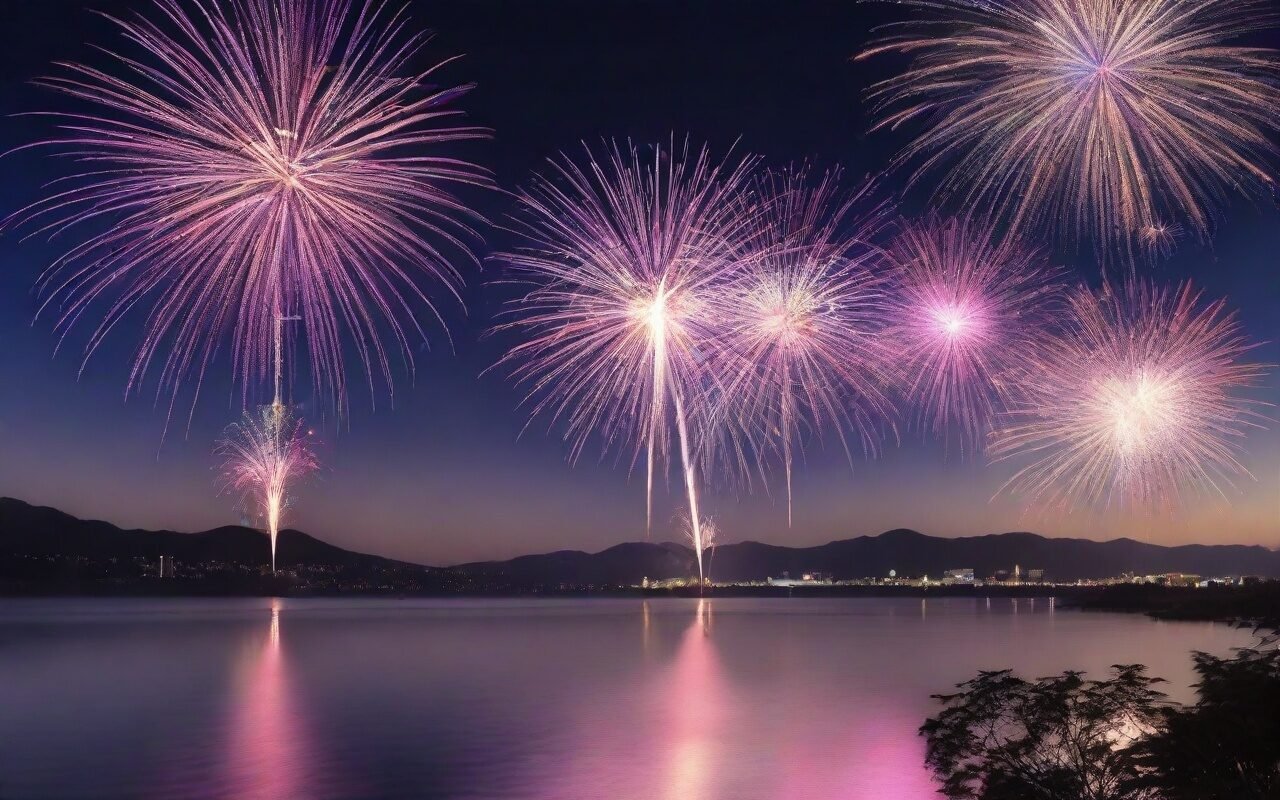
    • Kamakura Fireworks Festival at Yuigahama Beach: Mid Jul. 7,000 fireworks over the bay.
    • Enoshima Beach Season: Jul 1. Beach houses, swimming, water sports.
    • Miura Fireworks Festival on Miura Coast: Late Jul. Small, cozy fireworks. Tip: The Kamakura Fireworks Festival draws 200,000+ people. Arrive by 4 PM, Bring a blanket and snacks.

    August — Peak Summer

    Top Events:

    • Shonan Beach Peak Season: All Aug. Busiest beach month.
    • Yokohama Pikachu Outbreak at Minato Mirai: Early to mid Aug. 2,000+ Pikachu parade.
    • Odawara Summer Festival: Early Aug. Fireworks over Odawara Castle.
    • Kamakura Bon Odori at temples: Mid Aug. Summer dance. Tip: Pikachu Outbreak is huge. Book rooms months ahead. Weekdays are less busy.

    September — Autumn Begins

    Top Events:

    • Yokohama Oktoberfest at Minato Mirai: Late Sep to early Oct. Beer, food, music.
    • Hakone Autumn Color Preview at high places: Late Sep. First fall colors.
    • Miura Tuna Festival at Misaki Port: Sep. Tuna cutting shows, fresh market. Tip: September is a good month to visit. Summer crowds thin out. Weather is still warm.

    October — Autumn Colors

    Top Events:

    • Yokohama Autumn Leaves at Sankeien Garden: Late Oct to late Nov. Peak fall colors.
    • Hakone Autumn Peak at Open-Air Museum, ropeway: Late Oct to mid Nov. Great fall colors.
    • Halloween Events in Yokohama, Kawasaki: Oct 31. Costume parades. Tip: For Hakone fall colors without crowds, go on a weekday when the ropeway opens (9 AM).

    November — Peak Autumn & Lights Begin

    Top Events:

    • Yokohama Red Brick Winter Market: Late Nov to Dec. Christmas market, mulled wine.
    • Kamakura Autumn Peak at Engaku-ji, Kencho-ji: Mid Nov. Fall colors at Zen temples.
    • Enoshima Gems of Shonan lights: Late Nov to Feb. Winter lights on the island. Tip: Visit both the Red Brick Market and Enoshima lights on the same day for a great evening.

    December — Winter Magic

    Top Events:

    • Yokohama Christmas Market at Minato Mirai, Red Brick: Dec. European-style market, lights.
    • Enoshima Gems of Shonan: Through Feb. Peak winter lights.
    • Yokohama New Year Countdown at Minato Mirai: Dec 31. Fireworks. Tip: Dec 30 to Jan 3 is quiet for attractions (many close) but busy for temples and shops.

    Year-Round Events

    • Misaki Morning Market at Misaki Port: Daily (7 AM – 1 PM)
    • Kamakura Antique Market near Kamakura Station: 1st & 3rd Sunday
    • Yokohama Chinatown Events: Seasonal (Chinese New Year, Moon Festival)

    Tips

    Practical notes from my trips to exploring Kanagawa: confirm the latest hours on the official website, buy tickets in advance when you can, and leave extra time for trains and walking between stops. Keeping your first day lighter also helps you enjoy the second day without feeling rushed.

    Conclusion

    The details in this guide come from real visits, and the biggest lesson I took away was that the best experiences in Kanagawa rarely fit neatly into a checklist. During my visit I went with a rough plan and found that leaving room to wander made the trip far more memorable. Plan the essentials, keep your schedule flexible, and you will leave Kanagawa wanting to return.
  • Kanagawa Seasonal Festivals Calendar 2026 — Year-Round…

    Kanagawa Seasonal Festivals Calendar 2026 — Year-Round…

    Introduction

    Kanagawa’s festival calendar is packed year-round with firework displays, historical processions, and local celebrations. This guide covers the major festivals month by month with attendance tips and transport advice.

    🎆 Month-by-Month Festival Calendar

    January

    Festival Location Date (2026) What to Expect Crowd Entry
    Hakone Ekiden Hakone-Tokyo Jan 2 University relay race — national obsession 🔴 Very high Free along route
    Hatsumode All temples/shrines Jan 1-3 First shrine visit — Tsurugaoka Hachimangu gets 2M people 🔴 Extreme Free
    Daruma Market Kawasaki Jan 20-21 buy daruma dolls for good luck 🟡 Moderate Free

    Tip: New Year’s at Tsurugaoka Hachimangu is an amazing atmosphere but prepare for 1+ hour queues. Go early (5-6 AM Jan 1) or late (Jan 4+).

    February

    Festival Location Date What to Expect
    Odawara Plum Blossom Festival Odawara Castle Early Feb-Early Mar 300+ plum trees, night lights (weekends)

    Kanagawa Seasonal Festivals Calendar 2026

    Overview

    Kanagawa’s calendar is packed with festivals year-round. From solemn ceremonies to exuberant parades and amazing fireworks.

    Spring (March-May)

    March: Odawara Castle Plum Blossom Festival. April: Kamakura Matsuri (yabusame), Odawara Castle Sakura Festival night lights. May: Yokohama Jazz Promenade, Hakone Azalea Festival.

    Summer (June-August)

    June: Hydrangea Festival (Meigetsuin, Hasedera). July: Yokohama Sparkling Twilight (15,000 shells), Tanabata, beach opening. August: Kamakura, Enoshima, Odawara, Miura fireworks. Bon Odori dancing.

    Autumn (September-November)

    October: Yokohama Oktoberfest, Nakizumo (crying baby festival). November: Koyo foliage peak, Hakone Daimyo Gyoretsu, lights begin.

    Winter (December-February)

    December: Minato Mirai lights, Christmas markets. January: Hatsumode at Tsurugaoka Hachimangu, Hakone Ekiden. February: Setsubun (Feb 3). plum blossoms.

    Booking

    Book 3-4 months ahead for major events (Kamakura Matsuri. New Year’s).nnKanagawa Seasonal Festivals Calendar 2026 — Year-Round... — Overview

    March

    Festival Location Date What to Expect
    Odawara Castle Sakura Festival Odawara Castle Late Mar-Early Apr Night lights. 300+ cherry trees
    Early cherry blossoms Various parks Late Mar Start of sakura season

    April

    Festival Location Date What to Expect Entry
    Kamakura Matsuri Tsurugaoka Hachimangu Early-Mid Apr Yabusame (horseback archery). music Free
    Kamakura Cherry Blossom Various temples Early Apr Peak sakura — Temples are packed Temple fees apply
    Yokohama Port Opening Yamashita Park Early Apr Commemorates 1859 port opening, ship tours Free

    Yabusame viewing tip: Arrive 2 hours early for a good spot. The archery is held on the main approach to Tsurugaoka Hachimangu. Best views: near the first arch (ichino-torii).

    May

    Festival Location Date What to Expect
    Odawara Hojo Godai Festival Odawara Castle Early May 1,000+ samurai in armor, yabusame
    Yokohama Jazz Promenade Multiple venues Early May 200+ live jazz performances across the city
    Hakone Azalea Festival Hakone (Gora area) Mid-Late May 50,000+ azalea bushes in bloom

    June

    Festival Location What to Expect
    Hydrangea Festival Meigetsuin, other Kamakura temples 2,500+ hydrangea bushes — Meigetsuin is the most famous
    Yokohama Port Festival Yamashita Park Parade, international food fair

    July

    Festival Location What to Expect
    Yokohama Sparkling Twilight Yamashita Park 15,000+ shells — best fireworks in Kanagawa. Arrive 3 hours early
    Tanabata Multiple locations Star festival — wish paper strips on bamboo
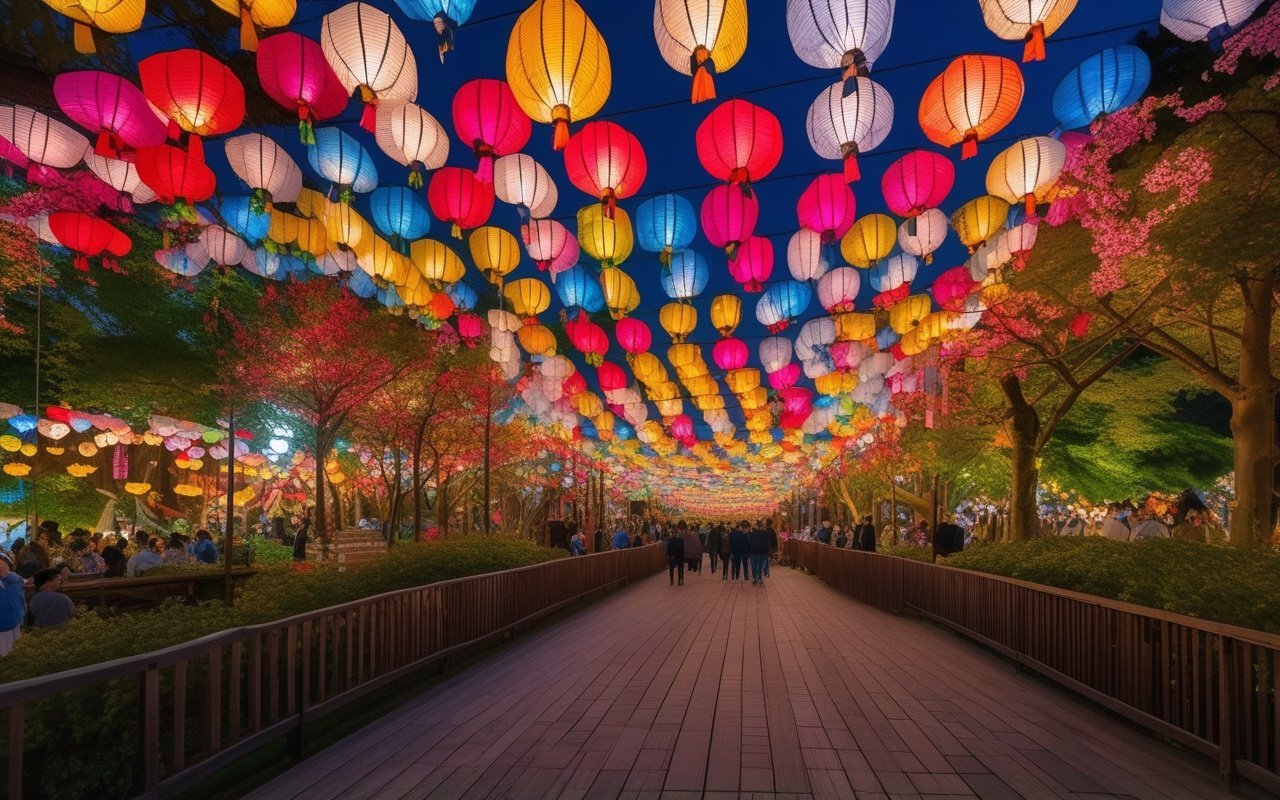
    Enoshima Lantern Festival Enoshima Island 1,000+ lanterns illuminated at night, July-August

    August

    Festival Location What to Expect
    Kamakura Fireworks Yuigahama Beach 4,000 shells shot over the water. Best viewed from beach
    Odawara Komagataze Fireworks Odawara Port 5,000 shells, countdown-style finale
    Miura Fireworks Miura Peninsula Intimate. Least crowded fireworks
    Bon Odori Various neighborhoods Traditional summer dancing, food stalls

    September

    Festival Location What to Expect
    Enoshima Fireworks Enoshima coast Multiple weekend dates. 3,000 shells

    October

    Festival Location What to Expect
    Yokohama Oktoberfest Minato Mirai German beer festival, food stalls
    Nakizumo (Crying Baby Festival) Various shrines Sumo wrestlers hold babies — first to cry wins!. Unique
    Halloween Minato Mirai Cosplay parade, family-friendly events

    November

    Festival Location What to Expect
    Hakone Daimyo Gyoretsu Hakone Yumoto 180+ people in feudal lord costume. 1km procession
    Sankei-en Autumn lights Yokohama Night-time foliage lights. ¥700
    Hakone Sake Festival Hakone Gora Tastings from 10+ breweries. ¥3,000

    December

    Festival Location What to Expect
    Minato Mirai Winter Lights Yokohama 10M+ LEDs. FREE
    Christmas Markets Red Brick Warehouse German mulled wine, artisans
    Hase-dera Winter lights Kamakura Candlelight. Very atmospheric
    Sagamiko Illumillion Sagamiko 6M+ LEDs, one of Japan’s largest. ¥1,500

    🎫 Pro Tips for Festival Attendance

    Festival Type Arrival Time Bring Cost
    Fireworks 2-3 hours early Blue tarp (¥300 Daiso). fan Free ¥2,000-5,000 (paid seats)
    Parades 1-2 hours early Small stool, camera Free
    Temple ceremonies 30 min early Cash for offering (¥100-500). camera Free-¥1,000
    Night lights At opening Tripod (for photos). warm clothing ¥400-1,500
    Food festivals Lunch or early dinner Cash, appetite ¥500-2,000/person for food

    Budget for festivals: Carry ¥3,000-5,000 per person for festival food (takoyaki, Planning ahead makes your Kanagawa trip smoother. The official Kanagawa Tourism website (www.kanagawa-kankou.or.jp) offers multilingual guides and downloadable maps. The Japan National Tourism Organization (JNTO) also provides great resources for first-time visitors, including cultural etiquette guides and emergency contact info.

    How to Get There

    To Yokohama festivals: JR Tokaido Line to Yokohama Station (25 minutes from Tokyo). Most Yokohama festivals are within walking distance of Minato Mirai Line stations. To Kamakura festivals: JR Yokosuka Line to Kamakura Station (1 hour from Tokyo). Major festivals center around Tsurugaoka Hachimangu (10-minute walk from station). To Hakone festivals: Odakyu Romancecar from Shinjuku to Hakone-Yumoto (85 minutes). Festival locations include Gora, Lake Ashi, and Hakone Shrine areas. To Enoshima festivals: Odakyu Limited Express from Shinjuku to Katase-Enoshima (65 minutes). The Enoshima Lantern Festival and autumn lights are at the Enoshima Sea Candle. To Odawara festivals: JR Tokaido Shinkansen to Odawara (35 minutes from Tokyo). The Odawara Hojo Godai Festival (May) and Odawara Summer Festival are major events. I found that having a prepaid IC card saved me significant time navigating between attractions.

    Best Time to Visit

    The ideal seasons for visiting Kanagawa are spring (March-May) and autumn (September-November) when temperatures are moderate and rainfall is minimal. Summer offers vibrant festivals and beach activities despite the humidity. Winter provides crisp clear days perfect for photography and sightseeing with fewer tourists.

    What to Expect

    Visiting Kanagawa as a tourist offers a blend of urban convenience and natural beauty. Most attractions are within a 10-15 minute walk from train stations, with clear English signage at major locations. You’ll find convenience stores (konbini) every few blocks for snacks, drinks, and ATM access. Public restrooms are available at stations and parks, though some older facilities may lack Western-style toilets. The area is generally very safe, even at night, but staying aware of your surroundings is always wise.

    Nearby Recommendations

    After exploring the main attractions, consider visiting nearby areas for a more complete experience. Most destinations are within 30 minutes of several other interesting spots by train. Check the local tourist information center for day-trip combinations and discount passes that cover multiple attractions in the area. Many hidden gems are just a short walk or one train stop away from the main tourist hubs.

    Local Tips

    Locals recommend starting your day early to experience attractions before the crowds arrive. Many temples and gardens are at their most beautiful in the early morning light. Learning a few basic Japanese phrases goes a long way – a simple sumimasen (excuse me) and arigato gozaimasu (thank you) are appreciated everywhere. Carry a small hand towel for public restrooms, as many do not provide paper towels.

    What to Bring

    Smart travelers to Kanagawa pack light and bring layers. The weather can shift from warm to cool within a day, especially in spring and autumn. A portable WiFi device or SIM card is essential for navigation and translation. Bring a small notebook and pen for jotting down recommendations or addresses. Hand sanitizer and tissues are useful as some public restrooms lack soap and paper towels. Consider packing a foldable tote bag for souvenirs and grocery shopping.

    Money-Saving Tips

    Kanagawa offers many ways to save money without sacrificing experience. Purchase a day pass if you plan to visit multiple attractions in one area. Eat lunch at local department store basements (depachika) where prepared foods are high quality and reasonably priced. Look for discount tickets at convenience store ticketing machines. Consider staying in business hotels or capsule hotels in less central locations for significant savings. Many museums and temples offer discounts for students and seniors.n

    Photo Tips

    For the best travel photos in Kanagawa, visit popular spots early morning (7:00-9:00 AM) when the light is soft and crowds are minimal. Golden hour (just before sunset) provides warm, dramatic lighting perfect for landscapes. Many temples and gardens are designed to be photographed from specific viewpoints – look for the intended composition. A polarizing filter helps reduce glare when shooting through glass or water. Respect no-photography signs inside temple buildings and museums.

    Dos and Don’ts

    Do carry cash as many smaller establishments are cash-only. Do be punctual for any scheduled activities or meetings. Do use the designated smoking areas rather than smoking on the street. Don’t talk loudly on trains or buses – keep phone calls brief. Don’t enter restricted areas at temples and shrines. Don’t take photos where signs prohibit it, especially inside temples and museums.

    Frequently Asked Questions

    Q: Q: What are the biggest festivals in Kanagawa?
    A: A: Yokohama Sparkling Twilight (fireworks. Kamakura Matsuri (horseback archery. Hakone Daimyo Gyoretsu (feudal procession. Enoshima Lantern Festival (July-August). and Odawara Hojo Godai Festival (samurai parade. Q: Q: Are festivals free to attend?
    A: A: Most outdoor festivals are free. Fireworks may have paid reserved seats (¥2,000-5,000). Food and activities are pay-as-you-go — bring ¥3,000-5,000 per person. Q: Q: When are the best fireworks festivals?
    A: A: Yokohama Sparkling Twilight (July, 15,000 shells) is the biggest. Kamakura Fireworks (August) is iconic. Miura Fireworks is the least crowded. All draw huge crowds — bring a tarp and arrive 2-3 hours early. Q: Q: What should I wear to a festival?
    A: A: Summer: light clothing, comfy shoes, small fan, sun protection, insect repellent. Yukata (summer kimono) is traditional — rental shops near festivals start at ¥3,000 for dress-up. Avoid open-toe shoes in crowded areas. Q: Q: Can I take photos at festivals?
    A:** A: Yes! photos welcome at most festivals. Fireworks: use a tripod (if allowed) and manual focus (auto-focus struggles with shells). Night events: don’t use flash — it disturbs performers. Be respectful of people behind you if holding camera above head.

    Summary: Festivals Make Kanagawa Special

    Kanagawa’s festival calendar is rich and diverse — from the solemn beauty of Hatsumode at Tsurugaoka Hachimangu to the explosive spectacle of Yokohama Sparkling Twilight, Planning your trip around a festival adds a great dimension to your visit. Three takeaways for festival-goers:

    1. Book lodging 3-4 months ahead for major events (Golden Week, Yokohama Sparkling Twilight, New Year’s)
    2. Arrive 2-3 hours early for fireworks and parades — bring a tarp, snacks, and patience
    3. Don’t miss the smaller festivals — Nakizumo (crying baby) and local Bon Odori are more intimate and authentic For more seasonal guides, see our Spring Guide. and Hakone Daimyo Gyoretsu.

    Festival Tips

    Most Kanagawa festivals are free to attend, but reserved seating for major fireworks displays costs ¥2,000-5,000 and sells out weeks in advance, Bring cash for food stalls (¥500-1,000 per item) and arrive 1-2 hours early for a good viewing spot, comfy shoes are essential — you’ll likely stand for several hours. Download the festival’s official app for real-time schedule updates and rain date info.

    Final Thoughts

    Kanagawa Seasonal Festivals Calendar 202… is your starting point for exploring this part of Kanagawa. With these practical tips, you’ll navigate Kanagawa with confidence and enjoy a smooth travel time. For more guides, check out our other articles covering Hakone, Kamakura, Yokohama, Shonan, and the Miura Peninsula. —

    Packing Essentials

    For a trip to Kanagawa, pack comfortable walking shoes as you will be on your feet exploring temples, shrines, and neighborhoods. A reusable water bottle is essential – tap water is safe to drink. A small umbrella or light rain jacket is useful year-round. Power banks are recommended since you will rely on your phone for maps. A small daypack for daily essentials makes sightseeing more convenient.

    Conclusion

    Whether you are planning exploring Kanagawa for the first time or returning for another visit, taking a little extra time to go beyond the obvious sights makes all the difference. During my visit I went with a rough plan and found that leaving room to wander made the trip far more memorable. I hope this guide helps you build an itinerary that fits your pace, and that your time in Kanagawa leaves you with memories worth coming back for.

  • Miura Fireworks Festival Guide — Complete Guide 2026

    Miura Fireworks Festival Guide — Complete Guide 2026

    Overview

    The Misaki Port Fireworks Festival is one of Kanagawa’s premier summer events, launching 3,000 shells over the fishing harbor in early August. Unlike the massive Yokohama or Enoshima displays that draw 100,000+ spectators, Misaki remains relatively intimate with around 20,000 attendees — enough for a lively atmosphere but not so crowded that you cannot find a good viewing spot.

    Miura Fireworks Festival Guide — Complete Guide 2026 — Overview

    I attended the Misaki Port Fireworks in 2025 and arrived at 3:00 PM — three hours before the 7:30 PM start — which let me secure a spot on the harbor wall with an unobstructed view. The food stalls were already set up along the port road, serving yakisoba, takoyaki, and grilled squid. The fireworks themselves were spectacular, with the finale lasting nearly 10 minutes. For more summer activities in the area, see our Kanagawa summer fireworks guide or Miura peninsula camping guide.

    Festival Comparison

    Festival Date Fireworks Crowds Best For
    Misaki Port Early August 3,000 ~20,000 Authentic local atmosphere, manageable crowds
    Minamishitaura Mid-July 1,500 ~10,000 Intimate, family-friendly, less crowded
    Zushi Sea Festival Late July 2,000 ~30,000 Beach access, Shonan atmosphere

    Best Viewing Spots at Misaki Port

    Arriving early is essential. Here are the best spots based on my experience:

    1. The Harbor Wall (Free)

    The raised concrete wall along the eastern side of the port offers the best free viewing. I arrived at 3:00 PM and found a spot easily, but by 5:00 PM the wall was full. Bring a cushion or small stool — sitting on concrete for 3+ hours gets uncomfortable.

    2. Reserved Seating Area (¥3,000–5,000)

    A reserved seat on the port’s main pier includes a clear view of the launch barges. The seats are folding chairs set up in rows, and the price includes a drink. Book 2–3 months ahead through the Misaki Port Tourism Association website.

    3. Minamishitaura Beach (Alternative Festival)

    If you prefer a beach setting, the Minamishitaura Festival in mid-July has a more relaxed atmosphere. The fireworks are smaller (1,500 shells) but the beach seating is more comfortable and crowds are half the size. For beach preparation tips, see our Shonan beach guide.

    Getting There and Away

    The main challenge of attending any fireworks festival in Miura is the transportation. Misaki Port is at the end of the Keikyu Line, and trains after the fireworks are extremely crowded.

    Access Options

    Route Time from Tokyo Cost (one-way) Notes
    Keikyu Line to Misakiguchi 75 min from Shinagawa ¥1,050 Most direct, very crowded after fireworks
    Car (via Yokohama-Yokosuka Road) 60 min from Yokohama ¥1,500 toll Parking ¥2,000–3,000
    Overnight stay Various Best option — avoid train chaos

    My Recommendation: Stay Overnight

    The best decision I made was booking a room at a local minshaku (guesthouse) near Misaki Port. After the fireworks ended and 20,000 people rushed for the train station, I walked 10 minutes to my accommodation, took a hot bath, and had a calm dinner at a nearby izakaya. The next morning, I explored the morning market before heading home. Total accommodation cost: ¥8,000 for a basic but comfortable room. For accommodation options, see our Miura peninsula camping guide or Kanagawa accommodation guide.

    What to Bring

    • Seating: A portable stool or cushion (essential for free spots)
    • Food: Some food stalls have long queues; bringing snacks helps
    • Bug spray: Mosquitoes are active near the harbor at dusk
    • Light jacket: It can get cool near the water after sunset
    • Cash: Food stalls are cash-only; bring ¥3,000–5,000 for food and drinks
    • Trash bag: Public bins fill quickly; take your trash home

    Food Stalls at the Festival

    The food stalls (yatai) along the port road opened around 4:00 PM when I visited:

    • Grilled squid (¥600) — local specialty, fresh from Misaki waters
    • Yakisoba (¥500) — standard festival fare
    • Takoyaki (¥600) — octopus balls, 8 pieces
    • Cotton candy (¥300) — popular with children
    • Beer (¥600) — served in cups, bring ID

    Frequently Asked Questions

    Q: What time should I arrive?
    A: For free spots, arrive by 3:00 PM (4.5 hours before the 7:30 PM start). For reserved seats, arrival by 5:00 PM is fine.

    Q: Is the festival suitable for children?
    A: Yes, the atmosphere is family-friendly. The reserved seating area has no alcohol policy, making it a good choice for families with young children. Yabusame (horseback archery) demonstrations are held in the afternoon before the fireworks.

    Q: Can I bring my own food and drinks?
    A: Yes, many locals bring picnic setups. Alcohol is allowed in the free area but not in the reserved section. Glass bottles are discouraged for safety.

    Q: What happens if it rains?
    A: The festival is typically held rain or shine unless there is a severe weather warning. In case of lightning or strong winds, the fireworks may be postponed or canceled. Check the official website on the day of the festival.

    Q: Are English announcements available?
    A: The main announcements are in Japanese. However, the festival website has an English information page. The ticket booth staff speak basic English.

    🎯 Practical Tips for Your Visit

    Based on my experience exploring this activity in Kanagawa, here are some practical tips to make the most of your visit:

    • Start early in the day to avoid crowds and make the most of daylight hours. I found that arriving by 9 AM gave me a much more relaxed experience.
    • Bring comfortable walking shoes and weather-appropriate clothing. The weather in Kanagawa can change quickly, especially near the coast.
    • Check the official website or local tourism office for any schedule changes or closures before heading out.

    📅 Planning Your Visit

    The best time to plan this activity depends on your preferences. Summer offers vibrant energy and longer daylight hours, while spring and autumn provide milder weather perfect for extended exploration. Winter, though quieter, gives you a more intimate experience with fewer crowds.

    Most venues in Kanagawa open around 9 AM or 10 AM. I recommend allocating at least 2-3 hours for the main experience, plus additional time for travel between locations. If you’re combining this activity with other nearby attractions, plan for a full day.

    Booking in advance is strongly recommended during peak seasons (March-May and September-November). Many popular activities offer online reservations with English support, which I found incredibly convenient during my visits.

    Where I Watched the Miura Fireworks

    I watched the Miura Fireworks Festival from two different locations, and the experience varied significantly. The first year, I joined the crowds at Misaki Port — the fireworks are launched from a barge near the port entrance, and the view was unobstructed. I arrived at 5 PM for the 7:30 PM start and found a spot on the pier wall. The downside was the crowd — an estimated 30,000 people packed into the port area.

    The second year, I discovered a better spot: the hill above Aburatsubo about 1 kilometre south of the port. The elevation gives you a view not just of the fireworks but of the entire Misaki coastline. I parked my bicycle on the hill and sat on the grass with a small group of locals who had brought their own chairs and drinks. The crowd was about one-tenth of the port’s.

    Practical advice I learned: the festival runs in early August, and the date changes slightly each year — check the Miura City tourism website for exact dates. Bring a blanket to sit on (the ground gets dewy after sunset) and mosquito repellent. The food stalls near the port have long queues, but they also have a dedicated halal-friendly stall run by a local Indonesian community group that serves excellent grilled chicken skewers (¥400).

    Best Time to Visit

    Outdoor activities are best enjoyed in spring and autumn when temperatures are comfortable. Summer activities like swimming and surfing are popular from July to August. Some activities may close during winter months. Check operating schedules before planning your visit. Weekday mornings offer the best experience with fewer crowds.

    What to Expect

    Most activities are designed to be accessible for international visitors. Staff at popular attractions are accustomed to non-Japanese speakers and can communicate through basic English or translation apps. Duration varies from 1-2 hour experiences to half-day adventures. Wear appropriate clothing – many activities involve walking or standing for extended periods. Some outdoor activities may have age or height restrictions. Always check the official website before visiting for the latest information.

    Nearby Recommendations

    Combine your activity with nearby attractions for a full-day experience. Many activity locations are close to other points of interest, making it easy to plan a varied itinerary. Check the official website for nearby partner attractions that offer discounts when visited together. Most areas have good lunch options within walking distance of activity venues.

    Local Tips

    Those who frequent these activities suggest checking social media for last-minute openings and special events. Some venues offer discounted admission during certain hours or days of the week. Combining multiple activities in the same area saves travel time and often qualifies for package discounts. Consider joining a group tour for activities that require specialized equipment or guidance.n

    Conclusion

    The details in this guide come from real visits, and the biggest lesson I took away was that the best experiences in the Miura Peninsula rarely fit neatly into a checklist. During my visit to the Miura Peninsula I went with a rough plan and found that leaving room to wander made the trip far more memorable. Plan the essentials, keep your schedule flexible, and you will leave Kanagawa wanting to return.
  • Kanagawa Tanabata Festival Guide — Top Events & Spots 2026

    Kanagawa Tanabata Festival Guide — Top Events & Spots 2026

    Kanagawa Tanabata Festival Guide – Top Events & Viewing Spots

    Overview

    The Tanabata Tradition

    Before diving into specific festivals, it helps to understand the core elements of Tanabata that you will encounter at any celebration:

    Tanzaku (短冊): Small strips of colored paper on which people write wishes and tie to bamboo branches. Each color traditionally represents a different wish: blue/green for personal growth, red for family and gratitude, yellow for friendship, white for duty and rules, and black/purple for career and studies.

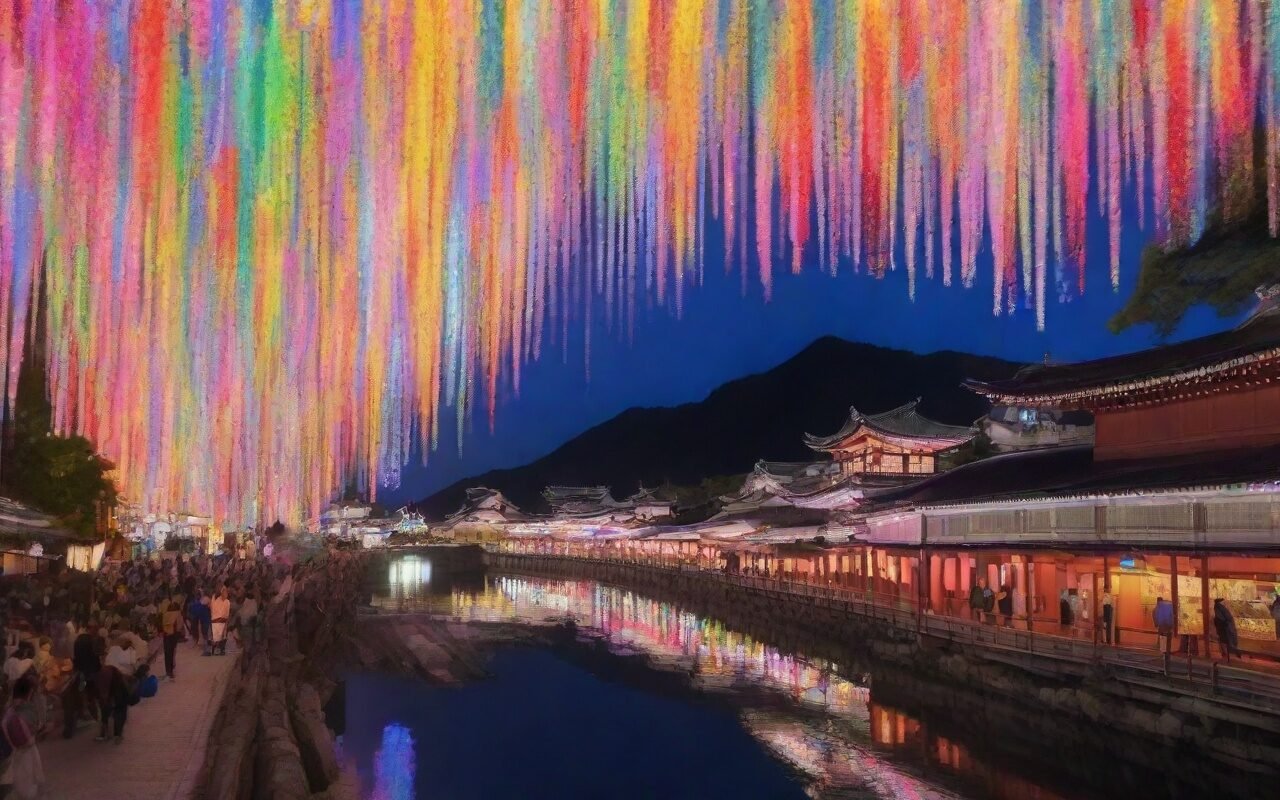
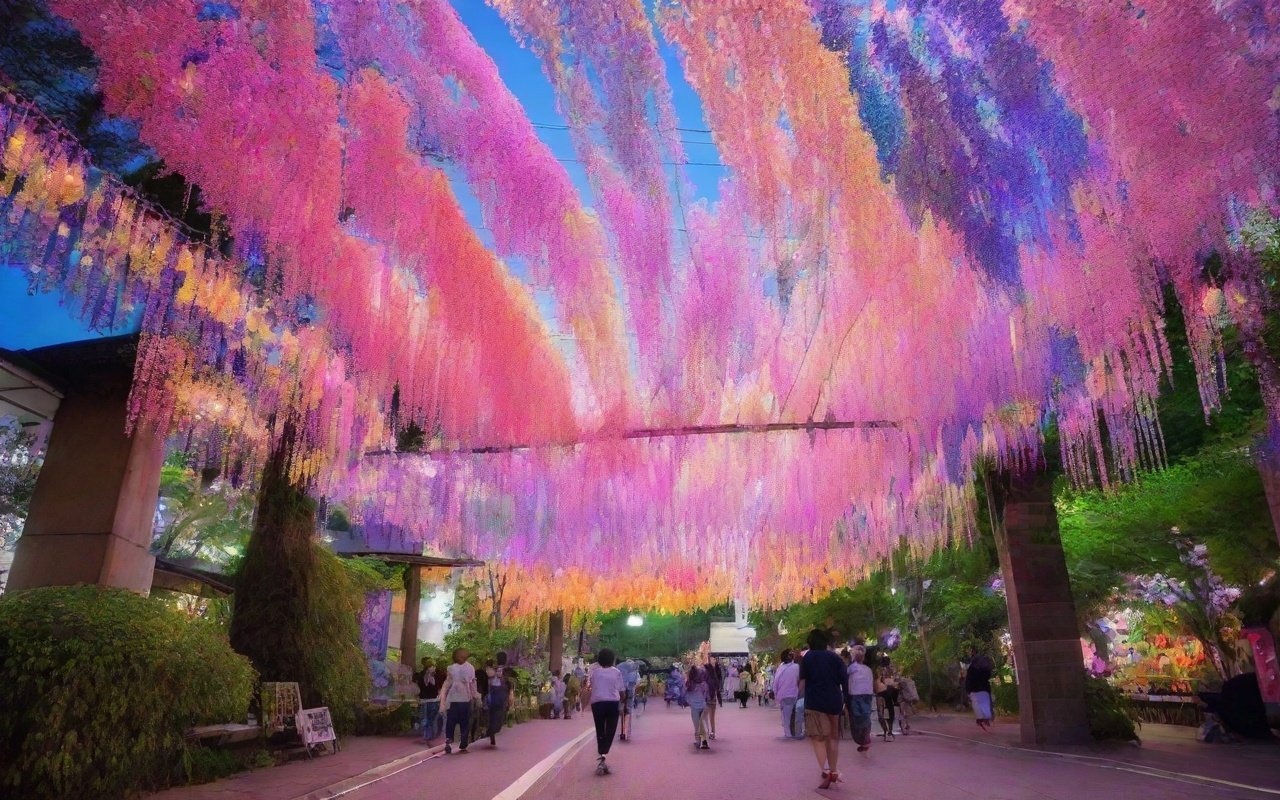
    Fukinagashi (吹き流し): Large, colorful streamers hung from bamboo or displayed in shopping arcades. Each streamer represents a different element or virtue. The sight of hundreds of streamers rustling in the summer breeze is the visual hallmark of Tanabata.

    Sasadake (笹竹): Bamboo branches decorated with tanzaku, origami, and other ornaments. Many temples and shrines allow you to purchase a tanzaku (¥100–¥200) and hang your wish on their bamboo display.

    Street food: Typical summer festival fare including yakisoba (¥500–¥700), takoyaki (¥600–¥800), kakigori (shaved ice, ¥400–¥600), cotton candy, and chocolate bananas. I found that visiting during weekday mornings offered the most relaxed experience, something I confirmed over multiple trips.

    Major Tanabata Festivals in Kanagawa

    Yokohama Tanabata Festival

    Held in the Kannai and Minato Mirai districts, the Yokohama Tanabata Festival is the largest in the prefecture, attracting over 300,000 visitors each year.

    2026 dates: July 3–5 (Friday–Sun2026
    Location: Yokohama Park, Bashamichi Street, and O-Sanbashi Pier
    Hours: 10:00 AM – 9:00 PM (street stalls from noon)
    Admission: Free

    Highlights: A 10-meter-tall Tanabata bamboo display at Yokohama Park, a streamer competition judged by local celebrities, evening projections on the Landmark Tower, and a night market with over 200 food and game stalls along Bashamichi Street. On Saturday evening, a fireworks display over Yokohama Bay (approximately 5,000 shells) forms the festival’s climax.

    Pro tip: The fireworks can be viewed from Osanbashi Pier, Yamashita Park, or the Minato Mirai waterfront. Arrive by 5:00 PM to secure a good viewing spot — bring a blanket or picnic sheet.

    Hiratsuka Tanabata Festival

    Hiratsuka’s festival is known for its massive, intricate streamers, some measuring over 5 meters in length, created by local community groups and businesses.

    2026 dates: July 10–12 (Friday–Sunday)
    Location: Hiratsuka Station East Exit area, shopping arcades
    Hours: 11:00 AM – 9:00 PM
    Admission: Free

    Highlights: The streamer parade on Saturday afternoon, where teams carry their creations through the main shopping street accompanied by taiko drumming. The festival also features a yukata (summer kimono) contest and local food stalls specializing in shirasu (whitebait) dishes unique to the Shonan coast.

    Hiratsuka is accessible from Tokyo via the Tokaido Main Line (60–75 minutes, ¥1,000–¥1,300). The festival is less crowded than Yokohama’s, making it a good choice for families.

    Kamakura Tanabata at Tsurugaoka Hachimangu

    The Tanabata celebration at Tsurugaoka Hachimangu, Kamakura’s most important shrine, has a more spiritual atmosphere compared to the city-center festivals.

    2026 dates: July 7 (Tuesday, evening ceremony)
    Location: Tsurugaoka Hachimangu, Kamakura
    Hours: Tanzaku available from 9:00 AM; main ceremony at 6:00 PM
    Admission: Free (tanzaku ¥200)

    Highlights: A traditional Shinto ceremony where shrine maidens (miko) perform a dance to mark the meeting of Orihime and Hikoboshi. Visitors can write wishes on special shrine tanzaku and hang them on giant bamboo displays that remain in place until July 15. The evening ceremony includes a torch-lit procession from the main shrine to the lower grounds.

    Enoshima Tanabata Lights

    Enoshima island puts a unique spin on Tanabata with a evening illumination event that runs throughout July. 2026 dates: July 1–31
    Location: Enoshima Island, Samuel Cocking Garden
    Hours: 5:00 PM – 9:00 PM (lights on from sunset)
    Admission: Free (Samuel Cocking Garden ¥500)

    Highlights: The Enoshima Sea Candle observation tower and the Samuel Cocking Garden are decorated with star-themed illuminations. A special “wishing path” along the main approach to the shrine is lined with illuminated tanzaku displays.


    Tanabata Etiquette and Tips

    Writing your wish: Use a black pen or marker for best visibility. Write your wish clearly in the center of the tanzaku. Common wishes include health, academic success, love, or travel dreams. Sign your name at the bottom.

    Dress for summer: July in Kanagawa is hot and humid (28–35°C / 82–95°F). Wear light, breathable clothing. Many visitors wear yukata (light summer kimono) — if you want to try it, rental shops near festival venues offer yukata sets for ¥3,000–¥5,000 including dressing assistance and accessories. Cash: Most festival food stalls are cash-only, Bring ¥3,000–¥5,000 per person for food, drinks, and games.


    📍 Location

    Kanagawa Tanabata Festival Guide — Top Events & Spots 2026 — Location

    Major festival locations across Kanagawa. Yokohama’s celebration centers on Kannai Station (JR Negishi Line), Kamakura’s on Kamakura Station (JR Yokosuka Line), Hiratsuka’s on Hiratsuka Station (JR Tokaido Line), and Enoshima’s on Katase-Enoshima Station (Odakyu Line).

    Kanagawa Tanabata Festival Guide — Top Events & Spots 2026 — Location


    💰 Budget Breakdown

    Item Price
    Festival admission Free
    Food & drinks (per person) ¥2,000–¥4,000
    Tanzaku wish strip ¥100–¥200
    Yukata rental ¥3,000–¥5,000
    Fireworks viewing spot reservation ¥0 (free) – ¥3,000 (reserved seat)
    Typical evening cost ¥3,000–¥6,000

    Kanagawa Tanabata Festival Guide — Top Events & Spots 2026 — Budget Breakdown


    Planning Your Tanabata Visit

    For a full Tanabata experience, combine a festival visit with other summer activities in Kanagawa. Yokohama’s festival can be paired with a visit to the Cup Noodles Museum or a waterfront dinner in Minato Mirai. Kamakura’s Tsurugaoka Hachimangu celebration fits perfectly into a day of temple and shrine visits. Hiratsuka’s festival is close to the Shonan beaches, so you can combine an afternoon at the beach with the evening festivities.

    Kanagawa Tanabata Festival Guide — Top Events & Spots 2026 — Planning Your Tanabata Visit

    Whichever festival you choose, Tanabata in Kanagawa offers a beautiful blend of ancient tradition and modern celebration — and a chance to contribute your own wish to the starry night sky.


    Frequently Asked Questions

    Q: When can I see the best seasonal scenery here?
    A: If you are timing your visit for natural beauty, late March to early April brings cherry blossoms, June-July features vibrant hydrangeas and fresh greenery, and November showcases spectacular autumn colors. Each season offers a different perspective on the landscape.

    Q: Is this destination easy to reach by public transport?
    A:
    Yes. Kanagawa has excellent public transport connections from Tokyo. Most destinations are within an hour by train. The nearest station is typically a short walk or bus ride from the main attractions. For detailed route information, check the transport section above.

    Q: Is this destination manageable as a day trip from Tokyo?
    A: Yes, all destinations in this guide work well as day trips. Plan to arrive by late morning to see the main highlights. For a relaxed pace including lunch and optional detours, allow 6-8 hours. If you have more time, extending your stay overnight lets you explore at a leisurely pace and enjoy evening attractions.

    Q: Do I need any special skills or equipment to enjoy this destination?
    A:
    Most attractions in this guide are accessible to visitors of all backgrounds and fitness levels. Well-maintained paths, clear signage, and English information make navigation easy. For activities requiring specific gear (hiking shoes, swimwear, etc.), recommendations are included in the relevant sections above.

    . . Tanabata (七夕), also known as the Star Festival, is one of Japan’s most beloved summer traditions, Celebrated on July 7 (or early August in some regions following the lunar calendar), Tanabata commemorates the legend of Orihime (the Weaver Star, Vega) and Hikoboshi (the Cowherd Star, Altair) — two lovers separated by the Milky Way who acalendared to meet just once a year on the seventh night of the seventh month.
    Across Kanagawa Prefecture, cities and neighborhoods host Tanabata festivals featuring vibrant streamers (fukinagashi), bamboo decorations (sasadake), wish-writing (tanzaku), parades, food stalls, and evening fireworks. While Sendai’s Tanabata is the most famous nationwide, Kanagawa’s celebrations offer a more intimate, authentic experience with their own local character.
    This guide covers the major Tanabata festivals across Kanagawa in 2026, along with the traditions, food, and tips for making the most of the celebration.

    Kanagawa’s festivals pulse with community spirit, offering visitors a rare chance to participate in traditions that have connected generations.

    Packing Essentials

    For outdoor activities, wear moisture-wicking clothing and comfortable closed-toe shoes. Sunscreen and a hat are essential during summer. A small towel is useful for wiping sweat. A waterproof phone pouch is useful for water activities. Pack snacks and extra water for remote areas.

    Conclusion

    Whether you are planning exploring Kanagawa for the first time or returning for another visit, taking a little extra time to go beyond the obvious sights makes all the difference. During my visit I went with a rough plan and found that leaving room to wander made the trip far more memorable. I hope this guide helps you build an itinerary that fits your pace, and that your time in Kanagawa leaves you with memories worth coming back for.

  • Kanagawa Tanabata Festival 2026 — Hiratsuka & Kamakura

    Kanagawa Tanabata Festival 2026 — Hiratsuka & Kamakura

    Overview

    I visited both the Hiratsuka and Kamakura Tanabata festivals to compare their decorations, crowds, and atmosphere. Hiratsuka’s massive streamers and Kamakura’s historic setting each offer a unique celebration — here is what I recommend based on your travel style.

    Key Points

    • Good for: Culture fans, families, photographers
    • Time: Half-day to full day
    • Best season: August (Summer)
    • Cost: ¥3,000-6,000 per person

    Kanagawa has some of Japan’s best Tanabata festivals in August. The Hiratsuka Tanabata Festival is one of the biggest in the Kanto area. It has over 3,000 colorful streamers in the shopping streets.

    Money-Saving Tips

    Kanagawa Tanabata Festivals Improved

    Kanagawa Tanabata Festival Highlights – Hiratsuka & Kamakura 2026 — Money-Saving Tips

    • Free entry: Most Tanabata areas are free to walk through
    • Combo food deals: Look for food sets (¥1,000-1,500) instead of single items
    • Early bird deals: Some shops have special prices on the first two days
    • Day passes: Buy passes for unlimited train and bus travel

    Kanagawa Tanabata Festival Highlights detailed view and features

    Location

    Kanagawa Tanabata Festival Highlights – Hiratsuka & Kamakura 2026 — Location

    Kanagawa Prefecture, Japan (Hiratsuka and Kamakura areas)

    1. Hiratsuka Tanabata Festival

    One of the three big Tanabata festivals in the Kanto area. It has over 1,000 colorful bamboo decorations along the shopping streets. Highlights:

    • Big bamboo displays
    • Dance shows
    • Food stalls
    • Night lights Access:
    • From Tokyo: 60 min by train (JR Tokaido Line)
    • From Yokohama: 40 min by train Best Time to Visit: Early August (usually Aug 1-4) Cost: Free (food and gifts extra)

    The Hiratsuka Tanabata Festival turns the city’s shopping streets into a colorful wonderland. Over 1,000 bamboo poles have paper streamers, origami, and Tanabata decorations. The festival gets over 1 million visitors each year.

    History:
    Tanabata is the Star Festival. It comes from the Chinese Qixi Festival. It celebrates two star lovers, Orihime and Hikoboshi. They can only meet once a year on the seventh day of the seventh month.

    Festival Schedule:

    • Day 1 (Aug 1) : Opening, bamboo setup
    • Day 2 (Aug 2) : Dance shows, food stalls open
    • Day 3 (Aug 3) : Main event, night lights
    • Day 4 (Aug 4) : Closing, bamboo removal

    Photo Tips:

    • Best shots: Early morning (6-8 AM) for empty streets
    • Night lights: Tripod helps
    • Crowd shots: Telephoto lens from high spots

    2. Kamakura Tanabata Events

    A smaller celebration that mixes Tanabata customs with Kamakura’s old temple feel. Highlights:

    • Temple events
    • Craft workshops
    • Cultural shows Access:
    • From Tokyo: 60 min by train (JR Yokosuka Line)
    • From Yokohama: 30 min by train Best Time to Visit: Early August Cost: Free (some temples charge entry)

    Kamakura offers a unique Tanabata. It blends festival fun with the city’s history. Unlike Hiratsuka’s big shows, Kamakura’s events are smaller and focus on culture. Temple Events:

    • Tsurugaoka Hachimangu: Special prayers, music
    • Hasedera: Bamboo displays, night lights
    • Engakuji: Zen sitting, tea Cultural Activities:
    • Origami workshops
    • Writing lessons
    • Costume rental
    • Star-gazing

    Photo Tips:

    • Temple grounds: Wide lens for buildings
    • Bamboo displays: Close-up lens for details
    • Night lights: Tripod needed

    3. Local Community Festivals

    Small neighborhood parties that show real local Japanese culture. Highlights:

    • Local people
    • Old games
    • Local food
    • Family fun Access: Various places in Kanagawa Best Time to Visit: Through August Cost: Free

    Small towns have their own Tanabata parties. These offer a more real and close-up feel. You can talk with local people and join in old games. Activities:

    • Bamboo decoration making
    • Game booths
    • Food stalls
    • Kids’ shows

    Events Comparison

    Festival Days Crowd Best For Cost
    Hiratsuka 4 High Big show Free
    Kamakura 3 Medium Culture Free-¥500
    Local 1-2 Low Real feel Free

    Planning Your Visit

    Hotels:

    • Book 2-3 months ahead
    • Hiratsuka: Business hotels (¥6,000-10,000/night)
    • Kamakura: Ryokans (¥15,000-30,000/night) Getting Around:
    • JR Pass good for multiple days
    • Local buses for temples
    • Walking in Kamakura Weather:
    • August is hot and wet (30-35°C)
    • Bring water, sunscreen, hat
    • Evening events are cooler

    Food:

    • Festival stalls have Japanese street food
    • Try yakisoba, takoyaki, and kakigori (shaved ice)
    • Local restaurants may have special menus
    • Book dinner ahead Shopping:
    • Festival gifts: yukata, fans, crafts
    • Local streets have area products Rules:
    • Respect local ways
    • Ask before taking photos of people
    • Throw away trash properly

    Food Guide

    Festival Food:

    • Yakisoba: Fried noodles with veg and meat
    • Takoyaki: Octopus balls
    • Kakigori: Shaved ice with syrup
    • Taiyaki: Fish-shaped cakes with sweet bean paste
    • Yakitori: Grilled chicken sticks Local Foods:
    • Hiratsuka: Fresh fish from Sagami Bay
    • Kamakura: Temple food (shojin ryori)
    • Yokohama: Chinatown food Tips:
    • Book dinner ahead
    • Try local foods at each festival
    • Bring cash (many stalls no cards)

    Hotels Guide

    Hiratsuka:

    • Business Hotels: ¥6,000-10,000/night
    • Ryokans: ¥15,000-25,000/night
    • Guesthouses: ¥3,000-5,000/night Kamakura:
    • Ryokans: ¥20,000-40,000/night
    • Modern Hotels: ¥10,000-20,000/night
    • Hostels: ¥3,000-6,000/night Tips:
    • Book 2-3 months ahead
    • Look for festival deals
    • Think about staying in Yokohama or Fujisawa

    Getting There

    From Tokyo:

    • Hiratsuka: 60 min by JR Tokaido Line
    • Kamakura: 60 min by JR Yokosuka Line
    • Yokohama: 30 min by JR Tokaido Line

    Local Travel:

    • Buses: For temple hopping in Kamakura
    • Trains: Enoden Line for coast
    • Walking: Good in Kamakura and Hiratsuka

    Passes:

    • JR Pass: Good for many days
    • Enoden Pass: Unlimited Enoden rides
    • Kamakura Free Pass: Buses and trains

    Kanagawa’s Tanabata festivals mix old culture with local spirit. Pick Hiratsuka for big shows or Kamakura for temple charm. Plan ahead, book rooms early, and enjoy the magic of summer in Japan.

    Final Tips:

    • Check festival websites for updates
    • Download offline maps
    • Learn a few Japanese words
    • Respect local customs Useful Numbers:
    • Police: 110
    • Ambulance/Fire: 119

    Packing List:

    • Comfortable walking shoes
    • Light clothes
    • Rain gear
    • Sunscreen, hat
    • Cash
    • Reusable water bottle Budget:
    • Daily: ¥5,000-10,000
    • Hotel: ¥6,000-30,000/night
    • Food: ¥2,000-5,000/day
    • Travel: ¥1,000-3,000/day

    Frequently Asked Questions

    Q: Is there a best time of day to visit?
    A: Early mornings (before 10 AM) are best for few crowds and good light for photos. Late afternoons (after 3 PM) also work well.

    Q: Which train line should I take?
    A: The JR Tokaido Line, Odakyu Line, Keikyu Line, and Shonan-Shinjuku Line all serve Kanagawa. Use a phone map for the best route from where you are.

    Q: Can I do this as a day trip from Tokyo?
    A: Yes. Plan to arrive by late morning. Allow 6-8 hours for a relaxed pace.

    Q: Do I need special skills or gear?
    A: No. Most places are easy to get to. Wear comfortable shoes, Bring water.

    Kanagawa’s festivals are full of community spirit. They give visitors a rare chance to join in traditions that have linked people for years.

    Packing Essentials

    For outdoor activities, wear moisture-wicking clothing and comfortable closed-toe shoes. Sunscreen and a hat are essential during summer. A small towel is useful for wiping sweat. A waterproof phone pouch is useful for water activities. Pack snacks and extra water for remote areas.

    For more details, see our guide to Rascal Does Not Dream of Bunny Girl Senpai Pilgrimage —.

    Conclusion

    exploring Kamakura can be as relaxed or as packed as you want it to be, and I have found that the best visits leave room for both planning and spontaneity. During my visit to Kamakura I went with a rough plan and found that leaving room to wander made the trip far more memorable. Use this guide to sort out the logistics in advance, then let the day surprise you — Kanagawa rewards travelers who stay curious.

  • Kamakura Summer Festivals Guide 2026

    Kamakura Summer Festivals Guide 2026

    Kamakura Summer Festivals Guide 2026

    Overview

    Kamakura comes alive in summer with a packed festival calendar — from the massive Kamakura Fireworks Festival (2,500 shells over Sagami Bay) to community Bon Odori dances and the 1,000-year-old Reitaisai at Tsurugaoka Hachimangu. Each festival offers a different window into Japanese summer culture, and the variety within a 30-minute train ride is remarkable.

    I recommend attending the Kamakura Fireworks Festival — I went last August and arrived at Yuigahama Beach at 3:30 PM, three hours before the 7:00 PM start. The beach was already filling up, but I found a spot near the water’s edge. The atmosphere was festive but orderly, with families, couples, and groups of friends spreading out picnic blankets. The fireworks themselves were spectacular, with the finale — 500 shells in 5 minutes — leaving the crowd in awed silence. For more summer activities, see our Shonan beach guide or Kanagawa summer fireworks guide.

    Kamakura Summer Festivals Guide 2026 — Overview

    Major Summer Festivals

    | Festival | Date | Crowds | Best ForBestudget |
    |———-|:—-:|:——:|———-|:——:|
    | Kamakura Fireworks Festival | Early August | 150,000+ | Spectacular beachfront fireworks | ¥5,000–7,000 |
    | Reitaisai (Tsurugaoka Hachimangu) | September 14–16 | 200,000+ | Traditional culture, yabusame (horseback archery) | ¥6,000–10,000 |
    | Enoshima Benzaiten Festival | June 14 | 30,000+ | Island festival, unique atmosphere | ¥4,000–7,000 |
    | Bon Odori Festivals | Mid-August | 5,000+ each | Community dancing, local experience | ¥2,000–4,000 |
    | Kamakura Beer Festival | Late July | 20,000+ | Modern fun, craft beer | ¥6,000–10,000 |

    Kamakura Fireworks Festival

    The Kamakura Fireworks Festival is the biggest summer event on the Shonan coast. Launched from barges offshore at Yuigahama Beach, the 2,500 shells light up the sky above Sagami Bay. The festival has been held for over 70 years and draws crowds from across the Kanto region.

    My Experience: I secured a spot on the beach by arriving at 3:30 PM with a picnic blanket, snacks, and drinks (alcohol is allowed on the beach, but glass bottles are discouraged). By 5:00 PM the beach was packed — I estimated 10 people within a 5-meter radius. The fireworks started at 7:00 PM sharp and lasted 60 minutes. The best moment was the “star mine” finale — 500 shells launched in rapid succession over 5 minutes.

    Essential Tips:

    • Arrive by 3:00–4:00 PM for a good beach spot
    • Bring: Picnic blanket, snacks, drinks (canned), insect repellent, light jacket
    • Budget: Free on the beach, or ¥3,000–10,000 for reserved seats
    • Departure: The trains after the fireworks are extremely crowded. Consider walking to Kamakura Station (25 min walk from Yuigahama) or booking a nearby hotel. For accommodation, see our Kamakura area guide.

    Reitaisai: 1,000 Years of Tradition

    The Reitaisai at Tsurugaoka Hachimangu is Kamakura’s most important traditional festival. Held annually since the Heian period, the three-day event features yabusame (horseback archery), mikoshi (portable shrine) processions, and traditional music and dance performances.

    What to See:

    • Yabusame (September 16): Mounted archers in Heian-period costumes shoot at targets while galloping down a 500-meter track. Free to watch, but arrive by 9:00 AM for a good position.
    • Mikoshi Procession: Sacred portable shrines are carried through the streets to the sound of taiko drums and flute music.
    • Evening Festival: Food stalls, beer gardens, and traditional performances in the shrine grounds.

    Enoshima Benzaiten Festival

    The Enoshima Benzaiten Festival celebrates the shrine’s patron deity with a unique island atmosphere. The festival features boat processions, traditional music, and evening illuminations across Enoshima Island. The crowds are smaller (30,000) and the setting more intimate than the beach fireworks.

    Practical Festival Tips

    Item Recommendation
    Cash Most food vendors are cash-only. Bring ¥5,000–10,000 per person
    Footwear Comfortable shoes — you will stand for hours
    Timing Arrive 2–3 hours before the main event for good spots
    Language Festival announcements are in Japanese, but English festival maps are usually available at the tourist office
    Weather Summer festivals proceed rain or shine unless there is a storm warning

    Frequently Asked Questions

    Q: Is the Kamakura Fireworks Festival worth the crowds?
    A: Yes — but only if you plan ahead. Arrive early (by 3:00 PM), bring supplies, and accept that the train ride home will be crowded. The spectacle itself is world-class.

    Q: Which festival is best for traditional culture?
    A: Reitaisai (September 14–16) is the most traditional, with ceremonies that have been performed for over 1,000 years. The yabusame alone is worth the trip.

    Q: Are festivals suitable for families with children?
    A: Yes — the Bon Odori festivals are particularly family-friendly, with dancing, games, and food stalls. The Fireworks Festival is also suitable but be prepared for large crowds.

    Q: What should I wear to a summer festival?
    A: Light, breathable clothing. Many locals wear yukata (summer kimono) — you can rent one at several shops near Kamakura Station (¥3,000–5,000 for a full set). Comfortable sandals or geta are recommended.

    Q: Can I bring my own food and drinks?
    A: Yes, especially to the beach fireworks. Alcohol is allowed on the beach in cans and plastic bottles (no glass). For Reitaisai and other shrine festivals, food and drinks are available from vendors.

    🎯 Practical Tips for Your Visit

    Based on my experience exploring this activity in Kanagawa, here are some practical tips to make the most of your visit:

    • Start early in the day to avoid crowds and make the most of daylight hours. I found that arriving by 9 AM gave me a much more relaxed experience.
    • Bring comfortable walking shoes and weather-appropriate clothing. The weather in Kanagawa can change quickly, especially near the coast.
    • Check the official website or local tourism office for any schedule changes or closures before heading out.

    📅 Planning Your Visit

    When to Go

    The best time to plan this activity depends on your preferences. Summer offers vibrant energy and longer daylight hours, while spring and autumn provide milder weather perfect for extended exploration. Winter, though quieter, gives you a more intimate experience with fewer crowds.

    Tips for Beginners

    Most venues in Kanagawa open around 9 AM or 10 AM. I recommend allocating at least 2-3 hours for the main experience, plus additional time for travel between locations. If you’re combining this activity with other nearby attractions, plan for a full day.

    Beginner Tips

    Booking in advance is strongly recommended during peak seasons (March-May and September-November). Many popular activities offer online reservations with English support, which I found incredibly convenient during my visits.

    Summer Festivals I Attended in Kamakura

    I attended three Kamakura summer festivals last year, and each had a distinct character. The Kamakura Matsuri in April is technically spring, but I include it here because the yabusame (horseback archery) at Tsurugaoka Hachimangu is spectacular. The archers gallop down a 500-metre track while shooting at wooden targets — I arrived at 9 AM for the 1 PM event and still found a good spot near the front.

    The Enoshima Tenno Matsuri in July was the most atmospheric. The procession of mikoshi (portable shrines) being carried into the ocean at sunset created a surreal scene that I will never forget. Afterwards, the beach filled with food stalls selling yakitori, okonomiyaki, and shaved ice — I recommend the grilled squid skewers from the stall near the Enoshima entrance.

    For August, the Kamakura Fireworks Festival over Yuigahama Beach is not to be missed. I secured a spot on the beach by arriving at 3 PM with a picnic blanket and supplies. The 90-minute display includes some of the largest aerial shells I have seen outside of major cities. Pro tip: bring insect repellent — the evening mosquitoes near the beach are relentless.

    Getting There

    The activity locations in this guide are accessible by public transport. Major train stations have clear signage in English. For remote locations, consider renting a bicycle from the station area. Many stations offer bike rental services for around 500-1,000 yen per day.

    What to Expect

    Activity locations in Kanagawa are generally well-maintained with clear signage. Most sites offer English pamphlets or audio guides. Facilities like restrooms and drinking water are available at major attractions. Be prepared for queues during peak season (Golden Week, Obon, and autumn leaf season). Some activities may require advance booking, especially popular ones like samurai experiences or tea ceremony workshops. Photography is usually allowed but check for restrictions in indoor areas.

    Nearby Recommendations

    The area surrounding this activity has plenty to offer. Nearby cafes and restaurants provide good options for a meal before or after your activity. Consider checking local event calendars for festivals or special events happening during your visit. Many activity venues offer guided combinations that include multiple experiences in one booking.

    Local Tips

    Regular participants recommend bringing your own water bottle and wearing moisture-wicking clothing for active experiences. Arriving 15 minutes before your scheduled time allows for check-in and preparation. Many activities have seasonal variations, so check what’s available during your visit. Don’t be shy about asking questions – instructors are happy to help.

    Packing Essentials

    For outdoor activities in Kanagawa, wear moisture-wicking clothing and comfortable closed-toe shoes. Sunscreen and a hat are essential during summer months. Bring a small towel for wiping sweat or for use at rest facilities. A waterproof phone pouch is useful for beach or water activities. Pack snacks and extra water for activities in remote areas where shops may be limited. A small first-aid kit with band-aids and pain relievers is always practical.

    Money-Saving Tips

    Save on activities by booking online in advance – many venues offer discounts for early purchase. Combination tickets covering multiple attractions often provide 15-25% savings. Visit during off-peak hours when some venues offer reduced rates. Check local tourist websites for digital coupons and promotional codes. Consider free alternatives like public gardens and observation decks that offer similar experiences to paid attractions.n

    Conclusion

    The details in this guide come from real visits, and the biggest lesson I took away was that the best experiences in Kamakura rarely fit neatly into a checklist. During my visit to Kamakura I went with a rough plan and found that leaving room to wander made the trip far more memorable. Plan the essentials, keep your schedule flexible, and you will leave Kanagawa wanting to return.