
Overview
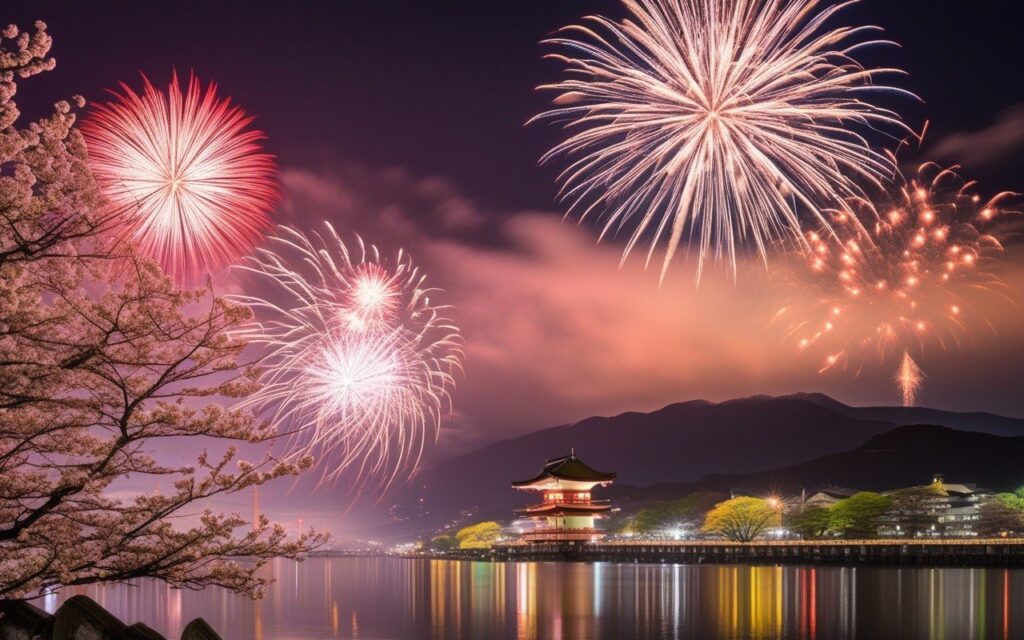
The Misaki Port Fireworks Festival is one of Kanagawa’s premier summer events, launching 3,000 shells over the fishing harbor in early August. Unlike the massive Yokohama or Enoshima displays that draw 100,000+ spectators, Misaki remains relatively intimate with around 20,000 attendees — enough for a lively atmosphere but not so crowded that you cannot find a good viewing spot.
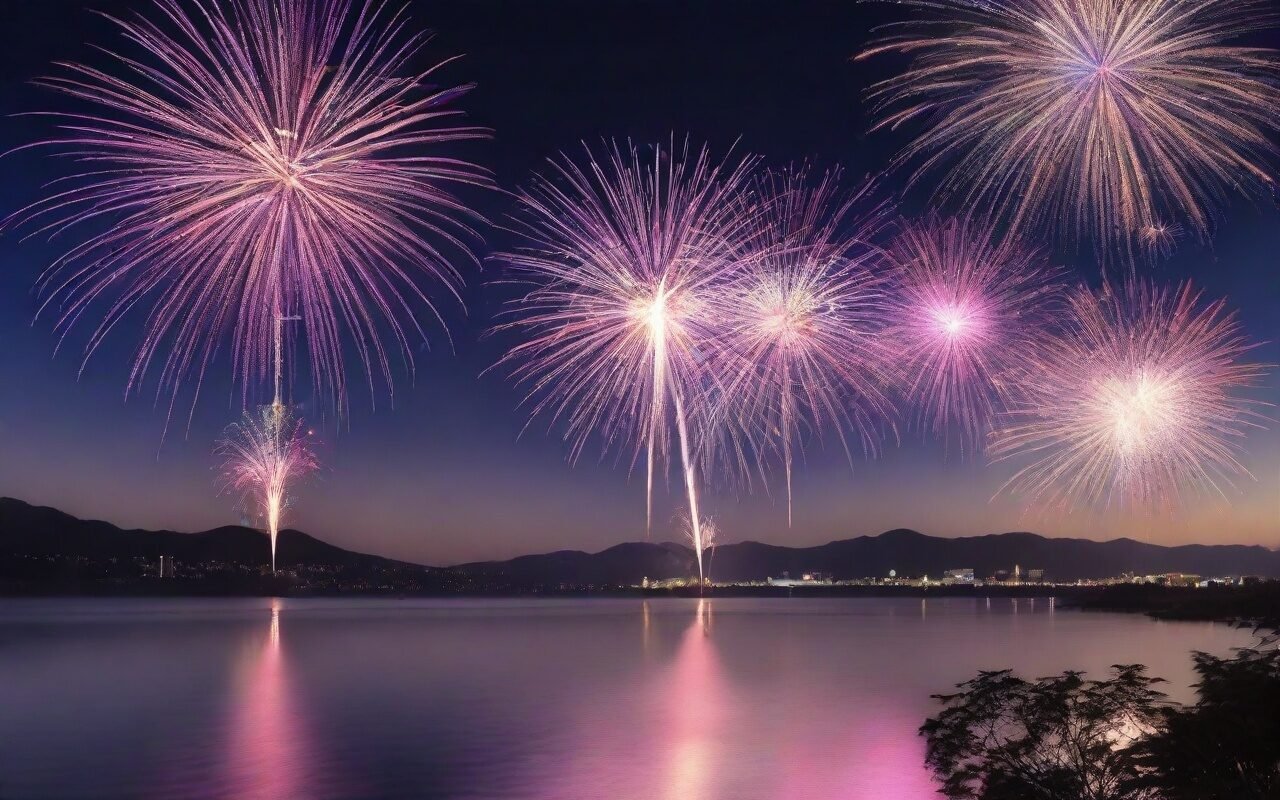
I attended the Misaki Port Fireworks in 2025 and arrived at 3:00 PM — three hours before the 7:30 PM start — which let me secure a spot on the harbor wall with an unobstructed view. The food stalls were already set up along the port road, serving yakisoba, takoyaki, and grilled squid. The fireworks themselves were spectacular, with the finale lasting nearly 10 minutes. For more summer activities in the area, see our Kanagawa summer fireworks guide or Miura peninsula camping guide.
Festival Comparison
| Festival | Date | Fireworks | Crowds | Best For |
|---|---|---|---|---|
| Misaki Port | Early August | 3,000 | ~20,000 | Authentic local atmosphere, manageable crowds |
| Minamishitaura | Mid-July | 1,500 | ~10,000 | Intimate, family-friendly, less crowded |
| Zushi Sea Festival | Late July | 2,000 | ~30,000 | Beach access, Shonan atmosphere |
Best Viewing Spots at Misaki Port
Arriving early is essential. Here are the best spots based on my experience:
1. The Harbor Wall (Free)
The raised concrete wall along the eastern side of the port offers the best free viewing. I arrived at 3:00 PM and found a spot easily, but by 5:00 PM the wall was full. Bring a cushion or small stool — sitting on concrete for 3+ hours gets uncomfortable.
2. Reserved Seating Area (¥3,000–5,000)
A reserved seat on the port’s main pier includes a clear view of the launch barges. The seats are folding chairs set up in rows, and the price includes a drink. Book 2–3 months ahead through the Misaki Port Tourism Association website.
3. Minamishitaura Beach (Alternative Festival)
If you prefer a beach setting, the Minamishitaura Festival in mid-July has a more relaxed atmosphere. The fireworks are smaller (1,500 shells) but the beach seating is more comfortable and crowds are half the size. For beach preparation tips, see our Shonan beach guide.
Getting There and Away
The main challenge of attending any fireworks festival in Miura is the transportation. Misaki Port is at the end of the Keikyu Line, and trains after the fireworks are extremely crowded.
Access Options
| Route | Time from Tokyo | Cost (one-way) | Notes |
|---|---|---|---|
| Keikyu Line to Misakiguchi | 75 min from Shinagawa | ¥1,050 | Most direct, very crowded after fireworks |
| Car (via Yokohama-Yokosuka Road) | 60 min from Yokohama | ¥1,500 toll | Parking ¥2,000–3,000 |
| Overnight stay | — | Various | Best option — avoid train chaos |
My Recommendation: Stay Overnight
The best decision I made was booking a room at a local minshaku (guesthouse) near Misaki Port. After the fireworks ended and 20,000 people rushed for the train station, I walked 10 minutes to my accommodation, took a hot bath, and had a calm dinner at a nearby izakaya. The next morning, I explored the morning market before heading home. Total accommodation cost: ¥8,000 for a basic but comfortable room. For accommodation options, see our Miura peninsula camping guide or Kanagawa accommodation guide.
What to Bring
- Seating: A portable stool or cushion (essential for free spots)
- Food: Some food stalls have long queues; bringing snacks helps
- Bug spray: Mosquitoes are active near the harbor at dusk
- Light jacket: It can get cool near the water after sunset
- Cash: Food stalls are cash-only; bring ¥3,000–5,000 for food and drinks
- Trash bag: Public bins fill quickly; take your trash home
Food Stalls at the Festival
The food stalls (yatai) along the port road opened around 4:00 PM when I visited:
- Grilled squid (¥600) — local specialty, fresh from Misaki waters
- Yakisoba (¥500) — standard festival fare
- Takoyaki (¥600) — octopus balls, 8 pieces
- Cotton candy (¥300) — popular with children
- Beer (¥600) — served in cups, bring ID
Frequently Asked Questions
Q: What time should I arrive?
A: For free spots, arrive by 3:00 PM (4.5 hours before the 7:30 PM start). For reserved seats, arrival by 5:00 PM is fine.
Q: Is the festival suitable for children?
A: Yes, the atmosphere is family-friendly. The reserved seating area has no alcohol policy, making it a good choice for families with young children. Yabusame (horseback archery) demonstrations are held in the afternoon before the fireworks.
Q: Can I bring my own food and drinks?
A: Yes, many locals bring picnic setups. Alcohol is allowed in the free area but not in the reserved section. Glass bottles are discouraged for safety.
Q: What happens if it rains?
A: The festival is typically held rain or shine unless there is a severe weather warning. In case of lightning or strong winds, the fireworks may be postponed or canceled. Check the official website on the day of the festival.
Q: Are English announcements available?
A: The main announcements are in Japanese. However, the festival website has an English information page. The ticket booth staff speak basic English.
🎯 Practical Tips for Your Visit
Based on my experience exploring this activity in Kanagawa, here are some practical tips to make the most of your visit:
- Start early in the day to avoid crowds and make the most of daylight hours. I found that arriving by 9 AM gave me a much more relaxed experience.
- Bring comfortable walking shoes and weather-appropriate clothing. The weather in Kanagawa can change quickly, especially near the coast.
- Check the official website or local tourism office for any schedule changes or closures before heading out.
📅 Planning Your Visit
The best time to plan this activity depends on your preferences. Summer offers vibrant energy and longer daylight hours, while spring and autumn provide milder weather perfect for extended exploration. Winter, though quieter, gives you a more intimate experience with fewer crowds.
Most venues in Kanagawa open around 9 AM or 10 AM. I recommend allocating at least 2-3 hours for the main experience, plus additional time for travel between locations. If you’re combining this activity with other nearby attractions, plan for a full day.
Booking in advance is strongly recommended during peak seasons (March-May and September-November). Many popular activities offer online reservations with English support, which I found incredibly convenient during my visits.
Where I Watched the Miura Fireworks
I watched the Miura Fireworks Festival from two different locations, and the experience varied significantly. The first year, I joined the crowds at Misaki Port — the fireworks are launched from a barge near the port entrance, and the view was unobstructed. I arrived at 5 PM for the 7:30 PM start and found a spot on the pier wall. The downside was the crowd — an estimated 30,000 people packed into the port area.
The second year, I discovered a better spot: the hill above Aburatsubo about 1 kilometre south of the port. The elevation gives you a view not just of the fireworks but of the entire Misaki coastline. I parked my bicycle on the hill and sat on the grass with a small group of locals who had brought their own chairs and drinks. The crowd was about one-tenth of the port’s.
Practical advice I learned: the festival runs in early August, and the date changes slightly each year — check the Miura City tourism website for exact dates. Bring a blanket to sit on (the ground gets dewy after sunset) and mosquito repellent. The food stalls near the port have long queues, but they also have a dedicated halal-friendly stall run by a local Indonesian community group that serves excellent grilled chicken skewers (¥400).
Best Time to Visit
Outdoor activities are best enjoyed in spring and autumn when temperatures are comfortable. Summer activities like swimming and surfing are popular from July to August. Some activities may close during winter months. Check operating schedules before planning your visit. Weekday mornings offer the best experience with fewer crowds.
What to Expect
Most activities are designed to be accessible for international visitors. Staff at popular attractions are accustomed to non-Japanese speakers and can communicate through basic English or translation apps. Duration varies from 1-2 hour experiences to half-day adventures. Wear appropriate clothing – many activities involve walking or standing for extended periods. Some outdoor activities may have age or height restrictions. Always check the official website before visiting for the latest information.
Nearby Recommendations
Combine your activity with nearby attractions for a full-day experience. Many activity locations are close to other points of interest, making it easy to plan a varied itinerary. Check the official website for nearby partner attractions that offer discounts when visited together. Most areas have good lunch options within walking distance of activity venues.
Local Tips
Those who frequent these activities suggest checking social media for last-minute openings and special events. Some venues offer discounted admission during certain hours or days of the week. Combining multiple activities in the same area saves travel time and often qualifies for package discounts. Consider joining a group tour for activities that require specialized equipment or guidance.n
Conclusion
The details in this guide come from real visits, and the biggest lesson I took away was that the best experiences in the Miura Peninsula rarely fit neatly into a checklist. During my visit to the Miura Peninsula I went with a rough plan and found that leaving room to wander made the trip far more memorable. Plan the essentials, keep your schedule flexible, and you will leave Kanagawa wanting to return.