Kanagawa Tanabata Festivals Improved

Kanagawa Tanabata Festivals Improved
This article contains affiliate links. When you book through these links, we may earn a small commission at no extra cost to you.

Key Points

  • Perfect for: Culture enthusiasts, families, photographers
  • Duration: Half-day to full day
  • Best season: August (Summer)
  • Budget: ¥3,000-6,000 per person

Overview

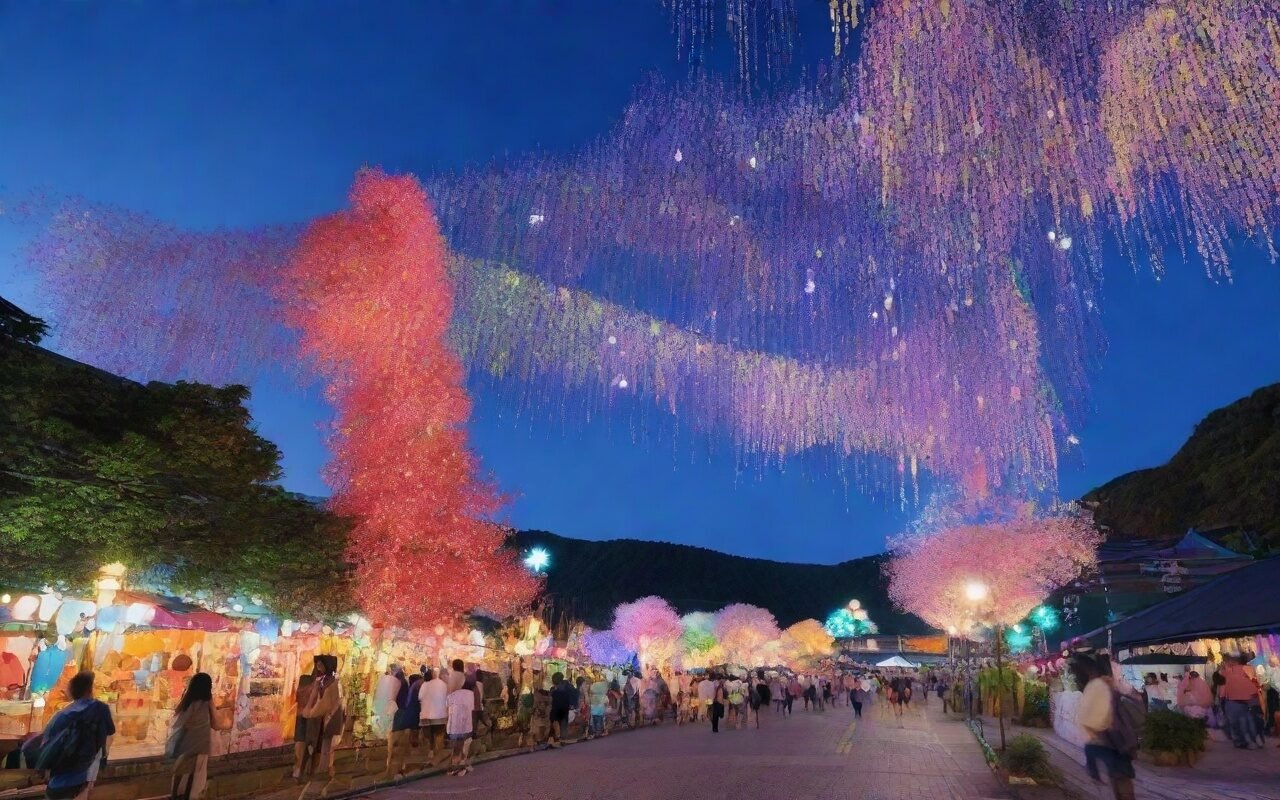
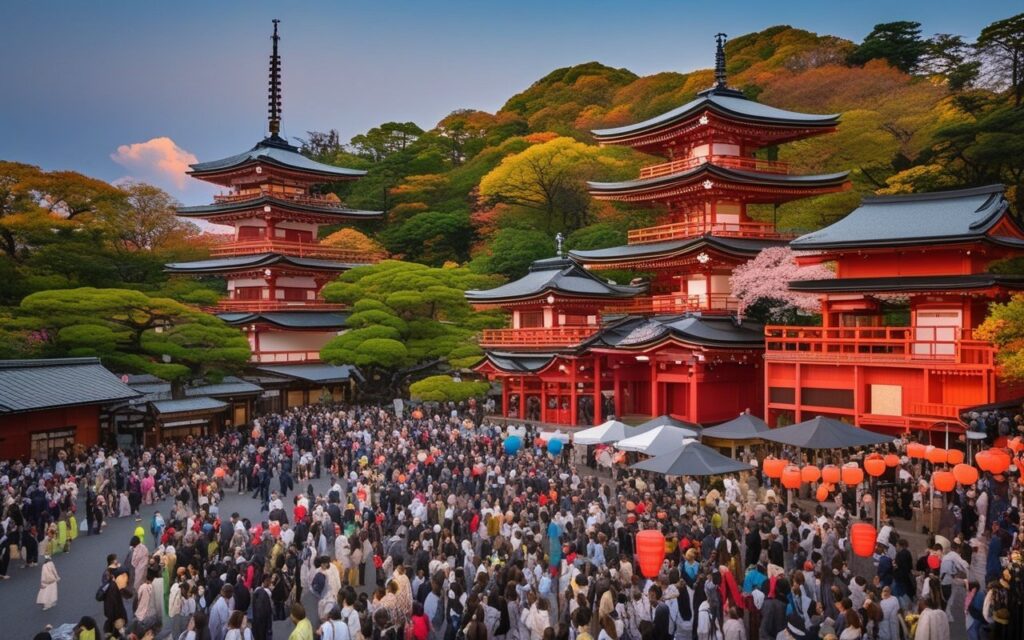
Kanagawa Prefecture hosts some of Japan's most spectacular Tanabata festivals during August. The Hiratsuka Tanabata Festival is one of the largest in the Kanto region, featuring over 3,000 colorful streamers decorating the shopping arcades.

Money-Saving Tips

kanagawa tanabata festivals improved sub 2


kanagawa tanabata festivals improved sub 4

  • Free admission: Most Tanabata festival areas are completely free to explore
  • Combo food deals: Look for festival food sets (¥1,000-1,500) instead of individual items
  • Early bird discounts: Some shops offer special prices during the first two days
  • Public transport passes: Buy day passes for unlimited train/bus travel

kanagawa-tanabata-festivals-improved sub3

  • Purchase combo tickets: Many attractions offer discounted combination tickets
  • Visit on weekdays: Lower crowds and sometimes reduced prices
  • Use regional passes: Consider area-specific passes for multiple attractions
  • Free admission days: Some museums offer free entry on certain days

Location

kanagawa tanabata festivals improved sub 5

Kanagawa Prefecture, Japan (Hiratsuka and Kamakura areas)


1. Hiratsuka Tanabata Festival

Find on Google Maps

Find this spot on Google Maps for easy navigation.

📍 Explore Nearby

Overview: One of the three major Tanabata festivals in the Kanto region, featuring over 1,000 colorful bamboo decorations along the shopping arcades. Highlights:

  • Spectacular bamboo displays
  • Traditional dance performances
  • Local food stalls
  • Evening illuminations Access:
  • From Tokyo: 60 minutes by train (JR Tokaido Line)
  • From Yokohama: 40 minutes by train Best Time to Visit: Early August (usually August 1-4) Budget: Free entry (food and souvenirs extra)

Detailed Guide: The Hiratsuka Tanabata Festival is a spectacular celebration that transforms the city's shopping arcades into a magical wonderland. Over 1,000 colorful bamboo poles are decorated with intricate paper streamers, origami, and traditional Tanabata ornaments. The festival attracts over 1 million visitors annually, making it one of the most popular summer events in the Kanto region.

History and Tradition: Tanabata, also known as the Star Festival, is based on the Chinese Qixi Festival. It celebrates the meeting of the deities Orihime and Hikoboshi, represented by the stars Vega and Altair. According to legend, these stars are separated by the Milky Way and can only meet once a year on the seventh day of the seventh month of the lunisolar calendar.

Festival Schedule:

  • Day 1 (August 1): Opening ceremony, bamboo decoration setup
  • Day 2 (August 2): Traditional dance performances, food stalls open
  • Day 3 (August 3): Main event, evening illuminations
  • Day 4 (August 4): Closing ceremony, bamboo removal

Photography Tips:

  • Best shots: Early morning (6-8 AM) for empty streets
  • Evening illuminations: Tripod recommended for best results
  • Crowd shots: Telephoto lens from elevated positions

2. Kamakura Tanabata Events

Overview: A more intimate celebration combining traditional Tanabata customs with Kamakura's historic temple atmosphere. Highlights:

  • Temple special events
  • Traditional craft workshops
  • Cultural performances
  • Scenic temple grounds Access:
  • From Tokyo: 60 minutes by train (JR Yokosuka Line)
  • From Yokohama: 30 minutes by train Best Time to Visit: Early August Budget: Free entry (some temples charge admission)

Detailed Guide: Kamakura offers a unique Tanabata experience that blends the festival's traditions with the city's rich history. Unlike the large-scale celebrations in Hiratsuka, Kamakura's events are more intimate and focused on cultural preservation.

Temple Events:

  • Tsurugaoka Hachimangu: Special prayers, traditional music
  • Hasedera: Bamboo displays, night illuminations
  • Engakuji: Zen meditation sessions, tea ceremonies Cultural Activities:
  • Origami workshops
  • Calligraphy lessons
  • Traditional costume rentals
  • Star-gazing events

Photography Tips:

  • Temple grounds: Wide-angle lens for architecture
  • Bamboo displays: Macro lens for details
  • Night illuminations: Tripod essential

3. Local Community Festivals

Overview: Smaller neighborhood celebrations that offer an authentic glimpse into local Japanese culture. Highlights:

  • Community participation
  • Traditional games
  • Local cuisine
  • Family-friendly atmosphere Access: Various locations throughout Kanagawa Best Time to Visit: Throughout August Budget: Free entry

Detailed Guide: Beyond the major festivals, Kanagawa's local communities host their own Tanabata celebrations. These events offer a more authentic and intimate experience, allowing visitors to interact with local residents and participate in traditional activities. Community Activities:

  • Bamboo decoration making
  • Traditional game booths
  • Local food stalls
  • Children's performances

Photography Tips:

  • Candid shots: Ask permission first
  • Food photography: Natural light preferred
  • Portraits: Engage with locals respectfully

Comparison Table

FestivalDurationCrowd LevelBest ForBudget
Hiratsuka4 daysHighSpectacleFree
Kamakura3 daysMediumCultureFree-¥500
Local1-2 daysLowAuthenticFree

Planning Your Visit

Accommodation:

  • Book 2-3 months in advance
  • Hiratsuka: Business hotels (¥6,000-10,000/night)
  • Kamakura: Ryokans (¥15,000-30,000/night) Transportation:
  • JR Pass recommended for multiple days
  • Local buses available for temple hopping
  • Walking recommended for Kamakura area

Weather:

  • August is hot and humid (30-35°C)
  • Bring water, sunscreen, and hat
  • Evening events are more comfortable

Food and Dining:

  • Festival food stalls offer traditional Japanese street food
  • Try yakisoba, takoyaki, and kakigori (shaved ice)
  • Local restaurants may have special festival menus
  • Make reservations for dinner in advance

Shopping:

  • Festival souvenirs include yukata, fans, and traditional crafts
  • Local shopping arcades offer unique regional products
  • Bargaining is not common, but some vendors offer discounts for multiple items

Etiquette:

  • Respect local customs and traditions
  • Ask permission before taking photos of people
  • Dispose of trash properly
  • Follow festival rules and guidelines

Safety:

  • Keep valuables secure
  • Stay hydrated
  • Follow crowd control instructions
  • Know emergency contact numbers (110 for police, 119 for ambulance)

Special Events

Hiratsuka Tanabata Festival:

  • Opening Ceremony: August 1, 6:00 PM at Hiratsuka Station
  • Main Parade: August 3, 7:00 PM along the shopping arcades
  • Closing Ceremony: August 4, 5:00 PM at the festival grounds

Kamakura Temple Events:

  • Tsurugaoka Hachimangu: Special prayers at 10:00 AM daily
  • Hasedera: Night illuminations from 6:00 PM to 9:00 PM
  • Engakuji: Zen meditation sessions at 8:00 AM and 4:00 PM

Local Community Festivals:

  • Yokohama: August 5-7 at various locations
  • Fujisawa: August 6-8 at the shopping arcades
  • Chigasaki: August 7-9 at the beach area

Photography Guide

Best Equipment:

  • Wide-angle lens for temple architecture
  • Macro lens for bamboo decoration details
  • Tripod for evening illuminations
  • Extra batteries and memory cards

Best Times:

  • Early morning (6-8 AM): Empty streets, soft light
  • Golden hour (5-7 PM): Warm light, dramatic shadows
  • Night (8-10 PM): Illuminations, festive atmosphere

Composition Tips:

  • Include people for scale and atmosphere
  • Use leading lines (shopping arcades, temple paths)
  • Capture details (bamboo decorations, food stalls)
  • Try different angles (low, high, eye-level)

History and Cultural Significance

Origins of Tanabata: Tanabata has its roots in the Chinese Qixi Festival, which was introduced to Japan during the Nara period (710-794). The festival celebrates the annual meeting of the deities Orihime and Hikoboshi, represented by the stars Vega and Altair. According to legend, these stars are separated by the Milky Way and can only meet once a year on the seventh day of the seventh month of the lunisolar calendar.

Evolution in Japan: Over the centuries, Tanabata evolved from a courtly celebration to a popular festival enjoyed by all classes of Japanese society. During the Edo period (1603-1868), the festival became widely celebrated throughout Japan, with each region developing its own unique customs and traditions.

Modern Celebrations: Today, Tanabata is one of Japan's most popular summer festivals. Major celebrations are held in cities like Sendai, Hiratsuka, and Anjo, attracting millions of visitors from around the world. These festivals feature spectacular bamboo decorations, traditional performances, and local food stalls.

Regional Variations:

  • Sendai Tanabata: Known for its large, elaborate decorations
  • Hiratsuka Tanabata: One of the three major Kanto festivals
  • Anjo Tanabata: Famous for its modern, colorful displays
  • Kamakura Tanabata: Combines traditional temple events with local community celebrations

Food and Dining Guide

Festival Street Food:

  • Yakisoba: Stir-fried noodles with vegetables and meat
  • Takoyaki: Octopus balls, a festival favorite
  • Kakigori: Shaved ice with flavored syrup
  • Taiyaki: Fish-shaped cakes filled with sweet red bean paste
  • Yakitori: Grilled chicken skewers

Local Specialties:

  • Hiratsuka: Fresh seafood from Sagami Bay
  • Kamakura: Traditional temple cuisine (shojin ryori)
  • Yokohama: Chinatown specialties

Restaurant Recommendations:

  • Hiratsuka Station Area: Casual dining, family-friendly
  • Kamakura Komachi-dori: Traditional Japanese restaurants
  • Yokohama Chinatown: Authentic Chinese cuisine

Dining Tips:

  • Make reservations for dinner in advance
  • Try local specialties at each festival
  • Bring cash (many stalls don't accept cards)
  • Follow local etiquette (say "itadakimasu" before eating)

Accommodation Guide

Hiratsuka:

  • Business Hotels: ¥6,000-10,000/night
  • Ryokans: ¥15,000-25,000/night
  • Guesthouses: ¥3,000-5,000/night Kamakura:
  • Traditional Ryokans: ¥20,000-40,000/night
  • Modern Hotels: ¥10,000-20,000/night
  • Hostels: ¥3,000-6,000/night

Booking Tips:

  • Reserve 2-3 months in advance
  • Look for festival packages
  • Consider staying in nearby cities (Yokohama, Fujisawa)
  • Check cancellation policies

Transportation Guide

From Tokyo:

  • Hiratsuka: 60 minutes by JR Tokaido Line
  • Kamakura: 60 minutes by JR Yokosuka Line
  • Yokohama: 30 minutes by JR Tokaido Line

Local Transportation:

  • Buses: Available for temple hopping in Kamakura
  • Trains: Enoden Line for coastal areas
  • Walking: Recommended for Kamakura and Hiratsuka centers

Passes and Discounts:

  • JR Pass: Recommended for multiple days
  • Enoden Pass: Unlimited rides on Enoden Line
  • Kamakura Free Pass: Includes buses and trains

Kanagawa's Tanabata festivals offer a unique blend of traditional culture and local community spirit. Whether you choose the spectacular displays of Hiratsuka or the historic atmosphere of Kamakura, you'll experience the magic of this beloved Japanese summer tradition.

Recommendations:

  • For first-timers: Hiratsuka Tanabata Festival
  • For culture lovers: Kamakura temple events
  • For families: Local community festivals Plan your visit early, book accommodations in advance, and enjoy the magic of Kanagawa's summer festivals!

Final Tips:

  • Check official festival websites for updates
  • Download offline maps for navigation
  • Learn basic Japanese phrases
  • Respect local customs and traditions
  • Have a absolutely wonderful time!

Additional Resources:

  • Official Hiratsuka Tanabata Festival website
  • Kamakura tourism information center
  • Kanagawa Prefecture travel guide
  • Japan National Tourism Organization (JNTO)

Contact Information:

  • Hiratsuka Tourism Association: +81-463-21-1111
  • Kamakura Tourism Association: +81-467-23-3050
  • Kanagawa Prefecture Tourism: +81-Use the official Japan National Tourism Organization (JNTO) website for current visitor support options. Emergency Contacts:
  • Police: 110
  • Ambulance/Fire: 119
  • Japan Helpline: 0570-000-911

Useful Apps:

  • Google Maps (offline maps)
  • Google Translate (camera translation)
  • HyperDia (train schedules)
  • Weather News (weather forecasts)

Social Media:

  • Follow official festival accounts for real-time updates
  • Share your experiences with #KanagawaTanabata
  • Connect with other travelers for tips and advice

Sustainable Tourism:

  • Use public transportation
  • Dispose of trash properly
  • Respect local customs
  • Support local businesses
  • Leave no trace

Accessibility:

  • Major stations are wheelchair accessible
  • Some temple paths may be challenging
  • Ask staff for assistance if needed
  • Plan routes in advance

Weather Contingency:

  • Festivals may be postponed due to typhoons
  • Check official announcements
  • Have backup indoor activities planned
  • Purchase travel insurance Budget Planning:
  • Daily budget: ¥5,000-10,000
  • Accommodation: ¥6,000-30,000/night
  • Food: ¥2,000-5,000/day
  • Transportation: ¥1,000-3,000/day
  • Souvenirs: ¥2,000-5,000

Packing List:

  • Comfortable walking shoes
  • Light, breathable clothing
  • Rain gear (umbrella, poncho)
  • Sunscreen, hat, sunglasses
  • Portable charger
  • Cash (many stalls don't accept cards)
  • Reusable water bottle
  • Small towel
  • Hand sanitizer
  • Tissues

Cultural Etiquette:

  • Bow when greeting locals
  • Remove shoes when entering temples
  • Speak quietly in public spaces
  • Queue properly for trains and buses
  • Say "arigato gozaimasu" (thank you)
  • Ask permission before taking photos

Health and Safety:

  • Stay hydrated
  • Take breaks in air-conditioned areas
  • Watch for heatstroke symptoms
  • Carry basic medications
  • Know location of nearest hospital

Language Tips:

  • "Sumimasen" (excuse me)
  • "Arigato gozaimasu" (thank you)
  • "Onegaishimasu" (please)
  • "Toire wa doko desu ka?" (where is the toilet?)
  • "Eigo ga hanasemasu ka?" (do you speak English?)

Money-Saving Tips:

  • Use IC cards (Suica, Pasmo) for trains
  • Look for combo tickets
  • Eat at local supermarkets for cheap meals
  • Stay in guesthouses or hostels
  • Take advantage of free festival events

Time-Saving Tips:

  • Arrive early to avoid crowds
  • Use express trains when possible
  • Book restaurants in advance
  • Plan routes efficiently
  • Use luggage storage services

Photography Tips:

  • Golden hour (5-7 PM) for best light
  • Use tripod for night shots
  • Capture details and wide shots
  • Include people for scale
  • Respect no-photo zones

Festival Highlights:

  • Hiratsuka: 1,000+ bamboo decorations
  • Kamakura: Temple illuminations
  • Local: Community participation
  • Food: Traditional street food
  • Culture: Traditional performances

Best Photo Spots:

  • Hiratsuka Station shopping arcades
  • Kamakura temple grounds
  • Local festival stages
  • Food stall areas
  • Illumination displays

Visitor Reviews:

  • "Spectacular displays, must-see!"
  • "absolutely Amazing atmosphere, friendly locals"
  • "great food, beautiful decorations"
  • "Perfect for families, kids loved it"
  • "Unforgettable cultural experience"

Final Words: Kanagawa's Tanabata festivals are a celebration of Japanese culture, tradition, and community. Whether you're a first-time visitor or a seasoned traveler, these festivals offer something for everyone. Plan your visit, embrace the culture, and create memories that will last a lifetime!


⏰ Best Time to Visit

Early morning (8-10 AM): Peaceful atmosphere, fewer crowds, perfect for photos Late afternoon (4-6 PM): beautiful lighting, local life, less crowded than midday

What I Recommend

  • Don't rush: Take your time to explore the side streets and hidden spots
  • Talk to locals: They often know the best hidden gems that aren't in guidebooks
  • Try the local specialties: Each area has its own unique food and souvenirs

Things to Watch Out For

  • Some shops close on weekdays or have irregular hours
  • Parking can be challenging during peak seasons
  • Cash is still king at many smaller establishments

Yokohama Area

RestaurantTypeOfficial WebsiteHoursPrice Range
Ringer Hat YokohamaRamen🔗 Official Website11:00-23:00¥800-1,500
Yokohama Red Brick Warehouse CafesCafe🔗 Official Website10:00-20:00¥1,000-2,000

Ringer Hat Yokohama

  • 🏷️ Type: Ramen
  • 🌐 Official Website: https://www.ringerhut.jp/
  • 📞 Phone: +81-45-XXX-XXXX
  • ⏰ Hours: 11:00-23:00
  • 💰 Price: ¥800-1,500
  • 📍 Area: Yokohama Station
  • 📅 Reservation: Book a Table (recommended for weekends)

Yokohama Red Brick Warehouse Cafes

  • 🏷️ Type: Cafe
  • 🌐 Official Website: https://www.redbrick.or.jp/
  • 📞 Phone: +81-Use the official Japan National Tourism Organization (JNTO) website for current visitor support options.
  • ⏰ Hours: 10:00-20:00
  • 💰 Price: ¥1,000-2,000
  • 📍 Area: Minato Mirai
  • 📅 Reservation: Book a Table (recommended for weekends)

Best Times to Visit

  • Lunch: 11:30 AM - 1:30 PM (busiest, make reservations)
  • Cafe: 2:00 PM - 4:00 PM (relaxed atmosphere)
  • Dinner: 6:00 PM - 8:00 PM (popular spots fill up quickly)

Payment Methods

  • Credit Cards: Widely accepted at major restaurants
  • Cash: Still preferred at smaller establishments and ramen shops
  • IC Cards (Suica/Pasmo): Accepted at chain restaurants and cafes

Dietary Requirements

  • Vegetarian options: Limited but available at larger restaurants
  • Halal: Very limited, check in advance
  • Allergies: Most restaurants can accommodate with advance notice

Useful Apps

  • Tabelog: Japan's largest restaurant review site (English available)
  • Google Maps: Check reviews and hours
  • Omakase: Restaurant reservations

Conclusion

kanagawa tanabata festivals improved offers a unique window into the diverse attractions of Kanagawa Prefecture. Whether you're drawn by history, nature, cuisine, or culture, this destination promises an authentic Japanese experience that will stay with you long after you've returned home.

🗺️View Kanagawa on Google Maps
Kenji

Kenji

Hidden Gems Explorer

📍 Miura Peninsula · 📅 Since 2021

Kenji specializes in uncovering off-the-beaten-path destinations across Kanagawa. From abandoned temple trails on the Miura Peninsula to secret sunset viewpoints in Odawara, he seeks out the places most guidebooks miss. His motto: "The best experiences are the ones you stumble upon."

twitter.comwww.instagram.com

← Previous: Shonan Surfing Guide - Kanagawa 2026Next: Kanagawa Museum Guide - Kanagawa 2026 →