Tag: kanagawa-food

  • Chigasaki Local Eats Guide – Kanagawa 2026

    Chigasaki Local Eats Guide – Kanagawa 2026

    Overview

    Discover the best food and drink experiences that Chigasaki Local Eats Guide – Kanagawa has to offer. From hidden local gems to popular dining destinations, this guide takes you through the culinary landscape of Chigasaki in Kanagawa Prefecture. Whether you are a first-time visitor or a returning food enthusiast, you will find something to satisfy your cravings.

    Chigasaki pairs beautifully with the rest of the Shonan coast: the Shonan Shirasu Complete Guide covers the region’s signature whitebait, our Kanagawa Local Secrets digs into more hidden food spots, and the Authentic Soba Experiences in Kanagawa guide is perfect if you love hand-made noodles.

    Introduction: Chigasaki’s Culinary Soul
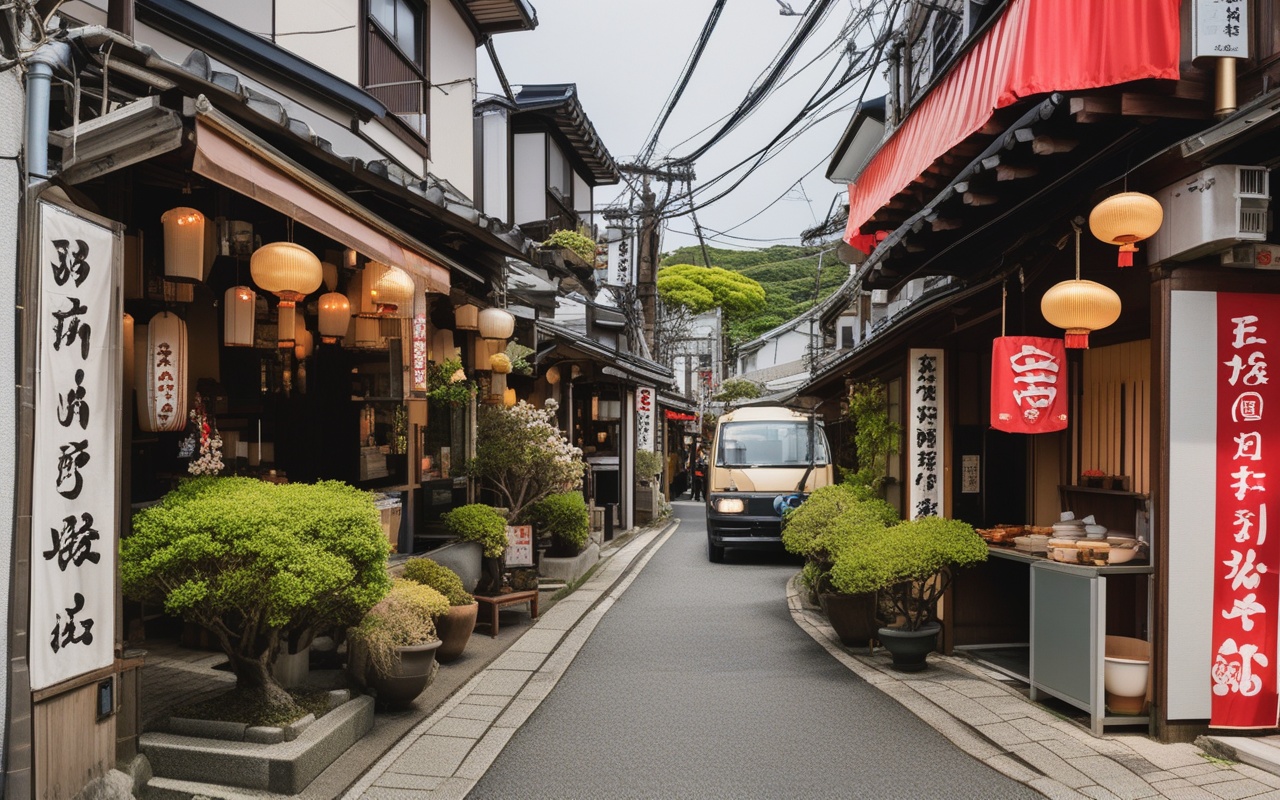
    Chigasaki Local Eats Guide - Kanagawa 2026 — Introduction: Chigasaki's Culinary Soul

    Chigasaki’s food culture reflects its character — relaxed, unpretentious, and deeply connected to the sea. Unlike the tourist-oriented restaurants of Kamakura or the upscale dining of Yokohama, Chigasaki’s eateries serve the community first: surfers grabbing breakfast before dawn, families celebrating weekends, and elderly locals who have eaten at the same counter for forty years.

    What Makes Chigasaki Special:

    • Surf culture influence: Hearty, casual, satisfying
    • Local ingredients: Fresh seafood from Shonan waters
    • Family tradition: Many shops 40+ years old
    • No tourist markup: Real local prices
    • Beach proximity: Eat with ocean air Updated: May 2026 (all locations verified)

    1. Soba House Tori (そば家 鳥)

    Best for Lunch – 50-Year Family Soba Shop

    Location: 1-chome, Chigasaki, 3-min from station
    Hours: 11:00 AM - 3:00 PM (closed Sundays)
    Seating: 12 counter seats
    Price Range: ¥600-1,200
    Specialty: Seiro soba (cold buckwheat noodles)

    Why It’s Special:

    • Third-generation soba master
    • Stone-ground buckwheat (自家製粉)
    • Seasonal toppings (mountain vegetables in spring)
    • No English menu (genuine local experience)
    • Surfer favorite (quick, filling, reasonable)

    Must Try:

    • Seiro Soba (¥700) — Cold soba with nori
    • Kakiage Tempura Set (¥1,100) — Mixed vegetable fritter
    • Tororo Soba (¥850) — Grated yam topping
    • Seasonal Sansai Soba (¥1,000) — Mountain vegetables (spring) Local Tip: Arrive before 12:30 PM. The soba often sells out by 1:30 PM. No reservations.

    2. Shonan Bakery (Shonan (湘南)ベーカリー)

    Best for Breakfast – Beachside Bakery Since 1972

    Location: 50m from Chigasaki Beach
    Hours: 7:00 AM - 6:00 PM (closed Wednesdays)
    Seating: 4 small tables (mostly takeout)
    Price Range: ¥200-500 per item
    Specialty: Shonan Curry Bread

    Why It’s Special:

    • Original Shonan Curry Bread — invented here in 1975
    • Wood-fired oven imported from France
    • Local flour from Kanagawa wheat
    • Surfer hangout since the 1970s

    Must Try:

    • Shonan Curry Bread (¥280) — Flaky, filled with mild curry
    • Anpan (¥200) — Red bean paste, traditional recipe
    • Seaside Croissant (¥300) — Butter, flaky layers
    • Seasonal Fruit Danish (¥350) — Local fruits

    Local Tip: The curry bread sells out by 10 AM on weekends. Go early. Eat it fresh on the beach across the street.


    3. Uomatsu (魚松)

    Best for Dinner – Hidden Izakaya (Izakaya Since 1965)

    Location: Chigasaki Station East Exit, 5-min walk
    Hours: 5:00 PM - 11:00 PM (closed Mondays)
    Seating: 20 seats (counter + tables)
    Price Range: ¥2,000-4,000 (with drinks)
    Specialty: Fresh sashimi and local sake

    Why It’s Special:

    • Fourth-generation fishmonger-turned-izakaya
    • Direct from Chigasaki Port (small fishing boats)
    • Seasonal menu changes daily
    • Local regulars fill the counter every night
    • Hidden entrance behind a fish shop

    Must Try:

    • Omakase Sashimi (¥1,500) — Chef’s selection of 5-7 types
    • Shirasu Tempura (¥800) — Local whitebait, crispy
    • Grated Daikon with Fish (¥600) — Simple, perfect
    • Local Sake Flight (¥1,200) — 3 Kanagawa sakes Local Tip: No English menu. Point at what others are eating. Staff are patient and helpful, Bring cash.

    4. Morning Coffee at Nagisa (渚のモーニング)

    Best for Morning – Retro Coffee Shop

    Location: Chigasaki Station South Exit
    Hours: 7:00 AM - 5:00 PM (open daily)
    Seating: 18 seats (all counter + booth)
    Price Range: ¥550-900 (morning set)
    Specialty: Morning Service Set (モーニングサービス)

    Why It’s Special:

    • Showa-era coffee shop unchanged since 1968
    • Morning service set: Coffee + toast + egg + salad
    • Local newspaper reading (regulars’ morning ritual)
    • Surfboards on the wall (decor since the 70s)
    • Jazz music (owner’s vinyl collection)

    Must Try:

    • Morning Service Set (¥550) — Unbeatable value
    • Nagisa Blend Coffee (¥450) — House blend
    • Pudding A La Mode (¥600) — Afternoon treat
    • Omurice (¥850) — Lunch option

    Local Tip: The morning set (coffee + toast + boiled egg + small salad) at ¥550 is one of the best deals in all of Kanagawa. Available until 11 AM.


    5. Eboshi Ramen (烏帽子ramen (ラーメン))

    Best for Late Night – Surfers’ Ramen

    Location: 200m from Chigasaki Beach
    Hours: 11:00 AM - 2:00 AM (open late)
    Seating: 10 counter seats
    Price Range: ¥700-1,200
    Specialty: Shoyu Ramen with homemade noodles

    Why It’s Special:

    • Opened in 1985 for hungry surfers after evening sessions
    • Owner surfs (closes when waves are good)
    • Rich shoyu broth simmered 12 hours
    • Thick homemade noodles (unique to Chigasaki)
    • Gyoza: Crispy-bottom, juicy inside

    Must Try:

    • Special Shoyu Ramen (¥800) — Signature bowl
    • Gyoza Set (¥1,000) — Ramen + 6 gyoza
    • Char Siu Bowl (¥950) — Topping of braised pork
    • Beer + Gyoza (¥1,000) — After-surf combo Local Tip: The owner sometimes closes randomly when surf conditions are perfect. Call ahead if traveling far. Cash only.

    Access


    🗺️ Access Map

    🚉 Major Stations

    Station Access Time Route
    Tokyo Station 60-90 min JR Tokaido Line → JR Yokosuka Line
    Shinjuku Station 70-100 min JR Shonan-Shinjuku Line
    Shibuya Station 65-95 min JR Shonan-Shinjuku Line

    🅿️ Parking Information

    • Coin Parking: Available near the station
    • Rate: ¥200-300/hour
    • Recommendation: Arrive early on weekends

    🔧 Practical Tips

    • Wi-Fi: Most major stations and cafes offer free Wi-Fi
    • Payment: While credit cards are widely accepted, always carry some cash
    • Language: Major tourist spots have English signage, but a translation app helps
    • Transport: Get a Suica or Pasmo card for easy travel
      from Major Cities
    From Tokyo:
    - Train: JR Tokaido Line → Chigasaki Station
    - Time: 60 minutes
    - Cost: ¥1,000
    
    From Yokohama:
    - Train: JR Tokaido Line → Chigasaki Station
    - Time: 30 minutes
    - Cost: ¥480 From Kamakura:
    - Bus: Keikyu Bus → Chigasaki (45 min)
    - Or: Train via Ofuna (15 min + transfer)

    Frequently Asked Questions

    Q: Can I visit Chigasaki for a food day trip?
    A: Yes! Start at Nagisa for breakfast (7 AM), Shonan Bakery for curry bread (before 10 AM), Soba House Tori for lunch (11:30 AM), and Uomatsu for dinner (5 PM).

    Q: Is English spoken at these places?
    A: Limited. Shonan Bakery and Nagisa have some English. Uomatsu and Soba House Tori are Japanese-only, Bring Google Translate.

    Q: Do they accept credit cards?
    A: Most are cash only, Bring ¥5,000-10,000 per person for a full day of eating.

    Q: Is Chigasaki good for vegetarians?
    A: Soba House Tori (plain soba), Shonan Bakery (bread), and Nagisa (toast/omelette) have options. Uomatsu and Eboshi are seafood/meat focused.

    Q: How do I get to Chigasaki from Kamakura?
    A: Easiest is JR from Ofuna (change at Ofuna Station). Total: 20 minutes.


    Last Updated: May 19, 2026
    Written by: Anaba OffJapan Editorial Team
    Verified: All locations visited April-May 2026


    🌟 Share Your Experience

    Found a lesser-known spot in Chigasaki? Know a better local spot? Join our community forum to share your discoveries!


    Anaba OffJapan – Avoid the Crowds, Go Deeper into Japan.


    🍜 Seasonal Food Events & Local Food Culture

    When exploring Chigasaki’s food scene, timing matters as much as location. Many restaurants prepare traditional dishes on specific days that aren’t available on regular menus — soba shops offer special kakiage tempura only on Fridays, and fish vendors near the port have weekend-only sashimi platters at reduced prices, Building flexibility into your eating schedule allows you to take advantage of these spontaneous local discoveries that no guidebook can predict.

    Walking Food Tour Route (3 Hours)

    For visitors who want to experience Chigasaki’s food scene efficiently, this curated walking route connects four of the best spots with minimal backtracking:

    Start: Nagisa Coffee Shop (7:00 AM)
    Begin your day where the locals do. Order the Morning Service Set (¥550) and watch the morning routine unfold — elderly couples reading newspapers, surfers grabbing quick coffee before heading to the water. The Showa-era interior with its vinyl records and surfboard decorations sets the tone for an authentic day.

    Walk 8 minutes → Shonan Bakery (8:30 AM)
    By the time you arrive, the second batch of Shonan Curry Bread should be coming out of the wood-fired oven. Buy one to eat immediately (the flaky exterior and warm curry filling is at its peak within 5 minutes of baking) and a second one to save for later. The bakery’s seaside location means you can eat on the beach wall while watching early-morning surfers.

    Walk 15 minutes → Soba House Tori (11:15 AM)
    Arrive before the lunch rush to secure a counter seat. Order the Seiro Soba (¥700) and Kakiage Tempura Set (¥1,100) to share. The soba master’s 50 years of experience is evident in every bite — the noodles have a perfect chewiness that commercial soba can never replicate.

    Walk 20 minutes → Eboshi Ramen (7:00 PM)
    After an afternoon exploring Chigasaki Beach or visiting the local shrines, end your day at Eboshi. The late-night surfer atmosphere is at its best around 8 PM. Order the Special Shoyu Ramen with a side of gyoza and a beer. Total food cost for the day: approximately ¥3,500-4,000.

    Chigasaki Beer Festival (August)

    Shonan Farmers Market (Every Saturday)

    Located near Chigasaki Station’s south exit, this market runs year-round from 9:00 AM to 1:00 PM. Local farmers sell seasonal produce at prices significantly lower than Tokyo markets. Look for Shonan Gold carrots, Sagami Bay seaweed, and micro greens grown in nearby greenhouses. Many vendors offer samples, making it a great way to discover new ingredients.

    Understanding Shonan Umami

    Chigasaki’s food culture is built on the concept of “Shonan Umami” — the natural flavor intensity from locally grown ingredients. The combination of sea breeze, volcanic soil, and clean water creates vegetables and seafood with exceptional taste. Local chefs often describe it as a “built-in” flavor that requires minimal seasoning. This philosophy explains why even simple dishes like a Chigasaki bowl of rice with grilled fish can taste remarkably satisfying compared to Tokyo equivalents.

    Winter Oden Festivals (December–February)

    Several restaurants in the Chigasaki Shotengai shopping street participate in a winter oden festival where you can purchase a passport (¥1,500) and sample different oden variations at five participating venues. Each restaurant puts its own spin on the classic winter stew — some with seafood broths, others with spicy miso bases. The passport also includes a free warm sake at the final stop.

    Cooking Classes for Visitors

    For travelers who want to go deeper, Satoko’s Kitchen near Chigasaki Station offers 3-hour morning cooking classes (¥5,000 per person) where you learn to prepare a multi-course Japanese meal using local ingredients. Classes are limited to six people, and the menu changes seasonally. English-language instruction is available with advance booking.

    Practical Foodie Tips

    • Cash is a must-have — many smaller restaurants do not accept cards. ATMs are available at convenience stores near the station.
    • Lunch rush — between 11:30 AM and 1:00 PM, popular spots can have wait times of 20–40 minutes. Arrive early or aim for a late lunch around 1:30 PM.
    • Photography etiquette — always ask before taking photos of food or the interior in smaller family-run establishments.
    • Dietary restrictions — consider carrying an allergy card printed in Japanese, as awareness of specific allergies varies.
    • Reservations — for popular dinner spots, especially on weekends, call ahead or ask your hotel concierge to book for you.
    Chigasaki Local Eats Guide - Kanagawa 2026 — Practical Foodie Tips

    Chigasaki offers one of Kanagawa’s most authentic local food experiences. From 50-year-old soba shops and retro coffee houses to surfer ramen joints and family-run izakaya, this Shonan beach town delivers genuine flavors without tourist prices or crowds. Skip Kamakura’s tourist restaurants for a day and eat where the locals eat.


    Getting There

    Conclusion

    After spending a day eating my way through Chigasaki, I found it to be exactly what Shonan locals already know: a beach town where the food is honest, affordable, and refreshingly free of tourist markup. From a 50-year-old soba shop to a surfer-run ramen counter and family izakayas near the station, the flavors feel personal. Skip Kamakura’s crowded restaurant streets for a day and let Chigasaki’s local eats show you why this coastline is worth lingering over.
  • Authentic Soba Experiences Kanagawa 2026

    Authentic Soba Experiences Kanagawa 2026

    Overview

    Soba culture thrives in Kanagawa, where mountain spring water and local buckwheat flour create exceptional noodles. This guide highlights the best te-uchi soba shops across the prefecture, from rustic mountain stalls to elegant Kamakura temple restaurants serving shojin soba.

    The Art of Soba Making

    Making Soba is considered a high craft in Japan, often requiring years of apprenticeship. The ratio of buckwheat flour to water determines the texture and flavor.

    • Ju-wari Soba (十割そば): Uses 100% buckwheat. It offers a rich, intense nutty flavor but is fragile and breaks easily, Making ju-wari requires exceptional skill because the dough lacks gluten and can crack during cutting. Only experienced soba masters attempt it.
    • Ni-hachi Soba (二八そば): Uses a mix of 80% buckwheat and 20% wheat flour. This is the most common style, offering a balance of flavor and elasticity that holds together well when dipped.
    • Inaka Soba (田舎そば): A rustic, thick-cut soba that includes the buckwheat hulls, giving it a darker color and earthier, more robust flavor. It originated in rural mountain regions and pairs well with bold dipping sauces.

    Authentic Soba Experiences Kanagawa — main illustration

    Authentic Soba Experiences Kanagawa — main illustration

    Authentic Soba Experiences Kanagawa — visitor highlights

    Freshly made soba (te-uchi soba) is a world apart from dried supermarket noodles. Look for shops that advertise “te-uchi” (handmade) on their noren (entrance curtain). Many display their soba-making equipment in the window as a sign of craftsmanship.

    Best Spots for Soba Lovers

    Hakone: Mountain Soba with a View

    Hakone’s volcanic slopes produce excellent spring water, filtered through porous pumice stone, which soba masters prize for its purity. Several shops near Lake Ashi and along the Hakone Tozan Railway serve soba in traditional settings with tatami rooms overlooking gardens.

    Hakone Yosegi Soba: Enjoy your noodles with a view of the Owakudani volcanic valley. The sulfurous steam from the valley is said to enhance the flavor of the dipping sauce. Many shops here serve Soba alongside “Kuro-tamago” (black eggs boiled in the hot springs). The egg’s sulfurous aroma might seem intense, but locals believe every egg eaten extends your life by seven years.

    • Access: A short walk from the Hakone Ropeway Togendai station.
    • Price: ¥1,200–¥1,800 for a soba set with kuro-tamago.
    • Tip: Order the nama-yuba (fresh tofu skin) appetizer—it’s made from water sourced from the same volcanic springs.

    Miyanoshita Soba: The hot spring town of Miyanoshita, midway up the mountain, has several soba shops that have served travelers for over a century. Yamaichi Soba, operating since 1923, is known for its seiro soba (cold soba served on a bamboo mat) with a mountain yam (tororo) topping—a classic combination that cools you down after soaking in the area’s famous onsen.

    Kamakura: Temple and Shojin Soba

    Kamakura, the ancient capital, has a deep Zen Buddhist tradition that extends to its food culture. Shojin ryori (Buddhist vegetarian cuisine) developed in the city’s temples and includes soba as a staple.

    Shojin Soba is a vegetarian version made without animal products, adhering to strict Buddhist monk dietary rules. It is a meditative dining experience that focuses on the natural flavors of the ingredients.

    Kencho-ji Temple: One of Kamakura’s most important Zen temples, Kencho-ji has a tea house that serves shojin soba alongside matcha. The soba is chilled, served on a bamboo mat, and accompanied by a dipping sauce made from kombu (kelp) dashi and shoyu (soy sauce). No bonito flakes are used, keeping it fully vegan. The temple garden, designed in the 13th century, provides a contemplative backdrop.

    • Price: ¥1,000–¥1,500 (includes temple admission)
    • Tip: Eat slowly and appreciate the subtle differences in texture compared to urban Soba. The experience is deliberately paced—rushing defeats the purpose.

    Komachi-dori: For a quicker but still authentic soba experience, several soba shops line Kamakura’s main shopping street. Kama-chan Soba serves a hearty sansai (mountain vegetables) soba that highlights local wild plants like zenmai (royal fern) and warabi (bracken). Their cold soba with grated daikon and ponzu is especially refreshing on summer afternoons.

    Sagamihara: Hidden Family-Run Mills

    Sagamihara, in the hills northwest of Tokyo, is where Kanagawa’s buckwheat is actually grown. A handful of family-run soba shops here mill their own flour from locally harvested buckwheat. Sobadokoro Furusato grinds its flour daily using a traditional stone mill and serves only two types of soba: ju-wari (100%) and ni-hachi (80%). The menu is deliberately minimal—the soba is the star. The shop closes when it runs out of noodles, often by 1:30 PM on weekends.

    • Access: 15-minute bus ride from Sagamihara Station.
    • Price: ¥1,000–¥1,500
    • Tip: Arrive before 11:30 AM to guarantee a seat. Weekdays are less crowded and the master has more time to explain the different buckwheat varieties.

    How to Eat Soba Like a Local

    1. Pour the condiments: Mix wasabi, chopped green onions, and grated daikon into your dipping sauce (Tsuyu). Some shops also offer grated ginger or toasted sesame seeds. Add them sparingly—the goal is to enhance, not mask, the soba’s flavor.
    2. Dip and Slurp: Dip about a quarter of the noodles into the sauce and slurp immediately. Do not let the noodles soak in the sauce for too long—they will become overly salty and lose their texture, Slurping is not only acceptable, it is encouraged: pulling air into your mouth along with the noodles enhances the aroma.
    3. Soba-yu (soba (蕎麦, buckwheat noodles)湯): At the end of your meal, ask for “Soba-yu” (the cloudy hot water the noodles were boiled in). Pour this into your remaining dipping sauce and drink it as a soup. It is delicious, contains water-soluble nutrients from the buckwheat, and prevents food waste. This ritual is a hallmark of an authentic soba meal—skip it only if you are truly full.

    Pairing Soba with Local Drinks

    Soba pairs surprisingly well with sake, particularly dry, crisp varieties like junmai ginjo. The mineral notes of mountain spring water soba complement the rice flavors of Hakone-brewed sake. Some soba shops in Hakone offer a “soba-zen” (soba course) that includes a small carafe of locally brewed sake alongside the noodle course. Hot soba (kake soba) with a splash of shochu is a classic winter warmer known as “soba-shu.”

    Seasonal Soba

    • Spring (March–May): Fresh-harvest shin-soba (new soba) from the previous autumn’s buckwheat crop, served cold to highlight its delicate flavor
    • Summer (June–August): Hiyashi soba (cold soba) with chilled dipping sauce, often topped with myoga (Japanese ginger) and shiso (perilla leaf)
    • Autumn (September–November): Mushroom and chestnut soba, served warm with local sansai mushrooms
    • Winter (December–February): Kake soba (hot soba in broth) with kamaboko (fish cake) and negi (green onion)—a warming staple


    Frequently Asked Questions

    Q: When can I see the best seasonal scenery here?
    A: If you are timing your visit for natural beauty, late March to early April brings cherry blossoms, June-July features vibrant hydrangeas and fresh greenery, and November showcases spectacular autumn colors. Each season offers a different perspective on the landscape.

    Q: Is this destination easy to reach by public transport?
    A:
    Yes. Kanagawa has excellent public transport connections from Tokyo. Most destinations are within an hour by train. The nearest station is typically a short walk or bus ride from the main attractions. For detailed route information, check the transport section above.

    Q: How much time should I spend at Kanagawa?
    A: Most visitors find that a few minutes to review the key information is sufficient to explore the main highlights of Kanagawa. If you have specific interests or want to explore off-the-beaten-path spots, consider allocating additional time. The article above provides suggested itineraries and time recommendations for different interests and schedules.

    Q: What should I prepare before my trip?
    A:
    Prepare by checking the latest travel advisories, booking accommodation in advance during peak seasons, downloading offline maps, saving emergency numbers, and carrying a portable charger. It is also helpful to learn a few basic Japanese phrases and have a copy of your passport and insurance information accessible.

    Tips for a Memorable Soba Experience

    • Arrive early: Popular shops like the ones in this guide sell out of their handmade noodles by early afternoon — aim to arrive before 12:30 PM.
    • Order seasonal specials: Many soba houses rotate their menu with the seasons, from mountain vegetables in spring to duck in autumn. Ask what’s fresh today.
    • Slurp with confidence: Slurping is not only acceptable — it’s the proper way to enjoy soba and shows appreciation to the chef.
    • Try the soba-yu: After finishing your noodles, ask for the hot soba-cooking water (soba-yu). Mixed with the dipping sauce, it makes a warming, traditional finish.
    • Watch your train times: Soba shops near stations like Kamakura and Fujisawa are easy to fit into a temple-hopping day — pair your meal with the Kamakura Area Guide to plan the route.

    Conclusion

    Kanagawa’s soba culture is one of the region’s quietest pleasures — handmade noodles, seasonal toppings, and generations of craftsmanship served on a humble counter. Whether you’re a first-time visitor or a seasoned noodle lover, seeking out an authentic soba experience is one of the most rewarding ways to taste local Kanagawa. Slow down, order with curiosity, and let the soba master’s skill speak for itself.

    Happy eating — and safe travels through Shonan.

  • Best Kakigori Shaved Ice Kanagawa 2026

    Best Kakigori Shaved Ice Kanagawa 2026

    I visited several kakigori shops across Kamakura and Yokohama last summer, sampling everything from classic matcha to seasonal peach flavors. Each shop had its own unique texture and style.

    Best Kakigori Shaved Ice Kanagawa 2026

    Overview

    Kanagawa’s kakigori scene transforms simple shaved ice into an art form. This guide showcases the most creative and delicious shaved ice shops across the prefecture, from classic matcha syrup to elaborate fruit-topped creations that are almost too beautiful to eat.

    Where to Find Premium Kakigori in Kanagawa

    Kamakura: Classic Matcha and Kuromitsu

    Kamakura’s machiya (traditional townhouse) cafes are a natural home for premium kakigori. Kamakura Chacha near Komachi-dori serves a signature matcha kakigori made with Uji green tea syrup, layered with kuromitsu (brown sugar syrup) and topped with house-made anko (sweet red bean paste). The contrast between the bitter matcha, sweet kuromitsu, and creamy anko creates a balanced, sophisticated flavor profile. Prices range from ¥900–¥1,200.

    Hokoku-ji Temple Tea House offers a unique kakigori experience in its bamboo grove setting. Their shiratama-zenzai kakigori combines fluffy ice with soft mochi balls and sweet red bean paste, served with a side of roasted green tea. The combination of cool ice and warm tea makes this a standout choice on humid summer days. Admission to the temple grounds (¥300) is included.

    Yokohama: Creative Flavors and Coffee Pairings

    Best Kakigori Shaved Ice Kanagawa — main illustration

    Best Kakigori Shaved Ice Kanagawa — main illustration

    Kakigori dessert display with seasonal fruit toppings at Kanagawa shaved ice shop

    Yokohama’s Motomachi district is known for its long-established cafes. Cafe Yamané, a Motomachi institution since 1956, offers a seasonal kakigori menu that changes monthly. June brings strawberry milk, July features peach and cream, and August highlights Shonan melon with condensed milk. Their ice is shaved so finely it resembles fresh snow, absorbing syrup without becoming soggy. Each serving is ¥1,100 and easily enough for two.

    Kissako, near Sakuragicho Station, takes a modern approach with kakigori inspired by Japanese tea ceremony. Their hojicha (roasted green tea) kakigori—topped with roasted chestnuts and whipped cream—is a fall favorite. Hojicha’s naturally low caffeine content means you can enjoy it even as an evening dessert.

    Enoshima Island: Ocean Views and Local Flavors

    The cafes along Enoshima’s Samuel Cocking Garden offer kakigori with sweeping views of Sagami Bay and, on clear days, Mount Fuji. Enoshima Sea Candle Cafe serves a “Sunset Kakigori” layered with mango and passion fruit syrup—the yellow-orange gradient mimics the sunset over the ocean. At ¥1,300, it’s pricier than inland options, but the view makes it worthwhile.

    For the adventurous, several Enoshima shops offer shirasu (whitebait) flavored kakigori—a savory-sweet combination that sounds odd but works surprisingly well. The mild saltiness of the shirasu powder enhances the sweetness of the base syrup, creating a flavor that locals love during peak summer months.

    Odawara: Fruit Kakigori from Local Farms

    Odawara, known for its castle town atmosphere, benefits from nearby fruit farms in the Ashigara region. Odawara Kajitsu-en uses locally grown strawberries, peaches, and grapes to make syrup from scratch. Their whole-fruit kakigori—topped with fresh-cut seasonal fruit rather than just syrup—offers texture and freshness that syrup-only versions cannot match. The grape kakigori (available September–October) uses Kyoho grapes from Hadano, known for their intense sweetness.

    The Evolution of Kakigori

    Gone are the days of crunchy ice doused in artificial blue syrup. Today’s premium Kakigori features:

    • Natural Syrups: Made from real fruit juices, tea reductions, and brown sugar (kokuto), rather than artificial colorings.
    • Layering: Chefs carefully layer different syrups—matcha, hojicha, strawberry, yuzu—to create complex flavor profiles that evolve as you eat deeper into the bowl.
    • Toppings: Fresh fruit, shiratama (mochi balls), anko (red bean paste), warabi-mochi (bracken starch jelly), and dollops of house-made whipped cream add texture and richness.

    Kakigori is traditionally a summer dessert (June–August), but many shops now offer seasonal menus year-round:

    • Spring (March–May): Sakura (cherry blossom) flavored kakigori with salted cherry leaves, strawberry and cream
    • Summer (June–August): Peak season—melon, mango, peach, and shaved ice with condensed milk
    • Autumn (September–November): Roasted sweet potato, chestnut, hojicha, and kabocha (pumpkin)
    • Winter (December–February): Matcha azuki with warm warabi-mochi, sometimes served with a side of hot tea for contrast

    🗺️ Kakigori Shop Map by Area

    Area Recommended Shops Price Range Best Season Wait Time
    Kamakura Kamakura Chacha, Hokoku-ji Tea House ¥900-1,300 Spring/Summer 10-20 min (weekday)
    Yokohama (Motomachi) Cafe Yamané, Kissako ¥1,000-1,300 Year-round 15-30 min (weekend)
    Enoshima Sea Candle Cafe, Enoshima shops ¥1,100-1,500 Summer 20-30 min (weekend)
    Odawara Odawara Kajitsu-en ¥800-1,200 Summer/Autumn 5-10 min

    Pro tip: If you only have time for one, choose Cafe Yamané in Motomachi — the seasonal menu changes monthly, and the retro atmosphere adds to the experience.

    💰 Kakigori Budget Guide

    Scenario Cost What You Get
    Basic kakigori ¥500-800 Simple syrup flavor at a convenience store or festival stall
    Premium kakigori ¥800-1,200 Hand-shaved ice with natural syrup at a dedicated shop
    Luxury kakigori + topping ¥1,200-1,800 Artisan creation with fresh fruit, mochi, red bean at a tea house
    Kakigori with a view ¥1,300-1,500 Enoshima Sea Candle or temple setting
    DIY (make at home) ¥300-500 Block ice + syrup from supermarket (not the same experience!)

    Money-saving tip: The ¥1,100 kakigori at Cafe Yamané serves two people easily. Share one order and also try their famous pudding (¥500).

    📅 Kakigori Festival & Event Calendar

    Event Location Month Details
    Kamakura Kakigori Fair Multiple Kamakura cafes July-August 10+ shops offer special kakigori menus. Pick up a map at Kamakura Station tourist office.
    Yokohama Summer Sweets Fair Minato Mirai August Dessert-focused event with kakigori from 15+ shops. Free entry, ¥500-800 per serving.
    Enoshima Sunset Kakigori Event Enoshima Sea Candle August weekends Extended hours until 8 PM. Special sunset-themed flavors.
    Odawara Fruit Kakigori Month Odawara Station area September Grape, pear, and fig flavors from local farms. Limited availability.

    🚃 Access: How to Reach Each Kakigori Area

    Area Nearest Station Train Line from Tokyo Time Cost
    Kamakura Kamakura Station JR Yokosuka Line 60 min ¥1,040
    Yokohama (Motomachi) Motomachi-Chukagai Station Minato Mirai Line (from Shibuya) 40 min ¥490
    Enoshima Katase-Enoshima Station Odakyu Line (from Shinjuku) 65 min ¥650
    Odawara Odawara Station JR Tokaido Shinkansen 35 min ¥3,650

    Pro tip for Odawara: The Shinkansen costs more than the journey itself. A cheaper alternative is the JR Tokaido Line rapid train (60 min, ¥1,190).

    Best Time to Visit

    Restaurants are busiest during lunch (12:00-1:30 PM) and dinner (6:00-8:00 PM). For a more relaxed experience visit during off-peak hours. Many restaurants offer seasonal menus that change monthly so visiting at different times of year provides variety.

    What to Expect

    Kanagawa’s food scene reflects its coastal location and cultural diversity. Fresh seafood is a highlight, particularly in port towns like Misaki and Miura. Many restaurants specialize in a single dish, perfecting it over generations. Service is attentive and polite, and tipping is not practiced. Most restaurants open for lunch from 11:00 AM and dinner from 5:00 PM. Some establishments close between lunch and dinner service. Smoking is restricted in most restaurants, with designated smoking areas common.

    Nearby Recommendations

    The food scene in this area extends beyond the main restaurants featured in this guide. Nearby specialty shops sell local products and ingredients worth exploring. Some areas have food tours that combine multiple dining stops with cultural commentary from local guides. Consider visiting a nearby sake brewery or craft beer taproom to complete your culinary experience.

    Local Tips

    Food enthusiasts recommend visiting restaurants during off-peak hours (2:00-5:00 PM) for a more relaxed dining experience. Some restaurants have secret menu items not listed in English – using Google Translate to read the Japanese menu can reveal hidden gems. Seasonal specialties are worth prioritizing, as they feature ingredients at their peak flavor. Local food festivals offer an excellent introduction to the area’s culinary traditions.

    Conclusion

    Kanagawa’s kakigori scene is far more than a summer novelty — it is a craft tradition that peaks in July and August but delights year-round. From classic syrup-topped shaved ice in Kamakura to inventive seasonal flavors in Yokohama, each shop we visited brought something unique to the table. Skip the tourist queues, follow the locals to their neighborhood favorites, and let a perfectly shaved bowl of ice become the highlight of your hot-weather itinerary.n