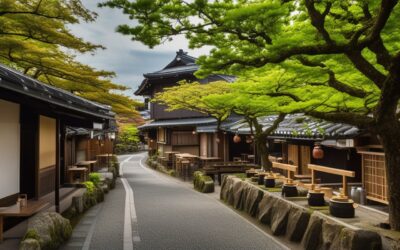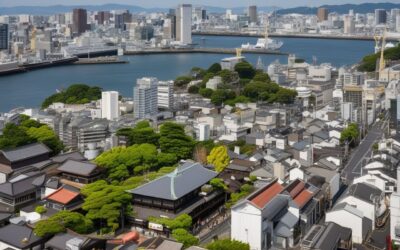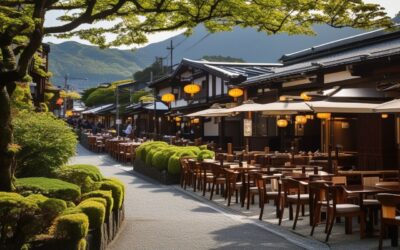

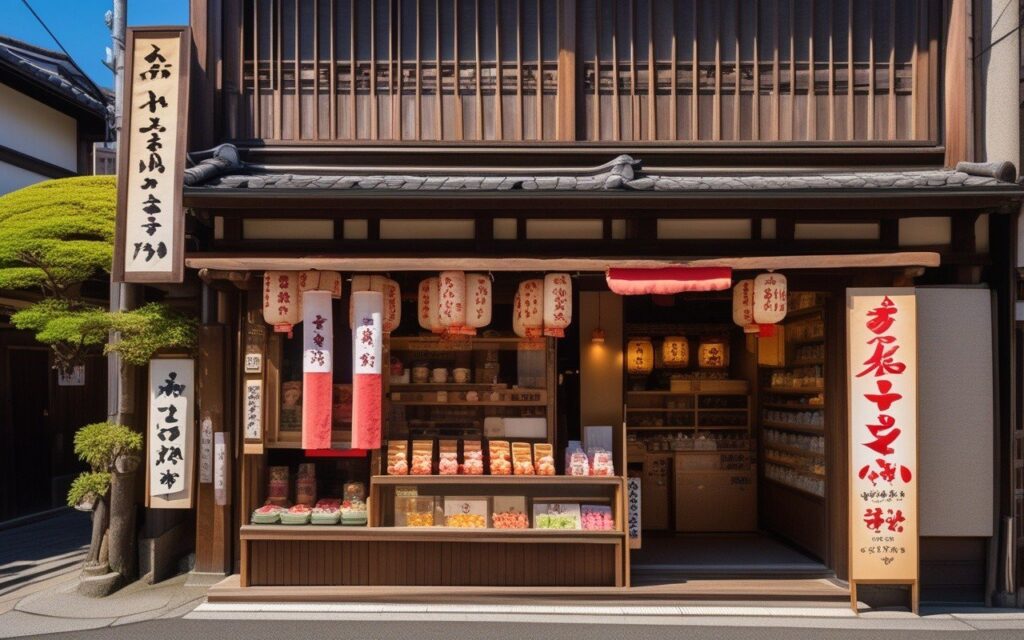
I visited several kakigori shops across Kamakura and Yokohama last summer, sampling everything from classic matcha to seasonal peach flavors. Each shop had its own unique texture and style.
Best Kakigori Shaved Ice Kanagawa 2026
Overview
Kanagawa’s kakigori scene transforms simple shaved ice into an art form. This guide showcases the most creative and delicious shaved ice shops across the prefecture, from classic matcha syrup to elaborate fruit-topped creations that are almost too beautiful to eat.
Where to Find Premium Kakigori in Kanagawa
Kamakura: Classic Matcha and Kuromitsu
Kamakura’s machiya (traditional townhouse) cafes are a natural home for premium kakigori. Kamakura Chacha near Komachi-dori serves a signature matcha kakigori made with Uji green tea syrup, layered with kuromitsu (brown sugar syrup) and topped with house-made anko (sweet red bean paste). The contrast between the bitter matcha, sweet kuromitsu, and creamy anko creates a balanced, sophisticated flavor profile. Prices range from ¥900–¥1,200.
Hokoku-ji Temple Tea House offers a unique kakigori experience in its bamboo grove setting. Their shiratama-zenzai kakigori combines fluffy ice with soft mochi balls and sweet red bean paste, served with a side of roasted green tea. The combination of cool ice and warm tea makes this a standout choice on humid summer days. Admission to the temple grounds (¥300) is included.
Yokohama: Creative Flavors and Coffee Pairings
Yokohama’s Motomachi district is known for its long-established cafes. Cafe Yamané, a Motomachi institution since 1956, offers a seasonal kakigori menu that changes monthly. June brings strawberry milk, July features peach and cream, and August highlights Shonan melon with condensed milk. Their ice is shaved so finely it resembles fresh snow, absorbing syrup without becoming soggy. Each serving is ¥1,100 and easily enough for two.
Kissako, near Sakuragicho Station, takes a modern approach with kakigori inspired by Japanese tea ceremony. Their hojicha (roasted green tea) kakigori—topped with roasted chestnuts and whipped cream—is a fall favorite. Hojicha’s naturally low caffeine content means you can enjoy it even as an evening dessert.
Enoshima Island: Ocean Views and Local Flavors
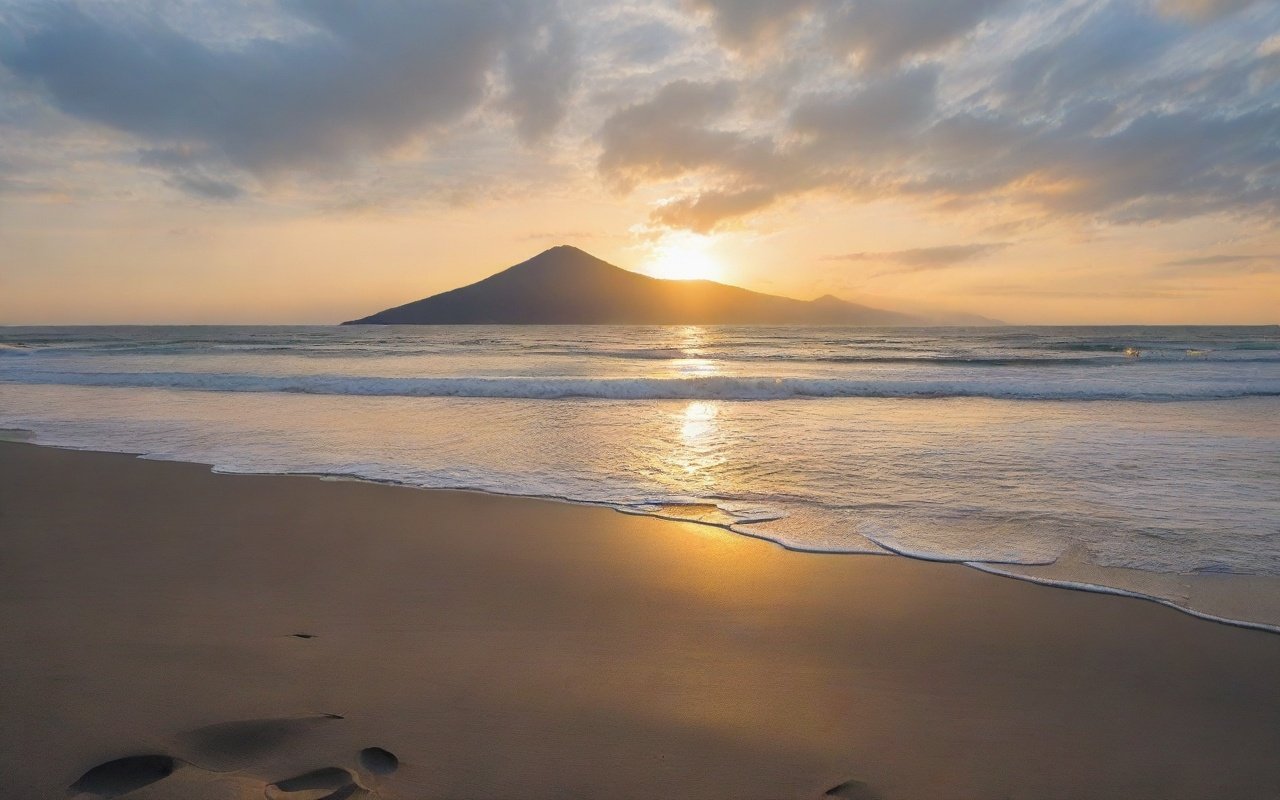
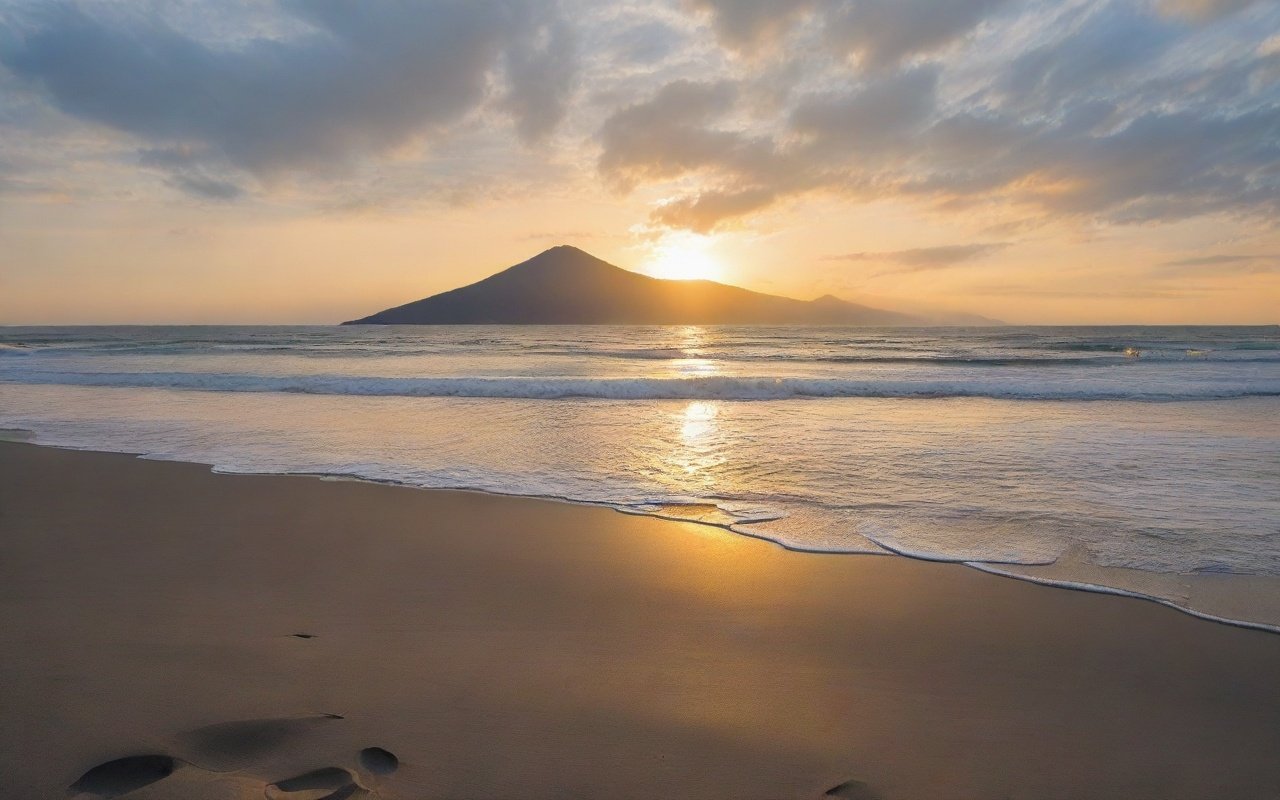
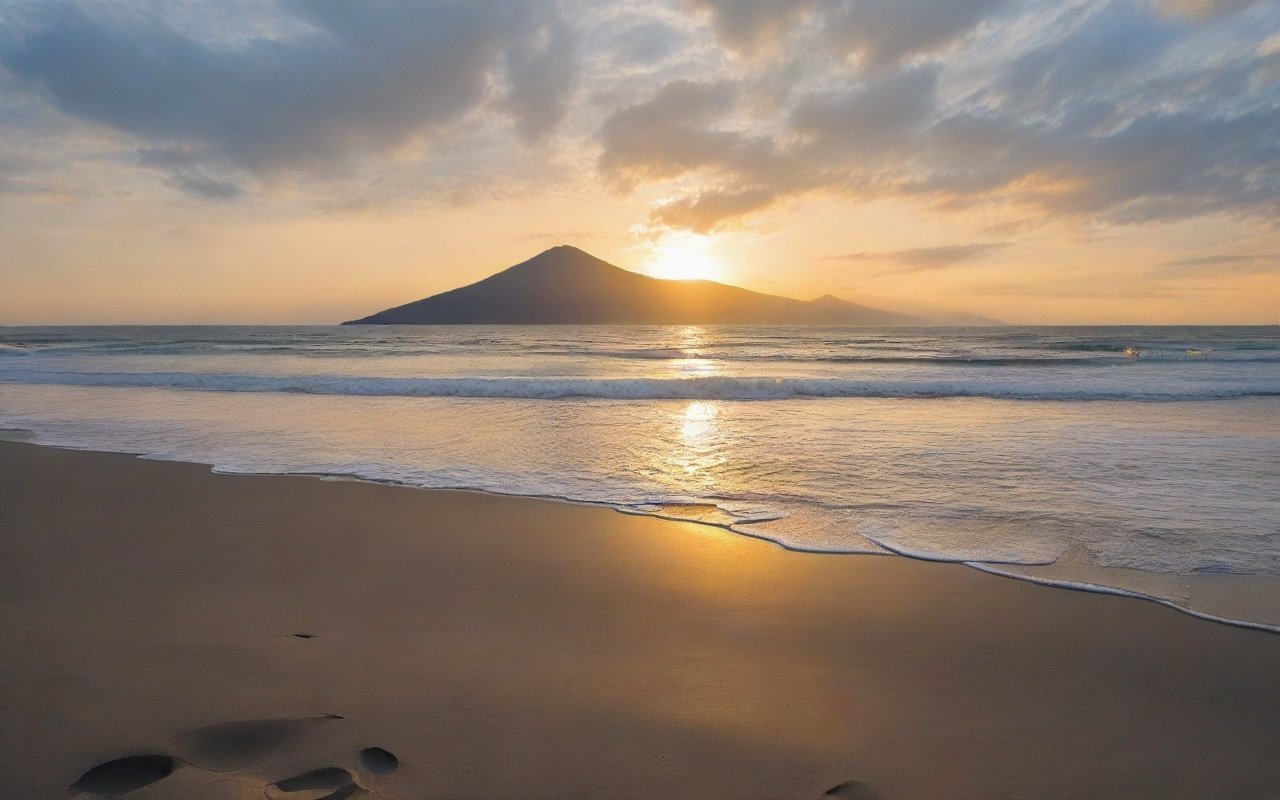
The cafes along Enoshima’s Samuel Cocking Garden offer kakigori with sweeping views of Sagami Bay and, on clear days, Mount Fuji. Enoshima Sea Candle Cafe serves a “Sunset Kakigori” layered with mango and passion fruit syrup—the yellow-orange gradient mimics the sunset over the ocean. At ¥1,300, it’s pricier than inland options, but the view makes it worthwhile.
For the adventurous, several Enoshima shops offer shirasu (whitebait) flavored kakigori—a savory-sweet combination that sounds odd but works surprisingly well. The mild saltiness of the shirasu powder enhances the sweetness of the base syrup, creating a flavor that locals love during peak summer months.
Odawara: Fruit Kakigori from Local Farms
Odawara, known for its castle town atmosphere, benefits from nearby fruit farms in the Ashigara region. Odawara Kajitsu-en uses locally grown strawberries, peaches, and grapes to make syrup from scratch. Their whole-fruit kakigori—topped with fresh-cut seasonal fruit rather than just syrup—offers texture and freshness that syrup-only versions cannot match. The grape kakigori (available September–October) uses Kyoho grapes from Hadano, known for their intense sweetness.
The Evolution of Kakigori
Gone are the days of crunchy ice doused in artificial blue syrup. Today’s premium Kakigori features:
- Natural Syrups: Made from real fruit juices, tea reductions, and brown sugar (kokuto), rather than artificial colorings.
- Layering: Chefs carefully layer different syrups—matcha, hojicha, strawberry, yuzu—to create complex flavor profiles that evolve as you eat deeper into the bowl.
- Toppings: Fresh fruit, shiratama (mochi balls), anko (red bean paste), warabi-mochi (bracken starch jelly), and dollops of house-made whipped cream add texture and richness.
Kakigori is traditionally a summer dessert (June–August), but many shops now offer seasonal menus year-round:
- Spring (March–May): Sakura (cherry blossom) flavored kakigori with salted cherry leaves, strawberry and cream
- Summer (June–August): Peak season—melon, mango, peach, and shaved ice with condensed milk
- Autumn (September–November): Roasted sweet potato, chestnut, hojicha, and kabocha (pumpkin)
- Winter (December–February): Matcha azuki with warm warabi-mochi, sometimes served with a side of hot tea for contrast
🗺️ Kakigori Shop Map by Area
| Area | Recommended Shops | Price Range | Best Season | Wait Time |
|---|---|---|---|---|
| Kamakura | Kamakura Chacha, Hokoku-ji Tea House | ¥900-1,300 | Spring/Summer | 10-20 min (weekday) |
| Yokohama (Motomachi) | Cafe Yamané, Kissako | ¥1,000-1,300 | Year-round | 15-30 min (weekend) |
| Enoshima | Sea Candle Cafe, Enoshima shops | ¥1,100-1,500 | Summer | 20-30 min (weekend) |
| Odawara | Odawara Kajitsu-en | ¥800-1,200 | Summer/Autumn | 5-10 min |
Pro tip: If you only have time for one, choose Cafe Yamané in Motomachi — the seasonal menu changes monthly, and the retro atmosphere adds to the experience.
💰 Kakigori Budget Guide
| Scenario | Cost | What You Get |
|---|---|---|
| Basic kakigori | ¥500-800 | Simple syrup flavor at a convenience store or festival stall |
| Premium kakigori | ¥800-1,200 | Hand-shaved ice with natural syrup at a dedicated shop |
| Luxury kakigori + topping | ¥1,200-1,800 | Artisan creation with fresh fruit, mochi, red bean at a tea house |
| Kakigori with a view | ¥1,300-1,500 | Enoshima Sea Candle or temple setting |
| DIY (make at home) | ¥300-500 | Block ice + syrup from supermarket (not the same experience!) |
Money-saving tip: The ¥1,100 kakigori at Cafe Yamané serves two people easily. Share one order and also try their famous pudding (¥500).
📅 Kakigori Festival & Event Calendar
| Event | Location | Month | Details |
|---|---|---|---|
| Kamakura Kakigori Fair | Multiple Kamakura cafes | July-August | 10+ shops offer special kakigori menus. Pick up a map at Kamakura Station tourist office. |
| Yokohama Summer Sweets Fair | Minato Mirai | August | Dessert-focused event with kakigori from 15+ shops. Free entry, ¥500-800 per serving. |
| Enoshima Sunset Kakigori Event | Enoshima Sea Candle | August weekends | Extended hours until 8 PM. Special sunset-themed flavors. |
| Odawara Fruit Kakigori Month | Odawara Station area | September | Grape, pear, and fig flavors from local farms. Limited availability. |
🚃 Access: How to Reach Each Kakigori Area
| Area | Nearest Station | Train Line from Tokyo | Time | Cost |
|---|---|---|---|---|
| Kamakura | Kamakura Station | JR Yokosuka Line | 60 min | ¥1,040 |
| Yokohama (Motomachi) | Motomachi-Chukagai Station | Minato Mirai Line (from Shibuya) | 40 min | ¥490 |
| Enoshima | Katase-Enoshima Station | Odakyu Line (from Shinjuku) | 65 min | ¥650 |
| Odawara | Odawara Station | JR Tokaido Shinkansen | 35 min | ¥3,650 |
Pro tip for Odawara: The Shinkansen costs more than the journey itself. A cheaper alternative is the JR Tokaido Line rapid train (60 min, ¥1,190).
Best Time to Visit
Restaurants are busiest during lunch (12:00-1:30 PM) and dinner (6:00-8:00 PM). For a more relaxed experience visit during off-peak hours. Many restaurants offer seasonal menus that change monthly so visiting at different times of year provides variety.
What to Expect
Kanagawa’s food scene reflects its coastal location and cultural diversity. Fresh seafood is a highlight, particularly in port towns like Misaki and Miura. Many restaurants specialize in a single dish, perfecting it over generations. Service is attentive and polite, and tipping is not practiced. Most restaurants open for lunch from 11:00 AM and dinner from 5:00 PM. Some establishments close between lunch and dinner service. Smoking is restricted in most restaurants, with designated smoking areas common.
Nearby Recommendations
The food scene in this area extends beyond the main restaurants featured in this guide. Nearby specialty shops sell local products and ingredients worth exploring. Some areas have food tours that combine multiple dining stops with cultural commentary from local guides. Consider visiting a nearby sake brewery or craft beer taproom to complete your culinary experience.
Local Tips
Food enthusiasts recommend visiting restaurants during off-peak hours (2:00-5:00 PM) for a more relaxed dining experience. Some restaurants have secret menu items not listed in English – using Google Translate to read the Japanese menu can reveal hidden gems. Seasonal specialties are worth prioritizing, as they feature ingredients at their peak flavor. Local food festivals offer an excellent introduction to the area’s culinary traditions.
Conclusion
Kanagawa’s kakigori scene is far more than a summer novelty — it is a craft tradition that peaks in July and August but delights year-round. From classic syrup-topped shaved ice in Kamakura to inventive seasonal flavors in Yokohama, each shop we visited brought something unique to the table. Skip the tourist queues, follow the locals to their neighborhood favorites, and let a perfectly shaved bowl of ice become the highlight of your hot-weather itinerary.n