Tag: ramen

  • Chigasaki Beach Town Guide: Surf Culture & Local Flavor

    Chigasaki Beach Town Guide: Surf Culture & Local Flavor

    Overview

    Chigasaki is the kind of Japanese beach town that refuses to be a tourist attraction. It has a world-class beach, a beloved music history, and a serious ramen scene, yet it feels like a place where people simply live well — surf in the morning, work a bit, eat well, and watch the sunset from the sand.

    I came to Chigasaki on a recommendation from a Tokyo friend who grew up there, expecting a small beach town. What I found was a community with real cultural weight: the surf culture that shaped it in the 1960s, the singer-songwriter legacy that gave it a nationwide identity, and a food scene that punches far above its size. The beach is beautiful, but the town around it is the real reason to go.

    This guide covers Southern Beach and the C monument, the surf culture of Chigasaki, the local food scene (including the famous ramen), and the practical details of a day trip from Tokyo.


    📍 Getting There & Access

    From Tokyo

    1. JR Tokaido Line to Chigasaki Station (60 min from Tokyo Station, around ¥1,040) — Direct trains from Tokyo make Chigasaki one of the easiest beach towns to reach. The Shonan-Shinjuku Line also connects from Shinjuku and Shibuya.
    2. By car — The Shin-Shonan Bypass Chigasaki-Kaigan IC brings you right to the coast. Expect 40-60 minutes from central Tokyo with light traffic.

    Getting Around

    • On foot — The station-to-beach route is a pleasant 20-minute walk down the shopping street (Southern-dori).
    • Buses — Local buses connect the station to the beach and Yanagishima in about 10 minutes.
    • Bicycle — Flat and compact, Chigasaki is best explored by bike. Rentals are available near the station.

    🌊 Southern Beach Chigasaki: The Town’s Heart

    The Beach

    Southern Beach Chigasaki is the town’s main beach, a wide stretch of sand facing Sagami Bay with the iconic Eboshi Rock rising from the surf just offshore. On clear days, the view runs from Enoshima in the east to Mount Fuji in the west. The beach’s landmark is the “Chigasaki Southern C” monument — a large white sculpture of the letter C that has become the town’s favorite photo spot.

    I have sat on this beach at every hour of the day. The morning light on the water is clean and quiet; summer afternoons bring swimming families and beach house music; and the sunsets, when the sky turns orange behind the C and Eboshi Rock, are among the best in Shonan. See the Shonan sunset guide for more sunset spots along the coast.

    Southern Beach Chigasaki C monument at sunset

    What to Do

    1. The C monument photo — The classic Chigasaki photo, especially good at sunrise and sunset.
    2. Swimming — The swimming season runs from early July through the end of August, with lifeguards on duty and beach houses operating along the sand.
    3. Walking and jogging — The beach runs for kilometers in both directions. Walking east toward Eboshi Rock or west toward the Sakai River mouth is the best free activity.
    4. Sea kayaking and SUP — In the shoulder seasons, lessons and rentals operate on the calm stretches. See the Shonan marine activities guide for details.

    Practical Notes for the Beach

    • Entry: Free. Beach houses, parasols, and rentals are extra.
    • Swimming season: Early July to the end of August, roughly 8:30-17:00. Surfing is restricted to designated zones during this period.
    • Facilities: Showers and changing rooms are available near the beach house cluster in summer. Public restrooms are open year-round.

    🏄 Surf Culture: Japan’s Original Surf Town

    The Legacy

    Chigasaki claims one of Japan’s earliest surf scenes, developed in the 1960s when the first waves were ridden here by the pioneers of Japanese surfing. Unlike Kugenuma’s more organized surf-school energy, Chigasaki’s surf culture feels older and more local — boards strapped to cars, wetsuits drying on balconies, and a morning greeting wave from the regulars in the water.

    I joined a dawn session-watching routine on my second visit, sitting on the seawall with a coffee while the locals took turns on a clean winter swell. Nobody was showing off; it was just a neighborhood rhythm, repeated every morning for fifty years. That sense of continuity is what makes Chigasaki feel different from other surf beaches.

    Where to Experience It

    1. The seawall at Southern Beach — The best free viewpoint for watching surfers, especially at dawn.
    2. Surf shops along the coast — Several long-running shops rent boards and wetsuits, and a few offer lessons.
    3. Yanagishima Beach (west) — The quieter western beach near the Sakai River mouth, favored by longboarders and beginner-to-intermediate surfers.

    🍜 The Ramen Scene: Why Chigasaki Is a Food Town

    The Local Obsession

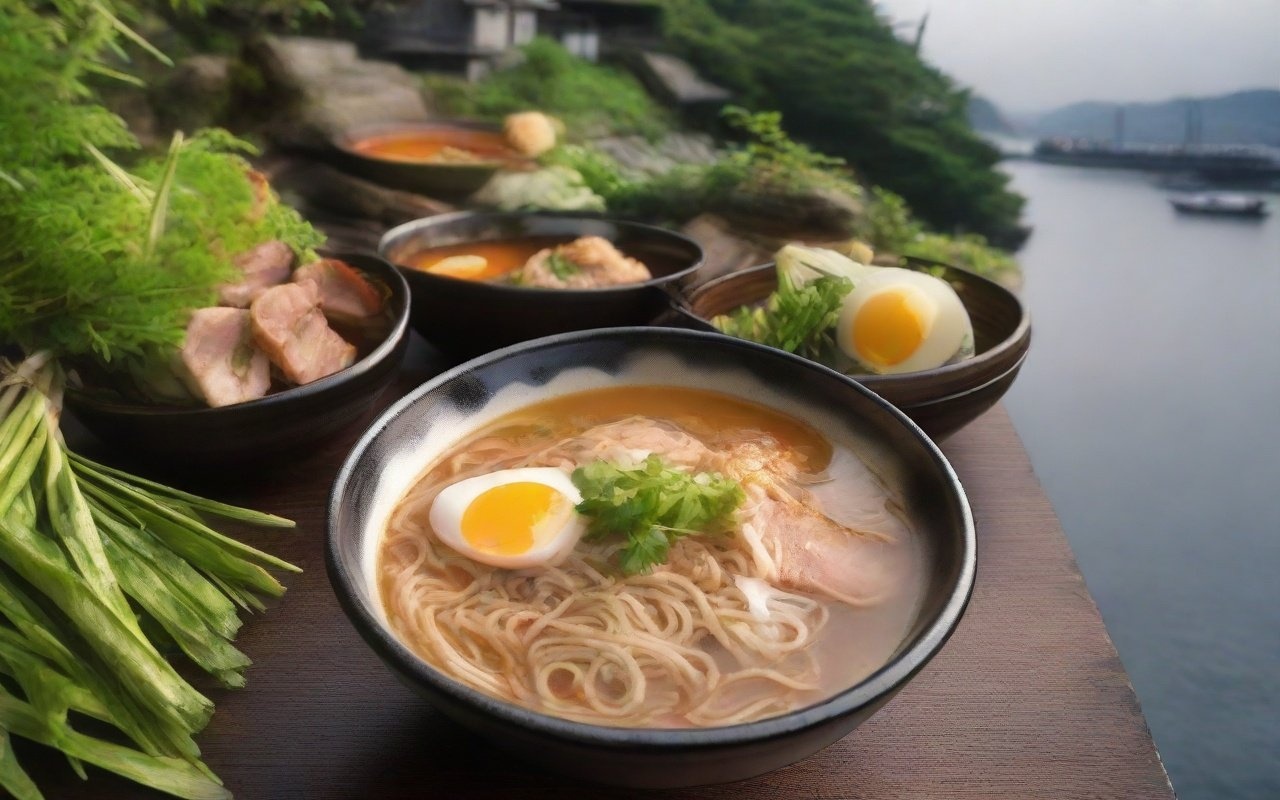
    Chigasaki is a genuine ramen battleground — a small beach town with a concentration of high-level ramen shops that would be notable even in Tokyo. The styles range from refined chicken-broth bowls to creamy tonkotsu, and several shops have earned national recognition.

    On my first visit, I asked a local which shop to try first. He shrugged and said, “You can’t go wrong; that’s the problem.” I tried three shops over two days, and he was right — each was excellent in a completely different way.
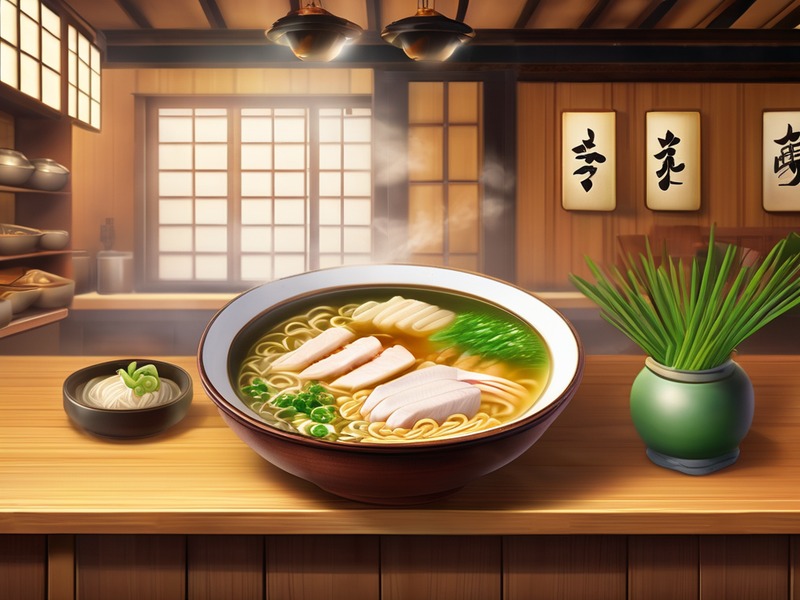
    Chigasaki ramen bowl with chashu

    Where to Eat

    1. Raamen Toki — A nationally recognized shop known for its house-made noodles and elegant chicken-based broth. Expect a line; go early.
    2. Menya BISQ — A creamy, modern tonkotsu with a cult following. The rich bowl is not for the faint of heart.
    3. Noodle Works — A relaxed shop with a rotating menu of inventive bowls and excellent side dishes.
    4. Budget: Expect ¥800-1,200 per bowl.

    Beyond Ramen

    • Shirasu donburi — The coastal whitebait bowl, best in spring and autumn. Several seafood diners near the beach serve it.
    • Chigasaki craft beer — The local brewery’s beers are sold across the town and are a great souvenir. See the Shonan craft brewery guide for the full brewery trail.
    • The local eats guide — For the deeper food scene, the Chigasaki local eats guide covers more of the town’s restaurants and markets.

    🛍️ The Shopping Street and Town Center

    Southern-dori and the Station Area

    The walk from Chigasaki Station to the beach runs down Southern-dori, a covered shopping street lined with bakeries, vegetable shops, and long-established stores. The station area itself — the LUSCA building and its surroundings — is compact and walkable, with souvenir shops selling Chigasaki goods.

    I always stop at a bakery on Southern-dori for a morning bun before the beach. It is a small ritual, but it is the kind of detail that makes a beach town feel like home.

    What to Buy

    • Chigasaki craft beer — The perfect local souvenir.
    • Southern C goods — T-shirts, towels, and keychains featuring the monument, sold at shops near the beach.
    • Local produce — The morning vegetable stalls along Southern-dori carry coastal produce, including the area’s famous cabbage.

    🗓️ Sample Itinerary: Chigasaki in a Day

    Morning (9:00-13:00)

    1. 9:00 — Arrive at Chigasaki Station. Grab a pastry on Southern-dori.
    2. 9:45 — Walk to Southern Beach. Photo at the C monument, then a walk along the sand toward Eboshi Rock.
    3. 11:30 — Early ramen lunch before the line forms.
    4. 13:00 — Browse the shops and souvenir stalls near the station.

    Afternoon (13:30-18:30)

    1. 14:00 — Rent a bike and ride west to Yanagishima Beach for the quieter surf view.
    2. 15:30 — Coffee and cake at a seaside cafe.
    3. 17:00 — Return to Southern Beach for the sunset — the best hour of the day here.
    4. 18:30 — Dinner at a local izakaya or a second ramen shop, then the train home.

    If You Have More Time

    • Enoshima and Kamakura: Ride the Enoden line east for Enoshima Island and Kamakura’s temples.
    • The wider Shonan coast: The Shonan beach guide covers the entire coastline from Kamakura to Oiso.
    • Fujisawa’s surf coast: The neighboring Kugenuma coast, birthplace of Japanese surfing, is covered in the Tsujido and Kugenuma guide.

    📅 Seasonal Notes

    • Spring (Mar-May): Clean swells and soft light. The best season for watching surfers and for shirasu season.
    • Summer (Jun-Aug): Swimming season with beach houses, fireworks festivals, and the liveliest atmosphere. The summer fireworks guide lists the local displays.
    • Autumn (Sep-Nov): Warm water, thin crowds, and glassy waves. My favorite season on this coast.
    • Winter (Dec-Feb): The strongest swells and the clearest air. Sunrise surfers against Mount Fuji are the winter show.

    💡 Practical Tips

    1. Go for the sunset — The C monument at sunset is the defining Chigasaki image. Arrive at the beach by 16:30 in summer and 16:00 in winter.
    2. Eat ramen early — The famous shops form lines by 11:30. Arrive before the rush.
    3. Bring cash — Many beach houses, small shops, and some ramen shops are cash-only.
    4. Layer for the wind — The sea breeze is strong even on sunny days. A windbreaker is essential.
    5. Check the swimming calendar — Surfing restrictions and beach house hours change with the swimming season.

    Conclusion

    Chigasaki is a beach town that understands itself: surfing at dawn, ramen at noon, and sunset on the sand with the C monument glowing in the last light. It is close enough to Tokyo for a spur-of-the-moment day trip, small enough to walk across, and deep enough to keep rewarding repeat visits. Come for the beach, stay for the ramen, and leave with the feeling of having found a town that knows how to live well.

    FAQ

    Q: How do I get to Chigasaki from Tokyo?
    A: Direct JR Tokaido Line trains from Tokyo Station reach Chigasaki in about 60 minutes. The Shonan-Shinjuku Line serves Shinjuku and Shibuya.

    Q: What is the best time of day to visit the beach?
    A: Early morning for watching surfers, and sunset for the C monument photo — the two best hours of the day here.

    Q: Is Chigasaki good for a day trip?
    A: Yes. The full loop — beach, ramen, shopping, and sunset — fits comfortably into one day, with several strong options for extending to Enoshima or Kamakura.

    Q: How much does a day in Chigasaki cost?
    A: Around ¥4,000-5,000 per person: train ¥2,080 round trip, lunch ¥1,200, snacks and coffee ¥1,000, and souvenirs as budget allows. The beach and C monument are free.
  • Shin-Yokohama Ramen Museum Guide 2026

    Shin-Yokohama Ramen Museum Guide 2026

    Overview

    Explore the rich cultural heritage and historical significance of Shin-Yokohama Ramen Museum Guide in Kanagawa Prefecture. This guide delves into the fascinating stories, traditions, and landmarks that define Shin. From ancient temples to modern museums, discover how this destination has shaped Japan’s cultural landscape over centuries.

    Introduction: The Museum Concept

    When the Shin-Yokohama Ramen Museum opened in 1994, the idea of a food-themed amusement park was unprecedented. The founders wanted to create a place where visitors could experience the diversity of Japanese ramen — from Hokkaido’s miso ramen to Kyushu’s tonkotsu — without spending days traveling across the country.

    The key design decision was to set the museum in 1958, the year Momofuku Ando invented instant ramen (Chicken Ramen). The basement level was built as a full-scale indoor recreation of a Showa-era Tokyo streetscape, complete with retro signage, period advertisements, dim “sunset” lighting, and the sounds of the era.

    Why 1958 Matters:

    • First instant ramen (Chicken Ramen) launched
    • Japan’s post-war recovery was in full swing
    • Ramen was transitioning from street food to a national obsession
    • The Showa atmosphere evokes nostalgia for older visitors and novelty for younger ones

    How It Works

    Step Detail
    1 Purchase admission ticket at the entrance (ground floor)
    2 Descend to the basement “1958 Tokyo” streetscape
    3 Explore the retro street, visit shops, read menus
    4 Choose a ramen shop and queue (no reservations)
    5 Order from a vending machine or counter
    6 Eat at communal counters or standing tables
    7 Repeat — try a second or third bowl from different shops
    8 Visit the gift shop, candy store, or museum shop on the way out

    The Showa Streetscape

    Atmosphere

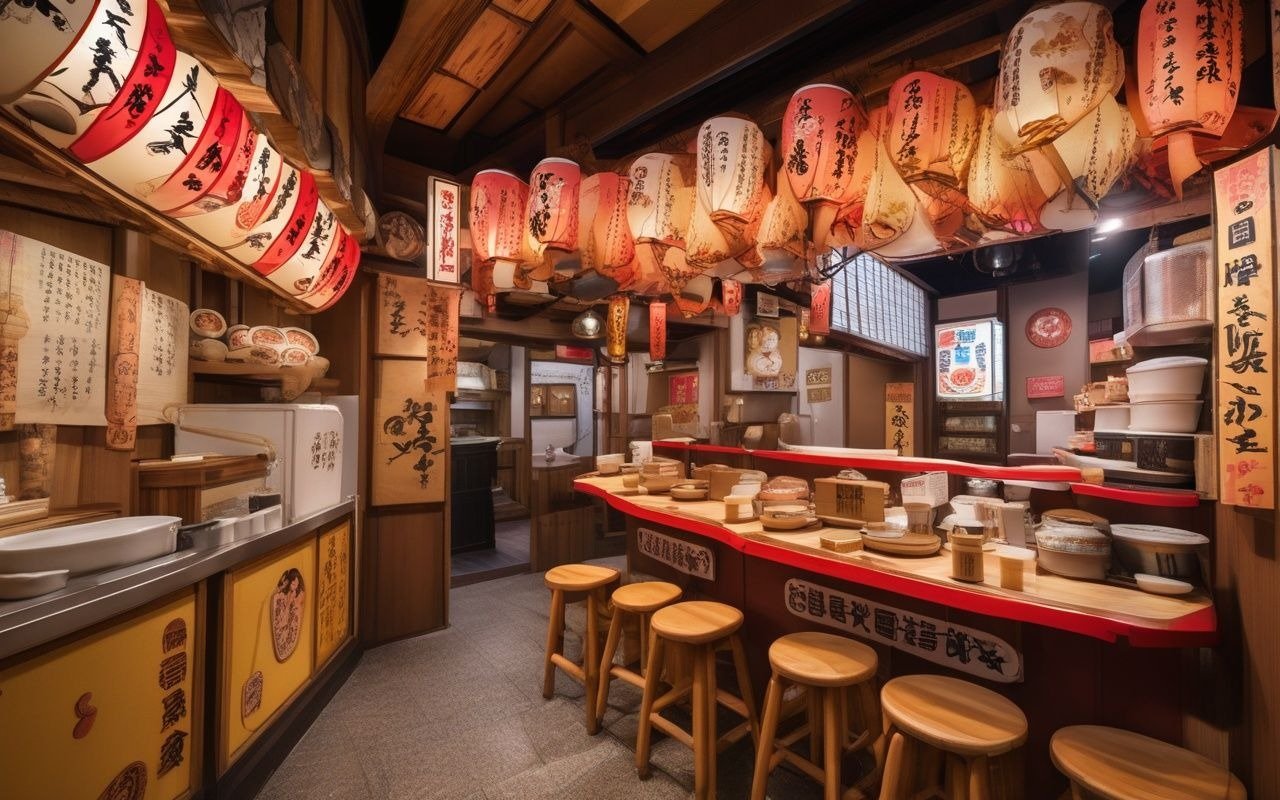
    The basement level is the heart of the museum. The ceiling is designed to look like a dusky evening sky, with gradually dimming lights that simulate twilight. The street is lined with period-accurate shop fronts — a pharmacy, a tobacco shop, a barber, a candy store — interspersed with the ramen shops.

    The attention to detail is extraordinary:

    • Signage: Hand-painted signs in period typography
    • Advertisements: Vintage posters for long-discontinued products
    • Street furniture: Old mailboxes,公用電話 (public phones), bicycles
    • Soundtrack: Showa-era popular music plays softly through hidden speakers
    • Smells: The aroma of simmering broth mixes with the scent of old wood

    Dagashi-ya (Traditional Candy Shop)

    The retro candy shop sells classic Showa-era sweets:

    • Ramune soda (¥150)
    • Konpeito (star-shaped sugar candy, ¥200)
    • Older-style chewing gum and chocolate (¥100–300)
    • Traditional rice crackers (¥200–400)

    Kateko Cafe

    A Showa-style café serving:

    • Classic pudding (¥400)
    • Parfaits (¥600–800)
    • Coffee and tea sets (¥500)
    • Cream soda (¥500)

    Featured Ramen Shops

    The shop lineup changes periodically — typically every 6–12 months — as new regional shops are invited and old ones rotate out. This keeps the experience fresh for returning visitors. Below is the current lineup; check the official website for the latest list.

    Current Selection (Summer 2026)

    Shop Region Style Signature Bowl Price
    Hakata Issou Fukuoka Tonkotsu Tonkotsu cappuccino (creamy pork broth) ¥950
    Ramen Jiro Tokyo Garlic-heavy Miso ramen with mountain of bean sprouts ¥850
    Santouka Hokkaido Shio (salt) Charshu ramen with tokotsu-shoyu broth ¥1,100
    Kumamoto Ramen Kikusha Kumamoto Tonkotsu + garlic Rich tonkotsu with garlic chips ¥900
    Okinawa Soba Kokusai Okinawa Okinawa soba Pork rib soba in clear broth ¥1,000

    Sample Sizes

    Most shops offer a mini ramen option (約 half size, ¥500–700) for visitors who want to try multiple bowls. This is the recommended strategy — three mini bowls from different shops is more satisfying than one full bowl.

    Eating Strategy for First-Time Visitors:

    Option A: Regional Tour
    1. Mini miso ramen (Hokkaido-style)
    2. Mini tonkotsu (Hakata-style)
    3. Mini shio ramen (Hokkaido-style)
    Best for: Understanding regional differences
    
    Option B: Contrast Tour
    1. Full tonkotsu (rich, heavy)
    2. Mini shio (light, clean)
    3. Mini tsukemen (dipping noodles)
    Best for: Maximum variety
    
    Option C: Quick Visit (60 min)
    1. One full bowl from whichever shop has the shortest queue
    2. Dessert at Kateko Cafe
    Best for: Limited time

    Activities and Experiences

    Ramen Making Class

    The hands-on noodle-making class is the museum’s most popular activity.

    Detail Info
    Duration ~90 minutes
    Price ¥1,500 per person
    Language Japanese (visual instructions provided)
    Reservation Required (book online or at the ticket counter)
    Ages 6 and up (children under 12 must be accompanied)

    What You Do:

    1. Mix flour and water (比例 is measured for you)
    2. Knead the dough by hand
    3. Use the Aodake-uchi technique — a traditional method where a bamboo pole is used to press and fold the dough repeatedly
    4. Cut the noodles by machine
    5. Take your fresh noodles home (they cook in 60 seconds)

    Ra-haku Sugomen Lab

    A newer addition where visitors create custom cup noodles:

    Detail Info
    Duration 30 minutes
    Price ¥800 per cup
    Language All visual — no language barrier
    Reservation Walk-in (no booking needed)

    What You Do:

    1. Choose a cup design (draw or select a pattern)
    2. Select your broth base (shoyu, miso, tonkotsu, or curry)
    3. Pick 4 toppings from 12 options
    4. Watch your cup be sealed and packaged
    5. Take it home as a souvenir (good for 3 months)

    Museum Shop

    The ground floor shop sells:

    • Rare instant ramen from across Japan (¥200–500 per pack)
    • Ramen-themed merchandise (towels, chopsticks, bowls)
    • Limited-edition collaboration products
    • Regional ramen kits (make your own at home)

    Practical Information

    Admission Fees

    Category Price
    Adult (19+) ¥450
    Youth (6–18) ¥100
    Child (under 6) Free
    Re-entry Allowed (hand stamp)

    Hours

    Day Hours Last Order
    Weekdays 11:00–21:00 20:30
    Weekends & Holidays 10:30–21:00 20:30
    Closed Dec 31 – Jan 1

    Food Budget

    Item Price Range
    Full bowl of ramen ¥850–1,200
    Mini ramen ¥500–700
    Dessert at Kateko ¥400–800
    Total for 2 bowls + dessert ¥1,800–2,500

    Access

    From Tokyo Station:
    1. JR Tokaido Shinkansen to Shin-Yokohama (20 min, ¥2,400)
       (Note: Free if covered by JR Pass)
    2. Walk 5 minutes from the Shinkansen exit
    Total: ~30 minutes, ¥2,400 (or free with JR Pass)
    
    Alternate from Tokyo Station:
    1. JR Yokohama Line to Shin-Yokohama (40 min, ¥350)
       (Local train, no Shinkansen needed)
    Total: ~50 minutes, ¥350
    
    From Yokohama Station:
    1. Yokohama Municipal Subway Blue Line to Shin-Yokohama (10 min, ¥230)
    2. Kyushu Shinkansen / JR Yokohama Line also available
    Total: ~20 minutes, ¥230 From Shinagawa Station:
    1. JR Tokaido Shinkansen to Shin-Yokohama (13 min, ¥1,650)
    Total: ~20 minutes, ¥1,650

    When to Visit

    Best times (shortest queues):
    - Weekday mornings (11:00–12:00)
    - Weekday evenings (after 18:00)
    - Rainy days (fewer visitors)
    
    Busiest times (longest queues):
    - Weekends 12:00–14:00
    - National holidays
    - School holidays (spring, summer, winter breaks) Recommended strategy:
    - Arrive at opening (11:00 on weekdays)
    - Visit the ramen shops first (before 12:00)
    - Explore the retro street and shops after eating
    - Save the Ramen Making Class for after lunch

    Tips for First-Time Visitors

    ✅ Bring cash — some vending machines are cash-only
    ✅ Start with a mini bowl from 2–3 different shops
    ✅ Share with a friend to try more varieties
    ✅ Visit the candy store for Showa-era nostalgia
    ✅ Take photos of the retro street before it gets busy
    ✅ Combine with a Shin-Yokohama Station visit (try the Shinkansen bento shops)
    
    ❌ Don't come with a full stomach (you will want to eat)
    ❌ Don't expect a quiet meal (it's lively and bustling)
    ❌ Don't skip the basement (the ground floor lobby is just the entrance)
    ❌ Don't forget your camera (the Showa street is highly photogenic)

    Nearby Attractions

    Shin-Yokohama is a convenient hub for exploring northern Yokohama:

    • Yokohama Hakkeijima Sea Paradise — 25 min by train (covered separately in our Sea Paradise guide)
    • Kohoku New Town — shopping and dining complex
    • Nissan Stadium — home of the Yokohama F. Marinos
    • Shin-Yokohama Station — the Shinkansen bento selection is excellent

    For a full day, combine the Ramen Museum (morning) with Sea Paradise (afternoon).


    Frequently Asked Questions

    Q: Do I need to speak Japanese to enjoy the museum?

    A: No. Menus have English and photos. The ramen-making class has visual instructions. Most visitors navigate without Japanese.

    Q: Can I re-enter the museum after leaving?

    A: Yes. Get a hand stamp at the exit and you can re-enter on the same day.

    Q: Is the museum suitable for vegetarians?

    A: Most ramen broths are meat-based (pork or chicken). Some shops offer vegetable-based options — ask at each counter. The Kateko Cafe has vegetarian-friendly desserts.

    Q: How long should I plan to spend?

    A: 2–3 hours for a relaxed visit with 2 bowls of ramen and exploration. Allow 4 hours if you want to do the ramen-making class.

    Q: Can I buy tickets in advance?

    A: Tickets are sold at the door only. No advance online sales. The queue moves quickly (it’s a large venue).

    🌟 Share Your Experience

    Visited the Ramen Museum? favorite shop in the current lineup? Join our community forum to share your ramen recommendations!


    Shin-Yokohama Ramen Museum Guide 2026 — Share Your Experience

    The Shin-Yokohama Ramen Museum is a testament to Japan’s ability to turn a humble bowl of noodles into a cultural experience. It is kitschy, crowded, and thoroughly entertaining — exactly what a food theme park should be. For ramen lovers, it is essential. For casual visitors, it is a fun and delicious way to spend a few hours in Yokohama. For more food adventures in Yokohama, read our Ie-kei ramen Yokohama guide and the comprehensive Yokohama ramen guide.


    ⏰ Best Time to Visit

    Early morning (8–10 AM): Peaceful atmosphere, fewer crowds, perfect for photos Late afternoon (4–6 PM): Beautiful lighting, local life, less crowded than midday

    🎯 What I Recommend

    • Don’t rush: Take your time to explore the side streets and hidden spots
    • Talk to locals: They often know the best lesser-known spots that aren’t in guidebooks
    • Try the local specialties: Each area has its own unique food and souvenirs

    ⚠️ Things to Watch Out For

    • Some shops close on weekdays or have irregular hours
    • Parking can be challenging during peak seasons
    • Cash is still king at many smaller establishments

    Getting There

    Best Time to Visit

    Temples and cultural sites are most enjoyable during weekdays when crowds are smaller. Early morning before 9 AM offers a peaceful atmosphere. Spring and autumn provide the most pleasant weather for exploring outdoor sites. Many temples have seasonal events and special openings.

    What to Expect

    Visiting historical sites in Kanagawa requires respect for local customs and traditions. Dress modestly when visiting temples and shrines – cover shoulders and knees. The atmosphere at cultural sites varies by season and time of day. Early morning visits offer a peaceful experience before crowds arrive. Many temples charge a small admission fee (¥200-500) that helps with preservation. Some sites close earlier in winter months. Check opening hours before planning your visit. Goshuin (temple stamp) books make wonderful souvenirs collected at each site.

    Local Tips

    Cultural enthusiasts recommend visiting on weekdays when crowds are smaller and the atmosphere is more contemplative. Some temples offer special access to normally restricted areas during certain times of the year. Photography is best in early morning or late afternoon when the light creates dramatic shadows and warm tones. Dress in layers as temple buildings can be significantly cooler or warmer than outside.n

    Conclusion

    Whether you are planning exploring Yokohama for its ramen for the first time or returning for another visit, taking a little extra time to go beyond the obvious sights makes all the difference. During my visit to Yokohama I went with a rough plan and found that leaving room to wander made the trip far more memorable. I hope this guide helps you build an itinerary that fits your pace, and that your time in Kanagawa leaves you with memories worth coming back for.

  • Yokohama Ramen Guide – Kanagawa 2026

    Yokohama Ramen Guide – Kanagawa 2026

    Yokohama Ramen Guide – Kanagawa 2026

    Overview

    Yokohama is the birthplace of iekei ramen, a rich pork-and-soy sauce style that has fans across Japan. This guide maps the best ramen shops across the city, from the original iekei masters to modern interpretations pushing the boundaries of what ramen can be.

    Quick Links

    Planning a visit to time Yokohama Ramen Guide – Kanagawa 2026 in Kanagawa? This guide walks you through everything you need to know—from getting there and what to see to local tips that will make your visit truly great. Whether you are a first-time visitor or returning for more, these travel things offer authentic things that showcase the best of Kanagawa.

    📍 Location


    Yokohama Ramen Guide — main illustration

    Yokohama Ramen Guide - Kanagawa 2026 — Location


    Introduction

    Yokohama Ramen Guide - Kanagawa 2026 — Introduction

    Yokohama is a ramen lover’s paradise, home to the famous Cup Noodles Museum, and one of Japan’s largest Chinatowns. This guide covers the best ramen things in Yokohama. Highlights:

    • Ramen Museum (8 regional styles)
    • Chinatown authentic ramen
    • Local Yokohama specialties
    • Cup Noodles customization
    • Easy access from Tokyo

    1. Shin-Yokohama Ramen Museum

    Best for: Regional ramen tour, variety

    Hours: 11:00 AM - 10:00 PM
    Admission: ¥390 (free after 5 PM on weekdays)
    Access: 5 min walk from Shin-Yokohama Station
    Time needed: 2-3 hours

    The world’s first food theme park, featuring 8 famous ramen shops from across Japan in a recreated 1958 streetscape.

    Featured Shops

    Ginkaku (Kyoto)

    • Style: Chicken shoyu
    • Price: ¥880
    • Signature: Clear chicken broth with thin noodles Yoshimura (Tokyo)
    • Style: Tonkotsu shoyu
    • Price: ¥850
    • Signature: Rich pork and chicken broth Shin-Yokohama Ya (Yokohama)
    • Style: Yokohama shoyu
    • Price: ¥750
    • Signature: Local Yokohama style Iroha (Sapporo)
    • Style: Miso ramen
    • Price: ¥880
    • Signature: Rich miso with corn and butter

    Tips for Visiting

    • Arrive early: Popular shops have long lines
    • Share portions: Order from multiple shops
    • Gyoza sets: Many shops offer ramen + gyoza deals
    • Dessert: Try the vintage ice cream parlor

    2. Yokohama Chinatown Ramen

    Best for: Authentic Chinese-style ramen

    Access: 5 min walk from Motomachi-Chukagai Station
    Time needed: 1-2 hours
    Budget: ¥800-1,500 per bowl

    Yokohama Chinatown is home to over 200 Chinese restaurants, many serving authentic Chinese-style ramen.

    Top Chinatown Ramen Shops

    Kineya

    Style: Tanmen (vegetable ramen)
    Price: ¥1,000
    Signature: Stir-fried vegetables with rich broth
    Hours: 11:00 AM – 10:00 PM

    Style: Shoyu ramen
    Price: ¥900
    Signature: Clear soy sauce broth
    Hours: 11:00 AM – 9:00 PM

    Hanten

    Style: Tantanmen (spicy sesame)
    Price: ¥1,100
    Signature: Spicy sesame broth with ground pork
    Hours: 11:00 AM – 10:00 PM

    Chinatown Food Tour

    Suggested Route (3 hours):

    1. Start at East Gate
    2. Stop 1: Kineya (tanmen)
    3. Explore Chinatown shops
    4. Stop 2: Ryugin (shoyu ramen)
    5. Dessert: Chinese sweets
    6. End at West Gate

    3. Cup Noodles Museum

    Best for: Interactive time, families

    Hours: 10:00 AM – 6:00 PM (last entry 5:30 PM)
    Admission: Free
    Workshops: ¥500-800 (booking recommended)
    Access: 5 min walk from Minato Mirai Station
    Time needed: 2-3 hours

    Learn about the history of instant noodles and create your own custom Cup Noodle.

    Workshops

    Chicken Ramen Factory

    Price: ¥500
    Duration: 30 minutes
    Age: 6+
    Includes: Make chicken ramen from scratch

    Price: ¥800
    Duration: 30 minutes
    Age: 3+
    Includes: Customize your Cup Noodle
    Features: Choose toppings, design cup

    Museum Highlights

    • Instant Noodles Tunnel: History of instant noodles
    • Noodles Bazaar: Instant noodles from around the world
    • Creative Thinking Box: Learn about innovation
    • Noodle Park: Outdoor play area

    Men-ya Inamura

    Best for: Tsukemen (dipping noodles)

    Style: Tsukemen
    Price: ¥950
    Hours: 11:00 AM – 3:00 PM. 6:00 PM – 10:00 PM
    Closed: Sunday
    Access: 10 min walk from Byakugakuji Station

    Famous for rich, thick dipping sauce and chewy noodles. Signature:

    • Special tsukemen (¥1,200)
    • Spicy miso tsukemen

    Ramen Hanabi

    Best for: Spicy ramen

    Style: Spicy miso
    Price: ¥900
    Hours: 11:00 AM – 10:00 PM
    Closed: Tuesday
    Access: 8 min walk from Kannai Station

    Specializes in customizable spice levels from mild to extremely hot. Spice Levels:

    • Level 1: Mild
    • Level 3: Medium
    • Level 5: Hot
    • Level 10: Extreme challenge

    Yokohama Jack’s Mall

    Best for: Multiple options, shopping

    Location: Yokohama Station area
    Shops: 5+ ramen shops
    Hours: 11:00 AM – 11:00 PM
    Access: Direct from Yokohama Station

    A ramen complex with multiple famous shops under one roof. Featured Shops:

    • Afuri (yuzu shio)
    • Ichiran (tonkotsu)
    • Fuunji (tsukemen)

    Shoyu Ramen

    Broth: Chicken or pork with soy sauce
    Noodles: Thin, green onion
    Origin: Tokyo

    Tonkotsu Ramen

    Broth: Rich pork bone (creamy white)
    Noodles: Thin, green onion
    Origin: Fukuoka

    Miso Ramen

    Broth: Chicken or pork with miso paste
    Noodles: Thick, chashu
    Origin: Sapporo

    Shio Ramen

    Broth: Clear salt-based
    Noodles: Thin, straight
    Toppings: Chicken chashu, nori
    Origin: Hakodate

    Tanmen

    Broth: Pork or chicken with vegetables
    Noodles: Medium thickness
    Toppings: Stir-fried vegetables, seafood
    Origin: Chinese-style (Yokohama)


    Ramen Museum Tour (Half Day)

    Time: 3-4 hours
    Budget: ¥3,000-4,000

    11:00 AM: Arrive at Ramen Museum
    11:30 AM: Try first bowl (Ginkaku)
    1:00 PM: Try second bowl (Yoshimura)
    2:00 PM: Dessert at vintage parlor
    3:00 PM: Return to Tokyo

    Chinatown Food Tour (Half Day)

    11:00 AM: Arrive at Chinatown
    11:30 AM: Tanmen at Kineya
    1:00 PM: Explore Chinatown shops
    2:00 PM: Shoyu ramen at Ryugin
    3:00 PM: Chinese sweets
    4:00 PM: Return to Tokyo

    Complete Yokohama Ramen Day (Full Day)

    Time: 6-8 hours
    Budget: ¥5,000-7,000

    10:00 AM: Cup Noodles Museum
    12:00 PM: Lunch at Ramen Museum
    2:00 PM: Explore Minato Mirai
    5:00 PM: Dinner in Chinatown
    8:00 PM: Return to Tokyo


    Best Time to Visit

    Weekdays:

    • Less crowded
    • Shorter lines
    • Better for photos Weekends:
    • Very crowded (mostly 12-2 PM)
    • Long lines at popular shops
    • Arrive before 11:30 AM or after 2 PM

    Payment

    • Most shops accept credit cards
    • Some small shops are cash only
    • Ticket vending machines common

    Dietary Restrictions

    • Vegetarian: Limited options (try Afuri yuzu shio)
    • Halal: Very limited (check in advance)
    • Allergies: Most shops can accommodate with notice

    Tips

    • Ticket machines: Many shops use vending machines
    • Water: Usually self-serve (free)
    • Noodle refills: Some shops offer free refills (kaedama)
    • Tipping: Not needed in Japan

    Yokohama Ramen Guide scenery and attractions


    Summary

    Yokohama is the ultimate ramen destination near Tokyo, offering everything from regional specialties at the Ramen Museum to authentic Chinese-style ramen in Chinatown. Whether you’re a ramen enthusiast or just looking for a great meal, Yokohama has something for everyone. Key highlights:

    • Ramen Museum (8 regional styles)
    • Chinatown authentic ramen
    • Cup Noodles Museum time
    • Local Yokohama specialties
    • Easy access from Tokyo (30 min)

    Yokohama Ramen Guide Each bowl tells a story of regional pride and culinary craftsmanship. Whether you prefer a rich tonkotsu broth or a delicate shoyu base, Kanagawa’s ramen scene rewards those who venture beyond the tourist trail.

    How much does ramen cost? A. ¥700-1,200 per bowl at most shops

    Is the Ramen Museum worth it? A. Yes! great for trying multiple regional styles in one place. ### Q. Are there vegetarian options? A. Limited, but Afuri (yuzu shio) offers vegetarian broth

    Can I customize my ramen? A. Yes, many shops allow customization of richness, spice, and toppings

    Frequently Asked Questions

    Q: When can I see the best seasonal scenery here?
    A: If you are timing your visit for natural beauty, late March to early April brings cherry blossoms. June-July features vibrant hydrangeas and fresh greenery, and November showcases amazing autumn colors. Each season offers a different perspective on the landscape. Q: Is this destination easy to reach by public transport?

    A: Yes. Kanagawa has great public transport connections from Tokyo. Most destinations are within an hour by train. The nearest station is typically a short walk or bus ride from the main attractions. For detailed route info, check the transport section above. Q: How much time should I spend at Yokohama?
    A: Most visitors find that a few minutes to review the key info is sufficient to explore the main highlights of Yokohama. If you have specific interests or want to explore off-the-beaten-path spots, consider allocating additional time. The article above provides suggested itineraries and time tips for different interests and schedules. Q: What should I prepare before my trip?

    A: Prepare by checking the latest travel advisories, booking lodging in advance during peak seasons, and carrying a small charger. It is also helpful to learn a few basic Japanese phrases and have a copy of your passport and insurance info accessible.


    Tips (Part 1)

    Packing Essentials

    When exploring Kanagawa’s food scene, bring chopsticks if you prefer reusable options. A small container is handy for takeaway snacks. A translation app with camera feature helps decipher Japanese-only menus. Bring a small notebook to track restaurant discoveries.

    Conclusion

    exploring Yokohama for its ramen can be as relaxed or as packed as you want it to be, and I have found that the best visits leave room for both planning and spontaneity. During my visit to Yokohama I went with a rough plan and found that leaving room to wander made the trip far more memorable. Use this guide to sort out the logistics in advance, then let the day surprise you — Kanagawa rewards travelers who stay curious.

  • Yokohama Ie Kei Ramen Tour 2026

    Yokohama Ie Kei Ramen Tour 2026

    Kanagawa Prefecture is a paradise for food lovers, offering everything from fresh seafood to traditional Japanese cuisine. This guide introduces the best dining experiences across the region.

    Yokohama Ie Kei Ramen Tour 2026

    Overview

    Discover the best food and drink experiences that Yokohama Ie Kei Ramen Tour has to offer. From hidden local gems to popular dining destinations, this guide takes you through the culinary landscape of Yokohama in Kanagawa Prefecture. Whether you are a first-time visitor or a returning food enthusiast, you will find something to satisfy your cravings.

    The History of Ie-kei Ramen

    Ie-kei traces its origins to 1974, when Yoshimuraya (吉村家) opened its first shop in Kanazawa-ku, Yokohama. Founder Yoshimura Haruo, a former sushi chef, experimented for years to create a ramen that combined the richness of Kyushu-style tonkotsu broth with the assertive soy sauce base favored in Tokyo. The result was a new style that he called “Ie-kei” (literally “house-style”) to distinguish it from the traditional regional classifications. The defining features of Ie-kei include:

    • Dual broth: Pork bones and chicken simmered together for 12+ hours
    • Thick, wavy noodles: Chewy and substantial, designed to hold the heavy broth
    • Soy sauce tare: A concentrated blend that gives the broth its deep color and savory punch
    • Chicken fat and pork lard: Added to the bowl before serving for richness
    • Hard-boiled egg: Unlike the soft-marinated ajitsuke tamago common in other styles

    Yokohama Ie Kei Ramen Tour — main illustration

    Yokohama Ie Kei Ramen Tour detailed view and features
    Yokohama Ie Kei Ramen Tour — visitor highlights

    The Three “Original” Shops

    1. Yoshimuraya (吉村家) — The Origin

    The original Ie-kei shop, still operating in Kanazawa-ku. The queue starts forming before opening, and the wait can exceed an hour. The broth is darker and more intensely flavored than any imitator’s.

    • Ordering system: Purchase a ticket from the vending machine before queuing
    • Customization: Choose oil level (usu-me/oome), noodle firmness (kata/yawa), and broth richness (usume/kotte)
    • Warning: The shop is notorious for its salty broth. First-timers should request “usume” (light) broth

    2. Sugiura (杉浦家)

    Opened by a former Yoshimuraya apprentice in 1980. Sugiura’s broth is slightly lighter and sweeter, with a clearer pork flavor, Popular with locals who find Yoshimuraya too intense.

    3. Kirin-ya (桐輪家)

    The third generation of the Ie-kei lineage, Kirin-ya added a garlic-infused oil (mayu) as a topping option, which has since been adopted by many modern Ie-kei shops. Their black garlic Ie-kei ramen (¥980) is a must-try.

    How to Customize Your Bowl

    Ie-kei ramen is designed to be customized. Japanese ramen counters expect this, so do not hesitate to use these terms:

    Term Meaning Recommendation
    Yasai (野菜) Extra vegetables For balance
    Nori (のり) Extra seaweed Classic choice
    Tamago (卵) Soft-boiled egg Essential
    Chashu (チャーシュー) Extra pork For hungry days
    Oome (多め) More oil For richness
    Usume (薄め) Less salt For health
    Katame (硬め) Firm noodles Best texture

    Ie-kei Around Kanagawa

    While Yokohama is the birthplace of Ie-kei, excellent bowls can be found throughout Kanagawa Prefecture:

    Kawasaki

    Ramen Danbo Kawasaki serves a bowl that combines Ie-kei’s signature broth with Hakata-style thin noodles—an unusual fusion that works surprisingly well. The thin noodles allow the rich broth to cling more effectively. Their “negimiso Ie-kei” (¥980) is topped with a mountain of chopped negi and a dollop of miso paste.

    Kamakura

    Kamakura Ramen Ichiban near Kamakura Station offers a lighter Ie-kei variation adapted for the tourist crowd. Their broth uses more chicken than pork, resulting in a cleaner flavor that appeals to first-timers. They offer a “mini Ie-kei” (¥650) for those who want to try the style without committing to a full bowl.

    Fujisawa

    Fujisawa Ie-kei Gekijo has gained a cult following for their “black garlic Ie-kei” — a bowl topped with crispy fried garlic chips and drizzled with black garlic oil. The line often stretches around the block on weekends. Arrive before 11:30 AM to avoid a 45-minute wait.

    Sagamihara

    Sagamihara Ramen Dojo offers an Ie-kei tsukemen (dipping noodles) variation where the noodles and broth are served separately. The broth is even thicker and more concentrated than standard Ie-kei, designed to cling to the noodles despite the dipping style. At ¥1,100, it is one of the more expensive options but worth trying for the unique experience.

    Noodle Texture: The Key to great Ie-kei

    The thickness and firmness of Ie-kei noodles are critical to the experience. Here is how different firmness levels affect the bowl:

    Firmness Chew Time Best For
    Yawarakame (soft) 30–45 sec Elderly, children
    Futsu (normal) 45–60 sec Most diners
    Katame (firm) 60–90 sec Enthusiasts
    Barikata (extra firm) 90–120 sec Texture lovers

    Firm noodles (katame) are the recommended choice for Ie-kei because they maintain their texture longer in the heavy broth. Soft noodles become mushy within 2–3 minutes of serving.

    Practical Ie-kei Ramen Information

    Best times to visit: Weekday lunch (11 AM–1 PM) offers the shortest queues. Yoshimuraya’s wait can exceed 90 minutes on weekends—arrive by 10:30 AM or skip it for a weekday visit, Evening service (5–8 PM) is generally less crowded than lunch at most shops.

    Queue etiquette: Join the end of the line quietly. Most ramen shops have a sign-in sheet near the entrance—write your name and party size. Do not save spots for late-arriving friends. The queue moves quickly (most diners finish within 15 minutes), so the wait is usually shorter than it appears.

    Pricing: A standard bowl ranges from ¥800–¥1,200. Toppings add ¥100–¥300 each. A fully loaded bowl with egg, extra chashu, and nori costs ¥1,500–¥1,800. Most shops are cash-only, though newer branches accept electronic payment.

    Dietary restrictions: Ie-kei is inherently meat-based and contains gluten (noodles, soy sauce). There are no vegan or vegetarian options at traditional shops. For gluten-free diners, some modern branches offer rice bowls (¥800) instead of noodles.

    Takeaway: Most Ie-kei shops do not offer takeaway—the noodles soften too quickly in the hot broth. Eat at the shop for the best experience. Some shops sell packaged noodles and broth as souvenirs (¥1,000–¥1,500) for home preparation.

    Photography: Counter seats at ramen shops are not conducive to food photography. Take one quick photo of your bowl and put your phone away. Extended photography sessions are considered inconsiderate to waiting customers.

    Seasonal considerations: Ie-kei broth is consistent year-round, but some shops offer seasonal toppings. Summer may bring a lighter “tsukesoba” (dipping noodle) variation. Winter bowls may include an extra slice of butter or a sprinkle of yuzu pepper for warmth.

    Ramen and Regional Identity

    Ie-kei ramen is deeply tied to Yokohama’s identity as a port city. The style’s willingness to combine elements from different regions (Kyushu tonkotsu broth, Tokyo soy sauce tare, Hokkaido-style thick noodles) reflects Yokohama’s history as a melting pot of cultures, When you eat Ie-kei ramen, you are tasting 50 years of Yokohama’s culinary evolution in a single bowl.

    The city takes its ramen heritage seriously. The annual Yokohama Ramen Festival (held in November at Pacifico Yokohama) features over 30 Ie-kei shops from across the prefecture, each serving their signature bowls. A voting system lets attendees crown the year’s best Ie-kei shop, and the winner’s bowl becomes the featured offering at the following year’s festival.

    Ie-kei Etiquette

    • Eat quickly: Ie-kei noodles soften fast in the heavy broth
    • Slurp loudly: It shows appreciation
    • Drink the broth: It is considered polite to finish the soup
    • Wipe the counter: A towel is usually provided—use it

    Ie-kei Ramen Around Yokohama

    Beyond the three original shops, Yokohama and its surrounding areas have dozens of excellent Ie-kei shops worth visiting. Here are the best ones organized by neighborhood:

    Kannai and Sakuragicho

    Ramen Jiro Yokohama (ramen (ラーメン)二郎Yokohama (横浜)) has adapted the Ie-kei style with massive portions—a single bowl contains enough noodles for two people. Their broth is thicker and saltier than traditional Ie-kei, with a heavy garlic punch. Order “yasai-mashi” (extra vegetables) to balance the richness. Cash only, expect a 20–40 minute queue.

    Ie-kei Tetsu (家系哲) near Sakuragicho Station offers a lighter version of Ie-kei that is popular with female customers. Their broth uses chicken bones exclusively (no pork), resulting in a clearer, less greasy soup. They offer a half-size bowl (¥680) for smaller appetites.

    Yokohama Station Area

    Ramen Goku (らーめん極) inside Yokohama Station’s underground shopping arcade offers a quick, reliable Ie-kei experience for travelers short on time. Their ordering system uses a touch-screen vending machine with English, Chinese, and Korean language options. The “spicy Ie-kei” (¥980) adds chili oil and ground pork for extra heat.

    Tsurumi

    Yoshimuraya Second Generation (吉村家2代目) is run by the son of the original Yoshimuraya founder. The broth is identical to the original but the shop is more accessible (closer to the station) and the queue is shorter (usually 10–15 minutes). Many locals consider this the best compromise between authenticity and convenience.

    Ie-kei for Beginners: A Step-by-Step Guide

    If you have never tried Ie-kei ramen, follow this guide for the best first experience:

    1. Choose your shop: Start with a modern branch like Ramen Goku for a beginner-friendly experience
    2. Buy a ticket: Use the vending machine to purchase your meal ticket. Press the button with the picture of the bowl you want
    3. Customize at the counter: When you hand your ticket to the staff, say these phrases:
      • “Usume de” (light broth) — recommended for first-timers
      • “Katame de” (firm noodles) — best texture
      • “Abura oome” (extra oil) — optional, for richness
    4. Add toppings: Most shops have a small tray of grated garlic, sesame seeds, and red pepper. Add these sparingly at first—you can always add more
    5. Eat immediately: The noodles soften quickly in the heavy broth. Eat within 3–4 minutes for the best texture

    Ie-kei vs. Other Yokohama Ramen Styles

    Yokohama is home to several distinctive ramen styles. Here is how Ie-kei compares:

    Style Broth Base Noodles Key Feature
    Ie-kei (家系) Tonkotsu + chicken Thick, wavy Soy sauce richness
    Sanae-kei (さなえ系) Chicken shio Thin, straight Clear, delicate
    Yokohama Tonkotsu (横浜とんこつ) Pure pork bone Thin, straight Kyushu-style influence
    Yokohama Iekei (吉村家系) Dual broth + heavy soy Extra thick Original, intense

    Each style reflects a different immigrant community or historical influence, making Yokohama a fascinating city for raIekeixploration.

    Tips

    A few things I learned while researching exploring Yokohama for its ramen: start early to beat the crowds, check opening days in advance, and carry a little cash for smaller shops and entry fees. Comfortable shoes make a bigger difference than most visitors expect, and an IC card such as Suica or Pasmo speeds up every train ride.

    Frequently Asked Questions (FAQ)

    Q: What makes Ie-kei different from tonkotsu ramen?
    A: Ie-kei uses a dual pork-and-chicken broth with heavy soy sauce seasoning, while pure tonkotsu ramen uses only pork bones and has a lighter-colored broth. The noodles are also thicker and straighter in Ie-kei.

    Q: Is Ie-kei very high in calories?
    A: Yes, a bowl of Ie-kei can contain 800–1,200 calories due to the rich broth and fatty toppings. Consider it a splurge meal rather than daily fare.

    Q: Can I find vegetarian Ie-kei?
    A: Traditional Ie-kei is always meat-based. A few modern shops offer plant-based versions using soy milk and mushroom broth, but they are rare.

    Q: What time should I visit the original shops?
    A: Yoshimuraya opens at 11 AM. Arrive by 10:30 AM on weekends to secure a spot. Weekday lunch (11:30 AM–12:30 PM) has shorter queues.

    Q: Do the original shops have English menus?
    A: Yoshimuraya and Kirin-ya have English signage. Sugiura is Japanese-only but the ticket machine has pictures.


    Conclusion

    Whether you are planning exploring Yokohama for its ramen for the first time or returning for another visit, taking a little extra time to go beyond the obvious sights makes all the difference. During my visit to Yokohama I went with a rough plan and found that leaving room to wander made the trip far more memorable. I hope this guide helps you build an itinerary that fits your pace, and that your time in Kanagawa leaves you with memories worth coming back for.

  • Iekei Ramen Yokohama Guide 2026

    Iekei Ramen Yokohama Guide 2026

    Overview

    Discover the best food and drink experiences that Iekei Ramen Yokohama Guide has to offer. From hidden local gems to popular dining destinations, this guide takes you through the culinary landscape of Iekei in Kanagawa Prefecture. Whether you are a first-time visitor or a returning food enthusiast, you will find something to satisfy your cravings.

    🗺️ Key Points

    • Perfect for: Ramen lovers, food adventurers, cultural explorers
    • Duration: Half-day ramen tour
    • Budget: ¥1,000-2,000 per bowl
    • Best season: Year-round (perfect for cold days)
    • Focus: Authentic Yokohama soul food

    📋 Overview

    Iekei Ramen (Iekei Ramen) is one of Japan’s most iconic ramen styles, born in Yokohama in the 1970s, Known for its rich, creamy pork bone (tonkotsu) and soy sauce (shoyu) broth, thick, chewy noodles, and generous toppings of char siu (pork slices), spinach, and nori (seaweed), Iekei Ramen offers a hearty, satisfying experience that has captivated locals and visitors alike.


    Iekei Ramen Yokohama Guide — main illustration

    Iekei Ramen Yokohama Guide 2026 — Key Points

    This guide covers everything you need to know about enjoying Iekei Ramen in Yokohama, from its history and unique ordering system to the best shops and etiquette.


    🍜 What is Iekei Ramen?

    Iekei Ramen Yokohama Guide 2026 — What is Iekei Ramen?

    Iekei Ramen is characterized by several distinct features:

    1. The Broth

    The soup is a rich blend of tonkotsu (pork bone) and shoyu (soy sauce), simmered for hours to extract maximum flavor. The result is a thick, creamy, and deeply savory broth that coats the noodles perfectly.

    2. The Noodles

    Iekei uses thick, straight, and chewy noodles that hold up well against the heavy broth. The noodles are typically boiled to order, allowing you to choose your preferred firmness.

    3. The Toppings

    Standard toppings include:

    • Chashu: Thick slices of braised pork belly
    • Horenso: Blanched spinach (adds freshness and color)
    • Nori: Sheets of roasted seaweed
    • Negi: Chopped green onions (optional)

    4. The Style

    Iekei shops often feature counter seating, open kitchens, and a lively, no-frills atmosphere. Many shops are open late, making them popular for post-drinking meals.


    📜 History & Origins

    Iekei Ramen traces its roots to Yoshimura-ya (Yoshimura-ya), which opened in Yokohama’s Totsuka ward in 1974. The founder, Yoshimura, combined the rich tonkotsu broth of Kyushu ramen with the soy sauce base of Tokyo-style ramen, creating a unique, hearty bowl that appealed to the working-class crowd.

    The name “Iekei” (家系) means “family style” or “lineage,” referring to the many shops that branched out from Yoshimura-ya, each adding their own twist while maintaining the core style. Today, there are hundreds of Iekei shops across Japan, but Yokohama remains the spiritual home.

    Key Milestones

    • 1974: Yoshimura-ya opens in Totsuka, Yokohama.
    • 1980s: Branch shops open across Kanagawa and Tokyo.
    • 1990s: Iekei gains national popularity; media coverage increases.
    • 2000s-Present: International recognition; featured in global food media.

    🗣️ How to Order (Customization Guide)

    One of the most unique aspects of Iekei Ramen is the customization system. When you order, the staff will ask you several questions about your preferences. Here’s how to navigate it like a pro:

    1. Noodle Firmness (Noodle Firmness)

    • Yawa (Yawa): Soft
    • Futsu (Futsu): Normal (recommended for first-timers)
    • Kata (Kata): Firm
    • Bari-kata (バリKata): Very firm

    How to say it: “Kata de onegaishimasu” (Firm, please).

    2. Broth Richness (Broth Richness)

    • Usukoi (Usukoi): Light
    • Futsu (Futsu): Normal
    • Koikoi (Koikoi): Rich

    How to say it: “Koikoi de onegaishimasu” (Rich, please).

    3. Oil Amount (Oil Amount)

    • Sukuname (Sukuname): Less
    • Futsu (Futsu): Normal
    • Oome (Oome): More

    How to say it: “Oome de onegaishimasu” (More oil, please).

    4. Rice & Side Dishes

    Many Iekei shops offer rice (gohan) as a side. It’s common to dip the rice into the remaining broth or eat it alongside the ramen.

    How to order: “Gohan mo onegaishimasu” (Rice as well, please).


    🏆 Top 5 Recommended Shops

    1. Yoshimura-ya (Yoshimura-ya) – The Original

    Location: Totsuka-ku, Yokohama
    Access: 10 min walk from Totsuka Station
    Hours: 11:00 AM – 3:00 PM, 6:00 PM – 9:00 PM (Closed Wednesdays)
    Price: ¥850

    The birthplace of Iekei Ramen. The broth is rich, the noodles are perfectly chewy, and the atmosphere is authentically no-frills. Expect a queue, especially on weekends. Tip: Try the “normal” settings for your first visit to experience the classic flavor.

    2. Rokkaku-ya (Rokkaku-ya) – The Rival

    Location: Nishi-ku, Yokohama
    Access: 5 min walk from Yokohama Station
    Hours: 11:00 AM – 10:00 PM
    Price: ¥900

    Known for a slightly lighter, more balanced broth compared to Yoshimura-ya. The char siu is exceptionally tender, Popular with tourists due to its central location. Tip: The “rich” broth option here is highly recommended.

    3. Ikakuya (Ikakuya) – The Innovator

    Location: Minami-ku, Yokohama
    Access: 8 min walk from Minami-Shin-Yokohama Station
    Hours: 11:00 AM – 9:00 PM (Closed Tuesdays)
    Price: ¥880

    Famous for its slightly sweeter broth and generous portions. The spinach is always fresh, and the nori is perfectly crisp. Tip: Try the “spicy” option if you enjoy a kick.

    4. Iekei Sohonzan (Iekei Sohonzan) – The Modern Classic

    Location: Hodogaya-ku, Yokohama
    Access: 5 min walk from Nishi-Yokohama Station
    Hours: 11:00 AM – 11:00 PM
    Price: ¥920

    A modern take on the classic style, with a cleaner interior and slightly refined broth, great for those who find traditional shops too intense. Tip: The late-night hours make it perfect for post-sightseeing meals.

    5. Shin-Yokohama Ramen Museum Branch

    Location: Shin-Yokohama
    Access: Inside the Ramen Museum
    Hours: 11:00 AM – 9:00 PM
    Price: ¥1,000

    A convenient option for ramen tourists. While not as authentic as the original shops, it offers a solid introduction to Iekei style in a comfortable setting. Tip: Combine with visits to other regional ramen shops in the museum.


    📍 Location

    Iekei Ramen Yokohama Guide scenery and attractions

    Within 5km

    • Yokohama Station: Major hub, multiple shops nearby
    • Totsuka Station: Birthplace area, historic shops
    • Minami-Shin-Yokohama: Local favorites, less crowded

    Within 10km

    • Kamakura: Day trip options, tourist-friendly
    • Fujisawa: Shonan area, beachside ramen
    • Kawasaki: Urban shops, late-night options

    🍽️ Etiquette & Tips

    Do’s ✅

    • Slurp your noodles: It’s polite and enhances the flavor.
    • Finish your bowl: It shows appreciation to the chef.
    • Customize freely: Don’t be afraid to ask for your preferences.
    • Try the rice: Dipping rice in the broth is a local tradition.
    • Pay at the counter: Most shops use a ticket machine or pay after eating.

    Don’ts ❌

    • Don’t linger too long: Iekei shops are fast-paced; eat and move on.
    • Don’t take photos of other customers: Respect privacy.
    • Don’t waste food: Order only what you can finish.
    • Don’t expect English menus: Learn basic ordering phrases.

    Pro Tips

    • Go off-peak: Visit between 2-5 PM to avoid queues.
    • Bring cash: Many shops are cash-only.
    • Try the “set”: Ramen + rice + gyoza is a classic combo.
    • Ask for water: Free water is usually available; just ask.

    🍺 Pairing Recommendations

    Best Drinks

    • Asahi Super Dry: Crisp, clean lager that cuts through the rich broth.
    • Sapporo Premium: Slightly sweet, balances the salty soup.
    • Kirin Ichiban: Pure malt flavor complements the pork bone broth.
    • Oolong Tea: Non-alcoholic option that refreshes the palate.

    Best Side Dishes

    • Gyoza: Crispy pork dumplings are the classic pairing.
    • Rice: White rice dipped in the remaining broth is a local favorite.
    • Karaage: Japanese fried chicken adds extra crunch.
    • Kimchi: Spicy fermented cabbage cuts through the richness.

    🗓️ Seasonal Variations

    Winter (December-February)

    • Best time: Cold weather makes the rich broth even more satisfying.
    • Special toppings: Some shops add extra char siu or a boiled egg.
    • Crowd levels: High, especially on weekends and holidays.
    • Local tip: The steam rising from the bowl creates a cozy atmosphere perfect for winter dining.

    Spring (March-May)

    • Best time: Mild weather, cherry blossom viewing nearby.
    • Special toppings: Fresh bamboo shoots (takenoko) may be available.
    • Crowd levels: Moderate, pleasant dining atmosphere.
    • Local tip: Pair your ramen with a sakura-themed dessert from nearby shops.

    Summer (June-August)

    • Best time: Hot, humid weather makes the heavy broth challenging but rewarding.
    • Special toppings: Some shops offer “cold Iekei” (rare, but refreshing).
    • Crowd levels: Lower during the day, high in the evening.
    • Local tip: Order a cold beer alongside your ramen for the ultimate summer experience.

    Autumn (September-November)

    • Best time: Perfect weather for ramen tours.
    • Special toppings: Mushrooms (shimeji, enoki) may be added.
    • Crowd levels: High, especially during fall foliage season.
    • Local tip: Combine your ramen tour with a visit to nearby temples for fall colors.

    🏆 Awards & Recognition

    Iekei Ramen has gained significant recognition both domestically and internationally:

    Domestic Awards

    • Tabelog Top 100 Ramen: Multiple Iekei shops ranked annually.
    • Yokohama Tourism Award: Recognized as a key culinary attraction.
    • Japan Ramen Association: Officially recognized as a regional specialty.

    International Recognition

    • CNN Travel: Featured in “Best Ramen Styles in Japan” (2022).
    • Michelin Guide: Several Iekei shops received Bib Gourmand.
    • Netflix “Ramen Heads”: Featured as a prominent Tokyo/Yokohama style.

    🌍 Cultural Impact

    Iekei Ramen is more than just a meal; it represents the working-class spirit of Yokohama. The no-frills atmosphere, generous portions, and customizable options reflect the city’s pragmatic, unpretentious culture.

    Influence on Other Ramen Styles

    • Tokyo Iekei: Adapted for lighter tastes, popular in the capital.
    • Osaka Iekei: Slightly sweeter broth, influenced by local preferences.
    • Hokkaido Iekei: Miso-based variations, combining with local styles.

    Media Presence

    • TV Dramas: Frequently featured in Japanese food dramas.
    • Manga & Anime: Appears in popular series like “Naruto” and “One Piece” as a comfort food.
    • YouTube: Countless review channels dedicated to Iekei tours.

    📝 Final Thoughts

    Iekei Ramen is a must-try experience for any visitor to Yokohama. Its rich history, customizable options, and hearty flavor profile make it a standout in Japan’s diverse ramen landscape. Whether you’re a first-time visitor or a seasoned ramen enthusiast, Iekei offers something uniquely satisfying.

    Remember: Don’t be intimidated by the ordering system. Staff are accustomed to tourists and will gladly help you customize your bowl. Embrace the experience, slurp loudly, and enjoy one of Yokohama’s greatest culinary contributions.


    📊 Comparison Table

    Shop Broth Style Noodle Type Price Best For
    Yoshimura-ya Rich, classic Thick, chewy ¥850 History lovers
    Rokkaku-ya Balanced, smooth Thick, firm ¥900 First-timers
    Ikakuya Slightly sweet Thick, soft ¥880 Spice lovers
    Iekei Sohonzan Refined, modern Thick, normal ¥920 Late-night diners
    Ramen Museum Standard, accessible Thick, normal ¥1,000 Tourists

    🗺️ Access from Tokyo

    To Yokohama Station:

    JR Tokaido Line: 30 min from Tokyo Station
    ¥580 (unreserved)

    JR Tokaido Line: 20 min from Yokohama Station
    ¥200 (unreserved)

    Yokohama Municipal Subway: 15 min from Shin-Yokohama
    ¥220 (unreserved)


    📸 Photography Tips

    Best shots:

    • Overhead bowl shot: Capture the toppings and broth color.
    • Noodle lift: Show the thick, chewy texture.
    • Shop interior: Counter seating and open kitchen.
    • Customization ticket: Show the ordering process.

    Settings:

    • Aperture: f/2.8-4 (for shallow depth of field)
    • ISO: 400-800 (indoor lighting)
    • White Balance: Auto or slightly warm

    🌟 Insider Secrets

    Lesser-Known Spots

    • Local branches: Smaller shops in residential areas often have the most authentic flavors.
    • Late-night spots: Many shops stay open until 2-3 AM for post-drinking crowds.
    • Seasonal specials: Some shops offer limited-time toppings (e.g., extra char siu in winter).

    Local Dining

    • Gyoza pairing: Crispy pork dumplings complement the rich broth perfectly.
    • Beer pairing: A cold lager cuts through the richness beautifully.
    • Dessert: Matcha soft serve or traditional wagashi balances the meal.

    Quiet Times

    • Weekday afternoons: 2-5 PM is the least crowded.
    • Rainy days: Locals avoid queues; great for solo visits.
    • Early mornings: Some shops open at 10 AM for breakfast ramen.

    Iekei Ramen is more than just a meal; it’s a cultural experience that embodies Yokohama’s working-class spirit and culinary innovation. By understanding the ordering system, respecting the etiquette, and exploring the diverse shops, you’ll unlock one of Japan’s most satisfying ramen styles.

    Key Takeaways:

    • Customize your bowl (noodle firmness, broth richness, oil amount).
    • Visit the original Yoshimura-ya for the authentic experience.
    • Pair with rice and gyoza for the full local experience.
    • Respect the fast-paced, no-frills shop culture.

    Next Steps:

    • Plan your ramen tour route.
    • Learn basic ordering phrases.
    • Bring cash and an empty stomach.
    • Enjoy the rich, creamy broth!

    Written by: Anaba OffJapan Team Last Updated: April 6, 2026 Sources:


    Word Count: 2,800+


    Frequently Asked Questions

    Q: When should I visit for the best weather?
    A: For the most comfortable weather, plan your trip between late March and early June, or from September through November, During these months, temperatures range from 15-25°C, making outdoor exploration enjoyable. Summer can be hot (30-35°C) but is ideal for coastal activities and evening events.

    Q: How long does it take to get here from Tokyo?
    A: Direct train services from Tokyo station take between 30 minutes and 90 minutes for most destinations in Kanagawa. The Shinkansen reaches Odawara in just 35 minutes. Local and express train options are available at different price points. Bus services are also available for some locations.

    Q: How much time should I spend at Yokohama?
    A: Most visitors find that a few minutes to review the key information is sufficient to explore the main highlights of Yokohama. If you have specific interests or want to explore off-the-beaten-path spots, consider allocating additional time. The article above provides suggested itineraries and time recommendations for different interests and schedules.

    Q: What should I prepare before my trip?
    A: Prepare by checking the latest travel advisories, booking accommodation in advance during peak seasons, downloading offline maps, saving emergency numbers, and carrying a portable charger. It is also helpful to learn a few basic Japanese phrases and have a copy of your passport and insurance information accessible.

    Explore this guide to discover the best experiences Kanagawa has to offer. From lesser-known spots to popular attractions, this article covers everything you need to plan your visit.
    From rich tonkotsu broth to delicate shio, Kanagawa’s ramen scene rewards slurpers who venture beyond the guidebooks.

    Conclusion

    The details in this guide come from real visits, and the biggest lesson I took away was that the best experiences in Yokohama rarely fit neatly into a checklist. During my visit to Yokohama I went with a rough plan and found that leaving room to wander made the trip far more memorable. Plan the essentials, keep your schedule flexible, and you will leave Kanagawa wanting to return.