
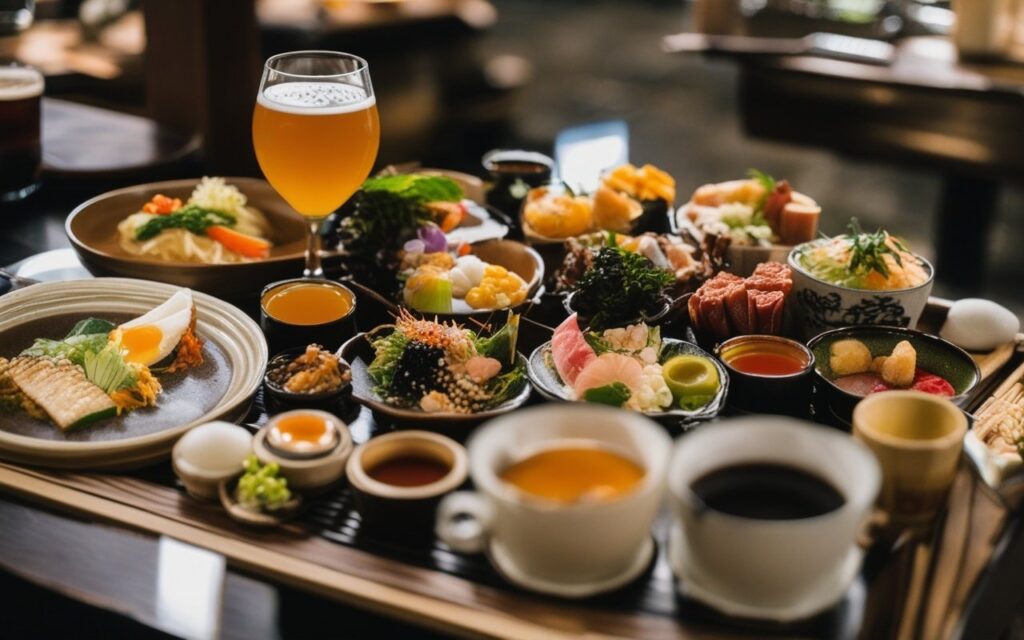
Shonan Craft Brewery Tour 2026
Overview
Discover the best food and drink experiences that Shonan Craft Brewery Tour has to offer. From hidden local gems to popular dining destinations, this guide takes you through the culinary landscape of Shonan in Kanagawa Prefecture. Whether you are a first-time visitor or a returning food enthusiast, you will find something to satisfy your cravings.
The Shonan Beer Style What makes Shonan craft beer different? While there is no official designation, Shonan brewers tend to share several characteristics:
- Hoppy but balanced: Shonan IPAs emphasize citrusy American hops but keep bitterness moderate—perfect for drinking on a beachside terrace
- Local ingredients: Several breweries use Shonan-grown citrus (yuzu, sudachi) and Kamakura tea in their beers
- Sessionable: Most Shonan beers range from 4.5% to 6.5% ABV, designed for long afternoons by the water rather than high-alcohol sipping
- Seasonal focus: Breweries release limited batches for cherry blossom season, summer beach months, and autumn foliage
Practical Tips for Your Brewery Crawl
Pacing yourself: With 4–5 breweries on a typical crawl, pacing is a must-have. Order half-pints (¥400–¥500) rather than full pints at each stop. Drink water between breweries—tap water is safe and free throughout Japan. Most taprooms offer complimentary water stations.
Best days and times: Saturdays are the most popular brewery days, with tours running at 1 PM and 3 PM. Sundays are quieter, and some smaller breweries (Fujisawa Fermentation Project) are closed on Mondays and Tuesdays. Taprooms generally open at 11 AM and last call is around 8 PM.
Food strategy: Each taproom serves snacks, but for a full meal, plan a lunch stop at Kamakura Brewery (has a kitchen) or Baird’s Taproom (full pub menu). Shonan Beer’s Enoshima location has limited food (chips, nuts) but allows takeout from nearby restaurants.
Designated driver: The Enoden train runs until approximately midnight. A one-day Enoden pass (¥700) covers unlimited rides. Taxis are available but scarce in the evening—book through your accommodation in advance. Ride-sharing apps are not widely available in Shonan.
Weather considerations: Rooftop terraces (Shonan Beer, Baird’s) close in rain. Check the forecast and bring an umbrella—sudden coastal showers are common in spring and autumn. Indoor seating at all locations is ample.
Souvenir purchases: Most breweries sell glassware and branded merchandise. Kamakura Brewery’s etched tasting glasses (¥1,200) make excellent gifts. Canned beer variety packs (¥2,000–¥3,000) are available at Baird’s and Shonan Beer and travel well.
The Brewing Process: From Grain to Glass
Understanding how craft beer is made will deepen your appreciation of Shonan’s breweries: Malting: Barley grains are soaked in water, allowed to germinate, then dried in a kiln. This process develops the enzymes needed for brewing and creates the color and flavor profile of the beer. Shonan breweries source their malted barley from both domestic Japanese farms and international suppliers.
Mashing: The malted barley is crushed and mixed with hot water in a mash tun. Enzymes convert the grain starches into fermentable sugars. The resulting liquid, called wort, is drained off and transferred to the brew kettle.
Boiling: The wort is boiled for 60–90 minutes. Hops are added at different stages: early additions contribute bitterness, middle additions provide flavor, and late additions (at flame-out) contribute aroma. Shonan IPAs typically use American hop varieties like Citra, Mosaic, and Simcoe for their citrusy and tropical fruit characteristics.
Fermentation: After cooling, yeast is added to the wort, During fermentation (7–14 days), yeast consumes the sugars and produces alcohol and carbon dioxide. Ale yeasts ferment at warmer temperatures (18–24°C) and produce fruity esters, while lager yeasts ferment colder (8–14°C) for a cleaner profile.
Conditioning: The young beer is aged for days to months to allow flavors to mature and mellow. Barrel-aged beers from Fujisawa Fermentation Project are conditioned for 6–18 months in whiskey or wine barrels.
Packaging: The finished beer is packaged in kegs, bottles, or cans. Canned beer has become popular among craft breweries because it protects the beer from light and oxygen better than bottles.
Brewery Tours: What to Expect
Most Shonan breweries offer tours that include:
- Walk-through of the brewing facility (30–45 minutes)
- Explanation of ingredients and process
- Tasting of 4–6 beers (typically 100ml pours)
- Complimentary tasting glass or souvenir
What to bring: Closed-toe shoes are required for safety. Cameras are usually allowed, but flash photography may disturb other visitors.
Tipping: Tipping is not expected or required at Japanese breweries. A polite “gochisousama deshita” (thank you for the meal) at the end is appreciated.
Home Brewing in Shonan
Shonan’s craft beer culture has inspired a thriving homebrewing community. Several shops sell homebrewing supplies and ingredients: Shonan Homebrew Supply near Fujisawa Station carries malt extract kits, hop varieties, and yeast strains. They offer beginner workshops (¥3,500) every Saturday that cover the basics of brewing your first 5-gallon batch. All instruction is in Japanese, but the process is visual enough to follow without language skills.
Brew Your Own Shonan in Kamakura offers a unique service: you brew your own beer at their facility using their professional equipment. The process takes about 4 hours, and you return 2 weeks later to bottle your creation. The all-inclusive price (¥8,000) covers ingredients, equipment use, instruction, and 24 bottles of your finished beer.
Featured Breweries and Taprooms
1. Shonan Beer (Shonan (湘南)ビール)
The original Shonan craft brewery, established in Enoshima in 1998. Their taproom on the island serves their flagship “Shonan Gold” (a crisp German-style pilsner, ¥800/pint) alongside seasonal offerings. The rooftop terrace offers stunning views of Mount Fuji on clear days.
- Tour hours: Saturday 1 PM & 3 PM (¥1,500 includes tasting glass)
- Access: Enoshima Island, 5-minute walk from Enoshima Station
2. Kamakura Brewery (Kamakura (鎌倉)ブルワリー)
A small-batch brewery operating out of a renovated machiya near Tsurugaoka Hachimangu. Their “Matcha White Ale” uses Kamakura-grown matcha powder added during fermentation, creating a pale, hazy beer with subtle green tea notes. It pairs beautifully with their yuzu-kosho edamame (¥500).
3. Baird’s Taproom Shonan
Part of the renowned Baird’s chain, the Shonan location near Kamakura Station offers 12 rotating taps featuring both Baird’s classics and limited-edition Shonan-only brews. Their “Natsumikan Gose”—a sour wheat beer infused with local summer mandarin oranges—is a seasonal highlight.
4. Fujisawa Fermentation Project
A nano-brewery operating out of a converted garage near Fujisawa Station. They specialize in spontaneously fermented and barrel-aged beers using wild yeast cultures collected from Tanzawa mountain forests. Bottles sell out quickly—check their Instagram for release dates.
How to Plan a Brewery Crawl
The Shonan breweries are spread across the Enoden train line, making a brewery crawl using the vintage train both charming and practical:
Route: Kamakura Station → Enoshima → Fujisawa
- Start at Kamakura Brewery near Tsurugaoka Hachimangu (11:00 AM)
- Walk to Kamakura Station and take the Enoden to Hase (1 stop)
- Visit Baird’s Taproom Shonan (5-minute walk from Hase)
- Continue on the Enoden to Enoshima Station
- Walk across the bridge to Shonan Beer’s Enoshima taproom
- End at Fujisawa Fermentation Project (10-minute walk from Fujisawa Station)
Understanding Beer Styles at Shonan Breweries
Shonan breweries produce a wide range of beer styles, Familiarizing yourself with the most common styles will help you navigate the tap list:
IPA (India Pale Ale)
A hoppy beer style known for its citrusy, piney aroma and moderate bitterness. Shonan IPAs tend to be more balanced than their American counterparts, with enough malt sweetness to complement the hops. ABV typically ranges from 5.5% to 7.0%.
Try at: Shonan Beer’s “Shonan IPA” — uses Citra and Mosaic hops for tropical fruit notes.
Pilsner
A crisp, clean lager style originating from the Czech Republic. Shonan pilsners use German or Czech hops for a spicy, floral character balanced by a clean malt backbone. The low bitterness makes them highly drinkable and food-friendly.
Try at: Baird’s Taproom Shonan — their “Shonan Pilsner” is brewed with locally grown hops.
Stout and Porter
Dark beers with roasted malt flavors ranging from coffee and chocolate to caramel and toffee. Shonan stouts tend toward the sweeter side, with lower bitterness than traditional Irish stouts.
Try at: Fujisawa Fermentation Project’s “Tanzawa Stout” — a Russian imperial stout aged in whiskey barrels.
Sour and Wild Ales
Sour beers are fermented with wild yeast or bacteria, resulting in tart, funky flavors. These are the newest trend in Shonan brewing and represent the cutting edge of the local scene.
Try at: Fujisawa Fermentation Project’s spontaneously fermented saisons, available only in limited bottle releases.
Beer and Food Pairings in Shonan
Each taproom offers food designed to complement their beers. Here is a guide to the best pairings:
| Beer Style | Food Pairing | Taproom |
|---|---|---|
| IPA | Spicy tuna poke bowl | Kamakura Brewery |
| Pilsner | Shirasu fish and chips | Shonan Beer |
| Stout | Dark chocolate brownie | Baird’s Taproom |
| Sour Ale | Yuzu-kosho edamame | Kamakura Brewery |
Seasonal Beer Releases
Shonan breweries release special beers tied to the calendar. Mark your calendar for these seasonal highlights: March–April: Sakura cherry blossom ale (Kamakura Brewery)
June–August: Summer shandy with local citrus (Shonan Beer)
September–November: Harvest ale with Kamakura chestnuts (Baird’s)
December–February: Winter spiced stout (Fujisawa Fermentation Project)
These seasonal beers are typically available for only 4–6 weeks, so plan your visit accordingly. Follow each brewery’s social media accounts for release announcements.
Designated Driver Information
Shonan breweries are spread out, so planning transportation is a must-have. Here are non-alcoholic options for designated drivers or non-drinkers:
- Craft soda: Most taprooms offer house-made sodas (yuzu, ginger, cola) for ¥350–¥500
- Tea and coffee: Kamakura Brewery serves Kamakura-grown hojicha (¥400)
- Tasting flights: Split a 4-beer flight (¥1,200) between two people for small sips
The Enoden train runs until approximately midnight, making it a safe and convenient way to return to your accommodation after an afternoon of tasting.
I recommend arriving early to avoid the lunch rush. I learned this the hard way during my first visit.
Frequently Asked Questions (FAQ)
Q: Do I need reservations for brewery tours?
A: Shonan Beer requires advance registration for weekend tours. Other breweries generally accept walk-ins for tastings but may require reservations for group tours (6+ people).
Q: Can I buy beer to take home?
A: Most breweries sell growlers (680ml) and bottled beers. Baird’s Taproom and Kamakura Brewery also sell 4-can variety packs.
Q: Are breweries family-friendly?
A: Taprooms welcome well-behaved children. Most serve soft drinks and snacks suitable for families, and the afternoon atmosphere is generally relaxed until early evening.
Q: How do I get between breweries without driving?
A: The Enoden train line connects Kamakura, Hase, Enoshima, and Fujisawa. A one-day Enoden pass (¥700) pays for itself if visiting 3+ breweries.
Q: What food pairings are available at the breweries?
A: Each taproom offers snacks to complement their beers. Shonan Beer’s menu includes local shirasu fish and chips, while Baird’s Taproom has a full pub menu emphasizing seafood.
Conclusion
exploring the Shonan coast for its craft can be as relaxed or as packed as you want it to be, and I have found that the best visits leave room for both planning and spontaneity. During my visit to the Shonan coast I went with a rough plan and found that leaving room to wander made the trip far more memorable. Use this guide to sort out the logistics in advance, then let the day surprise you — Kanagawa rewards travelers who stay curious.