
Overview
Explore the rich cultural heritage and historical significance of Kanagawa Art Museum Hopping in Kanagawa Prefecture. This guide delves into the fascinating stories, traditions, and landmarks that define Kanagawa. From ancient temples to modern museums, discover how this destination has shaped Japan’s cultural landscape over centuries.
Access
Most visitors reach Kanagawa from central Tokyo by JR, private railway, or highway bus, and an IC card (Suica or Pasmo) works across all of them. From my experience, leaving Tokyo before the morning rush keeps the journey relaxed, and station luggage lockers are handy if you arrive early.
Key Points
- Good for: Art lovers, culture seekers
- Duration: 1-3 days
- Budget: ¥3,000-8,000
- Best season: Year-round (indoor activity)
- Focus: Art, old things, culture
Kanagawa has many art museums. There are also galleries and cultural sites. You can see modern art and old Japanese crafts too. This guide shows the best museum routes in the area.
Top Museums and Galleries
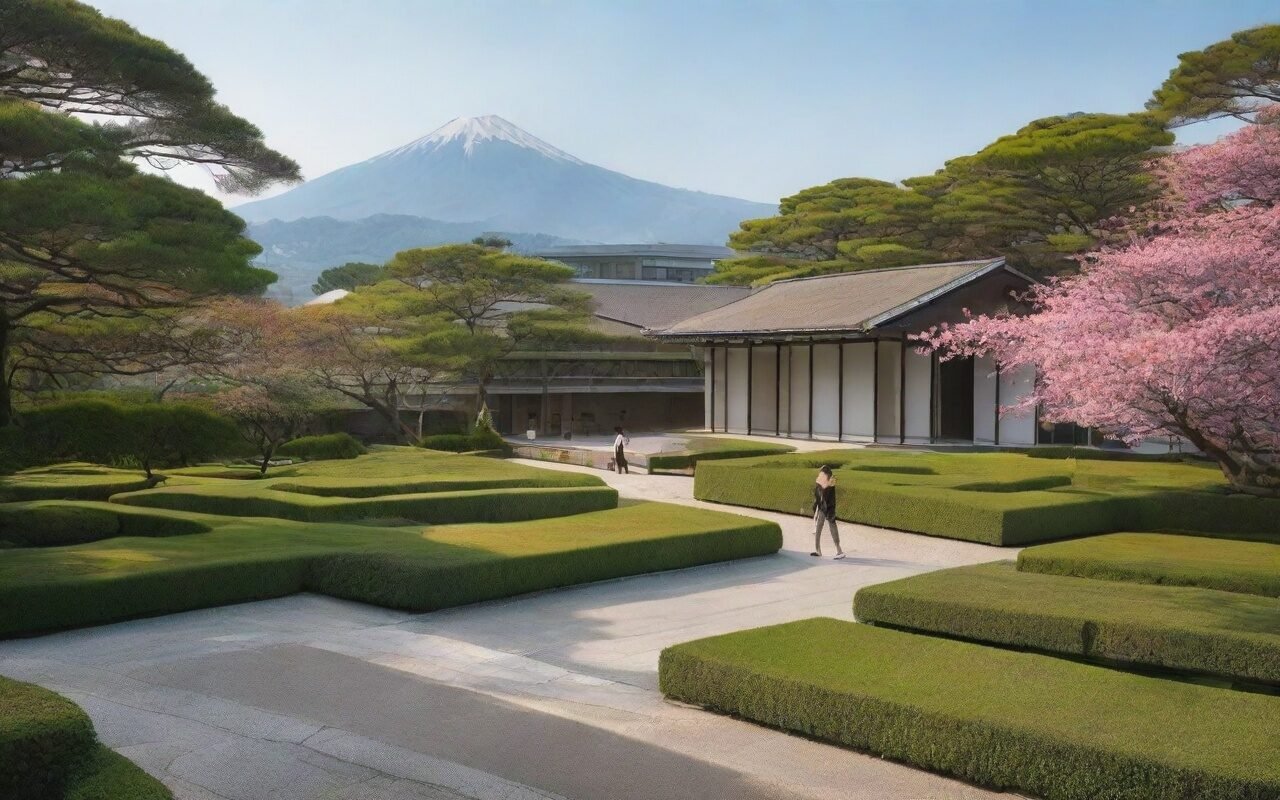
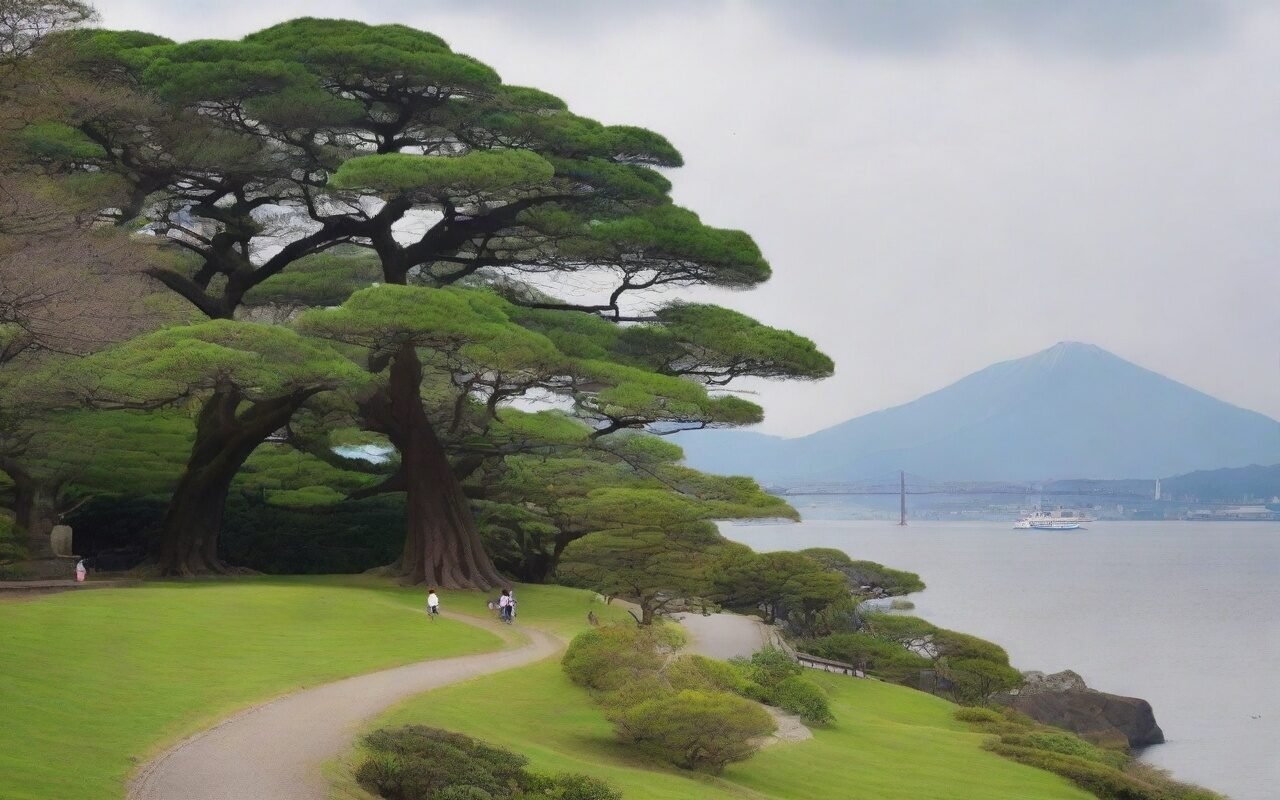
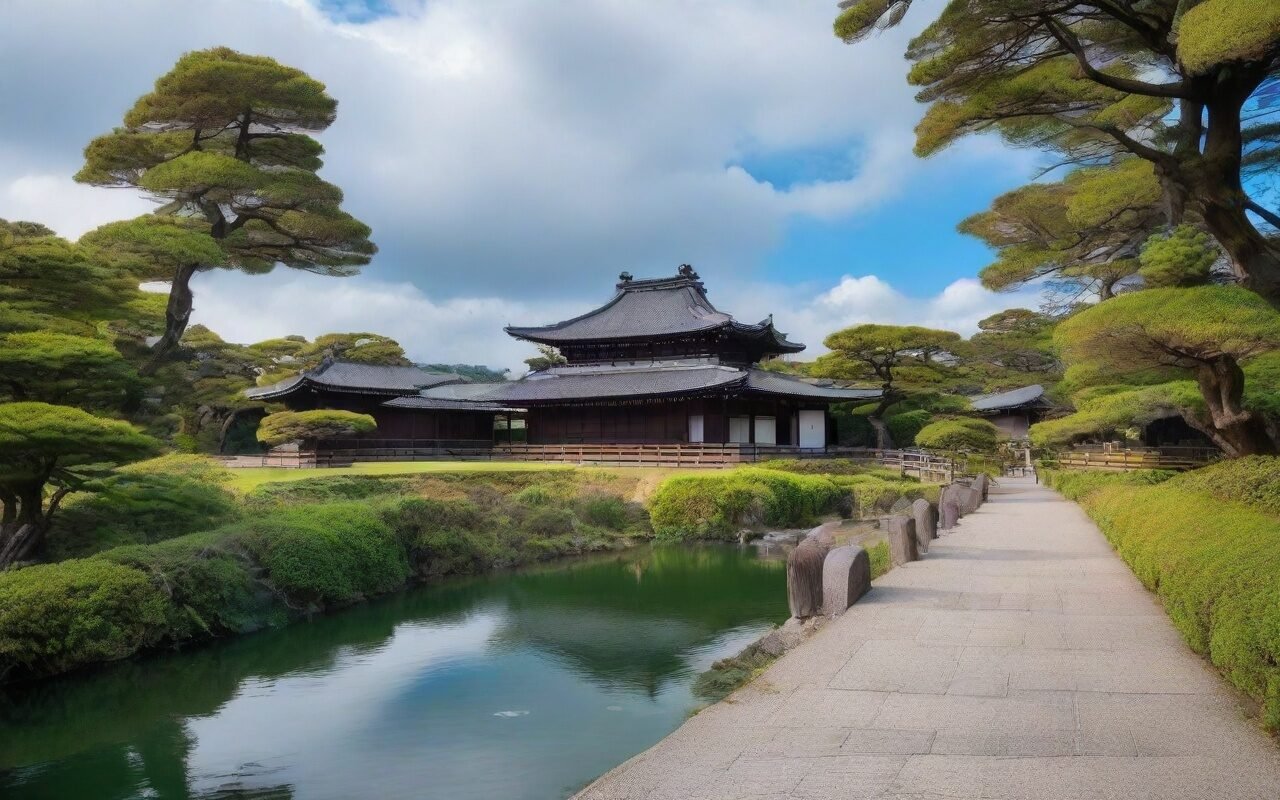
Yokohama Museum of Art
Budget: ¥500 (first Sunday free)
Duration: 1-2 hours
Top things: Picasso, Monet, Japanese new art This is Yokohama’s main art museum. It has a large set of art you can always see. It also has new shows that change. Art You Can Always See:
- Picasso (15+ works)
- Braque, Kandinsky
- Japanese modern masters
- Photography gallery Tips:
- First Sunday of each month: Free entry
- Audio guide: ¥500 (English)
- Museum cafe: ¥1,000-1,500
Hakone Open-Air Museum
Budget: ¥1,600
Duration: 2-3 hours
Top: Outdoor art park, hot spring foot bath, Picasso building This was Japan’s first open-air museum. It mixes nature with outdoor art. It has the largest set of Picasso works in Japan.
Top things:
- 120+ outdoor statues
- Picasso building (300+ works)
- Hot spring foot bath (free)
- Stained glass tower Tips:
- Allow 2-3 hours
- Wear good walking shoes
- Add a Hakone hot spring visit
Kamakura Museum of National Treasures
Budget: ¥200
Duration: 30 minutes to 1 hour
Top: Samurai swords, Buddha statues, old items A small but rich set of Kamakura’s most important old art items. Top Items:
- Samurai swords (13th-14th century)
- Buddhist statues
- Historical documents
- Seasonal exhibitions
Hakone Venetian Glass Museum
Budget: ¥1,800
Duration: 1-2 hours
Top: Glass items, gardens, glass shows This museum brings back the look of 1400s Venice. It has pretty glass items and gardens made in a European style. Top things:
- Venetian glass items
- Glass-blowing shows
- European gardens
- Glass-making classes (¥2,000)
Museum Hopping Routes
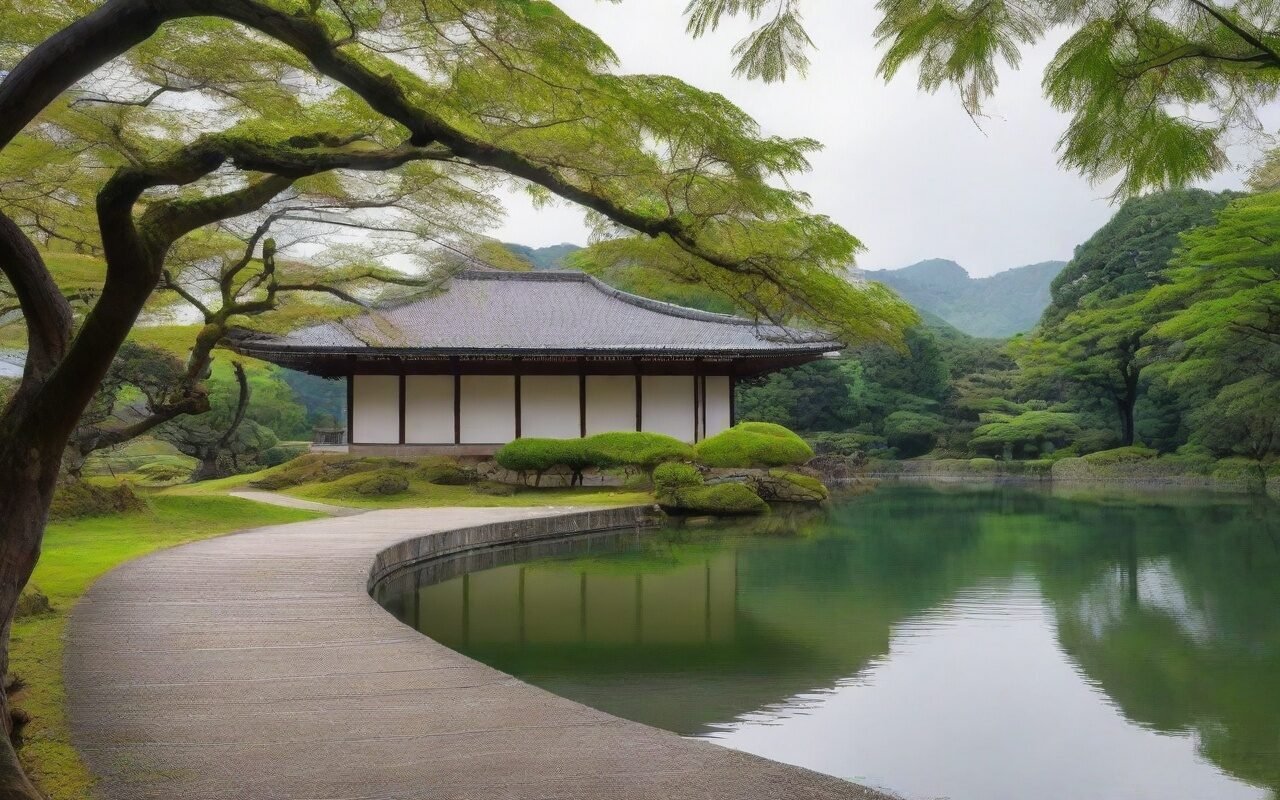
Route 1: Yokohama Art Day (3 museums)
Budget: ¥1,500-2,000
Duration: Full day
Transport: Walking and short train rides Morning:
- Yokohama Museum of Art (9:30-11:30) Lunch:
- Minato Mirai area restaurants (¥1,000-1,500) Afternoon:
- Continue at Yokohama Museum of Art (13:00-15:00)
- Red Brick Warehouse galleries (15:30-17:00)
Route 2: Hakone Art Day (2 museums)
Budget: ¥3,400
Duration: Full day
Transport: Hakone Free Pass covers transport Morning:
- Hakone Open-Air Museum (9:00-12:00) Lunch:
- Museum cafe or nearby restaurant (¥1,000-1,500) Afternoon:
- Hakone Venetian Glass Museum (13:30-15:30)
- Hakone Shrine art collection (16:00-17:00)
Route 3: Kamakura Culture Day (2 museums)
Budget: ¥500-700
Duration: Half day
Transport: Walking from Kamakura Station Morning:
- Kamakura Museum of National Treasures (9:00-10:00)
- Tsurugaoka Hachimangu treasure hall (10:30-11:30) Lunch:
- Komachi-dori restaurants (¥800-1,200)
Money-Saving Tips
Museum Passes
Yokohama Art Pass (¥1,000)
- 3 museums included
- Valid for 1 month
- 30% savings vs single tickets Hakone Free Pass (¥5,000 from Tokyo)
- Covers all Hakone transport
- Discounts at 50+ places
- Includes some museum discounts
Discount Timing
- First Sunday: Many museums are free
- Student deals: 20-50% off with ID
- Group deals: 10+ people, 20% off
- Evening: Some museums are cheaper after 5 PM
Seasonal Museum Guide
Spring (March-May)
- Best for: Cherry blossom views from museum windows
- Crowds: High, visit on weekdays
- Special shows: Spring items
Summer (June-August)
- Best for: Air-conditioned comfort
- Crowds: Medium
- Special shows: Summer festivals
Autumn (September-November)
- Best for: Fall colors at open-air museums
- Crowds: High, book ahead
- Special shows: Autumn items
Winter (December-February)
- Best for: Fewer crowds, indoor warmth
- Crowds: Low
- Special shows: New Year shows
Location
Major museum areas:
- Yokohama Minato Mirai: 3 major museums
- Hakone: 5+ museums across the region
- Kamakura: 2 museums near the station
- Kawasaki: 1 major museum
Nearby Attractions
Within 1km of Museums
- Yokohama: Red Brick Warehouse, Chinatown
- Hakone: Lake Ashi, onsen
- Kamakura: Temples, Komachi-dori
Within 5km
- Yokohama: Cup Noodles Museum, Marine Tower
- Hakone: Owakudani, ropeway
- Kamakura: Great Buddha, beaches
Local Insider Tips
Best Times to Visit
Early Morning (6-8 AM):
- Fewer crowds at popular spots
- Best light for photos (golden hour)
- Cooler during summer
Late Afternoon (4-6 PM):
- Golden hour for photos
- Sunset views over the ocean
- Cooler after hot days Weekdays vs Weekends:
- 30-50% fewer people on weekdays
- Better photo chances
- More relaxed pace
Money-Saving Strategies
Transport:
- Buy day passes for unlimited travel
- Use IC cards (Suica/Pasmo)
- Walk between nearby spots
- Rent bikes for local trips Food:
- Supermarket bento after 7 PM (20-30% off)
- Lunch specials are 30% cheaper than dinner Attractions:
- First Sunday: Many museums are free
- Temple grounds are often free
Where to Take Photos
- Enoshima Sea Candle for 360-degree views
- Yuigahama Beach for ocean sunset photos
- Lake Ashi with Mount Fuji behind it (winter is clearest)
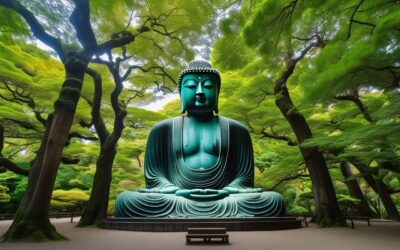
- Kamakura Great Buddha for famous shots
- Yokohama Minato Mirai for night city views
By Season:
- Spring: Cherry blooms at temples (late March-April)
- Summer: Beach scenes, fireworks
- Autumn: Fall colors at Hakone (mid-November)
- Winter: Clear Mount Fuji views, lights
Lesser-Known Spots Only Locals Know
Secret Spots
Quiet Beaches:
- Shichirigahama (less busy than Yuigahama)
- Isshiki Beach in Hayama (local favorite)
- Morito Beach in Zushi (peaceful, clean)
Hidden Temples:
- Hokokuji Temple bamboo grove (best early morning)
- Jufukuji Temple (hidden, quiet)
- Myohonji Temple (peaceful garden)
Local Cafes:
- Cafe Rhine in Hayama (ocean views)
- Bill’s Shonan (famous pancakes)
- Cafe La Mer in Zushi (beachfront, sunset)
Seasonal Secrets
Spring:
- Cherry blossoms at lesser-known temples
- Avoid Golden Week (late April-early May)
- Book rooms 3 months ahead
Summer:
- Early morning beach visits before 9 AM
- Evening fireworks (free viewing spots)
- Museums as afternoon escape from heat
Autumn:
- Fall colors at Hakone (mid-November peak)
- Harvest festivals at shrines (free)
- Best photo light in October Winter:
- Clear Mount Fuji views (January-February best)
- Onsen with snow views
- Fewer crowds and better prices
Essential Planning Checklist
Before You Go
Book Ahead:
- Hotels (especially weekends and holidays)
- Popular restaurants (1-2 days ahead)
- Activity tours (onsen, cycling, cooking)
- Transport passes (online discounts)
Pack Smart:
- Comfortable walking shoes
- Weather layers
- Portable phone charger
- Cash (many places are cash-only)
- IC card (Suica/Pasmo)
Download Apps:
- Google Maps (offline maps)
- Google Translate (camera mode)
- Japan Travel by Navitime
- Gurunavi (restaurant deals)
- Hyperdia (train schedules)
Emergency Prep
Key Numbers:
- Police: 110
- Ambulance/Fire: 119
- Coast Guard: 118 Emergency Kit:
- Hotel business card
- Emergency cash (¥10,000 or more)
- Basic first aid supplies
- Portable phone charger
- Copy of passport and insurance
What to Pack
Essentials:
- Comfortable walking shoes
- Weather layers
- Portable phone charger
- Reusable water bottle
- Small backpack
- Cash (many places cash-only)
- IC card (Suica/Pasmo)
- Pocket tissues
Seasonal Additions:
- Spring: Light jacket, allergy meds
- Summer: Sunscreen, hat, cooling towel
- Autumn: Light layers, rain jacket
- Winter: Warm coat, gloves, scarf
Transportation
Train System:
- JR lines cover major spots
- Private lines (Tokyu, Odakyu, Keikyu) offer deals
- IC cards work on all lines
- Day passes save 30-50% Bus System:
- Buses reach places trains don’t
- Day passes for unlimited rides
- English on major routes Walking & Cycling:
- Many spots are close together
- Bike rental: ¥1,000-1,500/day
Local Neighborhood Guide
Yokohama
Minato Mirai:
- New waterfront area
- Shops, food, fun
- Best for: First-time visitors
- Time needed: Half day
Chinatown:
- Asia’s biggest Chinatown
- 500+ food shops and stores
- Best for: Food lovers
- Time needed: 2-3 hours
Yamashita Park:
- Historic waterfront park
- Marine Tower, Red Brick Warehouse
- Best for: Relaxing, photos
- Time needed: 2 hours
Kamakura
Komachi-dori:
- Main shopping street
- Street food, gifts
- Best for: Shopping, snacks
- Time needed: 1-2 hours Temple Area:
- Great Buddha, Hasedera, Hokokuji
- Cultural heart of Kamakura
- Best for: History, peace
- Time needed: Half day
Beach Area:
- Yuigahama, Zushi beaches
- Surf culture, beach cafes
- Best for: Ocean, relax
- Time needed: 2-3 hours
Hakone
Yumoto:
- Gateway to Hakone
- Onsen town, restaurants
- Best for: Hot springs, base
- Time needed: Half day
Lake Ashi:
- Scenic lake, shrine, boat rides
- Mount Fuji views (winter)
- Best for: Nature, photos
- Time needed: 2-3 hours
Owakudani:
- Volcanic valley, black eggs
- Ropeway, hiking trails
- Best for: Unique visit
- Time needed: 1-2 hours
Kanagawa has great art spots in nice settings. From the outdoor art of Hakone to the new art of Yokohama, a trip here mixes art with nice views. Use the routes and passes in this guide to save money. For more guides, see our other articles on Hakone, Kamakura, Yokohama, and the Miura Peninsula.
Related Articles:
- Kanagawa Prefectural Museum of Cultural History
- Agency for Cultural Affairs
- Wikipedia – History of Kanagawa
Frequently Asked Questions
Q: Is there English help?
A: Big temples, shrines, and museums have English audio guides or pamphlets. Some have free English guides on weekends. Q: Can I take photos?
A: Yes, outdoors. Indoor photos of art items may be limited. No flash.
Q: How much time do I need?
A: Temples and shrines: 30-60 minutes. Museums: 1-2 hours. Craft classes: 1-2 hours. Q: Any dress rules?
A: No strict rules. Dress nicely at temples. No too-revealing clothes. Wear comfy shoes.
Kanagawa has great museums. Some are big with well-known art. Others are small local shows. Both are worth a visit.
Conclusion
Whether you are planning exploring Kanagawa for its museum for the first time or returning for another visit, taking a little extra time to go beyond the obvious sights makes all the difference. During my visit I went with a rough plan and found that leaving room to wander made the trip far more memorable. I hope this guide helps you build an itinerary that fits your pace, and that your time in Kanagawa leaves you with memories worth coming back for.