Tag: sup

  • Shonan SUP & Marine Activities Guide: Paddle, Kayak, Sail

    Shonan SUP & Marine Activities Guide: Paddle, Kayak, Sail

    Overview

    Shonan’s coastline — the arc of bay from Kamakura through Enoshima to Chigasaki — is one of Japan’s great playgrounds for water sports. Beyond surfing, which has its own culture here, the bay offers calmer options that are perfect for beginners: stand-up paddleboarding (SUP) on the protected waters near Enoshima, sea kayaking in the quiet coves of Hayama, and sailing courses that have trained generations of Japanese sailors.

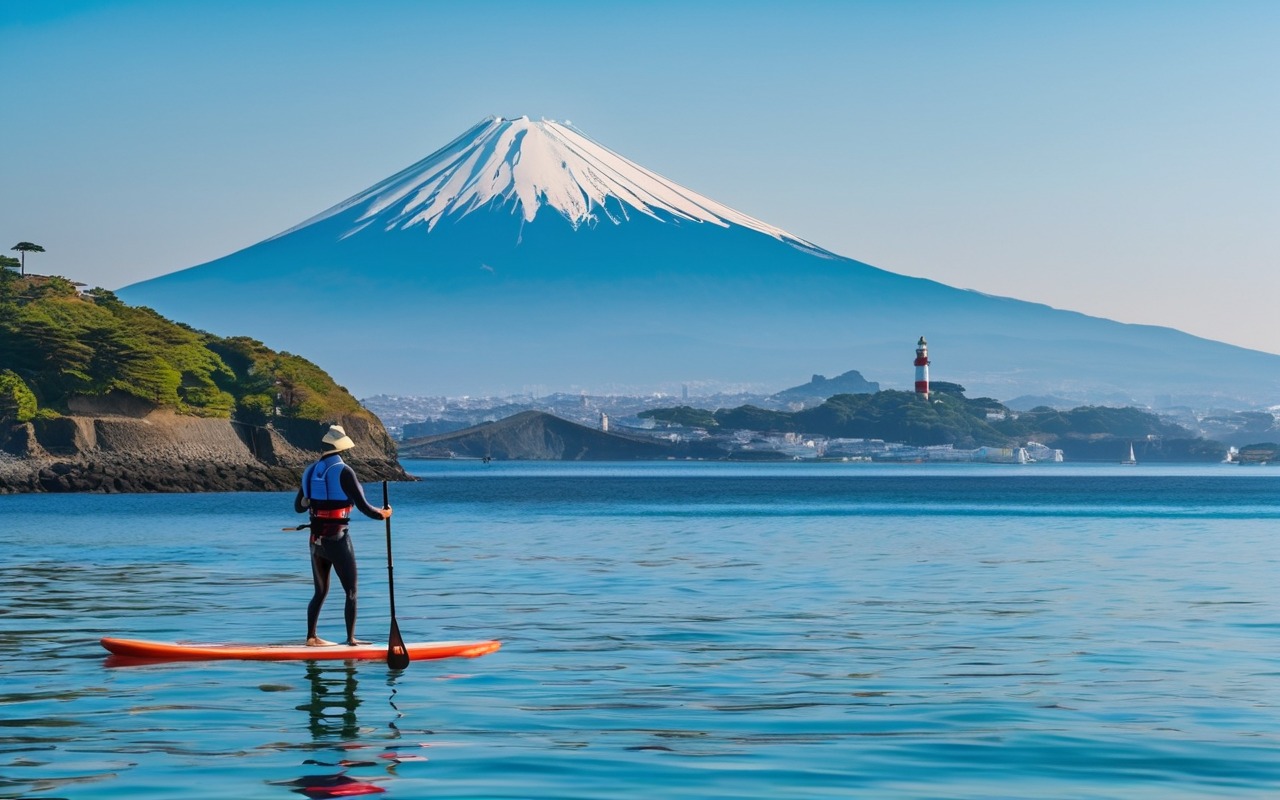
    I came to SUP relatively late, after years of watching surfers from the sand. A friend persuaded me to join a morning SUP session off Enoshima, and within twenty minutes I understood the appeal: standing on the water, gliding over the glassy surface with the island behind you and Mount Fuji on the horizon. It is the most accessible water sport in Japan, and Shonan is its best classroom.
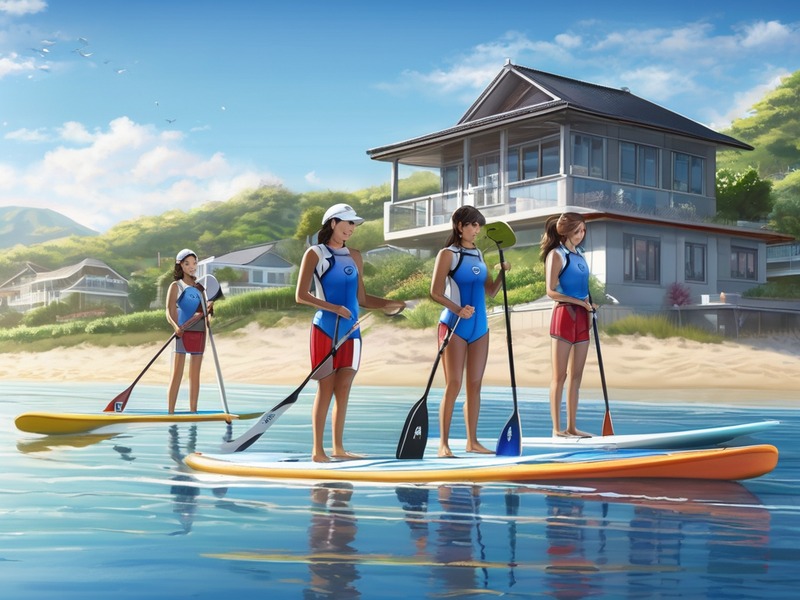
    SUP paddling off Enoshima with Mount Fuji

    This guide covers the SUP, kayak, and sailing options across Shonan — where to go, what it costs, when to visit, and how to make the most of your session.


    🏄 What You Need to Know About SUP

    Why SUP Works in Shonan

    SUP (stand-up paddleboarding) is ideal for Shonan’s protected waters. The bay side near Enoshima and the coves around Hayama are calm for most of the year, and the shallow shelving beaches make for easy launches. Even on days when the surf is up at Kugenuma, the sheltered water near the islands stays manageable for beginners.

    The learning curve is gentle. On a typical first session, you spend 10 minutes on shore learning the basic stance and paddle stroke, then 5 minutes on your knees before standing up. Most people are standing within the first half hour. The equipment — board, paddle, and wetsuit or rash guard — is always included in lesson prices.

    What It Costs

    • Group lesson (1.5-2 hours): ¥5,500-8,800 per person, including board, paddle, wetsuit, and life jacket.
    • Private lesson: Roughly ¥12,000-18,000 per hour.
    • Rental only: ¥2,500-4,000 per hour for experienced paddlers.
    • Mega SUP (large group boards): From ¥33,000 per board for 6-8 people.

    🏝️ Where to Paddle: The Best Spots

    Enoshima Bay

    The classic Shonan SUP experience. Launching from the beaches around Katase-Enoshima, you paddle along the island’s coastline with views of the sea caves, the lighthouse, and Mount Fuji on clear days. The water is protected from the open ocean, making it the best beginner spot in Shonan.

    • Launch point: The beaches near Katase-Enoshima Station on the Odakyu Line.
    • Best time: Early morning for glassy water and the least wind.
    • Schools: Several operators run from the beach; the larger ones offer English-friendly instruction and online booking.

    Hayama and the Quiet Coves

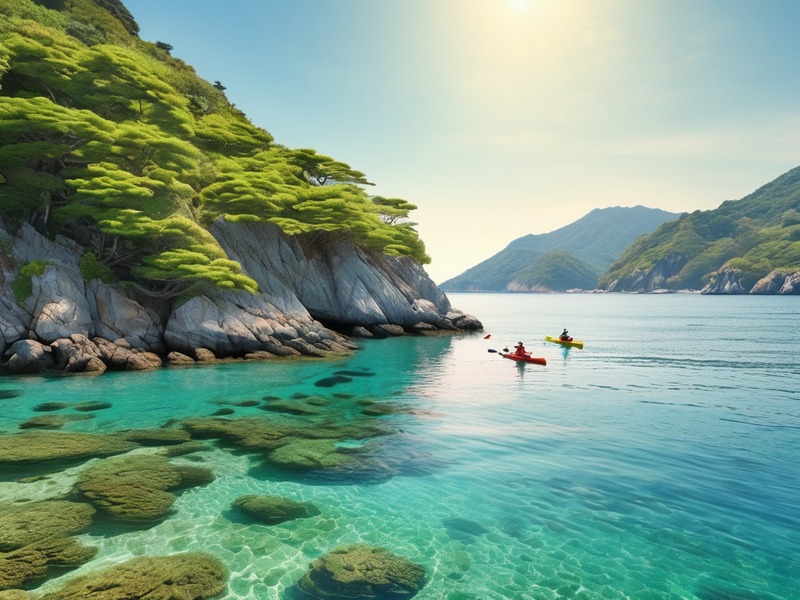
    A short ride from Kamakura, Hayama’s sheltered coves offer the calmest paddling in Shonan. Sea kayaking here is especially rewarding — you can paddle around small islands, look down through crystal-clear water at rocky reefs, and enjoy views of Mount Fuji that rival any in the prefecture.

    • Launch point: Morito Beach and the nearby coves in Hayama.
    • Best for: Sea kayaking, SUP cruising, and small-group tours.
    • Schools: The Hayama Sea Kayak Club and similar operators offer half-day tours from around ¥6,000-10,000.

    Kugenuma and the Open Coast

    The coastline from Kugenuma west is more exposed, with real waves, but the calm days are superb for SUP cruising along the beachfront. This is the spot for experienced paddlers who want a longer session with a sea view.

    • Launch point: Kugenuma Beach, near Kugenuma-Kaigan Station.
    • Best for: Longer paddles and photography sessions.
    • Note: Check wind conditions — offshore winds make this coast uncomfortable for beginners.

    🛶 Sea Kayaking: The Deeper Adventure

    Why Kayak

    Sea kayaking gets you further than SUP — into coves, around islands, and along cliffs that you cannot reach on foot. In Shonan, the Hayama coast is the kayaking heartland, with tours that combine paddling, snorkeling, and small-island exploration.

    I took a half-day kayak tour from Hayama on a clear October morning. We paddled along the cliffs, rounded a small island, and stopped at a quiet cove where we could see fish in the clear water below the kayak. The pace was gentle, the guide was attentive, and the feeling of having the coast to ourselves was the highlight of my year in Shonan.
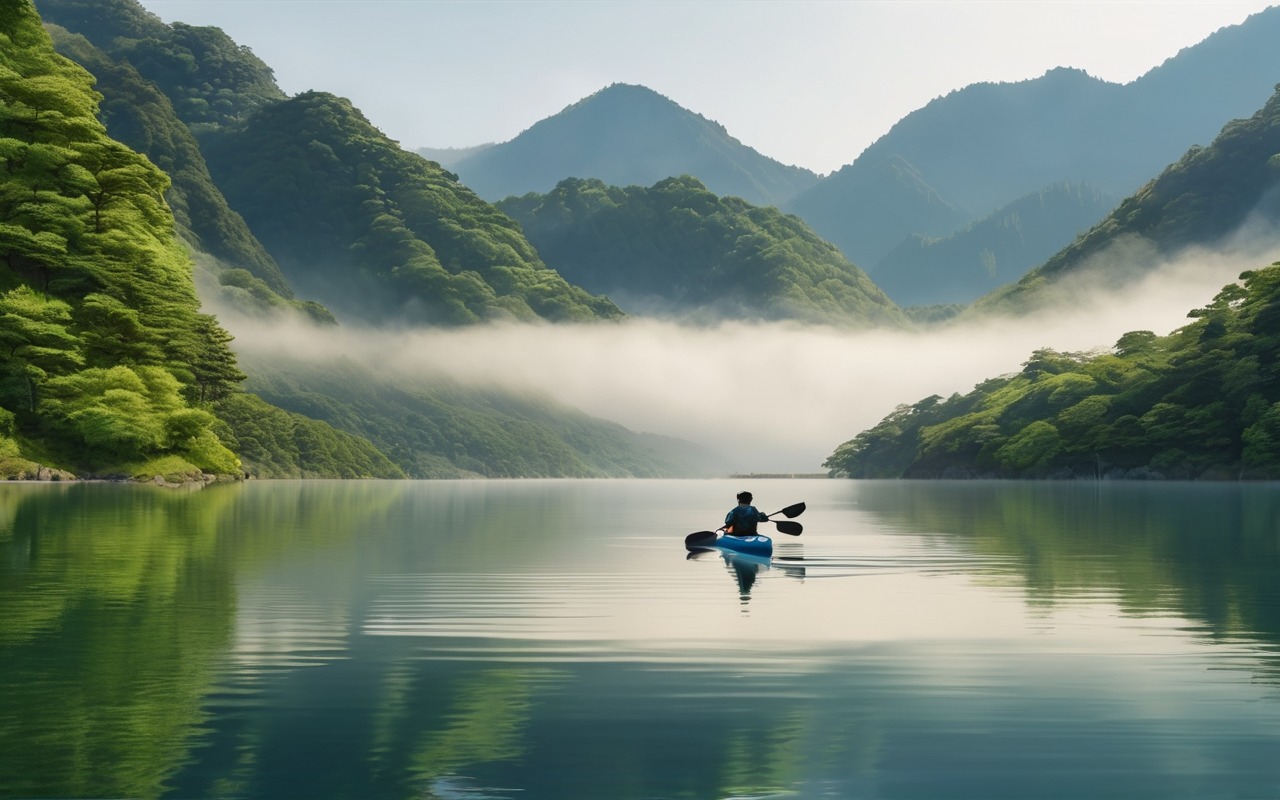
    Sea kayaking in a quiet Hayama cove

    Tours and Prices

    • Half-day tours: ¥6,000-10,000 per person, including kayak, paddle, life jacket, and guide.
    • Full-day tours: ¥12,000-14,000, typically including lunch and snorkeling gear.
    • Island-hopping tours: Some operators offer trips around the small islands off Hayama.

    What to Bring

    • Swimsuit or quick-dry clothing
    • Sunscreen and a hat
    • Water in a sealed bottle
    • A dry bag for phone and camera (many operators provide one)

    ⛵ Sailing: Shonan’s Quiet Tradition

    The Sailing Scene

    Shonan has a deep sailing tradition, centered on the yacht harbors at Enoshima and the sailing clubs along the coast. The bay’s steady breezes and protected waters made it a venue for the 1964 Tokyo Olympics’ sailing events, and the sport remains popular with locals and a growing number of international visitors.

    Sailing here is not just for experts. Several clubs offer introductory sessions where you join an instructor on a small keelboat or dinghy, learn the basics of trimming sails and steering, and spend an hour or two on the water.

    Where to Sail

    • Enoshima Yacht Harbor — The historic venue, with sailing schools and day sails.
    • Hayama Marina — A full-service marina with lessons and boat rentals.

    What It Costs

    • Introductory session: Around ¥8,000-15,000 for 2-3 hours.
    • Multi-day courses: From ¥30,000-60,000 for a weekend introduction course.

    📅 Seasons and Conditions

    The Season

    • April to October — The main season. Water temperatures rise through spring, and summer brings warm, calm conditions ideal for beginners.
    • July and August — The busiest months. Beaches are crowded and swimming zones are active; some operators restrict where you can paddle.
    • November to March — Cooler but often calmest. Air is clearest (best Fuji views), but you need a full wetsuit. Several schools run reduced winter schedules.

    Weather and Wind

    • Mornings are best — The sea is calmest before 10:00, before the afternoon sea breeze builds.
    • Check wind forecasts — The afternoon southwest wind can make paddling back harder than paddling out. Schools will cancel in strong conditions.
    • Rain is fine — Light rain does not stop sessions; thunderstorms do.

    👟 What to Bring and Wear

    The Essentials

    Most operators provide board/kayak, paddle, life jacket, and wetsuit (or rash guard in summer). You need to bring:

    • Swimsuit — Worn under the wetsuit.
    • Towel — For the post-session shower.
    • Sunscreen — Essential, even on cloudy days; the reflection off the water is intense.
    • Sandals — For the beach and the shower.
    • Change of clothes — You will get wet.

    The Etiquette

    • Listen to the guide — Paddling areas are marked for safety and to keep clear of swimmers and boats.
    • Respect the environment — Do not touch marine life or disturb wildlife.
    • Ask about tattoo policies — Some operators and onsen-adjacent facilities restrict tattoos; ask when booking.

    🗓️ Sample Sessions

    Morning SUP at Enoshima (3 hours)

    1. 8:30 — Meet at the beach near Katase-Enoshima. Brief land lesson.
    2. 9:00 — On the water. Paddle along the island coast, practice turns and balance.
    3. 10:30 — Short break with a drink, then a guided paddle toward the sea caves.
    4. 11:30 — Return to shore, shower, and a beachside breakfast.

    Half-Day Kayak Tour at Hayama (4 hours)

    1. 9:30 — Meet at Morito Beach. Gear up and kayak briefing.
    2. 10:00 — Paddle along the cliffs and around the small islands.
    3. 11:30 — Snorkel stop at a quiet cove.
    4. 12:30 — Lunch break, then paddle back to the beach.

    💡 Practical Tips

    1. Book in advance — Summer weekend sessions sell out days ahead. Book at least 2-3 days before.
    2. Go on a weekday — Weekday mornings are dramatically quieter and often cheaper.
    3. Start in a calm spot — Choose Enoshima Bay or Hayama for your first session; save the open coast for later.
    4. Hydrate and protect — Paddling is more exercise than it looks; bring water and reapply sunscreen.
    5. Combine with beach time — Most launch points are near excellent cafes and beaches. See the Shonan beach guide for post-paddle plans.

    🔗 Related Guides

    Conclusion

    Shonan’s water is its greatest asset, and SUP, kayaking, and sailing are the best ways to experience it. The bay is forgiving enough for complete beginners, beautiful enough to feel like a holiday, and organized enough that a single afternoon session can take you from the sand to standing on the water with Mount Fuji on the horizon. Whether you join a morning SUP class off Enoshima or paddle the quiet coves of Hayama, you will find that Shonan’s best views are best reached by paddle.

    FAQ

    Q: Do I need to be fit or able to swim well to try SUP?
    A: No. You paddle on your knees first, and most operators require only basic water confidence. Life jackets are provided and instructors stay close.

    Q: What is the best time of year for a first session?
    A: May to October offers the warmest, calmest conditions. Early morning sessions are calmest on any day.

    Q: How much does a SUP lesson cost?
    A: Group lessons run about ¥5,500-8,800 for 1.5-2 hours, with all equipment included. Private lessons cost more.

    Q: Can I do these activities without speaking Japanese?
    A: Yes, at the larger operators. The bigger schools on Enoshima offer English-friendly instruction and online booking, and the tours are designed to be accessible through demonstration.
  • Miyagase Lake & Kiyokawa: Kanagawa’s Mountain Playground

    Miyagase Lake & Kiyokawa: Kanagawa’s Mountain Playground

    Overview

    When Tokyo residents talk about a “nature escape,” they usually mean Hakone or Kamakura. But there is a third option that locals quietly prefer: Miyagase Lake, a vast mountain reservoir in the far northwest of Kanagawa, surrounded by the Tanzawa range and the small village of Kiyokawa. It is 90 minutes from Shinjuku, yet it feels a world away.

    Miyagase Lake was created in 2001 when the Miyagase Dam — at 156 meters, one of Japan’s tallest — was completed on the Nakatsu River. The reservoir is roughly 4.6 km long, and its shoreline is ringed with parkland, walking paths, picnic lawns, and a handful of well-run activity bases. Because the area is far from the shinkansen and has no direct rail link, the crowds never reach Kamakura levels even at the height of summer.

    This guide covers the lake’s best activities — canoeing, SUP, cycling, and dam watching — plus the surrounding Kiyokawa village, where you can taste local pork, tea, and mountain vegetables.


    📍 Getting There

    By Train and Bus

    1. Odakyu Line to Hon-Atsugi Station (60 min from Shinjuku, around ¥900) — Take a Limited Express bound for Odawara or Hakone-Yumino and get off at Hon-Atsugi. From the north exit, take the Kanagawa Chuo Kotsu bus bound for Miyagase (about 60 minutes, around ¥700 one way). Get off at the Miyagase terminal.
    2. JR Sagami Line route — From Hashimoto or Atsugi stations, local buses also reach the lake, but the Hon-Atsugi route is the most frequent and easiest to follow.

    By Car

    • Tomei Expressway, Atsugi IC — About 45 minutes from the interchange, mostly on well-maintained mountain roads.
    • Chuo Expressway, Sagamiko IC — About 40 minutes, useful if approaching from the west.
    • Parking — The main lakeside lots charge ¥300-500 on weekends and holidays, and are free on weekdays. Summer weekends fill by 10:00.

    🛶 Canoe and SUP on the Lake

    The Experience

    Miyagase Lake is one of the few places in Kanagawa where you can paddle on open, mountain-ringed water without ocean waves. The water is calm in the morning, and the reflections of the surrounding peaks are stunning. I arrived on a clear June weekday, rented a kayak for two hours, and paddled from the canoe base toward the dam. With no engine noise and only the occasional bird call, it was one of the most peaceful mornings I have spent in Kanagawa.

    Rental Bases and Prices

    • Miyagase Lake Canoe Base — The main rental point on the eastern shore. Kayaks around ¥500 per 2 hours, Canadian canoes around ¥1,000 per 2 hours, and SUPs around ¥1,000 per 2 hours. Life jackets and paddles are included.
    • Weekday bonus — Lake-use fees are often waived on weekdays, making a weekday paddle a genuine bargain.
    • Group SUP — Large “mega SUP” boards that carry 6-8 people are available for groups. Prices start around ¥30,000 for a session; book in advance.

    Practical Notes for Paddling

    • Reserve ahead in summer — On sunny weekends, the fleet sells out by mid-morning.
    • What to bring — Swimsuit or quick-dry clothing, sunscreen, and a change of clothes. The base has changing rooms and lockers.
    • Skill level — Beginners are welcome; instructors give a short onshore lesson before you launch.

    🌊 The Dam and the Discharge Show

    Why the Dam Is Worth Seeing

    The Miyagase Dam is an engineering landmark, and unlike many Japanese dams, it is genuinely visitor-friendly. The dam site includes a free exhibition hall, an inclined elevator that carries pedestrians up to the dam crest, and — on select days — a spectacular sightseeing discharge where millions of liters of water pour through the gates.

    Standing on the dam crest with the reservoir on one side and the Nakatsu valley hundreds of meters below on the other is the kind of view that makes you appreciate why Japanese tourists bring their families here. I timed a visit to the November discharge, and the roar of the water was genuinely impressive.

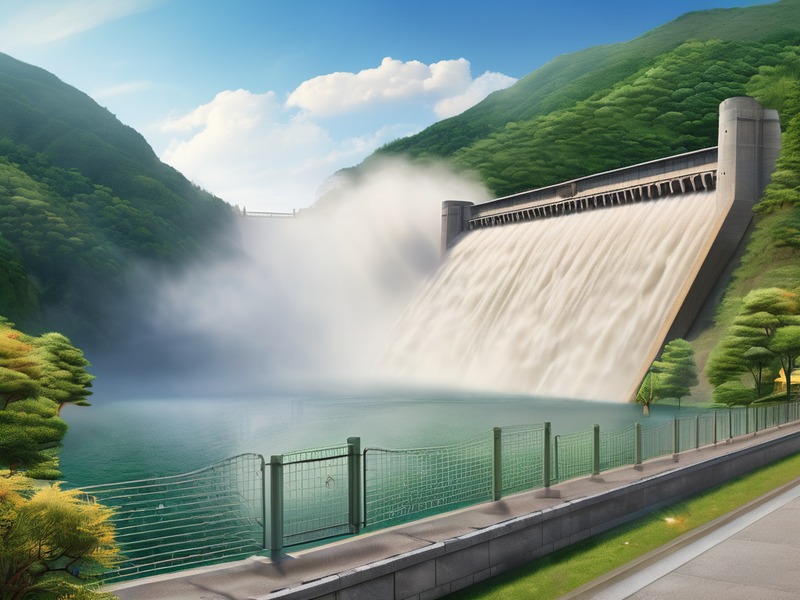
    Miyagase Dam with sightseeing discharge

    What to See

    1. The inclined elevator — A cable-drawn car that climbs the dam face (around ¥500 round trip for adults). The views from the crest are the payoff.
    2. Water and Energy Hall — A free exhibition about the dam, hydroelectric power, and the river system. Good on rainy days.
    3. The sightseeing discharge — Roughly 6-minute shows at 11:00 and 14:00 on scheduled days (typically Wednesday and select weekends from April to November). Check the current schedule on the dam’s official page, as winter shows are suspended.
    4. The observation deck — Panoramic views over the lake and the Tanzawa range beyond.

    🚴 Cycling Around the Lake

    The Loop

    A paved road circles Miyagase Lake, and while it has some respectable climbs, it is a favorite of local cyclists for a reason: quiet traffic, gorgeous views, and a finish at a lakeside cafe. The full loop is about 25 km and takes 2-3 hours at a touring pace.

    I rented a bike on a weekday morning and rode the eastern shore first, when the light was still soft on the water. The climbs were steady rather than brutal, and the downhill runs along the western shore were worth every pedal.

    Rental and Practical Notes

    • Bike rental — Rental bikes are available near the main lakeside park in season (around ¥1,000-2,000 per day). Helmets are included.
    • Electric bikes — If you want the views without the climbing, e-bikes are the smart choice and rent for about ¥2,500-3,500 per day.
    • Bring snacks and water — The lakeside has a few shops and vending machines, but they are clustered near the dam and the canoe base. Carry supplies for the remote stretches.

    🧺 Lakeside Parks, Playgrounds, and Camping

    The Lakeside Experience

    The shoreline around Miyagase is dotted with lawns, playgrounds, and picnic areas that make the lake a favorite for families. Even if you do nothing more than spread a blanket and watch the light move across the water, the day is well spent.

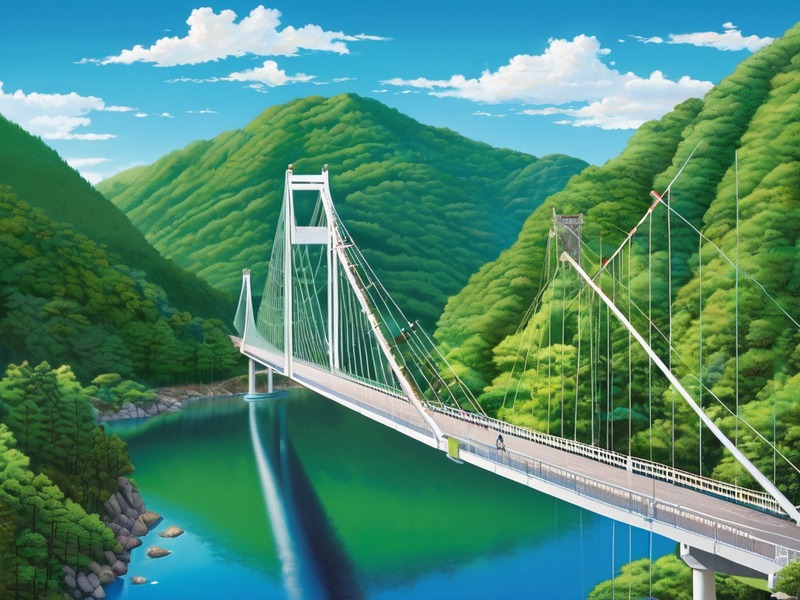
    Mizunosato suspension bridge over Miyagase Lake

    • Miyagase Lakeside Park — The main green space, with a large lawn, a children’s playground, and a splash area for hot summer days.
    • Mizunosato Grand Suspension Bridge — A 315-meter suspension bridge crossing the lake’s narrow upper reach. The walk takes about 15 minutes each way and offers the best lake panorama accessible on foot.
    • Camping and barbecue — Designated barbecue and camping areas operate along the shore from spring through autumn. Fire pits and tables are provided at the main sites; check the local office for fees (typically ¥1,000-3,000 per site).

    If You Have Kids

    • The splash area, the inclined elevator, and the suspension bridge are the three biggest hits with children.
    • The lakeside park’s playground equipment is shaded and well maintained.

    🥾 Kiyokawa Village: Mountain Life and Local Food

    The Village

    Kiyokawa is the only village in Kanagawa Prefecture, a small community tucked into the mountains above the lake. It is known for two things that taste better than they sound: Kiyokawa Megumi pork, raised on local feed, and Kiyokawa tea, grown on the steep sunny slopes of the valley.

    I stopped at a village farm stand on my way down from the lake and left with a bag of fresh mushrooms, a bottle of local tea, and a pork cutlet sandwich made that morning. The whole village moves at a slower pace, and it shows in the food.

    What to Try

    • Kiyokawa Megumi pork — Available at the roadside station (Michi-no-Eki Kiyokawa) and local restaurants. The tonkatsu and pork-shabu dishes are the standouts.
    • Kiyokawa tea — Green tea grown and processed in the village. Try a tea soft serve at the roadside station in summer.
    • Mushrooms and mountain vegetables — The village is a major producer of shiitake mushrooms and seasonal mountain greens.

    🎄 The Winter Wonderland: Miyagase Christmas

    The December Event

    Every December, the lakeside park hosts “Miyagase Christmas: Everyone’s Tree,” one of the most popular illumination events in the region. A massive Christmas tree rises over the lake, surrounded by light tunnels and a winter market. On clear nights, the lights reflect across the water with the Tanzawa mountains behind — a scene that draws visitors from across the Kanto plain.

    The event runs roughly from early December through Christmas Day, with lights switching on at dusk (around 17:00). Weekend evenings are busy, so arrive by late afternoon to secure parking and a good view.


    🗓️ Sample Itinerary: Miyagase in a Day

    Morning (9:00-13:00)

    1. 9:00 — Depart Hon-Atsugi Station by bus.
    2. 10:00 — Arrive at the lake. Rent a kayak or SUP and paddle for two hours.
    3. 12:30 — Lunch of soba or local pork at the lakeside restaurant.

    Afternoon (13:30-17:30)

    1. 13:30 — Ride the inclined elevator to the dam crest and visit the exhibition hall.
    2. 15:00 — Walk the suspension bridge, then stop for tea at the Kiyokawa roadside station.
    3. 16:30 — Buy local souvenirs and take the bus back toward Hon-Atsugi.

    If You Have More Time


    📅 Seasonal Notes

    • Spring (Mar-May): Cherry blossoms along the shore, fresh green on the mountains, and the first calm paddling days.
    • Summer (Jun-Aug): The busiest season. Cooler than the city, with kayaking, SUP, and the splash area in full swing.
    • Autumn (Sep-Nov): The best season for color and clarity. The November discharge shows and the foliage walks are not to be missed.
    • Winter (Dec-Feb): Quiet and cold, with the Christmas illumination as the big draw. Many rental facilities close or shorten hours.

    💡 Practical Tips

    1. Check the discharge schedule — The sightseeing discharge runs on specific days only. It is the highlight of many visits, so plan around it.
    2. Bring layers — The mountains are noticeably cooler than Tokyo, especially in the morning and evening.
    3. Carry cash — The roadside station and some lakeside vendors prefer cash, though major facilities now accept cards.
    4. Watch the last bus — Service back to Hon-Atsugi ends in the early evening. If you miss it, taxis are scarce; plan your exit.
    5. Book summer activities in advance — Kayaks, SUPs, and barbecue sites sell out on sunny weekends.

    Conclusion

    Miyagase Lake is Kanagawa’s best-kept secret for a reason: it offers everything a mountain playground should — calm water for paddling, quiet roads for cycling, a dam worth seeing in its own right, and a village that feeds you properly — without any of the crowds of the coastal tourist hubs. It is close enough for a day trip, remote enough to feel like an escape, and different in every season. Bring a paddle, a picnic, or just a good book, and let the mountains do the rest.

    FAQ

    Q: Can I reach Miyagase Lake without a car?
    A: Yes. Buses run from Hon-Atsugi Station on the Odakyu Line (about 60 minutes). The service is reliable but roughly hourly, so plan around the timetable.

    Q: Is the lake suitable for beginners at canoeing and SUP?
    A: Absolutely. The water is calm, rentals include life jackets and paddles, and staff give a short onshore lesson before you launch.

    Q: When is the best time to see the dam discharge?
    A: The sightseeing discharge runs on scheduled days from roughly April to November, typically around 11:00 and 14:00. Winter shows are suspended.

    Q: How much does a day at Miyagase cost?
    A: Around ¥4,000-5,000 per person by public transport: bus ¥1,400 round trip, kayak ¥500-1,000, lunch ¥1,200, and the inclined elevator ¥500.

  • Zushi & Hayama Marine Guide 2026 — SUP, Kayaking & Sailing

    Zushi & Hayama Marine Guide 2026 — SUP, Kayaking & Sailing

    Overview

    Getting There

    The Zushi-Hayama coast is easily accessible by public transport:

    Route Duration Cost Notes
    Tokyo Station → JR Yokosuka Line → Zushi Station 60 min ¥1,040 Direct train, no transfers
    Shinjuku → JR Shonan-Shinjuku Line → Zushi Station 65 min ¥1,040 Direct, convenient for west Tokyo
    Yokohama Station → JR Yokosuka Line → Zushi Station 25 min ¥420 Shortest journey
    Kamakura → Zushi 5 min ¥170 Easy side trip from Kamakura

    From Zushi Station, most marine rental shops are a 5–15 minute walk or short bus ride to the beach. A bicycle is the best way to explore multiple spots — rental shops near the station offer bikes for ¥1,000–1,500/day. 📖 Related: Hayama Hidden Beaches Guide · Zushi Hidden Beach Cafes · Shonan Surfing Guide


    Activities by Skill Level

    🟢 Beginner-Friendly (No Experience Needed)

    1. Stand-Up Paddleboarding (SUP)

    SUP is the most accessible marine activity on this coast. The sheltered waters of Zushi Beach and Isshiki Coast provide calm conditions ideal for first-timers.

    Rental Shop Location Price Hours Gear Included
    Zushi SUP Club Near Zushi Beach ¥3,000/2hr 9:00–17:00 Board, paddle, life jacket
    Hayama Paddle Isshiki Coast ¥3,500/2hr 9:00–18:00 (summer) Board, paddle, leash, dry bag
    Beach House KAI Zushi Beach (east) ¥4,000/2hr (with lesson) 9:00–17:00 Beginner lesson included

    Best conditions: Calm mornings (8–11 AM) before the sea breeze picks up. Summer weekdays offer glassy water with minimal boat traffic.

    📍 Pro tip: Start at Isshiki Beach — the water is shallower and the bay is better protected than Zushi Beach’s open stretch. Paddle east along the coast for views of the Imperial Villa’s forested grounds.

    2. Kayaking (Sit-on-Top)

    Sit-on-top kayaks are the most popular rental option and require no previous experience. The short crossing between Zushi Beach and Morito Bay is an ideal 30-minute route.

    Rental Shop Location Price Duration
    Zushi Marine Sports Zushi Beach ¥3,500 (single) / ¥5,000 (double) 2 hours
    Hayama Water Club Hayama Marina ¥3,000 (single) 1.5 hours

    Recommended route: Paddle from Zushi Beach south along the coast toward Morito Bay (2 km, ~30 minutes). Stop at Morito Beach for a break, then paddle back. The coastal views of the Miura Peninsula hills are excellent.

    3. Snorkeling

    Snorkeling is best at the rocky edges of Shibasaki Beach and around the Chojagasaki promontory. Water visibility ranges from 5–10 metres on calm summer days.

    Best spots:

    • Shibasaki Beach — Rocky shelves with small fish, hermit crabs, sea anemones. Go at low tide for the warmest, clearest pools.
    • Chojagasaki — Rocky coves with better fish variety but stronger currents. Stay close to shore.
    • Morito Shrine island — The channel between the shrine island and mainland has some marine life but limited visibility. Rental: Snorkel sets are available at Zushi Marine Sports (¥1,000/day). Bring reef shoes — the rocks are sharp.

    4. Beach Swimming

    Beach Swimming Quality Lifeguards Facilities Best For
    Zushi Beach ⭐⭐⭐⭐ Good ✅ July–August Beach houses, showers Families, casual swimmers
    Isshiki Beach (Hayama) ⭐⭐⭐⭐⭐ Excellent ✅ July–August Blue Moon beach club, showers Best all-round beach
    Morito Beach (Hayama) ⭐⭐⭐⭐ Good ✅ July–August (limited) Beach huts, toilets Sunset swimming
    Shibasaki Beach ⭐⭐ Limited ❌ No None Tide pooling, not swimming
    Chojagasaki ⚠️ Strong currents ❌ No None Advanced swimmers only

    🟡 Intermediate (Some Experience Recommended)

    5. Sailing & Yachting

    Hayama has been a sailing destination since the 1960s. The Hayama Marina and Morito Bay are the centers of sailing activity, with consistent afternoon seabreezes from April through October.

    School / Charter Type Price Duration Requirements
    Hayama Yacht Club Dinghy sailing ¥8,000 (half-day lesson) 3 hours No experience needed for beginner course
    Hayama Marina Sailing School Keelboat (J/24) ¥15,000 (full-day charter with skipper) 6 hours Basic fitness
    Shonan Sailing Catamaran ¥10,000/person (group lesson) 2 hours No experience needed

    Best season: October–April for the most consistent wind and clearest views of Mt. Fuji across Sagami Bay. Summer offers lighter wind suitable for beginner lessons. 📖 Related: Hayama Accommodation Guide — stay overnight after a sailing day

    6. Windsurfing

    Windsurfing is popular at Isshiki Beach and Zushi Beach, where the afternoon seabreeze (12–16 knots in summer) creates good planing conditions.

    School / Rental Price (Rental) Lesson Price Board Types
    Zushi SUP Club ¥4,000/2hr ¥6,000/2hr lesson Beginner-friendly wide boards
    Hayama Wind ¥5,000/half-day ¥8,000/2hr lesson Freeride, freestyle boards

    Best for: Intermediate to advanced windsurfers who want consistent afternoon wind without the crowds of Enoshima. Beginners should book a lesson.

    7. Fishing Charters

    The waters off Zushi and Hayama are rich fishing grounds, with the Miura Peninsula’s underwater topography attracting a variety of species.

    Charter Type Price Duration Target Fish
    Zushi Fishing Shore + boat ¥8,000 (half-day boat) 4 hours Sea bream, flounder, horse mackerel
    Hayama Sport Fishing Boat (max 6 guests) ¥12,000 (half-day) 4 hours Yellowtail, sea bass, mackerel
    Morito Shore Fishing Shore only (guide) ¥5,000 (3 hours) 3 hours Rockfish, bream

    Seasonal catch:

    • Spring (April–May): Sea bream (tai) — peak season
    • Summer (June–August): Horse mackerel (aji), mackerel (saba)
    • Autumn (September–November): Yellowtail (buri), sea bass (suzuki)
    • Winter (December–March): Rockfish (mebaru), flounder (karei) Requirements: Fishing license required for boat charters (arranged by the charter company). Shore fishing in designated areas is free.

    🔴 Advanced (Experienced Only)

    8. Open Water Swimming

    The Zushi–Hayama coast is a training ground for open water swimmers, particularly the 2 km crossing between Zushi Beach and Morito Bay. Route: Zushi Beach → Morito Bay (2 km, ~40–60 minutes depending on conditions)

    ⚠️ Important:

    • Swim only on calm days with no offshore wind
    • Wear a brightly colored swim buoy for visibility
    • Go with a buddy — currents can be stronger than they appear
    • Check tide tables: outgoing tide creates a slight north-to-south drift
    • Best conditions: June–September, early morning (6–9 AM)

    9. Scuba Diving

    Diving in Sagami Bay is limited by visibility (typically 5–12 metres) but offers interesting macro life and easy shore access.

    Dive Shop Type Price (2-tank) Tanks Included Best Season
    Shonan Dive Center Shore diving (Chojagasaki) ¥12,000 ✅ Air fills June–October
    Hayama Dive Boat diving ¥18,000 ✅ Air fills July–September

    Marine life: Octopus, lionfish, sea slugs, moray eels, and occasional sea turtles. The rocky reefs at Chojagasaki are the most reliable shore diving spot.

    10. Offshore Kayaking (Sea Kayak)

    Experienced kayakers can paddle the full 6 km stretch from Zushi Beach down to Chojagasaki and back. This is a 3–4 hour trip requiring good fitness and awareness of wind conditions.

    Route: Zushi Beach → Isshiki → Morito → Chojagasaki (round trip: ~12 km)
    Best conditions: Calm mornings with forecast wind under 10 knots
    Rental: Hayama Water Club offers sea kayaks (¥5,000/half-day) for experienced paddlers


    Seasonal Guide

    Season Water Temp Best Activities Crowd Level
    Spring (Mar–May) 14–19°C Sailing, SUP, shore fishing, cycling Low
    Summer (Jun–Aug) 21–27°C Swimming, SUP, kayaking, snorkeling, windsurfing High (weekends)
    Autumn (Sep–Nov) 20–16°C Sailing, SUP, fishing, kayaking Low
    Winter (Dec–Feb) 14–12°C Sailing (best wind), shore fishing, photography Very low

    Ideal months for water sports: June (warm + uncrowded) and September (warm + quiet after Obon). July–August has the warmest water but the most people on weekends.


    Safety & Etiquette

    Marine Safety

    Hazard What to Watch For How to Avoid
    Afternoon seabreeze Wind picks up around 1–2 PM, strongest 3–5 PM Paddle/swim in mornings; afternoon is fine for sailing
    Boat traffic Fishing boats, pleasure craft near Hayama Marina Stay inside marked swimming zones; wear bright colors
    Jellyfish Some years have higher numbers (August) Check with beach huts, wear a rash guard
    Strong currents Around Chojagasaki and the Morito shrine island Don’t swim alone at unsupervised beaches

    Responsible Marine Recreation

    • Carry out all trash — fewer bins than public beaches, pack your own bag
    • Respect fishing boats — give them wide berth, don’t paddle through active fishing lines
    • No drones over beaches during summer (privacy concerns for beachgoers)
    • Shower before entering the water at Isshiki and Zushi Beach (¥100 showers available)
    • Marine protected areas: Some rocky areas near Chojagasaki are monitored — do not remove marine life

    What to Bring

    Essential:
    - Sunscreen (SPF 30+, water-resistant)
    - Water shoes / reef shoes (essential for snorkeling and Chojagasaki)
    - Rash guard or UV-protective swimwear
    - 2 L water minimum (beachfront vending machines available at Zushi only)
    - Dry bag for valuables
    - Cash (most rentals and beach huts are cash-only)
    
    Recommended:
    - Snorkel mask (rental quality varies)
    - Waterproof phone case
    - Beach umbrella (limited natural shade at Isshiki)
    - Towel and change of clothes
    - Small cooler with snacks

    Activity & Rental Summary

    Activity Best Spot Beginner Friendly Rental Available Avg. Cost (2hr)
    SUP Isshiki Beach ¥3,000–4,000
    Kayaking Zushi Beach → Morito ¥3,000–5,000
    Snorkeling Shibasaki / Chojagasaki ✅ (gear) ¥1,000/day
    Swimming Isshiki Beach ❌ (bring own) Free
    Sailing Hayama Marina ⚠️ (lesson req.) ✅ (charter) ¥8,000–15,000
    Windsurfing Isshiki Beach ⚠️ (lesson req.) ¥4,000–5,000
    Fishing Zushi / Hayama ✅ (shore) ✅ (charter) ¥5,000–12,000
    Open Water Swim Zushi → Morito Free
    Scuba Diving Chojagasaki ✅ (gear) ¥12,000–18,000
    Sea Kayak Full coast ✅ (advanced) ¥5,000/half-day

    Planning Your Day

    Half-Day Morning (SUP + Beach)

    Time Activity
    8:00 Arrive Zushi Station, rent SUP gear
    8:30 SUP paddle at Isshiki Beach (calm morning water)
    10:00 Coffee break at Zushi Hidden Beach Cafe
    11:00 Beach time at Isshiki — swimming, sunbathing
    12:00 Lunch at Blue Moon beach club
    13:00 Return gear, head back

    Full-Day (Sailing + Kayaking)

    Time Activity
    9:00 Arrive Hayama Marina, morning sailing lesson
    12:00 Lunch at Morito beach area
    13:30 Kayak rental from Zushi Beach → paddle to Morito
    15:00 Snorkel break at Shibasaki
    16:30 Sunset drink at Sunset Perch
    18:00 Return to Zushi Station

    Tips

    Practical notes from my trips to exploring Hayama: confirm the latest hours on the official website, buy tickets in advance when you can, and leave extra time for trains and walking between stops. Keeping your first day lighter also helps you enjoy the second day without feeling rushed.

    Frequently Asked Questions

    Q: Do I need to book marine rentals in advance?

    A: Yes, especially on summer weekends. Weekday walk-ins are usually fine, but call ahead at least 1 day in advance for sailing charters and fishing boats. SUP and kayak rentals can often be booked on the day on weekdays.

    Q: Are there changing facilities and showers at the beaches?

    A: Isshiki Beach and Zushi Beach have paid showers (¥100–200). Morito Beach has basic facilities. Shibasaki and Chojagasaki have no facilities — come prepared.

    Q: Can I bring my own kayak or SUP board?

    A: Yes. There are no restrictions on private watercraft at any of these beaches. Launch from any public beach access point. Inflatable boards are popular for easy train transport. Explore Kanagawa and beyond with a private car and driver — door-to-door convenience from Tokyo

    Q: Is the water safe for swimming in spring (April–May)?

    A: Water temperature in April is 14–16°C, too cold for comfortable swimming unless you are used to cold water. May warms to 17–19°C, which some swimmers find acceptable. Full wetsuits make spring swimming possible.

    Q: Which marine activity is best for families with children?

    A: SUP on calm mornings at Isshiki Beach is excellent for families (tandem boards available). Kayaking (double kayak with a child) and beach swimming at Zushi Beach are also family-friendly options. Visit Hakoneen Aquarium on Lake Ashi — a family-friendly marine attraction perfect for rainy days

    Q: Are English-speaking instructors available for sailing lessons?

    A: Hayama Yacht Club has some English-speaking instructors on request. Hayama Marina Sailing School can arrange English support with advance notice (3+ days). Zushi SUP Club and Hayama Paddle staff speak basic English.


    The Zushi-Hayama coast offers Kanagawa’s most diverse marine activity scene. From the calm SUP waters of Isshiki Beach to the serious sailing culture of Hayama Marina, this 6 km stretch of coast delivers genuine watersports experiences without the crowds of Kamakura or Enoshima.

    Whether you are a first-time paddler, an experienced sailor, or a family looking for a beach day with activities, the quiet waters and professional rental shops along this coast make it one of Kanagawa’s best-kept outdoor secrets.

    For a stress-free marine day:

    1. Go on a weekday (especially Monday–Thursday)
    2. Book rentals in advance during summer
    3. Start early (before 9 AM) for the calmest water
    4. Bring a dry bag, reef shoes, and plenty of water
    5. Combine with a cafe visit for the full Zushi-Hayama experience

    Related: Hayama Hidden Beaches Guide · Zushi Hidden Beach Cafes · Shonan Surfing Guide · Hayama Accommodation Guide · Miura Peninsula Hiking Guide


    Last Updated: July 11, 2026
    Written by: Anaba OffJapan Editorial Team

    Prices and schedules are subject to change. Check official websites before your visit.

    I explored this activity across different seasons and found that each visit offered something new. What struck me most was the consistent quality of the experience.

    Conclusion

    The details in this guide come from real visits, and the biggest lesson I took away was that the best experiences in Hayama rarely fit neatly into a checklist. During my visit to Hayama I went with a rough plan and found that leaving room to wander made the trip far more memorable. Plan the essentials, keep your schedule flexible, and you will leave Kanagawa wanting to return.