
Overview
I visited both the Hiratsuka and Kamakura Tanabata festivals to compare their decorations, crowds, and atmosphere. Hiratsuka’s massive streamers and Kamakura’s historic setting each offer a unique celebration — here is what I recommend based on your travel style.
Key Points
- Good for: Culture fans, families, photographers
- Time: Half-day to full day
- Best season: August (Summer)
- Cost: ¥3,000-6,000 per person
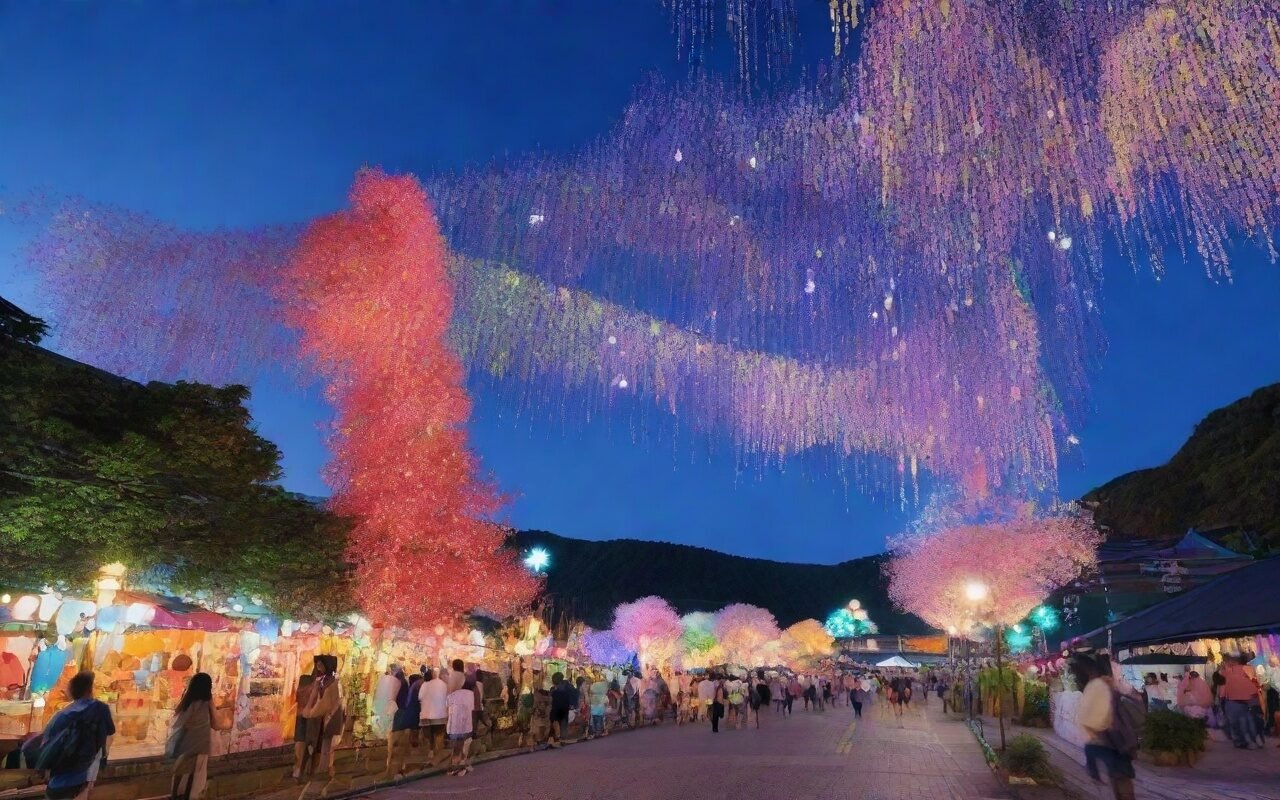
Kanagawa has some of Japan’s best Tanabata festivals in August. The Hiratsuka Tanabata Festival is one of the biggest in the Kanto area. It has over 3,000 colorful streamers in the shopping streets.
Money-Saving Tips
- Free entry: Most Tanabata areas are free to walk through
- Combo food deals: Look for food sets (¥1,000-1,500) instead of single items
- Early bird deals: Some shops have special prices on the first two days
- Day passes: Buy passes for unlimited train and bus travel
Location
Kanagawa Prefecture, Japan (Hiratsuka and Kamakura areas)
1. Hiratsuka Tanabata Festival
One of the three big Tanabata festivals in the Kanto area. It has over 1,000 colorful bamboo decorations along the shopping streets. Highlights:
- Big bamboo displays
- Dance shows
- Food stalls
- Night lights Access:
- From Tokyo: 60 min by train (JR Tokaido Line)
- From Yokohama: 40 min by train Best Time to Visit: Early August (usually Aug 1-4) Cost: Free (food and gifts extra)
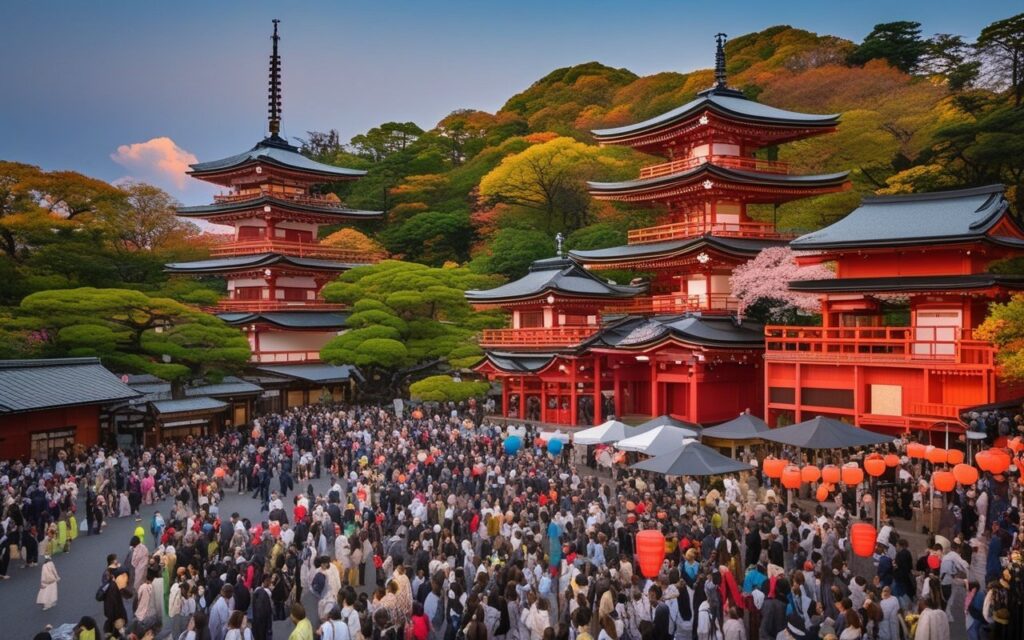
The Hiratsuka Tanabata Festival turns the city’s shopping streets into a colorful wonderland. Over 1,000 bamboo poles have paper streamers, origami, and Tanabata decorations. The festival gets over 1 million visitors each year.
History:
Tanabata is the Star Festival. It comes from the Chinese Qixi Festival. It celebrates two star lovers, Orihime and Hikoboshi. They can only meet once a year on the seventh day of the seventh month.
Festival Schedule:
- Day 1 (Aug 1) : Opening, bamboo setup
- Day 2 (Aug 2) : Dance shows, food stalls open
- Day 3 (Aug 3) : Main event, night lights
- Day 4 (Aug 4) : Closing, bamboo removal
Photo Tips:
- Best shots: Early morning (6-8 AM) for empty streets
- Night lights: Tripod helps
- Crowd shots: Telephoto lens from high spots
2. Kamakura Tanabata Events
A smaller celebration that mixes Tanabata customs with Kamakura’s old temple feel. Highlights:
- Temple events
- Craft workshops
- Cultural shows Access:
- From Tokyo: 60 min by train (JR Yokosuka Line)
- From Yokohama: 30 min by train Best Time to Visit: Early August Cost: Free (some temples charge entry)
Kamakura offers a unique Tanabata. It blends festival fun with the city’s history. Unlike Hiratsuka’s big shows, Kamakura’s events are smaller and focus on culture. Temple Events:
- Tsurugaoka Hachimangu: Special prayers, music
- Hasedera: Bamboo displays, night lights
- Engakuji: Zen sitting, tea Cultural Activities:
- Origami workshops
- Writing lessons
- Costume rental
- Star-gazing
Photo Tips:
- Temple grounds: Wide lens for buildings
- Bamboo displays: Close-up lens for details
- Night lights: Tripod needed
3. Local Community Festivals
Small neighborhood parties that show real local Japanese culture. Highlights:
- Local people
- Old games
- Local food
- Family fun Access: Various places in Kanagawa Best Time to Visit: Through August Cost: Free
Small towns have their own Tanabata parties. These offer a more real and close-up feel. You can talk with local people and join in old games. Activities:
- Bamboo decoration making
- Game booths
- Food stalls
- Kids’ shows
Events Comparison
| Festival | Days | Crowd | Best For | Cost |
|---|---|---|---|---|
| Hiratsuka | 4 | High | Big show | Free |
| Kamakura | 3 | Medium | Culture | Free-¥500 |
| Local | 1-2 | Low | Real feel | Free |
Planning Your Visit
Hotels:
- Book 2-3 months ahead
- Hiratsuka: Business hotels (¥6,000-10,000/night)
- Kamakura: Ryokans (¥15,000-30,000/night) Getting Around:
- JR Pass good for multiple days
- Local buses for temples
- Walking in Kamakura Weather:
- August is hot and wet (30-35°C)
- Bring water, sunscreen, hat
- Evening events are cooler
Food:
- Festival stalls have Japanese street food
- Try yakisoba, takoyaki, and kakigori (shaved ice)
- Local restaurants may have special menus
- Book dinner ahead Shopping:
- Festival gifts: yukata, fans, crafts
- Local streets have area products Rules:
- Respect local ways
- Ask before taking photos of people
- Throw away trash properly
Food Guide
Festival Food:
- Yakisoba: Fried noodles with veg and meat
- Takoyaki: Octopus balls
- Kakigori: Shaved ice with syrup
- Taiyaki: Fish-shaped cakes with sweet bean paste
- Yakitori: Grilled chicken sticks Local Foods:
- Hiratsuka: Fresh fish from Sagami Bay
- Kamakura: Temple food (shojin ryori)
- Yokohama: Chinatown food Tips:
- Book dinner ahead
- Try local foods at each festival
- Bring cash (many stalls no cards)
Hotels Guide
Hiratsuka:
- Business Hotels: ¥6,000-10,000/night
- Ryokans: ¥15,000-25,000/night
- Guesthouses: ¥3,000-5,000/night Kamakura:
- Ryokans: ¥20,000-40,000/night
- Modern Hotels: ¥10,000-20,000/night
- Hostels: ¥3,000-6,000/night Tips:
- Book 2-3 months ahead
- Look for festival deals
- Think about staying in Yokohama or Fujisawa
Getting There
From Tokyo:
- Hiratsuka: 60 min by JR Tokaido Line
- Kamakura: 60 min by JR Yokosuka Line
- Yokohama: 30 min by JR Tokaido Line
Local Travel:
- Buses: For temple hopping in Kamakura
- Trains: Enoden Line for coast
- Walking: Good in Kamakura and Hiratsuka
Passes:
- JR Pass: Good for many days
- Enoden Pass: Unlimited Enoden rides
- Kamakura Free Pass: Buses and trains
Kanagawa’s Tanabata festivals mix old culture with local spirit. Pick Hiratsuka for big shows or Kamakura for temple charm. Plan ahead, book rooms early, and enjoy the magic of summer in Japan.
Final Tips:
- Check festival websites for updates
- Download offline maps
- Learn a few Japanese words
- Respect local customs Useful Numbers:
- Police: 110
- Ambulance/Fire: 119
Packing List:
- Comfortable walking shoes
- Light clothes
- Rain gear
- Sunscreen, hat
- Cash
- Reusable water bottle Budget:
- Daily: ¥5,000-10,000
- Hotel: ¥6,000-30,000/night
- Food: ¥2,000-5,000/day
- Travel: ¥1,000-3,000/day
Frequently Asked Questions
Q: Is there a best time of day to visit?
A: Early mornings (before 10 AM) are best for few crowds and good light for photos. Late afternoons (after 3 PM) also work well.
Q: Which train line should I take?
A: The JR Tokaido Line, Odakyu Line, Keikyu Line, and Shonan-Shinjuku Line all serve Kanagawa. Use a phone map for the best route from where you are.
Q: Can I do this as a day trip from Tokyo?
A: Yes. Plan to arrive by late morning. Allow 6-8 hours for a relaxed pace.
Q: Do I need special skills or gear?
A: No. Most places are easy to get to. Wear comfortable shoes, Bring water.
Kanagawa’s festivals are full of community spirit. They give visitors a rare chance to join in traditions that have linked people for years.
Packing Essentials
For outdoor activities, wear moisture-wicking clothing and comfortable closed-toe shoes. Sunscreen and a hat are essential during summer. A small towel is useful for wiping sweat. A waterproof phone pouch is useful for water activities. Pack snacks and extra water for remote areas.
For more details, see our guide to Rascal Does Not Dream of Bunny Girl Senpai Pilgrimage —.
Conclusion
exploring Kamakura can be as relaxed or as packed as you want it to be, and I have found that the best visits leave room for both planning and spontaneity. During my visit to Kamakura I went with a rough plan and found that leaving room to wander made the trip far more memorable. Use this guide to sort out the logistics in advance, then let the day surprise you — Kanagawa rewards travelers who stay curious.