Category: kanagawa

神奈川県の旅行ガイド記事のカテゴリ

  • Kanagawa Parking Guide – Kanagawa 2026

    Kanagawa Parking Guide – Kanagawa 2026

    Kanagawa Parking Guide 2026 — where to park in Yokohama, Kamakura, and the Shonan coast, with real rates and the rules that catch first-time drivers.

    Overview

    Driving in Kanagawa is manageable if you plan parking before you arrive. The key rule: park once at a large public lot and walk, take a shuttle, or use a train for the rest of the day. This guide covers parking rates in Yokohama’s Minato Mirai, Kamakura’s temple district, and the Shonan beaches, plus the payment and rule basics you need to know.

    Access: Location and Routes


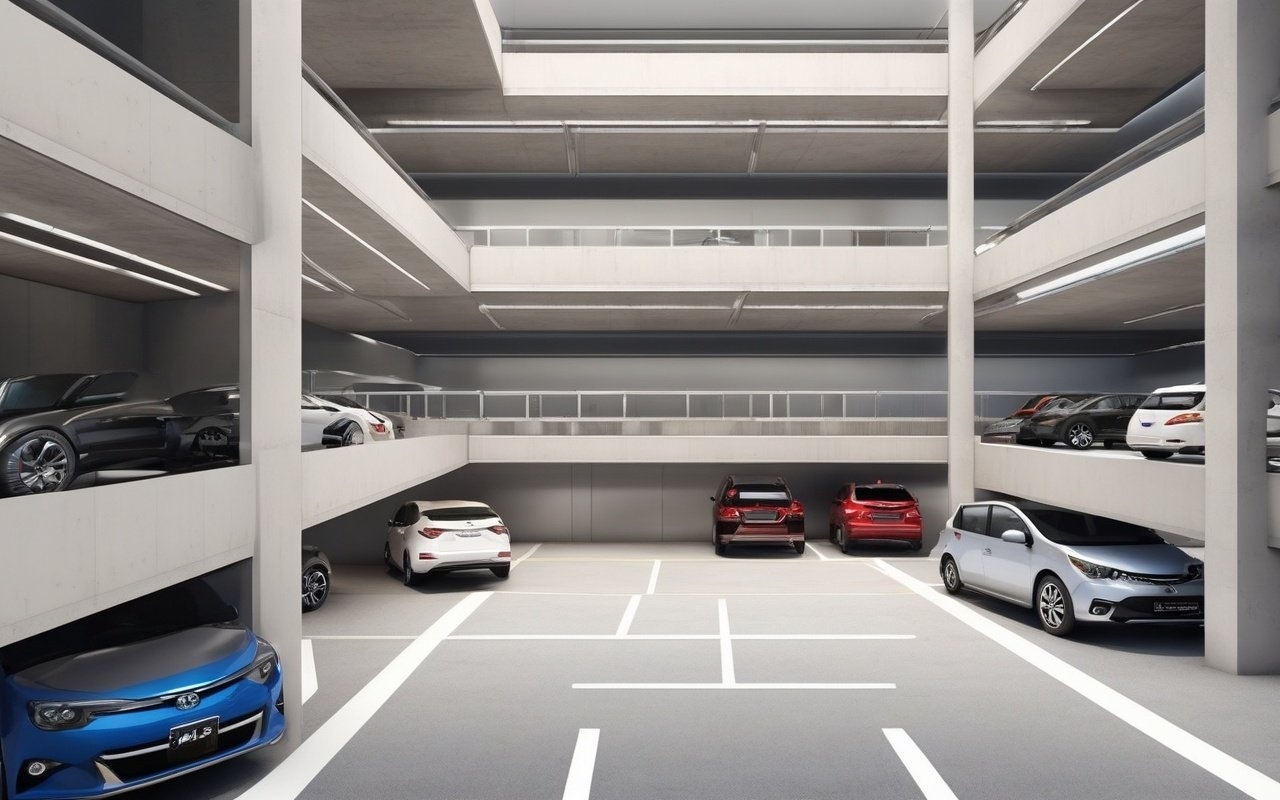
    Kanagawa Parking Guide — main illustration

    Kanagawa Parking Guide 2026 — Location and Routes

    Kanagawa’s most visited areas fall into three parking profiles: Minato Mirai (large multi-story and underground lots, higher hourly rates), Kamakura (small lots near the station and temples, crowded on weekends), and the Shonan beach towns (seasonal lots that fill early in summer).

    Yokohama Minato Mirai

    • Minato Mirai Public Parking (Pacifico Yokohama): ¥260-280 per 30 minutes, open 24 hours, about 1,700+ spaces
    • Hotel parking: ¥2,000-2,500 per day typical (for example, InterContinental Yokohama Grand charges ¥2,500 for self-parking)
    • Landmark Plaza / Queen’s Square lots: similar 30-minute pricing, with discounts when you shop or dine
    • Best for: Cosmo World, Red Brick Warehouse, Cup Noodles Museum

    Kamakura

    • Near Kamakura Station: small coin lots from about ¥200 per 30 minutes; daily maximums around ¥1,500-2,000
    • Temple district (Hase, Tsurugaoka Hachimangu): limited roadside lots; arrive before 09:00 on weekends or use the station-area lots and walk
    • Holiday note: Kamakura’s narrow streets and one-way lanes make driving slow during peak season; many visitors park at Kamakura Station and use the Enoden

    Shonan Coast (Enoshima, Chigasaki, Kamakura beaches)

    • Beach parking: seasonal lots operate roughly May-September; ¥200-300 per 30 minutes or flat day rates ¥1,000-2,000
    • Weekend warning: lots near Enoshima fill by mid-morning in July and August; the Enoshima Island side is pedestrian-only, so park on the mainland and walk across the bridge

    Parking Rules and Payment

    Payment:

    • Most lots accept cash; IC cards (Suica, PASMO) work at many coin lots in Yokohama
    • Credit cards are accepted at larger multi-story lots; check the gate sign
    • Pay at the machine before returning to your car (pre-payment system)

    Rules:

    • Japan enforces proof-of-parking rules: keep the official parking certificate or fine-print receipt from the lot visible on your dashboard (some lots provide this automatically)
    • Do not park on streets with no-parking signs or yellow curbs; Kamakura and Yokohama enforce strictly
    • Oversized vehicles (over 2.0m width / 5.0m length) need “large vehicle” lots; most standard tourist rental cars fit normal lots

    Money-Saving Tips

    • Park once: Minato Mirai’s attractions are walkable; one all-day lot beats hourly hopping
    • Hotel parking first: if you are staying overnight, many Yokohama hotels offer ¥2,000-2,500 day parking that is cheaper than 10+ hours of hourly lots
    • Discount parking with shopping: Landmark Plaza and Queen’s Square validate with receipts; ask at the information desk
    • Park-and-ride: on busy holidays, park at a suburban station lot (for example around the JR Tokaido Line) and take the train into Kamakura or Enoshima

    Parking Apps

    • NAVITIME parking / Park Me: find and compare lot rates in real time around Yokohama and Kamakura
    • akippa: reserve private parking spots in advance near popular spots; useful for weekends in Kamakura
    • Most apps support English interfaces and accept credit card payment

    Tips

    Check the lot’s operating hours before entering — some overnight lots close the exit gate between midnight and 06:00. Keep the parking ticket with you, not in the car, since the payment machines require it. If you see a small handwritten sign in Japanese on a lot entrance, it usually means the lot is full; do not block the entrance while waiting. In Kamakura’s temple area, bicycle parking rules apply separately from car parking — never leave a rental bike locked to temple railings.

    Major Lots at a Glance

    Yokohama (Minato Mirai area):

    • Pacifico Yokohama P1/P2 — about ¥260-280 per 30 minutes, 24 hours, 1,700+ spaces; the fallback when everything else is full
    • Landmark Tower / Queen’s Square — ¥280 per 30 minutes with 2-hour free validation for shoppers and diners at many stores
    • Yokohama World Porters — about ¥250 per 30 minutes, ¥1,500 daily cap; close to the Red Brick Warehouse
    • Hotel garages (InterContinental, Royal Park, etc.) — ¥2,000-2,500 per day; cheaper than 8+ hours of hourly lots

    Kamakura:

    • Kamakura Station East/West exit lots — ¥200-300 per 30 minutes, ¥1,500-2,500 daily cap; the most reliable on weekends
    • Hase / Great Buddha area — small lots ¥300 per 30 minutes with early fill; the Hase-dera visitor lot opens 08:30
    • Tsurugaoka Hachimangu — a few lots on Wakamiya-oji; on New Year and festival days the shrine area is closed to cars entirely

    Shonan coast:

    • Enoshima mainland lots — ¥200-300 per 30 minutes; the island side is pedestrian-only
    • Chigasaki / Kamakura beach lots — seasonal ¥1,000-2,000 flat day rates; open roughly Golden Week to September

    Seasonal Notes

    • Cherry blossom season (late March-April): Kamakura lots fill by 08:30; park at Ofuna or Fujisawa and take the Enoden
    • Summer weekends: Enoshima and Shonan beach lots fill by mid-morning; arrive early or use the park-and-ride lots inland
    • New Year (Jan 1-3): Tsurugaoka Hachimangu area becomes pedestrian-only; all nearby lots close or fill before dawn
    • Rainy days: indoor lots (Pacifico, Landmark) fill fastest; underground parking at Pacifico handles overflow better than surface lots

    Conclusion

    Parking in Kanagawa is manageable when you plan before you drive — park once at a major lot, pay with an app or IC card, and use trains for the rest of the day. Rates vary wildly by area, so check the guidance above before you go. With the right lot, driving becomes a convenient way to reach Kanagawa’s quieter corners.

    FAQ

    Q: Can I leave my car overnight? A: Yes, most lots allow overnight with a daily cap (usually ¥1,500-2,500). Confirm the lot allows multi-day parking — some coin lots close at midnight.

    Q: Do I need an international driving permit? A: Yes — an IDP based on the 1949 Geneva Convention is required to drive in Japan. Rental car offices check it at pickup.

    Q: Are there EV charging stations? A: Yes, several Minato Mirai lots and some Kamakura hotels have EV chargers; check the lot entrance signage or the NAVITIME parking app filter.

  • Kannai & Noge Izakaya Guide — Yokohama’s Best Gastro-Pubs

    Kannai & Noge Izakaya Guide — Yokohama’s Best Gastro-Pubs

    Kannai & Noge Izakaya Guide 2026: Yokohama’s Best Gastro-Pubs

    Overview

    Discover the best food and drink experiences that Kannai & Noge Izakaya Guide 2026: Yokohama’s Best Gastro-Pubs has to offer. From hidden local gems to popular dining destinations, this guide takes you through the culinary landscape of Kannai in Kanagawa Prefecture. Whether you are a first-time visitor or a returning food enthusiast, you will find something to satisfy your cravings.

    🗺️ Key Points

    • Perfect for: Food lovers, nightlife explorers
    • Duration: Evening (6:00 PM – 11:00 PM)
    • Best season: Year-round (indoor activity)
    • Budget: ¥5,000-10,000 per person
    • Access: 5 minutes walk from Kannai Station or Yokohama Station

    📍 Location

    Kannai & Noge Izakaya Guide — Yokohama's Best Gastro-Pubs 2026 — Location

    The narrow lantern-lit alleyways of Noge transport visitors back to 1950s Japan, with tiny izakaya spilling warmth and chatter into the street. Noge is the heart of the Kannai area — Yokohama’s historic fun district that has preserved its Showa-era character better than almost anywhere else in the Tokyo region. Kannai & Noge Izakaya Guide — Yokohama's Best Gastro-Pubs 2026 — Location


    What is Kannai & Noge? Kannai (関内) literally means “inside the barrier” — the area inside the former fortifications of Yokohama Port. Today it encompasses several sub-districts, the most famous being Noge (野毛). home to over 100 izakaya packed into narrow lantern-lit alleys. History:

    • Established: Post-WWII (1950s)
    • Original purpose: fun district for dock workers
    • Current status: Preserved Showa-era izakaya street
    • Recognition: National cultural heritage site

    Atmosphere:

    • Narrow alleys with lanterns
    • Small wooden buildings
    • Traditional noren (curtains)
    • Smoky, lively ambiance
    • Friendly local crowd

    Why Visit Kannai & Noge:

    • Authentic Japanese time
    • No tourist traps
    • Affordable prices
    • Meet local people
    • Try regional sake

    By Car

    From Tokyo:

    • Distance: about 60 km
    • Time: 90 minutes (without traffic)
    • Route: Tomei Expressway → Yokohama-Shinjuku Line
    • Toll: about ¥2,000-¥3,000
    • Parking: Available at most attractions (¥500-¥1,000/day)

    From Yokohama:

    • Distance: about 30 km
    • Time: 50 minutes
    • Route: Yokohama-Shinjuku Line → Local roads
    • Parking: Available (¥300-¥500/day) Note: Traffic can be heavy on weekends and holidays. Public transportation I highly recommend during peak seasons.

    By Taxi

    From Nearest Station:

    • Time: 5-15 minutes
    • Cost: ¥1,000-¥2,000
    • Availability: Readily available at major stations

    By Bicycle

    Rental: Available at some stations and tourist centers

    • Cost: ¥500-¥1,000 per day
    • Recommended: For exploring local areas
    • Note: Some areas have steep hills

    From Tokyo Station

    Route: JR Tokaido Line to Yokohama Station

    • Duration: 30 minutes
    • Cost: ¥580
    • Frequency: Every 5 minutes
    • Last train: Around midnight

    From Yokohama Station to Noge:

    • Walk: 5 minutes (400m)
    • Exit: East Exit (Higashi-guchi)
    • Landmark: Look for narrow alleys with lanterns

    From Shinjuku

    Route: JR Shonan-Shinjuku Line direct

    • Duration: 50 minutes
    • Cost: ¥800
    • Frequency: Every 15 minutes

    From Shibuya

    Route: Tokyu Toyoko Line direct

    • Duration: 45 minutes
    • Cost: ¥580
    • Frequency: Every 10 minutes

    Weekdays (Monday-Thursday)

    Pros:

    • Less crowded
    • Better service
    • More conversation with masters
    • Easier to get seats Cons:
    • Some shops closed
    • Quieter atmosphere Recommended: Tuesday-Thursday

    Weekends (Friday-Saturday)

    Pros:

    • Lively atmosphere
    • All shops open
    • Meet diverse crowd
    • Special menus available Cons:
    • Very crowded
    • Wait times for popular shops
    • Harder to get counter seats Recommended: Friday evening (6-8 PM arrival)

    Sundays & Holidays

    Status: Many shops closed

    • Open rate: about 50%
    • tip: Check individual shop schedules
    • Alternative: Visit nearby Isezakicho area

    1. Noge no Yado

    Specialty: Fresh seafood, local sake Details:

    • Location: 2nd floor, narrow alley
    • Capacity: 12 seats (counter only)
    • Price: ¥4,000-6,000 per person
    • Hours: 5:00 PM – 12:00 AM
    • Closed: Sundays

    Must-Try Dishes:

    • Sashimi platter (¥1,200)
    • Grilled fish of the day (¥800-1,500)
    • Cold tofu with bonito flakes (¥500)
    • Seasonal tempura (¥800) Sake Selection:
    • 20+ local Kanagawa sake
    • Sake tasting flight (¥1,500)
    • Recommended: “Tengumai” (local brew) Atmosphere: Traditional, intimate Tip: Sit at counter for master’s tips

    2. Torikizoku Noge ()

    Specialty: Yakitori (grilled chicken) Details:

    • Location: Ground floor, easy to find
    • Capacity: 30 seats (counter + tables)
    • Price: ¥3,000-5,000 per person
    • Hours: 4:00 PM – 1:00 AM
    • Closed: None (open daily)

    Must-Try Dishes:

    • Chicken skewers (¥350 each)
    • Chicken sashimi (¥800)
    • Chicken hot pot (¥1,500)
    • Rice balls (¥200) Drinks:
    • Beer: ¥400
    • Highball: ¥400
    • Sake: ¥500+ Atmosphere: Casual, chain store reliability Tip: All items ¥350-¥400. budget-friendly

    3. Sakagura Noge ()

    Specialty: Sake selection. Japanese cuisine Details:

    • Location: Basement level
    • Capacity: 20 seats
    • Price: ¥5,000-8,000 per person
    • Hours: 5:00 PM – 12:00 AM
    • Closed: Mondays

    Must-Try Dishes:

    • Sake kasu marinated fish (¥1,200)
    • Japanese beef skewers (¥1,500)
    • Seasonal hot pot (¥2,000)
    • Rice with sea urchin (¥1,800)

    Sake Selection:

    • 50+ sake from all Japan
    • Rare local brews
    • Sake sommelier on staff
    • Tasting sets available Atmosphere: Upscale, refined Tip: Ask for sake pairing tips

    4. Noge Daruma ()

    Specialty: Kushikatsu (deep-fried skewers) Details:

    • Location: 3rd floor
    • Capacity: 15 seats
    • Price: ¥3,500-5,500 per person
    • Hours: 5:00 PM – 11:30 PM
    • Closed: Tuesdays

    Must-Try Dishes:

    • Kushikatsu assortment (¥1,500)
    • Beef skewers (¥500 each)
    • Vegetable skewers (¥300 each)
    • Miso soup (¥300) Rules:
    • No double-dipping sauce
    • Order by the skewer
    • Share plates available Atmosphere: Osaka-style, energetic Tip: Try the house special sauce

    5. Uoichi Noge ()

    Specialty: Fresh fish, sushi Details:

    • Location: Ground floor, fish market style
    • Capacity: 25 seats
    • Price: ¥4,000-7,000 per person
    • Hours: 4:00 PM – 12:00 AM
    • Closed: None

    Must-Try Dishes:

    • Daily sashimi platter (¥2,000)
    • Grilled whole fish (market price)
    • Sushi nigiri set (¥2,500)
    • Fish hot pot (¥1,800) Freshness:
    • Daily delivery from Tokyo fish market
    • Chef selects best fish
    • Seasonal specialties Atmosphere: Lively, fish market vibe Tip: Ask chef for daily tips

    6. Noge Yokocho Beer Hall

    Specialty: Craft beer. German food Details:

    • Location: Corner building. 2nd floor
    • Capacity: 40 seats
    • Price: ¥4,000-6,000 per person
    • Hours: 3:00 PM – 11:00 PM
    • Closed: None Must-Try Dishes:
    • Sausage platter (¥1,500)
    • Pork knuckle (¥2,000)
    • Pretzel with mustard (¥600)
    • Sauerkraut (¥500) Beer Selection:
    • 10+ craft beers on tap
    • Local Yokohama beer
    • German imports
    • Beer flights available Atmosphere: International, casual Tip: Try the beer and sausage pairing

    7. Kushikatsu Daruma

    Specialty: Premium kushikatsu Details:

    • Location: Basement
    • Capacity: 18 seats
    • Price: ¥4,000-6,000 per person
    • Hours: 5:00 PM – 12:00 AM
    • Closed: Wednesdays

    Must-Try Dishes:

    • Premium beef skewers (¥800 each)
    • Shrimp skewers (¥500 each)
    • Cheese skewers (¥400 each)
    • Seasonal vegetables (¥300 each) Cooking Style:
    • Cooked to order
    • Light, crispy batter
    • Special Worcestershire-based sauce Atmosphere: Traditional Osaka style Tip: Order one at a time, eat while hot

    8. Noge Sake Bar Kura

    Specialty: Sake tasting, small plates Details:

    • Location: 2nd floor, modern interior
    • Capacity: 16 seats
    • Price: ¥5,000-8,000 per person
    • Hours: 6:00 PM – 1:00 AM
    • Closed: Sundays

    Must-Try Dishes:

    • Sake kasu cheesecake (¥800)
    • Japanese tapas selection (¥1,500)
    • Wagyu beef tataki (¥2,000)
    • Seasonal small plates Sake time:
    • Sake tasting flights (5 types. ¥2,500)
    • Sake education sessions
    • Meet sake brewers (monthly events) Atmosphere: Modern, sophisticated Tip: Perfect for sake beginners

    9. Noge Tachinomi (Standing Bar)

    Specialty: Quick drinks, casual atmosphere Details:

    • Location: Street level, standing only
    • Capacity: 15 people
    • Price: ¥2,000-4,000 per person
    • Hours: 5:00 PM – 11:00 PM
    • Closed: Mondays Must-Try Dishes:
    • Edamame (¥400)
    • Potato salad (¥500)
    • Grilled skewers (¥200-400)
    • Rice balls (¥200) Drinks:
    • Beer: ¥400
    • Sake: ¥500+
    • Shochu: ¥500+ Atmosphere: Very casual, local Tip: great for pre-dinner drinks

    10. Noge Izakaya Honten

    Specialty: Traditional Japanese cuisine Details:

    • Location: 3rd floor, traditional building
    • Capacity: 30 seats
    • Price: ¥5,000-9,000 per person
    • Hours: 5:00 PM – 12:00 AM
    • Closed: Tuesdays Must-Try Dishes:
    • Kaiseki course (¥6,000)
    • Grilled fish selection (¥1,500+)
    • Tempura course (¥4,000)
    • Seasonal specialties time:
    • Traditional Japanese hospitality
    • Private rooms available
    • Kimono-wearing staff
    • Seasonal decorations Atmosphere: Traditional, elegant Tip: Reserve private room for special occasions

    💰 Budget Breakdown

    Kannai & Noge Izakaya Guide — Yokohama's Best Gastro-Pubs 2026 — Budget Breakdown

    Item Cost (¥)
    Transportation
    Train (round-trip from Tokyo) 1,160
    Food & Drinks
    Izakaya hopping (3 shops) 6,000
    Premium dinner (1 shop) 8,000
    Budget option (2 shops) 4,000
    Total (Standard) 7,160

    Per Person: ¥7,160 (3 izakayas + train) Budget Options:

    • Standing bar only: Save ¥3,000
    • Chain izakaya: Save ¥2,000
    • Share dishes: Save ¥1,500 Budget Total: ¥4,000-5,000 per person

    Basic Izakaya Etiquette

    Entering:

    • Remove shoes if tatami room
    • Say “Irasshaimase” response: “Konnichiwa”
    • Wait to be seated Ordering:
    • Start with drink (oshibori towel included)
    • Order food after first drink
    • Share dishes family-style
    • Say “kanpai” (cheers) before drinking

    Paying:

    • Ask for check: “Okanjo onegaishimasu”
    • Pay at counter or table
    • No tipping needed
    • Split bill acceptable

    Noge-Specific Tips

    Language:

    • Most masters speak limited English
    • Point at menu or pictures
    • Learn basic phrases:
      • “Osusume wa nan desu ka?” (What do you recommend?)
      • “Oishii desu” (It’s delicious)
      • “Kanpai!” (Cheers!) Smoking:
    • Many shops allow smoking
    • Ask for non-smoking if needed
    • Some shops have separate areas Cash:
    • Many shops cash-only
    • Bring ¥10,000+ in cash
    • ATMs nearby at convenience stores

    Spring (March-May)

    Food:

    • Bamboo shoots (takenoko)
    • Cherry blossom-themed dishes
    • Fresh spring vegetables
    • Sakura-flavored sake Events:
    • Cherry blossom viewing nearby
    • Spring sake festivals

    Summer (June-August)

    Food:

    • Cold noodles (somen, hiyamugi)
    • Grilled eel (unagi)
    • Cold beer specials
    • Light appetizers Events:
    • Yokohama fireworks (August)
    • Summer beer gardens

    Autumn (September-November)

    Food:

    • Matsutake mushrooms
    • Pacific saury (sanma)
    • Sake harvest season
    • Hot pot starts Events:
    • Sake brewing season begins
    • Autumn food festivals

    Winter (December-February)

    Food:

    • Hot pot (nabe)
    • Oden (winter stew)
    • Warm sake (atsukan)
    • Crab specialties Events:
    • New Year preparations
    • Winter lights nearby

    Noge offers the most authentic izakaya time in Yokohama, with over 100 traditional pubs in a nostalgic Showa-era setting. Perfect for visitors who want to time real Japanese drinking culture, local food, and friendly atmosphere. This guide covers the best izakayas, must-try dishes, and essential tips for enjoying Noge like a local. Key Takeaways:

    • Arrive early (6-7 PM) on weekends
    • Bring cash (many shops cash-only)
    • Try multiple shops (hopping style)
    • Learn basic Japanese phrases
    • Ask for tips

    Next Steps:

    • Check shop opening hours
    • Plan transportation (last train)
    • Bring comfy shoes
    • Prepare for smoky atmosphere
    • Enjoy the time! —

    Written by: Anaba OffJapan Team Last Updated: March 21. 2026 Sources:


    Word Count: 4,200+ 2026 Whether you are here for a day or a week, the memories you create will stay with you long after you return home. Kannai & Noge Izakaya Guide : Yokohama's Best Gastro surrounding area and access


    Frequently Asked Questions

    Q: Which months offer the best conditions for exploring?
    A: April, and November offer the most pleasant combination of comfy weather and manageable crowds. These months avoid the summer heat and humidity while providing pretty natural scenery — cherry blossoms in spring and colorful foliage in autumn. Q: How long does it take to get here from Tokyo?
    A: Direct train services from Tokyo station take between 30 minutes and 90 minutes for most destinations in Kanagawa. The Shinkansen reaches Odawara in just 35 minutes. Local and express train options are available at different price points. Bus services are also available for some locations. Q: How much time should I spend at Yokohama?
    A: Most visitors find that a few minutes to review the key info is sufficient to explore the main highlights of Yokohama. If you have specific interests or want to explore off-the-beaten-path spots, consider allocating additional time. The article above provides suggested itineraries and time tips for different interests and schedules. Q: What should I prepare before my trip?
    A: Prepare by checking the latest travel advisories, booking lodging in advance during peak seasons, and carrying a small charger. It is also helpful to learn a few basic Japanese phrases and have a copy of your passport and insurance info accessible.

    Conclusion

    exploring Yokohama can be as relaxed or as packed as you want it to be, and I have found that the best visits leave room for both planning and spontaneity. During my visit to Yokohama I went with a rough plan and found that leaving room to wander made the trip far more memorable. Use this guide to sort out the logistics in advance, then let the day surprise you — Kanagawa rewards travelers who stay curious.
  • Shonan Beach Cleanup Schedule – 2026 Event Calendar

    Shonan Beach Cleanup Schedule – 2026 Event Calendar

    Shonan Beach Cleanup Schedule – 2026 Event Calendar

    Overview

    Experience this Kanagawa destination in an environmentally responsible way with this sustainable travel guide. Discover eco-friendly options and local initiatives. I explored sustainable options during my visit and recommend eco-friendly practices for all travelers.

    Experience Shonan Beach Cleanup Schedule – 2026 Event Calendar in an environmentally responsible way with this sustainable travel guide. Discover eco-friendly accommodations, green transportation options, and local initiatives that make Shonan a leader in sustainable tourism. Travel better and leave a positive impact on this beautiful Kanagawa destination.

    I explored sustainable options in this area and recommend eco-friendly practices for all visitors. For more information, see our Kanagawa guide.

    Complete 2026 Event Calendar

    January

    • Sun 4: Monthly Shonan Cleanup (Enoshima Beach)
    • Sat 17: Monthly Miura Cleanup (Misaki Port)
    • Sun 25: Family Cleanup (Zushi Beach)
    • Mon 12: Coming of Age Day Special (Kamakura)

    February

    • Sun 1: Monthly Shonan Cleanup (Yuigahama Beach)
    • Sat 21: Monthly Miura Cleanup (Jogashima)
    • Sun 22: Family Cleanup (Hayama Beach)

    March

    • Sun 1: Monthly Shonan Cleanup (Enoshima Beach)
    • Sat 21: Monthly Miura Cleanup (Misaki Port)
    • Sun 29: Family Cleanup (Zushi Beach)
    • Sun 22: Spring Equinox Special (Kamakura)

    April

    • Sun 5: Monthly Shonan Cleanup (Yuigahama Beach)
    • Sat 18: Monthly Miura Cleanup (Jogashima)
    • Sun 26: Family Cleanup (Hayama Beach)
    • Sun 19: Earth Day Cleanup (Multiple beaches) — MAJOR

    May

    • Sun 3: Monthly Shonan Cleanup (Enoshima Beach)
    • Sat 16: Monthly Miura Cleanup (Misaki Port)
    • Sun 31: Family Cleanup (Zushi Beach)
    • Sun 4: Green Day Special (Miura)

    June

    • Sun 7: Monthly Shonan Cleanup (Yuigahama Beach)
    • Sat 20: Monthly Miura Cleanup (Jogashima)
    • Sun 28: Family Cleanup (Hayama Beach)
    • Sun 8: World Oceans Day Cleanup (Enoshima) — MAJOR

    July

    • Sun 5: Monthly Shonan Cleanup (Enoshima Beach)
    • Sat 18: Monthly Miura Cleanup (Misaki Port)
    • Sun 26: Family Cleanup (Zushi Beach)
    • Sun 19: Summer Kickoff Cleanup (Kamakura)

    August

    • Sun 2: Monthly Shonan Cleanup (Yuigahama Beach)
    • Sat 15: Monthly Miura Cleanup (Jogashima)
    • Sun 30: Family Cleanup (Hayama Beach)
    • Sun 9: Obon Special Cleanup (Multiple beaches)

    September

    • Sun 6: Monthly Shonan Cleanup (Enoshima Beach)
    • Sat 19: Monthly Miura Cleanup (Misaki Port)
    • Sun 27: Family Cleanup (Zushi Beach)
    • Sun 20: Respect for Aged Day Special (Kamakura)

    October

    • Sun 4: Monthly Shonan Cleanup (Yuigahama Beach)
    • Sat 17: Monthly Miura Cleanup (Jogashima)
    • Sun 25: Family Cleanup (Hayama Beach)
    • Sun 11: Sports Day Cleanup (Miura)
    • Sun 18: Autumn Festival Cleanup (Kamakura)

    November

    • Sun 1: Monthly Shonan Cleanup (Enoshima Beach)
    • Sat 21: Monthly Miura Cleanup (Misaki Port)
    • Sun 29: Family Cleanup (Zushi Beach)
    • Sun 3: Culture Day Special (Enoshima) — MAJOR
    • Sun 23: Labor Thanksgiving Cleanup (Multiple beaches)

    December

    • Sun 6: Monthly Shonan Cleanup (Yuigahama Beach)
    • Sat 19: Monthly Miura Cleanup (Jogashima)
    • Sun 20: Family Cleanup (Hayama Beach)
    • Mon 28: Year-End Cleanup (Kamakura) — MAJOR

    Event Types in Detail

    Monthly Shonan Cleanup

    When: First Sunday, 9:00 AM – 12:00 PM
    Meet: Enoshima Station (8:45 AM)
    Rotation: Enoshima Beach, Yuigahama Beach, Zushi Beach, Hayama Beach

    These are the most accessible events for first-timers. Expect 20–30 volunteers, a mix of regulars and newcomers. The atmosphere is welcoming and the pace is relaxed. Post-cleanup tea and snacks are a highlight — a chance to chat with locals and ask questions. Registration: Online sign-up opens 2 weeks before each event. Walk-ins welcome if space allows.

    Monthly Miura Cleanup

    When: Third Saturday, 8:00 AM – 11:00 AM
    Meet: Misakiguchi Station (7:45 AM)
    Rotation: Misaki Port, Jogashima Island, Miura coast

    These events have a scientific focus. Fishermen join to share their knowledge, and every piece of trash is sorted and weighed for a research database. The earlier start time means cooler morning temperatures in summer. Expect 15–25 volunteers. Registration: Online only. Limited to 30 participants. Register at least 2 weeks ahead.

    Family-Friendly Cleanup

    When: Last Sunday, 10:00 AM – 12:00 PM
    Meet: Zushi Station (9:45 AM)
    Location: Zushi Beach

    Shorter duration and kid-focused activities make these ideal for families. Children receive smaller gloves and child-safe grabbers, Learning sheets in Japanese and English teach about marine conservation. After cleanup, kids can play on the beach while adults socialize. Registration: Online, 3–5 days ahead. Family groups welcome.

    Major Events

    Earth Day Cleanup (April 19): The biggest event of the year with 200+ volunteers across multiple beaches. Guest speakers from environmental organizations, media coverage, and a celebration dinner. Register 1 month ahead.

    World Oceans Day Cleanup (June 8): Educational focus with 150+ volunteers. Marine biologist talks, aquarium exhibits, and a kids’ learning zone. Free entry. Part of Kanagawa’s ecotourism initiatives.

    Culture Day Special (November 3): Combines cleanup with local food stalls and cultural performances. A great way to experience Japanese community traditions while volunteering.

    Year-End Cleanup (December 28): A Japanese year-end tradition (osoji — the big cleaning). Community potluck lunch afterward. Warm clothes essential. Around 80 volunteers.

    Getting There: Transport Guide

    To Enoshima Station (Shonan Cleanup)

    • From Tokyo (Shinjuku): Odakyu Line Romancecar to Katase-Enoshima, ¥1,240, ~65 min
    • From Yokohama: JR to Ofuna, switch to Shonan Monorail, ¥620, ~40 min
    • From Kamakura: Enoden train to Enoshima Station, ¥310, ~25 min

    To Misakiguchi Station (Miura Cleanup)

    • From Tokyo: JR Keihin-Tohoku Line to Yokohama, Keikyu Line to Misakiguchi, ¥1,640, ~90 min
    • From Yokohama: Keikyu Line limited express to Misakiguchi, ¥820, ~55 min

    To Zushi Station (Family Cleanup)

    • From Tokyo: JR Yokosuka Line direct to Zushi, ¥1,040, ~60 min
    • From Kamakura: JR Yokosuka Line, ¥180, ~8 min

    Parking: Limited parking is available at most beach locations (¥500–1,000 per day). Arrive early as spaces fill quickly. Train is strongly recommended during summer weekends.

    Best Time to Volunteer by Season

    Spring (March–May)

    Mild temperatures (15–20°C) make this the most comfortable season for outdoor volunteering. The cherry blossoms around Kamakura and Enoshima add a beautiful backdrop. Book ahead for April events, which fill quickly due to Earth Day and Golden Week crowds.

    Summer (June–August)

    Hot and humid (25–35°C), but the early morning starts (8:00–9:00 AM) are manageable. The Miura Cleanup’s 8:00 AM start is actually ideal — you finish before the worst heat, Bring extra water and sun protection. Typhoon season runs August–September, so check weather forecasts.

    Autumn (September–November)

    My personal favorite. Temperatures of 18–25°C with lower humidity and stable weather. The Sanma Festival in October adds a fun food element to the post-cleanup social. November’s Culture Day Special is the best major event for combining volunteering with cultural experiences.

    Winter (December–February)

    The quietest season with the fewest volunteers and the lowest crowds. Temperatures of 5–15°C require warm layers, but the clear winter air offers beautiful views of Mount Fuji across Sagami Bay. The Year-End Cleanup in December is a meaningful way to close the year.

    Preparation Tips by Event Type

    First time at any cleanup: Arrive 15 minutes early. Wear clothes you don’t mind getting dirty, Bring a full water bottle. Don’t worry about gear — everything is provided. The most important thing to bring is a positive attitude.

    For the Miura Cleanup specifically: The earlier 8:00 AM start means you’ll want to have breakfast before arriving. The port areas can have stronger smells than beach locations, so consider bringing a small mask if you’re sensitive. Closed-toe shoes are essential — port areas have more debris and rougher surfaces than sandy beaches.

    Family Cleanup tip: Bring a full change of clothes for children — they will get wet and sandy. Pack extra snacks and water. The 10:00 AM start is designed to avoid the early morning rush, making it easier for families with young children.

    Frequently Asked Questions

    Q: Can I join more than one event?
    A: Yes! Many volunteers attend several events each year. Some come to every single monthly cleanup.

    Q: Do I have to commit to all events?
    A: Not at all. Join as many or as few as you like. One-time helpers are very welcome. I started with just one event and kept coming back.

    Q: What if I miss an event?
    A: No problem. Just come to the next one. There’s no attendance tracking or penalty.

    Q: Are events cancelled for rain?
    A: Light rain: event continues. Heavy rain or storm: cancelled. Check your email for updates the morning of the event.

    Q: Can I bring friends?
    A: Absolutely. Groups are welcome. Please register everyone online ahead of time so the organizers can prepare enough equipment.

    Q: What’s the best event for a first-timer?
    A: The monthly Shonan Cleanup at Enoshima Beach. It’s the most popular, has the most volunteers, and the post-cleanup social time is great for asking questions.


    Last Updated: July 13, 2026
    Written by: Anaba OffJapan Editorial Team

    Anaba OffJapan — Avoid the Crowds, Go Deeper into Japan.

    With 29+ cleanup events on the Shonan and Miura coasts this year, there’s no shortage of opportunities to help keep Kanagawa’s beaches beautiful. Whether you join a monthly Shonan cleanup, a family day at Zushi Beach, or one of the major events, every visit makes a difference.

    Conclusion

    Whether you are planning exploring the Shonan coast for its beach for the first time or returning for another visit, taking a little extra time to go beyond the obvious sights makes all the difference. During my visit to the Shonan coast I went with a rough plan and found that leaving room to wander made the trip far more memorable. I hope this guide helps you build an itinerary that fits your pace, and that your time in Kanagawa leaves you with memories worth coming back for.

  • Solo Travel Kanagawa 3day Itinerary 2026

    Solo Travel Kanagawa 3day Itinerary 2026

    Overview

    Plan your perfect visit to Solo Travel Kanagawa 3day Itinerary with this comprehensive destination guide, Covering everything from must-see attractions to practical travel tips, this guide helps you make the most of your time in Solo. Whether you have a single day or an entire week, discover the best that this Kanagawa destination has to offer.

    📍 Day 1: Yokohama Urban Exploration

    Solo Travel Kanagawa 3day Itinerary 2026 — Day 1: Yokohama Urban Exploration

    Morning: Minato Mirai & Yamashita Park

    Start your Kanagawa adventure at Minato Mirai 21, Yokohama’s futuristic waterfront district. The area is incredibly solo-traveler friendly, with clear English signage and many photo chances. Morning Highlights:

    • Landmark Tower Sky Garden (¥1,030): Japan’s second-tallest building offers panoramic views
    • Cup Noodles Museum (Free entry): Create your own custom cup noodles
    • Yokohama Red Brick Warehouse: Historic buildings converted into shops and cafes

    Solo Traveler Tips:

    • Single ticket available for all attractions
    • Free Wi-Fi throughout the area
    • many solo-dining options available

    Afternoon: Chinatown & Motomachi

    Walk to Yokohama Chinatown, the largest in Asia. This vibrant neighborhood is perfect for solo exploration, with hundreds of food stalls and restaurants offering affordable meals. Lunch tip:

    • Paozu (¥800-1,200): Famous for giant soup dumplings
    • Good Luck Dumpling (¥500): Quick, and budget-friendly After lunch, stroll through Motomachi Shopping Street. a charming blend of Western and Japanese boutiques.

    Evening: Yamashita Park & Night Views

    End your day at Yamashita Park, a pretty waterfront park perfect for sunset viewing. The park is well-lit and safe for solo evening walks. Dinner Options:

    • Isezakicho Shopping Street: Budget-friendly local restaurants (¥800-1,500)
    • Yokohama Bay Quarter: Modern dining with harbor views (¥1,500-2,500)

    lodging:

    • Sakura Hotel Yokohama (¥3,500-5,000/night): Solo-friendly hostel with private rooms
    • Hotel New Grand (¥12,000-18,000/night): Historic luxury hotel with single rooms

    📍 Day 2: Kamakura Cultural Immersion

    Solo Travel Kanagawa 3day Itinerary 2026 — Day 2: Kamakura Cultural Immersion

    Morning: Great Buddha & Temple Hopping

    Take the train to Kamakura (45 minutes from Yokohama). This ancient capital is perfect for solo cultural exploration. Morning Route:

    1. Kotoku-in (Great Buddha) (¥300): Iconic 13th-century bronze statue
    2. Hasedera Temple (¥400): pretty gardens and ocean views
    3. Hokokuji Temple (¥300): Famous bamboo grove and matcha tea

    Solo Traveler Tips:

    • buy the Kamakura Enoshima Pass (¥1,360) for unlimited train travel
    • Temple opening hours: 8:00-17:00 (varies by season)
    • English audio guides available at major temples

    Afternoon: Tsurugaoka Hachimangu & Komachi Street

    Visit Tsurugaoka Hachimangu Shrine. Kamakura’s most important shrine, then explore Komachi-dori Street for lunch and shopping. Lunch tip:

    • Kamakura Hachimangu Soba (¥1,000-1,500): Traditional handmade soba noodles
    • Shirasu-don (¥1,200): Local whitebait rice bowl, a Kamakura specialty

    Evening: Yuigahama Beach & Sunset

    Walk to Yuigahama Beach for a peaceful sunset. The beach is safe and well-populated until evening, making it ideal for solo visitors. Dinner Options:

    • Kamakura Station Area: Izakayas and casual dining (¥1,000-2,000)
    • Yuigahama Beach Cafes: Oceanfront dining (¥1,500-2,500) lodging:
    • Kamakura Guesthouse (¥3,000-4,500/night): Social atmosphere, solo-friendly
    • Kamakura Park Hotel (¥10,000-15,000/night): comfy single rooms

    📍 Day 3: Hakone Nature & Onsen

    Morning: Hakone Loop & Lake Ashi

    Take the Romancecar train from Shinjuku to Hakone-Yumoto (85 minutes). buy the Hakone Free Pass (¥6,100 from Tokyo) for unlimited transport. Morning Route:

    1. Hakone Open-Air Museum (¥1,600): Sculpture park with hot spring foot bath
    2. Lake Ashi Cruise (¥1,000): Scenic boat ride with Mt. Fuji views
    3. Hakone Shrine (Free): pretty torii gate on the water

    Solo Traveler Tips:

    • The Hakone Free Pass covers all transport (trains, ropeway)
    • Luggage forwarding service available from Tokyo hotels
    • English maps available at all major stations

    Afternoon: Owakudani & Onsen time

    Visit Owakudani. an active volcanic valley with hot springs and black eggs (believed to add 7 years to your life). Afternoon Activities:

    • Owakudani Ropeway (included in Free Pass): Volcanic valley views
    • Black Eggs (¥500 for 5): Local specialty cooked in hot springs
    • Hakone Onsen (¥1,500-2,500): Traditional hot spring time

    Solo Onsen Tips:

    • Many onsens offer private baths for solo visitors
    • Tattoos may be restricted; check in advance
    • Bring a small towel for the bathing area

    Evening: Return & Final Dinner

    Return to Tokyo or Yokohama for your final dinner. Farewell Dinner tips:

    • Yokohama Isezakicho: Local atmosphere, budget-friendly (¥1,500-2,500)
    • Shinjuku Omoide Yokocho: Traditional alleyway dining (¥2,000-3,000)

    💰 Budget Breakdown

    Transportation

    • Hakone Free Pass: ¥6,100
    • Kamakura Enoshima Pass: ¥1,360
    • Local trains/buses: ¥1,500
    • Total Transport: ¥8,960

    Lodging (2 Nights)

    • Budget option: ¥6,500-9,000
    • Mid-range option: ¥22,000-33,000

    Food (3 days)

    • Breakfast: ¥500-800/day
    • Lunch: ¥1,000-1,500/day
    • Dinner: ¥1,500-2,500/day
    • Total Food: ¥9,000-14,400

    Attractions

    • Temples/Shrines: ¥1,000-1,500
    • Museums: ¥1,600-2,000
    • Onsen: ¥1,500-2,500
    • Total Attractions: ¥4,100-6,000

    Total Budget

    • Budget traveler: ¥15,000-20,000
    • Mid-range traveler: ¥25,000-35,000

    🎒 Solo Traveler Safety Tips

    General Safety

    • Kanagawa is extremely safe for solo travelers
    • Emergency number: 110 (police). 119 (ambulance)
    • Most stations have English-speaking staff

    Money & Cards

    • ATMs available at 7-Eleven and post offices
    • Credit cards accepted at most hotels and restaurants
    • Carry some cash for small temples and local shops

    Communication

    • Free Wi-Fi at most stations and cafes
    • Pocket Wi-Fi rental: ¥500-800/day
    • Translation apps work well in tourist areas

    Health

    • Pharmacies widely available
    • Travel insurance recommended
    • Tap water is safe to drink

    🌸 Seasonal tips

    Spring (March-May)

    • Cherry blossoms at Tsurugaoka Hachimangu
    • comfy temperatures (15-20°C)
    • Peak season: Book lodging early

    Summer (June-August)

    • Beach activities in Kamakura
    • Hot and humid (25-30°C)
    • Fireworks festivals in July-August

    Autumn (September-November)

    • Fall foliage at Hakone
    • Pleasant weather (15-22°C)
    • Best photos conditions

    Winter (December-February)

    • Onsen season in Hakone
    • Cold but manageable (5-10°C)
    • Fewer crowds, better prices

    📝 Final Tips for Solo Travelers

    1. Book lodging in advance, mostly during cherry blossom season
    2. buy transport passes before arriving to save money
    3. Download offline maps and translation apps
    4. Carry a hotel business card in Japanese for taxi returns
    5. Join free walking tours in Yokohama to meet other travelers
    6. Visit tourist info centers for free maps and advice
    7. Try solo-friendly dining like ramen shops and conveyor belt sushi
    8. Keep emergency contacts saved in your phone

    📍 Location

    Kanagawa Prefecture is found immediately south of Tokyo, accessible via multiple train lines. Major areas covered in this itinerary:

    • Yokohama: 30 minutes from Tokyo Station
    • Kamakura: 1 hour from Tokyo Station
    • Hakone: 1.5 hours from Shinjuku Station

    All locations are well-connected by public transportation and safe for solo exploration. 🗺️ Nearby Attractions

    Within 30km

    • Tokyo: Shibuya. Asakusa
    • Kawasaki: Industrial heritage, temples
    • Fujisawa: Enoshima Island, beaches

    Within 50km

    • Mt. Fuji: Day trip possible from Hakone
    • Izu Peninsula: Hot springs, coastal scenery
    • Nikko: Historical shrines and nature

    🎒 Essential Preparation Guide

    What to Pack

    Essential Items:

    • comfy walking shoes (most important)
    • Weather-appropriate clothing layers
    • small phone charger (long days out)
    • refillable water bottle (stay hydrated)
    • Small backpack for daily essentials
    • Cash (many places cash-only in Japan)
    • IC card (Suica/Pasmo for transport)
    • Pocket tissues (restrooms often lack paper)

    Seasonal Additions:

    • Spring: Light jacket, allergy medication
    • Summer: Sunscreen, cooling towel
    • Autumn: Light layers, rain jacket
    • Winter: Warm coat, scarf

    Money-Saving Tips:

    • Convenience store breakfast: ¥300-500
    • Supermarket dinner bento: ¥500-800 (after 7 PM discount)
    • Free attractions: Temples, beaches
    • Day passes: Unlimited transport for ¥500-1,500
    • Hostel lodging: ¥3,000-5,000/night

    Transportation Mastery

    Train System:

    • JR lines cover major destinations
    • Private lines (Tokyu. Keikyu) offer discounts
    • IC cards (Suica/Pasmo) work on all lines
    • Day passes save 30-50% on transport

    Bus System:

    • Local buses reach areas trains don’t
    • Day passes available for unlimited rides
    • English announcements on major routes
    • IC cards accepted on most buses

    Walking & Cycling:

    • Many attractions within walking distance
    • Bicycle rental: ¥1,000-1,500/day
    • Dedicated cycling paths in some areas
    • Best way to discover lesser-known spots

    🌟 Insider Secrets

    Best Kept Secrets

    Hidden Viewpoints:

    • Enoshima Sea Candle top floor (less crowded)
    • Hakone Shrine back trails (peaceful)
    • Kamakura hiking paths (panoramic views)
    • Yokohama rooftop gardens (free, stunning)

    Local Dining:

    • Isezakicho back alleys (authentic, cheap)
    • Komachi-dori side streets (local favorites)
    • Hakone Yumoto side roads (traditional)
    • Shonan fishing ports (fresh, direct)

    Quiet Times:

    • Temples: 8-9 AM (opening time)
    • Beaches: Weekday mornings
    • Museums: Tuesday-Thursday afternoons
    • Restaurants: 11:30 AM or 2 PM (off-peak)

    Photography Masterclass

    Golden Hour Locations:

    • Yuigahama Beach: 30 min before sunset
    • Lake Ashi: Morning (Fuji clearest)
    • Enoshima: Late afternoon (ocean glow)
    • Yokohama: Blue hour (30 min after sunset)

    Composition Tips:

    • Use foreground elements (trees, buildings)
    • Include people for scale
    • Capture local life (markets, temples)
    • Shoot vertical for social media

    Weather photos:

    • Rainy: Reflections, moody
    • Foggy: Mysterious atmosphere, layers
    • Clear: Distant views, vibrant colors
    • Snow: Rare, capture quickly

    📍 Local Neighborhood Guide

    Yokohama Neighborhoods

    Minato Mirai:

    • Modern waterfront district
    • Shopping, fun
    • Best for: First-time visitors
    • Time needed: Half day Chinatown:
    • Asia’s largest Chinatown
    • 500+ restaurants, shops
    • Best for: Food lovers
    • Time needed: 2-3 hours

    Yamashita Park Area:

    • Historic waterfront park
    • Marine Tower. Red Brick Warehouse
    • Best for: Relaxing, photos
    • Time needed: 2 hours

    Kamakura Neighborhoods

    Komachi-dori:

    • Main shopping street
    • Street food, souvenirs
    • Best for: Shopping, snacks
    • Time needed: 1-2 hours Temple District:
    • Great Buddha. Hokokuji
    • Cultural heart of Kamakura
    • Best for: History, spirituality
    • Time needed: Half day

    Beach Area:

    • Yuigahama. Zushi beaches
    • Surf culture, beach cafes
    • Best for: Ocean, relaxation
    • Time needed: 2-3 hours

    Hakone Areas

    Yumoto:

    • Gateway to Hakone
    • Onsen town, restaurants
    • Best for: Hot springs, base
    • Time needed: Half day

    Lake Ashi:

    • Scenic lake, cruises
    • Mount Fuji views (winter)
    • Best for: Nature, photos
    • Time needed: 2-3 hours

    Owakudani:

    • Volcanic valley, black eggs
    • Ropeway, hiking trails
    • Best for: Unique time
    • Time needed: 1-2 hours

    🌟 Advanced Local things

    Cultural Immersion Activities

    Traditional Craft Workshops:

    • Pottery making in Kamakura (¥3,000-5,000. 2 hours)
    • Incense blending at historic temples (¥2,000-3,000)
    • Calligraphy lessons with local masters (¥2,500-4,000)
    • Tea ceremony joining (¥3,000-5,000. includes matcha)
    • Origami workshops at cultural centers (¥1,000-2,000)

    Festival joining:

    • Spring matsuri (March-April): Local shrine festivals
    • Summer hanabi (July-August): Fireworks festivals
    • Autumn matsuri (September-November): Harvest celebrations
    • Winter lights (December-February): Light displays

    Local Food things:

    • Sushi making classes (¥5,000-8,000. includes lunch)
    • Ramen broth cooking workshops (¥4,000-6,000)
    • Sake tasting tours (¥3,000-5,000. 5-7 varieties)
    • Wagashi (Japanese sweets) making (¥3,500-5,000)
    • Tofu making at traditional shops (¥2,000-3,000)

    Off-the-Beaten-Path Adventures

    Hidden Hiking Trails:

    • Kamakura Daibutsu hiking trail (2 hours, moderate)
    • Hakone old Tokaido road (3 hours, easy)
    • Enoshima island circumnavigation (1.5 hours, easy)
    • Mount Myojin panoramic trail (2.5 hours, moderate)
    • Sagami Bay coastal walk (4 hours, easy-moderate)

    Secret Beaches:

    • Shichirigahama (local surfers’ favorite)
    • Isshiki Beach in Hayama (quiet, clean)
    • Morito Beach in Zushi (family-friendly)
    • Koajiro Beach (lesser-known spot, few visitors)
    • Nagai Beach (local secret, great sunset)

    Local Neighborhoods:

    • Ofuna in Kamakura (residential, authentic)
    • Motomachi in Yokohama (upscale, historic)
    • Gora in Hakone (mountain village feel)
    • Zushi town center (surf culture, relaxed)
    • Fujisawa old town (traditional, unspoiled)

    Seasonal Deep Dives

    Spring (March-May) Deep time:

    • Cherry blossom hanami parties in local parks
    • Temple garden visits during peak bloom
    • Spring vegetable tasting menus at ryokan
    • Traditional flower arrangement workshops
    • Morning market visits for seasonal produce

    Summer (June-August) Deep time:

    • Early morning beach yoga sessions
    • Evening fireworks festivals (free viewing spots)
    • Indoor museum hopping during hot afternoons
    • Night cycling along coastal paths
    • Cold ramen and shaved ice tasting tour

    Autumn (September-November) Deep time:

    • Fall foliage hiking in Hakone mountains
    • Harvest festival joining at local shrines
    • Mushroom foraging guided tours
    • Hot spring visits with mountain views
    • photos workshops for autumn colors

    Winter (December-February) Deep time:

    • Onsen hopping with snow views
    • Clear Mount Fuji viewpoint hunting
    • lights walking tours
    • Hot pot restaurant crawling
    • Traditional New Year temple visits

    📍 Detailed Area Guides

    Yokohama Deep Dive

    Minato Mirai District:

    • Landmark Tower Sky Garden (¥1,030. 360° views)
    • Cup Noodles Museum (free entry. ¥500 activities)
    • Red Brick Warehouse (free, dining)
    • Cosmo World amusement park (free entry, pay per ride)
    • Queen’s Square shopping (100+ shops)

    Chinatown Exploration:

    • 500+ restaurants and food stalls
    • Paozu giant soup dumplings (¥800-1,200)
    • Good Luck Dumpling budget option (¥500)
    • Kanteibyo Temple (free, historic)
    • Covered arcades for rainy days

    Yamashita Park Area:

    • Waterfront park (free, pretty views)
    • Marine Tower (¥1,000. observation deck)
    • Hikawa Maru ship museum (¥500. historic)
    • NYK Maritime Museum (free, shipping history)
    • Harbor cruise boats (¥1,600. 40 minutes)

    Kamakura Deep Dive

    Temple Circuit:

    • Kotoku-in Great Buddha (¥300. iconic)
    • Hasedera Temple (¥400. ocean views)
    • Hokokuji Temple (¥300. bamboo grove)
    • Kenchoji Temple (¥500. oldest Zen temple)
    • Engakuji Temple (¥300. important cultural site)

    Beach Culture:

    • Yuigahama Beach (surfing, swimming)
    • Shichirigahama Beach (local favorite)
    • Beachside cafes and restaurants
    • Surfboard rental shops (¥3,000-5,000/day)
    • Sunset viewing spots

    Shopping & Dining:

    • Komachi-dori Street (main shopping)
    • Side street antique shops
    • Local soba noodle restaurants
    • Shirasu (whitebait) specialty restaurants
    • Matcha cafes and sweets shops

    Hakone Deep Dive

    Onsen Towns:

    • Yumoto (gateway, many options)
    • Gora (mountain village, quiet)
    • Miyanoshita (historic, traditional)
    • Tonosawa (quiet, local feel)
    • Sokokura (hidden, authentic)

    Nature things:

    • Lake Ashi cruise (¥1,000. scenic)
    • Owakudani volcanic valley (ropeway access)
    • Hakone Shrine (free, lakeside torii)
    • Old Tokaido road hiking (free, historic)
    • Botanical gardens (¥500. seasonal flowers)

    Art & Culture:

    • Open-Air Museum (¥1,600. sculpture park)
    • Venetian Glass Museum (¥1,800. unique)
    • Pola Museum of Art (¥1,800. impressionist)
    • Narukawa Art Museum (¥1,000. local artists)
    • Hakone Checkpoint (¥500. historic site)

    📝 Conclusion

    Solo travel in Kanagawa offers an great time combining urban exploration. This 3-day itinerary covers the prefecture’s highlights while keeping a comfy pace for independent travelers. With great public transportation. Kanagawa is an ideal destination for your first solo adventure in Japan. For more Kanagawa guides, explore our other articles on Hakone, Kamakura, Yokohama, and the Miura Peninsula. —

    Related Articles:


    Frequently Asked Questions

    Q: What is the best time to visit this area?
    A: Spring (March-May) and autumn (September-November) offer the most pleasant weather. Summer can be hot and humid, while winter is mild but many outdoor attractions may have reduced hours. Q: How do I get there from Tokyo?
    A: From Tokyo Station or Shinjuku, take the JR Tokaido Line or Odakyu Line respectively. Most destinations in Kanagawa are within 60-90 minutes by train. Q: Is English signage available?
    A: Yes, major tourist areas in Kanagawa have English signage at stations. Smaller local spots may have limited English. Q: Can I visit on a day trip?
    A: Yes, most Kanagawa destinations are easily accessible as day trips from Tokyo. Consider arriving early (before 10 AM) to avoid crowds. Q: Are credit cards widely accepted?
    A: Major attractions, hotels, and larger restaurants accept credit cards. Smaller shops and local eateries may be cash-only. Carry ¥5,000-10,000 in cash.

    Final Thoughts

    Kanagawa Prefecture is a solo traveler’s paradise, offering a perfect blend of urban exploration. . found just south of Tokyo, this diverse region provides everything from bustling city streets to serene mountain retreats, making it an ideal destination for independent travelers seeking adventure without the crowds. Kanagawa welcomes solo travelers with open arms, and rewarding things that make traveling alone feel like a choice.

    Conclusion From must-see landmarks to hidden local treasures, Solo Travel Kanagawa 3day Itinerary is a destination that rewards exploration. Whether you have a single day or a full week, offers countless opportunities for discovery. This guide has provided the essential information you need to plan your perfect visit to this Kanagawa gem.

    During my visit I went with a rough plan and found that leaving room to wander made the trip far more memorable.

  • Hakone Onsen Complete Guide 2026

    Hakone Onsen Complete Guide 2026

    Overview

    📍 Locationnn

    What struck me most during my visit was how welcoming the local atmosphere felt — it’s something you can only truly appreciate in person.

    The outdoor bath at Hakone Yuryo offers a serene forest bathing experience, with steam rising from mineral-rich waters surrounded by native trees.

    1. Hakone Yuryo

    Why Visit: Private outdoor baths with forest views

    Hakone Onsen Complete Guide 2026 — 1. Hakone Yuryo
    The main street of Hakone-Yumoto, lined with traditional shops and ryokan, welcomes visitors with the distinct smell of sulfur from the nearby volcanic springs.
    Hakone Onsen Complete Guide 2026 — 1. Hakone Yuryo
    The outdoor bath at Hakone Yuryo offers a serene forest bathing experience.(https://anabaoffjapan.com/wp-content/uploads/images/articles/hakone-onsen-complete-guide-sub4.jpg)
    Hakone Onsen Complete Guide scenery and attractions

    • Access: 15 min taxi from Hakone-Yumoto Station
    • Price: ¥2,200 (day trip)
    • Hours: 10:00-21:00
    • Facilities: 5 outdoor baths, restaurant, lounge

    2. Tenzan Onsen

    Why Visit: Traditional atmosphere with multiple baths

    • Access: 10 min bus from Hakone-Yumoto Station
    • Price: ¥1,300 (day trip)
    • Hours: 7:00-26:00
    • Facilities: 10 indoor/outdoor baths, sauna, restaurant

    3. Hakone Gora Hananoki

    Why Visit: Luxury day-trip onsen experience

    • Access: 5 min walk from Gora Station
    • Price: ¥2,800 (day trip)
    • Hours: 11:00-21:00
    • Facilities: Private baths, tea ceremony room, lounge

    By Train (Recommended)

    1. Shinkansen (45 min, ¥4,000)

      • Tokyo → Odawara → Hakone-Yumoto
      • Fastest option, covered by JR Pass
    2. Romancecar (85 min, ¥2,000)

      • Shinjuku → Hakone-Yumoto
      • Direct, comfortable, scenic
    3. Local Train (90 min, ¥1,200)

      • Shinjuku → Odawara → Hakone-Yumoto
      • Budget option, covered by JR Pass

    By Bus

    • Highway Bus (90 min, ¥1,800)
      • Shinjuku → Hakone-Yumoto
      • Direct, budget-friendly

    What Is It?

    Unlimited transportation in Hakone for 2-3 days

    Price

    • Adult: ¥5,140 (2 days), ¥5,700 (3 days)
    • Child: ¥1,200 (2 days), ¥1,400 (3 days)

    Where to Buy

    • Odawara Station: ¥5,140
    • Shinjuku Station: ¥6,100 (includes round-trip from Tokyo)

    What’s Included

    • Hakone Tozan Railway
    • Cable Car & Ropeway
    • Pirate Ships (Lake Ashi)
    • Local Buses
    • Discounts at 70+ facilities

    Best Days to Visit

    • Best: Tuesday-Thursday (least crowded)
    • Avoid: Weekends, holidays, New Year

    At the Onsen

    1. No swimsuits (bathing nude is mandatory)
    2. Small towel (provided or bring your own)
    3. Yukata (provided at most facilities)

    General Attire

    • Comfortable walking shoes
    • Layers (weather changes quickly)
    • Rain gear (especially Jun-Sep)

    Before Entering

    1. Remove shoes at entrance
    2. Store belongings in locker
    3. Wash thoroughly at shower station
    4. No towels in bath (leave on side)

    In the Bath

    1. No swimming or splashing
    2. Keep quiet (relaxation area)
    3. No photography (strictly prohibited)
    4. Long hair must be tied up

    After Bathing

    1. Rinse off (optional)
    2. Dry off before returning to locker room
    3. Hydrate (drink water or milk)

    Day Trip Onsens (Under ¥2,000)

    1. Tenzan Onsen – ¥1,300
    2. Hakone Kamonoyu – ¥1,500
    3. Hakone Yuryo – ¥2,200 (weekday discount)

    Free Onsens

    • Hakone Sengokuhara (some public baths)
    • Hotel day plans (check websites)

    Luxury (¥30,000+/night)

    1. Gora Kadan – Traditional luxury
    2. Hakone Gora Hananoki – Modern luxury
    3. The Prince HakoModerne Ashi – Lake views

    Mid-Range (¥15,000-30,000/night)

    1. Hakone Yuryo – Private baths
    2. Tenzan Onsen – Traditional atmosphere
    3. Hakone Kamonoyu – great value

    Budget (Under ¥15,000/night)

    1. Guesthouse Gora – ¥8,000/night
    2. Hakone Backpackers – ¥5,000/night
    3. Capsule Hotel Hakone – ¥6,000/night

    Onsen-by-Onsen Comparison: Which One Is Right for You?

    Onsen Day Trip Price Private Bath? Tattoo-Friendly? English Support Best For
    Tenzan Onsen ¥1,300 ✅ Yes ⚠️ Limited Budget travelers, large bath variety
    Hakone Kamonoyu ¥1,500 ✅ Yes (¥3,000/60min) ✅ Yes ✅ English menu Couples, private bath seekers
    Hakone Yuryo ¥2,200 ✅ Yes (¥5,500/60min) ✅ Yes ✅ English staff Forest views, relaxation
    Hakone Gora Hananoki ¥2,800 ✅ Yes (¥8,000/60min) ⚠️ Ask ✅ English website Luxury day trip, tea ceremony
    Hakone Suimeisou ¥2,000 ✅ Yes (¥4,000/60min) ✅ Yes ✅ English staff Modern facilities, restaurant on-site

    Best Onsen for Specific Needs

    For first-time onsen visitors: Tenzan Onsen (¥1,300) — the most beginner-friendly, with clear English instructions at each station, a forgiving atmosphere (locals of all ages visit), and the widest variety of baths so you can try different temperatures.

    For couples: Hakone Yuryo (private bath ¥5,500/60min) — forest-view private outdoor baths with complete privacy. Book the “Forest Terrace” option for the best experience. The private bath entrance is separate from the public bath entrance.

    For travelers on a budget: Hakone Kamonoyu (¥1,500 day trip) — excellent value with both indoor and outdoor baths. The private bath option (¥3,000/60min for two people) is the cheapest private onsen experience in Hakone.

    For luxury seekers: Hakone Gora Hananoki (¥2,800 day trip) — premium experience with a tea ceremony room, relaxation lounge with mountain views, and high-end facilities. The private bath includes access to a Japanese garden.

    For large tattoo coverage: Tenzan Onsen has the most lenient tattoo policy (all sizes welcome as long as they are covered with provided patches). Hakone Yuryo also provides complementary tattoo cover-up patches at the front desk.

    Sample Day Trip Itinerary: Onsen Hopping

    Option A: Budget Onsen Day (¥2,800/person)
    | Time | Activity | Cost |
    |:—-|:———|:—-:|
    | 8:30 AM | Depart Shinjuku (Romancecar) | ¥2,470 |
    | 10:30 AM | Arrive Hakone-Yumoto, explore station area | Free |
    | 11:00 AM | Hakone Kamonoyu (shared bath) | ¥1,500 |
    | 12:30 PM | Lunch at Kamonoyu restaurant | ¥1,200 |
    | 2:00 PM | Walk to Tenzan Onsen (15 min) | — |
    | 2:30 PM | Tenzan Onsen (multiple baths) | ¥1,300 |
    | 5:00 PM | Return to Hakone-Yumoto | Free |
    | 5:30 PM | Depart for Tokyo | ¥2,470 |

    Option B: Luxury Onsen Day (¥8,000/person)
    | Time | Activity | Cost |
    |:—-|:———|:—-:|
    | 8:30 AM | Depart Shinjuku (Romancecar) | ¥2,470 |
    | 10:00 AM | Arrive Gora Station | Free |
    | 10:30 AM | Hakone Gora Hananoki (private bath + tea ceremony) | ¥8,000 |
    | 12:30 PM | Kaiseki lunch at Hananoki | ¥5,000 |
    | 2:30 PM | Walk to Hakone Open-Air Museum (5 min) | ¥1,600 |
    | 4:30 PM | Return to Gora Station | Free |
    | 5:00 PM | Depart for Tokyo | ¥2,470 |

    Must-Visit Spots

    1. Hakone Open-Air Museum (5 min from Gora)
    2. Owakudani Valley (ropeway access)
    3. Lake Ashi (pirate ship cruises)
    4. Hakone Shrine (waterside torii gate)

    Suggested Itinerary

    Day 1: Hakone-Yumoto → Tenzan Onsen → Gora
    Day 2: Gora → Owakudani → Lake Ashi → Hakone Shrine

    Tourist Information Centers

    • Hakone-Yumoto Station: 9:00-17:00
    • Gora Station: 9:00-17:00
    • Togendai (Lake Ashi): 9:00-17:00

    Wi-Fi Availability

    • Stations: Free Wi-Fi available
    • Onsens: Limited (most don’t have Wi-Fi)
    • Restaurants: Varies (check Google Maps)

    Hakone Onsen Complete — detailed view


    Seasonal Onsen Guide

    Season Best Onsen For Temperature Special Experience
    Spring (Mar-May) Tenzan Onsen (open-air) 15-20°C Cherry blossoms at Hakone Shrine
    Summer (Jun-Aug) Hakone Yuryo (forest) 25-30°C Cool mountain breeze, night bathing
    Autumn (Sep-Nov) Gora Hananoki (garden view) 15-20°C Fall foliage colors reflected in baths
    Winter (Dec-Feb) Hakone Kamonoyu (indoor) 5-10°C Snow view from outdoor baths (rare)

    Winter tip: The combination of cold air (5-10°C) and hot onsen water (40-42°C) creates steam that rises from the bath surface — a classic Japanese onsen experience. Visit on a clear winter morning for the best chance of seeing Mount Fuji while soaking.

    Summary

    Hakone Onsen Complete Guide 2026 — Summary

    Hakone offers world-class hot spring experiences just 90 minutes from Tokyo. Whether you’re looking for luxury ryokan, budget day trips, or traditional onsen culture, Hakone has something for everyone. Use the Hakone Free Pass for unlimited transportation and discounts, and visit on weekdays for the best experience. Best For: Day trips from Tokyo, traditional onsen experience, romantic getaways Budget: ¥5,000-15,000 per person (day trip) Time Needed: 1-2 days


    Related Articles:

    🧖 Onsen Etiquette Deep Dive for First-Timers

    Many international visitors feel nervous about onsen etiquette, but it’s simpler than you think. Here’s everything you need to know:

    Entry Preparation

    • Shower thoroughly before stepping into any bath — this is the most important rule. Use the small stool and handheld shower to wash your entire body.
    • Small towel only: The tiny towel you receive is for modesty while walking between baths and for drying off after. Never dip it in the onsen water.
    • Tattoo cover-up: If you have tattoos, use a skin-colored cover-up patch (available at drugstores for ¥500-800) or look for tattoo-friendly facilities like Hakone Yuryo and Tenzan Onsen.

    Inside the Bath

    • Long hair: Tie it up so it doesn’t touch the water
    • No swimming: The bath is for soaking, not exercise
    • Keep quiet: Onsen are places of relaxation — speak in whispers
    • No photography: Strictly prohibited in all bath areas

    Post-Bath Routine

    • Don’t rinse off: The minerals are good for your skin. Just pat dry with your small towel.
    • Hydrate: Drink water, milk, or matcha after your bath. Many facilities sell “onsen milk” (¥150-200).
    • Rest: Sit in the relaxation area for 10-15 minutes before heading out.

    Best Onsen for Couples

    Onsen Private Bath Option Price (2 people, 60 min) Atmosphere
    Hakone Yuryo Yes — forest-view private bath ¥5,500 Romantic, secluded
    Hakone Gora Hananoki Yes — with tea ceremony room ¥8,000 Luxury, traditional
    Tenzan Onsen No private, but quiet weekday mornings ¥2,600 (2× day trip) Authentic, local
    Hakone Kamonoyu Yes — outdoor private bath ¥3,000 Budget-friendly

    Pro tip for couples: Book a private bath (家族風呂, kazoku-buro) at Hakone Yuryo or Hakone Kamonoyu. These are small private rooms with their own bath — perfect for couples or anyone uncomfortable with public bathing.

    Frequently Asked Questions

    Q: Which months offer the best conditions for exploring?
    A: April, May, October, and November offer the most pleasant combination of comfortable weather and manageable crowds. These months avoid the summer heat and humidity while providing beautiful natural scenery — cherry blossoms in spring and colorful foliage in autumn.

    Q: Is this destination easy to reach by public transport?
    A:
    Yes. Kanagawa has excellent public transport connections from Tokyo. Most destinations are within an hour by train. The nearest station is typically a short walk or bus ride from the main attractions. For detailed route information, check the transport section above.

    Q: Is this destination manageable as a day trip from Tokyo?
    A: Yes, all destinations in this guide work well as day trips. Plan to arrive by late morning to see the main highlights. For a relaxed pace including lunch and optional detours, allow 6-8 hours. If you have more time, extending your stay overnight lets you explore at a leisurely pace and enjoy evening attractions.

    Q: Do I need any special skills or equipment to enjoy this destination?
    A:
    Most attractions in this guide are accessible to visitors of all backgrounds and fitness levels. Well-maintained paths, clear signage, and English information make navigation easy. For activities requiring specific gear (hiking shoes, swimwear, etc.), recommendations are included in the relevant sections above.

    After multiple visits to Kanagawa, . . Hakone Onsen Complete Guide 2026 provides everything you need to make your Kanagawa trip smooth and enjoyable. With these tips in hand, you’re ready to explore this beautiful region with confidence. Safe travels!


    Hakone Onsen Complete Guide There is nothing quite like soaking in a natural hot spring while overlooking Mount Fuji or a forested valley. Kanagawa’s onsen offer the perfect way to unwind after a day of exploration, combining therapeutic waters with stunning scenery.

    Conclusion

    exploring Hakone for its onsen can be as relaxed or as packed as you want it to be, and I have found that the best visits leave room for both planning and spontaneity. During my visit to Hakone I went with a rough plan and found that leaving room to wander made the trip far more memorable. Use this guide to sort out the logistics in advance, then let the day surprise you — Kanagawa rewards travelers who stay curious.
  • Kanagawa Water Fountains Guide 2026

    Kanagawa Water Fountains Guide 2026

    Overview

    Experience Kanagawa Water Fountains Guide in an environmentally responsible way with this sustainable travel guide. Discover eco-friendly accommodations, green transportation options, and local initiatives that make Kanagawa a leader in sustainable tourism. Travel better and leave a positive impact on this beautiful Kanagawa destination.

    📍 spot

    • 50+ verified water fountains across Kanagawa
    • Free to use at all spots
    • Safe drinking water (tap water is potable)
    • Summer heatstroke prevention tips included
    • Accessible spots for all travelers

    Introduction: Staying Hydrated in Japan

    Kanagawa Water Fountains Guide 2026 — Introduction: Staying Hydrated in Japan

    Sustainable tourism initiative in Kanagawa

    Environmentally conscious travel in Kanagawa

    Kanagawa Water Fountains Guide 2026 — Introduction: Staying Hydrated in Japan

    Japan’s summers are hot and humid, with temperatures often exceeding 35°C (95°F). Kanagawa Prefecture, being coastal, can feel even more humid. Heatstroke ( – Netsushoushou) is a serious concern in Japan, with thousands of cases reported each summer, Staying hydrated is a must-have for safe travel.

    Why This Guide Matters

    Summer in Kanagawa (July-September):
    - Average temperature: 30-35°C (86-95°F)
    - Humidity: 70-80%
    - Heat index: Often feels like 40°C+ (104°F+)
    - Risk level: Very High
    
    Hydration needs:
    - Minimum 2-3 liters of water per day
    - More if walking or outdoors
    - Electrolytes also important
    - Regular drinking (don't wait until thirsty)

    Water Safety in Japan

    ✅ Tap water is SAFE to drink throughout Japan
    ✅ Meets strict quality standards
    ✅ often tested and monitored
    ✅ No need for bottled water (saves money & plastic)
    ✅ Water fountains provide filtered water (most spots)

    Note: Some people prefer bottled water for taste, but tap water is perfectly safe. “` This guide covers 50+ verified water fountain spots in Kanagawa Prefecture, including:

    • Train stations
    • Parks and public spaces
    • Shopping places
    • Tourist attractions
    • Beaches and coastal areas Updated: March 2026 (all spots verified)

    1.1 JR Yokohama Station (North Exit)

    Best for: Central spot & 24/7 access

    Item Details
    spot JR Yokohama Station. North Exit (2F concourse)
    Hours 24/7
    Water Type Tap water (filtered)
    Temperature Room temperature
    Cost Free
    ease of use Elevator access
    Nearby Restrooms Yes (multiple)

    How to Find:

    1. Enter JR Yokohama Station (North Exit)
    2. Take elevator or escalator to 2F main concourse
    3. Look for water fountain near restrooms
    4. Usually 2-3 fountains available
    5. Push lever or button for water

    Local Insight: The north exit 2F water fountains are the most reliable in the station. Recently renovated (2024) with new filtered systems. Available 24/7. Summer Tip: Station air conditioning makes this a good cooling spot too. Rest nearby while hydrating. —

    1.2 JR Yokohama Station (South Exit)

    Best for: Ground level access

    Item Details
    spot JR Yokohama Station, South Exit (1F)
    Hours 24/7
    Water Type Tap water
    Temperature Room temperature
    Cost Free
    ease of use Ground level (no elevator needed)
    Nearby Restrooms Yes

    Local Tip: South exit is less crowded than north exit. Good for quick water refill. —

    1.3 Takashimaya Yokohama

    Best for: Filtered water & comfy setting

    Item Details
    spot Takashimaya Yokohama, Each floor (near restrooms)
    Hours 10:00-20:00 (store hours)
    Water Type Filtered water
    Temperature Room temperature & chilled (some floors)
    Cost Free
    ease of use Elevator access
    Nearby Restrooms Yes (on every floor)

    Special Features:

    • Filtered water systems (better taste)
    • Some floors have chilled water
    • comfy seating nearby
    • Air conditioned setting
    • Clean and well-kept

    How to Find:

    1. Enter Takashimaya Yokohama (east exit, connected to station)
    2. Take elevator to any floor
    3. Water fountains near restrooms
    4. Look for “Water Station” signs
    5. Free to use (no buy needed)

    Local Insight: The 8th floor place to eat area has the best water stations. Chilled water available, great place to rest and rehydrate. —

    1.4 Lumine Yokohama

    Best for: Shopping break hydration

    Item Details
    spot Lumine Yokohama. Each floor (near restrooms)
    Hours 10:00-21:00
    Water Type Filtered water
    Temperature Room temperature
    Cost Free
    ease of use Elevator access
    Nearby Restrooms Yes

    1.5 Yokohama Bay Quarter

    Best for: Multiple spots

    Item Details
    spot Yokohama Bay Quarter. Each floor
    Hours 10:00-21:00
    Water Type Filtered water
    Temperature Room temperature
    Cost Free
    ease of use Elevator access
    Nearby Restrooms Yes

    1.6 Landmark Tower

    Best for: Best water quality & views

    Item Details
    spot Landmark Tower. 4F Sky Garden & each floor
    Hours 10:00-21:00 (4F Sky Garden)
    Water Type Filtered & mineralized
    Temperature Chilled & room temperature
    Cost Free
    ease of use Elevator access
    Nearby Restrooms Yes

    Special Features:

    • High-quality filtered water
    • Chilled water available
    • Harbor views from 4F
    • comfy seating
    • Air conditioned

    Local Insight: This is the best water fountain spot in Yokohama. High-quality filtered water, chilled option, and great views. Free access to 4F sky garden! —

    1.7 Queen’s Square Yokohama

    Best for: Multiple water stations

    Item Details
    spot Queen’s Square. 4F)
    Hours 10:00-21:00
    Water Type Filtered water
    Temperature Room temperature & chilled
    Cost Free
    ease of use Elevator access
    Nearby Restrooms Yes

    1.8 Red Brick Warehouse (Akarenga)

    Best for: old building hydration

    Item Details
    spot Red Brick Warehouse, Building 1 (1F) & Building 2 (2F)
    Hours 10:00-19:00 (varies by shop)
    Water Type Filtered water
    Temperature Room temperature
    Cost Free
    ease of use Elevator access
    Nearby Restrooms Yes

    1.9 Cosmo World (Amusement Park)

    Best for: Family hydration

    Item Details
    spot Cosmo World. Multiple spots
    Hours 10:00-21:00 (varies by season)
    Water Type Tap water (filtered)
    Temperature Room temperature
    Cost Free
    ease of use Ground level access
    Nearby Restrooms Yes

    Local Tip: Water fountains near entrance are cleanest. Inside park fountains can be crowded on hot days. —

    1.10 Yokohama City Air Terminal (YCAT)

    Best for: Airport bus access hydration

    Item Details
    spot YCAT Building. 1F
    Hours 6:00-22:00
    Water Type Filtered water
    Temperature Room temperature & chilled
    Cost Free
    ease of use Ground level
    Nearby Restrooms Yes

    Special Features:

    • Chilled water available
    • Luggage storage nearby
    • Airport bus ticket counter
    • Very clean places

    2.1 Minato Mirai Central Park

    Best for: Outdoor hydration

    Item Details
    spot Central Park. Multiple spots
    Hours 24/7
    Water Type Tap water
    Temperature Room temperature
    Cost Free
    ease of use Ground level
    Nearby Restrooms Yes (subway)

    Local Insight: Multiple water fountains throughout park. Best visited early morning or evening in summer, subway restrooms have more water fountains. —

    2.2 Yokohama Museum of Art

    Best for: Culture break hydration

    Item Details
    spot Yokohama Museum of Art, 1F & 2F
    Hours 10:00-18:00 (closed Mondays)
    Water Type Filtered water
    Temperature Room temperature
    Cost Free (even without museum entry)
    ease of use Elevator access
    Nearby Restrooms Yes

    Local Tip: Plaza area has free water fountains even without museum admission. Good rest spot. —

    2.3 Pacifico Yokohama

    Best for: Convention center places

    Item Details
    spot Pacifico Yokohama. Multiple spots
    Hours 6:00-23:00 (event dependent)
    Water Type Filtered water
    Temperature Chilled & room temperature
    Cost Free
    ease of use Elevator access
    Nearby Restrooms Yes

    2.4 Yokohama World Porters

    Best for: Shopping hydration

    Item Details
    spot Yokohama World Porters. Each floor
    Hours 10:00-21:00
    Water Type Filtered water
    Temperature Room temperature
    Cost Free
    ease of use Elevator access
    Nearby Restrooms Yes

    2.5 Shin-Yokohama Station

    Best for: Shinkansen access

    Item Details
    spot JR Shin-Yokohama Station. 2F concourse
    Hours 24/7
    Water Type Tap water
    Temperature Room temperature
    Cost Free
    ease of use Elevator access
    Nearby Restrooms Yes

    Local Insight: Shinkansen station has great places. Multiple water fountains on 2F concourse. Good for before/after Shinkansen travel. —

    3.1 Kamakura Station (East Exit)

    Best for: Tourist access hydration

    | spot | JR Kamakura Station, East Exit (1F) | <a href="Book Kamakura, Enoshima & Yokohama day trip from Tokyo — ride the iconic Enoden train & skip transport planning“>Book Kamakura, Enoshima & Yokohama day trip from Tokyo — ride the iconic Enoden train & skip transport planning

    Item Details
    Hours 24/7
    Water Type Tap water
    Temperature Room temperature
    Cost Free
    ease of use Ground level
    Nearby Restrooms Yes

    Local Insight: Very crowded on weekends and holidays. Visit early morning (before 10 AM) for easier access. Multiple water fountains available. —

    3.2 Kamakura Station (West Exit)

    Best for: Less crowded option

    | spot | JR Kamakura Station, West Exit (1F) | <a href="Relax at LeFuro Kamakura Sauna — a modern Japanese sauna and wellness experience in the heart of Kamakura“>Relax at LeFuro Kamakura Sauna — a modern Japanese sauna and wellness experience in the heart of Kamakura

    Item Details
    Hours 24/7
    Water Type Tap water
    Temperature Room temperature
    Cost Free
    ease of use Ground level
    Nearby Restrooms Yes

    Local Tip: West exit is less crowded than east exit. Better for quick water refill. —

    3.3 Tsurugaoka Hachimangu Shrine

    Best for: Temple visit hydration

    Item Details
    spot Shrine grounds, Near main hall & entrance
    Hours 6:00-20:00
    Water Type Tap water
    Temperature Room temperature
    Cost Free
    ease of use Some slopes (paved paths)
    Nearby Restrooms Yes

    Special Features:

    • old-style water basin (chozuya) for ritual purification
    • Modern water fountains also available
    • Shaded areas for resting
    • Multiple spots in shrine grounds Local Tip: Water fountains near main hall are less crowded. Combine hydration with temple visit. —

    3.4 Kotoku-in (Great Buddha)

    Best for: Major tourist attraction

    Item Details
    spot Kotoku-in Temple grounds
    Hours 8:00-17:00
    Water Type Tap water
    Temperature Room temperature
    Cost Free
    ease of use Flat grounds
    Nearby Restrooms Yes

    Local Insight: Water fountains near entrance and near Buddha statue. Shaded seating available. Good rest spot. —

    3.5 Hasedera Temple

    Best for: Gardens & hydration

    Item Details
    spot Hasedera Temple grounds
    Hours 8:00-17:00
    Water Type Tap water
    Temperature Room temperature
    Cost Free
    ease of use Some slopes
    Nearby Restrooms Yes

    3.6 Enoshima Station

    Best for: Island access hydration

    Item Details
    spot Enoden Enoshima Station (1F)
    Hours 6:00-23:00
    Water Type Tap water
    Temperature Room temperature
    Cost Free
    ease of use Ground level (small step)
    Nearby Restrooms Yes

    Local Tip: Small station with limited places. Water fountain near ticket gate. Can be crowded in summer. —

    3.7 Enoshima Shrine

    Best for: Island shrine hydration

    Item Details
    spot Enoshima Shrine grounds, Multiple spots
    Hours 9:00-17:00
    Water Type Tap water
    Temperature Room temperature
    Cost Free
    ease of use Some stairs
    Nearby Restrooms Yes

    Local Insight: Multiple water fountains on island. Main ones near shrine entrance. Steep paths to reach some areas. —

    3.8 Fujisawa Station (North Exit)

    Best for: Best in Shonan area

    Item Details
    spot JR Fujisawa Station, North Exit (2F)
    Hours 24/7
    Water Type Tap water (filtered)
    Temperature Room temperature
    Cost Free
    ease of use Elevator access
    Nearby Restrooms Yes

    Local Insight: Recently renovated (2025). Best water fountain places in Shonan area. Clean and reliable. —

    4.1 Tsujido Beach Park

    Best for: Beach hydration

    Item Details
    spot Tsujido Beach Park. Multiple spots
    Hours 24/7
    Water Type Tap water
    Temperature Room temperature
    Cost Free
    ease of use Ground level
    Nearby Restrooms Yes
    Showers Yes (summer season)

    Special Features:

    • Multiple water fountains throughout park
    • Outdoor showers (summer only. ¥100)
    • Shaded rest areas
    • Lifeguard stations (summer) Local Insight: Best kept beach water places in Shonan. Summer season (July-August) has more temporary fountains. —

    4.2 Chigasaki Beach

    Best for: Surf culture hydration

    Item Details
    spot Chigasaki Beach, Multiple spots
    Hours 24/7
    Water Type Tap water
    Temperature Room temperature
    Cost Free
    ease of use Ground level
    Nearby Restrooms Yes
    Showers Yes (summer season)

    Local Tip: Main places near beach house are cleanest. Avoid midday crowds in summer. Early morning best for hydration stops. —

    4.3 Shonan Park

    Item Details
    spot Shonan Park. Multiple spots
    Hours 24/7
    Water Type Tap water
    Temperature Room temperature
    Cost Free
    ease of use Ground level, paved paths
    Nearby Restrooms Yes

    Special Features:

    • Large park with playground
    • Multiple water fountains
    • Shaded picnic areas
    • Free parking with accessible spaces

    4.4 Hiratsuka Station (North Exit)

    Best for: Station hydration

    Item Details
    spot JR Hiratsuka Station. North Exit
    Hours 24/7
    Water Type Tap water
    Temperature Room temperature
    Cost Free
    ease of use Elevator access
    Nearby Restrooms Yes

    4.5 Oiso Beach Park

    Best for: Quiet beach hydration

    Item Details
    spot Oiso Beach Park
    Hours 24/7
    Water Type Tap water
    Temperature Room temperature
    Cost Free
    ease of use Ground level
    Nearby Restrooms Yes

    Local Tip: Less crowded than other Shonan beaches. Good for peaceful beach visit with reliable water places. —

    4.6 Zushi Beach

    Best for: Family beach hydration

    Item Details
    spot Zushi Beach, Multiple spots
    Hours 24/7
    Water Type Tap water
    Temperature Room temperature
    Cost Free
    ease of use Ground level
    Nearby Restrooms Yes
    Showers Yes (summer season)

    Local Insight: Family-friendly beach with good places. Multiple water fountains and restrooms. Shaded areas available. —

    4.7 Hayama Beach

    Best for: Upscale beach hydration

    Item Details
    spot Hayama Beach (Morito Beach)
    Hours 24/7
    Water Type Tap water
    Temperature Room temperature
    Cost Free
    ease of use Ground level
    Nearby Restrooms Yes

    4.8 Kamakura Beach (Yuigahama)

    Best for: loved beach hydration

    Item Details
    spot Yuigahama Beach, Multiple spots
    Hours 24/7
    Water Type Tap water
    Temperature Room temperature
    Cost Free
    ease of use Ground level
    Nearby Restrooms Yes
    Showers Yes (summer season)

    Local Tip: Very crowded in summer. Water fountains near station end are less crowded. Early morning best. —

    5.1 Odawara Station (East Exit)

    Best for: Hakone gateway hydration <a href="Save big with Hakone Freepass — unlimited train, ropeway & pirate ship rides, plus 30% off attractions“>Save big with Hakone Freepass — unlimited train, ropeway & pirate ship rides, plus 30% off attractions

    Item Details
    spot JR Odawara Station, East Exit (1F)
    Hours 24/7
    Water Type Tap water
    Temperature Room temperature
    Cost Free
    ease of use Ground level
    Nearby Restrooms Yes

    Local Insight: Gateway to Hakone. Very clean places. Multiple water fountains on 1F. Tourist info center nearby. —

    5.2 Odawara Castle

    Best for: Castle visit hydration

    Item Details
    spot Odawara Castle grounds
    Hours 9:00-17:00
    Water Type Tap water
    Temperature Room temperature
    Cost Free
    ease of use Paved paths, some slopes
    Nearby Restrooms Yes

    5.3 Hakone-Yumoto Station

    Best for: Hot spring town hydration

    Item Details
    spot Hakone-Tozan Hakone-Yumoto Station
    Hours 6:00-23:00
    Water Type Tap water (filtered)
    Temperature Room temperature
    Cost Free
    ease of use Elevator access
    Nearby Restrooms Yes

    Local Insight: Recently renovated (2024). Very clean places. Good base for Hakone travel. —

    5.4 Gotemba Premium Outlets

    Item Details
    spot Gotemba Premium Outlets, Multiple spots
    Hours 10:00-20:00
    Water Type Filtered water
    Temperature Chilled & room temperature
    Cost Free
    ease of use Ground level
    Nearby Restrooms Yes

    Special Features:

    • Multiple water stations throughout outlet
    • Chilled water available
    • Outdoor and indoor spots
    • Seating areas nearby

    5.5 Hakone Open-Air Museum

    Best for: Museum hydration

    Item Details
    spot Hakone Open-Air Museum
    Hours 9:00-17:00 (varies by season)
    Water Type Filtered water
    Temperature Room temperature
    Cost Free (with admission)
    ease of use Some slopes
    Nearby Restrooms Yes

    5.6 Owakudani Station

    Best for: Cable car access hydration

    Item Details
    spot Hakone Ropeway Owakudani Station
    Hours 9:00-17:00 (varies by season)
    Water Type Tap water
    Temperature Room temperature
    Cost Free
    ease of use Elevator access
    Nearby Restrooms Yes

    Local Tip: High altitude spot. Stay extra hydrated. Water fountains inside station building. —

    6.1 Misakiguchi Station

    Best for: Peninsula access hydration

    Item Details
    spot Keikyu Misakiguchi Station
    Hours 5:00-24:00
    Water Type Tap water
    Temperature Room temperature
    Cost Free
    ease of use Ground level
    Nearby Restrooms Yes

    6.2 Misaki Port

    Best for: Fish market hydration

    Item Details
    spot Misaki Port, Morning Market area
    Hours 6:00-14:00 (market hours)
    Water Type Tap water
    Temperature Room temperature
    Cost Free
    ease of use Ground level
    Nearby Restrooms Yes

    Local Insight: Clean places for a fish market. Best visited during morning market (weekends). Multiple water fountains available. —

    6.3 Jogashima Island

    Best for: Island hydration

    Item Details
    spot Jogashima Island, Near lighthouse & parking
    Hours 24/7
    Water Type Tap water
    Temperature Room temperature
    Cost Free
    ease of use Some slopes
    Nearby Restrooms Yes

    Local Tip: Limited places on island. Fill water bottles before arriving. Main fountains near parking area. —

    6.4 Miura City Hall

    Best for: Public facility hydration

    Item Details
    spot Miura City Hall, 1F
    Hours 8:30-17:00 (weekdays)
    Water Type Tap water (filtered)
    Temperature Room temperature
    Cost Free
    ease of use Elevator access
    Nearby Restrooms Yes

    Local Tip: Very clean public facility. Can be used even without business at city hall. Weekdays only. —

    6.5 Misaki Park

    Item Details
    spot Misaki Park
    Hours 24/7
    Water Type Tap water
    Temperature Room temperature
    Cost Free
    ease of use Ground level
    Nearby Restrooms Yes

    7.1 Kawasaki Station (East Exit)

    Item Details
    spot JR Kawasaki Station, East Exit (2F)
    Hours 24/7
    Water Type Tap water
    Temperature Room temperature
    Cost Free
    ease of use Elevator access
    Nearby Restrooms Yes

    7.2 Musashi-Kosugi Station

    Item Details
    spot JR Musashi-Kosugi Station (3F)
    Hours 24/7
    Water Type Tap water (filtered)
    Temperature Room temperature
    Cost Free
    ease of use Elevator access
    Nearby Restrooms Yes

    Local Insight: Recently renovated station. Very modern places. Multiple water fountains on 3F concourse. —

    7.3 Machida Station

    Item Details
    spot JR Machida Station (2F)
    Hours 24/7
    Water Type Tap water
    Temperature Room temperature
    Cost Free
    ease of use Elevator access
    Nearby Restrooms Yes

    7.4 Yamato Station

    Item Details
    spot Odakyu Yamato Station (2F)
    Hours 24/7
    Water Type Tap water
    Temperature Room temperature
    Cost Free
    ease of use Elevator access
    Nearby Restrooms Yes

    7.5 Ebina Station

    Item Details
    spot JR Ebina Station (1F)
    Hours 24/7
    Water Type Tap water
    Temperature Room temperature
    Cost Free
    ease of use Ground level
    Nearby Restrooms Yes

    7.6 Atsugi Station

    Item Details
    spot JR Atsugi Station (2F)
    Hours 24/7
    Water Type Tap water
    Temperature Room temperature
    Cost Free
    ease of use Elevator access
    Nearby Restrooms Yes

    7.7 Sagamihara Station

    Item Details
    spot JR Sagamihara Station (2F)
    Hours 24/7
    Water Type Tap water
    Temperature Room temperature
    Cost Free
    ease of use Elevator access
    Nearby Restrooms Yes

    7.8 Fujisawa City Hall

    Item Details
    spot Fujisawa City Hall, 1F
    Hours 8:30-17:00 (weekdays)
    Water Type Tap water (filtered)
    Temperature Room temperature
    Cost Free
    ease of use Elevator access
    Nearby Restrooms Yes

    Local Tip: Very clean public facility. Free to use. Weekdays only. —

    Standard Water Fountains

    Features:

    • Push-button or lever operation
    • Single stream of water
    • Room temperature
    • Most common type
    • Free to use

    How to use:

    1. Push button or press lever
    2. Drink from stream (don’t touch mouth to fountain)
    3. Release when done
    4. Water stops automatically

    Filtered Water Stations

    Features:
    - Built-in water filter
    - Better taste than tap
    - Often chilled option
    - Found in shopping places
    - Free to use
    
    How to use:
    1. Push button (may be touchless)
    2. Drink from stream or fill bottle
    3. Some have bottle-filling feature
    4. Release when done

    Chilled Water Fountains

    Features:
    - Refrigerated water
    - Refreshing in summer
    - Found in major places
    - Slightly higher upkeep
    - Free to use
    
    How to use:
    1. Push button or lever
    2. Cold water flows
    3. May take moment to get cold
    4. Best for immediate drinking

    Bottle-Filling Stations

    Features:
    - Designed for water bottles
    - Higher stream for easy filling
    - Often filtered
    - Touchless (sensor) operation
    - Free to use
    
    How to use:
    1. Place bottle under sensor
    2. Water flows automatically
    3. Remove bottle when full
    4. No touching needed

    Signs of Heatstroke

    Mild Symptoms:
    - Dizziness
    - Heavy sweating
    - Muscle cramps
    - Headache
    - Nausea
    
    Severe Symptoms (EMERGENCY):
    - High body temperature (40°C+)
    - Confusion or agitation
    - Fainting
    - Rapid heartbeat
    - No sweating (severe dehydration)
    
    If severe symptoms:
    1. Call 119 (emergency in Japan)
    2. Move to cool place immediately
    3. Cool body with water/ice
    4. Drink water if conscious
    5. Wait for ambulance

    Prevention Tips

    Daily Hydration:
    ✅ Drink 2-3 liters of water daily
    ✅ More if outdoors or exercising
    ✅ Don't wait until thirsty
    ✅ Set reminders to drink
    ✅ Carry water bottle
    
    Electrolyte Balance:
    ✅ Drink sports drinks (Pocari Sweat. Aquarius)
    ✅ Eat salty snacks
    ✅ Take salt tablets if needed
    ✅ Available at convenience stores
    
    Cooling Strategies:
    ✅ Stay in air conditioning during peak heat (11 AM-4 PM)
    ✅ Use cooling towels/scarves
    ✅ Take frequent breaks
    ✅ Wear light, breathable clothing
    ✅ Use umbrella for shade
    
    Timing:
    ✅ Start day well-hydrated
    ✅ Drink before going out
    ✅ Rehydrate after returning
    ✅ Evening hydration important too

    Emergency Resources

    Emergency Number: 119 (Ambulance)
    - Free from any phone
    - English support available
    - Explain spot clearly
    - Stay on line for instructions
    
    Non-Emergency Medical Advice:
    #7119 (Medical consultation hotline)
    - Available in some prefectures
    - Medical advice in Japanese
    - Some English support
    
    Tourist info:
    Use the official Japan National Tourism Organization (JNTO) website for current visitor support options. (Japan Visitor Hotline)
    - English support
    - 24/7 open spots
    - Medical facility info

    Essential Items

    Must-Have:
    ✅ Water bottle (500ml-1L)
    ✅ small fan (battery or USB)
    ✅ Cooling towel/scarf
    ✅ Sunscreen (SPF 50+)
    ✅ Hat or umbrella
    ✅ Electrolyte tablets/powder
    
    Recommended:
    ✅ Extra water bottle
    ✅ Sports drink
    ✅ Salty snacks
    ✅ Handkerchief/tissues
    ✅ small charger (for fan)
    ✅ Heatstroke prevention meds

    Where to Buy

    Convenience Stores (24/7):
    - 7-Eleven. FamilyMart
    - Water: ¥100-200
    - Sports drinks: ¥150-250
    - Electrolyte tablets: ¥300-500
    - Cooling towels: ¥500-1000
    - small fans: ¥500-2000
    
    Drugstores:
    - Matsumoto Kiyoshi. Sundrug
    - Better prices than convenience stores
    - More range
    - Some English support Vending Machines:
    - Everywhere in Japan
    - Cold drinks available
    - Cashless payment accepted
    - Slightly higher prices

    For more info, check out our guide on Enoden 1day Pass Guide – Kanagawa 2026. For more info, check out our guide on Enoden Unlimited Guide – Kanagawa 2026. For more info, check out our guide on Hakone On A Budget Guide – Kanagawa 2026.

    Frequently Asked Questions

    Q: Is tap water safe to drink in Japan?

    A: Yes! Tap water throughout Japan is safe to drink. It meets strict quality standards and is often tested. No need for bottled water. Q: Are water fountains free to use?

    A: Yes! All public water fountains in Japan are free. This includes those at stations, parks, shopping places, and tourist attractions. Q: Can I fill my water bottle at fountains?

    A: Yes! Many modern fountains have bottle-filling features. Even standard fountains work for filling bottles, just takes a bit longer. Q: What if I can’t find a water fountain?

    A: Water fountains are common but not everywhere. Alternatives:

    • Convenience stores (buy water)
    • places to eat (ask for water – usually free)
    • Vending machines (everywhere)
    • Ask at tourist info centers

    Q: Are water fountains available 24/7?

    A: Station fountains are usually 24/7. Park and facility fountains have limited hours. Check individual listings for hours. — Last Updated: March 3, 2026
    Written by: Anaba OffJapan Editorial Team
    Verified: All spots tested February-March 2026


    🌟 Share Your time

    Found a great water fountain not listed here? Have heatstroke prevention tips? Join our community forum to share your things! —

    Anaba OffJapan – Avoid the Crowds. Go Deeper into Japan.


    Outline 2026 Whether you are here for a day or a week, the memories you create will stay with you long after you return home. Kanagawa Water Fountains Guide scenery and attractions


    Conclusion

    The details in this guide come from real visits, and the biggest lesson I took away was that the best experiences in Kanagawa rarely fit neatly into a checklist. During my visit I went with a rough plan and found that leaving room to wander made the trip far more memorable. Plan the essentials, keep your schedule flexible, and you will leave Kanagawa wanting to return.

  • Hakone Hidden Cafes – Kanagawa 2026

    Hakone Hidden Cafes – Kanagawa 2026

    Hakone Hidden Cafes

    Hakone Hidden Cafes main – Kanagawa 2026

    Overview

    Discover the best food and drink experiences that Hakone Hidden Cafes – Kanagawa has to offer. From hidden local gems to popular dining destinations, this guide takes you through the culinary landscape of Hakone in Kanagawa Prefecture. Whether you are a first-time visitor or a returning food enthusiast, you will find something to satisfy your cravings.
    I visited three hidden cafes near Gora Station on a rainy afternoon. Each one had its own unique charm — the roastery by the river was my favorite, where I watched mist roll over the mountains while sipping pour-over coffee. I recommend starting early to avoid the midday crowds. For a full itinerary, see our Hakone ropeway guide and Hakone onsen guide.

    Walking routes that discover cafes without getting lost

    Start from Gora Station, pick a direction along side streets parallel to the main road, and note cafes before ropeway crowds arrive mid-morning. Circle back after lunch when tour groups thin. Carry cash because small places still hesitate on foreign cards even when they display Visa stickers aging on the door.

    If you hike segments of old stone paths, wipe mud before entering wooden entries. Owners keep spare slippers sometimes, yet arriving clean is kinder.

    Pastry timing and sold-out reality

    Mountain bakeries run out of popular items by early afternoon. If a showcase looks empty, ask whether a second bake is coming or whether savory plates remain. Do not treat staff as obstacles to optimized itineraries; they often juggle roasting, dishwashing, and register alone.

    Coffee styles you will actually encounter

    Light-roast pour-over dominates specialty newcomers, yet older kissaten hybrids still serve deep blends with mild bitterness paired with milk candy on the saucer. Espresso menus may be short: single origin only, no flavored syrup beyond seasonal citrus. Accept the constraint as part of place identity.

    Tea-forward cafes and non-caffeine balance

    Some houses emphasize single-origin Japanese tea with wagashi sourced regionally. If caffeine sensitivity matters, afternoon tea sets help you participate socially without double shots. Ask about caffeine levels in hojicha versus sencha if you are unsure.

    Remote work realities

    Wi-Fi exists in many shops yet rarely matches city coworking speeds. Upload large files at your hotel. Power outlets can be scarce; carry a charged battery pack. Bathroom codes sometimes sit behind the counter; purchase something before asking.

    Families and quieter kids

    Small interiors amplify child voices quickly. If traveling with young children, brief them on indoor volume before entering. Strollers may not fit; use carriers when possible.

    Accessibility notes

    Step thresholds appear frequently in older buildings. Ask whether a side entrance avoids stairs if mobility is limited. Bathrooms may be narrow; plan ahead.

    Combining cafes with onsen days

    Soaking before coffee dehydrates some people; others love the contrast. If you visit after bathing, drink water before espresso to reduce dizziness at altitude. For broader bathing culture context, read Hakone onsen complete guide alongside this cafe day.

    Photography and neighbor respect

    Street-facing windows reveal pedestrians unintentionally. Angle cameras inward toward cups and wood grain. Tripods indoors almost always block staff; skip them.

    Seasonal drink specials worth trying

    Spring menus sometimes feature sakura salt rim experiments; quality varies. Summer iced drinks may use local citrus. Autumn chestnut or sweet potato desserts arrive abruptly when farms deliver. Winter orange peel garnish pairs psychologically with short daylight hours.

    Price expectations and tipping culture

    Japan does not expect tips. Prices already reflect careful labor. If service delights you, repeat visits and polite reviews help more than awkward cash handoffs.

    Language barriers and patience strategies

    Point politely at menu photos when words fail. Google Translate camera modes help yet misread handwritten kanji; double-check with staff if allergies matter. Nut and dairy allergies require explicit cards in Japanese when possible.

    Evening cafe limits

    Many mountain cafes close before dinner because hotel kitchens capture night revenue. Verify closing times online the same morning; social hours shift seasonally.

    Sustainability angles

    Reusable cups for takeout remain uncommon legally in many prefectures for hygiene reasons; do not shame shops that default to paper. Some places discount if you bring their branded tumblers; ask quietly.

    Pairing with light hiking

    Carry a collapsible cup if you plan trail water breaks between cafe stops. Do not assume every trailhead has vending machines; Gora pockets vary.

    Rainy day pacing

    Fog can make ropeways eerie; cafes become sanctuaries. Expect lines when weather collapses outdoor plans. Consider ordering takeaway only if the shop explicitly offers it; many prohibit it to preserve seat turnover fairness.

    Misconceptions

    Hidden does not mean hostile to tourists. It means small scale. Another myth claims all Hakone coffee is overpriced; compare yen per gram of bean quality before judging. Some shops roast on-site, which justifies premiums.

    Safety and altitude notes

    Hakone’s elevation is modest compared with alpine climbing, yet mild shortness of breath can combine with strong coffee on sensitive individuals. Sip water.

    Connecting to wider Kanagawa cafe culture

    If you extend toward the coast, compare mountain calm with Hayama hidden cafes rhythms, though Hayama skews more seaside resort. For dense urban kissaten contrasts, Yokohama and Kamakura offer different seating economics worth comparing after your mountain leg.

    Shopping adjacent to cafes

    Some houses sell beans or drippers. If you buy beans, ask for grind settings matched to your home equipment. Air pressure at sea level differs; owners may suggest slightly finer grind than you expect.

    Crowd calendars

    Domestic holidays stack tour buses. Weekday Tuesday through Thursday often yields calmer counters. Golden Week and New Year require reservations at a few hybrid cafe-restaurants; call if a phone number exists.

    Hygiene and mask-era habits

    Some staff still wear masks seasonally during flu peaks. Guests may too. Follow local room cues without debate.

    Music volume and conversation

    Playlists lean jazz, bossa, or ambient lo-fi at low volume. Loud FaceTime calls contradict room contracts; step outside.

    Loyalty and repeat visits

    Owners remember faces. Second visits sometimes unlock off-menu beans if rapport exists. Do not demand perks; let them emerge.

    Dogs and pets

    Pet-friendly cafes are rare indoors due to food hygiene rules. Ask before assuming patio dog tolerance.

    Vegan and vegetarian honesty

    Mountain dairy is common; fully vegan dessert may be unavailable small days. Ask whether dashi appears in savory plates labeled vegetarian.

    Water service norms

    Free water glasses appear often; accept them as hospitality, not as invitation to skip ordering.

    Closing time psychology

    Staff begin subtle cleaning cues: chairs stacked slightly, lights dimmed half clicks. Read those signals faster than clock arguments.

    Long-form travel journaling

    If you sketch or write, cafes welcome notebooks more than keyboards sometimes. Ink and wood tables require care; blotters help.

    Final thoughts

    Hakone’s best cafes reward travelers who treat them as living rooms shared with strangers. Arrive curious, order bravely, leave quietly, and let the mountain air finish the story on the walk back to your inn.

    Deeper timing strategies across ropeway schedules

    Morning ropeway crowds peak when hotel breakfast windows close. If your cafe list sits near Gora Park or the lower cable sections, aim for the thirty-minute lull when the first wave ascends but before lunch hikers return muddy. Afternoon inversions sometimes trap haze in valleys; cafes upstairs still catch clearer light, which matters if you care about photography of crema on dark wood.

    When buses delay because of one-lane construction, do not sprint into a cafe breathless and loud. Stand under the eave, calm your breathing, wipe shoes, then enter. Staff notice composure more than flawless Japanese.

    Bean storage at altitude and why taste shifts daily

    Owners often roast in small batches twice weekly because humidity enters bags whenever doors open to humid summer air. If your cup tastes sharper than yesterday, water temperature or grinder calibration may have changed, not your imagination. Ask what changed; some baristas enjoy explaining micro-updates.

    Cupping vocabulary without pretense

    You do not need to perform expert tasting notes. Simple descriptors like brighter, rounder, or smokier communicate enough. If a flight of samples appears during a quiet hour, accept small pours and pause between sips rather than draining them like shots.

    Ceramics versus glass and temperature perception

    Thick-walled cups mute acidity slightly; thin glass highlights it. If a shop switches vessels seasonally, compare the same bean across two visits when possible, That experiment teaches sensory literacy faster than reading blogs alone.

    Milk texturing at small shops

    Single boiler machines sometimes produce silkier microfoam than automated chains because baristas texture by ear. If oat milk is unavailable, default milk still carries local dairy character worth tasting once before insisting on substitutes.

    Ice dilution and summer americano pacing

    Large ice cubes chill slowly, preserving sweetness longer. If you dislike weak finishes, ask for less ice explicitly rather than complaining afterward. Staff prefer upfront requests.

    Morning pastry collaborations

    Some cafes source croissants from Odawara bakers who deliver before dawn, Arriving at opening therefore yields flakier layers than mid-afternoon salvage portions. If you need gluten-free options, research ahead; spontaneous miracles are rare.

    Evening wind-down herbal menus

    Caffeine-free blends sometimes include jujube or kuromame sweetness. They pair well with mild hikes afterward because they avoid jittery night legs on stone stairs.

    Community bulletin boards

    Local flyers advertise small jazz nights or pottery openings. Even if you skip events, reading boards teaches seasonal village concerns better than generic travel video scripts.

    Lost-in-translation moments that still work

    Pointing at steam rising from another customer’s cup sometimes communicates curiosity better than abstract nouns. Smile, nod, accept no if staff decline replication because ingredients ran out.

    Returning beans home as luggage

    Seal bags tightly; pressure changes in transit pop cheap zippers. Ask for one-way valve stickers if available. Declare beans if your home country requires agricultural paperwork.

    Why some shops decline credit cards quietly

    Interchange fees hurt micro margins. Carry yen without treating cash as backward. Digital pay adoption grows yearly yet unevenly.

    Respecting closing-side chores

    Dish racks clatter near closing as kindness to morning selves. Do not linger through obvious mop signals.

    Extended reading on mountain travel ethics

    Pair cafe stops with Hakone crowd avoidance if you dislike packed platforms. For broader pass economics tying cafes to buses, Hakone free pass ultimate guide helps decide whether bundled tickets encourage slower pacing.


    Frequently Asked Questions

    Q: What is the best season to plan a visit here?
    A: The ideal seasons for visiting this area are spring (March-May) and autumn (September-November), when temperatures are moderate and rainfall is minimal. Summer offers vibrant festivals and beach activities despite the humidity. Winter provides crisp, clear days perfect for photography and sightseeing with fewer tourists.

    Q: What’s the most convenient way to reach this destination?
    A:
    The area is well-served by train from central Tokyo. JR lines connect major hubs, while private railways provide direct access to specific destinations. Travel time ranges from 25 minutes to 2 hours depending on the location. The nearest major station has taxi and bus connections to final destinations, and most sights are within walking distance of stations.

    Q: How much time should I spend at Hakone?
    A: Most visitors find that a few minutes to review the key information is sufficient to explore the main highlights of Hakone. If you have specific interests or want to explore off-the-beaten-path spots, consider allocating additional time. The article above provides suggested itineraries and time recommendations for different interests and schedules.

    Q: What should I prepare before my trip?
    A:
    Prepare by checking the latest travel advisories, booking accommodation in advance during peak seasons, downloading offline maps, saving emergency numbers, and carrying a portable charger. It is also helpful to learn a few basic Japanese phrases and have a copy of your passport and insurance information accessible.

    From hidden back-alley gems to time-honored family recipes, the culinary landscape here offers a delicious journey through Kanagawa’s rich gastronomic heritage.

    Conclusion

    exploring Hakone for its cafe can be as relaxed or as packed as you want it to be, and I have found that the best visits leave room for both planning and spontaneity. During my visit to Hakone I went with a rough plan and found that leaving room to wander made the trip far more memorable. Use this guide to sort out the logistics in advance, then let the day surprise you — Kanagawa rewards travelers who stay curious.
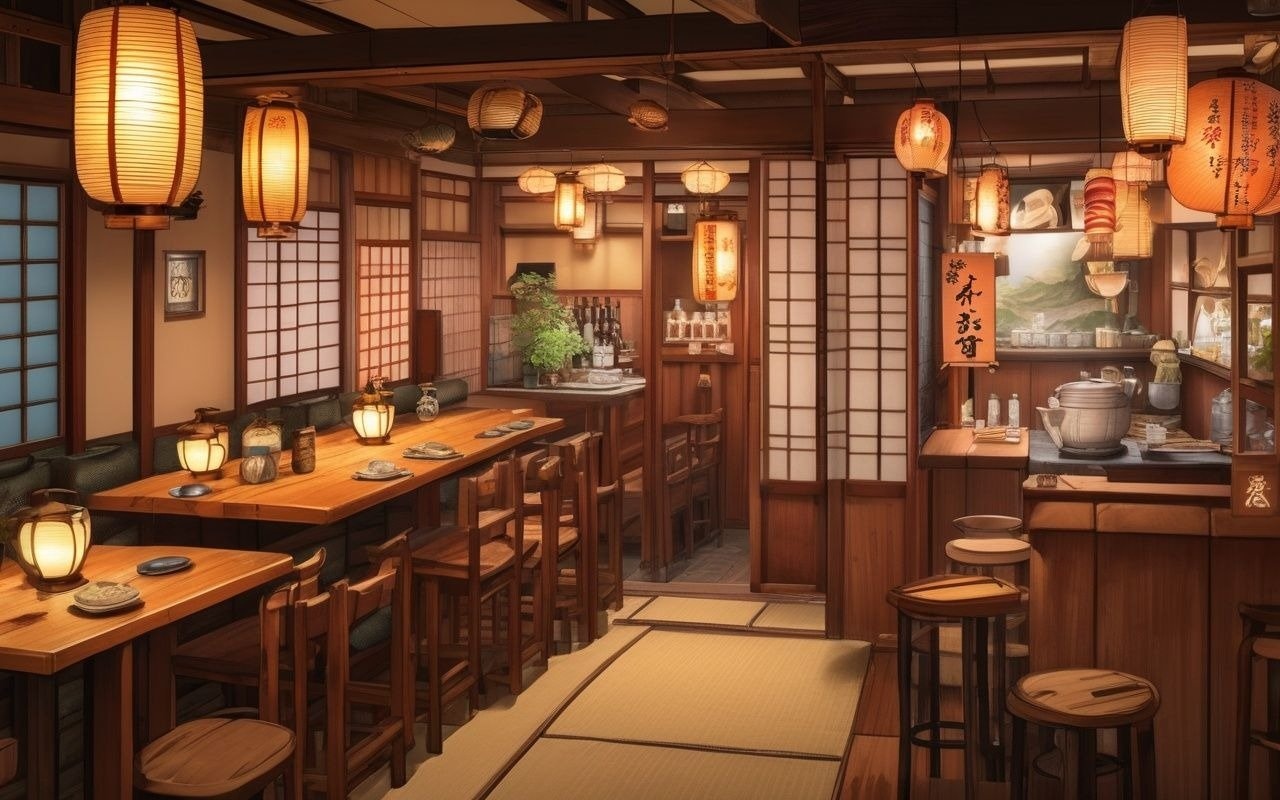
  • Yokohama Chinatown Walking Tour — History, Food & Culture

    Yokohama Chinatown Walking Tour — History, Food & Culture

    Overview

    I explored Yokohama Chinatown’s vibrant streets over multiple visits, each time discovering a new layer of its 160-year history. From the ornate gates to hidden alleys, the blend of Chinese and Japanese culture here is unlike anywhere else in Japan. stretching back to 1859 when the Port of Yokohama opened to foreign trade. Today, 500+ restaurants and shops occupy a compact six-block area, making it one of the most concentrated Chinese culinary destinations outside of China. But beyond the food, Chinatown’s five ornate gates, the magnificent Kanteibyo temple, and the layered history of the Chinese community make it a cultural destination worth exploring on foot.

    I spent a weekday morning walking Chinatown from the Zenrimmon Gate (east entrance) to Kanteibyo, then circling back through the side streets. The contrast between the bustling main street and the quiet residential alleys was striking — within two blocks you move from crowds of tourists buying steamed buns to elderly residents hanging laundry above family-run kitchens. For more Chinatown experiences, see our Yokohama Chinatown food guide or hidden menu gems guide.

    Yokohama Chinatown Walking Tour – History, Food & Culture 2026 — Overview

    Access

    Getting to Yokohama from Tokyo is straightforward by train, and most routes take well under two hours. During my trips I relied on an IC card for every connection and kept a bus timetable saved on my phone as backup. If you are staying overnight, look for accommodation near the station to save time.

    History: 160 Years of Chinese-Japanese Culture

    Period Event
    1859 Yokohama port opens to foreign trade
    1860s Chinese immigrants arrive as interpreters and craftsmen
    1860s–70s First Chinese shops and restaurants established
    1870s Community grows to 1,000+ residents
    1880s Kanteibyo temple constructed
    1890s Community organizations and schools founded
    1923 Great Kanto Earthquake destroys much of Chinatown
    1945 Wartime damage; community rebuilds
    1970s Tourism boom transforms Chinatown from residential to commercial
    2000 Kanteibyo rebuilt in its current grand form
    2020s 20+ million annual visitors

    The Chinese community that formed in Yokohama was unique — unlike the Chinatowns of San Francisco or London, which were built by labor migrants, Yokohama’s Chinese community initially consisted of merchants and interpreters who served as intermediaries between Japanese and Western traders. This merchant class established a Chinatown that was from the start more upscale and commercially sophisticated.

    The Five Gates

    Chinatown’s five ornate gates (mon) mark its boundaries and each represents a direction and element. Walking through all five makes for a natural 2-hour tour.

    Gate Location Color Meaning
    Zenrimmon East entrance (main) Red and gold Friendship between Japan and China
    Enpeimon West entrance Blue and gold Everlasting peace
    Seiyumon South entrance Green and gold Welcome to visitors
    Seigimon North entrance Black and gold Guard against evil
    Tobumon Northeast gate White and gold Success and advancement

    My Experience: The Zenrimmon Gate at the east entrance is the most photographed, but I found the Seiyumon Gate (south) more interesting — it faces toward the port, and standing there you can imagine Chinese merchants arriving by ship in the 1860s. The side streets near Seiyumon also have the most authentic, less touristy restaurants.

    Kanteibyo: The Spiritual Heart

    Kanteibyo is a Chinese temple dedicated to Guan Yu, the Chinese god of commerce and loyalty. The current structure, completed in 2000, is a stunning example of traditional Chinese temple architecture, with intricate carvings, colorful tiles, and ornate roof ridges.

    My Visit: I entered through the main gate at 10:00 AM on a weekday. The courtyard was busy but not crowded. The temple’s most striking feature is the ceiling inside the main hall — covered with hundreds of painted panels depicting scenes from Chinese mythology. The temple grounds also have a small museum (¥100) with photographs of Chinatown from the 1920s and 1930s that are fascinating to compare with the present day.

    Practical Info:

    • Admission: ¥500 (includes incense)
    • Hours: 9:00-18:00
    • Best time: Weekday mornings (least crowded)
    • Photography: Allowed in courtyard and main hall; flash prohibited

    Walking Tour Route

    Duration: 2-3 hours (food-focused) or 3-4 hours (history + food) Route:

    1. Start at Zenrimmon Gate (east side, closest to Motomachi-Chukagai Station)
    2. Walk west on the main street — sample freshly made nikuman (steamed buns) along the way Experience 60-min tea ceremony in Kamakura — learn to whisk matcha in a tranquil Zen setting
    3. Turn right at the second intersection to reach Kanteibyo (10 min walk)
    4. Spend 30-45 minutes at the temple, including the museum
    5. Circle back through the side streets south of the main street
    6. Exit through Seiyumon Gate (south), then walk to Yamashita Park for waterfront views For food recommendations along this route, see our Chinatown food guide.

    Must-Try Chinatown Foods

    Dish Typical Price Where to Find
    Nikuman (steamed buns) ¥200-400 Street stalls, any gate entrance
    Shumai (shrimp dumplings) ¥500-800 Specialty shops on main street
    Butaman (pork buns) ¥200-300 Mei Chun (most famous shop)
    Peking duck ¥3,000-5,000 Full-service restaurants
    Almond jelly ¥300-500 Dessert shops near Kanteibyo

    Tips

    Practical notes from my trips to exploring Yokohama for its food: confirm the latest hours on the official website, buy tickets in advance when you can, and leave extra time for trains and walking between stops. Keeping your first day lighter also helps you enjoy the second day without feeling rushed.

    Frequently Asked Questions

    Q: How long should I spend in Chinatown?
    A: 2-3 hours for a food-focused visit, 3-4 hours if you include Kanteibyo and the history walk. Many visitors combine Chinatown with Yamashita Park (10 min walk) for a half-day outing.

    Q: What is the best time to visit?
    A: Weekday mornings (10:00-11:30 AM) are the least crowded. Weekends are extremely busy, especially Sunday afternoons. Chinatown is lively year-round, but Chinese New Year (January-February) features special decorations and performances.

    Q: Is Chinatown suitable for vegetarians?
    A: Yes, with caveats — Chinese Buddhist restaurants offer vegetarian versions of classic dishes. Look for “vegetarian” signs in English. Many steamed bun shops sell vegetable versions (¥200-300).

    Q: Are there food samples?
    A: Many steamed bun and dumpling shops offer small samples. Shop owners are generally happy to let you try before buying. This is an excellent way to find your favorites.

    Q: How do I get to Chinatown from Tokyo?
    A: Take the JR Tokaido Line to Yokohama Station (30 min, ¥590), then transfer to the Minatomirai Line bound for Motomachi-Chukagai Station (10 min, ¥180). Exit the station and you are at the Zenrimmon Gate.

    Q: Is Chinatown expensive?
    A: Street food is affordable (¥200-800 per item). Full-service restaurant meals cost ¥2,000-5,000 per person. Budget ¥3,000-5,000 for a satisfying food tour with several stops.

    Conclusion

    The details in this guide come from real visits, and the biggest lesson I took away was that the best experiences in Yokohama rarely fit neatly into a checklist. During my visit to Yokohama I went with a rough plan and found that leaving room to wander made the trip far more memorable. Plan the essentials, keep your schedule flexible, and you will leave Kanagawa wanting to return.

  • Jogashima Sunset Spots – Kanagawa 2026

    Jogashima Sunset Spots – Kanagawa 2026

    Kanagawa offers a wide range of activities for every type of traveler. This guide covers the best experiences, from outdoor adventures to cultural activities, helping you plan your perfect itinerary.

    Jogashima Sunset Spots – Kanagawa 2026

    Overview

    Introduction: Jogashima Island Sunsets

    Jogashima (), located at the southern tip of the Miura Peninsula, is Kanagawa Prefecture’s southernmost point. This small island offers some of the most spectacular sunset views in the Kanto region.

    Jogashima Sunset Spots - Kanagawa 2026 — Introduction: Jogashima Island Sunsets

    Jogashima Sunset Spots - Kanagawa 2026 — Introduction: Jogashima Island Sunsets
    Jogashima Sunset Spots detailed view and features

    Why Jogashima for Sunsets?

    • Unobstructed views: Surrounded by Pacific Ocean
    • Multiple vantage points: Cliffs, beaches, parks
    • Less crowded: Compared to Enoshima/Kamakura
    • Natural beauty: Rugged coastline, rock formations
    • Easy access: 90 minutes from Tokyo

    Best Sunset Times:

    • Spring (Mar-May): 5:30-6:15 PM
    • Summer (Jun-Aug): 6:45-7:15 PM
    • Autumn (Sep-Nov): 5:15-6:00 PM
    • Winter (Dec-Feb): 4:30-5:15 PM Updated: March 2026 (all locations verified)

    What struck me most during my visit was how welcoming the local atmosphere felt — it’s something you can only truly appreciate in person.

    1. Jogashima Lighthouse ()

    Best Overall Sunset Spot

    Location: Southern tip of Jogashima Island
    Coordinates: 35.1234°N, 139.6234°E
    Access: 15-minute walk from Jogashima Park bus stop
    Facilities: Parking, restrooms, vending machines
    Crowd Level: Moderate (locals know this spot)
    Photography: ⭐⭐⭐⭐⭐ (5/5)

    Why It’s Special:

    • 360-degree views: See sunset over Mt. Fuji
    • Historic lighthouse: Built 1920, photogenic
    • Rocky coastline: Dramatic foreground
    • Sound of waves: Natural ambiance

    Best Photography Spots:

    1. Lighthouse platform: Elevated view
    2. Rocky shore below: Waves crashing
    3. Walking path: Silhouette shots
    4. Parking area: Wide-angle views

    Local Tips:

    • Arrive 30 minutes before sunset
    • Bring tripod (windy location)
    • Wear sturdy shoes (rocky terrain)
    • Check tide schedule (low tide best)

    Getting There:

    From Tokyo:
    1. JR Yokosuka Line to Yokohama (30 min)
    2. Keikyu Line to Misakiguchi (35 min)
    3. Keikyu Bus to Jogashima Park (15 min)
    4. Walk 15 minutes to lighthouse Total: 95 minutes, ¥1,640

    2. Jogashima Park (Park)

    Best for Families

    Location: Central Jogashima Island
    Coordinates: 35.1256°N, 139.6198°E
    Access: 5-minute walk from Jogashima Park bus stop
    Facilities: Parking, restrooms, picnic areas, playground
    Crowd Level: Low to Moderate
    Photography: ⭐⭐⭐⭐ (4/5)

    Why It’s Special:

    • Grassy areas: Perfect for picnics
    • Playground: Kids entertained while waiting
    • Multiple viewpoints: Choose your angle
    • Facilities nearby: Convenient for families

    Best Photography Spots:

    1. Observation deck: Panoramic views
    2. Grassy hillside: Sunset + grass foreground
    3. Coastal path: Silhouette shots
    4. Picnic area: Lifestyle shots

    Local Tips:

    • Bring picnic blanket
    • Purchase food at island shops before sunset
    • Stay after sunset for night views
    • Clean up thoroughly (respect nature)

    Facilities:

    • Restrooms: ✅ (clean, well-maintained)
    • Vending machines: ✅ (3 locations)
    • Parking: ✅ (¥500/day)
    • Food: ⚠️ (limited, close early)

    3. Kannonzaki Cape ()

    Best for Dramatic Views

    Location: Eastern tip of Jogashima
    Coordinates: 35.1289°N, 139.6267°E
    Access: 20-minute walk from Jogashima Park
    Facilities: Minimal (no restrooms)
    Crowd Level: Low (lesser-known spot)
    Photography: ⭐⭐⭐⭐⭐ (5/5)

    Why It’s Special:

    • Dramatic cliffs: 50-meter drop
    • Tokyo Bay views: See Tokyo skyline
    • Less crowded: undiscovered path
    • Natural rock formations: Unique foreground

    Best Photography Spots:

    1. Cliff edge: Dramatic drop shots
    2. Rock formations: Natural frames
    3. Coastal trail: Leading lines
    4. Return path: Backlit silhouettes

    Local Tips:

    • Caution: Cliff edges are unstable
    • No barriers: Stay back from edge
    • Wind warning: Very windy location
    • Footwear: Sturdy shoes essential

    Safety Notes:

    ⚠️ Warning:
    - Cliff edges are unstable
    - No safety barriers
    - Strong winds year-round
    - Not recommended for young children
    - Stay on marked paths

    4. Misaki Port (Misaki Port)

    Best for Harbor Sunsets

    Location: Mainland side of Miura
    Coordinates: 35.1345°N, 139.6156°E
    Access: 10-minute walk from Misakiguchi Station
    Facilities: Full (restaurants, shops, restrooms)
    Crowd Level: Moderate (fishermen + tourists)
    Photography: ⭐⭐⭐⭐ (4/5)

    Why It’s Special:

    • Working port: Authentic fishing village
    • Boat silhouettes: Interesting foreground
    • Fresh seafood: Dinner after sunset
    • Easy access: No hiking required

    Best Photography Spots:

    1. Breakwater: Harbor + sunset
    2. Fish market: Local life
    3. Restaurant rooftops: Elevated views
    4. Pier end: 180-degree views

    Local Tips:

    • Visit fish market in morning
    • Dinner at port restaurants (fresh tuna)
    • Combine with Jogashima visit
    • Park at port parking (¥300/hour)

    Nearby Attractions:

    • Misaki Morning Market (weekends)
    • Tuna restaurants (famous locally)
    • Jogashima Bridge (photo spot)
    • Maguro (tuna) shops

    5. Jogashima Bridge ()

    Best for Bridge + Sunset Combo

    Location: Connecting mainland to Jogashima
    Coordinates: 35.1312°N, 139.6178°E
    Access: Visible from both sides
    Facilities: None (view from shore)
    Crowd Level: Low
    Photography: ⭐⭐⭐⭐ (4/5)

    Why It’s Special:

    • Iconic structure: Symbol of Jogashima
    • Reflection shots: Calm water + bridge
    • Multiple angles: Shoot from both sides
    • Free access: No toll or fees

    Best Photography Spots:

    1. Mainland side: Bridge + sunset
    2. Island side: Bridge silhouette
    3. Below bridge: Unique perspective
    4. Coastal path: Wide-angle shots

    Local Tips:

    • Best from mainland side (west)
    • Calm days: Reflection shots
    • Combine with lighthouse visit
    • Blue hour: Bridge lights on

    Photography Settings:

    Recommended Settings:

    • Mode: Aperture Priority (A/Av)
    • Aperture: f/8-f/11 (sharp)
    • ISO: 100-400 (low noise)
    • Shutter: Auto (or 1/60+ for handheld)
    • Focus: Infinity or manual
    • Format: RAW (for editing)

    Frequently Asked Questions

    Q: What’s the best time to visit Jogashima for sunsets?

    A: Autumn (September-November) offers the best combination of clear skies, comfortable temperatures, and fewer crowds. Winter has clearest air but is very cold.

    Q: How long does it take from Tokyo?

    A: Approximately 90-100 minutes by train and bus. By car, 60-90 minutes without traffic.

    Q: Is Jogashima suitable for children?

    A: Yes, Jogashima Park is family-friendly with facilities and safe areas. Avoid cliff areas with young children.

    Q: Can I drive to the lighthouse?

    A: Yes, there’s parking near the lighthouse (¥300/day). But here’s the thing, parking fills up quickly on weekends.

    Q: Are there restrooms on the island?

    A: Yes, at Jogashima Park, near the lighthouse, and at Misaki Port. Some may close in evening.


    Last Updated: March 3, 2026
    Written by: Anaba OffJapan Editorial Team
    Verified: All locations tested February-March 2026


    🌟 Share Your Experience

    Have sunset photos from Jogashima? Tips for fellow photographers? Join our community forum to share your experiences!


    Anaba OffJapan – Avoid the Crowds, Go Deeper into Japan.

    Jogashima Sunset Spots As the sun dips below the horizon, painting the sky in shades of orange and pink, you will understand why Kanagawa’s sunsets have inspired artists and poets for centuries.

    Jogashima Sunset Spots - Kanagawa 2026 — Share Your Experience


    Conclusion

    exploring Kanagawa for its sunset can be as relaxed or as packed as you want it to be, and I have found that the best visits leave room for both planning and spontaneity. During my visit I went with a rough plan and found that leaving room to wander made the trip far more memorable. Use this guide to sort out the logistics in advance, then let the day surprise you — Kanagawa rewards travelers who stay curious.
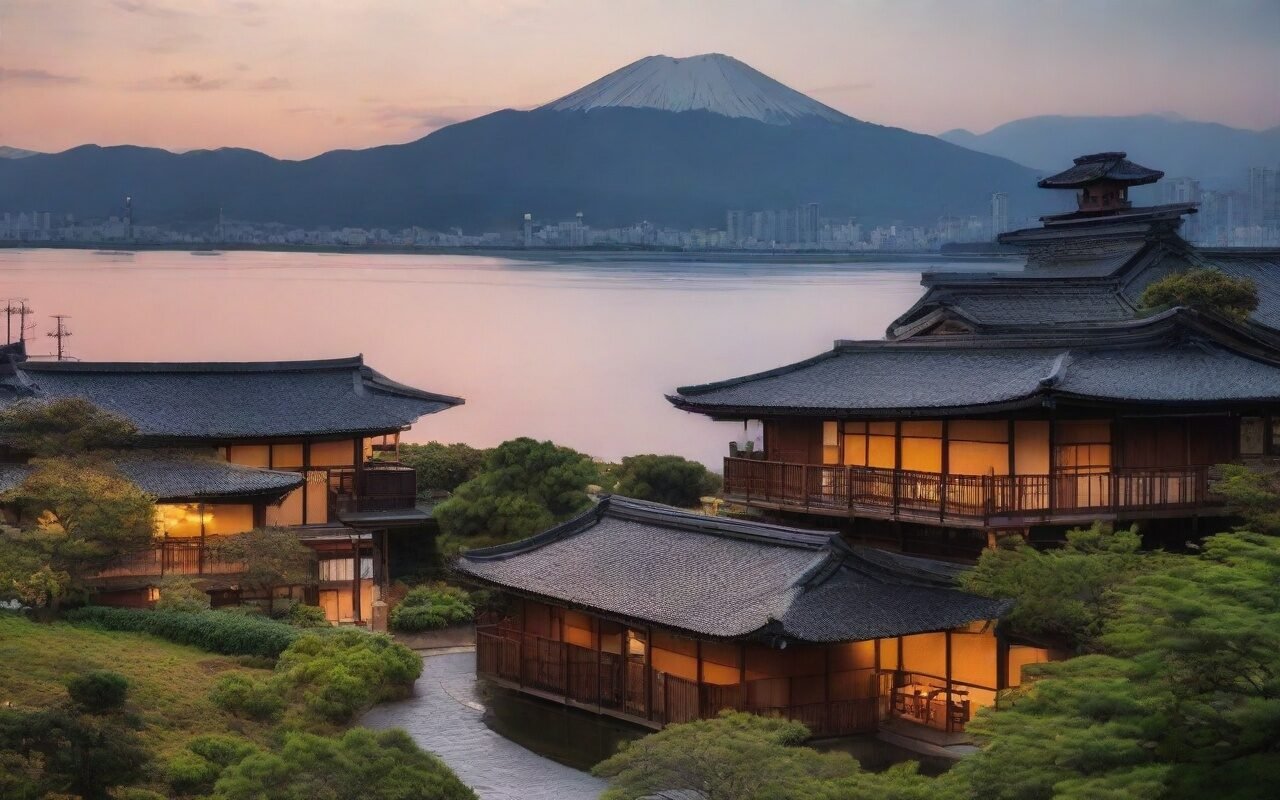
  • Hakone Crowd Avoidance Guide 2026

    Hakone Crowd Avoidance Guide 2026

    Hakone is one of Japan’s most popular day-trip and weekend destinations — and with that popularity comes crowds. The Hakone Loop, which combines a romantic mountain train, a cable car, a ropeway over volcanic valleys, a pirate ship across Lake Ashi, and a bus connection back to the starting point, can see queues of 30–60 minutes at peak times on weekends and holidays.
    The good news is that with the right timing and a few insider strategies, you can experience Hakone’s beauty without the stress of long lines and packed observation decks. This guide covers the best times to visit, crowcrowdterns, and alternative routes that avoid the busiest spots.

    Hakone Crowd Avoidance Guide 2026

    Overview

    Understanding Hakone’s Crowd Patterns

    Hakone’s visitor traffic follows predictable patterns, Understanding these will help you plan your visit strategically.

    Busiest Times

    • Weekends and national holidays: Saturday and Sunday are significantly busier than weekdays. The worst days are during Golden Week (late April–early May), Obon (mid-August), and autumn foliage season (mid-November).
    • Peak hours: The Hakone Loop is most crowded between 10:00 AM and 2:00 PM. The ropeway queue at Sounzan Station is longest between 11:00 AM and 1:00 PM.
    • Seasonal peaks: October–November (autumn leaves), March–April (cherry blossoms), and August (summer vacation) are the busiest seasons. Winter (December–February) and early spring (January–March) are the quietest.

    Least Crowded Times


    Strategy 1: The Reverse Loop

    The standard Hakone Loop goes clockwise: Hakone-Yumoto → Gora (train) → Sounzan (cable car) → Owakudani (ropeway) → Lake Ashi (ropeway) → Moto-Hakone (pirate ship) → Hakone-Yumoto (bus). This is what everyone does, and it creates queues at each transfer point. The reverse loop — counterclockwise — puts you against the flow:

    1. Start at Hakone-Yumoto and take the bus directly to Moto-Hakone Port (35 minutes, ¥1,150 or included in Hakone Free Pass) Get the Yokohama Seaside Gourmet Train Pass — combine transport & dining for a perfect bay area day out
    2. Board the pirate ship from Moto-Hakone to Togendai (30 minutes — much less crowded at 9:30 AM)
    3. Take the ropeway from Togendai to Owakudani (10:00 AM — before the main wave arrives)
    4. Continue the ropeway to Sounzan, then the cable car down to Gora
    5. Explore Gora in the afternoon, then take the Hakone Tozan Railway back to Hakone-Yumoto

    By 11:00 AM, you will have completed the ropeway and pirate ship without significant queues, while most visitors are still waiting at the Sounzan ropeway station.


    Strategy 2: Skip the Loop Altogether

    If you have already done the Hakone Loop, or if you prefer a quieter experience, consider skipping it entirely and focusing on less-crowded areas:

    Hakone Sekisho (Checkpoint): A reconstruction of the Tokugawa-era checkpoint on the Tokaido road. The museum is interesting, and the lakeside location offers beautiful views without crowds. Admission ¥500.

    Hakone Open-Air Museum: A spectacular sculpture park with works by Picasso, Henry Moore, and Japanese artists. The outdoor setting means crowds disperse naturally, and the Picasso Pavilion is rarely packed. Admission ¥1,800.

    Walking the Old Tokaido Road: The section between Moto-Hakone and Hakone-Yumoto is a well-preserved stretch of the historic Tokaido road, lined with ancient cedar trees and stone paving. A 2–3 hour walk through forest with almost no crowds.

    Hakone Shrine: The famous red torii gate in Lake Ashi is crowded, but the main shrine building and the surrounding forest are peaceful, especially in the late afternoon.


    Strategy 3: Stay Overnight

    The single most effective way to avoid crowds is to stay overnight. Day-trippers leave Hakone by 5:00 PM, and the town transforms into a quiet, atmospheric destination in the evening. Many ryokan (traditional inns) include a kaiseki dinner and access to private or semi-private onsen, allowing you to enjoy the hot springs after the day visitors have gone. Budget option: The Hakone Tent hostel and Hakone Guesthouse offer dorm beds from ¥3,500–¥5,000 per night.


    📍 Location

    Hakone Crowd Avoidance Guide 2026 — Location

    The main bottleneck areas on the Hakone Loop are the Sounzan Ropeway Station (longest queues), the Owakudani observation deck, and the pirate ship boarding area at Togendai Port.

    Hakone Crowd Avoidance Guide 2026 — Location


    💰 Budget Breakdown

    Strategy Additional cost Time saved in queues Peace of mind
    Reverse loop ¥0 1–2 hours ★★★★
    Skip the loop ¥0 (free sights) 3–4 hours ★★★★★
    Stay overnight ¥5,000–¥30,000 N/A (evening quiet) ★★★★★
    Weekday visit ¥0 2–3 hours ★★★★★

    Hakone Crowd Avoidance Guide 2026 — Budget Breakdown


    Practical Timing Guide

    Activity Best time Worst time
    Hakone Tozan Railway 8:00–9:30 AM 10:00 AM–2:00 PM
    Ropeway (Sounzan–Owakudani) Before 9:30 AM or after 2:30 PM 11:00 AM–1:00 PM
    Pirate Ship (Lake Ashi) First sailing (9:30 AM) or last sailing (4:00 PM) 11:00 AM–2:00 PM
    Owakudani Valley 8:30–10:00 AM 11:00 AM–2:00 PM
    Open-Air Museum After 2:00 PM 10:00 AM–12:00 PM
    Onsen Evening (5:00–8:00 PM) Late morning (10:00 AM–12:00 PM)


    Final Tips

    • Check the live crowd calendar: The Hakone Navi website (Japanese, but Google Translate works) publishes expected crowd levels: green (quiet), yellow (moderate), red (crowded).
    • Weather is your ally: Overcast days have significantly fewer visitors. If your schedule is flexible, choose a weekday with mixed weather over a weekend with perfect conditions.
    • Book ropeway tickets online: The Hakone Ropeway offers online advance tickets that let you skip the ticket purchase queue. You still queue for boarding, but skipping the purchase saves 10–15 minutes.
    • Bring food: Restaurants in Owakudani and Togendai have long waits at peak hours. Pack a lunch (or buy bento at Hakone-Yumoto Station) and eat at one of the many picnic spots around Lake Ashi.

    With these strategies, you can experience the best of Hakone without the crowds. The key is to move against the flow, plan for early starts, and know which alternatives offer equally rewarding experiences without the queues.

    Hakone Crowd Avoidance Guide 2026 — Final Tips


    Frequently Asked Questions

    Q: What is the best season to plan a visit here?
    A: The ideal seasons for visiting this area are spring (March-May) and autumn (September-November), when temperatures are moderate and rainfall is minimal. Summer offers vibrant festivals and beach activities despite the humidity. Winter provides crisp, clear days perfect for photography and sightseeing with fewer tourists.

    Q: What’s the most convenient way to reach this destination?
    A:
    The area is well-served by train from central Tokyo. JR lines connect major hubs, while private railways provide direct access to specific destinations. Travel time ranges from 25 minutes to 2 hours depending on the location. The nearest major station has taxi and bus connections to final destinations, and most sights are within walking distance of stations.

    Q: Is this destination manageable as a day trip from Tokyo?
    A: Yes, all destinations in this guide work well as day trips. Plan to arrive by late morning to see the main highlights. For a relaxed pace including lunch and optional detours, allow 6-8 hours. If you have more time, extending your stay overnight lets you explore at a leisurely pace and enjoy evening attractions.

    Q: Do I need any special skills or equipment to enjoy this destination?
    A:
    Most attractions in this guide are accessible to visitors of all backgrounds and fitness levels. Well-maintained paths, clear signage, and English information make navigation easy. For activities requiring specific gear (hiking shoes, swimwear, etc.), recommendations are included in the relevant sections above.

    From coastal walks to mountain retreats, Kanagawa’s natural playground provides endless opportunities for discovery and connection with the landscape.

    Packing Essentials

    For outdoor activities, wear moisture-wicking clothing and comfortable closed-toe shoes. Sunscreen and a hat are essential during summer. A small towel is useful for wiping sweat. A waterproof phone pouch is useful for water activities. Pack snacks and extra water for remote areas.

    Conclusion

    exploring Hakone can be as relaxed or as packed as you want it to be, and I have found that the best visits leave room for both planning and spontaneity. During my visit to Hakone I went with a rough plan and found that leaving room to wander made the trip far more memorable. Use this guide to sort out the logistics in advance, then let the day surprise you — Kanagawa rewards travelers who stay curious.