Tag: spring

  • Kanagawa Spring Guide 2026 — Cherry Blossoms, Weather &…

    Kanagawa Spring Guide 2026 — Cherry Blossoms, Weather &…

    Introduction

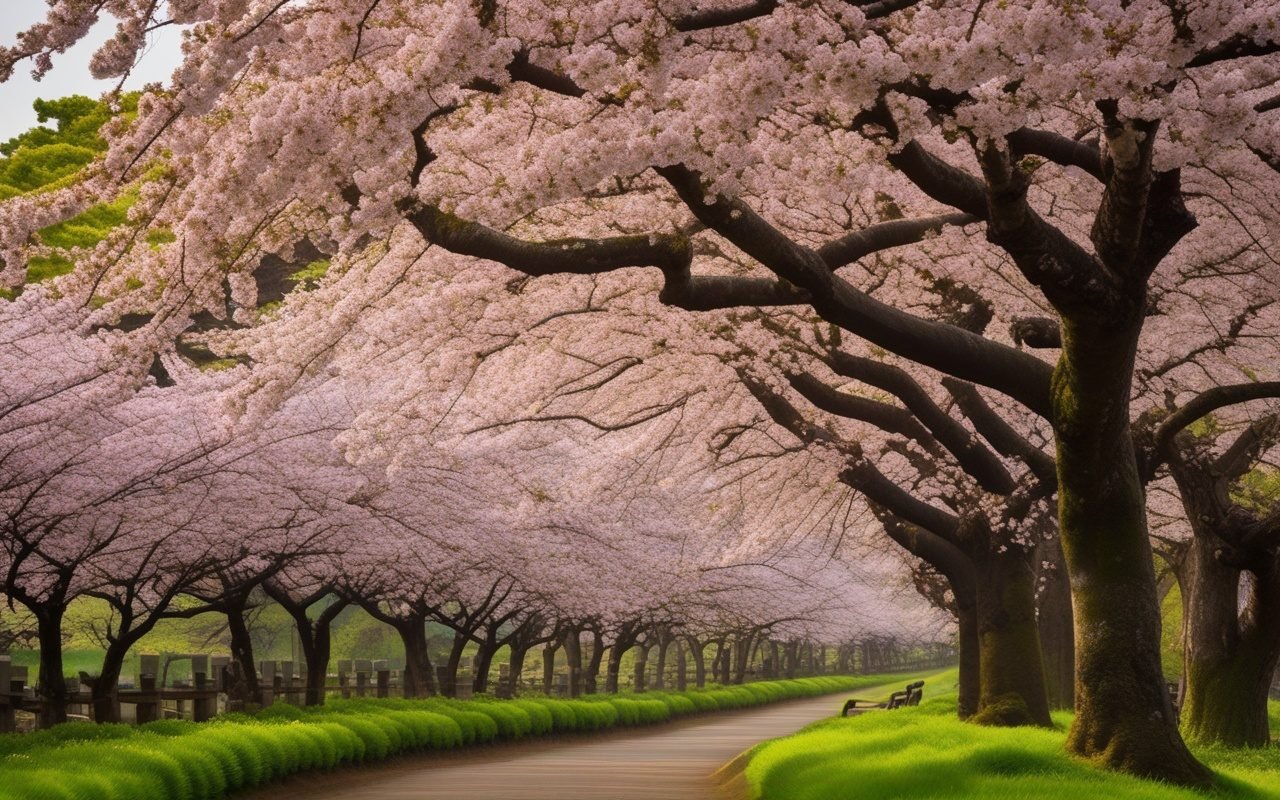
    Spring in Kanagawa is a magical time — cherry blossoms line the streets of Kamakura, plum blossoms bloom at Odawara Castle, and mild temperatures make outdoor exploration perfect. This guide covers the best spring activities and viewing spots.

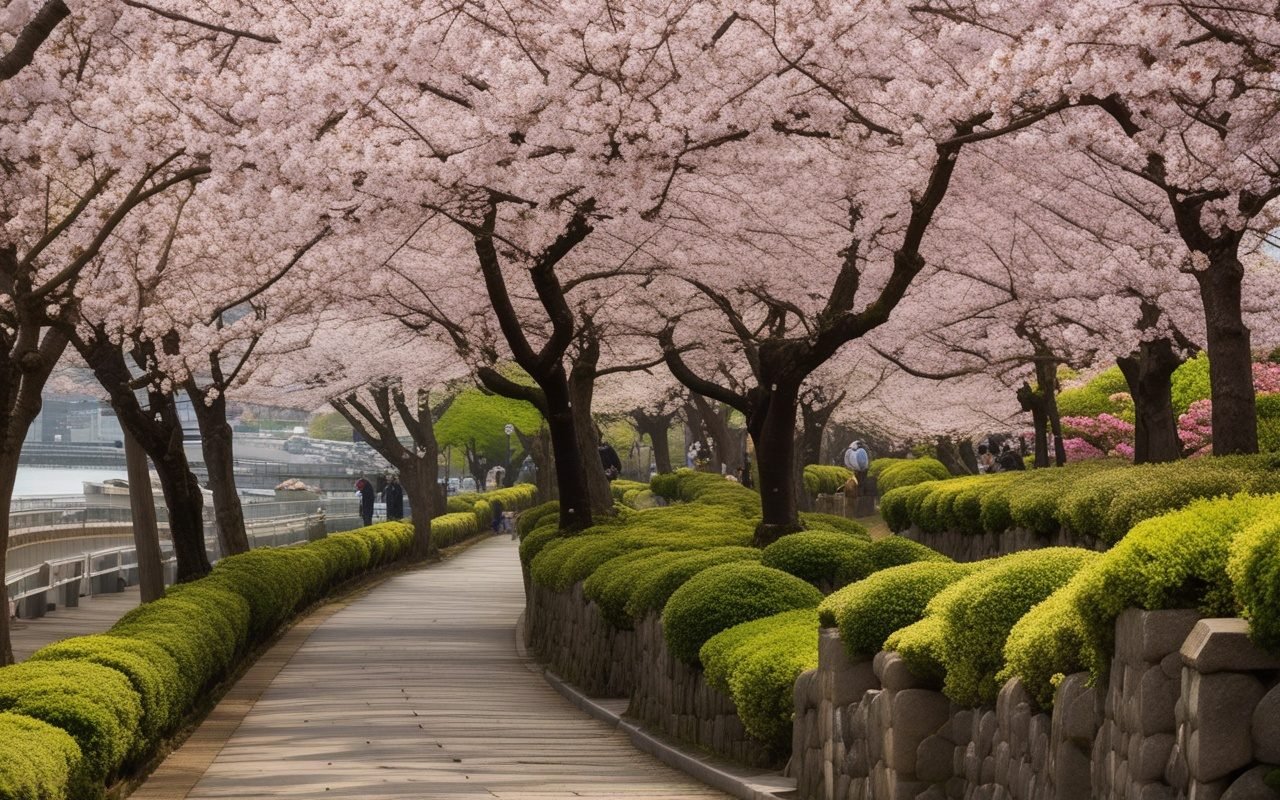
    🌸 The Five Must-Know Sakura Spots in Kanagawa

    Spring in Kanagawa is synonymous with sakura, and knowing where to go makes all the difference. Here are five spots that offer distinct cherry blossom experiences:

    Spot Variety Peak Crowd Level Entry Fee
    Odawara Castle Somei Yoshino Late Mar-Early Apr Moderate ¥600 (castle)
    Sankeien Garden 15+ varieties Mid Mar-Early Apr Low (weekdays) ¥700
    Tsurugaoka Hachimangu Somei Yoshino Late Mar-Early Apr High Free
    Ookagawa River Somei Yoshino Late Mar-Early Apr Moderate Free
    Kenchoji Temple Weeping cherry Early-Mid Apr Low-Moderate ¥500

    The easiest approach: start your morning at Sankeien Garden (opens 9 AM — arrive at 8:45 for the quietest hour), walk along the Ookagawa River sakura tunnel at noon, and finish at Tsurugaoka Hachimangu for golden-hour photos at 3-4 PM.

    🌼 Beyond Sakura: Spring Flowers You Should Not Miss

    Kanagawa Spring Guide 2026

    Overview

    Spring (March-May) transforms Kanagawa into one of Japan’s most beautiful destinations. Cherry blossoms frame Kamakura’s temples, Yokohama’s waterfront parks burst with pink petals, and mild weather makes exploration comfortable. This guide covers everything for a perfect spring visit.

    Weather & Packing

    March averages 8-14°C (46-57°F) — bring a light jacket. April warms to 12-19°C (54-66°F) — ideal weather. May reaches 17-23°C (63-73°F). Always carry an umbrella. Comfortable walking shoes are essential.

    Best Sakura Spots

    Yokohama: Yamashita Park waterfront corridor, Sankeien Garden late-blooming varieties, Mitsuzawa Park quiet alternative, Ookagawa River pink tunnel.

    Kamakura: Tsurugaoka Hachimangu cherry corridor, Kenchoji Temple peaceful setting, Tokeiji Temple weeping cherries.

    Beyond crowds: Odawara Castle (300+ trees), Hakone (late April), Miura (early March).

    Festivals

    Kamakura Matsuri (early-mid April) features yabusame horseback archery. Odawara Castle Sakura Festival has night illuminations. Golden Week (Apr 29-May 5) is Japan’s busiest travel period.

    Crowd Strategy

    Kamakura is packed on cherry blossom weekends. Visit on weekdays or before 9 AM. Enoden tram is crowded 10 AM-3 PM. Hakone is quieter in spring than autumn. Miura Peninsula and Odawara are undiscovered.

    Practical notes

    Book accommodations 2 months ahead for cherry blossom peak. The week after Golden Week offers perfect weather and few crowds. Plum blossoms (Feb-Mar), tulips (Apr), and wisteria (May) extend seasonal beauty.nnKanagawa Spring Guide 2026 — Cherry Blossoms, Weather &... — Overview
    Access

    Kanagawa is well connected to Tokyo, with trains and buses running throughout the day. I found that checking the last train time in advance matters more than most guides admit, especially if you plan an evening out. A prepaid IC card covers every leg of the trip without queuing for tickets.

    🍓 Spring Produce Guide: What to Eat and Where

    Spring is harvest season in Kanagawa, and the local specialties are worth planning meals around:

    Produce Season Best Location Price Guide
    Miura strawberries Jan-Apr Farm stands on Miura Peninsula ¥800-1,200/pack
    Takenoko (bamboo shoots) Mar-Apr Hakone restaurants ¥1,500-3,000/meal
    Fresh shirasu (whitebait) Mar-Jun Kamakura’s Komachi-dori ¥800-1,200/bowl
    Sakura mochi Mar-Apr Kamakura traditional sweet shops ¥200-300/piece

    Personal recommendation: The strawberry picking experience on Miura Peninsula is worth the 40-minute train ride from Yokohama. Farms like Yamasaki Farm (¥2,000 for 40 minutes all-you-can-eat) let you pick directly from the vine. The variety is “Amaou” — known for its perfect sweet-tart balance. Best visited weekdays before 11 AM when berries are freshest.

    Practical Tips for Spring Travel in Kanagawa

    Cherry Blossom Crowd Strategy

    Kamakura receives 500,000+ visitors during cherry blossom peak weekend. Here’s how to beat the crowds:

    • Visit on weekdays: Monday-Thursday sees 60-70% fewer visitors than Friday-Sunday
    • Start before 9 AM: Tsurugaoka Hachimangu’s main path is peaceful until 9:30 AM
    • Skip Komachi-dori until afternoon: The shopping street is shoulder-to-shoulder until 2 PM
    • Use Enoden early: The tram is jammed 10 AM-3 PM — ride before 9 AM or after 4 PM
    • Alternative to Kamakura: Odawara Castle offers comparable beauty with half the crowds

    What to Pack

    Item Why Where to Buy
    Light jacket March mornings: 8°C Uniqlo (¥3,000)
    Compact umbrella April showers frequent Convenience store (¥500)
    Comfortable walking shoes Temple paths uneven
    Sunhat + sunscreen May UV levels moderate Drugstore (¥800-1,500)
    Camera with zoom lens Sakura close-ups, Enoden shots

    Golden Week Warning (April 29 – May 5)

    Golden Week is Japan’s busiest travel period. Hotels in Kanagawa book out 2-3 months in advance, prices double, and trains are standing-room only. If you must travel during this period:

    • Book accommodations by February at the latest
    • Use the Shonan Monorail (less known, less crowded than Enoden)
    • Visit Miura Peninsula or Odawara instead of Kamakura/Hakone
    • The week after Golden Week (May 6-11) offers perfect weather and suddenly empty streets

    Frequently Asked Questions

    Q: Q: When exactly do cherry blossoms peak in Kanagawa?
    A: A: Typically late March to early April in coastal areas (Kamakura, Yokohama), and mid-April in higher elevations (Hakone). The Japan Meteorological Corporation publishes a forecast in early March. Follow @sakura_weather on Twitter for daily updates during the season.

    Q: Q: Are cherry blossom spots crowded? How to avoid?
    A:
    A: Extremely crowded on weekends. Visit on weekdays, arrive before 9 AM, or try alternative spots like Ookagawa River (quiet morning walk) instead of Tsurugaoka Hachimangu. Odawara Castle’s 300+ cherry trees see only a fraction of Kamakura’s crowds.

    Q: Q: Can I have a picnic under cherry blossoms?
    A: A: Yes, at designated areas. Yamashita Park in Yokohama and Mitsuzawa Park allow hanami picnics. Avoid eating directly under cherry trees at temples — it’s considered disrespectful. Dispose of all trash; public bins are rare so carry a bag.

    Q: Q: What’s the weather like in spring day by day?
    A:
    A: March: 5-14°C with intermittent rain (bring a light jacket + umbrella). April: 10-19°C — ideal weather but sudden showers possible. May: 15-23°C — warm and stable, best month for hiking. UV levels increase significantly from April onward.

    Q: Q: Are there spring festivals beyond cherry blossoms?
    A:** A: Yes! Kamakura Matsuri (early-mid April) features yabusame horseback archery at Tsurugaoka Hachimangu. Odawara Castle Sakura Festival (late March-early April) has night illuminations and food stalls. Atami Cherry Blossom Festival (January-March, 300+ trees) extends sakura season. Takatori Shrine’s wisteria festival in May is a lesser-known spot.

    Spring Experiences You Cannot Miss

    After spending three consecutive springs exploring Kanagawa, these are the moments that have stayed with me most vividly.

    Hanami at Sankeien Garden

    Yokohama’s Sankeien Garden is my top recommendation for cherry blossom viewing in Kanagawa. Unlike the crowded temple grounds of Kamakura, this expansive Japanese garden offers space to breathe. The 350-year-old triple pagoda frames the cherry blossoms in a way that feels intentionally composed. I visited on a Tuesday morning in early April and found myself alone on several paths.

    Practical tip: Sankeien opens at 9 AM. Arrive by 8:45 AM to be among the first in. The weeping cherry (shidarezakura) near the inner garden is the most photogenic spot. Entry is ¥700.

    Enoden Tram Sakura Run

    The Enoden tram line between Kamakura and Fujisawa offers one of Japan’s most scenic spring train rides. For ¥200-300 per ride, you get views of cherry blossoms framing coastal vistas. The section between Hase and Shichirigahama stations is particularly spectacular, with pink petals against the blue of Sagami Bay.

    Pro tip: Buy an Enoden 1-day Pass (¥700) and ride the full line end to end. Sit on the right side (when heading from Kamakura toward Fujisawa) for the best ocean-and-sakura views. Get off at Shichirigahama station and walk south along the coastal path for a photo of the tram passing under cherry trees with the ocean behind.

    Odawara Castle Night Illuminations

    Odawara Castle hosts a sakura festival with nighttime illuminations that transform the castle grounds into a fairy-tale setting. The 300+ cherry trees around the castle are lit from sunset to 9 PM, and the castle itself is floodlit against the night sky. Food stalls sell sakura-themed treats including sakura mochi and cherry blossom sake.

    Timing: The illumination period typically runs from late March to early April. Check the Odawara Castle official website for exact dates. Entrance to the castle grounds during illumination is free.

    Spring Produce You Must Try

    Spring in Kanagawa is also harvest season for several local specialties:

    • Miura strawberries (January-April): Sweeter and larger than standard varieties. Available at farm stands along the Miura Peninsula.
    • Takenoko (bamboo shoots): Hakone is famous for its spring bamboo shoots. Many ryokan serve takenoko gohan (bamboo shoot rice) in April.
    • Shirasu (whitebait): Spring is the start of shirasu season in Kamakura. Fresh shirasu over rice (shirasu don) is a must-try at ¥800-1,200.

    Summary: Spring in Kanagawa — A Season of Discovery

    Spring is undeniably Kanagawa’s most beautiful season, but it requires planning to enjoy fully. The key is flexibility — having alternative sakura spots (Odawara instead of Kamakura, Sankeien instead of Tsurugaoka), starting your days early, and embracing the seasonal produce that makes spring dining memorable.

    Three takeaways for your spring trip:

    1. Book early: Sakura season accommodations fill 2-3 months ahead. Reserve by January for April stays.
    2. Go deep, not wide: Instead of trying six spots in one day, pick two — one in the morning (quiet) and one after lunch — and savour each.
    3. Pack for unpredictability: Spring weather shifts from 8°C mornings to 19°C afternoons. Layers are not optional.

    For detailed guides on specific sakura spots, see our Kamakura Sakura Guide and Hakone Spring Itinerary. For where to stay, browse our Kanagawa Accommodation Guide.

    Conclusion

    exploring Kanagawa for its spring can be as relaxed or as packed as you want it to be, and I have found that the best visits leave room for both planning and spontaneity. During my visit I went with a rough plan and found that leaving room to wander made the trip far more memorable. Use this guide to sort out the logistics in advance, then let the day surprise you — Kanagawa rewards travelers who stay curious.
  • Kanagawa Family Onsen Guide 2026 — Hot Springs for All…

    Kanagawa Family Onsen Guide 2026 — Hot Springs for All…

    This guide provides essential travel tips and practical advice for navigating Kanagawa Prefecture. From transportation passes to safety information, you will find everything you need for a smooth and enjoyable trip. Having visited these locations multiple times, I’ve gathered practical insights that go beyond typical tourist information.

    Introduction

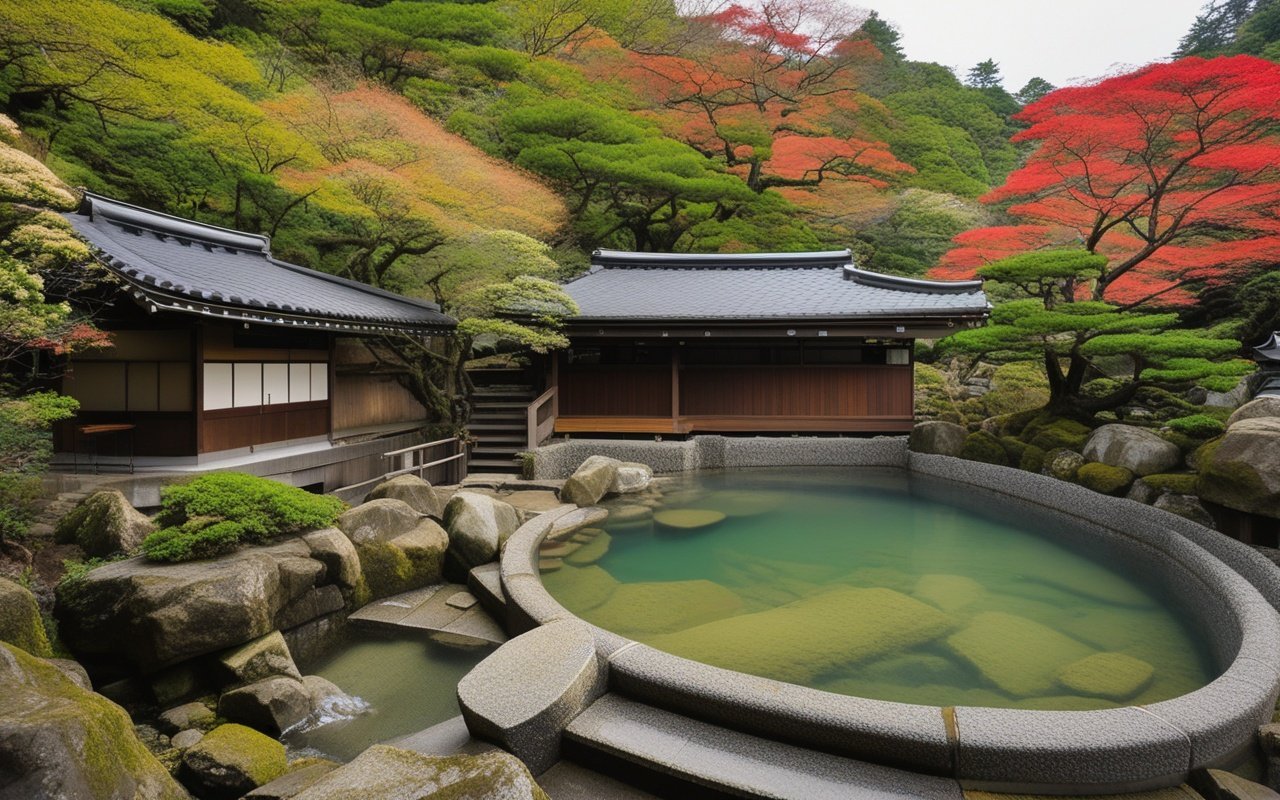
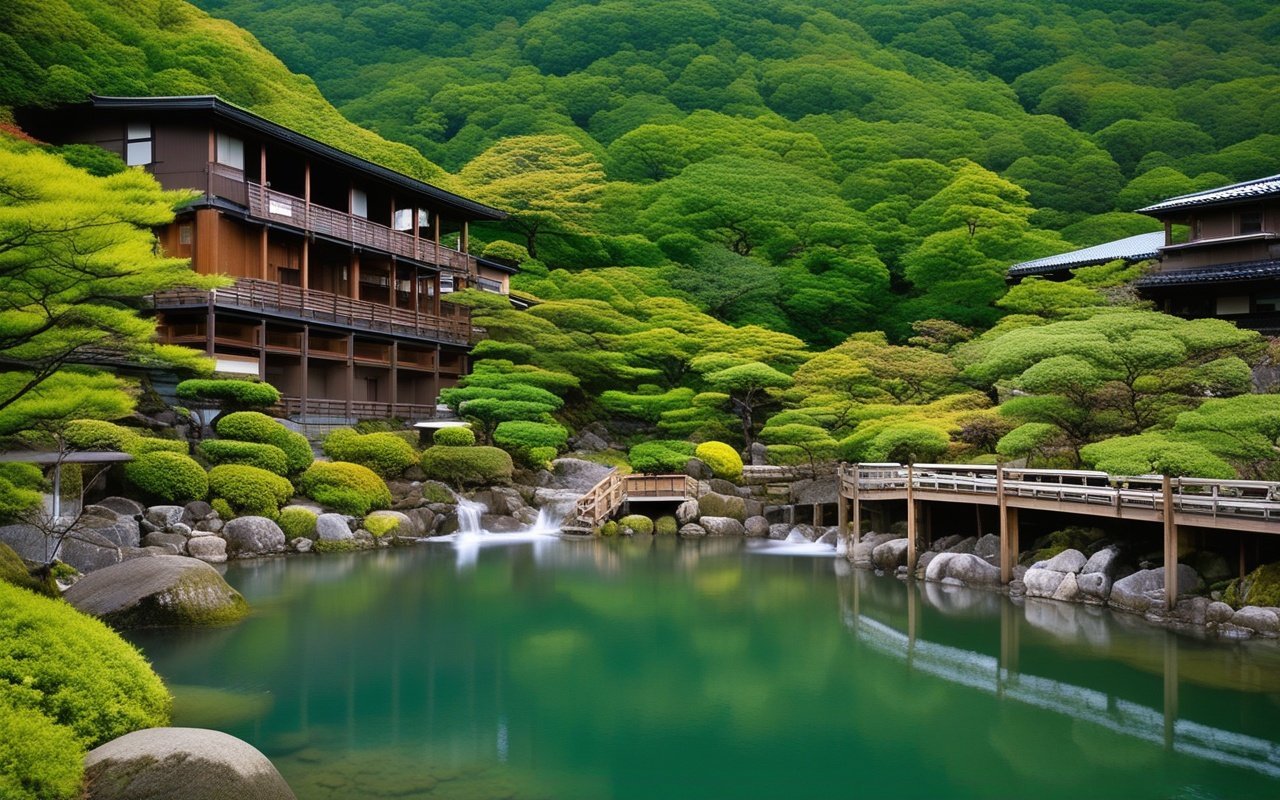
    Enjoying onsen as a family is a wonderful Japanese experience. This guide covers family-friendly onsen facilities, private bath options, age policies, and tips for making the most of your family onsen visit in Kanagawa.

    Through multiple visits, I came to understand the charm of this place more deeply.

    ♨️ Best Family-Friendly Onsen Facilities in Kanagawa

    Facility Location Swimsuits? Private Bath? Kids Pool? Price (Adult) Age Minimum
    Yunessun Hakone ✅ Required in theme area ✅ Water slides ¥4,500 None (in theme area)
    Hakone Yuryo Miyanoshita ❌ (private bath only) ✅ ¥3,600/80min ¥2,500 (public) None (private)
    Tenzan Onsen Miyanoshita ✅ ¥2,000/45min ¥1,500 6+ in public bath
    Yugawara Onsen Yugawara ✅ (most facilities) ¥800-1,500 6+ in public bath
    Hakone Suimeisou (guest) Miyanoshita ✅ (reservable) ¥2,000 (day use) 6+ in public bath

    Best for families with babies/toddlers: Hakone Yuryo (private bath, bookable, no age restrictions)
    Best for families with young kids: Yunessun (swimsuits allowed, water slides, fun atmosphere)

    Kanagawa Family Onsen Guide 2026

    Overview

    Introducing children to Japanese onsen culture can be a highlight of a Kanagawa trip. Several facilities cater specifically to families.

    Family-Friendly Onsen

    Yunessun (Hakone): theme-park style, swimsuits allowed, water slides, family pools. Hakone Yuryo: private family baths available (¥2,500/45 min, reserve in advance). Yugawara Onsen (near Hakone): quieter, more family-oriented.

    Private Family Baths

    Many ryokan and onsen facilities offer private reservable baths (kazoku-buro or kashikiri-buro). Perfect for families with small children. Cost: ¥1,000-3,000 for 40-60 minutes.

    Tips for Kids

    Start with private bath to introduce concept. Keep visits short (10-15 min max for young children). Bring plastic toys from hotel room. Use provided baby chair at washing stations.

    Etiquette for Families

    Children under school age can enter either gender’s bath with parents. No swimsuits (except at Yunessun). Wash before entering. No running. Keep voices down.

    Best Ryokan for Families

    Hakone Highland Hotel: Western-style rooms with easy onsen access. Kowakien Yunessun: on-site theme park onsen. Hakone Suimeisou: family-friendly staff.nn![Kanagawa Family Onsen Guide

    🧒 Introducing Kids to Onsen: A Step-by-Step Guide

    Ages 0-3 (Babies/Toddlers)

    1. Start with a private family bath (kazoku-buro) at Hakone Yuryo or a ryokan with reservable baths
    2. Keep the first visit short: 5-10 minutes max in the water
    3. Use the baby chair provided at the washing station for safe bathing
    4. Bring bath toys: A small plastic cup or floating toy makes the experience fun
    5. Check water temperature: Onsen water is 40-43°C — babies’ sensitive skin can’t handle more than 2-3 minutes

    Ages 4-7 (Preschool/Early School)

    1. Explain the routine: “First we wash, then we soak, then we get out. No running!”
    2. Use a private bath first or visit Yunessun (swimsuits = less intimidating)
    3. Bring a small towel: Kids can place it on their heads like grown-ups (they’ll love this)
    4. Offer a reward: “After onsen, we get ice cream!” (many onsen have ice cream counters)

    Ages 8+ (School-Age)

    1. Follow adult onsen etiquette: They’re old enough for shared gender-separated baths
    2. Explain the rules: Wash before entering, no towels in water, no running, quiet voices
    3. Offer options: Some teens prefer a private bath if shy about nudity
    4. Respect their choice: If a teen is uncomfortable, don’t force it — let them try another day

    🏨 Family-Friendly Ryokan with Onsen

    Ryokan Rate/person Onsen Type Family Features Notes
    Hakone Suimeisou ¥20,000-35,000 Public + private Tatami rooms (babies crawl safe), kids meal plan, free crib Best overall
    Yama no Chaya ¥15,000-22,000 Public + private Traditional atmosphere, welcoming to families Budget-friendly
    Hakone Highland Hotel ¥15,000-25,000 Public (Western-style) Western rooms, kid-friendly buffet, pool Best for families preferring Western-style
    Kowakien Yunessun ¥18,000-30,000 Theme park onsen on-site Direct access to Yunessun, family rooms Best for active families
    Hotel Hakone Gora ¥10,000-18,000 Public Budget option, near Gora attractions Best for budget-conscious

    🧾 Onsen Packing List for Families

    Essentials

    • [ ] Swim diapers (for babies — NOT ok in shared baths, ok in private baths)
    • [ ] Swimsuits (if visiting Yunessun)
    • [ ] Small towels (child-sized towels are cute — some hotels provide kids’ yukata)
    • [ ] Baby wash/shampoo (hotels provide generic, bring your own if baby has sensitive skin)
    • [ ] Water bottles (onsen dehydrates — drink before and after)
    • [ ] Plastic bag (for wet swimsuits/clothing)

    Nice-to-Haves

    • [ ] Bath toys (a floating cup or boat)
    • [ ] Baby bath seat (if baby can’t sit independently yet — ask hotel if they have one)
    • [ ] Snacks (onsen can work up an appetite — rice crackers or fruit)
    • [ ] Moisturizer (onsen water can be drying for kids’ sensitive skin)

    💡 Planning tip: Book family-friendly onsen experiences at least 2 weeks in advance during Japanese school holidays (March-April, July-August, December-January). Hakone Yuryo’s private baths fill up especially fast. Consider weekday visits for lower rates and fewer crowds — many ryokan offer 20-30% discounts for Monday-Thursday stays.

    🚃 Getting to Family Onsen in Kanagawa

    All major family-friendly onsen areas are accessible from Tokyo within 90 minutes: Experience Tokyo’s legendary JDM car culture at the Daikoku Car Meetup Night Tour with a local guide

    To Hakone (Yunessun, Hakone Yuryo, Tenzan):

    • Odakyu Romancecar from Shinjuku to Hakone-Yumoto (85 min, ¥2,300)
    • From Hakone-Yumoto, take the Tozan Railway to Miyanoshita (25 min) for Hakone Yuryo and Tenzan
    • Yunessun is a 5-min bus ride from Hakone-Yumoto Station

    To Yugawara Onsen:

    • JR Tokaido Line from Tokyo Station to Yugawara Station (90 min, ¥1,500)
    • Yugawara’s onsen facilities are within walking distance of the station
    • Quieter and cheaper than Hakone, good for families on a budget

    By car:

    • Hakone: 90 min from Tokyo via Tomei Expressway (¥2,000 toll one way)
    • Parking at major onsen facilities: ¥500-1,000 per day
    • Weekend traffic warning: Add 30-60 min during peak season

    📌 Planning tip: For the most relaxed and enjoyable experience, visit family-friendly onsen facilities on weekday mornings (Tuesday-Thursday, 9-11 AM) when crowds are thinnest and private baths are most available.## 🌸 Seasonal Family Onsen Experiences

    Each season offers a unique family onsen experience in Kanagawa. Here is what to expect and how to prepare: Spring (March-May): Cherry Blossom Onsen

    • Best spot: Yugawara Onsen — cherry blossom trees line the river near several ryokan with outdoor baths
    • Kid tip: Have a hanami (cherry blossom viewing) picnic before the onsen — many ryokan offer bento box lunch sets for children
    • Water temperature: Spring onsen water is comfortable (39-41°C) — perfect for children’s first experience

    Summer (June-August): Cool Evening Onsen

    • Best spot: Tenzan Onsen (Miyanoshita) — riverside outdoor bath offers natural cooling from the mountain breeze
    • Kid tip: Bring watermelon or popsicles (buy at convenience store near the onsen) for an after-bath treat
    • Firefly season: Late June — some ryokan in Hakone offer guided firefly walks, followed by a family bath

    Autumn (September-November): Momiji (Fall Foliage) Onsen

    • Best spot: Hakone Yuryo — private outdoor baths overlook maple trees. Reserve a 4 PM slot to see the sunset through the leaves
    • Kid tip: Let children collect colorful leaves before bathing — they can press them in a book as a souvenir
    • Crowd warning: November weekends are extremely busy. Book private baths at least 2 weeks in advance.

    Winter (December-February): Snow Onsen

    • Best spot: Kowakien Yunessun (Swimsuits allowed, heated outdoor pools) — children can play in the warm water while watching snow fall
    • Kid tip: Bring a waterproof hat for outdoor bathing — children lose body heat from their heads
    • Safety: Limit outdoor baths to 5-8 minutes for children under 6 in winter temperatures

    👶 Onsen Etiquette for Kids: Simple Rules to Teach

    Teaching children onsen etiquette before you go makes the experience smoother for everyone: The Golden Rules (explain in simple terms):

    1. “Wash first, soak second” — Always rinse and wash at the shower stations before getting into the bath. This is the most important rule.
    2. “No running” — The floors are wet and slippery. Walk carefully.
    3. “No splashing” — Other guests are relaxing. Keep water play gentle.
    4. “Quiet voices” — Onsen is a place for quiet relaxation, not the playground.
    5. “Towel on head, not in water” — Show them how to fold the small towel on their head. Never let the towel touch the bath water.
    6. “No diapers in the bath” — Swim diapers for babies are only OK in private baths. In public baths, babies must be fully potty-trained.

    Make it fun:

    • Create a “Onsen Bingo” card with items to spot: Mt Fuji view, a bamboo ladle, someone folding a towel on their head, a stone lantern
    • Offer a small reward after a successful first onsen visit — ice cream or a gacha toy from the onsen lobby

    🧘 What to Do Before and After Onsen with Kids

    A family onsen visit can be a half-day activity if you include these complementary experiences: Before onsen (30 minutes):

    • Visit a convenience store nearby for water bottles (hydration is essential before hot springs)
    • Let children use the bathroom before getting changed
    • Remove all jewelry (metal heats up in onsen water and can burn skin)

    At the onsen facility (1-2 hours):

    • 15 minutes: Changing into yukata (kids love wearing the hotel robe)
    • 10 minutes: Washing at shower stations
    • 20-30 minutes: Onsen soaking (break into 5-10 minute sessions with cool-down breaks)
    • 15 minutes: Rest in the lounge area with provided tea or water
    • 10 minutes: Drying and changing back

    After onsen (recovery):

    • Drink water or barley tea (most onsen provide free tea in the lounge)
    • Have a light meal — onsen stimulates digestion and children get hungry quickly
    • Rest for 30 minutes before any strenuous activity
    • Apply moisturizer — onsen water is mineral-rich but can be drying for children’s sensitive skin

    Ideal onsen-adjacent activities for kids:

    • Milk stand at the onsen exit (many onsens have a post-bath milk vending machine — a classic Japanese tradition)
    • Foot bath (ashiyu) — a low-commitment way to enjoy the water if the main bath was too hot
    • Ryokan game room — many family-friendly ryokan have board games or manga for children I found that having a prepaid IC card saved me significant time navigating between attractions.

      Frequently Asked Questions

    Q: Q: Can children use onsen?
    A: A: Yes! Most onsen accept children. Some have age restrictions (6+ in gender-separated public baths). Private family baths (kazoku-buro) have NO age restrictions. Check individual policies before booking.

    Q: Q: Are there family-friendly onsen in Kanagawa?
    A:
    A: Yunessun is the most family-friendly (swimsuits allowed, water slides). Hakone Yuryo has private baths perfect for families. Yugawara Onsen is generally more family-oriented and affordable than Hakone.

    Q: Q: What should I bring for children at an onsen?
    A: A: Swim diapers (private baths only), small towel, water bottle, swimsuit (if visiting Yunessun), bath toys for distraction. Onsen provides towels for adults.

    Q: Q: Are there onsen etiquette rules specific to children?
    A:
    A: Supervise children at all times. No running (wet floors are slippery). No splashing. Keep voices low. Wash children thoroughly before entering. Limit soak time to 5-10 min for young children.

    Q: Q: What’s the best family onsen near Tokyo?
    A:** A: Hakone (85 min by Romancecar) — most options. Yunessun is ideal for first timers. Yugawara (90 min) — quieter and cheaper. Odawara (35 min by Shinkansen) — day-use options good for quick visits.

    Summary: Onsen for the Whole Family

    Introducing your children to Japanese onsen culture is a memorable experience. Start with a private bath or Yunessun (swimsuits allowed), keep visits short, and make it fun rather than intimidating. Most children adapt quickly and end up loving the warm water and family bonding time.

    Three takeaways for family onsen:

    1. Start private: Book a kazoku-buro (family bath) for the first onsen experience — no pressure, complete privacy
    2. Yunessun is the easiest entry: Swimsuits allowed, water slides, family pools — feels like a water park
    3. Hydrate before and after: Onsen dehydrates, and children are more susceptible to dehydration For more on onsen, see our Hakone Onsen Guide and Family Travel Guide.

    Kanagawa Family Onsen Guide 2026 — Hot S… is your starting point for exploring this part of Kanagawa. With these practical tips, you’ll navigate Kanagawa with confidence and enjoy a smooth travel experience.

    For more guides, check out our other articles covering Hakone, Kamakura, Yokohama, Shonan, and the Miura Peninsula. Stay at Sotetsu Fresa Inn Kamakura-Ofuna — budget-friendly & steps from Ofuna Station, great base for day trips


    Conclusion

    Whether you are planning exploring Kanagawa for its onsen for the first time or returning for another visit, taking a little extra time to go beyond the obvious sights makes all the difference. During my visit I went with a rough plan and found that leaving room to wander made the trip far more memorable. I hope this guide helps you build an itinerary that fits your pace, and that your time in Kanagawa leaves you with memories worth coming back for.

  • Kanagawa Onsen Guide: Hot Spring Ryokan & Day Baths 2026

    Kanagawa Onsen Guide: Hot Spring Ryokan & Day Baths 2026

    Kanagawa Onsen Accommodation — Hot Spring Ryokan & Day-Use Baths

    Overview

    Hakone Onsen Areas

    Area Water Type Best For Access
    Hakone-Yumoto Simple thermal Largest selection, easy access, first-timers 85 min from Shinjuku (Romancecar)
    Gora Sulfate spring Luxury ryokan, high-quality alkaline springs 40 min from Hakone-Yumoto (Tozan Railway)
    Miyanoshita Simple thermal Classic onsen town atmosphere 20 min from Hakone-Yumoto
    Sengokuhara Chloride spring Scenic views, fewer crowds Bus from Hakone-Yumoto
    Lake Ashi area Sulfuric spring Stunning lake/Mt Fuji views Bus from Hakone-Yumoto or Moto-Hakone

    Onsen Water Types in Hakone

    Hakone has 16 distinct onsen sources (gensen), each with different mineral compositions. Here’s a breakdown of the main types you’ll encounter:

    Water Type Key Minerals Feel Best For Locations
    Simple thermal Sodium, calcium Gentle on skin Sensitive skin, first-timers Hakone-Yumoto, Miyanoshita
    Sulfate spring Sulfur, calcium Silky smooth Skin beautification Gora, Kowakudani
    Chloride spring Salt, magnesium Retains heat Warming the body Sengokuhara
    Iron spring Iron, bicarbonate Warmer feel Anemia, fatigue Odawara area

    Note: The sulfuric smell you sometimes notice near Owakudani is volcanic gas, not the onsen source itself. Most Hakone onsen are odorless. Don’t let the sulfur reputation put you off — your actual bathing experience will be clean and fresh.

    Onsen Accommodation by Experience Type

    Luxury Ryokan with In-Room Onsen

    Property Area Water Type Private Onsen Rate/person
    Hakone Ginyu Gora Sulfate spring All rooms have open-air bath ¥50,000–100,000
    Kinnotake Sengokuhara Sengokuhara Chloride spring In-room tub with Fuji view ¥45,000–90,000
    Gora Kadan Gora Sulfate spring Select rooms; shared onsen also ¥80,000–150,000

    Mid-Range with Great Onsen Facilities

    Property Onsen Feature Rate/person
    Hakone Suimeisou Large garden rotenburo (outdoor bath), two types of indoor baths ¥20,000–35,000
    Fujiya Hotel Historic Roman bath (not onsen), plus Japanese onsen wing ¥40,000–80,000
    Yama no Chaya Intimate rotenburo with forest view ¥15,000–22,000

    Budget Onsen Options (Day-Use)

    Facility Type Price Hours Highlights
    Tenzan Onsen (Miyanoshita) Large public ¥1,500 10 AM–10 PM River-view rotenburo, 3 different baths
    Hakone Yuryo (Miyanoshita) Private + public ¥2,500 public, ¥3,600 private 10 AM–9 PM English-friendly, tattoo-friendly, bookable private baths
    Yunessun (Miyanoshita) Theme park ¥4,500 adults, ¥3,000 kids 9 AM–7 PM Family-friendly, wine/coffee novelty baths
    Hakone Hot Spa Esperanto (Gora) Public ¥2,000 10 AM–8 PM Multi-level, indoor/outdoor baths

    Onsen Etiquette: A Practical Guide

    Step by Step

    1. Enter changing room: Remove shoes. Strip completely. Place clothes in basket or locker.
    2. Wash thoroughly: Use the shower station (small stool, handheld shower). Wash everything — hair, body, between toes. You must be perfectly clean before entering the bath.
    3. Enter onsen: Gently step into the bath. Fold your small towel and place it on your head or beside the bath — never in the water.
    4. Soak: 10–15 minutes per session is standard. Exit, cool down, re-enter if you like.
    5. After: Towel off. Return to changing room. Moisturize — onsen water is mineral-rich and can dry your skin.

    Pro Tips

    • Towel on head: This is the traditional style. It keeps your hair dry and signals relaxation.
    • Drink water: Onsen soaking dehydrates you. Most facilities have water coolers in the changing area.
    • Tattoo policy: Increasingly relaxed. Hakone Yuryo allows tattoos. Tenzan Onsen restricts them. Always check individual policies.
    • Swimsuits: Not allowed in traditional onsen. Yunessun’s novelty baths are the exception.
    • Best times for empty baths: Early morning (6–8 AM) or late evening (9–11 PM). The busiest time is 6–8 PM, right after check-in and before dinner.

    Seasonal Onsen Guide

    Each season transforms the onsen experience completely. Here’s when to visit based on what you’re after:

    Season Outdoor Temp Water Temp Experience Best For
    Winter (Dec–Feb) 2–8°C 42°C Snow-view rotenburo, steaming contrast in cold air Peak onsen season — book 2–3 months ahead
    Spring (Mar–May) 10–20°C 41°C Cherry blossoms near outdoor baths Photogenic onsen
    Summer (Jun–Aug) 25–35°C 40°C Cool evening dips, river views Best deals — ryokan discount 30–40%
    Autumn (Sep–Nov) 10–18°C 42°C Autumn leaves over rotenburo Most scenic season — my personal favorite

    My recommendation: I visited Gora Kadan in November and the view from the rotenburo overlooking maples in full autumn color was worth every yen. If budget is a concern, November weekdays offer autumn colors at off-peak prices — the sweet spot for value.

    Budget tip: Monday to Thursday stays are typically 20–30% cheaper than Friday–Sunday. Summer offers the deepest discounts at 30–40% off peak rates. Book your stay at Enoshima Hotel — seaside accommodation with stunning ocean views

    Getting There

    To Hakone-Yumoto: Odakyu Romancecar from Shinjuku (85 minutes, ¥1,240). Many ryokan offer free shuttle buses from the station. To Gora: From Hakone-Yumoto, take the Hakone Tozan Railway (40 minutes). This area has the highest concentration of luxury ryokan.

    To Yugawara (budget alternative): JR Tokaido Line from Tokyo to Yugawara Station (90 minutes, ¥1,980). Yugawara is quieter and more affordable.

    To Odawara area: JR Tokaido Shinkansen from Tokyo (35 minutes, ¥3,600), then local bus. Several day-use onsen facilities are clustered here.

    Yugawara: The Affordable Alternative

    Yugawara is often called “Hakone’s little sister” — the same volcanic hot spring water at roughly half the price. I spent a weekend at a family-run minshuku here last fall and paid ¥14,000 per night for a tatami room with dinner and breakfast included.

    Aspect Hakone Yugawara
    Nightly rate (mid-range) ¥20,000–35,000 ¥10,000–18,000
    Onsen variety 16 sources 5 main sources
    Crowd level Busy year-round Quieter
    English support Widely available Limited
    Access from Tokyo 85 min (Romancecar) 90 min (JR)

    Recommended in Yugawara:

    Yugawara is ideal for budget-conscious travelers who still want an authentic onsen experience. The town is smaller and less touristy — more of a local’s retreat than an international destination.

    What to Expect

    Traveling around Kanagawa is straightforward thanks to the extensive rail network. Trains run frequently from early morning until around midnight. Expect to walk a fair amount – comfortable shoes are essential. Many temples and shrines have uneven stone paths and stairs. Ticket machines at stations have an English language option. If you get lost, station staff are helpful and many speak basic English. Taxis are reliable but expensive; only use them for short trips or when trains have stopped.

    Nearby Recommendations

    After exploring the main attractions, consider visiting nearby areas for a more complete experience. Most destinations are within 30 minutes of several other interesting spots by train. Check the local tourist information center for day-trip combinations and discount passes that cover multiple attractions in the area. Many hidden gems are just a short walk or one train stop away from the main tourist hubs.

    Local Tips

    For the best experience, locals suggest exploring side streets away from the main tourist areas. Some of the best restaurants and shops are hidden down narrow alleys. Ask your accommodation staff for their personal recommendations – they often know the best local spots not found in guidebooks. If you see a line of locals waiting outside a restaurant, join it – it’s usually worth the wait.

    Packing Essentials

    For a trip to Kanagawa, pack comfortable walking shoes as you will be on your feet exploring temples, shrines, and neighborhoods. A reusable water bottle is essential – tap water is safe to drink and there are public fountains at major stations and parks. A small umbrella or light rain jacket is useful year-round, as rain can arrive unexpectedly. Power banks are recommended since you will rely on your phone for maps and translation. A small daypack for daily essentials makes sightseeing much more convenient.

    Money-Saving Tips

    Kanagawa offers many ways to save money without sacrificing experience. Purchase a day pass if you plan to visit multiple attractions in one area. Eat lunch at local department store basements (depachika) where prepared foods are high quality and reasonably priced. Look for discount tickets at convenience store ticketing machines. Consider staying in business hotels or capsule hotels in less central locations for significant savings. Many museums and temples offer discounts for students and seniors.n

    Frequently Asked Questions

    Q: What’s the difference between a ryokan and an onsen hotel?
    A: Ryokan = tatami floors, futon beds, and kaiseki dinner. Onsen hotel = can be Western-style room with hot spring access. The onsen quality is similar — choose based on whether you want the full tatami/futon/kaiseki experience (ryokan) or a more familiar Western-style room (onsen hotel).

    Q: Do I need a room with private onsen?
    A: Not at all. Shared onsen in ryokan are excellent and part of the experience. Private reservable baths (¥1,000–3,000 for 45 minutes) are great for couples, families, or anyone uncomfortable with public bathing. About 60% of mid-range and above ryokan offer them.

    Q: What should I bring to an onsen?
    A: Nothing — ryokan provide everything: towels (large and small), yukata (worn to and from the bath), soap, shampoo, conditioner, and basic skincare products, Bring your own moisturizer as onsen water can dry skin.

    Q: Are onsen accommodations expensive?
    A: From ¥8,000 to ¥150,000+ per person. Weekday stays at mid-range properties (¥15,000–25,000) offer the best value. Consider it an experience, not just a place to sleep.

    Q: What’s the best season for onsen?
    A: Winter (December–February) is peak season — the contrast between cold air and hot water is unmatched. Autumn offers the most scenic views. Summer has the best prices.

    Insider Tips

    Booking Strategy

    • Book 2–3 months ahead for winter weekends (peak season)
    • Weekday stays are 20–30% cheaper — Monday to Thursday offers the best value
    • Use Japanese booking sites like Rakuten Travel or Jalan for better deals than English-language sites — I saved ¥8,000 per night on a Hakone Suimeisou stay this way

    What to Pack

    • Moisturizer — onsen mineral water dries skin
    • Water bottle — stay hydrated between soaks
    • Cash — many smaller ryokan and onsen facilities prefer cash

    Time Management

    • Check-in: usually 3–4 PM. Arrive 30 minutes early to complete paperwork
    • Kaiseki dinner: served 6–7 PM. Don’t be late — meals are served course by course
    • Morning bath: 5–6 AM opening is the quietest time
    • Check-out: 10 AM. Plan to maximize your morning soak

    The ultimate Kanagawa onsen experience: a Hakone ryokan in January, outdoor bath (rotenburo) in 2°C air and 42°C water, followed by a 10-course kaiseki dinner featuring seasonal local ingredients. Whether you splurge on Gora Kadan or opt for a budget-friendly day at Tenzan Onsen, the hot springs of Kanagawa offer a uniquely Japanese experience that rewards slowing down and soaking in — literally — everything the region has to offer.

    Three takeaways:

    1. Winter is best — the cold-air/hot-water contrast is the most satisfying onsen experience
    2. Try different water types — one night in Gora (sulfate) and one in Sengokuhara (chloride) to compare
    3. Use day-onsen as a trial — visit Tenzan Onsen or Hakone Yuryo before committing to a full ryokan stay

    Smart travelers to Kanagawa pack light and bring layers. The weather can shift from warm to cool within a day. A portable WiFi device or SIM card is essential for navigation. Bring a small notebook for recommendations. Hand sanitizer and tissues are useful. Consider packing a foldable tote bag for souvenirs.

    Conclusion

    exploring Kanagawa for its onsen can be as relaxed or as packed as you want it to be, and I have found that the best visits leave room for both planning and spontaneity. During my visit I went with a rough plan and found that leaving room to wander made the trip far more memorable. Use this guide to sort out the logistics in advance, then let the day surprise you — Kanagawa rewards travelers who stay curious.
  • Yokohama Day Onsen & Spa Guide 2026 — Urban Hot Springs…

    Yokohama Day Onsen & Spa Guide 2026 — Urban Hot Springs…

    Yokohama Day Onsen & Spa Guide 2026 — Urban Hot Springs…

    Overview

    📍 Quick Overview

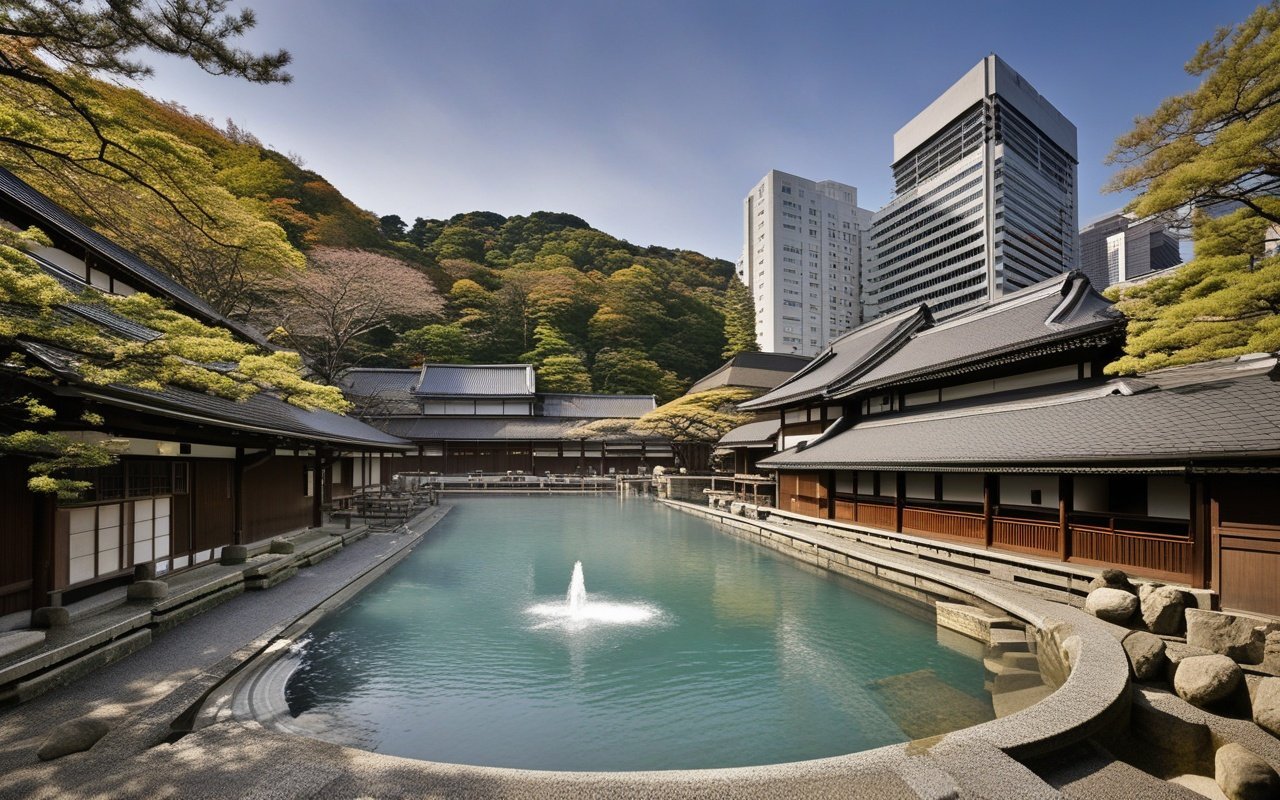
    Yokohama offers great day-use onsen and spa places that rival HakonHakonemous hot springs — without the 90-minute journey each way. This guide covers four top places where you can soak, steam, and relax within minutes of Yokohama’s main attractions. Whether you want a complete onsen time at Manyo Club in Minato Mirai or a quick evening soak at Manten no Yu near Yokohama Bay, these urban retreats provide genuine relaxation with all amenities included. – 4 top day-use onsen and spa places in Yokohama and surrounding areas

    • From ¥1,500 to ¥4,500 per adult — affordable relaxation without a Hakone trip
    • Open late — many places operate until 11:00 PM or later
    • Perfect for: Relaxation after sightseeing, evening unwinding
    • No need to go to Hakone — Yokohama has great urban hot spring places — the quality and attention to detail were remarkable. —

    Yokohama Day Onsen & Spa Guide scenery and attractions

    Introduction: Soak Without the Journey

    Hakone is famous for its natural hot springs, but getting there takes 90 minutes each way — a significant time commitment for many travelers. What fewer visitors realize is that Yokohama itself has great day-use onsen and spa places offering genuine relaxation without the travel time. These urban onsen are not natural hot springs in the traditional sense — the water is heated and circulated rather than sourced from a natural spring — but the time is authentic in every other way. Indoor and outdoor baths, saunas, cold plunges, and relaxation lounges with panoramic views provide a complete onsen time. Some places even use natural mineral-infused water that replicates the properties of famous hot springs across Japan. Why Choose an Urban Onsen:

    • No travel time — 5 to 15 minutes from Yokohama’s main attractions
    • Evening hours — most places are open until 9:00 to 11:00 PM. perfect after dinner
    • All amenities provided — towels, and yukata robes are included
    • Restaurants on site — traditional Japanese meals without leaving the facility
    • Weather independent — all indoor places unaffected by rain
    • Foreigner-friendly — English signs and staff support at major places

    1. Manyo Club — Minato Mirai’s Premium Onsen time

    Best for: Couples, evening relaxation

    Yokohama Day Onsen & Spa — detailed view

    Aspect Detail
    Location Minato Mirai. 5 min walk from Minato Mirai Station
    Hours 11:00 AM to 9:00 AM next day (20 hours)
    Price ¥3,000 to ¥4,500 per adult, varies by day
    Baths Indoor baths, cold bath
    Best For Couples, post-sightseeing relaxation

    Manyo Club is Yokohama’s premier urban onsen facility, offering an time that rivals many hot spring resorts in Hakone. The facility occupies multiple floors in Minato Mirai, with the outdoor rotemburo offering views of the Yokohama skyline, Soaking while watching the Cosmo Clock ferris wheel illuminate the night is a magical time unique to Yokohama. The Bath time:

    • Indoor baths — Large main bath with jet massages, and a waterfall feature
    • Outdoor rotemburo — Open-air bath with skyline views, the highlight of the visit
    • Sauna — Dry sauna with regular löyly sessions where water is poured over hot stones
    • Cold bath — Traditional cold plunge kept at 15 to 18 degrees Celsius
    • Carbonated bath — Gentle bubbling bath that is kind to the skin

    Beyond the Bath:

    Manyo Club is more than just an onsen — it is a full relaxation complex. The second floor features a spacious relaxation lounge with reclining chairs, and a cafe serving drinks and light meals. The third floor houses a restaurant serving traditional Japanese cuisine. The manyo set meal at ¥1,800 with sashimi, tempura, and seasonal vegetables is great value. places included:

    • Rest area with reclining chairs at no extra charge
    • Manga corner with hundreds of volumes
    • Restaurant serving Japanese cuisine
    • Cafe with soft drinks, and beer
    • Massage and treatment services at an additional charge
    • Gift shop with local products

    What to Bring: Nothing — towels, and basic toiletries including shampoo, and body soap are all included. Lockers are provided for your belongings. > Book Manyo Club Yokohama on Klook for discounted entry and skip-the-line access — check prices & book here. Pro Tips:

    • Late-night entry after 8:00 PM is often cheaper with a night passport option
    • Weekday mornings from 11:00 AM to 2:00 PM are the quietest
    • The facility allows overnight stays — enter after 10:00 PM and stay until morning
    • Tattoos are allowed — cover with provided stickers if small
    • Bring a ¥100 coin for the locker, refunded on exit

    2. Manten no Yu — Yokohama’s Natural Hot Spring time

    Best for: Waterfront relaxation, authentic onsen atmosphere

    Aspect Detail
    Location Near Yokohama Bay. 10 min bus from Yokohama Station
    Hours 10:00 AM to 11:00 PM. last entry at 10:00 PM
    Price ¥2,500 to ¥3,500 per adult
    Baths Large indoor bath, cold bath
    Best For Solo travelers, evening soak

    Manten no Yu offers a more traditional onsen atmosphere than Manyo Club, with a focus on the therapeutic qualities of the water. The facility uses water infused with natural minerals to recreate the time of a real hot spring. The water is soft on the skin and maintains temperature beautifully. places:

    • Large indoor bath — Spacious main bath with underwater jets
    • Outdoor rotemburo — Intimate stone-lined bath with curated garden views
    • Herbal sauna — Infused with Japanese herbs including yomogi and hinoki
    • Cold water bath — Traditional cold plunge
    • Foot bath — Open to all visitors free of charge, even without entry

    Additional amenities:

    • Relaxation room with reclining chairs
    • Restaurant serving soba, and set meals
    • Massage chairs at ¥100 for 10 minutes
    • Coin laundry for overnight guests
    • Retail corner with Japanese skincare products

    Book Manten no Yu Yokohama on Klook and save on entry fees — check prices & book here. Pro Tips:

    • Entry fee includes towel rental and basic toiletries
    • The restaurant’s onsen soba at ¥900 is the perfect post-bath meal
    • Tattoos are not permitted — private baths are available if you have visible tattoos
    • Weekdays after 7:00 PM are uncrowded and peaceful

    3. Wellness & Spa Options in Minato Mirai

    Best for: Spa treatments, luxury relaxation Yokohama has several great options for visitors seeking professional spa treatments rather than onsen bathing.

    Minato Mirai Spa Highlights

    The Kahala Hotel & Resort Spa
    | Attribute | Detail |
    |———–|——–|
    | Price | From ¥15,000 for a 60-minute treatment |
    | Access | Inside The Kahala Hotel, Minato Mirai |
    | Specialty | Hawaiian-Japanese fusion treatments |
    | Hours | 10:00 AM to 8:00 PM |

    The most luxurious spa time in Yokohama. The signature treatment combines Hawaiian lomi-lomi techniques with Japanese hot stone therapy. The relaxation lounge offers panoramic bay views. Westin Yokohama Spa
    | Attribute | Detail |
    |———–|——–|
    | Price | From ¥12,000 for a 60-minute treatment |
    | Access | Inside The Westin, Minato Mirai |
    | Specialty | Ayurvedic-inspired treatments using organic products |
    | Hours | 9:00 AM to 9:00 PM |

    The Westin’s Heavenly Spa offers a range of treatments using organic products. The indoor pool is available to spa guests and is one of the most pretty hotel pools in Yokohama.

    Chinatown Wellness Options

    Xijin Kowloon SPA Foot Massage
    | Attribute | Detail |
    |———–|——–|
    | Price | From ¥3,500 for a 60-minute foot massage |
    | Access | Inside Yokohama Chinatown, 5 min walk from Motomachi-Chukagai Station |
    | Specialty | Taiwanese foot massage and full body massage |
    | Hours | 10:00 AM to 10:00 PM |

    A professional foot massage and spa in the heart of Yokohama Chinatown. After hours of walking through Kanagawa’s temples and attractions, a therapeutic foot massage at Xijin Kowloon SPA offers genuine relief. The Taiwanese-style foot massage targets pressure points that relieve fatigue from long sightseeing days. > Book Xijin Kowloon SPA Foot Massage on Klook for the perfect recovery after a day of walking. RAKURAKUDOH Relaxation Salon
    | Attribute | Detail |
    |———–|——–|
    | Price | From ¥4,000 for a 60-minute treatment |
    | Access | 3 min walk from Kannai Station |
    | Specialty | Aromatherapy, full-body relaxation |
    | Hours | 10:00 AM to 9:00 PM |

    A tranquil relaxation salon offering aromatherapy, and full-body treatments near the Kannai district. The signature aromatherapy massage uses essential oils blended for deep relaxation. It is an ideal stop between exploring Chinatown and an evening in Minato Mirai. > Book RAKURAKUDOH Relaxation Salon on Klook for a calming break during your sightseeing day. —

    How to Choose Your Onsen time

    Choose Manyo Club if:

    • You want the most complete onsen time with multiple bath types
    • You have visible tattoos and need a tattoo-friendly facility
    • You want to relax for 3 to 4 hours or stay overnight
    • You want skyline views from the outdoor bath

    Choose Manten no Yu if:

    • You prefer a quieter, more traditional onsen atmosphere
    • You want a shorter visit of 1 to 2 hours
    • You are on a tighter budget
    • You do not have visible tattoos

    Choose a Hotel Spa if:

    • You want professional massage or beauty treatments
    • You are celebrating a special occasion
    • You prefer private treatment rooms

    Sample Onsen Evening Itinerary

    Classic Yokohama Onsen Night at Manyo Club:

    6:00 PM — Dinner at a Minato Mirai restaurant
    7:00 PM — Arrive at Manyo Club, change into yukata
    7:30 PM — Indoor bath and sauna session
    8:30 PM — Outdoor rotemburo during sunset and evening skyline
    9:00 PM — Relaxation lounge with a drink
    9:30 PM — Second bath rotation
    10:30 PM — Optional massage treatment
    11:30 PM — Late dinner at the onsen restaurant

    Quick Evening Soak at Manten no Yu:

    7:00 PM — Arrive at Manten no Yu
    7:15 PM — Indoor bath
    8:00 PM — Herbal sauna session
    8:30 PM — Outdoor rotemburo
    9:00 PM — Onsen soba dinner
    9:45 PM — Depart completely relaxed


    Onsen Etiquette Reminder

    1. Wash before entering — Use the shower stations to thoroughly clean your body before any bath
    2. No swimwear — Japanese onsen need nude bathing, and towels are provided
    3. Small towel only — Take the small towel to the bath area for drying between dips but do not let it touch the water
    4. No photos — Absolutely no phones or cameras in bathing areas
    5. Tattoo check — Manyo Club allows tattoos while Manten no Yu does not
    6. Hydrate — Drink water before and after soaking, available at water stations
    7. Limit each session — Soak for 10 to 15 minutes maximum and cool down between dips

    Frequently Asked Questions

    Q: Are these natural hot springs?

    A: Manyo Club and Manten no Yu use heated and filtered water rather than natural spring water. However, they are designed to replicate the onsen time with carefully designed baths, mineral-infused water, and traditional places. For genuine natural hot springs, visit Hakone, which is 90 minutes from Yokohama by train. Q: Can I visit if I have tattoos?

    A: Manyo Club has a tattoo-friendly policy with cover stickers available. Manten no Yu prohibits visible tattoos. Hotel spas generally allow tattoos in private treatment rooms. Q: Do I need to bring anything?

    A: No — towels, and basic toiletries are included in the entry fee. Lockers are provided for your belongings. Q: Are children allowed?

    A: Manyo Club welcomes children and is family-friendly. Manten no Yu is adults-only after 6:00 PM. Check individual facility policies before visiting. Q: Can I stay overnight at Manyo Club?

    A: Yes — Manyo Club operates for 24 hours and allows overnight stays. There is a surcharge for entry after 12:00 AM. Relaxation lounge chairs serve as sleeping spaces, though private rooms are not available. —


    🔗 Related Articles


    My personal exploration of Kanagawa has been incredibly rewarding, and I recommend adding this region to any Japan travel itinerary — the variety of experiences within short distances is what makes it special.


    After multiple visits to Kanagawa, . .

    Final Thoughts

    Whether you choose the premium Manyo Club time in Minato Mirai or the traditional atmosphere of Manten no Yu near Yokohama Bay, Yokohama’s day-use onsen and spa places offer genuine relaxation without the journey to Hakone. These urban hot spring retreats provide the perfect way to unwind after a day of sightseeing, and most are open late enough to fit comfortably into any evening itinerary, During my hike, I noticed that the trail markers are well-kept and easy to follow even for first-timers.

    Conclusion

    exploring Yokohama for its onsen can be as relaxed or as packed as you want it to be, and I have found that the best visits leave room for both planning and spontaneity. During my visit to Yokohama I went with a rough plan and found that leaving room to wander made the trip far more memorable. Use this guide to sort out the logistics in advance, then let the day surprise you — Kanagawa rewards travelers who stay curious.
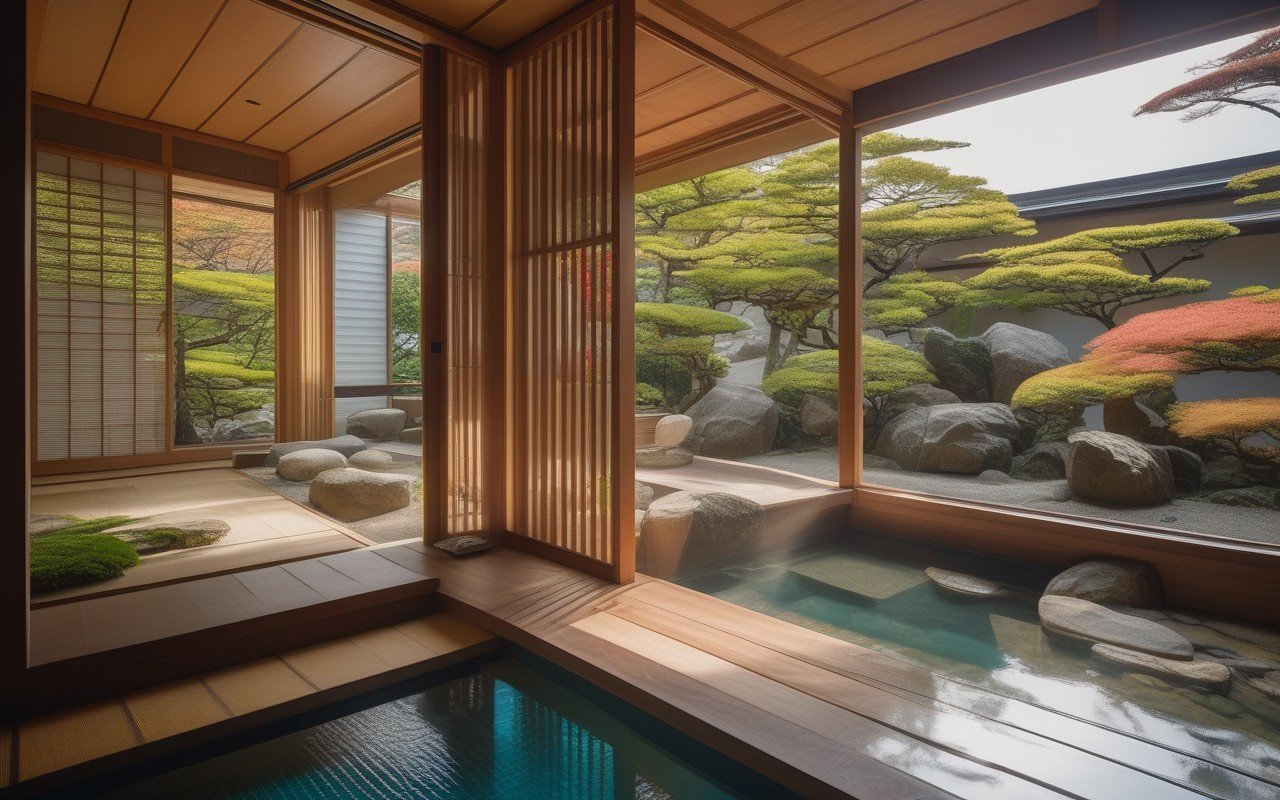
  • Hakone Hidden Hot Springs Guide 2026

    Hakone Hidden Hot Springs Guide 2026

    Hakone Hidden Hot Springs

    Hakone Hidden Hot Springs main Guide 2026

    Overview

    I visited Hakone’s secret hot springs on a quiet weekday morning and discovered two lesser-known spots. I went to each one and spent hours soaking in the mineral-rich waters — an unforgettable experience tucked away from the tourist crowds. The first was a small riverside rotemburo where I soaked while listening to the water rush by. For more onsen options, see our complete Hakone onsen guide.

    Tattoos, stigma, and honest planning

    Tattoo policies loosened at many Kanagawa baths yet remain uneven in small ryokan. Email photos of tattoo size if unsure, Covering small pieces with waterproof patches sometimes satisfies conservative owners; large irezumi may still face refusal. Treat refusal as business risk management rather than personal attack, then pivot to another property that advertises acceptance.

    Mixed-gender konyoku myths

    True mixed baths are rare and shrinking. Some historic konyoku require women-only hours or appointment-only access. Never assume mixed means casual; staff may still segregate by time. Read schedules literally.

    Accessibility and steep paths

    Hidden often equals stairs. Mobility-limited travelers should confirm elevator routes to changing rooms before paying. Stone steps grow slick in steam; use handrails even when pride resists.

    Hydration, alcohol, and faint risk

    Onsen dehydrate subtly, Drinking beer in baths is culturally visible in old films yet discouraged medically and often banned by posted rules now. Rehydrate with water between rotations. If dizzy, exit slowly, sit on a plastic stool, cool forehead with tap water.

    Skin care after sulfur soaks

    Rinse chlorine or sulfur before returning to hotel white towels; some fabrics yellow. Pack unscented lotion for after; heavily perfumed creams can irritate heat-opened pores.

    Children and family tubs

    Some properties offer kazoku-buro private family slots bookable hourly. Public baths expect children to stay quiet and supervised. Diapers never enter baths; use changing tables outside wet zones.

    Noise discipline in wooden buildings

    Floors creak. Walk softly in corridors. Whisper in changing rooms because sound travels through vent slots.

    Seasonal strategy

    Autumn leaves crowd popular decks; hidden baths still fill yet less catastrophically. Summer brings insects near forest tubs; apply repellent after bathing, not before, to avoid contaminating water chemistry conversations with oily films. Winter snow patterns can close narrow roads suddenly; check hotel dashboards before driving rental cars up steep approaches.

    Clothing and modesty transitions

    Modesty towels cover front walks between indoor and outdoor segments. Practice folding before your trip if videos help. Never let towel touch water if rules forbid it; some baths allow small cloth on head only.

    Foot cleaning zones

    Always scrub feet at entrance showers before stepping toward tubs, Skipping this step insults everyone who shares water chemistry balance.

    Shampoo and soap placement

    Wash completely seated on stools before entering shared tubs. Rinse thoroughly; leftover foam enrages locals quietly until staff intervene.

    Timing with ropeways and boats

    If you schedule a bath between ropeway legs, leave buffer for cooldown walks, Sweating heavily then plunging stresses circulation. Shower lightly first.

    Language cards for medical conditions

    Carry Japanese text describing pregnancy, hypertension, or open wounds that should avoid communal baths. Staff appreciate clarity.

    Photography ethics outside baths

    Even exterior building photos can include other guests in windows. Step back angles carefully.

    Cash, coin lockers, and small change

    Rural desks still prefer yen. Lockers may require 100-yen coins returnable on exit.

    Towel rental economics

    Buying a branded towel supports small inns; renting repeatedly adds cost across multi-day trips.

    Extended soaks versus rotation therapy

    Some therapists recommend short repeated dips instead of one marathon soak. Experiment safely.

    Post-bath snacks

    Onsen eggs and milk bottles appear at shops; moderation helps blood pressure.

    Misconceptions

    Clear water is not always “weaker”; colorless springs can be highly mineralized. Another myth claims hidden means illegal; legitimate businesses display permits.

    Sustainability and water sources

    Springs are finite resources monitored by local associations. Shorter showers before baths help infrastructure.

    Linking hikes and baths

    After hiking, remove trail grit thoroughly before bathing. For trail ideas, see Hakone hiking trails for beginners.

    Clothing rental at some modern hybrids

    Some newer facilities rent yukata sets for photos; traditional hidden ryokan may frown on excessive staging. Ask.

    Quiet conversation topics

    Locals enjoy weather talk, train punctuality jokes, and food recommendations more than politics in steam rooms.

    When to skip communal baths

    Open wounds, heavy colds, or heavy intoxication mean you should abstain politely.

    Returning to Tokyo same day

    Pack dry layers loosely; shinkansen seats feel better without damp hair against headrests.


    Final perspective

    Hidden Hakone onsen reward travelers who value water chemistry, quiet wood, and careful manners more than Instagram proof. Soak slowly, thank staff quietly, and let sulfur scent remind you that geology, not marketing, built this tourism town.

    Ashinoyu versus Gora microclimates for bathers

    Ashinoyu sits deeper in a side valley where evening fog lingers longer than around Gora cable car hubs, That moisture changes how quickly your skin cools after exiting rotenburo, which matters if you walk barefoot across cold decking, Bring dry socks to pull on immediately after drying feet; slipping on wet socks traps fungus risk. Gora’s slightly higher foot traffic means some small baths refresh water chemistry more aggressively; you might notice sharper chlorine traces where secondary disinfection systems supplement mineral flow. Neither pattern is good or bad, yet naming the difference helps you choose properties aligned with your sensory preferences.

    Reading Japanese-only pricing boards

    Weekday discounts sometimes appear only on wall kanji without English duplicates. Photograph the board politely, translate offline, then confirm at the desk before undressing. Half-day packages may include a snack; declining food does not always reduce price if bundled legally for tax reasons.

    Gender rotation boards and kanji pitfalls

    Large characters 男 and 女 swap positions on schedules. Arrive ten minutes early during rotation windows to avoid standing awkwardly wrapped in towels while cleaners finish. If uncertain, ask staff verbally; pointing at your wristwatch communicates time questions across languages.

    Quiet solo travel advantages

    Solo travelers sometimes receive last-minute cancellations of private tub slots because couples rebook. Politely ask whether a wait list exists rather than hovering visibly impatient.

    Partner travel and modesty negotiation

    Mixed-gender private rentals remove anxiety for some pairs yet cost more. Compare hourly rates against public rotation frustration before booking.

    Onsen and jewelry

    Silver tarnishes in sulfur; remove rings when possible. Cheap alloys may stain skin green briefly; rinse with fresh water.

    Contact lenses and steam

    Steam softens lenses; bring rewetting drops or glasses for exit walks in cold air.

    Hair dye and public baths

    Heavy dye bleed can violate house rules; rinse at hotel showers first if you recently colored hair.

    Hearing accessibility

    Echoing tile rooms challenge hearing-aid users; lower volume settings before entering wet zones risking device moisture unless waterproof rated.

    Glasses fog management

    Anti-fog wipes help short-sighted guests navigate locker numbers.

    Post-earthquake etiquette

    After regional tremors, some baths close for pipe inspection even if buildings look intact. Check official hotel sites rather than third-party apps that lag.

    Volcanic gas advisories near geothermal fields

    When Owakudani sulfur warnings spike, some ridge-line baths adjust ventilation. Trust staff if they shorten hours; gas chemistry is not performative drama.

    Long-stay ryokan loyalty perks

    Third-night guests sometimes unlock later rotenburo windows. Ask politely without entitlement tone.

    English brochures versus reality

    Marketing photos use winter steam at golden hour; your summer midday soak may look visually plain yet feel physiologically restorative. Adjust expectations.

    Bathing after tattoos laser removal

    Doctors often ban communal soaking during healing; obey medical advice over vacation sunk costs.

    Menstruation and personal comfort

    Some travelers avoid shared baths during heavy flow days for personal comfort even when rules do not forbid entry; private rentals reduce stress.

    Elder respect queues

    Offer seats in waiting areas; yield shower stools if elders arrive with canes.

    Smartphone storage discipline

    Phones belong in lockers, not hidden in towel wraps. Staff know the tricks.

    Sandal sizing at entries

    Plastic slippers run small; ask for larger pairs early before stock scatters.

    Post-soak clothing order

    Dry top half first in humid rooms to avoid chilling kidneys while legs still damp.

    Tea service timing

    Some inns serve tea after baths; caffeine sensitivity matters before sleep.

    Night sky rotenburo ethics

    Star photography from private tubs still risks neighbor windows; keep lights off phone screens dim.

    Extended vocabulary for polite questions

    Memorize short phrases like “Is photography forbidden?” and “May I enter now?” even if pronunciation wobbles; effort counts socially.

    Closing logistics with luggage-forward services

    If forwarding bags via takkyubin, confirm ryokan receives them before you soak without wallet access.

    Why hidden baths protect local life

    Lower traffic preserves sleep schedules for neighbors who are not tourism staff. Honor quiet hours walking back to stations.

    Pairing with conservative dress outside

    After deep soaks, modest street clothing reduces chilly drafts through mountain towns.

    Thanking staff culturally

    Small bows at exit desks match tone better than loud exuberant tipping.

    Future outlook on konyoku access

    Demographic shifts may further reduce mixed baths; visit thoughtfully while they still exist legally and consensually.

    Closing reminder

    Water remembers manners longer than marketing slogans. Leave each hidden bath cleaner in spirit than you found it.


    Tips

    A few things I learned while researching exploring Hakone for its spring: start early to beat the crowds, check opening days in advance, and carry a little cash for smaller shops and entry fees. Comfortable shoes make a bigger difference than most visitors expect, and an IC card such as Suica or Pasmo speeds up every train ride.

    Frequently Asked Questions

    Q: What time of year offers the quietest experience?
    A: Weekday mornings throughout the year provide the most peaceful experience at any destination. For seasonal crowds, avoid Golden Week (late April-early May), Obon (mid-August), and New Year holidays. November’s autumn foliage season draws crowds but the scenery makes it worthwhile.

    Q: Which train line should I take to get there?
    A:
    Multiple train lines serve different parts of Kanagawa from Tokyo. The JR Tokaido Line, Odakyu Line, Keikyu Line, and Shonan-Shinjuku Line all provide access. The best route depends on your starting point in Tokyo. Smartphone navigation apps provide real-time route guidance.

    Q: Is this destination manageable as a day trip from Tokyo?
    A: Yes, all destinations in this guide work well as day trips. Plan to arrive by late morning to see the main highlights. For a relaxed pace including lunch and optional detours, allow 6-8 hours. If you have more time, extending your stay overnight lets you explore at a leisurely pace and enjoy evening attractions.

    Q: Do I need any special skills or equipment to enjoy this destination?
    A:
    Most attractions in this guide are accessible to visitors of all backgrounds and fitness levels. Well-maintained paths, clear signage, and English information make navigation easy. For activities requiring specific gear (hiking shoes, swimwear, etc.), recommendations are included in the relevant sections above.

    After visiting Kanagawa across different seasons, I found that each season transforms the experience entirely — from spring cherry blossoms to autumn foliage.

    Whether soaking in a forest rotemburo or enjoying a modern toji retreat, Kanagawa’s hot springs offer genuine relaxation in settings that range from rustic to refined. For a complete travel itinerary, check out our detailed Hakone guide.

    Conclusion

    Whether you are planning exploring Hakone for its spring for the first time or returning for another visit, taking a little extra time to go beyond the obvious sights makes all the difference. During my visit to Hakone I went with a rough plan and found that leaving room to wander made the trip far more memorable. I hope this guide helps you build an itinerary that fits your pace, and that your time in Kanagawa leaves you with memories worth coming back for.