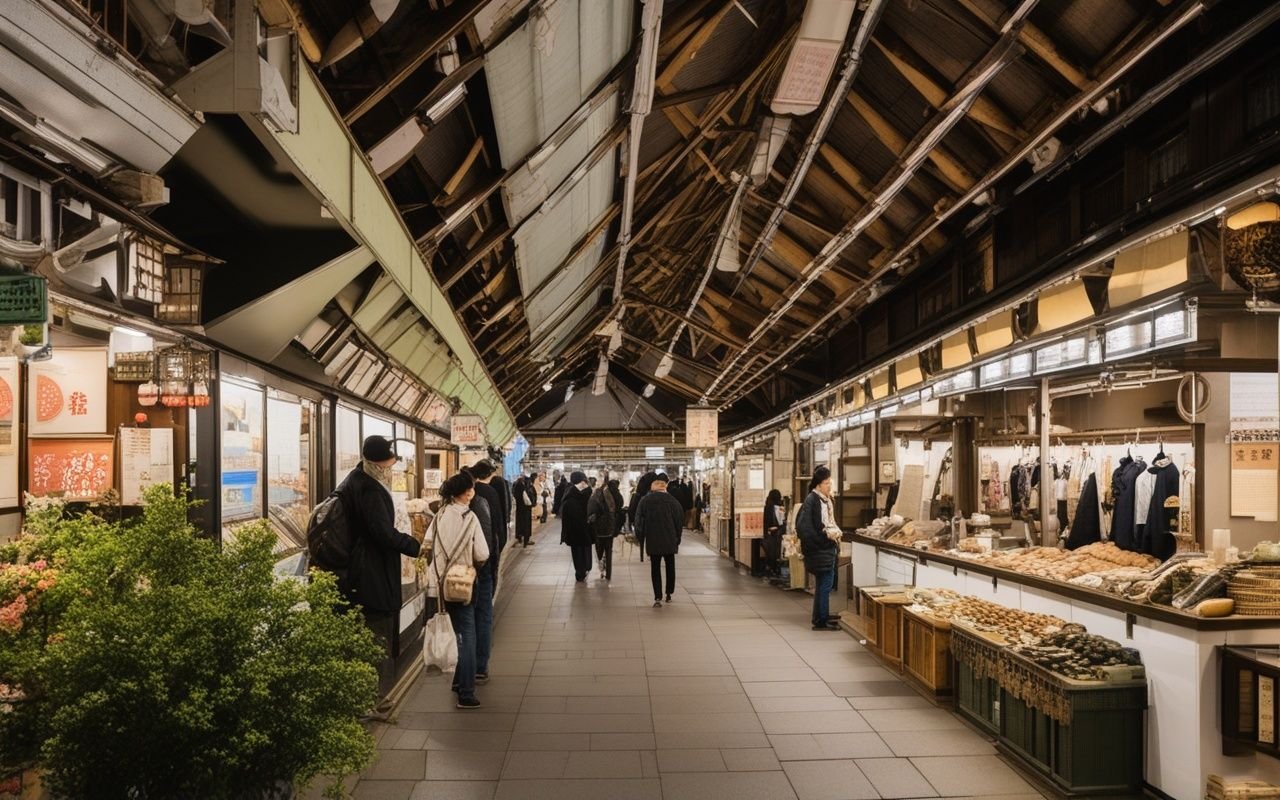
Tag: museums

  • Kawasaki Travel Guide — Factory Night Views & Local Eats

    Kawasaki Travel Guide — Factory Night Views & Local Eats

    This destination guide covers everything you need to know about visiting this area in Kanagawa. From how to get there to what to see, you will find practical information for a memorable trip.

    Kawasaki Travel Guide 2026 — Factory Night Views, Museums & Local Eats

    Overview

    Plan your perfect visit to Kawasaki Travel Guide 2026 — Factory Night Views, Museums & Local Eats with this comprehensive destination guide, Covering everything from must-see attractions to practical travel tips, this guide helps you make the most of your time in Kawasaki. Whether you have a single day or an entire week, discover the best that this Kanagawa destination has to offer.

    Getting to Kawasaki

    Route Time Cost (One Way) Notes
    JR Tokaido/Keihin-Tohoku Line (Tokyo→Kawasaki) 15 min ¥230 Fastest, most frequent
    JR Keihin-Tohoku Line (Yokohama→Kawasaki) 10 min ¥180 Quick hop from Yokohama
    Keikyu Line (Shinagawa→Kawasaki) 12 min ¥290 Alternative route
    Shinkansen Does not stop Shin-Yokohama is the closest stop

    When I visited, I was truly impressed by the quality.

    Top Attractions

    1. Factory Night Views (Kawasaki’s Specialty)

    Kawasaki’s Keihin Industrial Zone is one of Japan’s most famous spots for “factory night view” photography. The industrial landscape transforms into a glittering spectacle at night, with illuminated pipelines, smokestacks, and chemical plants reflected in Tokyo Bay.

    Viewing Spot Access Best Time Photography Tips
    Ukishima Island 10 min taxi from Kawasaki Station Sunset + 30 min Wide-angle lens, tripod required
    Kawasaki Marien (observation deck) Bus from Kawasaki Station (15 min) 30 min after sunset Free, indoor, weather info available
    Keihin Canal Walk Walk from Keikyu Kawasaki Station Evening hours Tripod recommended, reflections in water
    Chidorichi Parking Area By car (Shuto expressway) Nighttime Car required, great elevated views

    Important: Factory night views are best on clear, calm evenings. Avoid rainy or windy nights — the haze and unstable air affect visibility. Winter offers the clearest air. 📖 Related: Kawasaki Factory Night View Guide · Yokohama Night View Guide

    2. Fujiko F. Fujio Museum (Doraemon Museum)

    This museum, dedicated to the creator of the beloved Doraemon series, is one of Kanagawa’s best attractions for families and anime fans.

    Detail Information
    Hours 10:00-18:00 (closed Tuesdays)
    Admission ¥1,000 (adult), ¥500 (child)
    Location Noborito area (bus from Noborito Station)
    Reservations Required — book online in advance
    Highlights Original artwork, life-sized Doraemon figures, manga reading room, rooftop garden

    Tips:

    • Tickets must be reserved online (lawson-ticket.jp) and sell out days in advance
    • Photography is limited to specific areas only
    • The museum cafe serves Doraemon-themed food
    • Allow 2-3 hours for the full experience

    3. Lazona Kawasaki Plaza

    One of Japan’s largest shopping complexes, directly connected to Kawasaki Station. Over 300 shops, restaurants, and entertainment options.

    Feature Details
    Shops 300+ (Uniqlo, GU, Loft, Zara, MUJI, etc.)
    Restaurants 80+ (ramen, sushi, Italian, Chinese, cafes)
    Cinema 109 Cinemas (9 screens)
    Hours Shops 10:00-21:00, Restaurants 11:00-23:00
    Access Direct from Kawasaki Station (2 min walk)

    4. Nihon Minka-en (Japan Open-Air Folk House Museum)

    A collection of 25 traditional Japanese farmhouses from across the Kanto region, relocated to a beautiful park in Kawasaki. This is one of the most underrated cultural attractions in Kanagawa, offering a rare glimpse into pre-modern Japanese rural life.

    What makes it special: Unlike the more tourist-oriented Edo-Tokyo Open Air Museum, Nihon Minka-en feels genuinely authentic. Many of the farmhouses are over 200 years old, and you can walk inside most of them to see irori (traditional hearths), earthen floors, and thatched roofs up close, During weekends, volunteers sometimes demonstrate traditional crafts like weaving and bamboo work. 📖 Related: Kamakura Traditional Crafts · Tanzawa Oyama Hiking Guide

    Detail Information
    Hours 9:30-17:00 (closed Mondays)
    Admission ¥500 (adult), free (child)
    Access Bus from Mukogaoka-Yuen Station (15 min)
    Highlights Thatched-roof farmhouses (some 300+ years old), hands-on craft experiences
    Time needed 2-3 hours

    5. Kawasaki Daishi (Heiken Temple)

    One of Japan’s most important Shingon Buddhist temples, founded in 1128. The temple complex is vast and includes a five-story pagoda, main hall, and beautiful gardens. Kawasaki Daishi is one of the three major Daishi temples in Japan, drawing millions of visitors annually — especially during New Year’s hatsumode (first shrine visit of the year).

    Why go: Beyond its religious significance, the temple grounds offer a peaceful escape from the urban surroundings. The approach path (Omotesando) is lined with traditional shops selling senbei rice crackers, manju sweets, and local crafts. The treasure house contains important Buddhist artworks, and the five-story pagoda is a striking example of traditional Japanese architecture.

    Pro tip: Visit on a weekday morning when the temple is quietest. The 8 AM morning prayer ceremony is open to visitors and offers a genuine spiritual experience. If you’re interested in Japanese Buddhism, this is a must-see complement to the temples of Kamakura.

    Detail Information
    Hours 6:00-17:00
    Admission Free (grounds), ¥500 (treasure house)
    Access 5 min walk from Kawasaki-Daishi Station (Keikyu Line)
    Best time New Year (intense crowds but incredible atmosphere)

    📖 Related: Kamakura Shrine Temple Guide


    Local Food Guide

    Restaurant Cuisine Price Area
    Sankyu Kawasaki-style ramen ¥800-1,200 Near Kawasaki Station
    Lazona Food Court Diverse options (sushi, ramen, Indian, Chinese) ¥700-1,500 Kawasaki Station
    Kawasaki-Daishi Omotesando Street food (dango, manju, senbei) ¥300-800 Near Kawasaki Daishi
    Keikyu Kawasaki Gourmet Street Local izakaya, yakitori ¥1,000-3,000 Near Keikyu Kawasaki

    Sample Itinerary: Full Day

    Time Activity
    10:00 AM Arrive at Kawasaki Station
    10:30 AM Lazona Kawasaki shopping + lunch (2.5 hours)
    1:00 PM Nihon Minka-en (2 hours)
    3:30 PM Kawasaki Daishi temple (1 hour)
    5:00 PM Rest / cafe break
    6:00 PM Head to Ukishima for factory night views
    6:30 PM Factory night view photography (sunset + 30 min)
    8:00 PM Dinner at Keikyu Kawasaki gourmet street
    9:00 PM Return to Tokyo/Yokohama

    Budget: Approximately ¥3,000-5,000 (transport + ¥1,000 activities + ¥2,000 food)


    Getting Around Kawasaki

    Kawasaki Station is the main hub (JR Keihin-Tohoku, Tokaido, Nambu lines). Lazona Kawasaki Plaza connects directly. For factory night views, take a bus to Ukishima waterfront.

    Day Trip Itinerary

    Half-Day: Lazona shopping + lunch, Toshiba Science Museum, Kawasaki Daishi temple. Full Day: Doraemon Museum (book ahead), local ramen, factory night views, izakaya dinner.

    Getting There

    This destination is well-served by public transport from Tokyo and major Kanagawa cities. The journey typically takes 60-90 minutes from central Tokyo. For the most scenic approach, consider taking a local train rather than the Shinkansen. The journey itself is part of the experience.

    Best Time to Visit

    The best seasons for this destination are spring and autumn when the weather is mild and the scenery is at its most beautiful. Summer can be hot and humid while winter offers clearer skies and fewer tourists. Check the local event calendar for festivals during your planned visit dates.

    What to Expect

    Each destination in Kanagawa has its own unique character and pace. Popular spots like Kamakura and Hakone can get very crowded during peak seasons, while lesser-known areas like Miura offer a more relaxed experience. Tourist information centers at major stations provide free maps and English-speaking staff. Most destinations have a mix of free and paid attractions. Budget at least half a day for each major destination to explore without rushing.

    Nearby Recommendations

    This destination pairs well with several nearby attractions. The local tourist information center can suggest efficient routes covering multiple points of interest. Many destinations offer day passes that include admission to several attractions plus local transport. Consider spending the night to fully explore the area without rushing.

    Local Tips

    Seasoned travelers suggest visiting lesser-known attractions within the destination for a more authentic experience. The main sights are popular for good reason, but the side streets and local neighborhoods hold their own charm. Strike up conversations with local shopkeepers and restaurant owners – their stories and recommendations often lead to memorable experiences not found in any guidebook.

    Packing Essentials

    Day trips in Kanagawa require minimal packing. Bring a charged portable battery for your phone since you will use maps and transit apps extensively. A light scarf or shawl is useful for entering religious sites and for cool evenings. Pack a reusable shopping bag for souvenirs purchased at local shops. A physical map from the tourist information center serves as a reliable backup if your phone battery dies.

    Money-Saving Tips

    Save money by using local trains instead of limited express services for the same route. Pack a picnic from a convenience store for lunch at scenic spots. Stay in accommodations slightly away from the main tourist area for better rates. Many destinations offer free walking tours led by local volunteers – check at the tourist information center. Consider visiting during shoulder season (April-May, October-November) for lower prices and pleasant weather.n

    Conclusion

    Whether you are planning exploring Kawasaki for its night for the first time or returning for another visit, taking a little extra time to go beyond the obvious sights makes all the difference. During my visit I went with a rough plan and found that leaving room to wander made the trip far more memorable. I hope this guide helps you build an itinerary that fits your pace, and that your time in Kanagawa leaves you with memories worth coming back for.
  • Shin-Yokohama Ramen Museum Guide 2026

    Shin-Yokohama Ramen Museum Guide 2026

    Overview

    Explore the rich cultural heritage and historical significance of Shin-Yokohama Ramen Museum Guide in Kanagawa Prefecture. This guide delves into the fascinating stories, traditions, and landmarks that define Shin. From ancient temples to modern museums, discover how this destination has shaped Japan’s cultural landscape over centuries.

    Introduction: The Museum Concept

    When the Shin-Yokohama Ramen Museum opened in 1994, the idea of a food-themed amusement park was unprecedented. The founders wanted to create a place where visitors could experience the diversity of Japanese ramen — from Hokkaido’s miso ramen to Kyushu’s tonkotsu — without spending days traveling across the country.

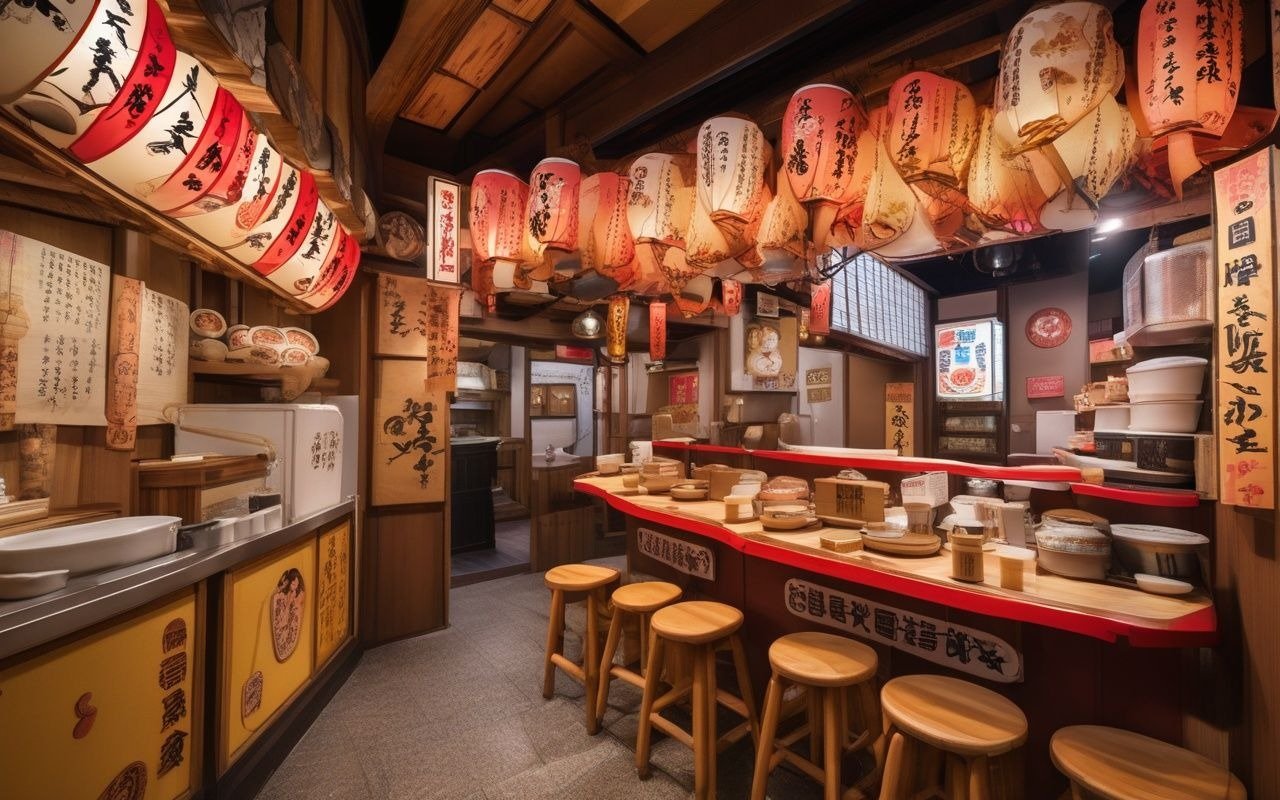
    The key design decision was to set the museum in 1958, the year Momofuku Ando invented instant ramen (Chicken Ramen). The basement level was built as a full-scale indoor recreation of a Showa-era Tokyo streetscape, complete with retro signage, period advertisements, dim “sunset” lighting, and the sounds of the era.

    Why 1958 Matters:

    • First instant ramen (Chicken Ramen) launched
    • Japan’s post-war recovery was in full swing
    • Ramen was transitioning from street food to a national obsession
    • The Showa atmosphere evokes nostalgia for older visitors and novelty for younger ones

    How It Works

    Step Detail
    1 Purchase admission ticket at the entrance (ground floor)
    2 Descend to the basement “1958 Tokyo” streetscape
    3 Explore the retro street, visit shops, read menus
    4 Choose a ramen shop and queue (no reservations)
    5 Order from a vending machine or counter
    6 Eat at communal counters or standing tables
    7 Repeat — try a second or third bowl from different shops
    8 Visit the gift shop, candy store, or museum shop on the way out

    The Showa Streetscape

    Atmosphere

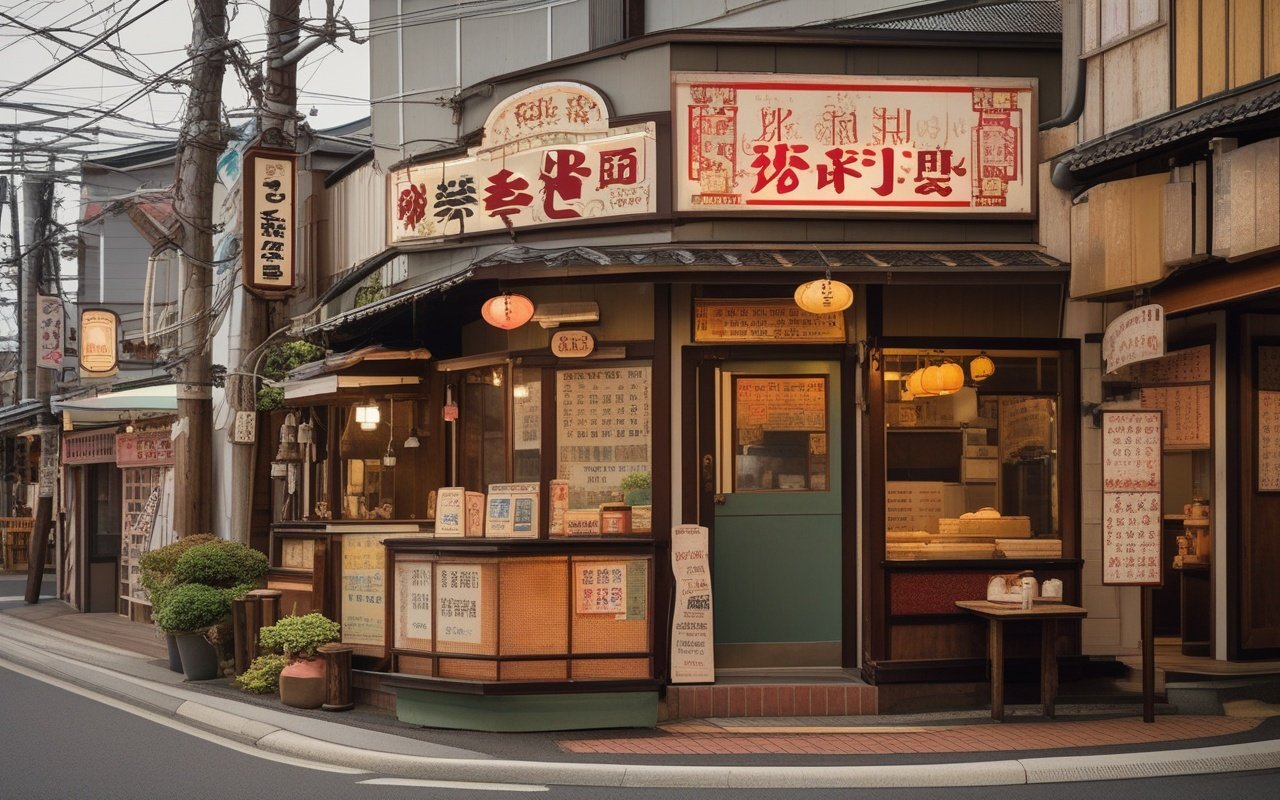
    The basement level is the heart of the museum. The ceiling is designed to look like a dusky evening sky, with gradually dimming lights that simulate twilight. The street is lined with period-accurate shop fronts — a pharmacy, a tobacco shop, a barber, a candy store — interspersed with the ramen shops.

    The attention to detail is extraordinary:

    • Signage: Hand-painted signs in period typography
    • Advertisements: Vintage posters for long-discontinued products
    • Street furniture: Old mailboxes,公用電話 (public phones), bicycles
    • Soundtrack: Showa-era popular music plays softly through hidden speakers
    • Smells: The aroma of simmering broth mixes with the scent of old wood

    Dagashi-ya (Traditional Candy Shop)

    The retro candy shop sells classic Showa-era sweets:

    • Ramune soda (¥150)
    • Konpeito (star-shaped sugar candy, ¥200)
    • Older-style chewing gum and chocolate (¥100–300)
    • Traditional rice crackers (¥200–400)

    Kateko Cafe

    A Showa-style café serving:

    • Classic pudding (¥400)
    • Parfaits (¥600–800)
    • Coffee and tea sets (¥500)
    • Cream soda (¥500)

    Featured Ramen Shops

    The shop lineup changes periodically — typically every 6–12 months — as new regional shops are invited and old ones rotate out. This keeps the experience fresh for returning visitors. Below is the current lineup; check the official website for the latest list.

    Current Selection (Summer 2026)

    Shop Region Style Signature Bowl Price
    Hakata Issou Fukuoka Tonkotsu Tonkotsu cappuccino (creamy pork broth) ¥950
    Ramen Jiro Tokyo Garlic-heavy Miso ramen with mountain of bean sprouts ¥850
    Santouka Hokkaido Shio (salt) Charshu ramen with tokotsu-shoyu broth ¥1,100
    Kumamoto Ramen Kikusha Kumamoto Tonkotsu + garlic Rich tonkotsu with garlic chips ¥900
    Okinawa Soba Kokusai Okinawa Okinawa soba Pork rib soba in clear broth ¥1,000

    Sample Sizes

    Most shops offer a mini ramen option (約 half size, ¥500–700) for visitors who want to try multiple bowls. This is the recommended strategy — three mini bowls from different shops is more satisfying than one full bowl.

    Eating Strategy for First-Time Visitors:

    Option A: Regional Tour
    1. Mini miso ramen (Hokkaido-style)
    2. Mini tonkotsu (Hakata-style)
    3. Mini shio ramen (Hokkaido-style)
    Best for: Understanding regional differences
    
    Option B: Contrast Tour
    1. Full tonkotsu (rich, heavy)
    2. Mini shio (light, clean)
    3. Mini tsukemen (dipping noodles)
    Best for: Maximum variety
    
    Option C: Quick Visit (60 min)
    1. One full bowl from whichever shop has the shortest queue
    2. Dessert at Kateko Cafe
    Best for: Limited time

    Activities and Experiences

    Ramen Making Class

    The hands-on noodle-making class is the museum’s most popular activity.

    Detail Info
    Duration ~90 minutes
    Price ¥1,500 per person
    Language Japanese (visual instructions provided)
    Reservation Required (book online or at the ticket counter)
    Ages 6 and up (children under 12 must be accompanied)

    What You Do:

    1. Mix flour and water (比例 is measured for you)
    2. Knead the dough by hand
    3. Use the Aodake-uchi technique — a traditional method where a bamboo pole is used to press and fold the dough repeatedly
    4. Cut the noodles by machine
    5. Take your fresh noodles home (they cook in 60 seconds)

    Ra-haku Sugomen Lab

    A newer addition where visitors create custom cup noodles:

    Detail Info
    Duration 30 minutes
    Price ¥800 per cup
    Language All visual — no language barrier
    Reservation Walk-in (no booking needed)

    What You Do:

    1. Choose a cup design (draw or select a pattern)
    2. Select your broth base (shoyu, miso, tonkotsu, or curry)
    3. Pick 4 toppings from 12 options
    4. Watch your cup be sealed and packaged
    5. Take it home as a souvenir (good for 3 months)

    Museum Shop

    The ground floor shop sells:

    • Rare instant ramen from across Japan (¥200–500 per pack)
    • Ramen-themed merchandise (towels, chopsticks, bowls)
    • Limited-edition collaboration products
    • Regional ramen kits (make your own at home)

    Practical Information

    Admission Fees

    Category Price
    Adult (19+) ¥450
    Youth (6–18) ¥100
    Child (under 6) Free
    Re-entry Allowed (hand stamp)

    Hours

    Day Hours Last Order
    Weekdays 11:00–21:00 20:30
    Weekends & Holidays 10:30–21:00 20:30
    Closed Dec 31 – Jan 1

    Food Budget

    Item Price Range
    Full bowl of ramen ¥850–1,200
    Mini ramen ¥500–700
    Dessert at Kateko ¥400–800
    Total for 2 bowls + dessert ¥1,800–2,500

    Access

    From Tokyo Station:
    1. JR Tokaido Shinkansen to Shin-Yokohama (20 min, ¥2,400)
       (Note: Free if covered by JR Pass)
    2. Walk 5 minutes from the Shinkansen exit
    Total: ~30 minutes, ¥2,400 (or free with JR Pass)
    
    Alternate from Tokyo Station:
    1. JR Yokohama Line to Shin-Yokohama (40 min, ¥350)
       (Local train, no Shinkansen needed)
    Total: ~50 minutes, ¥350
    
    From Yokohama Station:
    1. Yokohama Municipal Subway Blue Line to Shin-Yokohama (10 min, ¥230)
    2. Kyushu Shinkansen / JR Yokohama Line also available
    Total: ~20 minutes, ¥230 From Shinagawa Station:
    1. JR Tokaido Shinkansen to Shin-Yokohama (13 min, ¥1,650)
    Total: ~20 minutes, ¥1,650

    When to Visit

    Best times (shortest queues):
    - Weekday mornings (11:00–12:00)
    - Weekday evenings (after 18:00)
    - Rainy days (fewer visitors)
    
    Busiest times (longest queues):
    - Weekends 12:00–14:00
    - National holidays
    - School holidays (spring, summer, winter breaks) Recommended strategy:
    - Arrive at opening (11:00 on weekdays)
    - Visit the ramen shops first (before 12:00)
    - Explore the retro street and shops after eating
    - Save the Ramen Making Class for after lunch

    Tips for First-Time Visitors

    ✅ Bring cash — some vending machines are cash-only
    ✅ Start with a mini bowl from 2–3 different shops
    ✅ Share with a friend to try more varieties
    ✅ Visit the candy store for Showa-era nostalgia
    ✅ Take photos of the retro street before it gets busy
    ✅ Combine with a Shin-Yokohama Station visit (try the Shinkansen bento shops)
    
    ❌ Don't come with a full stomach (you will want to eat)
    ❌ Don't expect a quiet meal (it's lively and bustling)
    ❌ Don't skip the basement (the ground floor lobby is just the entrance)
    ❌ Don't forget your camera (the Showa street is highly photogenic)

    Nearby Attractions

    Shin-Yokohama is a convenient hub for exploring northern Yokohama:

    • Yokohama Hakkeijima Sea Paradise — 25 min by train (covered separately in our Sea Paradise guide)
    • Kohoku New Town — shopping and dining complex
    • Nissan Stadium — home of the Yokohama F. Marinos
    • Shin-Yokohama Station — the Shinkansen bento selection is excellent

    For a full day, combine the Ramen Museum (morning) with Sea Paradise (afternoon).


    Frequently Asked Questions

    Q: Do I need to speak Japanese to enjoy the museum?

    A: No. Menus have English and photos. The ramen-making class has visual instructions. Most visitors navigate without Japanese.

    Q: Can I re-enter the museum after leaving?

    A: Yes. Get a hand stamp at the exit and you can re-enter on the same day.

    Q: Is the museum suitable for vegetarians?

    A: Most ramen broths are meat-based (pork or chicken). Some shops offer vegetable-based options — ask at each counter. The Kateko Cafe has vegetarian-friendly desserts.

    Q: How long should I plan to spend?

    A: 2–3 hours for a relaxed visit with 2 bowls of ramen and exploration. Allow 4 hours if you want to do the ramen-making class.

    Q: Can I buy tickets in advance?

    A: Tickets are sold at the door only. No advance online sales. The queue moves quickly (it’s a large venue).

    🌟 Share Your Experience

    Visited the Ramen Museum? favorite shop in the current lineup? Join our community forum to share your ramen recommendations!


    Shin-Yokohama Ramen Museum Guide 2026 — Share Your Experience

    The Shin-Yokohama Ramen Museum is a testament to Japan’s ability to turn a humble bowl of noodles into a cultural experience. It is kitschy, crowded, and thoroughly entertaining — exactly what a food theme park should be. For ramen lovers, it is essential. For casual visitors, it is a fun and delicious way to spend a few hours in Yokohama. For more food adventures in Yokohama, read our Ie-kei ramen Yokohama guide and the comprehensive Yokohama ramen guide.


    ⏰ Best Time to Visit

    Early morning (8–10 AM): Peaceful atmosphere, fewer crowds, perfect for photos Late afternoon (4–6 PM): Beautiful lighting, local life, less crowded than midday

    🎯 What I Recommend

    • Don’t rush: Take your time to explore the side streets and hidden spots
    • Talk to locals: They often know the best lesser-known spots that aren’t in guidebooks
    • Try the local specialties: Each area has its own unique food and souvenirs

    ⚠️ Things to Watch Out For

    • Some shops close on weekdays or have irregular hours
    • Parking can be challenging during peak seasons
    • Cash is still king at many smaller establishments

    Getting There

    Best Time to Visit

    Temples and cultural sites are most enjoyable during weekdays when crowds are smaller. Early morning before 9 AM offers a peaceful atmosphere. Spring and autumn provide the most pleasant weather for exploring outdoor sites. Many temples have seasonal events and special openings.

    What to Expect

    Visiting historical sites in Kanagawa requires respect for local customs and traditions. Dress modestly when visiting temples and shrines – cover shoulders and knees. The atmosphere at cultural sites varies by season and time of day. Early morning visits offer a peaceful experience before crowds arrive. Many temples charge a small admission fee (¥200-500) that helps with preservation. Some sites close earlier in winter months. Check opening hours before planning your visit. Goshuin (temple stamp) books make wonderful souvenirs collected at each site.

    Local Tips

    Cultural enthusiasts recommend visiting on weekdays when crowds are smaller and the atmosphere is more contemplative. Some temples offer special access to normally restricted areas during certain times of the year. Photography is best in early morning or late afternoon when the light creates dramatic shadows and warm tones. Dress in layers as temple buildings can be significantly cooler or warmer than outside.n

    Conclusion

    Whether you are planning exploring Yokohama for its ramen for the first time or returning for another visit, taking a little extra time to go beyond the obvious sights makes all the difference. During my visit to Yokohama I went with a rough plan and found that leaving room to wander made the trip far more memorable. I hope this guide helps you build an itinerary that fits your pace, and that your time in Kanagawa leaves you with memories worth coming back for.
  • Kanagawa Art Museum Hopping Guide — Complete Guide 2026

    Kanagawa Art Museum Hopping Guide — Complete Guide 2026

    Overview

    Explore the rich cultural heritage and historical significance of Kanagawa Art Museum Hopping in Kanagawa Prefecture. This guide delves into the fascinating stories, traditions, and landmarks that define Kanagawa. From ancient temples to modern museums, discover how this destination has shaped Japan’s cultural landscape over centuries.

    Access

    Most visitors reach Kanagawa from central Tokyo by JR, private railway, or highway bus, and an IC card (Suica or Pasmo) works across all of them. From my experience, leaving Tokyo before the morning rush keeps the journey relaxed, and station luggage lockers are handy if you arrive early.

    Key Points

    • Good for: Art lovers, culture seekers
    • Duration: 1-3 days
    • Budget: ¥3,000-8,000
    • Best season: Year-round (indoor activity)
    • Focus: Art, old things, culture

    Kanagawa has many art museums. There are also galleries and cultural sites. You can see modern art and old Japanese crafts too. This guide shows the best museum routes in the area.

    Top Museums and Galleries


    Kanagawa Art Museum Hopping Guide — Complete Guide 2026 — Top Museums and Galleries
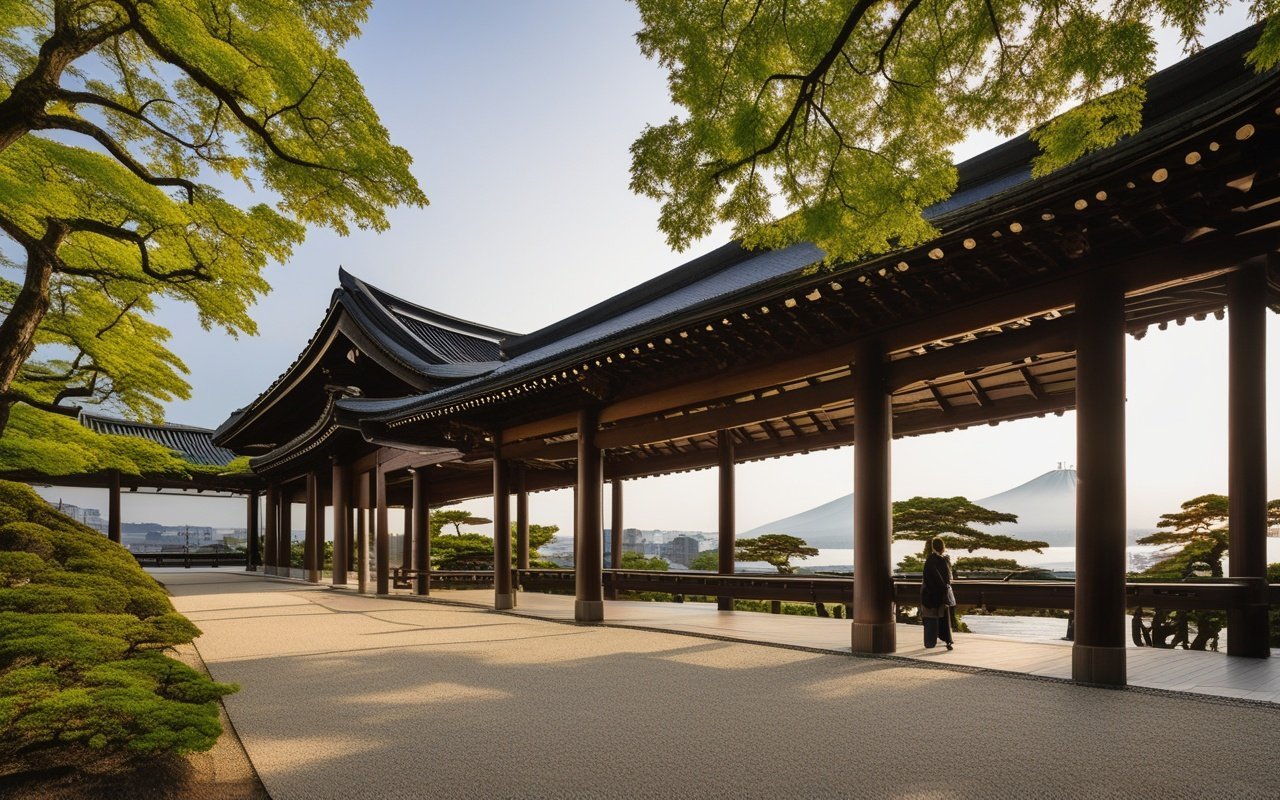
    Kanagawa Art Museum Hopping Guide — main illustration

    Kanagawa Art Museum Hopping Guide — Complete Guide 2026 — Top Museums and Galleries

    Yokohama Museum of Art

    Budget: ¥500 (first Sunday free)
    Duration: 1-2 hours
    Top things: Picasso, Monet, Japanese new art This is Yokohama’s main art museum. It has a large set of art you can always see. It also has new shows that change. Art You Can Always See:

    • Picasso (15+ works)
    • Braque, Kandinsky
    • Japanese modern masters
    • Photography gallery Tips:
    • First Sunday of each month: Free entry
    • Audio guide: ¥500 (English)
    • Museum cafe: ¥1,000-1,500

    Hakone Open-Air Museum

    Budget: ¥1,600
    Duration: 2-3 hours
    Top: Outdoor art park, hot spring foot bath, Picasso building This was Japan’s first open-air museum. It mixes nature with outdoor art. It has the largest set of Picasso works in Japan.

    Top things:

    • 120+ outdoor statues
    • Picasso building (300+ works)
    • Hot spring foot bath (free)
    • Stained glass tower Tips:
    • Allow 2-3 hours
    • Wear good walking shoes
    • Add a Hakone hot spring visit

    Kamakura Museum of National Treasures

    Budget: ¥200
    Duration: 30 minutes to 1 hour
    Top: Samurai swords, Buddha statues, old items A small but rich set of Kamakura’s most important old art items. Top Items:

    • Samurai swords (13th-14th century)
    • Buddhist statues
    • Historical documents
    • Seasonal exhibitions

    Hakone Venetian Glass Museum

    Budget: ¥1,800
    Duration: 1-2 hours
    Top: Glass items, gardens, glass shows This museum brings back the look of 1400s Venice. It has pretty glass items and gardens made in a European style. Top things:

    • Venetian glass items
    • Glass-blowing shows
    • European gardens
    • Glass-making classes (¥2,000)

    Museum Hopping Routes

    Kanagawa Art Museum Hopping Guide — Complete Guide 2026 — Museum Hopping Routes

    Route 1: Yokohama Art Day (3 museums)

    Budget: ¥1,500-2,000
    Duration: Full day
    Transport: Walking and short train rides Morning:

    • Yokohama Museum of Art (9:30-11:30) Lunch:
    • Minato Mirai area restaurants (¥1,000-1,500) Afternoon:
    • Continue at Yokohama Museum of Art (13:00-15:00)
    • Red Brick Warehouse galleries (15:30-17:00)

    Route 2: Hakone Art Day (2 museums)

    Budget: ¥3,400
    Duration: Full day
    Transport: Hakone Free Pass covers transport Morning:

    • Hakone Open-Air Museum (9:00-12:00) Lunch:
    • Museum cafe or nearby restaurant (¥1,000-1,500) Afternoon:
    • Hakone Venetian Glass Museum (13:30-15:30)
    • Hakone Shrine art collection (16:00-17:00)

    Route 3: Kamakura Culture Day (2 museums)

    Budget: ¥500-700
    Duration: Half day
    Transport: Walking from Kamakura Station Morning:

    • Kamakura Museum of National Treasures (9:00-10:00)
    • Tsurugaoka Hachimangu treasure hall (10:30-11:30) Lunch:
    • Komachi-dori restaurants (¥800-1,200)

    Money-Saving Tips

    Museum Passes

    Yokohama Art Pass (¥1,000)

    • 3 museums included
    • Valid for 1 month
    • 30% savings vs single tickets Hakone Free Pass (¥5,000 from Tokyo)
    • Covers all Hakone transport
    • Discounts at 50+ places
    • Includes some museum discounts

    Discount Timing

    • First Sunday: Many museums are free
    • Student deals: 20-50% off with ID
    • Group deals: 10+ people, 20% off
    • Evening: Some museums are cheaper after 5 PM

    Seasonal Museum Guide

    Spring (March-May)

    • Best for: Cherry blossom views from museum windows
    • Crowds: High, visit on weekdays
    • Special shows: Spring items

    Summer (June-August)

    • Best for: Air-conditioned comfort
    • Crowds: Medium
    • Special shows: Summer festivals

    Autumn (September-November)

    • Best for: Fall colors at open-air museums
    • Crowds: High, book ahead
    • Special shows: Autumn items

    Winter (December-February)

    • Best for: Fewer crowds, indoor warmth
    • Crowds: Low
    • Special shows: New Year shows

    Location

    Major museum areas:

    • Yokohama Minato Mirai: 3 major museums
    • Hakone: 5+ museums across the region
    • Kamakura: 2 museums near the station
    • Kawasaki: 1 major museum

    Nearby Attractions

    Within 1km of Museums

    • Yokohama: Red Brick Warehouse, Chinatown
    • Hakone: Lake Ashi, onsen
    • Kamakura: Temples, Komachi-dori

    Within 5km

    • Yokohama: Cup Noodles Museum, Marine Tower
    • Hakone: Owakudani, ropeway
    • Kamakura: Great Buddha, beaches

    Local Insider Tips

    Best Times to Visit

    Early Morning (6-8 AM):

    • Fewer crowds at popular spots
    • Best light for photos (golden hour)
    • Cooler during summer

    Late Afternoon (4-6 PM):

    • Golden hour for photos
    • Sunset views over the ocean
    • Cooler after hot days Weekdays vs Weekends:
    • 30-50% fewer people on weekdays
    • Better photo chances
    • More relaxed pace

    Money-Saving Strategies

    Transport:

    • Buy day passes for unlimited travel
    • Use IC cards (Suica/Pasmo)
    • Walk between nearby spots
    • Rent bikes for local trips Food:
    • Supermarket bento after 7 PM (20-30% off)
    • Lunch specials are 30% cheaper than dinner Attractions:
    • First Sunday: Many museums are free
    • Temple grounds are often free

    Where to Take Photos

    • Enoshima Sea Candle for 360-degree views
    • Yuigahama Beach for ocean sunset photos
    • Lake Ashi with Mount Fuji behind it (winter is clearest)
    • Kamakura Great Buddha for famous shots
    • Yokohama Minato Mirai for night city views

    By Season:

    • Spring: Cherry blooms at temples (late March-April)
    • Summer: Beach scenes, fireworks
    • Autumn: Fall colors at Hakone (mid-November)
    • Winter: Clear Mount Fuji views, lights

    Lesser-Known Spots Only Locals Know

    Secret Spots

    Quiet Beaches:

    • Shichirigahama (less busy than Yuigahama)
    • Isshiki Beach in Hayama (local favorite)
    • Morito Beach in Zushi (peaceful, clean)

    Hidden Temples:

    • Hokokuji Temple bamboo grove (best early morning)
    • Jufukuji Temple (hidden, quiet)
    • Myohonji Temple (peaceful garden)

    Local Cafes:

    • Cafe Rhine in Hayama (ocean views)
    • Bill’s Shonan (famous pancakes)
    • Cafe La Mer in Zushi (beachfront, sunset)

    Seasonal Secrets

    Spring:

    • Cherry blossoms at lesser-known temples
    • Avoid Golden Week (late April-early May)
    • Book rooms 3 months ahead

    Summer:

    • Early morning beach visits before 9 AM
    • Evening fireworks (free viewing spots)
    • Museums as afternoon escape from heat

    Autumn:

    • Fall colors at Hakone (mid-November peak)
    • Harvest festivals at shrines (free)
    • Best photo light in October Winter:
    • Clear Mount Fuji views (January-February best)
    • Onsen with snow views
    • Fewer crowds and better prices

    Essential Planning Checklist

    Before You Go

    Book Ahead:

    • Hotels (especially weekends and holidays)
    • Popular restaurants (1-2 days ahead)
    • Activity tours (onsen, cycling, cooking)
    • Transport passes (online discounts)

    Pack Smart:

    • Comfortable walking shoes
    • Weather layers
    • Portable phone charger
    • Cash (many places are cash-only)
    • IC card (Suica/Pasmo)

    Download Apps:

    • Google Maps (offline maps)
    • Google Translate (camera mode)
    • Japan Travel by Navitime
    • Gurunavi (restaurant deals)
    • Hyperdia (train schedules)

    Emergency Prep

    Key Numbers:

    • Police: 110
    • Ambulance/Fire: 119
    • Coast Guard: 118 Emergency Kit:
    • Hotel business card
    • Emergency cash (¥10,000 or more)
    • Basic first aid supplies
    • Portable phone charger
    • Copy of passport and insurance

    What to Pack

    Essentials:

    • Comfortable walking shoes
    • Weather layers
    • Portable phone charger
    • Reusable water bottle
    • Small backpack
    • Cash (many places cash-only)
    • IC card (Suica/Pasmo)
    • Pocket tissues

    Seasonal Additions:

    • Spring: Light jacket, allergy meds
    • Summer: Sunscreen, hat, cooling towel
    • Autumn: Light layers, rain jacket
    • Winter: Warm coat, gloves, scarf

    Transportation

    Train System:

    • JR lines cover major spots
    • Private lines (Tokyu, Odakyu, Keikyu) offer deals
    • IC cards work on all lines
    • Day passes save 30-50% Bus System:
    • Buses reach places trains don’t
    • Day passes for unlimited rides
    • English on major routes Walking & Cycling:
    • Many spots are close together
    • Bike rental: ¥1,000-1,500/day

    Local Neighborhood Guide

    Yokohama

    Minato Mirai:

    • New waterfront area
    • Shops, food, fun
    • Best for: First-time visitors
    • Time needed: Half day

    Chinatown:

    • Asia’s biggest Chinatown
    • 500+ food shops and stores
    • Best for: Food lovers
    • Time needed: 2-3 hours

    Yamashita Park:

    • Historic waterfront park
    • Marine Tower, Red Brick Warehouse
    • Best for: Relaxing, photos
    • Time needed: 2 hours

    Kamakura

    Komachi-dori:

    • Main shopping street
    • Street food, gifts
    • Best for: Shopping, snacks
    • Time needed: 1-2 hours Temple Area:
    • Great Buddha, Hasedera, Hokokuji
    • Cultural heart of Kamakura
    • Best for: History, peace
    • Time needed: Half day

    Beach Area:

    • Yuigahama, Zushi beaches
    • Surf culture, beach cafes
    • Best for: Ocean, relax
    • Time needed: 2-3 hours

    Hakone

    Yumoto:

    • Gateway to Hakone
    • Onsen town, restaurants
    • Best for: Hot springs, base
    • Time needed: Half day

    Lake Ashi:

    • Scenic lake, shrine, boat rides
    • Mount Fuji views (winter)
    • Best for: Nature, photos
    • Time needed: 2-3 hours

    Owakudani:

    • Volcanic valley, black eggs
    • Ropeway, hiking trails
    • Best for: Unique visit
    • Time needed: 1-2 hours

    Kanagawa has great art spots in nice settings. From the outdoor art of Hakone to the new art of Yokohama, a trip here mixes art with nice views. Use the routes and passes in this guide to save money. For more guides, see our other articles on Hakone, Kamakura, Yokohama, and the Miura Peninsula.


    Related Articles:


    Frequently Asked Questions

    Q: Is there English help?
    A: Big temples, shrines, and museums have English audio guides or pamphlets. Some have free English guides on weekends. Q: Can I take photos?
    A: Yes, outdoors. Indoor photos of art items may be limited. No flash.

    Q: How much time do I need?
    A: Temples and shrines: 30-60 minutes. Museums: 1-2 hours. Craft classes: 1-2 hours. Q: Any dress rules?
    A: No strict rules. Dress nicely at temples. No too-revealing clothes. Wear comfy shoes.

    Kanagawa has great museums. Some are big with well-known art. Others are small local shows. Both are worth a visit.

    Conclusion

    Whether you are planning exploring Kanagawa for its museum for the first time or returning for another visit, taking a little extra time to go beyond the obvious sights makes all the difference. During my visit I went with a rough plan and found that leaving room to wander made the trip far more memorable. I hope this guide helps you build an itinerary that fits your pace, and that your time in Kanagawa leaves you with memories worth coming back for.
  • Kanagawa Museum Guide – Kanagawa 2026

    Kanagawa Museum Guide – Kanagawa 2026

    Overview

    Explore the rich cultural heritage and historical significance of Kanagawa Museum Guide – Kanagawa in Kanagawa Prefecture. This guide delves into the fascinating stories, traditions, and landmarks that define Kanagawa. From ancient temples to modern museums, discover how this destination has shaped Japan’s cultural landscape over centuries.

    Quick Links

    Planning a visit to time Kanagawa Museum Guide – Kanagawa 2026 in Kanagawa? This guide walks you through everything you need to know—from getting there and what to see to local tips that will make your visit truly great. Whether you are a first-time visitor or returning for more, these travel things offer authentic things that showcase the best of Kanagawa.

    📍 spot


    • Access: 30-90 minutes from Tokyo
    • Best museums: Open-Air. Nissan
    • Best for: Art, families
    • Best season: Year-round (indoor things to do)

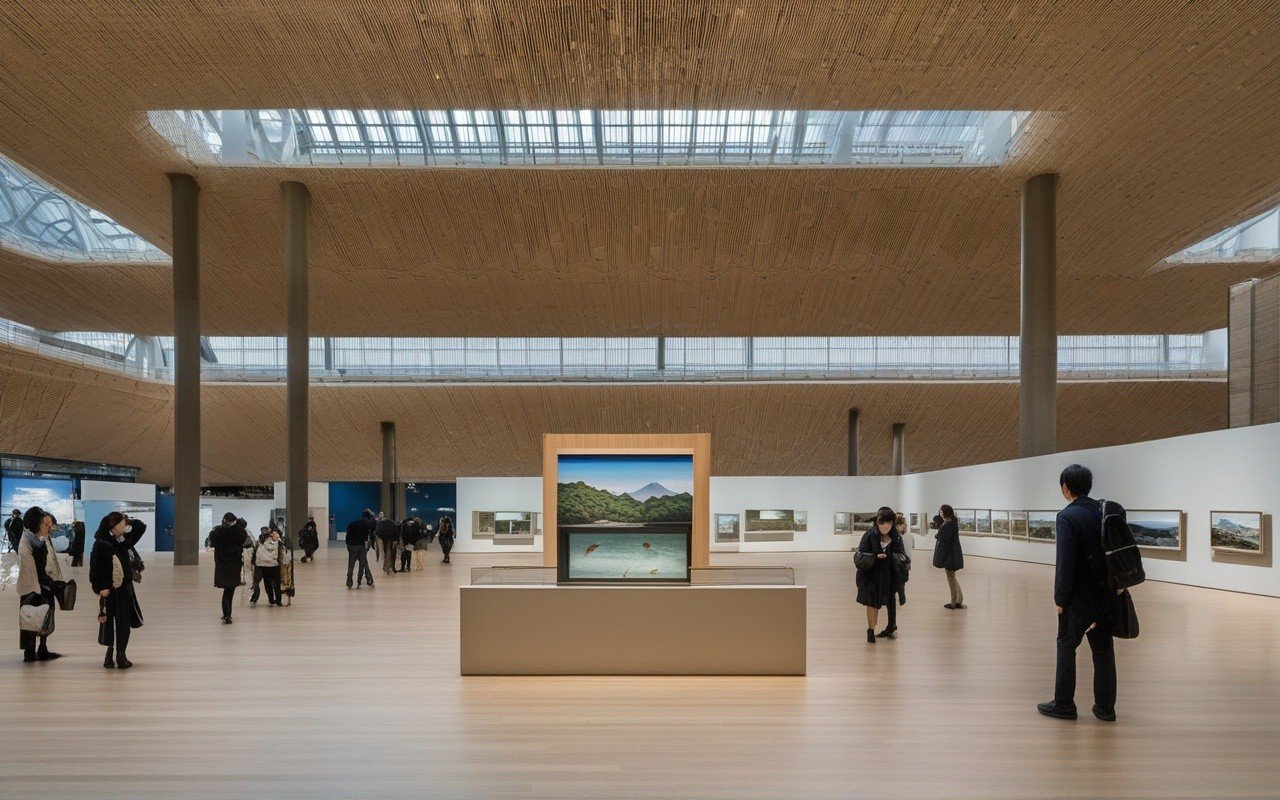
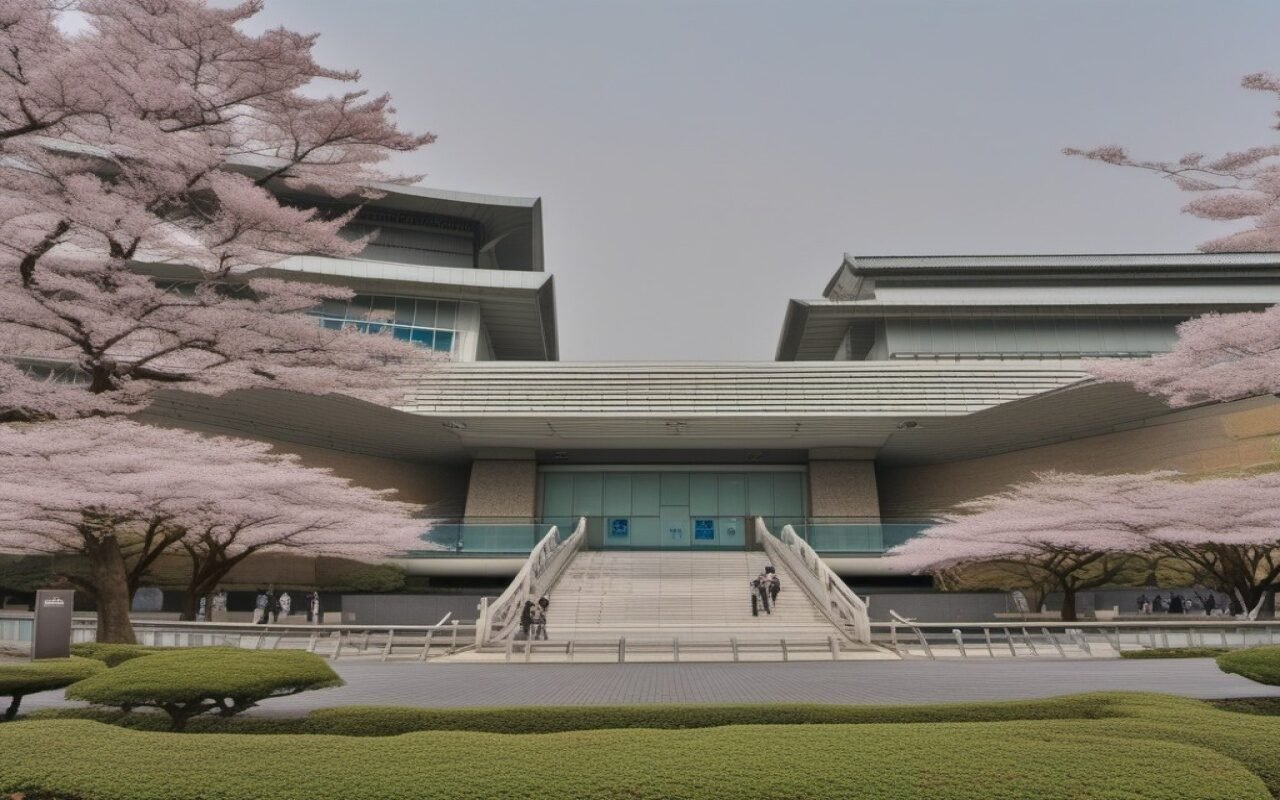
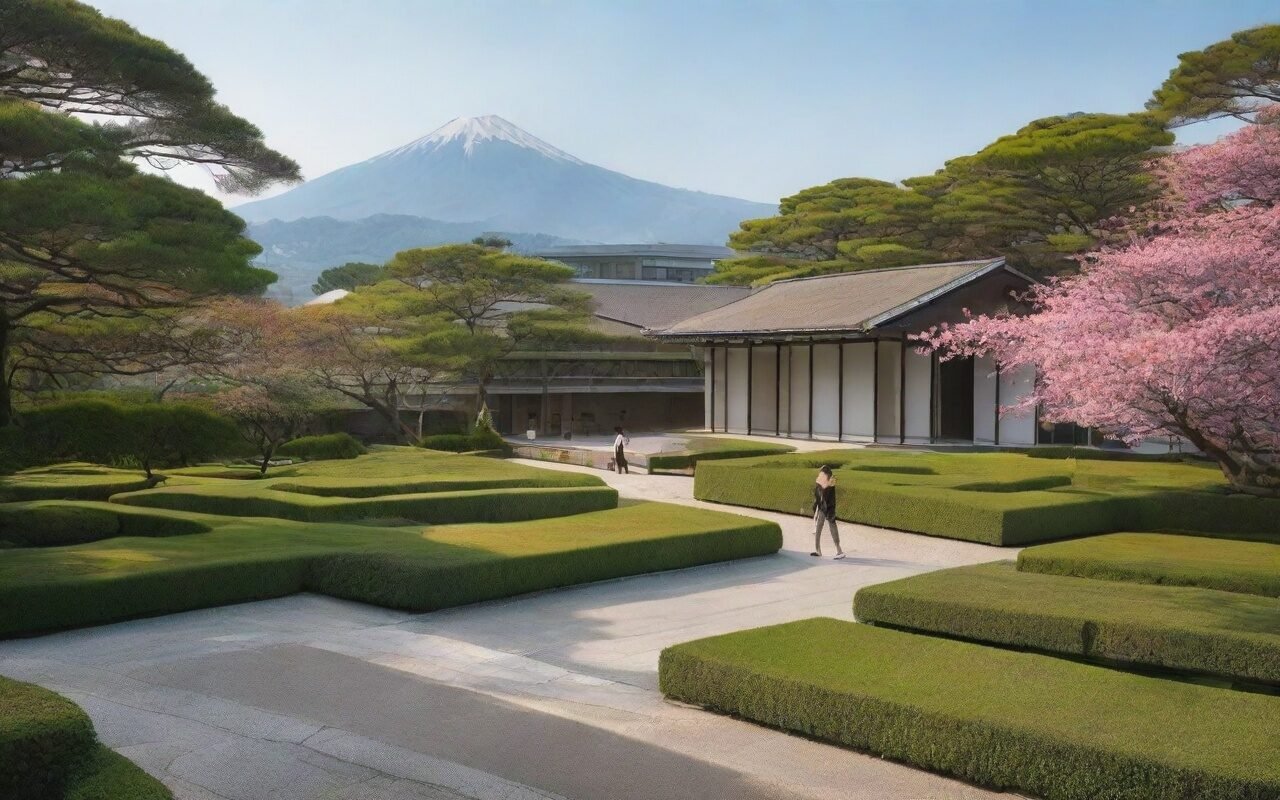
    Kanagawa museum exterior featuring modern and old-style show spaces

    Kanagawa Museum Guide - Kanagawa 2026 — spot


    Introduction

    Kanagawa Prefecture is home to some of Japan’s best museums, from world-class art collections to interactive science centers. This guide covers the must-visit museums in Kanagawa. Highlights:

    • 20+ world-class museums
    • Art, culture
    • Interactive exhibits
    • Family-friendly options
    • Easy access from Tokyo

    Hakone Open-Air Museum

    Best for: Outdoor sculpture, photos

    Hours: 9:00 AM - 5:00 PM (varies by season)
    Admission: ¥1,600
    Access: 2 min walk from Chokoku-no-Mori Station
    Time needed: 3-4 hours
    Closed: Tuesday (Nov-Mar)

    Japan’s first open-air museum, featuring over 120 sculptures in a pretty mountain setting. Highlights:

    • Picasso Pavilion (500+ works)
    • Symphonic Sculpture (climb inside)
    • Hot spring foot bath
    • Seasonal shows Tips:
    • Wear comfy walking shoes
    • Allow 3-4 hours
    • Combine with Hakone onsen

    Pola Museum of Art

    Best for: Impressionist art, cosmetics set

    Hours: 9:00 AM - 5:00 PM
    Admission: ¥1,800
    Access: Free shuttle from Hakone-Yumoto
    Time needed: 2-3 hours
    Closed: Tuesday

    A world-class art museum featuring French Impressionist paintings and Japanese modern art. Van Gogh

    • Japanese modern art
    • Cosmetic collection
    • Special shows Features:
    • pretty forest setting
    • great cafe
    • Gift shop with art books

    Yokohama Museum of Art

    Best for: Modern art, city views

    Hours: 10:00 AM - 6:00 PM
    Admission: ¥500
    Access: 5 min walk from Minato Mirai Station
    Time needed: 2-3 hours
    Closed: Thursday

    A comprehensive modern art museum featuring Japanese and international contemporary art. collection:

    • Japanese modern art
    • International contemporary
    • photos shows
    • Video installations Features:
    • Large sculpture garden
    • Art library
    • Museum shop
    • Cafe with city views

    Cup Noodles Museum (Yokohama)

    Best for: Families, food

    Hours: 10:00 AM - 6:00 PM
    Admission: Free
    Workshops: ¥500-800
    Access: 5 min walk from Minato Mirai Station
    Time needed: 2-3 hours
    Closed: Tuesday, holidays

    Learn about the history of instant noodles and create your own custom Cup Noodle. Workshops:

    Nissan Global Headquarters Gallery

    Best for: Cars, families

    Hours: 10:00 AM - 7:00 PM
    Admission: Free
    Access: 3 min walk from Shin-Yokohama Station [Get the Yokohama Seaside Gourmet Train Pass — combine transport & dining for a perfect bay area day out](Get the Yokohama Seaside Gourmet Train Pass — combine transport & dining for a perfect bay area day out)
    Time needed: 1-2 hours
    Closed: Irregular

    see Nissan’s history and latest technology at their global headquarters. Exhibits:

    • old Nissan vehicles
    • Latest models (test sits available)
    • Technology demonstrations
    • Racing heritage Features:
    • Free admission
    • Photo chances
    • Gift shop
    • Cafe

    Yokohama Museum of History

    Best for: Local history, port culture

    Hours: 9:00 AM - 5:00 PM
    Admission: ¥100
    Access: 5 min walk from Takashima-cho Station
    Time needed: 1-2 hours
    Closed: Monday

    Learn about Yokohama’s rich history as an international port city. Exhibits:

    • Port history
    • International settlement era
    • great Kanto Earthquake
    • Modern Yokohama Features:
    • English explanations
    • Reasonable admission
    • Central spot

    Kamakura Museum of National Treasures

    Best for: Buddhist art, samurai culture

    Hours: 9:00 AM - 4:30 PM
    Admission: ¥200
    Access: 10 min walk from Kamakura Station
    Time needed: 1 hour
    Closed: Thursday

    A small but great museum featuring Buddhist sculptures and samurai artifacts. collection:

    • Buddhist sculptures
    • Samurai armor and swords
    • Calligraphy
    • Tea ceremony utensils Features:
    • pretty garden
    • Near Tsurugaoka Hachimangu
    • Quiet vibe

    Yokohama Science Center

    Best for: Families, hands-on science

    Hours: 9:30 AM - 5:00 PM
    Admission: ¥510 (adults). ¥260 (children)
    Access: 15 min bus from Yokohama Station
    Time needed: 2-3 hours
    Closed: Monday

    An interactive science museum with hands-on exhibits and a planetarium. Exhibits:

    • Physics experiments
    • Biology displays
    • Technology demonstrations
    • Planetarium shows (more fee) Features:
    • great for children
    • Hands-on exhibits
    • Educational programs
    • Cafe and shop

    Hakone Art Day (Full Day)

    Time: 6-8 hours
    Budget: ¥5,000-7,000

    9:00 AM: Arrive in Hakone
    9:30 AM: Open-Air Museum (3 hours)
    1:00 PM: Lunch in Gora
    2:30 PM: Pola Museum (2 hours)
    5:00 PM: Onsen
    7:00 PM: Return to Tokyo

    Yokohama Culture Day (Full Day)

    Time: 6-8 hours
    Budget: ¥3,000-5,000

    10:00 AM: Cup Noodles Museum (2 hours)
    12:00 PM: Lunch in Minato Mirai
    2:00 PM: Yokohama Museum of Art (2 hours)
    4:00 PM: Nissan Gallery (1 hour)
    6:00 PM: Dinner and return to Tokyo

    Kamakura Culture Half Day

    Time: 3-4 hours
    Budget: ¥1,000-2,000

    10:00 AM: Kamakura Museum of National Treasures (1 hour)
    11:30 AM: Tsurugaoka Hachimangu visit
    1:00 PM: Lunch in Komachi-dori
    2:00 PM: Return to Tokyo

    Hakone Free Pass

    Includes:

    • Round trip from Shinjuku
    • All Hakone transport
    • Discounts at 50+ places Museum Discounts:
    • Open-Air Museum: ¥200 off
    • Pola Museum: ¥300 off
    • Many other attractions Cost: ¥5,140 (from Shinjuku)
      Validity: 2 days

    Yokohama Minato Burari Ticket

    Includes:

    • Unlimited subway travel
    • Discounts at attractions Museum Discounts:
    • Yokohama Museum of Art: ¥100 off
    • Cup Noodles Museum: Priority booking Cost: ¥820 (1 day)
      Validity: 1 day

    Common Museum Discounts

    • Students: 50% off with student ID
    • Seniors (65+): 20-50% off
    • Groups (10+): 10-20% off
    • Evening: Some museums offer reduced rates

    Best Time to Visit

    Weekdays:

    • Less crowded
    • Better for photos
    • More time with exhibits Weekends:
    • Very crowded (mostly 1-3 PM)
    • Family-friendly vibe
    • Special events common

    Photos

    • Allowed: Most outdoor areas, some indoor
    • Prohibited: Special shows, some galleries
    • Flash: Usually prohibited
    • Tripods: Usually need permission

    Places

    • Lockers: Available at most museums
    • Cafes: Most museums have cafes
    • Shops: Museum shops with unique items
    • ease of use: Most museums are wheelchair accessible

    Language

    • Signage: Japanese and English at major museums
    • Audio guides: Available at most museums (¥300-500)
    • Staff: Basic English at tourist museums

    Kanagawa Museum Guide scenery and attractions


    Summary

    Kanagawa offers exceptional museum things, from world-class art collections to interactive science centers. Whether you’re an art lover, history buff, or traveling with family, Kanagawa has the perfect museum for you. Key highlights:

    • 20+ world-class museums
    • Art, culture
    • Interactive exhibits
    • Family-friendly options
    • Easy access from Tokyo

    Kanagawa Museum Guide - Kanagawa 2026 — Summary

    Kanagawa Museum Guide From old-style art to contemporary shows, the museums in this guide showcase the rich cultural tapestry of Kanagawa. Plan your visit according to your interests, and allow enough time to fully appreciate each venue’s unique collections.

    Are museums crowded on weekends? A. Yes, mostly 1-3 PM. Visit on weekdays or arrive early

    Do museums have English info? A. Major museums have English signage and audio guides. ### Q. Are museums wheelchair accessible? A. Most major museums are fully accessible

    Can I take photos? A. Usually yes in permanent collections, no in special shows

    Frequently Asked Questions

    Q: Is there a best time of day to visit?
    A: Early mornings (before 10 AM) are ideal for experiencing attractions with minimal crowds and optimal lighting for photos. Late afternoons (after 3 PM) also offer good conditions as tour groups depart. Midday hours (11 AM-2 PM) are the busiest across most places in Kanagawa. Q: What’s the most handy way to reach this place?
    A: The area is well-served by train from central Tokyo. JR lines connect major hubs, while private railways provide direct access to specific places. Travel time ranges from 25 minutes to 2 hours depending on the spot. The nearest major station has taxi and bus connections to final places, and most sights are within walking distance of stations. Q: How much time should I spend at Kanagawa?
    A: Most visitors find that a few minutes to review the key info is sufficient to see the main highlights of Kanagawa. If you have specific interests or want to see off-the-beaten-path spots, consider allocating more time. The article above provides suggested itineraries and time tips for different interests and schedules. Q: What should I prepare before my trip?
    A: Prepare by checking the latest travel advisories, booking lodging in advance during peak seasons, and carrying a small charger. It is also helpful to learn a few basic Japanese phrases and have a copy of your passport and insurance info accessible.

    Packing Essentials

    For temple and shrine visits, dress respectfully with covered shoulders and knees. Comfortable socks are important since you will remove shoes frequently. A small coin purse is useful for offering donations. A goshuincho (temple stamp book) can be purchased at most major temples.

    Conclusion

    Whether you are planning exploring Kanagawa for its museum for the first time or returning for another visit, taking a little extra time to go beyond the obvious sights makes all the difference. During my visit I went with a rough plan and found that leaving room to wander made the trip far more memorable. I hope this guide helps you build an itinerary that fits your pace, and that your time in Kanagawa leaves you with memories worth coming back for.