
Kanagawa Sake: A Guide to the Prefecture’s Spring-Water Breweries and Tasting Rooms
Overview
When travelers think of Japanese sake, the names that come to mind are Niigata, Kyoto, and Hiroshima. Kanagawa rarely makes the list — and until a few years ago, I did not think of it either. Then a brewer in the Tanzawa foothills explained why the prefecture deserves attention: “We do not have the famous rice. We have something better. We have the water.”
He was talking about the soft, mineral-light spring water that filters through the Tanzawa mountain range and feeds the western half of Kanagawa. In the world of sake, water is half the story: it drives fermentation, defines mouthfeel, and shapes the clean, gentle character of the finished brew. Kanagawa’s breweries have been drawing on this water for over a century, yet almost none of them appear in the standard English-language sake guides.
What makes Kanagawa sake distinct is precisely that softness. Where Niigata’s famous “light and dry” style comes from snowy, hard water, Kanagawa’s spring water produces sake that is rounder and more approachable — gentle acidity, subtle sweetness, and a clean finish that pairs easily with food. It is the sake equivalent of a quiet, well-dressed stranger: unassuming at first, genuinely excellent on closer acquaintance.
This guide covers the prefecture’s breweries worth visiting, how to taste them, transport and etiquette, and how to pair Kanagawa sake with the region’s food.
🍶 Understanding Kanagawa Sake
The Water Factor
Sake is roughly 80% water, and the character of that water shapes the brew more than almost anything else. Kanagawa’s western basin — around Hadano, Atsugi, and Sagamihara — sits on ancient gravel beds that naturally filter rainwater from the Tanzawa range. The result is soft water with low mineral content, which produces a slower, gentler fermentation.
In practice, this means Kanagawa sake tends to be:
- Round and smooth — Low minerality means fewer harsh edges.
- Subtly sweet — The gentle fermentation preserves a soft rice sweetness.
- Clean-finishing — The aftertaste is short and crisp, which makes it food-friendly.
- Approachable — Ideal for people new to sake; there is no aggressive alcohol burn.
The Regions
- The Tanzawa Basin (Hadano, Atsugi) — The heartland. Most of the prefecture’s breweries cluster here, drawn by the same spring water. Tasting rooms tend to be small, family-run, and personal.
- The Sagamihara Area — Further east, with a few notable kura using water from the Sagami River system.
- Yokohama and the Coast — Few breweries, but excellent bars and specialty shops for tasting the prefecture’s output. The Yokohama backstreet gourmet guide covers the city’s sake bars in detail.
🏭 The Breweries Worth Visiting
A note on access: most Kanagawa breweries are small operations, and tasting-room hours vary widely. The reliable pattern is that the rooms are open weekends and weekday afternoons, and that advance reservation is appreciated for tours. The following are the prefecture’s most accessible breweries for visitors.
1. The Hadano-Atsugi Cluster
This group of breweries forms the core of the prefecture’s sake identity. All sit within 30 minutes of each other by train and taxi, making them easy to combine in a single afternoon. Hadano itself — a town famous for its spring water — is the natural base; see the Hadano and Mount Oyama guide for the full day-trip context.
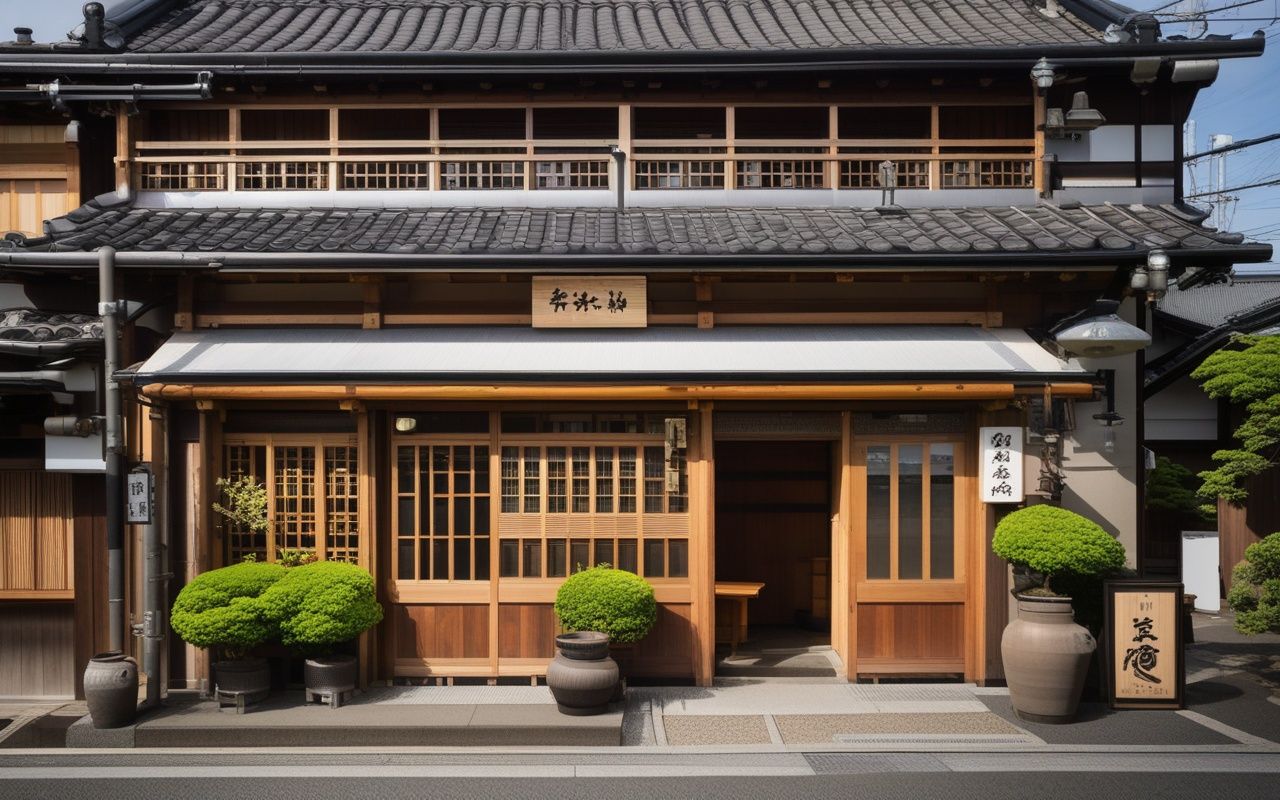
- Hadano’s kura — The town’s breweries offer small tasting corners where you can sample three to five varieties for ¥500-1,000. The house styles are dry and clean, with the soft water character coming through clearly. Look for the “Tanzawa” labels, which reference the mountain range.
- Atsugi’s kura — Just down the Odakyu line, Atsugi’s breweries pair naturally with the town’s Showa-era retro quarter. You can walk from a tasting room to an izakaya serving the same brewery’s sake within minutes; see the Atsugi and Zama car culture guide for the neighborhood context.
2. Sagamihara and the Sagami River
The breweries around Sagamihara use water from the Sagami River system, producing a marginally harder style that ages slightly better. These are the least-visited kura in the prefecture, which means you may well get a private tasting. Access is via the JR Sagami Line from Hashimoto.
3. The Yokohama Tasting Scene
If you do not want to leave the city, Yokohama’s sake bars and specialty shops offer curated tastings of the prefecture’s output. Two or three bars in the Kannai district carry only Kanagawa-produced sake — an excellent way to compare the region’s styles in one evening. See the Yokohama Kannai area guide for bar recommendations.
🧭 How to Taste Kanagawa Sake
The Tasting Room Ritual
Japanese brewery tasting rooms (kikizake corner) follow a simple pattern:
- Order a flight — Usually 3-5 small glasses of different sake for ¥500-1,000. You can often specify a theme: “dry,” “sweet,” or “aged.”
- Taste in order — Start with the lightest (usually a junmai or honjozo) and move toward the richer, sweeter or aged expressions. Going light-to-rich lets each sake show its character.
- Note the water — Ask about the water source. Brewers love talking about it, and it directly explains the style.
- Buy a bottle — Most tasting rooms sell bottles at brewery-direct prices, often 20-30% below retail. This is the cheapest way to buy genuine Kanagawa sake.
Etiquette
- Tasting rooms are relaxed but respectful spaces. Do not shout; do not bring outside food.
- The staff will pour for you; do not fill your own glass unless invited.
- If you buy a bottle, ask about storage — most Kanagawa sake is best drunk within a year.
- Photos are usually fine in tasting rooms, but ask before photographing the brewing equipment.
Terms Worth Knowing
- Junmai — Pure rice sake, no added alcohol. Clean and food-friendly; a good introduction to Kanagawa styles.
- Honjozo — Rice sake with a small amount of brewer’s alcohol added. Lighter and drier.
- Ginjo / Daiginjo — Polished-rice premium grades. More fragrant and delicate.
- Nama — Unpasteurized sake. Lively, fresh, and usually only available in season.
🍽️ Pairing Kanagawa Sake with Local Food
Kanagawa sake’s clean, round character makes it exceptionally versatile at the table. The local pairings are especially satisfying:
- Shirasu (whitebait) — The light, slightly sweet character of Kanagawa junmai is a classic match for the Shonan coast’s raw whitebait bowls. The sake’s softness does not overwhelm the delicate fish. See the Shonan shirasu guide for where to eat it.
- Kamaboko (fish cake) — Odawara’s famous kamaboko pairs beautifully with the prefecture’s drier styles. See the Odawara kamaboko guide for the full story.
- Soba — The spring-water soba of Hadano and the Tanzawa foothills is the single best match for Kanagawa sake. Both are clean, subtle, and water-driven — a pairing that tastes like the same landscape in two forms.
- Izakaya food — Yakitori, grilled fish, and pickles all take the round, clean finish well. The Kanagawa yakitori guide is a good starting point.
A Tasting Dinner Suggestion
For a memorable evening, build a meal entirely around Kanagawa sake: start with nama (unpasteurized) with shirasu, move to a junmai with kamaboko, and finish with an aged style alongside grilled fish. The Yokohama premium dining guide includes sake-pairing menus if you prefer the city setting.

🗓️ Sample Itinerary: The Sake Day Trip
Morning (9:00-13:00)
- 8:30 — Depart Shinjuku on the Odakyu Limited Express toward Odawara.
- 9:40 — Arrive at Hadano Station. Start with a walk through the station’s spring-water display, then a short walk to the first brewery’s tasting room.
- 10:30 — Tasting at the first kura: focus on junmai and honjozo to establish the baseline “Kanagawa style.”
- 11:30 — Lunch: spring-water soba in the town center.
- 12:30 — Walk to Sohara Spring for a water tasting — the same water that makes the sake, drunk raw.
Afternoon (13:00-18:00)
- 13:30 — Train or taxi to the second brewery (in Atsugi, 20 min).
- 14:00 — Tasting at the second kura: compare ginjo and nama styles against the morning’s junmai.
- 15:30 — Walk the Atsugi Showa retro quarter, stopping for coffee at a kissaten.
- 16:30 — Visit a craft brewery for contrast — the Kanagawa craft beer guide covers the regional beer scene.
- 17:30 — Izakaya dinner in the retro quarter, pairing the day’s finds with local food.
- 19:30 — Return train to Tokyo.
If You Have More Time
- Overnight in Hadano — A handful of small inns near the Oyama base offer kaiseki dinners with local sake pairings. Book ahead.
- Sagamihara extension — Add the Sagami River breweries on a second day, using the JR Sagami Line.
- Combine with Hakone — Hakone’s ryokan often stock Kanagawa sake; a two-day trip pairing the sake trail with a Hakone ryokan stay is a classic combination.

📅 Seasonal Notes
- Winter (Dec-Feb) — The brewing season. Some kura open their fermentation halls for limited viewing, and fresh nama sake appears in January. This is the most atmospheric time to visit.
- Spring (Mar-May) — The new season’s sake (shiboritate) is released. The tasting rooms are stocked with the freshest product of the year.
- Summer (Jun-Aug) — Hot and humid; sake is traditionally drunk chilled or on the rocks in summer. Some kura offer “hiyaoroshi” (autumn-release sake) previews late in the season.
- Autumn (Sep-Nov) — Hiyaoroshi season: the aged, re-released sake is at its peak. This is the best season for tasting depth and character.
💡 Practical Tips
- Reserve for tours — Free-walking tasting is usually fine, but guided brewery tours need advance booking through each kura’s website or phone.
- Carry cash — Most small tasting rooms and breweries are cash-only.
- Buy at the source — Brewery-direct prices are typically 20-30% below retail, and the selection includes brewery-exclusive bottles you cannot find anywhere else.
- Check hours before traveling — Small kura often close for festivals, holidays, and the summer break. Check the website or call ahead.
- Do not drink and drive — If you are renting a car, taste only at the first brewery, or arrange a taxi for the full day.
- Ask about the water — Every brewer has a water story. Asking is the fastest way to get a genuine, personal explanation of what makes Kanagawa sake different.
Conclusion
Kanagawa sake is the prefecture’s best-kept secret: a dozen small breweries drawing on the same soft Tanzawa spring water that makes the region’s soba and tofu so clean. It is not the sake you will find in Tokyo’s tourist shops, and that is precisely why it is worth the trip. Spend an afternoon tasting the difference water makes, buy a bottle or two at brewery-direct prices, and you will understand why the brewers say the mountain is the real ingredient.

FAQ
Q: Is Kanagawa really a sake-producing prefecture?
A: Yes. The prefecture has over 20 active breweries, concentrated in the western basin where the Tanzawa spring water flows. It is not as famous as Niigata, but the quality is comparable and the character is distinct.
Q: Do I need a reservation to visit the breweries?
A: For the tasting corners, generally no — walk-ins are welcome during opening hours. For guided tours of the brewing facilities, advance reservation is required and appreciated.
Q: What makes Kanagawa sake different from Niigata sake?
A: The water. Kanagawa’s soft spring water produces a rounder, smoother, more approachable sake, whereas Niigata’s hard snow-melt water yields the famous sharp, dry style. Kanagawa sake is arguably more food-friendly and easier for beginners.
Q: Can I buy Kanagawa sake outside the prefecture?
A: Some labels are distributed nationally, but the best selection is at the breweries themselves. If you cannot visit, the sake specialty shops in Yokohama’s Kannai district carry the widest selection of prefecture-produced sake.