
Overview
Explore the rich cultural heritage and historical significance of Odawara Kamaboko History And Shops in Kanagawa Prefecture. This guide delves into the fascinating stories, traditions, and landmarks that define Odawara. From ancient temples to modern museums, discover how this destination has shaped Japan’s cultural landscape over centuries.
The History of Odawara Kamaboko
Kamaboko production in Odawara dates back to the Meiji era (1868–1912), when the newly built railway made it possible to transport fresh fish from the port to nearby cities. Local fishermen and processors developed techniques to transform less marketable white fish into a stable, protein-rich product that could be preserved without refrigeration.
By the Taisho era (1912–1926), Odawara had become the foremost kamaboko producer in the Kanto region, a reputation it maintains today. The city’s kamaboko is distinguished by:
- Sagami Bay white fish: The primary ingredient, giving the paste a natural sweetness
- Mountain spring water: Used for washing the surimi, resulting in a purer, whiter paste
- Traditional steaming methods: Many shops still use hinoki (cypress) steamers that impart a subtle, woody fragrance
Planning Your Odawara Kamaboko Tour
Recommended itinerary (half day)
10:00 AM – Arrive at Odawara Station: Pick up a kamaboko map from the tourist information desk in the station concourse. The English version includes walking directions to all major shops.
10:15 AM – Suzuhiro Kamaboko Museum: Start here for the historical overview. The museum takes about 30 minutes to explore. The attached shop sells exclusive museum-only products. Try the free samples at the tasting counter.
11:00 AM – Yamayo Factory Tour: A 10-minute walk from Suzuhiro. The free 30-minute factory tour (weekdays only, reservation recommended) shows the kamaboko-making process from fish to finished product. The shop sells factory-direct products at lower prices.
11:45 AM – Odawara Kamaboko Center: A 5-minute walk from Yamayo. This is the best place for lunch—they offer a kamaboko grilling experience (¥800) where you grill 3 skewers of chikuwa and satsuma-age over charcoal. Pair with a cold beer (¥500) for a complete meal.
12:30 PM – Souvenir Shopping: Return to Odawara Station’s souvenir shops to purchase vacuum-sealed kamaboko for gifting. The station also sells kamaboko and local sake gift sets (¥1,500–¥3,000).
Transportation: Odawara is 35 minutes from Tokyo Station on the Shinkansen (¥3,570) or 90 minutes on the JR Tokaido Line local train (¥1,490). All kamaboko shops mentioned are within a 15-minute walk of the station.
Kamaboko Tasting Guide
When visiting Odawara’s kamaboko shops, here is how to conduct your own tasting: Step 1: Start with plain ita kamaboko to appreciate the pure fish flavor. Notice the texture—it should be springy (bouncy) but not rubbery. The taste should be clean and subtly sweet, without any fishy aftertaste.
Step 2: Try kamaboko with different toppings: plain, wasabi, soy sauce, and yuzu kosho. Each condiment highlights different aspects of the flavor. Wasabi brings out the sweetness, while yuzu kosho adds citrusy heat.
Step 3: Compare ita kamaboko across different price points. A ¥300 board versus a ¥800 board will show clear differences in fish content, texture, and flavor complexity. Higher-priced kamaboko uses more expensive fish varieties and less filler starch.
Step 4: Finish with chikuwa or satsuma-age to experience different textures. Chikuwa is firmer and chewier, while satsuma-age is lighter and more porous, absorbing sauces and broths.
Kamaboko in Japanese Home Cooking
Beyond being eaten as-is, kamaboko is a versatile ingredient in Japanese home cooking: Oden: Ita kamaboko is a classic oden ingredient. The fish cake absorbs the soy-based broth while maintaining its shape and texture. Add kamaboko during the last 10 minutes of simmering to prevent it from becoming too soft.
Salads: Thinly sliced kamaboko adds protein and visual appeal to Japanese-style salads. Toss with wakame seaweed, cucumber, and sesame dressing for a quick side dish.
Soba and Udon Topping: Sliced kamaboko is a common topping for hot soba and udon noodles. The contrast between the chewy noodles and springy fish cake is delightful.
Bento Boxes: Kamaboko slices are a bento staple because they maintain their shape and flavor even when cold. Cut into flower shapes using decorative molds for a visually appealing lunch.
Kamaboko and Health
Kamaboko is a healthy protein option for several reasons:
- Low in fat: Most kamaboko contains less than 3g of fat per 100g serving
- High in protein: 12–16g of protein per serving, depending on the fish content
- Low in calories: Approximately 90–120 calories per 100g
- Good source of B vitamins: Especially B12 and niacin from the fish
- Contains DHA: The fish oils provide brain-healthy omega-3 fatty acids
When choosing kamaboko for health, look for products with higher fish content (listed first in ingredients) and lower sodium options.
Types of Kamaboko
Ita Kamaboko (板蒲鉾)
The classic kamaboko shape—a semicircle of fish paste steamed on a wooden board. A high-quality ita kamaboko should have a smooth, glossy surface, a firm yet bouncy texture (called “hane” in Japanese), and a clean, sweet fish flavor without any fishy aftertaste.
Chikuwa (竹輪)
Tube-shaped fish cake grilled on a bamboo stick. Chikuwa has a firmer, chewier texture than ita kamaboko and is often served in oden, salads, or simply grilled with soy sauce.
Satsuma-age (薩摩揚げ)
Deep-fried fish paste patties that may contain vegetables, squid, or cheese. Satsuma-age from Odawara is notably lighter and less oily than versions from other regions, thanks to the high quality of the surimi base.
Hanpen (半片)
Soft, fluffy fish cake made with added yamaimo (mountain yam) for a marshmallow-like texture. Hanpen is often served in hot pots or lightly grilled.
Top Kamaboko Shops in Odawara
1. Yamayo (山与)
Founded in 1897, Yamayo is one of Odawara’s oldest kamaboko makers. Their shop near Odawara Station offers factory-direct products at prices 20–30% lower than department store counters. Their signature “Odawara Premium” ita kamaboko (¥680 for a large board) uses only fresh Sagami Bay fish and no fillers.
- Tasting samples: Always available at the counter
- Factory tour: Free, 30-minute tours on weekdays (reservation required)
- Access: 8-minute walk from Odawara Station East Exit
2. Odawara Kamaboko Center (Odawara (小田原)かまぼこセンター)
A one-stop destination with products from multiple local manufacturers. The center also offers:
- Kamaboko board rentals for picnics (¥500 deposit)
- Kamaboko grilling experience (¥800 for 3 sticks)
- Seasonal limited-edition kamaboko (cherry blossom flavors in spring, yuzu in autumn)
3. Suzuhiro (鈴廣)
Odawara’s most famous kamaboko brand, operating since 1863. Their “Kamaboko Museum” near Odawara Station features a small exhibition on kamaboko history, a shop with all Suzuhiro products, and a cafe serving kamaboko-based light meals. Their “Kogane” (golden) series—topped with real gold leaf—makes an impressive gift.
How Kamaboko Is Made
Understanding the craft behind kamaboko deepens appreciation for this humble food. The process, while conceptually simple, requires years of practice to master.
Step 1: Selecting and Preparing the Fish
The best kamaboko begins with the freshest white fish. Sagami Bay provides gurnard, sea bream, and lizardfish, which are prized for their mild flavor and firm texture. The fish are filleted, deboned, and washed repeatedly in cold mountain spring water to remove impurities and excess fat. This washing process, called “shitazuri,” is crucial for achieving the characteristic white color and springy texture.
Step 2: Grinding into Surimi
The cleaned fish meat is ground into a fine paste (surimi) using traditional stone mills or modern grinders. Salt is added during grinding to help the fish proteins bind, creating the springy texture that kamaboko is known for. Seasonings such as mirin (sweet rice wine), sugar, and egg white may be added at this stage.
Step 3: Shaping and Steaming
The surimi is shaped on wooden boards (for ita kamaboko) or around bamboo sticks (for chikuwa), then steamed at precisely controlled temperatures, Traditional shops use hinoki (cypress) steamers that add a subtle woody fragrance, Steaming times vary by product but typically range from 15 to 40 minutes.
Step 4: Cooling and Packaging
After steaming, kamaboko is cooled gradually to prevent condensation from forming on the surface. Once cooled, it is packaged and shipped. Fresh kamaboko is typically consumed within a week, while vacuum-sealed products can last for months.
Kamaboko as a Cultural Symbol
Kamaboko holds a special place in Japanese culture beyond its culinary value. The semicircular shape of ita kamaboko is said to resemble the rising sun, and it is considered an auspicious food for celebrations, During osechi (New Year cuisine), kamaboko is eaten to symbolize the beginning of a new chapter.
In Odawara, kamaboko is also used as an offering at local shrines during festivals. The Odawara Kamaboko Festival (held annually in November) features kamaboko-making demonstrations, tasting competitions, and a kamaboko-eating contest that draws participants from across Japan.
Kamaboko and Local Sake Pairings
Kamaboko’s mild, savory flavor makes it an excellent pairing with sake. Here are recommended combinations:
| Kamaboko Type | Sake Recommendation | Flavor Profile |
|---|---|---|
| Ita kamaboko | Junmai daiginjo | Clean, fruity |
| Chikuwa | Honjozo | Light, dry |
| Satsuma-age | Junmai (warm) | Rich, umami |
| Hanpen | Sparkling sake | Refreshing |
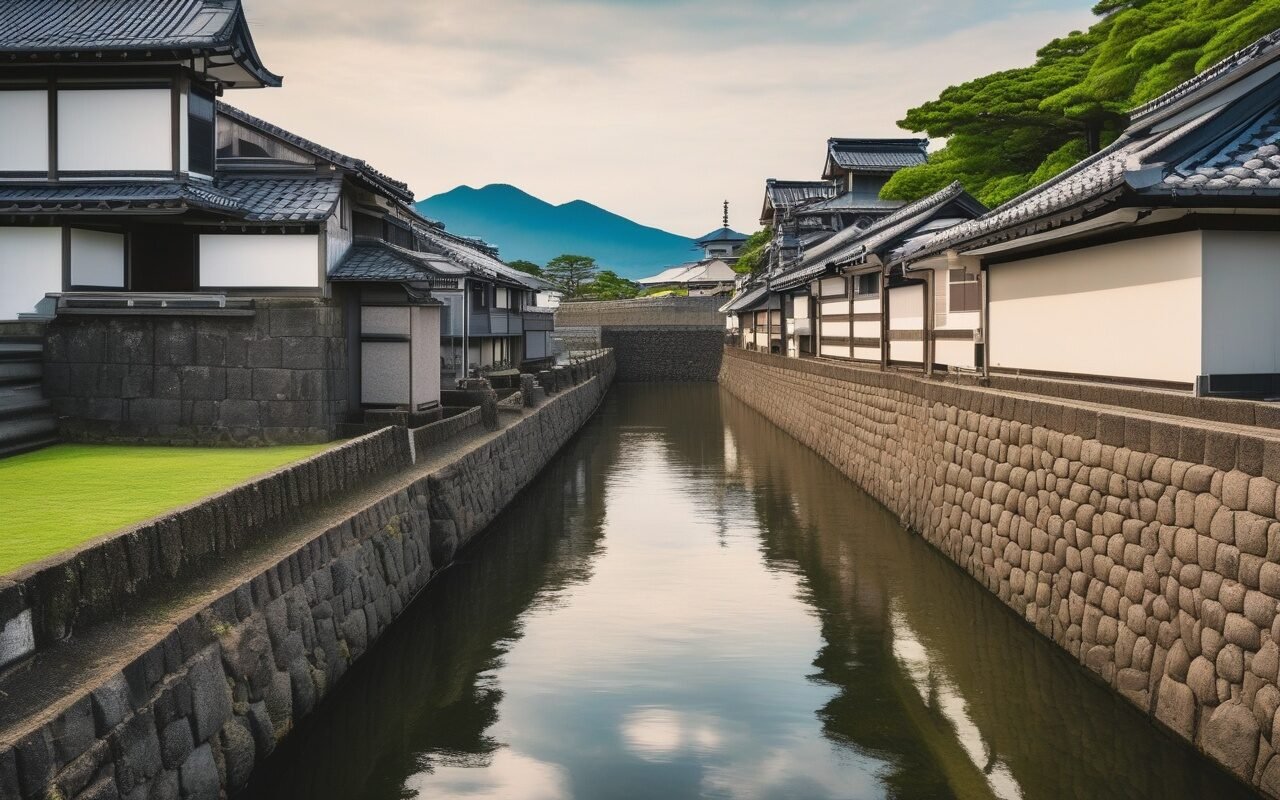
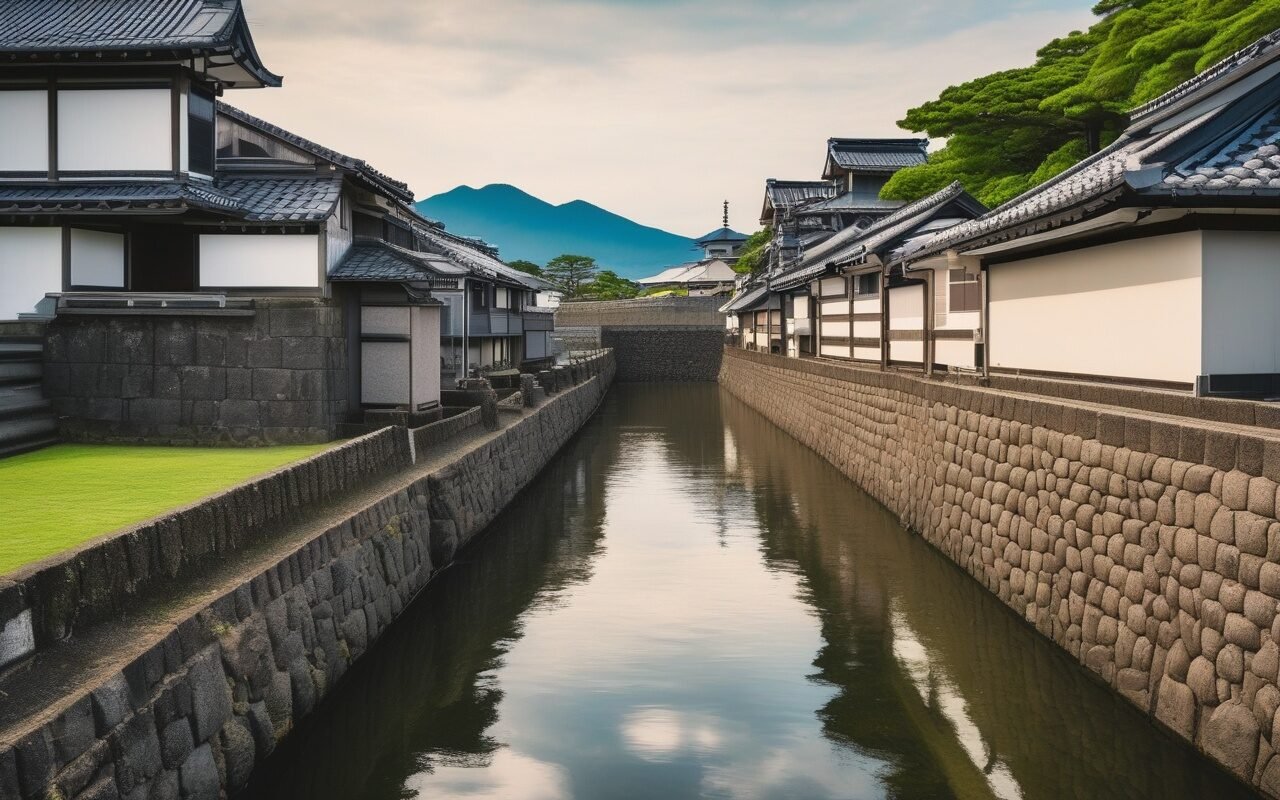
Many Odawara souvenir shops sell kamaboko and sake gift sets, making them a convenient souvenir choice. What struck me most was the meticulous preservation of the original architectural features.
Tips
From my own visits, the advice that saved me the most time was simple: arrive before the peak hours, download an offline map before you leave the station, and build in a backup plan for rainy weather. Many spots in Kanagawa get busy by mid-morning, so an early start usually means shorter queues and better photos.
Frequently Asked Questions (FAQ)
Q: Is kamaboko gluten-free?
A: Traditional kamaboko is made from fish paste and may contain small amounts of wheat starch or soy sauce. If gluten is a concern, ask for “mugiwara-muke” (gluten-free) varieties, which some shops produce.
Q: How long does kamaboko last?
A: Fresh kamaboko can be refrigerated for 5–7 days. Vacuum-sealed kamaboko lasts 2–3 months unopened. Once opened, consume within 2 days.
Q: Can I bring kamaboko through customs when leaving Japan?
A: Yes, vacuum-sealed kamaboko is generally allowed into most countries as it is a cooked, shelf-stable product. Check your destination country’s regulations for processed fish products.
Q: What is the best way to eat kamaboko?
A: Ita kamaboko is delicious as-is, served with a dab of wasabi and soy sauce. It can also be lightly grilled (grill marks add a pleasant smoky note), added to hot pot, or sliced into salads.
Q: Do kamaboko shops ship overseas?
A: Suzuhiro and Yamayo both offer international shipping for their products via courier services. Visit their websites for details and shipping cost estimates.
- Cash: Still preferred at smaller establishments and ramen shops Visit the Shin-Yokohama Ramen Museum — taste ramen from across Japan & explore the history of this iconic dish
Conclusion
exploring Odawara can be as relaxed or as packed as you want it to be, and I have found that the best visits leave room for both planning and spontaneity. During my visit to Odawara I went with a rough plan and found that leaving room to wander made the trip far more memorable. Use this guide to sort out the logistics in advance, then let the day surprise you — Kanagawa rewards travelers who stay curious.