
Yokohama Kannai Area Guide 2026
Overview
🗺️ Key Points
- Perfect for: History enthusiasts, waterfront lovers, urban explorers
- Duration: Half-day to full day
- Best season: Year-round (spring for cherry blossoms)
- Budget: ¥3,000-6,000 per person
- Access: 30 minutes from Tokyo by train
📍 Location
📋 Overview
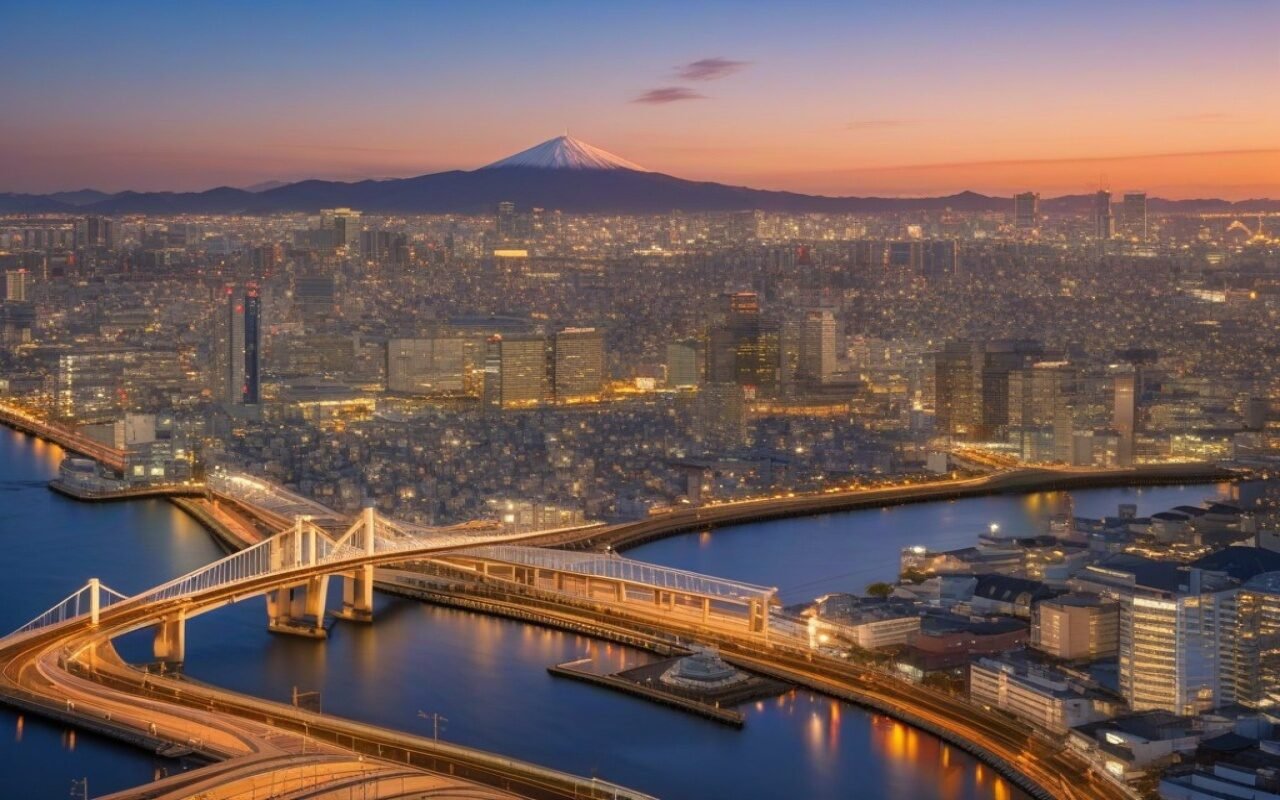
1. Yokohama Port Opening Hall
Museum dedicated to Yokohama’s history as an international port. Admission: ¥300
Hours: 9:30 AM – 5:00 PM
Closed: Mondays
2. Yokohama Customs Museum
Historic customs house with observation deck. Admission: Free
Hours: 9:30 AM – 5:00 PM
Closed: Weekends and holidays
1. Osanbashi Pier
Modern pier with observation deck and harbor views. Admission: Free
Hours: 24 hours
Best Time: Sunset
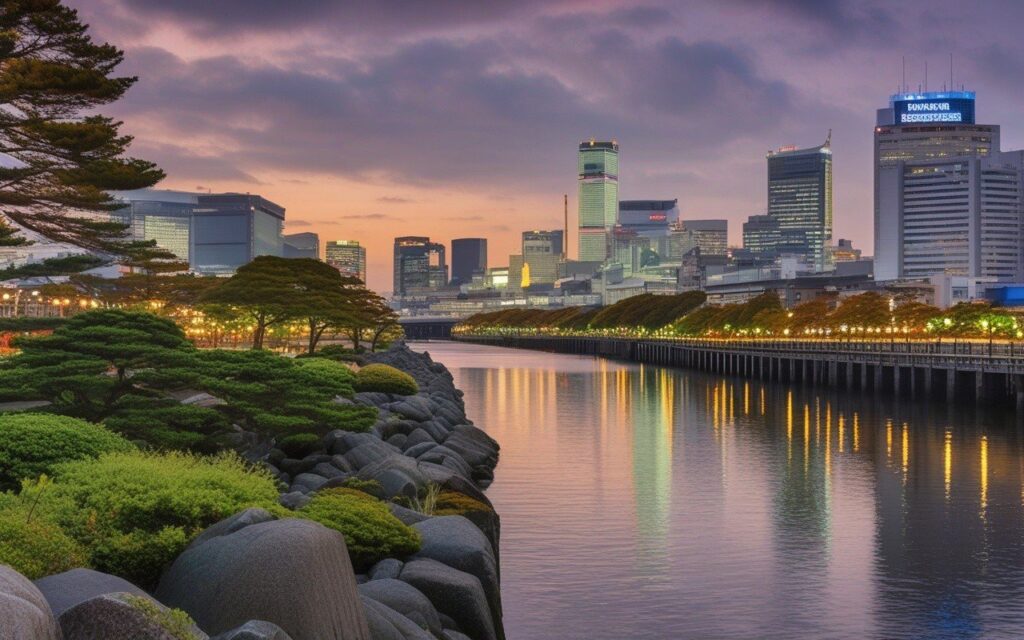
2. Yamashita Park
Scenic waterfront park perfect for strolling. Admission: Free
Hours: 24 hours
Features: Rose garden, harbor views
1. Akarenga (Red Brick Warehouse)
Historic warehouses converted into shopping and dining complex. Shopping: 10:00 AM – 8:00 PM
Dining: 11:00 AM – 11:00 PM
Features: Events, seasonal markets
2. Chinatown Access
Japan’s largest Chinatown is a 5-minute walk away. Best Time: Lunch or dinner
Specialties: Steamed buns, dim sum
Budget: ¥1,000-2,000 per meal
💰 Budget Breakdown
| Item | Cost |
|---|---|
| Train (round trip) | ¥1,140 |
| Museum admissions | ¥300-600 |
| Lunch | ¥1,000-1,500 |
| Shopping | ¥1,000-3,000 |
| Snacks/Drinks | ¥500-1,000 |
| Total | ¥3,940-7,240 |
Yokohama Kannai offers a perfect blend of history, culture, and modern attractions. Whether you’re interested in Yokohama’s international heritage, scenic waterfront views, or delicious Chinatown cuisine, this historic district provides a comprehensive Yokohama experience.
For more Kanagawa guides, explore our other articles on Yokohama Date Course, Kamakura, and Hakone.
🚉 Getting Around Like a Local
Navigating Kanagawa’s public transportation system is straightforward once you understand the basics. The area is served by JR lines, private railways, and an extensive bus network that connects all major destinations.
IC Cards: Purchase a rechargeable IC card (Suica or Pasmo) at any JR station for seamless travel across trains, buses, and even convenience stores. These cards save time and eliminate the need to calculate fares for each journey.
Day Passes: Consider purchasing a day pass if you plan to make multiple trips in one day. Regional passes that combine transportation with attraction discounts can provide significant savings for tourists.
Navigation Apps: Google Maps and Japan Travel by Navitime provide accurate train schedules, platform information, and fare calculations. Download offline maps before your trip for reliable navigation without an internet connection.
Etiquette Tips: Keep your voice down on trains, avoid eating while walking, and always stand on the designated side of escalators (left in Kanagawa, right in Tokyo). Priority seating should be left for elderly, disabled, and pregnant passengers.
🗓️ Sample Itinerary
Half-Day Visit (3-4 hours):
- Arrive at the destination by late morning
- Explore the main attractions for 1-2 hours
- Enjoy lunch at a local restaurant
- Visit secondary sights before heading back
Full-Day Visit (6-8 hours):
- Arrive early morning (around 9:00 AM)
- Start with the most popular attraction to avoid crowds
- Take a break for lunch at a recommended local restaurant
- Continue exploring additional sites in the afternoon
- Stop at a cafe or dessert shop before departing
- Consider staying for sunset views if the location offers them
With Nearby Attractions (add 2-3 hours):
- Combine your visit with a nearby destination for a more diverse experience
- Use local transportation to move between locations efficiently
- Check operating hours in advance to plan your timing carefully
Rainy Day Alternative:
- Focus on indoor attractions such as museums, aquariums, and shopping centers
- Visit covered shopping arcades and traditional market streets
- Consider a cooking class or craft workshop as an indoor activity
- Check if your destination has indoor alternative activities available
🚃 Nearby Destinations
This area’s location makes it an excellent base or stopover for exploring other parts of Kanagawa. Here are some nearby destinations worth considering for your itinerary:
Within 30 Minutes by Train: Several popular destinations are within easy reach, making it possible to visit multiple locations in a single day. Check train schedules to optimize your route and minimize travel time between stops.
Within 60 Minutes by Train: A wider range of attractions becomes accessible within an hour of travel, including major cities, coastal areas, and cultural landmarks. Consider dedicating separate days for destinations further away.
Day Trip Combinations: Popular day trip combinations include pairing this destination with nearby beaches, temples, shopping districts, or nature parks. Group attractions geographically to minimize backtracking and travel time.
Multi-Day Exploration: For visitors with more time, consider extending your stay to explore the wider Kanagawa region. Many travelers find that 3-5 days allows for a comfortable pace covering the main highlights without feeling rushed.
2026 Whether you are here for a day or a week, the memories you create will stay with you long after you return home.
Frequently Asked Questions
Q: How much time should I allocate for this area?
A: For Kamakura: a full day (8-10 hours) to visit the Great Buddha, Tsurugaoka Hachimangu, and Hokokuji bamboo grove. For Enoshima: half day (4-5 hours) including the Sea Candle, Samuel Cocking Garden, and cave explEnoshima For Yokohama’s Minato Mirai: 3-4 hours for Landmark Tower, Cup Noodles Museum, and Red Brick Warehouse. For Hakone: minimum 2 days to enjoy the Loop and onsen.
Q: What are the must-see attractions in this area?
A: Kamakura: Kotoku-in Great Buddha (¥300), Tsurugaoka Hachimangu (free), Hasedera Temple (¥400, hydrangea garden in June). Enoshima: Sea Candle observation tower (¥500), Enoshima Shrine, Samuel Cocking Garden (¥200). Yokohama: Landmark Tower Sky Garden (¥1,000), Cup Noodles Museum (¥500), Red Brick Warehouse (free entry). Hakone: Open-Air Museum (¥1,800), Hakone Ropeway, Pirate Ship cruise.
Q: Are there combo tickets or discounts available?
A: Many attractions offer discount passes. The Hakone Free Pass includes discounted admission to 40+ attractions. Yokohama’s Klook Pass Greater Tokyo bundles top sights at up to 30% off. Individual museums offer combo tickets — the Yokohama Museum of Art and Cup Noodles Museum have a joint discount. Always check official websites before purchasing separate tickets.
Q: What is the best time of day to visit popular spots?
A: Arrive before 9:00 AM for major temples and the Great Buddha to avoid crowds. The Hakone Ropeway is best in the morning (clearer views of Mount Fuji). Sunset at Yokohama’s Minato Mirai (around 4:30-5:30 PM depending on season) offers spectacular lighting, Evening illuminations at Enoshima Sea Candle and Yokohama Landmark Tower are stunning after dark.
Q: Are there guided tours in English available?
A: Yes, several options exist. Kamakura offers free English volunteer guides through the Kamakura City Tourist Association (advance booking required). Hakone has official English audio guides at major attractions. Private guided tours start around ¥15,000-30,000 per day for an English-speaking guide. Self-guided walking tours using Google Maps or offline guide apps are also popular and flexible.
Local Tip
On my last visit to Kannai, I discovered that the best time to explore is late afternoon on a weekday. The crowds thin out after 3 PM, and the golden hour light on the brick buildings of the port district creates beautiful photo opportunities. The area around the Yokohama Archives of History is particularly photogenic around 4 PM in winter.
The Bashamichi area between Kannai and the waterfront features preserved Meiji-era buildings housing modern shops and cafes. The Kanagawa Prefectural Museum and Silk Museum are both within a 5-minute walk and offer discounted combo tickets.
Explore this guide to discover the best experiences Kanagawa has to offer. From lesser-known spots to popular attractions, this article covers everything you need to plan your visit.
With a little preparation and these insider tips, you can focus on what matters most: immersing yourself in the beauty and culture of Kanagawa.
What to Bring
Smart travelers to Kanagawa pack light and bring layers. The weather can shift from warm to cool within a day. A portable WiFi device or SIM card is essential for navigation. Bring a small notebook for recommendations. Hand sanitizer and tissues are useful. Consider packing a foldable tote bag for souvenirs.
Conclusion
The details in this guide come from real visits, and the biggest lesson I took away was that the best experiences in Yokohama rarely fit neatly into a checklist. During my visit to Yokohama I went with a rough plan and found that leaving room to wander made the trip far more memorable. Plan the essentials, keep your schedule flexible, and you will leave Kanagawa wanting to return.