
Overview
Discover the best food and drink experiences that Kanagawa Yakitori Izakaya has to offer. From hidden local gems to popular dining destinations, this guide takes you through the culinary landscape of Kanagawa in Kanagawa Prefecture. Whether you are a first-time visitor or a returning food enthusiast, you will find something to satisfy your cravings.
Access
Most of the best yakitori is concentrated in two areas: Yokohama’s Noge district and Kawasaki’s Ekimae (station-front) streets. Noge is about a 10-minute walk from JR Yokohama Station’s east exit (or one stop on the JR Negishi Line to Sakuragicho); Kawasaki Ekimae sits directly outside JR Kawasaki Station on the Keihin-Tohoku Line.
Understanding the Menu
Ordering Yakitori can be intimidating for foreigners. Here are the cuts you must know:
- Momo: Thigh meat. Juicy, tender, and the most popular cut.
- Negima: Chicken and leek skewers. The leek becomes sweet and caramelized on the grill.
- Teba: Chicken wings. Crispy skin on the outside, succulent meat on the inside.
- Reba: Chicken liver. Creamy and rich in iron, often served with a sprinkle of pepper.
- Nankotsu: Crunchy cartilage. A texture-heavy bite that is great with beer.
Sauce vs. Salt
Most shops will ask “Tare ka Shio ka?” (Sauce or Salt?).
- Tare (Sauce): A sweet soy-based glaze that is brushed onto the skewers, great for first-timers.
- Shio (Salt): Simple salt seasoning. Best for high-quality chicken to taste the natural flavor of the meat.
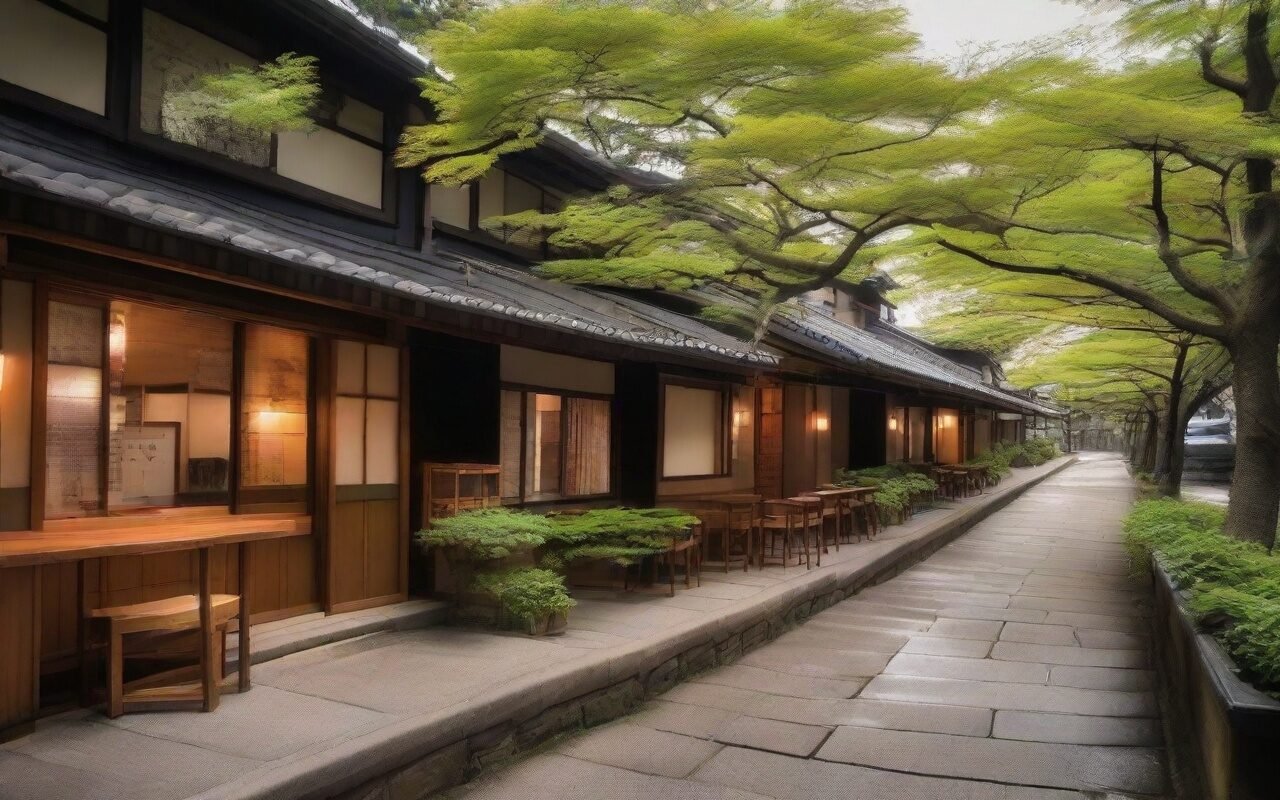
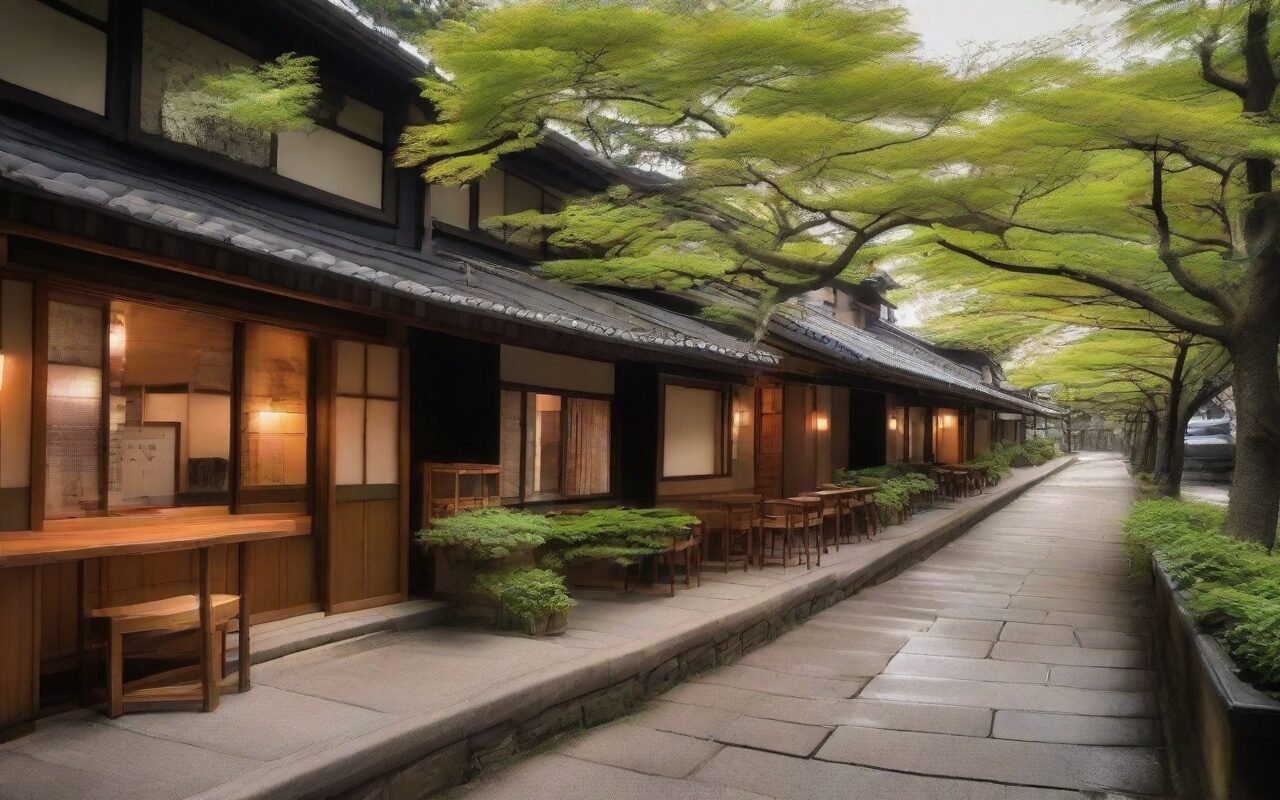
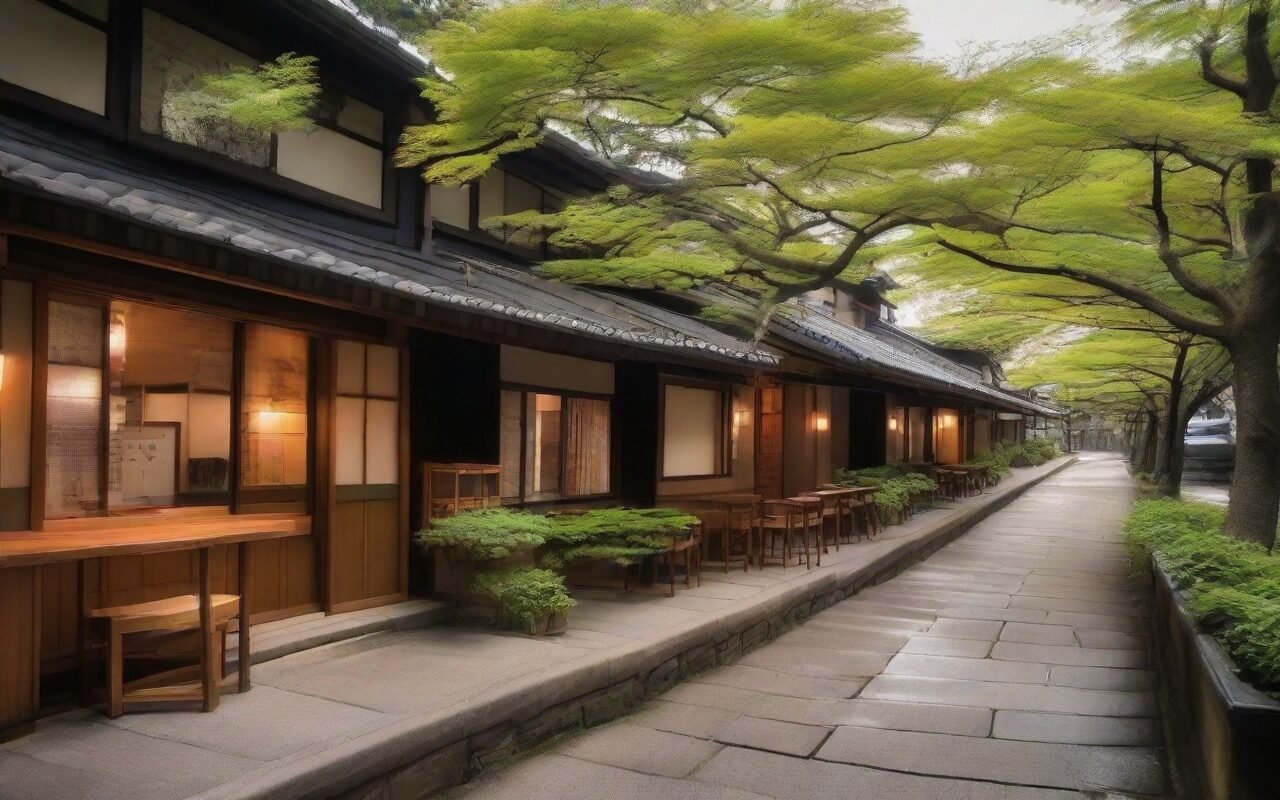
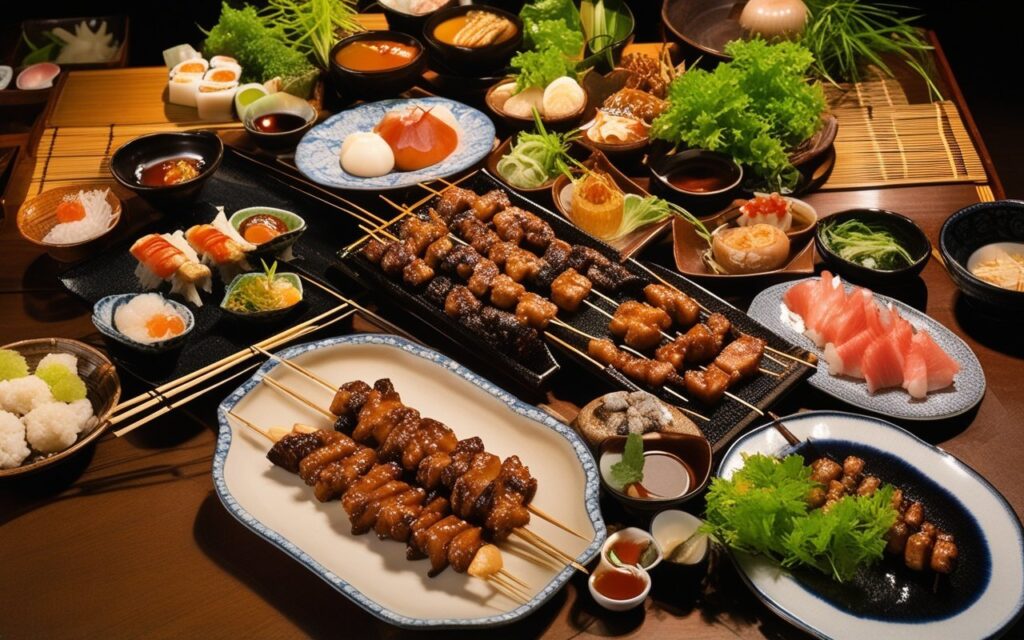
Yakitori, skewered and grilled chicken, is the heart of the Izakaya (Japanese pub) experience. In Kanagawa, areas like Kawasaki’s Ekimae (station front) and Yokohama’s Noge district are packed with tiny bars serving up these smoky, delicious skewers alongside cold beer. It is the best way to experience local nightlife and mingle with residents.
Izakaya Etiquette
- Otoshi: You may be served a small appetizer immediately and charged a seating fee (usually ¥300-¥500). This is standard practice and covers the “cover charge.”
- Pour for Others: Never pour your own drink. Pour for your neighbors, and they will reciprocate. It is a sign of camaraderie.
- Sharing: Yakitori is meant to be shared. Order a variety of cuts and place them in the center of the table for everyone to grab.
Ordering Beyond the Usual Cuts in Noge and Kawasaki
Once you master momo and negima, the real fun is reading seasonal chalkboards that list tsukune stuffed with shiso, knee cartilage skewers brushed with yuzu kosho, or duck breast treated like luxury yakitori in Yokohama chef counters. Ask whether the kitchen splits orders into half portions if you want to sample widely without committing to ten sticks per flavor; many Kanagawa shops happily comply when you mention tabehodai is not the goal. Late-night trains from Kawasaki Station reward travelers who pace alcohol with yakitori-don mini bowls that soak up tare before the last Keihin-Tohoku departure.
Smoke ventilation varies wildly: older Noge joints still pull exhaust across the counter, so hang jackets on provided covers or expect your scarf to carry a campfire note home. Counter seats put you inches from blistering grills—keep sleeves rolled and bags tucked under stools because masters move fast with metal tongs. If you dislike raw-ish liver, request “well done” using “yoku yaku” rather than guessing; quality shops adjust timing without drama.
Pairing logic differs from wine bars: highballs cut through oily skins, nama beer highlights salt-only seasoning, and warmed junmai sake flatters tare-heavy skewers when nights turn chilly along the bay. Otoshi plates might look random, but they often nod to regional pickles or tiny dried fish snacks that prime your palate for niboshi-heavy broths simmering behind the bar.
For a neighborhood-level crawl map, read Noge izakaya complete guide alongside Yokohama backstreet gourmet to stitch together standing bars, vinyl jazz kissaten stops, and dawn ramen resets. Solo women travelers often prefer brightly lit corners near station underpasses first, then wander inward once comfort levels rise. Remember that photography of other guests is almost always unwelcome even when the grill looks cinematic—focus shots on food, not faces.
Payment surprises rarely happen if you confirm “card OK?” before ordering premium omakase skewer flights that climb past typical per-person averages, When trains stop running, taxi queues near Noge can stretch; walking twenty minutes toward Sakuragicho sometimes beats idle standing. Yakitori rewards curiosity, eye contact, and a willingness to repeat orders when the first stick disappears faster than expected.
Carry a light scarf even in summer because air-conditioned counters can feel arctic after you step in sweat-soaked from humid platforms. If smoke clings to hair, hotel dryers on cool settings help without baking the smell deeper into fabric.
Understanding Yakitori Cuts
Knowing the different cuts of yakitori will help you order with confidence:
| Cut | Description | Price Range |
|---|---|---|
| Momo (もも) | Chicken thigh—juicy and flavorful | ¥150–¥250 |
| Negima (ねぎま) | Chicken and leek alternating | ¥180–¥280 |
| Tsukune (つくね) | Ground chicken meatball | ¥200–¥300 |
| Sasami (ささみ) | Chicken breast—lean and mild | ¥150–¥250 |
| Bonjiri (ぼんじり) | Chicken tail—rich and fatty | ¥200–¥350 |
| Sunagimo (砂肝) | Gizzard—chewy and savory | ¥150–¥250 |
| Reba (レバー) | Chicken liver—creamy and iron-rich | ¥150–¥250 |
| Hatsu (ハツ) | Chicken heart—textured and meaty | ¥180–¥280 |
Ordering strategy: Start with a “momo” and “negima” to assess the grill master’s skill. If they are well-charred outside and juicy inside, proceed to premium cuts. If they are dry or undercooked, stick to basic cuts.
Yakitori Sauce Styles: Tare vs. Shio
Yakitori is typically seasoned with either tare (sweet soy-based sauce) or shio (salt): Tare (たれ): A concentrated sauce made from soy sauce, mirin, sake, and sugar, simmered until thick and glossy. Each shop’s tare is a closely guarded recipe, aged and replenished daily. Tare-coated skewers have a caramelized, slightly sweet exterior. Best for: momo, tsukune, negima.
Shio (塩): Coarse sea salt is sprinkled on the skewers before and after grilling. The salt enhances the natural flavor of the chicken without masking it. Best for: sasami, bonjiri, sunagimo. Some shops offer both options for each cut—ask for “tare de” or “shio de” when ordering.
Planning Your Yakitori Evening
Noge District evening route
Start at Noge Station (5-minute walk from Kannai Station on the JR Negishi Line). The district comes alive around 5 PM. Begin at Oden no Hige for a warm-up bowl of oden (¥800 for 4 pieces) to prepare your palate. Then move to Kushi-tora for yakitori (¥1,500–¥2,500 for 5–6 skewers). Finish at a standing bar (tachinomi) for a final drink.
Budget guide:
- 5 assorted skewers: ¥1,200–¥2,000
- Drink (beer, sake, or chuhai): ¥500–¥800 per glass
- Oden bowl (4–5 pieces): ¥600–¥1,000
- Final drink: ¥500–¥700
- Total evening: ¥3,500–¥5,000 per person
Language guide for ordering:
- “Momo o shio de” — Chicken thigh seasoned with salt (recommended first order)
- “Tsukune o tare de” — Chicken meatball with sweet sauce
- “Shishito o kudasai” — Please give me shishito peppers
- “Osusume wa nan desu ka?” — What do you recommend?
- “Okaikei o onegai shimasu” — Check, please
Best times: Most izakayas open at 5 PM and close by 11 PM (last order at 10 PM). The busiest period is 7–9 PM, Arriving at 6 PM gives you a comfortable seating choice and attentive service. Late-night dining (after 9 PM) may have limited skewer selection as ingredients run out.
Solo dining: Yakitori izakayas are excellent for solo travelers. Counter seating is designed for individuals, and the staff is accustomed to single diners, Bring a book or simply watch the grill master work—the rhythmic fanning of the charcoal is mesmerizing.
Yakitori and Drink Pairings
The smoky, savory flavors of yakitori pair beautifully with a range of drinks:
| Yakitori Cut | Drink Pairing | Why It Works |
|---|---|---|
| Negima | Dry sake (karakuchi) | The sake’s acidity cuts through the fat |
| Tsukune | Amber ale | Malt sweetness complements the meatball |
| Sasami | Chuhai (lemon) | Citrus freshness balances the mild chicken |
| Bonjiri | Highball (whisky soda) | Carbonation cleanses the palate |
| Reba | Sweet sake (amakuchi) | Sweetness masks the liver’s bitterness |
Most izakayas serving yakitori offer all of these drinks. A typical evening of 5–6 skewers and 2–3 drinks costs ¥3,000–¥5,000 per person.
Top Yakitori Shops in Kawasaki and Yokohama
Kawasaki Ekimae (Kawasaki (川崎)駅前)
The station front area of Kawasaki is dense with yakitori joints that open in late afternoon and close after the last train. Tori-ichi (鳥一) on the west side of the station has been operating since 1978 and is famous for its negima skewers—the char sipped from caramelized leek as you bite through the chicken is the mark of a master grill. A set of five assorted skewers costs ¥1,200.
Noge District, Yokohama
Noge’s narrow drinking alleys contain dozens of yakitori shops, each with a slightly different specialty. Kushi-tora (串虎) specializes in tsukune (chicken meatballs) made with cartilage for texture. Try their “shiso tsukune” with grated daikon and ponzu for a refreshing contrast.
Kannai Area
Yakitori Kazu (焼鳥かず) near Kannai Station offers a premium omakase course (¥3,800) featuring rare cuts like bonjiri (chicken tail) and sasami (chicken breast) with wasabi. The chef speaks basic English and can explain each cut as it is served.
Seasonal Yakitori Highlights
- Spring: Young chicken (hina) skewers with bamboo shoots
- Summer: Grilled shishito peppers and chicken tsukune with sudachi citrus
- Autumn: Matsutake mushroom and chicken hot-pot to finish the meal
- Winter: Motsunabe (offal hot pot) at yakitori shops that specialize in hormone (organ meat)
Tips
Practical notes from my trips to exploring Kanagawa: confirm the latest hours on the official website, buy tickets in advance when you can, and leave extra time for trains and walking between stops. Keeping your first day lighter also helps you enjoy the second day without feeling rushed.
Frequently Asked Questions (FAQ)
Q: What is the typical price for a yakitori meal?
A: A filling dinner of 5–6 skewers plus a drink costs between ¥2,000 and ¥3,500 per person. Lunch sets are often ¥800–¥1,200.
Q: Is it safe to eat chicken cooked over charcoal?
A: Yes, reputable shops maintain strict temperature control. The high heat of binchotan charcoal sears the outside while keeping the inside juicy. Avoid raw chicken (sashimi) unless the shop has a visible hygiene rating.
Q: What if I don’t eat chicken?
A: Most yakitori shops offer pork-wrapped asparagus, shiitake mushrooms, and vegetable skewers. Some also serve beef tsukune.
Q: Can I visit yakitori shops alone?
A: Absolutely. Counter seating at yakitori shops is designed for solo diners. Many regulars eat alone, reading or watching the grill master work.
Q: Do I need to know Japanese to order?
A: Basic pointing works, but learning these five terms helps: momo (thigh), negima (leek), tsukune (meatball), tare (sauce), shio (salt).
Conclusion
The details in this guide come from real visits, and the biggest lesson I took away was that the best experiences in Kanagawa rarely fit neatly into a checklist. During my visit I went with a rough plan and found that leaving room to wander made the trip far more memorable. Plan the essentials, keep your schedule flexible, and you will leave Kanagawa wanting to return.