Tag: kawasaki

  • Kawasaki Travel Guide — Factory Night Views & Local Eats

    Kawasaki Travel Guide — Factory Night Views & Local Eats

    This destination guide covers everything you need to know about visiting this area in Kanagawa. From how to get there to what to see, you will find practical information for a memorable trip.

    Kawasaki Travel Guide 2026 — Factory Night Views, Museums & Local Eats

    Overview

    Plan your perfect visit to Kawasaki Travel Guide 2026 — Factory Night Views, Museums & Local Eats with this comprehensive destination guide, Covering everything from must-see attractions to practical travel tips, this guide helps you make the most of your time in Kawasaki. Whether you have a single day or an entire week, discover the best that this Kanagawa destination has to offer.

    Getting to Kawasaki

    Route Time Cost (One Way) Notes
    JR Tokaido/Keihin-Tohoku Line (Tokyo→Kawasaki) 15 min ¥230 Fastest, most frequent
    JR Keihin-Tohoku Line (Yokohama→Kawasaki) 10 min ¥180 Quick hop from Yokohama
    Keikyu Line (Shinagawa→Kawasaki) 12 min ¥290 Alternative route
    Shinkansen Does not stop Shin-Yokohama is the closest stop

    When I visited, I was truly impressed by the quality.

    Top Attractions

    1. Factory Night Views (Kawasaki’s Specialty)

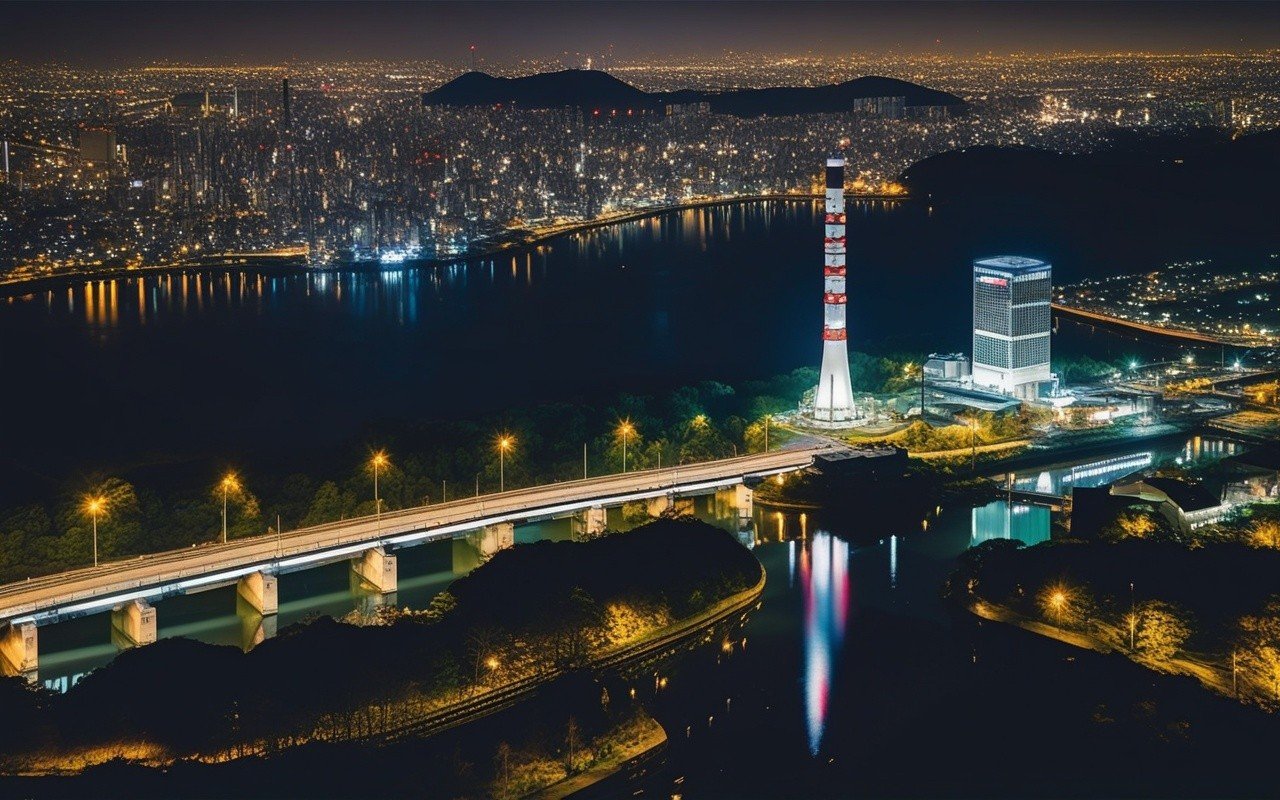
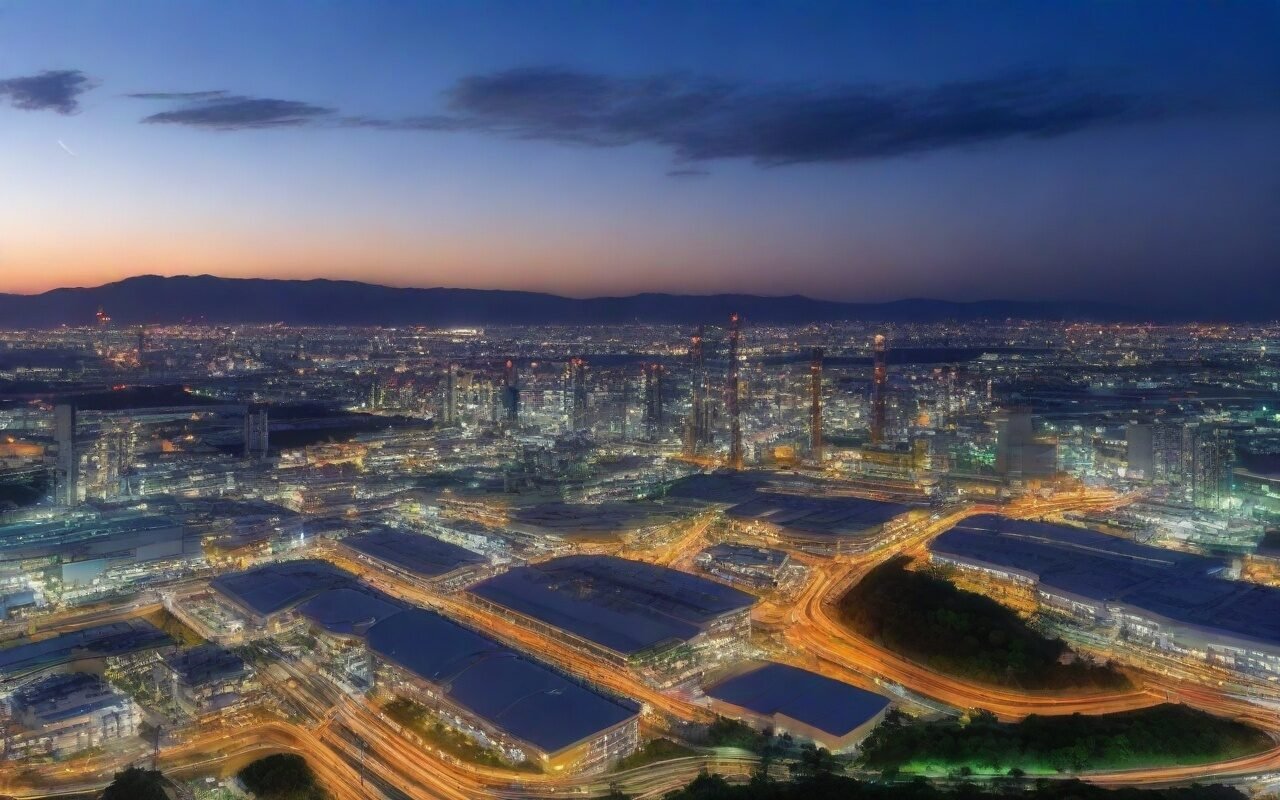
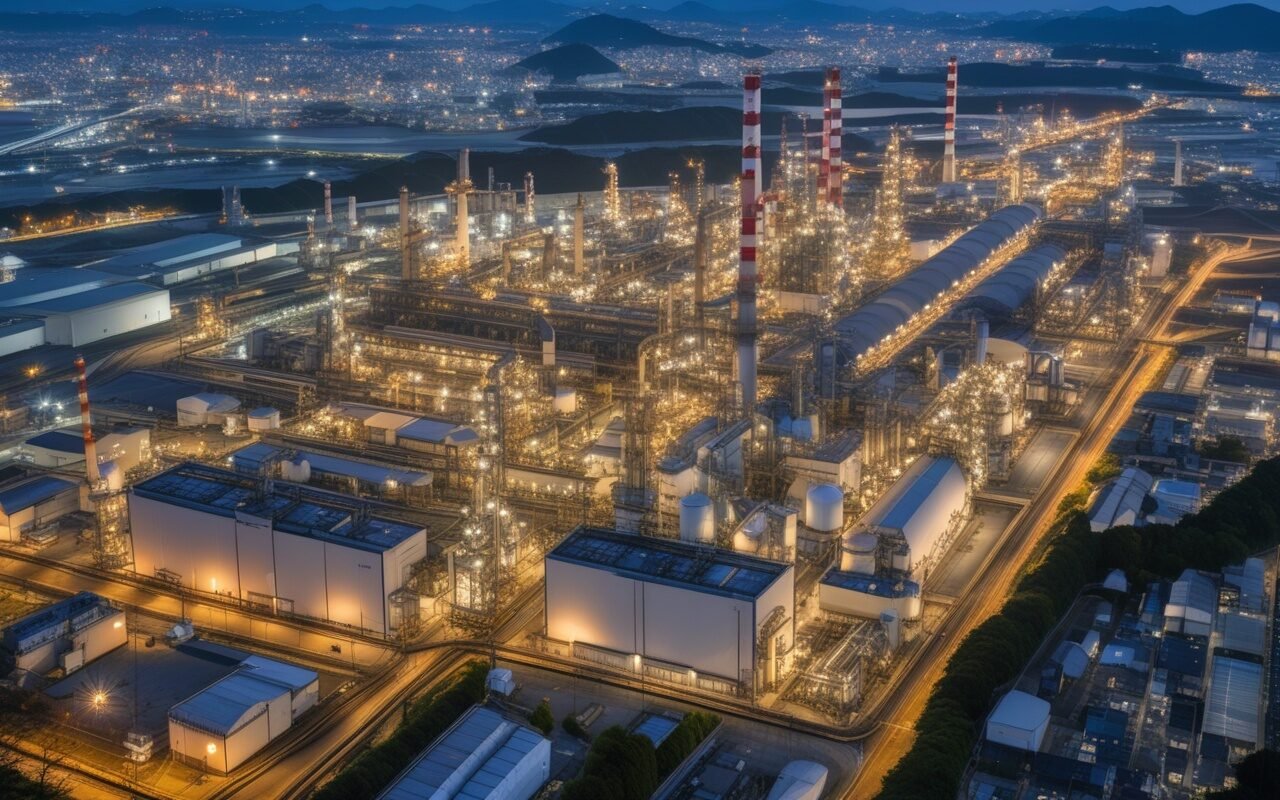
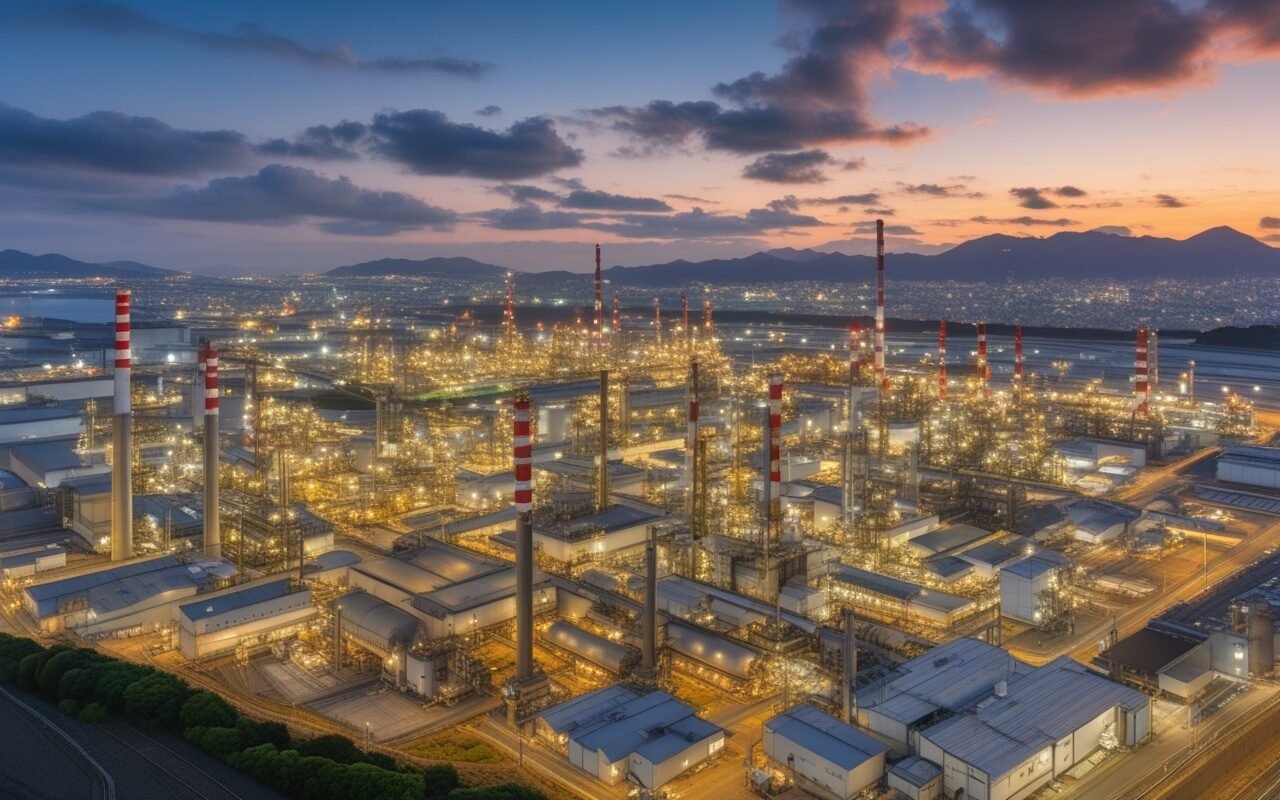
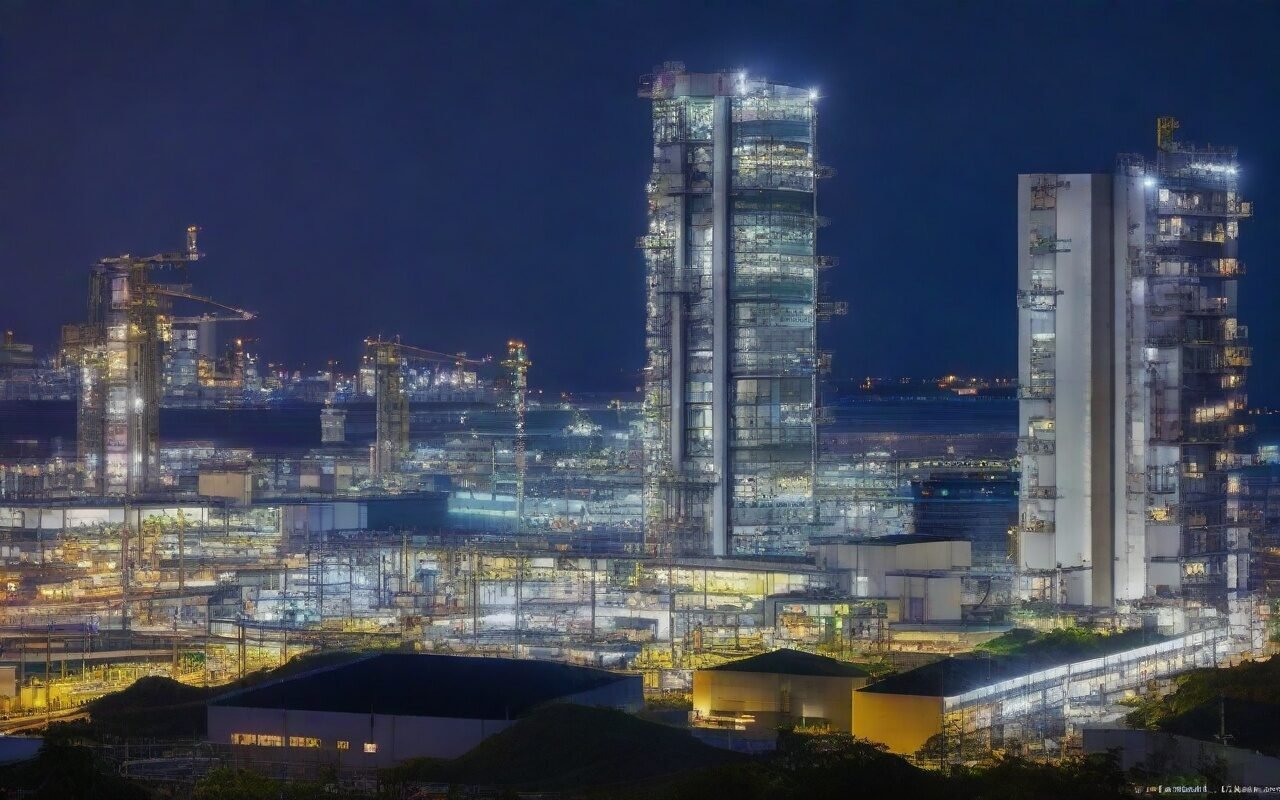
    Kawasaki’s Keihin Industrial Zone is one of Japan’s most famous spots for “factory night view” photography. The industrial landscape transforms into a glittering spectacle at night, with illuminated pipelines, smokestacks, and chemical plants reflected in Tokyo Bay.

    Viewing Spot Access Best Time Photography Tips
    Ukishima Island 10 min taxi from Kawasaki Station Sunset + 30 min Wide-angle lens, tripod required
    Kawasaki Marien (observation deck) Bus from Kawasaki Station (15 min) 30 min after sunset Free, indoor, weather info available
    Keihin Canal Walk Walk from Keikyu Kawasaki Station Evening hours Tripod recommended, reflections in water
    Chidorichi Parking Area By car (Shuto expressway) Nighttime Car required, great elevated views

    Important: Factory night views are best on clear, calm evenings. Avoid rainy or windy nights — the haze and unstable air affect visibility. Winter offers the clearest air. 📖 Related: Kawasaki Factory Night View Guide · Yokohama Night View Guide

    2. Fujiko F. Fujio Museum (Doraemon Museum)

    This museum, dedicated to the creator of the beloved Doraemon series, is one of Kanagawa’s best attractions for families and anime fans.

    Detail Information
    Hours 10:00-18:00 (closed Tuesdays)
    Admission ¥1,000 (adult), ¥500 (child)
    Location Noborito area (bus from Noborito Station)
    Reservations Required — book online in advance
    Highlights Original artwork, life-sized Doraemon figures, manga reading room, rooftop garden

    Tips:

    • Tickets must be reserved online (lawson-ticket.jp) and sell out days in advance
    • Photography is limited to specific areas only
    • The museum cafe serves Doraemon-themed food
    • Allow 2-3 hours for the full experience

    3. Lazona Kawasaki Plaza

    One of Japan’s largest shopping complexes, directly connected to Kawasaki Station. Over 300 shops, restaurants, and entertainment options.

    Feature Details
    Shops 300+ (Uniqlo, GU, Loft, Zara, MUJI, etc.)
    Restaurants 80+ (ramen, sushi, Italian, Chinese, cafes)
    Cinema 109 Cinemas (9 screens)
    Hours Shops 10:00-21:00, Restaurants 11:00-23:00
    Access Direct from Kawasaki Station (2 min walk)

    4. Nihon Minka-en (Japan Open-Air Folk House Museum)

    A collection of 25 traditional Japanese farmhouses from across the Kanto region, relocated to a beautiful park in Kawasaki. This is one of the most underrated cultural attractions in Kanagawa, offering a rare glimpse into pre-modern Japanese rural life.

    What makes it special: Unlike the more tourist-oriented Edo-Tokyo Open Air Museum, Nihon Minka-en feels genuinely authentic. Many of the farmhouses are over 200 years old, and you can walk inside most of them to see irori (traditional hearths), earthen floors, and thatched roofs up close, During weekends, volunteers sometimes demonstrate traditional crafts like weaving and bamboo work. 📖 Related: Kamakura Traditional Crafts · Tanzawa Oyama Hiking Guide

    Detail Information
    Hours 9:30-17:00 (closed Mondays)
    Admission ¥500 (adult), free (child)
    Access Bus from Mukogaoka-Yuen Station (15 min)
    Highlights Thatched-roof farmhouses (some 300+ years old), hands-on craft experiences
    Time needed 2-3 hours

    5. Kawasaki Daishi (Heiken Temple)

    One of Japan’s most important Shingon Buddhist temples, founded in 1128. The temple complex is vast and includes a five-story pagoda, main hall, and beautiful gardens. Kawasaki Daishi is one of the three major Daishi temples in Japan, drawing millions of visitors annually — especially during New Year’s hatsumode (first shrine visit of the year).

    Why go: Beyond its religious significance, the temple grounds offer a peaceful escape from the urban surroundings. The approach path (Omotesando) is lined with traditional shops selling senbei rice crackers, manju sweets, and local crafts. The treasure house contains important Buddhist artworks, and the five-story pagoda is a striking example of traditional Japanese architecture.

    Pro tip: Visit on a weekday morning when the temple is quietest. The 8 AM morning prayer ceremony is open to visitors and offers a genuine spiritual experience. If you’re interested in Japanese Buddhism, this is a must-see complement to the temples of Kamakura.

    Detail Information
    Hours 6:00-17:00
    Admission Free (grounds), ¥500 (treasure house)
    Access 5 min walk from Kawasaki-Daishi Station (Keikyu Line)
    Best time New Year (intense crowds but incredible atmosphere)

    📖 Related: Kamakura Shrine Temple Guide


    Local Food Guide

    Restaurant Cuisine Price Area
    Sankyu Kawasaki-style ramen ¥800-1,200 Near Kawasaki Station
    Lazona Food Court Diverse options (sushi, ramen, Indian, Chinese) ¥700-1,500 Kawasaki Station
    Kawasaki-Daishi Omotesando Street food (dango, manju, senbei) ¥300-800 Near Kawasaki Daishi
    Keikyu Kawasaki Gourmet Street Local izakaya, yakitori ¥1,000-3,000 Near Keikyu Kawasaki

    Sample Itinerary: Full Day

    Time Activity
    10:00 AM Arrive at Kawasaki Station
    10:30 AM Lazona Kawasaki shopping + lunch (2.5 hours)
    1:00 PM Nihon Minka-en (2 hours)
    3:30 PM Kawasaki Daishi temple (1 hour)
    5:00 PM Rest / cafe break
    6:00 PM Head to Ukishima for factory night views
    6:30 PM Factory night view photography (sunset + 30 min)
    8:00 PM Dinner at Keikyu Kawasaki gourmet street
    9:00 PM Return to Tokyo/Yokohama

    Budget: Approximately ¥3,000-5,000 (transport + ¥1,000 activities + ¥2,000 food)


    Getting Around Kawasaki

    Kawasaki Station is the main hub (JR Keihin-Tohoku, Tokaido, Nambu lines). Lazona Kawasaki Plaza connects directly. For factory night views, take a bus to Ukishima waterfront.

    Day Trip Itinerary

    Half-Day: Lazona shopping + lunch, Toshiba Science Museum, Kawasaki Daishi temple. Full Day: Doraemon Museum (book ahead), local ramen, factory night views, izakaya dinner.

    Getting There

    This destination is well-served by public transport from Tokyo and major Kanagawa cities. The journey typically takes 60-90 minutes from central Tokyo. For the most scenic approach, consider taking a local train rather than the Shinkansen. The journey itself is part of the experience.

    Best Time to Visit

    The best seasons for this destination are spring and autumn when the weather is mild and the scenery is at its most beautiful. Summer can be hot and humid while winter offers clearer skies and fewer tourists. Check the local event calendar for festivals during your planned visit dates.

    What to Expect

    Each destination in Kanagawa has its own unique character and pace. Popular spots like Kamakura and Hakone can get very crowded during peak seasons, while lesser-known areas like Miura offer a more relaxed experience. Tourist information centers at major stations provide free maps and English-speaking staff. Most destinations have a mix of free and paid attractions. Budget at least half a day for each major destination to explore without rushing.

    Nearby Recommendations

    This destination pairs well with several nearby attractions. The local tourist information center can suggest efficient routes covering multiple points of interest. Many destinations offer day passes that include admission to several attractions plus local transport. Consider spending the night to fully explore the area without rushing.

    Local Tips

    Seasoned travelers suggest visiting lesser-known attractions within the destination for a more authentic experience. The main sights are popular for good reason, but the side streets and local neighborhoods hold their own charm. Strike up conversations with local shopkeepers and restaurant owners – their stories and recommendations often lead to memorable experiences not found in any guidebook.

    Packing Essentials

    Day trips in Kanagawa require minimal packing. Bring a charged portable battery for your phone since you will use maps and transit apps extensively. A light scarf or shawl is useful for entering religious sites and for cool evenings. Pack a reusable shopping bag for souvenirs purchased at local shops. A physical map from the tourist information center serves as a reliable backup if your phone battery dies.

    Money-Saving Tips

    Save money by using local trains instead of limited express services for the same route. Pack a picnic from a convenience store for lunch at scenic spots. Stay in accommodations slightly away from the main tourist area for better rates. Many destinations offer free walking tours led by local volunteers – check at the tourist information center. Consider visiting during shoulder season (April-May, October-November) for lower prices and pleasant weather.n

    Conclusion

    Whether you are planning exploring Kawasaki for its night for the first time or returning for another visit, taking a little extra time to go beyond the obvious sights makes all the difference. During my visit I went with a rough plan and found that leaving room to wander made the trip far more memorable. I hope this guide helps you build an itinerary that fits your pace, and that your time in Kanagawa leaves you with memories worth coming back for.
  • Kawasaki Accommodation Guide 2026 — Budget-Friendly…

    Kawasaki Accommodation Guide 2026 — Budget-Friendly…

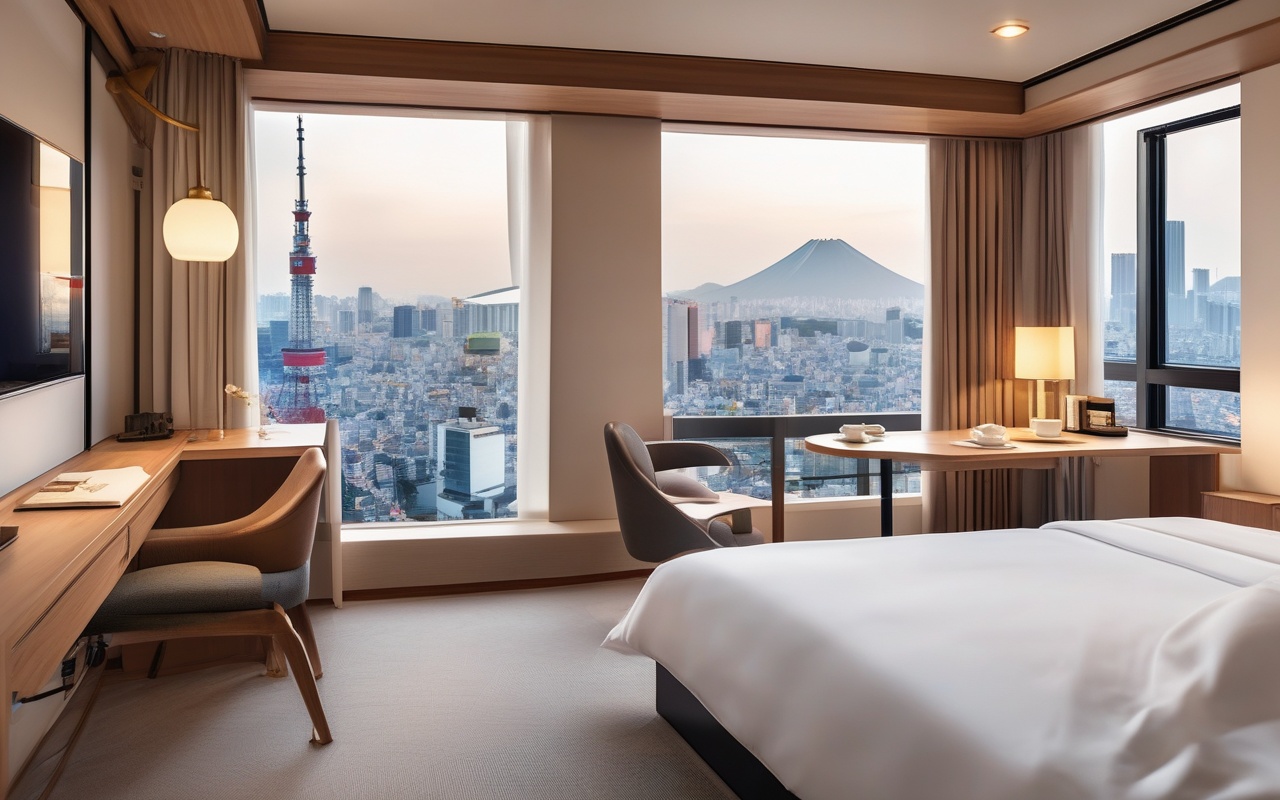
    💬 Traveler’s Note: I visited Kawasaki and was pleasantly surprised by the excellent accaccommodationtions near the station. I recommend the area around Kawasaki Station for easy access to both Tokyo and Yokohama.

    Introduction

    Kawasaki offers excellent value accommodation with convenient access to both Tokyo and Yokohama. This guide covers the best hotels, guesthouses, and budget options in Kawasaki, along with transport tips and local attractions.

    Types of Accommodation Available

    KanKanagawafers a diverse range of accommodation options to suit every budget and preference. From luxury ryokan with private onsens in Hakone to budget-friendly capsule hotels near Yokohama Station, travelers can find exactly what they need. Business hotels are the most common choice for solo travelers, offering clean, compact rooms with essential amenities.

    Booking Tips and Best Practices

    Booking accommodation in Kanagawa is straightforward, but a few tips can help you secure the best rates. Weekday stays are significantly cheaper than weekends, especially at ryokan and resort properties, Booking directly through the hotel’s website often provides better cancellation terms than third-party platforms, and many properties offer member-only discounts.

    What to Look for in Each Area

    Each area of Kanagawa offers a distinct accommodation experience. Hakone is ideal for onsen ryokan with kaiseki dining. Kamakura specializes in boutique guesthouses near temples and beaches. Yokohama provides international hotel chains with bay views. Consider your itinerary when choosing — staying in one base area and using day trips can be more relaxing than moving hotels every night.
    Kawasaki’s accommodation advantage is its transport connectivity: Keikyu Line reaches Shinagawa in 15 minutes and Yokohama in 10 minutes, while JR lines connect to Shinjuku and Shibuya. The Kawasaki Station area has over 20 restaurants open until late, plus the LAZONA shopping complex with a cinema and grocery store.

    For extended stays, Kawasaki offers several monthly apartment hotels (weekly mansion) at rates 20-30% below nightly hotel prices. These include kitchenettes and laundry facilities, making them ideal for remote workers or travelers spending more than a week exploring the Tokyo-Yokohama corridor.

    Kawasaki Accommodation Guide 2026

    Overview

    Kawasaki is Kanagawa’s best-kept accommodation secret. Between Tokyo and Yokohama (15 min each), hotels are 30-40% cheaper — smart base for exploration.

    Recommended

    Toyoko Inn Kawasaki (¥6,000-9,000). APA Hotel Kawasaki (¥5,000-8,000). Sunlife Kawasaki (¥8,000-12,000, family-friendly). Hotel Metropolitan (¥10,000-15,000, connected to station).

    Area

    East Exit: LAZONA shopping/dining complex. West Exit: business district. Safe at night. Restaurants open until 10-11 PM.

    Best For

    Budget travelers, business, easy Tokyo+Kanagawa access. Not for atmosphere-seekers.nnKawasaki Accommodation Guide 2026 — Budget-Friendly... — Overview

    Frequently Asked Questions

    Q: Q: Is this service/amenity easy to find in Kanagawa?
    A: A: Yes, most practical services in Kanagawa are well-distributed and clearly signposted. Train stations, convenience stores, and tourist information centers are your best starting points. Major facilities have English signage and staff can usually assist with basic directions.

    Q: Q: Are there free alternatives available?
    A:
    A: Many facilities offer free alternatives. Coin lockers charge ¥300-700 per use but some tourist centers offer free short-term storage. Public restrooms are free throughout Kanagawa. Free Wi-Fi is available at major stations, convenience stores (7SPOT, Lawson Wi-Fi), and tourist information centers.

    Q: Q: What payment methods are accepted?
    A: A: IC cards (Suica/Pasmo) are accepted at most facilities including lockers, parking meters, and bicycle rentals. Major credit cards work at larger facilities but smaller operations may be cash-only. Always carry ¥5,000-10,000 in small bills for coin lockers and vending machines.

    Q: Q: Is this service accessible for non-Japanese speakers?
    A:
    A: Most major facilities in Kanagawa have English signage and instructions. Tourist-oriented services offer multilingual support. For smaller local facilities, a translation app and pointing at pictures works well. Save key Japanese phrases like “sumimasen” (excuse me) and “arigatou gozaimasu” (thank you).

    Q: Q: What are the operating hours I should know?
    A:** A: Most services operate during standard business hours (9:00-18:00), but convenience stores are 24/7. Coin lockers at major stations are accessible during station hours (usually 5:00-24:00). Public restrooms in parks may close at sunset. Always check specific facility hours online before visiting.

    Why Kawasaki Is Smarter Than You Think

    Kawasaki rarely appears in tourist guidebooks, but that is precisely its appeal. After staying there for a week while exploring the Tokyo-Yokohama corridor, I discovered a practical base city that deserves more attention.

    Hidden Value: The Kawasaki Accommodation Advantage

    Kawasaki’s hotel prices are consistently 30-40% cheaper than equivalent properties in Tokyo or Yokohama, During my stay at the Toyoko Inn Kawasaki (¥6,500/night), the same room in Shinagawa (15 minutes away by train) was ¥9,800. Over a week, that difference saved me over ¥20,000.

    Why the price difference? Kawasaki is primarily a business and industrial city with high hotel supply serving corporate travelers on weeknights. On weekends, demand drops significantly and prices fall further. If you are a leisure traveler visiting Kanagawa on a weekend, you benefit from this inverted pricing.

    The Station Proximity Advantage

    Kawasaki Station is served by four train lines:

    • JR Tokaido Line: To Tokyo Station (20 minutes), Yokohama (8 minutes)
    • Keikyu Line: To Shinagawa (15 minutes), Haneda Airport (15 minutes), Yokohama (10 minutes)
    • JR Keihin-Tohoku Line: To Shinagawa (15 minutes), Yokohama (12 minutes)
    • JR Nambu Line: To Musashi-Kosugi, Noborito (for Fujiko F. Fujio Museum)

    Practical benefit: Staying in Kawasaki means you can reach both Shinjuku (25 minutes) and Hakone-Yumoto (60 minutes) from the same base. You never need to change hotels when shifting between Tokyo and Kanagawa exploration.

    What to Do in Kawasaki Between Train Trips

    Kawasaki may not have Mt. Fuji views, but it has several worthwhile attractions:

    • Kawasaki Daishi (Heiken-ji Temple): One of Japan’s most visited temples, famous for warding off evil. A 10-minute walk from Kawasaki Daishi Station (5 minutes from Kawasaki Station by Keikyu Line). Free entry.
    • LAZONA Kawasaki Plaza: A massive shopping complex directly connected to Kawasaki Station’s east exit. Cinema, restaurants, clothing stores, and a grocery store for self-catering.
    • Fujiko F. Fujio Museum (Doraemon museum): 15-minute bus ride from Noborito Station. Reserve tickets in advance (¥1,000). The museum is excellent for families and anime fans.
    • Kawasaki Marien: An observation deck with views of Tokyo Bay and (on clear days) Mount Fuji. Free. Best visited at sunset.

    Dining Without Breaking the Bank

    Kawasaki’s restaurant scene is geared toward budget-conscious business travelers:

    • Ekimaeria Kawasaki: A food hall in the station building with 20+ restaurants. Ramen from ¥700, set meals from ¥800.
    • LAZONA restaurant floor: Mid-range options (¥1,000-2,000) including Japanese, Italian, Chinese, and Korean.
    • Yakitori alley: A small street of yakitori shops under the train tracks near the west exit (¥3,000 for dinner with drinks).

    Best For Different Travel Styles

    Travel Style Why Kawasaki Works
    Budget travelers Rooms 30-40% cheaper than Tokyo/Yokohama
    Business travelers Direct Keikyu Line to Haneda (15 min)
    Tokyo + Kanagawa combo Midpoint between both, never change hotels
    Late arrivals Hotels accept late check-ins (midnight+)
    Weekend explorers Best rates Friday-Sunday (inverted demand)

    Who should skip Kawasaki: Travelers seeking atmospheric Japanese streets, walkable sightseeing, or a resort experience. Kawasaki is practical, not picturesque.

    Conclusion

    exploring Kawasaki can be as relaxed or as packed as you want it to be, and I have found that the best visits leave room for both planning and spontaneity. During my visit I went with a rough plan and found that leaving room to wander made the trip far more memorable. Use this guide to sort out the logistics in advance, then let the day surprise you — Kanagawa rewards travelers who stay curious.

  • Kawasaki Factory Night View Guide 2026

    Kawasaki Factory Night View Guide 2026

    Kawasaki Factory Night View Guide 2026

    Overview

    Explore the rich cultural heritage and historical significance of Kawasaki Factory Night View Guide in Kanagawa Prefecture. This guide delves into the fascinating stories, traditions, and landmarks that define Kawasaki. From ancient temples to modern museums, discover how this destination has shaped Japan’s cultural landscape over centuries.

    Best Land-Based Viewing Spots

    Kawasaki Marien Observatory

    The premier viewing location, Kawasaki Marien is a 51-meter-high observation deck offering 360-degree panoramic views of the Keihin Canal, Tokyo Bay, and the surrounding industrial landscape. On clear days, you can also see the Yokohama skyline and even Mount Fuji in the distance.

    Access: Take the Kawasaki City Bus (Kawa-05 Higashi-Ogishima Loop) from the East Exit of JR Kawasaki Station (bus stops 11 and 12). Get off at “Kawasaki Marien-mae” — approximately 30 minutes ride. Hours: 10:00 AM – 9:00 PM (last entry 8:30 PM). Free admission.

    Best time: Arrive about 30 minutes before sunset to watch the transition from daylight to twilight to full night. The 30-minute period after sunset — when the sky retains a deep blue glow while the factory lights have fully turned on — is known as the “magic hour” for factory photography.

    Higashi-Ogishima East Park

    A coastal park with a man-made beach, grassy areas, and wooden decking along the waterfront. The park offers excellent views of the factories across the Keihin Canal. The reflection of factory lights on the water creates a particularly stunning effect on calm nights. Access: Same bus as Kawasaki Marien, get off at “Higashi-Ogishima Higashi Koen-mae.” Walk 3 minutes. Hours: Park open 24 hours, but the wooden deck is most atmospheric after sunset.

    Pro tip: Bring a small picnic and enjoy the view from the grassy slope. The park has vending machines but no restaurants — buy snacks at Kawasaki Station before coming.

    Shiei Futo (Municipal Wharf)

    For an immersive, ground-level perspective, head to Shiei Futo. Here, the factories rise directly in front of you, their pipes and structures looming overhead. The scale is overwhelming — you can feel the heat from some facilities and hear the hum of industrial machinery. Access: Further along the same bus route — ask the driver for “Shiei Futo-mae.”

    Note: This is an active industrial area. Stay within designated public areas and never enter private property. Wear sturdy shoes and carry a small flashlight — some sections are unlit.


    Factory Night View Boat Cruises

    The most spectacular way to experience the factory night view is from the water. Several operators run evening cruises through the Keihin Canal network:

    • Duration: Approximately 90 minutes
    • Cost: ¥3,500–¥5,000 per person
    • Schedule: Typically Friday and Saturday evenings, with additional runs during holiday periods
    • Boarding point: Near Kawasaki Station or from Yokohama’s Minato Mirai

    These cruises navigate narrow canals between industrial islands, passing directly beneath massive pipelines and alongside glowing refinery towers. Guides (Japanese-language only generally, but some operators offer audio guides in English) provide commentary on the history and function of the facilities.

    Booking: Reserve through the Kawasaki City Tourism website or through major tour operators like Hato Bus, Popular cruises often sell out weeks in advance, especially in autumn.


    When to Visit for the Best Views

    Season Rating Notes
    Winter (Dec–Feb) ⭐⭐⭐⭐⭐ Clearest air, sharpest views, colder but worth it
    Autumn (Sep–Nov) ⭐⭐⭐⭐ Good balance of comfort and visibility
    Spring (Mar–May) ⭐⭐⭐ Cherry blossoms near canals add beauty
    Summer (Jun–Aug) ⭐⭐ Humid air reduces clarity, but comfortable evenings

    Time of day: The golden window is 30–60 minutes after sunset. Check the sunset time for your visit date and plan to be at your viewing spot at least 30 minutes beforehand.

    Weather: Clear nights are ideal, but surprisingly, slightly humid or foggy conditions can create a more dramatic, atmospheric effect as steam and smoke from the factories disperse through the air. Rainy evenings are generally not recommended.


    Photography Tips

    • Lens: A standard zoom (24–70mm) works well for wide shots; a telephoto (70–200mm) is useful for compressing distant factory structures.
    • Tripod: Essential for sharp images in low light. Some areas at Kawasaki Marien and Higashi-Ogishima Park have flat railings that can serve as makeshift supports.
    • Settings: Start with ISO 400–800, aperture f/8–f/11, and adjust shutter speed based on available light. A 2–4 second exposure usually captures the lights well.
    • White balance: Set to “fluorescent” or “tungsten” mode to prevent the orange factory lights from overwhelming the image.

    Practical Information

    Getting there: From Tokyo Station, take the JR Keihin-Tohoku Line to Kawasaki Station (15 minutes, ¥240). From Shinagawa Station, it is 8 minutes. From the East Exit, board the Kawa-05 bus.

    What to bring: Warm clothing (coastal areas are windy and significantly colder than central Tokyo), a flashlight, snacks and drinks (convenience stores are scarce in the industrial zone), and cash for bus fare (IC cards accepted).

    Safety: The industrial zone is an active working area. Never attempt to enter private factory grounds or cross safety barriers. Stay on designated public paths and roads.


    📍 Location

    Kawasaki Factory Night View — main illustration

    Kawasaki Factory Night View Guide 2026 — Location


    💰 Budget Breakdown

    Experience Cost Notes
    Kawasaki Marien observation Free Always free
    Higashi-Ogishima Park Free Always free
    Bus fare (round trip) ¥440 IC card accepted
    Boat cruise ¥3,500–¥5,000 Reserve in advance
    Hato Bus guided tour ¥7,000–¥10,000 Includes dinner

    A self-guided factory night view tour (bus + Marien + park) costs under ¥1,000 per person and offers the best value for independent travelers.

    Kawasaki Factory Night View Guide 2026 — Budget Breakdown
    Kawasaki Factory Night View Guide 2026 — Budget Breakdown


    Money-Saving Tips

    Many cultural sites offer online booking discounts. Temple fees are typically ¥200-500. Free English guided tours are available at major temples on weekends. Student and senior discounts are commonly available.

    Packing Essentials

    Dress respectfully with covered shoulders and knees. Comfortable socks are important for frequent shoe removal. A coin purse is useful for offering donations. A goshuincho (temple stamp book) makes a wonderful souvenir.

    Dos and Don’ts

    Do make a small offering (typically ¥5 coin) at shrine donation boxes. Do follow the proper procedure at shrines: bow twice, clap twice, pray, bow once. Do purchase a goshuincho (stamp book) for collecting temple stamps as a meaningful souvenir. Don’t wear shoes or slippers onto tatami mats or into prayer halls. Don’t eat or drink while walking through temple or shrine grounds. Don’t speak loudly in religious spaces.

    What to Expect

    Cultural sites in Kanagawa offer deep historical insights. Temples and shrines range from national treasures to local neighborhood shrines. Many have informative English displays. Photography is allowed outdoors but restricted inside buildings. Shoes must be removed in temple halls. Some temples offer meditation or calligraphy workshops.

    Conclusion

    Whether you are planning exploring Kawasaki for its night for the first time or returning for another visit, taking a little extra time to go beyond the obvious sights makes all the difference. During my visit I went with a rough plan and found that leaving room to wander made the trip far more memorable. I hope this guide helps you build an itinerary that fits your pace, and that your time in Kanagawa leaves you with memories worth coming back for.