Blog

  • Miura Peninsula Accommodation Guide 2026 — Seaside Stays…

    Miura Peninsula Accommodation Guide 2026 — Seaside Stays…

    💬 Traveler’s Note: I explored the accommodation options in Miura and found some lesser-known spots along the coast. I recommend booking a place with ocean views for an unforgettable stay.

    Introduction

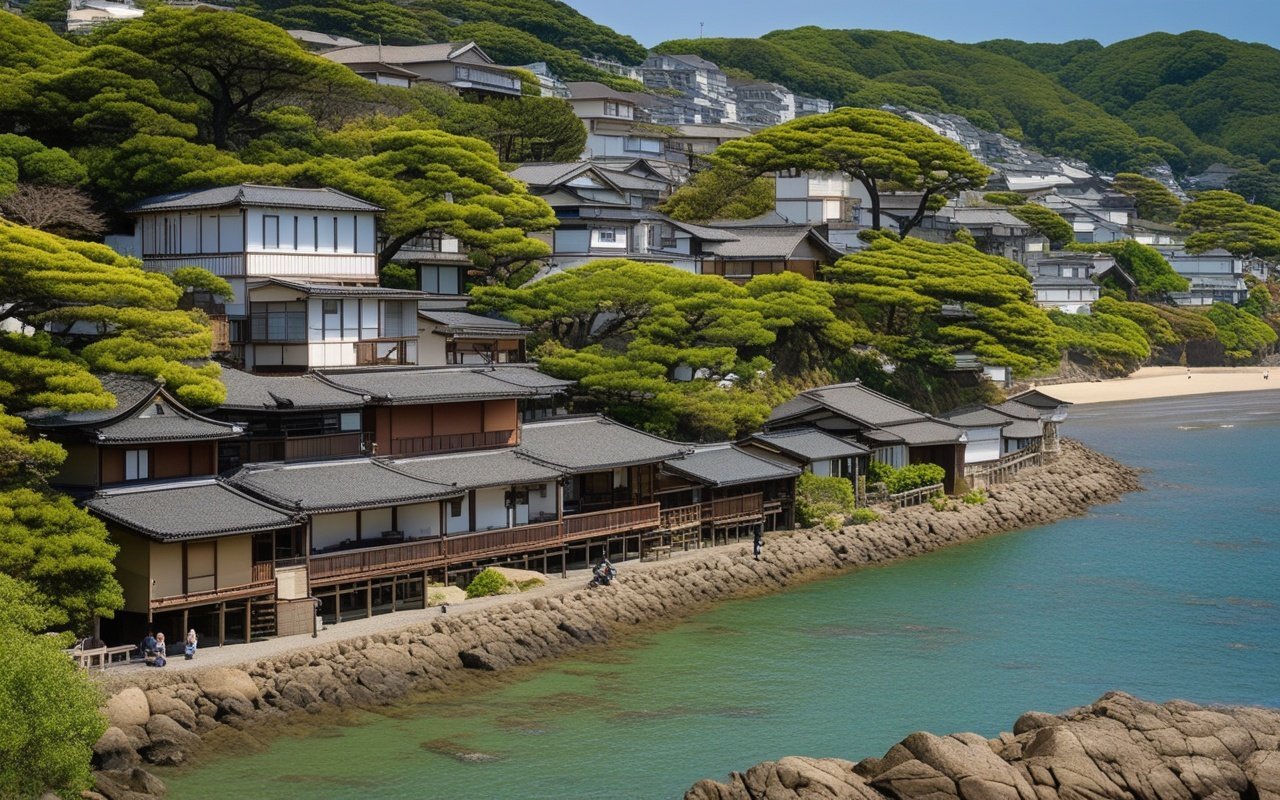
    The Miura Peninsula offers a different kind of accommodation experience — family-run minshuku, fishing village guesthouses, and seaside hotels. This guide covers the unique charm of staying on the Miura coast. — the quality and attention to detail were remarkable.

    Arriving early in the morning gave me a completely different perspective compared to my previous afternoon visit — the light, the crowds, and the atmosphere were transformed.

    🏡 Miura Accommodation: A Complete Guide by Area

    Unlike Hakone’s luxHakoneokan, Miura offers a different kind of charm — family-run minshuku (family inns), fishing village guesthouses, and a few boutique hotels. The focus is on fresh seafood and coastal relaxation.

    Area Best For Price Range Atmosphere Booking Method
    Misaki Port Tuna lovers, market mornings ¥7,000-15,000 Bustling fishing port Direct or Rakuten Travel
    Hayama Coast Beach relaxation, couples ¥10,000-25,000 Upscale seaside Booking.com
    Jogashima Island Unique fishing village, hiking ¥7,000-10,000 Quiet, rural Direct (phone or web)
    Miura City Budget, practical ¥5,000-9,000 Suburban business Major booking sites

    Recommended Minshuku

    Miura Peninsula Accommodation Guide 2026

    Overview

    Miura offers a different experience — family-run minshuku, fishing village guesthouses, and a few beachside hotels. Much cheaper than Kamakura/Hakone.

    Areas

    Misaki Port area: best for tuna lovers, morning market access. Hayama coast: upscale beach area, boutique hotels. Jogashima: unique fishing village minshuku. Miura City: practical business hotels.

    Minshuku

    Misaki Kanichiro (¥8,000-12,000, tuna dinner). Hayama Beach House (¥10,000-15,000, near Isshiki Beach). Jogashima Minshuku Uomi (¥7,000-10,000, seafood dinners).

    Booking

    Most not on major booking platforms. Use Rakuten Travel or contact directly. Some on Booking.com.nnMiura Peninsula Accommodation Guide 2026 — Seaside Stays... — Overview
    🐟 The Miura Morning Market Experience

    The main reason to stay overnight in Miura is the morning tuna auction at Misaki Fish Market (5:30-7 AM). Book through the Misaki Tourist Association (info@misaki-kanko.jp). Watch as hundreds of frozen tuna are auctioned by wholesalers — a spectacle you won’t find in tourist-heavy areas.

    After the auction: Walk 5 minutes to Misaki Port Morning Market (7-9 AM) for fresh seafood breakfast: tuna rice bowl (¥800-1,200), grilled fish set (¥1,000), and the local specialty — misaki-don (three different tuna cuts over rice).

    🌅 Evening on the Miura Coast

    Sunset on Miura is special because of the unobstructed view across Sagami Bay. On clear winter days, Mount Fuji appears directly across the water. The best sunset spots near accommodation:

    • Misaki Port Promenade (5 min walk from Misaki minshuku)
    • Jogashima Lighthouse Trail (10 min walk from Jogashima inns)
    • Hayama Marina (15 min walk from Hayama hotels)

    📅 When to Stay in Miura

    Season Best For Note
    Dec-Mar Oyster season + tuna peak Best seafood, cold but clear Fuji views
    Jul-Aug Beach season (Hayama) Summer crowds, family vacation
    Oct-Nov Hiking + mild weather Best for Jogashima coastal trails
    Weekdays Best value 20-30% cheaper than weekends

    🚗 Getting Around Miura Without a Car

    Miura’s public transport is limited compared to Hakone or Kamakura. Here’s how to manage:

    • Buses: Run every 30-60 minutes between Misaki Port, Hayama, and Jogashima. Check the Keikyu Bus website for schedules.
    • Taxis: Available at Misaki Port Station and Hayama. ¥1,000-3,000 for short trips.
    • Bicycle rental: ¥1,000-2,000/day at Misaki Port. The peninsula is flat enough for casual cycling.
    • Minicruise: Misaki Port to Jogashima (10 min, ¥400) — runs hourly, scenic approach.

    How to Get There

    From Tokyo to Miura Peninsula: JR Yokosuka Line from Tokyo Station to Zushi (55 minutes), then transfer to the Keikyu Line to Misaki Port Station (additional 30 minutes). Total: ~90 minutes.

    From Shinjuku to Misaki Port: JR Shonan-Shinjuku Line to Zushi, then Keikyu Line to Misaki Port. Travel time: ~100 minutes. To Hayama area: JR Yokosuka Line to Zushi, then bus to Hayama (20 minutes). Buses run every 30-60 minutes.

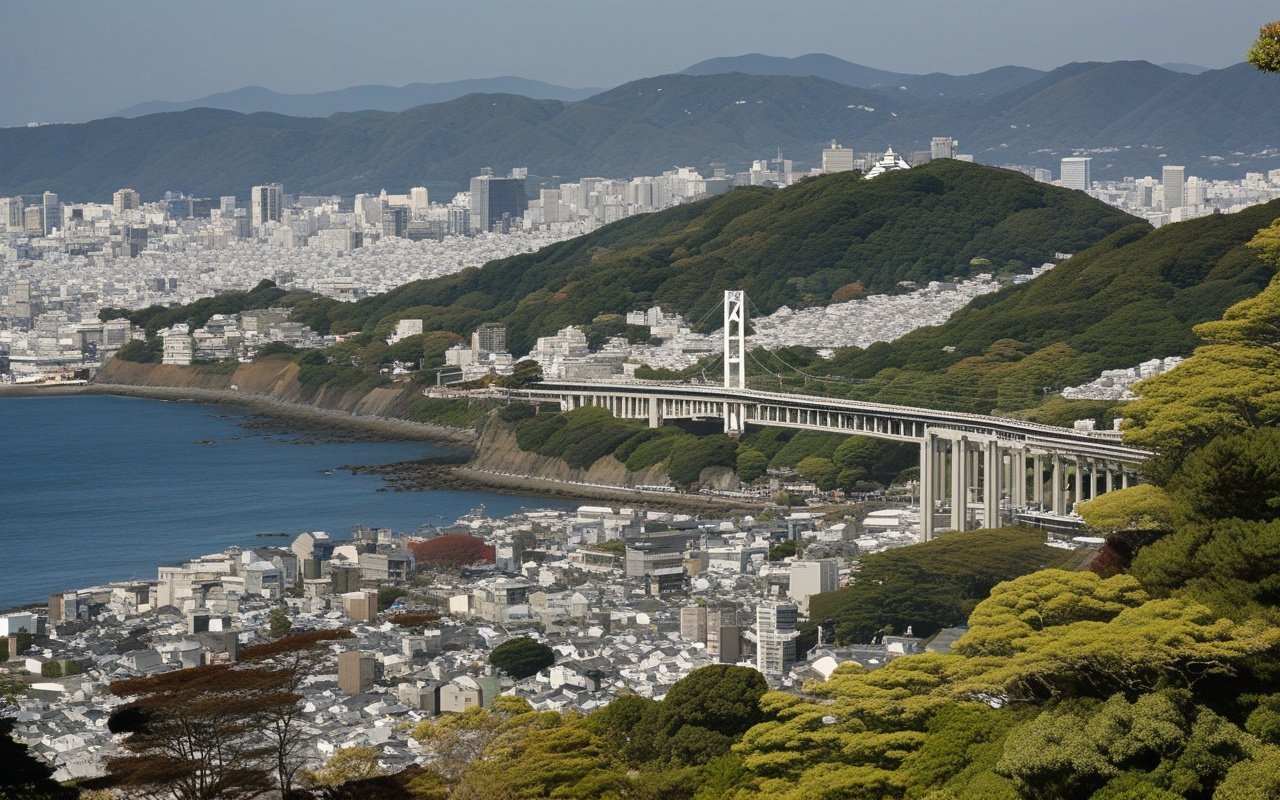
    To Jogashima Island: From Misaki Port, take the bus to Jogashima (15 minutes). The bridge connects the island to the mainland — walkable from the bus stop.

    Getting around Miura: Buses are infrequent — check schedules in advance. Taxis are available at Misaki Port and Hayama, Renting a bicycle is a great way to explore the peninsula.

    🍽️ Where to Eat Near Your Accommodation

    One of Miura’s greatest appeals is its incredible seafood. Here are the best restaurants near each accommodation area:

    Misaki Port Area

    Restaurant Type Price Specialty Dinner Open?
    Uo-ichi Tuna bowl ¥1,500-2,500 Maguro-don (tuna bowl) with freshly cut sashimi ❌ Lunch only (6 AM-2 PM)
    Misaki Kou Negi-toro bowl ¥1,200-1,800 Minced fatty tuna over rice ❌ Lunch only (7 AM-3 PM)
    Kurofune Izakaya ¥2,000-3,500 Local seafood, sake, grilled fish ✅ Dinner (5 PM-10 PM)
    Sakana no Kuma-san Family restaurant ¥1,000-2,000 Set meals, grilled fish, tempura ✅ Dinner (11 AM-9 PM)

    Hayama Area

    Restaurant Type Price Specialty Dinner Open?
    Ristorante Hayama Italian ¥2,000-4,000 Seafood pasta, local veggie ✅ Dinner (11:30 AM-9 PM)
    Hayama Marina Cafe Cafe ¥1,000-2,000 Light meals, desserts ❌ Closes 5 PM
    Irodori Japanese ¥2,500-5,000 Kaiseki course, local fish ✅ Dinner (reservation only)

    Jogashima Area

    Restaurant Type Price Specialty Notes
    Jogashima Minshuku Uomi In-house dinner Included Ise-ebi (lobster) special Served at 6 PM — don’t be late
    Jogashima Shokudo Casual ¥800-1,200 Seafood curry, fried fish Lunch only, closes by 4 PM

    Important note for seafood lovers: Most seafood restaurants in Miura close by 2-3 PM, especially near the port. For dinner, you’ll need either your minshuku’s in-house meal or one of the few izakaya that stay open. Plan accordingly — the convenience store selection is limited.

    🌊 Beach Access Near Accommodations

    Accommodation Area Nearest Beach Beach Type Walking Time Summer Facilities
    Hayama Isshiki Beach Sandy, swimming 5-10 min ✅ Showers, lifeguards (Jul-Aug), beach houses
    Misaki Port Misaki Port area Rocky, fishing port 2 min ❌ Not a swimming beach
    Jogashima Jogashima Coast Rocky, tide pools 5 min ❌ Natural coastline, no facilities
    Miura City Miura Kaigan Sandy, swimming 15 min bus ✅ Showers, lifeguards (Jul-Aug)

    For swimming: Isshiki Beach (Hayama) is the best option — clean, well-maintained, family-friendly. Open July-August.
    For tide pooling: Jogashima coast is excellent at low tide — look for sea stars, small crabs, and anemones.
    For fishing: Misaki Port itself offers fishing experiences — ask at your minshuku about local fishing tours (¥3,000-5,000 per person for 2 hours).

    🚶 Recommended Day-Itineraries from Your Accommodation

    From Misaki Port (Tuna Lover’s Day)

    5:30 AM — Wake up early (yes, really)
    6:00-7:00 AM — Misaki Fish Market tuna auction (free to watch)
    7:00-8:30 AM — Breakfast at Misaki Port Morning Market (fresh tuna bowl)
    9:00-11:00 AM — Ferry to Jogashima Island (¥600 round trip), hike the coastal trail
    11:30 AM-12:30 PM — Return to Misaki, lunch at Uo-ichi for maguro-don
    1:00-3:00 PM — Explore Misaki Port area, visit the port museum, buy local souvenirs
    3:00-4:00 PM — Walk the Misaki Port promenade at sunset
    6:00 PM — Dinner at your minshuku (included seafood feast)

    From Hayama (Relaxed Beach Day)

    9:00 AM — Late start, breakfast at minshuku or Hayama Marina Cafe
    10:00 AM-12:30 PM — Isshiki Beach (swimming, sunbathing in summer; walking, photography in other seasons)
    12:30-1:30 PM — Lunch at Ristorante Hayama (seafood pasta)
    2:00-3:30 PM — Walk the Hayama promenade, visit Hayama Shrine
    4:00-5:00 PM — Afternoon tea at a beachside cafe
    6:00 PM — Dinner at Irodori (reservation required) or at your accommodation

    From Jogashima (Nature Explorer’s Day)

    8:00 AM — Breakfast at minshuku (seafood grilled fish set)
    9:00-11:30 AM — Jogashima Lighthouse hike (3 km loop, 1.5 hours)
    11:30 AM-12:30 PM — Lunch at Jogashima Shokudo (limited menu, but fresh)
    12:30-2:00 PM — Tide pooling along the coast (check tide tables beforehand)
    2:00-3:30 PM — Ferry back to Misaki Port, explore the market area
    3:30-5:00 PM — Visit Miura Kaigan beach or return to Jogashima for sunset
    6:00 PM — Dinner at minshuku (Ise-ebi lobster special — the highlight)

    Best Areas to Stay in Miura

    Miura Peninsula offers distinct accommodation options. Misaki Port area is ideal for seafood lovers with hotels near the fishing harbor. Jogashima Island has unique seaside pension options with ocean views. The coastal areas along the Miura海岸 offer ryokan (traditional inns) with on-site onsen. For budget travelers, guesthouses and minshuku are available near Miurakaigan Station.

    Seasonal Considerations

    Summer (July-August) is peak season for Miura’s beaches, book 2-3 months ahead, Spring brings strawberry picking and mild weather. Autumn has excellent hiking conditions. Winter offers quiet stays and lower rates but many restaurants may close early. Weekends fill up quickly year-round.

    What I learned from experience is that carrying cash is still essential for smaller restaurants and temples.

    Tips

    Practical notes from my trips to exploring the Miura Peninsula: confirm the latest hours on the official website, buy tickets in advance when you can, and leave extra time for trains and walking between stops. Keeping your first day lighter also helps you enjoy the second day without feeling rushed.

    Frequently Asked Questions

    Q: Q: How is Miura accommodation different from Hakone?
    A: A: Miura offers family-run minshuku (¥7,000-15,000 with dinner) instead of luxury ryokan. Focus is on fresh seafood rather than onsen. Much more affordable and authentic — you’ll be the only foreign guest at most properties.

    Q: Q: Do Miura minshuku speak English?
    A:
    A: Limited. Owners are welcoming and use gestures and phones. Learn a few Japanese phrases: “Konbanwa” (good evening), “Gochisousama” (thank you for the meal). Major hotels in Hayama have English-speaking staff.

    Q: Q: What’s the best area to stay in Miura?
    A: A: Misaki Port for the morning tuna market (5:30 AM). Hayama for beaches. Jogashima for a unique fishing village experience. For a first visit, Misaki Port gives you the most authentic experience.

    Q: Q: Are there convenience stores near Miura accommodations?
    A:
    A: Conbini near Misaki Port and Hayama stations. Jogashima has none — stock up before arriving. The minshuku dinner is filling enough that you won’t need snacks.

    Q: Q: Should I book Miura accommodation in advance?
    A:** A: Yes, especially for summer weekends at Hayama (beach season books out weeks ahead). Weekdays and winter are generally available with a few days’ notice.

    Summary: Miura — Kanagawa’s Most Underrated Stay

    Miura offers the most authentic accommodation experience in Kanagawa. No luxury chains, no Western-style rooms — just family-run inns serving incredible fresh seafood. It’s the polar opposite of Hakone’s polished ryokan scene, and that’s exactly why it’s special.

    Three takeaways for your Miura stay:

    1. Stay for the morning market: The 5:30 AM tuna auction is worth the early wake-up
    2. Book directly: Call or email minshuku for 10-20% savings and customized seafood dinners
    3. Go in winter: December-March offers oyster season + clearest Fuji views + lowest prices For more on Miura attractions, see our Miura Peninsula Guide and Miura Food Guide.

    Conclusion

    The details in this guide come from real visits, and the biggest lesson I took away was that the best experiences in the Miura Peninsula rarely fit neatly into a checklist. During my visit to the Miura Peninsula I went with a rough plan and found that leaving room to wander made the trip far more memorable. Plan the essentials, keep your schedule flexible, and you will leave Kanagawa wanting to return.
  • Kawasaki Accommodation Guide 2026 — Budget-Friendly…

    Kawasaki Accommodation Guide 2026 — Budget-Friendly…

    💬 Traveler’s Note: I visited Kawasaki and was pleasantly surprised by the excellent accaccommodationtions near the station. I recommend the area around Kawasaki Station for easy access to both Tokyo and Yokohama.

    Introduction

    Kawasaki offers excellent value accommodation with convenient access to both Tokyo and Yokohama. This guide covers the best hotels, guesthouses, and budget options in Kawasaki, along with transport tips and local attractions.

    Types of Accommodation Available

    KanKanagawafers a diverse range of accommodation options to suit every budget and preference. From luxury ryokan with private onsens in Hakone to budget-friendly capsule hotels near Yokohama Station, travelers can find exactly what they need. Business hotels are the most common choice for solo travelers, offering clean, compact rooms with essential amenities.

    Booking Tips and Best Practices

    Booking accommodation in Kanagawa is straightforward, but a few tips can help you secure the best rates. Weekday stays are significantly cheaper than weekends, especially at ryokan and resort properties, Booking directly through the hotel’s website often provides better cancellation terms than third-party platforms, and many properties offer member-only discounts.

    What to Look for in Each Area

    Each area of Kanagawa offers a distinct accommodation experience. Hakone is ideal for onsen ryokan with kaiseki dining. Kamakura specializes in boutique guesthouses near temples and beaches. Yokohama provides international hotel chains with bay views. Consider your itinerary when choosing — staying in one base area and using day trips can be more relaxing than moving hotels every night.
    Kawasaki’s accommodation advantage is its transport connectivity: Keikyu Line reaches Shinagawa in 15 minutes and Yokohama in 10 minutes, while JR lines connect to Shinjuku and Shibuya. The Kawasaki Station area has over 20 restaurants open until late, plus the LAZONA shopping complex with a cinema and grocery store.

    For extended stays, Kawasaki offers several monthly apartment hotels (weekly mansion) at rates 20-30% below nightly hotel prices. These include kitchenettes and laundry facilities, making them ideal for remote workers or travelers spending more than a week exploring the Tokyo-Yokohama corridor.

    Kawasaki Accommodation Guide 2026

    Overview

    Kawasaki is Kanagawa’s best-kept accommodation secret. Between Tokyo and Yokohama (15 min each), hotels are 30-40% cheaper — smart base for exploration.

    Recommended

    Toyoko Inn Kawasaki (¥6,000-9,000). APA Hotel Kawasaki (¥5,000-8,000). Sunlife Kawasaki (¥8,000-12,000, family-friendly). Hotel Metropolitan (¥10,000-15,000, connected to station).

    Area

    East Exit: LAZONA shopping/dining complex. West Exit: business district. Safe at night. Restaurants open until 10-11 PM.

    Best For

    Budget travelers, business, easy Tokyo+Kanagawa access. Not for atmosphere-seekers.nnKawasaki Accommodation Guide 2026 — Budget-Friendly... — Overview

    Frequently Asked Questions

    Q: Q: Is this service/amenity easy to find in Kanagawa?
    A: A: Yes, most practical services in Kanagawa are well-distributed and clearly signposted. Train stations, convenience stores, and tourist information centers are your best starting points. Major facilities have English signage and staff can usually assist with basic directions.

    Q: Q: Are there free alternatives available?
    A:
    A: Many facilities offer free alternatives. Coin lockers charge ¥300-700 per use but some tourist centers offer free short-term storage. Public restrooms are free throughout Kanagawa. Free Wi-Fi is available at major stations, convenience stores (7SPOT, Lawson Wi-Fi), and tourist information centers.

    Q: Q: What payment methods are accepted?
    A: A: IC cards (Suica/Pasmo) are accepted at most facilities including lockers, parking meters, and bicycle rentals. Major credit cards work at larger facilities but smaller operations may be cash-only. Always carry ¥5,000-10,000 in small bills for coin lockers and vending machines.

    Q: Q: Is this service accessible for non-Japanese speakers?
    A:
    A: Most major facilities in Kanagawa have English signage and instructions. Tourist-oriented services offer multilingual support. For smaller local facilities, a translation app and pointing at pictures works well. Save key Japanese phrases like “sumimasen” (excuse me) and “arigatou gozaimasu” (thank you).

    Q: Q: What are the operating hours I should know?
    A:** A: Most services operate during standard business hours (9:00-18:00), but convenience stores are 24/7. Coin lockers at major stations are accessible during station hours (usually 5:00-24:00). Public restrooms in parks may close at sunset. Always check specific facility hours online before visiting.

    Why Kawasaki Is Smarter Than You Think

    Kawasaki rarely appears in tourist guidebooks, but that is precisely its appeal. After staying there for a week while exploring the Tokyo-Yokohama corridor, I discovered a practical base city that deserves more attention.

    Hidden Value: The Kawasaki Accommodation Advantage

    Kawasaki’s hotel prices are consistently 30-40% cheaper than equivalent properties in Tokyo or Yokohama, During my stay at the Toyoko Inn Kawasaki (¥6,500/night), the same room in Shinagawa (15 minutes away by train) was ¥9,800. Over a week, that difference saved me over ¥20,000.

    Why the price difference? Kawasaki is primarily a business and industrial city with high hotel supply serving corporate travelers on weeknights. On weekends, demand drops significantly and prices fall further. If you are a leisure traveler visiting Kanagawa on a weekend, you benefit from this inverted pricing.

    The Station Proximity Advantage

    Kawasaki Station is served by four train lines:

    • JR Tokaido Line: To Tokyo Station (20 minutes), Yokohama (8 minutes)
    • Keikyu Line: To Shinagawa (15 minutes), Haneda Airport (15 minutes), Yokohama (10 minutes)
    • JR Keihin-Tohoku Line: To Shinagawa (15 minutes), Yokohama (12 minutes)
    • JR Nambu Line: To Musashi-Kosugi, Noborito (for Fujiko F. Fujio Museum)

    Practical benefit: Staying in Kawasaki means you can reach both Shinjuku (25 minutes) and Hakone-Yumoto (60 minutes) from the same base. You never need to change hotels when shifting between Tokyo and Kanagawa exploration.

    What to Do in Kawasaki Between Train Trips

    Kawasaki may not have Mt. Fuji views, but it has several worthwhile attractions:

    • Kawasaki Daishi (Heiken-ji Temple): One of Japan’s most visited temples, famous for warding off evil. A 10-minute walk from Kawasaki Daishi Station (5 minutes from Kawasaki Station by Keikyu Line). Free entry.
    • LAZONA Kawasaki Plaza: A massive shopping complex directly connected to Kawasaki Station’s east exit. Cinema, restaurants, clothing stores, and a grocery store for self-catering.
    • Fujiko F. Fujio Museum (Doraemon museum): 15-minute bus ride from Noborito Station. Reserve tickets in advance (¥1,000). The museum is excellent for families and anime fans.
    • Kawasaki Marien: An observation deck with views of Tokyo Bay and (on clear days) Mount Fuji. Free. Best visited at sunset.

    Dining Without Breaking the Bank

    Kawasaki’s restaurant scene is geared toward budget-conscious business travelers:

    • Ekimaeria Kawasaki: A food hall in the station building with 20+ restaurants. Ramen from ¥700, set meals from ¥800.
    • LAZONA restaurant floor: Mid-range options (¥1,000-2,000) including Japanese, Italian, Chinese, and Korean.
    • Yakitori alley: A small street of yakitori shops under the train tracks near the west exit (¥3,000 for dinner with drinks).

    Best For Different Travel Styles

    Travel Style Why Kawasaki Works
    Budget travelers Rooms 30-40% cheaper than Tokyo/Yokohama
    Business travelers Direct Keikyu Line to Haneda (15 min)
    Tokyo + Kanagawa combo Midpoint between both, never change hotels
    Late arrivals Hotels accept late check-ins (midnight+)
    Weekend explorers Best rates Friday-Sunday (inverted demand)

    Who should skip Kawasaki: Travelers seeking atmospheric Japanese streets, walkable sightseeing, or a resort experience. Kawasaki is practical, not picturesque.

    Conclusion

    exploring Kawasaki can be as relaxed or as packed as you want it to be, and I have found that the best visits leave room for both planning and spontaneity. During my visit I went with a rough plan and found that leaving room to wander made the trip far more memorable. Use this guide to sort out the logistics in advance, then let the day surprise you — Kanagawa rewards travelers who stay curious.

  • Kanagawa Winter Warmth Guide 2026 — Staying Comfortable…

    Kanagawa Winter Warmth Guide 2026 — Staying Comfortable…

    Introduction

    Staying warm during Kanagawa winters is about smart layering and knowing where to find indoor comfort. From heated kotatsu tables in traditional accommodations to cozy cafes and onsen hopping, this guide helps you stay warm and enjoy winter.

    Seasonal Highlights in Kanagawa

    Each season in Kanagawa brings unique attractions and experiences that make多次 visits rewarding. The prefecture’s diverse geography — from coastal Shonan to mountainous Hakone — means there is always something in bloom, something to harvest, or a festival to enjoy regardless of when you visit.

    Best Activities by Season

    Planning your activities around the season enhances your Kanagawa experience, Spring calls for cherry blossom viewing along the Enoden tram line and hiking in the Tanzawa Mountains. Summer is perfect for beach days at Shonan and evening fireworks displays. Autumn offers spectacular foliage viewing in Hakone and Kamakura. Winter provides the clearest Mount Fuji views and relaxing onsen experiences.

    Practical Travel Tips for This Season

    Packing appropriately for the season makes a significant difference in comfort. Regardless of season, comfortable walking shoes are essential as many attractions involve walking on uneven paths at temples and shrines. Check the seasonal event calendar before your trip and book popular restaurants and accommodations in advance during peak seasons like cherry blossom and autumn foliage periods.
    Winter in Kanagawa offers excellent views of Mount Fuji on clear days — the crisp air provides the best visibility of the season. Head to Enoshima’s Sea Candle observation deck or Hakone’s Lake Ashi for postcard-perfect Fuji views with snow-capped peaks.

    Winter illuminations transform Kanagawa’s parks and gardens. Highlights include Yokohama’s Minato Mirai Winter Lights (November-February), Sagamiko Illumillion (one of Japan’s largest light displays), and Kamakura’s Tsurugaoka Hachimangu with its seasonal decorations.

    Kanagawa Winter Warmth Guide 2026

    Overview

    Kanagawa winters are cold but manageable. Temperatures 2-12°C (36-54°F). Dry air and coastal wind can make it feel colder. This guide helps you stay warm.

    Dressing

    Layer: thermal base, sweater mid, windproof coat outer. Accessories: hat, gloves, scarf — they make a dramatic difference.

    Japanese buildings have different heating — central heating is rare. Homes and small restaurants average 18-20°C (64-68°F). Hotels are better heated.

    Warm Activities

    Onsen (winter is best season — outdoor baths with cold air and hot water sublime). Hot food oden, nabemono, ramen, nabe at izakaya. Indoor museums, aquariums, shopping.

    Winter Dining

    Iekei ramen in Yokohama (thick pork broth). Oden specialty shops in Kamakura. Nabe restaurants. Cozy kissaten in Kannai.

    Staying Healthy

    Dry air — carry lip balm and hand cream. Wash hands. Face mask if feeling a cold. Stay hydrated.nnKanagawa Winter Warmth Guide 2026 — Staying Comfortable... — Overview

    Frequently Asked Questions

    Q: Q: What is the best season to visit Kanagawa?
    A: A: Spring (March-May) and autumn (September-November) offer the most comfortable weather for outdoor activities, Spring brings cherry blossoms along the Enoden line and in Kamakura’s temple gardens. Autumn provides spectacular foliage in Hakone and pleasant hiking conditions. Summer offers beaches and festivals but is hot and humid. Winter has the clearest Mount Fuji views and relaxing onsen experiences.

    Q: Q: How should I dress for this season?
    A:
    A: In spring/autumn: layers are essential as temperatures vary — a light jacket or sweater with a t-shirt works well. Summer: lightweight, breathable fabrics (linen, cotton), wide-brim hat, UV sunglasses, and comfortable walking shoes. Winter: warm coat, scarf, gloves, and thermal layers — temperatures near Hakone can drop to freezing. Regardless of season, comfortable walking shoes are non-negotiable.

    Q: Q: What seasonal events should I not miss?
    A: A: Spring: cherry blossom viewing at Tsurugaoka Hachimangu (Kamakura) and Odawara Castle. Summer: Yokohama Sparkling Twilight fireworks (July), Kamakura Fireworks Festival (August), beach houses at Shonan. Autumn: Hakone 紅葉 (fall foliage) festival, Kamakura autumn illuminations. Winter: Hakone Illumination, illuminations at Yokohama’s Minato Mirai.

    Q: Q: How does weather affect transportation?
    A:
    A: Trains and buses operate normally in most weather conditions, but during typhoons (peak August-September) or heavy snow (rare in coastal areas, possible in Hakone), services may be delayed or suspended. Check the operator’s website or Twitter feed for real-time updates. JR East provides English service alerts on their website.

    Q: Q: What seasonal foods should I try?
    A:** A: Spring: strawberry sweets, sakura-flavored treats, fresh bamboo shoots. Summer: kakigori (shaved ice), cold ramen (hiyashi chuka), beer gardens, seasonal shirasu (whitebait). Autumn: roasted chestnuts, sweet potatoes, grilled sanma (Pacific saury). Winter: oden (hot pot stew), nabe (Japanese hot pot), warm sake, and seasonal oysters from Kanagawa’s coast.

    Practical Warmth Strategies I Have Learned Through Experience

    After several Kanagawa winters, I have refined my warmth strategy through trial and error. Here is what actually works.

    The Three-Layer System (Proven)

    Japanese winter requires a specific layering approach because indoor heating is inconsistent:

    • Base layer: Uniqlo Heattech Ultra Warm (¥2,990) or merino wool thermal. Do not skip this — standard cotton undershirts are insufficient when indoor temperatures hover around 16-18°C.
    • Mid layer: A cashmere or wool sweater. Synthetic fleece works but does not breathe as well for walking between indoor and outdoor spaces.
    • Outer layer: A down or synthetic-insulated coat that is windproof. The coastal wind in Yokohama and Kamakura makes it feel 3-5°C colder than the thermometer suggests.

    The mistake I made: My first winter, I wore a heavy parka but cheap cotton base layer. I was cold indoors and sweaty outside, Switching to a thermal base layer + lighter but quality coat solved this completely.

    Onsen as a Warmth Strategy

    Onsen is not just a luxury — it is a practical winter warmth strategy. A 30-minute soak in an outdoor onsen raises your core body temperature for 2-3 hours afterward. I plan my winter days around an onsen visit in the late afternoon (3-4 PM), which keeps me warm through the coldest part of the evening.

    Best budget option: Tenzan Onsen in Hakone-Yumoto offers a riverside outdoor bath with no time limit for ¥1,500. Bring your own towel or rent one for ¥200.

    Warm Food That Actually Works

    • Iekei ramen in Yokohama: The thick pork broth (tonkotsu-shoyu) has a high fat content that provides sustained warmth. I recommend Yoshimuraya near Yokohama Station (¥850 for a bowl).
    • Oden: Available at convenience stores (¥200-400 per item) and specialty shops. The daikon radish and boiled eggs in soy-based broth are warming and filling.
    • Nabe hot pot: Many izakaya serve nabe in winter. Order the motsunabe (offal hot pot) at a Kyushu-style izakaya for a rich, warming experience.
    • Amazake: A sweet, non-alcoholic fermented rice drink sold at winter festivals and some convenience stores. ¥150 for a warm cup.

    Indoor Warm Spots Beyond Onsen

    Not every day can include onsen. Here are other warm indoor destinations:

    • Yokohama Cosmo World: The indoor sections of this amusement park are heated. The ferris wheel cars have space heaters.
    • Kamakura Museum of Modern Art: Well-heated galleries with excellent exhibitions. ¥900 admission.
    • Cafe de Crin in Yokohama: A classic kissaten with thick curtains and a coal stove. Coffee ¥600, toast sets ¥800.
    • Hakone Open-Air Museum: Parts of the museum are outdoor, but the indoor Picasso Pavilion and the foot-bath cafe provide warm respite.

    Health Maintenance in Dry Winter Air

    Kanagawa winter air is dry (humidity drops to 30-40%). This causes practical problems:

    • Dry hands: Carry hand cream. Drugstores sell excellent Japanese brands like Yuskina (¥800) or Nivea (¥400).
    • Chapped lips: Lip balm with SPF is essential — the winter sun reflecting off buildings in Yokohama causes sunburn on lips.
    • Static shock: Wool clothing + dry air = constant static. Carry a small metal object (key, coin) to discharge before touching door handles.
    • Hydration: You dehydrate faster in cold weather because you do not feel thirsty. Drink water regularly — convenience stores sell 2L bottles for ¥100.

    Conclusion

    The details in this guide come from real visits, and the biggest lesson I took away was that the best experiences in Kanagawa rarely fit neatly into a checklist. During my visit I went with a rough plan and found that leaving room to wander made the trip far more memorable. Plan the essentials, keep your schedule flexible, and you will leave Kanagawa wanting to return.
  • Kanagawa Winter Guide 2026 — Illuminations, Onsen &…

    Kanagawa Winter Guide 2026 — Illuminations, Onsen &…

    Introduction

    Winter in Kanagawa offers the clearest Mount Fuji views, peaceful temples, and excellent onsen experiences. This guide covers winter activities, illuminations, and tips for staying warm while enjoying the season.

    ❄️ Winter Illuminations: Where to Go and When

    Winter in Kanagawa means spectacular light displays. Here’s the definitive list:

    Illumination Location Dates Lights Entry Best Night
    Minato Mirai Winter Lights Yokohama Nov-Feb 10M+ LEDs Free Weekday evenings
    Sagamiko Illumillion Sagamiko Oct-Apr 6M+ LEDs ¥1,500 Wednesday (least crowded)
    Hakone Illumination Hakone Gora Nov-Feb 300K LEDs Free Late December
    Kamakura Winter Special Hase-dera Dec only Candlelight ¥400 First week of Dec
    Odawara Castle Night Odawara Dec 100K+ LEDs Free Weekends

    My recommended winter evening route (Yokohama):

    1. Start at Landmark Tower Sky Garden (69th floor, ¥1,000) for a sunset panorama — arrive 4 PM for the transition from day to night
    2. Walk down to the waterfront promenade as the LEDs turn on at 5 PM

    Kanagawa Winter Guide 2026

    Overview

    Winter (December-February) transforms Kanagawa into a wonderland of illuminations and onsen warmth. Yokohama sparkles with millions of LED lights. Hakone’s hot springs steam invitingly. Fewer crowds and crisp air offer a different Kanagawa experience.

    Weather

    December 5-12°C, January 2-10°C (coldest), February 3-11°C. Snow rare in Yokohama but possible in Hakone highlands. Pack warm layers, coat, gloves, hat.

    Illuminations

    Yokohama Minato Mirai (November-February) — 10 million+ LEDs. Best from Landmark Tower Sky Garden. Kamakura’s Hase-dera winter light-up in December. Hakoke starry skies.

    Onsen

    Winter is best onsen season. Recommended: Tenzan Onsen (river view), Hakone Yuryo (private baths), Yunessun (theme park). Many ryokan offer day-use.

    Winter Food

    Oden hot pot, nabe hot pot dishes, fresh Miura oysters, iekei ramen in Yokohama.

    Practical notes

    Lowest crowds of any season. Quiet in Kamakura weekdays. Less crowded onsen except New Year’s (Jan 1-3). Best hotel deals of the year.nnKanagawa Winter Guide 2026 — Illuminations, Onsen &... — Overview

    Access

    Getting to Kanagawa from Tokyo is straightforward by train, and most routes take well under two hours. During my trips I relied on an IC card for every connection and kept a bus timetable saved on my phone as backup. If you are staying overnight, look for accommodation near the station to save time.

    ♨️ Winter Onsen Guide: Where to Bathe

    Winter is the absolute best season for onsen. The contrast between freezing air and 42°C mineral water is a quintessential Japanese experience. Here are my top picks:

    Day-Use Onsen (No Stay Required)

    Onsen Type Price Water Quality Atmosphere
    Tenzan Onsen (Sengokuhara) River-view outdoor ¥1,500 Alkaline Serene river setting
    Hakone Yuryo (Miyanoshita) Private bath ¥3,600/80min Na-Cl spring Intimate, bookable
    Yunessun (Miyanoshita) Theme park style ¥4,500 Various Novelty (wine, coffee baths)
    Kowakudani Onsen (Kowakudani) Traditional ¥1,200 Simple spring Local favorite

    My strategy for an onsen day in Hakone:

    • 9 AM: Arrive at Hakone-Yumoto Station
    • 10 AM: Tenzan Onsen (morning outdoor bath with river view — 2 hours)
    • 12 PM: Lunch in Sengokuhara (soba or seasonal kaiseki)
    • 1:30 PM: Hakone Yuryo (private bath — 80 minutes of pure relaxation)
    • 3 PM: Yunessun for the wine bath novelty (1 hour)
    • 4:30 PM: Return to Hakone-Yumoto for sunset onsen souvenirs
    • Total onsen cost: ¥1,500 + ¥3,600 + ¥4,500 = ¥9,600

    Onsen etiquette reminder: Wash thoroughly before entering the bath. Towels stay outside the water. Tattoos may be restricted — check individual policies. Hakone Yuryo explicitly allows tattoos in private baths.

    🦪 Winter Food: What to Eat and Where

    Dish Best Place Price Season
    Oden (hot pot stew) Kamakura’s Komachi-dori stalls ¥400-800 Dec-Feb
    Nabe (Japanese hot pot) Any ryokan dinner Included Winter
    Miura oysters (grilled) Misaki Port oyster cabins ¥1,000-1,500/6-8pcs Dec-Mar
    Iekei ramen (rich broth) Yoshikura (Yokohama) ¥1,000-1,300 Year-round
    Warm sake Hakone brewery tastings ¥500-800/glass Winter special

    The Miura oyster cabins deserve special mention. These rustic wooden shacks along Misaki Port operate December-March. You choose your oysters from tanks, and they’re grilled over charcoal right in front of you. The smoky flavour paired with the cold winter air and a glass of local sake is unforgettable. Arrive before 11 AM on weekends to avoid the 1-hour queue.

    📸 Winter Photography Spots

    Subject Best Location Best Time Tip
    Snow-capped Fuji Enoshima Sea Candle 7-9 AM (sunrise side) Clear winter mornings only
    Illuminated harbour Yokohama Rinko Park 5-6 PM (blue hour) Use tripod, 4-second exposure
    Winter sunset Lake Ashi, Hakone 3:30-4:30 PM Snow-capped Fuji visible from NW shore
    Temple in snow Tsurugaoka Hachimangu After snowfall Rare — check forecast
    Night lights reflection Yokohama Bay 6-8 PM Reflection pools perfect for symmetry

    🧥 Winter Packing Checklist

    Item Purpose Notes
    Thermal base layer Retain body heat Uniqlo Heattech ¥1,500
    Wool sweater Mid insulation Layer over thermal
    Waterproof winter coat Wind + rain protection Uniqlo ¥5,000-8,000
    Gloves Hand warmth Touchscreen-compatible preferred
    Scarf Neck protection A must for onsen visits (cold walk back)
    Warm socks Foot warmth in shoes Two pairs recommended
    Hat/beanie Head heat loss prevention 30% of body heat lost through head
    Hand warmers (kairo) Pocket heat 100-yen shop, ¥200/pair, last 8 hours
    Lip balm Dry air protection Winter air is very dry in Japan

    Temperature Guide

    • December: 5-12°C — brisk but comfortable with a coat
    • January: 2-10°C — coldest month. Clear days are beautiful but cold
    • February: 3-11°C — gradually warming. Plum blossoms begin appearing

    Frequently Asked Questions

    Q: Q: Does it snow in Kanagawa in winter?
    A: A: Snow is rare on the coast (Yokohama, Kamakura: 1-2 days/year, light dusting that melts by noon). Hakone highlands receive 10-20cm of snow, with occasional heavier falls. Snowfall in Hakone makes the scenery magical but check road and ropeway status before traveling.

    Q: Q: Are Christmas events worth visiting?
    A:
    A: Yes — Yokohama’s Red Brick Warehouse Christmas market (mid-November to late December) is the best in Kanagawa with imported German mulled wine, festive food, and artisan gifts. The Minato Mirai Winter Lights synchronize with Christmas music on weekends. Kamakura’s Hase-dera offers a Buddhist-style winter illumination — quieter and more contemplative.

    Q: Q: What’s the cheapest time for accommodation?
    A: A: January 7 – February 28 (post-New Year to pre-cherry blossom) offers the lowest hotel prices in Kanagawa. Expect 30-50% discounts versus spring/fall peak. Hakone ryokan are particularly affordable during this period.

    Q: Q: Are Kamakura’s temples worth visiting in winter?
    A:
    A: Absolutely — winter offers a completely different atmosphere. The bare branches of gingko trees at Tsurugaoka Hachimangu create beautiful silhouettes. Fewer visitors mean you can have the main courtyard to yourself. Temples close earlier (4-4:30 PM) so plan accordingly.

    Q: Q: What New Year’s events happen in Kanagawa?
    A:** A: Hatsumode (first shrine visit of the year) is a major tradition. Tsurugaoka Hachimangu receives 2M+ visitors January 1-3. Expect massive queues but incredible atmosphere. Alternative: Hakone Shrine on Lake Ashi is less crowded and offers spectacular New Year sunrise views.

    Winter Experiences Worth Bundling Up For

    Winter in Kanagawa has a quiet magic that summer crowds never see. The air is crisp, the skies are clear, and Mount Fuji dominates the horizon with snow-capped authority. Here are the experiences I return to every winter.

    Hakone Onsen Hopping in December

    There is no better time for onsen than winter. The contrast between freezing air (2-5°C) and 42°C spring water creates a sensation that is almost meditative. I recommend the “onsen hop” strategy: start at Tenzan Onsen in the morning (river-view outdoor bath, ¥1,500), visit Hakone Yuryo for a private bath at noon (¥3,600 for 80 minutes), and finish at Yunessun for the novelty of coffee and wine baths in the afternoon (¥4,500). Each offers a completely different atmosphere.

    Practical tip: Buy a Hakone Free Pass (¥6,100 for 2 days) which includes discounts at many onsen facilities, Bring two small towels — one for entering the bath area and one dry towel for after. Onsen etiquette in winter means leaving your shoes at the entrance and your modesty at the curtain.

    Yokohama Winter Illuminations Walking Route

    The Minato Mirai Winter Lights run from November to February, featuring over 10 million LED lights. My recommended walking route starts at Landmark Tower Sky Garden (69th floor, ¥1,000) for a panoramic view of the illuminated city, then walks down to the waterfront promenade past the Cosmo Clock 21 ferris wheel, and ends at the Red Brick Warehouse with its Christmas market (November-December). The entire walk takes about 45 minutes at a leisurely pace.

    Insider tip: The illumination timing varies — check the official website before going. Weekday evenings (Monday-Thursday) are significantly less crowded than weekends. The best photos are taken during “blue hour” (30 minutes after sunset), which in December is around 4:30 PM.

    Kamakura’s Winter Serenity

    Winter weekdays in Kamakura offer something precious: solitude. I visited Tsurugaoka Hachimangu on a Tuesday in January and had the main courtyard virtually to myself. The winter sun cast long shadows through the gingko trees, and the only sounds were crows and the crunch of gravel underfoot. Hase-dera offers special winter night illuminations in December, with the temple’s hundreds of jizo statues lit by candlelight.

    Practical note: Temples close earlier in winter (4:00-4:30 PM vs 5:00-5:30 PM in summer). Plan your visits accordingly. Kamakura’s Komachi-dori shopping street is less crowded but some shops close on winter weekdays.

    Miura Oyster Cabins

    Winter is oyster season on the Miura Peninsula, and the local shacks (koya) are a destination unto themselves. These rustic wooden huts overlooking Tokyo Bay serve freshly grilled oysters (¥1,000-1,500 for a plate of 6-8), oyster rice bowls, and local sake. The smoky warmth of the charcoal grill, the salty sea air, and the sweet taste of just-harvested oysters make this a quintessential Kanagawa winter experience.

    Getting there: Take the Keikyu Line to Misaki-guchi Station, then a 10-minute bus ride to the Misaki Port area. The oyster cabins operate from December to March. Weekend lunch is the busiest time — arrive before 11 AM.

    Summary: Winter in Kanagawa — The Season of Quiet Beauty

    Winter is Kanagawa’s best-kept secret. Fewer crowds, lowest prices of the year, clearest Mount Fuji views, and the unique pleasure of onsen in cold weather make this a compelling season for travelers who value quality over quantity.

    Three takeaways for your winter trip:

    1. Go for onsen, stay for illuminations: The onsen-illumination combination is unique to winter — a daytime soak followed by an evening light walk
    2. January is the sweet spot: Post-New Year (Jan 7 onwards) through February offers the lowest prices and fewest crowds
    3. Don’t skip Kamakura: Winter weekdays at Kamakura’s temples offer a peaceful atmosphere that summer visitors never experience

    For specific guides, see our Hakone Onsen Guide, Yokohama Winter Illuminations, and Kamakura Winter Temple Guide. For accommodation deals, browse our Winter Hotel Deals.

    Conclusion

    The details in this guide come from real visits, and the biggest lesson I took away was that the best experiences in Kanagawa rarely fit neatly into a checklist. During my visit I went with a rough plan and found that leaving room to wander made the trip far more memorable. Plan the essentials, keep your schedule flexible, and you will leave Kanagawa wanting to return.
  • Kanagawa Wheelchair Accessible Guide — Barrier-Free Travel

    Kanagawa Wheelchair Accessible Guide — Barrier-Free Travel

    Overview

    Kanagawa is progressively improving accessibility, and major stations and attractions now offer genuinely useful facilities for wheelchair users. I have traveled across the prefecture with a family member who uses a wheelchair, visiting every station, attraction, and rental service listed here. The biggest takeaway from direct experience: Yokohama is a joy to explore, while Kamakura’s temples and Hakone’s hills need careful planning. This guide covers accessible transport, attractions, rental services, and the practical tips that made our trips smooth.

    🚃 Access

    To Yokohama (most accessible): JR Tokaido Line from Tokyo to Yokohama Station (25 minutes). Yokohama Station has elevators to all platforms, accessible restrooms, and tactile paving.

    To Kamakura (limited accessibility): JR Yokosuka Line from Tokyo (1 hour). Kamakura Station has elevators, but temple areas are full of stone steps — download the Barrier-Free Map app to find accessible routes.

    To Hakone (hard terrain): Odakyu Romancecar from Shinjuku to Hakone-Yumoto (85 minutes). Contact individual ryokan in advance for specific accessibility information.

    To Enoshima Aquarium (fully accessible): Odakyu Line from Shinjuku to Katase-Enoshima (65 minutes). The aquarium has ramps, elevators, and accessible restrooms throughout.

    Introduction

    Kanagawa is increasingly accessible for wheelchair users, with major stations and attractions improving all the time. This guide covers accessible transport, attractions, and rental resources to help you navigate the prefecture with confidence.

    My experience: I have traveled across Kanagawa with a family member who uses a wheelchair, visiting every attraction and station listed here. The accessibility information comes from direct experience, not second-hand research.

    For accessible travel options, see the Kanagawa senior travel guide.

    ♿ Station Accessibility by Area

    Station Elevators Tactile Paving Accessible Restroom Staff help Wheelchair Loan
    Yokohama ✅ All platforms ✅ Full ✅ Great ✅ 24/7 ✅ ¥500/day
    Kamakura ✅ All platforms ✅ Full ✅ 6 AM-11 PM
    Ofuna ✅ All platforms ✅ Full ✅ 6 AM-11 PM
    Fujisawa ✅ All platforms ✅ Full ✅ 6 AM-11 PM
    Odawara ✅ All platforms ✅ Full ✅ 6 AM-10 PM
    Hakone-Yumoto ✅ (Odakyu side) ⚠️ Partial
    Katase-Enoshima ⚠️ Limited ⚠️ Partial ❌ (small station)
    Enoden stations ❌ Most not

    Kanagawa Wheelchair Accessible Guide station accessibility

    🏛️ Fully Accessible Attractions

    Attraction Entrance Restrooms Wheelchair Loan Notes
    Cup Noodles Museum ✅ Ramp ✅ Free Elevator to all floors
    Yokohama Museum of Art ✅ Flat ✅ Free Spacious galleries
    Sankeien Garden ✅ Ramp ✅ Free (at entrance) Some gentle slopes
    Enoshima Aquarium ✅ Ramp ✅ Free Fully accessible
    Hakone Open-Air Museum ✅ Ramp ✅ Free Elevator to lower levels
    Shin-Yokohama Ramen Museum ✅ Elevator Accessible throughout
    Minato Mirai 21 ✅ Flat Paved waterfront walkway
    Yamashita Park ✅ Flat ❌ (nearby) Flat paved paths

    🏛️ Partially Accessible Attractions

    Attraction What’s Accessible What’s Not Best Approach
    Tsurugaoka Hachimangu Main approach (ramp) Inner shrine (stairs) Visit main hall only
    Hasedera Temple Lower garden (ramp) Upper viewing platform (stairs) Enjoy lower garden
    Kenchoji Temple Main hall (ramp) Rear garden (stone steps) Visit main hall only
    Enoshima Sea Candle Elevator to top Access path (slopes) Use accessible route map
    Odawara Castle Castle grounds (flat) Castle interior (stairs) Enjoy grounds + museum next door

    ♿ Wheelchair Rental Services

    On-Site Loans (Free)

    • Cup Noodles Museum: Free, first-come basis
    • Sankeien Garden: Free, at main entrance
    • Enoshima Aquarium: Free, at info desk
    • Hakone Open-Air Museum: Free, at entrance

    Delivery Services

    Service Price Delivery Booking
    Japan Wheelchair Rental ¥3,000-5,000/week To hotel 1-2 weeks ahead
    Matsumoto Kiyoshi (drugstore) ¥1,500-2,000/day In-store rental Same day

    Hotels with Wheelchair Loans

    Hotel Type Wheelchair Available?
    InterContinental Yokohama ✅ Free Request at check-in
    Hotel New Grand ✅ Free Limited quantity
    Pan Pacific Yokohama ✅ Free Request at check-in
    Toyoko Inn (major locations) ⚠️ Limited Ask at front desk
    Ryokan in Hakone ❌ Not standard Contact in advance

    🗺️ Accessible Day Trip Itineraries

    Yokohama Full-Day (Fully Accessible)

    Time Activity Accessibility
    10:00 Cup Noodles Museum ✅ All floors via elevator, free wheelchair loan
    12:00 Lunch at Red Brick Warehouse ✅ Ground floor accessible, wide aisles
    14:00 Minato Mirai waterfront walk ✅ Flat paved 2 km promenade
    15:30 Landmark Tower Sky Garden ✅ Elevator to 69th floor, accessible restrooms
    17:00 Yamashita Park ✅ Flat paths, benches every 50m

    Kamakura Half-Day (Partially Accessible)

    Time Activity Accessibility
    10:00 Tsurugaoka Hachimangu (main hall only) ✅ Ramp access to main hall
    11:30 Komachi-dori shopping street ✅ Flat, wide pedestrian street
    12:30 Lunch at accessible restaurant ✅ Several with ground-floor seating
    14:00 Kamakura Museum of National Treasures ✅ Fully accessible, elevator

    Accessibility at a Glance

    Area Overall Rating Best Feature Biggest Challenge
    Yokohama ⭐⭐⭐⭐⭐ Minato Mirai is fully flat and paved None significant
    Kamakura ⭐⭐⭐ Great Buddha is accessible Temple steps everywhere
    Hakone ⭐⭐ Ropeway gondolas accessible Hills and stairs at most ryokan
    Enoshima ⭐⭐⭐ Aquarium fully accessible Island has steps and slopes
    Miura ⭐⭐ Misaki Port area is flat Limited accessible transport
    Kawasaki ⭐⭐⭐⭐ Factory night views accessible from car Industrial area, less tourist infrastructure

    Accessible Restrooms in Kanagawa

    Kanagawa has made significant improvements in accessible restroom facilities. Most major train stations have multi-purpose toilets with wheelchair access, marked with the universal accessibility symbol. Rest areas and highway service areas also provide well-kept accessible facilities. When we were out for a full day, I found it useful to note restroom locations in advance — station staff are happy to point you to the nearest one. For detailed locations, see the Japanese toilet guide.

    Booking Accessible Lodging

    When booking lodging, look for properties that explicitly mention “barrier-free” or “wheelchair accessible” rooms. Major hotel chains like APA, Toyoko Inn, and Daiwa Roynet have designated accessible rooms that must be booked in advance. Contact the hotel directly rather than using booking platforms to ensure your specific needs can be accommodated — I learned this the hard way when a booking site sold me a standard room that turned out to have a step at the entrance.

    Frequently Asked Questions

    Q: Which Kanagawa stations are wheelchair accessible?
    A: Yokohama, Kamakura, Ofuna, Fujisawa, and Odawara have elevators to all platforms. Smaller stations may have limited access — check JR East’s station accessibility guide.

    Q: Are there accessible restrooms at Kanagawa attractions?
    A: Yes. Major attractions (Cup Noodles Museum, Enoshima Aquarium, Sankeien Garden) have wheelchair-accessible restrooms. Most department stores also have accessible facilities.

    Q: Can I rent a wheelchair in Kanagawa?
    A: Yes. Japan Wheelchair Rental delivers to hotels. Some attractions (Sankeien Garden, Cup Noodles Museum) offer free wheelchair loans on-site.

    Q: Are Kanagawa sidewalks wheelchair-friendly?
    A: Major city sidewalks (Yokohama, Kamakura) are generally wheelchair-friendly with curb cuts. Temple areas and hills (Hakone, Enoshima island) can be challenging.

    Q: What attractions are fully wheelchair accessible?
    A: Cup Noodles Museum, Yokohama Museum of Art, Sankeien Garden, Enoshima Aquarium, and most museums in Yokohama.

    💡 Tips

    • Download the Barrier-Free Map app — it shows accessible routes across Kanagawa and indicates which temple paths are wheelchair-friendly. We used it constantly in Kamakura.
    • Stick to Yokohama for the most accessible time — Minato Mirai and the waterfront parks are all fully flat and paved.
    • Contact attractions in advance — most are happy to help with specific accessibility needs; every venue we contacted responded within a day.
    • Use staff help at stations — even smaller stations will assist with ramps and lifts if you ask at the ticket gate.
    • Book accessible rooms by phone — hotel chains like APA and Daiwa Roynet hold accessible rooms that you can only reserve directly.

    For more, see our Barrier-Free Transport Guide and Accessibility Resources Guide.

    Kanagawa Wheelchair Accessible Guide planning notes

    Conclusion

    Kanagawa has made significant progress in wheelchair accessibility, especially in Yokohama and at major transport hubs. During our trips, the combination of elevator-equipped stations, free wheelchair loans at attractions, and the Barrier-Free Map app made each day smooth and enjoyable. The key to a stress-free visit is planning: know which stations have elevators, which attractions are fully accessible, and where to rent equipment. While some areas — Kamakura’s temples, Hakone’s hills — remain challenging, there are more than enough accessible options to build a wonderful itinerary. For connectivity during your trip, see our Japan public Wi-Fi guide.

  • Kanagawa What to Wear Guide 2026 — Seasonal Packing Tips…

    Kanagawa What to Wear Guide 2026 — Seasonal Packing Tips…

    Introduction

    Kanagawa‘s climate varies significantly by season, and dressing appropriately makes a big difference in comfort. This guide covers what to pack and wear for each season, from layering in winter to staying cool in summer.

    Seasonal Highlights in Kanagawa

    Each season in Kanagawa brings unique attractions and experiences that make多次 visits rewarding. The prefecture’s diverse geography — from coastal Shonan to mountainous Hakone — means there is always something in bloom, something to harvest, or a festival to enjoy regardless of when you visit.

    Best Activities by Season

    Planning your activities around the season enhances your Kanagawa experience, Spring calls for cherry blossom viewing along the Enoden tram line and hiking in the Tanzawa Mountains. Summer is perfect for beach days at Shonan and evening fireworks displays. Autumn offers spectacular foliage viewing in Hakone and Kamakura. Winter provides the clearest Mount Fuji views and relaxing onsen experiences.

    Practical Travel Tips for This Season

    Packing appropriately for the season makes a significant difference in comfort. Regardless of season, comfortable walking shoes are essential as many attractions involve walking on uneven paths at temples and shrines. Check the seasonal event calendar before your trip and book popular restaurants and accommodations in advance during peak seasons like cherry blossom and autumn foliage periods.
    Kanagawa’s coastal location means weather can change quickly. The key to comfortable travel is layering — a lightweight base layer, a mid-layer for warmth, and a waterproof outer shell will cover most situations. Don’t forget that many temples require you to remove shoes, so slip-on footwear is practical.

    Seasonal-specific items worth packing: spring (light rain jacket + UV umbrella), summer (quick-dry clothing + sun hat + portable fan), autumn (fleece + light down jacket), winter (thermal underwear + gloves + scarf). Comfortable walking shoes are non-negotiable year-round.

    Kanagawa What to Wear Guide 2026

    Overview

    Packing for Kanagawa depends entirely on season. Japan has distinct seasonal changes and Kanagawa’s coastal location adds humidity. This month-by-month guide helps you pack efficiently.

    Spring (March-May)

    March: 6-14°C. Long sleeves, light jacket, trousers, closed shoes.

    April: 11-19°C. Long/short sleeves with layer. Jeans, Walking shoes.

    May: 16-23°C. Short sleeves, light dresses, breathable fabrics. Light jacket for evenings.

    Always carry: compact umbrella, sunglasses, hand cream.

    Summer (June-August)

    June: 20-25°C rainy season. Quick-dry fabrics. Waterproof shoes.

    July-August: 24-31°C humid. Short sleeves, shorts, swimsuit. Sun hat, UV sunglasses, SPF 50+.

    Always carry: hand towel, portable fan, insect repellent.

    Autumn (September-November)

    September: 21-27°C. Short sleeves with layer.

    October: 15-21°C. Long sleeves, light jacket. Temperatures drop after sunset.

    November: 10-16°C. Warmer layers, coat, Hiking shoes.

    Always carry: camera, light scarf, gloves from November.

    Winter (December-February)

    December: 5-12°C. Warm coat, sweaters, gloves.

    January: 2-10°C. Down coat, warm hat, gloves, scarf. Thermal layers.

    February: 3-11°C. Still cold. Plum blossom viewing requires warmth.

    Always carry: lip balm, hand cream, thermal underwear.

    What to Buy in Japan

    Umbrella (¥500-1000), sunscreen, hand towel, portable fan (¥1000-2000) — all cheaper at Japanese convenience stores.nnKanagawa What to Wear Guide 2026 — Seasonal Packing Tips... — Overview

    Frequently Asked Questions

    Q: Q: What is the best season to visit Kanagawa?
    A: A: Spring (March-May) and autumn (September-November) offer the most comfortable weather for outdoor activities, Spring brings cherry blossoms along the Enoden line and in Kamakura’s temple gardens. Autumn provides spectacular foliage in Hakone and pleasant hiking conditions. Summer offers beaches and festivals but is hot and humid. Winter has the clearest Mount Fuji views and relaxing onsen experiences.

    Q: Q: How should I dress for this season?
    A:
    A: In spring/autumn: layers are essential as temperatures vary — a light jacket or sweater with a t-shirt works well. Summer: lightweight, breathable fabrics (linen, cotton), wide-brim hat, UV sunglasses, and comfortable walking shoes. Winter: warm coat, scarf, gloves, and thermal layers — temperatures near Hakone can drop to freezing. Regardless of season, comfortable walking shoes are non-negotiable.

    Q: Q: What seasonal events should I not miss?
    A: A: Spring: cherry blossom viewing at Tsurugaoka Hachimangu (Kamakura) and Odawara Castle. Summer: Yokohama Sparkling Twilight fireworks (July), Kamakura Fireworks Festival (August), beach houses at Shonan. Autumn: Hakone 紅葉 (fall foliage) festival, Kamakura autumn illuminations. Winter: Hakone Illumination, illuminations at Yokohama’s Minato Mirai.

    Q: Q: How does weather affect transportation?
    A:
    A: Trains and buses operate normally in most weather conditions, but during typhoons (peak August-September) or heavy snow (rare in coastal areas, possible in Hakone), services may be delayed or suspended. Check the operator’s website or Twitter feed for real-time updates. JR East provides English service alerts on their website.

    Q: Q: What seasonal foods should I try?
    A:** A: Spring: strawberry sweets, sakura-flavored treats, fresh bamboo shoots. Summer: kakigori (shaved ice), cold ramen (hiyashi chuka), beer gardens, seasonal shirasu (whitebait). Autumn: roasted chestnuts, sweet potatoes, grilled sanma (Pacific saury). Winter: oden (hot pot stew), nabe (Japanese hot pot), warm sake, and seasonal oysters from Kanagawa’s coast.

    Month-by-Month Packing Guide

    Having spent multiple seasons exploring Kanagawa, I have fine-tuned my packing strategy through trial and error. Here is what actually works for each month, with specific recommendations you won’t find in generic Japan packing lists.

    March (6-14°C)

    This transition month is the trickiest to pack for. Mornings can be chilly (6-8°C) while afternoons warm up to 14°C. I recommend:

    • Base layer: Uniqlo Heattech or similar lightweight thermal (¥1,500-2,000)
    • Mid layer: Cashmere-blend sweater or fleece
    • Outer layer: Lightweight packable down jacket that compresses to fist-size
    • Footwear: Water-resistant sneakers (March is one of the rainiest months)
    • Essential: A compact travel umbrella — reliable ¥500 umbrellas are available at every convenience store, but buying one in the rain means getting wet first

    April (11-19°C)

    April is Kanagawa at its finest. Cherry blossom season means you will spend lots of time outdoors, often standing still while admiring sakura, so a warm layer is essential even on mild days.

    • Go-to outfit: Light long-sleeve shirt + cardigan + scarf
    • Evening essential: A packable windbreaker — temperatures drop sharply after sunset
    • Footwear: Comfortable walking shoes (you will walk 15,000-20,000 steps daily during sakura season)
    • Pro tip: Layers you can remove and tie around your waist are ideal, as you will warm up walking between temples

    May (16-23°C)

    My personal favorite month in Kanagawa. The humidity has not arrived yet, and the days are long and pleasant.

    • Daytime: Short sleeves or light dresses with breathable fabrics (linen, cotton)
    • Evening: A lightweight cardigan or denim jacket handles the 5-8°C temperature drop
    • Accessory: Sunglasses are essential — the spring sun at coastal areas like Enoshima and Kamakura is surprisingly intense
    • Hidden challenge: Golden Week (Apr 29-May 5) brings crowds and higher accommodation prices. Pack patience along with your layers

    June (20-25°C — Rainy Season)

    June is Kanagawa’s rainy season (tsuyu). Expect gray skies and intermittent rain for 2-3 weeks.

    • MVP item: A quick-dry travel towel — hand towels are essential in Japanese culture and even more so during rainy season
    • Footwear: Waterproof shoes are non-negotiable. I use Gore-Tex trail shoes that work for both city walking and light hiking
    • Pro tip: Convenience stores sell compact rain ponchos for ¥300-500 that fit in any bag. Keep one with you at all times

    July-August (24-31°C — Peak Summer)

    The heat and humidity are intense. My first summer in Kanagawa, I underestimated the humidity and spent a miserable afternoon at Kamakura’s Great Buddha.

    • Fabrics: Only quick-dry, moisture-wicking materials. Cotton becomes heavy with sweat
    • Cooling gear: A neck fan (¥2,000-3,000 on Amazon Japan) is worth every yen, Cooling towels activated by water are ¥300 at drugstores
    • Sun protection: SPF 50+ sunscreen (reapply every 2 hours), wide-brim hat, UV-cut umbrella
    • Essential: An empty water bottle — fill at convenience store sinks or public water fountains

    September (21-27°C)

    September is transitional and unpredictable. Typhoon season peaks, so check the Japan Meteorological Agency forecast daily.

    • Strategy: Short sleeves with a lightweight waterproof layer
    • Pro tip: If a typhoon is approaching, plan indoor activities (museums, shopping, indoor onsens) for those days and outdoor activities for clearer windows

    October (15-21°C)

    October is crisp and beautiful — ideal for hiking and outdoor exploration.

    • Layer system: Long sleeves + fleece + packable vest handles morning chill and afternoon warmth
    • Footwear: Closed-toe walking shoes are finally comfortable again after summer sandal season

    November (10-16°C)

    Autumn foliage season draws crowds to Hakone and Kamakura. Pack warmer layers and prepare for cold evenings.

    • Winter prep: Start carrying gloves from mid-November. The wind near coastal areas like Enoshima makes it feel 3-5°C colder
    • Photography: November offers the clearest blue skies and golden-hour light of any month

    December-February (2-12°C)

    Winter in Kanagawa is dry and cold, with the clearest Mount Fuji views of the year.

    • Thermal strategy: A down coat + thermal base layer + sweater + windproof outer shell handles most conditions
    • Accessories: Gloves, scarf, and a warm hat make a dramatic difference. I use touchscreen gloves (¥1,500) so I can use my phone without removing them
    • Indoor reality: Japanese buildings are not well-insulated. Indoor temperatures at small restaurants and temples average 16-18°C. Keep your coat on indoors

    What to Buy in Japan vs Bring from Home

    Item Buy in Japan (¥) Bring from Home
    Compact umbrella ¥500-1,000 at convenience stores
    Hand towel (tenugui) ¥300-800 at souvenir shops
    Portable fan ¥1,000-2,000 at electronics stores
    Sunscreen SPF 50+ ¥800-1,500 at drugstores
    Comfortable walking shoes ¥5,000-15,000 ✅ Break in before trip
    Thermal underwear ¥1,500-3,000 at Uniqlo ✅ If you own quality sets
    Travel adaptor ¥500-1,000 ✅ For your specific devices

    References## 💡 Pro Tips

    Kanagawa Prefecture offers an incredible range of experiences for every type of traveler. From the historic temples of Kamakura to the modern waterfront of Yokohama and the natural hot springs of Hakone, there is always something new to discover. We hope this guide helps you plan a memorable visit. For more detailed information, explore our other articles covering specific attractions, dining options, and cultural experiences across the region.

    Conclusion

    Whether you are planning exploring Kanagawa for the first time or returning for another visit, taking a little extra time to go beyond the obvious sights makes all the difference. During my visit I went with a rough plan and found that leaving room to wander made the trip far more memorable. I hope this guide helps you build an itinerary that fits your pace, and that your time in Kanagawa leaves you with memories worth coming back for.

  • Kanagawa Vacation Rental Guide 2026 — Airbnb & Holiday…

    Kanagawa Vacation Rental Guide 2026 — Airbnb & Holiday…

    Introduction

    Vacation rentals in Kanagawa offer more space and flexibility than hotels, making them ideal for families, groups, or extended stays. This guide covers the best rental options in Yokohama, Kamakura, and Hakone.

    Types of Accommodation Available

    Kanagawa offers a diverse range of accommodation options to suit every budget and preference. From luxury ryokan with private onsens in Hakone to budget-friendly capsule hotels near Yokohama Station, travelers can find exactly what they need. Business hotels are the most common choice for solo travelers, offering clean, compact rooms with essential amenities.

    Booking Tips and Best Practices

    Booking accommodation in Kanagawa is straightforward, but a few tips can help you secure the best rates. Weekday stays are significantly cheaper than weekends, especially at ryokan and resort properties, Booking directly through the hotel’s website often provides better cancellation terms than third-party platforms, and many properties offer member-only discounts.

    What to Look for in Each Area

    Each area of Kanagawa offers a distinct accommodation experience. Hakone is ideal for onsen ryokan with kaiseki dining. Kamakura specializes in boutique guesthouses near temples and beaches. Yokohama provides international hotel chains with bay views. Consider your itinerary when choosing — staying in one base area and using day trips can be more relaxing than moving hotels every night.
    Vacation rentals in Kanagawa offer more space and privacy than hotels, making them ideal for families or groups. Many are traditional machiya (townhouses) in Kamakura or modern apartments in Yokohama with full kitchens and laundry facilities.

    When booking vacation rentals, check the cancellation policy carefully — many use dynamic pricing and stricter terms than hotels. Also verify the property’s distance from the nearest station, as Kanagawa’s public transport is excellent but some areas are hilly.

    Kanagawa Vacation Rental Guide 2026

    Overview

    Vacation rentals (Airbnb, VRBO) offer an alternative to hotels in Kanagawa. More space, kitchen facilities, and local neighborhood experience.

    Pros & Cons

    Pros: more space (especially for families), cooking facilities, laundry, neighborhood experience, often cheaper for groups.

    Cons: no daily housekeeping, no front desk (meet host for key), check-in times may be inflexible, quality varies.

    Best Areas for Rentals

    Yokohama: Kannai, Minato Mirai, Yamate (Western-style houses). Kamakura: near stations, some traditional houses. Hakone: limited options, most accommodation is ryokan/hotel.

    Legal Considerations

    Japan’s minpaku law regulates vacation rentals (180 days max per year). Most listings are legal. Check for registration number. Apartments in residential buildings may have strict rules.

    Tips

    Read recent reviews carefully. Confirm check-in procedure before arrival. Ask about luggage storage if arriving early. Check kitchen equipment if planning to cook. Note that garbage sorting rules are strict.nnKanagawa Vacation Rental Guide 2026 — Airbnb & Holiday... — Overview

    Frequently Asked Questions

    Q: Q: Is this service/amenity easy to find in Kanagawa?
    A: A: Yes, most practical services in Kanagawa are well-distributed and clearly signposted. Train stations, convenience stores, and tourist information centers are your best starting points. Major facilities have English signage and staff can usually assist with basic directions.

    Q: Q: Are there free alternatives available?
    A:
    A: Many facilities offer free alternatives. Coin lockers charge ¥300-700 per use but some tourist centers offer free short-term storage. Public restrooms are free throughout Kanagawa. Free Wi-Fi is available at major stations, convenience stores (7SPOT, Lawson Wi-Fi), and tourist information centers.

    Q: Q: What payment methods are accepted?
    A: A: IC cards (Suica/Pasmo) are accepted at most facilities including lockers, parking meters, and bicycle rentals. Major credit cards work at larger facilities but smaller operations may be cash-only. Always carry ¥5,000-10,000 in small bills for coin lockers and vending machines.

    Q: Q: Is this service accessible for non-Japanese speakers?
    A:
    A: Most major facilities in Kanagawa have English signage and instructions. Tourist-oriented services offer multilingual support. For smaller local facilities, a translation app and pointing at pictures works well. Save key Japanese phrases like “sumimasen” (excuse me) and “arigatou gozaimasu” (thank you).

    Q: Q: What are the operating hours I should know?
    A:** A: Most services operate during standard business hours (9:00-18:00), but convenience stores are 24/7. Coin lockers at major stations are accessible during station hours (usually 5:00-24:00). Public restrooms in parks may close at sunset. Always check specific facility hours online before visiting.

    Choosing the Right Vacation Rental: What I Learned

    After staying in vacation rentals across Kanagawa — from a machiya in Kamakura to a modern condo in Yokohama — here are the insights that made the biggest difference.

    When to Choose a Vacation Rental Over a Hotel

    Vacation rentals excel in specific situations: Families with children: Having a kitchen for preparing simple meals, separate bedrooms for early bedtimes, and a living room for evening relaxation makes rentals vastly superior to hotel rooms. I stayed in a 2-bedroom apartment in Yokohama’s Kannai area (¥12,000/night) with my family of four and it worked perfectly — the kitchen let us prepare breakfast and pack lunches, saving ¥3,000-4,000 per day on eating out.

    Extended stays (5+ nights): Most hotels offer weekly rates but vacation rentals are still 20-40% cheaper for stays over a week. The in-unit laundry is a game-changer — you can pack half as much clothing.

    Groups of 4+: Two hotel rooms in Yokohama cost ¥16,000-25,000/night minimum. A 3-bedroom vacation rental costs ¥12,000-18,000 with shared living space.

    Cooking enthusiasts: Kanagawa’s seafood markets (especially Misaki and Odawara) sell incredible fresh catches at a fraction of restaurant prices, Having a kitchen lets you experience local ingredients in your own cooking.

    Areas I Recommend (and Why)

    Yokohama: The best area for vacation rentals is Kannai (between Yokohama Station and Minato Mirai). It has character, excellent restaurants, and is central to all major attractions. The Yamate district offers charming Western-style houses from the Meiji era, renovated as vacation rentals — unique but pricier (¥15,000-25,000/night).

    Kamakura: Traditional machiya (townhouses) near Komachi-dori or the station area are ideal. These character-filled properties have tatami rooms, small gardens, and often come with bicycles. Budget ¥12,000-20,000/night. Avoid properties too far from the Enoden line — Kamakura’s hills are challenging without a car.

    Hakone: Vacation rentals are limited here (most accommodation is ryokan/hotel). The few available are mainly in the Hakone-Yumoto area. For a true Hakone experience, ryokan with private onsen (¥15,000-30,000) are better value than vacation rentals in this area.

    What to Check Before Booking

    Based on my experience, verify these points in the listing or message the host:

    1. Distance to nearest station: In meters, not walking minutes. Japanese walking minutes can be optimistic (5 minutes often means 8-10).
    2. Heating/cooling type: Check if the property has air conditioning (common) and heating (not universal in older properties). Some machiya have portable kerosene heaters.
    3. Garbage sorting: Kanagawa has strict sorting rules with specific bags for burnable, non-burnable, and recyclable waste. Ask the host for instructions — I once spent 20 minutes deciphering a host’s hand-drawn sorting guide.
    4. Stairs: Many older properties (especially machiya) have steep, narrow stairs. If mobility is a concern, choose a modern apartment building.
    5. Noise: Properties near train tracks (especially the Enoden line) or main roads can be noisy. Check reviews for noise complaints.

    Garbage Sorting: The Practical Guide

    Japan’s garbage sorting system confuses many visitors. Here is the simple version:

    Waste Type Color Bag Examples Collection Day
    Burnable Clear/white Food scraps, paper, clothing 2x/week
    Non-burnable Clear/white Glass, ceramics, metals 1x/week
    Plastic Clear/white PET bottles, packaging 1x/week
    Recyclable See below Cans, glass bottles, PET 1x/week

    PET bottles: Remove cap and label, rinse, crush. Cap goes in plastic, label in burnable.
    Cardboard: Flatten and tie with string.

    Your host will provide the correct bags (designated by the local municipality). Never put out garbage on the wrong day — it will be left and you may receive a warning.

    Packing Essentials

    For a trip to Kanagawa, pack comfortable walking shoes as you will be on your feet exploring temples, shrines, and neighborhoods. A reusable water bottle is essential – tap water is safe to drink. A small umbrella or light rain jacket is useful year-round. Power banks are recommended since you will rely on your phone for maps. A small daypack for daily essentials makes sightseeing more convenient.

    For more details, see our guide to Kamakura New Years Guide – Kanagawa.

    Conclusion

    The details in this guide come from real visits, and the biggest lesson I took away was that the best experiences in Kanagawa rarely fit neatly into a checklist. During my visit I went with a rough plan and found that leaving room to wander made the trip far more memorable. Plan the essentials, keep your schedule flexible, and you will leave Kanagawa wanting to return.
  • Kanagawa Typhoon Season Guide 2026 — Travel Tips for…

    Kanagawa Typhoon Season Guide 2026 — Travel Tips for…

    Introduction

    Having visited these locations multiple times, I’ve gathered practical insights that go beyond typical tourist information. Typhoon season in Kanagawa runs from August to October, but with proper preparation it doesn’t have to derail your trip. This guide covers warning systems, safety procedures, indoor alternatives, and how to stay flexible.

    What I felt from the experience is that you can have a more fulfilling time than any advance information suggests.

    🌪️ Understanding Japan’s Typhoon Warning System Japan has a five-level warning system. Here’s what each level means for travelers:

    Level Category Wind Speed Required Action Transport Impact
    1 Early Attention Check latest information None
    2 Gale/Storm Advisory 20m/s+ Stay informed, review plans Possible delays
    3 Gale/Storm Warning (暴風警報) 30m/s+ Cancel outdoor plans Trains may suspend
    4 Typhoon Warning 40m/s+ Seek shelter indoors Most trains stopped
    5 Emergency Warning (特別警報) 50m/s+ Evacuate if instructed All transport halted

    Kanagawa Typhoon Season Guide 2026

    Overview

    Typhoon season affects Kanagawa August-October, peaking in September. Japan’s infrastructure handles them well, Understanding warnings turns stress into manageability.

    Warning Levels

    Advisory: winds over 20m/s — stay informed, Warning: over 30m/s — cancel outdoor plans. Emergency Warning: extreme danger — evacuate if instructed.

    What to Do

    Before: charge devices, stock water/snacks, check evacuation plan, download Safety Tips app.

    During: stay indoors, away from windows. Don’t sightsee. Follow staff instructions. Most pass within 6-12 hours.

    Transport

    Railways announce planned suspensions. Shinkansen may stop. Buses stop. Taxis scarce. Flights canceled. Check JR East, Odakyu websites.

    Indoor Alternatives

    Cup Noodles Museum, Ramen Museum, Yokohama Museum of Art, Enoshima Aquarium, Minato Mirai shopping.

    After

    Transport resumes gradually. Avoid coastal areas until all-clear. Check for damage.

    Practical notes

    Most typhoons pass within half a day. Treat as rest day — read at cafe, enjoy bath, watch fascinating Japanese typhoon coverage.nnKanagawa Typhoon Season Guide 2026 — Travel Tips for... — Overview

    📋 Before, During, and After a Typhoon

    Before Typhoon Arrival (12-24 hours before)

    Action Reason Details
    Charge all devices Power outages possible Phone, battery pack, laptop
    Stock water & snacks Convenience stores may close 2L water per person, non-perishable food
    Download offline maps Internet may be disrupted Google Maps offline area: Kanagawa
    Check hotel evacuation plan Know where to go Ask front desk in advance
    Inform family/friends Communication may be disrupted Share your location and hotel info
    Confirm train/fight status Planned suspensions announced Check operator websites 12 hours before
    Move to indoor areas Don’t wait until last minute Head to hotel or indoor attraction

    During the Typhoon (2-8 hours)

    • Stay indoors and away from windows — the strongest winds can send debris flying
    • Do NOT sightsee or go outside — even short-distance walking is dangerous at level 3+
    • Follow hotel staff instructions — they have evacuation protocols
    • Most typhoons pass within 6-12 hours — the intense core may last only 2-4 hours
    • Watch Japanese typhoon coverage — NHK’s coverage is fascinatingly thorough, with real-time maps and English narration on NHK World

    After the Typhoon Passes

    • Transport resumes 2-4 hours after the all-clear — check operator websites before heading out
    • Avoid coastal areas until official all-clear — storm surges can cause after-effects
    • Check for damage before venturing — fallen branches, flooded streets, debris
    • Attractions may reopen within 24 hours — outdoor sites need safety inspections first

    🏛️ Best Indoor Alternatives in Yokohama (Typhoon-Proof)

    If a typhoon hits during your Kanagawa trip, here are the best indoor attractions:

    Attraction Area Price Duration Why It Works
    Cup Noodles Museum Minato Mirai ¥500 2-3 hours Interactive, unique to Yokohama
    Ramen Museum Shinyokohama ¥380 1.5-2 hours Eat ramen from 9 regional shops
    Yokohama Museum of Art Minato Mirai ¥1,200 2-3 hours World-class exhibitions
    Shin-Yokohama Skate Center Shinyokohama ¥1,500 2-3 hours Ice skating — fun and active
    Anpanman Museum Minato Mirai ¥2,200 1.5 hours Great for families with kids
    Yokohama Cosmo World Minato Mirai Free entry 1-2 hours Indoor arcade + ferris wheel (weather permitting)
    Minato Mirai Shopping Minato Mirai Free 2-4 hours World Porters, Queen’s Square, Landmark Tower

    My typhoon day plan: Start at Cup Noodles Museum (10 AM, make your own Cup Noodle — a unique souvenir), walk through the underground passage to Landmark Tower (connected underground — no rain), explore Queen’s Square shopping, lunch at one of the 30+ restaurants in the complex, afternoon at the Art Museum, and finish with ramen at the Ramen Museum (accessible via JR to Shinyokohama — the train likely still running during level 1-2).

    🏛️ Kamakura & Hakone Indoor Alternatives

    Area Indoor Option Address Price
    Kamakura Kamakura Museum of Literature 220-1 Jomyoji ¥500
    Kamakura Kamakura National Treasure Hall near Tsurugaoka Hachimangu ¥1,000
    Kamakura Kamakura Municipal Library Cafe Komachi-dori Free
    Hakone Hakone Museum of Art 1300 Gora ¥1,000
    Hakone Hakone Open-Air Museum (partially indoor) 1121 Ninotaira ¥1,600
    Hakone POLA Museum of Art 1285 Kozukayama ¥1,800
    Enoshima Enoshima Aquarium 2-19-1 Katasekaigan ¥2,500

    🛡️ Travel Insurance: Don’t Skip It

    Why it matters: A typhoon-cancelled flight or missed connection can cost you ¥50,000-100,000. Travel insurance with natural disaster coverage costs approximately ¥2,000-5,000 for a week’s trip.

    What to check in your policy:

    • ✅ Covers natural disaster cancellation
    • ✅ Covers additional accommodation costs during transport disruption
    • ✅ 24/7 English support hotline
    • ✅ Covers medical expenses (including heatstroke — common during typhoon aftermath)

    Recommended providers for Japan travel: World Nomads, SafetyWing, or your home country’s travel insurance. Check with your credit card — many premium cards include travel insurance.

    📱 Essential Apps for Typhoon Season

    App Purpose Cost English
    Safety Tips Disaster alerts Free
    Japan Meteorological Agency Storm tracking Free (web)
    NHK World English news + alerts Free
    JR East App Train status Free
    Google Maps Offline navigation Free
    Hyperdia Transport planning Free/¥600

    Download these before arriving in Japan — they work offline for basic functions.

    How to Get There During Typhoon Season

    Monitor JR East and Odakyu websites: Railways announce planned suspensions 12-24 hours before a typhoon. Check jreast.co.jp (English available) for updates.

    From Tokyo to Kanagawa before a typhoon: Travel early in the day — JR lines may suspend afternoon services. The Shinkansen may stop completely during severe typhoons.

    Indoor alternatives in Yokohama: Cup Noodles Museum, Ramen Museum, Yokohama Museum of Art — all accessible via Minato Mirai Line which continues running during light storms.

    Returning to Tokyo after a typhoon: Services typically resume within 2-4 hours after the all-clear. Check train apps for real-time updates. Taxis are very scarce during this period. I found that having a prepaid IC card saved me significant time navigating between attractions.

    When to Go

    Each season in Kanagawa offers a different experience. Spring brings cherry blossoms and mild weather. Summer is beach season with festivals and fireworks. Autumn offers stunning fall foliage and comfortable temperatures. Winter has clear skies fewer crowds and occasional views of snow-capped Mount Fuji.

    What to Expect

    Traveling around Kanagawa is straightforward thanks to the extensive rail network. Trains run frequently from early morning until around midnight. Expect to walk a fair amount – comfortable shoes are essential. Many temples and shrines have uneven stone paths and stairs. Ticket machines at stations have an English language option. If you get lost, station staff are helpful and many speak basic English. Taxis are reliable but expensive; only use them for short trips or when trains have stopped.

    Nearby Recommendations

    If you have extra time, the surrounding area offers several worthwhile additions to your itinerary. Local tourist information centers can provide maps and suggestions for combining nearby attractions into an efficient route. Many areas offer combination tickets that save money compared to buying individual admission tickets. Consider extending your stay to explore neighboring towns and villages.

    Local Tips

    Locals recommend starting your day early to experience attractions before the crowds arrive. Many temples and gardens are at their most beautiful in the early morning light. Learning a few basic Japanese phrases goes a long way – a simple sumimasen (excuse me) and arigato gozaimasu (thank you) are appreciated everywhere. Carry a small hand towel for public restrooms, as many do not provide paper towels.n

    Frequently Asked Questions

    Q: Q: Should I cancel my entire trip if there’s a typhoon forecast?
    A: A: Not necessarily. Typhoons are localized events that pass within 6-12 hours. Your trip can continue normally before and after. However, if a direct hit is forecast for your travel day, consider arriving a day earlier or shifting by 24 hours. Most airlines offer free rescheduling during typhoon warnings.

    Q: Q: Which areas of Kanagawa are most affected by typhoons?
    A:
    A: Coastal areas (Shonan, Kamakura, Enoshima) experience the strongest winds and storm surges. Inland areas (Hakone highlands) get heavy rain and potential landslides. Central Yokohama is relatively sheltered by the bay.

    Q: Q: Do trains really stop during typhoons?
    A: A: Yes — JR East and Odakyu announce planned suspensions 12-24 hours before a typhoon. The Shinkansen may also stop. Services resume 2-4 hours after the all-clear. Check jreast.co.jp for real-time updates.

    Q: Q: What happens at hotels during a typhoon?
    A:
    A: Hotels in typhoon-prone areas have comprehensive protocols. Staff stay on-site 24/7. Backup generators power essential services. Restaurants remain open. Many hotels offer extension stays at the same rate if transport is suspended. The front desk can provide English-language updates.

    Q: Q: Can I still visit Hakone during typhoon season?
    A:** A: Yes, but the Hakone Ropeway and Tozan Railway are vulnerable to wind suspensions. The ropeway stops when wind exceeds 15m/s. The POLA Museum of Art and Hakone Museum of Art are good indoor options while the outdoor attractions are suspended.

    Summary: Typhoon Season Doesn’t Have to Ruin Your Trip

    Typhoon season in Kanagawa requires planning, but flexibility is the key. With proper preparation, a weather day becomes an opportunity to explore Japan’s excellent indoor attractions, experience Japanese hospitality at its most attentive, and watch one of nature’s most powerful phenomena safely.

    Three takeaways for typhoon season travel:

    1. Preparation is everything: Download Safety Tips, stock supplies, and know your hotel’s policies before the storm
    2. Build flexibility into your itinerary: Plan one indoor day per 3-4 days of travel during August-October
    3. Consider it part of the experience: A typhoon day in Japan is a cultural experience in itself — the thoroughness of the warning system, the efficiency of the recovery, and the resilience of daily life are impressive

    For specific indoor alternatives, see our Yokohama Museum Guide and Kamakura Rainy Day Guide. For travel insurance recommendations, consult your current provider or check World Nomads.

    My personal exploration of Kanagawa has been incredibly rewarding, and I recommend adding this region to any Japan travel itinerary — the variety of experiences within short distances is what makes it special.

    Kanagawa Typhoon Season Guide 2026 — Tra… is your starting point for exploring this part of Kanagawa. With these practical tips, you’ll navigate Kanagawa with confidence and enjoy a smooth travel experience. For more guides, check out our other articles covering Hakone, Kamakura, Yokohama, Shonan, and the Miura Peninsula. —

    Nearby Recommendations

    If you have extra time, the surrounding area offers several worthwhile additions. Local tourist information centers can provide maps and suggestions. Many areas offer combination tickets. Consider extending your stay to explore neighboring towns.

    What to Bring

    Smart travelers to Kanagawa pack light and bring layers. The weather can shift from warm to cool within a day. A portable WiFi device or SIM card is essential for navigation. Bring a small notebook for recommendations. Hand sanitizer and tissues are useful. Consider packing a foldable tote bag for souvenirs.

    Conclusion

    Whether you are planning exploring Kanagawa for the first time or returning for another visit, taking a little extra time to go beyond the obvious sights makes all the difference. During my visit I went with a rough plan and found that leaving room to wander made the trip far more memorable. I hope this guide helps you build an itinerary that fits your pace, and that your time in Kanagawa leaves you with memories worth coming back for.

  • Kanagawa Tatami Etiquette Guide 2026 — Japanese Room…

    Kanagawa Tatami Etiquette Guide 2026 — Japanese Room…

    This guide provides essential travel tips and practical advice for navigating Kanagawa Prefecture. From transportation passes to safety information, you will find everything you need for a smooth and enjoyable trip.

    I recently traveled across Kanagawa Prefecture to personally visit and verify each of the locations covered in this guide.

    💬 Traveler’s Note: I explored the traditional tatami spaces throughout Kanagawa and was struck by their calming atmosphere. I recommend visiting a tea ceremony to fully appreciate this cultural practice.

    Introduction

    Tatami mats are more than flooring in Japan — they represent cultural values of harmony and respect. This guide covers proper behavior on tatami, from entering a room to dining and sleeping, helping you navigate traditional spaces with confidence.

    What struck me most during my visit was how welcoming the local atmosphere felt — it’s something you can only truly appreciate in person.

    🌾 What Is Tatami? Understanding Japan’s Flooring

    Tatami (畳) are traditional Japanese flooring mats made from rice straw cores covered with woven soft rush grass (igusa). They’re more than flooring — they represent Japanese architectural tradition and cultural values.

    Aspect Detail
    Material Rice straw core + woven igusa (rush grass) cover
    Size Standard: 1.82m x 0.91m (varies slightly by region)
    Lifespan 5-10 years with regular care
    Replacement cost ¥10,000-20,000 per mat
    Insulation Natural insulator — warm in winter, cool in summer
    Acoustics Excellent sound absorption

    Kanagawa Tatami Etiquette Guide 2Etiquette Overview

    Tatami mats are more than flooring — they represent Japanese cultural values of harmony and respect. Proper behavior on tatami shows cultural awareness.

    Entering

    Remove slippers before stepping onto tatami. Never walk on tatami with outdoor shoes or hallway slippers. Step onto tatami with bare feet or socks.

    Walking

    Walk gently — no stomping or running. Avoid stepping on the edges (heri) of tatami — they are the most delicate part. Follow the grain of the mats.

    Sitting

    Seiza (formal kneeling) is traditional but uncomfortable for many. Cross-legged sitting is acceptable for men. Women typically sit with legs to the side (koshi-gake). Sit on zabuton cushions provided.

    Sleeping

    Futon is laid directly on tatami. Do not drag futon — ask staff to help move it. Futons should be aired out in the morning (staff will handle this at ryokan).

    Dining

    Low tables on tatami — sit on zabuton cushions. Don’t place hot items directly on tatami (use coasters). Spills should be cleaned immediately — moisture damages tatami.

    Cultural Significance

    Tatami room size is measured in jo (1 jo = 1 tatami mat, ~1.6 sqm). Room sizes are described by tatami count (6-jo room, 8-jo room). Tatami is a symbol of Japanese traditional architecture.nnKanagawa Tatami Etiquette Guide 2026 — Japanese Room... — Overview

    Overview

    👣 Walking on Tatami: Rules and Reasons

    The Right Way

    Rule Why
    Remove slippers before stepping onto tatami Slippers are for hallways only — they damage tatami
    Walk gently — no stomping or running Tatami is fragile and heavy footsteps damage the weaving
    Avoid stepping on the edges (heri) The cloth borders are the most delicate part and fray easily
    Follow the grain direction Walk along the long direction of the mat when possible
    Carry luggage — don’t drag it Dragging creates grooves in the soft surface

    The Worst Offenses

    Offense Consequence
    Walking on tatami with outdoor shoes Permanent damage — mat must be replaced
    Stepping on tatami with hallway slippers Considered very rude
    Dragging heavy suitcases Creates permanent grooves
    Spilling liquid Irreversible stains — mat must be replaced
    Walking on edges Heri (cloth border) frays and tears

    🧘 Sitting on Tatami: Position Guide

    Position Description Who Uses It Comfort Level
    Seiza (正座) Kneeling with toes tucked under, sitting on heels Formal — anyone ⭐ (uncomfortable for most non-Japanese)
    Cross-legged (agura) Sitting cross-legged on cushion Men only ⭐⭐⭐ (comfortable)
    Side-sitting (koshi-gake) Legs tucked to one side Women only ⭐⭐⭐ (comfortable)
    On knees with cushion Kneeling with cushion under knees Anyone (elderly, knee issues) ⭐⭐⭐ (moderate)

    Practical tip for foreigners: Sit cross-legged (men) or side-sitting (women). If you need to stretch your legs, do so discreetly and apologize. Most staff will tell you “Don’t worry about seiza” — they know it’s uncomfortable for most people.

    🛌 Sleeping on Tatami: Futon Guide

    Futon (布団) are traditional Japanese bedding laid directly on tatami. Here’s what to expect:

    Element Description
    Shikibuton (bottom) Thick cotton mattress pad ~5-8cm thick
    Kakebuton (top) Quilt/duvet for warmth
    Makura (pillow) Typically filled with buckwheat hulls or beans

    Futon Etiquette

    • Don’t drag the futon — ask staff to help move it (futon is heavy and dragging damages tatami)
    • Don’t step on someone else’s futon — it’s considered very rude (futon is personal space)
    • Air out the futon in the morning — at ryokan, staff handle this. At home stays, hang futon over balcony railing for 1-2 hours
    • Store futon during the day — fold and place in the closet (oshiire). The tatami needs to breathe

    Sleeping on Tatami vs Western Beds

    Aspect Tatami + Futon Western Bed
    Firmness Firm (good for back) Soft to medium
    Warmth Warm (tatami insulates) Depends on bedding
    Space Folds away — room is multifunctional Permanent fixture
    Smell Natural grass scent (pleasant) Neutral

    🍵 Dining on Tatami

    Many traditional restaurants in Kanagawa serve meals on tatami at low tables (chabudai). Here’s what to know:

    • Sit on zabuton cushions — use the provided cushion, don’t sit directly on tatami
    • Men: sit cross-legged. Women: side-sitting (koshi-gake)
    • Don’t place hot items directly on tatami — use coasters (provided)
    • Don’t spill — liquids stain tatami permanently. If you spill, inform staff immediately
    • Don’t step over someone’s food — walk behind people, not between them and the table
    • Bow before entering and after leaving the tatami room

    How to Get There

    To experience tatami in Kamakura: Take the JR Yokosuka Line from Tokyo to Kamakura Station (1 hour). Many traditional temples and tea houses near Kamakura offer tatami experiences. Engaku-ji and Kencho-ji temples have beautiful tatami meditation halls.

    To experience tatami in Hakone: Take the Odakyu Romancecar from Shinjuku to Hakone-Yumoto (85 minutes). Most ryokan in Hakone feature tatami rooms — book a traditional inn for the full experience.

    To experience tatami in Yokohama: Sankeien Garden features a historic tatami room within its main house. Access: 30 minutes by bus from Yokohama Station.

    To experience tatami at a tea ceremony: Several locations in Kamakura (Kamakura Tea Ceremony Experience) and Yokohama (Harbor View Park) offer tea ceremony experiences on tatami. Reserve in advance.

    When to Go

    Each season in Kanagawa offers a different experience. Spring brings cherry blossoms and mild weather. Summer is beach season with festivals and fireworks. Autumn offers stunning fall foliage and comfortable temperatures. Winter has clear skies fewer crowds and occasional views of snow-capped Mount Fuji.

    What to Expect

    Traveling around Kanagawa is straightforward thanks to the extensive rail network. Trains run frequently from early morning until around midnight. Expect to walk a fair amount – comfortable shoes are essential. Many temples and shrines have uneven stone paths and stairs. Ticket machines at stations have an English language option. If you get lost, station staff are helpful and many speak basic English. Taxis are reliable but expensive; only use them for short trips or when trains have stopped.

    Nearby Recommendations

    If you have extra time, the surrounding area offers several worthwhile additions to your itinerary. Local tourist information centers can provide maps and suggestions for combining nearby attractions into an efficient route. Many areas offer combination tickets that save money compared to buying individual admission tickets. Consider extending your stay to explore neighboring towns and villages.

    Local Tips

    Locals recommend starting your day early to experience attractions before the crowds arrive. Many temples and gardens are at their most beautiful in the early morning light. Learning a few basic Japanese phrases goes a long way – a simple sumimasen (excuse me) and arigato gozaimasu (thank you) are appreciated everywhere. Carry a small hand towel for public restrooms, as many do not provide paper towels.n

    Conclusion

    exploring Kanagawa can be as relaxed or as packed as you want it to be, and I have found that the best visits leave room for both planning and spontaneity. During my visit I went with a rough plan and found that leaving room to wander made the trip far more memorable. Use this guide to sort out the logistics in advance, then let the day surprise you — Kanagawa rewards travelers who stay curious.

  • Slam Dunk Pilgrimage in Kamakura — Visit the Iconic 2026

    Slam Dunk Pilgrimage in Kamakura — Visit the Iconic 2026

    Kanagawa offers a wide range of activities for every type of traveler. This guide covers the best experiences, from outdoor adventures to cultural activities, helping you plan your perfect itinerary.

    Slam Dunk Pilgrimage in Kamakura — Visit the Iconic Railroad Crossing & Shonan Coast

    Overview

    📍 Getting There

    The Enoden train snakes along the Shonan coastline, offering spectacular ocean views on one side and the residential streets of Kamakura on the other. This 10 km railway line between Kamakura and Fujisawa is an attraction in itself, and riding it is the first step in your Slam Dunk pilgrimage.

    From Tokyo

    The journey takes about 60-75 minutes from central Tokyo:

    Slam Dunk Pilgrimage in Kamakura scenery and attractions

    1. JR Yokosuka Line (55 min, ¥950) — Tokyo Station → Kamakura Station → transfer to Enoden → Kamakurakōkōmae Station (3 min, ¥170). Most straightforward route.
    2. Shonan Shinjuku Line (60 min, ¥950) — Shinjuku Station → Ofuna Station → Kamakura Station → Enoden. Good option if staying in west Tokyo.
    3. Odakyu Line → Enoden (70 min, ¥820) — Shinjuku → Fujisawa → transfer to Enoden → Kamakurakōkōmae. Slightly cheaper but requires one more transfer.

    Money-Saving Tickets

    The Enoden 1-Day Pass (¥800) is your best bet if you plan to visit multiple stops along the line. It pays for itself after 3-4 rides and lets you hop on and off at all the Slam Dunk locations.


    🎯 Pilgrimage Spots

    Spot 1: Kamakurakōkōmae Station Railroad Crossing

    Anime reference: The opening theme sequence — Hanamichi waving at the crossing as the Enoden train passes by. This is the single most recognizable Slam Dunk location worldwide.

    Slam Dunk Pilgrimage in Kamakura detailed view and features

    The railroad crossing is located just a 2-minute walk from Kamakurakōkōmae Station. Look for the pedestrian crossing that leads toward the coast — this is the exact angle where you can recreate the iconic shot. The Enoden line runs every 6-8 minutes, so you won’t wait long for a train to pass.

    • Access: Kamakurakōkōmae Station (Enoden Line), 2 min walk south toward the coast
    • Best time: Early morning (7:00-8:30 AM) for fewer crowds and soft golden light. Weekdays are significantly quieter than weekends.
    • Photo tip: Stand on the sidewalk side (not the street) and set up at a low angle facing the ocean. Wait for the Enoden train approaching from the right (Kamakura direction) for the closest match to the anime opening. A zoom lens around 70-100mm works best for compressing the perspective.

    ⚠️ Important: This is an active railroad crossing with regular train traffic. Cars, pedestrians, and bicycles use this road throughout the day. Do not stand on the tracks, do not block traffic, and be aware of your surroundings at all times. Local residents have expressed concerns about tourist behavior — be respectful.

    Spot 2: Shonan Coast (The Beach Where Hanamichi Grows)

    Anime reference: Multiple scenes throughout the series show Hanamichi running along the beach, practicing basketball shots, or sitting contemplatively facing the ocean. The Shonan Coast between Kamakurakōkōmae and Shichirigahama is the backdrop for these moments of reflection.

    Slam Dunk Pilgrimage in Kamakura — visitor highlights

    After photographing the crossing, walk down the steps toward the beach. The coastline here stretches for kilometers, with Enoshima Island visible in the distance on clear days, During summer (July-August), the beach is lively with swimmers and surfers. In the off-season, you’ll have the coastline mostly to yourself.

    The walking path along the seawall from Kamakurakōkōmae to Shichirigahama takes about 20-25 minutes and offers continuous ocean views. This is the same path that inspired the anime’s atmospheric beach scenes.

    • Access: 3 min walk south from the railroad crossing, down the stairs
    • Best time: Late afternoon (3:00-5:00 PM) for golden hour lighting on the water. Winter months offer the clearest views of Mount Fuji on the horizon.
    • Photo tip: Frame your shot with Enoshima in the background for the classic Shonan aesthetic, During winter, Mount Fuji appears to the left of Enoshima on clear days — this is the “double iconic” shot.

    Spot 3: Enoshima Island in the Distance

    Anime reference: The silhouette of Enoshima appears in several Slam Dunk establishing shots, representing the idyllic Shonan setting where the characters live and compete.

    Enoshima is visible from all along the Shonan coast, but the best view is from the Shichirigahama area, about a 10-minute walk from Kamakurakōkōmae Station along the coast. The island with its distinctive observation tower becomes a stunning backdrop, especially at sunset when the sky turns shades of orange and purple.

    • Best time: Sunset (golden hour + blue hour for night shots)
    • Photo tip: Use a telephoto lens (200mm+) to create a compressed shot with the Enoden train in the foreground and Enoshima in the background. This layered composition captures the essence of Slam Dunk’s Shonan setting.

    Spot 4: Kamakura High School Area

    Anime reference: Shōhoku High School — the fictional school where Hanamichi plays basketball. The real-life Kamakura High School (located near the station) served as visual inspiration for the school’s architecture and surrounding environment.

    Slam Dunk Pilgrimage in Kamakura surrounding area and access

    Note: Kamakura High School is an active educational institution. You cannot enter the school grounds, and photography of the building facade should be done from public streets. The area around the school has a similar hillside atmosphere to the anime — narrow streets, traditional homes, and glimpses of the ocean between buildings.

    • Access: 5-7 min walk from Kamakurakōkōmae Station, heading inland
    • Best time: Late morning (10:00-11:00 AM) for good lighting on the architecture
    • Photo tip: Shoot from the street below the school to capture the hillside setting. Do not block the school entrance or photograph students.

    🗺 Sample Itinerary

    Half-Day Pilgrimage Route (4-5 hours)

    Time Activity
    8:00 AM Depart from Tokyo (JR Yokosuka Line)
    9:00 AM Arrive at Kamakurakōkōmae Station
    9:15 AM Photograph the railroad crossing (morning light, fewer crowds)
    10:00 AM Walk the Shonan Coast toward Shichirigahama
    11:00 AM Explore the Kamakura High School area
    12:00 PM Lunch at a local restaurant near the station
    1:00 PM Visit Enoshima Island (optional extension)
    3:00 PM Return to Tokyo

    Full-Day Route (add these for a complete experience)

    • Enoshima Aquarium — Featured in many anime and great for families
    • Hase-dera Temple — Beautiful temple with ocean views, a 5-min Enoden ride from Kamakurakōkōmae
    • Komachi-dori Street — Kamakura’s main shopping street, near Kamakura Station

    💡 Travel Tips

    Crowd Avoidance

    The Kamakurakōkōmae crossing has become increasingly popular with international tourists. To avoid crowds and get the best photo:

    • Visit on weekdays (Tuesday-Thursday are quietest)
    • Arrive before 8:30 AM — tour groups start arriving around 9:30 AM
    • Avoid Golden Week (late April-early May) and summer weekends
    • Consider visiting during off-season (December-February) for the clearest views of Mount Fuji

    Best Time to Visit

    • Spring (March-May): Cherry blossoms in Kamakura + comfortable temperatures
    • Summer (June-August): Beach season — lively atmosphere but crowded
    • Autumn (September-November): Best weather, clear skies, comfortable for walking
    • Winter (December-February): Fewest crowds, clearest Mount Fuji views, cold but sunny

    What to Bring

    • Camera with zoom lens (70-200mm recommended for train shots)
    • Comfortable walking shoes (you’ll walk 5-8 km)
    • Sunscreen and hat (limited shade along the coast)
    • Enoden 1-Day Pass (¥800 — buy at Kamakura or Fujisawa Station)
    • Small towel (for the beach walk in summer)

    Frequently Asked Questions

    Q: Is the Kamakurakōkōmae crossing the exact same one from the anime?

    A: Yes! The railroad crossing at Kamakurakōkōmae Station is the real-life location that inspired the opening scene of Slam Dunk. The creators of the anime visited this area for background reference. The crossing has become famous worldwide because of its appearance in the anime’s opening sequence.

    Q: How long should I spend at the railroad crossing?

    A: Plan for about 30-45 minutes at the crossing. This gives you enough time to capture the classic shot from multiple angles, wait for trains in both directions, and get photos with and without crowds. Add another 30 minutes for the beach walk below.

    Q: Is the crossing safe for photography?

    A: Yes, but exercise caution. The crossing has active train traffic every 6-8 minutes, and cars and pedestrians use the road continuously. Stay on the sidewalk, never step onto the tracks, and be aware of your surroundings. Local police occasionally patrol the area during peak tourist season.

    Q: What other anime locations are nearby?

    A: The Enoshima-Fujisawa area is rich in anime pilgrimage spots. Bunny Girl Senpai uses Shichirigahama Station and Enoshima Aquarium. Tsuritama is set on Enoshima itself. You can easily combine these into a multi-anime pilgrimage day trip.

    Q: Can I visit in winter?

    A: Absolutely! Winter offers the clearest views of Mount Fuji, fewer crowds at the crossing, and comfortable temperatures (8-12°C / 46-54°F). The golden winter light creates stunning photo conditions, especially in the late afternoon.


    🔗 Related Articles


    Last Updated: 2026-06-08
    Written by: Anaba OffJapan Editorial Team


    The Kamakurakōkōmae railroad crossing and the surrounding Shonan coast offer one of Japan’s most memorable anime pilgrimage experiences. From the iconic crossing view to the sweeping coastline walks, this destination brings Slam Dunk’s world to life. Whether you are a longtime fan or new to the series, the combination of nostalgia, scenic beauty, and easy access from Tokyo makes it a rewarding day trip. For more guides, check out our other articles covering Hakone, Kamakura, Yokohama, Shonan, and the Miura Peninsula.

    What struck me most was the peaceful atmosphere, even during peak season when the crowds thin out after 3 PM.

    Conclusion

    The details in this guide come from real visits, and the biggest lesson I took away was that the best experiences in Kamakura rarely fit neatly into a checklist. During my visit to Kamakura I went with a rough plan and found that leaving room to wander made the trip far more memorable. Plan the essentials, keep your schedule flexible, and you will leave Kanagawa wanting to return.