Tag: beach

  • Chigasaki Beach Town Guide: Surf Culture & Local Flavor

    Chigasaki Beach Town Guide: Surf Culture & Local Flavor

    Overview

    Chigasaki is the kind of Japanese beach town that refuses to be a tourist attraction. It has a world-class beach, a beloved music history, and a serious ramen scene, yet it feels like a place where people simply live well — surf in the morning, work a bit, eat well, and watch the sunset from the sand.

    I came to Chigasaki on a recommendation from a Tokyo friend who grew up there, expecting a small beach town. What I found was a community with real cultural weight: the surf culture that shaped it in the 1960s, the singer-songwriter legacy that gave it a nationwide identity, and a food scene that punches far above its size. The beach is beautiful, but the town around it is the real reason to go.

    This guide covers Southern Beach and the C monument, the surf culture of Chigasaki, the local food scene (including the famous ramen), and the practical details of a day trip from Tokyo.


    📍 Getting There & Access

    From Tokyo

    1. JR Tokaido Line to Chigasaki Station (60 min from Tokyo Station, around ¥1,040) — Direct trains from Tokyo make Chigasaki one of the easiest beach towns to reach. The Shonan-Shinjuku Line also connects from Shinjuku and Shibuya.
    2. By car — The Shin-Shonan Bypass Chigasaki-Kaigan IC brings you right to the coast. Expect 40-60 minutes from central Tokyo with light traffic.

    Getting Around

    • On foot — The station-to-beach route is a pleasant 20-minute walk down the shopping street (Southern-dori).
    • Buses — Local buses connect the station to the beach and Yanagishima in about 10 minutes.
    • Bicycle — Flat and compact, Chigasaki is best explored by bike. Rentals are available near the station.

    🌊 Southern Beach Chigasaki: The Town’s Heart

    The Beach

    Southern Beach Chigasaki is the town’s main beach, a wide stretch of sand facing Sagami Bay with the iconic Eboshi Rock rising from the surf just offshore. On clear days, the view runs from Enoshima in the east to Mount Fuji in the west. The beach’s landmark is the “Chigasaki Southern C” monument — a large white sculpture of the letter C that has become the town’s favorite photo spot.

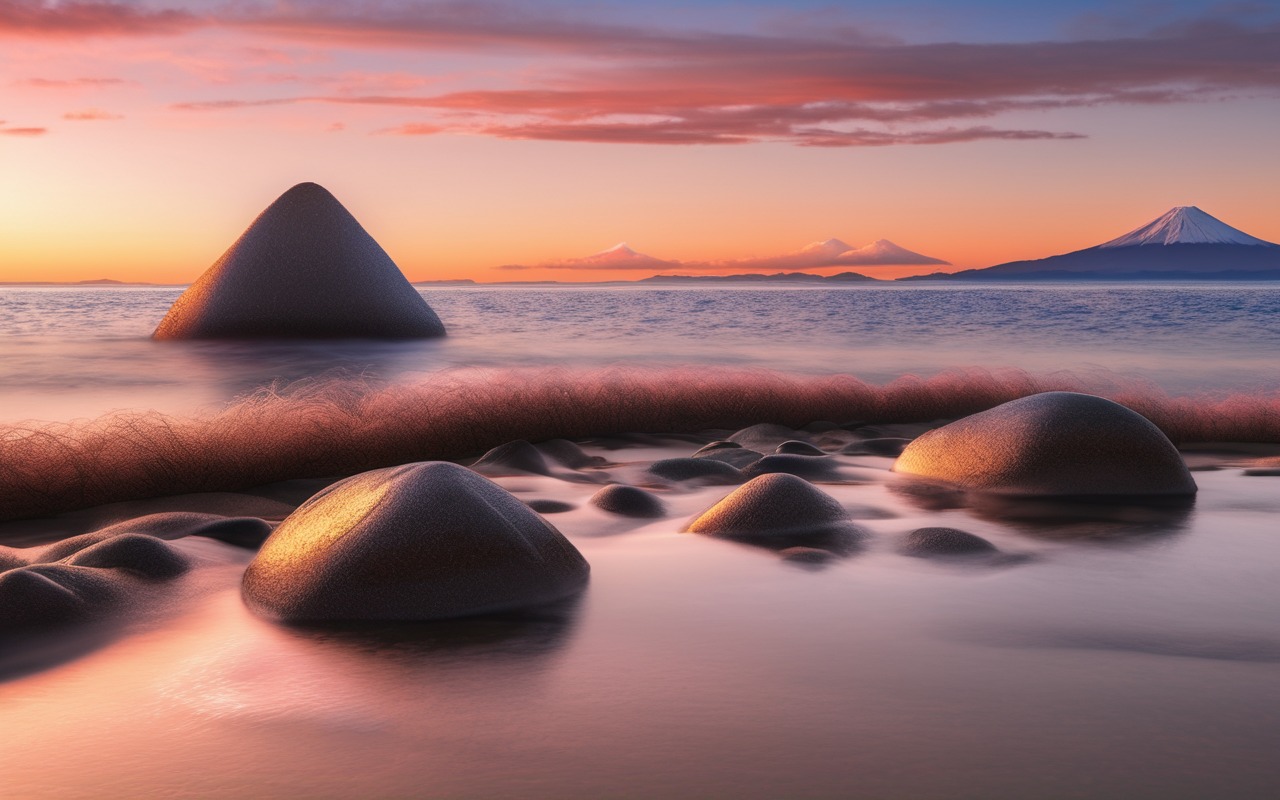
    I have sat on this beach at every hour of the day. The morning light on the water is clean and quiet; summer afternoons bring swimming families and beach house music; and the sunsets, when the sky turns orange behind the C and Eboshi Rock, are among the best in Shonan. See the Shonan sunset guide for more sunset spots along the coast.
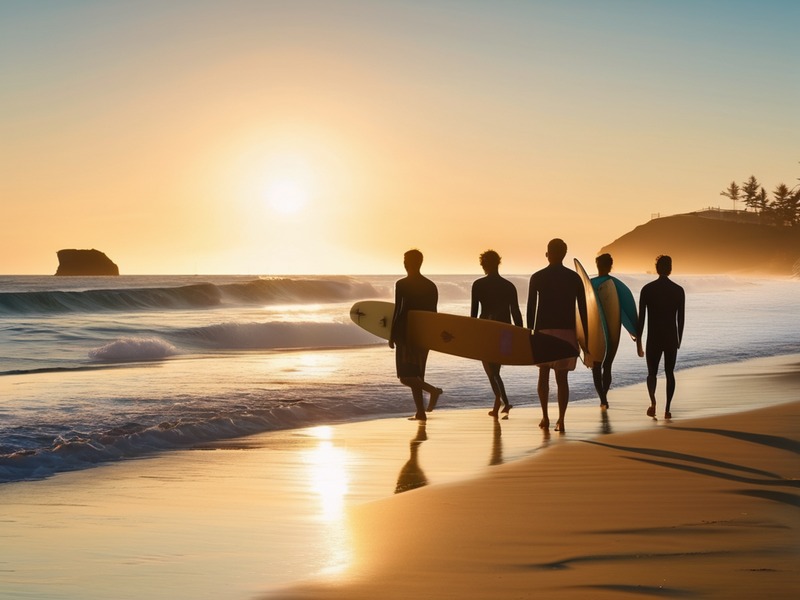
    Southern Beach Chigasaki C monument at sunset

    What to Do

    1. The C monument photo — The classic Chigasaki photo, especially good at sunrise and sunset.
    2. Swimming — The swimming season runs from early July through the end of August, with lifeguards on duty and beach houses operating along the sand.
    3. Walking and jogging — The beach runs for kilometers in both directions. Walking east toward Eboshi Rock or west toward the Sakai River mouth is the best free activity.
    4. Sea kayaking and SUP — In the shoulder seasons, lessons and rentals operate on the calm stretches. See the Shonan marine activities guide for details.

    Practical Notes for the Beach

    • Entry: Free. Beach houses, parasols, and rentals are extra.
    • Swimming season: Early July to the end of August, roughly 8:30-17:00. Surfing is restricted to designated zones during this period.
    • Facilities: Showers and changing rooms are available near the beach house cluster in summer. Public restrooms are open year-round.

    🏄 Surf Culture: Japan’s Original Surf Town

    The Legacy

    Chigasaki claims one of Japan’s earliest surf scenes, developed in the 1960s when the first waves were ridden here by the pioneers of Japanese surfing. Unlike Kugenuma’s more organized surf-school energy, Chigasaki’s surf culture feels older and more local — boards strapped to cars, wetsuits drying on balconies, and a morning greeting wave from the regulars in the water.

    I joined a dawn session-watching routine on my second visit, sitting on the seawall with a coffee while the locals took turns on a clean winter swell. Nobody was showing off; it was just a neighborhood rhythm, repeated every morning for fifty years. That sense of continuity is what makes Chigasaki feel different from other surf beaches.

    Where to Experience It

    1. The seawall at Southern Beach — The best free viewpoint for watching surfers, especially at dawn.
    2. Surf shops along the coast — Several long-running shops rent boards and wetsuits, and a few offer lessons.
    3. Yanagishima Beach (west) — The quieter western beach near the Sakai River mouth, favored by longboarders and beginner-to-intermediate surfers.

    🍜 The Ramen Scene: Why Chigasaki Is a Food Town

    The Local Obsession

    Chigasaki is a genuine ramen battleground — a small beach town with a concentration of high-level ramen shops that would be notable even in Tokyo. The styles range from refined chicken-broth bowls to creamy tonkotsu, and several shops have earned national recognition.

    On my first visit, I asked a local which shop to try first. He shrugged and said, “You can’t go wrong; that’s the problem.” I tried three shops over two days, and he was right — each was excellent in a completely different way.
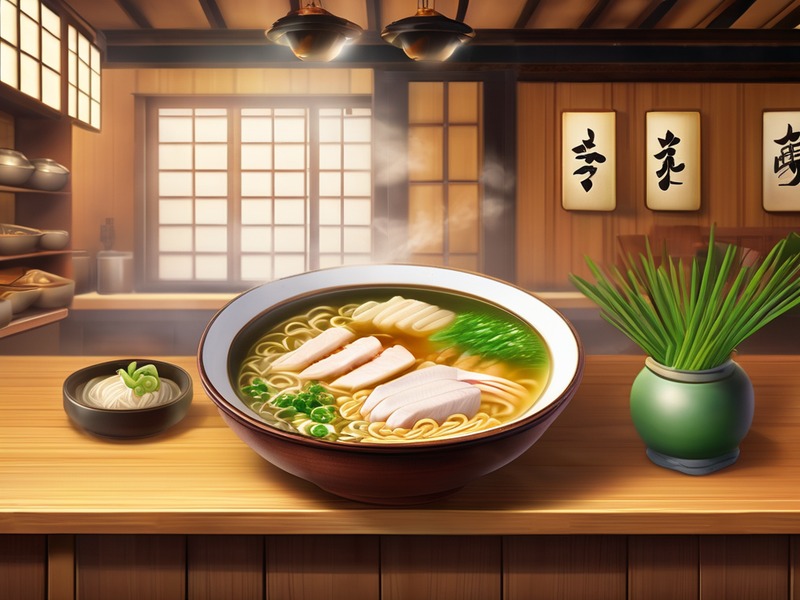
    Chigasaki ramen bowl with chashu

    Where to Eat

    1. Raamen Toki — A nationally recognized shop known for its house-made noodles and elegant chicken-based broth. Expect a line; go early.
    2. Menya BISQ — A creamy, modern tonkotsu with a cult following. The rich bowl is not for the faint of heart.
    3. Noodle Works — A relaxed shop with a rotating menu of inventive bowls and excellent side dishes.
    4. Budget: Expect ¥800-1,200 per bowl.

    Beyond Ramen

    • Shirasu donburi — The coastal whitebait bowl, best in spring and autumn. Several seafood diners near the beach serve it.
    • Chigasaki craft beer — The local brewery’s beers are sold across the town and are a great souvenir. See the Shonan craft brewery guide for the full brewery trail.
    • The local eats guide — For the deeper food scene, the Chigasaki local eats guide covers more of the town’s restaurants and markets.

    🛍️ The Shopping Street and Town Center

    Southern-dori and the Station Area

    The walk from Chigasaki Station to the beach runs down Southern-dori, a covered shopping street lined with bakeries, vegetable shops, and long-established stores. The station area itself — the LUSCA building and its surroundings — is compact and walkable, with souvenir shops selling Chigasaki goods.

    I always stop at a bakery on Southern-dori for a morning bun before the beach. It is a small ritual, but it is the kind of detail that makes a beach town feel like home.

    What to Buy

    • Chigasaki craft beer — The perfect local souvenir.
    • Southern C goods — T-shirts, towels, and keychains featuring the monument, sold at shops near the beach.
    • Local produce — The morning vegetable stalls along Southern-dori carry coastal produce, including the area’s famous cabbage.

    🗓️ Sample Itinerary: Chigasaki in a Day

    Morning (9:00-13:00)

    1. 9:00 — Arrive at Chigasaki Station. Grab a pastry on Southern-dori.
    2. 9:45 — Walk to Southern Beach. Photo at the C monument, then a walk along the sand toward Eboshi Rock.
    3. 11:30 — Early ramen lunch before the line forms.
    4. 13:00 — Browse the shops and souvenir stalls near the station.

    Afternoon (13:30-18:30)

    1. 14:00 — Rent a bike and ride west to Yanagishima Beach for the quieter surf view.
    2. 15:30 — Coffee and cake at a seaside cafe.
    3. 17:00 — Return to Southern Beach for the sunset — the best hour of the day here.
    4. 18:30 — Dinner at a local izakaya or a second ramen shop, then the train home.

    If You Have More Time

    • Enoshima and Kamakura: Ride the Enoden line east for Enoshima Island and Kamakura’s temples.
    • The wider Shonan coast: The Shonan beach guide covers the entire coastline from Kamakura to Oiso.
    • Fujisawa’s surf coast: The neighboring Kugenuma coast, birthplace of Japanese surfing, is covered in the Tsujido and Kugenuma guide.

    📅 Seasonal Notes

    • Spring (Mar-May): Clean swells and soft light. The best season for watching surfers and for shirasu season.
    • Summer (Jun-Aug): Swimming season with beach houses, fireworks festivals, and the liveliest atmosphere. The summer fireworks guide lists the local displays.
    • Autumn (Sep-Nov): Warm water, thin crowds, and glassy waves. My favorite season on this coast.
    • Winter (Dec-Feb): The strongest swells and the clearest air. Sunrise surfers against Mount Fuji are the winter show.

    💡 Practical Tips

    1. Go for the sunset — The C monument at sunset is the defining Chigasaki image. Arrive at the beach by 16:30 in summer and 16:00 in winter.
    2. Eat ramen early — The famous shops form lines by 11:30. Arrive before the rush.
    3. Bring cash — Many beach houses, small shops, and some ramen shops are cash-only.
    4. Layer for the wind — The sea breeze is strong even on sunny days. A windbreaker is essential.
    5. Check the swimming calendar — Surfing restrictions and beach house hours change with the swimming season.

    Conclusion

    Chigasaki is a beach town that understands itself: surfing at dawn, ramen at noon, and sunset on the sand with the C monument glowing in the last light. It is close enough to Tokyo for a spur-of-the-moment day trip, small enough to walk across, and deep enough to keep rewarding repeat visits. Come for the beach, stay for the ramen, and leave with the feeling of having found a town that knows how to live well.

    FAQ

    Q: How do I get to Chigasaki from Tokyo?
    A: Direct JR Tokaido Line trains from Tokyo Station reach Chigasaki in about 60 minutes. The Shonan-Shinjuku Line serves Shinjuku and Shibuya.

    Q: What is the best time of day to visit the beach?
    A: Early morning for watching surfers, and sunset for the C monument photo — the two best hours of the day here.

    Q: Is Chigasaki good for a day trip?
    A: Yes. The full loop — beach, ramen, shopping, and sunset — fits comfortably into one day, with several strong options for extending to Enoshima or Kamakura.

    Q: How much does a day in Chigasaki cost?
    A: Around ¥4,000-5,000 per person: train ¥2,080 round trip, lunch ¥1,200, snacks and coffee ¥1,000, and souvenirs as budget allows. The beach and C monument are free.
  • Tsujido & Kugenuma Guide: Fujisawa’s Surf Coast

    Tsujido & Kugenuma Guide: Fujisawa’s Surf Coast

    Overview

    Ask most visitors about Fujisawa and they will describe Enoshima Island — the sea caves, the aquarium, the sunset deck. But the stretch of coast west of Enoshima, the Tsujido and Kugenuma districts, is where Fujisawa’s real character lives. This is the birthplace of Japanese surfing, a shoreline of beach houses and surf shops, longboard racks and dawn paddlers, and it has a completely different rhythm from the tourist-packed island.

    I first came to Kugenuma on a February morning to watch surfers ride glassy waves in the winter cold. That visit turned into a running habit: I have since spent countless hours in the beachside cafes, walked the full length of Tsujido Kaihin Park, and ridden the Shonan Monorail more times than I can count. What keeps me coming back is the feeling that this is a place people actually live in, not just visit.

    This guide covers the surf coast of Tsujido and Kugenuma, the park that anchors it, the monorail that makes it easy to reach, and the cafes where the local rhythm is best experienced.


    📍 Getting There

    From Tokyo

    1. JR Tokaido Line to Tsujido Station (50-60 min from Tokyo Station, around ¥1,000) — The main gateway to Tsujido Kaihin Park and the western beaches. Walk south 20 minutes to the coast, or take a short bus.
    2. Odakyu Line to Kugenuma-Kaigan Station (60-70 min from Shinjuku, around ¥1,100) — The closest stop to the Kugenuma surf beach, a 6-10 minute walk from the shore.
    3. Shonan Monorail — Connects Ofuna in the north to Shonan-Enoshima in the south, with stops including Shonan-Fukasawa and Mejiroyama. It is the most scenic way to approach the coast from the JR network.

    Getting Around

    • Shonan Monorail — A suspended monorail that glides above the streets. A one-day pass is around ¥750 and pays for itself with two rides. See the Shonan Monorail and Enoden connection guide for route details.
    • Buses — Local buses run between Tsujido Station and the coast every 10-15 minutes in daytime.
    • Bicycle — Flat and compact, the coast is ideal for cycling. Rentals are available near both stations.

    🏄 Kugenuma Beach: The Birthplace of Japanese Surfing

    Why Kugenuma Matters

    Kugenuma Beach is widely recognized as the birthplace of surfing in Japan. In the 1960s, the first Japanese surfers — inspired by the American surfers stationed nearby — began riding the waves here, and the culture spread from this shoreline to the rest of the country. Today, the beach is lined with surf shops that have been operating for generations, and on any morning with waves, the water is dotted with boards.

    What surprised me most on my first visit was how accessible it all felt. The beach is wide and gently sloping, the waves are forgiving by world standards, and the local surf community is welcoming to newcomers. On calm summer days, families and beginner lessons share the water with practiced locals.

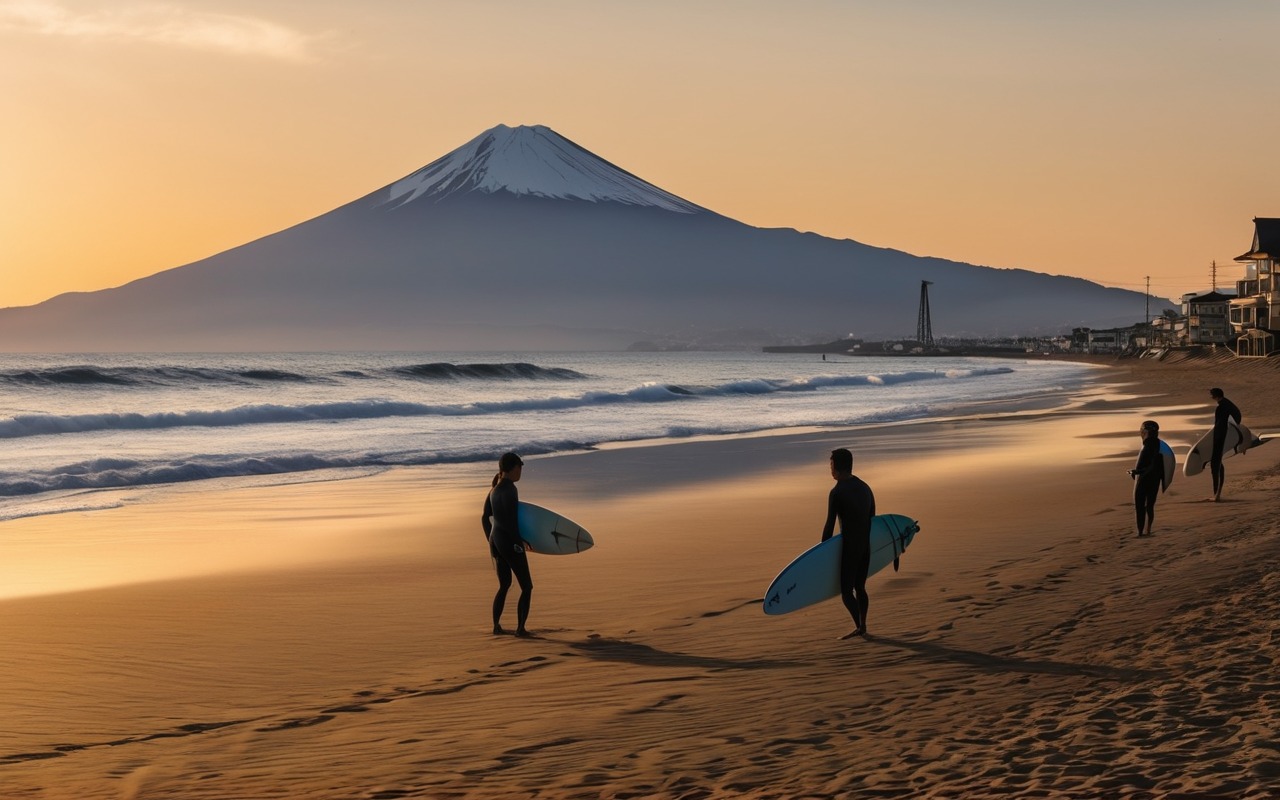
    Kugenuma beach surfers at sunrise

    What to Do

    1. Watch the surfers — The classic free activity. The best viewing is early morning, when the light is soft and the waves are cleanest.
    2. Take a surf lesson — Numerous surf schools operate along the beach, with English-friendly options at the larger shops. Beginner lessons (board, wetsuit, and instruction included) run about ¥5,000-7,000 for 2-3 hours. See the Shonan surfing lessons guide for a fuller rundown.
    3. Rent a board or wetsuit — Most surf shops rent equipment by the hour or day. Board rentals typically run ¥2,000-4,000 for a session.
    4. Walk the sand — The beach stretches for kilometers. Walking from Kugenuma toward Katase-Enoshima is one of the best free sunset routes in Shonan.

    Practical Notes for the Beach

    • Season: Swimming season is July and August, when lifeguards are on duty. Surfing continues year-round; winter brings the best swells and the clearest air.
    • Summer etiquette: During swimming season, surfers use the designated surfing zones to keep the bathers safe.
    • Facilities: Showers and changing rooms are available at the beachhouse cluster near Kugenuma-Kaigan Station in summer.

    🌳 Tsujido Kaihin Park: A Green Belt Along the Sea

    The Park

    Tsujido Kaihin Prefectural Park is a long, beautifully maintained green space that runs along the coast between Tsujido and the Chigasaki border. It is part promenade, part playground, part museum: a wide lawn with picnic tables, a cycling path, a children’s traffic park, and a small museum about the area’s coastal history.

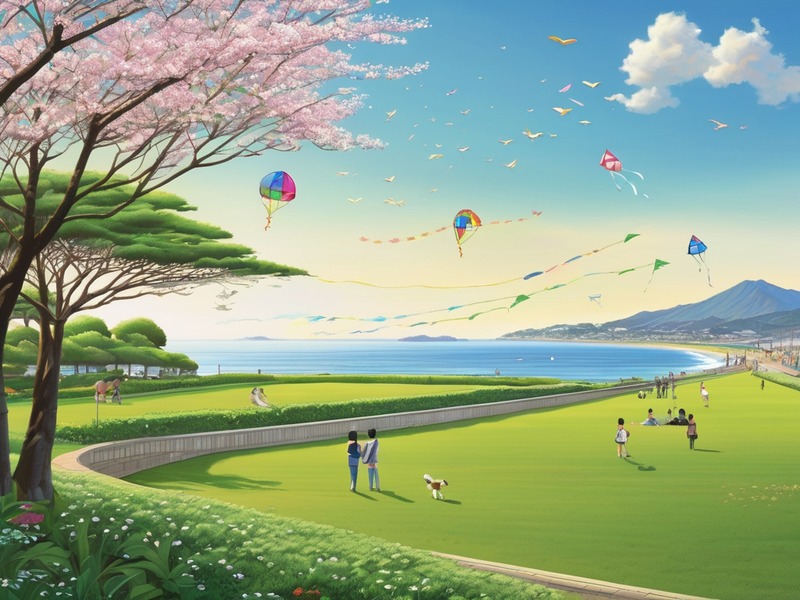
    I have walked this park in every season. In spring it fills with families flying kites; in summer the pool and splash areas hum; in autumn the lawns turn gold against a deep blue sea; and in winter, on clear days, the view across the water toward Mount Fuji is quietly spectacular.

    Tsujido Kaihin park promenade along the coast

    What to See and Do

    1. The promenade and lawns — The park’s backbone is a long, level path with sea views. Picnic tables dot the lawns.
    2. The traffic park — A miniature road network where children can ride small vehicles and learn road safety. Popular with families on weekends.
    3. The transportation museum — Displays about the history of transport in the area, including vintage bicycles and a working model train. Admission around ¥300 for adults.
    4. The summer pool — A large seasonal pool complex (roughly July to early September). Adults around ¥850, children less. Arrive early on hot weekends.

    Practical Notes for the Park

    • Hours: The park is open daily, with the museum and pool on seasonal schedules. Check current hours at the entrance.
    • Access: 20 minutes on foot from Tsujido Station, or a short bus ride. Parking is available but fills on weekends.
    • Bring a picnic — The lawns are the best lunch spot in the area, and the sea breeze keeps even midsummer afternoons bearable.

    🚝 The Shonan Monorail: Riding Above the Streets

    Why It Is Worth a Ride

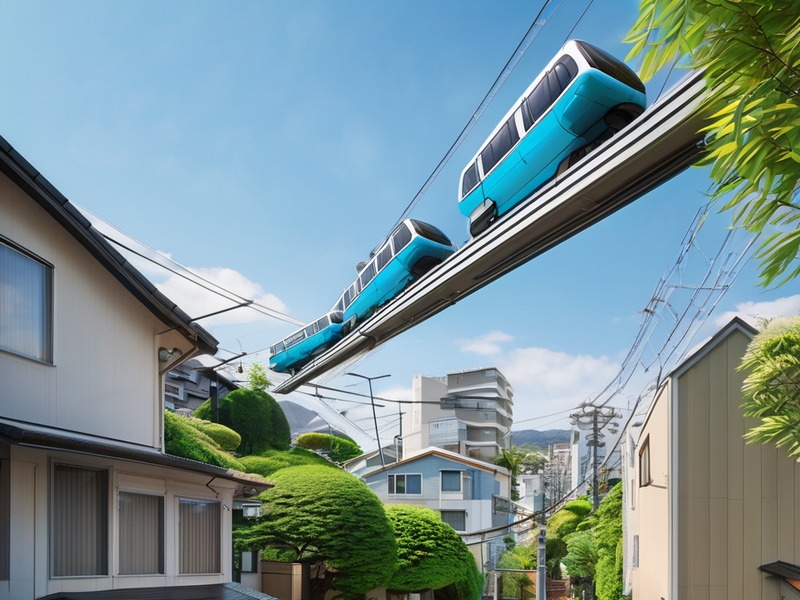
    The Shonan Monorail is a suspended monorail that runs from Ofuna in the north through the hills of western Fujisawa to Shonan-Enoshima on the coast. Riding it feels like a slow-motion roller coaster — the cars hang beneath the track, swaying gently over streets, rivers, and treetops.

    I use it every time I visit the coast. The views from the windows are unique: glimpses into garden backyards, over temple roofs, and down onto the main roads below. It is also genuinely useful, connecting the JR network at Ofuna to the Enoshima area without touching the congested surface roads.

    Practical Notes for the Monorail

    • Route and fare: Ofuna to Shonan-Enoshima is about 14 minutes, around ¥340 one way. The one-day pass (about ¥750) is the best deal if you ride more than twice.
    • Best seats: Sit at the front or back of the car for the fullest view.
    • Combine with Enoden: At Shonan-Enoshima, transfer to the Enoden line to continue to Kamakura along the coast.

    ☕ Beachside Cafes and Local Food

    The Cafe Culture

    The coast west of Enoshima has developed its own cafe culture — relaxed, slightly worn-in, and focused on good coffee and sea views rather than Instagram backdrops. These are the places where surfers warm up before dawn sessions and locals read the paper on weekday afternoons.

    Where to Go

    1. Chikyu Farm to Table — Organic vegetables and seasonal plates, 5 minutes from Kugenuma-Kaigan Station. Lunch sets around ¥1,000-2,000.
    2. Days Kugenuma — A casual diner with international plates, spiced curries, and a weekend pancake that draws regulars. Near Kugenuma-Kaigan Station.
    3. Suzu Kugenuma Coffee Stand — A small, serious coffee stand with award-winning latte art. The matcha tiramisu is a house favorite.
    4. 3nD Cafe + Bar — A stylish all-day cafe near Tsujido Station, good for brunch or an evening drink.
    5. Beach houses — In summer, the seasonal beach houses along Kugenuma serve simple meals, shaved ice, and cold drinks with the sand right outside.

    Local Food Notes

    • Shirasu (whitebait) — The coastal specialty, served as a bowl, in a donburi, or on pizza. Freshest in spring and autumn.
    • Shonan beers — The area’s craft breweries are covered in the Shonan craft brewery guide.
    • Cash is king at beach houses — The summer stalls are largely cash-only.

    🗓️ Sample Itinerary: A Day on the Surf Coast

    Morning (9:00-13:00)

    1. 9:00 — Arrive at Kugenuma-Kaigan Station. Walk to the beach and watch the morning surf session.
    2. 10:30 — Take a 2-hour surf lesson, or rent a board if you already ride.
    3. 13:00 — Lunch at a beachside cafe or a shirasu donburi at a local diner.

    Afternoon (13:30-18:00)

    1. 14:00 — Ride the Shonan Monorail from Shonan-Enoshima to Ofuna and back, enjoying the elevated views.
    2. 15:30 — Walk the lawns of Tsujido Kaihin Park, and stop at the transportation museum.
    3. 17:00 — Sunset walk along the beach, then dinner at a Tsujido restaurant.

    If You Have More Time

    • Enoshima Island: The complete Enoshima guide is a short walk or ride from Kugenuma. The caves and sunset deck are the highlights.
    • Kamakura by Enoden: Ride the Enoden line east to Kamakura for temples and hiking.
    • The wider Shonan coast: See the Shonan beach guide for the full stretch from Kamakura to Chigasaki.
    • Chigasaki west: The neighboring surf town of Chigasaki, with its Southern Beach monument, is covered in the Chigasaki beach town guide.

    📅 Seasonal Notes

    • Spring (Mar-May): Clean swells, soft light, and the first beachhouse openings. The best season for beginner surfing.
    • Summer (Jun-Aug): Swimming season with lifeguards, the big pool at the park, and lively beach houses. Surfing moves to designated zones.
    • Autumn (Sep-Nov): The water stays warm, the crowds thin, and the waves turn glassy again. My favorite season on this coast.
    • Winter (Dec-Feb): The strongest swells and the clearest air. Watching dawn surfers against Mount Fuji is worth the cold.

    💡 Practical Tips

    1. Go early — The coast is at its best before 10:00: cleanest waves, softest light, and emptiest cafes.
    2. Use the monorail pass — It is the easiest way to explore without a car, and the views are part of the experience.
    3. Book surf lessons in advance — Popular schools fill up on summer weekends. Book at least a day ahead.
    4. Layer for the wind — The sea breeze is stronger than it looks. A light windbreaker makes a huge difference.
    5. Carry cash for beach houses — The summer stalls and some local shops are cash-only.

    Conclusion

    Tsujido and Kugenuma are the parts of Fujisawa that locals never leave and tourists rarely find. This is where Japanese surfing was born, where the beach is a neighborhood rather than an attraction, and where the rhythm of the day follows the tide instead of the tour bus schedule. Whether you take your first lesson, ride the monorail over the rooftops, or simply walk the park with a coffee, you will find a Shonan that feels authentic, unhurried, and entirely worth the detour.

    FAQ

    Q: Is Kugenuma good for beginner surfers?
    A: Yes. The waves are forgiving, schools are plentiful along the beach, and beginner lessons include board, wetsuit, and instruction for around ¥5,000-7,000.

    Q: Can I visit without a car?
    A: Easily. The Shonan Monorail, the Odakyu Line, and local buses cover the area well, and a one-day monorail pass makes it affordable.

    Q: What is the best season for surfing here?
    A: Spring and autumn offer the cleanest beginner waves. Winter has the strongest swells, and summer is swimming season.

    Q: How much does a day on the surf coast cost?
    A: Around ¥4,000-5,000 per person without a lesson: transport ¥2,000 round trip, monorail pass ¥750, lunch ¥1,500, and museum entry ¥300.

  • Hiratsuka Beach Town Guide — Kanagawa’s Tanabata Festival

    Hiratsuka Beach Town Guide — Kanagawa’s Tanabata Festival

    Overview

    Ask most visitors to name a beach town in Kanagawa and they will say Kamakura or Enoshima. I did the same until a local surfer told me to take the train one more stop: “Hiratsuka has the same ocean, half the people, and a festival that puts Kamakura’s to shame.”

    She was not exaggerating. Hiratsuka sits on the western edge of the Shonan coast, roughly 70 minutes from Tokyo on the JR Tokaido Line. It is a genuine working town — fishing boats, surf shops, and a beach that stretches for more than a kilometer — rather than a purpose-built tourist strip. The sand is wide and uncrowded even on summer weekends, the sunsets over Sagami Bay are among the best in the prefecture, and every August the city transforms for one of the three great Tanabata festivals of Japan.

    That festival is the hook, but Hiratsuka rewards visitors in every other season too. In spring there are cherry blossoms along the Sagami River. In autumn the surf is at its best and the crowds vanish. And year-round, the town’s claim to culinary fame — fresh shirasu (whitebait) from the local fishing fleet — is served in ways that put the more famous Shonan towns to shame.

    This guide covers the Tanabata festival in detail, the beach and its activities, where to eat, and how to build a Hiratsuka day trip that avoids the Shonan crowds entirely.


    📍 Getting There

    Hiratsuka Station sits on the JR Tokaido Line, which makes access embarrassingly simple.

    From Tokyo

    1. JR Tokaido Line Rapid from Tokyo Station (60-70 min, ¥1,020) — The direct rapid service stops at Hiratsuka. This is the fastest and cheapest route.
    2. JR Tokaido Line via Yokohama (75 min, ¥1,100) — If you are already in Yokohama, change at Yokohama Station onto the Tokaido Line. Frequency is excellent.
    3. Odakyu Line via Shonan (85 min, ¥1,200) — From Shinjuku, take the Odakyu to Fujisawa or Katase-Enoshima, then transfer to the Shonan Monorail or local lines. Slower, but useful if you are combining Hiratsuka with an Enoshima visit.

    Getting to the Beach

    The main beach area (Hiratsuka Beach / Kokufu Beach) is a 15-minute walk or 5-minute bus ride from the station’s south exit. During the Tanabata festival, the station area and the approach to the beach are filled with festival stalls, so walking is both easiest and most enjoyable.

    Money-Saving Tickets

    There is no special pass required for Hiratsuka itself. If you are coming from Tokyo, a standard round-trip Tokaido Line ticket is cheapest. For visitors combining Hiratsuka with the wider Shonan coast, the Enoshima and Kamakura day trip options include transport that can be adapted, though most travelers simply buy point-to-point tickets at the window.


    🎋 The Tanabata Festival: Japan’s Three Great Tanabata

    What Makes Hiratsuka’s Festival Special

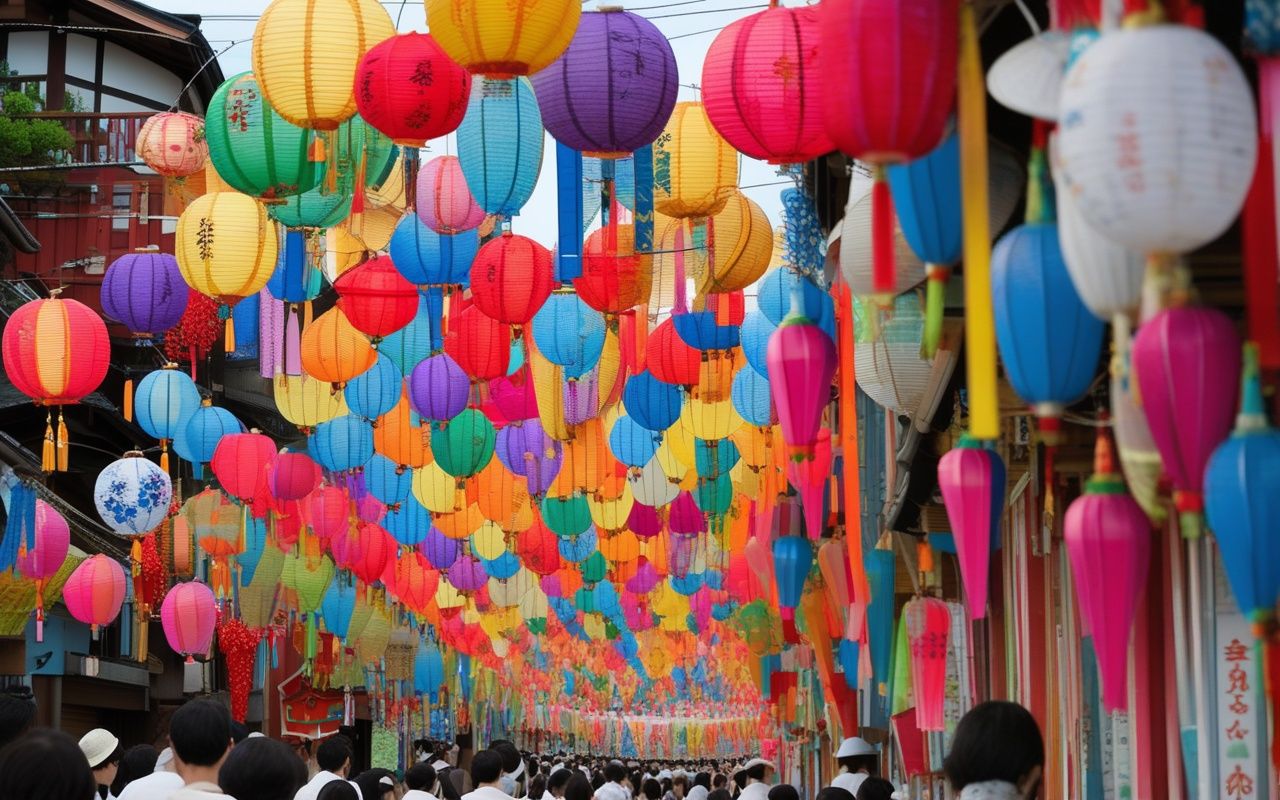
    Hiratsuka Tanabata is one of the three great Tanabata festivals of Japan, alongside Sendai and Ise. It began after World War II as a symbol of recovery, and today it draws around 300,000 visitors over three days in early August. The signature is the giant kazari — elaborate, colorful paper decorations, some several meters tall, that hang from storefronts and arch across the main shopping streets.

    I walked through the festival on the second day of last year’s event and the scale genuinely surprised me. The main drag from the station toward the beach becomes a pedestrian-only corridor packed with stalls selling everything from takoyaki to goldfish scooping. The kazari above your head are the stars: handcrafted works with flowers, dancers, and constellations, each one made by local shops and schools.

    Festival Details

    • Dates: Early August, usually a Friday through Sunday. Check the official city calendar each year as dates shift.
    • Location: Hiratsuka Station north exit, along the main shopping street (Chuo-dori) and its side alleys.
    • Highlights: The kazari displays, evening yosakoi and dance performances, fireworks on the final night (the Hiratsuka beach fireworks, separate from the festival but often adjacent), and food stalls numbering in the hundreds.
    • Crowd strategy: Go early (before 11:00) or in the evening after 17:00. Midday is the most crowded. The final evening’s fireworks draw the largest crowd, so stake out a spot on the beach by 18:00.

    Practical Notes

    • Wear comfortable shoes; you will walk several kilometers without noticing.
    • Cash is king at festival stalls — most do not take cards.
    • Bring a small fan and water; early August in Hiratsuka is hot and humid.
    • The festival runs rain or shine, but heavy rain reduces the kazari displays.

    Hiratsuka Tanabata festival kazari decorations


    🏖️ The Beach: Shonan Without the Crowds

    Hiratsuka Beach and Kokufu Beach

    Hiratsuka’s coastline is a continuous strip of sandy beach roughly 1.5 kilometers long, divided into two named sections: Hiratsuka Beach (east) and Kokufu Beach (west). Both offer wide, gently sloping sand that is ideal for swimming and family days.

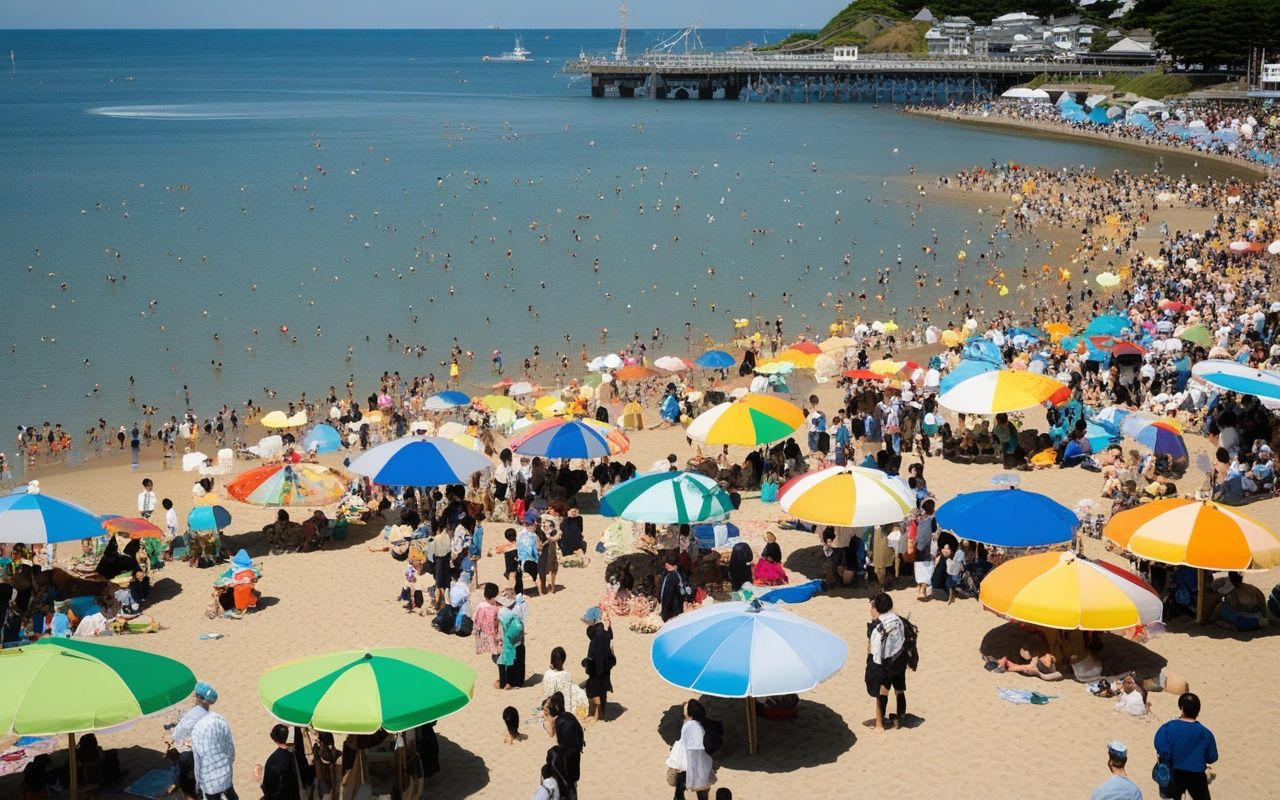
    The thing that sets Hiratsuka apart from Kamakura’s beaches is space. On a sunny Saturday in July, Yuigahama in Kamakura can be shoulder-to-shoulder; Hiratsuka’s equivalent is comfortably busy. The water is similar — the same Sagami Bay — and the swimming season runs the same July-through-August window.

    What to Do on the Beach

    1. Swimming — Designated swimming areas are set up from early July to late August, with lifeguards and rope boundaries. The water is calm and clear on most days.
    2. Surfing — Hiratsuka is a legitimate surf spot with several long-standing surf shops renting boards and offering lessons. The waves are smaller and softer than Chigasaki’s, making it a good place to learn. See the Shonan surfing guide for a full rundown of the coast’s breaks.
    3. Beach houses — During summer, rows of beach houses (uminoie) open serving simple meals, drinks, and shower facilities. Try the local shirasu bowls here for a quick lunch.
    4. Sunset watching — This is Hiratsuka’s underrated specialty. The beach faces due south-west, so sunsets unfold directly over Sagami Bay with the Izu Peninsula silhouetted on the horizon. My favorite spot is the west end near Kokufu Beach, where the crowd thins out entirely.

    Beach Etiquette

    • Swim only within the marked areas; the currents can be deceptively strong outside them.
    • Bring a reef-safe sunscreen; local shops carry Japanese brands if you forget.
    • Rubbish bins are limited — take your trash with you to the station or beach house.

    🐟 Eating in Hiratsuka

    Shirasu: The Town’s Signature

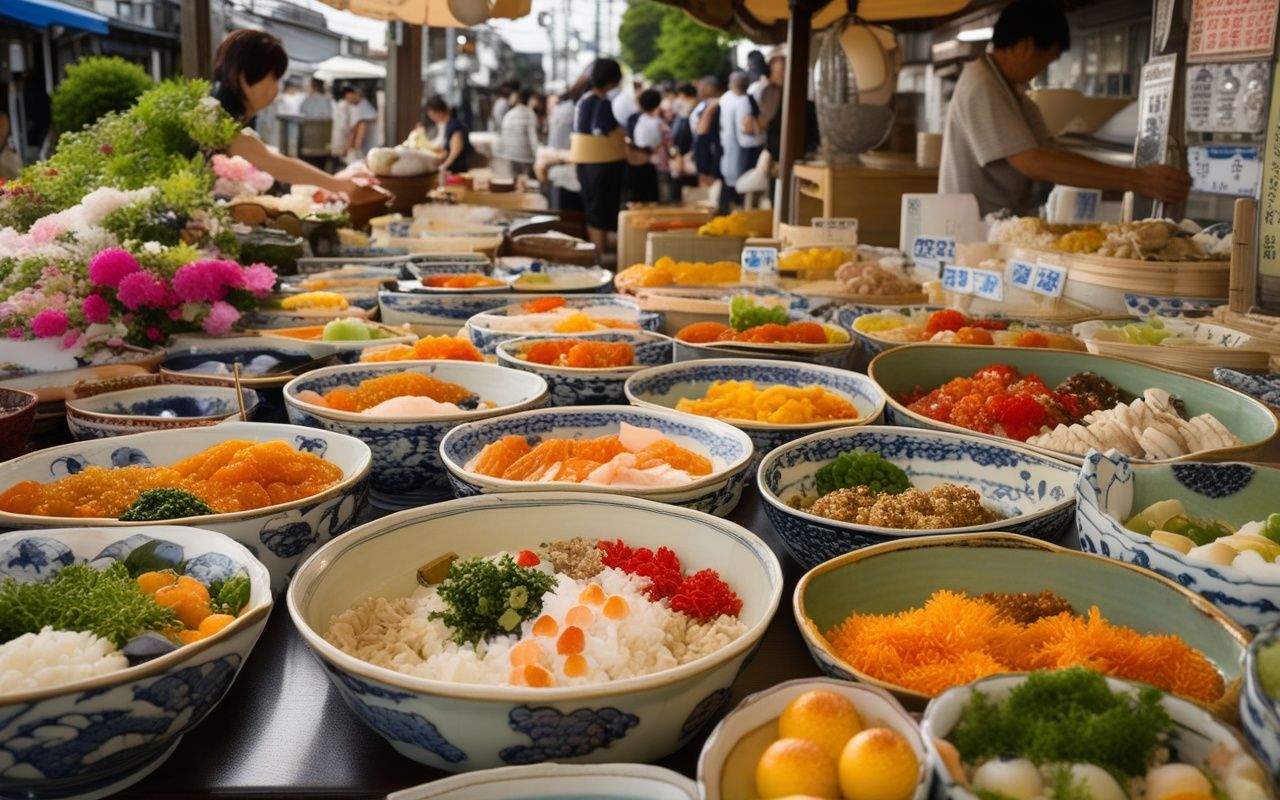
    Hiratsuka’s fishing port lands some of the freshest shirasu in Kanagawa. The local specialty is served three ways: shirasu-don (raw whitebait over rice), kakiage (whitebait tempura), and shirasu tamago-don (cooked with egg). In season, the raw version is a pale pink-white mountain of tiny fish with a clean, sweet taste that vanishes on the tongue.

    I have eaten shirasu across the Shonan coast — Enoshima, Kamakura, and Fujisawa — and Hiratsuka’s raw bowls are the freshest I have found. The difference is visible: the fish are still translucent, a sign that they were landed that morning.

    Where to Eat

    1. Port-side shirasu shops — Near the fishing port (a 10-minute walk from the station), several shops specialize exclusively in shirasu bowls. Expect ¥900-1,300 per bowl.
    2. Beach-house lunch — During summer, the beach houses serve shirasu-don and set meals with a sea view. Cheaper than the port shops and perfectly positioned for a beach day.
    3. Tanabata festival stalls — During the festival, you can find festival versions of shirasu dishes alongside the usual takoyaki and yakisoba. A fun way to try it without a sit-down meal.
    4. Shonan-style sweets — For dessert, the town has several patisseries using local citrus. The Shonan Gold orange parfaits at the station-adjacent cafes are worth a detour.

    Beyond Shirasu

    Hiratsuka’s other food claim is the “Shonan Hiratsuka” regional brand — citrus, vegetables, and seafood from the surrounding area. The station building has a small market hall selling local produce, and the town’s izakaya row near the north exit serves excellent local seafood at reasonable prices. For a broader look at the region’s street food, see the Shonan and Kamakura street food guide.

    Fresh shirasu bowl at a Hiratsuka port shop


    🗓️ Sample Itineraries

    Option 1: Tanabata Festival Day (August)

    1. 10:00 — Arrive at Hiratsuka Station. Walk the kazari-lined main street while it is still calm.
    2. 11:30 — Lunch at a port-side shirasu shop before the festival crowds build.
    3. 13:00 — Return to the festival for the afternoon performances and stall hopping.
    4. 17:00 — Walk to the beach and claim a fireworks spot.
    5. 20:00 — Head back through the festival, which is spectacularly lit after dark.
    6. 21:30 — Return train to Tokyo.

    Option 2: Beach Day (Summer Weekday)

    1. 9:30 — Arrive, rent a surfboard or settle into a beach chair.
    2. 12:00 — Lunch at a beach house.
    3. 14:00 — Swim and relax; the afternoon is when the water is warmest.
    4. 17:30 — Watch the sunset from Kokufu Beach.
    5. 18:30 — Dinner at an izakaya near the station, then return to Tokyo.

    Option 3: Autumn Escape (No Crowds)

    1. 10:00 — Arrive and walk the empty beach.
    2. 11:30 — Visit the Hiratsuka City Museum of Art (near the beach, free entrance) — a small gallery with rotating modern art shows.
    3. 13:00 — Shirasu lunch at the port.
    4. 14:30 — Walk the Sagami River bank under the autumn cherry or foliage colors.
    5. 16:00 — Late coffee at a beachside cafe, then return.

    🗓️ Seasonal Calendar

    • Spring (Mar-May): Cherry blossoms along the Sagami River; surfing season begins; clear, crisp days.
    • Summer (Jun-Aug): Swimming season, beach houses, and the Tanabata festival in early August. Hot and humid, with afternoon sea breezes.
    • Autumn (Sep-Nov): Best season for surfing and beach walks; the crowds vanish; museum season begins.
    • Winter (Dec-Feb): Quiet and cold. The beach is empty but beautiful, and the winter light makes for striking photography. See the Kanagawa winter season guide for wider options.

    💡 Practical Tips

    1. Go on a weekday in summer — The difference between weekday and weekend crowds is dramatic, and the beach houses are open all week.
    2. The station is the hub — Everything (beach, festival, port, museum) is within a 15-minute walk of the station. No bus needed unless you are heading to the far end of Kokufu Beach.
    3. Check the festival dates before booking — They shift each year; the official Hiratsuka city site publishes them in the spring.
    4. Bring layers for evening — Summer evenings on the beach cool down fast with the sea breeze.
    5. Combine with Enoshima — If you have a full day, Hiratsuka’s beach in the morning and Enoshima in the afternoon make a varied Shonan day. The transfer at Fujisawa is straightforward.

    Conclusion

    Hiratsuka is what happens when you take everything people love about Shonan — the sand, the surf, the sunset — and remove the crowds and the hype. The Tanabata Festival in August is one of Japan’s great street festivals, and the rest of the year the town offers the most relaxed beach day within 70 minutes of Tokyo. It will never replace Kamakura’s temples or Enoshima’s drama, but that is not the point. Hiratsuka is for the days when you just want the ocean, a bowl of the freshest shirasu in Kanagawa, and room to breathe.

    FAQ

    Q: Is Hiratsuka beach suitable for families with children?
    A: Yes. The swimming area is shallow and gently sloped, with lifeguards in summer. The walk from the station is flat and stroller-friendly.

    Q: When exactly is the Hiratsuka Tanabata Festival?
    A: It is held every year in early August, typically the first or second weekend (Friday-Sunday). Exact dates vary, so check the official city calendar.

    Q: How does Hiratsuka compare to Kamakura or Enoshima beaches?
    A: Hiratsuka is wider, sandier, and dramatically less crowded. It lacks the scenery and temples of Kamakura, but for a pure beach day or festival experience it is the better choice.

    Q: Is the shirasu in Hiratsuka actually different?
    A: The fishing fleet lands daily catches, so the raw shirasu is typically fresher than what most Kamakura shops receive. On a good day you will notice the difference immediately.

  • Oiso & Ninomiya: Slow-Travel on Kanagawa’s Quiet Coast

    Oiso & Ninomiya: Slow-Travel on Kanagawa’s Quiet Coast

    Overview

    An hour from Tokyo’s chaos sits a stretch of coastline that time forgot. Between Oiso and Ninomiya, the Tokaido Line hugs the shore past what was once Japan’s most fashionable beach resort, and today is one of the quietest, most atmospheric places in Kanagawa. I found it by accident — a missed connection at Odawara sent me one stop east, and the sea view from the platform made me cancel my plans.

    Oiso’s story is remarkable. In the late 19th century, after the Meiji statesman Ito Hirobumi built a villa here, Oiso became the seaside retreat of Japan’s political and business elite. “Oiso Long Beach” opened in 1885 as one of the country’s first Western-style bathing resorts, and for decades the town hosted summer houses, literary salons, and an international crowd that included, improbably, the first American ambassador to Japan. The 20th century’s economic shifts turned the grand villas into museums and the beachfront into a calm public park — leaving Oiso as a living museum of Japan’s early modern resort era.

    Ninomiya, the next town south, is quieter still: a farming and fishing community known for the Myojin-ga-hara coastal woods and the Ninomiya Shrine. Together the two towns form what I have come to think of as Kanagawa’s secret coast — the place you go when you want the ocean without the crowd, history without the queue, and a genuine sense of Japanese small-town life.

    This guide covers the history, the beaches, the cafes and food, and the practical details for a slow day trip or a working holiday.


    📍 Getting There

    Both towns sit on the JR Tokaido Line, about 20 minutes east of Odawara and 70-80 minutes from Tokyo Station. Access is simple: frequent Tokaido Line services stop at both stations, and the coastal sights are a short walk from each platform.

    From Tokyo

    1. JR Tokaido Line from Tokyo Station (70-80 min, ¥1,200) — Take a Rapid or Commuter service and get off at Oiso or Ninomiya Station. This is the most direct route.
    2. JR Tokaido Line via Yokohama (85 min, ¥1,300) — From Yokohama Station, the Tokaido Line continues west through Oiso toward Odawara.
    3. Shinkansen + local (60 min, ¥4,000+) — The Tokaido Shinkansen stops at Odawara; change to the local line for the 20-minute hop to Oiso. Faster from Nagoya or Kyoto, but overkill from Tokyo.

    Getting Around

    The two towns are 5 minutes apart by train (¥140) and the coastal area between them is flat and easily walkable. The beach and the main sights cluster within a 15-minute walk of each station, so no bus is needed for the core loop.

    Money-Saving Tickets

    There is no special pass for the Oiso area. Standard Tokaido Line tickets are the cheapest option from Tokyo. If you are combining the coast with Odawara or Hakone, the Hakone Free Pass covers the Odakyu-side transport, but for Oiso and Ninomiya the JR local tickets are simplest.


    🏛️ Oiso’s History: The Resort of the Meiji Elite

    The Story

    Ito Hirobumi — Japan’s first prime minister — built his seaside villa in Oiso in the 1880s, and the town became the summer capital of the Meiji establishment. Statesmen, businessmen, and artists followed, constructing grand residences along the shore. Oiso Long Beach, which opened in 1885, is credited as one of Japan’s first modern bathing resorts, with bathing huts, a bandstand, and a clientele that mixed Japanese elites with foreign diplomats.

    The visitor experience today is a gentle walk through that heritage. The grand villas are mostly gone, but the town’s museums and parks preserve the atmosphere, and the beachfront retains the calm, slightly formal character of a resort town that has aged gracefully.

    What to See

    1. Oiso Municipal Museum of History (¥300, closed Mondays) — The best introduction. The permanent collection covers the villa era with photographs, documents, and recreated rooms from Ito’s residence. The English brochure is excellent.
    2. The Ito Hirobumi Villa site — The former residence is a preserved garden and viewing platform overlooking the sea. You can stand where the statesman stood and understand immediately why he chose the spot.
    3. Oiso Long Beach — Now a public park rather than a private resort, the beachfront retains its historic promenade. Walking it in the late afternoon, with the light over Sagami Bay, it is not hard to imagine the town in its 1910s heyday.
    4. The villa district streets — The streets behind the beach are lined with mature trees and a few surviving early-20th-century residences. A slow walk here is the town’s true highlight — it feels more like a quiet corner of the French Riviera than suburban Tokyo.

    Oiso Long Beach promenade with Sagami Bay


    🌊 The Beaches and the Coast

    Oiso Beach

    Oiso’s beach is wide, sandy, and — the key point — quiet. Swimming season runs July through August with lifeguards and roped areas. Outside summer, the beach is given over to surfers, dog walkers, and people simply staring at the sea. On a weekday in spring, I counted eleven other people on a beach that would hold a thousand in Kamakura.

    Ninomiya and Myojin-ga-hara

    Ninomiya’s coast is fronted by the Myojin-ga-hara woods — a protected coastal forest of black pines that has grown for centuries as a windbreak. Walking trails thread through the trees, opening onto small coves and rocky headlands. The combination of forest and sea is unusual in Kanagawa and feels genuinely wild.

    What to Do

    1. Beach walking — The shoreline between the two towns is about 3 km and walkable in under an hour. This is the core slow-travel activity: no attractions, just sea, sky, and space.
    2. Myojin-ga-hara trails — The forest paths are flat, shady, and quiet. Look for the historic stone markers that once guided travelers along the old coastal route.
    3. Surfing — Ninomiya has a small but dedicated surf community. The waves are softer than Chigasaki’s, making it a forgiving place to learn. See the Shonan surfing guide for the coast-wide picture.
    4. Sunset watching — Both towns face due south-west. The sunsets are consistent and unobstructed; the best view is from the Oiso beachfront or the Myojin-ga-hara headland.
    5. Cycling — The flat coastal road is ideal for bicycles. Rental options are limited, so consider the Shonan cycling routes if you want a longer ride with rentals.

    The Ninomiya Shrine

    Ninomiya’s namesake shrine sits in the town center, a short walk from the station. It is one of the region’s older shrines, with a calm, mossy atmosphere and a legend connected to the area’s agricultural history. Worth 20 minutes if you are walking through town.


    ☕ Cafes and Food: The Slow Life

    The Cafe Scene

    The Oiso and Ninomiya cafe scene is a recent and welcome addition. Several shops in old buildings near the stations and the beach serve excellent coffee and light meals, aimed squarely at the workation crowd and weekend slow-travelers.

    • Oiso beachfront cafes — Two or three shops with sea views serve coffee and brunch. The atmosphere is unhurried; laptops are welcome.
    • Ninomiya village cafes — A handful of converted houses near the shrine serve coffee, homemade cakes, and light lunches. These are the best places for a genuinely local meal.
    • Wi-fi and power — Most of the newer cafes have reliable wi-fi and power outlets, which makes the area workable for remote work. See the Kanagawa wifi guide for connectivity notes across the prefecture.

    Food

    1. Seafood — The local fisheries supply the izakaya near both stations. The shirasu (whitebait) here is less famous than Shonan’s but equally fresh.
    2. Kamaboko — Being close to Odawara, the region has excellent fish-cake shops. The Odawara kamaboko guide covers the craft.
    3. Kaiseki at the ryokan — If you stay overnight, the area’s small ryokan serve multi-course dinners featuring local seafood and vegetables. This is the ultimate slow-travel experience.
    4. Coffee culture — The kissaten (old-style coffee shops) of Oiso date from the resort era and remain charmingly unchanged. A coffee at one of these is a mini time-trip.

    Quiet cafe with sea view in Oiso


    🗓️ Sample Itineraries

    Option 1: The Slow Day Trip

    1. 9:30 — Arrive at Oiso Station. Coffee at a kissaten near the station.
    2. 10:30 — Oiso Municipal Museum of History (1 hour).
    3. 11:45 — The Ito Hirobumi Villa site and garden.
    4. 12:30 — Lunch at a beachfront cafe or an izakaya near the shore.
    5. 14:00 — Walk the beach promenade toward Ninomiya (1 hour).
    6. 15:15 — Myojin-ga-hara woods trail and headland.
    7. 16:30 — Ninomiya Shrine, then a late coffee in the village.
    8. 17:30 — Sunset from the beach.
    9. 18:30 — Return train from Ninomiya or Oiso.

    Option 2: The Workation Weekday

    1. Morning — Arrive on a weekday and set up at a beachfront cafe with wi-fi. Work until lunch.
    2. 13:00 — Lunch, then a working afternoon at a second cafe (or the library near the station, which has quiet desks and free wi-fi).
    3. 17:00 — Shut the laptop and walk the beach for the sunset.
    4. 18:30 — Dinner at a local izakaya, then the return train. Total cost for a productive day: roughly ¥3,500 including meals and coffee.

    Option 3: The Overnight Retreat

    1. Day 1 — Arrive late morning, museum and villa district, check into a ryokan near the coast, kaiseki dinner.
    2. Day 2 — Early beach walk, breakfast, Myojin-ga-hara trail, lunch, return. See the Kanagawa ryokan guide for booking advice and etiquette.

    📅 Seasonal Notes

    • Spring (Mar-May) — Mild and clear. The villa gardens and coastal woods are at their best, and the beaches are empty.
    • Summer (Jun-Aug) — Swimming season; still dramatically quieter than eastern Shonan. The cafes are busiest, but the beach remains roomy.
    • Autumn (Sep-Nov) — The best season: perfect walking weather, calm seas, and the coastal woods in gold. Crowds are negligible.
    • Winter (Dec-Feb) — Cold and bracing. The light is spectacular, the surf is up, and the izakaya are at their coziest. The museum is warm and quiet.

    💡 Practical Tips

    1. Go on a weekday — The towns are quiet any day, but weekdays are nearly empty, and the workation cafes have room.
    2. Walk the coast — The 3 km between the two towns is the best part of the trip. Do not skip it in favor of sights.
    3. Check cafe hours — Many of the best cafes close by 17:00-18:00. Plan your work session or coffee break before that.
    4. Carry cash — Smaller cafes and shops are cash-only.
    5. Combine with Odawara — The Tokaido Line puts Odawara’s castle town just 20 minutes west. A two-stop itinerary works well for a longer day.
    6. Respect the quiet — This is a residential area first. Keep voices down, especially in the villa district.

    Conclusion

    Oiso and Ninomiya are not destinations you rush through; they are places you exhale into. An hour from Tokyo, they offer what the rest of Kanagawa’s coast has largely lost: empty beaches, a living slice of Meiji-era history, and the space to do nothing at all. Whether you come for the villa-era history, a working holiday by the sea, or simply the quietest sunset within reach of the capital, this stretch of coast delivers exactly what it promises — nothing more, and nothing less.

    FAQ

    Q: Is Oiso worth visiting instead of Kamakura?
    A: That depends on what you want. Kamakura has temples, shops, and energy; Oiso has history, space, and calm. For a slow, uncrowded seaside day — especially with an interest in Meiji-era history — Oiso is the better choice.

    Q: Can I work remotely in Oiso?
    A: Yes. Several beachfront and village cafes offer wi-fi and power, and the station-area library has quiet work desks. Weekdays are ideal.

    Q: How long should I spend?
    A: A full day comfortably covers both towns and the coast between them. Overnight stays work well if you want the ryokan dinner experience.

    Q: Is the beach good for swimming?
    A: Yes, in season (July-August), with lifeguards and roped areas. Outside summer, the water is safe for wading but cold.