
Enoshima Hidden Cave Exploration – Kanagawa 2026
Overview
Introduction: Beyond Enoshima’s Main Path
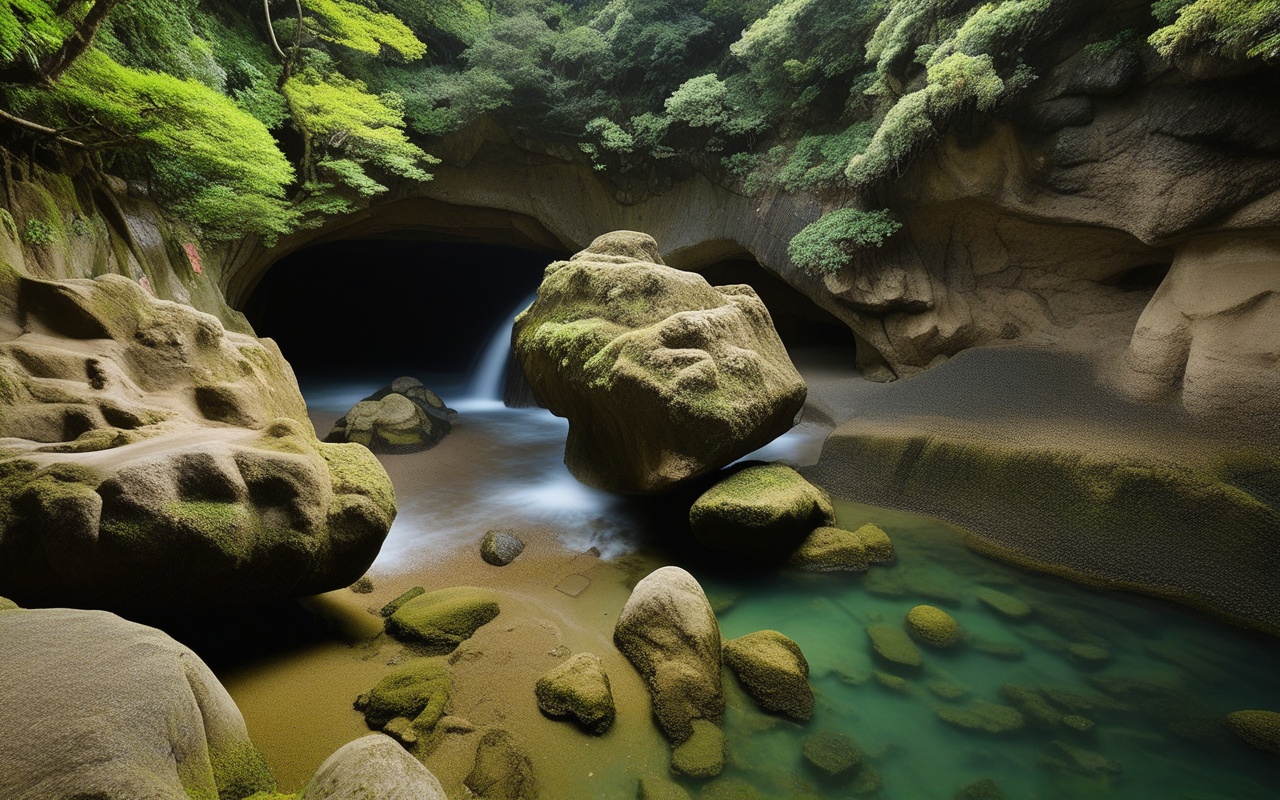
Enoshima (江ノ島) welcomes millions of visitors each year, most following the same route: bridge → escalator → shrine → observation tower → back. This guide reveals the hidden side of the island — the western cliffs where the sea has carved caves into the volcanic rock, and where ancient hermits once meditated.
Why Explore Enoshima’s Caves?
- Historical depth: Worshipped since the Heian period
- No crowds: Cave trails see 1% of island visitors
- Dramatic scenery: Cliffs sculpted by typhoon waves
- Cool refuge: Caves stay 5°C cooler than outside
- Photography: Unique perspectives of Enoshima
Safety First
⚠️ Important Notes:
- Caves are natural, not developed for tourism
- Some areas require bending/crawling
- Tide-dependent (check before visiting)
- Slippery when wet
- Not recommended after dark
- No guardrails on cliff paths
The Cave Trail
Finding the Starting Point
From Enoshima Bridge:
- Cross bridge onto the island
- Turn LEFT at the first fork (NOT the main shrine path)
- Follow the coastal path (paved) south for 5 minutes
- Where the paved path ends, continue on dirt trail
- Look for a stone torii gate at the cave entrance
Alternative route:
- From Enoshima Iwaya Caves (main tourist caves)
- Continue past paid entrance area
- Follow coast another 200m
Cave #1: Hidden Iwaya (隠れ岩屋)
This is the first cave you encounter — not to be confused with the developed Iwaya Caves that charge admission. This one is natural, free, and much smaller.
Location: Western cliff face, 5m above water
Size: 8m deep, 3m high at entrance
Access: Short scramble from coastal path
Condition: Natural (no improvements)
Features: Small stone altar, candle remnants
History: Used by Shugendo ascetics
Interior Experience:
The cave narrows quickly. At the back, a small stone altar holds old coins and offerings. Damp air and the sound of waves from below create an atmosphere that feels genuinely ancient. Take a moment to sit in silence.
Photography Tips:
- Entrance: Frame with coastal view
- Altar: Use small LED light (no flash)
- Silhouette: Person at entrance, facing out
Cave #2: Samurai Shelter (侍の隠れ家)
A larger chamber further along the coast, this cave was reportedly used by Taira clan survivors after the Genpei War.
Location: 100m south of Hidden Iwaya
Size: 15m deep, 4m at highest
Access: Path continues, watch for rope marker
Features: Stacked stones, possible fortification
History: Reputed samurai hiding spot (12th century)
What to Look For:
- Stacked stone wall at entrance (man-made)
- Burn marks on ceiling (sign of occupation)
- Small water source inside (seepage from above)
- Shellfish remains (food source)
Cave #3: The Echo Chamber (響きの洞窟)
The deepest cave on the trail, this narrow fissure extends approximately 20m into the cliff.
Location: Most southern point of trail
Size: 20m deep, narrow (1-2m wide)
Sound: Notable echo effect
Features: Natural skylight at back
⚠️ Warning: Driest in winter, wettest after rain
Sound Experience:
Speak softly and hear your voice echo back for 2-3 seconds. The chamber’s acoustics were likely noticed by ancient worshippers who may have associated the effect with supernatural presence.
The Coastal Path
Beyond the caves, the dirt trail continues along the western cliffs for another 500m before looping back to the main area.
Trail Profile:
- Length: ~1km total (out and back optional routes)
- Elevation: 5-20m above sea level
- Surface: Packed earth, some rock scrambling
- Width: 50cm-2m (narrow in sections)
- Exposure: Open cliffs (vertigo warning)

Viewpoints Along the Way:
1. Western Point: Sagami Bay open view
2. Southern Overlook: Enoshima lighthouse from below
3. Channel View: Shonan coast across the water
4. Hidden Beach: Small pebble beach at low tide
The Hidden Beach
At low tide (check tide tables), a small pebble beach is exposed at the base of the southern cliffs. Access requires a careful scramble down a steep path.
Access: Only at low tide (tide under 50cm recommended)
Surface: Smooth pebbles
Size: ~30m long, 5m wide
Swimming: Not recommended (currents)
Best for: Photography, quiet contemplation
⚠️ Warning: Cut off at incoming tide
Practical Information
When to Visit
Best Conditions:
- Low tide (under 50cm)
- Dry weather (at least 3 days since rain)
- Weekday mornings (least people)
- Winter (clearest views, no insects)

Avoid:
- High tide (caves may be inaccessible)
- Stormy weather (wave spray)
- Summer weekends (Enoshima crowded)
- Typhoon season (Sept-Oct)
What to Bring
Essential:
- Sturdy shoes (rocky, uneven terrain)
- Water
- Small flashlight/headlamp
- Light jacket (coastal wind)

Recommended:
- Kneepad (for low cave sections)
- Camera with wide lens
- Tide chart app
- Gloves (handholds on rocks)
- Small bag for trash
Safety Guidelines
✅ Check tide tables before going
✅ Tell someone your plans
✅ Watch foot placement carefully
✅ Allow 2+ hours before sunset
✅ Carry a phone (limited reception)

⚠️ High Risk:
- Climbing on wet rocks
- Entering caves during high tide
- Standing near cliff edges for photos
- Visiting alone after rain
- Ignoring "No Entry" markers
Combining with Enoshima
Morning Cave Exploration (2 hours):
8:00 AM Arrive on Enoshima
8:15 AM Start cave trail
10:00 AM Complete loop
10:15 AM Rest at coastal cafe

Afternoon Enoshima (3 hours):
11:00 AM Enoshima Shrine
12:30 PM Lunch at Enoshima
1:30 PM Observation Tower
2:30 PM Samuel Cocking Garden
3:30 PM Return Best for: Full-day island exploration
Frequently Asked Questions
Q: Are these caves dangerous?
A: Generally safe with caution. The main risk is slippery rocks and getting cut off by incoming tide. Avoid in bad weather. For safety tips, see our Kanagawa Safety Tips guide. Q: Do I need a guide?
A: No, the trail is straightforward. The directions in this guide are sufficient. Q: Can I take children?
A: Older children (10+) who are sure-footed. Not recommended for younger children or toddlers.
Q: Are these the same as the paid Iwaya Caves?
A: No. The paid Iwaya Caves are developed with lighting and paths. These are natural, free, and more adventurous. Q: Is there an entrance fee?
A: No, the cave trail is completely free.
Last Updated: May 19, 2026
Written by: Anaba OffJapan Editorial Team
Verified: Trail explored April 2026
🌟 Share Your Experience
Explored Enoshima’s hidden caves? Discovered anything unusual? Join our community forum to share your discoveries!
Anaba OffJapan – Avoid the Crowds, Go Deeper into Japan.
🦀 Marine Life & Tide Pool Guide
One of the most rewarding aspects of exploring Enoshima’s hidden caves is observing how the marine ecosystem changes with the seasons. Winter months bring clearer water and different species than summer, making each season’s visit a unique experience. The best approach is to visit at least twice — once in winter for visibility and once in summer for maximum marine life activity.
Best Time for Photography
For photographers, timing your visit carefully can make a significant difference in image quality. The western cliffs face southwest, meaning the best light for cave photography occurs in the late afternoon (2-4 PM) when the sun illuminates the cave entrances from the side rather than directly overhead, During winter months (November-February), the lower sun angle creates longer shadows that emphasize the texture of the volcanic rock and moss. Summer photography is better suited to early morning (5-7 AM) when the light is softer and the humidity creates natural mist effects over the water.
Essential Gear Checklist
Before setting out on the cave trail, ensure you have the right equipment. The terrain is more demanding than standard Enoshima walking paths, and proper gear significantly enhances both safety and enjoyment:
- Footwear: Sturdy closed-toe shoes with good grip. The volcanic rock can be sharp and slippery when wet. Avoid sandals or fashion sneakers.
- Lighting: A headlamp is preferable to a handheld flashlight because it keeps both hands free for balance on uneven sections, Bring backup batteries.
- Clothing: Lightweight long pants protect against scratches from undergrowth. A windproof jacket is a must-have even on warm days due to coastal gusts.
- Hydration: At least 1 liter of water. There are no drinking fountains or shops along the cave trail.
- Navigation: Download offline maps before arriving. Cell reception is spotty on the western cliff face.
- Emergency: A basic first aid kit and a fully charged phone in a waterproof case.
What You’ll Find in the Tidal Pools
Photography Tips for Tide Pools
| Setting | Recommendation |
|---|---|
| Lens | Macro (for small creatures) or 24-70mm |
| Polarizer | Essential to reduce water surface reflections |
| Time | 2 hours before low tide for best light |
| Technique | Shoot parallel to water surface for depth |
Conservation Ethics
The tide pool ecosystem is fragile. Follow these guidelines:
- Look, don’t touch — touching removes protective slime from creatures
- Replace overturned rocks — each rock is a micro-habitat
- No collecting — everything belongs in the wild
- Watch your step — many creatures are well-camouflaged
Geological Background
The caves were formed over thousands of years by wave action eroding the softer volcanic tuff layers of Enoshima’s cliffs. The island itself is composed of andesite and tuff from ancient volcanic activity in the Hakone region. The caves continue to evolve — each typhoon season brings minor collapses that reshape the caverns. This constant geological change means the cave system looks slightly different every year.
Combining with Local History
The caves have drawn spiritual seekers for centuries, During the Kamakura period (1185–1333), Shugendo mountain ascetics used these caves for meditation and austerity training (shugyo). In the Edo period, they became pilgrimage stops for commoners, During World War II, some caves were used as air raid shelters. This layered history adds depth to any visit.
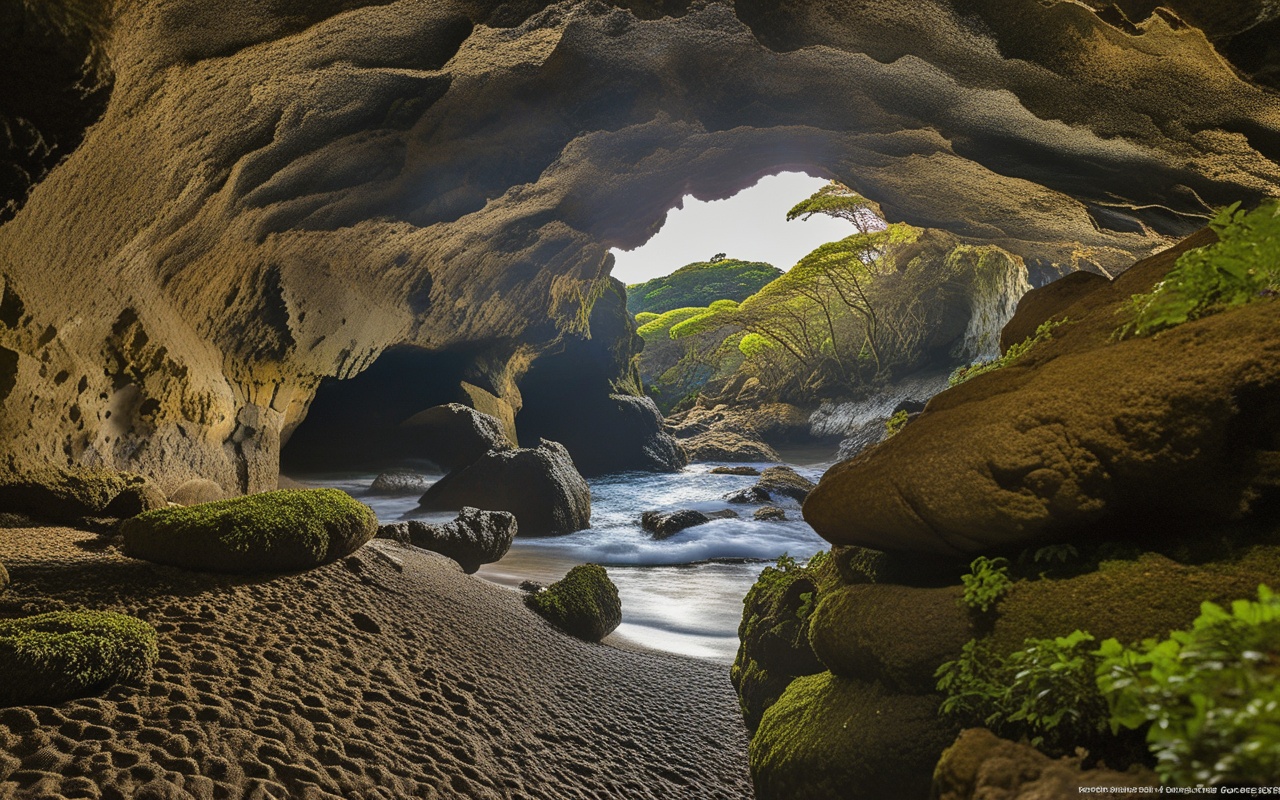
Enoshima’s hidden caves offer a rare glimpse into the island’s wilder, more mysterious side. Just steps from the main tourist trail, these natural chambers and cliff paths provide an adventure that most visitors completely miss — proving that even Kanagawa’s most popular destinations still hold secrets.
Packing Essentials
For outdoor activities, wear moisture-wicking clothing and comfortable closed-toe shoes. Sunscreen and a hat are essential during summer. A small towel is useful for wiping sweat. A waterproof phone pouch is useful for water activities. Pack snacks and extra water for remote areas.
Conclusion
Exploring Enoshima’s hidden caves was one of the most memorable afternoons I have spent on the island — just steps from the crowded shrine path, the western cliffs feel completely wild. Check the tide tables, wear sturdy shoes, and take your time along the coastal trail; the quiet chambers and sea-carved rock are a side of Enoshima most visitors never see.