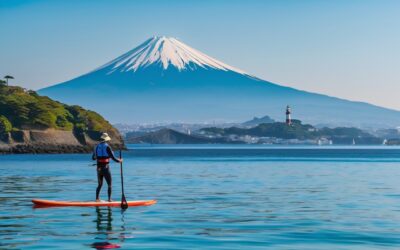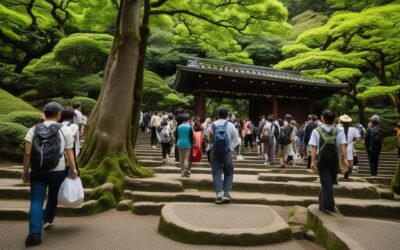

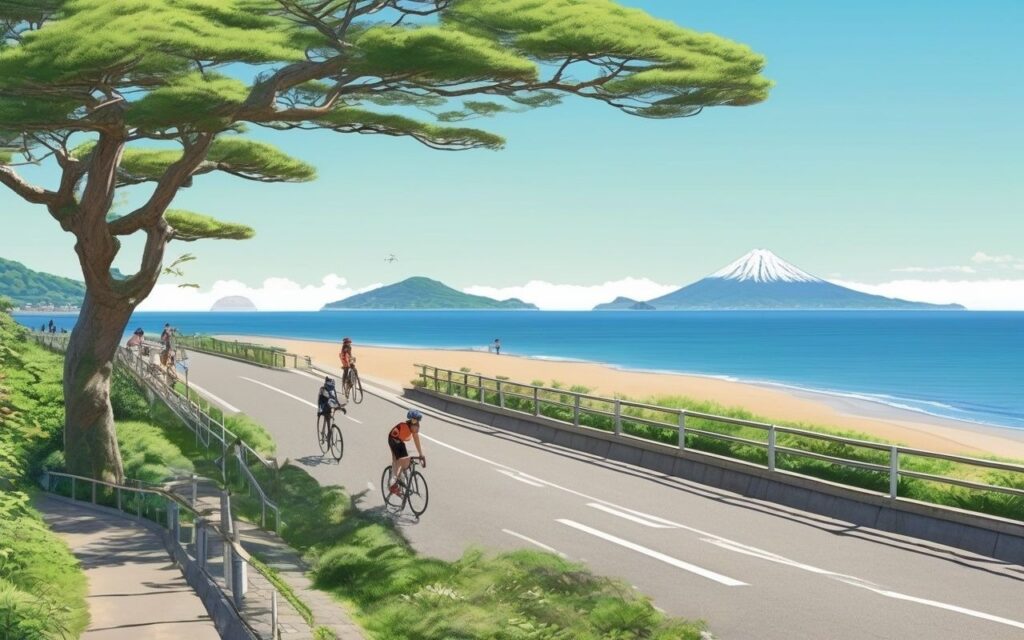
Overview
🗺️ Key Points
- Perfect for: Cyclists, active travelers
- Duration: Half-day to full day
- Budget: ¥3,000-6,000 (including rental)
- Best season: Spring and autumn
- Difficulty: Easy to moderate
📋 Overview
The Shonan and Kamakura region offers some of Japan’s most scenic cycling routes. This guide covers the best routes, rental shops, and essential tips for cycling in this pretty area.
🚴 Top Cycling Routes
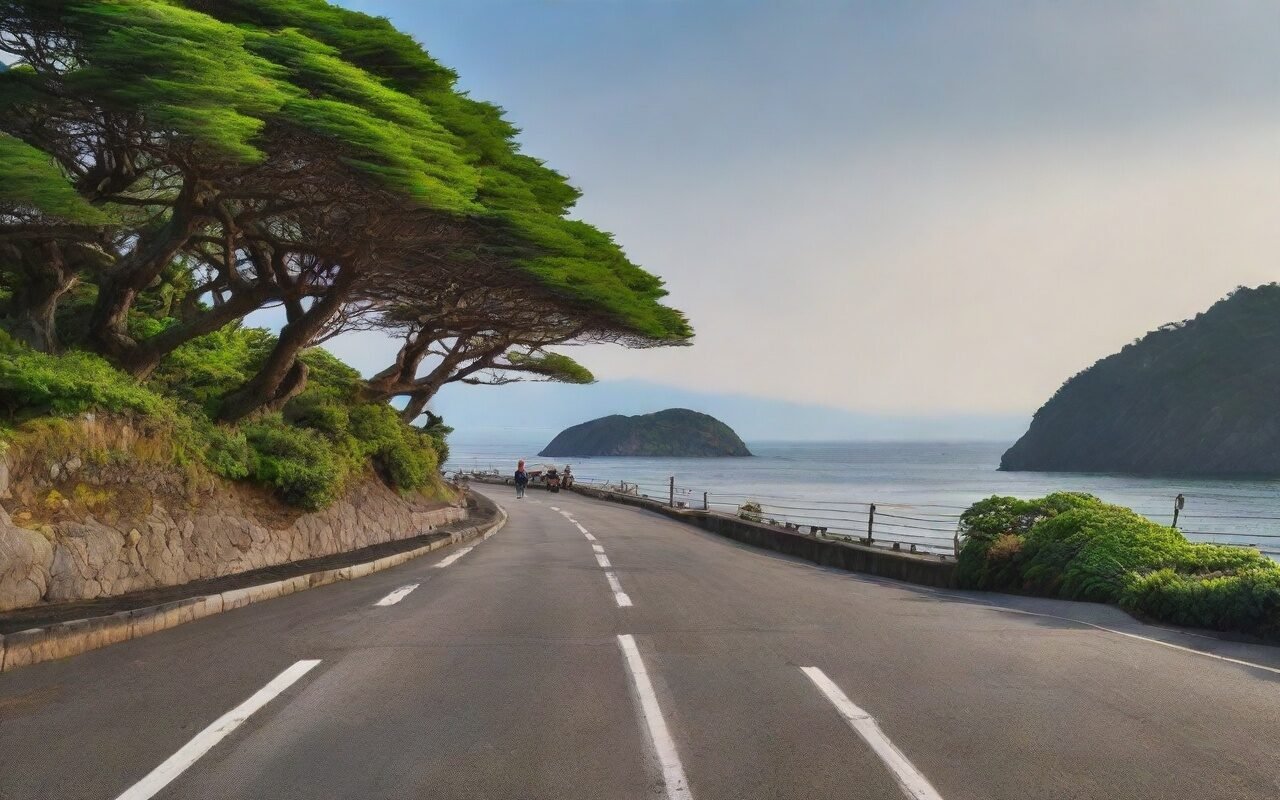
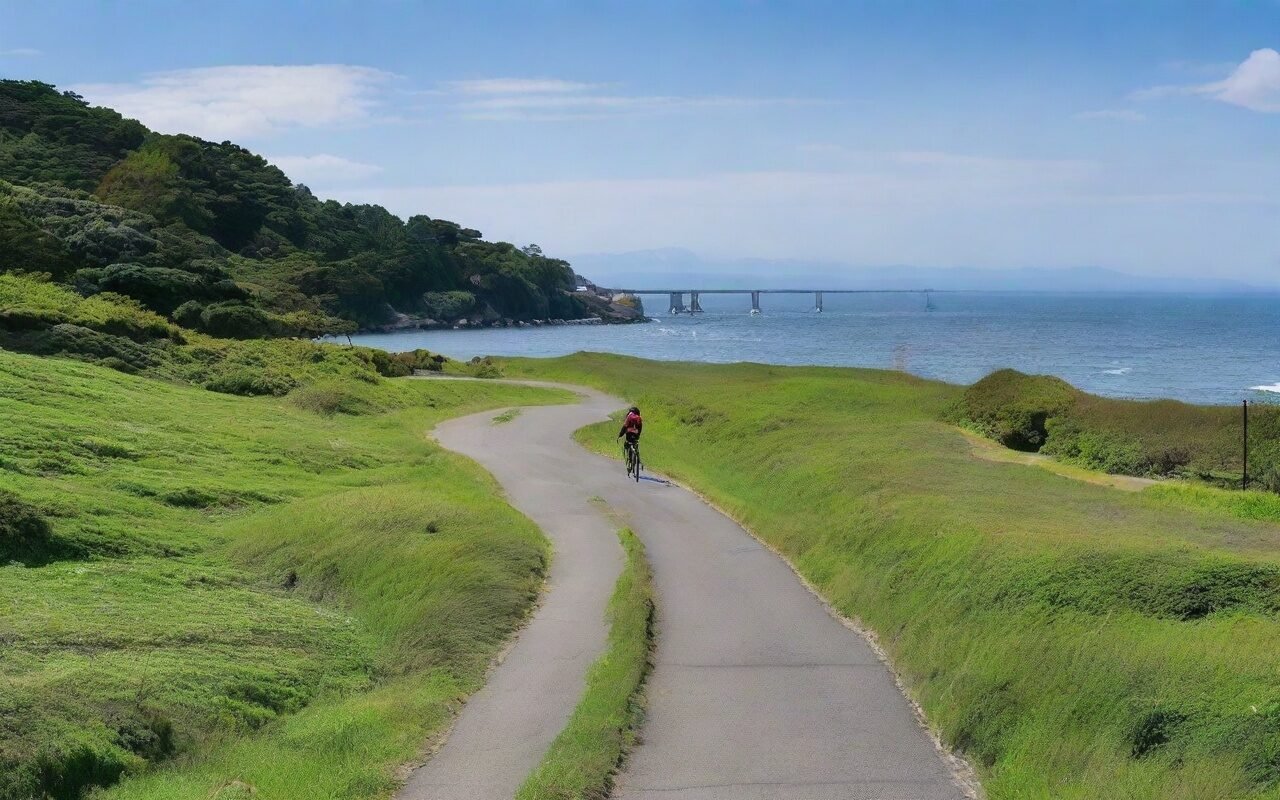
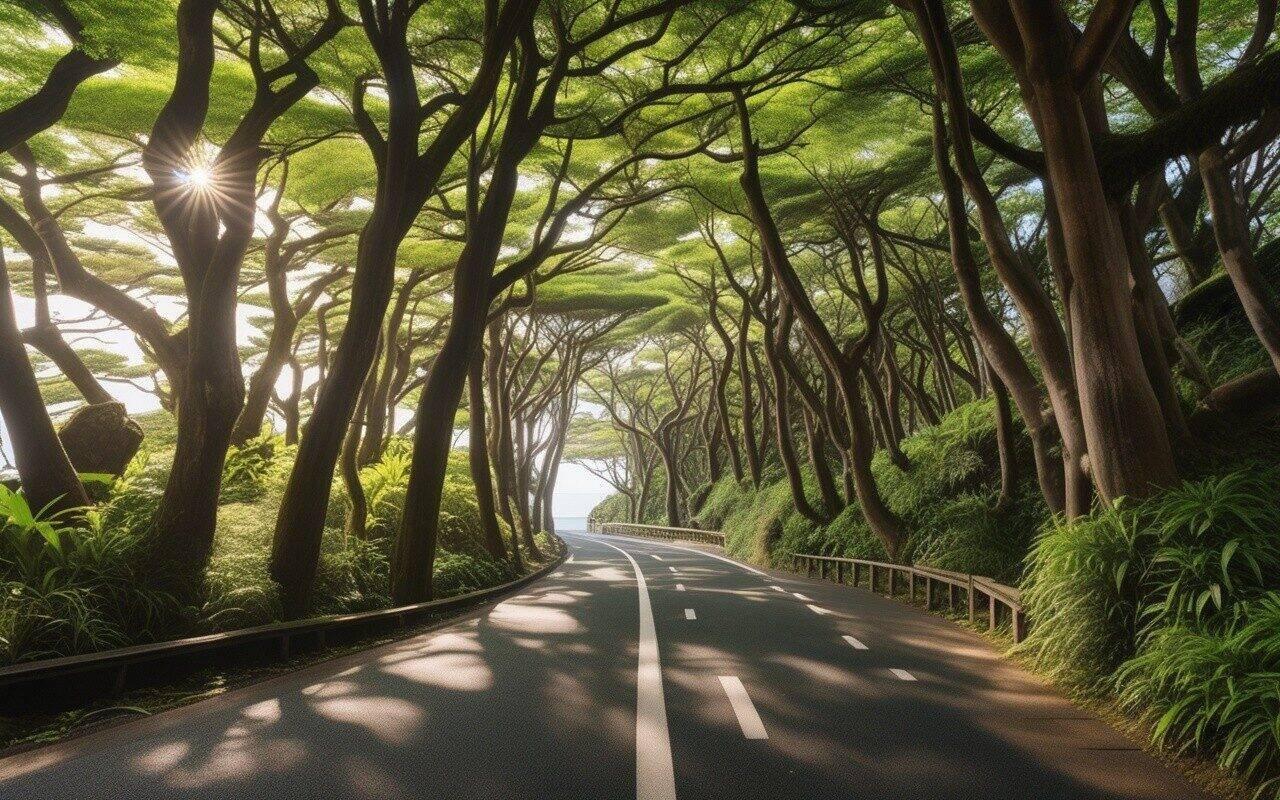
Route 1: Yuigahama to Zushi Beach (12km)
Difficulty: Easy
Duration: 1.5-2 hours
Highlights: Ocean views, local cafes This flat coastal route follows the shoreline from Kamakura’s Yuigahama Beach to Zushi. Perfect for beginners, with plenty of rest stops and photo chances. Route Highlights:
- Yuigahama Beach starting point
- Inamuragasaki Park (sunset views)
- Zushi Marina
- Multiple beachside cafes Rental Shops:
- Kamakura Cycling (¥1,000/day): Near Kamakura Station
- Shonan Bike (¥1,500/day): Near Yuigahama Station
Our guide to Hayama Cafe Wifi Power has additional tips and recommendations.
Route 2: Kamakura Temple Loop (8km)
Difficulty: Easy
Duration: 2-3 hours
Highlights: 6 major temples, traditional streets A cultural cycling route connecting Kamakura’s most important temples. The route includes some hills but is manageable for casual cyclists. Temples Included:
- Kotoku-in (Great Buddha)
- Hasedera Temple
- Hokokuji Temple (bamboo grove)
- Kenchoji Temple
- Engakuji Temple
- Tsurugaoka Hachimangu
Route 3: Enoshima Island Circuit (5km)
Difficulty: Easy
Duration: 1-2 hours
Highlights: Island views, sea caves Circle the entire Enoshima Island, and the famous sea caves. The island has dedicated cycling paths and is very tourist-friendly. Highlights:
- Enoshima Shrine
- Samuel Cocking Garden
- Iwaya Caves
- Sunset viewing spots
Route 4: Hakone Mountain Challenge (25km)
Difficulty: Moderate to hard
Duration: 4-5 hours
Highlights: Mountain views, hot springs For experienced cyclists, this mountain route offers stunning views of Lake Ashi and surrounding peaks. Includes significant elevation gain. Route Details:
- Starting point: Hakone-Yumoto Station
- Highest point: 800m elevation
- Rest stops: Multiple onsen towns
- Return: Downhill to starting point
For more on this topic, see our guide to Hakone Onsen Tattoo Friendly.
Check out our Hakone Day Trip Onsen guide for detailed information.
🚲 Bike Rental Guide
Budget Options (¥1,000-1,500/day)
Kamakura Station Area:
- Kamakura Cycling: Basic city bikes. ¥1,000/day
- Cycle Kamakura: Electric bikes. ¥1,500/day Shonan Area:
- Shonan Bike Rental: Beach cruisers. ¥1,200/day
- Fujisawa Cycle: Mountain bikes. ¥1,500/day
Premium Options (¥2,000-4,000/day)
Electric Bikes:
- E-Bike Shonan: ¥3,000/day. 50km range
- Kamakura E-Cycle: ¥2,500/day. 40km range Road Bikes:
- Shonan Road Bike: ¥4,000/day, carbon frame
- Kamakura Racing: ¥3,500/day, aluminum frame
Rental Tips
- Book in advance during cherry blossom season
- Bring ID: Passport needed for rental
- Check insurance: Most shops include basic coverage
- Ask for maps: Free cycling maps available
- Return time: Most shops need return by 6 PM
🛡️ Safety Tips
Traffic Rules
- Ride on the left: Same as cars in Japan
- Use bike lanes: Where available
- Helmet recommended: Not legally needed but advised
- Lights needed: After sunset
Road Conditions
- Coastal routes: Generally flat and well-kept
- Mountain routes: Steep sections, check brakes
- Temple areas: Watch for pedestrians
- Beach paths: Sand can be slippery
Emergency Contacts
- Police: 110
- Ambulance: 119
- Bike rental shops: Usually provide emergency support
🌸 Seasonal Cycling Guide
Spring (March-May)
- Weather: 15-20°C. ideal for cycling
- Highlights: Cherry blossoms along coastal routes
- Crowds: High, start early (before 9 AM)
Summer (June-August)
- Weather: 25-30°C. hot and humid
- Highlights: Beach cycling, early morning rides
- Tips: Start before 8 AM, bring extra water
Autumn (September-November)
- Weather: 15-22°C. perfect conditions
- Highlights: Fall foliage on mountain routes
- Best time: October-November
Winter (December-February)
- Weather: 5-10°C. cold but manageable
- Highlights: Clear views, fewer crowds
- Tips: Dress warmly, check road conditions
📍 Location
The Shonan-Kamakura cycling region is found 1 hour south of Tokyo. Major starting points:
- Kamakura Station: Central location, multiple rental shops
- Yuigahama Station: Beach access, coastal routes
- Fujisawa Station: Enoshima access, southern routes
- Hakone-Yumoto: Mountain routes, hot springs
🗺️ Nearby Attractions
Within 5km
- Yuigahama Beach: Starting point for coastal routes
- Enoshima Island: Island circuit route
- Kamakura temples: Temple loop route
Within 15km
- Zushi Beach: Extended coastal route
- Hakone: Mountain cycling challenge
- Fujisawa: Urban cycling routes
🎒 Essential Tips for Visitors
What to Bring
For Cycling:
- Helmet (recommended, not needed)
- Water bottle (refill stations available)
- Sunscreen and hat
- Light rain jacket
- Phone with offline maps
For Wellness:
- comfy clothing for yoga
- Towel for onsen
- refillable water bottle
- Small backpack for day trips
For Proposal Planning:
- Ring box (secure pocket)
- Camera or phone for photos
- Backup location plan
- Restaurant booking for celebration
Best Times to Visit
Early Morning (6-8 AM):
- Fewer crowds at popular spots
- Best photos light
- Cooler temperatures in summer
- Peaceful atmosphere Late Afternoon (4-6 PM):
- Golden hour for photos
- Sunset views
- Romantic atmosphere
- Cooler temperatures Weekdays:
- 30-50% fewer crowds
- Better photo chances
- More relaxed pace
- Easier restaurant bookings
Local Etiquette
Temple & Shrine Visits:
- Bow before entering
- Remove hats
- Speak quietly
- No photos in restricted areas
- Follow designated paths
Onsen Etiquette:
- Wash thoroughly before entering
- No swimsuits (traditional onsens)
- Small towel only (don’t put in water)
- No tattoos (check in advance)
- Quiet conversation only
Cycling Rules:
- Ride on the left side
- Use bike lanes where available
- Walk bikes in crowded areas
- Respect pedestrian zones
- Park in designated areas only
📸 photos Tips
Cherry Blossom Spots:
- Tsurugaoka Hachimangu (Kamakura)
- Yamashita Park (Yokohama)
- Hakone Gora Park (mountain views)
- Komachi-dori Street (traditional atmosphere)
Evening Views:
- Minato Mirai lights
- Yokohama Red Brick Warehouse
- Hakone onsen town lights
- Kamakura temple lights
Camera Settings
Smartphone Tips:
- Use HDR mode for landscapes
- Grid lines for composition
- Tap to focus on subjects
- Edit with free apps (Snapseed. VSCO)
DSLR/Mirrorless:
- Wide lens for landscapes (16-35mm)
- Portrait lens for people (50-85mm)
- Tripod for low light
- Polarizing filter for water/sky
🌟 lesser-known spots
Local Favorites
Secret Beaches:
- Shichirigahama (less crowded than Yuigahama)
- Isshiki Beach (Hayama, local favorite)
- Morito Beach (Zushi, quiet) Quiet Temples:
- Hokokuji Temple (bamboo grove. Kamakura)
- Jufukuji Temple (hidden. Kamakura)
- Myohonji Temple (peaceful. Kamakura) Local Cafes:
- Cafe Rhine (Hayama, ocean views)
- Bill’s Shonan (famous pancakes)
- Cafe La Mer (Zushi, beachfront)
Seasonal Secrets
Spring:
- Cherry blossoms at lesser-known temples
- Avoid Golden Week (late April-early May)
- Book lodging 3 months ahead Summer:
- Early morning beach visits (before 9 AM)
- Evening fireworks festivals
- Indoor museums for hot afternoons Autumn:
- Fall foliage at Hakone (mid-November)
- Harvest festivals at local shrines
- Best photos light in October Winter:
- Clear Mount Fuji views (January-February)
- Onsen with snow views
- Fewer crowds, better prices
💡 Pro Tips from Locals
Money-Saving Secrets
- Supermarket discounts: 7-8 PM, 20-30% off bento
- Convenience store coffee: ¥100 vs cafe ¥400
- Free walking tours: Yokohama, Kamakura (tip-based)
- Museum discounts: First Sunday of month (many free)
- Train passes: buy online for 10% discount
Time-Saving Secrets
- Luggage forwarding: Send bags from Tokyo hotels (¥2,000)
- Early temple visits: 8 AM opening, no crowds
- Restaurant bookings: Book 1-2 days ahead
- Offline maps: Download before arriving
- IC cards: Suica/Pasmo for all transport
Safety Secrets
- Emergency numbers: 110 (police), 119 (ambulance)
- Hotel business cards: Carry for taxi returns
- Cash backup: Keep ¥10,000 emergency cash
- Translation apps: Google Translate works well
- Tourist info centers: Free maps. Wi-Fi
💡 Local Insider Tips
Money-Saving Strategies
Transportation:
- buy day passes for unlimited travel
- Use IC cards (Suica/Pasmo) for small discounts
- Walk between nearby attractions (free, healthy)
- Avoid taxis (extremely expensive in Japan)
- Rent bicycles for local exploration
Food:
- Supermarket bento after 7 PM (20-30% discounts)
- Convenience store coffee (¥100 vs cafe ¥400)
- Lunch specials at restaurants (30% cheaper than dinner)
- Local markets for fresh, affordable seafood
- Standing soba shops for quick, cheap meals
Attractions:
- First Sunday of month: Many museums free
- Temple grounds often free to enter
- Parks and beaches completely free
- Combination tickets for multiple attractions
- Student discounts with valid ID
Top Photo Locations:
- Enoshima Sea Candle for 360-degree panoramic views
- Yuigahama Beach for ocean sunset photos
- Lake Ashi with Mount Fuji backdrop (winter clearest)
- Kamakura Great Buddha for iconic shots
- Yokohama Minato Mirai for night cityscapes
Seasonal photos:
- Spring: Cherry blossoms at temples (late March-early April)
- Summer: Beach scenes, fireworks festivals
- Autumn: Fall foliage at Hakone (mid-November peak)
- Winter: Clear Mount Fuji views, lights
🌟 lesser-known spots Only Locals Know
Secret Spots
Quiet Beaches:
- Shichirigahama (less crowded than Yuigahama)
- Isshiki Beach in Hayama (local favorite)
- Morito Beach in Zushi (peaceful, clean)
Hidden Temples:
- Hokokuji Temple bamboo grove (early morning best)
- Jufukuji Temple (hidden, rarely visited)
- Myohonji Temple (peaceful garden, few tourists)
Local Cafes:
- Cafe Rhine in Hayama (ocean views, local art)
- Bill’s Shonan (famous soufflé pancakes)
- Cafe La Mer in Zushi (beachfront, sunset views)
🎒 Essential Planning Checklist
Before You Go
Book in Advance:
- lodging (mostly weekends, holidays)
- Popular restaurants (1-2 days ahead)
- Activity tours (onzen, cooking)
- Transport passes (online discounts)
Pack Smart:
- comfy walking shoes (essential)
- Weather-appropriate clothing layers
- small phone charger (long days out)
- Cash (many places cash-only)
- IC card (Suica/Pasmo for transport)
Download Apps:
- Google Maps (offline maps available)
- Google Translate (camera translation)
- Japan Travel by Navitime (route planning)
- Gurunavi (restaurant discounts)
- Hyperdia (train schedules)
Daily Planning
Morning Routine:
- Check weather forecast
- Confirm transport schedules
- Reserve lunch spots if needed
- Charge camera and phone
- Pack water and snacks
Evening Routine:
- Review next day’s itinerary
- Charge all devices overnight
- Confirm restaurant bookings
- Check transport for morning
- Organize day’s photos
Emergency Preparedness
Important Numbers:
- Police: 110
- Ambulance/Fire: 119
- Coast Guard: 118
- Tourist Info: Use the official Japan National Tourism Organization (JNTO) website for current visitor support options. Emergency Kit:
- Hotel business card (for taxi returns)
- Emergency cash (¥10,000 minimum)
- Basic first aid supplies
- small phone charger
- Copy of passport and insurance
Cycling in Shonan and Kamakura offers an great way to explore this pretty region. Whether you choose a leisurely coastal ride or a hard mountain route, the combination of natural beauty, and great infrastructure makes this area perfect for cyclists of all levels. —
Related Articles:
Discover more in our guide to Shonan Wifi Spots – Kanagawa 2026. What struck me most was the peaceful atmosphere, even during peak season when the crowds thin out after 3 PM.
Frequently Asked Questions
Q: When can I see the best seasonal scenery here?
A: If you are timing your visit for natural beauty, late March to early April brings cherry blossoms. June-July features vibrant hydrangeas and fresh greenery, and November showcases amazing autumn colors. Each season offers a different perspective on the landscape. Q: How long does it take to get here from Tokyo?
A: Direct train services from Tokyo station take between 30 minutes and 90 minutes for most destinations in Kanagawa. The Shinkansen reaches Odawara in just 35 minutes. Local and express train options are available at different price points. Bus services are also available for some locations. Q: Is this destination manageable as a day trip from Tokyo?
A: Yes, all destinations in this guide work well as day trips. Plan to arrive by late morning to see the main highlights. For a relaxed pace including lunch and optional detours, allow 6-8 hours. If you have more time, extending your stay overnight lets you explore at a leisurely pace and enjoy evening attractions. Q: Do I need any special skills or equipment to enjoy this destination?
A: Most attractions in this guide are accessible to visitors of all backgrounds and fitness levels. Well-kept paths, clear signage, and English info make navigation easy. For activities needing specific gear (hiking shoes, swimwear, etc.), tips are included in the relevant sections above.
Conclusion
The Shonan-Kamakura coastline is one of Kanagawa’s most rewarding places to ride a bike, with routes that suit everyone from casual pedalers to seasoned riders. Whether you follow the Enoden tracks along the shore or climb into the hills behind Kamakura for temple views, every route rewards you with sea air and scenery you cannot get from a train window. Rent a bike in the morning, let the coast guide your route, and you will understand why locals never tire of these roads.