Tag: hakone

  • Hakone Onsen Culture – Kanagawa 2026

    Hakone Onsen Culture – Kanagawa 2026

    Hakone Onsen Culture – Kanagawa 2026

    Overview

    Explore the rich cultural heritage and historical significance of Hakone Onsen Culture – Kanagawa in Kanagawa Prefecture. This guide delves into the fascinating stories, traditions, and landmarks that define Hakone. From ancient temples to modern museums, discover how this destination has shaped Japan’s cultural landscape over centuries.

    Skin conditions and honest abstention Psoriasis flare-ups can worsen communal debate; choose private rentals when unsure.

    Hair dye, lotions, and water chemistry

    Rinse products thoroughly before tubs; oils float visibly.

    Accessibility and dignity

    Grab bars exist in newer wings; older buildings may require detours. Ask without shame.

    Quiet queuing at popular free ashiyu

    Footbaths beside roads fill fast; do not save seats with bags indefinitely.

    Misconceptions about mixed baths

    Rare, regulated, sometimes appointment-only; never assume.

    Staff roles beyond cleaning

    They monitor heat levels and gas alarms; cooperate if asked to exit briefly.

    Yukata tying and left-over-right funerals mistake myth

    Learn basic knot; hotel staff help politely if asked once, not ten times daily.

    Slipper rules at toilet thresholds

    Bathroom slippers never return to rooms; swap carefully.

    Time slots and hotel dinner coordination

    Kaiseki schedules sometimes assume you bathe pre-meal; confirm times.

    Noise in corridors after baths

    Wet hair dripping on tatami annoys housekeeping; dry partially first.

    Photography bans and neighbor windows

    Even lobby kimono photos can capture strangers; angle carefully.

    Onsen eggs and calcium snacks

    Moderation; sulfur burps happen humorously.

    Final thoughts

    Hakone onsen culture rewards humility, warm water, and low voices. Learn rules once deeply, then return them to the mountain by bathing cleanly.

    From sento economics to luxury rotenburo pricing psychology

    Urban sento historically priced entry for working-class daily hygiene. Hakone’s tourism onsen price for capital costs of drilling, filtering, insurance, and seasonal staffing, Understanding that shift prevents moralizing about yen figures. You are partly paying for water stewardship and fire safety systems invisible behind cedar panels. If a rate feels high, compare included towel quality, locker size, and late-night reopening hours rather than only water volume.

    Mineral deposits and tub scrubbing schedules

    Staff scrub mineral rings during low-traffic windows, Seeing staff work is a feature; thank them quietly. Do not offer unsolicited help unless volunteer programs exist.

    Onsen water circulation versus chlorine supplementation

    Some hotels blend mineral springs with heated tap water legally within ratios; others pipe nearly pure source flow. English explanations vary; ask if curious without implying fraud.

    Bathing order debates among Japanese guests themselves

    Even locals argue whether shower-first-then-soak or quick pre-rinse then long soak suits skin best. Experiment safely; no universal winner.

    Gender-neutral private rentals and LGBTQ travelers

    Private family baths reduce anxiety when public gender partitions feel mismatched to identity. Book early on weekends.

    Pregnancy and hot bath medical guidance

    Obstetricians often recommend cooler shorter soaks; follow personal medical advice over travel bravado.

    Hypertension and rapid temperature shifts

    Step out slowly if dizzy; sit on stools before standing fully.

    Elder respect and stool sharing

    Yield shower positions to elders when space tight.

    Smartphone steam damage risks

    Non-waterproof phones belong lockers, not ziplock arrogance.

    Glasses fog and anti-fog ethics

    Wipe away from shared mirrors to avoid splashing neighbors.

    Hair ties and bun height

    Long hair must stay above water; thick buns need stronger ties than hotel complimentary elastics sometimes offer.

    Shaving before onsen

    Tiny blood spots worry others; shave at hotel room sinks, not at shared benches.

    Nail polish chips

    Remove flakes before tubs; polish chips float embarrassingly.

    Perfume versus sulfur

    Strong perfume clashes with natural mineral air; lighter scents or none.

    Post-bath skin care science

    Pat dry rather than aggressive rubbing; apply lotion after cooling slightly.

    Yukata left-over-right mistake rarely fatal

    Staff smile off honest mistakes; correct quietly.

    Layering for winter corridor walks

    Indoor heat contrasts outdoor frost; cardigan helps.

    Summer mold awareness in humid lockers

    Dry suits thoroughly overnight.

    Autumn leaf viewing from some rotenburo

    Trees frame views; photography rules still apply.

    Spring pollen on wet hair

    Rinse pollen before baths to reduce shared water debris.

    Onsen curfew signals

    Dimming lights often precede closing; do not negotiate aggressively.

    Morning first-bath culture at ryokan

    Early risers prize cleaner water chemistry; arrive on time if reserved.

    Foot massage machines near baths

    Sometimes coin-operated; sanitize feet first.

    Vending milk flavors

    Coffee milk nostalgia differs by region; try once.

    Misunderstood “no tattoos” English phrasing

    Some signs mean large visible irezumi only; ask.

    Communicating allergies in kitchens after baths

    Kaiseki kitchens need advance notice hours before meals, not at bath exit.

    Slippery children

    Hold hands on wet stairs even if kids resist.

    Partner etiquette

    Public baths are not flirtation stages; keep intimacy private.

    Onsen and marathon runners

    Muscle recovery soaks help some athletes; others swell; listen to body.

    Onsen after skiing nearby

    Not Hakone core yet some winter visitors combine; rinse sweat heavily.

    Cultural appropriation debates around photos

    Kimono rental photos tread sensitive lines; research respectful posing.

    Staff language anxiety

    Smile when they stumble English; they often care deeply.

    Tipping remains absent

    Praise with words or repeat visits.

    Final closure on consent culture

    Consent extends to shared water; everyone deserves predictable cleanliness.

    Long soaks versus interval kakeyu cycles

    Some therapists suggest three eight-minute dips with cooling breaks for circulation training. Others prefer one twenty-minute gentle soak. Track heart rate sensations honestly. If palms tingle oddly, exit.

    Bathing with mobility aids

    Waterproof shower chairs exist in accessible baths; call ahead to reserve slots if inventory limited.

    Communicable skin disease self-screening

    Open wounds mean abstain; ringworm means treat before sharing water.

    Piercings and hot water

    Metal heats faster underwater; rotate earrings mentally.

    Contact lenses fogging again

    Consider glasses or daily disposables.

    Hearing loops rare

    Face staff for lip reading if helpful.

    Onsen and religious modesty intersections

    Some travelers prefer private baths for faith reasons; hotels increasingly accommodate without drama.

    Onsen music policy

    Piped spa music volume varies; earplugs optional if anxious.

    Onsen and grief travel

    Quiet crying happens; give space without intrusive questioning.

    Onsen after tattoos fresh

    Healing skin plus bacteria risk equals doctor veto.

    Onsen and menstrual cups

    Personal choice; some prefer private rentals for management comfort.

    Onsen and colostomy travelers

    Private baths plus medical cards help communication.

    Onsen water drinking fountains

    Some springs offer tasting spouts separate from baths; follow signage if potable.

    Onsen eggs calcium content moderation

    Two eggs max jokingly suggested by locals; humor hides real GI advice.

    Onsen and sleep architecture

    Core body temperature drop after baths aids sleep if timed one hour pre-bed.

    Onsen morning versus night skin feel

    Morning tightness differs from night relaxation; lotion accordingly.

    Onsen and hair conditioner timing

    Condition after final soak to avoid rinsing oils into shared tubs earlier.

    Onsen and beard oil

    Washes away; reapply post exit.

    Onsen and watch waterproofing

    Steam sneaks past ratings; lockers safer.

    Onsen and wedding rings tightness

    Heat expands fingers; ensure rings removable.

    Onsen etiquette research homework

    Watch bilingual hotel channel videos once calmly in room.

    Onsen staff training seasons

    New hires appear spring; patience if explanations wobble.

    Onsen final bows

    Thank staff with nod; depart quietly.


    Closing reminder

    Culture lives in repeated small courtesies at water edges.

    Comparative notes from other Kanagawa baths

    Beppu this is not; Hakone skews milder sulfur tones and smaller tubs on average. Travelers hopping from Atami bayside springs notice salinity differences on skin slipperiness, Naming comparisons helps your body expect different post-rinse textures without blaming individual hotels unfairly.

    Nightingale floors not relevant yet wooden creaks echo

    Older ryokan corridors creak; slow steps reduce neighbor alarm at midnight bathroom runs.

    Onsen and CPAP machine users

    Moist air can affect filters; dry masks overnight in dehumidified corners if available.

    Onsen and insulin cooling packs

    Do not leave medical coolers blocking narrow changing benches.

    Onsen and breastfeeding

    Private rooms better for infant feeding comfort than humid shared benches.

    Onsen and teenage self-consciousness

    Private rentals help adolescents navigating body anxiety.

    Onsen and sunburn same day

    Hot water intensifies burn sting; cool showers first.

    Onsen and jellyfish stings irrelevant yet humor reminds

    Salt stories differ coast versus mountain; smile at brochure metaphors.

    Onsen final synthesis paragraph

    You arrive carrying urban velocity; water asks you to deposit it before entry. Exit carrying slower breath and hopefully cleaner habits you export to your next shared pool on Earth.

    If you remember only three lines before your first Hakone soak, remember these: rinse thoroughly, keep towels out of shared water unless rules explicitly allow, and treat staff corrections as hospitality rather than scolding, Everything else becomes easier after that foundation.

    Long weekends test every rule when tired families collide with honeymoon couples in tight changing rooms, Pausing five seconds to reorganize bags before opening lockers prevents domino collisions that ruin moods faster than sulfur ever could.

    When you leave Hakone, carry the habit of rinsing before shared water into whatever pool or gym you visit next, That export matters more than any single selfie because culture is repetition, not costume. Steam rises, rules remain, and the mountain quietly grades your manners every time you return.

    Arrive curious, rinse twice if unsure, and leave the water as clear as your conscience hopes the next stranger deserves, That small discipline scales across every rotenburo you will ever meet, in Hakone or beyond. Say thank you with calm water, not loud performance. One more mindful breath finishes the lesson today without rushing the stairs.


    Tips

    Practical notes from my trips to exploring Hakone for its onsen: confirm the latest hours on the official website, buy tickets in advance when you can, and leave extra time for trains and walking between stops. Keeping your first day lighter also helps you enjoy the second day without feeling rushed.

    Frequently Asked Questions

    Q: Are English guides available?
    A: Major temples, shrines, and museums offer English audio guides or pamphlet guides. Some cultural sites have volunteer English guides available on weekends.

    Q: Can I take photographs?
    A: Photography is generally allowed in outdoor areas. Indoor photography, especially of cultural artifacts, may be restricted. Flash photography is commonly prohibited.

    Q: How much time should I budget?
    A: For temples and shrines, budget 30-60 minutes. Museums typically require 1-2 hours. Cultural experiences (tea ceremony, craft workshops) take 1-2 hours.

    Q: Are there any dress codes?
    A: No strict dress codes, but dressing respectfully is appreciated at temples and shrines. Avoid overly revealing clothing. Comfortable walking shoes are recommended. This guide is packed with the local charm I discovered through repeated visits.

    My personal exploration of Kanagawa has been incredibly rewarding, and I recommend adding this region to any Japan travel itinerary — the variety of experiences within short distances is what makes it special.

    Whether soaking in a forest rotemburo or enjoying a modern toji retreat, Kanagawa’s hot springs offer genuine relaxation in settings that range from rustic to refined.

    Conclusion

    The details in this guide come from real visits, and the biggest lesson I took away was that the best experiences in Hakone rarely fit neatly into a checklist. During my visit to Hakone I went with a rough plan and found that leaving room to wander made the trip far more memorable. Plan the essentials, keep your schedule flexible, and you will leave Kanagawa wanting to return.
  • Hakone Nature Conservation Guide 2026

    Hakone Nature Conservation Guide 2026

    Overview

    Experience Hakone Nature Conservation Guide in an environmentally responsible way with this sustainable travel guide. Discover eco-friendly accommodations, green transportation options, and local initiatives that make Hakone a leader in sustainable tourism. Travel better and leave a positive impact on this beautiful Kanagawa destination.
    I joined a volunteer trail maintenance day during my last visit to Hakone, and it completely changed how I see the region. We spent the morning clearing overgrown paths and installing erosion barriers. For a complete Hakone itinerary, see our Hakone guide or explore Kanagawa’s wellness retreats.

    Soil compaction and widening scars

    When mud deepens, hikers sometimes braid new paths around puddles that widen erosion. Step through mud carefully in proper boots rather than carving parallel tracks. Poles help balance if used gently without poking holes in fragile moss.

    Trash ethics beyond “pack it in”

    Bins remain scarce on ridges. Carry zip bags for wrappers. Do not burn trash; wildfire risk is real.

    Water sources and purification tablets

    Stream water may look clear yet carry parasites or volcanic minerals unsafe without testing. Carry adequate bottles from known safe taps at visitor centers.

    Ropeway ecology intersections

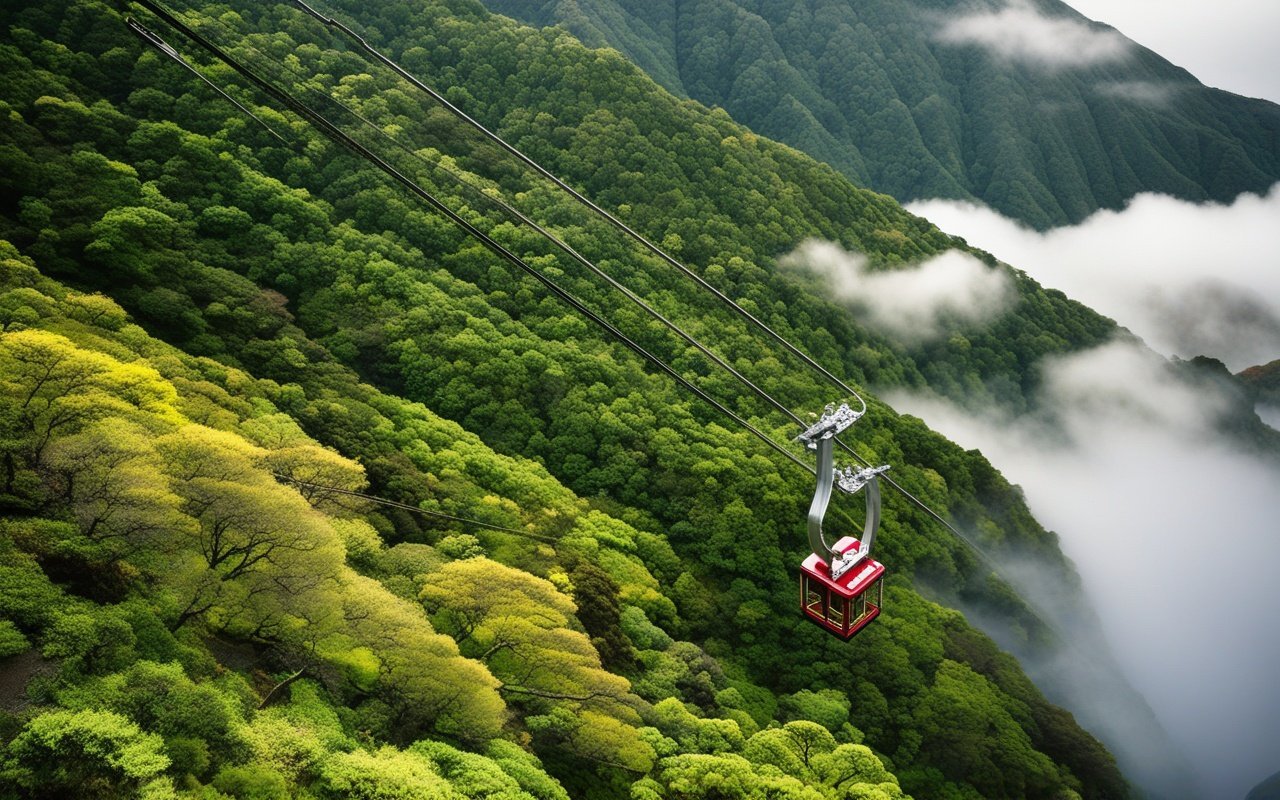
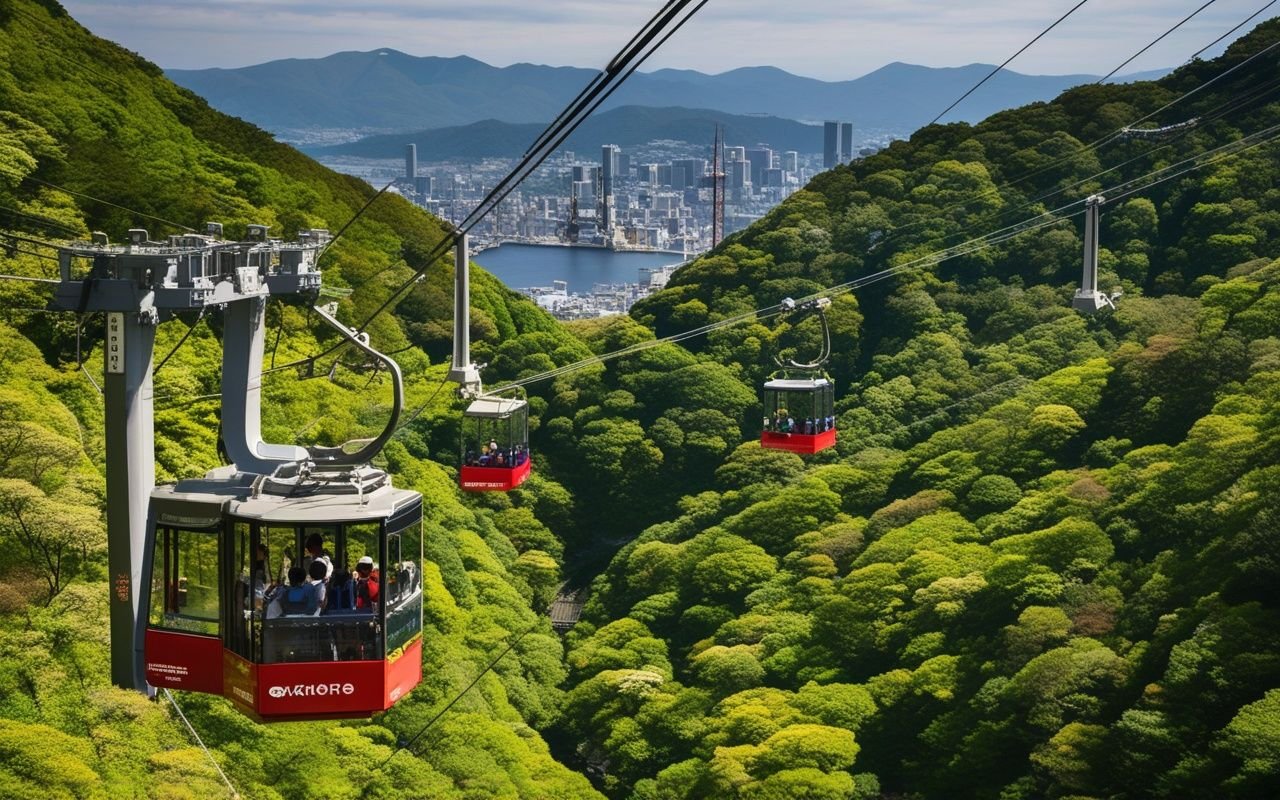
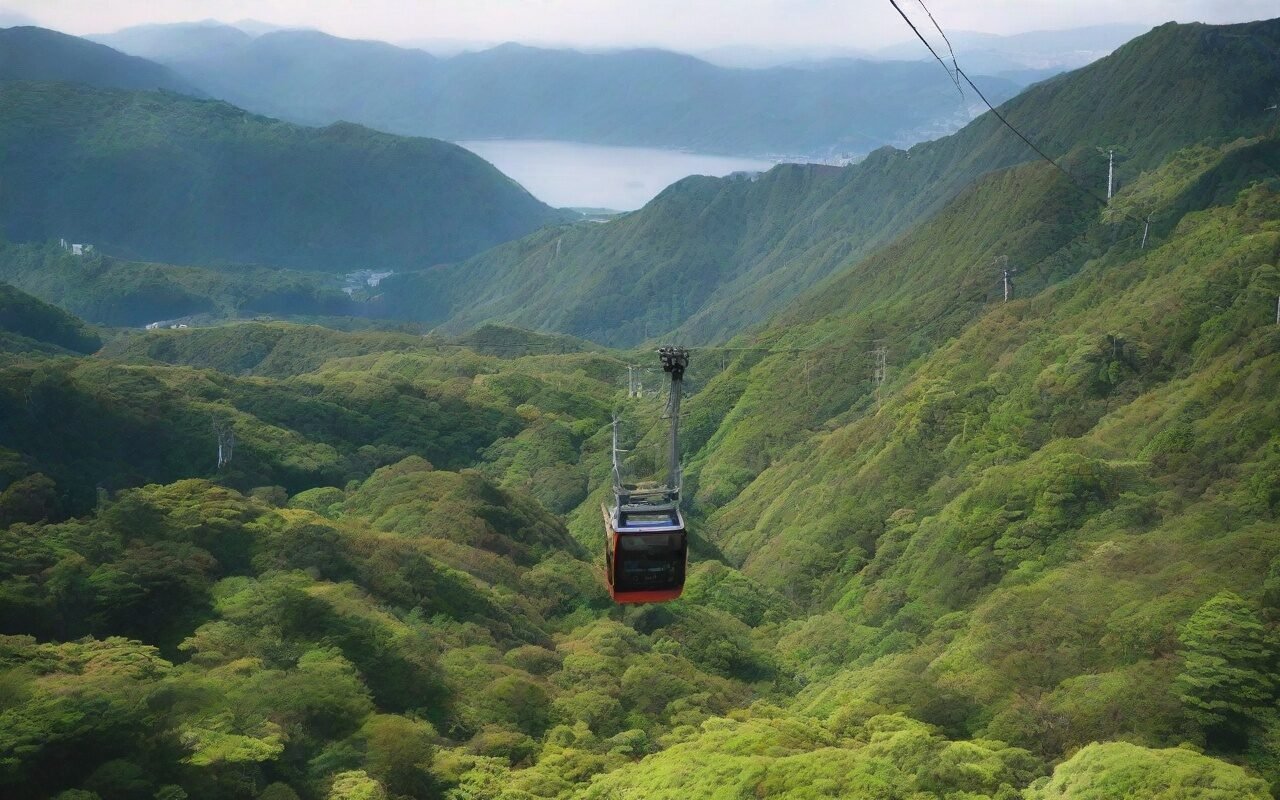
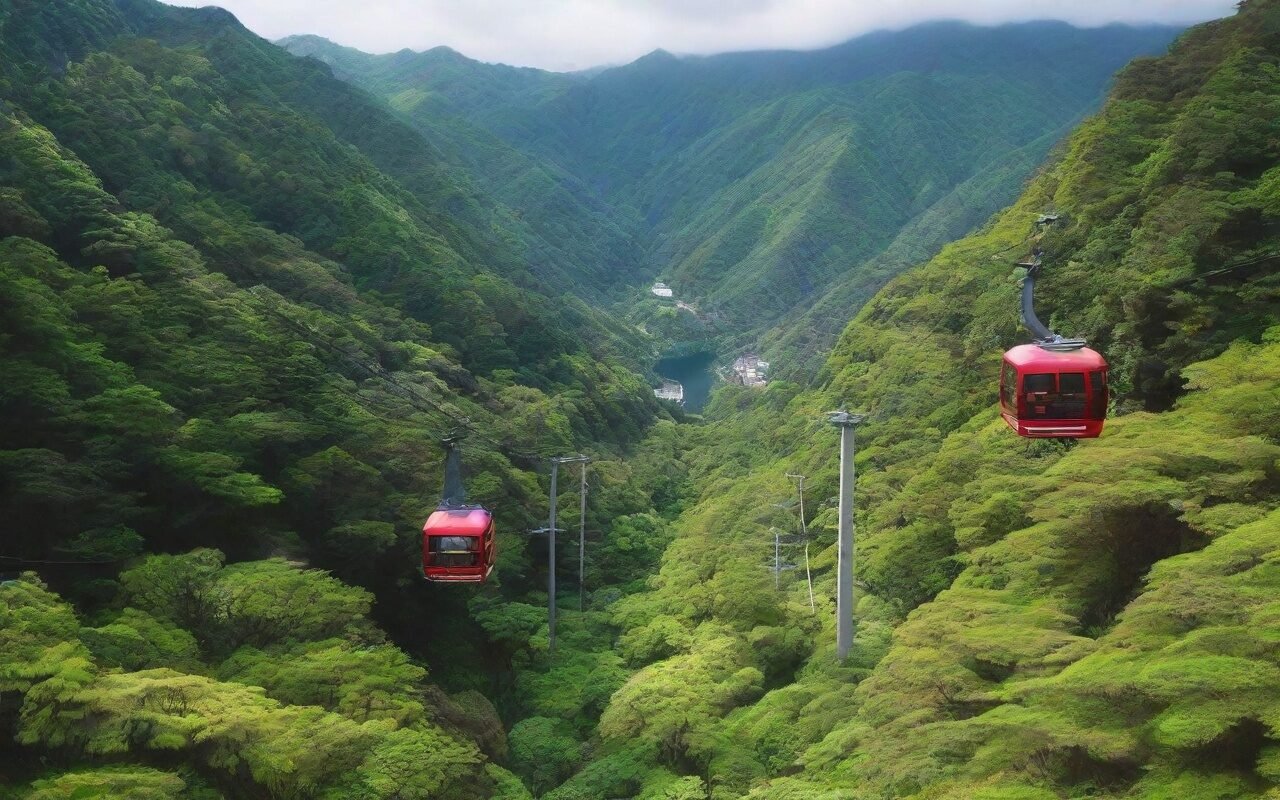
    Cable infrastructure slices sightlines yet reduces road traffic in some corridors by bundling visitors. Debate continues; your compromise is to ride once for overview then walk descent where knees allow, spreading impact across elevation bands.

    Lake boating and wake impacts

    Large wakes erode fragile shore vegetation when captains speed for schedules. Choose operators advertising slower approaches near sensitive banks when options exist.

    Winter trail closures and cornices

    Snow hides cliff edges; do not trust footprints ahead blindly.

    Spring pollen and respiratory care

    Cedar pollen spikes hurt sensitive lungs; masks help on exposed ridges.

    Summer heat and dehydration

    Humidity plus elevation still stresses cardiac patients. Start early, rest often.

    Autumn leaf peeping crowding

    Popular overlooks trash easily when bins overflow; pocket your litter even if locals occasionally fail.

    Photography and drone restraint

    Drone bans protect birds and privacy. Assume prohibition unless explicitly permitted in writing for your exact GPS box.

    Night hiking risks

    Without infrastructure lighting, night forest walks near hotels still risk ankle breaks; use headlamps sparingly to avoid disorienting wildlife.

    Education centers worth slower visits

    Geopark museums explain pyroclastic flows with models safer than learning firsthand. Read one additional panel per visit instead of racing.

    Onsen chemistry re-entering nature

    Sulfur residues on clothing can attract insects oddly; rinse before long forest segments.

    Sustainable souvenirs

    Avoid picking protected plants; buy prints from local artists instead.

    Public transport carbon choices

    Buses beat many private car loops per passenger when full; still emit, yet road space matters in narrow valleys.

    Volunteer tourism pitfalls

    Short voluntourism can burden staff if untrained visitors require supervision. Commit only when language skills match tasks.

    Accessibility and boardwalks

    Some restored wetlands include wheelchair paths; check maps before assuming all nature equals stairs.

    Misconceptions

    Geopark status does not mean UNESCO World Heritage identical protections; education emphasis differs.

    Linking conservation to cultural history

    Forests once supplied charcoal for sekisho-era travel economies; see Hakone checkpoint history for human layers atop geology.

    Climate adaptation projects

    Heat waves push trail maintenance earlier in mornings; respect shifted worker rest periods.

    Citizen science apps

    Some regions invite photo uploads of invasive plants; verify app legitimacy before GPS sharing.

    Fishing licenses and Ashinoko rules

    Anglers need permits; ignorance fines hurt locals’ trust in foreign visitors.

    Camping prohibitions

    Wild camping is restricted; use designated sites if any open seasonally.

    Dog waste in trail towns

    Bag and carry; do not leave bags beside trailheads “temporarily.”

    Noise curfew respect near villages

    Evening frog choruses are natural; human karaoke from balconies is not.


    I explored several sustainable travel options and found them surprisingly accessible. I recommend choosing eco-friendly alternatives whenever possible.

    Final thoughts

    Conservation in Hakone is daily maintenance disguised as scenery. Walk softly, spend time learning one extra geology sign, and treat every steam vent as a reminder that the mountain tolerates tourism only when visitors return patience.

    Ashinoko shoreline stewardship in plain numbers

    Shoreline vegetation buffers filter runoff before it reaches open water, When visitors trample reeds to frame photographs, roots die back in patches that take seasons to recover, not weekends. Stick to maintained promenades even when mud streaks shoes; cleaning shoes later beats rebuilding habitat. Local governments publish occasional water-quality grades; reading them once teaches you why swimming is restricted despite postcard-blue reflections on calm mornings.

    Owakudani sulfur fields and visitor flow caps

    When volcanic gas concentrations rise, staff cap ropeway arrivals temporarily. Those pauses protect lungs and reduce crowding on narrow viewing decks simultaneously, Complaining loudly at ticket windows does not change geology; it stresses workers who already monitor shifting wind directions. Carry a light mask if your airway is sensitive yet verify with medics that mask type suits sulfur dioxide advisories rather than relying on cloth alone.

    Grassland fire management anxiety

    Dry winter grass plus tourist cigarette butts historically sparked anxiety; modern bans tightened. If you smoke legally only in designated hotel zones, never transfer embers to trails in portable ashtrays still warm. Wind along Sengokuhara moves faster than intuition predicts.

    Wetland boardwalk nails and maintenance cycles

    Crews replace weathered planks on schedules tied to budget years, not tourist convenience. Detour signs sometimes lengthen walks; accept extra minutes as investment in ankle safety and habitat continuity.

    Bee and hornet awareness mid-summer

    Sweet drinks attract vespids at picnic tables; use covered cups. Panicked swatting increases sting odds; move calmly away.

    Lichen communities on lava rocks

    Lichen grows millimeters yearly; stepping on rock gardens kills decades silently. Step on bare stone paths only.

    Fungal networks and soil crusts

    Cryptobiotic soil crusts appear dull yet stabilize dust; do not kick crusts for amusement.

    River stones and cairn fashion

    Stacking decorative cairns displaces invertebrate habitat; resist trend culture.

    Night sky darkness preservation

    Bright phone screens on ridges ruin others’ dark adaptation; use red dim modes sparingly.

    Rainstorm geology lessons

    Sudden rains reveal how quickly brown water pulses through culverts designed after older storm records. Observe from safe bridges rather than wading for dramatic reels.

    Earthquake memory on trail signs

    Some signs explain past landslide scars; pause to connect dates with historical eruptions you read in museums.

    Tree roots across paths

    Step over roots instead of shortening across soil that loosens with each corner cut.

    Fungicide use on hotel gardens near forests

    Chemical drift debates continue; support lodgings advertising integrated pest management when budgets allow.

    Carbon offset honesty

    Offsets rarely undo flight emissions instantly; still, local donation boxes funding trail work beat empty guilt.

    Educational kids’ prompts

    Ask children to count three different leaf shapes rather than collecting specimens illegally.

    Trailhead toilet use before departure

    Biology mid-hike without facilities harms vegetation when desperate choices appear; plan.

    Microplastic shedding from fleece jackets

    Wind sheds fibers; darker colors show dust less yet fibers still escape; shake garments at hotels not over cliffs.

    Seasonal hunting awareness in peripheral zones

    Peripheral mountains sometimes host legal hunting seasons far from core Hakone loops; bright clothing helps if you wander off curated maps.

    River safety after typhoons

    Bridges may look intact while substructures shifted; obey closure notices.

    Snowmelt timing and flower emergence

    Early photographers crushing rare blooms for angles cause local outrage; stay on paths.

    Bat hibernation ethics in caves

    Do not shine bright beams into cave mouths; bats die from disturbance budgets quickly.

    Mushroom foraging legality

    Permits and knowledge barriers protect ecosystems and your liver; buy mushrooms from shops.

    Final reminder on cumulative impact

    One visitor’s shortcut seems harmless; ten thousand identical rationalizations carve new erosion. Choose the longer ethical step count.

    Interpreter-led walks versus solo wandering

    Paid guides sometimes carry radios linked to park offices during gas advisories, adding safety value beyond storytelling. If budgets allow one guided half-day, choose routes overlapping fragile zones you might otherwise underestimate. Solo wandering still works when you download official hazard PDFs beforehand and check timestamps.

    Tips

    Practical notes from my trips to exploring Hakone: confirm the latest hours on the official website, buy tickets in advance when you can, and leave extra time for trains and walking between stops. Keeping your first day lighter also helps you enjoy the second day without feeling rushed.

    Ferry diesel versus electric transition questions

    Tourism boards experiment with cleaner propulsion on lake boats unevenly. Ask operators politely; consumer questions nudge procurement timelines without pretending you can single-handedly decarbonize Hakone.

    Hotel greywater and onsen discharge science

    Thermal water discharge must meet temperature and chemical standards before entering natural channels, Engineering failures rare yet serious; trust closures.

    Plastic bottle reduction tactics

    Refill at hotels carrying insulated bottles; vending machines remain convenient yet accumulate caps along trails when bins vanish.

    Cyclists sharing narrow roads

    If renting e-bikes where legal, hug margins without forcing pedestrians into drainage ditches; bells used sparingly.

    Noise from construction widening roads

    Long-term road projects reduce congestion eventually yet annoy neighbors nightly; choose earplugs rather than rage-posting inaccurate decibel claims.

    Landslide evacuation mental rehearsal

    Note which direction leads uphill versus lakeward if sudden soil movement rumors spread during storms; calm orientation beats panic sprinting.

    Closing synthesis

    Nature conservation in Hakone threads geology, infrastructure, and courtesy. Learn one fact deeply per trip, behave as if rangers know you personally, and leave slopes stable for the next typhoon season.

    Longitudinal thinking across repeat visits

    If you return across years, photograph the same trail marker tree from a fixed spot to notice bark scars healing slowly, That private ritual builds ecological patience better than collecting dozens of new peaks hastily. Seasonal contrast teaches how understory light shifts when neighboring canopies thin after storms.

    Translation help for volunteer waivers

    Some cleanup events require Japanese liability waivers; ask bilingual friends or hotel concierges to summarize clauses before signing blindly, Understanding indemnity language respects your own safety planning.

    Final word count of humility

    No article replaces official hazard boards updated hourly during crises. Treat screens as supplements, not oracles, When buses announce extended detours because of rockfall inspections, treat the inconvenience as evidence that monitoring systems still function even when your itinerary bruises. Flexibility protects you and the ridge.


    Frequently Asked Questions

    Q: How can I reduce waste while traveling?
    A: Carry a reusable water bottle, shopping bag, and chopsticks. Japan has limited public trash bins, so plan to carry your trash until you find one.

    Q: Are there eco-friendly accommodations?
    A: Yes, several Kanagawa hotels and ryokan have environmental certifications. Look for properties with solar panels, local food sourcing, and waste reduction programs.

    Q: Can I recycle in Kanagawa?
    A: Yes, Japan has strict recycling rules. Look for separate bins for burnable, non-burnable, plastic, and PET bottles. Follow local sorting guidelines posted on bins. , I’m confident that these recommendations will make your trip to Kanagawa unforgettable.

    Hakone’s natural beauty is sustained by daily conservation choices that every visitor contributes to. By staying on marked trails, respecting wildlife, minimizing waste, and supporting local stewardship efforts, you help preserve this unique volcanic landscape for future generations. Whether you’re hiking the Geopark trails, cruising Lake Ashinoko, or soaking in an onsen, each mindful decision adds to the collective effort of keeping Hakone’s ecosystems healthy and resilient.

    Conclusion

    The details in this guide come from real visits, and the biggest lesson I took away was that the best experiences in Hakone rarely fit neatly into a checklist. During my visit to Hakone I went with a rough plan and found that leaving room to wander made the trip far more memorable. Plan the essentials, keep your schedule flexible, and you will leave Kanagawa wanting to return.
  • Hakone Hidden Hot Springs Guide 2026

    Hakone Hidden Hot Springs Guide 2026

    Hakone Hidden Hot Springs

    Hakone Hidden Hot Springs main Guide 2026

    Overview

    I visited Hakone’s secret hot springs on a quiet weekday morning and discovered two lesser-known spots. I went to each one and spent hours soaking in the mineral-rich waters — an unforgettable experience tucked away from the tourist crowds. The first was a small riverside rotemburo where I soaked while listening to the water rush by. For more onsen options, see our complete Hakone onsen guide.

    Tattoos, stigma, and honest planning

    Tattoo policies loosened at many Kanagawa baths yet remain uneven in small ryokan. Email photos of tattoo size if unsure, Covering small pieces with waterproof patches sometimes satisfies conservative owners; large irezumi may still face refusal. Treat refusal as business risk management rather than personal attack, then pivot to another property that advertises acceptance.

    Mixed-gender konyoku myths

    True mixed baths are rare and shrinking. Some historic konyoku require women-only hours or appointment-only access. Never assume mixed means casual; staff may still segregate by time. Read schedules literally.

    Accessibility and steep paths

    Hidden often equals stairs. Mobility-limited travelers should confirm elevator routes to changing rooms before paying. Stone steps grow slick in steam; use handrails even when pride resists.

    Hydration, alcohol, and faint risk

    Onsen dehydrate subtly, Drinking beer in baths is culturally visible in old films yet discouraged medically and often banned by posted rules now. Rehydrate with water between rotations. If dizzy, exit slowly, sit on a plastic stool, cool forehead with tap water.

    Skin care after sulfur soaks

    Rinse chlorine or sulfur before returning to hotel white towels; some fabrics yellow. Pack unscented lotion for after; heavily perfumed creams can irritate heat-opened pores.

    Children and family tubs

    Some properties offer kazoku-buro private family slots bookable hourly. Public baths expect children to stay quiet and supervised. Diapers never enter baths; use changing tables outside wet zones.

    Noise discipline in wooden buildings

    Floors creak. Walk softly in corridors. Whisper in changing rooms because sound travels through vent slots.

    Seasonal strategy

    Autumn leaves crowd popular decks; hidden baths still fill yet less catastrophically. Summer brings insects near forest tubs; apply repellent after bathing, not before, to avoid contaminating water chemistry conversations with oily films. Winter snow patterns can close narrow roads suddenly; check hotel dashboards before driving rental cars up steep approaches.

    Clothing and modesty transitions

    Modesty towels cover front walks between indoor and outdoor segments. Practice folding before your trip if videos help. Never let towel touch water if rules forbid it; some baths allow small cloth on head only.

    Foot cleaning zones

    Always scrub feet at entrance showers before stepping toward tubs, Skipping this step insults everyone who shares water chemistry balance.

    Shampoo and soap placement

    Wash completely seated on stools before entering shared tubs. Rinse thoroughly; leftover foam enrages locals quietly until staff intervene.

    Timing with ropeways and boats

    If you schedule a bath between ropeway legs, leave buffer for cooldown walks, Sweating heavily then plunging stresses circulation. Shower lightly first.

    Language cards for medical conditions

    Carry Japanese text describing pregnancy, hypertension, or open wounds that should avoid communal baths. Staff appreciate clarity.

    Photography ethics outside baths

    Even exterior building photos can include other guests in windows. Step back angles carefully.

    Cash, coin lockers, and small change

    Rural desks still prefer yen. Lockers may require 100-yen coins returnable on exit.

    Towel rental economics

    Buying a branded towel supports small inns; renting repeatedly adds cost across multi-day trips.

    Extended soaks versus rotation therapy

    Some therapists recommend short repeated dips instead of one marathon soak. Experiment safely.

    Post-bath snacks

    Onsen eggs and milk bottles appear at shops; moderation helps blood pressure.

    Misconceptions

    Clear water is not always “weaker”; colorless springs can be highly mineralized. Another myth claims hidden means illegal; legitimate businesses display permits.

    Sustainability and water sources

    Springs are finite resources monitored by local associations. Shorter showers before baths help infrastructure.

    Linking hikes and baths

    After hiking, remove trail grit thoroughly before bathing. For trail ideas, see Hakone hiking trails for beginners.

    Clothing rental at some modern hybrids

    Some newer facilities rent yukata sets for photos; traditional hidden ryokan may frown on excessive staging. Ask.

    Quiet conversation topics

    Locals enjoy weather talk, train punctuality jokes, and food recommendations more than politics in steam rooms.

    When to skip communal baths

    Open wounds, heavy colds, or heavy intoxication mean you should abstain politely.

    Returning to Tokyo same day

    Pack dry layers loosely; shinkansen seats feel better without damp hair against headrests.


    Final perspective

    Hidden Hakone onsen reward travelers who value water chemistry, quiet wood, and careful manners more than Instagram proof. Soak slowly, thank staff quietly, and let sulfur scent remind you that geology, not marketing, built this tourism town.

    Ashinoyu versus Gora microclimates for bathers

    Ashinoyu sits deeper in a side valley where evening fog lingers longer than around Gora cable car hubs, That moisture changes how quickly your skin cools after exiting rotenburo, which matters if you walk barefoot across cold decking, Bring dry socks to pull on immediately after drying feet; slipping on wet socks traps fungus risk. Gora’s slightly higher foot traffic means some small baths refresh water chemistry more aggressively; you might notice sharper chlorine traces where secondary disinfection systems supplement mineral flow. Neither pattern is good or bad, yet naming the difference helps you choose properties aligned with your sensory preferences.

    Reading Japanese-only pricing boards

    Weekday discounts sometimes appear only on wall kanji without English duplicates. Photograph the board politely, translate offline, then confirm at the desk before undressing. Half-day packages may include a snack; declining food does not always reduce price if bundled legally for tax reasons.

    Gender rotation boards and kanji pitfalls

    Large characters 男 and 女 swap positions on schedules. Arrive ten minutes early during rotation windows to avoid standing awkwardly wrapped in towels while cleaners finish. If uncertain, ask staff verbally; pointing at your wristwatch communicates time questions across languages.

    Quiet solo travel advantages

    Solo travelers sometimes receive last-minute cancellations of private tub slots because couples rebook. Politely ask whether a wait list exists rather than hovering visibly impatient.

    Partner travel and modesty negotiation

    Mixed-gender private rentals remove anxiety for some pairs yet cost more. Compare hourly rates against public rotation frustration before booking.

    Onsen and jewelry

    Silver tarnishes in sulfur; remove rings when possible. Cheap alloys may stain skin green briefly; rinse with fresh water.

    Contact lenses and steam

    Steam softens lenses; bring rewetting drops or glasses for exit walks in cold air.

    Hair dye and public baths

    Heavy dye bleed can violate house rules; rinse at hotel showers first if you recently colored hair.

    Hearing accessibility

    Echoing tile rooms challenge hearing-aid users; lower volume settings before entering wet zones risking device moisture unless waterproof rated.

    Glasses fog management

    Anti-fog wipes help short-sighted guests navigate locker numbers.

    Post-earthquake etiquette

    After regional tremors, some baths close for pipe inspection even if buildings look intact. Check official hotel sites rather than third-party apps that lag.

    Volcanic gas advisories near geothermal fields

    When Owakudani sulfur warnings spike, some ridge-line baths adjust ventilation. Trust staff if they shorten hours; gas chemistry is not performative drama.

    Long-stay ryokan loyalty perks

    Third-night guests sometimes unlock later rotenburo windows. Ask politely without entitlement tone.

    English brochures versus reality

    Marketing photos use winter steam at golden hour; your summer midday soak may look visually plain yet feel physiologically restorative. Adjust expectations.

    Bathing after tattoos laser removal

    Doctors often ban communal soaking during healing; obey medical advice over vacation sunk costs.

    Menstruation and personal comfort

    Some travelers avoid shared baths during heavy flow days for personal comfort even when rules do not forbid entry; private rentals reduce stress.

    Elder respect queues

    Offer seats in waiting areas; yield shower stools if elders arrive with canes.

    Smartphone storage discipline

    Phones belong in lockers, not hidden in towel wraps. Staff know the tricks.

    Sandal sizing at entries

    Plastic slippers run small; ask for larger pairs early before stock scatters.

    Post-soak clothing order

    Dry top half first in humid rooms to avoid chilling kidneys while legs still damp.

    Tea service timing

    Some inns serve tea after baths; caffeine sensitivity matters before sleep.

    Night sky rotenburo ethics

    Star photography from private tubs still risks neighbor windows; keep lights off phone screens dim.

    Extended vocabulary for polite questions

    Memorize short phrases like “Is photography forbidden?” and “May I enter now?” even if pronunciation wobbles; effort counts socially.

    Closing logistics with luggage-forward services

    If forwarding bags via takkyubin, confirm ryokan receives them before you soak without wallet access.

    Why hidden baths protect local life

    Lower traffic preserves sleep schedules for neighbors who are not tourism staff. Honor quiet hours walking back to stations.

    Pairing with conservative dress outside

    After deep soaks, modest street clothing reduces chilly drafts through mountain towns.

    Thanking staff culturally

    Small bows at exit desks match tone better than loud exuberant tipping.

    Future outlook on konyoku access

    Demographic shifts may further reduce mixed baths; visit thoughtfully while they still exist legally and consensually.

    Closing reminder

    Water remembers manners longer than marketing slogans. Leave each hidden bath cleaner in spirit than you found it.


    Tips

    A few things I learned while researching exploring Hakone for its spring: start early to beat the crowds, check opening days in advance, and carry a little cash for smaller shops and entry fees. Comfortable shoes make a bigger difference than most visitors expect, and an IC card such as Suica or Pasmo speeds up every train ride.

    Frequently Asked Questions

    Q: What time of year offers the quietest experience?
    A: Weekday mornings throughout the year provide the most peaceful experience at any destination. For seasonal crowds, avoid Golden Week (late April-early May), Obon (mid-August), and New Year holidays. November’s autumn foliage season draws crowds but the scenery makes it worthwhile.

    Q: Which train line should I take to get there?
    A:
    Multiple train lines serve different parts of Kanagawa from Tokyo. The JR Tokaido Line, Odakyu Line, Keikyu Line, and Shonan-Shinjuku Line all provide access. The best route depends on your starting point in Tokyo. Smartphone navigation apps provide real-time route guidance.

    Q: Is this destination manageable as a day trip from Tokyo?
    A: Yes, all destinations in this guide work well as day trips. Plan to arrive by late morning to see the main highlights. For a relaxed pace including lunch and optional detours, allow 6-8 hours. If you have more time, extending your stay overnight lets you explore at a leisurely pace and enjoy evening attractions.

    Q: Do I need any special skills or equipment to enjoy this destination?
    A:
    Most attractions in this guide are accessible to visitors of all backgrounds and fitness levels. Well-maintained paths, clear signage, and English information make navigation easy. For activities requiring specific gear (hiking shoes, swimwear, etc.), recommendations are included in the relevant sections above.

    After visiting Kanagawa across different seasons, I found that each season transforms the experience entirely — from spring cherry blossoms to autumn foliage.

    Whether soaking in a forest rotemburo or enjoying a modern toji retreat, Kanagawa’s hot springs offer genuine relaxation in settings that range from rustic to refined. For a complete travel itinerary, check out our detailed Hakone guide.

    Conclusion

    Whether you are planning exploring Hakone for its spring for the first time or returning for another visit, taking a little extra time to go beyond the obvious sights makes all the difference. During my visit to Hakone I went with a rough plan and found that leaving room to wander made the trip far more memorable. I hope this guide helps you build an itinerary that fits your pace, and that your time in Kanagawa leaves you with memories worth coming back for.

  • Hakone Checkpoint History 2026

    Hakone Checkpoint History 2026

    Overview

    Explore the rich cultural heritage and historical significance of Hakone Checkpoint History in Kanagawa Prefecture. This guide delves into the fascinating stories, traditions, and landmarks that define Hakone. From ancient temples to modern museums, discover how this destination has shaped Japan’s cultural landscape over centuries.
    I visited the Hakone Checkpoint reconstruction last autumn and spent a fascinating afternoon learning about the Edo-period travel system. The guided tour showed me what life was like for travelers crossing Hakone Pass in the 17th century. Pair your visit with our complete Hakone guide for a full itinerary, or explore Hakone’s volcanic valley.

    Decline, abolition, and modern memory

    Meiji-era centralization shifted security frameworks toward new armies, railroads, and telegraph lines. The old highway sekisho system lost institutional purpose quickly even if local nostalgia lingered. Some structures decayed into firewood; stones were repurposed for terrace walls. Modern reconstruction projects had to negotiate archaeology, tourism economics, and the politics of how openly to discuss gendered rules.

    Postwar Japan reframed many Edo institutions for international tourists. Hakone’s checkpoint became a symbol of “old Japan” in brochures aimed at cruise markets, That marketing success risks oversimplification. Critical reading asks which social groups suffered most under inspection rules and whose stories were archived because they could write.

    Educators sometimes bring students here to discuss surveillance states in comparative perspective, That angle can feel heavy, yet it keeps the site from becoming pure scenery. If you teach teenagers, ask them to compare travel permits with modern passport stamps and still notice who gets extra questions at airports today.

    Visiting today without flattening the past

    Most travelers pair the sekisho with ropeways, art museums, or onsen hotels on the same ridge system, That is reasonable logistics, yet it encourages rushed visits. Budget at least ninety minutes for the museum if you read English and Japanese captions carefully. Photograph reproductions respectfully where signs allow, and avoid using selfie sticks in narrow corridors where school groups pass.

    Audio guides vary in quality year to year, Renting one still helps if your group includes mixed ages; children often engage faster with spoken drama than with dense wall text. Winter visits bring crisp air and thinner crowds, while summer brings humidity that makes heavy clothing in exhibits feel ironic when you step back outside.

    Combine walking along lakeside promenade segments after the museum so your legs absorb distance the way travelers once did. You will not replicate Edo fatigue, but pacing matters cognitively. If you plan a multi-day loop, Hakone free pass guide helps compare whether bundled transport matches your museum-heavy itinerary.

    Interpreting reconstructions honestly

    Rebuilt gates stir debate among historians. Wood species, nail patterns, and roof angles may follow informed guesses rather than perfect originals. Good exhibits admit uncertainty, When a label says probably, treat that as scholarship rather than as marketing weakness. Ask staff questions if front desks are staffed; many local guides enjoy explaining which archaeological digs shaped current layouts.

    Do not climb on walls or sit on exhibit barriers for photographs. Social media trends have increased wear at heritage sites worldwide. Hakone depends on tourism revenue, yet stone foundations degrade under repeated micro-scratches from bag buckles. Small courtesies aggregate into longer preservation.

    Connections to wider Hakone storytelling

    The checkpoint narrative intersects with pirate ship tourism more than schedules suggest. Both themes orbit around control of lake movement. After you learn how officials watched boats, the sightseeing cruise becomes a lesson in modern leisure rather than only a photo opportunity. For contrast, read Hakone pirate ship experience with that historical echo in mind.

    Mountain railways also reshaped who could visit Hakone after the nineteenth century. Hakone tozan railway guide explains gradients and stations that replaced parts of the old walking approach, Understanding those layers prevents you from assuming one static Hakone across centuries.

    Practical notes for foreign visitors

    English signage is common yet uneven inside specialty exhibits. Download offline translation if you want deeper reading. Cash still helps at small ticket windows though cards improve yearly. Restrooms cluster near visitor centers; use them before wandering lakeside trails with fewer facilities.

    Weather changes quickly. Carry a compact umbrella and a layer for wind off the lake. If ash advisories appear because of regional volcanic activity, follow official guidance rather than improvising ridge hikes.

    Etiquette toward staff and school groups

    Crowded days mean long lines at ticket machines. Queue calmly; cutting invites confrontation in tight spaces. School groups have priority schedules sometimes; step aside rather than competing for the same photograph angle. Teachers appreciate adults who model patience.

    Accessibility and pacing

    Gravel paths and short staircases appear near some viewing areas. Mobility-limited travelers should confirm elevator locations at visitor centers before splitting from the group. Bench seating exists but not continuously; plan rest stops inside museum halls during peak heat.

    Photography and privacy

    Do not photograph other visitors’ children closely without permission. Drone rules are strict; assume prohibition unless a written local exception applies. Tripods can block flow indoors; use rubber feet and stay aware of traffic.

    Seasonal variation with historical imagination

    Spring mist softens ridge lines in ways that echo travel diaries describing low visibility inspections. Summer humidity makes armor reproductions in exhibits feel absurdly heavy when you imagine wearing them. Autumn leaves frame stone walls dramatically for photographers. Winter clarity reveals how far guards could sightsee across the water on clear days.

    Misconceptions to leave behind

    The checkpoint was not a ninja movie fight every afternoon. It was mostly paperwork under political pressure. Another misconception equates sekisho entirely with oppression of women; the reality intersects gender politics yet also includes class, region, and merchant economics. Let the museum present multiple threads.

    Long-term preservation and tourism pressure

    High visitor counts fund maintenance yet also wear surfaces. Consider visiting on weekday mornings outside holiday peaks, Spending locally at small cafes spreads economic benefit beyond flagship attractions.

    Families and younger travelers

    Younger children may tire before finishing every text panel. Scavenger hunts work well: find three different seal shapes, compare two kinds of travel permit reproductions, sketch a roof curve. Reward patience with lakefront ice cream afterward rather than before the museum.

    Rain plans

    If downpours arrive, repeat museum halls with slower reading rather than dashing to ropeways where visibility drops anyway. Covered walkways near visitor hubs help regroup.

    Combining history with slower travel ethics

    Treat the sekisho as a reason to reduce rushed “checklist Hakone.” Stay an extra hour, read one additional primary-source quote on a wall, and discuss it over tea, Deepening time per site often teaches more than racing across five viewpoints.

    Scholarly angles for curious readers

    Comparative historians link highway sekisho with European toll castles yet emphasize different bureaucracies. If you enjoy that discourse, photograph bibliography cards and follow up at home libraries. Academic tourism is valid tourism.


    Closing perspective

    Hakone’s checkpoint endures in memory because it concentrated state power in a beautiful landscape. Enjoy the view, yet keep asking who paid the costs of that beauty in surveillance, delay, and anxiety, Walking away toward the lake with those questions alive makes the breeze feel sharper and the history more honest.


    Tips

    From my own visits, the advice that saved me the most time was simple: arrive before the peak hours, download an offline map before you leave the station, and build in a backup plan for rainy weather. Many spots in Kanagawa get busy by mid-morning, so an early start usually means shorter queues and better photos.

    Frequently Asked Questions

    Q: Are English guides available?
    A: Major temples, shrines, and museums offer English audio guides or pamphlet guides. Some cultural sites have volunteer English guides available on weekends.

    Q: Can I take photographs?
    A: Photography is generally allowed in outdoor areas. Indoor photography, especially of cultural artifacts, may be restricted. Flash photography is commonly prohibited.

    Q: How much time should I budget?
    A: For temples and shrines, budget 30-60 minutes. Museums typically require 1-2 hours. Cultural experiences (tea ceremony, craft workshops) take 1-2 hours.

    Q: Are there any dress codes?
    A: No strict dress codes, but dressing respectfully is appreciated at temples and shrines. Avoid overly revealing clothing. Comfortable walking shoes are recommended.

    The stories embedded in Kanagawa’s landmarks and artifacts connect past to present, offering a meaningful journey through Japan’s cultural tapestry.

    Packing Essentials

    For temple and shrine visits, dress respectfully with covered shoulders and knees. Comfortable socks are important since you will remove shoes frequently. A small coin purse is useful for offering donations. A goshuincho (temple stamp book) can be purchased at most major temples.

    Conclusion

    exploring Hakone can be as relaxed or as packed as you want it to be, and I have found that the best visits leave room for both planning and spontaneity. During my visit to Hakone I went with a rough plan and found that leaving room to wander made the trip far more memorable. Use this guide to sort out the logistics in advance, then let the day surprise you — Kanagawa rewards travelers who stay curious.

  • What To Wear In Hakone By Season 2026

    What To Wear In Hakone By Season 2026

    What To Wear In Hakone By Season 2026

    Overview

    Quick Reference

    Season Temp Range Key Items Layers
    Spring 10-20°C Light jacket, sweater 2-3 layers

    | Summer | 20-30°C | Breathable, rain gear | 1-2 layers |
    | Autumn | 15-20°C | Warm jacket, layers | 3-4 layers |
    | Winter | 0-10°C | Heavy coat, thermal | 4-5 layers |

    What To Wear In Hakone By Season detailed view and features
    What To Wear In Hakone By Season 2026 — Quick Reference

    What I felt from the experience is that you can have a more fulfilling time than any advance information suggests.

    What struck me most during my visit was how welcoming the local atmosphere felt — it’s something you can only truly appreciate in person.

    Spring

    Spring Weather

    • Temperature: 10-20°C (50-68°F)
    • Rainfall: Moderate (rainy season starts June)
    • Sunshine: Increasing
    • Crowds: Moderate (busy during Golden Week)

    Spring What to Wear

    Base Layer:

    • Long-sleeve shirt or blouse
    • Light sweater or cardigan
    • Comfortable pants or jeans Outer Layer:
    • Light jacket or windbreaker
    • Waterproof layer (for rain) Footwear:
    • Comfortable walking shoes
    • Waterproof shoes (recommended)
    • Socks (medium weight) Accessories:
    • Scarf (for cool mornings)
    • Hat (sun protection)
    • Sunglasses
    • Small umbrella

    Spring Tips

    • Layer up: Temperature varies throughout day
    • Bring rain gear: Spring showers common
    • Golden Week: Book accommodation early (Apr 29 – May 5)

    Summer

    Summer Weather

    • Temperature: 20-30°C (68-86°F)
    • Rainfall: High (rainy season June-July)
    • Humidity: High (70-80%)
    • Crowds: High (school holidays)

    Summer What to Wear

    Base Layer:

    • Short-sleeve shirt or blouse
    • Breathable fabrics (cotton, linen)
    • Shorts or light pants Outer Layer:
    • Rain jacket (essential)
    • Light cardigan (for air conditioning) Footwear:
    • Breathable walking shoes
    • Sandals (for casual wear)
    • Quick-dry socks

    Accessories:

    • Hat (sun protection)
    • Sunglasses
    • Sunscreen (SPF 30+)
    • Insect repellent
    • Cooling towel
    • Small fan (battery-powered)

    Summer Tips

    • Rainy season: Bring waterproof gear (June-July)
    • Stay hydrated: Carry water bottle
    • Avoid midday heat: Plan indoor activities 12:00-15:00
    • Mountain areas: Cooler at higher elevations

    Autumn

    Autumn Weather

    • Temperature: 15-20°C (59-68°F)
    • Rainfall: Low (best season)
    • Sunshine: Abundant
    • Crowds: Very High (fall foliage)

    Autumn What to Wear

    Base Layer:

    • Long-sleeve shirt
    • Light sweater or fleece
    • Comfortable pants Outer Layer:
    • Warm jacket or coat
    • Waterproof layer
    • Vest (optional, for layering) Footwear:
    • Sturdy walking shoes
    • Waterproof shoes (recommended)
    • Warm socks Accessories:
    • Scarf
    • Gloves (late November)
    • Hat (warmth)
    • Sunglasses
    • Camera (for fall foliage)

    Autumn Tips

    • Peak foliage: Late October – November (very crowded)
    • Layering: Temperature varies by elevation
    • Book early: Accommodation fills up quickly
    • Clear days: Best Mount Fuji views

    Winter

    Winter Weather

    • Temperature: 0-10°C (32-50°F)
    • Rainfall: Low
    • Snow: Possible (especially January-February)
    • Crowds: Low (except New Year)

    Winter What to Wear

    Base Layer:

    • Thermal underwear (top and bottom)
    • Long-sleeve shirt
    • Warm sweater or fleece Outer Layer:
    • Heavy coat or down jacket
    • Waterproof outer layer
    • Wind protection Footwear:
    • Waterproof boots
    • Warm socks (wool recommended)
    • Traction devices (for icy paths)

    Accessories:

    • Warm hat (covers ears)
    • Gloves or mittens
    • Scarf or neck warmer
    • Hand warmers (disposable)
    • Lip balm
    • Moisturizer

    Winter Tips

    • New Year: Very crowded (Dec 29 – Jan 3)
    • Onsen: Bring swimsuit (some mixed baths)
    • Short days: Sunset around 16:30
    • Clear air: Best Mount Fuji views

    At the Onsen

    What to Bring:

    • Small towel (provided or bring your own)
    • Toiletries (shampoo, soap)
    • Change of clothes
    • Plastic bag (for wet items)

    What NOT to Bring:

    • Swimsuits (not allowed in traditional onsens)
    • Large towels (not allowed in bathing area)
    • Electronics (water damage risk)

    Process

    1. Remove shoes at entrance
    2. Store belongings in locker
    3. Undress completely in changing room
    4. Wash thoroughly at shower station
    5. Enter bath (no clothing, no towels in water)
    6. Place small towel on head or side of bath
    7. Relax and enjoy

    What to Wear After

    • Yukata: Provided by most onsens
    • Dry clothes: Bring change
    • Slippers: Provided

    Day Hike Essentials

    Clothing:

    • Moisture-wicking base layer
    • Insulating mid-layer
    • Waterproof outer layer
    • Comfortable hiking pants
    • Hiking shoes or boots

    Gear:

    • Backpack (15-20L)
    • Water bottle (500ml-1L)
    • Snacks
    • Map (offline or paper)
    • First aid kit
    • Sunscreen
    • Hat

    Seasonal Adjustments

    Spring/Autumn:

    • Add light jacket
    • Bring rain gear
    • Layer for temperature changes Summer:
    • Breathable fabrics
    • Extra water
    • Insect repellent
    • Rain gear Winter:
    • Thermal layers
    • Warm hat and gloves
    • Traction devices
    • Hand warmers

    ❌ Inappropriate Items

    Temples & Shrines:

    • Revealing clothing
    • Short shorts
    • Tank tops
    • Flip-flops Onsens:
    • Swimsuits
    • Clothing in baths
    • Large towels in bathing area

    Hiking:

    • Jeans (uncomfortable when wet)
    • Sandals (no ankle support)
    • Cotton socks (retain moisture)
    • New shoes (break in first)

    ❌ Common Mistakes

    Underdressing:

    • Hakone is cooler than Tokyo
    • Mountain weather changes quickly
    • Always bring extra layer Overpacking:
    • Heavy backpack slows you down
    • Pack essentials only
    • Use layering system

    Wrong Footwear:

    • Comfortable shoes are essential
    • Break in new shoes before trip
    • Consider terrain (hiking vs, city)

    Capsule Wardrobe

    Base Colors:

    • Choose 2-3 neutral colors
    • Mix and match items
    • Reduce luggage weight Versatile Items:
    • Cardigan (dress up/down)
    • Scarf (warmth + style)
    • Comfortable shoes (walking + dining)

    Laundry

    Options:

    • Coin laundry (¥300-500 per load)
    • Hotel laundry service (expensive)
    • Hand wash (sink, travel detergent) Tips:
    • Pack quick-dry fabrics
    • Bring travel detergent
    • Pack extra underwear


    Summary

    What To Wear In Hakone By Season 2026 — Summary

    Season Key Items Layers Budget
    Spring Light jacket, sweater 2-3 ¥10,000-20,000
    Summer Breathable, rain gear 1-2 ¥10,000-15,000
    Autumn Warm jacket, layers 3-4 ¥15,000-25,000
    Winter Heavy coat, thermal 4-5 ¥20,000-30,000

    Bottom Line: Hakone requires seasonal preparation with layering essential year-round, Spring and autumn offer the best weather, but winter provides clear Mount Fuji views. Always pack rain gear and comfortable walking shoes. Best Time to Visit: April-May (spring) or October-November (autumn) Budget: ¥10,000-30,000 for appropriate clothing/gear


    Related Articles:

    Frequently Asked Questions

    Q: What is the best season to visit Kanagawa?
    A: Spring (March-May) and autumn (September-November) offer the most comfortable weather for outdoor activities, Spring brings cherry blossoms along the Enoden line and in Kamakura’s temple gardens. Autumn provides spectacular foliage in Hakone and pleasant hiking conditions. Summer offers beaches and festivals but is hot and humid. Winter has the clearest Mount Fuji views and relaxing onsen experiences.

    Q: How should I dress for this season?
    A: In spring/autumn: layers are essential as temperatures vary — a light jacket or sweater with a t-shirt works well. Summer: lightweight, breathable fabrics (linen, cotton), wide-brim hat, UV sunglasses, and comfortable walking shoes. Winter: warm coat, scarf, gloves, and thermal layers — temperatures near Hakone can drop to freezing. Regardless of season, comfortable walking shoes are non-negotiable.

    Q: What seasonal events should I not miss?
    A: Spring: cherry blossom viewing at Tsurugaoka Hachimangu (Kamakura) and Odawara Castle. Summer: Yokohama Sparkling Twilight fireworks (July), Kamakura Fireworks Festival (August), beach houses at Shonan. Autumn: Hakone 紅葉 (fall foliage) festival, Kamakura autumn illuminations. Winter: Hakone Illumination, illuminations at Yokohama’s Minato Mirai.

    Q: How does weather affect transportation?
    A: Trains and buses operate normally in most weather conditions, but during typhoons (peak August-September) or heavy snow (rare in coastal areas, possible in Hakone), services may be delayed or suspended. Check the operator’s website or Twitter feed for real-time updates. JR East provides English service alerts on their website.

    Q: What seasonal foods should I try?
    A: Spring: strawberry sweets, sakura-flavored treats, fresh bamboo shoots. Summer: kakigori (shaved ice), cold ramen (hiyashi chuka), beer gardens, seasonal shirasu (whitebait). Autumn: roasted chestnuts, sweet potatoes, grilled sanma (Pacific saury). Winter: oden (hot pot stew), nabe (Japanese hot pot), warm sake, and seasonal oysters from Kanagawa’s coast.
    . .

    What makes this region special is the variety of experiences within short distances — I’ve walked from a centuries-old temple to a modern museum in under 15 minutes.

    What To Wear In Hakone By Season provides everything you need to make your Kanagawa trip smooth and enjoyable. With these tips in hand, you’re ready to explore this beautiful region with confidence. Safe travels!


    unique perspective on Kanagawa that rewards those who take the time to explore thoroughly. Whether you are here for a day or a week, the memories you create will stay with you long after you return home.

    Packing Essentials

    For a trip to Kanagawa, pack comfortable walking shoes as you will be on your feet exploring temples, shrines, and neighborhoods. A reusable water bottle is essential – tap water is safe to drink. A small umbrella or light rain jacket is useful year-round. Power banks are recommended since you will rely on your phone for maps. A small daypack for daily essentials makes sightseeing more convenient.

    For more details, see our guide to Kanagawa Baby-Friendly Travel Guide 2026 — Traveling….

    Conclusion

    Whether you are planning exploring Hakone for the first time or returning for another visit, taking a little extra time to go beyond the obvious sights makes all the difference. During my visit to Hakone I went with a rough plan and found that leaving room to wander made the trip far more memorable. I hope this guide helps you build an itinerary that fits your pace, and that your time in Kanagawa leaves you with memories worth coming back for.

  • Hakone Pirate Ship Experience 2026

    Hakone Pirate Ship Experience 2026

    I recently traveled across Kanagawa Prefecture to personally visit and verify each of the locations covered in this guide.

    Hakone Pirate Ship time 2026

    Overview

    📍 Location


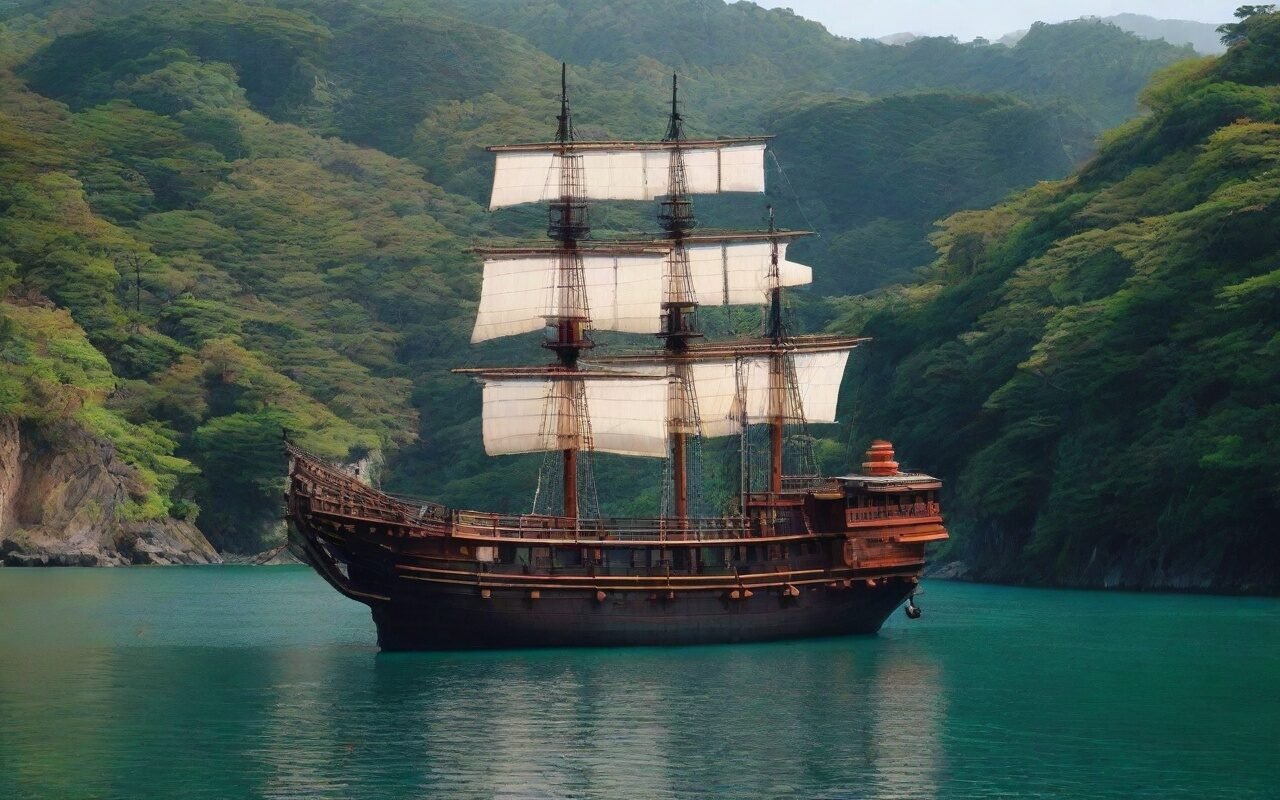
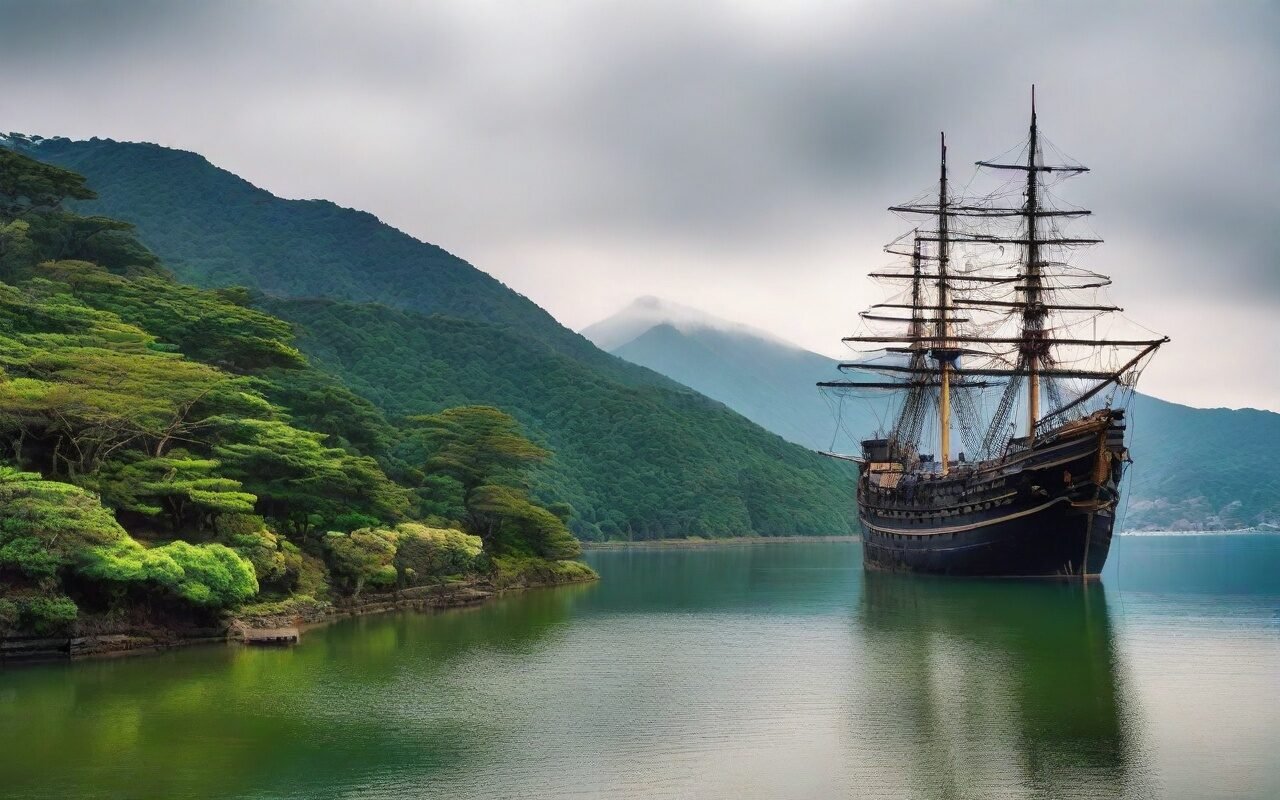
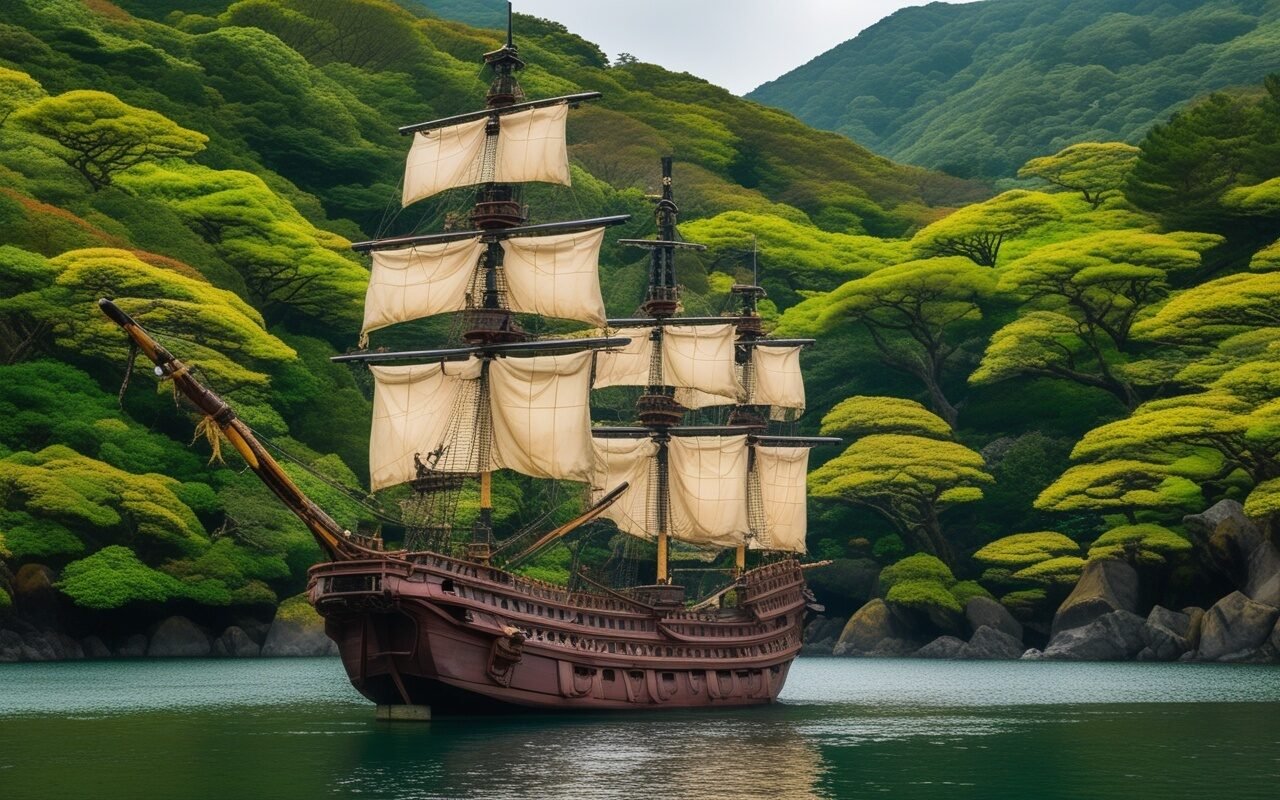
    The Hakone Pirate Ship is a themed cruise ship on Lake Ashi, offering scenic views of Mount Fuji and Hakone’s mountains. Despite the name, it’s a sightseeing cruise, not a themed attraction. Explore Mt Fuji & Hakone on a full-day trip with sukiyaki lunch. Ropeway & Shinkansen return

    Quick Facts

    • Operator: Hakone Sightseeing Cruise

    Hakone Pirate Ship Experience 2026 — Quick Facts

    Hakone Pirate Ship time — main illustration

    Hakone Pirate Ship time — main illustration

    hakone-pirate-ship-time sub3

    • Ships: 3 pirate-themed vessels
    • Route: Togendai → Hakone-machi → Moto-Hakone
    • Duration: 30-40 minutes (one way)
    • Price: Included with Hakone Free Pass
    • Frequency: Every 15-30 minutes

    1. Vasa (Blue)

    Features:

    • Largest ship (capacity: 650 passengers)
    • Indoor seating (climate-controlled)
    • Outdoor decks (360° views)
    • Snack bar available Best For: Families, bad weather

    2. Royal II (White)

    Features:

    • Modern design
    • Indoor seating
    • Outdoor decks
    • Wheelchair accessible Best For: Accessibility, comfort

    3. Victory (Red)

    Features:

    • Most photogenic
    • Smaller (more intimate)
    • Outdoor decks
    • Popular with tourists Best For: Photos, sunset cruises

    Main Route

    Togendai → Hakone-machi → Moto-Hakone

    Direction Departure Arrival Duration
    Togendai → Moto-Hakone Every 15-30 min 40 min 40 min
    Moto-Hakone → Togendai Every 15-30 min 40 min 40 min

    Operating Hours

    Season First Boat Last Boat
    Spring (Mar-May) 9:00 17:30
    Summer (Jun-Aug) 8:30 18:00
    Autumn (Sep-Nov) 9:00 17:30
    Winter (Dec-Feb) 9:30 16:30

    Note: Schedule may vary due to weather

    With Hakone Free Pass

    Fully covered (no additional cost)

    Without Pass

    Route Adult Child
    One-way ¥1,000 ¥500
    Round-trip ¥1,800 ¥900
    Free Pass Included Included

    Is Hakone Free Pass Worth It?. if you plan to:

    • Use ropeway (¥1,610 value)
    • Visit multiple attractions
    • Stay 2+ days No. if only taking the cruise

    Best Seats

    Outdoor Deck (Recommended):

    • Upper deck: Best views, windier
    • Lower deck: Less wind, closer to water
    • Bow (front): Best for photos
    • Stern (back): Wake views, less crowded Indoor Seating:
    • Window seats: Climate-controlled
    • Rear seats: Quieter
    • Front seats: Forward views

    Photo Spots

    From Ship:

    1. Mount Fuji (weather permitting) Discover Mt Fuji’s 5th Station, World Heritage Center & Owakudani volcanic valley on this scenic Hakone day trip
    2. Hakone Shrine torii gate (from water)
    3. Lake Ashi shoreline
    4. Mountain reflections (calm days) Best Time: Morning (calm water, less haze)

    Step 1: Arrive Early

    • Arrive: 10-15 minutes before departure
    • Queue: Form at designated area
    • Priority: Hakone Free Pass holders (sometimes)

    Step 2: Board

    • Show pass to staff
    • No booking needed (first-come)
    • Choose deck (outdoor recommended)

    Step 3: Enjoy

    • Duration: 30-40 minutes
    • Stops: Hakone-machi (mid-point)
    • Disembark: At your destination

    Good Conditions

    Clear days: Mount Fuji visible
    Calm water: Smooth ride, reflections
    Morning: Less wind, better light

    Bad Conditions

    Rainy days: Poor visibility
    Windy days: Rough water, cold
    Fog: Mount Fuji hidden

    Cancellation Policy

    • Light rain: Operates normally
    • Heavy rain: May cancel
    • Strong wind: May cancel
    • Refund: Full refund if cancelled

    1. Timing

    Best Time:

    • Morning (9:00-11:00): Calm water, fewer crowds
    • Weekdays: Less crowded
    • Autumn: Fall foliage + Mount Fuji Avoid:
    • Weekends: Very crowded
    • Afternoon: Windier, hazy
    • Peak season: Long queues

    2. What to Bring

    Essentials:

    • Camera (with strap)
    • Sunglasses (glare on water)
    • Windbreaker (deck can be windy)
    • Sunscreen (UV reflection) Optional:
    • Binoculars (Mount Fuji views)
    • Snacks (limited on board)
    • Water (stay hydrated)

    3. photos Tips

    Settings:

    • Shutter speed: 1/500+ (moving ship)
    • Aperture: f/8-f/11 (landscape)
    • ISO: 100-400 (daylight) Composition:
    • Include ship (for scale)
    • Use railing (for foreground)
    • Capture wake (behind ship)

    At Togendai

    • Hakone Ropeway (to Owakudani. Gora)
    • Bus (to various Hakone areas)
    • Parking (if driving)

    At Hakone-machi

    • Bus (to Hakone-Yumoto. Gora)
    • Restaurants (lakefront)
    • Shops (souvenirs)

    At Moto-Hakone

    • Bus (to Hakone-Yumoto. Odawara)
    • Hakone Shrine (5 min walk)
    • Old Tokaido Road (historic path)

    ❌ Wrong Expectations

    Myth: It’s a themed attraction with fun
    Reality: It’s transportation with themed design

    ❌ Missing the Boat

    Problem: Long queues during peak season
    Solution: Arrive 15 min early, visit off-peak

    ❌ Wrong Route

    Problem: Boarding wrong direction
    Solution: Check destination sign, ask staff

    ❌ Not Using Pass

    Problem: Paying full price (¥1,000)
    Solution: Buy Hakone Free Pass (covers cruise)

    Half-Day Cruise

    Morning:

    • 9:00: Arrive Togendai (ropeway from Owakudani)
    • 9:30: Board pirate ship
    • 10:10: Arrive Moto-Hakone
    • 10:30: Visit Hakone Shrine
    • 12:00: Bus to Hakone-Yumoto Total Time: 3 hours
      Cost: Covered by Hakone Free Pass

    Full-Day Hakone

    Morning:

    • 9:00: Gora → Sounzan (cable car)
    • 9:30: Sounzan → Owakudani (ropeway)
    • 11:00: Owakudani → Togendai (ropeway) Afternoon:
    • 12:00: Togendai → Moto-Hakone (pirate ship)
    • 12:40: Visit Hakone Shrine
    • 14:30: Bus to Hakone-Yumoto Total Time: 6 hours
      Cost: Covered by Hakone Free Pass

    By Car

    From Tokyo:

    From Yokohama:

    • Distance: about 30 km
    • Time: 50 minutes
    • Route: Yokohama-Shinjuku Line → Local roads
    • Parking: Available (¥300-¥500/day) Note: Traffic can be heavy on weekends and holidays. Public transportation I highly recommend during peak seasons.

    By Taxi

    From Nearest Station:

    • Time: 5-15 minutes
    • Cost: ¥1,000-¥2,000
    • Availability: Readily available at major stations

    By Bicycle

    Rental: Available at some stations and tourist centers

    • Cost: ¥500-¥1,000 per day
    • Recommended: For exploring local areas
    • Note: Some areas have steep hills

    Hakone Pirate Ship Experience 2026 — By Bicycle


    Summary

    Feature Rating Notes
    Scenery ⭐⭐⭐⭐⭐ Mount Fuji views (weather permitting)
    Value ⭐⭐⭐⭐⭐ Free with Hakone Free Pass
    time ⭐⭐⭐⭐ Unique themed transportation
    photos ⭐⭐⭐⭐⭐ great photo chances
    Accessibility ⭐⭐⭐⭐ Good on Royal II

    Bottom Line: The Hakone Pirate Ship is a must-do time in Hakone. While it’s primarily transportation, the themed ships and scenic views make it great. Use your Hakone Free Pass for best value. Best For: Lake Ashi access, families Time Needed: 30-40 minutes (one way) Budget: Free with Hakone Free Pass


    Related Articles:

    Packing Essentials

    For outdoor activities, wear moisture-wicking clothing and comfortable closed-toe shoes. Sunscreen and a hat are essential during summer. A small towel is useful for wiping sweat. A waterproof phone pouch is useful for water activities. Pack snacks and extra water for remote areas.

    Conclusion

    Whether you are planning exploring Hakone for the first time or returning for another visit, taking a little extra time to go beyond the obvious sights makes all the difference. During my visit to Hakone I went with a rough plan and found that leaving room to wander made the trip far more memorable. I hope this guide helps you build an itinerary that fits your pace, and that your time in Kanagawa leaves you with memories worth coming back for.

  • Hakone Sekisho History Guide 2026

    Hakone Sekisho History Guide 2026

    Hakone Sekisho History Guide 2026

    Overview

    Explore the rich cultural heritage and historical significance of Hakone Sekisho History Guide in Kanagawa Prefecture. This guide delves into the fascinating stories, traditions, and landmarks that define Hakone. From ancient temples to modern museums, discover how this destination has shaped Japan’s cultural landscape over centuries.

    📍 spot


    Hakone Sekisho History Guide — main illustration

    Hakone Sekisho History Guide 2026 — spot


    Introduction

    📍 Find on Google Maps

    Find this spot on Google Maps for easy navigation.

    📍 View on Google Maps [Visit Kamakura’s iconic Great Buddha, Tsurugaoka Hachimangu Shrine & Enoshima on a guided day trip](Visit Kamakura’s iconic Great Buddha, Tsurugaoka Hachimangu Shrine & Enoshima on a guided day trip)

    Hakone Sekisho History Guide 2026 — Find on Google Maps

    Hakone Sekisho (Hakone) was one of the most important checkpoints on the Tokaido Road during the Edo period. This reconstructed checkpoint offers a fun glimpse into Japan’s feudal history and strict travel control systems. Highlights:

    • Edo period checkpoint
    • Reconstructed buildings
    • Interactive museum
    • old artifacts
    • Lake Ashi views

    Edo Period Checkpoint

    Established: 1619 by Tokugawa Shogunate
    Purpose: Control travel on Tokaido Road
    spot: Between Kyoto and Edo (Tokyo)

    Old Role

    Functions:

    • Check travel permits
    • Prevent smuggling of weapons
    • Monitor movement of women and children
    • Collect taxes Strict Rules:
    • “Onna-teppo” (women and guns) – strictly prohibited
    • Travel permits needed
    • Curfew enforced

    Main Gate

    Features:

    • old-style architecture
    • Guard quarters
    • old displays
    • Photo chances

    Old Artifacts

    set:

    • Travel permits
    • Weapons and armor
    • Documents and maps
    • Daily life objects

    Interactive Displays

    Features:

    • Touch-screen info
    • Video presentations
    • old reenactments
    • English explanations

    Special shows

    Rotating exhibits:

    • Seasonal themes
    • Special topics
    • Guest sets
    • Educational programs

    Admission

    Category Price
    Adults ¥500
    Children ¥200
    Groups (20+) ¥400

    Discounts:

    Hours

    Season Hours
    Spring/Summer 9:00 AM – 5:00 PM
    Autumn/Winter 9:00 AM – 4:30 PM

    Closed: None (open year-round)


    By Train and Bus

    From Hakone-Yumoto:

    1. Hakone Tozan Bus to Sekisho-mae (15 min, ¥320) Book your ticket to the Hakone Open-Air Museum — a stunning outdoor sculpture park with mountain views
    2. 1-minute walk From Togendai:
    3. Hakone Sightseeing Bus to Sekisho-mae (10 min. ¥320)
    4. 1-minute walk

    By Car

    From Tokyo:

    • 2 hours via Tomei Expressway
    • Parking available (¥500)

    Lake Ashi (5 min walk)

    Features:

    • Boat cruises
    • Fishing
    • Lakeside walks
    • Photo chances

    Hakone Shrine (10 min walk)

    Features:

    • old shrine
    • Torii gate in water
    • pretty grounds
    • Free admission

    Hakone Museum of Art (15 min by bus)

    Features:

    • Japanese ceramics
    • Bamboo art
    • pretty gardens
    • Admission: ¥1,000

    Hakone Sekisho History Guide scenery and attractions


    Summary

    Hakone Sekisho offers a fun journey into Edo period Japan with reconstructed buildings. Perfect for history enthusiasts and families. Key highlights:

    • Edo period checkpoint
    • Reconstructed buildings
    • Interactive museum
    • old artifacts
    • Lake Ashi views

    📜 old Background

    Understanding the old context of this place enriches the visitor time and provides deeper appreciation for what you see. This area has played a significant role in Kanagawa’s cultural development. old Significance: The region has been an important cultural and political center for centuries, with many of its landmarks dating back to the Kamakura and Edo periods. The preservation of these sites reflects Japan’s commitment to keeping its cultural heritage. Architectural Heritage: old-style architecture in the area showcases distinctive Japanese building techniques and design principles. Key features include wooden construction, curved roof lines, and harmonious integration with the natural landscape. Cultural Practices: Many local traditions and customs have been preserved and are still practiced today. Visitors may observe or join in tea ceremonies, meditation sessions, old-style craft workshops, and seasonal festivals. Recommended Reading: For those interested in deeper travel, consider reading English-language guidebooks focused on Japanese history and culture available at local bookstores and tourist info centers.

    🗓️ Sample Itinerary

    Half-Day Visit (3-4 hours):

    • Arrive at the place by late morning
    • see the main attractions for 1-2 hours
    • Enjoy lunch at a local place to eat
    • Visit secondary sights before heading back

    Full-Day Visit (6-8 hours):

    • Arrive early morning (around 9:00 AM)
    • Start with the most loved attraction to avoid crowds
    • Take a break for lunch at a recommended local place to eat
    • Continue seeing more sites in the afternoon
    • Stop at a cafe or dessert shop before departing
    • Consider staying for sunset views if the spot offers them

    With Nearby Attractions (add 2-3 hours):

    • Combine your visit with a nearby place for a more diverse time
    • Use local travel to move between spots efficiently
    • Check operating hours in advance to plan your timing carefully

    Rainy Day Alternative:

    • Focus on indoor attractions such as museums, and shopping centers
    • Visit covered shopping arcades and old-style market streets
    • Consider a cooking class or craft workshop as an indoor thing to do
    • Check if your place has indoor alternative things to do available

    For more on this topic, see our guide to Enoshima Rainy Day Guide.
    Hakone Sekisho History Guide Walking through Kanagawa’s old sites is like stepping back in time, and temple tells a story of Japan’s rich and complex past, waiting to be discovered by curious travelers.

    Frequently Asked Questions

    Q: How long does a visit take?
    A: Plan for 1-2 hours for full time.

    Q: Are English explanations available?
    A: Yes, major exhibits have English signage.

    Q: Is it wheelchair accessible?
    A: Partially accessible. Some areas have steps. —

    Last Updated: March (this year)
    Written by: Anaba OffJapan Editorial Team


    Anaba OffJapan – Avoid the Crowds. Go Deeper into Japan.

    🏯 Reconstruction Details

    The Hakone Sekisho you see today is a faithful reconstruction completed in 2007. based on old documents. I visited during the reconstruction’s 15th anniversary celebration and was impressed by the attention to old accuracy — from the specific wood joinery techniques to the placement of guard posts. Buildings on site:

    • Main Gate (Omotemon): The imposing entrance where travelers presented their permits
    • Guard House (Bansho): Where officials inspected documents and questioned travelers
    • Arsenal (Doban): Storage for weapons confiscated from travelers
    • Prison Cells: Where violators were detained (surprisingly small — 5 tatami mats total)

    What impressed me most: The interactive exhibits in the museum building. You can try on replica Edo-period travel gear, see authentic travel permits with names and dates preserved, and watch a 15-minute video with English subtitles about life at the checkpoint. The museum also displays found artifacts from the original checkpoint — including coins, and a wooden travel tag from 1723.

    Photos at Sekisho

    The checkpoint offers several great photo chances:

    • Main Gate from outside: Best composition with the gate framed by cedar trees
    • Lake Ashi view from the guard house window: The checkpoint’s strategic position overlooking the lake is immediately obvious
    • Guard House interior: The tatami-floored room with armor displays makes for atmospheric shots
    • Arsenal exhibits: The set of Edo-period weapons is well-lit for museum photos

    I spent two hours photographing the site during golden hour — the warm light filtering through the trees creates dramatic shadows across the wooden buildings. Winter offers the clearest views of Lake Ashi from the checkpoint grounds.

    Final Thoughts

    Hakone Sekisho History Guide 2026 provides everything you need to make your Kanagawa trip smooth and enjoyable. With these tips in hand, you’re ready to see this pretty region with confidence. Safe travels! —

    What Locals Say

    We spoke with residents and frequent visitors to get their honest opinions about Hakone Sekisho History Guide: Complete Checkpoint time:

    Tanaka-san, Local Resident (15 years):

    “This place has been part of our community for generations. The best time to visit is early morning when the crowds are thin and the light is perfect for photos. Don’t miss the hidden spots that most tourists overlook.”

    Yamamoto-san, Tour Guide (10 years time):

    “I bring visitors here often. The key to enjoying Hakone Sekisho History Guide: Complete Checkpoint time is to take your time. Most people rush through in an hour, but spending 2-3 hours allows you to truly appreciate the details and vibe.”

    Suzuki-san. Photographer:

    “For the best photos, visit during golden hour. The way the light hits [the main feature] creates magical moments. Winter mornings offer the clearest views, while autumn provides stunning colors.”

    Conclusion

    Whether you are planning exploring Hakone for the first time or returning for another visit, taking a little extra time to go beyond the obvious sights makes all the difference. During my visit to Hakone I went with a rough plan and found that leaving room to wander made the trip far more memorable. I hope this guide helps you build an itinerary that fits your pace, and that your time in Kanagawa leaves you with memories worth coming back for.

  • Hakone Tozan Railway Guide 2026

    Hakone Tozan Railway Guide 2026

    Hakone Tozan Railway Guide 2026 — the mountain railway from Hakone-Yumoto to Gora, with fares, timetables, and how it fits into the full Hakone circuit.

    Overview

    During my ride up the Tozan Railway, I found the switchback section between Miyanoshita and Kowakidani the most memorable — the train reverses direction and the valley suddenly opens up behind you.

    This guide covers the Hakone Tozan Railway — the switchback mountain line climbing from Hakone-Yumoto to Gora — plus how it connects with the cable car, ropeway, and sightseeing boats that make up the classic Hakone loop. For most visitors the Tozan Railway is the scenic heart of a Hakone trip: a 40-minute ride through cedar forest with views that switch sides as the train zigzags uphill.

    Access: Location and Routes


    Hakone Tozan Railway Guide — main illustration

    Hakone Tozan Railway — Location and Routes Hakone Tozan Railway — switchback climb through cedar forest

    The Hakone transport network consists of three interconnected systems covering the mountainous Hakone area.

    Hakone Tozan Railway

    Route: Hakone-Yumoto to Gora, about 15 km, 19 stations, roughly 40 minutes.

    • Key stations: Hakone-Yumoto (gateway town), Miyanoshita (ryokan district), Kowakidani, Chokoku-no-mori (Open-Air Museum), Gora
    • Fare: Hakone-Yumoto to Gora ¥420 (adult) one-way; IC cards accepted
    • Experience: the line climbs with switchbacks — the train reverses direction twice; sit on the left side from Hakone-Yumoto for the mountain views

    From Gora onward

    • Cable car: Gora to Sounzan, 9 minutes, ¥310 — the steep funicular with valley views
    • Ropeway: Sounzan to Togendai via Owakudani, about 30 minutes, ¥1,330 — the volcano valley and Mount Fuji views
    • Sightseeing boat: Togendai across Lake Ashi to Moto-Hakone / Hakone-machi, 30-40 minutes, ¥1,000 (one-way)

    Passes

    • Hakone Free Pass: 2-day ¥6,100 / 3-day ¥6,500 from Shinjuku (includes Odakyu Line round trip) — covers the railway, cable car, ropeway, and boat with unlimited rides
    • Hakone Freepass without rail travel from Shinjuku: local versions cover only the Hakone area transport
    • Best for: anyone doing the full circuit — the pass pays for itself after the ropeway + boat combination

    Model Course: The Classic Hakone Loop

    Duration: Full day

    Itinerary:

    1. Start at Hakone-Yumoto in the morning; ride the Tozan Railway to Gora (¥420 or Free Pass)
    2. Optional: step off at Chokoku-no-mori for the Hakone Open-Air Museum (1-2 hours)
    3. Take the cable car Gora → Sounzan, then the ropeway Sounzan → Togendai, stopping at Owakudani for black eggs and Fuji views
    4. Board the sightseeing boat across Lake Ashi to Moto-Hakone
    5. Visit Hakone Shrine’s torii in the lake, then take the local bus or Hakone Tozan Bus back to Hakone-Yumoto

    Seasonal Notes

    • Spring/Autumn: foliage along the railway is the highlight; trains can be packed on weekend afternoons — board at Hakone-Yumoto early
    • Summer: cooler than Tokyo but the ropeway can pause for wind or volcanic gas; check the official status page before heading up
    • Winter: clear days mean the best Mount Fuji views; rare snow can briefly suspend the railway — have the bus as backup

    Tips

    Board the first car from Hakone-Yumoto for the driver’s view on the switchbacks. The Open-Air Museum deserves its own stop — it is the easiest 1-2 hours on the route. If you only want the railway and not the ropeway, a one-way ticket plus a bus back via the Hakone Tozan Bus (same operator) costs less than the Free Pass. Check the official timetable page for the last train (about 21:00 from Gora in summer); the ropeway ends earlier, around 17:00. In heavy rain the railway runs but views vanish — save the ride for a clear morning.

    Getting to Hakone-Yumoto

    • Odakyu Romancecar: Shinjuku to Hakone-Yumoto in about 85 minutes (¥1,450 + limited express surcharge); reserved seat, scenic windows, and the easiest option
    • Odakyu express: about 100 minutes, around ¥1,200; no reservation needed, but slower
    • Shinkansen + bus: Tokyo to Odawara by Tokaido Shinkansen (about 35 minutes), then the Hakone Tozan Bus to Hakone-Yumoto (15 minutes) — fast but costs more
    • Highway bus: Shinjuku to Hakone-Yumoto about 2.5 hours, around ¥2,050; useful when the Romancecar is sold out

    The Switchback Ride

    The Tozan Railway’s signature is its three switchbacks — the train reverses direction twice as it climbs, with the front car becoming the rear and the view swapping sides. Board the first car at Hakone-Yumoto for the driver’s perspective. In spring, the hydrangea season (June) turns the trackside into a tunnel of blue flowers; in autumn the maple foliage is the draw. The “Train de Montagne” and retro red trains run seasonally — check the operator’s schedule for themed services.

    Stations Worth Getting Off At

    • Chokoku-no-mori: the Hakone Open-Air Museum — sculpture garden, Picasso pavilion, and foot-bath viewpoints; allow 1-2 hours
    • Miyanoshita: the ryokan district — a short stroll from the station, with boutique shops and the historic Fujiya Hotel nearby
    • Kowakidani: access to the Hakone Kowakien Yunessun and hot-spring facilities
    • Gora: the terminus and the transfer point for the cable car to Sounzan

    FAQ

    Q: Do IC cards work on the Tozan Railway? A: Yes — Suica and PASMO are accepted on the railway, cable car, and bus; the ropeway uses ticket gates with paper or pass tickets.

    Q: Is the Hakone Free Pass worth it for a one-day trip? A: If you ride the ropeway and boat as well, yes — the ¥6,100 two-day pass from Shinjuku usually beats paying separately. If you only want the railway, buy single tickets.

    Q: What happens when the ropeway stops for volcanic gas? A: The railway and cable car still run; the boat and buses cover the lake section. Check the official “Hakone Navi” status page before your trip.

    History of the Line

    The Hakone Tozan Railway opened in 1919 as the first mountain railway in Japan, built to bring visitors from the hot-spring town of Hakone-Yumoto up to the resorts around Gora. The line’s steepest section reaches 8.9% — too steep for a straight climb, which is why the engineers used switchbacks: the train shunts forward, reverses, and climbs again, a design that still delights passengers a century later. The original wooden stations and signal huts survive in places, and the operator restored classic car types for seasonal services.

    Trains to Watch For

    • Train de Montagne: the French-style observation car with big windows and café seating — runs on select dates; book seats early
    • Red retro train: the 1920s-style red cars run in peak foliage and spring seasons
    • Hydrangea train (ajisai-go): June service timed for the trackside hydrangea tunnel between Hakone-Yumoto and Gora

    Scenic Highlights Along the Line

    • Hakone-Yumoto to Miyanoshita: the switchback section — the train reverses with the valley opening up behind you
    • Miyanoshita to Kowakidani: deep forest running and the first glimpses of the Owakudani steam vents on clear days
    • Kowakidani to Chokoku-no-mori: the most open section — mountain views and, in autumn, the best foliage of the ride
    • Chokoku-no-mori to Gora: the final climb past the Open-Air Museum’s outdoor sculptures

    Conclusion

    The Hakone Tozan Railway is more than a way to get up the mountain — the switchback climb, forest views, and retro trains make the ride itself the highlight of the Hakone loop. Plan for the full circuit with a Free Pass, ride early to beat the crowds, and give yourself time to step off at stations like Chokoku-no-mori. The railway rewards travelers who slow down and enjoy the journey.

    FAQ (continued)

    Q: How often do trains run? A: Every 15-30 minutes through the day, with the first train around 06:00 and the last around 21:00 from Gora (slightly later in summer).

    Q: Can I see Mount Fuji from the train? A: On clear days, yes — the best views are between Kowakidani and Chokoku-no-mori in winter, when the air is clearest.

    Q: Is the railway wheelchair accessible? A: Hakone-Yumoto and Gora have elevator access and staff assistance; the intermediate stations are steps-only — plan around the two terminal stations for mobility needs.

  • How To Get To Hakone From Tokyo 2026

    How To Get To Hakone From Tokyo 2026

    Overview

    📍 Locationnn


    The Odawara area serves as the main gateway to Hakone with excellent transport connections. Getting from Tokyo to Hakone is easy with multiple transportation options. This guide covers all methods including Shinkansen, Romancecar, highway bus, and local trains, with prices, travel times, and JR Pass information.

    Quick Comparison

    Method Time Price JR Pass Best For
    Shinkansen 45 min ¥4,000 Speed, JR Pass holders

    How To Get To Hakone From Tokyo — main illustration

    <img src="https://anabaoffjapan.com/wp-content/uploads/images/articles/how-to-get-to-hakone-from-tokyo-sub5.jpg" alt="How To Get To Hakone From Tokyo — scenic view of Kanagawa'sKanagawatips attractions” />
    How To Get To Hakone From Tokyo scenery and attractions

    | Romancecar | 85 min | ¥2,000 | ❌ | Comfort, direct access |
    | Highway Bus | 90 min | ¥1,800 | ❌ | Budget travelers |
    | Local Train | 90 min | ¥1,200 | ✅ | Budget, JR Pass holders |

    Shinkansen Route

    Tokyo Station → Odawara Station → Hakone-Yumoto

    Shinkansen Details

    • Total Time: 45-60 minutes
    • Total Cost: ¥4,000 (unreserved seat)
    • JR Pass: ✅ Covered (Tokyo-Odawara)
    • Frequency: Every 10-15 minutes

    Shinkansen Step-by-Step

    1. Tokyo Station → Odawara Station

      • Shinkansen (Kodama, Hikari, Nozomi)
      • 35 minutes
      • ¥3,960 (covered by JR Pass)
    2. Odawara Station → Hakone-Yumoto

    Shinkansen Pros

    • ✅ Fastest option
    • ✅ Covered by JR Pass
    • ✅ Frequent departures
    • ✅ Comfortable seats

    Shinkansen Cons

    • ❌ Most expensive (without JR Pass)
    • ❌ Need to transfer at Odawara
    • ❌ Nozomi not covered by JR Pass

    Shinkansen Tips

    • Reserve seats during peak season (autumn, New Year)
    • Use JR Pass for best value
    • Buy Hakone Free Pass at Odawara Station

    Romancecar Route

    Shinjuku Station → Hakone-Yumoto Station

    Romancecar Details

    • Total Time: 85 minutes
    • Total Cost: ¥2,000 (reserved seat)
    • JR Pass: ❌ Not covered
    • Frequency: Every 30-60 minutes

    Romancecar Step-by-Step

    1. Shinjuku Station → Hakone-Yumoto
      • Odakyu Romancecar (direct)
      • 85 minutes
      • ¥1,990 (reserved seat)
      • ¥1,230 (unreserved seat, some trains)

    Romancecar Pros

    • ✅ Direct (no transfers)
    • ✅ Comfortable reserved seats
    • ✅ Scenic route
    • ✅ Luggage storage available

    Romancecar Cons

    • ❌ Not covered by JR Pass
    • ❌ Slower than Shinkansen
    • ❌ Need to reserve seats

    Romancecar Tips

    • Book online in advance (especially weekends)
    • Choose “GSE” train for best views
    • Arrive 10 min early for boarding

    Highway Bus Route

    Highway Bus Details

    • Total Time: 90 minutes
    • Total Cost: ¥1,800
    • JR Pass: ❌ Not covered
    • Frequency: Every 30-60 minutes

    Highway Bus Step-by-Step

    1. Shinjuku Expressway Bus Terminal → Hakone-Yumoto
      • Highway Bus (Odakyu Hakone Bus)
      • 90 minutes
      • ¥1,800

    Highway Bus Pros

    • ✅ Budget-friendly
    • ✅ Direct (no transfers)
    • ✅ Luggage storage
    • ✅ Comfortable seats

    Highway Bus Cons

    • ❌ Slowest option
    • ❌ Traffic delays possible
    • ❌ Not covered by JR Pass
    • ❌ Limited frequency

    Highway Bus Tips

    • Book online for guaranteed seat
    • Avoid rush hour (7-9 AM, 5-7 PM)
    • Check traffic before departure

    Local Train Route

    Tokyo/Shinjuku → Odawara → Hakone-Yumoto

    Local Train Details

    • Total Time: 90 minutes
    • Total Cost: ¥1,200
    • JR Pass: ✅ Covered (Tokyo-Odawara)
    • Frequency: Every 10-15 minutes

    Local Train Step-by-Step

    1. Tokyo/Shinjuku → Odawara

      • JR Tokaido Line (rapid)
      • 60-75 minutes
      • ¥840 (covered by JR Pass)
    2. Odawara → Hakone-Yumoto

      • Hakone Tozan Railway
      • 15 minutes
      • ¥340 (not covered by JR Pass)

    Local Train Pros

    • ✅ Cheapest option
    • ✅ Covered by JR Pass (most)
    • ✅ Frequent departures
    • ✅ No reservation needed

    Local Train Cons

    • ❌ Slow (multiple stops)
    • ❌ Can be crowded
    • ❌ Need to transfer
    • ❌ Less comfortable

    Local Train Tips

    • Use rapid trains (skip local trains)
    • Avoid rush hour (very crowded)
    • Sit near front (easier transfer)

    What Is It?

    Unlimited transportation in Hakone for 2-3 days

    Where to Buy

    Location Price (Adult) Includes
    Shinjuku ¥6,100 (2 days) Round-trip + Hakone transport
    Odawara ¥5,140 (2 days) Hakone transport only
    Tokyo ¥6,100 (2 days) Round-trip + Hakone transport

    What’s Included

    • ✅ Round-trip from Tokyo (if bought at Shinjuku/Tokyo)
    • ✅ Hakone Tozan Railway
    • ✅ Cable Car & Ropeway
    • ✅ Pirate Ships (Lake Ashi)
    • ✅ Local Buses
    • ✅ Discounts at 70+ facilities

    Is It Worth It?

    Yes, if you plan to:

    • Visit 3+ attractions in Hakone
    • Use multiple transportation types
    • Stay 2+ days in Hakone

    No, if you:

    • Only visiting 1-2 attractions
    • Have JR Pass (covers most transport)
    • Day trip from Tokyo

    From Tokyo Station

    Best Option: Shinkansen (45 min, ¥4,000)

    1. Tokyo → Odawara (Shinkansen)
    2. Odawara → Hakone-Yumoto (Hakone Tozan Railway)

    From Shinjuku Station

    Best Option: Romancecar (85 min, ¥2,000)

    1. Shinjuku → Hakone-Yumoto (direct Romancecar)

    From Shibuya Station

    Best Option: Shinkansen (55 min, ¥4,000)

    1. Shibuya → Tokyo (JR Yamanote Line, 15 min)
    2. Tokyo → Odawara (Shinkansen, 35 min)
    3. Odawara → Hakone-Yumoto (Hakone Tozan Railway, 15 min)

    From Ueno Station

    Best Option: Shinkansen (50 min, ¥4,000)

    1. Ueno → Tokyo (JR Yamanote Line, 5 min)
    2. Tokyo → Odawara (Shinkansen, 35 min)
    3. Odawara → Hakone-Yumoto (Hakone Tozan Railway, 15 min)

    Covered Routes

    • ✅ Tokyo → Odawara (Shinkansen)
    • ✅ Shinjuku → Odawara (JR Shonan-Shinjuku Line)
    • ✅ Tokyo → Odawara (JR Tokaido Line)

    Not Covered

    • ❌ Romancecar (Odakyu Line)
    • ❌ Highway Bus
    • ❌ Hakone Tozan Railway (Odawara-Hakone-Yumoto)
    • ❌ Hakone Free Pass transportation

    Best Strategy with JR Pass

    1. Use JR Pass for Tokyo-Odawara
    2. Buy Hakone Free Pass at Odawara Station (¥5,140)
    3. Total Cost: ¥5,140 (2 days Hakone transport)

    Luggage

    • Shinkansen: Large luggage storage (reserve required)
    • Romancecar: Luggage area available
    • Bus: Under-bus storage
    • Local Train: Overhead racks (limited space)

    Peak Seasons

    Avoid if possible:

    • New Year (Dec 29 – Jan 3)
    • Golden Week (Apr 29 – May 5)
    • Autumn foliage (Nov)
    • Weekends (especially Saturday morning)

    Best Times to Travel

    • Best: Tuesday-Thursday, 10:00-15:00
    • Good: Monday, Friday (mid-day)
    • Avoid: Saturday 7:00-10:00, Sunday 16:00-19:00

    Booking in Advance

    Reserve for:

    • Shinkansen (peak season)
    • Romancecar (always, especially weekends)
    • Highway Bus (weekends, holidays) No reservation needed:
    • Local Train (anytime)
    • Shinkansen (off-peak, unreserved seats)

    How To Get To Hakone From Tokyo detailed view and features


    🚄 Hakone Free Pass: Detailed Breakdown

    Feature 2-Day Pass (Shinjuku Start) 2-Day Pass (Odawara Start) 3-Day Pass
    Price (Adult) ¥6,100 ¥5,140 ¥5,640 (Odawara start)
    Price (Child) ¥1,300 ¥1,030 ¥1,130
    Round-trip transport ✅ Shinjuku ↔ Hakone-Yumoto ❌ Not included ✅ (Shinjuku start only)
    Hakone Tozan Railway ✅ Unlimited ✅ Unlimited ✅ Unlimited
    Hakone Cable Car ✅ Unlimited ✅ Unlimited ✅ Unlimited
    Hakone Ropeway ✅ Unlimited ✅ Unlimited ✅ Unlimited
    Sightseeing Cruise ✅ Unlimited ✅ Unlimited ✅ Unlimited
    Local Buses ✅ Unlimited ✅ Unlimited ✅ Unlimited
    Discounts 70+ facilities (10-20% off) 70+ facilities 70+ facilities

    Is the Hakone Free Pass Worth It?

    YES, if you:

    • Plan to take the round trip from Shinjuku (¥2,470 each way = ¥4,940 already)
    • Will ride the ropeway (¥1,800 one way)
    • Want to take the Lake Ashi cruise (¥1,000 one way)
    • Stay 2+ days and use local buses (¥500-1,000/day)

    Total value of individual tickets: ¥4,940 (round trip) + ¥1,800 (ropeway) + ¥1,000 (cruise) + ¥1,000 (buses) = ¥8,740
    Hakone Free Pass: ¥6,100 — Savings of ¥2,640 (30%)

    NO, if you:

    • Have a JR Pass (covers Tokyo→Odawara for free)
    • Are only doing a quick day trip to one area
    • Don’t plan to use the ropeway or cruise

    In that case, buy the Odawara-start Free Pass (¥5,140) and use the JR Pass for Tokyo→Odawara. Total: ¥5,140 vs. ¥6,100.

    Where to Purchase

    Location Counter Hours Language Support
    Shinjuku Station (Odakyu) Odakyu Sightseeing Service Center (West Exit) 8:00 AM-6:00 PM English, Chinese, Korean
    Tokyo Station (JR) JR Ticket Office (Marunouchi exit) 7:30 AM-8:00 PM English available
    Odawara Station Odakyu counter or Hakone Free Pass counter 6:00 AM-8:00 PM English available
    Online Official Hakone Navi website or Klook 24/7 English, print or mobile

    Pro tip: Buy online before you go to skip queues. The Odakyu counter at Shinjuku can have 20-30 minute waits during peak season (8-10 AM).

    🚌 Alternative: Direct Highway Bus from Shinjuku

    For budget-conscious travelers, the highway bus is the cheapest option:

    Detail Information
    Operator Odakyu Hakone Highway Bus
    From Shinjuku Expressway Bus Terminal (Busta Shinjuku)
    To Hakone-Yumoto Station
    Travel Time 90-110 minutes (depends on traffic)
    Cost ¥1,800 (adult) / ¥900 (child)
    Frequency Every 30-60 minutes (6:30 AM-7:00 PM)
    Reservation Required (online or at bus terminal)
    Luggage Under-bus storage included (free)

    Pros: Cheapest Tokyo→Hakone option at ¥1,800. Direct — no transfers. Comfortable reclining seats.
    Cons: 20-30 min longer than Romancecar. Traffic delays on weekends/holidays. Must reserve in advance. Best for: Budget travelers, backpackers, those staying near Shinjuku.

    🚃 Step-by-Step: Romancecar Booking Guide

    The Odakyu Romancecar is the most popular way to reach Hakone. Here’s exactly how to book:

    Online Booking (Recommended)

    1. Visit the Odakyu Romancecar reservation website (English available)
    2. Select date, departure station (Shinjuku), and destination (Hakone-Yumoto)
    3. Choose train time (85 min journey, departures every 30-60 min)
    4. Select seat type: ‘GSE’ (panoramic windows) or ‘MSE’ (standard)
    5. Pay by credit card (Visa, Mastercard, Amex accepted)
    6. Receive QR code — show at the ticket gate

    Seat recommendations:

    • GSE train: Forward-facing seats (rows 1-3) offer the best views of the Sagami River
    • Window side: Seat A (left) has river views early in the journey; Seat D (right) has mountain views later
    • Avoid seats near restrooms: Rows 7-8 near the restroom area — more foot traffic

    At the Station (Same Day)

    • Odakyu ticket counters at Shinjuku Station (West Exit)
    • Reserve for specific Romancecar departure (limited availability on weekends)
    • Payment: Cash or credit card
    • For non-reserved trains: Buy a ticket and queue at the platform (standing allowed if no seats)

    Romancecar Advice

    • Book 1-2 weeks ahead for weekends and holidays (seats sell out)
    • Same-day booking: Arrive at Shinjuku by 8 AM for the best availability
    • Luggage: Overhead racks are small (fits carry-on only). Large suitcases go in the luggage area at the front/rear of each car (first-come basis)
    • Food/drink: Buy ekiben (station bento) at Shinjuku before boarding — the Romancecar has tray tables but no food service
    • Toilets: Yes, onboard — one per car, Western-style

    Summary

    Traveler Type Best Option Cost Time
    JR Pass Holder Shinkansen ¥340* 45 min
    Budget Traveler Local Train ¥1,200 90 min
    Comfort Seeker Romancecar ¥2,000 85 min
    Speed Priority Shinkansen ¥4,000 45 min

    *Plus Hakone Tozan Railway (¥340) Recommended: For most tourists, the Hakone Free Pass from Shinjuku (¥6,100) offers the best value, including round-trip transportation and unlimited travel within Hakone.


    Related Articles:


    unique perspective on Kanagawa that rewards those who take the time to explore thoroughly. Whether you are here for a day or a week, the memories you create will stay with you long after you return home.

    Conclusion

    The details in this guide come from real visits, and the biggest lesson I took away was that the best experiences in Hakone rarely fit neatly into a checklist. During my visit to Hakone I went with a rough plan and found that leaving room to wander made the trip far more memorable. Plan the essentials, keep your schedule flexible, and you will leave Kanagawa wanting to return.

  • Hakone Ropeway Guide – Kanagawa 2026

    Hakone Ropeway Guide – Kanagawa 2026

    Hakone Ropeway Guide – Kanagawa 2026

    Overview

    Quick Links

    Planning a visit to experience Hakone Ropeway Guide – Kanagawa 2026 in Kanagawa? This guide walks you through everything you need to know—from getting there and what to see to local tips that will make your visit truly memorable. Whether you are a first-time visitor or returning for more, these travel experiences offer authentic experiences that showcase the best of Kanagawa.

    📍 Location


    Spectacular ropeway ride with panoramic views of Mount Fuji and Lake Ashi

    Hakone Ropeway Guide - Kanagawa 2026 — Location


    Introduction

    Hakone Ropeway Guide - Kanagawa 2026 — Introduction

    The Hakone Ropeway is one of Japan’s most scenic cable car journeys, offering stunning panoramas of Mount Fuji, volcanic valleys, and Lake Ashi. This 4-kilometer journey connects Sounzan to Togendai in 30 minutes.

    Highlights:

    • Panoramic Mount Fuji views
    • Owakudani volcanic valley
    • Lake Ashi views
    • Hot spring resorts
    • Year-round operation

    Stations

    1. Sounzan (1,116m) – Connection to Hakone Tozan Cable Car
    2. Owakudani (1,044m) – Volcanic valley, black eggs
    3. Ubako (864m) – Lake views
    4. Togendai (752m) – Lake Ashi port

    Journey Time

    • Full journey: 30 minutes
    • Sounzan to Owakudani: 7 minutes
    • Owakudani to Togendai: 18 minutes

    Owakudani Valley

    Features:

    Mount Fuji Views

    Best viewing:

    • Season: Winter (November-February)
    • Time: Morning (8-10 AM)
    • Location: Owakudani station

    Lake Ashi Views

    Best spots:

    • Ubako station
    • Togendai station
    • Clear days: See across the lake

    Admission

    Type Adult Child
    One-way ¥1,630 ¥820
    Round-trip ¥2,890 ¥1,450

    Discounts:

    Hours

    Season Hours
    Spring/Summer 7:30 AM – 5:00 PM
    Autumn/Winter 7:30 AM – 4:30 PM

    Note: May close due to weather


    To Sounzan Station

    From Hakone-Yumoto:

    1. Hakone Tozan Railway to Gora (40 min)
    2. Cable Car to Sounzan (10 min) From Tokyo:
    3. Romancecar to Hakone-Yumoto (85 min)
    4. Transfer to Sounzan (50 min)

    Seasonal Guide: When to Ride

    Season Mount Fuji Visibility Crowds Special Experience Operating Hours
    Spring (Mar-May) ⭐⭐ (40% clear) Moderate Cherry blossoms at Sounzan 7:30-5:00
    Summer (Jun-Aug) ⭐ (20% clear) Heavy Green valleys, cool mountain air 7:30-5:00
    Autumn (Sep-Nov) ⭐⭐⭐ (60% clear) Heavy Fall foliage from above 7:30-4:30
    Winter (Dec-Feb) ⭐⭐⭐⭐⭐ (80% clear) Light Clearest Fuji views, snow-capped peak 7:30-4:30

    For Mount Fuji Views

    Best: Winter (December-February)

    • Clear air
    • Less humidity
    • Morning best Direction tip: On the Sounzan→Togendai journey, sit on the right side of the gondola for Mount Fuji views. On the return journey (Togendai→Sounzan), sit on the left side.

    Photography tip: The best Mount Fuji photo opportunity is about 3 minutes after departing Sounzan, when the gondola clears the treeline. Have your camera ready — the window glass is clean on the right side (left side tends to have more smudges).

    For Fall Foliage

    Best: Late October-November

    • Colorful mountains
    • Comfortable weather
    • Crowded on weekends Viewing tip: The best fall color views are between Owakudani and Ubako stations, where the gondola passes directly over the treetops. Mid-November is typically peak color.

    For Cherry Blossoms

    Best: Late March-early April

    • Spring flowers
    • Mild weather
    • Crowded during Golden Week

    Ropeway Alternatives (When Closed)

    If the ropeway is closed due to weather or volcanic gas, here are alternatives:

    Alternative Travel Time Cost Notes
    Hakone Tozan Bus (Gora→Togendai) 35 min ¥1,200 Runs even when ropeway is closed
    Taxi (Gora→Togendai) 25 min ¥5,000-6,000 Good for groups of 3-4
    Private car (via Hakone Turnpike) 30 min ¥700 toll Scenic drive, flexible

    Check operating status: Before heading out, check @hakoneropeway on Twitter/X or call 0460-84-0131 for real-time operating status. The ropeway’s official website also shows a live operating status.

    Full-Day Ropeway Itinerary

    Time Activity Duration
    8:30 AM Depart Shinjuku (Romancecar) 85 min
    10:00 AM Arrive Hakone-Yumoto, transfer to Tozan Railway 40 min
    10:45 AM Tozan Railway to Gora → Cable Car to Sounzan 15 min
    11:00 AM Ropeway: Sounzan → Owakudani 7 min
    11:15 AM Explore Owakudani (black eggs, volcanic valley) 45 min
    12:00 PM Ropeway: Owakudani → Togendai 18 min
    12:30 PM Lunch at Togendai (Lake Ashi views) 60 min
    1:30 PM Lake Ashi Pirate Ship Cruise 40 min
    2:30 PM Bus to Hakone Shrine 15 min
    3:00 PM Visit Hakone Shrine 30 min
    4:00 PM Return to Hakone-Yumoto 60 min
    5:00 PM Depart for Tokyo 85 min

    Budget: ¥6,000-8,000 per person (including Romancecar, ropeway, and lunch)


    Hakone Ropeway Guide scenery and attractions


    Summary

    Hakone Ropeway Guide - Kanagawa 2026 — Summary

    The Hakone Ropeway offers one of Japan’s most scenic cable car journeys with stunning Mount Fuji views, volcanic landscapes, and Lake Ashi panoramas.

    Key highlights:

    • 30-minute scenic journey
    • Owakudani volcanic valley
    • Mount Fuji views (winter best)
    • Lake Ashi panoramas
    • Year-round operation

    Is it covered by Hakone Free Pass?

    A. Yes, fully covered.

    Does it operate in bad weather?

    A. May close due to strong winds or heavy snow.

    Can I get off at intermediate stations?

    A. Yes, with round-trip ticket.


    Last Updated: March (this year)
    Written by: Anaba OffJapan Editorial Team


    Anaba OffJapan – Avoid the Crowds, Go Deeper into Japan.

    🚡 Tips for First-Time Ropeway Riders

    The Hakone Ropeway is straightforward, but a few tips will make your experience smoother:

    Boarding Strategy

    • Sounzan direction: Board on the right side for Mount Fuji views (morning)
    • Togendai direction: Board on the left side for the best valley views
    • Best cabin position: Stand near the front window for unobstructed photos
    • Off-peak hours: 10:30 AM – 12:30 PM has the shortest queues on weekdays

    Weather Considerations

    The ropeway is sensitive to weather. Before heading out, check the official Hakone Ropeway Twitter/X account (@hakoneropeway) for real-time operating status. The ropeway often closes during:

    • Strong winds (over 15 m/s)
    • Heavy snowfall
    • Volcanic gas alerts from Owakudani

    Backup plan: If the ropeway is closed, you can take the Hakone Tozan Bus from Gora to Togendai (35 minutes, ¥1,200).

    What to Eat Along the Way

    Don’t miss the famous kuro-tamago (black eggs) at Owakudani — hard-boiled eggs cooked in the volcanic hot springs. The sulfur turns the shells black. They’re said to extend your life by 7 years each.

    • Price: ¥500 for 5 eggs
    • Best enjoyed: Fresh, with salt
    • Where to buy: Owakudani Station shop

    Other snacks available at Owakudani:

    • Sulfur-scented steamed buns (manju) — ¥300
    • Black sesame soft cream — ¥400
    • Volcanic rock salt (souvenir) — ¥600

    Frequently Asked Questions

    Q: When should I visit for the best weather?
    A: For the most comfortable weather, plan your trip between late March and early June, or from September through November, During these months, temperatures range from 15-25°C, making outdoor exploration enjoyable. Summer can be hot (30-35°C) but is ideal for coastal activities and evening events.

    Q: Is this destination easy to reach by public transport?
    A:
    Yes. Kanagawa has excellent public transport connections from Tokyo. Most destinations are within an hour by train. The nearest station is typically a short walk or bus ride from the main attractions. For detailed route information, check the transport section above.

    Q: Is this destination manageable as a day trip from Tokyo?
    A: Yes, all destinations in this guide work well as day trips. Plan to arrive by late morning to see the main highlights. For a relaxed pace including lunch and optional detours, allow 6-8 hours. If you have more time, extending your stay overnight lets you explore at a leisurely pace and enjoy evening attractions.

    Q: Do I need any special skills or equipment to enjoy this destination?
    A:
    Most attractions in this guide are accessible to visitors of all backgrounds and fitness levels. Well-maintained paths, clear signage, and English information make navigation easy. For activities requiring specific gear (hiking shoes, swimwear, etc.), recommendations are included in the relevant sections above.

    Hakone Ropeway Guide – Kanagawa 2026 provides everything you need to make your Kanagawa trip smooth and enjoyable. With these tips in hand, you’re ready to explore this beautiful region with confidence. Safe travels!


    What Locals Say

    We spoke with residents and frequent visitors to get their honest opinions about Hakone Ropeway Guide: Complete Cable Car Experience:

    Tanaka-san, Local Resident (15 years):

    “This place has been part of our community for generations. The best time to visit is early morning when the crowds are thin and the light is perfect for photography. Don’t miss the hidden spots that most tourists overlook.”

    Yamamoto-san, Tour Guide (10 years experience):

    “I bring visitors here regularly. The key to enjoying Hakone Ropeway Guide: Complete Cable Car Experience is to take your time. Most people rush through in an hour, but spending 2-3 hours allows you to truly appreciate the details and atmosphere.”

    Suzuki-san, Photographer:

    “For the best photos, visit during golden hour. The way the light hits [the main feature] creates magical moments. Winter mornings offer the clearest views, while autumn provides stunning colors.”

    Conclusion

    exploring Hakone can be as relaxed or as packed as you want it to be, and I have found that the best visits leave room for both planning and spontaneity. During my visit to Hakone I went with a rough plan and found that leaving room to wander made the trip far more memorable. Use this guide to sort out the logistics in advance, then let the day surprise you — Kanagawa rewards travelers who stay curious.