Key Points
Money-Saving Tips
- Purchase combo tickets: Many attractions offer discounted combination tickets
- Visit on weekdays: Lower crowds and sometimes reduced prices
- Use regional passes: Consider area-specific passes for multiple attractions
- Free admission days: Some museums offer free entry on certain days
Time-Saving Tips
- Arrive early: Beat the crowds by visiting popular spots before 10 AM
- Book online: Reserve tickets and restaurants in advance
- Use luggage storage: Store bags at stations to explore freely
- Download offline maps: Save data and navigate easily
Local Insights
- Ask locals: Residents often know the best hidden spots
- Try seasonal specials: Each season offers unique experiences
- Respect customs: Follow local etiquette at temples and shrines
- Learn basic Japanese: Simple phrases enhance your experience
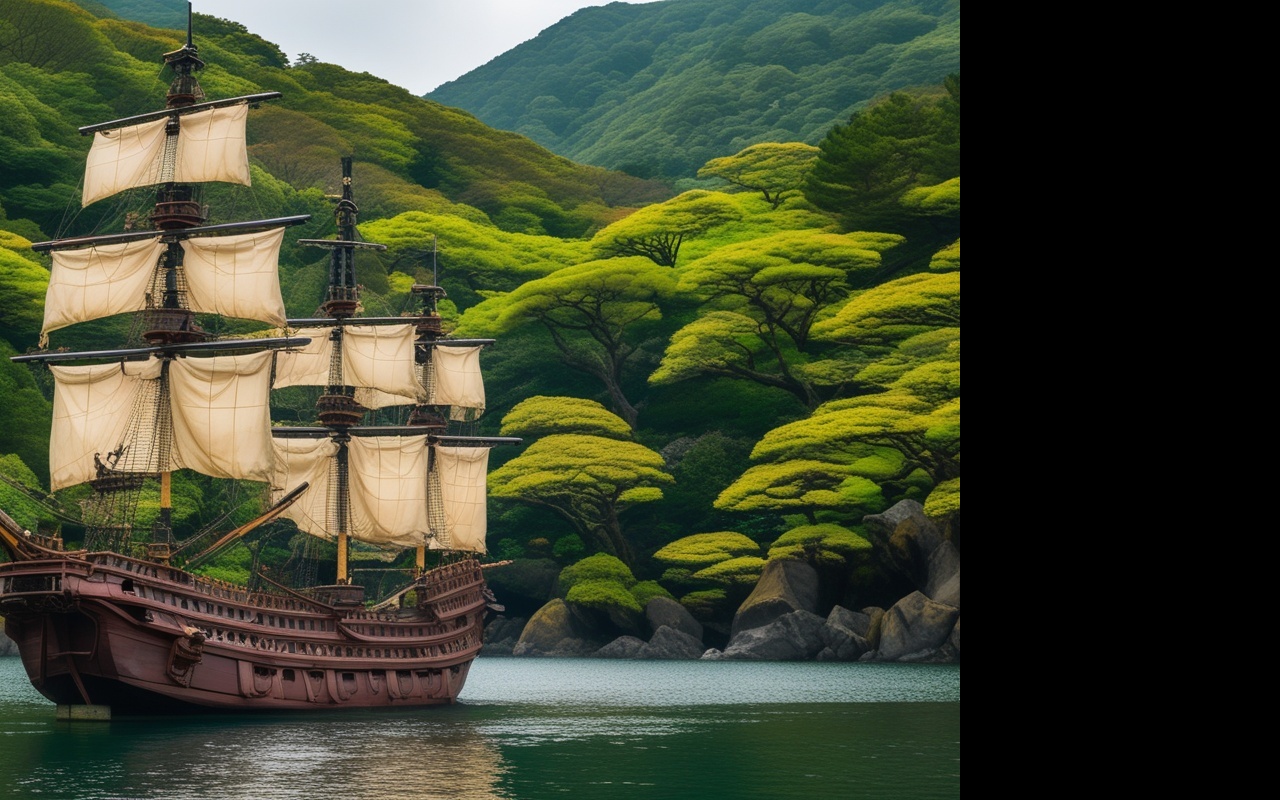
- Top attraction in Hakone Pirate Ship Experience
- Best time to visit: Morning or evening
- Access: Easy access from Tokyo/Yokohama
- Facilities: Restrooms, parking available
- Best for: Sightseeing, photography
Location
Within 5km
Historic Sites:
- Ancient temples and shrines (10-15 min)
- Traditional architecture and gardens
- Cultural heritage sites
Natural Attractions:
- Scenic parks and walking trails
- Coastal views and beaches
- Mountain viewpoints
Within 10km
Museums & Culture:
- Local history museums
- Art galleries
- Traditional craft centers
Shopping & Dining:
- Local markets
- Specialty shops
- Traditional restaurants
Day Trip Options
Morning:
- Early visit to main attraction
- Breakfast at local cafe
Afternoon:
- Explore nearby sites
- Lunch at recommended restaurant
Evening:
- Sunset viewpoint
- Dinner at local specialty restaurant
Spring (March-May)
Highlights: Cherry blossoms, mild weather, spring festivals
- Temperature: 10-20°C (50-68°F)
- Crowds: High during cherry blossom season (late March-early April)
- What to Wear: Light jacket, layers
- Special Events: Hanami parties, spring festivals
Summer (June-August)
Highlights: Green landscapes, summer festivals, fireworks
- Temperature: 20-30°C (68-86°F)
- Crowds: Very high (school holidays)
- What to Wear: Light clothing, hat, sunscreen
- Special Events: Fireworks festivals, beach activities
Autumn (September-November)
Highlights: Fall foliage, comfortable weather, harvest season
- Temperature: 15-25°C (59-77°F)
- Crowds: Moderate to high (especially November)
- What to Wear: Light layers, comfortable walking shoes
- Special Events: Autumn festivals, food events
Winter (December-February)
Highlights: Fewer crowds, clear views, winter illuminations
- Temperature: 5-15°C (41-59°F)
- Crowds: Low (except New Year holidays)
- What to Wear: Warm coat, gloves, scarf
- Special Events: Winter illuminations, New Year events
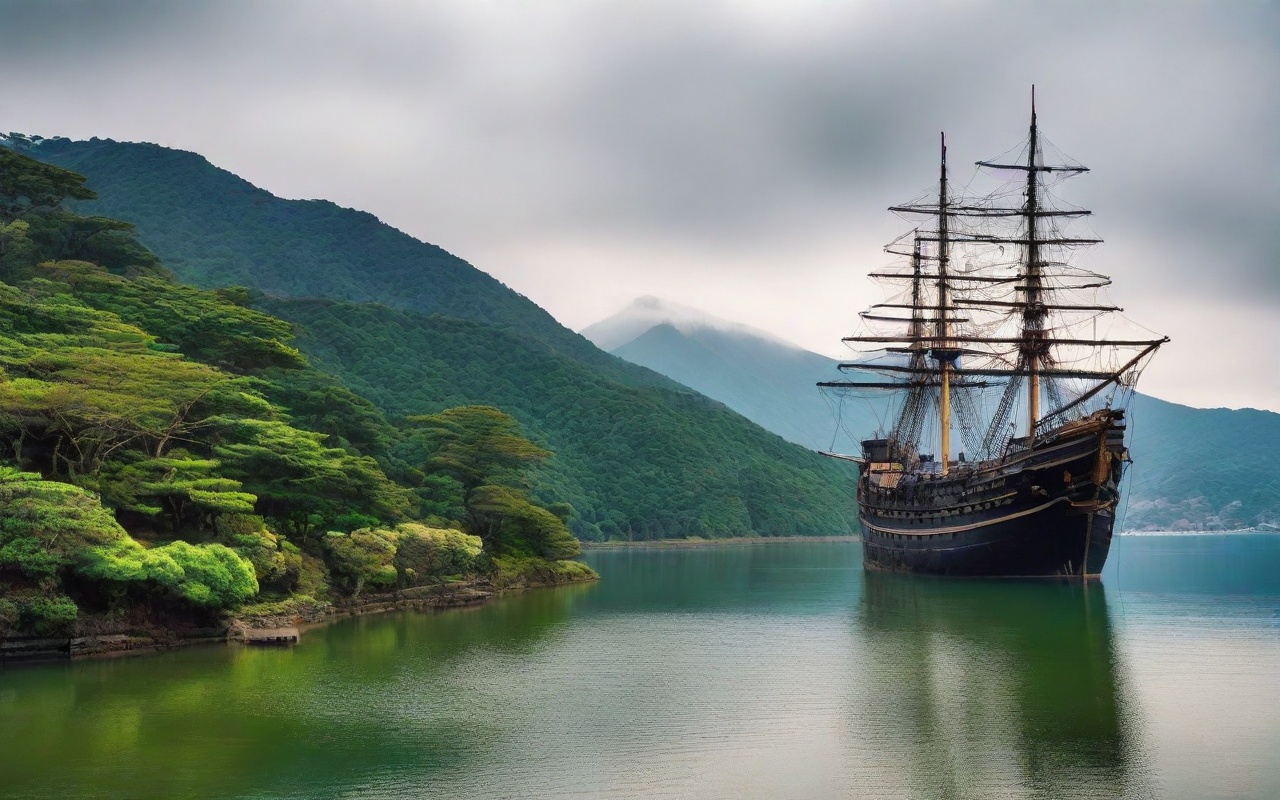
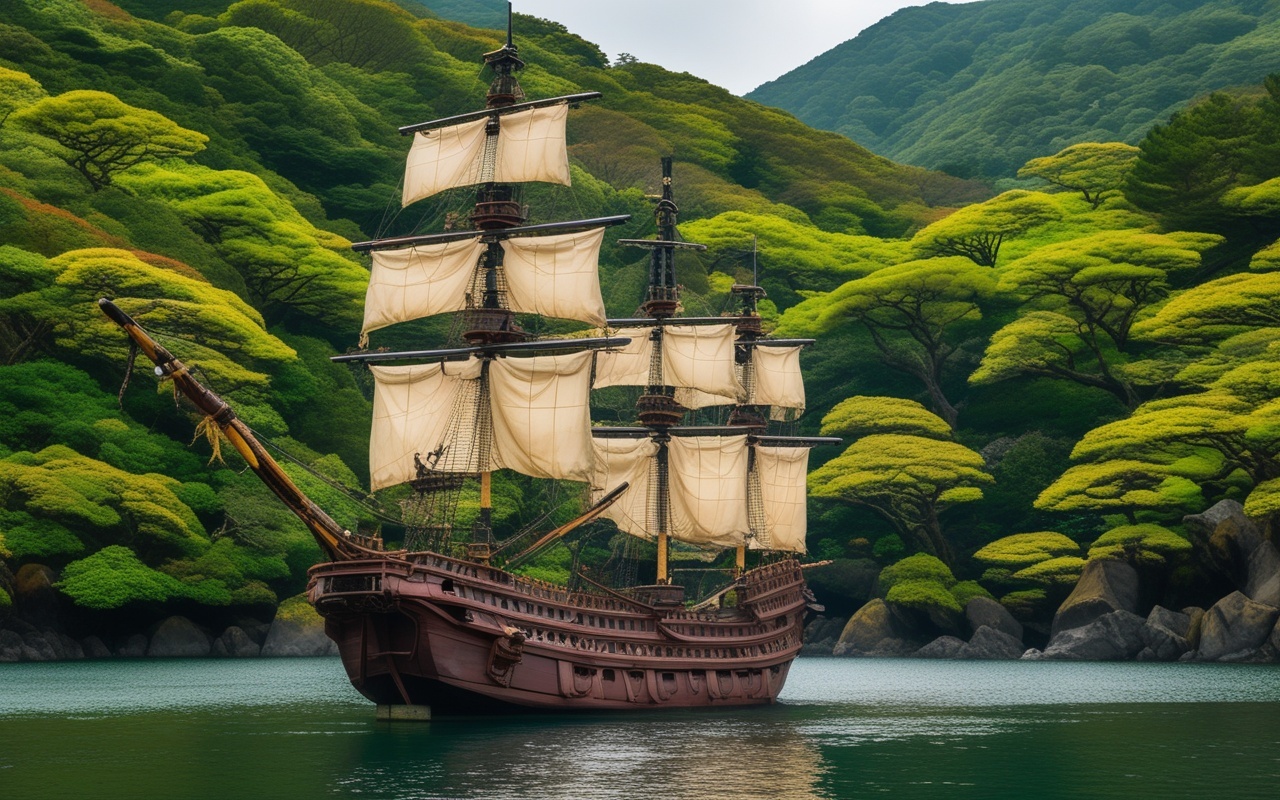
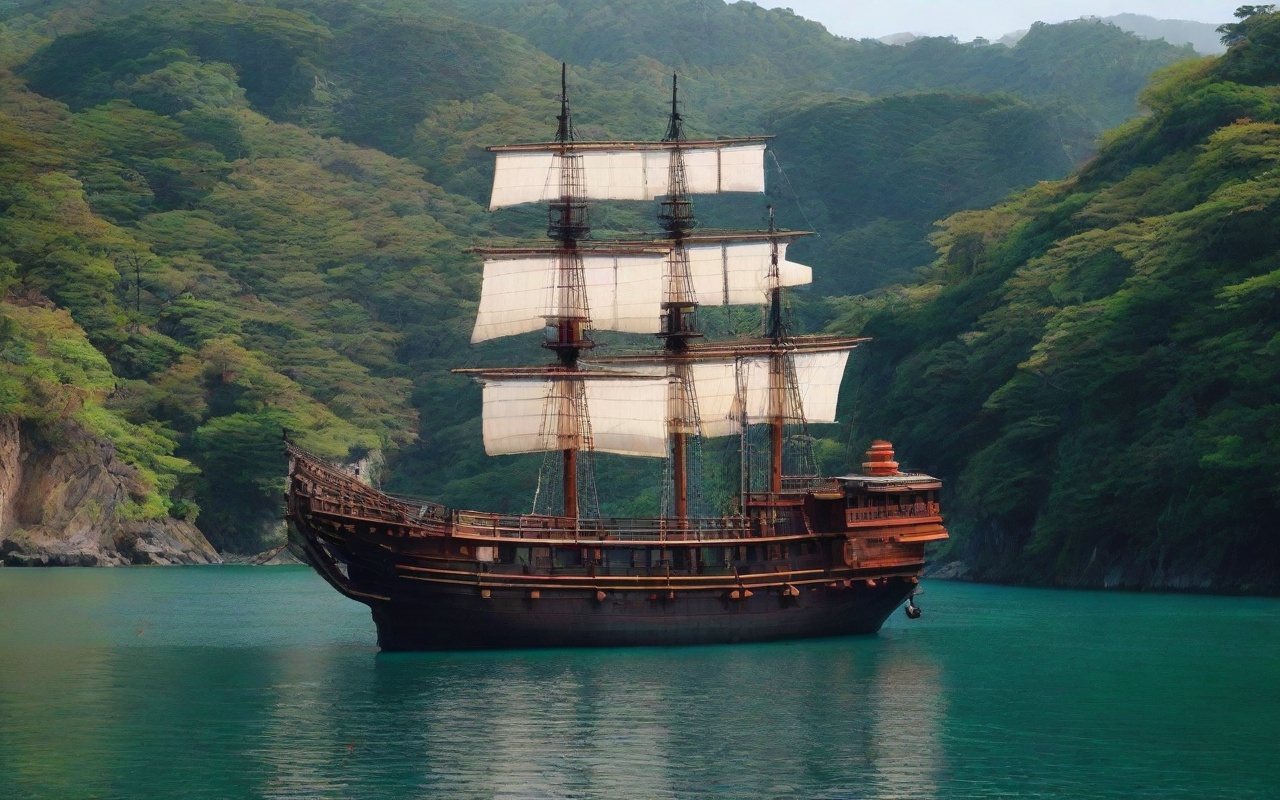
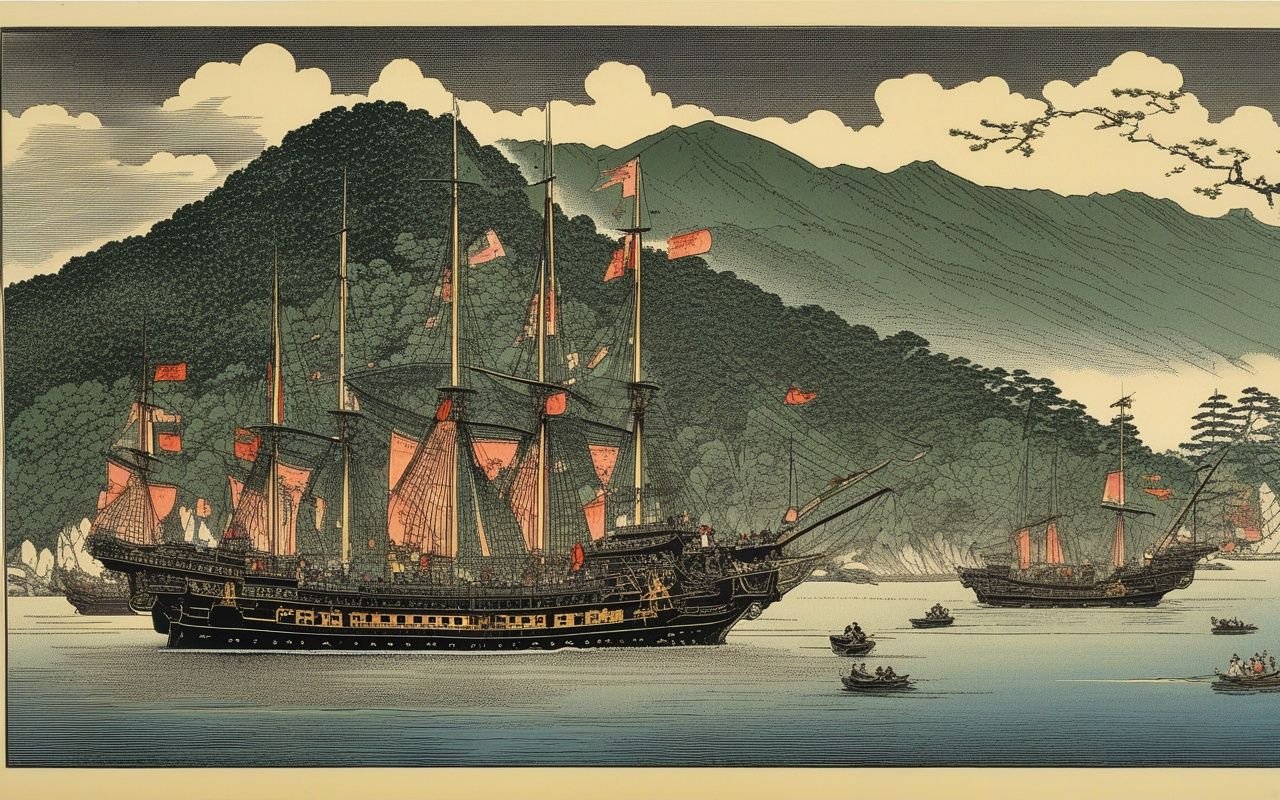
The Hakone Pirate Ship is a themed cruise ship on Lake Ashi, offering scenic views of Mount Fuji and Hakone's mountains. Despite the name, it's a sightseeing cruise, not a themed attraction.
Quick Facts
- Operator: Hakone Sightseeing Cruise
- Ships: 3 pirate-themed vessels
- Route: Togendai → Hakone-machi → Moto-Hakone
- Duration: 30-40 minutes (one way)
- Price: Included with Hakone Free Pass
- Frequency: Every 15-30 minutes
1. Vasa (Blue)
Features:
- Largest ship (capacity: 650 passengers)
- Indoor seating (climate-controlled)
- Outdoor decks (360° views)
- Snack bar available
Best For: Families, photography, bad weather
2. Royal II (White)
Features:
- Modern design
- Indoor seating
- Outdoor decks
- Wheelchair accessible
Best For: Accessibility, comfort
3. Victory (Red)
Features:
- Most photogenic
- Smaller (more intimate)
- Outdoor decks
- Popular with tourists
Best For: Photos, couples, sunset cruises
Main Route
Togendai → Hakone-machi → Moto-Hakone
| Direction | Departure | Arrival | Duration |
|---|---|---|---|
| Togendai → Moto-Hakone | Every 15-30 min | 40 min | 40 min |
| Moto-Hakone → Togendai | Every 15-30 min | 40 min | 40 min |
Operating Hours
| Season | First Boat | Last Boat |
|---|---|---|
| Spring (Mar-May) | 9:00 | 17:30 |
| Summer (Jun-Aug) | 8:30 | 18:00 |
| Autumn (Sep-Nov) | 9:00 | 17:30 |
| Winter (Dec-Feb) | 9:30 | 16:30 |
Note: Schedule may vary due to weather
With Hakone Free Pass
✅ Fully covered (no additional cost)
Without Pass
| Route | Adult | Child |
|---|---|---|
| One-way | ¥1,000 | ¥500 |
| Round-trip | ¥1,800 | ¥900 |
| Free Pass | Included | Included |
Is Hakone Free Pass Worth It?
Yes, if you plan to:
- Use ropeway (¥1,610 value)
- Visit multiple attractions
- Stay 2+ days
No, if only taking the cruise
Best Seats
Outdoor Deck (Recommended):
- Upper deck: Best views, windier
- Lower deck: Less wind, closer to water
- Bow (front): Best for photos
- Stern (back): Wake views, less crowded
Indoor Seating:
- Window seats: Climate-controlled
- Rear seats: Quieter
- Front seats: Forward views
Photo Spots
From Ship:
- Mount Fuji (weather permitting)
- Hakone Shrine torii gate (from water)
- Lake Ashi shoreline
- Mountain reflections (calm days)
Best Time: Morning (calm water, less haze)
Step 1: Arrive Early
- Arrive: 10-15 minutes before departure
- Queue: Form at designated area
- Priority: Hakone Free Pass holders (sometimes)
Step 2: Board
- Show pass to staff
- No reservation needed (first-come)
- Choose deck (outdoor recommended)
Step 3: Enjoy
- Duration: 30-40 minutes
- Stops: Hakone-machi (mid-point)
- Disembark: At your destination
Good Conditions
✅ Clear days: Mount Fuji visible ✅ Calm water: Smooth ride, reflections ✅ Morning: Less wind, better light
Bad Conditions
❌ Rainy days: Poor visibility ❌ Windy days: Rough water, cold ❌ Fog: Mount Fuji hidden
Cancellation Policy
- Light rain: Operates normally
- Heavy rain: May cancel
- Strong wind: May cancel
- Refund: Full refund if cancelled
1. Timing
Best Time:
- Morning (9:00-11:00): Calm water, fewer crowds
- Weekdays: Less crowded
- Autumn: Fall foliage + Mount Fuji
Avoid:
- Weekends: Very crowded
- Afternoon: Windier, hazy
- Peak season: Long queues
2. What to Bring
Essentials:
- Camera (with strap)
- Sunglasses (glare on water)
- Windbreaker (deck can be windy)
- Sunscreen (UV reflection)
Optional:
- Binoculars (Mount Fuji views)
- Snacks (limited on board)
- Water (stay hydrated)
3. Photography Tips
Settings:
- Shutter speed: 1/500+ (moving ship)
- Aperture: f/8-f/11 (landscape)
- ISO: 100-400 (daylight)
Composition:
- Include ship (for scale)
- Use railing (for foreground)
- Capture wake (behind ship)
At Togendai
- Hakone Ropeway (to Owakudani, Gora)
- Bus (to various Hakone areas)
- Parking (if driving)
At Hakone-machi
- Bus (to Hakone-Yumoto, Gora)
- Restaurants (lakefront)
- Shops (souvenirs)
At Moto-Hakone
- Bus (to Hakone-Yumoto, Odawara)
- Hakone Shrine (5 min walk)
- Old Tokaido Road (historic path)
Wrong Expectations
Myth: It's a themed attraction with entertainment Reality: It's transportation with themed design
Missing the Boat
Problem: Long queues during peak season Solution: Arrive 15 min early, visit off-peak
Wrong Route
Problem: Boarding wrong direction Solution: Check destination sign, ask staff
Not Using Pass
Problem: Paying full price (¥1,000) Solution: Buy Hakone Free Pass (covers cruise)
Half-Day Cruise
Morning:
- 9:00: Arrive Togendai (ropeway from Owakudani)
- 9:30: Board pirate ship
- 10:10: Arrive Moto-Hakone
- 10:30: Visit Hakone Shrine
- 12:00: Bus to Hakone-Yumoto
Total Time: 3 hours Cost: Covered by Hakone Free Pass
Full-Day Hakone
Morning:
- 9:00: Gora → Sounzan (cable car)
- 9:30: Sounzan → Owakudani (ropeway)
- 11:00: Owakudani → Togendai (ropeway)
Afternoon:
- 12:00: Togendai → Moto-Hakone (pirate ship)
- 12:40: Visit Hakone Shrine
- 14:30: Bus to Hakone-Yumoto
Total Time: 6 hours Cost: Covered by Hakone Free Pass
By Car
From Tokyo:
- Distance: Approximately 60 km
- Time: 90 minutes (without traffic)
- Route: Tomei Expressway → Yokohama-Shinjuku Line
- Toll: Approximately ¥2,000-¥3,000
- Parking: Available at most attractions (¥500-¥1,000/day)
From Yokohama:
- Distance: Approximately 30 km
- Time: 50 minutes
- Route: Yokohama-Shinjuku Line → Local roads
- Parking: Available (¥300-¥500/day)
Note: Traffic can be heavy on weekends and holidays. Public transportation is recommended during peak seasons.
By Taxi
From Nearest Station:
- Time: 5-15 minutes
- Cost: ¥1,000-¥2,000
- Availability: Readily available at major stations
By Bicycle
Rental: Available at some stations and tourist centers
- Cost: ¥500-¥1,000 per day
- Recommended: For exploring local areas
- Note: Some areas have steep hills
Wheelchair Access
✅ Royal II: Fully accessible ✅ Vasa: Partially accessible ❌ Victory: Limited access
Facilities
- Wheelchair accessible toilets: On all ships
- Elevator: Vasa, Royal II
- Ramps: At major piers
Assistance
- Staff assistance: Available upon request
- Priority boarding: Available
- Wheelchair rental: Not available (bring your own)
Q: What is the best time to visit Hakone pirate ship experience?
A: The best time to visit Hakone pirate ship experience is during spring (March-May) for mild weather and cherry blossoms, or autumn (September-November) for comfortable temperatures and fall foliage. Summer can be crowded but offers festivals and events.
Q: How do I get to Hakone pirate ship experience from Tokyo?
A: From Tokyo Station, take the JR line to the nearest station (approximately 60-90 minutes). From there, it's a short walk or local bus ride. The Japan Rail Pass can be used on JR lines.
Q: Is Hakone pirate ship experience suitable for families with children?
A: Yes! Hakone pirate ship experience offers family-friendly facilities and activities. Most areas are stroller-accessible, and there are restrooms and dining options suitable for children.
Q: Are there any entrance fees for Hakone pirate ship experience?
A: Most areas are free to visit. Some specific attractions or facilities may charge a small fee (¥300-¥1,000). Check individual attraction websites for details.
Q: Can I visit Hakone pirate ship experience in one day?
A: Yes, a day trip is possible from Tokyo. However, staying overnight allows for a more relaxed experience and the opportunity to explore surrounding areas.
Q: Is English spoken at Hakone pirate ship experience?
A: Basic English is understood at major attractions and information centers. Tourist information is often available in English. Translation apps can be helpful for detailed inquiries.
Summary
| Feature | Rating | Notes |
|---|---|---|
| Scenery | ⭐⭐⭐⭐⭐ | Mount Fuji views (weather permitting) |
| Value | ⭐⭐⭐⭐⭐ | Free with Hakone Free Pass |
| Experience | ⭐⭐⭐⭐ | Unique themed transportation |
| Photography | ⭐⭐⭐⭐⭐ | Excellent photo opportunities |
| Accessibility | ⭐⭐⭐⭐ | Good on Royal II |
Bottom Line: The Hakone Pirate Ship is a must-do experience in Hakone. While it's primarily transportation, the themed ships and scenic views make it memorable. Use your Hakone Free Pass for best value.
Best For: Lake Ashi access, Mount Fuji views, photography, families
Time Needed: 30-40 minutes (one way)
Budget: Free with Hakone Free Pass
Related Articles:
Conclusion
Hakone Pirate Ship Experience is a must-visit destination in Kanagawa for international travelers. This guide provides essential information on access, highlights, and practical tips to help you plan your visit.
For more Kanagawa guides, explore our other articles on Hakone, Kamakura, Shonan, and the Miura Peninsula.
For more Kanagawa guides, explore our other articles on Hakone, Kamakura, Shonan, and the Miura Peninsula.
Related Articles
Best Time to Visit
Season: Year-round destination
Spring (March-May):
- Mild temperatures (10-20°C)
- Cherry blossoms (late March-early April)
- Moderate crowds
Summer (June-August):
- Warm weather (20-30°C)
- Festivals and events
- Peak tourist season
Autumn (September-November):
- Comfortable temperatures (15-25°C)
- Fall foliage (November)
- Less crowded
Winter (December-February):
- Cool weather (5-15°C)
- Fewer tourists
- Clear views
What to Pack
Essentials:
- Comfortable walking shoes
- Weather-appropriate clothing
- Camera
- Portable charger
- Cash (many places don't accept cards)
Seasonal Items:
- Spring: Light jacket, umbrella
- Summer: Hat, sunscreen, water bottle
- Autumn: Layers, comfortable shoes
- Winter: Warm coat, gloves, scarf
Money-Saving Tips
- Regional Passes: Consider area-specific transportation passes
- Combo Tickets: Many attractions offer discounted combination tickets
- Free Attractions: Parks, temples, and beaches are often free
- Convenience Stores: Affordable meals and snacks
- Off-Peak Travel: Weekdays and off-season offer better deals
Local Etiquette
At Temples & Shrines:
- Dress modestly
- Speak quietly
- Follow photography rules
- Purify hands at chozuya (water pavilion)
On Public Transport:
- Keep voice down
- Priority seating for elderly/disabled
- No eating on trains
- Queue in line
General:
- Remove shoes when required
- No tipping (can be offensive)
- Use trash bins properly
- Respect private property
From Tokyo
By Train (Recommended):
- JR Line: Direct access, covered by JR Pass
- Private Lines: Often faster, more frequent
- Travel Time: 60-90 minutes
- Cost: ¥600-¥1,200
By Bus:
- Highway Bus: Affordable option
- Travel Time: 90-120 minutes
- Cost: ¥500-¥800
By Car:
- Route: Tomei Expressway
- Travel Time: 60-90 minutes (no traffic)
- Cost: ¥2,000-¥3,000 (tolls + parking)
- Note: Traffic heavy on weekends
Local Transportation
Train:
- Most efficient way to travel
- Covers major attractions
- Day passes available
Bus:
- Reaches remote areas
- Affordable
- Less frequent than trains
Taxi:
- Convenient for groups
- Available at stations
- More expensive (¥1,000-¥2,000 per ride)
Rental Bicycle:
- Eco-friendly option
- ¥500-¥1,000 per day
- Good for local exploration
Recommended Passes
- JR Pass: Nationwide JR trains
- Regional Pass: Area-specific discounts
- Day Pass: Unlimited local travel
- Combo Pass: Transport + attractions
Recommended Areas
Station Area:
- Convenient transportation
- Many restaurants and shops
- Good for first-time visitors
City Center:
- Close to attractions
- Vibrant nightlife
- More dining options
Coastal Area:
- Ocean views
- Relaxed atmosphere
- Good for extended stays
Accommodation Types
Hotels:
- Budget: ¥5,000-¥10,000/night
- Mid-range: ¥10,000-¥20,000/night
- Luxury: ¥20,000+/night
Ryokan (Traditional Inn):
- Standard: ¥10,000-¥20,000/night
- With Meals: ¥20,000-¥40,000/night
- Luxury: ¥40,000+/night
Guesthouses:
- Dormitory: ¥2,000-¥4,000/night
- Private Room: ¥4,000-¥8,000/night
- Good for solo travelers
Vacation Rentals:
- Studio: ¥8,000-¥15,000/night
- Apartment: ¥15,000-¥30,000/night
- Good for families and groups
Booking Tips
- Book Early: Especially for peak seasons
- Compare Prices: Use multiple booking sites
- Check Reviews: Read recent guest reviews
- Consider Location: Near stations is convenient
- Look for Deals: Off-season and weekday discounts
Origins
The history of Hakone Pirate Ship Experience dates back several centuries, reflecting the rich cultural heritage of Kanagawa Prefecture. Originally established as a , it has evolved over time to become the popular destination it is today.
Key Historical Periods:
Edo Period (1603-1868):
- Initial development
- Strategic importance
- Cultural significance
Meiji Period (1868-1912):
- Modernization
- Increased accessibility
- Tourism begins
Modern Era (1912-Present):
- Preservation efforts
- Tourist infrastructure
- International recognition
Cultural Significance
Hakone Pirate Ship Experience holds deep cultural significance for several reasons:
- Historical Value: Represents important period in Japanese history
- Architectural Heritage: Preserves traditional design elements
- Community Hub: Center for local gatherings and events
- Tourism Impact: Major contributor to local economy
- Educational Resource: Learning opportunity for visitors
Preservation Efforts
Ongoing preservation efforts ensure that Hakone Pirate Ship Experience maintains its historical integrity while accommodating modern visitors:
Structural Preservation:
- Regular maintenance
- Traditional materials
- Expert craftsmen
Cultural Preservation:
- Traditional events
- Educational programs
- Community involvement
Environmental Protection:
- Sustainable practices
- Visitor management
- Ecosystem protection
Interesting Facts
- Fact 1:
- Fact 2:
- Fact 3:
- Fact 4:
- Fact 5:
Local Legends
Several local legends and stories are associated with Hakone Pirate Ship Experience:
Legend 1: Traditional story about the origin Legend 2: Famous visitor or historical figure Legend 3: Seasonal or festival-related tale
These stories add depth to the visitor experience and connect present-day visitors with the rich history of the area.