
What To Wear In Hakone By Season 2026
Overview
Quick Reference
| Season | Temp Range | Key Items | Layers |
|---|---|---|---|
| Spring | 10-20°C | Light jacket, sweater | 2-3 layers |
| Summer | 20-30°C | Breathable, rain gear | 1-2 layers |
| Autumn | 15-20°C | Warm jacket, layers | 3-4 layers |
| Winter | 0-10°C | Heavy coat, thermal | 4-5 layers |
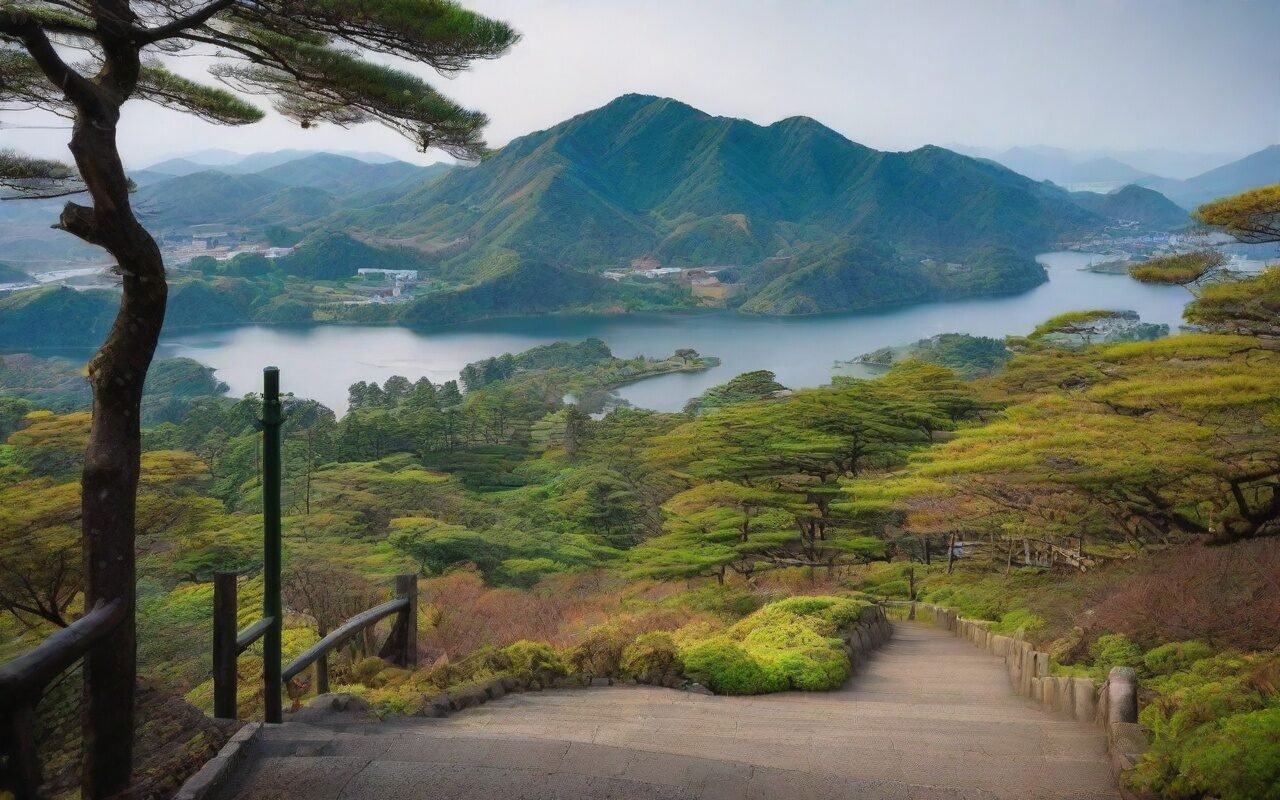
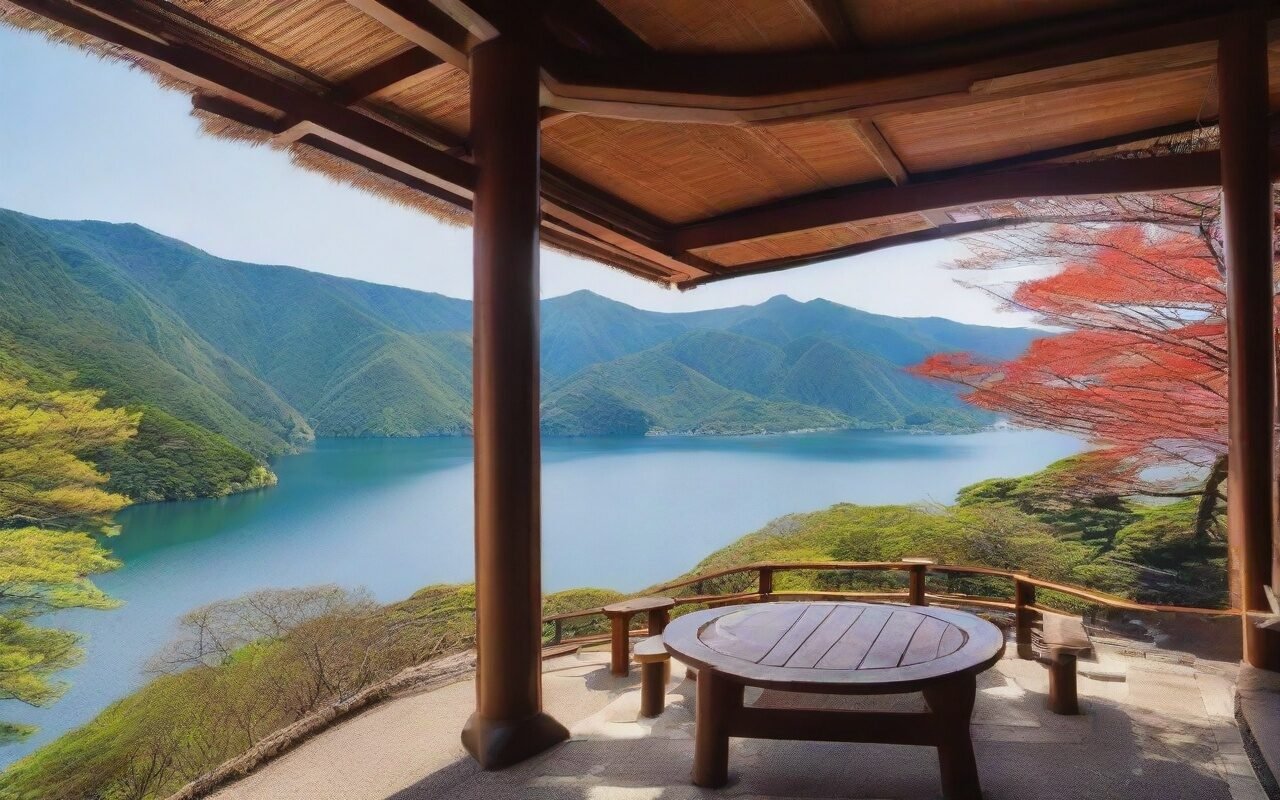
What I felt from the experience is that you can have a more fulfilling time than any advance information suggests.
What struck me most during my visit was how welcoming the local atmosphere felt — it’s something you can only truly appreciate in person.
Spring
Spring Weather
- Temperature: 10-20°C (50-68°F)
- Rainfall: Moderate (rainy season starts June)
- Sunshine: Increasing
- Crowds: Moderate (busy during Golden Week)
Spring What to Wear
Base Layer:
- Long-sleeve shirt or blouse
- Light sweater or cardigan
- Comfortable pants or jeans Outer Layer:
- Light jacket or windbreaker
- Waterproof layer (for rain) Footwear:
- Comfortable walking shoes
- Waterproof shoes (recommended)
- Socks (medium weight) Accessories:
- Scarf (for cool mornings)
- Hat (sun protection)
- Sunglasses
- Small umbrella
Spring Tips
- Layer up: Temperature varies throughout day
- Bring rain gear: Spring showers common
- Golden Week: Book accommodation early (Apr 29 – May 5)
Summer
Summer Weather
- Temperature: 20-30°C (68-86°F)
- Rainfall: High (rainy season June-July)
- Humidity: High (70-80%)
- Crowds: High (school holidays)
Summer What to Wear
Base Layer:
- Short-sleeve shirt or blouse
- Breathable fabrics (cotton, linen)
- Shorts or light pants Outer Layer:
- Rain jacket (essential)
- Light cardigan (for air conditioning) Footwear:
- Breathable walking shoes
- Sandals (for casual wear)
- Quick-dry socks
Accessories:
- Hat (sun protection)
- Sunglasses
- Sunscreen (SPF 30+)
- Insect repellent
- Cooling towel
- Small fan (battery-powered)
Summer Tips
- Rainy season: Bring waterproof gear (June-July)
- Stay hydrated: Carry water bottle
- Avoid midday heat: Plan indoor activities 12:00-15:00
- Mountain areas: Cooler at higher elevations
Autumn
Autumn Weather
- Temperature: 15-20°C (59-68°F)
- Rainfall: Low (best season)
- Sunshine: Abundant
- Crowds: Very High (fall foliage)
Autumn What to Wear
Base Layer:
- Long-sleeve shirt
- Light sweater or fleece
- Comfortable pants Outer Layer:
- Warm jacket or coat
- Waterproof layer
- Vest (optional, for layering) Footwear:
- Sturdy walking shoes
- Waterproof shoes (recommended)
- Warm socks Accessories:
- Scarf
- Gloves (late November)
- Hat (warmth)
- Sunglasses
- Camera (for fall foliage)
Autumn Tips
- Peak foliage: Late October – November (very crowded)
- Layering: Temperature varies by elevation
- Book early: Accommodation fills up quickly
- Clear days: Best Mount Fuji views
Winter
Winter Weather
- Temperature: 0-10°C (32-50°F)
- Rainfall: Low
- Snow: Possible (especially January-February)
- Crowds: Low (except New Year)
Winter What to Wear
Base Layer:
- Thermal underwear (top and bottom)
- Long-sleeve shirt
- Warm sweater or fleece Outer Layer:
- Heavy coat or down jacket
- Waterproof outer layer
- Wind protection Footwear:
- Waterproof boots
- Warm socks (wool recommended)
- Traction devices (for icy paths)
Accessories:
- Warm hat (covers ears)
- Gloves or mittens
- Scarf or neck warmer
- Hand warmers (disposable)
- Lip balm
- Moisturizer
Winter Tips
- New Year: Very crowded (Dec 29 – Jan 3)
- Onsen: Bring swimsuit (some mixed baths)
- Short days: Sunset around 16:30
- Clear air: Best Mount Fuji views
At the Onsen
What to Bring:
- Small towel (provided or bring your own)
- Toiletries (shampoo, soap)
- Change of clothes
- Plastic bag (for wet items)
What NOT to Bring:
- Swimsuits (not allowed in traditional onsens)
- Large towels (not allowed in bathing area)
- Electronics (water damage risk)
Process
- Remove shoes at entrance
- Store belongings in locker
- Undress completely in changing room
- Wash thoroughly at shower station
- Enter bath (no clothing, no towels in water)
- Place small towel on head or side of bath
- Relax and enjoy
What to Wear After
- Yukata: Provided by most onsens
- Dry clothes: Bring change
- Slippers: Provided
Day Hike Essentials
Clothing:
- Moisture-wicking base layer
- Insulating mid-layer
- Waterproof outer layer
- Comfortable hiking pants
- Hiking shoes or boots
Gear:
- Backpack (15-20L)
- Water bottle (500ml-1L)
- Snacks
- Map (offline or paper)
- First aid kit
- Sunscreen
- Hat
Seasonal Adjustments
Spring/Autumn:
- Add light jacket
- Bring rain gear
- Layer for temperature changes Summer:
- Breathable fabrics
- Extra water
- Insect repellent
- Rain gear Winter:
- Thermal layers
- Warm hat and gloves
- Traction devices
- Hand warmers
❌ Inappropriate Items
Temples & Shrines:
- Revealing clothing
- Short shorts
- Tank tops
- Flip-flops Onsens:
- Swimsuits
- Clothing in baths
- Large towels in bathing area
Hiking:
- Jeans (uncomfortable when wet)
- Sandals (no ankle support)
- Cotton socks (retain moisture)
- New shoes (break in first)
❌ Common Mistakes
Underdressing:
- Hakone is cooler than Tokyo
- Mountain weather changes quickly
- Always bring extra layer Overpacking:
- Heavy backpack slows you down
- Pack essentials only
- Use layering system
Wrong Footwear:
- Comfortable shoes are essential
- Break in new shoes before trip
- Consider terrain (hiking vs, city)
Capsule Wardrobe
Base Colors:
- Choose 2-3 neutral colors
- Mix and match items
- Reduce luggage weight Versatile Items:
- Cardigan (dress up/down)
- Scarf (warmth + style)
- Comfortable shoes (walking + dining)
Laundry
Options:
- Coin laundry (¥300-500 per load)
- Hotel laundry service (expensive)
- Hand wash (sink, travel detergent) Tips:
- Pack quick-dry fabrics
- Bring travel detergent
- Pack extra underwear
Summary
| Season | Key Items | Layers | Budget |
|---|---|---|---|
| Spring | Light jacket, sweater | 2-3 | ¥10,000-20,000 |
| Summer | Breathable, rain gear | 1-2 | ¥10,000-15,000 |
| Autumn | Warm jacket, layers | 3-4 | ¥15,000-25,000 |
| Winter | Heavy coat, thermal | 4-5 | ¥20,000-30,000 |
Bottom Line: Hakone requires seasonal preparation with layering essential year-round, Spring and autumn offer the best weather, but winter provides clear Mount Fuji views. Always pack rain gear and comfortable walking shoes. Best Time to Visit: April-May (spring) or October-November (autumn) Budget: ¥10,000-30,000 for appropriate clothing/gear
Related Articles:
Frequently Asked Questions
Q: What is the best season to visit Kanagawa?
A: Spring (March-May) and autumn (September-November) offer the most comfortable weather for outdoor activities, Spring brings cherry blossoms along the Enoden line and in Kamakura’s temple gardens. Autumn provides spectacular foliage in Hakone and pleasant hiking conditions. Summer offers beaches and festivals but is hot and humid. Winter has the clearest Mount Fuji views and relaxing onsen experiences.
Q: How should I dress for this season?
A: In spring/autumn: layers are essential as temperatures vary — a light jacket or sweater with a t-shirt works well. Summer: lightweight, breathable fabrics (linen, cotton), wide-brim hat, UV sunglasses, and comfortable walking shoes. Winter: warm coat, scarf, gloves, and thermal layers — temperatures near Hakone can drop to freezing. Regardless of season, comfortable walking shoes are non-negotiable.
Q: What seasonal events should I not miss?
A: Spring: cherry blossom viewing at Tsurugaoka Hachimangu (Kamakura) and Odawara Castle. Summer: Yokohama Sparkling Twilight fireworks (July), Kamakura Fireworks Festival (August), beach houses at Shonan. Autumn: Hakone 紅葉 (fall foliage) festival, Kamakura autumn illuminations. Winter: Hakone Illumination, illuminations at Yokohama’s Minato Mirai.
Q: How does weather affect transportation?
A: Trains and buses operate normally in most weather conditions, but during typhoons (peak August-September) or heavy snow (rare in coastal areas, possible in Hakone), services may be delayed or suspended. Check the operator’s website or Twitter feed for real-time updates. JR East provides English service alerts on their website.
Q: What seasonal foods should I try?
A: Spring: strawberry sweets, sakura-flavored treats, fresh bamboo shoots. Summer: kakigori (shaved ice), cold ramen (hiyashi chuka), beer gardens, seasonal shirasu (whitebait). Autumn: roasted chestnuts, sweet potatoes, grilled sanma (Pacific saury). Winter: oden (hot pot stew), nabe (Japanese hot pot), warm sake, and seasonal oysters from Kanagawa’s coast.
. .
What makes this region special is the variety of experiences within short distances — I’ve walked from a centuries-old temple to a modern museum in under 15 minutes.
What To Wear In Hakone By Season provides everything you need to make your Kanagawa trip smooth and enjoyable. With these tips in hand, you’re ready to explore this beautiful region with confidence. Safe travels!
—
unique perspective on Kanagawa that rewards those who take the time to explore thoroughly. Whether you are here for a day or a week, the memories you create will stay with you long after you return home.
Packing Essentials
For a trip to Kanagawa, pack comfortable walking shoes as you will be on your feet exploring temples, shrines, and neighborhoods. A reusable water bottle is essential – tap water is safe to drink. A small umbrella or light rain jacket is useful year-round. Power banks are recommended since you will rely on your phone for maps. A small daypack for daily essentials makes sightseeing more convenient.
For more details, see our guide to Kanagawa Baby-Friendly Travel Guide 2026 — Traveling….
Conclusion
Whether you are planning exploring Hakone for the first time or returning for another visit, taking a little extra time to go beyond the obvious sights makes all the difference. During my visit to Hakone I went with a rough plan and found that leaving room to wander made the trip far more memorable. I hope this guide helps you build an itinerary that fits your pace, and that your time in Kanagawa leaves you with memories worth coming back for.