Tag: hakone

  • Hakone Free Pass Ultimate Guide — Complete Guide 2026

    Hakone Free Pass Ultimate Guide — Complete Guide 2026

    Hakone Free Pass Ultimate Guide — Complete Guide 2026

    Overview

    📍 Location


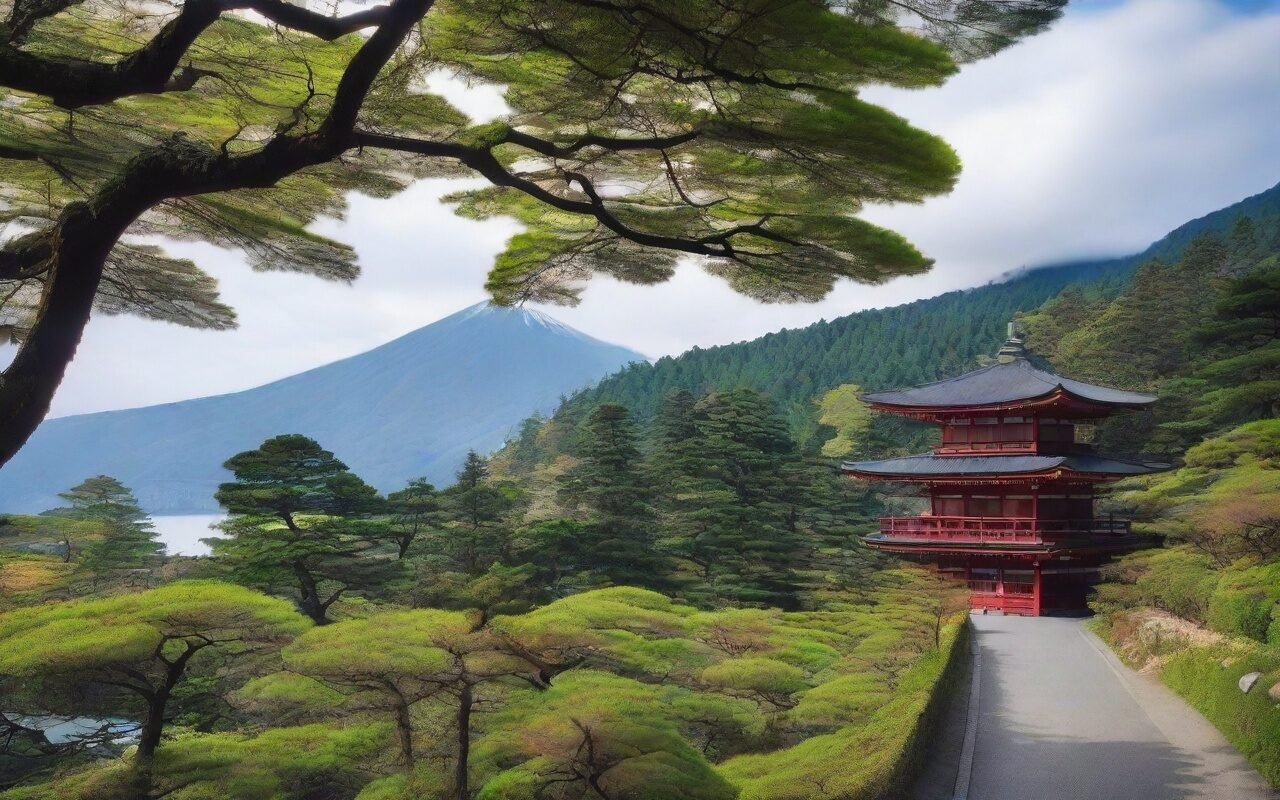
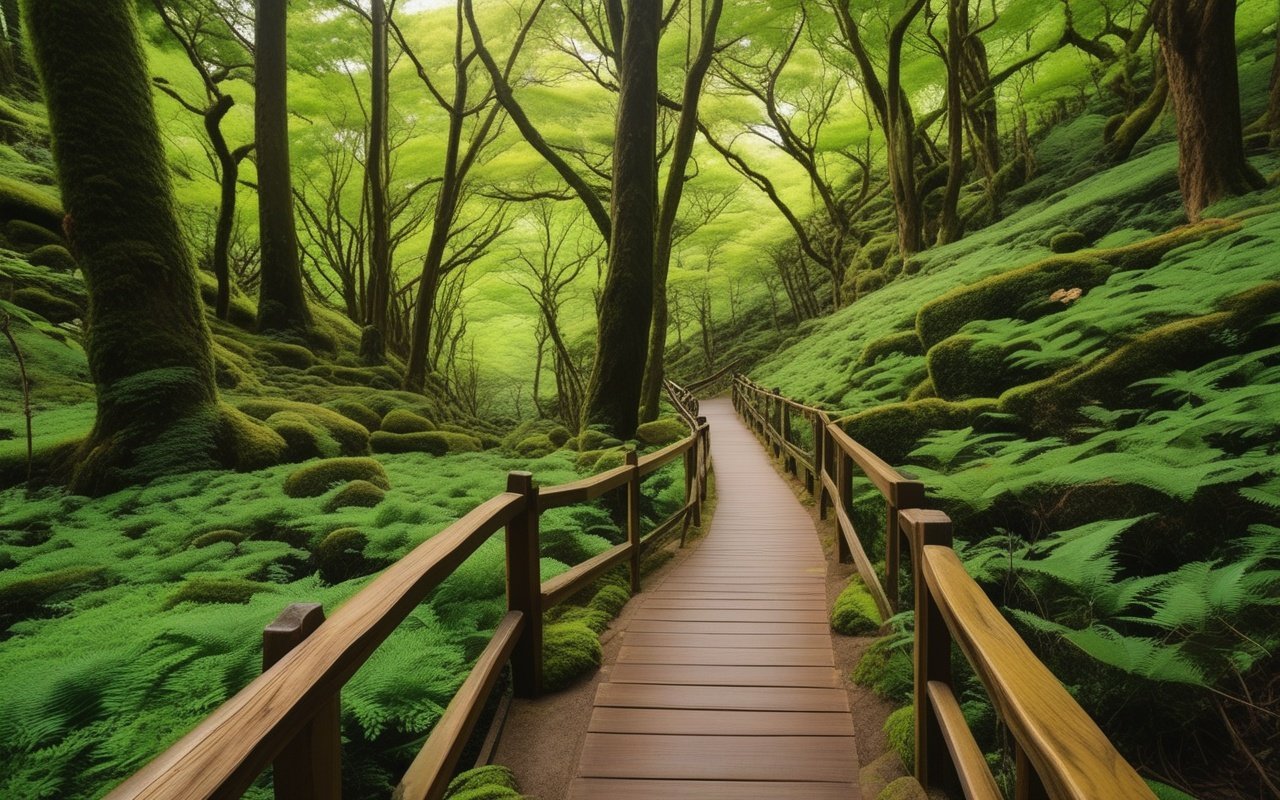
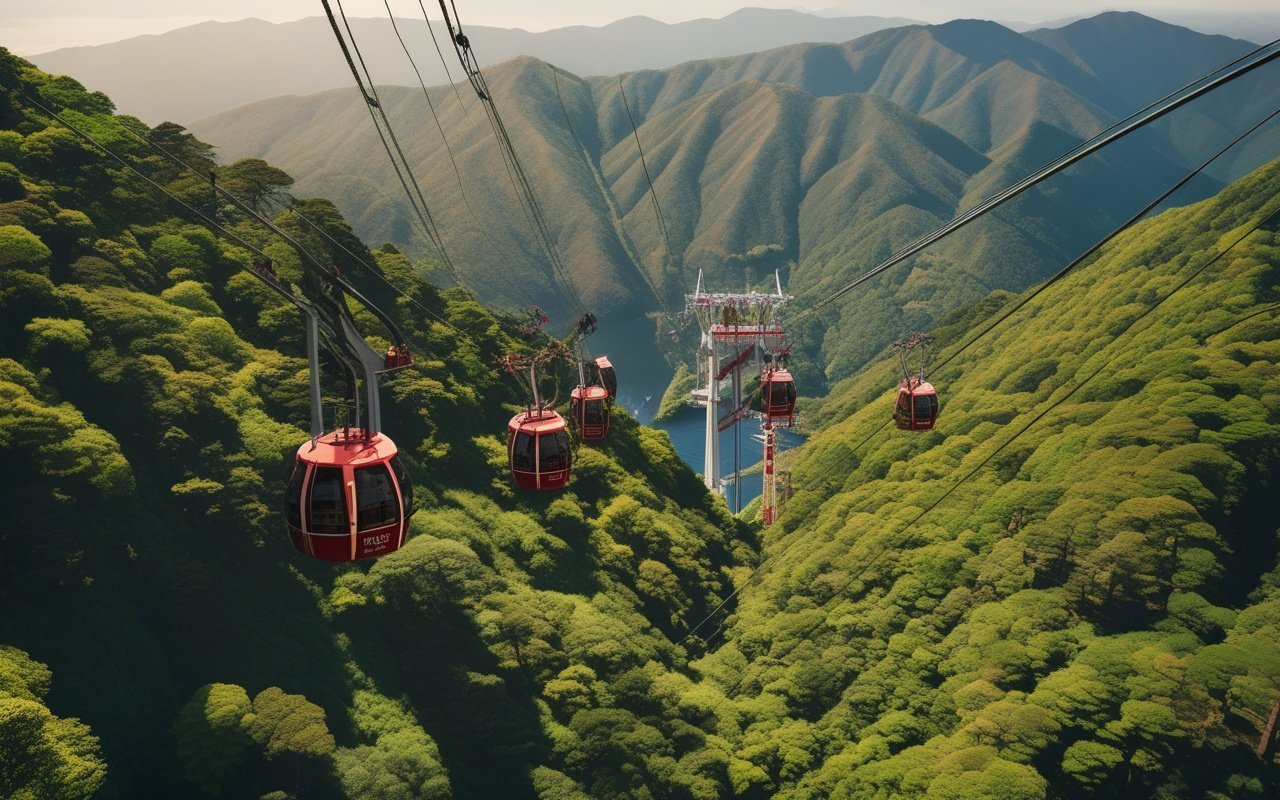
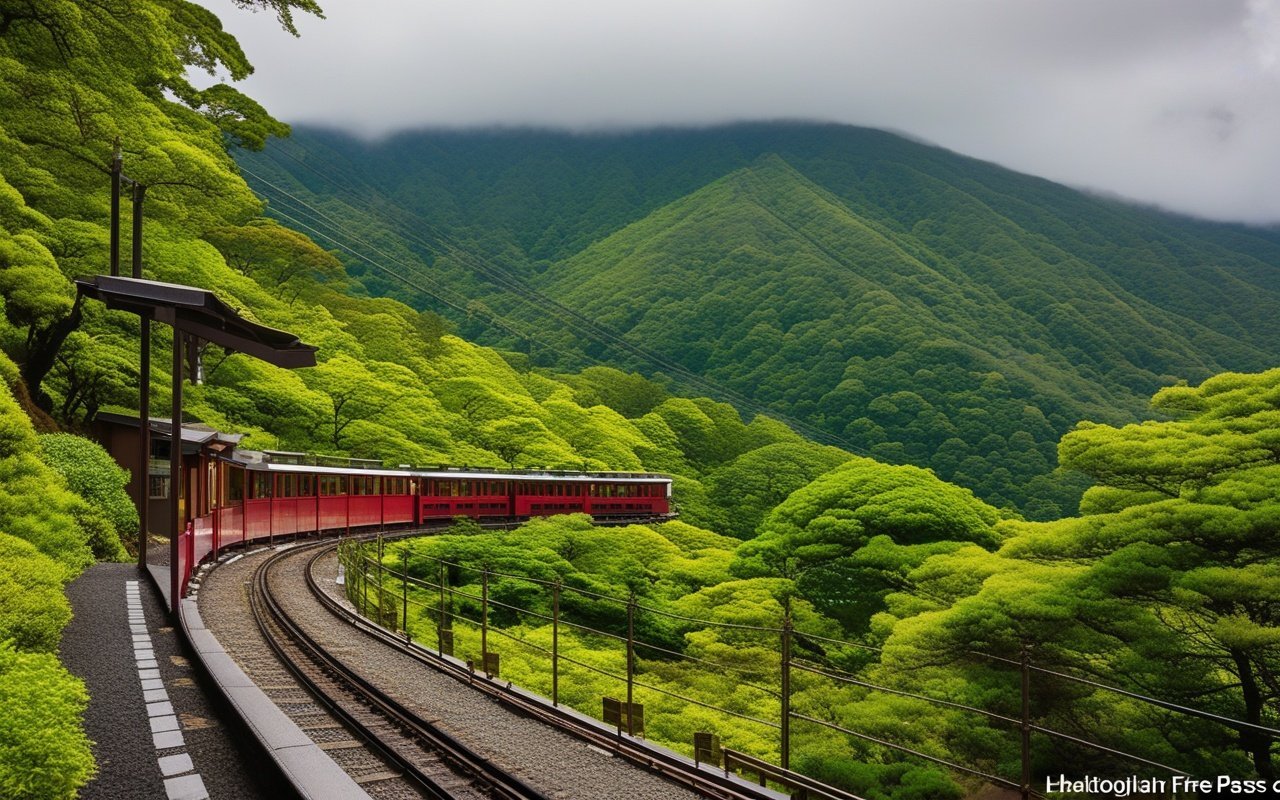
    The Hakone Tozan Railway winds through lush mountain forests, making its way from Odawara up to Gora with spectacular switchback curves. The Hakone Ropeway glides over Owakudani’s active volcanic valley.(https://anabaoffjapan.com/wp-content/uploads/images/articles/hakone-free-pass-ultimate-guide-sub4.jpg)

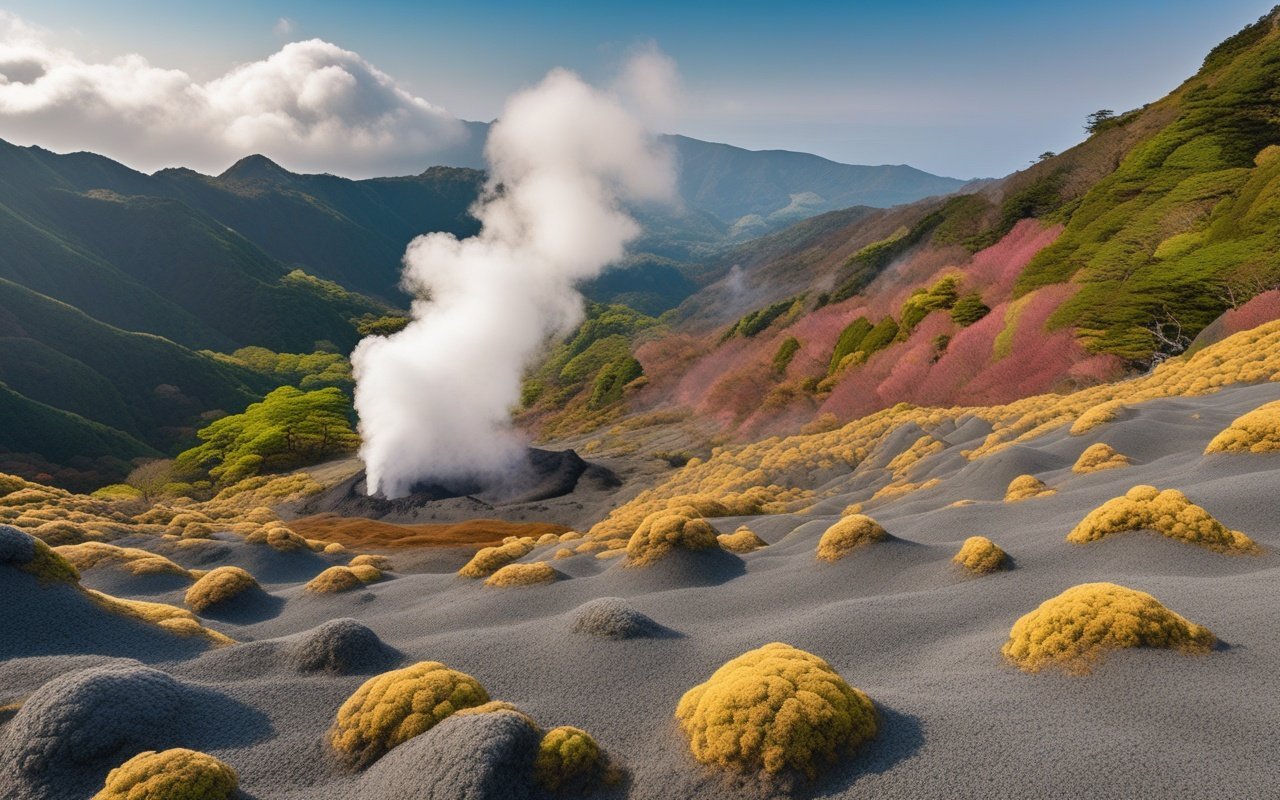
    The Hakone Ropeway glides over Owakudani’s active volcanic valley — one of the most dramatic experiences included in the Free Pass.
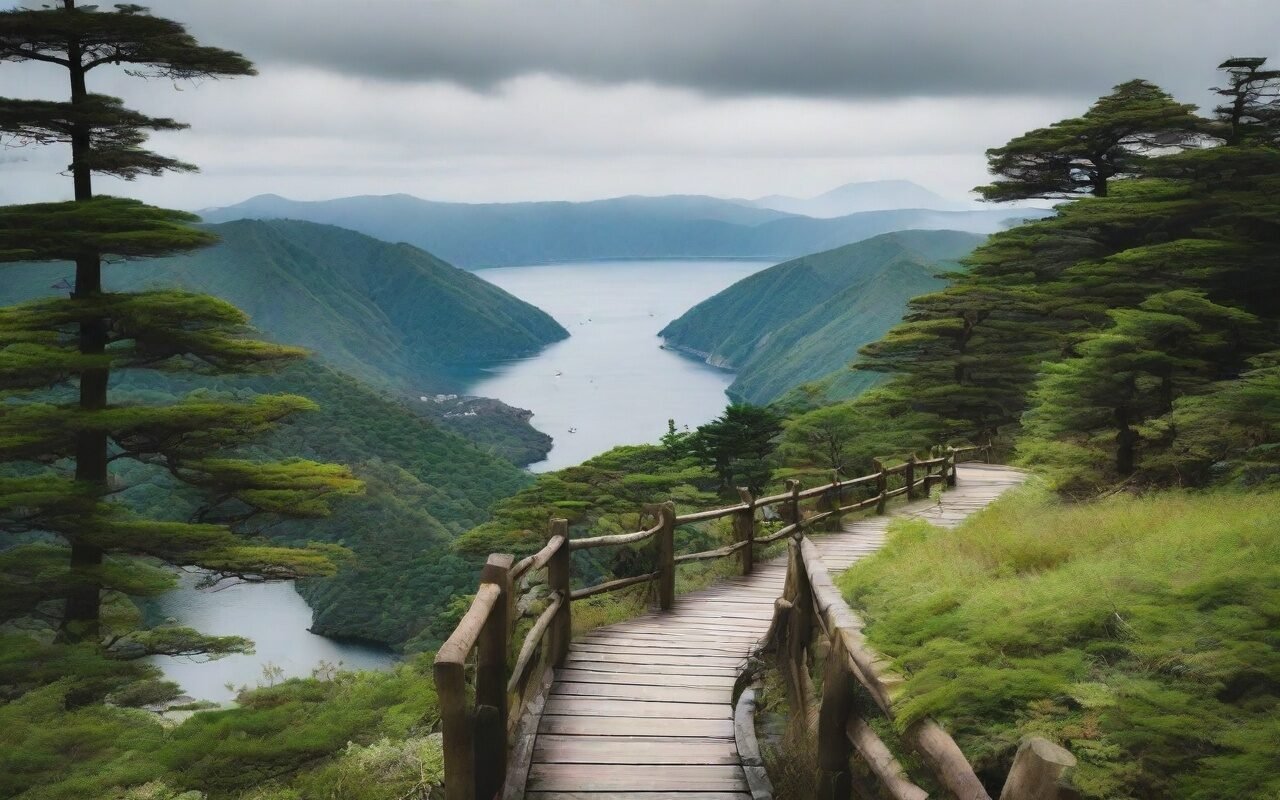
    Hakone Free Pass Ultimate Guide — Complete Guide 2026 — Location

    Hakone Free Pass Ultimate Guide — Complete Guide 2026 — Location

    Hakone Free Pass Ultimate — detailed view
    I have used the Hakone Free Pass on multiple trips and I recommend it to anyone visiting the area. The Hakone Free Pass is the most economical way to explore Hakone — I experienced this firsthand when I spent a weekend using the pass for everything from the Tozan Railway to the pirate ship cruise. This guide covers everything you need to know about prices, coverage, where to buy, and whether it’s worth it for your trip. Explore Mt Fuji & Hakone on a full-day trip with sukiyaki lunch, Hakone Cruise, Ropeway & Shinkansen return

    What Is the Hakone Free Pass?

    The Hakone Free Pass is a discounted ticket that includes: Discover Mt Fuji’s 5th Station, World Heritage Center & Owakudani volcanic valley on this scenic Hakone day trip

    • Round-trip transportation from Tokyo (optional)
    • Unlimited use of 8 transportation types in Hakone
    • Discounts at 70+ facilities Valid Period: 2 or 3 consecutive days

    Where to Buy

    Location 2 Days (Adult) 3 Days (Adult) Includes
    Shinjuku ¥6,100 ¥6,500 Round-trip + Hakone
    Tokyo ¥6,100 ¥6,500 Round-trip + Hakone
    Odawara ¥5,140 ¥5,700 Hakone only
    Online ¥6,100 ¥6,500 Round-trip + Hakone

    Child Prices

    Location 2 Days (Child) 3 Days (Child)
    Shinjuku/Tokyo ¥1,500 ¥1,600
    Odawara ¥1,200 ¥1,400

    Transportation (8 Types)

    1. Hakone Tozan Railway (Odawara-Hakone-Yumoto-Gora)
    2. Hakone Tozan Cable Car (Gora-Sounzan)
    3. Hakone Ropeway (Sounzan-Owakudani-Togendai)
    4. Hakone Sightseeing Cruise (Pirate Ships, Lake Ashi)
    5. Hakone Tozan Bus (most routes)
    6. Odakyu Hakone Bus (selected routes)
    7. Izu Hakone Bus (selected routes)
    8. Kanachu Bus (selected routes)

    Discounts (70+ Facilities)

    Museums:

    • Hakone Open-Air Museum (¥200 off)
    • Hakone Venetian Glass Museum (¥500 off)
    • POLA Museum of Art (¥500 off) Attractions:
    • Owakudani Ropeway (included)
    • Lake Ashi Cruise (included)
    • Hakone Shrine (free entry) Restaurants & Shops:
    • 10-20% off at selected locations
    • Check guide map for details

    YES, If You Plan To:

    ✅ Visit 3+ attractions in Hakone
    ✅ Use multiple transportation types
    ✅ Stay 2+ days in Hakone
    ✅ Travel from Tokyo to Hakone

    Sample 2-Day Itinerary (Value: ¥9,000+)

    Day 1:

    • Shinjuku → Hakone-Yumoto (¥2,000)
    • Hakone-Yumoto → Gora (¥410)
    • Gora → Sounzan → Owakudani (¥1,610)
    • Owakudani → Togendai (¥1,140)
    • Lake Ashi Cruise (¥1,000)
    • Total: ¥6,160

    Day 2:

    • Togendai → Hakone Shrine (bus, ¥500)
    • Hakone Shrine → Odawara (bus, ¥1,500)
    • Odawara → Shinjuku (¥2,000)
    • Total: ¥4,000

    Grand Total: ¥10,160 (Pass: ¥6,100, Save ¥4,060) Get the Yokohama Seaside Gourmet Train Pass — combine transport & dining for a perfect bay area day out

    NO, If You Plan To:

    ❌ Only visit 1-2 attractions
    ❌ Have JR Pass (covers Tokyo-Odawara)
    ❌ Day trip with minimal travel
    ❌ Only visit Hakone-Yumoto area

    Sample Day Trip (Value: ¥4,500)

    • Shinjuku → Hakone-Yumoto (¥2,000)
    • Local bus (¥500)
    • Return (¥2,000)
    • Total: ¥4,500 (Pass: ¥6,100, Lose ¥1,600)

    In Tokyo

    Shinjuku Station

    • Location: Odakyu Tourist Information Center
    • Hours: 8:00-20:00
    • Access: Direct from Shinjuku Station Tokyo Station
    • Location: Odakyu Travel
    • Hours: 10:00-18:00
    • Access: Marunouchi South Exit

    In Hakone

    Odawara Station

    • Location: Hakone Tozan Bus Information
    • Hours: 7:30-17:30
    • Access: East Exit Hakone-Yumoto Station
    • Location: Tourist Information Center
    • Hours: 9:00-17:00

    Online

    Odakyu Website

    Step 1: Activate

    • At station: Show pass to staff
    • On bus: Show to driver
    • On ship: Show at boarding gate

    Step 2: Keep Safe

    • Keep with you at all times
    • Don’t fold (may damage barcode)
    • Valid for consecutive days (not 48 hours)

    Step 3: Show Discounts

    • At attractions: Show before payment
    • At restaurants: Show when ordering
    • At shops: Show at checkout

    Covered Areas

    Hakone-Yumoto Area (most routes)
    Gora Area (all routes)
    Owakudani (ropeway)
    Lake Ashi (all routes)
    Hakone Shrine (bus + ship)

    Not Covered

    Tokyo local trains (except round-trip)
    Shinkansen (except with JR Pass combo)
    Some bus routes (check map)
    Taxi (all routes)

    Can You Use Both?

    Yes! Best combination:

    1. JR Pass: Tokyo → Odawara (Shinkansen)
    2. Hakone Free Pass: Buy at Odawara (¥5,140)

    Total Cost Comparison

    Option Cost Coverage
    JR Pass + Hakone Pass ¥5,140 Best value
    Hakone Pass (Shinjuku) ¥6,100 Convenient
    Separate tickets ¥8,000+ Expensive

    Where to Buy with JR Pass

    Odawara Station

    • Location: Hakone Tozan Bus Information
    • Price: ¥5,140 (Hakone only)
    • Access: 1 min from Shinkansen exit

    Cost Savings at a Glance

    Scenario Cost per Adult Savings vs. Individual Tickets
    One-day Loop (local trains, 2-day pass) ¥6,100 ¥5,380 (47%)
    One-day Loop (Romancecar) ¥8,500 ¥2,980 (26%)
    Two-day casual (no Loop) ¥6,100 ¥2,500–¥4,000
    Two-day within Hakone only ¥2,500 Varies by usage

    Compared to buying individual tickets for a full Hakone Loop (¥11,480+), the Free Pass pays for itself after just 3–4 rides within Hakone.

    Practical Tips for First-Timers

    Buy online in advance: The Odakyu website allows you to reserve the Free Pass and Romancecar seats together, saving time at the ticket counter. Online booking opens 30 days ahead.

    Plan your first ride: The Free Pass activates on first use. Start early (7:30–8:00 AM from Shinjuku) to maximize a two-day pass.

    Check included bus routes: Not all Hakone bus routes are covered. The Hakone Tozan Bus (orange buses) is included; the Hakone Town Minibus (green) is included for limited routes. Hotel shuttle buses are not covered.

    Luggage storage: If staying overnight, store luggage at Hakone-Yumoto Station (coin lockers ¥300–¥700, or luggage delivery to your ryokan for ¥500–¥1,000 per bag). The mountain train has limited luggage space.

    If You Lose It

    No reissue (strictly no refund)
    No refund for remaining days
    Keep safe (treat like cash)

    Prevention Tips

    1. Take photo of pass (for reference)
    2. Store in wallet (not loose pocket)
    3. Note serial number (for reporting)

    3-Day Pass

    Best for: 2-night stays

    • Price: +¥400 (from 2-day)
    • Value: excellent for relaxed itinerary
    • Recommendation: Highly recommended

    No Extension

    • ❌ Cannot extend 2-day to 3-day
    • ❌ Must purchase new pass
    • ✅ Plan ahead for best value

    Best Time to Buy

    Buy in advance for:

    • Golden Week (Apr 29 – May 5)
    • Autumn foliage (Nov)
    • New Year (Dec 29 – Jan 3)
    • Weekends (especially Saturday)

    Peak Season Strategy

    1. Book online (guaranteed availability)
    2. Arrive early (stations crowded)
    3. Have backup plans (transport delays)

    Off-Peak Benefits

    • Fewer crowds (weekdays)
    • Better availability (no booking needed)
    • Lower prices (some facilities)

    ❌ Buying at Wrong Location

    Wrong: Buying at Tokyo Station if staying in Shinjuku
    Right: Buy at departure station (Shinjuku or Tokyo)

    ❌ Not Activating Properly

    Wrong: Just boarding without validation
    Right: Show to staff at first use

    ❌ Misunderstanding Validity

    Wrong: Thinking it’s 48 hours from first use
    Right: Consecutive calendar days (not hours)

    ❌ Not Using Discounts

    Wrong: Paying full price at attractions
    Right: Always show pass before payment

    2-Day Express

    Day 1: Hakone-Yumoto → Gora → Owakudani → Lake Ashi
    Day 2: Lake Ashi → Hakone Shrine → Odawara → Tokyo Value: ¥9,000+ | Pass: ¥6,100 | Save: ¥2,900+

    3-Day Relaxed

    Day 1: Tokyo → Hakone-Yumoto (onsen)
    Day 2: Gora → Owakudani → Lake Ashi
    Day 3: Hakone Shrine → Tokyo Value: ¥11,000+ | Pass: ¥6,500 | Save: ¥4,500+

    Budget Day Trip

    Not recommended (pass costs more than separate tickets) Better: Buy separate tickets (¥4,500)

    Hakone Free Pass Ultimate — detailed view


    Summary

    Traveler Type Recommendation Best Option
    First-time visitor ✅ Highly recommended 2-day from Shinjuku
    JR Pass holder ✅ Recommended Buy at Odawara
    Day tripper ❌ Not recommended Separate tickets
    2+ day visitor ✅ Highly recommended 3-day pass
    Budget traveler ✅ Good value 2-day from Odawara

    Bottom Line: The Hakone Free Pass is excellent value for anyone spending 2+ days in Hakone. Buy from Shinjuku for convenience, or Odawara if you have JR Pass.


    Related Articles:

    Frequently Asked Questions

    Q: Is the Hakone Free Pass worth it for a first-time visitor?
    A: Absolutely. The Hakone Free Pass is specifically designed for tourists and offers the best value if you plan to visit 3+ attractions and use multiple transport types. The included guide map with English explanations makes navigation easy. First-timers staying 2+ days in Hakone will save ¥3,000-4,000 compared to buying separate tickets.

    Q: Can I use the Free Pass for a day trip from Tokyo?
    A: For day trips, the Free Pass from Shinjuku (¥6,100) generally costs more than separate tickets (¥4,500). Consider buying the pass from Odawara (¥5,140) if you already have a JR Pass, or skip the pass entirely if you only plan to visit Hakone-Yumoto for a quick onsen trip.

    Q: How long does it take to complete the Hakone Loop with the Free Pass?
    A: The classic Hakone Loop (train up, ropeway across, cruise back) takes 4-6 hours without stops. Add 1-2 hours per museum or attraction visit. For a relaxed experience, spread the loop across two days — the 2-day pass is designed for this.

    Q: What should I do if I lose my Free Pass?
    A: The Free Pass is strictly non-replaceable — treat it like cash. Take a photo of the pass front/back when you first receive it. Note the serial number. If lost, you must purchase a new pass at full price. Store it in a secure wallet, not a loose pocket.

    Q: Is the Free Pass valid for the Owakudani Ropeway when it’s closed?
    A: The ropeway section of the route is covered by the Free Pass when operational, During volcanic activity closures (check the Hakone official site before visiting), replacement bus services run between Sounzan and Togendai and are also covered by the pass.

    Hakone Free Pass Ultimate Guide provides everything you need to make your Kanagawa trip smooth and enjoyable. With these tips in hand, you’re ready to explore this beautiful region with confidence. Safe travels!


    Hakone Free Pass Ultimate Guide Investing in the right transportation pass can significantly reduce your travel costs while giving you the freedom to explore at your own pace. Each pass is designed for a different travel style.

    Conclusion

    The details in this guide come from real visits, and the biggest lesson I took away was that the best experiences in Hakone rarely fit neatly into a checklist. During my visit to Hakone I went with a rough plan and found that leaving room to wander made the trip far more memorable. Plan the essentials, keep your schedule flexible, and you will leave Kanagawa wanting to return.
  • Family Friendly Hakone Activities 2026

    Family Friendly Hakone Activities 2026

    Overview

    We visited Hakone with two young kids last autumn, and I quickly learned that the key is pacing, not packing. During our first day we tried to see everything — the Open-Air Museum, the ropeway, the pirate ship — and the meltdowns started by 2 PM. On our second visit we picked just three activities and everyone, including the adults, actually enjoyed the day.

    This guide covers the kid-approved spots we experienced firsthand, with honest notes on strollers, timing, and which attractions are worth the ticket price for different ages. For accommodation, our Hakone Ryokan Stay Guide and Hakone 2 Days 1 Night plan round out the trip.

    Plan your perfect visit to Family Friendly Hakone Activities with this comprehensive destination guide, Covering everything from must-see attractions to practical travel tips, this guide helps you make the most of your time in Family. Whether you have a single day or an entire week, discover the best that this Kanagawa destination has to offer.

    📍 Location


    Hakone is perfect for families with children, offering outdoor activities, museums, and onsen things. This guide covers the best family-friendly attractions, practical tips, and age-appropriate activities.

    1. Hakone Open-Air Museum

    Why Kids Love It: Climbable sculptures, play area

    • Admission: ¥1,600 (adult). ¥800 (child 3+)
    • Hours: 9:00-17:00
    • Access: 2 min walk from Chokoku-no-Mori Station

    Scenic Kanagawa destination and travel location

    Must-see Kanagawa destination and viewpoint

    Family Friendly Hakone Activities detailed view and features

    • Time Needed: 2-3 hours
    • Stroller: ✅ Mostly accessible
    • Age: 3+ years

    Highlights for Kids:

    • Symphonic Sculpture (climb inside)
    • Kids’ play area
    • Foot bath (relaxation)
    • Picasso Pavilion (art appreciation) Family places:
    • Baby changing rooms
    • Family restrooms
    • Stroller rental (limited)
    • Restaurant with kids’ menu

    2. Hakone Pirate Ship (Lake Ashi Cruise)

    Why Kids Love It: Pirate-themed ship, lake views

    • Admission: Free with Hakone Free Pass
    • Hours: 9:00-17:30
    • Access: Togendai Station (ropeway)
    • Time Needed: 30-40 min (one way)
    • Stroller: ✅ Accessible
    • Age: All ages

    Highlights for Kids:

    • Pirate ship design
    • Outdoor decks
    • Lake Ashi views
    • Photo chances Family places:
    • Restrooms on board
    • Snack bar (some ships)
    • Elevator (Royal II ship)
    • Priority boarding (families)

    3. Owakudani Valley

    Why Kids Love It: Volcanic vents, black eggs

    • Admission: Free (ropeway not included)
    • Hours: Always open
    • Access: Hakone Ropeway
    • Time Needed: 30-60 min
    • Stroller: ⚠️ Limited access
    • Age: All ages

    Highlights for Kids:

    • Black eggs (eat one, live 7 years longer!)
    • Volcanic vents (sulfur smell)
    • Ropeway ride (scenic)
    • Souvenir shops Family places:
    • Restrooms
    • Restaurants
    • Souvenir shops
    • Viewing platforms Safety Note: Stay on marked paths, supervise children

    4. Hakone Venetian Glass Museum

    Why Kids Love It: pretty glass, gardens

    • Admission: ¥1,500 (adult). ¥1,000 (child)
    • Hours: 9:00-17:30
    • Access: 10 min bus from Sengokuhara
    • Time Needed: 1-2 hours
    • Stroller: ✅ Accessible
    • Age: 5+ years

    Highlights for Kids:

    • Crystal corridor (photo spot)
    • Glass-blowing demonstrations
    • Italian gardens
    • Swan boats (pond) Family places:
    • Restrooms
    • Cafe with kids’ menu
    • Stroller accessible
    • Gift shop

    5. Sengokuhara Pampas Grass

    Why Kids Love It: Tall grass fields, running space

    • Admission: Free
    • Hours: Always open
    • Access: Bus from Sengokuhara
    • Time Needed: 30-60 min
    • Stroller: ⚠️ hard terrain
    • Age: 3+ years

    Highlights for Kids:

    • Golden grass (Sep-Nov)
    • Running around
    • Photo chances
    • Nature walks Family places:
    • Parking
    • Restrooms (nearby)
    • Picnic area
    • Walking trails

    6. Lake Ashi Lakeside Walk

    Why Kids Love It: Lake views, open space

    • Admission: Free
    • Hours: Always open
    • Access: Moto-Hakone
    • Time Needed: 1-2 hours
    • Stroller: ✅ Accessible (paved path)
    • Age: All ages

    Highlights for Kids:

    • Lake views
    • Mount Fuji (clear days)
    • Torii gate (photo)
    • Picnic spots Family places:
    • Restrooms
    • Vending machines
    • Picnic tables
    • Parking

    7. Hakone Yuryo (Onsen)

    Why Kids Love It: Outdoor baths, relaxation

    • Admission: ¥2,200 (adult). ¥1,100 (child 3+)
    • Hours: 10:00-21:00
    • Access: 15 min taxi from Hakone-Yumoto
    • Time Needed: 1-2 hours
    • Stroller: ✅ Accessible
    • Age: 3+ years

    Highlights for Kids:

    • Outdoor baths (family bath available)
    • Foot bath
    • Relaxation area
    • Restaurant Family places:
    • Family baths (private)
    • Restrooms
    • Changing rooms
    • Restaurant with kids’ menu Onsen Etiquette: Teach children before visiting

    8. Old Tokaido Road

    Why Kids Love It: Historic path, nature

    • Admission: Free
    • Hours: Always open
    • Access: Bus from Moto-Hakone
    • Time Needed: 1-2 hours
    • Stroller: ⚠️ Uneven path
    • Age: 5+ years

    Highlights for Kids:

    • Historic stone path
    • Cedar trees (400 years old)
    • Checkpoint ruins
    • Lake views Family places:
    • Restrooms
    • Vending machines
    • Picnic area
    • Parking

    9. Hakone Museum of Art

    Why Kids Love It: Japanese garden, tea house

    • Admission: ¥1,000 (adult). ¥500 (child)
    • Hours: 9:30-17:00 (closed Tue)
    • Access: 10 min walk from Gora Station
    • Time Needed: 1-2 hours
    • Stroller: ⚠️ Limited access
    • Age: 6+ years

    Highlights for Kids:

    • Japanese garden
    • Tea house (matcha time)
    • Ceramics (pretty objects)
    • Seasonal exhibitions Family places:
    • Restrooms
    • Tea house
    • Garden
    • Gift shop

    10. Hakone Botanical Garden of Wetlands

    Why Kids Love It: Nature trails, flowers

    • Admission: ¥500 (adult). ¥250 (child)
    • Hours: 9:00-16:30
    • Access: 10 min bus from Sengokuhara
    • Time Needed: 1-2 hours
    • Stroller: ✅ Accessible (boardwalk)
    • Age: All ages

    Highlights for Kids:

    • Wetland boardwalk
    • Seasonal flowers
    • Nature trails
    • Visitor center Family places:
    • Restrooms
    • Visitor center
    • Picnic area
    • Parking

    Toddlers (0-3 years)

    Best Activities:

    • Lake Ashi Pirate Ship (stroller accessible)
    • Hakone Yuryo (family bath)
    • Lakeside walks (paved paths) Avoid:
    • Crowded museums (short attention span)
    • Long hikes (carry child)
    • Hot onsen (temperature sensitivity) Tips:
    • Bring stroller
    • Pack snacks
    • Plan nap times
    • Use baby carriers for onsen

    Preschoolers (3-5 years)

    Best Activities:

    • Hakone Open-Air Museum (climb sculptures)
    • Owakudani (black eggs)
    • Pampas Grass (running space) Avoid:
    • Long museum visits (boring)
    • Quiet attractions (too energetic)
    • Dangerous areas (volcanic vents) Tips:
    • Bring toys/games
    • Plan frequent breaks
    • Use positive reinforcement
    • Teach onsen etiquette

    School Age (6-12 years)

    Best Activities:

    • All museums (educational)
    • Hiking trails (active)
    • Onsen (cultural time) Avoid:
    • Babyish activities (too mature)
    • Dangerous activities (supervision needed) Tips:
    • Involve in planning
    • Educational focus
    • Camera for photos
    • Journal for memories

    Transportation with Kids

    Hakone Free Pass:

    • Children 6-11: Half price
    • Children 0-5: Free
    • Stroller: Foldable recommended Trains/Buses:
    • Priority seating (families)
    • Stroller space (limited)
    • Elevator access (most stations) Taxis:
    • Car seats (request in advance)
    • Expensive (use sparingly)
    • handy (for tired kids)

    Dining with Kids

    Family Restaurants:

    • Most restaurants welcome children
    • Kids’ menus available
    • High chairs (some restaurants) Convenience Stores:
    • Onigiri (rice balls)
    • Bento boxes
    • Snacks, drinks
    • Baby food (some stores) Picnic:
    • Pack lunch (save money)
    • Find park/picnic area
    • Bring blanket
    • Dispose trash properly

    Lodging with Kids

    Family Rooms:

    • Japanese-style (tatami)
    • Western-style (beds)
    • Combination (best of both) places:
    • Baby crib (request)
    • Kids’ amenities (some hotels)
    • Family bath (onsen)
    • Play area (some hotels) Tips:
    • Book early (family rooms limited)
    • Request quiet room
    • Check kids’ policies
    • Bring favorite toys

    Safety

    General Safety:

    • Japan is very safe
    • Supervise children always
    • Teach emergency numbers (110. 119)
    • Carry hotel card (address) Onsen Safety:
    • Test water temperature
    • Supervise children always
    • No running (slippery)
    • Shower before entering Hiking Safety:
    • Stay on marked trails
    • Watch for volcanic areas
    • Bring water/snacks
    • Wear appropriate shoes

    Half-Day (Young Kids)

    Morning:

    • 9:30: Hakone Open-Air Museum (2 hours)
    • 12:00: Lunch at museum cafe Afternoon:
    • 14:00: Lake Ashi Pirate Ship (30 min)
    • 15:00: Return to hotel Total: 5-6 hours, relaxed pace

    Full-Day (School Age)

    Morning:

    • 9:00: Owakudani (black eggs. 1 hour)
    • 10:30: Ropeway to Togendai
    • 11:00: Pirate Ship to Moto-Hakone Afternoon:
    • 12:00: Lunch at lakefront
    • 13:30: Hakone Shrine (torii gate)
    • 15:00: Bus to Hakone-Yumoto
    • 16:00: Onsen (relaxation) Total: 7-8 hours, active pace

    2-Day Family Trip

    Day 1:

    • Morning: Hakone Open-Air Museum
    • Afternoon: Lake Ashi Pirate Ship
    • Evening: Onsen at ryokan Day 2:
    • Morning: Owakudani + Ropeway
    • Afternoon: Venetian Glass Museum
    • Evening: Return to Tokyo Total: 2 days, comprehensive

    Family of 4 (2 adults. 2 children)

    Transport:

    • Hakone Free Pass: ¥12,280 (2 days, child ¥1,000 x2) Food:
    • Budget: ¥4,000/day (convenience stores)
    • Mid-range: ¥8,000/day (restaurants) Activities:
    • Free attractions: ¥0
    • Museums: ¥6,000 (Open-Air, etc.) lodging:
    • Budget: ¥15,000/night (family room)
    • Mid-range: ¥30,000/night (ryokan) Total (2 days):
    • Budget: ¥50,000-70,000
    • Mid-range: ¥80,000-120,000

    Family Friendly Hakone Activities detailed view and features


    Summary

    Family Friendly Hakone Activities 2026 — Summary

    Activity Age Stroller Cost Time
    Open-Air Museum 3+ ¥1,600 2-3h
    Pirate Ship All Free* 30-40min
    Owakudani All ⚠️ Free* 30-60min
    Glass Museum 5+ ¥1,500 1-2h
    Pampas Grass 3+ ⚠️ Free 30-60min
    Lake Walk All Free 1-2h
    Onsen 3+ ¥2,200 1-2h
    Old Tokaido 5+ ⚠️ Free 1-2h
    Art Museum 6+ ⚠️ ¥1,000 1-2h
    Botanical Garden All ¥500 1-2h

    *Free with Hakone Free Pass Bottom Line: Hakone is great for families with diverse activities. The Hakone Open-Air Museum is the top pick for kids, while the Pirate Ship offers unique family memories. Budget ¥50,000-100,000 for a family of 4 for 2 days. Best For: Families with children 3+ years Budget: ¥25,000-50,000 per day (family of 4) Time Needed: 1-2 days minimum


    Related Articles:

    Frequently Asked Questions

    Q: What is the best time to visit this area?
    A: Spring (March-May) and autumn (September-November) offer the most pleasant weather. Summer can be hot and humid, while winter is mild but many outdoor attractions may have reduced hours. Q: How do I get there from Tokyo?
    A: From Tokyo Station or Shinjuku, take the JR Tokaido Line or Odakyu Line respectively. Most destinations in Kanagawa are within 60-90 minutes by train. Q: Is English signage available?
    A: Yes, major tourist areas in Kanagawa have English signage at stations. Smaller local spots may have limited English. Q: Can I visit on a day trip?
    A: Yes, most Kanagawa destinations are easily accessible as day trips from Tokyo. Consider arriving early (before 10 AM) to avoid crowds. Q: Are credit cards widely accepted?
    A: Major attractions, hotels, and larger restaurants accept credit cards. Smaller shops and local eateries may be cash-only. Carry ¥5,000-10,000 in cash.

    Final Thoughts

    Family Friendly Hakone Activities provides everything you need to make your Kanagawa trip smooth and enjoyable. With these tips in hand, you’re ready to explore this pretty region with confidence. Safe travels! —


    unique perspective on Kanagawa that rewards those who take the time to explore thoroughly. Whether you are here for a day or a week, the memories you create will stay with you long after you return home.

    Conclusion

    Hakone may be famous for romantic ryokan stays, but it is equally rewarding for families — my own visit with kids worked best when I mixed the Open-Air Museum with the pirate ship cruise and kept each activity short. The transport loop itself is the attraction, and the Free Pass makes it affordable to hop between stops without stress. Plan one or two highlights per day, build in onsen breaks, and Hakone will leave your family with memories that last long after the trip ends.

  • Hakone 2days 1night Guide 2026

    Hakone 2days 1night Guide 2026

    Hakone 2days 1night Guide 2026

    Overview

    I spent the weekend in Hakone last autumn and discovered that two days and one night is the ideal amount of time — long enough to ride the ropeway, cruise Lake Ashi, and soak in an onsen without feeling rushed. We visited the Open-Air Museum in the morning and Owakudani in the afternoon, and that pacing made all the difference for our energy levels.

    Plan your perfect visit to Hakone 2days 1night Guide with this comprehensive destination guide, Covering everything from must-see attractions to practical travel tips, this guide helps you make the most of your time in Hakone. Whether you have a single day or an entire week, discover the best that this Kanagawa destination has to offer.

    🗺️ Key Points


    📍 Location

    Popular sightseeing spot in Kanagawa

    Hakone 2days 1night Guide 2026 — Location


    8:00 AM: Depart from Shinjuku Station

    Transportation: Odakyu Romance Car

    Hakone Free Pass:

    • Cost: ¥5,140 from Shinjuku (includes round-trip train)
    • Coverage: Unlimited rides on Hakone Tozan Railway. and local buses
    • Savings: Up to 30% compared to individual tickets

    10:00 AM: Hakone-Yumoto Station) Area – Consider the Hakone Free Pass for cost-effective travel. Area

    Address: Hakone-Yumoto. Hakone Highlights:

    • Historic hot spring town (1,200 years)
    • Traditional shops and restaurants
    • Foot baths (free)
    • Souvenir shopping Recommended Activities:
    • Visit Yubatake (hot water field)
    • Try foot bath at Sengokuhara
    • buy local crafts Time Needed: 60 minutes

    11:30 AM: Travel to Owakudani

    Route: Hakone Tozan Railway → Cable Car → Ropeway Transportation:

    • Hakone Tozan Railway: 40 minutes to Gora
    • Cable Car: 10 minutes to Sounzan
    • Ropeway: 12 minutes to Owakudani Cost: Covered by Hakone Free Pass Scenic Views:
    • Mountain scenery
    • Valley views from cable car
    • Volcanic landscape from ropeway

    12:30 PM: Owakudani (great Boiling Valley)

    Address: Owakudani. Hakone Highlights:

    • Active volcanic valley
    • Sulfur vents and hot springs
    • Black eggs (kuro-tamago)
    • Mt. Fuji views (weather permitting)

    Must-Try:

    • Kuro-tamago (black eggs): Boiled in sulfur water, said to extend life by 7 years
    • Cost: ¥500 for 6 eggs
    • Taste: Slightly sulfurous, unique flavor Safety Note:
    • Stay on designated paths
    • Sulfur gas can be strong
    • Not recommended for respiratory issues Time Needed: 90 minutes

    2:30 PM: Lake Ashi (Ashinoko)

    Route: Ropeway → Moto-Hakone Transportation:

    • Ropeway: 17 minutes to Togendai
    • Pirate Ship: 30 minutes to Moto-Hakone Highlights:
    • Scenic crater lake
    • Hakone pirate ships (3 types)
    • Views of Mt. Fuji (clear days)
    • Lakeside walking path

    Pirate Ship time:

    • Types: Royal II. Vasa (replica ships)
    • Duration: 30-40 minutes between ports
    • Cost: Covered by Hakone Free Pass
    • Photo Spot: Upper deck for best views Time Needed: 90 minutes

    4:30 PM: Check-in at Ryokan

    Recommended Areas:

    • Hakone-Yumoto: Historic, accessible
    • Gora: Upscale, near attractions
    • Sengokuhara: Secluded, natural hot springs
    • Moto-Hakone: Lakeside, traditional

    Traditional Ryokan time:

    • Check-in: 3:00-5:00 PM
    • Welcome tea: Served in room
    • Onsen: Multiple baths (indoor/outdoor)
    • Dinner: Kaiseki (multi-course) 6:00-8:00 PM
    • Breakfast: Traditional Japanese 7:00-9:00 AM Budget Range:
    • Budget: ¥8,000-12,000/person
    • Mid-range: ¥15,000-20,000/person
    • Luxury: ¥25,000-50,000+/person Tip: Book ryokan with dinner & breakfast included

    6:00 PM: Kaiseki Dinner

    Typical Menu:

    1. Appetizers (6-8 small dishes)
    2. Sashimi (fresh seafood)
    3. Grilled fish or beef
    4. Hot pot (nabe)
    5. Rice, miso soup, pickles
    6. Dessert (fruit or sweet)

    Dietary Notes:

    • Inform ryokan of allergies in advance
    • Vegetarian options available (request ahead)
    • Sake pairing available (extra cost) Dress Code: Yukata (provided by ryokan)

    7:00 AM: Morning Onsen

    time:

    • Open-air bath with mountain views
    • Private family baths availablfamilyeparate men’s and women’s places Onsen Etiquette:
    • Wash thoroughly before entering
    • No swimsuits (nude bathing)
    • Small towel for modesty
    • No tattoos (some ryokan allow coverings) Time Needed: 60 minutes

    8:00 AM: Traditional Japanese Breakfast

    Typical Menu:

    • Grilled fish (salmon or mackerel)
    • Rice, miso soup
    • Natto (fermented soybeans)
    • Tamagoyaki (rolled omelet)
    • Pickled vegetables
    • Nori (seaweed) Time Needed: 45 minutes

    9:30 AM: Hakone Shrine

    Address: 80-1 Moto-Hakone. Hakone Access: 15 minutes walk from Moto-Hakone port Hours: 9:00 AM – 4:00 PM (grounds open 24 hours) Admission: Free (treasury: ¥500)

    Highlights:

    • Famous torii gate in Lake Ashi
    • 1,200-year-old shrine
    • Power spot for good fortune
    • pretty cedar tree avenue Photo Spot:
    • Torii gate from lakeside
    • Best light: Morning (9-11 AM)
    • Less crowded: Weekdays Time Needed: 60 minutes

    11:00 AM: Last Shopping & Lunch

    Hakone Venison Curry (Local Specialty):

    • Restaurant: Hakone Sengokuhara area
    • Cost: ¥1,200-1,500
    • Taste: Mild, slightly sweet
    • Unique: Lean, healthy meat

    Souvenir Shopping:

    • Hakone Yosegi-zaiku: Traditional marquetry
    • Black eggs: From Owakudani
    • Yuba: Tofu skin products
    • Local sake: Hakone breweries Time Needed: 90 minutes

    1:30 PM: Return to Tokyo

    Route: Moto-Hakone → Hakone-Yumoto → Shinjuku Transportation:

    • Bus: 30 minutes to Hakone-Yumoto
    • Romance Car: 85 minutes to Shinjuku Arrival in Tokyo: about 3:30-4:00 PM

    💰 Budget Breakdown

    Hakone 2days 1night Guide 2026 — Budget Breakdown

    Item Cost (¥)
    Transportation
    Romance Car (round-trip) 4,940
    Hakone Free Pass 5,140
    lodging
    Ryokan (mid-range. 2 meals) 18,000
    Food & Activities
    Lunch (Day 1) 1,500
    Black eggs 500
    Souvenirs 3,000
    Total 33,080

    Per Person (2 people): ¥16,540 Budget Options:

    • Stay in Tokyo day trip: Save ¥18,000
    • Budget ryokan: Save ¥8,000
    • Convenience store meals: Save ¥3,000 Budget Total: ¥10,000-12,000 per person

    From Tokyo Station

    Shinkansen + Local:

    • Duration: 60 minutes to Odawara
    • Cost: ¥3,960 (covered by JR Pass)
    • Then: Hakone Tozan Railway to Hakone-Yumoto Best for: JR Pass holders

    By Bus

    Highway Bus:

    • From: Shinjuku Station
    • Duration: 75 minutes
    • Cost: ¥1,800 one way
    • Best for: Budget travelers

    Spring (March-May)

    • Cherry blossoms (early April)
    • Mild temperatures (15-20°C)
    • Less crowded than autumn

    Summer (June-August)

    • Green mountains
    • Evening lights
    • Hot (25-30°C). humid

    Autumn (September-November)

    • Fall foliage (late November)
    • Clear Mt. Fuji views
    • Crowded, book early

    Winter (December-February)

    • Snow-capped Mt. Fuji
    • Onsen time enhanced
    • Cold (0-10°C), fewer crowds

    This 2 days 1 night Hakone course efficiently covers the essential attractions while allowing enough time to relax in traditional onsens and time Japanese hospitality. Perfect for first-time visitors who want to time nature, culture, and relaxation. Key Takeaways:

    • buy Hakone Free Pass for savings
    • Book ryokan in advance (mostly autumn)
    • Check weather for Mt. Fuji views
    • Arrive at Owakudani early to avoid crowds
    • time traditional kaiseki dinner

    Next Steps:

    • Consider extending to 3 days for more relaxation
    • Visit during weekdays for fewer crowds
    • Combine with Tokyo sightseeing

    Written by: Anaba OffJapan Team Last Updated: March 21, 2026 Sources:


    Word Count: 3,800+ hakone-2days-1night offers a unique time that showcases the best of Kanagawa. Whether you’re interested in history, culture, nature, or local cuisine, you’ll find something to enjoy. Hakone 2days 1night Guide scenery and attractions


    Conclusion

    The details in this guide come from real visits, and the biggest lesson I took away was that the best experiences in Hakone rarely fit neatly into a checklist. During my visit to Hakone I went with a rough plan and found that leaving room to wander made the trip far more memorable. Plan the essentials, keep your schedule flexible, and you will leave Kanagawa wanting to return.
  • Hakone Yuba Cuisine Guide 2026

    Hakone Yuba Cuisine Guide 2026

    Overview

    Yuba (tofu skin) is Hakone’s signature ingredient, prized for its delicate texture and mild flavor. This guide explores the best restaurants serving yuba cuisine, from traditional kaiseki courses to street-side yuba snacks enjoyed with views of the surrounding mountains.

    The Art of Yuba Making in Hakone

    Traditional yuba-making is a craft that requires precision and patience. The soy milk must be heated to exactly the right temperature—typically around 70–80°C—so the film forms slowly and evenly. Skilled artisans use long wooden or bamboo skewers to lift the delicate sheets one by one, each layer thinner than the last. In Hakone, several ryokan and specialty restaurants still make yuba fresh daily on-site, allowing diners to experience it moments after it is skimmed from the vat.

    Fresh Yuba (Nama Yuba)

    Served raw or lightly warmed, nama yuba has a smooth, almost creamy texture. It is often accompanied by ponzu sauce, fresh ginger, and chopped green onions. The flavor is subtly sweet, with a distinct aroma of fresh soybeans.

    Dried Yuba (Kanso Yuba)

    Dried yuba sheets are rehydrated in broths or used in simmered dishes. They absorb surrounding flavors beautifully while retaining a pleasant chewiness.

    Hakone Yuba Cuisine Guide scenery and attractions
    Hakone Yuba Cuisine Guide — main illustration

    Hakone Yuba Cuisine Guide — visitor highlights

    Yuba Sashimi

    Thick, freshly made yuba slices served cold with soy sauce and wasabi—a simple preparation that showcases the ingredient’s pure flavor.

    Where to Experience Yuba Cuisine in Hakone

    Yuba Ryokan & Specialty Restaurants

    Akira Yuba (あきら湯葉) near Miyanoshita Station serves a multi-course yuba kaiseki that highlights the ingredient in every form—fresh, fried, grilled, and simmered. The lunch course (¥3,800) includes yuba sashimi, yuba tempura, and a small hot pot where you cook fresh yuba sheets yourself.

    Hakone Yuba-tei (Hakone (箱根)湯葉亭) in Gora offers a more casual approach with their signature yuba-don—a warm bowl of rice topped with freshly made yuba, topped with a light soy-based broth and grated yuzu. At ¥1,200, it is one of the most affordable ways to taste premium nama yuba.

    Yamagishi Ryokan opens its dining hall to non-guests for lunch reservations. Their yuba shabu-shabu allows you to swish fresh yuba sheets in kombu dashi for just a few seconds before dipping them in citrus ponzu.

    Cooking Experiences

    Several facilities in Hakone offer yuba-making workshops where visitors can try their hand at skimming yuba sheets. Hakone Yuba Kobo in Sengokuhara runs 60-minute sessions (¥2,500 per person) that end with a tasting of freshly made yuba. Reservations are recommended, especially during autumn foliage season.

    Seasonal Yuba in Hakone

    Hakone’s yuba cuisine changes subtly with the seasons: Spring (March–May): Yuba paired with fresh bamboo shoots and wild mountain vegetables (sansai). Light, seasonal broths highlight the freshness of both ingredients.

    Summer (June–August): Chilled yuba salad with tomato and cucumber, or yuba served over ice with cold somen noodles—a refreshing way to enjoy soy protein during humid months.

    Autumn (September–November): Yuba hot pot (yuba nabe) with matsutake mushrooms and seasonal root vegetables. This is the most popular season for yuba dining.

    Winter (December–February): Rich yuba and mochi stew, or yuba gratin with winter vegetables. Hearty dishes that warm the body after a day exploring Hakone’s cold-weather attractions.

    Yuba Restaurants by Area

    Hakone’s yuba restaurants are concentrated in three main areas, each offering a different atmosphere:

    Hakone-Yumoto Area

    The gateway to Hakone has the highest concentration of yuba shops, many within walking distance of the station. Yuba Dining En offers a modern take on traditional yuba with an open kitchen where you can watch chefs prepare dishes. Their lunch set (¥1,800) includes a yuba tasting platter with four different preparations. Reservations are recommended for weekend lunch.

    Gora Area

    Higher in elevation and surrounded by mountains, Gora’s yuba restaurants often feature spectacular views. Gora Yuba-an has a terrace overlooking the valley where you can enjoy yuba shabu-shabu while watching the seasons change. In autumn, the maple leaves create a stunning backdrop. Their dinner course (¥5,500) is one of the most romantic dining experiences in Hakone.

    Sengokuhara Area

    Known for its silver grass fields, Sengokuhara offers a more rustic yuba experience. Sengokuhara Yuba Kobo is both a restaurant and workshop where you can see yuba being made throughout the day. The attached shop sells freshly made yuba sheets by weight (¥1,000 per 100g).

    Yuba in Japanese Culinary History

    Yuba has been part of Japanese cuisine for over 1,200 years. It was first documented during the Nara period (710–794), when Buddhist monks introduced tofu-making techniques from China. Yuba was valued as a protein source during periods when meat consumption was prohibited by Buddhist dietary laws.

    During the Edo period (1603–1868), yuba production became a specialized craft in regions with high-quality water sources. Hakone’s pure mountain spring water made it a natural center for yuba production, a reputation that continues to this day.

    Access: Visitor Information and Transportation

    Getting to Hakone’s yuba restaurants requires some planning. The Hakone Tozan Railway connects Hakone-Yumoto to Gora, with stops at Miyanoshita and Kowakidani where many restaurants are located. A Hakone Free Pass (¥5,500 for 2 days) covers the Tozan Railway, cable car, ropeway, and sightseeing cruise—excellent value for a yuba-focused day trip.

    Most yuba restaurants are concentrated within a 10-minute walk of Tozan Railway stations. From Gora Station, it is a 5-minute walk to Gora Yuba-an. From Miyanoshita Station, Akira Yuba is a 3-minute walk. From Hakone-Yumoto Station, the souvenir shops and casual yuba-tei are within the station building itself.

    Evening dining options are limited—most yuba specialty shops close by 6 PM. If you plan a late arrival, consider dining at your ryokan, where yuba is often featured in the evening kaiseki. Most ryokan require advance notice for dietary restrictions but accommodate yuba-centric meals readily.

    Practical Tips for Visiting Yuba Restaurants

    • Best time to visit: Lunch (11:00 AM–1:30 PM) offers the freshest yuba and the best value
    • What to wear: Casual attire is fine for most shops; ryokan dining may require smart casual
    • Dietary restrictions: Yuba is naturally vegan/vegetarian, but broths may contain fish stock—confirm with staff
    • Photography: Most restaurants allow photos of food; ask before photographing the interior
    • Payment: Major credit cards accepted at most shops; smaller workshops may be cash-only

    Sample One-Day Yuba Itinerary in Hakone

    Morning (9:00 AM–11:00 AM): Arrive at Hakone-Yumoto Station. Visit the souvenir shops at the station to see packaged yuba products. Take the Hakone Tozan Railway to Miyanoshita. Lunch (11:30 AM–12:30 PM): Akira Yuba for the yuba kaiseki course. Allow 90 minutes for the full experience. Afternoon (1:00 PM–3:00 PM): Visit Hakone Yuba Kobo in Sengokuhara for a yuba-making workshop (advance reservation required).

    Late afternoon (3:30 PM–5:00 PM): Return to Hakone-Yumoto and stop at a casual yuba-tei for a yuba-don snack before departing.

    Pairing Yuba with Local Drinks

    Yuba’s mild flavor makes it a versatile pairing partner. Hakone Mountain Sake from the Okura distillery has a clean, dry profile that complements nama yuba’s sweetness. Local craft sake from Hakone Brewing Company offers floral notes that match yuba tempura beautifully. For non-alcoholic options, hojicha (roasted green tea) served alongside yuba sashimi is a classic combination.

    How to Choose a Yuba Restaurant in Hakone

    With dozens of restaurants and ryokan offering yuba dishes, choosing the right experience can be overwhelming. Here is a framework to help you decide based on your priorities:

    For the most authentic experience: Choose a ryokan that offers yuba kaiseki. The meal typically lasts 2–3 hours and includes 8–12 courses, each highlighting a different preparation method. Prices range from ¥5,000–¥12,000 per person.

    For a quick, affordable meal: Head to a specialty shop like Hakone Yuba-tei for a yuba-don or yuba soba set (¥1,200–¥1,800). These are served quickly and do not require reservations.

    For a hands-on experience: Book a yuba-making workshop. These are especially enjoyable for families with children and couples looking for a memorable activity.

    Yuba Nutrition and Health Benefits

    Yuba is not only delicious but also highly nutritious. A 100g serving of fresh yuba contains approximately:

    Nutrient Amount Benefit
    Protein 18–22g Complete plant protein
    Fat 8–12g Healthy unsaturated fats
    Fiber 1–2g Digestive health
    Calcium 120–180mg Bone health
    Iron 3–5mg Energy metabolism

    Because yuba is made from the protein-rich skin of soy milk, it concentrates the nutrients of soybeans into a compact, easily digestible form. It is naturally cholesterol-free and low in saturated fat, making it an excellent choice for health-conscious travelers.

    Yuba Cooking Classes and Workshops

    For visitors who want to bring the taste of Hakone home, several venues offer hands-on yuba cooking classes. Hakone Yuba Kobo in Sengokuhara offers a 90-minute class (¥3,500) where you learn to make fresh yuba from scratch, then prepare two dishes: yuba sashimi and yuba tempura. The class is taught in Japanese with English translations provided via tablet.

    Yamagishi Ryokan also offers a shortened version of their yuba-making demonstration for lunch guests (free with kaiseki reservation). Watching the skilled lifting of yuba sheets from the steaming vat is as mesmerizing as it is educational.

    Recommended Yuba Souvenirs

    Dried yuba sheets make excellent gifts and are significantly lighter than fresh yuba. Look for the following at Hakone-Yumoto Station’s souvenir shops:

    • Hakone Yuba Snack Pack (¥580) — Individual serving bags of fried yuba chips, perfect for snacking
    • Yuba Miso (¥780) — A spreadable miso paste blended with crumbled yuba
    • Dried Yuba Variety Set (¥1,200) — Three types of dried yuba sheets with recipes in English

    Most souvenir shops offer free sampling, so try before you buy.

    Frequently Asked Questions (FAQ)

    Q: Is yuba suitable for vegetarians and vegans?
    A: Yes, pure yuba is made from soy milk and contains no animal products. But here’s the thing, some dishes may use dashi (fish stock) in the broth—always confirm with staff if this is a concern.

    Q: What is the best time of day to eat fresh yuba?
    A: Most specialty shops serve yuba lunch courses from 11:00 AM to 2:00 PM. Fresh yuba is typically made in the morning, so lunchtime offers the freshest experience.

    Q: How does Hakone yuba differ from Kyoto yuba?
    A: Hakone’s yuba is known for its sweetness, thanks to the soft mountain water. Kyoto yuba is also high quality, but Hakone’s version tends to have a slightly richer flavor and creamier texture.

    Q: Can I buy yuba to take home?
    A: Yes! Dried yuba sheets and yuba snack packs make excellent souvenirs. Look for them at Hakone-Yumoto Station souvenir shops or at the outlets near major tourist attractions.

    Q: Do I need reservations for yuba restaurants?
    A: For high-end yuba kaiseki and ryokan dining, reservations are essential—book at least a week in advance during peak seasons. Casual shops like Hakone Yuba-tei accept walk-ins.


    Conclusion

    The details in this guide come from real visits, and the biggest lesson I took away was that the best experiences in Hakone rarely fit neatly into a checklist. During my visit to Hakone I went with a rough plan and found that leaving room to wander made the trip far more memorable. Plan the essentials, keep your schedule flexible, and you will leave Kanagawa wanting to return.
  • Best Museums In Hakone Guide 2026

    Best Museums In Hakone Guide 2026

    Overview

    Explore the rich cultural heritage and historical significance of Best Museums In Hakone Guide in Kanagawa Prefecture. This guide delves into the fascinating stories, traditions, and landmarks that define Best. From ancient temples to modern museums, discover how this destination has shaped Japan’s cultural landscape over centuries.

    📍 Location


    Hakone is home to over 20 museums, featuring world-class art, sculpture gardens, and cultural exhibits. This guide covers the best museums for art lovers, families, and culture enthusiasts. Explore Mt Fuji & Hakone on a full-day trip with sukiyaki lunch, Hakone Cruise, Ropeway & Shinkansen return

    1. Hakone Open-Air Museum

    Why Visit: Japan’s first open-air museum with 120,000 sqm of sculpture gardens

    • Collection: 1,200+ sculptures (Picasso. Calder)

    Best Museums In Hakone — main illustration

    Best Museums In Hakone — main illustration

    Hakone Open-Air Museum sculpture garden with mountain views and outdoor art exhibits

    Highlights:

    • Picasso Pavilion (500+ works)

    • Symphonic Sculpture (climbable tower)

    • Foot bath (relaxation)

    • Kids’ play area Best For: Art lovers. Hakone Venetian Glass Museum Save big with Hakone Freepass — unlimited train, ropeway & pirate ship rides, plus 30% off attractions Why Visit: Stunning Venetian glass art in romantic Italian gardens

    • Collection: Venetian glass (15th-20th century)

    • Admission: ¥1,500 (adult). ¥1,000 (student/child)

    • Hours: 9:00-17:30

    • Access: 10 min bus from Sengokuhara

    • Time Needed: 1-2 hours

    • Hakone Free Pass: ¥500 discount

    Highlights:

    • Crystal corridor (photo spot)
    • Glass-blowing demonstrations
    • Italian gardens
    • Afternoon tea (cafe) Best For: Couples, glass art

    3. POLA Museum of Art

    Why Visit: Impressionist masterpieces in architectural masterpiece

    • Collection: 12,000+ works (Monet. Van Gogh)
    • Admission: ¥1,800 (adult). ¥1,000 (student)
    • Hours: 10:00-17:00 (closed Tue)
    • Access: 15 min bus from Gora Station
    • Time Needed: 2-3 hours
    • Hakone Free Pass: ¥500 discount

    Highlights:

    • French Impressionist gallery
    • Japanese modern art
    • Architecture (built into mountain)
    • Cafe with garden views Best For: Art enthusiasts, quiet contemplation

    4. Hakone Museum of Art

    Why Visit: Japanese ceramics in traditional setting

    • Collection: 1,500+ Japanese ceramics
    • Admission: ¥1,000 (adult). ¥500 (child)
    • Hours: 9:30-17:00 (closed Tue)
    • Access: 10 min walk from Gora Station
    • Time Needed: 1-2 hours
    • Hakone Free Pass: ¥200 discount

    Highlights:

    • Tea ceremony room
    • Japanese garden
    • Seasonal exhibitions
    • Tea house (matcha time) Best For: Japanese culture, tea ceremony

    5. Okada Museum of Art

    Why Visit: Japanese and Asian art with hot spring baths

    • Collection: 3,000+ works (Japanese. Korean)
    • Admission: ¥2,500 (includes onsen)
    • Hours: 10:00-17:00 (closed Tue)
    • Access: 10 min bus from Hakone-Yumoto
    • Time Needed: 2-3 hours
    • Hakone Free Pass: ¥300 discount

    Highlights:

    • Onsen (hot spring bath)

    • Japanese garden

    • Rotating exhibitions

    • Cafe with garden views Best For: Art + onsen combo. Hakone Lalique Museum Why Visit: Art Nouveau glass and jewelry

    • Collection: Lalique glass (jewelry, perfume bottles)

    • Admission: ¥1,500 (adult). ¥1,000 (student/child)

    • Hours: 9:00-17:30

    • Access: 10 min bus from Sengokuhara

    • Time Needed: 1-2 hours

    • Hakone Free Pass: ¥500 discount

    Highlights:

    • Jewelry collection

    • Perfume bottle gallery

    • Glass-blowing shows

    • French cafe Best For: Jewelry lovers. Narukawa Art Museum Why Visit: “Forest of Art” contemporary museum

    • Collection: Contemporary Japanese art

    • Admission: ¥1,500 (adult). ¥1,000 (student)

    • Hours: 9:00-17:00 (closed Wed)

    • Access: 15 min bus from Gora Station

    • Time Needed: 1-2 hours

    • Hakone Free Pass: ¥300 discount

    Highlights:

    • Forest sculpture park

    • Contemporary exhibitions

    • Lake Ashi views

    • Cafe with terrace Best For: Contemporary art. Hakone Museum of photos Why Visit: photos exhibitions in historic building

    • Collection: 4,000+ photographs

    • Admission: ¥800 (adult). ¥500 (student/child)

    • Hours: 9:00-17:00 (closed Tue)

    • Access: 5 min walk from Gora Station

    • Time Needed: 1 hour

    • Hakone Free Pass: ¥200 discount

    Highlights:

    • Rotating exhibitions
    • Historic building (1930s)
    • Japanese garden
    • photos workshops Best For: photos, quiet visit

    9. Sengokuhara Folk Museum

    Why Visit: Traditional Hakone life and culture

    • Collection: Folk artifacts, traditional tools
    • Admission: ¥500 (adult). ¥300 (child)
    • Hours: 9:00-17:00 (closed Tue)
    • Access: 5 min walk from Sengokuhara
    • Time Needed: 1 hour
    • Hakone Free Pass: ¥200 discount

    Highlights:

    • Traditional farmhouse
    • Silk production exhibits
    • Seasonal events
    • Craft workshops Best For: History, budget travelers

    10. Hakone Botanical Garden of Wetlands

    Why Visit: Native Hakone plants in natural setting

    • Collection: 1,700+ plant species
    • Admission: ¥500 (adult). ¥250 (child)
    • Hours: 9:00-16:30 (varies by season)
    • Access: 10 min bus from Sengokuhara
    • Time Needed: 1-2 hours
    • Hakone Free Pass: ¥200 discount

    Highlights:

    • Wetland boardwalk
    • Seasonal flowers (iris, autumn leaves)
    • Nature trails
    • Visitor center Best For: Nature lovers, budget travelers

    Hakone Free Pass

    Coverage: Discounts at 15+ museums Discounts:

    • ¥200-500 off per museum
    • Unlimited transportation
    • Other attraction discounts Price: ¥5,140-6,100 (2 days) Worth It?: Yes, if visiting 3+ museums

    Hakone Kamonoyu Day Pass

    Coverage: Museum + Onsen combo Price: ¥2,500-3,500 Worth It?: Yes, for art + relaxation combo

    Art Lover’s Day (1 Day)

    Morning:

    • 9:30: Hakone Open-Air Museum (2.5 hours)
    • 12:30: Lunch at museum cafe Afternoon:
    • 14:00: POLA Museum of Art (2 hours)
    • 16:30: Hakone Museum of Art (1 hour) Total: 3 museums. 6-7 hours
      Cost: ¥4,000-4,500 (with discounts)

    Family Day (1 Day)

    Morning:

    • 9:30: Hakone Open-Air Museum (kids’ play area)
    • 12:00: Picnic in sculpture garden Afternoon:
    • 14:00: Sengokuhara Folk Museum (craft workshop)
    • 15:30: Hakone Botanical Garden (nature walk) Total: 3 attractions. 5-6 hours
      Cost: ¥3,000-3,500 (family of 4)

    Culture & Relaxation (2 Days)

    Day 1:

    • Morning: POLA Museum of Art
    • Afternoon: Hakone Venetian Glass Museum
    • Evening: Onsen at ryokan Day 2:
    • Morning: Okada Museum of Art (with onsen)
    • Afternoon: Hakone Museum of Art (tea ceremony) Total: 4 museums. 2 days
      Cost: ¥8,000-10,000 (with lodging)

    Opening Hours

    Typical Hours:

    • Open: 9:00-10:00
    • Close: 17:00-17:30
    • Last Entry: 30 min before closing Closed Days:
    • Most museums: Tuesday (or Wednesday)
    • New Year: Dec 29 – Jan 3
    • upkeep: Varies (check websites)

    Admission Prices

    Museum Type Adult Student Child
    Major ¥1,500-2,500 ¥1,000-1,500 ¥500-1,000
    Medium ¥1,000-1,500 ¥800-1,000 ¥400-600
    Small ¥500-1,000 ¥300-500 ¥200-400

    Discounts

    Hakone Free Pass:

    • ¥200-500 off per museum
    • Valid at 15+ museums Group Discounts:
    • 20+ people: 10-20% off
    • Advance booking needed Other Discounts:
    • Students (with ID)
    • Seniors (65+)
    • Disabled visitors

    By Car

    From Tokyo:

    • Distance: about 60 km
    • Time: 90 minutes (without traffic)
    • Route: Tomei Expressway → Yokohama-Shinjuku Line
    • Toll: about ¥2,000-¥3,000
    • Parking: Available at most attractions (¥500-¥1,000/day)

    From Yokohama:

    • Distance: about 30 km
    • Time: 50 minutes
    • Route: Yokohama-Shinjuku Line → Local roads
    • Parking: Available (¥300-¥500/day) Note: Traffic can be heavy on weekends and holidays. Public transportation I highly recommend during peak seasons.

    By Taxi

    From Nearest Station:

    • Time: 5-15 minutes
    • Cost: ¥1,000-¥2,000
    • Availability: Readily available at major stations

    By Bicycle

    Rental: Available at some stations and tourist centers

    • Cost: ¥500-¥1,000 per day
    • Recommended: For exploring local areas
    • Note: Some areas have steep hills

    Wheelchair Access:

    • ✅ POLA Museum (fully accessible)
    • ✅ Okada Museum (fully accessible)
    • ✅ Hakone Open-Air Museum (mostly accessible)
    • ⚠️ Some museums have limited access places:
    • Wheelchair rental: Available at major museums
    • Accessible toilets: Most museums
    • Elevators: Most major museums

    Check our senior travel guide for barrier-free attractions and transportation tips.

    1. Timing

    Best Time:

    • Weekdays: Less crowded
    • Morning: Fresh, fewer crowds
    • Autumn: Fall foliage + museums Avoid:
    • Weekends: Very crowded
    • Holidays: Extremely crowded
    • Rainy days: Indoor museums packed

    2. Budget Tips

    Save Money:

    • Buy Hakone Free Pass
    • Visit 3+ museums for discounts
    • Pack lunch (museum cafes expensive)
    • Check for free admission days Free Admission Days:
    • International Museum Day (May 18)
    • Culture Day (Nov 3)
    • Varies by museum

    3. photos

    Allowed:

    • ✅ Most outdoor areas
    • ✅ Some permanent collections
    • ⚠️ Check signs (varies by exhibition) Not Allowed:
    • ❌ Flash photos
    • ❌ Tripods (without permission)
    • ❌ Video recording

    Best Museums In Hakone — detailed view


    Summary

    Summary comparison of best Hakone museums including Open-Air Museum. Venetian Glass and POLA Museum

    Museum Best For Admission Time Needed
    Open-Air Families, sculpture ¥1,600 2-3 hours
    Venetian Glass Couples, glass art ¥1,500 1-2 hours
    POLA Impressionist art ¥1,800 2-3 hours
    Art of Art Japanese ceramics ¥1,000 1-2 hours
    Okada Art + onsen ¥2,500 2-3 hours

    Bottom Line: Hakone offers world-class museums for every interest. The Hakone Open-Air Museum is a must-visit, while art lovers should prioritize POLA Museum. Use the Hakone Free Pass for best value. Best For: Art lovers, rainy day activities Budget: ¥1,000-2,500 per museum (less with discounts) Time Needed: 1-3 hours per museum


    Related Articles:

    Frequently Asked Questions

    Q: What is the best season to plan a visit here?
    A: The ideal seasons for visiting this area are spring (March-May) and autumn (September-November), when temperatures are moderate and rainfall is minimal. Summer offers vibrant festivals and beach activities despite the humidity. Winter provides crisp, clear days perfect for photos and sightseeing with fewer tourists. Q: What’s the most handy way to reach this destination?
    A: The area is well-served by train from central Tokyo. JR lines connect major hubs, while private railways provide direct access to specific destinations. Travel time ranges from 25 minutes to 2 hours depending on the location. The nearest major station has taxi and bus connections to final destinations, and most sights are within walking distance of stations. Q: How much time should I spend at Hakone?
    A: Most visitors find that a few minutes to review the key info is sufficient to explore the main highlights of Hakone. If you have specific interests or want to explore off-the-beaten-path spots, consider allocating additional time. The article above provides suggested itineraries and time tips for different interests and schedules. Q: What should I prepare before my trip?
    A: Prepare by checking the latest travel advisories, booking lodging in advance during peak seasons, and carrying a small charger. It is also helpful to learn a few basic Japanese phrases and have a copy of your passport and insurance info accessible.


    Conclusion

    Best Museums In Hakone From traditional art to contemporary exhibitions, the museums in this guide showcase the rich cultural tapestry of Kanagawa. Plan your visit according to your interests, and allow enough time to fully appreciate each venue’s unique collections. Whether you come for the outdoor sculptures of the Open-Air Museum or the porcelain galleries of the Pola Museum, Hakone rewards slow, curious exploration — and our Hakone Area Guide can help you plan the route between them.

  • Hakone On A Budget Guide – Kanagawa 2026

    Hakone On A Budget Guide – Kanagawa 2026

    Hakone On A Budget Guide – Kanagawa 2026

    Overview

    📍 Location


    Hakone can be expensive, but with smart planning, you can enjoy this pretty area on a budget. This guide covers free attractions, cheap eats, budget lodging, and money-saving tips.

    Budget Traveler

    Hakone On A Budget Guide — main illustration

    Hakone On A Budget Guide — main illustration

    Hakone On A Budget — detailed view

    Item Cost Notes
    Transport ¥2,000 Hakone Free Pass
    Food ¥2,000 Convenience stores, cheap restaurants
    Activities ¥1,000 Free attractions + 1 paid
    lodging ¥5,000 Hostel/guesthouse
    Total ¥10,000/day Per person

    Mid-Range Traveler

    Item Cost Notes
    Transport ¥3,000 Hakone Free Pass + taxis
    Food ¥4,000 Mix of cheap + nice restaurants
    Activities ¥3,000 Museums, attractions
    lodging ¥15,000 Ryokan or hotel
    Total ¥25,000/day Per person

    Luxury Traveler

    Item Cost Notes
    Transport ¥5,000 Private transport, taxis
    Food ¥10,000 Fine dining
    Activities ¥5,000 Private tours, premium attractions
    lodging ¥50,000+ Luxury ryokan
    Total ¥70,000+/day Per person

    1. Hakone Shrine

    Why Visit: Famous waterside torii gate, pretty shrine

    • Admission: Free
    • Hours: 9:00-17:00
    • Access: Bus from Moto-Hakone
    • Time Needed: 30-60 min

    Highlights:

    • Torii gate (photo spot)
    • Main shrine building
    • Cedar tree avenue
    • Lake Ashi views

    2. Old Tokaido Road

    Why Visit: Historic stone path through cedar forest

    • Admission: Free
    • Hours: Always open
    • Access: Bus from Moto-Hakone
    • Time Needed: 1-2 hours

    Highlights:

    • Original stone pavement
    • 400-year-old cedar trees
    • Checkpoint ruins
    • Lake Ashi views

    3. Lake Ashi

    Why Visit: Scenic lake with Mount Fuji views

    • Admission: Free (walking around lake)
    • Hours: Always open
    • Access: Multiple access points
    • Time Needed: 1-3 hours

    Highlights:

    • Lakeside walks
    • Mount Fuji views (clear days)
    • Photo chances
    • Picnic spots

    4. Owakudani Valley

    Why Visit: Volcanic valley with sulfur vents

    • Admission: Free (ropeway not included)
    • Hours: Always open
    • Access: Hakone Ropeway
    • Time Needed: 30-60 min

    Highlights:

    • Volcanic vents
    • Black eggs (for buy)
    • Sulfur springs
    • Mountain views Note: Ropeway costs extra (covered by Hakone Free Pass)

    5. Sengokuhara Pampas Grass

    Why Visit: Golden grass fields (autumn)

    • Admission: Free
    • Hours: Always open
    • Access: Bus from Sengokuhara
    • Time Needed: 30-60 min

    Highlights:

    • Golden grass (Sep-Nov)
    • Hiking trails
    • Photo chances
    • Mountain views

    6. Hakone Gardens

    Why Visit: pretty Japanese gardens

    • Admission: Free (some charge fee)
    • Hours: Varies
    • Access: Various locations
    • Time Needed: 30-60 min

    Highlights:

    • Traditional landscaping
    • Seasonal flowers
    • Tea houses
    • Peaceful atmosphere

    Convenience Stores

    Chains: 7-Eleven. FamilyMart Meals:

    • Onigiri (rice balls): ¥100-200
    • Bento boxes: ¥400-600
    • Sandwiches: ¥300-500
    • Noodles: ¥300-500
    • Drinks: ¥100-200 Daily Budget: ¥1,000-1,500 Tips:
    • Look for discount stickers (evening)
    • Try local specialties
    • Use ATM (international cards accepted)

    Fast Food

    Options:

    • Matsuya: Beef bowls (¥300-600)
    • Yoshinoya: Beef bowls (¥300-600)
    • Sukiya: Beef bowls (¥300-600)
    • McDonald’s: Burgers (¥500-800)
    • Mos Burger: Japanese burgers (¥500-800) Daily Budget: ¥1,500-2,000

    Local Cheap Restaurants

    Ramen Shops:

    • Price: ¥700-1,000
    • Where: Hakone-Yumoto. Gora
    • Recommended: Hakone Ramen, local shops Soba/Udon:
    • Price: ¥800-1,200
    • Where: Gora. Sengokuhara
    • Recommended: Traditional soba shops Curry Rice:
    • Price: ¥700-1,000
    • Where: Various locations
    • Recommended: CoCo Ichibanya (chain) Set Meals (Teishoku):
    • Price: ¥1,000-1,500
    • Where: Local restaurants
    • Recommended: Lunch specials (better value)

    Hostels & Guesthouses

    Price: ¥3,000-8,000 per night Options:

    • Guesthouse Gora: ¥8,000/night
    • Hakone Backpackers: ¥5,000/night
    • K’s House Hakone: ¥6,000/night places:
    • Shared dormitories
    • Shared bathrooms
    • Common kitchen
    • Free Wi-Fi Best For: Solo travelers, budget travelers

    Capsule Hotels

    Price: ¥4,000-8,000 per night Options:

    • Capsule Hotel Hakone: ¥6,000/night
    • 9 Hours Hakone: ¥7,000/night places:
    • Private capsule
    • Shared bathrooms
    • Onsen (sometimes)
    • Free Wi-Fi Best For: Solo travelers, quick stays

    Business Hotels

    Price: ¥8,000-15,000 per night Options:

    • Hotel MyStays: ¥10,000/night
    • Toyoko Inn: ¥9,000/night
    • APA Hotel: ¥10,000/night places:
    • Private room
    • Private bathroom
    • Breakfast (sometimes)
    • Free Wi-Fi Best For: Couples, business travelers

    Ryokan (Budget)

    Price: ¥10,000-20,000 per night Options:

    • Hakone Yuryo: ¥15,000/night
    • Tenzan Onsen: ¥12,000/night
    • Local ryokans: ¥10,000-20,000/night places:
    • Traditional rooms
    • Onsen (sometimes)
    • Meals (sometimes)
    • Japanese time Best For: Couples, cultural time

    Hakone Free Pass

    Price: ¥5,140-6,100 (2 days) Includes:

    • Transportation in Hakone (unlimited)
    • Discounts at 70+ places
    • Round-trip from Tokyo (if bought at Shinjuku) Worth It?: Yes, if visiting 3+ attractions Savings: ¥2,000-5,000 (typical use)

    JR Pass

    Price: ¥50,000 (7 days, nationwide) Includes:

    • Shinkansen (Tokyo-Odawara)
    • JR lines in Hakone
    • Nationwide JR trains Worth It?: Only if traveling extensively in Japan Hakone Strategy: Buy Hakone Free Pass at Odawara (¥5,140)

    Kamakura-Enoshima Pass

    Price: ¥1,470 Includes:

    • Round-trip from Tokyo
    • Local transportation Worth It?: Yes, for day trips Alternative: Use Hakone Free Pass (covers more area)

    Combination Tickets

    What: Attraction + transportation bundles Examples:

    • Museum + bus pass
    • Onsen + lunch set
    • Ropeway + attraction Savings: 10-30% off regular prices Where: Tourist info centers, hotels

    Time Discounts

    Early Bird:

    • Some attractions offer morning discounts
    • Arrive before 10:00 for best deals Late Entry:
    • Some museums offer evening discounts
    • Check last entry times Weekday Discounts:
    • Some attractions cheaper on weekdays
    • Avoid weekends for better prices

    Group Discounts

    Eligibility: 20+ people Discount: 10-20% off How: Book in advance, contact attraction directly Best For: Tour groups, large families

    Student Discounts

    Eligibility: Valid student ID Discount: 10-30% off Where: Museums, attractions Tip: Always carry student ID

    Locations

    • Train stations: Free Wi-Fi available
    • Convenience stores: 7-Eleven. Lawson
    • Cafes: Starbucks. Doutor
    • Hotels: Most offer free Wi-Fi
    • Tourist centers: Free Wi-Fi available

    SIM Cards

    Options:

    • Tourist SIM: ¥3,000-5,000 (1-2 weeks)
    • Pocket Wi-Fi: ¥5,000-8,000 (1 week)
    • Free Wi-Fi: Available (limited) tip: Buy tourist SIM for convenience

    Ultra Budget (¥5,000/day)

    Morning:

    • Breakfast: Convenience store (¥300)
    • Activity: Hakone Shrine (free)
    • Walk: Old Tokaido Road (free) Lunch: Convenience store (¥500) Afternoon:
    • Activity: Lake Ashi walk (free)
    • Activity: Owakudani (free, ropeway with pass) Dinner: Ramen shop (¥800) lodging: Hostel dorm (¥5,000) Transport: Hakone Free Pass (¥2,570/day. 2-day pass) Total: ¥11,670 (can be lower with cheaper lodging)

    Budget (¥10,000/day)

    Morning:

    • Breakfast: Cafe (¥800)
    • Activity: Hakone Open-Air Museum (¥1,400 with discount) Lunch: Local restaurant (¥1,000) Afternoon:
    • Activity: Venetian Glass Museum (¥1,000 with discount)
    • Walk: Lake Ashi (free) Dinner: Local restaurant (¥1,500) lodging: Business hotel (¥10,000) Transport: Hakone Free Pass (¥2,570/day) Total: ¥18,270

    ❌ Not Using Hakone Free Pass

    Problem: Paying full price for each attraction
    Solution: Buy pass (saves ¥2,000-5,000)

    ❌ Eating Only at Tourist Spots

    Problem: Overpaying for mediocre food
    Solution: Eat at local shops, convenience stores

    ❌ Staying Only in Hakone

    Problem: Expensive lodging
    Solution: Stay in Odawara (cheaper. 15 min to Hakone)

    ❌ Not Checking Discounts

    Problem: Paying full price
    Solution: Ask about discounts (student, time)

    ❌ Overpacking Day

    Problem: Paying for luggage storage
    Solution: Use coin lockers (¥300-700) or travel light

    Hakone On A Budget — detailed view


    Summary

    Hakone On A Budget Guide - Kanagawa 2026 — Summary

    Budget Level Daily Cost Best For
    Ultra Budget ¥5,000-10,000 Backpackers, students
    Budget ¥10,000-15,000 Budget travelers
    Mid-Range ¥15,000-30,000 Most tourists
    Luxury ¥30,000+ Special occasions

    Bottom Line: Hakone can be enjoyed on a budget of ¥10,000-15,000 per day by using the Hakone Free Pass, eating at local shops, and staying in budget lodging. Free attractions like Hakone Shrine and Old Tokaido Road offer great things without cost. Best For: Budget-conscious travelers, families Savings Tips: Hakone Free Pass, budget lodging Minimum Budget: ¥5,000-10,000 per day (ultra budget)


    Related Articles:

    Final Thoughts

    Hakone On A Budget Guide – Kanagawa 2026 provides everything you need to make your Kanagawa trip smooth and enjoyable. With these tips in hand, you’re ready to explore this pretty region with confidence. Safe travels! —


    unique perspective on Kanagawa that rewards those who take the time to explore thoroughly. Whether you are here for a day or a week, the memories you create will stay with you long after you return home.

    Conclusion

    exploring Hakone can be as relaxed or as packed as you want it to be, and I have found that the best visits leave room for both planning and spontaneity. During my visit to Hakone I went with a rough plan and found that leaving room to wander made the trip far more memorable. Use this guide to sort out the logistics in advance, then let the day surprise you — Kanagawa rewards travelers who stay curious.

  • Hakone Souvenirs Local Specialties 2026

    Hakone Souvenirs Local Specialties 2026

    Hakone Souvenirs Local Specialties 2026

    Overview

    Discover the best food and drink experiences that Hakone Souvenirs Local Specialties has to offer. From hidden local gems to popular dining destinations, this guide takes you through the culinary landscape of Hakone in Kanagawa Prefecture. Whether you are a first-time visitor or a returning food enthusiast, you will find something to satisfy your cravings.

    📍 Location I found that visiting during weekday mornings offered the most relaxed experience, something I confirmed over multiple trips.


    The Yosegi-zaiku craft involves arranging different colored woods into intricate geometric patterns. Hakone offers unique souvenirs ranging from traditional crafts to local food specialties. This guide covers the best souvenirs, where to buy them, and what makes each item special.

    1. Hakone Yosegi-zaiku (Woodwork)

    What It Is: Traditional marquetry craft using different colored woods Items:

    • Boxes (¥3,000-30,000)
    • Trays (¥2,000-10,000)

    Hakone Souvenirs Local Specialties 2026 — 1. Hakone Yosegi-zaiku (Woodwork) Hakone Souvenirs Local Specialties — main illustration

    Hakone Souvenirs Local Specialties detailed view and features

    • Coasters (¥1,000-3,000)
    • Chopsticks (¥500-2,000) Where to Buy:
    • Hakone Yosegi-zaiku Museum (Gora)
    • Traditional craft shops (Hakone-Yumoto)
    • Department stores (Odawara) Why Special: 200+ year tradition, durable Best For: Home decor. Black Eggs (Kuro-tamago)

    What It Is: Hard-boiled eggs cooked in Owakudani’s sulfur springs Price: ¥500 for 5 eggs Where to Buy:

    • Owakudani Station (only location)
    • Cannot be bought elsewhere Legend: Eating one egg adds 7 years to your life Best For: Unique time, snack Note: Cannot take home (best eaten fresh)

    3. Hakone Glass

    What It Is: Hand-blown glassware with modern designs Items:

    • Glasses (¥2,000-5,000)
    • Vases (¥3,000-15,000)
    • Ornaments (¥1,000-3,000)
    • Jewelry (¥2,000-10,000) Where to Buy:
    • Hakone Venetian Glass Museum shop
    • Glass studios (Gora. Sengokuhara)
    • Craft shops Why Special: Unique designs, pretty Best For: Home decor. Kamaboko (Fish Cake)

    What It Is: Steamed fish paste. Hakone specialty Items:

    • Standard kamaboko (¥500-1,000)
    • Decorative kamaboko (¥1,000-3,000)
    • Flavored varieties (¥600-1,200) Where to Buy:
    • Suzuhiro Kamaboko Museum (Odawara)
    • Train stations (Odawara. Hakone-Yumoto)
    • Supermarkets Best For: Food lovers, affordable Shelf Life: 1-2 weeks (refrigerated)

    5. Umeshu (Plum Wine)

    What It Is: Japanese plum wine. Hakone specialty Price: ¥1,000-5,000 per bottle Where to Buy:

    • Liquor stores (Hakone-Yumoto)
    • Souvenir shops
    • Odawara Station Varieties:
    • Standard umeshu (sweet)
    • Dry umeshu
    • Aged umeshu (premium) Best For: Alcohol lovers, gifts Note: Check customs limits for your country

    6. Tea (Hakone Cha)

    What It Is: Local green tea from Hakone mountains Price: ¥1,000-5,000 per 100g Where to Buy:

    • Tea shops (Hakone-Yumoto)
    • Souvenir shops
    • Tea houses Varieties:
    • Sencha (standard)
    • Matcha (powdered)
    • Genmaicha (with rice) Best For: Tea lovers, lightweight Shelf Life: 6-12 months (sealed)

    7. Wood Carvings

    What It Is: Hand-carved wooden figures and decorations Items:

    • Animals (¥1,000-5,000)
    • Dolls (¥2,000-10,000)
    • Masks (¥1,500-5,000)
    • Decorative items (¥1,000-3,000) Where to Buy:
    • Craft shops (Gora)
    • Souvenir shops
    • Woodworking studios Why Special: Handcrafted, traditional Best For: Home decor. Local Sweets

    What It Is: Traditional Japanese confections Items:

    • Manju (steamed buns. ¥500-1,000)
    • Yokan (jelly. ¥600-1,500)
    • Senbei (rice crackers. ¥400-800)
    • Cookies (Hakone-themed. ¥500-1,000) Where to Buy:
    • Sweet shops (Hakone-Yumoto)
    • Train stations
    • Souvenir shops Best For: Food lovers, shareable Shelf Life: 1-4 weeks (varies by item)

    9. Onsen Products

    What It Is: Onsen-themed souvenirs Items:

    • Bath salts (¥500-1,500)
    • Onsen water (¥300-500)
    • Towels (¥500-1,000)
    • Soap (¥300-800) Where to Buy:
    • Onsen gift shops
    • Souvenir shops
    • Supermarkets Best For: Onsen lovers, practical Best Brands: Hakone Onsen. Tenzan Onsen

    10. Art Prints & Postcards

    What It Is: Art featuring Hakone scenery Items:

    • Postcards (¥100-300 each)
    • Prints (¥1,000-5,000)
    • Calendars (¥1,000-2,000)
    • Books (¥1,500-3,000) Where to Buy:
    • Museum shops
    • Art galleries
    • Bookstores Best For: Art lovers, affordable Best Subjects: Mount Fuji, fall foliage

    Hakone-Yumoto

    Best For: Traditional crafts, one-stop shopping Shops:

    Gora

    Best For: Art, unique items Shops:

    • Craft Studios: Glass, woodwork
    • Art Galleries: Prints, paintings
    • Museum Shops: Quality souvenirs Access: Hakone Tozan Railway. Gora Station

    Owakudani

    Best For: Black eggs, volcanic souvenirs Shops:

    • Black Egg Shop: Only location
    • Souvenir Shops: Volcanic themed items
    • Food Stalls: Local snacks Access: Hakone Ropeway. Owakudani Station

    Lake Ashi (Togendai. Moto-Hakone)

    Best For: Lake-themed items, quick shopping Shops:

    • Pirate Ship Terminal: Souvenirs
    • Hotel Shops: Quality items
    • Vending Machines: Drinks, snacks Access: Hakone Sightseeing Cruise. Bus

    Budget Shopping (Under ¥5,000)

    Items:

    • Black eggs (¥500)
    • Kamaboko (¥500-1,000)
    • Postcards (¥100-300)
    • Bath salts (¥500-1,000)
    • Local sweets (¥500-1,000) Where: Train stations, vending machines Total: ¥2,000-5,000

    Mid-Range Shopping (¥5,000-20,000)

    Items:

    • Yosegi-zaiku boxes (¥5,000-10,000)
    • Glassware (¥3,000-8,000)
    • Umeshu (¥2,000-5,000)
    • Tea (¥2,000-5,000)
    • Wood carvings (¥3,000-8,000) Where: Craft shops, specialty stores Total: ¥15,000-30,000

    Luxury Shopping (¥20,000+)

    Items:

    • Premium Yosegi-zaiku (¥20,000-50,000)
    • Art pieces (¥20,000-100,000)
    • Aged umeshu (¥10,000-30,000)
    • Glass art (¥15,000-50,000)
    • Tea sets (¥20,000-50,000) Where: Galleries, department stores Total: ¥50,000-200,000+

    Eligibility

    Who: Foreign tourists (non-Japanese residents) Minimum buy: ¥5,000 (before tax) at participating stores Discount: 10% consumption tax refund

    How to Get Tax-Free

    1. Bring passport (needed)
    2. Shop at tax-free stores (look for sign)
    3. Show passport at checkout
    4. Sign form (tax-free form)
    5. Keep items sealed (don’t open until leaving Japan)

    Participating Stores

    • Department stores: Most are tax-free
    • Museum shops: Many are tax-free
    • Craft shops: Some are tax-free
    • Convenience stores: Not tax-free

    International Shipping

    Services:

    • Japan Post: Reliable, affordable
    • Yamato Transport: Fast, tracking
    • DHL/FedEx: Express, expensive Cost: ¥2,000-10,000 (depending on size/weight) Time: 3-10 days (varies by country)

    Domestic Shipping

    Services:

    • Yamato (Kuroneko): Most popular
    • Japan Post: Affordable
    • Sagawa: Fast Cost: ¥800-2,000 (within Japan) Time: 1-2 days

    Shipping Restrictions

    Cannot Ship:

    • Black eggs (perishable)
    • Fresh food (perishable)
    • Large quantities (customs issues)
    • Alcohol (check customs limits) Can Ship:
    • Woodwork
    • Glassware
    • Packaged food
    • Tea (sealed)

    Best Time to Shop

    Best:

    • Weekday mornings: Less crowded
    • After onsen: Relaxed shopping
    • End of trip: No carrying around Avoid:
    • Weekend afternoons: Very crowded
    • Rainy days: Indoor shops packed
    • Last minute: Limited selection

    Payment Methods

    Accepted:

    • Cash: Universal
    • Credit cards: Most shops
    • IC cards (Suica. Pasmo): Some shops
    • Mobile payment: Increasing Recommended: Bring cash (some shops cash-only)

    Bargaining

    Not Common:

    • Fixed prices in most shops
    • Department stores (no bargaining)
    • Museum shops (no bargaining) Possible:
    • Flea markets (sometimes)
    • Direct from artisans (sometimes)
    • Large purchases (ask politely)

    Hakone Souvenirs Local Specialties detailed view and features


    Summary

    Hakone Souvenirs Local Specialties 2026 — Summary

    Souvenir Price Range Best For Where to Buy
    Yosegi-zaiku ¥1,000-30,000 Crafts. Gora
    Black Eggs ¥500 (5 pcs) time Owakudani only
    Glassware ¥1,000-15,000 Home decor Museums, studios
    Kamaboko ¥500-1,000 Food, museums
    Umeshu ¥1,000-5,000 Alcohol, gifts Liquor stores
    Tea ¥1,000-5,000 Tea lovers, health Tea shops
    Wood Carvings ¥1,000-10,000 Decor, collectors Craft shops
    Sweets ¥400-1,500 Food, shareable Sweet shops
    Onsen Products ¥300-1,500 Practical, affordable Onsen shops
    Art Prints ¥100-5,000 Art, lightweight Museums

    Bottom Line: Hakone offers unique souvenirs from traditional crafts to local food. Yosegi-zaiku woodwork is the most iconic, while black eggs are the most unique. Budget ¥5,000-20,000 for quality souvenirs. Best For: Traditional crafts, unique gifts Budget: ¥2,000-50,000+ (depending on items) Shopping Time: 1-3 hours


    Related Articles:

    Frequently Asked Questions

    Q: Which months offer the best conditions for exploring?
    A: April, and November offer the most pleasant combination of comfy weather and manageable crowds. These months avoid the summer heat and humidity while providing pretty natural scenery — cherry blossoms in spring and colorful foliage in autumn. Q: How long does it take to get here from Tokyo?
    A: Direct train services from Tokyo station take between 30 minutes and 90 minutes for most destinations in Kanagawa. The Shinkansen reaches Odawara in just 35 minutes. Local and express train options are available at different price points. Bus services are also available for some locations. Q: How much time should I spend at Hakone?
    A: Most visitors find that a few minutes to review the key info is sufficient to explore the main highlights of Hakone. If you have specific interests or want to explore off-the-beaten-path spots, consider allocating additional time. The article above provides suggested itineraries and time tips for different interests and schedules. Q: What should I prepare before my trip?
    A: Prepare by checking the latest travel advisories, booking lodging in advance during peak seasons, and carrying a small charger. It is also helpful to learn a few basic Japanese phrases and have a copy of your passport and insurance info accessible.


    Hakone Souvenirs Local Specialties The best souvenirs are the ones that carry a story. Kanagawa’s local specialties and crafts are deeply connected to the region’s geography and culture, making each item a meaningful keepsake.

    Conclusion

    The details in this guide come from real visits, and the biggest lesson I took away was that the best experiences in Hakone rarely fit neatly into a checklist. During my visit to Hakone I went with a rough plan and found that leaving room to wander made the trip far more memorable. Plan the essentials, keep your schedule flexible, and you will leave Kanagawa wanting to return.
  • Hakone Hiking Trails For Beginners 2026

    Hakone Hiking Trails For Beginners 2026

    Overview

    📍 Location

    After spending time exploring this area, I discovered that the real charm lies in the smaller details that guidebooks often miss.

    1. Old Tokaido Road (Hakone Section)

    Difficulty: ⭐⭐ (Easy)

    • Distance: 3.5 km
    • Time: 1-1.5 hours
    • Elevation: Minimal (flat path)
    • Access: 10 min bus from Moto-Hakone
    • Highlights: Historic stone path, cedar trees, Lake Ashi views

    Hakone Hiking Trails For Beginners 2026 — 1. Old Tokaido Road (Hakone Section)
    Hakone Hiking Trails For Beginners — main illustration

    Hakone Hiking Trails For Beginners detailed view and features

    • Facilities: Restrooms, vending machines along route

    Why It’s great: Flat, historic, well-marked, free

    2. Mount Kamiyama Trail

    Difficulty: ⭐⭐⭐ (Easy-Moderate)

    • Distance: 4 km (loop)
    • Time: 1.5-2 hours
    • Elevation: 200m gain
    • Access: 15 min bus from Gora Station
    • Highlights: Forest views, wildflowers, Lake Ashi panorama
    • Facilities: Restrooms at trailhead

    Why It’s great: Short loop, varied scenery, good exercise

    3. Sengokuhara Nature Trail

    • Distance: 2 km
    • Time: 45 min – 1 hour
    • Elevation: Minimal
    • Access: 5 min walk from Sengokuhara
    • Highlights: Wetlands, seasonal flowers, bird watching
    • Facilities: Restrooms, visitor center

    Why It’s great: Flat, educational, family-friendly

    4. Owakudani Valley Walk

    • Distance: 1.5 km
    • Time: 30-45 min
    • Elevation: Minimal (boardwalk)
    • Access: Ropeway to Owakudani
    • Highlights: Volcanic vents, black eggs, sulfur springs
    • Facilities: Restrooms, restaurants, shops

    Why It’s great: Unique volcanic landscape, accessible, iconic

    5. Lake Ashi Lakeside Path

    Why It’s great: Scenic, flat, photo opportunities

    Summer (June-August)

    Pros:

    • ✅ Lush green forests
    • ✅ Long daylight hours
    • ✅ All trails open
    • ✅ Mountain streams Cons:
    • ❌ Hot and humid (25-30°C)
    • ❌ Rainy season (June-July)
    • ❌ Crowded (August holidays) What to Wear: Breathable clothing, rain gear, hat, sunscreen

    Autumn (September-November)

    Pros:

    Winter (December-February)

    Pros:

    • ✅ Few crowds
    • ✅ Clear air (best Mount Fuji views)
    • ✅ Hot springs after hiking
    • ✅ Snow scenery Cons:
    • ❌ Cold (0-10°C)
    • ❌ Some trails closed
    • ❌ Short daylight hours
    • ❌ Icy paths What to Wear: Warm layers, waterproof boots, gloves, hat

    Essentials

    1. Water (500ml-1L per hour)
    2. Snacks (energy bars, fruit)
    3. Map (download offline or pick up at station)
    4. Phone (fully charged)
    5. Cash (¥2,000-5,000)
    6. ID (passport or copy)

    Recommended

    1. Backpack (15-20L)
    2. Rain jacket (weather-dependent)
    3. Sunscreen (SPF 30+)
    4. Hat (sun protection)
    5. Camera (with extra battery)
    6. First aid kit (basic)
    7. Hand sanitizer
    8. Tissues (some restrooms don’t have toilet paper)

    Seasonal Items

    Spring/Autumn:

    • Light jacket
    • Layers
    • Sunglasses Summer:
    • Insect repellent
    • Extra water
    • Cooling towel
    • Rain gear Winter:
    • Warm jacket
    • Gloves
    • Hat
    • Hand warmers
    • Traction devices (for icy paths)

    On the Trail

    1. Stay on marked paths (protect nature)
    2. Yield to uphill hikers
    3. Greet other hikers (“Konnichiwa”)
    4. Keep noise down (respect nature)
    5. No littering (pack out trash)

    Photography

    1. Ask permission for photos of people
    2. No drones (most areas prohibited)
    3. Respect private property
    4. No tripods on crowded trails

    Safety

    1. Check weather before departure
    2. Tell someone your plans
    3. Stay on trails (don’t shortcut)
    4. Turn back if weather worsens
    5. Emergency: Call 110 (police) or 119 (ambulance)

    By Car

    From Tokyo:

    • Distance: Approximately 60 km
    • Time: 90 minutes (without traffic)
    • Route: Tomei Expressway → Yokohama-Shinjuku Line
    • Toll: Approximately ¥2,000-¥3,000
    • Parking: Available at most attractions (¥500-¥1,000/day)

    From Yokohama:

    • Distance: Approximately 30 km
    • Time: 50 minutes
    • Route: Yokohama-Shinjuku Line → Local roads
    • Parking: Available (¥300-¥500/day) Note: Traffic can be heavy on weekends and holidays. Public transportation I highly recommend during peak seasons.

    By Taxi

    From Nearest Station:

    • Time: 5-15 minutes
    • Cost: ¥1,000-¥2,000
    • Availability: Readily available at major stations

    By Bicycle

    Rental: Available at some stations and tourist centers

    • Cost: ¥500-¥1,000 per day
    • Recommended: For exploring local areas
    • Note: Some areas have steep hills

    By Train + Bus

    Route: Tokyo → Odawara → Hakone-Yumoto → Bus

    1. Tokyo → Odawara (Shinkansen, 35 min, ¥4,000)
    2. Odawara → Hakone-Yumoto (Hakone Tozan Railway, 15 min, ¥340)
    3. Hakone-Yumoto → Trailhead (Bus, 10-30 min, ¥500-1,000)

    Total Time: 1.5-2 hours
    Total Cost: ¥5,000-6,000 (covered by Hakone Free Pass)

    By Direct Bus

    Route: Shinjuku → Hakone-Yumoto

    1. Shinjuku → Hakone-Yumoto (Highway Bus, 90 min, ¥1,800)
    2. Hakone-Yumoto → Trailhead (Bus, 10-30 min, ¥500-1,000)

    Total Time: 2-2.5 hours
    Total Cost: ¥2,500-3,000

    With Car

    Route: Tokyo → Hakone (via Tomei Expressway)

    • Distance: 80 km
    • Time: 1.5-2 hours
    • Toll: ¥2,500-3,000
    • Parking: ¥500-1,000 per day

    Note: Parking can be difficult on weekends

    Half-Day Hike (Morning)

    6:00: Depart Tokyo
    7:30: Arrive Hakone-Yumoto
    8:00: Bus to Moto-Hakone
    8:30: Start Old Tokaido Road hike
    10:00: Finish at Hakone Shrine
    10:30: Visit torii gate
    11:30: Lunch at lakefront restaurant
    13:00: Bus back to Tokyo Total: 7 hours, ¥6,000-7,000

    Full-Day Hike

    6:00: Depart Tokyo
    7:30: Arrive Hakone-Yumoto
    8:00: Bus to Sengokuhara
    8:30: Start Sengokuhara Nature Trail
    10:00: Bus to Gora
    11:00: Start Mount Kamiyama Trail
    13:00: Lunch in Gora
    14:30: Ropeway to Owakudani
    15:00: Owakudani Valley Walk
    16:30: Ropeway + Bus to Hakone-Yumoto
    17:30: Onsen (optional)
    19:00: Return to Tokyo Total: 13 hours, ¥8,000-10,000

    2-Day Hiking Trip

    Day 1:

    • Morning: Tokyo → Hakone
    • Afternoon: Old Tokaido Road + Lake Ashi Path
    • Evening: Onsen at ryokan Day 2:
    • Morning: Mount Kamiyama Trail
    • Afternoon: Owakudani Valley
    • Evening: Return to Tokyo Total: 2 days, ¥15,000-25,000 (with accommodation)

    Before You Go

    1. Check weather forecast (Japan Weather Association)
    2. Check trail conditions (Hakone Tourist Association)
    3. Inform someone of your plans
    4. Download offline maps (Google Maps, Maps.me)
    5. Charge devices (phone, camera)

      Emergency

    Emergency Numbers:

    • Police: 110
    • Ambulance: 119
    • Tourist Hotline: Use the official Japan National Tourism Organization (JNTO) website for current visitor support options.

    What to Do:

    1. Stay calm
    2. Call for help (use emergency numbers)
    3. Stay on trail (don’t wander)
    4. Make yourself visible (bright clothing, whistle)
    5. Conserve phone battery

    ❌ Underestimating Trails

    Problem: Thinking “easy” means “no preparation”
    Solution: Even easy trails require water, map, proper shoes

    ❌ Wrong Footwear

    Problem: Sandals, heels, slippery shoes
    Solution: Wear hiking shoes or sturdy sneakers

    ❌ No Weather Check

    Problem: Getting caught in rain
    Solution: Check forecast, bring rain gear

    ❌ Overpacking

    Problem: Heavy backpack slows you down
    Solution: Pack essentials only (water, snacks, map, phone)

    ❌ Ignoring Signs

    Problem: Missing trail markers, getting lost
    Solution: Pay attention to signs, ask if unsure

    Hakone Hiking Trails For Beginners detailed view and features


    Summary

    Hakone Hiking Trails For Beginners 2026 — Summary

    Trail Difficulty Time Best For
    Old Tokaido ⭐⭐ Easy 1-1.5h History, families
    Mt. Kamiyama ⭐⭐⭐ Easy-Mod 1.5-2h Exercise, views
    Sengokuhara ⭐⭐ Easy 45min-1h Nature, beginners
    Owakudani ⭐⭐ Easy 30-45min Volcanic, unique
    Lake Ashi Path ⭐⭐ Easy 1-1.5h Scenic, photos

    Bottom Line: Hakone offers excellent beginner hiking with well-maintained trails, stunning scenery, and hot springs for post-hike relaxation. Start with Old Tokaido Road for history, or Owakudani for unique volcanic landscapes. Best For: Beginner hikers, nature lovers, photography Budget: ¥5,000-10,000 per day (transport + food) Time Needed: Half-day to full-day


    Related Articles:

    Frequently Asked Questions

    Q: What time of year offers the quietest experience?
    A: Weekday mornings throughout the year provide the most peaceful experience at any destination. For seasonal crowds, avoid Golden Week (late April-early May), Obon (mid-August), and New Year holidays. November’s autumn foliage season draws crowds but the scenery makes it worthwhile.

    Q: What’s the most convenient way to reach this destination?
    A:
    The area is well-served by train from central Tokyo. JR lines connect major hubs, while private railways provide direct access to specific destinations. Travel time ranges from 25 minutes to 2 hours depending on the location. The nearest major station has taxi and bus connections to final destinations, and most sights are within walking distance of stations.

    Q: Is this destination manageable as a day trip from Tokyo?
    A: Yes, all destinations in this guide work well as day trips. Plan to arrive by late morning to see the main highlights. For a relaxed pace including lunch and optional detours, allow 6-8 hours. If you have more time, extending your stay overnight lets you explore at a leisurely pace and enjoy evening attractions.

    Q: Do I need any special skills or equipment to enjoy this destination?
    A:
    Most attractions in this guide are accessible to visitors of all backgrounds and fitness levels. Well-maintained paths, clear signage, and English information make navigation easy. For activities requiring specific gear (hiking shoes, swimwear, etc.), recommendations are included in the relevant sections above.

    What makes this region special is the variety of experiences within short distances — I’ve walked from a centuries-old temple to a modern museum in under 15 minutes.

    Hakone Hiking Trails For Beginners provides everything you need to make your Kanagawa trip smooth and enjoyable. With these tips in hand, you’re ready to explore this beautiful region with confidence. Safe travels!


    Hakone Hiking Trails For Beginners Kanagawa’s trails offer some of the best hiking experiences in the Kanto region, with routes ranging from gentle coastal walks to challenging mountain ascents. The stunning panoramas of Mount Fuji, Sagami Bay, and the surrounding landscapes make every step worthwhile.

    Conclusion

    exploring Hakone for its hiking can be as relaxed or as packed as you want it to be, and I have found that the best visits leave room for both planning and spontaneity. During my visit to Hakone I went with a rough plan and found that leaving room to wander made the trip far more memorable. Use this guide to sort out the logistics in advance, then let the day surprise you — Kanagawa rewards travelers who stay curious.

  • Hakone Onsen Complete Guide 2026

    Hakone Onsen Complete Guide 2026

    Overview

    📍 Locationnn

    What struck me most during my visit was how welcoming the local atmosphere felt — it’s something you can only truly appreciate in person.

    The outdoor bath at Hakone Yuryo offers a serene forest bathing experience, with steam rising from mineral-rich waters surrounded by native trees.

    1. Hakone Yuryo

    Why Visit: Private outdoor baths with forest views

    Hakone Onsen Complete Guide 2026 — 1. Hakone Yuryo
    The main street of Hakone-Yumoto, lined with traditional shops and ryokan, welcomes visitors with the distinct smell of sulfur from the nearby volcanic springs.
    Hakone Onsen Complete Guide 2026 — 1. Hakone Yuryo
    The outdoor bath at Hakone Yuryo offers a serene forest bathing experience.(https://anabaoffjapan.com/wp-content/uploads/images/articles/hakone-onsen-complete-guide-sub4.jpg)
    Hakone Onsen Complete Guide scenery and attractions

    • Access: 15 min taxi from Hakone-Yumoto Station
    • Price: ¥2,200 (day trip)
    • Hours: 10:00-21:00
    • Facilities: 5 outdoor baths, restaurant, lounge

    2. Tenzan Onsen

    Why Visit: Traditional atmosphere with multiple baths

    • Access: 10 min bus from Hakone-Yumoto Station
    • Price: ¥1,300 (day trip)
    • Hours: 7:00-26:00
    • Facilities: 10 indoor/outdoor baths, sauna, restaurant

    3. Hakone Gora Hananoki

    Why Visit: Luxury day-trip onsen experience

    • Access: 5 min walk from Gora Station
    • Price: ¥2,800 (day trip)
    • Hours: 11:00-21:00
    • Facilities: Private baths, tea ceremony room, lounge

    By Train (Recommended)

    1. Shinkansen (45 min, ¥4,000)

      • Tokyo → Odawara → Hakone-Yumoto
      • Fastest option, covered by JR Pass
    2. Romancecar (85 min, ¥2,000)

      • Shinjuku → Hakone-Yumoto
      • Direct, comfortable, scenic
    3. Local Train (90 min, ¥1,200)

      • Shinjuku → Odawara → Hakone-Yumoto
      • Budget option, covered by JR Pass

    By Bus

    • Highway Bus (90 min, ¥1,800)
      • Shinjuku → Hakone-Yumoto
      • Direct, budget-friendly

    What Is It?

    Unlimited transportation in Hakone for 2-3 days

    Price

    • Adult: ¥5,140 (2 days), ¥5,700 (3 days)
    • Child: ¥1,200 (2 days), ¥1,400 (3 days)

    Where to Buy

    • Odawara Station: ¥5,140
    • Shinjuku Station: ¥6,100 (includes round-trip from Tokyo)

    What’s Included

    • Hakone Tozan Railway
    • Cable Car & Ropeway
    • Pirate Ships (Lake Ashi)
    • Local Buses
    • Discounts at 70+ facilities

    Best Days to Visit

    • Best: Tuesday-Thursday (least crowded)
    • Avoid: Weekends, holidays, New Year

    At the Onsen

    1. No swimsuits (bathing nude is mandatory)
    2. Small towel (provided or bring your own)
    3. Yukata (provided at most facilities)

    General Attire

    • Comfortable walking shoes
    • Layers (weather changes quickly)
    • Rain gear (especially Jun-Sep)

    Before Entering

    1. Remove shoes at entrance
    2. Store belongings in locker
    3. Wash thoroughly at shower station
    4. No towels in bath (leave on side)

    In the Bath

    1. No swimming or splashing
    2. Keep quiet (relaxation area)
    3. No photography (strictly prohibited)
    4. Long hair must be tied up

    After Bathing

    1. Rinse off (optional)
    2. Dry off before returning to locker room
    3. Hydrate (drink water or milk)

    Day Trip Onsens (Under ¥2,000)

    1. Tenzan Onsen – ¥1,300
    2. Hakone Kamonoyu – ¥1,500
    3. Hakone Yuryo – ¥2,200 (weekday discount)

    Free Onsens

    • Hakone Sengokuhara (some public baths)
    • Hotel day plans (check websites)

    Luxury (¥30,000+/night)

    1. Gora Kadan – Traditional luxury
    2. Hakone Gora Hananoki – Modern luxury
    3. The Prince HakoModerne Ashi – Lake views

    Mid-Range (¥15,000-30,000/night)

    1. Hakone Yuryo – Private baths
    2. Tenzan Onsen – Traditional atmosphere
    3. Hakone Kamonoyu – great value

    Budget (Under ¥15,000/night)

    1. Guesthouse Gora – ¥8,000/night
    2. Hakone Backpackers – ¥5,000/night
    3. Capsule Hotel Hakone – ¥6,000/night

    Onsen-by-Onsen Comparison: Which One Is Right for You?

    Onsen Day Trip Price Private Bath? Tattoo-Friendly? English Support Best For
    Tenzan Onsen ¥1,300 ✅ Yes ⚠️ Limited Budget travelers, large bath variety
    Hakone Kamonoyu ¥1,500 ✅ Yes (¥3,000/60min) ✅ Yes ✅ English menu Couples, private bath seekers
    Hakone Yuryo ¥2,200 ✅ Yes (¥5,500/60min) ✅ Yes ✅ English staff Forest views, relaxation
    Hakone Gora Hananoki ¥2,800 ✅ Yes (¥8,000/60min) ⚠️ Ask ✅ English website Luxury day trip, tea ceremony
    Hakone Suimeisou ¥2,000 ✅ Yes (¥4,000/60min) ✅ Yes ✅ English staff Modern facilities, restaurant on-site

    Best Onsen for Specific Needs

    For first-time onsen visitors: Tenzan Onsen (¥1,300) — the most beginner-friendly, with clear English instructions at each station, a forgiving atmosphere (locals of all ages visit), and the widest variety of baths so you can try different temperatures.

    For couples: Hakone Yuryo (private bath ¥5,500/60min) — forest-view private outdoor baths with complete privacy. Book the “Forest Terrace” option for the best experience. The private bath entrance is separate from the public bath entrance.

    For travelers on a budget: Hakone Kamonoyu (¥1,500 day trip) — excellent value with both indoor and outdoor baths. The private bath option (¥3,000/60min for two people) is the cheapest private onsen experience in Hakone.

    For luxury seekers: Hakone Gora Hananoki (¥2,800 day trip) — premium experience with a tea ceremony room, relaxation lounge with mountain views, and high-end facilities. The private bath includes access to a Japanese garden.

    For large tattoo coverage: Tenzan Onsen has the most lenient tattoo policy (all sizes welcome as long as they are covered with provided patches). Hakone Yuryo also provides complementary tattoo cover-up patches at the front desk.

    Sample Day Trip Itinerary: Onsen Hopping

    Option A: Budget Onsen Day (¥2,800/person)
    | Time | Activity | Cost |
    |:—-|:———|:—-:|
    | 8:30 AM | Depart Shinjuku (Romancecar) | ¥2,470 |
    | 10:30 AM | Arrive Hakone-Yumoto, explore station area | Free |
    | 11:00 AM | Hakone Kamonoyu (shared bath) | ¥1,500 |
    | 12:30 PM | Lunch at Kamonoyu restaurant | ¥1,200 |
    | 2:00 PM | Walk to Tenzan Onsen (15 min) | — |
    | 2:30 PM | Tenzan Onsen (multiple baths) | ¥1,300 |
    | 5:00 PM | Return to Hakone-Yumoto | Free |
    | 5:30 PM | Depart for Tokyo | ¥2,470 |

    Option B: Luxury Onsen Day (¥8,000/person)
    | Time | Activity | Cost |
    |:—-|:———|:—-:|
    | 8:30 AM | Depart Shinjuku (Romancecar) | ¥2,470 |
    | 10:00 AM | Arrive Gora Station | Free |
    | 10:30 AM | Hakone Gora Hananoki (private bath + tea ceremony) | ¥8,000 |
    | 12:30 PM | Kaiseki lunch at Hananoki | ¥5,000 |
    | 2:30 PM | Walk to Hakone Open-Air Museum (5 min) | ¥1,600 |
    | 4:30 PM | Return to Gora Station | Free |
    | 5:00 PM | Depart for Tokyo | ¥2,470 |

    Must-Visit Spots

    1. Hakone Open-Air Museum (5 min from Gora)
    2. Owakudani Valley (ropeway access)
    3. Lake Ashi (pirate ship cruises)
    4. Hakone Shrine (waterside torii gate)

    Suggested Itinerary

    Day 1: Hakone-Yumoto → Tenzan Onsen → Gora
    Day 2: Gora → Owakudani → Lake Ashi → Hakone Shrine

    Tourist Information Centers

    • Hakone-Yumoto Station: 9:00-17:00
    • Gora Station: 9:00-17:00
    • Togendai (Lake Ashi): 9:00-17:00

    Wi-Fi Availability

    • Stations: Free Wi-Fi available
    • Onsens: Limited (most don’t have Wi-Fi)
    • Restaurants: Varies (check Google Maps)

    Hakone Onsen Complete — detailed view


    Seasonal Onsen Guide

    Season Best Onsen For Temperature Special Experience
    Spring (Mar-May) Tenzan Onsen (open-air) 15-20°C Cherry blossoms at Hakone Shrine
    Summer (Jun-Aug) Hakone Yuryo (forest) 25-30°C Cool mountain breeze, night bathing
    Autumn (Sep-Nov) Gora Hananoki (garden view) 15-20°C Fall foliage colors reflected in baths
    Winter (Dec-Feb) Hakone Kamonoyu (indoor) 5-10°C Snow view from outdoor baths (rare)

    Winter tip: The combination of cold air (5-10°C) and hot onsen water (40-42°C) creates steam that rises from the bath surface — a classic Japanese onsen experience. Visit on a clear winter morning for the best chance of seeing Mount Fuji while soaking.

    Summary

    Hakone Onsen Complete Guide 2026 — Summary

    Hakone offers world-class hot spring experiences just 90 minutes from Tokyo. Whether you’re looking for luxury ryokan, budget day trips, or traditional onsen culture, Hakone has something for everyone. Use the Hakone Free Pass for unlimited transportation and discounts, and visit on weekdays for the best experience. Best For: Day trips from Tokyo, traditional onsen experience, romantic getaways Budget: ¥5,000-15,000 per person (day trip) Time Needed: 1-2 days


    Related Articles:

    🧖 Onsen Etiquette Deep Dive for First-Timers

    Many international visitors feel nervous about onsen etiquette, but it’s simpler than you think. Here’s everything you need to know:

    Entry Preparation

    • Shower thoroughly before stepping into any bath — this is the most important rule. Use the small stool and handheld shower to wash your entire body.
    • Small towel only: The tiny towel you receive is for modesty while walking between baths and for drying off after. Never dip it in the onsen water.
    • Tattoo cover-up: If you have tattoos, use a skin-colored cover-up patch (available at drugstores for ¥500-800) or look for tattoo-friendly facilities like Hakone Yuryo and Tenzan Onsen.

    Inside the Bath

    • Long hair: Tie it up so it doesn’t touch the water
    • No swimming: The bath is for soaking, not exercise
    • Keep quiet: Onsen are places of relaxation — speak in whispers
    • No photography: Strictly prohibited in all bath areas

    Post-Bath Routine

    • Don’t rinse off: The minerals are good for your skin. Just pat dry with your small towel.
    • Hydrate: Drink water, milk, or matcha after your bath. Many facilities sell “onsen milk” (¥150-200).
    • Rest: Sit in the relaxation area for 10-15 minutes before heading out.

    Best Onsen for Couples

    Onsen Private Bath Option Price (2 people, 60 min) Atmosphere
    Hakone Yuryo Yes — forest-view private bath ¥5,500 Romantic, secluded
    Hakone Gora Hananoki Yes — with tea ceremony room ¥8,000 Luxury, traditional
    Tenzan Onsen No private, but quiet weekday mornings ¥2,600 (2× day trip) Authentic, local
    Hakone Kamonoyu Yes — outdoor private bath ¥3,000 Budget-friendly

    Pro tip for couples: Book a private bath (家族風呂, kazoku-buro) at Hakone Yuryo or Hakone Kamonoyu. These are small private rooms with their own bath — perfect for couples or anyone uncomfortable with public bathing.

    Frequently Asked Questions

    Q: Which months offer the best conditions for exploring?
    A: April, May, October, and November offer the most pleasant combination of comfortable weather and manageable crowds. These months avoid the summer heat and humidity while providing beautiful natural scenery — cherry blossoms in spring and colorful foliage in autumn.

    Q: Is this destination easy to reach by public transport?
    A:
    Yes. Kanagawa has excellent public transport connections from Tokyo. Most destinations are within an hour by train. The nearest station is typically a short walk or bus ride from the main attractions. For detailed route information, check the transport section above.

    Q: Is this destination manageable as a day trip from Tokyo?
    A: Yes, all destinations in this guide work well as day trips. Plan to arrive by late morning to see the main highlights. For a relaxed pace including lunch and optional detours, allow 6-8 hours. If you have more time, extending your stay overnight lets you explore at a leisurely pace and enjoy evening attractions.

    Q: Do I need any special skills or equipment to enjoy this destination?
    A:
    Most attractions in this guide are accessible to visitors of all backgrounds and fitness levels. Well-maintained paths, clear signage, and English information make navigation easy. For activities requiring specific gear (hiking shoes, swimwear, etc.), recommendations are included in the relevant sections above.

    After multiple visits to Kanagawa, . . Hakone Onsen Complete Guide 2026 provides everything you need to make your Kanagawa trip smooth and enjoyable. With these tips in hand, you’re ready to explore this beautiful region with confidence. Safe travels!


    Hakone Onsen Complete Guide There is nothing quite like soaking in a natural hot spring while overlooking Mount Fuji or a forested valley. Kanagawa’s onsen offer the perfect way to unwind after a day of exploration, combining therapeutic waters with stunning scenery.

    Conclusion

    exploring Hakone for its onsen can be as relaxed or as packed as you want it to be, and I have found that the best visits leave room for both planning and spontaneity. During my visit to Hakone I went with a rough plan and found that leaving room to wander made the trip far more memorable. Use this guide to sort out the logistics in advance, then let the day surprise you — Kanagawa rewards travelers who stay curious.

  • Hakone Hidden Cafes – Kanagawa 2026

    Hakone Hidden Cafes – Kanagawa 2026

    Hakone Hidden Cafes

    Hakone Hidden Cafes main – Kanagawa 2026

    Overview

    Discover the best food and drink experiences that Hakone Hidden Cafes – Kanagawa has to offer. From hidden local gems to popular dining destinations, this guide takes you through the culinary landscape of Hakone in Kanagawa Prefecture. Whether you are a first-time visitor or a returning food enthusiast, you will find something to satisfy your cravings.
    I visited three hidden cafes near Gora Station on a rainy afternoon. Each one had its own unique charm — the roastery by the river was my favorite, where I watched mist roll over the mountains while sipping pour-over coffee. I recommend starting early to avoid the midday crowds. For a full itinerary, see our Hakone ropeway guide and Hakone onsen guide.

    Walking routes that discover cafes without getting lost

    Start from Gora Station, pick a direction along side streets parallel to the main road, and note cafes before ropeway crowds arrive mid-morning. Circle back after lunch when tour groups thin. Carry cash because small places still hesitate on foreign cards even when they display Visa stickers aging on the door.

    If you hike segments of old stone paths, wipe mud before entering wooden entries. Owners keep spare slippers sometimes, yet arriving clean is kinder.

    Pastry timing and sold-out reality

    Mountain bakeries run out of popular items by early afternoon. If a showcase looks empty, ask whether a second bake is coming or whether savory plates remain. Do not treat staff as obstacles to optimized itineraries; they often juggle roasting, dishwashing, and register alone.

    Coffee styles you will actually encounter

    Light-roast pour-over dominates specialty newcomers, yet older kissaten hybrids still serve deep blends with mild bitterness paired with milk candy on the saucer. Espresso menus may be short: single origin only, no flavored syrup beyond seasonal citrus. Accept the constraint as part of place identity.

    Tea-forward cafes and non-caffeine balance

    Some houses emphasize single-origin Japanese tea with wagashi sourced regionally. If caffeine sensitivity matters, afternoon tea sets help you participate socially without double shots. Ask about caffeine levels in hojicha versus sencha if you are unsure.

    Remote work realities

    Wi-Fi exists in many shops yet rarely matches city coworking speeds. Upload large files at your hotel. Power outlets can be scarce; carry a charged battery pack. Bathroom codes sometimes sit behind the counter; purchase something before asking.

    Families and quieter kids

    Small interiors amplify child voices quickly. If traveling with young children, brief them on indoor volume before entering. Strollers may not fit; use carriers when possible.

    Accessibility notes

    Step thresholds appear frequently in older buildings. Ask whether a side entrance avoids stairs if mobility is limited. Bathrooms may be narrow; plan ahead.

    Combining cafes with onsen days

    Soaking before coffee dehydrates some people; others love the contrast. If you visit after bathing, drink water before espresso to reduce dizziness at altitude. For broader bathing culture context, read Hakone onsen complete guide alongside this cafe day.

    Photography and neighbor respect

    Street-facing windows reveal pedestrians unintentionally. Angle cameras inward toward cups and wood grain. Tripods indoors almost always block staff; skip them.

    Seasonal drink specials worth trying

    Spring menus sometimes feature sakura salt rim experiments; quality varies. Summer iced drinks may use local citrus. Autumn chestnut or sweet potato desserts arrive abruptly when farms deliver. Winter orange peel garnish pairs psychologically with short daylight hours.

    Price expectations and tipping culture

    Japan does not expect tips. Prices already reflect careful labor. If service delights you, repeat visits and polite reviews help more than awkward cash handoffs.

    Language barriers and patience strategies

    Point politely at menu photos when words fail. Google Translate camera modes help yet misread handwritten kanji; double-check with staff if allergies matter. Nut and dairy allergies require explicit cards in Japanese when possible.

    Evening cafe limits

    Many mountain cafes close before dinner because hotel kitchens capture night revenue. Verify closing times online the same morning; social hours shift seasonally.

    Sustainability angles

    Reusable cups for takeout remain uncommon legally in many prefectures for hygiene reasons; do not shame shops that default to paper. Some places discount if you bring their branded tumblers; ask quietly.

    Pairing with light hiking

    Carry a collapsible cup if you plan trail water breaks between cafe stops. Do not assume every trailhead has vending machines; Gora pockets vary.

    Rainy day pacing

    Fog can make ropeways eerie; cafes become sanctuaries. Expect lines when weather collapses outdoor plans. Consider ordering takeaway only if the shop explicitly offers it; many prohibit it to preserve seat turnover fairness.

    Misconceptions

    Hidden does not mean hostile to tourists. It means small scale. Another myth claims all Hakone coffee is overpriced; compare yen per gram of bean quality before judging. Some shops roast on-site, which justifies premiums.

    Safety and altitude notes

    Hakone’s elevation is modest compared with alpine climbing, yet mild shortness of breath can combine with strong coffee on sensitive individuals. Sip water.

    Connecting to wider Kanagawa cafe culture

    If you extend toward the coast, compare mountain calm with Hayama hidden cafes rhythms, though Hayama skews more seaside resort. For dense urban kissaten contrasts, Yokohama and Kamakura offer different seating economics worth comparing after your mountain leg.

    Shopping adjacent to cafes

    Some houses sell beans or drippers. If you buy beans, ask for grind settings matched to your home equipment. Air pressure at sea level differs; owners may suggest slightly finer grind than you expect.

    Crowd calendars

    Domestic holidays stack tour buses. Weekday Tuesday through Thursday often yields calmer counters. Golden Week and New Year require reservations at a few hybrid cafe-restaurants; call if a phone number exists.

    Hygiene and mask-era habits

    Some staff still wear masks seasonally during flu peaks. Guests may too. Follow local room cues without debate.

    Music volume and conversation

    Playlists lean jazz, bossa, or ambient lo-fi at low volume. Loud FaceTime calls contradict room contracts; step outside.

    Loyalty and repeat visits

    Owners remember faces. Second visits sometimes unlock off-menu beans if rapport exists. Do not demand perks; let them emerge.

    Dogs and pets

    Pet-friendly cafes are rare indoors due to food hygiene rules. Ask before assuming patio dog tolerance.

    Vegan and vegetarian honesty

    Mountain dairy is common; fully vegan dessert may be unavailable small days. Ask whether dashi appears in savory plates labeled vegetarian.

    Water service norms

    Free water glasses appear often; accept them as hospitality, not as invitation to skip ordering.

    Closing time psychology

    Staff begin subtle cleaning cues: chairs stacked slightly, lights dimmed half clicks. Read those signals faster than clock arguments.

    Long-form travel journaling

    If you sketch or write, cafes welcome notebooks more than keyboards sometimes. Ink and wood tables require care; blotters help.

    Final thoughts

    Hakone’s best cafes reward travelers who treat them as living rooms shared with strangers. Arrive curious, order bravely, leave quietly, and let the mountain air finish the story on the walk back to your inn.

    Deeper timing strategies across ropeway schedules

    Morning ropeway crowds peak when hotel breakfast windows close. If your cafe list sits near Gora Park or the lower cable sections, aim for the thirty-minute lull when the first wave ascends but before lunch hikers return muddy. Afternoon inversions sometimes trap haze in valleys; cafes upstairs still catch clearer light, which matters if you care about photography of crema on dark wood.

    When buses delay because of one-lane construction, do not sprint into a cafe breathless and loud. Stand under the eave, calm your breathing, wipe shoes, then enter. Staff notice composure more than flawless Japanese.

    Bean storage at altitude and why taste shifts daily

    Owners often roast in small batches twice weekly because humidity enters bags whenever doors open to humid summer air. If your cup tastes sharper than yesterday, water temperature or grinder calibration may have changed, not your imagination. Ask what changed; some baristas enjoy explaining micro-updates.

    Cupping vocabulary without pretense

    You do not need to perform expert tasting notes. Simple descriptors like brighter, rounder, or smokier communicate enough. If a flight of samples appears during a quiet hour, accept small pours and pause between sips rather than draining them like shots.

    Ceramics versus glass and temperature perception

    Thick-walled cups mute acidity slightly; thin glass highlights it. If a shop switches vessels seasonally, compare the same bean across two visits when possible, That experiment teaches sensory literacy faster than reading blogs alone.

    Milk texturing at small shops

    Single boiler machines sometimes produce silkier microfoam than automated chains because baristas texture by ear. If oat milk is unavailable, default milk still carries local dairy character worth tasting once before insisting on substitutes.

    Ice dilution and summer americano pacing

    Large ice cubes chill slowly, preserving sweetness longer. If you dislike weak finishes, ask for less ice explicitly rather than complaining afterward. Staff prefer upfront requests.

    Morning pastry collaborations

    Some cafes source croissants from Odawara bakers who deliver before dawn, Arriving at opening therefore yields flakier layers than mid-afternoon salvage portions. If you need gluten-free options, research ahead; spontaneous miracles are rare.

    Evening wind-down herbal menus

    Caffeine-free blends sometimes include jujube or kuromame sweetness. They pair well with mild hikes afterward because they avoid jittery night legs on stone stairs.

    Community bulletin boards

    Local flyers advertise small jazz nights or pottery openings. Even if you skip events, reading boards teaches seasonal village concerns better than generic travel video scripts.

    Lost-in-translation moments that still work

    Pointing at steam rising from another customer’s cup sometimes communicates curiosity better than abstract nouns. Smile, nod, accept no if staff decline replication because ingredients ran out.

    Returning beans home as luggage

    Seal bags tightly; pressure changes in transit pop cheap zippers. Ask for one-way valve stickers if available. Declare beans if your home country requires agricultural paperwork.

    Why some shops decline credit cards quietly

    Interchange fees hurt micro margins. Carry yen without treating cash as backward. Digital pay adoption grows yearly yet unevenly.

    Respecting closing-side chores

    Dish racks clatter near closing as kindness to morning selves. Do not linger through obvious mop signals.

    Extended reading on mountain travel ethics

    Pair cafe stops with Hakone crowd avoidance if you dislike packed platforms. For broader pass economics tying cafes to buses, Hakone free pass ultimate guide helps decide whether bundled tickets encourage slower pacing.


    Frequently Asked Questions

    Q: What is the best season to plan a visit here?
    A: The ideal seasons for visiting this area are spring (March-May) and autumn (September-November), when temperatures are moderate and rainfall is minimal. Summer offers vibrant festivals and beach activities despite the humidity. Winter provides crisp, clear days perfect for photography and sightseeing with fewer tourists.

    Q: What’s the most convenient way to reach this destination?
    A:
    The area is well-served by train from central Tokyo. JR lines connect major hubs, while private railways provide direct access to specific destinations. Travel time ranges from 25 minutes to 2 hours depending on the location. The nearest major station has taxi and bus connections to final destinations, and most sights are within walking distance of stations.

    Q: How much time should I spend at Hakone?
    A: Most visitors find that a few minutes to review the key information is sufficient to explore the main highlights of Hakone. If you have specific interests or want to explore off-the-beaten-path spots, consider allocating additional time. The article above provides suggested itineraries and time recommendations for different interests and schedules.

    Q: What should I prepare before my trip?
    A:
    Prepare by checking the latest travel advisories, booking accommodation in advance during peak seasons, downloading offline maps, saving emergency numbers, and carrying a portable charger. It is also helpful to learn a few basic Japanese phrases and have a copy of your passport and insurance information accessible.

    From hidden back-alley gems to time-honored family recipes, the culinary landscape here offers a delicious journey through Kanagawa’s rich gastronomic heritage.

    Conclusion

    exploring Hakone for its cafe can be as relaxed or as packed as you want it to be, and I have found that the best visits leave room for both planning and spontaneity. During my visit to Hakone I went with a rough plan and found that leaving room to wander made the trip far more memorable. Use this guide to sort out the logistics in advance, then let the day surprise you — Kanagawa rewards travelers who stay curious.