
Kamakura Shrine Temple Guide 2026
Overview
Kamakura is home to over 100 temples and shrines, ranging from the iconic Great Buddha to hidden forest sanctuaries. With such density, knowing which ones to prioritize can make the difference between a rushed tour and a meaningful visit. This guide covers the ten most significant sites, organized by area for efficient walking routes.
I spent two full days exploring Kamakura’s temple and shrine circuit. Starting at Tsurugaoka Hachimangu at 7:30 AM — before the crowds arrived — let me experience the shrine’s morning ceremonies undisturbed. The contrast between the bustling main hall at midday and the quiet early morning atmosphere was striking. For more cultural context, see our Kamakura temple guide or Kamakura area guide.
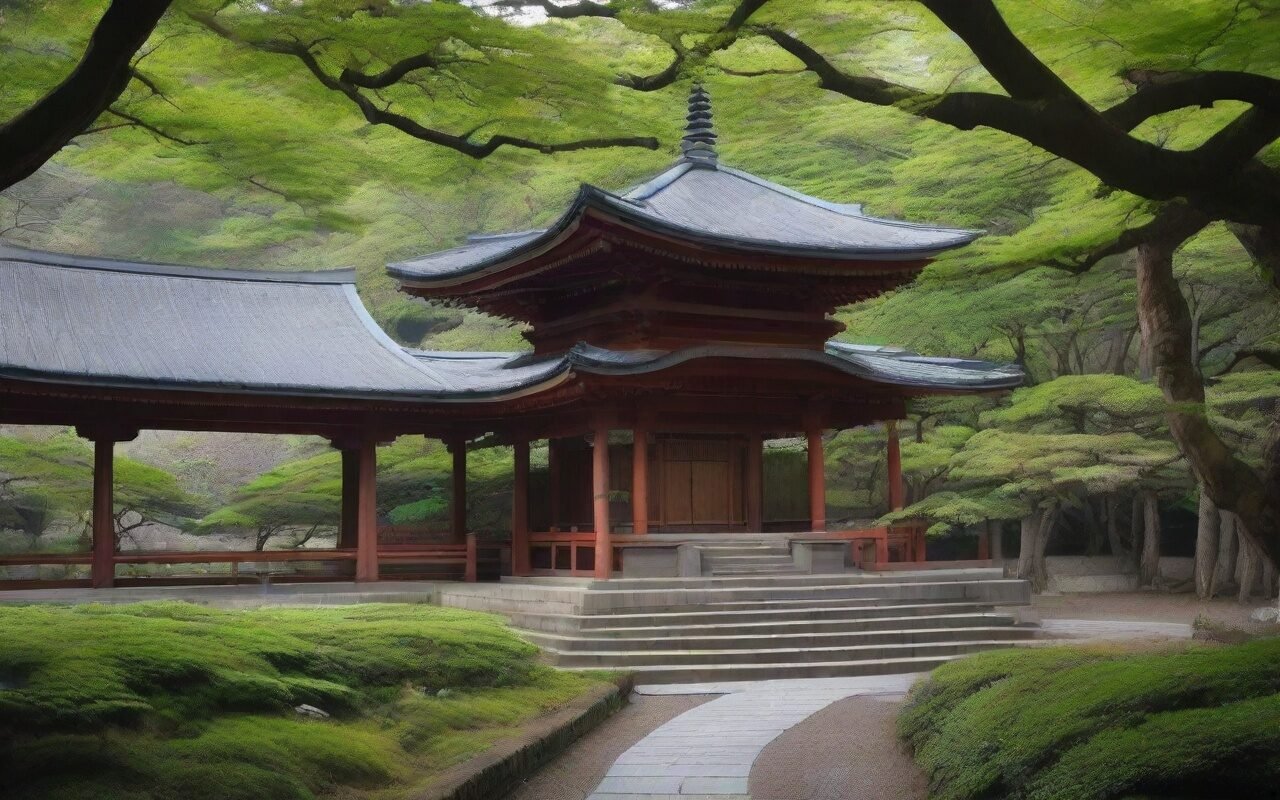
Temple and Shrine Overview
| Temple/Shrine | Admission | Time Needed | Best For |
|---|---|---|---|
| Tsurugaoka Hachimangu | Free | 1–2h | History, architecture, ceremonies |
| Hase-dera | ¥400 | 1–2h | Ocean views, Kannon statue |
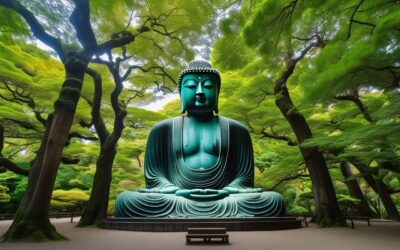
| Great Buddha (Kotoku-in) | ¥300 | 1h | Iconic landmark |
| Kencho-ji | ¥500 | 1–2h | Zen meditation, gardens |
| Engaku-ji | ¥500 | 1–2h | Zen, tea ceremony, National Treasure |
| Hokoku-ji | ¥300 | 1h | Bamboo grove, matcha |
| Meigetsu-in | ¥500 | 1h | Hydrangeas (June peak) |
| Sasuke Inari Shrine | Free | 30–60min | Tunnel of red torii gates |
| Zeniarai Benzaiten | Free | 30–60min | Money-washing ritual |
| Egara Tenjin | Free | 30min | Academic success prayers |
Key Sites in Detail
Tsurugaoka Hachimangu
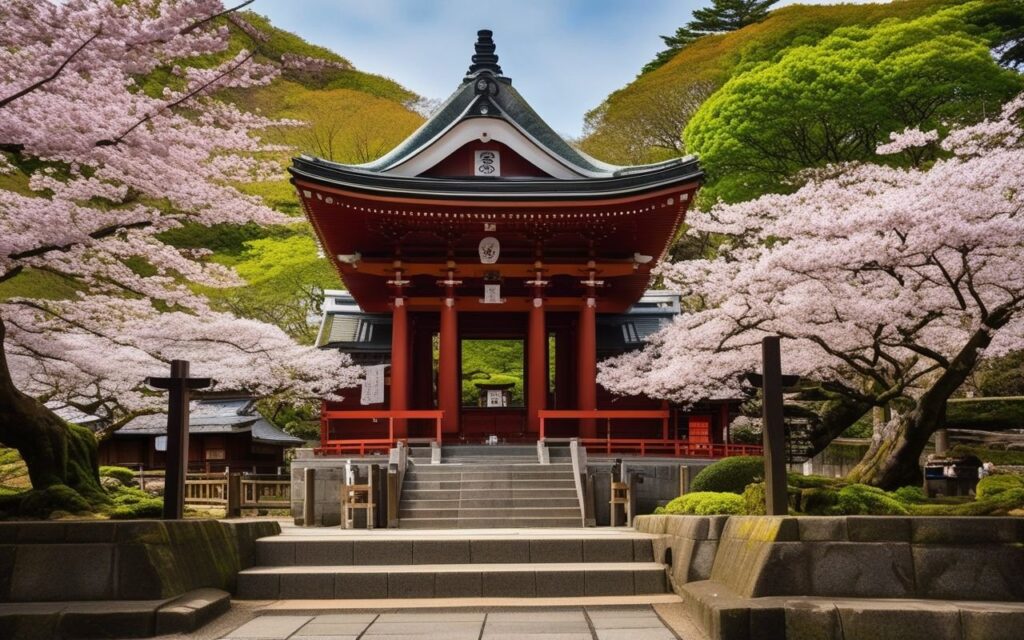
Kamakura’s most important shrine, founded in 1063 and moved to its current location by Minamoto no Yoritomo in 1191. The approach via the cherry-tree-lined Dankazura is one of Kamakura’s most photographed spots. I arrived at 7:30 AM and had the main hall almost to myself — by 9:00 AM the tour groups had arrived. The treasure hall (¥200) contains samurai armor and swords from the Kamakura period.
Kencho-ji and Engaku-ji
These two Zen temples, both founded in the 13th century, represent the pinnacle of Kamakura Zen Buddhism. Kencho-ji (ranked first among the Five Great Zen Temples) features Japan’s oldest Zen training hall. Engaku-ji houses the Shari-den, a National Treasure building from the Kamakura period. I recommend visiting Kencho-ji in the morning (opens at 8:00) and Engaku-ji in the afternoon — the light through Engaku-ji’s forest setting is beautiful in late afternoon.
Hase-dera and the Great Buddha
Hase-dera’s hillside location offers sweeping views of Yuigahama Beach. The temple is known for its 9-meter tall wooden Kannon statue and its collection of thousands of small jizo statues dedicated to unborn children. The Great Buddha (Kotoku-in) is a 10-minute walk from Hase-dera. At 13.35 meters tall, the bronze statue has sat in the open air since a tsunami destroyed its hall in 1498.
Suggested Walking Routes
Half-Day Route (4-5 sites): Tsurugaoka Hachimangu → Kencho-ji → walk south → Great Buddha → Hase-dera. Time: 4-5 hours. Best for first-time visitors.
Full-Day Route (7-8 sites): Add Sasuke Inari (hidden torii tunnel), Zeniarai Benzaiten (money washing), and Hokoku-ji (bamboo grove + matcha). Time: 7-8 hours. Best for repeat visitors. Zen Focus Route: Kencho-ji → Engaku-ji → Jufuku-ji. Time: 3-4 hours. Best for meditation and architecture enthusiasts. For logistics, see our Kamakura access guide or Enoden unlimited guide.
What to Expect
Visiting historical sites in Kanagawa requires respect for local customs and traditions. Dress modestly when visiting temples and shrines – cover shoulders and knees. The atmosphere at cultural sites varies by season and time of day. Early morning visits offer a peaceful experience before crowds arrive. Many temples charge a small admission fee (¥200-500) that helps with preservation. Some sites close earlier in winter months. Check opening hours before planning your visit. Goshuin (temple stamp) books make wonderful souvenirs collected at each site.
Nearby Recommendations
Cultural sites in Kanagawa are often clustered together, making it easy to visit multiple temples or shrines in a single walk. Many temple areas have charming streets lined with traditional shops and tea houses. Consider combining your cultural visit with a nearby museum or gallery for a deeper understanding of the area’s history and artistic heritage.n
Frequently Asked Questions
Q: Which temples should I prioritize for a first visit?
A: Tsurugaoka Hachimangu (free, central), the Great Buddha (iconic), and Hase-dera (ocean views) are the top three. Add Kencho-ji if you have time for Zen meditation.
Q: Are English audio guides available?
A: Yes, at Hase-dera (¥500), Kencho-ji (free app), and Engaku-ji (¥300). Tsurugaoka Hachimangu has English pamphlets (free).
Q: What is the dress code for temples and shrines?
A: No strict dress code, but modest clothing is appreciated. Avoid overly revealing outfits, especially at active worship sites. Remove hats before entering buildings.
Q: How much time should I budget for temple visits?
A: Most temples take 30-60 minutes. Major sites like Tsurugaoka Hachimangu and Hase-dera need 1-2 hours. Budget a full day for a meaningful visit to 5-6 sites.
Q: Are there free-entry temples?
A: Yes — Tsurugaoka Hachimangu, Sasuke Inari, Zeniarai Benzaiten, and Egara Tenjin are all free. Most others charge ¥300-500 for admission.
💡 Visitor Information
Here are some practical tips to help you make the most of your visit:
- Plan your visit during weekdays for a more relaxed experience. Weekends and public holidays can be significantly busier.
- Check the weather forecast before your trip and pack accordingly. An umbrella is always a good idea in Japan, regardless of season.
- Most attractions offer discounts for students and seniors — carry relevant ID to take advantage of these savings.
💡 Local Information
This area offers a wealth of experiences for visitors throughout the year. Whether you’re interested in nature, culture, cuisine, or simply relaxing, you’ll find something that matches your interests in Kanagawa Prefecture.
English support is generally good at major tourist attractions, train stations, and information centers. Most signs in transportation hubs and popular destinations include English translations, making navigation straightforward for international visitors. Save big with Hakone Freepass — unlimited train, ropeway & pirate ship rides, plus 30% off attractions
Free Wi-Fi is available at many train stations, convenience stores, and tourist facilities throughout the area. I recommend downloading offline maps and translation apps before your trip as a backup, especially if you plan to explore less touristy areas.
Which Temples to Prioritize — My Recommendations
Over the course of several trips to Kamakura, I have visited most of its major temples and shrines. If you only have one day, here is how I would prioritize based on my own experience.
Start at Tsurugaoka Hachimangu early — the morning light on the main approach is spectacular, and the crowd is thin before 9 AM. From there, walk to Kenchoji, which is Kamakura’s most important Zen temple. I spent an hour just sitting in the main hall, listening to the wind in the ancient cedars.
For lunch, I recommend the soba restaurants near Kenchoji — they serve fresh-buckwheat noodles that are vastly superior to the tourist options near the station. After lunch, visit Hokokuji for its famous bamboo grove (much quieter than Kyoto’s Arashiyama). End your day at Kotokuin to see the Great Buddha just before closing, when the tour groups have left.
Temples Worth the Extra Walk
Beyond the famous temples, Kamakura has lesser-known sites that reward visitors willing to walk a bit further. Zuisenji Temple, a 15-minute uphill walk from Kamakura Station, is one of my favorites. The garden was designed by the temple’s founder in the 14th century and remains largely unchanged. The rock arrangement at the rear of the garden is said to represent a waterfall — I sat on the veranda for 20 minutes and felt my mind quiet in a way that only a well-designed Zen garden can achieve.
Kaizoji Temple in the hills above Kita-Kamakura is another hidden gem. The main hall was originally built in the 13th century and has a dark, atmospheric interior with original wooden carvings. The temple is particularly beautiful in autumn, when the maple leaves frame the thatched roof of the main gate. I visited in late November and had the entire temple grounds to myself for an hour.
Goryoji Temple, a 20-minute walk from Hase Station, has a unique three-storey pagoda that dates back to the Muromachi period. Unlike most pagodas in Japan, this one is painted in vivid vermilion and white. I climbed to the second floor for a view of the surrounding hills and the ocean beyond. The temple also has a small tea shop that serves matcha and sweets for ¥500 — a perfect rest stop before heading back down the hill.
Conclusion
The details in this guide come from real visits, and the biggest lesson I took away was that the best experiences in Kamakura rarely fit neatly into a checklist. During my visit to Kamakura I went with a rough plan and found that leaving room to wander made the trip far more memorable. Plan the essentials, keep your schedule flexible, and you will leave Kanagawa wanting to return.