Tag: onsen

  • Kanagawa Onsen Guide – Kanagawa 2026

    Kanagawa Onsen Guide – Kanagawa 2026

    Kanagawa offers a wide range of activities for every type of traveler. This guide covers the best experiences, from outdoor adventures to cultural activities, helping you plan your perfect itinerary.

    Overview

    Quick Links

    Planning a visit to experience Kanagawa Onsen Guide – Kanagawa 2026 in Kanagawa? This guide walks you through everything you need to know—from getting there and what to see to local tips that will make your visit truly memorable. Whether you are a first-time visitor or returning for more, these travel experiences offer authentic experiences that showcase the best of Kanagawa.

    📍 Location


    • Access: 1-1.5 hours from Tokyo
    • Best areas: Hakone, Yugawara, Miura
    • Best for: Day trips, overnight stays, relaxation
    • Best season: Year-round (winter especially popular)
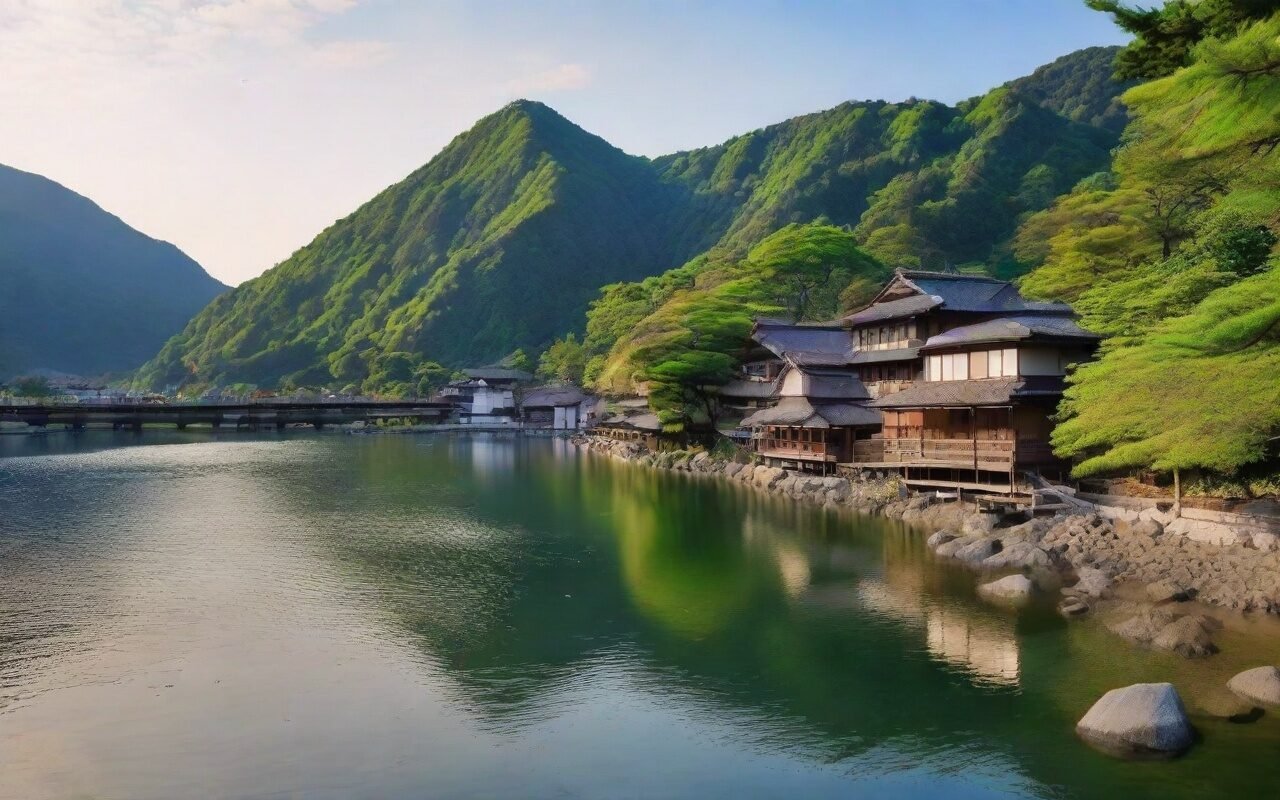
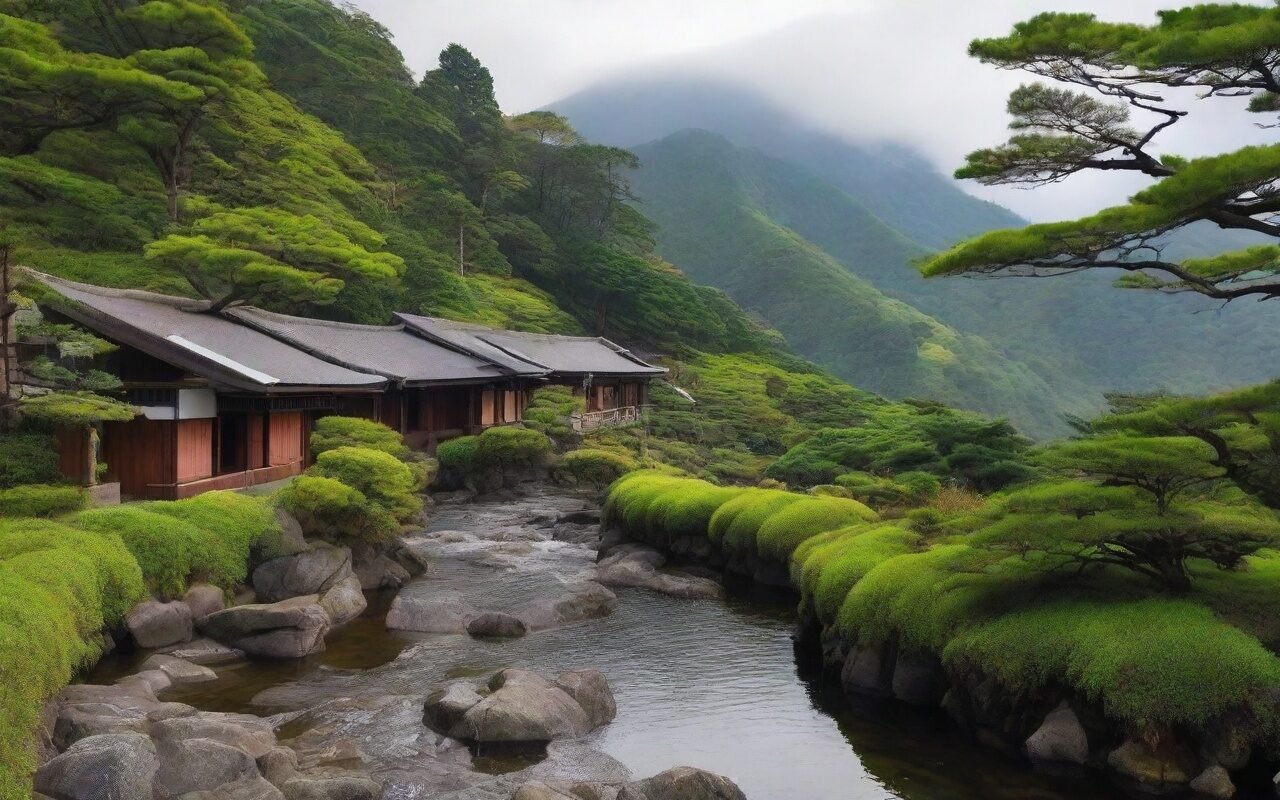
    Kanagawa Onsen Guide - Kanagawa 2026 — Location
    Kanagawa Onsen Guide - Kanagawa 2026 — Location


    Introduction: Why Kanagawa Onsen?

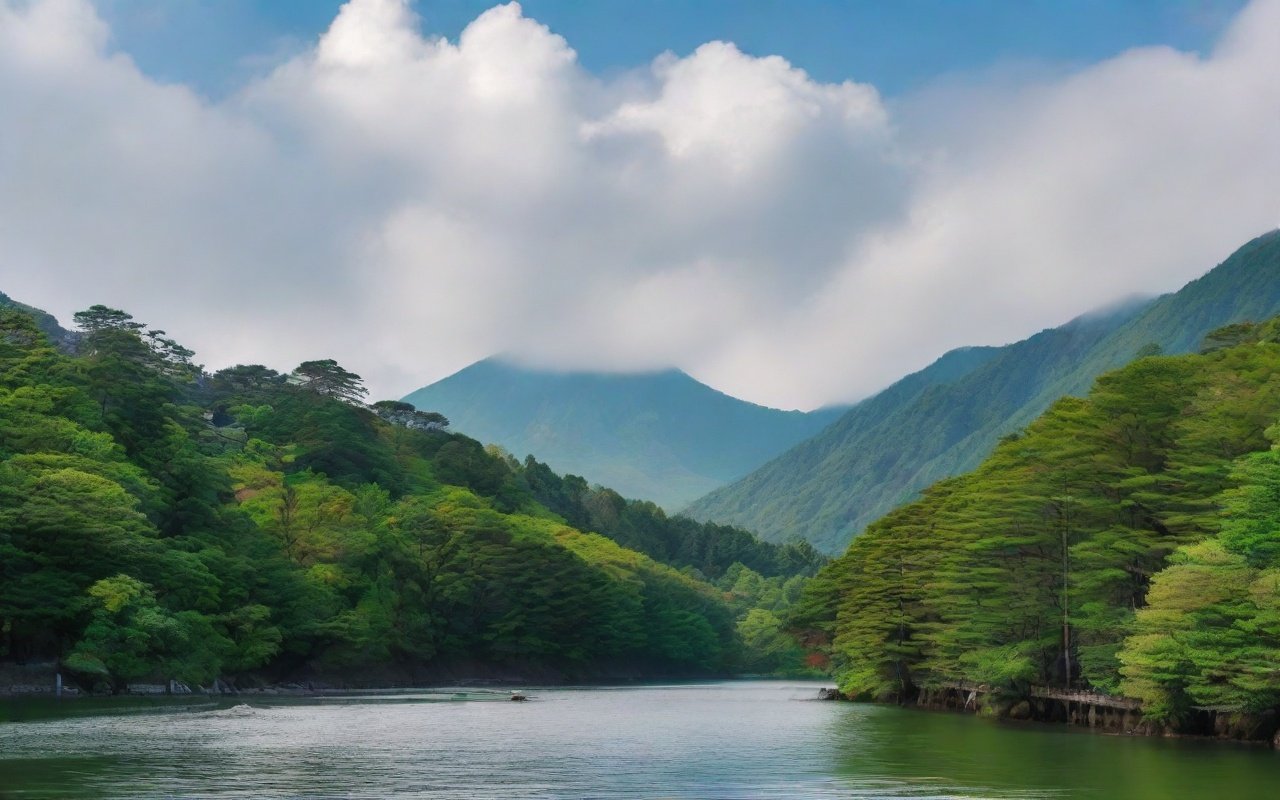
    Kanagawa Onsen Guide - Kanagawa 2026 — Introduction: Why Kanagawa Onsen?

    Kanagawa Prefecture is home to some of Japan’s best hot springs, all within easy reach of Tokyo. From the famous Hakone area to hidden coastal onsens, Kanagawa offers diverse onsen experiences for day trippers and overnight guests alike.

    Highlights:

    • 100+ onsen facilities
    • Easy access from Tokyo (1-1.5 hours)
    • Day trip and overnight options
    • Various water types and benefits
    • beautiful natural settings

    Hakone

    Best for: Resort experience, Mount Fuji views, tourism

    Access: 1.5 hours from Tokyo
    Onsen type: Sulfur, simple alkaline
    Day trips: 20+ facilities
    Overnight: 100+ ryokan

    Japan’s most famous onsen resort area, offering stunning Mount Fuji views and numerous attractions. Top Onsen:

    • Hakone Yuryo (day trip)
    • Tenzan Onsen (day trip)
    • Gora Kadan (luxury ryokan)
    • Hakone Kowakien Ten-yu (resort)

    Yugawara

    Best for: Traditional atmosphere, quiet retreat

    Access: 1 hour from Tokyo (Shinkansen)
    Onsen type: Simple alkaline
    Day trips: 10+ facilities
    Overnight: 30+ ryokan

    A quiet onsen town with over 1,300 years of history, perfect for a peaceful retreat. Top Onsen:

    • Yugawara Station Onsen (day trip)
    • Hot Spring Resort Yugawara (day trip)
    • Traditional ryokan along the stream

    Miura Peninsula

    Best for: Coastal views, seafood, day trips

    Access: 1.5 hours from Tokyo
    Onsen type: Sodium chloride
    Day trips: 5+ facilities
    Overnight: 10+ hotels

    Coastal onsen with ocean views and fresh seafood, ideal for day trips. Top Onsen:

    • Misaki Onsen (day trip)
    • Jogashima Onsen (day trip)
    • Aburatsubo Onsen (day trip)

    Hakone Yuryo

    Best for: Forest setting, private baths

    Cost: ¥1,400 (day trip)
    Hours: 10:00 AM - 9:00 PM
    Access: 10 min bus from Gora Station
    Facilities: 11 baths, sauna, restaurant

    A beautiful onsen resort set in a forest valley, offering 11 different baths including private options. Features:

    • Outdoor rock baths
    • Private family baths (¥2,000/50min)
    • Forest views
    • Restaurant on-site

    Tenzan Onsen

    Best for: Variety of baths, value

    Cost: ¥1,500 (day trip)
    Hours: 7:00 AM - 11:00 PM
    Access: 15 min bus from Hakone-Yumoto
    Facilities: 8 baths, sauna, restaurant

    One of Hakone’s most popular day trip onsen with excellent facilities and reasonable prices. Features:

    • Large outdoor bath
    • Electric bath
    • Sauna with water bath
    • Massage services

    Manyo Club (Yugawara)

    Best for: 24-hour access, ocean views

    Cost: ¥1,650 (day trip)
    Hours: 24 hours
    Access: 5 min walk from Yugawara Station
    Facilities: 7 baths, restaurant, lounge

    A 24-hour onsen resort with ocean views, perfect for early morning or late night visits. Features:

    • Ocean view baths
    • 24-hour operation
    • Sleeping lounge
    • Restaurant and bar

    Luxury (¥40,000+/night)

    Gora Kadan (Hakone)

    Price: From ¥50,000/night
    Features: Michelin-starred kaiseki, private onsen
    Access: 5 min from Gora Station
    Rating: 5 stars

    Hakone Kowakien Ten-yu

    Price: From ¥40,000/night
    Features: All rooms with open-air bath
    Access: 10 min from Kowakidani Station
    Rating: 5 stars

    Mid-range (¥15,000-30,000/night)

    Hakone Suishoen

    Price: From ¥20,000/night
    Features: Large public baths, kaiseki meals
    Access: Free shuttle from Hakone-Yumoto
    Rating: 4 stars

    Yugawara Onsen Yado Sakan

    Price: From ¥18,000/night
    Features: Traditional atmosphere, riverside location
    Access: 5 min walk from Yugawara Station
    Rating: 4 stars

    Budget (Under ¥15,000/night)

    Hakone Pax Yoshino

    Price: From ¥12,000/night
    Features: Simple rooms, good onsen
    Access: 5 min walk from Hakone-Yumoto Station
    Rating: 3 stars


    Before Entering

    1. Remove shoes at the entrance
    2. Store belongings in provided lockers
    3. Wash thoroughly at shower stations
    4. No swimsuits (onsen are enjoyed nude)
    5. Tie up long hair

    In the Bath

    1. No soap in the baths
    2. No swimming or splashing
    3. Keep towels out of the water
    4. Be quiet and relax
    5. No photography in most facilities

    After Bathing

    1. Rinse off lightly (don’t wash off all minerals)
    2. Dry off before returning to locker room
    3. Hydrate with water or milk
    4. Rest in relaxation areas

    Simple Alkaline (Tanjun Kaisei)

    Found in: Hakone, Yugawara
    Benefits: Skin beautification, pain relief
    Color: Clear
    Feel: Smooth, silky

    Sulfur (Iou)

    Found in: Owakudani (Hakone)
    Benefits: Skin conditions, respiratory issues
    Color: Milky white
    Smell: Rotten egg scent

    Sodium Chloride (Shio)

    Found in: Miura Peninsula
    Benefits: Wound healing, cold sensitivity
    Color: Slightly yellow
    Feel: Warm after bathing


    To Hakone

    Romancecar (Recommended):

    • Shinjuku to Hakone-Yumoto: 85 minutes
    • Cost: ¥2,470 (reserved seat)
    • Frequency: Every 30 minutes Shinkansen:
    • Tokyo to Odawara: 40 minutes
    • Then local train: 15 minutes
    • Cost: ¥4,500 (covered by JR Pass)

    To Yugawara

    Shinkansen:

    • Tokyo to Yugawara: 50 minutes
    • Cost: ¥3,500 (covered by JR Pass) Local train:
    • Tokyo to Yugawara: 90 minutes
    • Cost: ¥1,500

    To Miura

    Train + Bus:

    • Tokyo to Misakiguchi: 90 minutes
    • Then bus: 15 minutes
    • Cost: ¥1,500

    Day Trip from Tokyo

    Morning:

    • Depart Tokyo (8 AM)
    • Arrive Hakone-Yumoto (9:30 AM)
    • Visit Tenzan Onsen Afternoon:
    • Lunch in Hakone
    • Visit Owakudani
    • Return to Tokyo (5 PM)

    Overnight Trip

    Day 1:

    • Depart Tokyo (10 AM)
    • Check into ryokan
    • Enjoy onsen and kaiseki dinner Day 2:
    • Morning onsen
    • Sightseeing
    • Return to Tokyo (3 PM)

    What to Bring

    Provided by most onsen:

    • Towels
    • Toiletries
    • Yukata (at ryokan) Bring yourself:
    • Change of clothes
    • Medications
    • Camera (for outside baths)

    Tattoos

    • Many onsen prohibit visible tattoos
    • Some allow with covering patches
    • Private baths available at some facilities
    • Check policies in advance

    Cost Savings

    • Hakone Free Pass: Covers transport + discounts
    • Day trip passes: ¥1,000-2,000
    • Overnight packages: Often include meals and activities
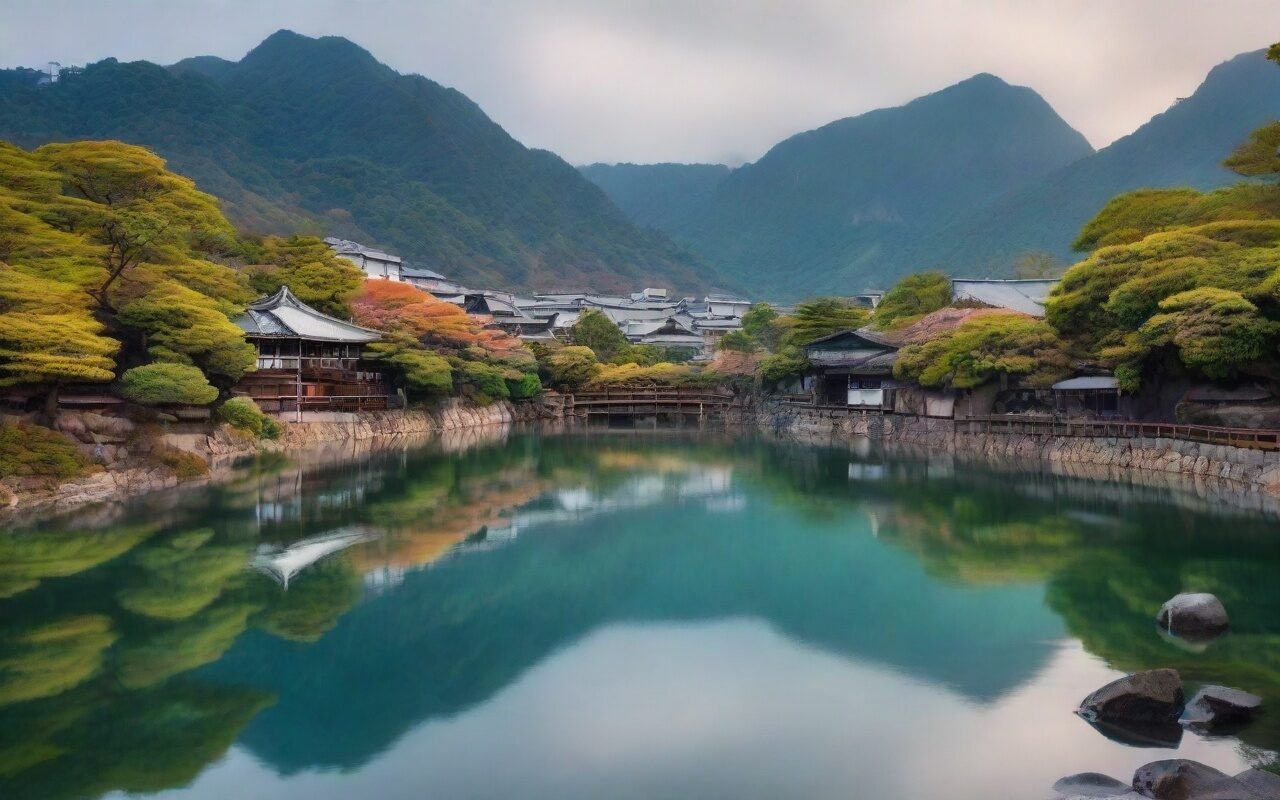
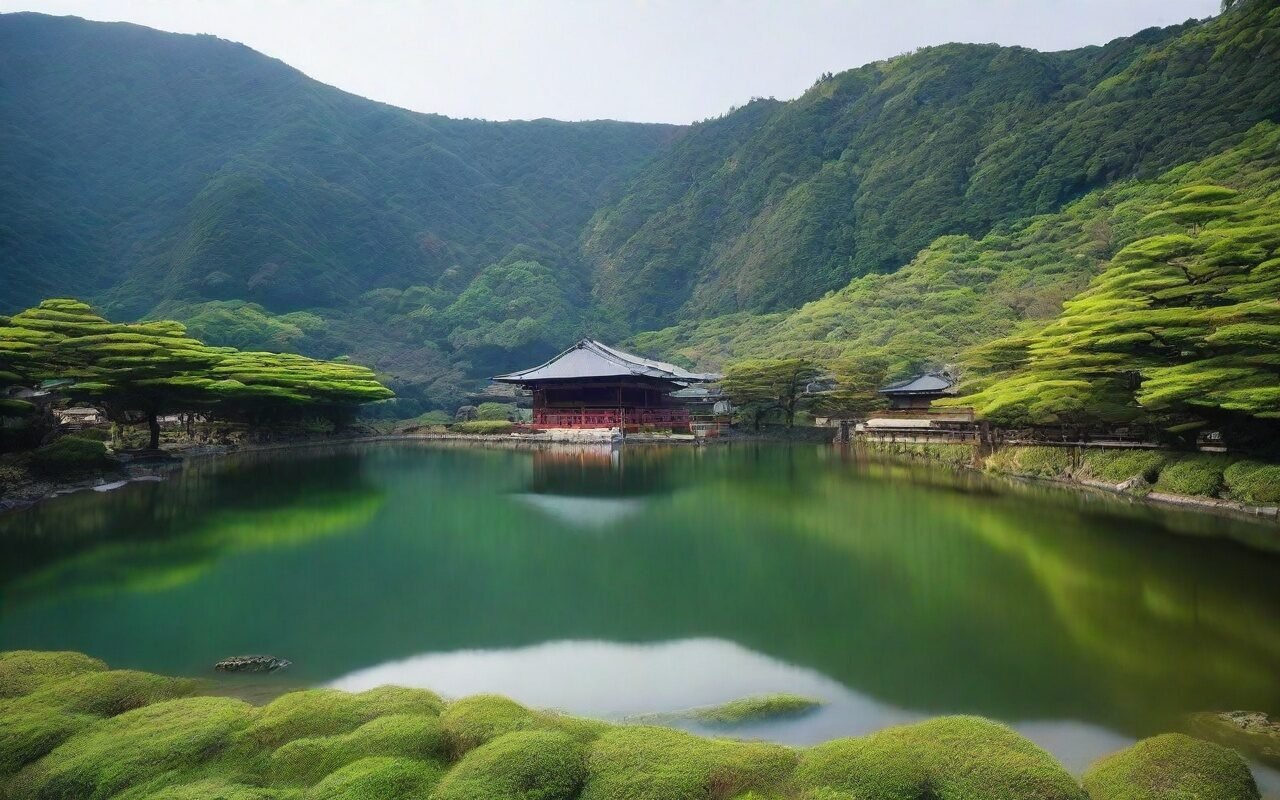
    Kanagawa Onsen Guide scenery and attractions


    Summary

    Kanagawa offers exceptional onsen experiences just 1-1.5 hours from Tokyo. Whether you’re looking for a quick day trip or a luxurious overnight stay, Kanagawa has the perfect onsen for you.

    Key highlights:

    • 100+ onsen facilities
    • Easy access from Tokyo
    • Day trip and overnight options
    • Various water types
    • beautiful natural settings

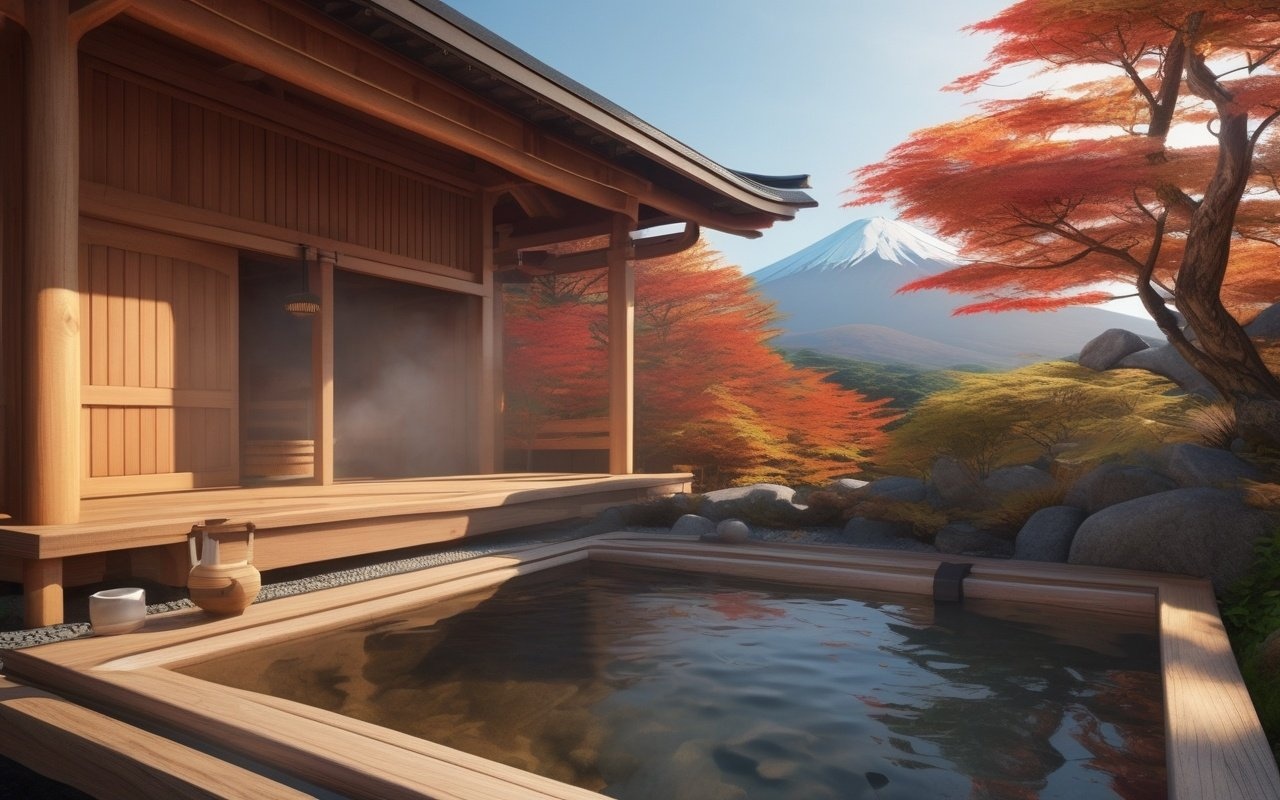
    Kanagawa Onsen Guide There is nothing quite like soaking in a natural hot spring while overlooking Mount Fuji or a forested valley. Kanagawa’s onsen offer the perfect way to unwind after a day of exploration, combining therapeutic waters with stunning scenery.

    Do onsen allow tattoos?

    A. Many don’t, but some do with covering patches. Private baths are an option.

    What should I wear?

    A, Nothing! Onsen are enjoyed nude. Small towels are provided.

    Can I visit onsen with children?

    A. Yes, many onsen welcome families. Some have family baths.

    Is the onsen water safe?

    A. Yes, onsen water is naturally filtered and regularly tested.

    Frequently Asked Questions

    Q: What is the best season to plan a visit here?
    A: The ideal seasons for visiting this area are spring (March-May) and autumn (September-November), when temperatures are moderate and rainfall is minimal. Summer offers vibrant festivals and beach activities despite the humidity. Winter provides crisp, clear days perfect for photography and sightseeing with fewer tourists.

    Q: Which train line should I take to get there?
    A: Multiple train lines serve different parts of Kanagawa from Tokyo. The JR Tokaido Line, Odakyu Line, Keikyu Line, and Shonan-Shinjuku Line all provide access. The best route depends on your starting point in Tokyo. Smartphone navigation apps provide real-time route guidance.

    Q: Is this destination manageable as a day trip from Tokyo?
    A: Yes, all destinations in this guide work well as day trips. Plan to arrive by late morning to see the main highlights. For a relaxed pace including lunch and optional detours, allow 6-8 hours. If you have more time, extending your stay overnight lets you explore at a leisurely pace and enjoy evening attractions.

    Q: Do I need any special skills or equipment to enjoy this destination?
    A: Most attractions in this guide are accessible to visitors of all backgrounds and fitness levels. Well-maintained paths, clear signage, and English information make navigation easy. For activities requiring specific gear (hiking shoes, swimwear, etc.), recommendations are included in the relevant sections above.

    Kanagawa Onsen Guide – Kanagawa 2026 provides everything you need to make your Kanagawa trip smooth and enjoyable. With these tips in hand, you’re ready to explore this beautiful region with confidence. Safe travels!


    Packing Essentials

    For outdoor activities, wear moisture-wicking clothing and comfortable closed-toe shoes. Sunscreen and a hat are essential during summer. A small towel is useful for wiping sweat. A waterproof phone pouch is useful for water activities. Pack snacks and extra water for remote areas.

    For more details, read our guide to Shonan Pet Friendly Spots.

    Conclusion

    exploring Kanagawa for its onsen can be as relaxed or as packed as you want it to be, and I have found that the best visits leave room for both planning and spontaneity. During my visit I went with a rough plan and found that leaving room to wander made the trip far more memorable. Use this guide to sort out the logistics in advance, then let the day surprise you — Kanagawa rewards travelers who stay curious.
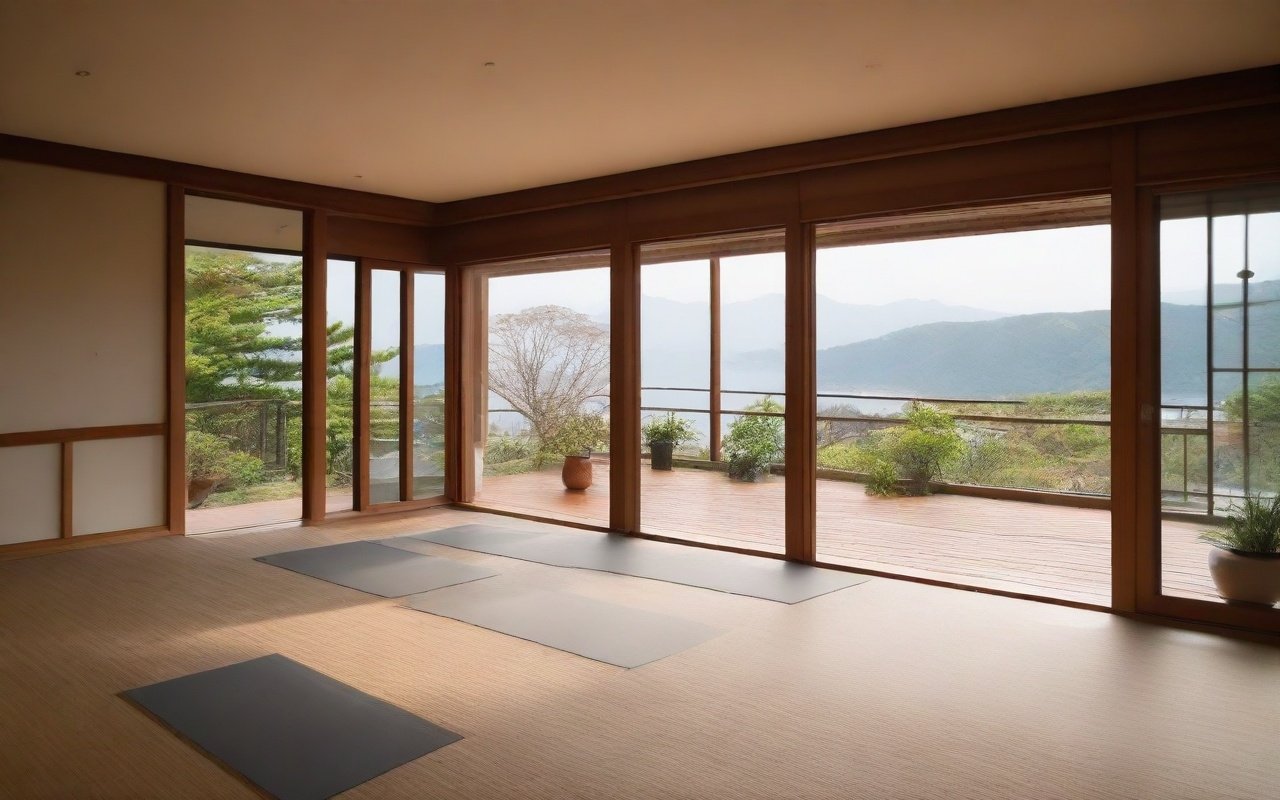
  • Kanagawa Wellness Retreat Spa Yoga Onsen 2026

    Kanagawa Wellness Retreat Spa Yoga Onsen 2026

    Overview

    🗺️ Key Points

    • Perfect for: Wellness seekers, relaxation
    • Duration: 2-3 days recommended
    • Budget: ¥15,000-30,000
    • Best season: Year-round (winter ideal for onsen)
    • Focus: Mind-body wellness

    📋 Overview

    Kanagawa Prefecture is a lesser-known spot for wellness enthusiasts, offering traditional Japanese onsen, yoga studios with ocean views, and meditation retreats in ancient temples. This guide covers the best wellness things in the region.

    🧘 Top Wellness things


    Kanagawa Wellness Retreat Spa Yoga Onsen — main illustration

    Popular Kanagawa activity location and attraction

    Kanagawa Wellness Retreat Spa Yoga Onsen 2026 — Top Wellness things

    1. Hakone Onsen Retreat

    📍 Wellness & Retreat Locations

    Find wellness retreats, and onsen places across Kanagawa.

    📍 View on Google Maps

    Location: Hakone
    Budget: ¥10,000-20,000/day
    Duration: 1-2 days Hakone is Japan’s most famous hot spring resort area, offering over 20 different onsen types. The mineral-rich waters are believed to have healing properties for various ailments. Top Onsen:

    • Hakone Yuryo (¥2,500): Private onsen with garden views
    • Tenzan Toji-kyo (¥1,800): Traditional outdoor baths
    • Hakone Kowakien Yunessun (¥2,800): Unique themed baths Wellness Benefits:
    • Stress relief
    • Improved circulation
    • Skin rejuvenation
    • Muscle relaxation

    2. Kamakura Zen Meditation

    Location: Kamakura
    Budget: ¥3,000-5,000/session
    Duration: Half-day time authentic Zen meditation at ancient Kamakura temples. Several temples offer English-guided sessions for beginners. Top Temples:

    • Hokokuji Temple (¥300 entry): Bamboo grove meditation
    • Kenchoji Temple (¥500): Formal Zen practice
    • Engakuji Temple (¥300): Morning meditation sessions What to Expect:
    • 30-60 minute guided sessions
    • Traditional posture instruction
    • Breathing techniques
    • Tea ceremony included

    3. Shonan Yoga Studios

    Location: Shonan Beach Area
    Budget: ¥2,000-3,500/class
    Duration: 1-2 hours Practice yoga with ocean views at Shonan’s beachfront studios. Many studios offer sunrise and sunset sessions. Top Studios:

    • Shonan Yoga Village (¥2,500): Beachfront classes
    • Kamakura Yoga Studio (¥2,000): Temple garden sessions
    • Zushi Beach Yoga (¥3,000): Sunrise sessions Class Types:
    • Hatha yoga (beginner-friendly)
    • Vinyasa flow (intermediate)
    • Sunrise meditation (all levels)
    • Beach yoga (seasonal)

    🏨 Wellness lodging

    Kanagawa Wellness Retreat Spa Yoga Onsen 2026 — Wellness lodging

    Budget-Friendly (¥5,000-8,000/night)

    Hostels with Onsen:

    • Hakone YH: ¥5,000/night, natural hot spring
    • Kamakura Guesthouse: ¥4,500/night, yoga mornings

    Mid-Range (¥10,000-20,000/night)

    Ryokan with Spa:

    • Hakone Suishoen: ¥15,000/night, private onsen
    • Kamakura Hana no Mai: ¥12,000/night, garden views

    Luxury (¥25,000+/night)

    Wellness Resorts:

    • Hakone Ginyu: ¥35,000/night, all-inclusive spa
    • Kayotei: ¥28,000/night, traditional wellness

    🌸 Seasonal Wellness Guide

    Spring (March-May)

    • Best for: Cherry blossom yoga, outdoor meditation
    • Temperature: 15-20°C
    • tip: Kamakura temple sessions

    Summer (June-August)

    • Best for: Beach yoga, sunrise sessions
    • Temperature: 25-30°C
    • tip: Shonan beachfront classes

    Autumn (September-November)

    • Best for: Onsen with foliage views
    • Temperature: 15-22°C
    • tip: Hakone mountain retreats

    Winter (December-February)

    • Best for: Traditional onsen, indoor wellness
    • Temperature: 5-10°C
    • tip: Hakone ryokan stays

    📍 Location

    Wellness destinations are spread across Kanagawa:

    • Hakone: 1.5 hours from Tokyo (onsen focus)
    • Kamakura: 1 hour from Tokyo (Zen meditation)
    • Shonan: 1 hour from Tokyo (yoga, beach wellness)
    • Zushi: 1 hour from Tokyo (quiet retreats)

    🗺️ Nearby Attractions

    Within 5km

    • Hakone Shrine: Lakeside meditation spots
    • Kamakura temples: Zen gardens
    • Shonan Beach: Sunrise yoga locations

    Within 15km

    • Lake Ashi: Peaceful walking trails
    • Yuigahama Beach: Beach yoga sessions
    • Mount Myojin: Hiking meditation

    Check out our Hayama Misaki Walking Route guide for detailed information.

    🎒 Essential Preparation Guide

    What to Pack

    Essential Items:

    • comfy walking shoes (most important)
    • Weather-appropriate clothing layers
    • small phone charger (long days out)
    • refillable water bottle (stay hydrated)
    • Small backpack for daily essentials
    • Cash (many places cash-only in Japan)
    • IC card (Suica/Pasmo for transport)
    • Pocket tissues (restrooms often lack paper)

    Seasonal Additions:

    • Spring: Light jacket, allergy medication
    • Summer: Sunscreen, cooling towel
    • Autumn: Light layers, rain jacket
    • Winter: Warm coat, scarf

    Money-Saving Tips:

    • Convenience store breakfast: ¥300-500
    • Supermarket dinner bento: ¥500-800 (after 7 PM discount)
    • Free attractions: Temples, beaches
    • Day passes: Unlimited transport for ¥500-1,500
    • Hostel lodging: ¥3,000-5,000/night

    Transportation Mastery

    Train System:

    • JR lines cover major destinations
    • Private lines (Tokyu. Keikyu) offer discounts
    • IC cards (Suica/Pasmo) work on all lines
    • Day passes save 30-50% on transport

    Bus System:

    • Local buses reach areas trains don’t
    • Day passes available for unlimited rides
    • English announcements on major routes
    • IC cards accepted on most buses

    Walking & Cycling:

    • Many attractions within walking distance
    • Bicycle rental: ¥1,000-1,500/day
    • Dedicated cycling paths in some areas
    • Best way to discover lesser-known spots

    🌟 Insider Secrets

    Best Kept Secrets

    Hidden Viewpoints:

    • Enoshima Sea Candle top floor (less crowded)
    • Hakone Shrine back trails (peaceful)
    • Kamakura hiking paths (panoramic views)
    • Yokohama rooftop gardens (free, stunning)

    Local Dining:

    • Isezakicho back alleys (authentic, cheap)
    • Komachi-dori side streets (local favorites)
    • Hakone Yumoto side roads (traditional)
    • Shonan fishing ports (fresh, direct)

    Quiet Times:

    • Temples: 8-9 AM (opening time)
    • Beaches: Weekday mornings
    • Museums: Tuesday-Thursday afternoons
    • Restaurants: 11:30 AM or 2 PM (off-peak)

    Photography Masterclass

    Golden Hour Locations:

    • Yuigahama Beach: 30 min before sunset
    • Lake Ashi: Morning (Fuji clearest)
    • Enoshima: Late afternoon (ocean glow)
    • Yokohama: Blue hour (30 min after sunset)

    Composition Tips:

    • Use foreground elements (trees, buildings)
    • Include people for scale
    • Capture local life (markets, temples)
    • Shoot vertical for social media

    Weather photos:

    • Rainy: Reflections, moody
    • Foggy: Mysterious atmosphere, layers
    • Clear: Distant views, vibrant colors
    • Snow: Rare, capture quickly

    📍 Local Neighborhood Guide

    Yokohama Neighborhoods

    Minato Mirai:

    • Modern waterfront district
    • Shopping, fun
    • Best for: First-time visitors
    • Time needed: Half day Chinatown:
    • Asia’s largest Chinatown
    • 500+ restaurants, shops
    • Best for: Food lovers
    • Time needed: 2-3 hours

    Yamashita Park Area:

    • Historic waterfront park
    • Marine Tower. Red Brick Warehouse
    • Best for: Relaxing, photos
    • Time needed: 2 hours

    Kamakura Neighborhoods

    Komachi-dori:

    • Main shopping street
    • Street food, souvenirs
    • Best for: Shopping, snacks
    • Time needed: 1-2 hours Temple District:
    • Great Buddha. Hokokuji
    • Cultural heart of Kamakura
    • Best for: History, spirituality
    • Time needed: Half day

    Beach Area:

    • Yuigahama. Zushi beaches
    • Surf culture, beach cafes
    • Best for: Ocean, relaxation
    • Time needed: 2-3 hours

    Hakone Areas

    Yumoto:

    • Gateway to Hakone
    • Onsen town, restaurants
    • Best for: Hot springs, base
    • Time needed: Half day

    Lake Ashi:

    • Scenic lake, cruises
    • Mount Fuji views (winter)
    • Best for: Nature, photos
    • Time needed: 2-3 hours

    Owakudani:

    • Volcanic valley, black eggs
    • Ropeway, hiking trails
    • Best for: Unique time
    • Time needed: 1-2 hours

    🌟 Advanced Local things

    Cultural Immersion Activities

    Traditional Craft Workshops:

    • Pottery making in Kamakura (¥3,000-5,000. 2 hours)
    • Incense blending at historic temples (¥2,000-3,000)
    • Calligraphy lessons with local masters (¥2,500-4,000)
    • Tea ceremony joining (¥3,000-5,000. includes matcha)
    • Origami workshops at cultural centers (¥1,000-2,000)

    Festival joining:

    • Spring matsuri (March-April): Local shrine festivals
    • Summer hanabi (July-August): Fireworks festivals
    • Autumn matsuri (September-November): Harvest celebrations
    • Winter lightss (December-February): Light displays

    Local Food things:

    • Sushi making classes (¥5,000-8,000. includes lunch)
    • Ramen broth cooking workshops (¥4,000-6,000)
    • Sake tasting tours (¥3,000-5,000. 5-7 varieties)
    • Wagashi (Japanese sweets) making (¥3,500-5,000)
    • Tofu making at traditional shops (¥2,000-3,000)

    Off-the-Beaten-Path Adventures

    Hidden Hiking Trails:

    • Kamakura Daibutsu hiking trail (2 hours, moderate)
    • Hakone old Tokaido road (3 hours, easy)
    • Enoshima island circumnavigation (1.5 hours, easy)
    • Mount Myojin panoramic trail (2.5 hours, moderate)
    • Sagami Bay coastal walk (4 hours, easy-moderate)

    Secret Beaches:

    • Shichirigahama (local surfers’ favorite)
    • Isshiki Beach in Hayama (quiet, clean)
    • Morito Beach in Zushi (family-friendly)
    • Koajiro Beach (lesser-known spot, few visitors)
    • Nagai Beach (local secret, great sunset)

    Local Neighborhoods:

    • Ofuna in Kamakura (residential, authentic)
    • Motomachi in Yokohama (upscale, historic)
    • Gora in Hakone (mountain village feel)
    • Zushi town center (surf culture, relaxed)
    • Fujisawa old town (traditional, unspoiled)

    Seasonal Deep Dives

    Spring (March-May) Deep time:

    • Cherry blossom hanami parties in local parks
    • Temple garden visits during peak bloom
    • Spring vegetable tasting menus at ryokan
    • Traditional flower arrangement workshops
    • Morning market visits for seasonal produce

    Summer (June-August) Deep time:

    • Early morning beach yoga sessions
    • Evening fireworks festivals (free viewing spots)
    • Indoor museum hopping during hot afternoons
    • Night cycling along coastal paths
    • Cold ramen and shaved ice tasting tour

    Autumn (September-November) Deep time:

    • Fall foliage hiking in Hakone mountains
    • Harvest festival joining at local shrines
    • Mushroom foraging guided tours
    • Hot spring visits with mountain views
    • photos workshops for autumn colors

    Winter (December-February) Deep time:

    • Onsen hopping with snow views
    • Clear Mount Fuji viewpoint hunting
    • lights walking tours
    • Hot pot restaurant crawling
    • Traditional New Year temple visits

    📍 Detailed Area Guides

    Yokohama Deep Dive

    Minato Mirai District:

    • Landmark Tower Sky Garden (¥1,030. 360° views)
    • Cup Noodles Museum (free entry. ¥500 activities)
    • Red Brick Warehouse (free, dining)
    • Cosmo World amusement park (free entry, pay per ride)
    • Queen’s Square shopping (100+ shops)

    Chinatown Exploration:

    • 500+ restaurants and food stalls
    • Paozu giant soup dumplings (¥800-1,200)
    • Good Luck Dumpling budget option (¥500)
    • Kanteibyo Temple (free, historic)
    • Covered arcades for rainy days

    Yamashita Park Area:

    • Waterfront park (free, pretty views)
    • Marine Tower (¥1,000. observation deck)
    • Hikawa Maru ship museum (¥500. historic)
    • NYK Maritime Museum (free, shipping history)
    • Harbor cruise boats (¥1,600. 40 minutes)

    Kamakura Deep Dive

    Temple Circuit:

    • Kotoku-in Great Buddha (¥300. iconic)
    • Hasedera Temple (¥400. ocean views)
    • Hokokuji Temple (¥300. bamboo grove)
    • Kenchoji Temple (¥500. oldest Zen temple)
    • Engakuji Temple (¥300. important cultural site)

    Beach Culture:

    • Yuigahama Beach (surfing, swimming)
    • Shichirigahama Beach (local favorite)
    • Beachside cafes and restaurants
    • Surfboard rental shops (¥3,000-5,000/day)
    • Sunset viewing spots

    Shopping & Dining:

    • Komachi-dori Street (main shopping)
    • Side street antique shops
    • Local soba noodle restaurants
    • Shirasu (whitebait) specialty restaurants
    • Matcha cafes and sweets shops

    Hakone Deep Dive

    Onsen Towns:

    • Yumoto (gateway, many options)
    • Gora (mountain village, quiet)
    • Miyanoshita (historic, traditional)
    • Tonosawa (quiet, local feel)
    • Sokokura (hidden, authentic)

    Nature things:

    • Lake Ashi cruise (¥1,000. scenic)
    • Owakudani volcanic valley (ropeway access)
    • Hakone Shrine (free, lakeside torii)
    • Old Tokaido road hiking (free, historic)
    • Botanical gardens (¥500. seasonal flowers)

    Art & Culture:

    • Open-Air Museum (¥1,600. sculpture park)
    • Venetian Glass Museum (¥1,800. unique)
    • Pola Museum of Art (¥1,800. impressionist)
    • Narukawa Art Museum (¥1,000. local artists)
    • Hakone Checkpoint (¥500. historic site)

    Kanagawa offers world-class wellness things combining ancient Japanese traditions with modern spa places. Whether you seek the healing waters of Hakone onsen, the spiritual calm of Kamakura Zen meditation, or the ocean breeze of Shonan yoga, this region provides the perfect setting for relaxation and rejuvenation. —

    Related Articles:

    🌟 Additional Wellness things

    Morning Wellness Routines

    Start your day with traditional Japanese wellness practices. Many ryokan offer morning meditation sessions overlooking gardens or mountains. These 30-minute sessions combine breathing exercises, gentle stretching, and mindfulness techniques passed down through generations.

    Evening Relaxation Rituals

    End your day with traditional onsen bathing rituals. The mineral-rich waters of Hakone and other hot spring areas are believed to heal various ailments. Follow the proper etiquette: wash thoroughly before entering, keep towels out of the water, and enjoy the peaceful atmosphere. Many places offer private baths for those who prefer solitude.

    Seasonal Wellness tips

    Each season offers unique wellness chances in Kanagawa, Spring brings cherry blossom meditation sessions in temple gardens. Summer features beachfront yoga at sunrise. Autumn provides hot spring bathing with fall foliage views. Winter offers the most traditional onsen time with snow-covered mountain backdrops.

    Wellness lodging Types

    Choose from traditional ryokan with private onsen, modern spa resorts with comprehensive wellness programs, budget-friendly guesthouses with yoga mornings, or temple lodging (shukubo) for authentic Zen things. Each type offers different levels of luxury and authenticity.

    Booking Wellness things

    Reserve onsen ryokan 2-3 months in advance for weekends. Yoga studios accept walk-ins but booking ensures spot. Temple lodging requires 1-2 weeks notice. Spa treatments can be booked day-of but advance booking preferred. Many places offer package deals combining lodging, meals, and wellness activities. —


    Frequently Asked Questions

    Q: When should I visit for the best weather?
    A: For the most comfy weather, plan your trip between late March and early June, or from September through November, During these months, temperatures range from 15-25°C, making outdoor exploration enjoyable. Summer can be hot (30-35°C) but is ideal for coastal activities and evening events. Q: Is this destination easy to reach by public transport?
    A: Yes. Kanagawa has great public transport connections from Tokyo. Most destinations are within an hour by train. The nearest station is typically a short walk or bus ride from the main attractions. For detailed route info, check the transport section above. Q: Is this destination manageable as a day trip from Tokyo?
    A: Yes, all destinations in this guide work well as day trips. Plan to arrive by late morning to see the main highlights. For a relaxed pace including lunch and optional detours, allow 6-8 hours. If you have more time, extending your stay overnight lets you explore at a leisurely pace and enjoy evening attractions. Q: Do I need any special skills or equipment to enjoy this destination?
    A: Most attractions in this guide are accessible to visitors of all backgrounds and fitness levels. Well-kept paths, clear signage, and English info make navigation easy. For activities needing specific gear (hiking shoes, swimwear, etc.), tips are included in the relevant sections above.

    Conclusion

    exploring Kanagawa for its onsen can be as relaxed or as packed as you want it to be, and I have found that the best visits leave room for both planning and spontaneity. During my visit I went with a rough plan and found that leaving room to wander made the trip far more memorable. Use this guide to sort out the logistics in advance, then let the day surprise you — Kanagawa rewards travelers who stay curious.
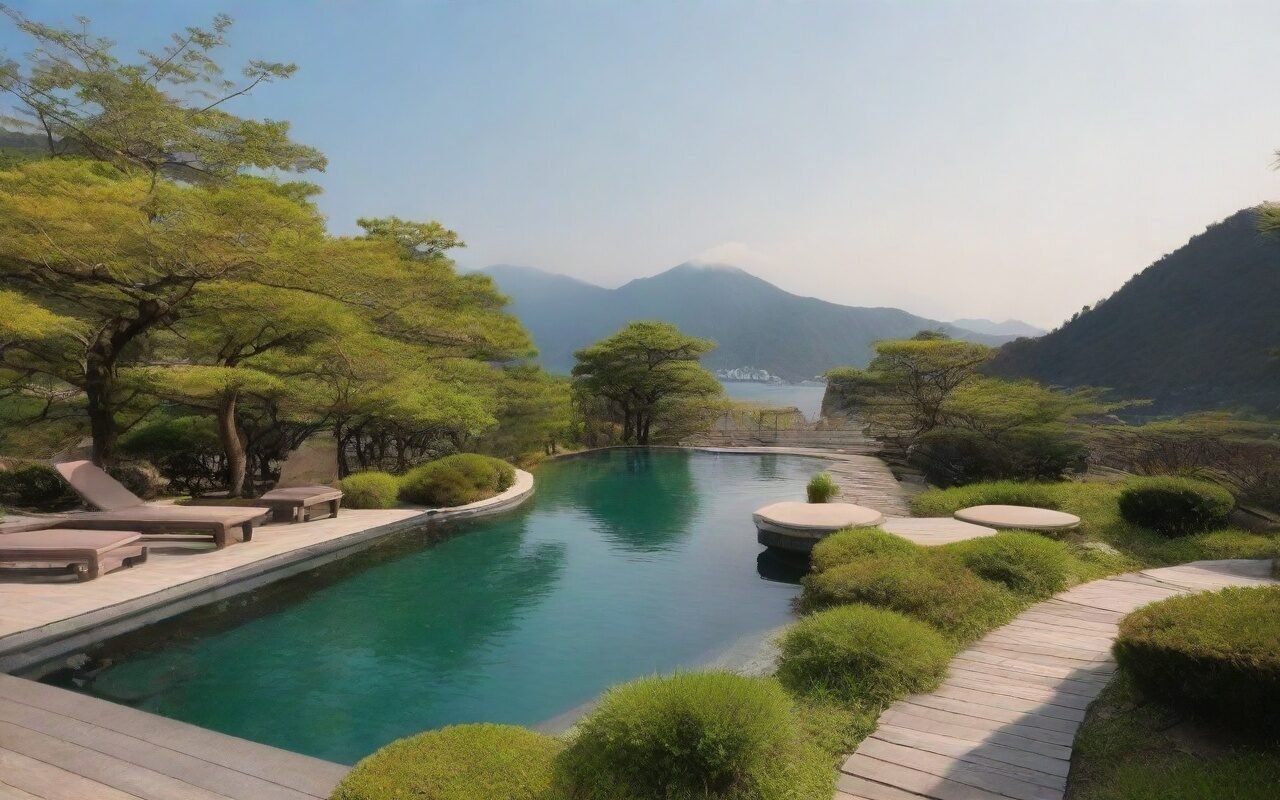
  • Hakone Day Trip Onsen Guide 2026

    Hakone Day Trip Onsen Guide 2026

    A day trip to Hakone for an onsen (hot spring) experience is one of the most popular excursions from Tokyo — and for good reason. Within 90 minutes of the capital, you can soak in mineral-rich thermal waters while overlooking mountains, forests, or even Mount Fuji. Unlike staying overnight at a ryokan (which can cost ¥30,000–¥60,000 per person), day-use onsen facilities offer the same therapeutic waters at a fraction of the price. Explore Mt Fuji & Hakone on a full-day trip with sukiyaki lunch, Hakone Cruise, Ropeway & Shinkansen return
    This guide covers the best day-use onsen in Hakone, how to choose the right one for your preferences, pricing, etiquette, and how to combine your soak with other Hakone attractions.

    Hakone Day Trip Onsen Guide 2026

    Overview

    Types of Onsen in Hakone

    Hakone has 17 hot spring sources (known as yumoto), each with different mineral compositions and therapeutic properties:

    • Hakone-Yumoto: The largest and most accessible onsen area. The water is rich in sodium and calcium, known for warming the body deeply. Best for relaxation and muscle relief.
    • Gora: Located higher in the mountains, Gora’s waters have higher sulfur content, known for skin-beautifying effects. The area has a quiet, upscale atmosphere.
    • Miyanoshita: A historic onsen town with a mix of traditional ryokan and modern facilities. The water is slightly acidic, good for skin conditions.
    • Sengokuhara: The highest onsen area, with views of Mount Fuji on clear days. The water is clear and odorless, making it a good choice for first-timers. Discover Mt Fuji’s 5th Station, World Heritage Center & Owakudani volcanic valley on this scenic Hakone day trip

    Best Day-Use Onsen Facilities

    Tenzan Onsen (Hakone-Yumoto)

    One of the most popular day-use onsen in Hakone, Tenzan Onsen offers a complete experience: indoor baths, outdoor rotemburo (open-air baths), a sauna, and a restaurant serving soba and tempura.

    • Price: ¥1,500 for adults (includes towel rental)
    • Hours: 10:00 AM – 11:00 PM (last entry 9:30 PM)
    • Location: 10-minute walk or 3-minute shuttle bus from Hakone-Yumoto Station (free shuttle every 20 minutes)
    • Features: Large outdoor bath with waterfall, carbonated bath, sauna, rest area with tatami mats
    • Crowds: Busiest from 2:00–5:00 PM on weekends. Arrive before 11:00 AM or after 7:00 PM for a quieter experience
    • Family-friendly: Yes — children are welcome, and there is a shallow children’s bath

    Pro tip: The outdoor rotemburo has a beautiful view of the surrounding forest, especially in autumn when the maple leaves are changing color, Bring a ¥100 coin for the locker.

    I visited three different day-use onsen during my last Hakone trip and spent several hours at each one. At Tenzan, I went for the outdoor rotemburo first — soaking in the mineral-rich waters while looking up at the forest canopy was incredibly relaxing. I also tried the carbonated bath at Yunessun, which was unlike anything I’d experienced before.

    Hakone Yuryo (Hakone-Yumoto)

    For a more private and luxurious experience, Hakone Yuryo offers private open-air baths (rotemburo) that can be reserved for 60–90 minutes.

    • Price: ¥2,500–¥4,000 for 60 minutes (private bath, up to 2 people)
    • Private bath option: ¥3,800 for a 75-minute session with a view of the Haya River
    • Hours: 10:00 AM – 9:00 PM
    • Location: 15-minute walk from Hakone-Yumoto Station (shuttle available by reservation)
    • Features: All baths are private and face a garden or river, kaiseki lunch option available (¥3,500–¥5,500)
    • Best for: Couples, travelers who prefer privacy, anyone uncomfortable with public bathing

    Reservations are essential — book at least one week in advance for weekends.

    Yunessun (Hakone-Yumoto)

    A unique onsen theme park that combines traditional Japanese baths with unconventional “baths” including coffee, wine, sake, and green tea pools. Yes — you actually sit in a pool of warm sake, and it is surprisingly enjoyable.

    • Price: ¥2,500 for adults (¥1,300 for children)
    • Hours: 9:00 AM – 7:00 PM (last entry 5:30 PM)
    • Location: 5-minute shuttle from Hakone-Yumoto Station
    • Features: Indoor and outdoor baths, Turkish-style bath, foot bath, sauna, swimming pool
    • Best for: Families, groups, first-timers who want a fun, unconventional experience

    A separate admission (¥1,200) covers only the “Mori no Yu” section — the traditional onsen area without the novelty baths.

    Hakone Kowakudani Miyanoshita (Miyanoshita)

    A classic Japanese onsen with a beautiful outdoor bath and mountain views. This facility has both indoor and outdoor baths with water sourced directly from the Miyanoshita spring.

    • Price: ¥1,800 for adults (¥2,500 with towel and yukata rental)
    • Hours: 12:30 PM – 8:00 PM (last entry 7:00 PM)
    • Location: 3-minute walk from Miyanoshita Station (Hakone Tozan Railway)
    • Features: Large outdoor bath, sauna, relaxation lounge with mountain views

    Bokujo no Onsen Poya (Sengokuhara)

    A unique onsen located at a small ranch, offering the experience of soaking in a hot spring while overlooking a pasture with grazing cows. Yes, it is as quirky as it sounds, and the milk produced by the cows is said to be extra rich thanks to the volcanic minerals in the water.

    • Price: ¥1,500 for adults
    • Hours: 10:00 AM – 9:00 PM
    • Location: Bus from Gora Station to Sengokuhara (15 minutes), then 5-minute walk
    • Features: Outdoor bath with pasture view, restaurant serving soft-serve ice cream and fresh milk

    Onsen Etiquette for First-Timers

    If this is your first onsen experience, these basic rules will ensure a smooth visit:

    1. Wash before entering: Use the shower stations to thoroughly wash and rinse your body before stepping into the bath. Soap must be completely rinsed off.
    2. No swimwear: Japanese onsen are nude bathing. Swimsuits are not permitted (except at Yunessun’s novelty baths).
    3. Towel management: Bring a small hand towel for drying before entering the changing room. Do not let your towel touch the water — place it on the edge of the bath or on your head.
    4. No photography: Absolutely no cameras or phones in the bathing area.
    5. Tattoo policy: Many onsen prohibit tattoos. If you have visible tattoos, check the policy in advance — some facilities (like Tenzan Onsen) allow tattoos, while others do not. Hakone Yuryo’s private baths are a good option as the privacy eliminates this concern.
    6. Duration: Limit your soak to 10–15 minutes at a time. Sit on the edge or get out to cool down between sessions. Drink water before and after to stay hydrated.

    📍 Location

    Hakone Day Trip Onsen Guide 2026 — Location

    Hakone-Yumoto is approximately 90 minutes from Shinjuku Station via the Odakyu Romancecar. Day-use onsen are concentrated in Hakone-Yumoto, Gora, and Miyanoshita — all accessible via the Hakone Tozan Railway.

    The Hakone Tozan Railway climbs steadily through the mountains, passing through lush forest and offering glimpses of the Haya River valley before arriving at Hakone-Yumoto Station.

    Hakone Day Trip Onsen Guide 2026 — Location


    💰 Budget Breakdown

    Facility Day-use fee Extras Total (per person)
    Tenzan Onsen ¥1,500 ¥500 (lunch) ¥2,000
    Hakone Yuryo (private) ¥3,800 ¥3,500 (lunch set) ¥7,300
    Yunessun ¥2,500 ¥500 (drink) ¥3,000
    Bokujo no Onsen Poya ¥1,500 ¥300 (milk) ¥1,800

    Add transport costs: Odakyu Round Trip (local) ¥2,480, Romancecar +¥2,400, or Hakone Free Pass ¥6,100. Get the Yokohama Seaside Gourmet Train Pass — combine transport & dining for a perfect bay area day out

    Hakone Day Trip Onsen Guide 2026 — Budget Breakdown


    Sample One-Day Itinerary

    8:00 AM — Depart Shinjuku on the Romancecar (reserve seats ahead)
    9:30 AM — Arrive Hakone-Yumoto, store luggage if needed
    10:00 AM — Morning onsen at Tenzan Onsen (quiet before the crowds)
    12:00 PM — Lunch at Tenzan’s soba restaurant
    1:00 PM — Explore Gora or visit the Hakone Open-Air Museum
    3:00 PM — Afternoon tea and foot bath at a cafe near Hakone-Yumoto
    5:00 PM — Second soak (different onsen, or revisit Tenzan for the evening atmosphere)
    6:30 PM — Return train to Shinjuku
    8:00 PM — Arrive Shinjuku

    This itinerary uses the Hakone Free Pass to maximize value and includes two onsen sessions — morning and evening — for a deeply relaxing day.

    Hakone Day Trip Onsen Guide 2026 — Sample One-Day Itinerary

    A day trip to Hakone for onsen is one of the most accessible and rewarding experiences available to Tokyo visitors. Whether you choose a budget-friendly public bath or a private riverside rotemburo, the combination of therapeutic waters, mountain scenery, and excellent Japanese cuisine makes for an unforgettable day.


    Tips

    Practical notes from my trips to exploring Hakone for its onsen: confirm the latest hours on the official website, buy tickets in advance when you can, and leave extra time for trains and walking between stops. Keeping your first day lighter also helps you enjoy the second day without feeling rushed.

    Frequently Asked Questions

    Q: Is there a best time of day to visit?
    A: Early mornings (before 10 AM) are ideal for experiencing attractions with minimal crowds and optimal lighting for photography. Late afternoons (after 3 PM) also offer good conditions as tour groups depart. Midday hours (11 AM-2 PM) are the busiest across most destinations in Kanagawa.

    Q: Which train line should I take to get there?
    A:
    Multiple train lines serve different parts of Kanagawa from Tokyo. The JR Tokaido Line, Odakyu Line, Keikyu Line, and Shonan-Shinjuku Line all provide access. The best route depends on your starting point in Tokyo. Smartphone navigation apps provide real-time route guidance.

    Q: Is this destination manageable as a day trip from Tokyo?
    A: Yes, all destinations in this guide work well as day trips. Plan to arrive by late morning to see the main highlights. For a relaxed pace including lunch and optional detours, allow 6-8 hours. If you have more time, extending your stay overnight lets you explore at a leisurely pace and enjoy evening attractions.

    Q: Do I need any special skills or equipment to enjoy this destination?
    A:
    Most attractions in this guide are accessible to visitors of all backgrounds and fitness levels. Well-maintained paths, clear signage, and English information make navigation easy. For activities requiring specific gear (hiking shoes, swimwear, etc.), recommendations are included in the relevant sections above.

    Whether soaking in a forest rotemburo or enjoying a modern toji retreat, Kanagawa’s hot springs offer genuine relaxation in settings that range from rustic to refined.

    Conclusion

    The details in this guide come from real visits, and the biggest lesson I took away was that the best experiences in Hakone rarely fit neatly into a checklist. During my visit to Hakone I went with a rough plan and found that leaving room to wander made the trip far more memorable. Plan the essentials, keep your schedule flexible, and you will leave Kanagawa wanting to return.

  • Hakone Onsen Culture – Kanagawa 2026

    Hakone Onsen Culture – Kanagawa 2026

    Hakone Onsen Culture – Kanagawa 2026

    Overview

    Explore the rich cultural heritage and historical significance of Hakone Onsen Culture – Kanagawa in Kanagawa Prefecture. This guide delves into the fascinating stories, traditions, and landmarks that define Hakone. From ancient temples to modern museums, discover how this destination has shaped Japan’s cultural landscape over centuries.

    Skin conditions and honest abstention Psoriasis flare-ups can worsen communal debate; choose private rentals when unsure.

    Hair dye, lotions, and water chemistry

    Rinse products thoroughly before tubs; oils float visibly.

    Accessibility and dignity

    Grab bars exist in newer wings; older buildings may require detours. Ask without shame.

    Quiet queuing at popular free ashiyu

    Footbaths beside roads fill fast; do not save seats with bags indefinitely.

    Misconceptions about mixed baths

    Rare, regulated, sometimes appointment-only; never assume.

    Staff roles beyond cleaning

    They monitor heat levels and gas alarms; cooperate if asked to exit briefly.

    Yukata tying and left-over-right funerals mistake myth

    Learn basic knot; hotel staff help politely if asked once, not ten times daily.

    Slipper rules at toilet thresholds

    Bathroom slippers never return to rooms; swap carefully.

    Time slots and hotel dinner coordination

    Kaiseki schedules sometimes assume you bathe pre-meal; confirm times.

    Noise in corridors after baths

    Wet hair dripping on tatami annoys housekeeping; dry partially first.

    Photography bans and neighbor windows

    Even lobby kimono photos can capture strangers; angle carefully.

    Onsen eggs and calcium snacks

    Moderation; sulfur burps happen humorously.

    Final thoughts

    Hakone onsen culture rewards humility, warm water, and low voices. Learn rules once deeply, then return them to the mountain by bathing cleanly.

    From sento economics to luxury rotenburo pricing psychology

    Urban sento historically priced entry for working-class daily hygiene. Hakone’s tourism onsen price for capital costs of drilling, filtering, insurance, and seasonal staffing, Understanding that shift prevents moralizing about yen figures. You are partly paying for water stewardship and fire safety systems invisible behind cedar panels. If a rate feels high, compare included towel quality, locker size, and late-night reopening hours rather than only water volume.

    Mineral deposits and tub scrubbing schedules

    Staff scrub mineral rings during low-traffic windows, Seeing staff work is a feature; thank them quietly. Do not offer unsolicited help unless volunteer programs exist.

    Onsen water circulation versus chlorine supplementation

    Some hotels blend mineral springs with heated tap water legally within ratios; others pipe nearly pure source flow. English explanations vary; ask if curious without implying fraud.

    Bathing order debates among Japanese guests themselves

    Even locals argue whether shower-first-then-soak or quick pre-rinse then long soak suits skin best. Experiment safely; no universal winner.

    Gender-neutral private rentals and LGBTQ travelers

    Private family baths reduce anxiety when public gender partitions feel mismatched to identity. Book early on weekends.

    Pregnancy and hot bath medical guidance

    Obstetricians often recommend cooler shorter soaks; follow personal medical advice over travel bravado.

    Hypertension and rapid temperature shifts

    Step out slowly if dizzy; sit on stools before standing fully.

    Elder respect and stool sharing

    Yield shower positions to elders when space tight.

    Smartphone steam damage risks

    Non-waterproof phones belong lockers, not ziplock arrogance.

    Glasses fog and anti-fog ethics

    Wipe away from shared mirrors to avoid splashing neighbors.

    Hair ties and bun height

    Long hair must stay above water; thick buns need stronger ties than hotel complimentary elastics sometimes offer.

    Shaving before onsen

    Tiny blood spots worry others; shave at hotel room sinks, not at shared benches.

    Nail polish chips

    Remove flakes before tubs; polish chips float embarrassingly.

    Perfume versus sulfur

    Strong perfume clashes with natural mineral air; lighter scents or none.

    Post-bath skin care science

    Pat dry rather than aggressive rubbing; apply lotion after cooling slightly.

    Yukata left-over-right mistake rarely fatal

    Staff smile off honest mistakes; correct quietly.

    Layering for winter corridor walks

    Indoor heat contrasts outdoor frost; cardigan helps.

    Summer mold awareness in humid lockers

    Dry suits thoroughly overnight.

    Autumn leaf viewing from some rotenburo

    Trees frame views; photography rules still apply.

    Spring pollen on wet hair

    Rinse pollen before baths to reduce shared water debris.

    Onsen curfew signals

    Dimming lights often precede closing; do not negotiate aggressively.

    Morning first-bath culture at ryokan

    Early risers prize cleaner water chemistry; arrive on time if reserved.

    Foot massage machines near baths

    Sometimes coin-operated; sanitize feet first.

    Vending milk flavors

    Coffee milk nostalgia differs by region; try once.

    Misunderstood “no tattoos” English phrasing

    Some signs mean large visible irezumi only; ask.

    Communicating allergies in kitchens after baths

    Kaiseki kitchens need advance notice hours before meals, not at bath exit.

    Slippery children

    Hold hands on wet stairs even if kids resist.

    Partner etiquette

    Public baths are not flirtation stages; keep intimacy private.

    Onsen and marathon runners

    Muscle recovery soaks help some athletes; others swell; listen to body.

    Onsen after skiing nearby

    Not Hakone core yet some winter visitors combine; rinse sweat heavily.

    Cultural appropriation debates around photos

    Kimono rental photos tread sensitive lines; research respectful posing.

    Staff language anxiety

    Smile when they stumble English; they often care deeply.

    Tipping remains absent

    Praise with words or repeat visits.

    Final closure on consent culture

    Consent extends to shared water; everyone deserves predictable cleanliness.

    Long soaks versus interval kakeyu cycles

    Some therapists suggest three eight-minute dips with cooling breaks for circulation training. Others prefer one twenty-minute gentle soak. Track heart rate sensations honestly. If palms tingle oddly, exit.

    Bathing with mobility aids

    Waterproof shower chairs exist in accessible baths; call ahead to reserve slots if inventory limited.

    Communicable skin disease self-screening

    Open wounds mean abstain; ringworm means treat before sharing water.

    Piercings and hot water

    Metal heats faster underwater; rotate earrings mentally.

    Contact lenses fogging again

    Consider glasses or daily disposables.

    Hearing loops rare

    Face staff for lip reading if helpful.

    Onsen and religious modesty intersections

    Some travelers prefer private baths for faith reasons; hotels increasingly accommodate without drama.

    Onsen music policy

    Piped spa music volume varies; earplugs optional if anxious.

    Onsen and grief travel

    Quiet crying happens; give space without intrusive questioning.

    Onsen after tattoos fresh

    Healing skin plus bacteria risk equals doctor veto.

    Onsen and menstrual cups

    Personal choice; some prefer private rentals for management comfort.

    Onsen and colostomy travelers

    Private baths plus medical cards help communication.

    Onsen water drinking fountains

    Some springs offer tasting spouts separate from baths; follow signage if potable.

    Onsen eggs calcium content moderation

    Two eggs max jokingly suggested by locals; humor hides real GI advice.

    Onsen and sleep architecture

    Core body temperature drop after baths aids sleep if timed one hour pre-bed.

    Onsen morning versus night skin feel

    Morning tightness differs from night relaxation; lotion accordingly.

    Onsen and hair conditioner timing

    Condition after final soak to avoid rinsing oils into shared tubs earlier.

    Onsen and beard oil

    Washes away; reapply post exit.

    Onsen and watch waterproofing

    Steam sneaks past ratings; lockers safer.

    Onsen and wedding rings tightness

    Heat expands fingers; ensure rings removable.

    Onsen etiquette research homework

    Watch bilingual hotel channel videos once calmly in room.

    Onsen staff training seasons

    New hires appear spring; patience if explanations wobble.

    Onsen final bows

    Thank staff with nod; depart quietly.


    Closing reminder

    Culture lives in repeated small courtesies at water edges.

    Comparative notes from other Kanagawa baths

    Beppu this is not; Hakone skews milder sulfur tones and smaller tubs on average. Travelers hopping from Atami bayside springs notice salinity differences on skin slipperiness, Naming comparisons helps your body expect different post-rinse textures without blaming individual hotels unfairly.

    Nightingale floors not relevant yet wooden creaks echo

    Older ryokan corridors creak; slow steps reduce neighbor alarm at midnight bathroom runs.

    Onsen and CPAP machine users

    Moist air can affect filters; dry masks overnight in dehumidified corners if available.

    Onsen and insulin cooling packs

    Do not leave medical coolers blocking narrow changing benches.

    Onsen and breastfeeding

    Private rooms better for infant feeding comfort than humid shared benches.

    Onsen and teenage self-consciousness

    Private rentals help adolescents navigating body anxiety.

    Onsen and sunburn same day

    Hot water intensifies burn sting; cool showers first.

    Onsen and jellyfish stings irrelevant yet humor reminds

    Salt stories differ coast versus mountain; smile at brochure metaphors.

    Onsen final synthesis paragraph

    You arrive carrying urban velocity; water asks you to deposit it before entry. Exit carrying slower breath and hopefully cleaner habits you export to your next shared pool on Earth.

    If you remember only three lines before your first Hakone soak, remember these: rinse thoroughly, keep towels out of shared water unless rules explicitly allow, and treat staff corrections as hospitality rather than scolding, Everything else becomes easier after that foundation.

    Long weekends test every rule when tired families collide with honeymoon couples in tight changing rooms, Pausing five seconds to reorganize bags before opening lockers prevents domino collisions that ruin moods faster than sulfur ever could.

    When you leave Hakone, carry the habit of rinsing before shared water into whatever pool or gym you visit next, That export matters more than any single selfie because culture is repetition, not costume. Steam rises, rules remain, and the mountain quietly grades your manners every time you return.

    Arrive curious, rinse twice if unsure, and leave the water as clear as your conscience hopes the next stranger deserves, That small discipline scales across every rotenburo you will ever meet, in Hakone or beyond. Say thank you with calm water, not loud performance. One more mindful breath finishes the lesson today without rushing the stairs.


    Tips

    Practical notes from my trips to exploring Hakone for its onsen: confirm the latest hours on the official website, buy tickets in advance when you can, and leave extra time for trains and walking between stops. Keeping your first day lighter also helps you enjoy the second day without feeling rushed.

    Frequently Asked Questions

    Q: Are English guides available?
    A: Major temples, shrines, and museums offer English audio guides or pamphlet guides. Some cultural sites have volunteer English guides available on weekends.

    Q: Can I take photographs?
    A: Photography is generally allowed in outdoor areas. Indoor photography, especially of cultural artifacts, may be restricted. Flash photography is commonly prohibited.

    Q: How much time should I budget?
    A: For temples and shrines, budget 30-60 minutes. Museums typically require 1-2 hours. Cultural experiences (tea ceremony, craft workshops) take 1-2 hours.

    Q: Are there any dress codes?
    A: No strict dress codes, but dressing respectfully is appreciated at temples and shrines. Avoid overly revealing clothing. Comfortable walking shoes are recommended. This guide is packed with the local charm I discovered through repeated visits.

    My personal exploration of Kanagawa has been incredibly rewarding, and I recommend adding this region to any Japan travel itinerary — the variety of experiences within short distances is what makes it special.

    Whether soaking in a forest rotemburo or enjoying a modern toji retreat, Kanagawa’s hot springs offer genuine relaxation in settings that range from rustic to refined.

    Conclusion

    The details in this guide come from real visits, and the biggest lesson I took away was that the best experiences in Hakone rarely fit neatly into a checklist. During my visit to Hakone I went with a rough plan and found that leaving room to wander made the trip far more memorable. Plan the essentials, keep your schedule flexible, and you will leave Kanagawa wanting to return.

  • Hakone Onsen Complete Guide 2026

    Hakone Onsen Complete Guide 2026

    Overview

    📍 Locationnn

    What struck me most during my visit was how welcoming the local atmosphere felt — it’s something you can only truly appreciate in person.

    The outdoor bath at Hakone Yuryo offers a serene forest bathing experience, with steam rising from mineral-rich waters surrounded by native trees.

    1. Hakone Yuryo

    Why Visit: Private outdoor baths with forest views

    Hakone Onsen Complete Guide 2026 — 1. Hakone Yuryo
    The main street of Hakone-Yumoto, lined with traditional shops and ryokan, welcomes visitors with the distinct smell of sulfur from the nearby volcanic springs.
    Hakone Onsen Complete Guide 2026 — 1. Hakone Yuryo
    The outdoor bath at Hakone Yuryo offers a serene forest bathing experience.(https://anabaoffjapan.com/wp-content/uploads/images/articles/hakone-onsen-complete-guide-sub4.jpg)
    Hakone Onsen Complete Guide scenery and attractions

    • Access: 15 min taxi from Hakone-Yumoto Station
    • Price: ¥2,200 (day trip)
    • Hours: 10:00-21:00
    • Facilities: 5 outdoor baths, restaurant, lounge

    2. Tenzan Onsen

    Why Visit: Traditional atmosphere with multiple baths

    • Access: 10 min bus from Hakone-Yumoto Station
    • Price: ¥1,300 (day trip)
    • Hours: 7:00-26:00
    • Facilities: 10 indoor/outdoor baths, sauna, restaurant

    3. Hakone Gora Hananoki

    Why Visit: Luxury day-trip onsen experience

    • Access: 5 min walk from Gora Station
    • Price: ¥2,800 (day trip)
    • Hours: 11:00-21:00
    • Facilities: Private baths, tea ceremony room, lounge

    By Train (Recommended)

    1. Shinkansen (45 min, ¥4,000)

      • Tokyo → Odawara → Hakone-Yumoto
      • Fastest option, covered by JR Pass
    2. Romancecar (85 min, ¥2,000)

      • Shinjuku → Hakone-Yumoto
      • Direct, comfortable, scenic
    3. Local Train (90 min, ¥1,200)

      • Shinjuku → Odawara → Hakone-Yumoto
      • Budget option, covered by JR Pass

    By Bus

    • Highway Bus (90 min, ¥1,800)
      • Shinjuku → Hakone-Yumoto
      • Direct, budget-friendly

    What Is It?

    Unlimited transportation in Hakone for 2-3 days

    Price

    • Adult: ¥5,140 (2 days), ¥5,700 (3 days)
    • Child: ¥1,200 (2 days), ¥1,400 (3 days)

    Where to Buy

    • Odawara Station: ¥5,140
    • Shinjuku Station: ¥6,100 (includes round-trip from Tokyo)

    What’s Included

    • Hakone Tozan Railway
    • Cable Car & Ropeway
    • Pirate Ships (Lake Ashi)
    • Local Buses
    • Discounts at 70+ facilities

    Best Days to Visit

    • Best: Tuesday-Thursday (least crowded)
    • Avoid: Weekends, holidays, New Year

    At the Onsen

    1. No swimsuits (bathing nude is mandatory)
    2. Small towel (provided or bring your own)
    3. Yukata (provided at most facilities)

    General Attire

    • Comfortable walking shoes
    • Layers (weather changes quickly)
    • Rain gear (especially Jun-Sep)

    Before Entering

    1. Remove shoes at entrance
    2. Store belongings in locker
    3. Wash thoroughly at shower station
    4. No towels in bath (leave on side)

    In the Bath

    1. No swimming or splashing
    2. Keep quiet (relaxation area)
    3. No photography (strictly prohibited)
    4. Long hair must be tied up

    After Bathing

    1. Rinse off (optional)
    2. Dry off before returning to locker room
    3. Hydrate (drink water or milk)

    Day Trip Onsens (Under ¥2,000)

    1. Tenzan Onsen – ¥1,300
    2. Hakone Kamonoyu – ¥1,500
    3. Hakone Yuryo – ¥2,200 (weekday discount)

    Free Onsens

    • Hakone Sengokuhara (some public baths)
    • Hotel day plans (check websites)

    Luxury (¥30,000+/night)

    1. Gora Kadan – Traditional luxury
    2. Hakone Gora Hananoki – Modern luxury
    3. The Prince HakoModerne Ashi – Lake views

    Mid-Range (¥15,000-30,000/night)

    1. Hakone Yuryo – Private baths
    2. Tenzan Onsen – Traditional atmosphere
    3. Hakone Kamonoyu – great value

    Budget (Under ¥15,000/night)

    1. Guesthouse Gora – ¥8,000/night
    2. Hakone Backpackers – ¥5,000/night
    3. Capsule Hotel Hakone – ¥6,000/night

    Onsen-by-Onsen Comparison: Which One Is Right for You?

    Onsen Day Trip Price Private Bath? Tattoo-Friendly? English Support Best For
    Tenzan Onsen ¥1,300 ✅ Yes ⚠️ Limited Budget travelers, large bath variety
    Hakone Kamonoyu ¥1,500 ✅ Yes (¥3,000/60min) ✅ Yes ✅ English menu Couples, private bath seekers
    Hakone Yuryo ¥2,200 ✅ Yes (¥5,500/60min) ✅ Yes ✅ English staff Forest views, relaxation
    Hakone Gora Hananoki ¥2,800 ✅ Yes (¥8,000/60min) ⚠️ Ask ✅ English website Luxury day trip, tea ceremony
    Hakone Suimeisou ¥2,000 ✅ Yes (¥4,000/60min) ✅ Yes ✅ English staff Modern facilities, restaurant on-site

    Best Onsen for Specific Needs

    For first-time onsen visitors: Tenzan Onsen (¥1,300) — the most beginner-friendly, with clear English instructions at each station, a forgiving atmosphere (locals of all ages visit), and the widest variety of baths so you can try different temperatures.

    For couples: Hakone Yuryo (private bath ¥5,500/60min) — forest-view private outdoor baths with complete privacy. Book the “Forest Terrace” option for the best experience. The private bath entrance is separate from the public bath entrance.

    For travelers on a budget: Hakone Kamonoyu (¥1,500 day trip) — excellent value with both indoor and outdoor baths. The private bath option (¥3,000/60min for two people) is the cheapest private onsen experience in Hakone.

    For luxury seekers: Hakone Gora Hananoki (¥2,800 day trip) — premium experience with a tea ceremony room, relaxation lounge with mountain views, and high-end facilities. The private bath includes access to a Japanese garden.

    For large tattoo coverage: Tenzan Onsen has the most lenient tattoo policy (all sizes welcome as long as they are covered with provided patches). Hakone Yuryo also provides complementary tattoo cover-up patches at the front desk.

    Sample Day Trip Itinerary: Onsen Hopping

    Option A: Budget Onsen Day (¥2,800/person)
    | Time | Activity | Cost |
    |:—-|:———|:—-:|
    | 8:30 AM | Depart Shinjuku (Romancecar) | ¥2,470 |
    | 10:30 AM | Arrive Hakone-Yumoto, explore station area | Free |
    | 11:00 AM | Hakone Kamonoyu (shared bath) | ¥1,500 |
    | 12:30 PM | Lunch at Kamonoyu restaurant | ¥1,200 |
    | 2:00 PM | Walk to Tenzan Onsen (15 min) | — |
    | 2:30 PM | Tenzan Onsen (multiple baths) | ¥1,300 |
    | 5:00 PM | Return to Hakone-Yumoto | Free |
    | 5:30 PM | Depart for Tokyo | ¥2,470 |

    Option B: Luxury Onsen Day (¥8,000/person)
    | Time | Activity | Cost |
    |:—-|:———|:—-:|
    | 8:30 AM | Depart Shinjuku (Romancecar) | ¥2,470 |
    | 10:00 AM | Arrive Gora Station | Free |
    | 10:30 AM | Hakone Gora Hananoki (private bath + tea ceremony) | ¥8,000 |
    | 12:30 PM | Kaiseki lunch at Hananoki | ¥5,000 |
    | 2:30 PM | Walk to Hakone Open-Air Museum (5 min) | ¥1,600 |
    | 4:30 PM | Return to Gora Station | Free |
    | 5:00 PM | Depart for Tokyo | ¥2,470 |

    Must-Visit Spots

    1. Hakone Open-Air Museum (5 min from Gora)
    2. Owakudani Valley (ropeway access)
    3. Lake Ashi (pirate ship cruises)
    4. Hakone Shrine (waterside torii gate)

    Suggested Itinerary

    Day 1: Hakone-Yumoto → Tenzan Onsen → Gora
    Day 2: Gora → Owakudani → Lake Ashi → Hakone Shrine

    Tourist Information Centers

    • Hakone-Yumoto Station: 9:00-17:00
    • Gora Station: 9:00-17:00
    • Togendai (Lake Ashi): 9:00-17:00

    Wi-Fi Availability

    • Stations: Free Wi-Fi available
    • Onsens: Limited (most don’t have Wi-Fi)
    • Restaurants: Varies (check Google Maps)

    Hakone Onsen Complete — detailed view


    Seasonal Onsen Guide

    Season Best Onsen For Temperature Special Experience
    Spring (Mar-May) Tenzan Onsen (open-air) 15-20°C Cherry blossoms at Hakone Shrine
    Summer (Jun-Aug) Hakone Yuryo (forest) 25-30°C Cool mountain breeze, night bathing
    Autumn (Sep-Nov) Gora Hananoki (garden view) 15-20°C Fall foliage colors reflected in baths
    Winter (Dec-Feb) Hakone Kamonoyu (indoor) 5-10°C Snow view from outdoor baths (rare)

    Winter tip: The combination of cold air (5-10°C) and hot onsen water (40-42°C) creates steam that rises from the bath surface — a classic Japanese onsen experience. Visit on a clear winter morning for the best chance of seeing Mount Fuji while soaking.

    Summary

    Hakone Onsen Complete Guide 2026 — Summary

    Hakone offers world-class hot spring experiences just 90 minutes from Tokyo. Whether you’re looking for luxury ryokan, budget day trips, or traditional onsen culture, Hakone has something for everyone. Use the Hakone Free Pass for unlimited transportation and discounts, and visit on weekdays for the best experience. Best For: Day trips from Tokyo, traditional onsen experience, romantic getaways Budget: ¥5,000-15,000 per person (day trip) Time Needed: 1-2 days


    Related Articles:

    🧖 Onsen Etiquette Deep Dive for First-Timers

    Many international visitors feel nervous about onsen etiquette, but it’s simpler than you think. Here’s everything you need to know:

    Entry Preparation

    • Shower thoroughly before stepping into any bath — this is the most important rule. Use the small stool and handheld shower to wash your entire body.
    • Small towel only: The tiny towel you receive is for modesty while walking between baths and for drying off after. Never dip it in the onsen water.
    • Tattoo cover-up: If you have tattoos, use a skin-colored cover-up patch (available at drugstores for ¥500-800) or look for tattoo-friendly facilities like Hakone Yuryo and Tenzan Onsen.

    Inside the Bath

    • Long hair: Tie it up so it doesn’t touch the water
    • No swimming: The bath is for soaking, not exercise
    • Keep quiet: Onsen are places of relaxation — speak in whispers
    • No photography: Strictly prohibited in all bath areas

    Post-Bath Routine

    • Don’t rinse off: The minerals are good for your skin. Just pat dry with your small towel.
    • Hydrate: Drink water, milk, or matcha after your bath. Many facilities sell “onsen milk” (¥150-200).
    • Rest: Sit in the relaxation area for 10-15 minutes before heading out.

    Best Onsen for Couples

    Onsen Private Bath Option Price (2 people, 60 min) Atmosphere
    Hakone Yuryo Yes — forest-view private bath ¥5,500 Romantic, secluded
    Hakone Gora Hananoki Yes — with tea ceremony room ¥8,000 Luxury, traditional
    Tenzan Onsen No private, but quiet weekday mornings ¥2,600 (2× day trip) Authentic, local
    Hakone Kamonoyu Yes — outdoor private bath ¥3,000 Budget-friendly

    Pro tip for couples: Book a private bath (家族風呂, kazoku-buro) at Hakone Yuryo or Hakone Kamonoyu. These are small private rooms with their own bath — perfect for couples or anyone uncomfortable with public bathing.

    Frequently Asked Questions

    Q: Which months offer the best conditions for exploring?
    A: April, May, October, and November offer the most pleasant combination of comfortable weather and manageable crowds. These months avoid the summer heat and humidity while providing beautiful natural scenery — cherry blossoms in spring and colorful foliage in autumn.

    Q: Is this destination easy to reach by public transport?
    A:
    Yes. Kanagawa has excellent public transport connections from Tokyo. Most destinations are within an hour by train. The nearest station is typically a short walk or bus ride from the main attractions. For detailed route information, check the transport section above.

    Q: Is this destination manageable as a day trip from Tokyo?
    A: Yes, all destinations in this guide work well as day trips. Plan to arrive by late morning to see the main highlights. For a relaxed pace including lunch and optional detours, allow 6-8 hours. If you have more time, extending your stay overnight lets you explore at a leisurely pace and enjoy evening attractions.

    Q: Do I need any special skills or equipment to enjoy this destination?
    A:
    Most attractions in this guide are accessible to visitors of all backgrounds and fitness levels. Well-maintained paths, clear signage, and English information make navigation easy. For activities requiring specific gear (hiking shoes, swimwear, etc.), recommendations are included in the relevant sections above.

    After multiple visits to Kanagawa, . . Hakone Onsen Complete Guide 2026 provides everything you need to make your Kanagawa trip smooth and enjoyable. With these tips in hand, you’re ready to explore this beautiful region with confidence. Safe travels!


    Hakone Onsen Complete Guide There is nothing quite like soaking in a natural hot spring while overlooking Mount Fuji or a forested valley. Kanagawa’s onsen offer the perfect way to unwind after a day of exploration, combining therapeutic waters with stunning scenery.

    Conclusion

    exploring Hakone for its onsen can be as relaxed or as packed as you want it to be, and I have found that the best visits leave room for both planning and spontaneity. During my visit to Hakone I went with a rough plan and found that leaving room to wander made the trip far more memorable. Use this guide to sort out the logistics in advance, then let the day surprise you — Kanagawa rewards travelers who stay curious.