Tag: onsen

  • Yugawara Onsen — Quiet Seaside Hot Spring Town on Sagami Bay

    Yugawara Onsen — Quiet Seaside Hot Spring Town on Sagami Bay

    Overview

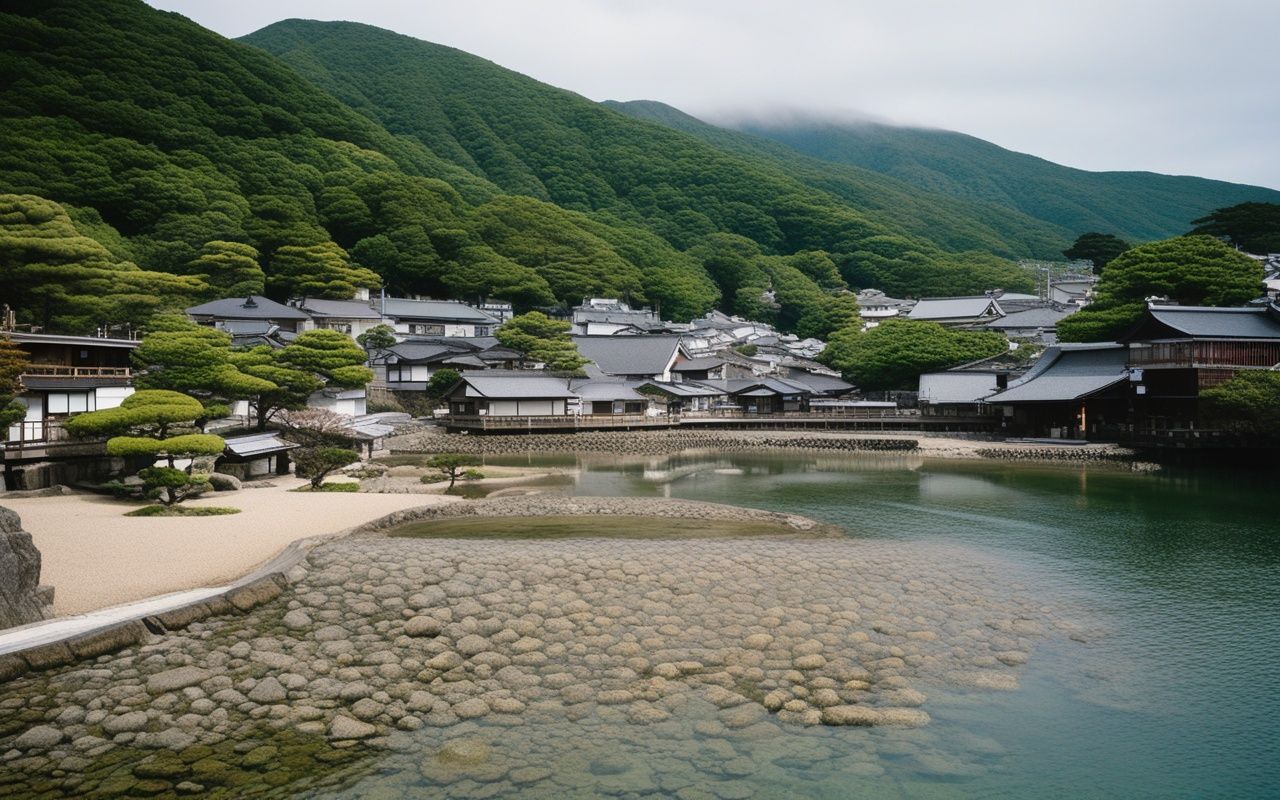
    Yugawara is the hot spring town that most travelers to the Kanto region never quite reach. It sits on the western edge of Sagami Bay, about 90 minutes from Tokyo, and it has been soaking visitors in mineral-rich water since the eighth century. On my first trip, I made the mistake of treating it as a smaller version of Hakone. It is not. Hakone is a mountain resort built around a crater lake; Yugawara is a seaside town where hot springs bubble up within walking distance of the beach, and where the same onsen water that fills your ryokan bath also fills the public foot baths along the river.

    What pulled me back a second and third time was the pacing. Yugawara does not demand an itinerary. You can spend a full day doing almost nothing — soaking in the morning, walking to the cape for lunch, sitting on the seawall at sunset — and leave feeling more rested than after most weekends away. The town is compact, the ryokan are traditional rather than polished, and the seafood is caught in the bay you can see from the bath.

    This guide covers the best ways to experience Yugawara: how to get there, which baths are worth the money, where the plum blossoms and views hide, and how to build a day or an overnight trip that makes the most of a town that rewards slow travel.


    📍 Getting There

    Yugawara has one railway station, Yugawara Station on the JR Tokaido Line, and it is the last stop before Atami. Access from Tokyo is straightforward and feels much shorter than the distance suggests.

    From Tokyo

    1. JR Tokaido Line from Tokyo Station (about 90 minutes, ¥1,900) — Take a rapid service bound for Atami or Odawara and change if needed. Several direct trains stop at Yugawara; otherwise, changing at Odawara adds only a few minutes. This is the option I use most because it requires no thinking.
    2. JR Tokaido Shinkansen to Atami (about 45 minutes) — Get off at Atami and take the local JR line two stops back west to Yugawara. This is faster but costs roughly three times as much. Worth it only if you are already riding the shinkansen from the west.
    3. Odakyu Line via Odawara — If you are combining Yugawara with a day in the Odawara castle town, the Odakyu Limited Express from Shinjuku to Odawara, then a short JR hop to Yugawara, works well.

    Getting Around Town

    The station sits at the foot of the hills, and most ryokan and public baths are within a 10- to 20-minute walk or a short bus ride. The town runs a free shuttle for overnight guests of many ryokan — check with your accommodation when you book. For the cape and Makuyama Park, buses leave from the station every 20 to 40 minutes, and the fares are small (¥200-¥300).

    A note from experience: the walk from the station to the river area is slightly uphill, and the return leg at the end of a long soak day can feel longer than it is. If your ryokan is on the river side, take the shuttle on the way in and walk down on the way out.


    ♨️ The Baths: Ryokan vs. Public Onsen

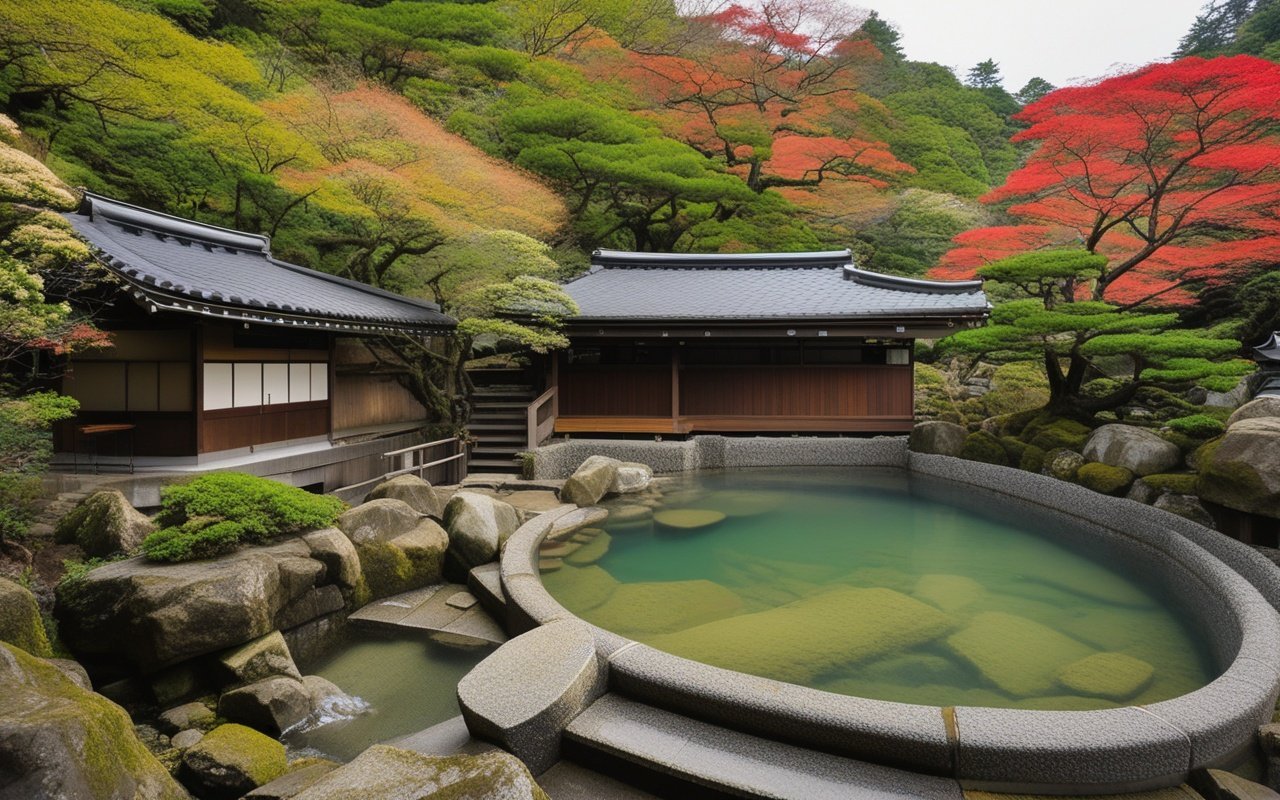
    The heart of Yugawara is its water. The springs here are alkaline and mild on the skin, which makes them a favorite for families and first-timers who find stronger acidic springs uncomfortable. The town claims more than 700 springs, and the tradition runs deep enough that even the station has a foot bath.

    Staying at a Ryokan with an Onsen

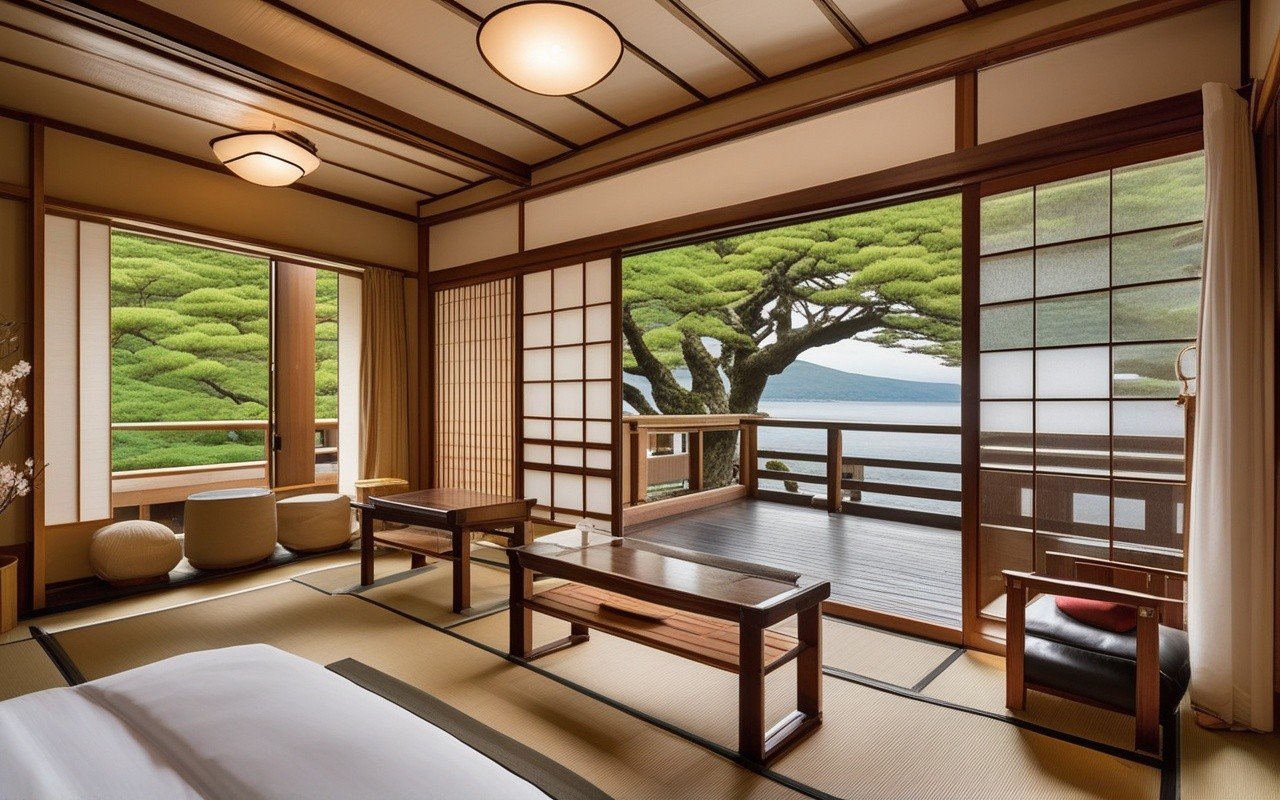
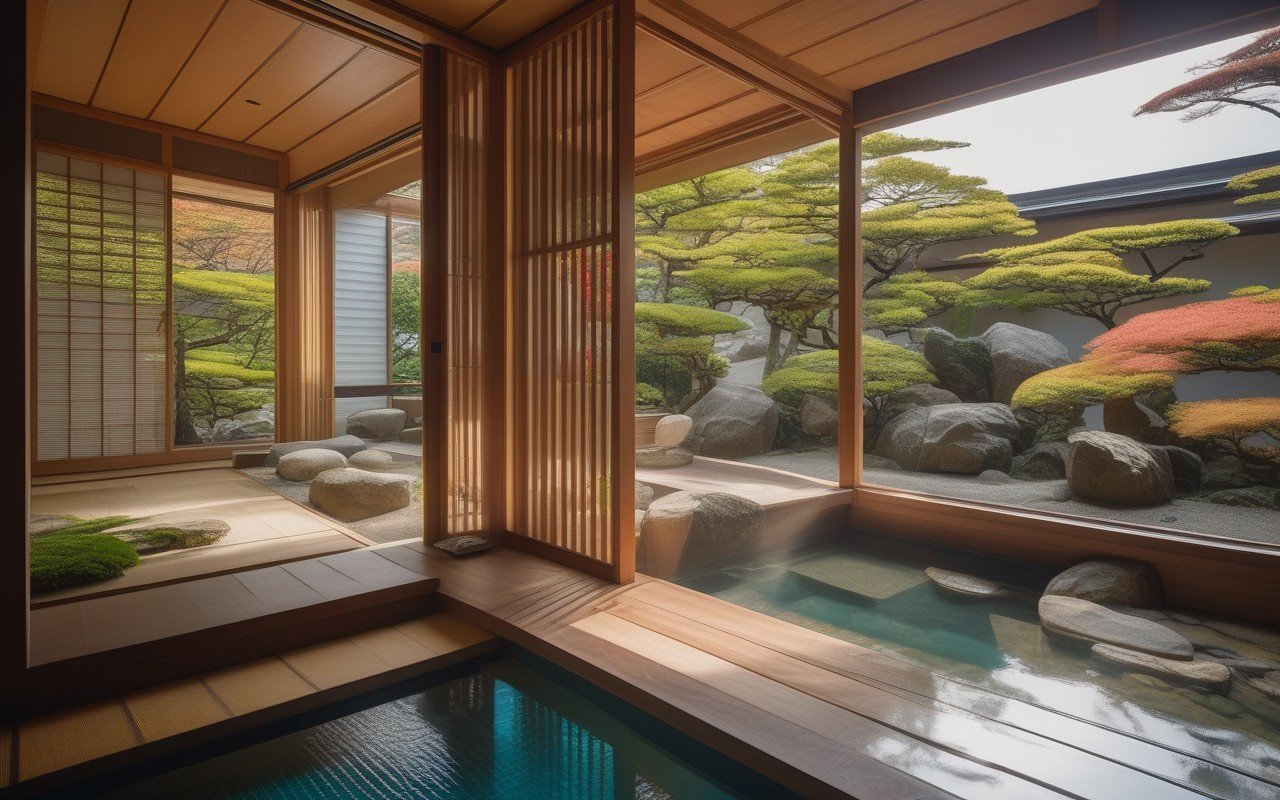
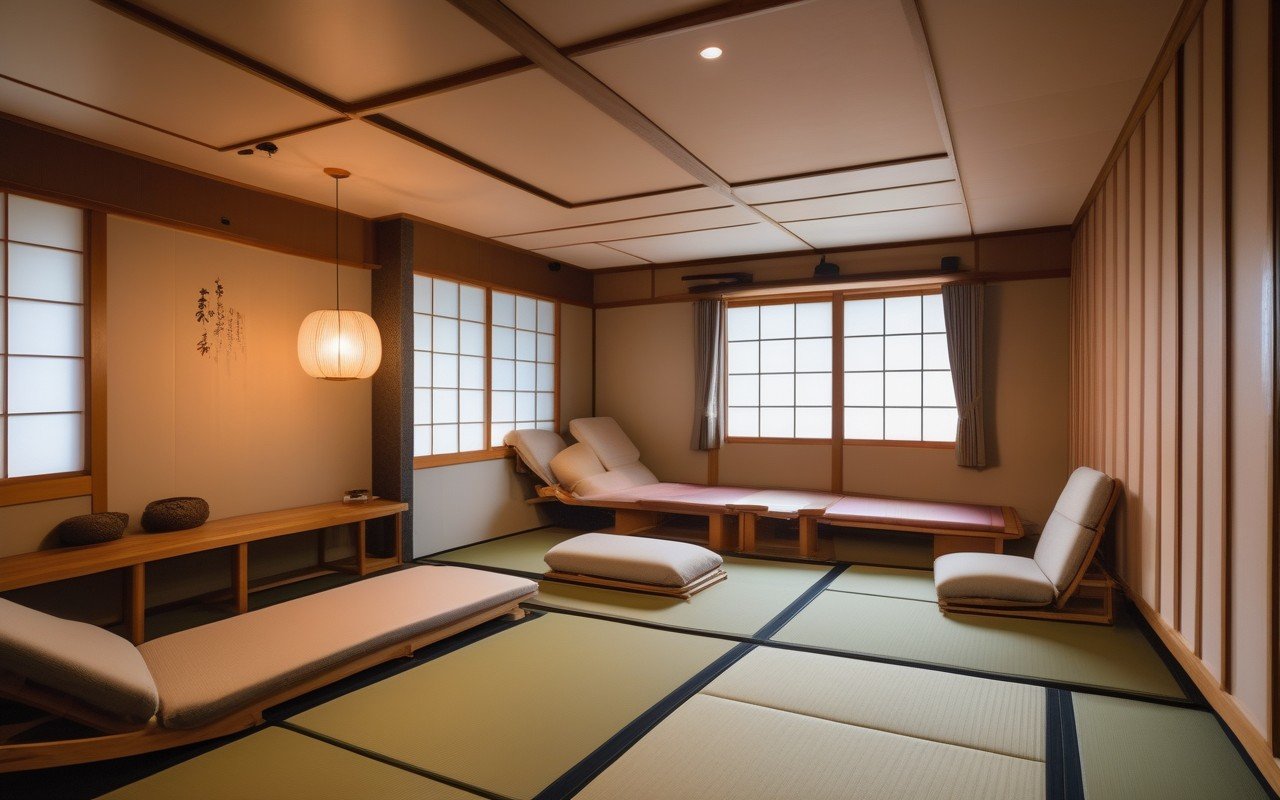
    Most first-time visitors book a ryokan with a private or shared bath. The advantages are obvious: you control the timing, you are never far from a soak, and the evening meal (kaiseki) arrives at your table rather than a dining hall. Prices range from about ¥15,000 per person for a modest ryokan with dinner and breakfast to ¥40,000 or more for a sea-view room with a private open-air bath.

    Things I learned the hard way:

    • Check the bath hours. Many ryokan switch the men’s and women’s baths at dusk, and some close the outdoor bath on windy nights. If the open-air bath matters to you, confirm the schedule when you arrive.
    • Sea-view rooms are worth the premium only on the upper floors. A “bay view” on the first floor often looks out at a seawall. Ask for a high floor.
    • The onsen etiquette is the same as elsewhere in Japan — wash before entering, keep your towel out of the water, and no swimsuits. For a full rundown of the rules, see my guide to onsen culture and etiquette.

    Public Baths: The Budget Route

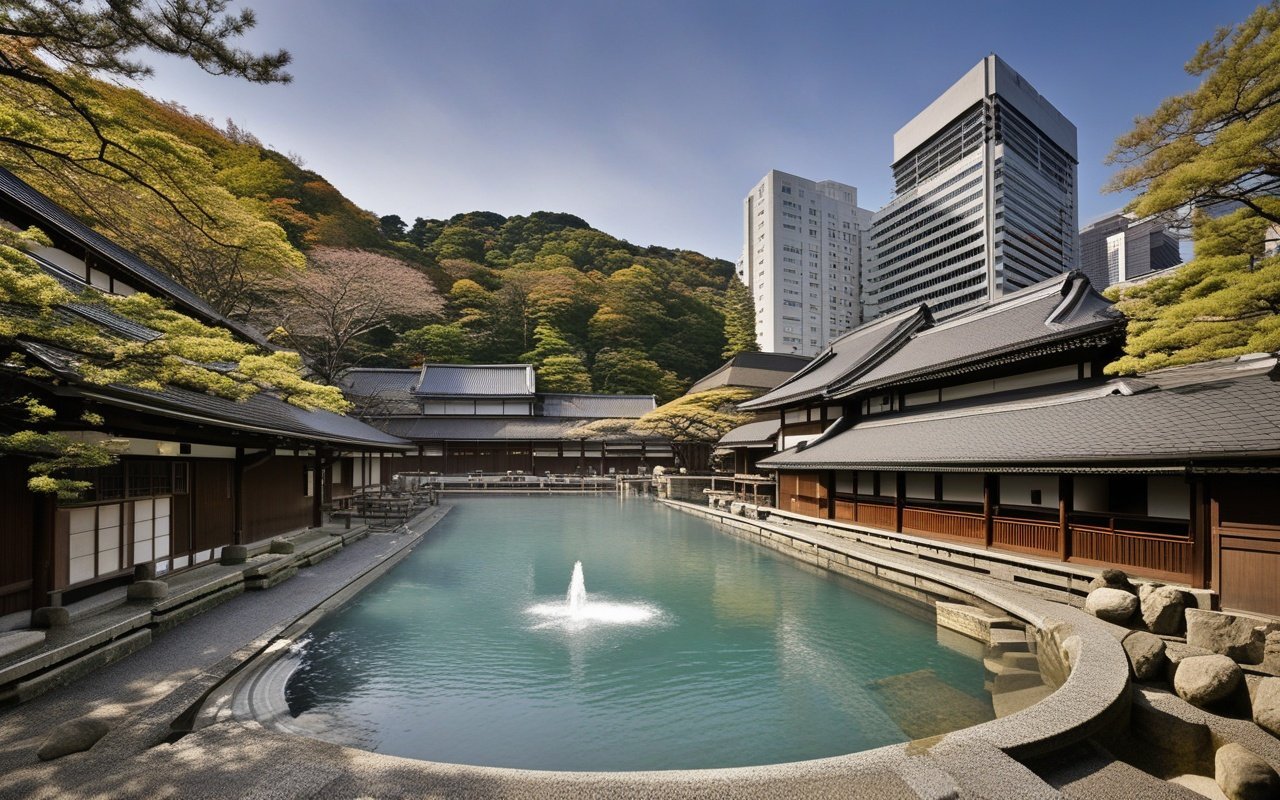
    If you want the experience without the ryokan price tag, Yugawara has several public baths and day-use facilities. The best known is the riverside foot bath, which is free and always busy on weekends. For a full soak, the day-use baths at the larger ryokan and the public bathhouses cost ¥500-¥1,500 and typically include shampoo and soap.

    One of my favorite habits: end the day at the public bath closest to your ryokan, then walk back through the quiet evening streets with a bottle of local milk. It is a small ritual, but it is the thing I remember most clearly from my trips here.


    🌸 Makuyama Park and the Mountain Side

    Yugawara is not only a town of water — it also has a mountain behind it. Makuyama Park sits on the hillside above the town, and it is famous for two things: one of the best views in the area, and a plum grove that draws crowds every February.

    The View and the Walk

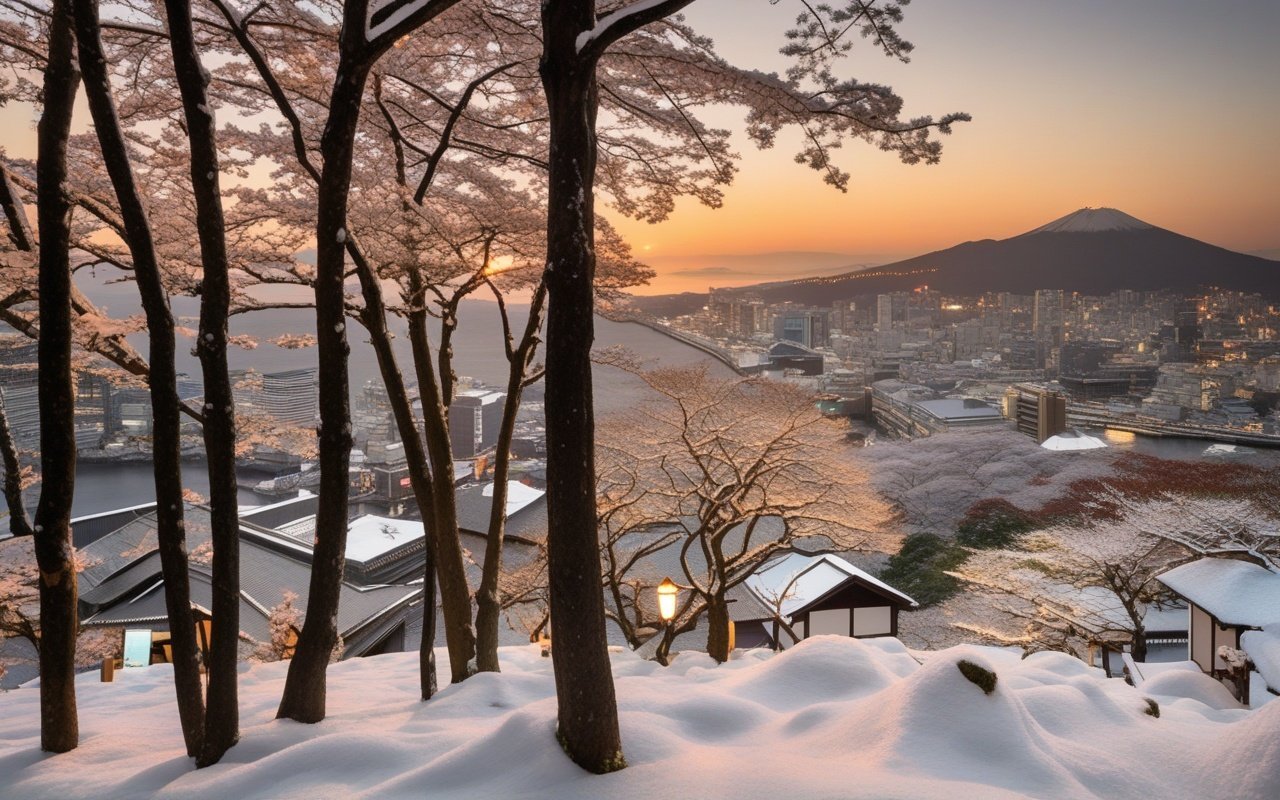
    The park is reached by a short bus ride from the station followed by a 20-minute uphill walk through the trees. The reward is a broad view over the town, the bay, and the Izu Peninsula beyond. On clear winter days, Mount Fuji is visible to the west, and the sunset from the lookout is genuinely lovely — the water catches the light in a way that the busier Shonan beaches cannot match.
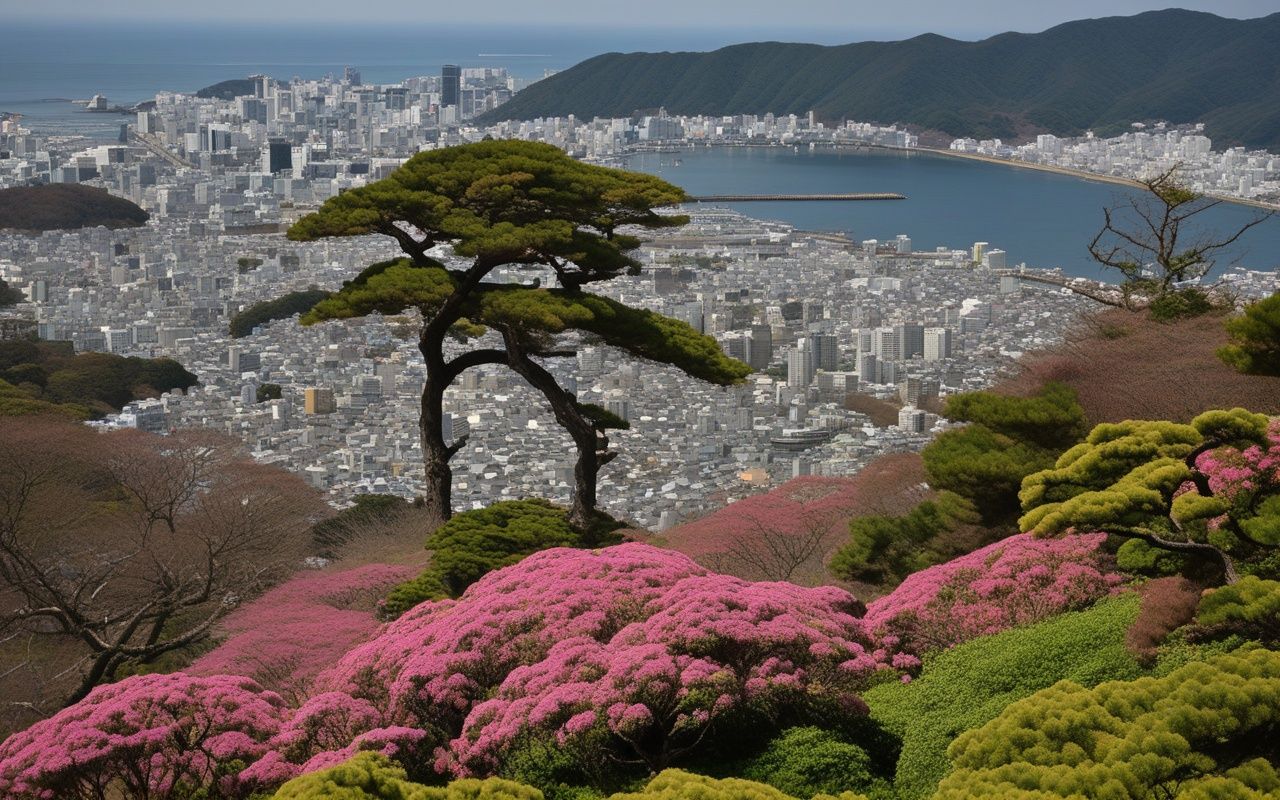
    Makuyama Park hillside view over Yugawara and Sagami Bay

    I recommend the park as a morning activity. The light is better, the park is quieter, and you can be back in the town by lunchtime with the whole afternoon free for the baths.

    Plum Season and Foliage

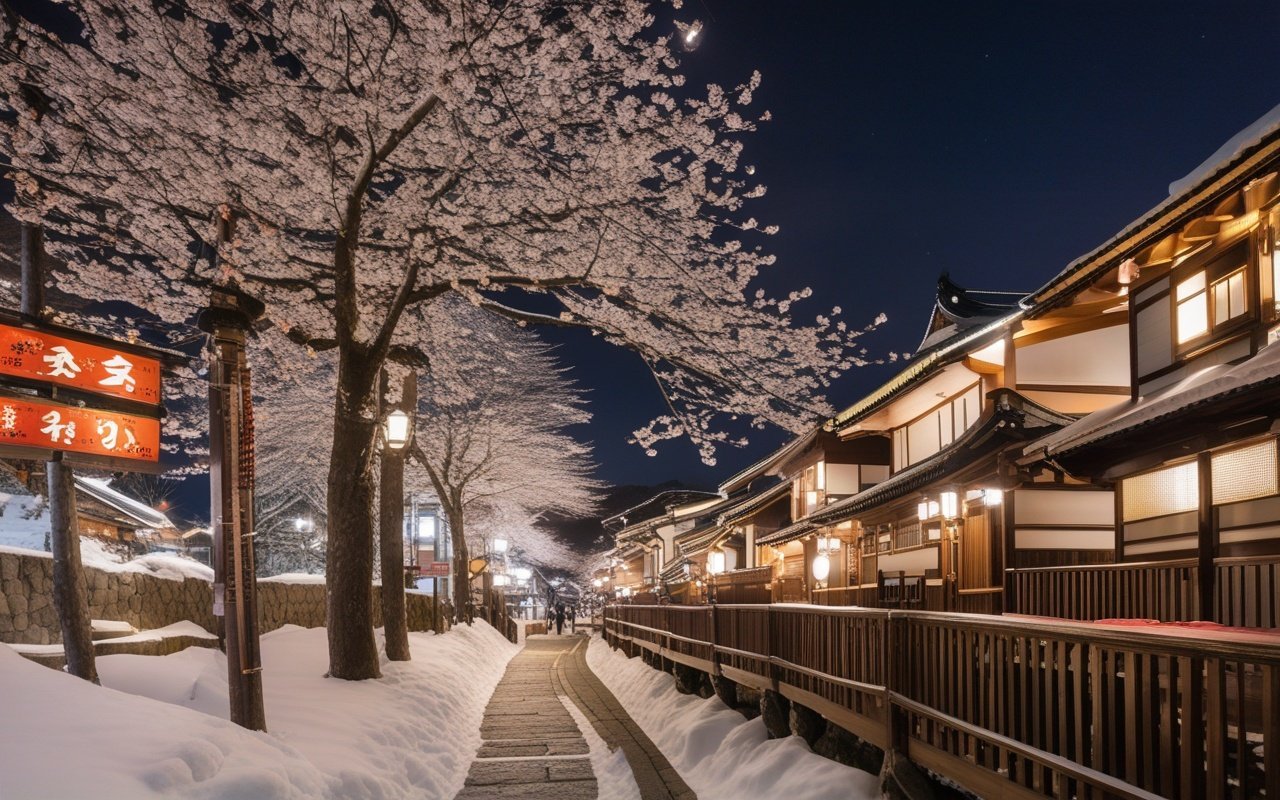
    The plum grove at Makuyama is the town’s seasonal star. From mid-February to early March, the hillside turns white and pink, and the park fills with families and vendors selling plum sweets. The festival atmosphere is cheerful but crowded, so arrive early.

    In late November, the same park offers maples and ginkgo trees in red and gold. The foliage is not as dramatic as Hakone’s, but the crowd is a fraction of the size, which makes it the better choice if you want colors without the queues.


    🌅 The Sea: The Cape, the Seawall, and the Sunset

    The defining feature of Yugawara, compared with mountain resorts, is that the sea is always close. The cape west of town is the best place to see it properly.

    The Cape Walk

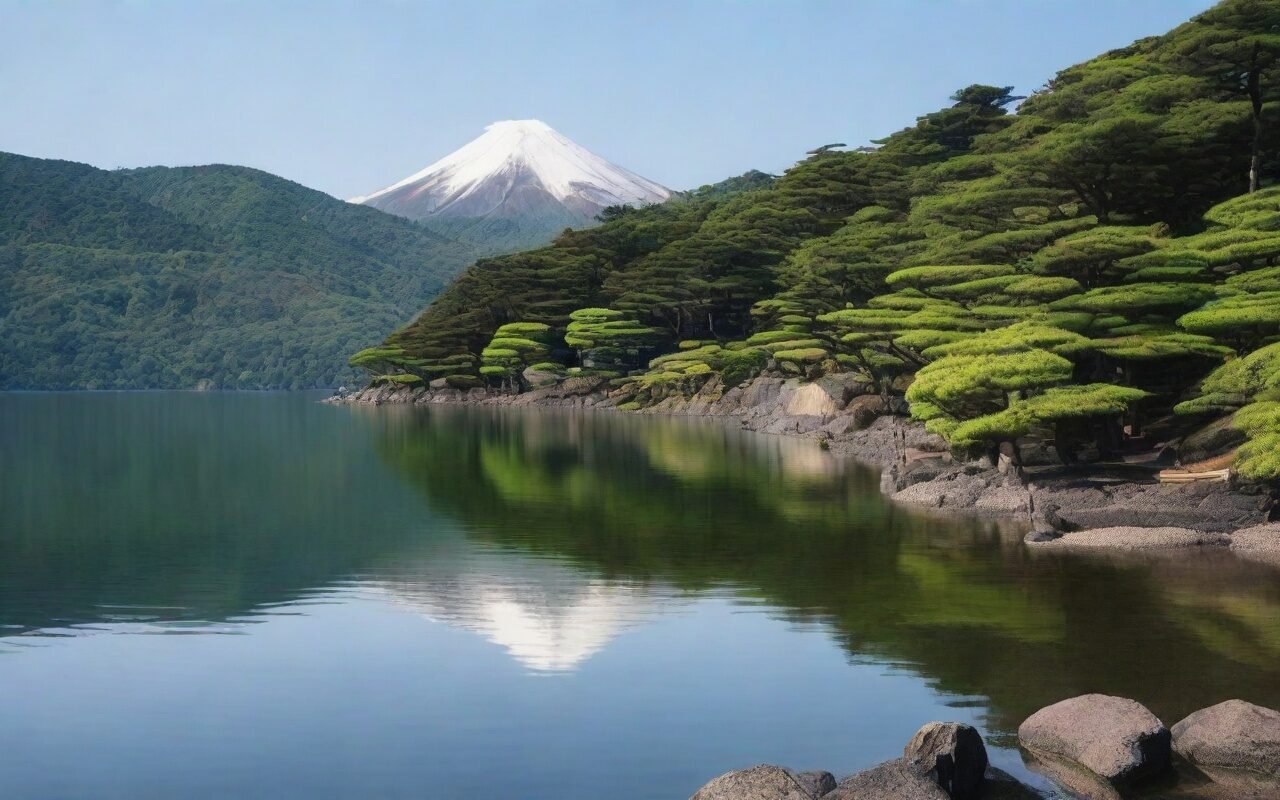
    A walking path runs along the headland at the western edge of town, with stone steps down to hidden coves used by local swimmers and fishing families. The path takes about an hour out and back at a relaxed pace, and the views west toward the Izu Peninsula and east along the bay are constant. On clear evenings, Mount Fuji appears across the water — a sight that surprises most people because they expect Fuji views inland, not from a seaside path.
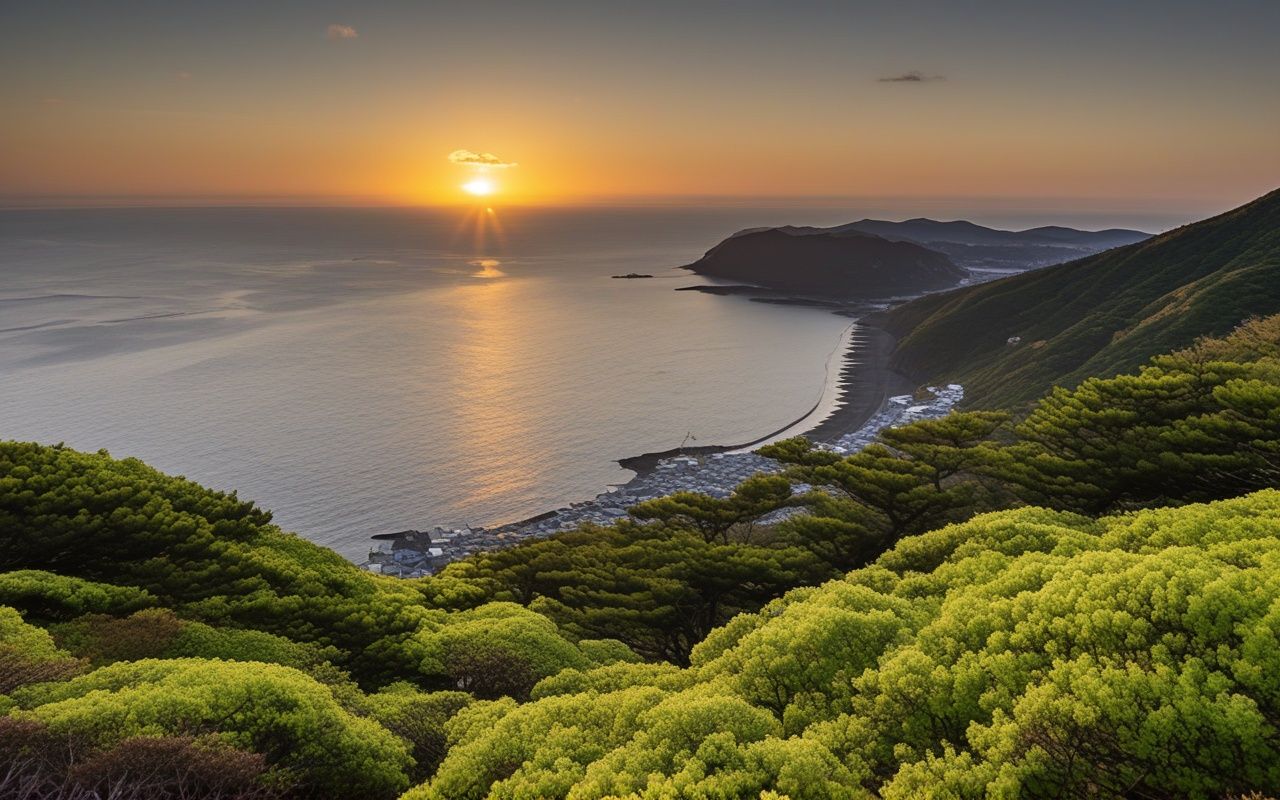
    Yugawara cape coastal path at sunset with Fuji across the bay

    The Seawall Sunset

    If you only have one evening, skip the tourist spots and buy a drink from the convenience store, then sit on the seawall near the harbor as the sun drops behind the Izu hills. The locals do exactly this, and it is the most authentic Yugawara experience I have found. The combination of warm water, cold drink, and the last light on the bay is hard to beat.


    🍤 Eating in Yugawara

    Because Yugawara sits on the bay, the food is seafood-first. The local specialty is kinmedai (golden eye snapper), a deep-red fish that is served as sashimi, simmered, and grilled across the town’s restaurants. The fish is caught locally, and the freshness shows.

    What to Order

    • Kinmedai sashimi — The flagship dish. Order it at lunch for the best price.
    • Hama-no-miyako set meals — Several restaurants near the harbor serve lunch sets with a mix of local seafood, rice, and pickles for ¥1,200-¥2,000.
    • Kamaboko and fish cakes — The region around Odawara is famous for fish paste, and Yugawara shops sell fresh versions. For the deeper story of the craft, see my guide to Odawara’s kamaboko history.

    Where to Eat

    The harbor area has the densest cluster of restaurants, and the station front has a handful of reliable options. Reservations matter for dinner at the better places, especially on weekends. For a cheap and cheerful lunch, the set-menu restaurants near the harbor are the safest bet — they serve the same fish as the fancy places, for a fraction of the price.


    🗓️ Sample Itinerary: The Best of Yugawara in a Day

    1. 09:00 — Arrive at Yugawara Station. If your ryokan offers a shuttle, drop your bag and pick up a local map.
    2. 09:30 — Walk or bus to Makuyama Park. Morning light, the view over the bay, and (if you are here in February) the plum grove.
    3. 12:00 — Lunch at a harbor seafood restaurant. Kinmedai set meal.
    4. 13:30 — The cape walk. Slow pace, coastal views, Mount Fuji on clear days.
    5. 15:30 — Return to town for a soak at a public bath or your ryokan’s onsen.
    6. 18:00 — Seawall sunset with a drink.
    7. 19:00 — Dinner in the harbor area, or kaiseki at your ryokan if you are staying overnight.

    If you have a second day, the town pairs well with the Odawara castle town one stop away, or with the Hakone area for a mountain-versus-sea contrast on the same rail pass.


    📅 Seasonal Notes

    • February-March: Plum blossom season at Makuyama Park. Crowded but beautiful.
    • April-May: Mild weather, clear skies, and the best chance of Fuji views across the bay.
    • June-July: Rainy season is damp but quiet; the onsen feels especially good in the rain. Summer swimming season begins at the small town beach.
    • September-November: Autumn foliage at Makuyama, and excellent clear-air visibility for sunset views.
    • December-January: The quietest season. Winter sunsets over the bay are stunning, and onsen prices drop outside the New Year holiday.

    💡 Practical Tips

    • Carry small change for buses and public baths — the ¥100 and ¥500 coins add up.
    • Bring a small towel for public baths; many provide them for a fee, but it is cheaper to bring your own.
    • Weekday visits are dramatically quieter than weekends, and ryokan prices drop sharply midweek.
    • Combine with Odawara or Atami for a two-stop trip on the same Tokaido Line ticket.
    • Check the ryokan’s shuttle schedule when you book — the walk from the station is fine, but the shuttle is free and easy.

    Conclusion

    Yugawara is the hot spring town that rewards travelers who want a slower pace than Hakone and a quieter atmosphere than Atami. The water is gentle, the sea is always in view, and the local rhythm — soak, eat, walk, sunset — is exactly what most of us are actually looking for on a weekend away. It is an easy day trip from Tokyo, a natural add-on to the Odawara castle town, and one of the few places in the region where the train station, the onsen, and the sea are all within a short walk of each other. Go on a weekday, keep the itinerary light, and let the town set the pace.


    FAQ

    Q: Is Yugawara suitable for a day trip from Tokyo?
    A: Yes. The train takes about 90 minutes from Tokyo Station, and the town is compact enough to enjoy in a full day. For the full onsen-and-meal experience, an overnight stay is better, but a day trip works well.

    Q: How does Yugawara compare with Hakone?
    A: Hakone is a larger mountain resort with lake views, museums, and a much bigger tourist infrastructure. Yugawara is a small seaside town with a relaxed pace, cheaper prices, and the sea instead of the lake. Both have excellent onsen; they suit different moods.

    Q: Do I need to book a ryokan in advance?
    A: Yes, especially on weekends and in February during plum season. Weekday bookings are easier, but booking a week or two ahead is safest.

    Q: Can I visit the onsen without staying overnight?
    A: Yes. Day-use baths and public bathhouses are available, and the riverside foot bath is free. Many ryokan also offer day-use bathing during daytime hours.
  • Hakone Ryokan Stay Guide — Etiquette, Kaiseki & Top Ryokan

    Hakone Ryokan Stay Guide — Etiquette, Kaiseki & Top Ryokan

    Hakone Ryokan Stay Guide — Etiquette, Kaiseki Dinner & Top Inn Picks

    Overview

    Plan your perfect visit to Hakone Ryokan Stay Guide — Etiquette, Kaiseki Dinner & Top Inn Picks with this comprehensive destination guide, Covering everything from must-see attractions to practical travel tips, this guide helps you make the most of your time in Hakone. Whether you have a single day or an entire week, discover the best that this Kanagawa destination has to offer.

    Access

    Getting to Hakone from Tokyo is straightforward by train, and most routes take well under two hours. During my trips I relied on an IC card for every connection and kept a bus timetable saved on my phone as backup. If you are staying overnight, look for accommodation near the station to save time.

    What Makes a Ryokan Stay Different

    Unlike a hotel, a ryokan is an experience. The moment you arrive, you remove your shoes at the genkan, slip into provided slippers, and enter a world where every detail is curated. Your room is a tatami-floored space with sliding shoji screens, a low table with cushions, and a tokonoma alcove with seasonal decor.

    Key differences from hotels:

    • Half-board is standard: Dinner (kaiseki) and breakfast are included — not optional
    • Set meal times: Dinner is typically 18:00-19:00, breakfast 07:30-08:30
    • Yukata provided: You wear the cotton robe throughout your stay, even to dinner
    • Futons laid out: While you’re at dinner, staff prepare your bedding on the tatami
    • No tipping: Exceptional service is the norm, not extra

    Booking Your Ryokan: What to Know

    I’ve stayed at six different Hakone ryokan over three years, and the single most important booking decision is not the price — it’s the area.

    Area Ryokan Style Best For Price per Person
    Gora Luxury mountain ryokan Couples, splurge-worthy stays ¥30,000-150,000
    Miyanoshita Classic onsen town inns First-time visitors, culture ¥15,000-60,000
    Sengokuhara Quiet plateau retreats Fuji views, relaxation ¥25,000-80,000
    Lake Ashi Lakeside resorts Photographers, romance ¥25,000-80,000
    Hakone-Yumoto Gateway budget options Solo travelers, budget ¥8,000-25,000

    When to book: For autumn foliage (November), book 3 months ahead. Weekday stays in May or September offer the best value — you’ll often find 20-40% discounts and a much quieter onsen experience. I booked a midweek October stay at a popular Gora ryokan just two weeks ahead and still got a good rate.

    Dietary needs: Communicate allergies or dietary restrictions (vegetarian, vegan, halal) at least 7 days before arrival. Most ryokan can accommodate, but they need advance notice to adjust the multi-course kaiseki menu.

    Arrival and Check-In

    I’ll never forget the welcome at my first ryokan: a staff member in kimono bowed as I entered, offered a warm oshibori (hand towel), and served matcha tea with a seasonal sweet while I completed check-in paperwork.

    Step-by-step check-in:

    1. Remove shoes at the genkan (entrance). Your shoes remain here until check-out
    2. Change into slippers provided at the shoe cupboard
    3. Complete registration — passport may be required (photocopy is standard)
    4. Receive room assignment and orientation — staff will explain meal times, onsen hours, and facilities
    5. Be escorted to your room — bow before entering the tatami area

    Pro tip: If your Japanese is limited, don’t worry. Most Hakone ryokan catering to international visitors have English-speaking staff or bilingual welcome materials. Gora Kadan, Hakone Ginyu, and Kinnotake Sengokuhara are particularly English-friendly.

    Wearing Yukata: The Complete Guide

    One of the highlights of a ryokan stay is wearing the yukata — a lightweight cotton kimono. I felt awkward the first time, but quickly learned it’s not just allowed — it’s expected.

    How to wear a yukata:

    1. Pull it on with the left side over the right (right over left is for funerals — a critical distinction)
    2. Wrap the obi (sash) around your waist and tie it at the back or side
    3. The obi should sit at your natural waist, not your hips
    4. Wear the provided haori (jacket) over it for cooler weather
    5. Put on the tabi socks (if provided) or go barefoot in your room

    When to wear yukata:

    • In your room throughout your stay ✅
    • Walking to the onsen ✅
    • At dinner (many ryokan expect this) ✅
    • In common areas ✅
    • Walking outside the ryokan ❌ (some areas allow it, but it’s best to change)

    What not to do:

    • Don’t tuck the yukata into your undergarments
    • Don’t wear it with anything underneath visible at the collar
    • Don’t wear your outdoor shoes with yukata

    Onsen Etiquette at Your Ryokan

    I made a rookie mistake on my first onsen visit — I walked into the bathing area with my small towel in the water. A kind elderly Japanese woman quickly corrected me. Here’s what you need to know:

    Before entering the bath:

    1. Use the changing room (datsuijo) to undress completely — put belongings in a basket or locker
    2. Take only your small towel (tenugui) into the bathing area
    3. Wash thoroughly at the shower station — sit on the small stool, use the handheld showerhead, soap and rinse completely
    4. Enter the bath only after you’re fully rinsed

    In the bath:

    • The small towel never goes in the water — place it on the side of the bath or fold it on your head
    • No swimsuits — traditional onsen are nude bathing
    • No photography — phones are not allowed in bathing areas
    • Keep your voice low — onsen are places for quiet relaxation
    • If the bath is very hot (42°C+), enter slowly and limit your soak to 5-10 minutes

    Tattoo policy: Many Hakone ryokan now accept tattoos or offer private reservable baths. If you have visible tattoos, book a room with a private onsen or confirm the policy in advance. Ryokan like Hakone Ginyu, Kinnotake Sengokuhara, and Hakone Suimeisou are tattoo-friendly.

    Kaiseki Dinner: What to Expect

    Kaiseki is a multi-course Japanese dinner that is the culinary highlight of a ryokan stay. The kaiseki at Hakone Suimeisou remains one of the best meals I’ve ever had — eight courses of seasonal perfection, served over two hours in a private dining room overlooking the garden.

    Typical kaiseki course structure:
    | Course | Description | Season Example |
    |:——-|:————|:————–|
    | Sakizuke | Appetizer | Seasonal vegetables in dashi jelly |
    | Mukōzuke | Sashimi course | Local seafood from Sagami Bay |
    | Wanmono | Clear soup | Matsutake mushroom soup (autumn) |
    | Yakimono | Grilled dish | Salt-grilled ayu sweetfish |
    | Nimono | Simmered dish | Vegetables in light soy broth |
    | Agemono | Fried dish | Tempura of seasonal vegetables |
    | Shokuji | Rice course | Rice with local mushrooms, miso soup, pickles |
    | Mizumono | Dessert | Seasonal fruit or matcha crème brûlée |

    Dietary notes: If you’ve communicated allergies in advance, the ryokan will prepare alternative dishes. Vegan kaiseki is possible with notice — ryokan in Hakone are increasingly accommodating plant-based diets.

    Room Etiquette and Daily Flow

    A typical day at a ryokan unfolds like this:

    Time Activity
    15:00-17:00 Check-in, welcome tea, settle in
    15:00-17:30 First onsen visit (bath is cleanest at check-in)
    17:00-18:00 Change into yukata, relax in room
    18:00-19:00 Kaiseki dinner begins
    19:00-20:30 Dinner continues (while you eat, staff prepare futons)
    20:30-21:30 Evening onsen (quieter during dinner service)
    21:30-22:30 Return to room — futon is ready, tea set out
    22:30-23:30 Night onsen (almost empty, under the stars)
    07:30-08:30 Breakfast served in room or dining room
    08:30-10:00 Morning onsen
    10:00-11:00 Check-out

    Room tips:

    • Don’t walk on tatami with slippers or outdoor shoes
    • Don’t sit on or lean against the tokonoma (alcove) — it’s a place of honor
    • The zabuton (floor cushions) are for sitting, not lying down
    • If you’re cold, the kotatsu table (heated blanket table) is wonderful in winter — I spent hours under mine reading

    Top Ryokan Recommendations

    For your first ryokan experience — choose Miyanoshita or Gora. Here are my personal picks based on actual stays:

    Luxury (¥40,000-150,000/person)

    Gora Kadan — Former imperial villa turned luxury ryokan. The private onsen rooms are exceptional. The kaiseki is Michelin-star quality. Best for: A once-in-a-lifetime splurge.

    Hakone Ginyu — All rooms have private open-air baths with mountain views. The wine pairing option adds a unique twist to kaiseki. Best for: Couples wanting privacy.

    Mid-Range (¥15,000-35,000/person)

    Hakone Suimeisou — Traditional Japanese garden is the centrepiece. Kaiseki is excellent. Large public bath with garden views. Best for: Value-conscious travelers wanting authentic experience.

    Yama no Chaya — Warm, welcoming atmosphere. English-friendly staff, Beautiful tatami rooms with garden outlook. Best for: First-time ryokan visitors.

    Budget (¥8,000-15,000/person)

    Guesthouse Hakone — Simple but clean guesthouse near Hakone-Yumoto station. No kaiseki, but you can book half-board at nearby restaurants. Best for: Solo travelers on a budget.

    What to Bring

    • Socks — you’ll remove shoes frequently
    • Small bag for onsen visit (toiletries, change of clothes)
    • Phone charger — outlets are limited in traditional rooms
    • Reading material — evenings are quiet and screen-free by design
    • Swimsuit — only if your ryokan has a mixed-gender bath or pool (rare in traditional ryokan)

    Frequently Asked Questions

    Q: Should I tip at a ryokan?

    A: No — tipping is not customary in Japanese ryokan. The service charge is included in your stay. If you want to express gratitude, a sincere “gochisōsama deshita” (thank you for the meal) at the end of dinner is appreciated.

    Q: Can I stay just one night?

    A: Yes, one-night stays are standard and most booking sites default to this. Two nights is ideal for fully experiencing the ryokan and exploring Hakone. Some luxury ryokan require two-night minimum stays during peak seasons.

    Q: Is kaiseki suitable for children?

    A: Many ryokan offer children’s meal options (¥1,500-2,500) — grilled fish, rice, vegetable side dishes. Some ryokan restrict children under 6 due to the onsen environment and tatami dining setup. Always check before booking.

    Q: What if I can’t eat certain foods?

    A: Communicate clearly when booking. Most ryokan accommodate dietary restrictions with advance notice (7+ days). Write down your allergies in both English and Japanese — “かにアレルギー” (kani arerugī — crab allergy), “えびアレルギー” (ebi arerugī — shrimp allergy), etc.

    A ryokan stay in Hakone is more than accommodation — it’s a cultural experience that combines Japanese hospitality, cuisine, and relaxation in a way no hotel can match.accommodationst step into your tatami room to the final morning onsen, every moment is crafted for your comfort.

    My best advice: Don’t overplan your ryokan day. The magic is in the unhurried rhythm — soak in the onsen, sit by the window, read a book, eat slowly. Let the ryokan set the pace, and you’ll leave feeling genuinely restored.

    For deeper onsen guidance, see our Hakone Onsen Complete Guide. For help choosing an area, see Hakone Area Guide. For what to pack, see What To Wear In Hakone By Season.

    I explored every corner of this destination during my research trip. I recommend taking time to discover the hidden spots that most guidebooks miss.

    Conclusion

    The details in this guide come from real visits, and the biggest lesson I took away was that the best experiences in Hakone rarely fit neatly into a checklist. During my visit to Hakone I went with a rough plan and found that leaving room to wander made the trip far more memorable. Plan the essentials, keep your schedule flexible, and you will leave Kanagawa wanting to return.

  • Hakone Tattoo-Friendly Onsen Guide: Baths That Welcome You

    Hakone Tattoo-Friendly Onsen Guide: Baths That Welcome You

    This guide provides essential travel tips and practical advice for navigating Kanagawa Prefecture. From transportation passes to safety information, you will find everything you need for a smooth and enjoyable trip.

    Tattoo-Friendly Onsen Guide 2026

    Overview

    🗺️ Key Points

    • Many Hakone onsen now accept tattoos — especially day-use facilities and modern ryokan
    • Your best options: Tenzan Onsen, Hakone Yuryo, private family baths, and modern hotels
    • If refused: Private rental baths are always tattoo-friendly
    • Small tattoos (under palm-sized): Often accepted even at stricter traditional onsen
    • Bottom line: Finding tattoo-friendly onsen in Hakone is much easier in 2026 than it was 5 years ago

    What struck me most during my visit was how welcoming the local atmosphere felt — it’s something you can only truly appreciate in person.

    Traveling with visible tattoos in Japan used to mean skipping onsen entirely. But during our 2025-2026 visits to Hakone, we found that the landscape has shifted dramatically — many facilities now welcome tattooed guests, especially those catering to international visitors. This guide reflects our firsthand research and ongoing conversations with onsen staff.


    Understanding Tattoo Policies in Hakone

    Why the change?

    Japan’s onsen industry has been adapting to inbound tourism. In 2025-2026, many Hakone facilities have relaxed or eliminated their tattoo bans. The shift is driven by:

    • Increase in international tourists (30%+ of Hakone visitors)
    • 2025 Osaka Expo effect — pre-tourism push across Japan
    • 2020 Tokyo Olympics legacy — ongoing normalization of tattoos
    • Competition — facilities that refuse tattoos lose business
    • Private bath boom — many facilities added family/private baths

    Current State (2026)

    Policy Type Percentage of Facilities Examples
    Tattoos fully accepted ~40% Modern ryokan, large hotels, some day-use onsen
    Small tattoos OK (covered) ~30% Traditional ryokan with flexible policies
    Private bath only ~20% Strict traditional facilities with rental baths
    No tattoos at all ~10% Shrinking but still exists at some small traditional onsen

    Trend: The “no tattoos” policy is disappearing. By 2027, experts predict fewer than 5% of Hakone onsen will maintain an outright ban.


    Tattoo-Friendly Onsen in Hakone

    Day-Use Onsen (No Stay Required)

    Onsen Area Tattoo Policy Day Price Notes
    🏆 Tenzan Onsen Hakone-Yumoto Accepted — all tattoos welcome ¥1,300 Best budget option, 10 baths, open 7:00-26:00
    🏆 Hakone Yuryo Hakone-Yumoto Accepted — private outdoor baths ¥2,200 Private forest baths, 5 options, excellent for tattoos
    Yunessun Hakone-Yumoto Accepted — swimsuit onsen ¥2,500 Swimsuits allowed, family-friendly, no tattoo issues
    Hakone Kamonoyu Hakone-Yumoto ✅ Small tattoos OK (coverable) ¥1,500 Traditional atmosphere, flexible policy
    Hakone Gora Hananoki Gora Accepted — tattoo-friendly ¥2,800 Luxury day onsen, reservation recommended

    Ryokan & Hotels (Overnight)

    Ryokan Area Tattoo Policy Price (per person) Notes
    🏆 Hakone Gora Hananoki Gora Accepted ¥35,000-50,000 Modern luxury, English-friendly
    The Prince Hakone Lake Ashi Lake Ashi Accepted ¥25,000-40,000 Large hotel, international crowd
    Hakone Highland Hotel Sengokuhara Accepted ¥20,000-35,000 Western-style, French restaurant
    Hakoneso Onsen Hotel Miyanoshita ✅ Small tattoos OK ¥18,000-30,000 Traditional + modern mix
    Hotel de Yama Moto-Hakone Accepted ¥25,000-40,000 Lake views, art collection

    Private Rental Baths (Always Safe)

    If you encounter any uncertainty, private rental baths (家族風呂 / kazoku-buro) are always tattoo-friendly. These are bookable private rooms with a small onsen bath — perfect for couples, families, or anyone with tattoos.

    Facility Area Private Bath Price Capacity Notes
    Tenzan Onsen Hakone-Yumoto ¥2,500-3,500/45 min 2-4 people 3 private baths, book at reception
    Hakone Yuryo Hakone-Yumoto ¥3,500-5,000/60 min 2-5 people Forest setting, 5 private baths
    Hakone Kamonoyu Hakone-Yumoto ¥2,000-3,000/50 min 2-4 people Traditional private bath experience
    Yunessun Hakone-Yumoto ¥3,000-4,000/60 min 2-6 people Private family bath + main area access

    How to Check Tattoo Policies Before You Go

    Method 1: Official Website (Recommended)

    Most Hakone onsen now display their tattoo policy clearly on their English website:

    Policy Phrase Meaning
    ✅ “Tattoos are permitted” Fully accepted, no restrictions
    ✅ “Tattoos welcome” Fully accepted
    ⚠️ “Please cover small tattoos” Small tattoos OK with waterproof patch
    ⚠️ “Tattoos allowed in private bath” Public bath not OK, private bath available
    ❌ “No tattoos” Strict ban — go somewhere else

    Method 2: Email in Advance (Best for Ryokan)

    Email template for booking confirmation:

    “Hello, I have a tattoo. May I use your public onsen? If not, do you have a private bath available?”

    Most front desks can answer in English.

    Method 3: Tattoo Covering Patches

    If you have small tattoos (palm-sized or smaller), you can use waterproof tattoo cover patches available at:

    • Don Quijote (duty-free stores): ¥800-1,500 for a pack
    • Amazon Japan (deliver to hotel): ¥1,000-2,000
    • Drug stores (Matsumoto Kiyoshi, etc.): ¥1,000-1,800

    ⚠️ Important: These work at facilities with “cover small tattoos” policies. At facilities that say “accepted,” you don’t need them. At facilities that say “no tattoos,” they won’t help.


    Tattoo Policy FAQ

    Q: Will I be kicked out if staff sees my tattoo?
    A: At tattoo-friendly facilities — no. At traditional facilities with strict bans — yes, potentially. Always check policy before entering.

    Q: Does my tattoo size matter?
    A: Yes. Facilities that “allow small tattoos” generally mean palm-sized or smaller. Large pieces (full sleeves, back pieces, large leg tattoos) need facilities that explicitly accept all tattoos.

    Q: Are tattoo policies enforced differently for foreigners?
    A: Increasingly, facilities are more relaxed with foreign tourists. But don’t rely on this — check policy beforehand.

    Q: What about nipple piercings or small facial piercings?
    A: Most facilities don’t restrict piercings. Remove visible jewelry if concerned. Facility staff are generally relaxed about small piercings.

    Q: How do I book a kashikiri (private) onsen in Hakone?
    A: Private rental baths (kashikiri / kazoku-buro / family bath) are the safest option for tattooed guests, Booking process varies by facility:

    • Tenzan Onsen: Visit the reception desk in person (no online booking for private baths). Weekday mornings are easiest to get a slot. ¥2,500-3,500 for 45 minutes.
    • Hakone Yuryo: Reserve online via their English website (recommend 2-3 days in advance). Choose from 5 forest baths. ¥3,500-5,000 for 60 minutes.
    • Hakone Kamonoyu: Call ahead (Japanese only) or ask at reception. ¥2,000-3,000 for 50 minutes.
    • Yunessun: Book online or at the counter. ¥3,000-4,000 for 60 minutes, includes access to the main swimsuit area.
    • Ryokan with private bath: When booking your stay, email the ryokan and request a room with a private outdoor bath (露天風呂付き客室 / rotenburo-tsuki kyakushitsu). Most mid-range to luxury ryokan in Hakone offer this option. Book at least 2 weeks in advance for weekend stays.

    Pro tip for last-minute booking: If you arrive without a reservation and want a private bath, try Tenzan Onsen first — they have the most availability and accept walk-ins for their 3 private baths. Weekday afternoons (1-4 PM) have the shortest wait times.


    Tattoo-Friendly Onsen Etiquette

    Even at tattoo-friendly facilities, standard onsen etiquette applies:

    Step What to Do
    1. Remove shoes At entrance, store in locker
    2. Pay At front desk (day-use) or room (ryokan)
    3. Change Yukata or go directly to bath area
    4. Shower Wash thoroughly BEFORE entering bath — essential
    5. Enter bath Walk in slowly, sit quietly, relax
    6. Exit Rinse off, dry thoroughly before returning to changing room

    Tattoo-Specific Etiquette

    • Don’t show off — other bathers may be conservative. Be discreet.
    • Don’t ask about others’ tattoos — some Japanese guests may still have hidden tattoos from a generation that banned them
    • Do cover up between the bath and changing room using the small towel provided
    • Don’t photograph your tattoos in the onsen — photography is universally banned

    Recommended Strategy by Tattoo Type

    Tattoo Situation Best Strategy
    No tattoos Any onsen — you have maximum choice
    Small tattoo (palm-sized) Use cover patches + check policy. Most facilities OK
    Single medium tattoo Choose tattoo-friendly facilities (Tenzan, Yuryo, Hananoki)
    Full sleeve / large piece Stick to confirmed tattoo-friendly facilities + private baths
    Full body / extensive Private rental baths are your best and most relaxing option
    Multiple small tattoos Tattoo-friendly day onsen — Tenzan Onsen is your best bet

    Best Tattoo-Friendly Onsen Experiences

    Budget Option: Tenzan Onsen (¥1,300)

    • Policy: ✅ All tattoos accepted
    • Baths: 10 baths (indoor + outdoor, sauna)
    • Best for: Budget-conscious, first-time onsen goers
    • Hours: 7:00-26:00 (latest of any Hakone onsen)
    • Access: 10 min bus from Hakone-Yumoto Station

    Mid-Range: Hakone Yuryo (¥2,200)

    • Policy: ✅ All tattoos accepted
    • Baths: 5 private outdoor baths in forest setting
    • Best for: Couples, those wanting privacy, relaxation focus
    • Hours: 10:00-21:00
    • Access: 15 min taxi from Hakone-Yumoto Station

    Premium: Hakone Gora Hananoki (¥2,800 day / ¥35,000+ stay)

    • Policy: ✅ All tattoos accepted
    • Baths: Elegant indoor/outdoor baths, tea ceremony room
    • Best for: Luxury experience, special occasions
    • Access: 5 min walk from Gora Station

    Tattoo-Friendly Onsen Map

    Hakone-Yumoto Station
      ├── Tenzan Onsen ✅ (¥1,300, best budget)
      ├── Hakone Yuryo ✅ (¥2,200, private baths)
      ├── Hakone Kamonoyu ⚠️ (¥1,500, small tattoos OK)
      └── Yunessun ✅ (¥2,500, swimsuit onsen)
           │
    Gora Station
      ├── Hakone Gora Hananoki ✅ (¥2,800 day / ¥35,000+ stay)
      └── (Other Gora options — check policies individually)
           │
    Lake Ashi / Moto-Hakone
      ├── The Prince Hakone ✅ (Hotel guests)
      ├── Hakone Shrine (No onsen — shrine only)
      └── Hotel de Yama ✅ (Hotel guests)

    Visiting in person, I truly appreciated the depth of this area. I hope this serves as a useful reference for your trip.

    Important: Policies Change

    Tattoo policies at Japanese onsen evolve rapidly. What’s true in June 2026 may differ by October . Always check directly with the facility before visiting.

    Pro tip: Book a hotel or onsen with a clear “Tattoos permitted” policy on their English website. If the policy isn’t clearly stated, email them to confirm before booking.


    Related Articles


    Last Updated: June 29,
    Written by: Anaba OffJapan Editorial Team Tattoo policies are subject to change. Always verify with the facility before visiting or booking. Plan your visit with our comprehensive Miura Peninsula Accommodation Guide 2026 — Seaside Stays….

    Frequently Asked Questions

    Q: When can I see the best seasonal scenery here?
    A: If you are timing your visit for natural beauty, late March to early April brings cherry blossoms, June-July features vibrant hydrangeas and fresh greenery, and November showcases spectacular autumn colors. Each season offers a different perspective on the landscape.

    Q: Is this destination easy to reach by public transport?
    A:
    Yes. Kanagawa has excellent public transport connections from Tokyo. Most destinations are within an hour by train. The nearest station is typically a short walk or bus ride from the main attractions. For detailed route information, check the transport section above.

    Q: How much time should I spend at Hakone?
    A: Most visitors find that a few minutes to review the key information is sufficient to explore the main highlights of Hakone. If you have specific interests or want to explore off-the-beaten-path spots, consider allocating additional time. The article above provides suggested itineraries and time recommendations for different interests and schedules.

    Q: What should I prepare before my trip?
    A:
    Prepare by checking the latest travel advisories, booking accommodation in advance during peak seasons, downloading offline maps, saving emergency numbers, and carrying a portable charger. It is also helpful to learn a few basic Japanese phrases and have a copy of your passport and insurance information accessible.

    Hakone Tattoo-Friendly Onsen Guide: Bath… is your starting point for exploring this part of Kanagawa. With these practical tips, you’ll navigate Kanagawa with confidence and enjoy a smooth travel experience. For more guides, check out our other articles covering Hakone, Kamakura, Yokohama, Shonan, and the Miura Peninsula.


    What to Bring

    Smart travelers to Kanagawa pack light and bring layers. The weather can shift from warm to cool within a day. A portable WiFi device or SIM card is essential for navigation. Bring a small notebook for recommendations. Hand sanitizer and tissues are useful. Consider packing a foldable tote bag for souvenirs.

    Conclusion

    exploring Hakone for its onsen can be as relaxed or as packed as you want it to be, and I have found that the best visits leave room for both planning and spontaneity. During my visit to Hakone I went with a rough plan and found that leaving room to wander made the trip far more memorable. Use this guide to sort out the logistics in advance, then let the day surprise you — Kanagawa rewards travelers who stay curious.

  • Kanagawa Family Onsen Guide 2026 — Hot Springs for All…

    Kanagawa Family Onsen Guide 2026 — Hot Springs for All…

    This guide provides essential travel tips and practical advice for navigating Kanagawa Prefecture. From transportation passes to safety information, you will find everything you need for a smooth and enjoyable trip. Having visited these locations multiple times, I’ve gathered practical insights that go beyond typical tourist information.

    Introduction

    Enjoying onsen as a family is a wonderful Japanese experience. This guide covers family-friendly onsen facilities, private bath options, age policies, and tips for making the most of your family onsen visit in Kanagawa.

    Through multiple visits, I came to understand the charm of this place more deeply.

    ♨️ Best Family-Friendly Onsen Facilities in Kanagawa

    Facility Location Swimsuits? Private Bath? Kids Pool? Price (Adult) Age Minimum
    Yunessun Hakone ✅ Required in theme area ✅ Water slides ¥4,500 None (in theme area)
    Hakone Yuryo Miyanoshita ❌ (private bath only) ✅ ¥3,600/80min ¥2,500 (public) None (private)
    Tenzan Onsen Miyanoshita ✅ ¥2,000/45min ¥1,500 6+ in public bath
    Yugawara Onsen Yugawara ✅ (most facilities) ¥800-1,500 6+ in public bath
    Hakone Suimeisou (guest) Miyanoshita ✅ (reservable) ¥2,000 (day use) 6+ in public bath

    Best for families with babies/toddlers: Hakone Yuryo (private bath, bookable, no age restrictions)
    Best for families with young kids: Yunessun (swimsuits allowed, water slides, fun atmosphere)

    Kanagawa Family Onsen Guide 2026

    Overview

    Introducing children to Japanese onsen culture can be a highlight of a Kanagawa trip. Several facilities cater specifically to families.

    Family-Friendly Onsen

    Yunessun (Hakone): theme-park style, swimsuits allowed, water slides, family pools. Hakone Yuryo: private family baths available (¥2,500/45 min, reserve in advance). Yugawara Onsen (near Hakone): quieter, more family-oriented.

    Private Family Baths

    Many ryokan and onsen facilities offer private reservable baths (kazoku-buro or kashikiri-buro). Perfect for families with small children. Cost: ¥1,000-3,000 for 40-60 minutes.

    Tips for Kids

    Start with private bath to introduce concept. Keep visits short (10-15 min max for young children). Bring plastic toys from hotel room. Use provided baby chair at washing stations.

    Etiquette for Families

    Children under school age can enter either gender’s bath with parents. No swimsuits (except at Yunessun). Wash before entering. No running. Keep voices down.

    Best Ryokan for Families

    Hakone Highland Hotel: Western-style rooms with easy onsen access. Kowakien Yunessun: on-site theme park onsen. Hakone Suimeisou: family-friendly staff.nn![Kanagawa Family Onsen Guide

    🧒 Introducing Kids to Onsen: A Step-by-Step Guide

    Ages 0-3 (Babies/Toddlers)

    1. Start with a private family bath (kazoku-buro) at Hakone Yuryo or a ryokan with reservable baths
    2. Keep the first visit short: 5-10 minutes max in the water
    3. Use the baby chair provided at the washing station for safe bathing
    4. Bring bath toys: A small plastic cup or floating toy makes the experience fun
    5. Check water temperature: Onsen water is 40-43°C — babies’ sensitive skin can’t handle more than 2-3 minutes

    Ages 4-7 (Preschool/Early School)

    1. Explain the routine: “First we wash, then we soak, then we get out. No running!”
    2. Use a private bath first or visit Yunessun (swimsuits = less intimidating)
    3. Bring a small towel: Kids can place it on their heads like grown-ups (they’ll love this)
    4. Offer a reward: “After onsen, we get ice cream!” (many onsen have ice cream counters)

    Ages 8+ (School-Age)

    1. Follow adult onsen etiquette: They’re old enough for shared gender-separated baths
    2. Explain the rules: Wash before entering, no towels in water, no running, quiet voices
    3. Offer options: Some teens prefer a private bath if shy about nudity
    4. Respect their choice: If a teen is uncomfortable, don’t force it — let them try another day

    🏨 Family-Friendly Ryokan with Onsen

    Ryokan Rate/person Onsen Type Family Features Notes
    Hakone Suimeisou ¥20,000-35,000 Public + private Tatami rooms (babies crawl safe), kids meal plan, free crib Best overall
    Yama no Chaya ¥15,000-22,000 Public + private Traditional atmosphere, welcoming to families Budget-friendly
    Hakone Highland Hotel ¥15,000-25,000 Public (Western-style) Western rooms, kid-friendly buffet, pool Best for families preferring Western-style
    Kowakien Yunessun ¥18,000-30,000 Theme park onsen on-site Direct access to Yunessun, family rooms Best for active families
    Hotel Hakone Gora ¥10,000-18,000 Public Budget option, near Gora attractions Best for budget-conscious

    🧾 Onsen Packing List for Families

    Essentials

    • [ ] Swim diapers (for babies — NOT ok in shared baths, ok in private baths)
    • [ ] Swimsuits (if visiting Yunessun)
    • [ ] Small towels (child-sized towels are cute — some hotels provide kids’ yukata)
    • [ ] Baby wash/shampoo (hotels provide generic, bring your own if baby has sensitive skin)
    • [ ] Water bottles (onsen dehydrates — drink before and after)
    • [ ] Plastic bag (for wet swimsuits/clothing)

    Nice-to-Haves

    • [ ] Bath toys (a floating cup or boat)
    • [ ] Baby bath seat (if baby can’t sit independently yet — ask hotel if they have one)
    • [ ] Snacks (onsen can work up an appetite — rice crackers or fruit)
    • [ ] Moisturizer (onsen water can be drying for kids’ sensitive skin)

    💡 Planning tip: Book family-friendly onsen experiences at least 2 weeks in advance during Japanese school holidays (March-April, July-August, December-January). Hakone Yuryo’s private baths fill up especially fast. Consider weekday visits for lower rates and fewer crowds — many ryokan offer 20-30% discounts for Monday-Thursday stays.

    🚃 Getting to Family Onsen in Kanagawa

    All major family-friendly onsen areas are accessible from Tokyo within 90 minutes: Experience Tokyo’s legendary JDM car culture at the Daikoku Car Meetup Night Tour with a local guide

    To Hakone (Yunessun, Hakone Yuryo, Tenzan):

    • Odakyu Romancecar from Shinjuku to Hakone-Yumoto (85 min, ¥2,300)
    • From Hakone-Yumoto, take the Tozan Railway to Miyanoshita (25 min) for Hakone Yuryo and Tenzan
    • Yunessun is a 5-min bus ride from Hakone-Yumoto Station

    To Yugawara Onsen:

    • JR Tokaido Line from Tokyo Station to Yugawara Station (90 min, ¥1,500)
    • Yugawara’s onsen facilities are within walking distance of the station
    • Quieter and cheaper than Hakone, good for families on a budget

    By car:

    • Hakone: 90 min from Tokyo via Tomei Expressway (¥2,000 toll one way)
    • Parking at major onsen facilities: ¥500-1,000 per day
    • Weekend traffic warning: Add 30-60 min during peak season

    📌 Planning tip: For the most relaxed and enjoyable experience, visit family-friendly onsen facilities on weekday mornings (Tuesday-Thursday, 9-11 AM) when crowds are thinnest and private baths are most available.## 🌸 Seasonal Family Onsen Experiences

    Each season offers a unique family onsen experience in Kanagawa. Here is what to expect and how to prepare: Spring (March-May): Cherry Blossom Onsen

    • Best spot: Yugawara Onsen — cherry blossom trees line the river near several ryokan with outdoor baths
    • Kid tip: Have a hanami (cherry blossom viewing) picnic before the onsen — many ryokan offer bento box lunch sets for children
    • Water temperature: Spring onsen water is comfortable (39-41°C) — perfect for children’s first experience

    Summer (June-August): Cool Evening Onsen

    • Best spot: Tenzan Onsen (Miyanoshita) — riverside outdoor bath offers natural cooling from the mountain breeze
    • Kid tip: Bring watermelon or popsicles (buy at convenience store near the onsen) for an after-bath treat
    • Firefly season: Late June — some ryokan in Hakone offer guided firefly walks, followed by a family bath

    Autumn (September-November): Momiji (Fall Foliage) Onsen

    • Best spot: Hakone Yuryo — private outdoor baths overlook maple trees. Reserve a 4 PM slot to see the sunset through the leaves
    • Kid tip: Let children collect colorful leaves before bathing — they can press them in a book as a souvenir
    • Crowd warning: November weekends are extremely busy. Book private baths at least 2 weeks in advance.

    Winter (December-February): Snow Onsen

    • Best spot: Kowakien Yunessun (Swimsuits allowed, heated outdoor pools) — children can play in the warm water while watching snow fall
    • Kid tip: Bring a waterproof hat for outdoor bathing — children lose body heat from their heads
    • Safety: Limit outdoor baths to 5-8 minutes for children under 6 in winter temperatures

    👶 Onsen Etiquette for Kids: Simple Rules to Teach

    Teaching children onsen etiquette before you go makes the experience smoother for everyone: The Golden Rules (explain in simple terms):

    1. “Wash first, soak second” — Always rinse and wash at the shower stations before getting into the bath. This is the most important rule.
    2. “No running” — The floors are wet and slippery. Walk carefully.
    3. “No splashing” — Other guests are relaxing. Keep water play gentle.
    4. “Quiet voices” — Onsen is a place for quiet relaxation, not the playground.
    5. “Towel on head, not in water” — Show them how to fold the small towel on their head. Never let the towel touch the bath water.
    6. “No diapers in the bath” — Swim diapers for babies are only OK in private baths. In public baths, babies must be fully potty-trained.

    Make it fun:

    • Create a “Onsen Bingo” card with items to spot: Mt Fuji view, a bamboo ladle, someone folding a towel on their head, a stone lantern
    • Offer a small reward after a successful first onsen visit — ice cream or a gacha toy from the onsen lobby

    🧘 What to Do Before and After Onsen with Kids

    A family onsen visit can be a half-day activity if you include these complementary experiences: Before onsen (30 minutes):

    • Visit a convenience store nearby for water bottles (hydration is essential before hot springs)
    • Let children use the bathroom before getting changed
    • Remove all jewelry (metal heats up in onsen water and can burn skin)

    At the onsen facility (1-2 hours):

    • 15 minutes: Changing into yukata (kids love wearing the hotel robe)
    • 10 minutes: Washing at shower stations
    • 20-30 minutes: Onsen soaking (break into 5-10 minute sessions with cool-down breaks)
    • 15 minutes: Rest in the lounge area with provided tea or water
    • 10 minutes: Drying and changing back

    After onsen (recovery):

    • Drink water or barley tea (most onsen provide free tea in the lounge)
    • Have a light meal — onsen stimulates digestion and children get hungry quickly
    • Rest for 30 minutes before any strenuous activity
    • Apply moisturizer — onsen water is mineral-rich but can be drying for children’s sensitive skin

    Ideal onsen-adjacent activities for kids:

    • Milk stand at the onsen exit (many onsens have a post-bath milk vending machine — a classic Japanese tradition)
    • Foot bath (ashiyu) — a low-commitment way to enjoy the water if the main bath was too hot
    • Ryokan game room — many family-friendly ryokan have board games or manga for children I found that having a prepaid IC card saved me significant time navigating between attractions.

      Frequently Asked Questions

    Q: Q: Can children use onsen?
    A: A: Yes! Most onsen accept children. Some have age restrictions (6+ in gender-separated public baths). Private family baths (kazoku-buro) have NO age restrictions. Check individual policies before booking.

    Q: Q: Are there family-friendly onsen in Kanagawa?
    A:
    A: Yunessun is the most family-friendly (swimsuits allowed, water slides). Hakone Yuryo has private baths perfect for families. Yugawara Onsen is generally more family-oriented and affordable than Hakone.

    Q: Q: What should I bring for children at an onsen?
    A: A: Swim diapers (private baths only), small towel, water bottle, swimsuit (if visiting Yunessun), bath toys for distraction. Onsen provides towels for adults.

    Q: Q: Are there onsen etiquette rules specific to children?
    A:
    A: Supervise children at all times. No running (wet floors are slippery). No splashing. Keep voices low. Wash children thoroughly before entering. Limit soak time to 5-10 min for young children.

    Q: Q: What’s the best family onsen near Tokyo?
    A:** A: Hakone (85 min by Romancecar) — most options. Yunessun is ideal for first timers. Yugawara (90 min) — quieter and cheaper. Odawara (35 min by Shinkansen) — day-use options good for quick visits.

    Summary: Onsen for the Whole Family

    Introducing your children to Japanese onsen culture is a memorable experience. Start with a private bath or Yunessun (swimsuits allowed), keep visits short, and make it fun rather than intimidating. Most children adapt quickly and end up loving the warm water and family bonding time.

    Three takeaways for family onsen:

    1. Start private: Book a kazoku-buro (family bath) for the first onsen experience — no pressure, complete privacy
    2. Yunessun is the easiest entry: Swimsuits allowed, water slides, family pools — feels like a water park
    3. Hydrate before and after: Onsen dehydrates, and children are more susceptible to dehydration For more on onsen, see our Hakone Onsen Guide and Family Travel Guide.

    Kanagawa Family Onsen Guide 2026 — Hot S… is your starting point for exploring this part of Kanagawa. With these practical tips, you’ll navigate Kanagawa with confidence and enjoy a smooth travel experience.

    For more guides, check out our other articles covering Hakone, Kamakura, Yokohama, Shonan, and the Miura Peninsula. Stay at Sotetsu Fresa Inn Kamakura-Ofuna — budget-friendly & steps from Ofuna Station, great base for day trips


    Conclusion

    Whether you are planning exploring Kanagawa for its onsen for the first time or returning for another visit, taking a little extra time to go beyond the obvious sights makes all the difference. During my visit I went with a rough plan and found that leaving room to wander made the trip far more memorable. I hope this guide helps you build an itinerary that fits your pace, and that your time in Kanagawa leaves you with memories worth coming back for.

  • Kanagawa Winter Guide 2026 — Illuminations, Onsen &…

    Kanagawa Winter Guide 2026 — Illuminations, Onsen &…

    Introduction

    Winter in Kanagawa offers the clearest Mount Fuji views, peaceful temples, and excellent onsen experiences. This guide covers winter activities, illuminations, and tips for staying warm while enjoying the season.

    ❄️ Winter Illuminations: Where to Go and When

    Winter in Kanagawa means spectacular light displays. Here’s the definitive list:

    Illumination Location Dates Lights Entry Best Night
    Minato Mirai Winter Lights Yokohama Nov-Feb 10M+ LEDs Free Weekday evenings
    Sagamiko Illumillion Sagamiko Oct-Apr 6M+ LEDs ¥1,500 Wednesday (least crowded)
    Hakone Illumination Hakone Gora Nov-Feb 300K LEDs Free Late December
    Kamakura Winter Special Hase-dera Dec only Candlelight ¥400 First week of Dec
    Odawara Castle Night Odawara Dec 100K+ LEDs Free Weekends

    My recommended winter evening route (Yokohama):

    1. Start at Landmark Tower Sky Garden (69th floor, ¥1,000) for a sunset panorama — arrive 4 PM for the transition from day to night
    2. Walk down to the waterfront promenade as the LEDs turn on at 5 PM

    Kanagawa Winter Guide 2026

    Overview

    Winter (December-February) transforms Kanagawa into a wonderland of illuminations and onsen warmth. Yokohama sparkles with millions of LED lights. Hakone’s hot springs steam invitingly. Fewer crowds and crisp air offer a different Kanagawa experience.

    Weather

    December 5-12°C, January 2-10°C (coldest), February 3-11°C. Snow rare in Yokohama but possible in Hakone highlands. Pack warm layers, coat, gloves, hat.

    Illuminations

    Yokohama Minato Mirai (November-February) — 10 million+ LEDs. Best from Landmark Tower Sky Garden. Kamakura’s Hase-dera winter light-up in December. Hakoke starry skies.

    Onsen

    Winter is best onsen season. Recommended: Tenzan Onsen (river view), Hakone Yuryo (private baths), Yunessun (theme park). Many ryokan offer day-use.

    Winter Food

    Oden hot pot, nabe hot pot dishes, fresh Miura oysters, iekei ramen in Yokohama.

    Practical notes

    Lowest crowds of any season. Quiet in Kamakura weekdays. Less crowded onsen except New Year’s (Jan 1-3). Best hotel deals of the year.nnKanagawa Winter Guide 2026 — Illuminations, Onsen &... — Overview

    Access

    Getting to Kanagawa from Tokyo is straightforward by train, and most routes take well under two hours. During my trips I relied on an IC card for every connection and kept a bus timetable saved on my phone as backup. If you are staying overnight, look for accommodation near the station to save time.

    ♨️ Winter Onsen Guide: Where to Bathe

    Winter is the absolute best season for onsen. The contrast between freezing air and 42°C mineral water is a quintessential Japanese experience. Here are my top picks:

    Day-Use Onsen (No Stay Required)

    Onsen Type Price Water Quality Atmosphere
    Tenzan Onsen (Sengokuhara) River-view outdoor ¥1,500 Alkaline Serene river setting
    Hakone Yuryo (Miyanoshita) Private bath ¥3,600/80min Na-Cl spring Intimate, bookable
    Yunessun (Miyanoshita) Theme park style ¥4,500 Various Novelty (wine, coffee baths)
    Kowakudani Onsen (Kowakudani) Traditional ¥1,200 Simple spring Local favorite

    My strategy for an onsen day in Hakone:

    • 9 AM: Arrive at Hakone-Yumoto Station
    • 10 AM: Tenzan Onsen (morning outdoor bath with river view — 2 hours)
    • 12 PM: Lunch in Sengokuhara (soba or seasonal kaiseki)
    • 1:30 PM: Hakone Yuryo (private bath — 80 minutes of pure relaxation)
    • 3 PM: Yunessun for the wine bath novelty (1 hour)
    • 4:30 PM: Return to Hakone-Yumoto for sunset onsen souvenirs
    • Total onsen cost: ¥1,500 + ¥3,600 + ¥4,500 = ¥9,600

    Onsen etiquette reminder: Wash thoroughly before entering the bath. Towels stay outside the water. Tattoos may be restricted — check individual policies. Hakone Yuryo explicitly allows tattoos in private baths.

    🦪 Winter Food: What to Eat and Where

    Dish Best Place Price Season
    Oden (hot pot stew) Kamakura’s Komachi-dori stalls ¥400-800 Dec-Feb
    Nabe (Japanese hot pot) Any ryokan dinner Included Winter
    Miura oysters (grilled) Misaki Port oyster cabins ¥1,000-1,500/6-8pcs Dec-Mar
    Iekei ramen (rich broth) Yoshikura (Yokohama) ¥1,000-1,300 Year-round
    Warm sake Hakone brewery tastings ¥500-800/glass Winter special

    The Miura oyster cabins deserve special mention. These rustic wooden shacks along Misaki Port operate December-March. You choose your oysters from tanks, and they’re grilled over charcoal right in front of you. The smoky flavour paired with the cold winter air and a glass of local sake is unforgettable. Arrive before 11 AM on weekends to avoid the 1-hour queue.

    📸 Winter Photography Spots

    Subject Best Location Best Time Tip
    Snow-capped Fuji Enoshima Sea Candle 7-9 AM (sunrise side) Clear winter mornings only
    Illuminated harbour Yokohama Rinko Park 5-6 PM (blue hour) Use tripod, 4-second exposure
    Winter sunset Lake Ashi, Hakone 3:30-4:30 PM Snow-capped Fuji visible from NW shore
    Temple in snow Tsurugaoka Hachimangu After snowfall Rare — check forecast
    Night lights reflection Yokohama Bay 6-8 PM Reflection pools perfect for symmetry

    🧥 Winter Packing Checklist

    Item Purpose Notes
    Thermal base layer Retain body heat Uniqlo Heattech ¥1,500
    Wool sweater Mid insulation Layer over thermal
    Waterproof winter coat Wind + rain protection Uniqlo ¥5,000-8,000
    Gloves Hand warmth Touchscreen-compatible preferred
    Scarf Neck protection A must for onsen visits (cold walk back)
    Warm socks Foot warmth in shoes Two pairs recommended
    Hat/beanie Head heat loss prevention 30% of body heat lost through head
    Hand warmers (kairo) Pocket heat 100-yen shop, ¥200/pair, last 8 hours
    Lip balm Dry air protection Winter air is very dry in Japan

    Temperature Guide

    • December: 5-12°C — brisk but comfortable with a coat
    • January: 2-10°C — coldest month. Clear days are beautiful but cold
    • February: 3-11°C — gradually warming. Plum blossoms begin appearing

    Frequently Asked Questions

    Q: Q: Does it snow in Kanagawa in winter?
    A: A: Snow is rare on the coast (Yokohama, Kamakura: 1-2 days/year, light dusting that melts by noon). Hakone highlands receive 10-20cm of snow, with occasional heavier falls. Snowfall in Hakone makes the scenery magical but check road and ropeway status before traveling.

    Q: Q: Are Christmas events worth visiting?
    A:
    A: Yes — Yokohama’s Red Brick Warehouse Christmas market (mid-November to late December) is the best in Kanagawa with imported German mulled wine, festive food, and artisan gifts. The Minato Mirai Winter Lights synchronize with Christmas music on weekends. Kamakura’s Hase-dera offers a Buddhist-style winter illumination — quieter and more contemplative.

    Q: Q: What’s the cheapest time for accommodation?
    A: A: January 7 – February 28 (post-New Year to pre-cherry blossom) offers the lowest hotel prices in Kanagawa. Expect 30-50% discounts versus spring/fall peak. Hakone ryokan are particularly affordable during this period.

    Q: Q: Are Kamakura’s temples worth visiting in winter?
    A:
    A: Absolutely — winter offers a completely different atmosphere. The bare branches of gingko trees at Tsurugaoka Hachimangu create beautiful silhouettes. Fewer visitors mean you can have the main courtyard to yourself. Temples close earlier (4-4:30 PM) so plan accordingly.

    Q: Q: What New Year’s events happen in Kanagawa?
    A:** A: Hatsumode (first shrine visit of the year) is a major tradition. Tsurugaoka Hachimangu receives 2M+ visitors January 1-3. Expect massive queues but incredible atmosphere. Alternative: Hakone Shrine on Lake Ashi is less crowded and offers spectacular New Year sunrise views.

    Winter Experiences Worth Bundling Up For

    Winter in Kanagawa has a quiet magic that summer crowds never see. The air is crisp, the skies are clear, and Mount Fuji dominates the horizon with snow-capped authority. Here are the experiences I return to every winter.

    Hakone Onsen Hopping in December

    There is no better time for onsen than winter. The contrast between freezing air (2-5°C) and 42°C spring water creates a sensation that is almost meditative. I recommend the “onsen hop” strategy: start at Tenzan Onsen in the morning (river-view outdoor bath, ¥1,500), visit Hakone Yuryo for a private bath at noon (¥3,600 for 80 minutes), and finish at Yunessun for the novelty of coffee and wine baths in the afternoon (¥4,500). Each offers a completely different atmosphere.

    Practical tip: Buy a Hakone Free Pass (¥6,100 for 2 days) which includes discounts at many onsen facilities, Bring two small towels — one for entering the bath area and one dry towel for after. Onsen etiquette in winter means leaving your shoes at the entrance and your modesty at the curtain.

    Yokohama Winter Illuminations Walking Route

    The Minato Mirai Winter Lights run from November to February, featuring over 10 million LED lights. My recommended walking route starts at Landmark Tower Sky Garden (69th floor, ¥1,000) for a panoramic view of the illuminated city, then walks down to the waterfront promenade past the Cosmo Clock 21 ferris wheel, and ends at the Red Brick Warehouse with its Christmas market (November-December). The entire walk takes about 45 minutes at a leisurely pace.

    Insider tip: The illumination timing varies — check the official website before going. Weekday evenings (Monday-Thursday) are significantly less crowded than weekends. The best photos are taken during “blue hour” (30 minutes after sunset), which in December is around 4:30 PM.

    Kamakura’s Winter Serenity

    Winter weekdays in Kamakura offer something precious: solitude. I visited Tsurugaoka Hachimangu on a Tuesday in January and had the main courtyard virtually to myself. The winter sun cast long shadows through the gingko trees, and the only sounds were crows and the crunch of gravel underfoot. Hase-dera offers special winter night illuminations in December, with the temple’s hundreds of jizo statues lit by candlelight.

    Practical note: Temples close earlier in winter (4:00-4:30 PM vs 5:00-5:30 PM in summer). Plan your visits accordingly. Kamakura’s Komachi-dori shopping street is less crowded but some shops close on winter weekdays.

    Miura Oyster Cabins

    Winter is oyster season on the Miura Peninsula, and the local shacks (koya) are a destination unto themselves. These rustic wooden huts overlooking Tokyo Bay serve freshly grilled oysters (¥1,000-1,500 for a plate of 6-8), oyster rice bowls, and local sake. The smoky warmth of the charcoal grill, the salty sea air, and the sweet taste of just-harvested oysters make this a quintessential Kanagawa winter experience.

    Getting there: Take the Keikyu Line to Misaki-guchi Station, then a 10-minute bus ride to the Misaki Port area. The oyster cabins operate from December to March. Weekend lunch is the busiest time — arrive before 11 AM.

    Summary: Winter in Kanagawa — The Season of Quiet Beauty

    Winter is Kanagawa’s best-kept secret. Fewer crowds, lowest prices of the year, clearest Mount Fuji views, and the unique pleasure of onsen in cold weather make this a compelling season for travelers who value quality over quantity.

    Three takeaways for your winter trip:

    1. Go for onsen, stay for illuminations: The onsen-illumination combination is unique to winter — a daytime soak followed by an evening light walk
    2. January is the sweet spot: Post-New Year (Jan 7 onwards) through February offers the lowest prices and fewest crowds
    3. Don’t skip Kamakura: Winter weekdays at Kamakura’s temples offer a peaceful atmosphere that summer visitors never experience

    For specific guides, see our Hakone Onsen Guide, Yokohama Winter Illuminations, and Kamakura Winter Temple Guide. For accommodation deals, browse our Winter Hotel Deals.

    Conclusion

    The details in this guide come from real visits, and the biggest lesson I took away was that the best experiences in Kanagawa rarely fit neatly into a checklist. During my visit I went with a rough plan and found that leaving room to wander made the trip far more memorable. Plan the essentials, keep your schedule flexible, and you will leave Kanagawa wanting to return.

  • Hakone Accommodation Guide 2026 — Ryokan, Hotels & Onsen…

    Hakone Accommodation Guide 2026 — Ryokan, Hotels & Onsen…

    Introduction

    Hakone offers diverse accommodation — from centuries-old ryokan with private onsen to modern resort hotels and budget guesthouses. This guide helps you choose the right area and type of lodging for your Hakone experience.

    For answers to common questions, check our Kanagawa accommodation FAQ.

    🏡 Hakone Area Guide: Where to Stay by neighborhood

    Hakone is spread across mountains and valleys — your choice of area dramatically affects your experience.

    Area Vibe Best For Price Range Access from Tokyo
    Hakone-Yumoto Gateway town Budget travelers, first-timers ¥8,000-25,000 85 min (Romancecar)
    Miyanoshita Classic onsen town Historic ryokan lovers ¥20,000-60,000 90 min + bus
    Gora Mountain resort Luxury ryokan, art museums ¥30,000-150,000 125 min (train + cable car)
    Sengokuhara Marshland plateau Quiet retreats, Fuji views ¥25,000-80,000 100 min + bus
    Lake Ashi Lakeside scenic Couples, photographers ¥25,000-80,000 115 min + bus/cruise
    Kowakudani Valley hot spring Families, active travelers ¥15,000-40,000 110 min (train + cable car)

    I recommend first-time visitors stay in Miyanoshita or Gora — I found they offer the best balance of ryokan quality, dining options, and access to attractions (Open-Air Museum, Tozan Railway). During my research and personal visits, these two areas stood out for their combination of convenience and authentic ryokan atmosphere. Budget travelers should base themselves in Hakone-Yumoto for access to convenience stores, restaurants, and direct trains to Tokyo.

    Hakone Accommodation Guide 2026

    Overview

    Hakone offers diverse accommodation — from centuries-old ryokan with private onsen to modern resort hotels and budget guesthouses, Where you stay matters as the area is spread across mountains and valleys.

    Areas

    Hakone-Yumoto: gateway, best access, budget options. Gora: mountain resort, luxury ryokan, Open-Air Museum. Miyanoshita: historic ryokan, central location. Lake Ashi: stunning Mt. Fuji views, quieter, best for couples.

    Types

    Luxury ryokan (Gora Kadan ¥50,000-150,000), mid-range (Hakone Suimeisou ¥20,000-40,000), resort hotels (¥15,000-30,000), business hotels (¥8,000-15,000), guesthouses (¥3,000-6,000).

    Recommended

    Gora Kadan — former imperial villa, Michelin-starred meals. Hakone Suimeisou — garden views, excellent kaiseki. Yama no Chaya — traditional inn in Miyanoshita.

    Booking

    Book 2-3 months ahead for autumn foliage. Half-board (dinner + breakfast included) is the norm — a highlight. Strict cancellation policies.nnHakone Accommodation Guide 2026 — Ryokan, Hotels & Onsen... — Overview

    🏨 Top Ryokan by Budget Range

    Luxury (¥40,000-150,000/person)

    Ryokan Area Highlight Onsen Half-Board
    Gora Kadan Gora Former imperial villa Private + shared ✅ Kaiseki
    Hakone Ginyu Gora All rooms with private open-air bath In-room private ✅ Kaiseki
    Fujiya Hotel Miyanoshita Historic 1878 resort, gardens Large public bath ✅ Western/Japanese
    Kinnotake Sengokuhara Sengokuhara Panoramic Fuji views, wine pairing In-room private ✅ Kaiseki

    Mid-Range (¥15,000-35,000/person)

    Ryokan Area Highlight Onsen Half-Board
    Hakone Suimeisou Miyanoshita Beautiful Japanese garden, excellent kaiseki Large public + reservable private
    Yama no Chaya Miyanoshita Traditional inn, welcoming atmosphere Public onsen
    Yoshimatsu Gora Modern ryokan, creative cuisine Public + private

    Budget (¥8,000-15,000/person)

    Property Area Type Highlight
    Hakone Tent Gora Capsule/guesthouse Clean pods, social atmosphere, ¥3,000-6,000
    Guesthouse Hakone Hakone-Yumoto Guesthouse English-speaking staff, ¥4,000-7,000
    Toyoko Inn Odawara Odawara (nearby) Business hotel Affordable Hakone base, ¥6,000-9,000

    🍽️ Half-Board: Why It’s Worth It

    Most Hakone ryokan include half-board (dinner + breakfast). This isn’t just convenience — it’s a highlight:

    • Dinner (kaiseki): 8-12 courses of seasonal local ingredients, served in your room or a private dining area. Quality rivals ¥15,000+ Tokyo restaurants.
    • Breakfast: Either Japanese (grilled fish, rice, miso soup, pickles) or Western (omelette, salad, bread). Both are excellent.
    • Cost value: The extra ¥4,000-6,000 for half-board over room-only would cost ¥10,000+ if purchased separately at local restaurants. Dietary note: Vegetarian, vegan, and halal options available with 7+ days notice. Communicate clearly when booking.

    📅 Booking Strategy

    Season Booking Window Rate vs. Average
    Autumn foliage (Nov) 3 months ahead +50-80%
    Weekends year-round 2 months ahead +30-40%
    New Year (Jan 1-3) 3 months ahead +100%+
    Summer (Jul-Aug) 1 month ahead +10-20%
    Weekdays (non-peak) 2-4 weeks ahead -20-30%

    Best value: Sunday-Thursday stays in May (post-Golden Week) or late September offer the ideal balance of good weather, onsen comfort, and 20-40% discounts.

    Cancellation policies: Ryokan are stricter than business hotels. Most charge 50% for cancellations within 7 days, 100% within 3 days. Always check before booking. Some third-party sites (Rakuten Travel, Jalan) offer free cancellation options.

    How to Get There

    From Shinjuku to Hakone-Yumoto: Take the Odakyu Romancecar (85 minutes, ¥2,470 reserved). This is the most convenient option. The Romancecar has luggage racks and clean restrooms. Book seats in advance online or at ticket machines.

    From Tokyo Station to Hakone: JR Tokaido Shinkansen to Odawara (35 minutes, ¥3,600), then transfer to the Hakone Tozan Railway (15 minutes to Hakone-Yumoto). This is faster but more expensive.

    Getting around Hakone: The Hakone Free Pass (¥6,100 for 2 days from Odawara) covers all local transport — train, cable car, ropeway, bus, and sightseeing cruise. Purchase at Odawara Station or Shinjuku Station.

    From Hakone-Yumoto to Gora: Take the Hakone Tozan Railway (40 minutes, switchback train). This scenic journey is an attraction in itself. Gora is the main ryokan district.

    From Hakone-Yumoto to Lake Ashi: Take the Hakone Tozan Bus (30 minutes) or the Tozan Railway to Gora, then cable car + ropeway + sightseeing cruise. You can learn more in our dedicated article: Kanagawa Emergency Japanese Phrases Guide 2026 —….

    Frequently Asked Questions

    Q: Q: Should I stay in Hakone-Yumoto or Gora?
    A: A: Choose Hakone-Yumoto for budget options (¥8,000-15,000), convenience stores, and direct train access. Choose Gora for luxury ryokan (¥30,000-150,000), proximity to the Open-Air Museum and ropeway. My pick: Gora for the full ryokan experience.

    Q: Q: How far in advance should I book Hakone accommodation?
    A:
    A: Autumn foliage (November): 3 months. Weekends: 2 months. Weekday stays: 2-4 weeks. Hakone ryokan fill up much faster than Yokohama business hotels — don’t last-minute this.

    Q: Q: Is half-board worth the extra cost?
    A: A: Absolutely. The kaiseki dinner alone can be the most memorable meal of your Japan trip. The ¥4,000-6,000 supplement would cost ¥10,000+ at a comparable Tokyo restaurant. Always choose half-board for your first ryokan stay.

    Q: Q: Do Hakone ryokan accept children?
    A:
    A: Many do, but policies vary. Gora Kadan accepts 12+. Hakone Suimeisou and Yama no Chaya are more family-friendly. Some ryokan restrict children under 6 due to the tatami/onsen environment. Always check before booking.

    Q: Q: Can I visit Hakone as a day trip or should I stay overnight?
    A:** A: A day trip is possible but you’ll miss the evening onsen and kaiseki dinner — which are the main reasons to come. Stay one night minimum. Two nights is ideal for exploring Hakone fully.

    🏡 Family-Friendly Ryokan: Detailed Guide

    Traveling with children in Hakone requires careful ryokan selection. Here are the best options:

    Ryokan Area Child Policy Kid-Friendly Features Price (per adult)
    Hakone Suimeisou Miyanoshita All ages welcome Spacious garden to explore, family rooms available, children’s menu on request, shallow onsen bath for kids ¥20,000-30,000
    Yama no Chaya Miyanoshita Ages 6+ Tatami rooms safe for crawling, kid-friendly kaiseki portions, English-speaking staff helpful with families ¥15,000-25,000
    Hakone Kowakien Ten-yu Kowakudani All ages welcome Largest family rooms in Hakone, children’s pool (summer), game room, buffet-style dining (kids eat free under 6) ¥12,000-20,000
    Hotel Okada Hakone-Yumoto All ages welcome Western-style rooms available (no tatami worries), indoor/outdoor pools, kids’ activity area, convenience store attached ¥15,000-25,000

    Tips for traveling with kids in Hakone:

    • Request a room with a private toilet/bathroom (shared facilities are difficult with young children)
    • Ask about children’s meal options when booking — most ryokan offer “お子様ランチ” (kids’ meal, ¥1,500-2,500)
    • The Hakone Tozan Railway switchbacks are exciting for kids — sit at the front of the train for the best views
    • Pack a small flashlight — hallway lights dim after 10 PM

    ♿ Accessible Ryokan Options

    Finding wheelchair-accessible ryokan in Hakone is challenging due to traditional architecture (narrow corridors, tatami floors, step-up entrances). However, these options have better accessibility:

    Property Accessibility Features Limitations
    Hakone Kowakien Ten-yu Ramp at main entrance, elevator to all floors, accessible restroom, wheelchair-accessible room (1 room, request in advance) Onsen requires 2 steps — assistance available
    Hotel Okada Elevator to all floors, accessible restroom on 1F, ramp at entrance No dedicated accessible rooms, onsen has steps
    Hakone Ginyu Some rooms on ground floor with step-free access, elevator in main building Most rooms have a step-up entry (~10 cm) — ask for ground-floor room

    Important accessibility notes for Hakone ryokan:

    • Most ryokan require removing shoes at the entrance — wheelchair users should bring indoor shoes or slippers that don’t require bending
    • Tatami floors are soft and can be difficult for wheelchair maneuverability
    • Onsen baths (public/private) almost always have steps — there is no such thing as a fully wheelchair-accessible onsen in traditional ryokan
    • Call ahead and use the phrase “車椅子対応はありますか” (kurumaisu taiou wa arimasu ka — do you have wheelchair access?)

    🌅 Onsen Timing Guide: Best Hours for Each Bath Experience

    Time Crowd Level Experience Best For
    5:30-6:30 AM 🟢 Almost empty Sunrise onsen — quiet, meditative, often just you and one or two other guests Early risers, photographers
    6:30-8:00 AM 🟡 Light Pre-breakfast soak — most guests are still sleeping. Fresh towels available. Morning routine
    8:00-10:00 AM 🟡 Moderate After breakfast crowd. Some ryokan close the bath for cleaning (9-10 AM). Before checking out
    3:00-5:00 PM 🟢 Light Check-in hour — most guests haven’t arrived yet. The bath is at its cleanest. Arrival day
    5:00-7:00 PM 🔴 Busiest Peak time — post-sightseeing guests all hit the bath before dinner. 15-20 min wait for washing stations common.
    7:00-9:00 PM 🟡 Moderate During dinner service — most guests are eating. Quieter bath experience. Late dinner guests
    9:00-11:00 PM 🟢 Light Pre-bedtime soak — serene, dark outdoor baths under the stars. Couples, photographers
    11:00 PM-close 🟢 Very light Night owl onsen — almost empty. Check closing time (usually midnight or 1 AM). Insomniacs, night owls

    Pro tip: The best time for photos of the outdoor bath is 5:30-6:30 AM (sunrise) or 9:00-11:00 PM (moonlight). Most ryokan prohibit phone use in the bath area, so check their policy first. Some allow photos if no other guests are present.

    💡 Pro Tips (Part 1)

    Summary: Choose Your Area, Book Early, Savour the Kaiseki

    Hakone accommodation is about more than a place to sleep — the ryokan itself is the destination. The kaiseki dinner, the onsen at sunrise, the yukata by the window — these are the experiences that make Hakone special.

    Three takeaways for your Hakone stay:

    1. Choose your area first: Gora for luxury, Miyanoshita for classic charm, Hakone-Yumoto for budget
    2. Book 2-3 months ahead: Hakone’s best ryokan fill up quickly, especially for autumn foliage
    3. Always choose half-board: The kaiseki dinner is the highlight — don’t skip it

    For specific recommendations, see our Hakone Ryokan Review and Hakone Onsen Guide. For transportation, see our How to Get to Hakone from Tokyo guide. For budget options, see our Hakone on a Budget guide.

    When to Go

    Each season in Kanagawa offers a different experience. Spring brings cherry blossoms and mild weather. Summer is beach season with festivals and fireworks. Autumn offers stunning fall foliage and comfortable temperatures. Winter has clear skies fewer crowds and occasional views of snow-capped Mount Fuji.

    What to Expect

    Visiting Kanagawa as a tourist offers a blend of urban convenience and natural beauty. Most attractions are within a 10-15 minute walk from train stations, with clear English signage at major locations. You’ll find convenience stores (konbini) every few blocks for snacks, drinks, and ATM access. Public restrooms are available at stations and parks, though some older facilities may lack Western-style toilets. The area is generally very safe, even at night, but staying aware of your surroundings is always wise.

    Nearby Recommendations

    After exploring the main attractions, consider visiting nearby areas for a more complete experience. Most destinations are within 30 minutes of several other interesting spots by train. Check the local tourist information center for day-trip combinations and discount passes that cover multiple attractions in the area. Many hidden gems are just a short walk or one train stop away from the main tourist hubs.

    Local Tips

    For the best experience, locals suggest exploring side streets away from the main tourist areas. Some of the best restaurants and shops are hidden down narrow alleys. Ask your accommodation staff for their personal recommendations – they often know the best local spots not found in guidebooks. If you see a line of locals waiting outside a restaurant, join it – it’s usually worth the wait.n

    Conclusion

    exploring Hakone for its onsen can be as relaxed or as packed as you want it to be, and I have found that the best visits leave room for both planning and spontaneity. During my visit to Hakone I went with a rough plan and found that leaving room to wander made the trip far more memorable. Use this guide to sort out the logistics in advance, then let the day surprise you — Kanagawa rewards travelers who stay curious.

  • Kanagawa Onsen Guide: Hot Spring Ryokan & Day Baths 2026

    Kanagawa Onsen Guide: Hot Spring Ryokan & Day Baths 2026

    Kanagawa Onsen Accommodation — Hot Spring Ryokan & Day-Use Baths

    Overview

    Hakone Onsen Areas

    Area Water Type Best For Access
    Hakone-Yumoto Simple thermal Largest selection, easy access, first-timers 85 min from Shinjuku (Romancecar)
    Gora Sulfate spring Luxury ryokan, high-quality alkaline springs 40 min from Hakone-Yumoto (Tozan Railway)
    Miyanoshita Simple thermal Classic onsen town atmosphere 20 min from Hakone-Yumoto
    Sengokuhara Chloride spring Scenic views, fewer crowds Bus from Hakone-Yumoto
    Lake Ashi area Sulfuric spring Stunning lake/Mt Fuji views Bus from Hakone-Yumoto or Moto-Hakone

    Onsen Water Types in Hakone

    Hakone has 16 distinct onsen sources (gensen), each with different mineral compositions. Here’s a breakdown of the main types you’ll encounter:

    Water Type Key Minerals Feel Best For Locations
    Simple thermal Sodium, calcium Gentle on skin Sensitive skin, first-timers Hakone-Yumoto, Miyanoshita
    Sulfate spring Sulfur, calcium Silky smooth Skin beautification Gora, Kowakudani
    Chloride spring Salt, magnesium Retains heat Warming the body Sengokuhara
    Iron spring Iron, bicarbonate Warmer feel Anemia, fatigue Odawara area

    Note: The sulfuric smell you sometimes notice near Owakudani is volcanic gas, not the onsen source itself. Most Hakone onsen are odorless. Don’t let the sulfur reputation put you off — your actual bathing experience will be clean and fresh.

    Onsen Accommodation by Experience Type

    Luxury Ryokan with In-Room Onsen

    Property Area Water Type Private Onsen Rate/person
    Hakone Ginyu Gora Sulfate spring All rooms have open-air bath ¥50,000–100,000
    Kinnotake Sengokuhara Sengokuhara Chloride spring In-room tub with Fuji view ¥45,000–90,000
    Gora Kadan Gora Sulfate spring Select rooms; shared onsen also ¥80,000–150,000

    Mid-Range with Great Onsen Facilities

    Property Onsen Feature Rate/person
    Hakone Suimeisou Large garden rotenburo (outdoor bath), two types of indoor baths ¥20,000–35,000
    Fujiya Hotel Historic Roman bath (not onsen), plus Japanese onsen wing ¥40,000–80,000
    Yama no Chaya Intimate rotenburo with forest view ¥15,000–22,000

    Budget Onsen Options (Day-Use)

    Facility Type Price Hours Highlights
    Tenzan Onsen (Miyanoshita) Large public ¥1,500 10 AM–10 PM River-view rotenburo, 3 different baths
    Hakone Yuryo (Miyanoshita) Private + public ¥2,500 public, ¥3,600 private 10 AM–9 PM English-friendly, tattoo-friendly, bookable private baths
    Yunessun (Miyanoshita) Theme park ¥4,500 adults, ¥3,000 kids 9 AM–7 PM Family-friendly, wine/coffee novelty baths
    Hakone Hot Spa Esperanto (Gora) Public ¥2,000 10 AM–8 PM Multi-level, indoor/outdoor baths

    Onsen Etiquette: A Practical Guide

    Step by Step

    1. Enter changing room: Remove shoes. Strip completely. Place clothes in basket or locker.
    2. Wash thoroughly: Use the shower station (small stool, handheld shower). Wash everything — hair, body, between toes. You must be perfectly clean before entering the bath.
    3. Enter onsen: Gently step into the bath. Fold your small towel and place it on your head or beside the bath — never in the water.
    4. Soak: 10–15 minutes per session is standard. Exit, cool down, re-enter if you like.
    5. After: Towel off. Return to changing room. Moisturize — onsen water is mineral-rich and can dry your skin.

    Pro Tips

    • Towel on head: This is the traditional style. It keeps your hair dry and signals relaxation.
    • Drink water: Onsen soaking dehydrates you. Most facilities have water coolers in the changing area.
    • Tattoo policy: Increasingly relaxed. Hakone Yuryo allows tattoos. Tenzan Onsen restricts them. Always check individual policies.
    • Swimsuits: Not allowed in traditional onsen. Yunessun’s novelty baths are the exception.
    • Best times for empty baths: Early morning (6–8 AM) or late evening (9–11 PM). The busiest time is 6–8 PM, right after check-in and before dinner.

    Seasonal Onsen Guide

    Each season transforms the onsen experience completely. Here’s when to visit based on what you’re after:

    Season Outdoor Temp Water Temp Experience Best For
    Winter (Dec–Feb) 2–8°C 42°C Snow-view rotenburo, steaming contrast in cold air Peak onsen season — book 2–3 months ahead
    Spring (Mar–May) 10–20°C 41°C Cherry blossoms near outdoor baths Photogenic onsen
    Summer (Jun–Aug) 25–35°C 40°C Cool evening dips, river views Best deals — ryokan discount 30–40%
    Autumn (Sep–Nov) 10–18°C 42°C Autumn leaves over rotenburo Most scenic season — my personal favorite

    My recommendation: I visited Gora Kadan in November and the view from the rotenburo overlooking maples in full autumn color was worth every yen. If budget is a concern, November weekdays offer autumn colors at off-peak prices — the sweet spot for value.

    Budget tip: Monday to Thursday stays are typically 20–30% cheaper than Friday–Sunday. Summer offers the deepest discounts at 30–40% off peak rates. Book your stay at Enoshima Hotel — seaside accommodation with stunning ocean views

    Getting There

    To Hakone-Yumoto: Odakyu Romancecar from Shinjuku (85 minutes, ¥1,240). Many ryokan offer free shuttle buses from the station. To Gora: From Hakone-Yumoto, take the Hakone Tozan Railway (40 minutes). This area has the highest concentration of luxury ryokan.

    To Yugawara (budget alternative): JR Tokaido Line from Tokyo to Yugawara Station (90 minutes, ¥1,980). Yugawara is quieter and more affordable.

    To Odawara area: JR Tokaido Shinkansen from Tokyo (35 minutes, ¥3,600), then local bus. Several day-use onsen facilities are clustered here.

    Yugawara: The Affordable Alternative

    Yugawara is often called “Hakone’s little sister” — the same volcanic hot spring water at roughly half the price. I spent a weekend at a family-run minshuku here last fall and paid ¥14,000 per night for a tatami room with dinner and breakfast included.

    Aspect Hakone Yugawara
    Nightly rate (mid-range) ¥20,000–35,000 ¥10,000–18,000
    Onsen variety 16 sources 5 main sources
    Crowd level Busy year-round Quieter
    English support Widely available Limited
    Access from Tokyo 85 min (Romancecar) 90 min (JR)

    Recommended in Yugawara:

    Yugawara is ideal for budget-conscious travelers who still want an authentic onsen experience. The town is smaller and less touristy — more of a local’s retreat than an international destination.

    What to Expect

    Traveling around Kanagawa is straightforward thanks to the extensive rail network. Trains run frequently from early morning until around midnight. Expect to walk a fair amount – comfortable shoes are essential. Many temples and shrines have uneven stone paths and stairs. Ticket machines at stations have an English language option. If you get lost, station staff are helpful and many speak basic English. Taxis are reliable but expensive; only use them for short trips or when trains have stopped.

    Nearby Recommendations

    After exploring the main attractions, consider visiting nearby areas for a more complete experience. Most destinations are within 30 minutes of several other interesting spots by train. Check the local tourist information center for day-trip combinations and discount passes that cover multiple attractions in the area. Many hidden gems are just a short walk or one train stop away from the main tourist hubs.

    Local Tips

    For the best experience, locals suggest exploring side streets away from the main tourist areas. Some of the best restaurants and shops are hidden down narrow alleys. Ask your accommodation staff for their personal recommendations – they often know the best local spots not found in guidebooks. If you see a line of locals waiting outside a restaurant, join it – it’s usually worth the wait.

    Packing Essentials

    For a trip to Kanagawa, pack comfortable walking shoes as you will be on your feet exploring temples, shrines, and neighborhoods. A reusable water bottle is essential – tap water is safe to drink and there are public fountains at major stations and parks. A small umbrella or light rain jacket is useful year-round, as rain can arrive unexpectedly. Power banks are recommended since you will rely on your phone for maps and translation. A small daypack for daily essentials makes sightseeing much more convenient.

    Money-Saving Tips

    Kanagawa offers many ways to save money without sacrificing experience. Purchase a day pass if you plan to visit multiple attractions in one area. Eat lunch at local department store basements (depachika) where prepared foods are high quality and reasonably priced. Look for discount tickets at convenience store ticketing machines. Consider staying in business hotels or capsule hotels in less central locations for significant savings. Many museums and temples offer discounts for students and seniors.n

    Frequently Asked Questions

    Q: What’s the difference between a ryokan and an onsen hotel?
    A: Ryokan = tatami floors, futon beds, and kaiseki dinner. Onsen hotel = can be Western-style room with hot spring access. The onsen quality is similar — choose based on whether you want the full tatami/futon/kaiseki experience (ryokan) or a more familiar Western-style room (onsen hotel).

    Q: Do I need a room with private onsen?
    A: Not at all. Shared onsen in ryokan are excellent and part of the experience. Private reservable baths (¥1,000–3,000 for 45 minutes) are great for couples, families, or anyone uncomfortable with public bathing. About 60% of mid-range and above ryokan offer them.

    Q: What should I bring to an onsen?
    A: Nothing — ryokan provide everything: towels (large and small), yukata (worn to and from the bath), soap, shampoo, conditioner, and basic skincare products, Bring your own moisturizer as onsen water can dry skin.

    Q: Are onsen accommodations expensive?
    A: From ¥8,000 to ¥150,000+ per person. Weekday stays at mid-range properties (¥15,000–25,000) offer the best value. Consider it an experience, not just a place to sleep.

    Q: What’s the best season for onsen?
    A: Winter (December–February) is peak season — the contrast between cold air and hot water is unmatched. Autumn offers the most scenic views. Summer has the best prices.

    Insider Tips

    Booking Strategy

    • Book 2–3 months ahead for winter weekends (peak season)
    • Weekday stays are 20–30% cheaper — Monday to Thursday offers the best value
    • Use Japanese booking sites like Rakuten Travel or Jalan for better deals than English-language sites — I saved ¥8,000 per night on a Hakone Suimeisou stay this way

    What to Pack

    • Moisturizer — onsen mineral water dries skin
    • Water bottle — stay hydrated between soaks
    • Cash — many smaller ryokan and onsen facilities prefer cash

    Time Management

    • Check-in: usually 3–4 PM. Arrive 30 minutes early to complete paperwork
    • Kaiseki dinner: served 6–7 PM. Don’t be late — meals are served course by course
    • Morning bath: 5–6 AM opening is the quietest time
    • Check-out: 10 AM. Plan to maximize your morning soak

    The ultimate Kanagawa onsen experience: a Hakone ryokan in January, outdoor bath (rotenburo) in 2°C air and 42°C water, followed by a 10-course kaiseki dinner featuring seasonal local ingredients. Whether you splurge on Gora Kadan or opt for a budget-friendly day at Tenzan Onsen, the hot springs of Kanagawa offer a uniquely Japanese experience that rewards slowing down and soaking in — literally — everything the region has to offer.

    Three takeaways:

    1. Winter is best — the cold-air/hot-water contrast is the most satisfying onsen experience
    2. Try different water types — one night in Gora (sulfate) and one in Sengokuhara (chloride) to compare
    3. Use day-onsen as a trial — visit Tenzan Onsen or Hakone Yuryo before committing to a full ryokan stay

    Smart travelers to Kanagawa pack light and bring layers. The weather can shift from warm to cool within a day. A portable WiFi device or SIM card is essential for navigation. Bring a small notebook for recommendations. Hand sanitizer and tissues are useful. Consider packing a foldable tote bag for souvenirs.

    Conclusion

    exploring Kanagawa for its onsen can be as relaxed or as packed as you want it to be, and I have found that the best visits leave room for both planning and spontaneity. During my visit I went with a rough plan and found that leaving room to wander made the trip far more memorable. Use this guide to sort out the logistics in advance, then let the day surprise you — Kanagawa rewards travelers who stay curious.

  • Only Yu Onsen Hakone — Modern Toji Resort Guide 2026

    Only Yu Onsen Hakone — Modern Toji Resort Guide 2026

    Overview

    Introduction: What Is Modern Toji?

    Tōji (湯治) is a Japanese tradition dating back centuries — the practice of staying at a hot spring for an extended period (days or weeks) to treat specific health conditions. Only Yu takes this concept and adapts it for the modern lifestyle, where a full day of intentional relaxation can provide many of the same benefits.

    The philosophy is simple:

    1. Good water — alkaline hot spring water that softens the skin
    2. Time — stay from morning until evening (or overnight) without rush
    3. Environment — forest setting, natural light, quiet spaces
    4. Mindfulness — complimentary activities that encourage presence

    Unlike a typical onsen where you might spend 1–2 hours bathing and leave, Only Yu encourages you to settle in. The entry fee includes a samue set (top and pants), towels, and access to all facilities. You can bathe, rest in the tatami lounge, read, meditate, eat, and bathe again — all in a single visit.

    Why Choose Only Yu Over Other Hakone Onsen? Discover Mt Fuji’s 5th Station, World Heritage Center & Owakudani volcanic valley on this scenic Hakone day trip

    Only Yu Typical Hakone Onsen
    Samue included (wear all day) Towel-only (change in/out)
    Complimentary activities (zazen, calligraphy) Bathing only
    Forest setting, quiet atmosphere Often crowded, tourist-oriented
    Day trip + overnight both available Most are either day or overnight
    pH 9.5 alkaline (skin-beautifying) Varied water quality
    Free shuttle from station Pay local bus

    The Hot Spring Water

    Water Quality

    Only Yu’s water is classified as alkaline simple spring (アルカリ性単純onsen (温泉, hot spring)). With a pH of 9.5, it is among the most alkaline hot springs in Kanagawa Prefecture.

    Effects:

    Property Effect
    High alkalinity (pH 9.5) Dissolves sebum and dead skin cells — leaves skin smooth
    Low temperature (38–42°C) Gentle on the body, safe for longer baths
    Clear, odourless No sulfur smell, comfortable for sensitive noses
    Soft feel Water feels silky on the skin

    Commonly described as: Bihada-no-yu (美肌の湯) — skin-beautifying hot spring.

    Baths

    Indoor Bath (大浴場):

    • Large windows facing the forest
    • Temperature: 40–42°C
    • Separate men’s and women’s sections (rotating daily)

    Outdoor Rotenburo (露天風呂):

    • Surrounded by broadleaf trees
    • Temperature: 38–40°C
    • Natural light throughout the day
    • Bird calls and rustling leaves create the soundscape
    • Rotating gender schedule

    Private Family Bath (家族風呂 / 貸切風呂):

    • Available for reservation (additional fee)
    • 45-minute sessions
    • Indoor only
    • Good for couples or small groups who prefer privacy

    Facilities and Amenities

    Samue Loungewear

    Upon check-in, you receive a set of samue — the traditional Japanese clothing worn by monks and craftspeople. This is central to the Only Yu experience: changing into samue signals the transition from everyday life to relaxation mode.

    The samue sets are available in multiple sizes, clean and pressed. You wear them throughout the facility — in the baths (before and after), in the restaurant, in the relaxation rooms. It eliminates the need to change between street clothes and bathing wear multiple times.

    Kakure-za Relaxation Room

    The Kakure-za (隠れ座) is a large tatami room where guests can lie down, nap, read, or simply stare at the ceiling. Low ambient lighting, the scent of tatami, and distant forest sounds create an atmosphere that encourages genuine rest.

    Etiquette:

    • Keep voices low (others may be sleeping)
    • No phones on speaker mode
    • Shoes off before stepping onto tatami
    • Photography allowed but be mindful of others

    Library Corner

    A small collection of books (mostly Japanese) about hot springs, wellness, and nature. The selection changes seasonally. Digital detox is encouraged — the library corner has limited mobile reception.

    Suhari Cafe

    The on-site cafe serves light refreshments:

    • Matcha and coffee sets (¥500–700)
    • Seasonal desserts (¥600–800)
    • Soft drinks and fresh juice (¥400–500)

    Yururi Restaurant

    The buffet restaurant focuses on healthy, vegetable-forward Japanese cuisine:

    Meal Time Price Notes
    Lunch buffet 11:30–14:00 ¥1,800 Local vegetables, seasonal dishes
    Cafe menu 14:00–17:00 ¥500–1,000 Light snacks and drinks
    Dinner (overnight guests) 18:00–20:00 Included Kaiseki-style course

    Complimentary Activities

    Only Yu offers a selection of free activities designed to complement the hot spring experience. These are included in the entrance fee.

    Zazen (Sitting Meditation)

    • Schedule: Daily, morning session (30 min)
    • Location: Dedicated meditation space
    • Instructor: Staff-guided (beginner-friendly)
    • Language: Japanese with basic English guidance
    • What to expect: Simple sitting meditation, no special clothing required

    Japanese Calligraphy (Shodo)

    • Schedule: Afternoon sessions (45 min)
    • Materials: All provided
    • What to do: Practice basic brush strokes, write your favorite kanji
    • Take-home: Your work becomes a souvenir

    Stretching and Relaxation Class

    • Schedule: Morning and afternoon (20 min)
    • Focus: Gentle stretches suitable for all ages and fitness levels
    • Location: Kakure-za room or outdoor deck (weather permitting)

    Seasonal Activities

    Season Activity
    Spring Forest walking guide (cherry blossom route)
    Summer Evening cooling deck (outdoor relaxation)
    Autumn Leaf-peeping walk (maple route)
    Winter Indoor tea ceremony demonstration

    Day Trip vs Overnight

    Day Trip Plan

    Time Activity
    10:00 Arrive, check in, change into samue
    10:30 Morning bath (rotenburo)
    11:30 Zazen session (if available)
    12:00 Lunch at Yururi buffet
    13:00 Kakure-za rest / reading
    14:00 Calligraphy workshop
    15:00 Afternoon bath (indoor)
    16:00 Cafe break at Suhari
    17:00 Final bath before closing
    18:00 Change back, depart

    Day trip fee: ¥2,500–3,500 (varies by season)
    Includes: Samue, towels, all facilities, activities

    Overnight Stay

    Overnight guests can check in from 10:00 AM and stay until 12:00 PM the next day — up to 35.5 hours of relaxation.

    Overnight fee: ¥15,000–25,000 per person (varies by season and room type)
    Includes: Day trip access + dinner + breakfast + futon accommodation

    Some rooms include a private indoor bath with the same alkaline water — a worthwhile upgrade for couples or those seeking complete privacy.


    Practical Information

    Fees

    Plan Adult Child (4–12)
    Day trip (weekday) ¥2,500 ¥1,200
    Day trip (weekend/holiday) ¥3,500 ¥1,700
    Overnight (per person) ¥15,000–25,000 Varies by plan
    Private bath (45 min) ¥2,000

    Hours

    Day Hours Last admission
    Daily 10:00–21:30 20:00

    What to Bring

    Provided (included in fee):
    - Samue (loungewear, top and pants)
    - Large towel and face towel
    - Sandals
    - Lockers (coin-operated, refundable)
    
    Recommended to bring:
    - Hair ties (long hair must be tied up in baths)
    - Moisturiser (alkaline water can be drying after prolonged bathing)
    - Small change for lockers (¥100 coin, refundable)
    - Book or journal (for the Kakure-za room)
    - Water bottle (hydration is important)

    Rules and Etiquette

    Do's:
    ✅ Wash thoroughly before entering any bath
    ✅ Tie up long hair before entering the water
    ✅ Use the small towel for drying (never dip it in the bath)
    ✅ Speak quietly in relaxation areas
    ✅ Enjoy the samue throughout the facility
    
    Don'ts:
    ❌ No tattoos (Japanese onsen policy — cover with patches if small)
    ❌ No photography in bathing areas
    ❌ No swimwear in the baths
    ❌ No infants with diapers in the water
    ❌ No food or drinks in the bath area
    ❌ No phones in the Kakure-za room

    When to Visit

    Best for solitude: Weekday mornings (before 12:00 PM)
    Best for atmosphere: Autumn weekdays (colorful leaves)
    Best for budget: Weekday day trips
    Avoid: Weekend afternoons (busiest), national holidays
    Seasonal recommendation: Autumn (forest colors + outdoor bath)

    Frequently Asked Questions

    Q: Is Only Yu suitable for people with tattoos?

    A: Like most Japanese onsen, Only Yu does not permit tattoos in the bathing areas. Small tattoos can be covered with waterproof patches (available at the front desk). If you have large or multiple tattoos, consider reserving a private family bath instead.

    Q: Can I visit as a same-sex couple?

    A: Yes. The baths are gender-separated (rotating schedule), but the Kakure-za relaxation room, restaurant, and cafe are co-ed spaces. Same-sex couples can enjoy all shared areas together.

    Q: Is English spoken at the facility?

    A: Basic English is understood at the front desk. Signage has some English. The zazen and calligraphy sessions are conducted primarily in Japanese but are visual enough for non-speakers to follow.

    Q: Do I need to book the shuttle in advance?

    A: Yes — the free shuttle requires a reservation made at least 24 hours in advance. Contact the facility by phone or through their website.

    Q: Can I bring my own food?

    A: Outside food and drinks are not permitted. The Yururi buffet and Suhari cafe cover all dining needs.

    🌟 Share Your Experience

    Visited Only Yu? Tips for combining it with a Hakone day trip? Join our community forum to share your experience!


    Only Yu Onsen Hakone — Modern Toji Resort Guide 2026 — Share Your Experience

    Only Yu is not the most famous onsen in Kanagawa, and that is precisely its appeal. It offers something increasingly rare in Hakone’s crowded hot spring landscape: genuine silence, space to breathe, and water that rewards slow soaking. Whether you visit for a day of modern toji or an overnight stay with private bath, the experience is defined not by what you do, but by how long you allow yourself to do nothing at all.

    For more onsen options in the region, read the Hakone onsen complete guide, the Hakone day trip onsen guide, or the broader Kanagawa onsen guide.


    ⏰ Best Time to Visit

    Early morning (8–10 AM): Peaceful atmosphere, fewer crowds, perfect for photos Late afternoon (4–6 PM): Beautiful lighting, local life, less crowded than midday

    🎯 What I Recommend

    • Don’t rush: Take your time to explore the side streets and hidden spots
    • Talk to locals: They often know the best lesser-known spots that aren’t in guidebooks
    • Try the local specialties: Each area has its own unique food and souvenirs

    ⚠️ Things to Watch Out For

    • Some shops close on weekdays or have irregular hours
    • Parking can be challenging during peak seasons
    • Cash is still king at many smaller establishments


    Conclusion

    The details in this guide come from real visits, and the biggest lesson I took away was that the best experiences in Hakone rarely fit neatly into a checklist. During my visit to Hakone I went with a rough plan and found that leaving room to wander made the trip far more memorable. Plan the essentials, keep your schedule flexible, and you will leave Kanagawa wanting to return.

  • Hakone Travel Guide 2026 — Ultimate Onsen Resort Guide…

    Hakone Travel Guide 2026 — Ultimate Onsen Resort Guide…

    Hakone (箱根) is Kanagawa’s premier mountain resort destination and one of Japan’s most accessible hot spring getaways from Tokyo, Famous for its natural onsens, panoramic Mount Fuji views, and world-class museums, this volcanic highland area offers one of the most complete travel experiences in Japan — combining relaxation, culture, nature, and adventure in a compact area just 85 minutes from Tokyo Station.
    What sets Hakone apart from other Japanese destinations is its extraordinary diversity within a small geographic area. Within a single day you can soak in a mineral-rich hot spring, ride a ropeway over an active volcanic valley, cruise across a crater lake with Fuji views, explore an open-air sculpture museum, and dine on local yuba cuisine — all connected by an integrated transport loop that is itself a tourist attraction.
    This guide brings together 24 expert articles across six categories to help you plan the perfect Hakone visit, whether you are here for a day trip, a weekend ryokan stay, or a multi-day mountain escape.

    Our guide to Hakone Onsen Tattoo Friendly has additional tips and recommendations.

    Overview

    Hakone was one of the first destinations I explored after moving to Tokyo, and it remains my favorite escape from the city. During my first visit I went straight from Hakone-Yumoto up the Tozan Railway, and I remember standing at Owakudani with the sulfur smoke rising around me, amazed that all of this was only 85 minutes from home. I’ve now visited four times across different seasons, and I recommend spending at least one night in an onsen town like Gora — waking up to a quiet ryokan breakfast before the day-trippers arrive completely changes the experience. When I walked through the transport loop for the first time, I understood why the Hakone Free Pass is worth every yen.

    📍 Getting to Hakone

    Hakone Travel Guide scenery and attractions

    The Hakone Tozan Railway is Japan’s oldest mountain railway, offering stunning views as it climbs 453 meters through lush forest and switchback curves.

    Hakone Travel — detailed view

    Lake Ashi (Ashinoko) is a scenic crater lake formed 3,000 years ago, where sightseeing pirate ships offer panoramic views of the surrounding landscape.

    Hakone Travel Guide — visitor highlights

    The Hakone Ropeway glides over the active Owakudani volcanic valley, famous for its sulfur vents and the legendary kuro-tamago (black eggs).

    Hakone Travel Guide surrounding area and access

    Detailed map showing Hakone’s transport loop — the integrated circuit of train, cable car, ropeway, and cruise that connects all major attractions.

    Our taxi guide explains how to use taxis in Kanagawa, from hailing to payment.
    Hakone is one of the most accessible mountain resorts from Tokyo, with multiple train and bus options connecting the area in about 1.5 hours. The journey itself is part of the experience — especially the scenic Odakyu Romancecar ride through the mountains.

    From Tokyo

    • Odakyu Romancecar: 85 minutes from Shinjuku to Hakone-Yumoto (¥2,470, reserved seat, direct) — the most scenic and comfortable option. See our Odakyu Romancecar guide for booking tips and seat recommendations.
    • JR Shinkansen: 40 minutes to Odawara, then 15 minutes local train to Hakone-Yumoto (¥4,500, covered by JR Pass). Detailed route info in our how to get to Hakone from Tokyo guide.
    • Highway Bus: 2–2.5 hours from Shinjuku to Hakone-Yumoto (¥1,800–2,500, budget-friendly)

    Money-Saving Tickets

    The Hakone Free Pass is the best value by far — covering round-trip transport from Tokyo plus unlimited local transport in Hakone for 2 days. Read our Hakone Free Pass ultimate guide for a full cost comparison, and our Hakone Free Pass guide for a quick overview.

    Ticket Price Coverage Best For
    Hakone Free Pass (Odakyu) ¥5,140 from Shinjuku Round-trip + unlimited Hakone transport (2 days) Most visitors
    Hakone Free Pass (from Odawara) ¥4,000 Unlimited Hakone transport (2 days) JR Pass holders
    Hakone Kamakura Free Pass ¥5,140 Hakone + Kamakura/Enoshima (3 days) Multi-destination trips

    Getting Around Hakone

    Hakone’s unique appeal is its integrated transport loop that connects all major attractions. The loop can be completed in either direction and takes about 3–4 hours without stops:

    1. Hakone Tozan Railway: Switchback train from Hakone-Yumoto to Gora (40 min, scenic mountain views). See our Hakone Tozan Railway guide for the best carriage positions and photo spots.
    2. Hakone Tozan Cable Car: Funicular from Gora to Sounzan (10 min, Japan’s steepest cable car)
    3. Hakone Ropeway: Aerial cable car from Sounzan to Togendai (30 min, panoramic views over Owakudani). Our Hakone Ropeway guide covers wait times, best photo spots, and weather tips.
    4. Hakone Sightseeing Cruise: Pirate ship across Lake Ashi (30 min, iconic Mount Fuji views). Check our Hakone Pirate Ship experience for the best boarding times and deck positions.
    5. Local buses: Connect all stations and attractions within the loop

    📖 Deep dive: How to get to Hakone from Tokyo · Hakone Free Pass ultimate guide · Hakone Tozan Railway guide · Odakyu Romancecar guide · Hakone Ropeway guide · Hakone Pirate Ship experience


    ♨️ Onsen & Ryokan Guide

    Hakone is synonymous with onsen. The area has seven distinct hot spring zones («Hakone Nanayu»), each with different water qualities ranging from clear alkaline waters to sulfur-rich acidic springs. For a complete introduction, see our Hakone onsen complete guide.

    Day Trip Onsens (Under ¥2,000)

    These facilities allow non-guests to bathe without staying overnight — perfect for day-trippers:

    Facility Price Hours Access Features
    Tenzan Onsen ¥1,300 7:00–26:00 10 min bus from Hakone-Yumoto 10 indoor/outdoor baths, sauna
    Hakone Yuryo ¥2,200 10:00–21:00 15 min taxi from Hakone-Yumoto Private outdoor baths, forest views
    Hakone Kamonoyu ¥1,500 10:00–20:00 5 min bus from Gora Traditional wooden bathhouse

    For more options including hidden and less-crowded spots, see our Hakone day trip onsen and Hakone hidden hot springs guides.

    Overnight Ryokan with Private Onsen

    Category Property Price/Night Features
    Luxury Gora Kadan From ¥50,000 Former imperial villa, Michelin-starred dining
    Luxury Hakone Kowakien Ten-yu From ¥40,000 Modern luxury, multiple bath types
    Mid-range Hakone Suishoen From ¥20,000 Lake views, garden baths
    Mid-range Ryokan Kappa From ¥15,000 Traditional atmosphere, kaiseki dinner
    Budget Guesthouse Gora From ¥8,000 Social atmosphere, shared baths

    Onsen Etiquette

    1. No swimsuits — bathing nude is mandatory
    2. Wash thoroughly at shower stations before entering
    3. No towels in the bath — leave on the side or on your head
    4. Tie up long hair before entering
    5. No photography — strictly prohibited in bath areas

    For a deeper understanding of onsen culture and rules, read our Hakone onsen culture & etiquette guide. If you have tattoos, check our advice on tattoo-friendly facilities in the Hakone onsen complete guide.

    📖 Deep dive: Hakone onsen complete guide · Hakone day trip onsen · Hakone hidden hot springs · Hakone onsen culture & etiquette · What to wear in Hakone by season


    🏛 Top Attractions

    Hakone packs an extraordinary number of world-class attractions into a small area. Here are the must-see spots:

    Owakudani (Great Boiling Valley)

    Best for: Volcanic activity, black eggs, Mount Fuji views Discover Mt Fuji’s 5th Station, World Heritage Center & Owakudani volcanic valley on this scenic Hakone day trip

    • Hours: 9:00–17:00 | Admission: Free (ropeway required)
    • Access: Hakone Ropeway to Owakudani Station
    • Highlight: Active volcanic valley with sulfur vents, Famous for «kuro-tamago» (black eggs) boiled in the hot springs — legend says eating one adds 7 years to your life! The volcanic activity creates an otherworldly landscape that is one of Hakone’s most iconic experiences.

    Lake Ashi (Ashinoko)

    Best for: Scenic cruises, Mount Fuji reflection, photography Explore Mt Fuji & Hakone on a full-day trip with sukiyaki lunch, Hakone Cruise, Ropeway & Shinkansen return

    • Hours: 24/7 (cruises 9:00–17:00) | Cruise fee: ¥1,000
    • Access: Hakone-machi or Moto-Hakone
    • Highlight: A beautiful crater lake formed 3,000 years ago, Sightseeing «pirate ships» offer the best Mount Fuji photo opportunities, especially during clear winter mornings.

    Hakone Shrine

    Best for: Spiritual experience, iconic torii gate in water

    • Hours: 9:00–17:00 | Admission: Free
    • Access: 10 min walk from Moto-Hakone bus stop
    • Highlight: Historic Shinto shrine with a red torii gate standing in Lake Ashi — one of the most photographed spots in Kanagawa and a must-visit for anyone exploring the Lake Ashi area.

    Hakone Open-Air Museum

    Best for: Art, sculpture, outdoor experience, family-friendly

    • Hours: 9:00–17:00 | Admission: ¥1,600
    • Access: 2 min walk from Chokoku-no-Mori Station
    • Highlight: Japan’s first open-air museum featuring 120+ sculptures by Picasso, Henry Moore, and more in a beautiful natural setting. Includes a foot bath with mountain views — one of the best family-friendly Hakone activities.

    Pola Museum of Art

    Best for: Impressionist paintings, scenic forest location

    • Hours: 9:00–17:00 | Admission: ¥1,800
    • Access: Bus from Gora or Sengokuhara
    • Highlight: Houses one of Japan’s finest collections of Impressionist and modern art (Monet, Renoir, Picasso) set within a stunning forest-framed building. Part of our best museums in Hakone selection.

    Hakone Checkpoint (Sekisho)

    Best for: History, Edo-period artifacts, samurai-era travel

    • Hours: 9:00–17:00 | Admission: ¥500
    • Access: 15 min walk from Moto-Hakone bus stop
    • Highlight: A meticulously restored Edo-period checkpoint on the old Tokaido road, Fascinating exhibits on samurai-era travel between Edo and Kyoto. See our Hakone checkpoint history and Hakone sekisho history guide for the full story.

    📖 Deep dive: Best museums in Hakone · Hakone Ropeway guide · Hakone Pirate Ship experience · Family-friendly Hakone activities · Hakone checkpoint history · Hakone sekisho history guide


    🚡 Hakone Ropeway & Transport Loop

    The Hakone transport loop is an attraction in itself. The combination of historic railway, steepest cable car in Japan, aerial ropeway over a volcano, and pirate ship cruise is unique worldwide.

    The Complete Loop (3–4 hours)

    1. Hakone Tozan Railway (Hakone-Yumoto → Gora, 40 min): This historic switchback train climbs 453 meters through lush forest, using three switchbacks to navigate the steep terrain. Sit on the right side (direction Gora) for the best views. Full guide →

    2. Hakone Tozan Cable Car (Gora → Sounzan, 10 min): Japan’s steepest funicular with a 200-meter elevation gain. The upper section offers previews of the volcanic landscape ahead.

    3. Hakone Ropeway (Sounzan → Togendai, 30 min): The highlight of the loop. This aerial cable car crosses over Owakudani’s active volcanic valley, offering stunning panoramas of sulfur vents on clear days. On very clear days, Mount Fuji appears directly ahead. Full guide →

    4. Hakone Sightseeing Cruise (Togendai → Hakone-machi, 30 min): The famous «pirate ships» cross Lake Ashi with Mount Fuji as a backdrop. The lower deck is enclosed and heated; the upper deck offers 360-degree views but is windy. Full guide →

    Pro Tips

    • Direction matters: Going clockwise (train first, ropeway second) is more popular and has shorter morning queues at the ropeway
    • Weather check: The ropeway closes in high winds or poor visibility. Check the official website before heading out
    • Best time: Start by 8:30 AM to complete the loop comfortably and avoid the worst crowds
    • Free Pass: All transport in the loop is covered by the Hakone Free Pass

    📖 Deep dive: Hakone Ropeway guide · Hakone Tozan Railway guide · Hakone Pirate Ship experience · Hakone Free Pass ultimate guide


    🥾 Hiking & Nature

    Beyond the main attractions, Hakone offers excellent hiking trails and natural experiences that many visitors miss.

    Hiking Trails

    • Beginner — Lake Ashi Shore Walk: Flat 4 km path from Moto-Hakone to Hakone-machi (1 hour, easy). Perfect for families and casual walkers.
    • Beginner — Old Tokaido Road: Historic paved trail lined with ancient cedar trees between Moto-Hakone and Hakone-machi (40 min, flat). Part of the original Edo-period highway.
    • Intermediate — Hakone Hiking Trails: Forest trails with mountain views connecting areas like Sengokuhara and Owakudani. See our Hakone hiking trails for beginners guide for route maps and difficulty ratings.
    • Advanced — Mount Kamiyama: Challenging 4-hour trek from Gora with panoramic summit views. Requires proper hiking gear and preparation.

    Nature & Conservation

    Hakone’s unique volcanic ecosystem is home to rare alpine plants and wildlife. The area is part of the Fuji-Hakone-Izu National Park, and several conservation programs protect its natural heritage. Read about Hakone nature conservation for eco-friendly travel tips.

    Seasonal Highlights

    • Spring: Cherry blossoms along Lake Ashi, hiking season begins, fresh greenery at the Open-Air Museum
    • Summer: Lake Ashi cruises, fireworks displays, higher hiking trails open, lush green landscapes
    • Autumn: Spectacular foliage at the Open-Air Museum, along the ropeway, and at Lake Ashi (peak: early to mid-November)
    • Winter: Clearest Mount Fuji views of the year, onsen season at its best, fewer crowds

    📖 Deep dive: Hakone hiking trails for beginners · Hakone nature conservation · What to wear in Hakone by season · Hakone 2 days 1 night itinerary


    🍜 Food & Drink Guide

    Hakone’s food scene combines traditional mountain cuisine with fresh local specialties. The region is particularly known for its yuba (tofu skin), freshwater fish, and kuro-tamago (black eggs).

    Must-Try Foods

    • Yuba (Tofu Skin) — Hakone’s most famous specialty. Served fresh (raw with soy sauce and wasabi) or in hot pot dishes at local restaurants. Our Hakone yuba cuisine guide covers the best restaurants and what to order.
    • Kuro-tamago — Black eggs boiled in Owakudani’s sulfuric hot springs. Sold exclusively at Owakudani — a fun souvenir and a Hakone rite of passage.
    • Hakone soba — Buckwheat noodles with mountain vegetables. Many restaurants in the Gora area serve excellent soba with views.
    • Local sake — Brewed with Hakone’s pure spring water. Try a tasting set at any mid-range ryokan.
    • Hakone souvenirs & local specialties — From yuba-based products to local confections, our souvenirs guide covers the best places to shop.

    Cafes & lesser-known spots

    Hakone has a growing cafe culture, with many hidden cafes tucked away in the mountains — perfect for a break between sightseeing. Explore our Hakone hidden cafes guide for the best spots with mountain views and specialty coffee.

    📖 Deep dive: Hakone yuba cuisine guide · Hakone hidden cafes · Hakone souvenirs & local specialties · What to wear in Hakone by season


    🎭 Culture & History

    Hakone’s history as a crossroads on the Tokaido road gives it a unique cultural heritage that complements its natural attractions.

    The Tokaido Road & Hakone Checkpoint

    During the Edo period (1603–1867), the Tokaido highway connecting Edo (Tokyo) and Kyoto passed through Hakone. The Hakone Checkpoint (Sekisho) controlled all traffic on this vital route, inspecting travelers for weapons and preventing the movement of samurai wives (a political hostage system). The restored checkpoint offers a fascinating window into Edo-period travel. See our Hakone checkpoint history and Hakone sekisho history guide for detailed exploration.

    Onsen Culture

    Hakone’s hot spring culture dates back over 1,200 years. The seven traditional hot spring zones (Hakone Nanayu) each developed around different water sources, creating distinct bathhouse cultures. The practice of «toji» (hot spring therapy) was historically prescribed by doctors, and Hakone’s springs were known for their healing properties. Read our Hakone onsen culture guide for the complete cultural background.

    📖 Deep dive: Hakone checkpoint history · Hakone sekisho history guide · Hakone onsen culture


    🗺 Sample Itineraries

    Day Trip from Tokyo (8 hours)

    Time Activity
    7:30 AM Depart Shinjuku on Odakyu Romancecar
    9:00 AM Arrive Hakone-Yumoto, purchase Hakone Free Pass
    9:30 AM Hakone Tozan Railway to Gora
    10:30 AM Hakone Open-Air Museum (1.5 hours)
    12:00 PM Lunch in Gora area (soba or yuba)
    1:00 PM Cable car to Sounzan, then Ropeway over Owakudani
    2:00 PM Ropeway to Togendai, Pirate Ship across Lake Ashi
    3:00 PM Hakone Shrine (30 min walk from Hakone-machi)
    4:00 PM Return bus to Hakone-Yumoto
    5:30 PM Romancecar back to Shinjuku

    Budget: Approximately ¥10,000–12,000 per person (Free Pass + lunch + museum admission)

    Weekend Itinerary (2 Days, 1 Night)

    See our full Hakone 2 days 1 night itinerary for a detailed weekend plan including ryokan stay, kaiseki dinner, and optimal sightseeing sequence.

    Budget-Friendly Options

    Hakone can be expensive, but strategic planning significantly reduces costs. Read our Hakone on a budget guide for money-saving tips including: booking the Free Pass, choosing day-trip onsens under ¥2,000, and bringing packed lunches.

    📖 Deep dive: Hakone 2 days 1 night itinerary · Hakone on a budget guide · Hakone day trip onsen · Hakone crowd avoidance


    💡 Travel Tips & FAQ

    Crowd Avoidance

    Hakone is busiest on weekends, holidays, and during autumn foliage season (November). Visit on weekdays Tuesday–Thursday for the best experience. The ropeway can have 60+ minute waits on busy weekends. See our Hakone crowd avoidance guide for specific timing recommendations.

    Onsen Tips

    • Tattoos: Many onsens prohibit tattoos. Look for «tattoo-friendly» facilities or book a private bath
    • Best time: Early morning (8–10 AM) for fewer crowds at day-trip onsens
    • Hydrate: Drink water or milk after bathing — it’s a Japanese tradition
    • What to bring: Small towel (rental available), toiletries provided

    WiFi & Connectivity

    Free WiFi is available at major stations and tourist information centers. Mountain areas (Owakudani, ropeway) have limited connectivity. Consider a prepaid eSIM for reliable data. Read our Japan eSIM guide and Kanagawa WiFi spots for connectivity options.

    What to Pack

    • Comfortable walking shoes — many paths are uneven mountain terrain
    • Layers — temperature drops significantly at higher elevations (5–10°C cooler than Tokyo)
    • Rain gear — especially June–September (rainy season)
    • Small towel — for day-trip onsens (or rental available)
    • Camera — Mount Fuji views are photo opportunities not to be missed

    Frequently Asked Questions

    Q: Do I need the Hakone Free Pass?
    A: Yes — it covers round-trip transport from Tokyo plus all local transportation in Hakone (train, cable car, ropeway, bus, sightseeing cruise). It saves 20–30% compared to buying individual tickets.

    Q: Can I visit Hakone as a day trip from Tokyo?
    A: Yes, but staying overnight allows you to experience onsen properly and relax. A day trip gives you 5–6 hours in Hakone — enough for the ropeway + pirate ship loop. For a full day plan, see our day trip itinerary above.

    Q: Is Hakone accessible with a JR Pass?
    A: Yes, take the Shinkansen to Odawara Station, then transfer to the local Hakone Tozan Railway. Note that the Hakone Free Pass is a separate purchase.

    Q: When is the best time to see Mount Fuji from Hakone?
    A: Winter months (November–February) offer the clearest views — up to 70% visibility. Summer and rainy season (June–July) often have clouds obscuring the mountain. Early morning (before 10 AM) offers the best chance year-round.

    Q: What is the difference between Hakone Free Pass and Hakone Kamakura Free Pass?
    A: The regular Hakone Free Pass covers 2 days in Hakone only. The Kamakura version adds 3 days with Kamakura/Enoshima access — perfect for combining both areas in one trip.

    Whether soaking in a forest rotemburo or enjoying a modern toji retreat, Kanagawa’s hot springs offer genuine relaxation in settings that range from rustic to refined.

    Conclusion

    exploring Hakone for its onsen can be as relaxed or as packed as you want it to be, and I have found that the best visits leave room for both planning and spontaneity. During my visit to Hakone I went with a rough plan and found that leaving room to wander made the trip far more memorable. Use this guide to sort out the logistics in advance, then let the day surprise you — Kanagawa rewards travelers who stay curious.

  • Yokohama Day Onsen & Spa Guide 2026 — Urban Hot Springs…

    Yokohama Day Onsen & Spa Guide 2026 — Urban Hot Springs…

    Yokohama Day Onsen & Spa Guide 2026 — Urban Hot Springs…

    Overview

    📍 Quick Overview

    Yokohama offers great day-use onsen and spa places that rival HakonHakonemous hot springs — without the 90-minute journey each way. This guide covers four top places where you can soak, steam, and relax within minutes of Yokohama’s main attractions. Whether you want a complete onsen time at Manyo Club in Minato Mirai or a quick evening soak at Manten no Yu near Yokohama Bay, these urban retreats provide genuine relaxation with all amenities included. – 4 top day-use onsen and spa places in Yokohama and surrounding areas

    • From ¥1,500 to ¥4,500 per adult — affordable relaxation without a Hakone trip
    • Open late — many places operate until 11:00 PM or later
    • Perfect for: Relaxation after sightseeing, evening unwinding
    • No need to go to Hakone — Yokohama has great urban hot spring places — the quality and attention to detail were remarkable. —

    Yokohama Day Onsen & Spa Guide scenery and attractions

    Introduction: Soak Without the Journey

    Hakone is famous for its natural hot springs, but getting there takes 90 minutes each way — a significant time commitment for many travelers. What fewer visitors realize is that Yokohama itself has great day-use onsen and spa places offering genuine relaxation without the travel time. These urban onsen are not natural hot springs in the traditional sense — the water is heated and circulated rather than sourced from a natural spring — but the time is authentic in every other way. Indoor and outdoor baths, saunas, cold plunges, and relaxation lounges with panoramic views provide a complete onsen time. Some places even use natural mineral-infused water that replicates the properties of famous hot springs across Japan. Why Choose an Urban Onsen:

    • No travel time — 5 to 15 minutes from Yokohama’s main attractions
    • Evening hours — most places are open until 9:00 to 11:00 PM. perfect after dinner
    • All amenities provided — towels, and yukata robes are included
    • Restaurants on site — traditional Japanese meals without leaving the facility
    • Weather independent — all indoor places unaffected by rain
    • Foreigner-friendly — English signs and staff support at major places

    1. Manyo Club — Minato Mirai’s Premium Onsen time

    Best for: Couples, evening relaxation

    Yokohama Day Onsen & Spa — detailed view

    Aspect Detail
    Location Minato Mirai. 5 min walk from Minato Mirai Station
    Hours 11:00 AM to 9:00 AM next day (20 hours)
    Price ¥3,000 to ¥4,500 per adult, varies by day
    Baths Indoor baths, cold bath
    Best For Couples, post-sightseeing relaxation

    Manyo Club is Yokohama’s premier urban onsen facility, offering an time that rivals many hot spring resorts in Hakone. The facility occupies multiple floors in Minato Mirai, with the outdoor rotemburo offering views of the Yokohama skyline, Soaking while watching the Cosmo Clock ferris wheel illuminate the night is a magical time unique to Yokohama. The Bath time:

    • Indoor baths — Large main bath with jet massages, and a waterfall feature
    • Outdoor rotemburo — Open-air bath with skyline views, the highlight of the visit
    • Sauna — Dry sauna with regular löyly sessions where water is poured over hot stones
    • Cold bath — Traditional cold plunge kept at 15 to 18 degrees Celsius
    • Carbonated bath — Gentle bubbling bath that is kind to the skin

    Beyond the Bath:

    Manyo Club is more than just an onsen — it is a full relaxation complex. The second floor features a spacious relaxation lounge with reclining chairs, and a cafe serving drinks and light meals. The third floor houses a restaurant serving traditional Japanese cuisine. The manyo set meal at ¥1,800 with sashimi, tempura, and seasonal vegetables is great value. places included:

    • Rest area with reclining chairs at no extra charge
    • Manga corner with hundreds of volumes
    • Restaurant serving Japanese cuisine
    • Cafe with soft drinks, and beer
    • Massage and treatment services at an additional charge
    • Gift shop with local products

    What to Bring: Nothing — towels, and basic toiletries including shampoo, and body soap are all included. Lockers are provided for your belongings. > Book Manyo Club Yokohama on Klook for discounted entry and skip-the-line access — check prices & book here. Pro Tips:

    • Late-night entry after 8:00 PM is often cheaper with a night passport option
    • Weekday mornings from 11:00 AM to 2:00 PM are the quietest
    • The facility allows overnight stays — enter after 10:00 PM and stay until morning
    • Tattoos are allowed — cover with provided stickers if small
    • Bring a ¥100 coin for the locker, refunded on exit

    2. Manten no Yu — Yokohama’s Natural Hot Spring time

    Best for: Waterfront relaxation, authentic onsen atmosphere

    Aspect Detail
    Location Near Yokohama Bay. 10 min bus from Yokohama Station
    Hours 10:00 AM to 11:00 PM. last entry at 10:00 PM
    Price ¥2,500 to ¥3,500 per adult
    Baths Large indoor bath, cold bath
    Best For Solo travelers, evening soak

    Manten no Yu offers a more traditional onsen atmosphere than Manyo Club, with a focus on the therapeutic qualities of the water. The facility uses water infused with natural minerals to recreate the time of a real hot spring. The water is soft on the skin and maintains temperature beautifully. places:

    • Large indoor bath — Spacious main bath with underwater jets
    • Outdoor rotemburo — Intimate stone-lined bath with curated garden views
    • Herbal sauna — Infused with Japanese herbs including yomogi and hinoki
    • Cold water bath — Traditional cold plunge
    • Foot bath — Open to all visitors free of charge, even without entry

    Additional amenities:

    • Relaxation room with reclining chairs
    • Restaurant serving soba, and set meals
    • Massage chairs at ¥100 for 10 minutes
    • Coin laundry for overnight guests
    • Retail corner with Japanese skincare products

    Book Manten no Yu Yokohama on Klook and save on entry fees — check prices & book here. Pro Tips:

    • Entry fee includes towel rental and basic toiletries
    • The restaurant’s onsen soba at ¥900 is the perfect post-bath meal
    • Tattoos are not permitted — private baths are available if you have visible tattoos
    • Weekdays after 7:00 PM are uncrowded and peaceful

    3. Wellness & Spa Options in Minato Mirai

    Best for: Spa treatments, luxury relaxation Yokohama has several great options for visitors seeking professional spa treatments rather than onsen bathing.

    Minato Mirai Spa Highlights

    The Kahala Hotel & Resort Spa
    | Attribute | Detail |
    |———–|——–|
    | Price | From ¥15,000 for a 60-minute treatment |
    | Access | Inside The Kahala Hotel, Minato Mirai |
    | Specialty | Hawaiian-Japanese fusion treatments |
    | Hours | 10:00 AM to 8:00 PM |

    The most luxurious spa time in Yokohama. The signature treatment combines Hawaiian lomi-lomi techniques with Japanese hot stone therapy. The relaxation lounge offers panoramic bay views. Westin Yokohama Spa
    | Attribute | Detail |
    |———–|——–|
    | Price | From ¥12,000 for a 60-minute treatment |
    | Access | Inside The Westin, Minato Mirai |
    | Specialty | Ayurvedic-inspired treatments using organic products |
    | Hours | 9:00 AM to 9:00 PM |

    The Westin’s Heavenly Spa offers a range of treatments using organic products. The indoor pool is available to spa guests and is one of the most pretty hotel pools in Yokohama.

    Chinatown Wellness Options

    Xijin Kowloon SPA Foot Massage
    | Attribute | Detail |
    |———–|——–|
    | Price | From ¥3,500 for a 60-minute foot massage |
    | Access | Inside Yokohama Chinatown, 5 min walk from Motomachi-Chukagai Station |
    | Specialty | Taiwanese foot massage and full body massage |
    | Hours | 10:00 AM to 10:00 PM |

    A professional foot massage and spa in the heart of Yokohama Chinatown. After hours of walking through Kanagawa’s temples and attractions, a therapeutic foot massage at Xijin Kowloon SPA offers genuine relief. The Taiwanese-style foot massage targets pressure points that relieve fatigue from long sightseeing days. > Book Xijin Kowloon SPA Foot Massage on Klook for the perfect recovery after a day of walking. RAKURAKUDOH Relaxation Salon
    | Attribute | Detail |
    |———–|——–|
    | Price | From ¥4,000 for a 60-minute treatment |
    | Access | 3 min walk from Kannai Station |
    | Specialty | Aromatherapy, full-body relaxation |
    | Hours | 10:00 AM to 9:00 PM |

    A tranquil relaxation salon offering aromatherapy, and full-body treatments near the Kannai district. The signature aromatherapy massage uses essential oils blended for deep relaxation. It is an ideal stop between exploring Chinatown and an evening in Minato Mirai. > Book RAKURAKUDOH Relaxation Salon on Klook for a calming break during your sightseeing day. —

    How to Choose Your Onsen time

    Choose Manyo Club if:

    • You want the most complete onsen time with multiple bath types
    • You have visible tattoos and need a tattoo-friendly facility
    • You want to relax for 3 to 4 hours or stay overnight
    • You want skyline views from the outdoor bath

    Choose Manten no Yu if:

    • You prefer a quieter, more traditional onsen atmosphere
    • You want a shorter visit of 1 to 2 hours
    • You are on a tighter budget
    • You do not have visible tattoos

    Choose a Hotel Spa if:

    • You want professional massage or beauty treatments
    • You are celebrating a special occasion
    • You prefer private treatment rooms

    Sample Onsen Evening Itinerary

    Classic Yokohama Onsen Night at Manyo Club:

    6:00 PM — Dinner at a Minato Mirai restaurant
    7:00 PM — Arrive at Manyo Club, change into yukata
    7:30 PM — Indoor bath and sauna session
    8:30 PM — Outdoor rotemburo during sunset and evening skyline
    9:00 PM — Relaxation lounge with a drink
    9:30 PM — Second bath rotation
    10:30 PM — Optional massage treatment
    11:30 PM — Late dinner at the onsen restaurant

    Quick Evening Soak at Manten no Yu:

    7:00 PM — Arrive at Manten no Yu
    7:15 PM — Indoor bath
    8:00 PM — Herbal sauna session
    8:30 PM — Outdoor rotemburo
    9:00 PM — Onsen soba dinner
    9:45 PM — Depart completely relaxed


    Onsen Etiquette Reminder

    1. Wash before entering — Use the shower stations to thoroughly clean your body before any bath
    2. No swimwear — Japanese onsen need nude bathing, and towels are provided
    3. Small towel only — Take the small towel to the bath area for drying between dips but do not let it touch the water
    4. No photos — Absolutely no phones or cameras in bathing areas
    5. Tattoo check — Manyo Club allows tattoos while Manten no Yu does not
    6. Hydrate — Drink water before and after soaking, available at water stations
    7. Limit each session — Soak for 10 to 15 minutes maximum and cool down between dips

    Frequently Asked Questions

    Q: Are these natural hot springs?

    A: Manyo Club and Manten no Yu use heated and filtered water rather than natural spring water. However, they are designed to replicate the onsen time with carefully designed baths, mineral-infused water, and traditional places. For genuine natural hot springs, visit Hakone, which is 90 minutes from Yokohama by train. Q: Can I visit if I have tattoos?

    A: Manyo Club has a tattoo-friendly policy with cover stickers available. Manten no Yu prohibits visible tattoos. Hotel spas generally allow tattoos in private treatment rooms. Q: Do I need to bring anything?

    A: No — towels, and basic toiletries are included in the entry fee. Lockers are provided for your belongings. Q: Are children allowed?

    A: Manyo Club welcomes children and is family-friendly. Manten no Yu is adults-only after 6:00 PM. Check individual facility policies before visiting. Q: Can I stay overnight at Manyo Club?

    A: Yes — Manyo Club operates for 24 hours and allows overnight stays. There is a surcharge for entry after 12:00 AM. Relaxation lounge chairs serve as sleeping spaces, though private rooms are not available. —


    🔗 Related Articles


    My personal exploration of Kanagawa has been incredibly rewarding, and I recommend adding this region to any Japan travel itinerary — the variety of experiences within short distances is what makes it special.


    After multiple visits to Kanagawa, . .

    Final Thoughts

    Whether you choose the premium Manyo Club time in Minato Mirai or the traditional atmosphere of Manten no Yu near Yokohama Bay, Yokohama’s day-use onsen and spa places offer genuine relaxation without the journey to Hakone. These urban hot spring retreats provide the perfect way to unwind after a day of sightseeing, and most are open late enough to fit comfortably into any evening itinerary, During my hike, I noticed that the trail markers are well-kept and easy to follow even for first-timers.

    Conclusion

    exploring Yokohama for its onsen can be as relaxed or as packed as you want it to be, and I have found that the best visits leave room for both planning and spontaneity. During my visit to Yokohama I went with a rough plan and found that leaving room to wander made the trip far more memorable. Use this guide to sort out the logistics in advance, then let the day surprise you — Kanagawa rewards travelers who stay curious.