
Zen Meditation in Kamakura — Complete Guide 2026
Overview
Explore the rich cultural heritage and historical significance of Zen Meditation Kamakura Guide in Kanagawa Prefecture. This guide delves into the fascinating stories, traditions, and landmarks that define Zen. From ancient temples to modern museums, discover how this destination has shaped Japan’s cultural landscape over centuries.
What to Expect from a Zazen Session
A typical zazen session at a Kamakura temple lasts between 30 and 60 minutes and follows a structured format. You will sit on a round cushion (zafu) facing the wall, as is traditional in the Soto school of Zen. The instructor will guide you through proper breathing — typically focusing on natural, deep abdominal breathing — and posture.
During the session, a monk may walk through the meditation hall carrying a keisaku (a flattened wooden stick). Contrary to what many first-timers assume, this is not a punishment tool. If your shoulders are tense or your posture is slouching, you can signal the monk by placing your hands together in gassho (prayer position), and they will give you a firm tap on the shoulder muscle to relieve tension and refocus your concentration.
Most sessions include kinhin (walking meditation) between sitting periods. This involves slow, deliberate walking around the hall, maintaining the same focused awareness as in seated meditation.
Recommended Temples for Zazen
Engakuji Temple
Founded in 1282, Engakuji is one of the Five great Zen Temples of Kamakura and a national treasure in its own right. Its name means “Circle of Perfection Temple,” and it sits nestled in the wooded hills of Kita-Kamakura. The temple houses the Shariden (Relic Hall), a National Treasure building that survived the great Kanto Earthquake of 1923.
Engakuji holds regular zazen sessions for the public, typically on Saturday and Sunday mornings from 7:00 AM to 8:30 AM (check their schedule in advance as times may vary seasonally). The session costs approximately ¥500, plus the temple admission fee of ¥300. Beginners are welcome, and instruction in English is sometimes available — it is best to inquire ahead via their website or phone.
The treasure hall itself is open for public viewing and contains a tooth relic of the Buddha, making it one of the most significant Zen sites in Japan. The entire temple grounds are worth exploring after meditation, with several subtemples and a peaceful bamboo grove.
Kenchoji Temple
Founded in 1253, Kenchoji is the oldest Zen training monastery in Japan and ranks first among Kamakura’s Five great Zen Temples. It was established by Chinese Zen master Rankei Doryu (Lanxi Daolong), who brought authentic Song-dynasty Zen architecture and practice to Japan. The temple’s massive Sanmon gate, constructed in 1754, is itself an Important Cultural Property.
Kenchoji’s zazen sessions are among the most accessible for foreign visitors. The temple offers meditation on Thursday, Friday, Saturday, and Sunday mornings from 5:00 AM to 6:00 AM — an early start, but the serene atmosphere of the pre-dawn hours in this ancient monastery is unforgettable. The participation fee is ¥500, and general admission to the temple is ¥500.
The temple grounds also feature a beautiful Zen garden with a dragon painting on the ceiling of the Hatto (Dharma Hall), and you can follow the hiking trail at the back of the temple that leads up to a viewing platform overlooking Kamakura.
Other Zen Experiences
Jochiji Temple, located near Kenchoji, offers a quieter alternative. This lesser-visited temple provides a more intimate zazen experience with smaller groups. The head priest often gives brief talks about Zen philosophy in simple English before sessions.
Tokeiji Temple, known historically as the “Divorce Temple” (a nunnery that offered refuge to women escaping abusive marriages), also offers zazen sessions. Its connection to women’s history adds a unique dimension to the meditation experience.
Zen Meditation Etiquette
Proper etiquette is a must-have for a respectful and rewarding Zen experience:
- Attire: Wear loose, comfortable clothing in dark or subdued colors. Avoid bright patterns, shorts, or revealing clothes. White socks are traditional in some temples.
- Arrival: Arrive 15 minutes early to register and settle into the meditation hall, Running in late disrupts the session for everyone.
- Bowing: Bow when entering the meditation hall (zendo), when passing in front of the altar, and when leaving. Bows are subtle — a simple inclination from the waist.
- Silence: Maintain absolute silence in the meditation hall and around the temple grounds before and after the session. This is not a social event.
- Posture: Sit with your back straight, ears aligned with shoulders, and nose aligned with navel. Hands form the cosmic mudra: left hand on right, thumbs lightly touching.
- Phone: Silence your phone completely. Not vibrate, not silent — powered off or airplane mode is best.
Beyond Meditation: Zen Culture in Kamakura
After your zazen session, deepen your understanding of Zen by exploring related cultural activities: Matcha Tea: Many temples offer matcha (powdered green tea) and traditional sweets in their tea houses after meditation. The ritual of preparing and drinking matcha is itself a form of Zen practice. Kenchoji and Engakuji both have tea houses open to visitors.
Zen Calligraphy (Shodo): Several cultural centers in Kamakura offer shodo workshops where you can try brush calligraphy. The focused, deliberate movements echo the mindfulness of zazen.
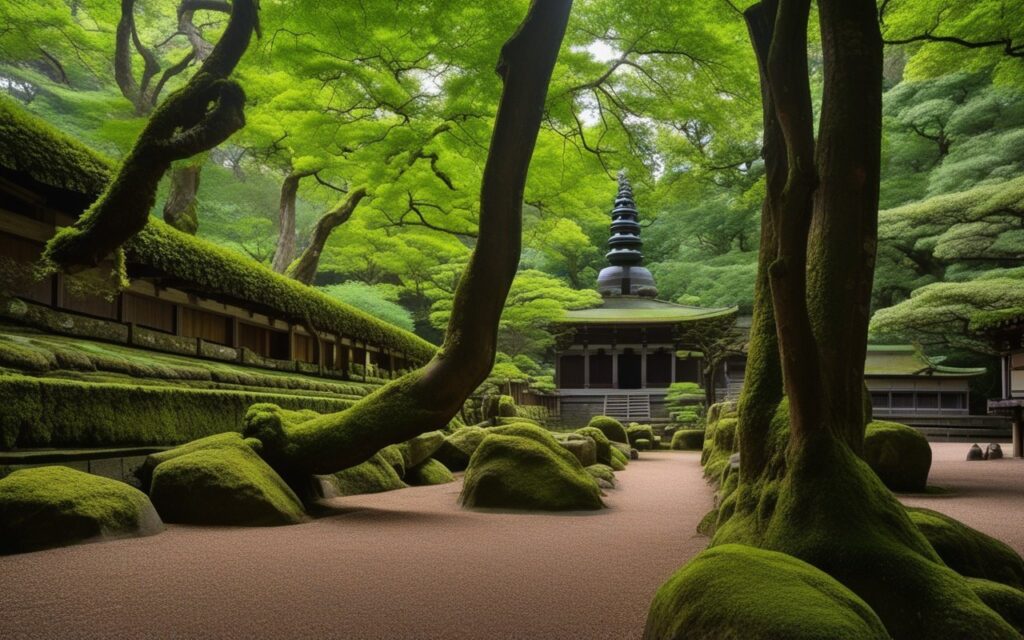
Temple Gardens: Zen temple gardens are designed as meditation aids. The simple, raked gravel patterns at Kenchoji and Engakuji represent water, while the carefully placed stones symbolize islands or mountains, Sitting quietly and observing these gardens is meditation in itself.
📍 Location
Engakuji and Kenchoji are located in the Kita-Kamakura area, a short walk from Kita-Kamakura Station on the JR Yokosuka Line. From Tokyo Station, take the JR Yokosuka Line directly to Kita-Kamakura Station (approximately 60 minutes, ¥950 one-way).
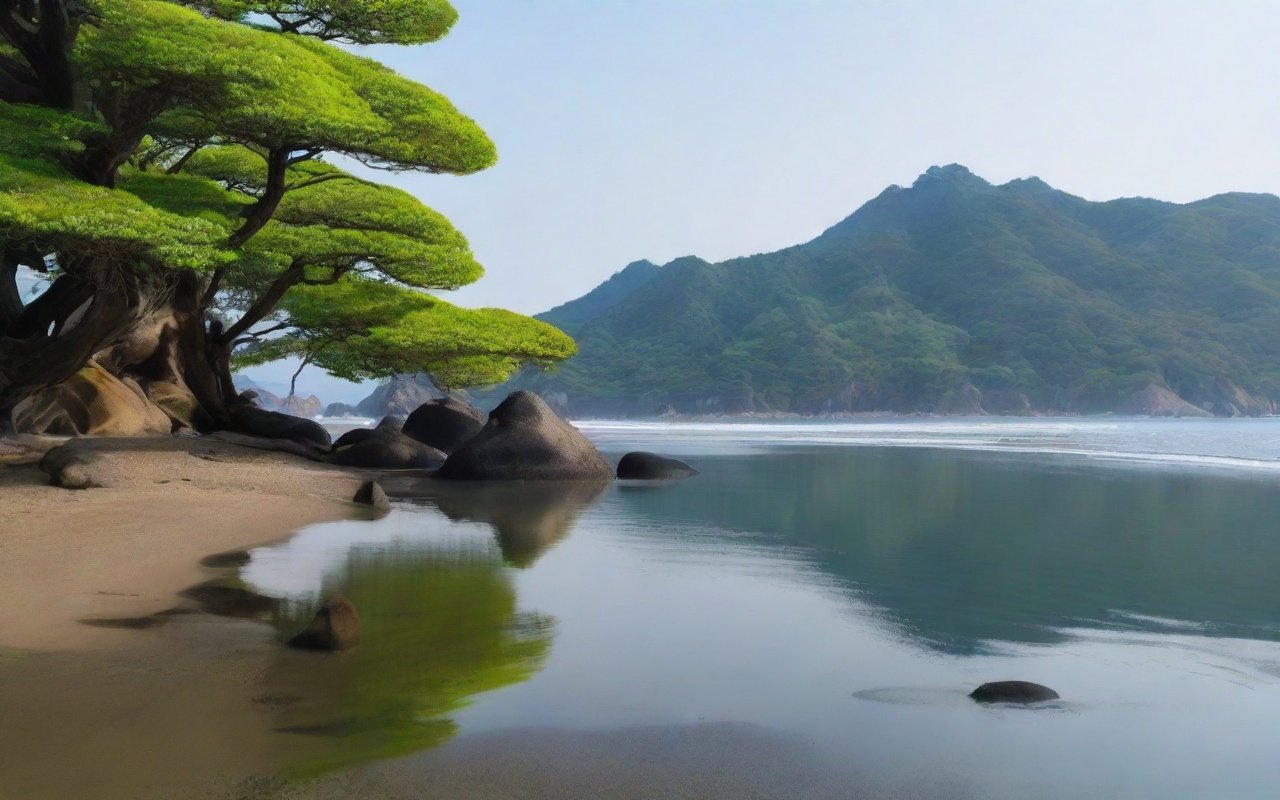
The Kita-Kamakura area offers a peaceful contrast to the busier Komachi-dori shopping street near Kamakura Station. The walk from the station to the temples passes through a quiet residential neighborhood with traditional wooden houses and small streams.
💰 Budget Breakdown
Most zazen sessions cost between ¥500 and ¥1,000, plus temple admission fees of ¥300–¥500. A full morning of meditation at one temple therefore runs approximately ¥1,000–¥1,500 per person.
If you wish to deepen your practice, consider purchasing a meditation cushion (zafu) from a local shop near the temples (¥3,000–¥8,000) or a Zen-inspired souvenir like scroll calligraphy (¥1,500–¥5,000).
Budget summary:
- Temple admission: ¥300–¥500
- Zazen participation: ¥500–¥1,000
- Matcha set at tea house: ¥500–¥800
- Total for a full morning: ¥1,500–¥2,500
Practical Tips for Your Visit
- Book ahead: Some temples require advance registration for zazen sessions, especially if you need English instruction. Contact the temple office by phone or check their official website.
- Seasonal considerations: Summer sessions can be hot and humid — bring a small hand towel. Winter mornings are cold (2–8°C / 36–46°F); dress warmly in layers. Autumn offers the most pleasant temperatures and beautiful foliage in the temple gardens.
- Combine with other activities: Plan your visit to include both a morning zazen session and afternoon sightseeing at nearby temples like Tsurugaoka Hachimangu or Hasedera. Kita-Kamakura is also close to the Kamakura Museum of National Treasures.
- Language: While English-friendly sessions are available at some temples, learning a few Japanese phrases like “onegai shimasu” (please) and “arigato gozaimashita” (thank you) will be appreciated.
Whether you come seeking spiritual insight, stress relief, or simply a quiet hour in a beautiful historic setting, Zen meditation in Kamakura offers an experience that stays with you long after you return home.
Frequently Asked Questions
Q: Can beginners join zazen sessions?
A: Yes, most temples welcome beginners. Engakuji and Kenchoji offer sessions specifically designed for first-timers, with English instruction available on request.
Q: How much does a zazen session cost?
A: Most sessions cost ¥500-1,000 plus temple admission (¥300-500). A full morning of meditation costs approximately ¥1,000-1,500 per person.
Q: What should I wear?
A: Wear loose, comfortable clothing in dark or subdued colors. Avoid bright patterns, shorts, or revealing clothes. White socks are traditional in some temples.
Q: Do I need to book in advance?
A: Some temples require advance registration for zazen, especially if you need English instruction. Contact the temple office or check their website before visiting.
Conclusion
exploring Kamakura can be as relaxed or as packed as you want it to be, and I have found that the best visits leave room for both planning and spontaneity. During my visit to Kamakura I went with a rough plan and found that leaving room to wander made the trip far more memorable. Use this guide to sort out the logistics in advance, then let the day surprise you — Kanagawa rewards travelers who stay curious.