Tag: souvenirs

  • Kanagawa Roadside Stations: Michi-no-Eki Food & Souvenirs

    Kanagawa Roadside Stations: Michi-no-Eki Food & Souvenirs

    Overview

    Japan’s michi-no-eki β€” literally “roadside stations” β€” are one of the country’s great unsung pleasures: rest stops that have evolved into showcases of local food, crafts, and agriculture. Kanagawa has a small but excellent collection, each tied to the character of its region: Kintaro legends in the west, surf culture on the coast, mountain pork and tea in the interior.

    I am a self-confessed michi-no-eki devotee. On road trips across Japan I have learned that these stations are the most reliable places to taste what a region genuinely produces β€” the farmers who supply them deliver their best, and the standards are consistent. Kanagawa’s five stations are close enough to Tokyo to visit in a single driving day, which makes them the perfect introduction to the genre.

    This guide covers all five of Kanagawa’s michi-no-eki, what to eat and buy at each, and how to combine them into a satisfying driving loop.


    πŸš— Why Michi-no-Eki Are Worth Planning Around

    The Concept

    Michi-no-eki are roadside rest facilities run by local governments and communities, designed to serve travelers while promoting local agriculture, food, and crafts. Since the first station opened in 1993, they have become cultural institutions β€” part farmers market, part food court, part souvenir shop, and part community center.

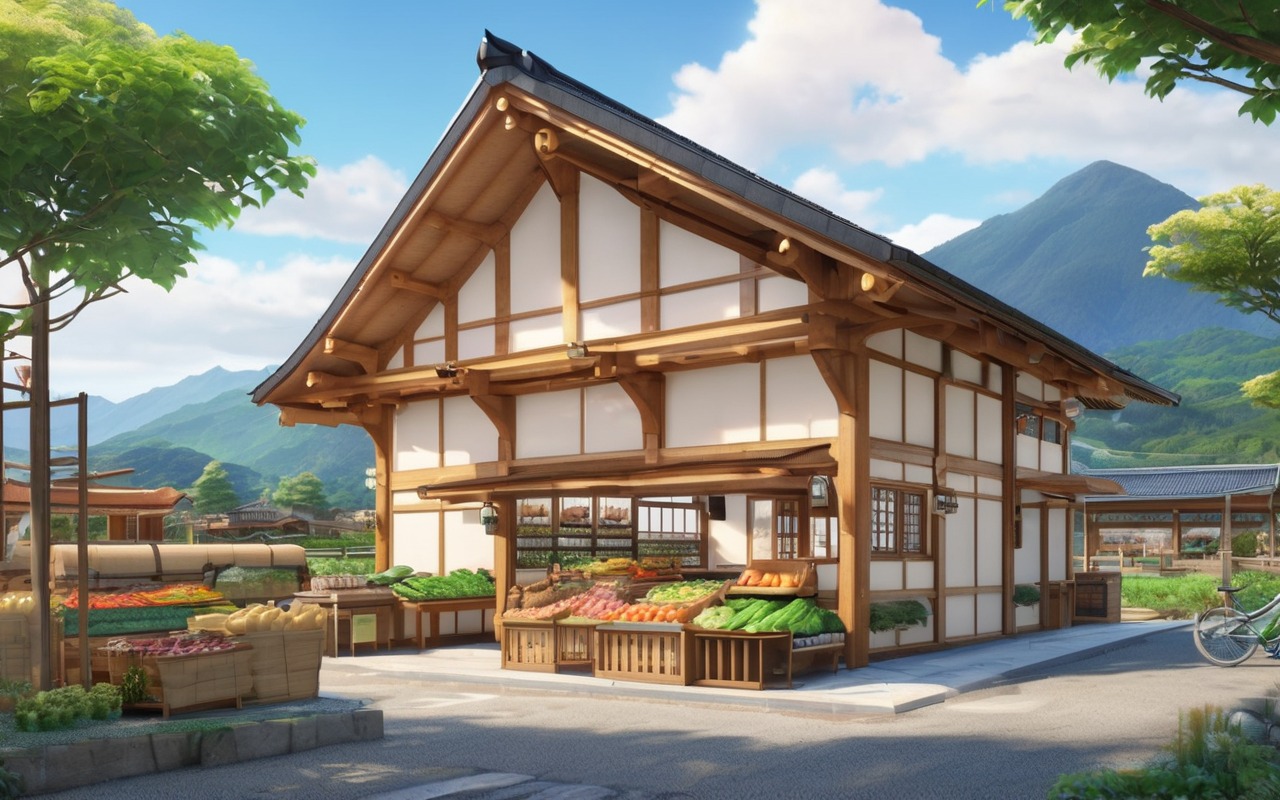
    What makes them special for travelers is the authenticity. The vegetables are picked that morning, the pork comes from farms you can practically see from the parking lot, and the tea is grown on the slopes behind the building. You will not find the same mass-produced souvenirs as in the cities.

    What You Will Find at Every Station

    • A farmers market β€” Seasonal vegetables, fruit, and local specialties, often cheaper than Tokyo supermarkets.
    • A food corner β€” Soft serve, soba, rice bowls, and other quick meals made with local ingredients.
    • Souvenirs β€” Regional crafts, snacks, and packaged goods you will not find elsewhere.
    • Clean restrooms and parking β€” Reliable and free, which is more valuable than it sounds on a road trip.

    πŸ₯© Michi-no-Eki Ashigara Kintaro no Furusato

    The Station

    The newest of Kanagawa’s roadside stations, opened in 2020, sits at the gateway to the Ashigara area β€” the valley where the folk hero Kintaro is said to have grown up. The building is modern and spacious, with a large produce market, a food court, and a terrace overlooking the rice fields toward the mountains.

    I stopped here on the way back from Mount Kintoki and ended up spending an hour I had not planned β€” tasting the beef, loading up on tea, and watching families try the local soft serve. It is the best single stop in western Kanagawa for food souvenirs.
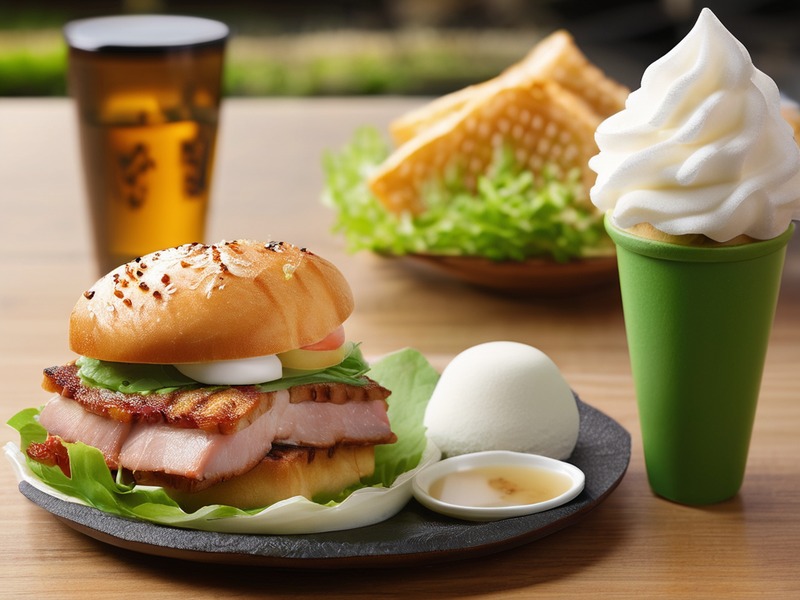
    Michi-no-Eki Ashigara Kintaro no Furusato

    What to Eat and Buy

    • Soshu beef β€” The local branded wagyu, available as cuts, prepared dishes, and the star of the food court’s menu.
    • Ashigara tea β€” Grown on the mountain slopes, sold by the bag and served fresh at the tea corner.
    • Kintaro souvenirs β€” Cute Kintaro-themed sweets, toys, and goods.
    • Morning vegetables β€” The market opens with the day’s harvest and sells out by early afternoon.

    Practical Notes

    • Access: 15 minutes by car from the Tomei Oi-Matsuda IC, or a short taxi ride from the Izuhakone Railway’s Wada-Kawara Station.
    • Parking: Free and plentiful.
    • Hours: Roughly 9:00-18:00, with the food court closing earlier in winter.

    πŸ–οΈ Michi-no-Eki Shonan Chigasaki

    The Station

    Opened in 2024, Shonan Chigasaki is Kanagawa’s coastal roadside station β€” a beach-adjacent complex on National Route 134 that brings together surf culture, local produce, and a slice of Hawaii (Chigasaki is twinned with Honolulu). It is the only station in Kanagawa where you can watch surfers while eating a burger.

    I visited on a windy autumn afternoon and found the terrace full of surfers who had paddled out that morning. The mix of local vegetables, craft beer, and Hawaiian-style food made it feel less like a rest stop and more like a beach town community center.

    What to Eat and Buy

    • Shirasu and Shonan vegetables β€” The coastal specialties, fresh and abundant.
    • Honolulu Diner Da Cafe β€” Hawaiian plate lunches and burgers, reflecting the sister-city connection.
    • Choice! Chigasaki goods β€” The town’s certified local products, from sauces to sweets.
    • Craft beer β€” Chigasaki’s local brewery is well represented.

    Practical Notes

    • Access: Right on Route 134, minutes from the Shin-Shonan Bypass Chigasaki-Kaigan IC. By train, take a bus from JR Chigasaki Station.
    • Parking: Free, but fills on summer weekends.
    • Hours: Roughly 9:00-19:00 in summer, shorter in winter.

    πŸ„ Michi-no-Eki Kiyokawa

    The Station

    Tucked into the mountain village of Kiyokawa β€” the only village in Kanagawa Prefecture β€” this station serves as the gateway to Miyagase Lake and the Tanzawa foothills. It is small and unpretentious, focused on the mountain products that the village is known for: Kiyokawa Megumi pork, Kiyokawa tea, and mushrooms.

    I stopped here after a morning at Miyagase Lake and ate a pork cutlet sandwich that remains one of the best things I have eaten in Kanagawa. The tea soft serve, made with local green tea, is worth the trip on its own.

    What to Eat and Buy

    • Kiyokawa Megumi pork β€” The village’s branded pork, as cutlets, sausages, and prepared dishes.
    • Kiyokawa tea β€” Grown and processed in the village, sold by the bag. The tea soft serve is a must.
    • Shiitake mushrooms β€” The village is a major mushroom producer; the fresh ones are excellent.
    • Mountain vegetables β€” Seasonal greens from the village farms.

    Practical Notes

    • Access: About 50 minutes by bus from Hon-Atsugi Station, or 40 minutes by car from the Tomei Atsugi IC.
    • Parking: Free.
    • Hours: Roughly 9:00-17:00. Check the local calendar for rest days.

    🏞️ Michi-no-Eki Yamakita

    The Station

    Michi-no-Eki Yamakita sits in the riverside town of the same name, near the JR Gotemba Line and the road toward Lake Tanzawa and Nakagawa Onsen. It is the most rustic of Kanagawa’s stations β€” a friendly, functional stop with a good produce market and a soba counter that looks out over the river valley.

    I stopped here before driving up to Lake Tanzawa and filled my backpack with mountain vegetables and local noodles. It is exactly the kind of place that rewards stopping: small, sincere, and full of things you cannot find in the city.

    What to Eat and Buy

    • Mountain vegetables and river fish β€” Seasonal specialties of the valley.
    • Ashigara tea β€” The same regional tea, sold here in bulk.
    • Soba β€” Local buckwheat noodles served at the food corner.
    • Local processed goods β€” Pickles, jams, and sauces made in the town.

    Practical Notes

    • Access: Near JR Yamakita Station on the Gotemba Line, about 20 minutes by car from the Oi-Matsuda IC.
    • Parking: Free.
    • Hours: Roughly 9:00-17:00, with winter closures on some weekdays.

    ⛰️ Michi-no-Eki Hakone-toge

    The Station

    Kanagawa’s oldest roadside station (opened 1995) occupies a spectacular site at Hakone Pass, high on the ridge between Kanagawa and Shizuoka prefectures. The terrace looks out over Lake Ashi and the Hakone caldera, and on clear days Mount Fuji rises beyond. It is less a farmers market and more a viewpoint with excellent food.

    I pulled off the road here purely for the view on a foggy morning, and ended up staying through lunch when the clouds cleared to reveal Fuji. Of all Kanagawa’s stations, this is the one to plan around the view.
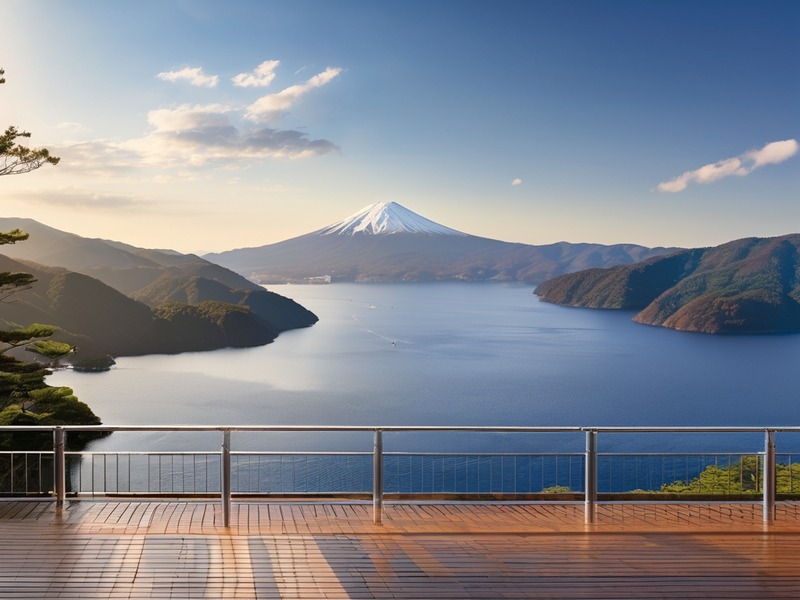
    Hakone-toge terrace view over Lake Ashi

    What to Eat and Buy

    • The terrace view β€” Lake Ashi and, on clear days, Mount Fuji. The reason to stop.
    • Soba and udon β€” Warm noodle bowls for the mountain air.
    • Hakone souvenirs β€” The full range of Hakone crafts and snacks, convenient for a final shopping stop.

    Practical Notes

    • Access: On National Route 1 at Hakone Pass, 30-40 minutes from the Seisho Bypass Hakoneguchi IC.
    • Parking: Free but limited; weekdays are best.
    • Hours: Roughly 9:00-18:00 in summer, shorter in winter.

    πŸ—ΊοΈ The Grand Loop: All Five in One Day

    The Route

    The five stations form a rough circle around western and coastal Kanagawa, and with an early start they can all be visited in a day. The driving itself is part of the experience β€” mountain roads, coastal Route 134, and the Hakone ridge.

    1. 9:00 β€” Start at Ashigara Kintaro (west). Breakfast at the food court, load up on tea and beef.
    2. 10:30 β€” Drive the mountain roads to Yamakita for the riverside station.
    3. 12:00 β€” Lunch soba at Yamakita, then continue to Kiyokawa.
    4. 13:30 β€” Kiyokawa for pork and tea soft serve, with a possible side trip to Miyagase Lake.
    5. 15:30 β€” Drive over the ridge to Hakone-toge for the view and an afternoon coffee.
    6. 17:30 β€” Finish on the coast at Shonan Chigasaki, watching the sunset with a craft beer.

    If You Have Less Time

    Pick two stations that match your route: the Ashigara pair (Kintaro and Yamakita) for the mountain interior, or the coastal pair (Chigasaki and Hakone-toge) for sea and mountain views.


    πŸ’‘ Practical Tips

    1. Rent a car β€” The stations are scattered across the prefecture, and a car is the only practical way to visit several in a day. See the rental car guide for rental basics in Japan.
    2. Go on weekday mornings β€” The best produce sells out by noon, and weekend parking at Chigasaki and Hakone-toge fills early.
    3. Bring cash β€” While newer stations accept cards, the smaller ones and their food stalls are often cash-only.
    4. Check hours before the trip β€” Stations in the mountains (Kiyokawa, Yamakita) have shorter hours and occasional rest days.
    5. Buy early β€” Seasonal specialties like shirasu and mountain vegetables are morning products; afternoon visitors find empty shelves.

    Conclusion

    Kanagawa’s michi-no-eki are the perfect way to taste the prefecture beyond its famous sights. Each station tells the story of its region β€” the beef and tea of the Ashigara valley, the pork and mushrooms of Kiyokawa, the surf culture of the coast, the mountain views of the Hakone ridge β€” and together they make a satisfying driving loop that rewards the detour at every stop. Rent a car, start early, and let the stations set the pace.

    FAQ

    Q: Do I need a car to visit the roadside stations?
    A: For visiting several in one day, yes. Each station is individually reachable by bus or taxi from the nearest station, but a car makes the loop practical.

    Q: Which station has the best food?
    A: Ashigara Kintaro for the widest selection (beef, tea, sweets) and Kiyokawa for the pork and tea soft serve. Chigasaki is the place for craft beer and coastal food.

    Q: Are the stations open year-round?
    A: Yes, but mountain stations have shorter hours and occasional rest days in winter. Check the individual schedules before traveling.

    Q: Can I visit all five in one day?
    A: Yes, with a car and an early start. The loop covers roughly 150 km and works best with two drivers or generous breaks.
  • Yokohama Minato Mirai Shopping β€” Best Malls & Boutiques 2026

    Yokohama Minato Mirai Shopping β€” Best Malls & Boutiques 2026

    Yokohama Minato Mirai Shopping Guide β€” Best Malls & Boutiques

    Overview

    Minato Mirai 21 is Yokohama’s premier waterfront district, and its shopping scene rivals anything in Tokyo. With four major shopping complexes connected by climate-controlled walkways, you can spend an entire day exploring without stepping outside. This guide covers every shopping destination in Minato Mirai β€” from luxury brands at Landmark Plaza to quirky souvenirs at World Porters β€” with practical tips on navigating the area and finding the best deals.

    Landmark Plaza β€” Luxury and Landmark Views

    Location: Connected to Landmark Tower and Sakuragicho Station (5-minute walk)
    Hours: 10:00-20:00 (restaurants until 22:00)
    Stores: 190+ Landmark Plaza is Minato Mirai’s premier shopping destination, occupying the lower floors of the iconic Landmark Tower. The five-story atrium, with its dramatic glass ceiling and fountain, hosts a mix of Japanese and international brands.

    Fashion highlights:

    • Beams (3F): Japanese select shop with curated collections from international and domestic designers
    • United Arrows (3F): High-end Japanese casual wear β€” excellent quality at prices below European luxury
    • Muji (4F): The largest Muji in Yokohama, with their full furniture and home goods line
    • Uniqlo (B1): Standard selection but less crowded than Tokyo locations

    Souvenir highlights:

    • Yokahama-ya (1F): Specializes in Yokohama-themed souvenirs β€” from the famous “Yokohama” branded towels (Β₯1,500) to limited-edition Landmark Tower chocolates (Β₯800)
    • Sogo Museum of Art Shop (2F): Art prints and design objects from the museum’s collection (Β₯1,000-5,000)

    Food court: The basement-level food court (Dining Court, Β₯800-1,500) offers 15 options including ramen, udon, curry, and Italian. I recommend Menya Itto (Β₯1,100), which serves a rich tsukemen (dipping noodles) that rivals Tokyo’s best.

    World Porters β€” Quirky and Family-Friendly

    Location: A 7-minute walk from Landmark Plaza, on the waterfront side
    Hours: 10:30-21:00
    Stores: 100+ World Porters has a more casual, family-oriented atmosphere than Landmark Plaza. The building is designed like a European port town, with winding corridors and harbor views.

    Best for souvenirs:

    • Village Vanguard (2F): A chaotic, wonderful store selling everything from bizarre stationery to regional snacks. Perfect for unusual gifts (Β₯500-3,000)
    • Yokohama World Porters Souvenir Shop (1F): The best selection of Yokohama-specific snacks, including silk sweet potato sticks (Β₯600), Yokohama curry paste (Β₯800), and Minato Mirai cookies (Β₯1,000)
    • Kiddy Land (3F): Character goods from Sanrio, Snoopy, and Disney β€” popular with children and collectors

    Entertainment: World Porters also has a small amusement park, Yokohama Cosmo World, immediately adjacent, with the iconic Cosmo Clock 21 Ferris Wheel (Β₯800). The ferris wheel is the world’s largest timepiece and offers stunning night views.

    MARK IS Minato Mirai β€” Youth Fashion and Lifestyle

    Location: 10-minute walk from Landmark Plaza toward Yokohama Station
    Hours: 10:00-21:00
    Stores: 180+ MARK IS opened in 2019 and targets a younger demographic with trend-focused fashion and lifestyle brands.

    Must-visit stores:

    • Loft (3F-4F): A massive lifestyle store spanning two floors β€” stationery, cosmetics, kitchen goods, and home decor. Their Yokohama-exclusive section (3F) sells Minato Mirai-themed washi tape (Β₯400), postcards (Β₯150), and hand towels (Β₯800).
    • H&M (2F): The largest H&M in Kanagawa β€” three floors of fashion at international prices
    • Daiso (B1): Everything Β₯100 β€” the best place to pick up affordable souvenirs like folding fans, chopsticks, and furoshiki wrapping cloths
    • Tsutaya Books (5F): A beautiful bookstore with an attached Starbucks and views of the harbor

    Events: MARK IS regularly hosts pop-up markets and seasonal events in its central atrium. Check their website for craft fairs, farmers’ markets, and holiday events during your visit.

    Queen’s Square β€” Connected Comfort

    Location: Directly connected to Minato Mirai Station (via underground passage)
    Hours: 10:00-20:00
    Stores: 80+ Queen’s Square is the transport hub of Minato Mirai, directly connected to the Minatomirai Line station. It’s smaller than the other complexes but has excellent mid-range shopping.

    Highlights:

    • Francfranc (2F): Japanese home goods brand with stylish, affordable interior items β€” their seasonal collections are excellent for gift shopping (Β₯1,000-5,000)
    • Zara (B1): Standard international fast fashion
    • ABC Mart (B1): Japanese shoe retailer with good prices on sneakers (Β₯4,000-8,000)
    • Tully’s Coffee (2F): A reliable coffee stop with harbor-view seating

    Nippon Maru Memorial Park Open-Air Market

    Location: Between World Porters and Queen’s Square
    Hours: Weekends and holidays, 10:00-16:00 (weather permitting) On weekends, Nippon Maru Memorial Park hosts a small open-air market with local artisans selling handmade crafts, jewelry, and food. This is an excellent place to find unique, non-mass-produced souvenirs. Items range from Β₯500 (handmade postcards) to Β₯10,000 (ceramic tableware). The park itself features the Nippon Maru training ship (open for tours, Β₯600) and the Yokohama Port Museum.

    Window Shopping on the Waterfront Promenade

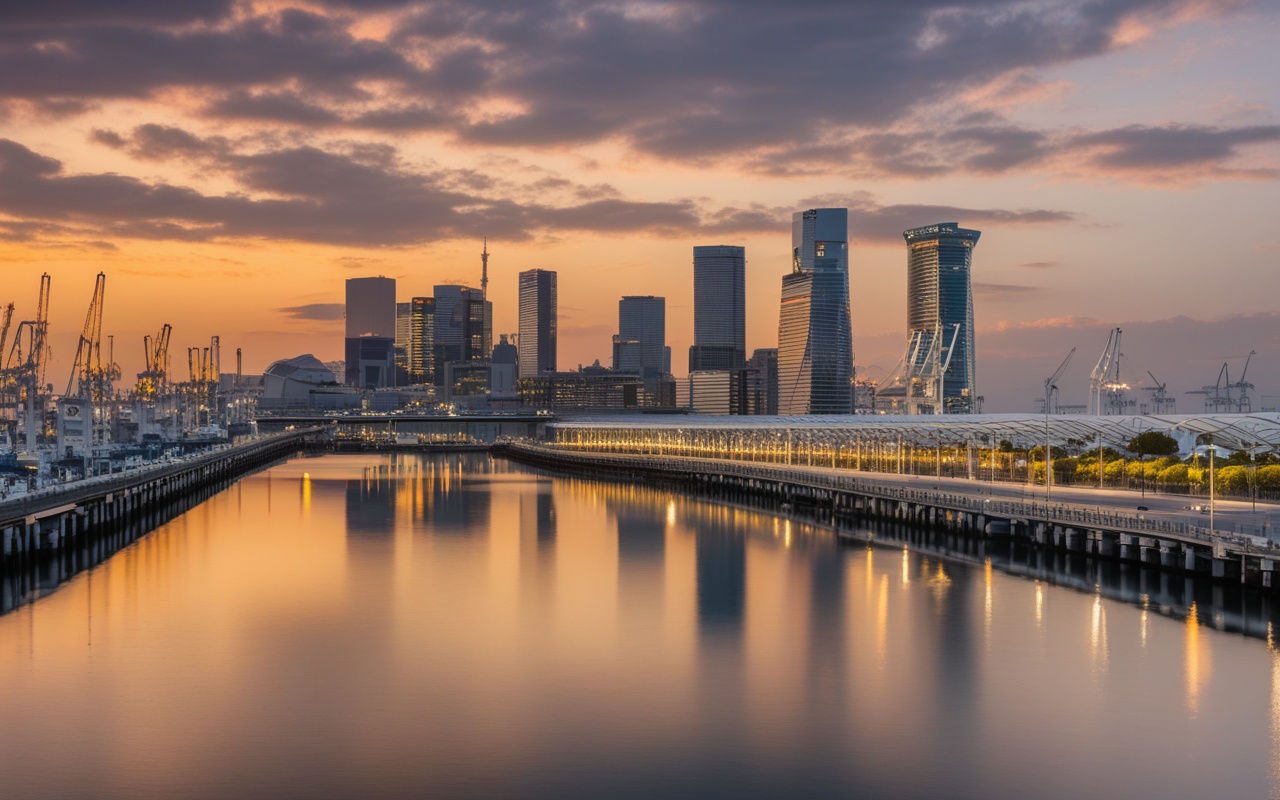
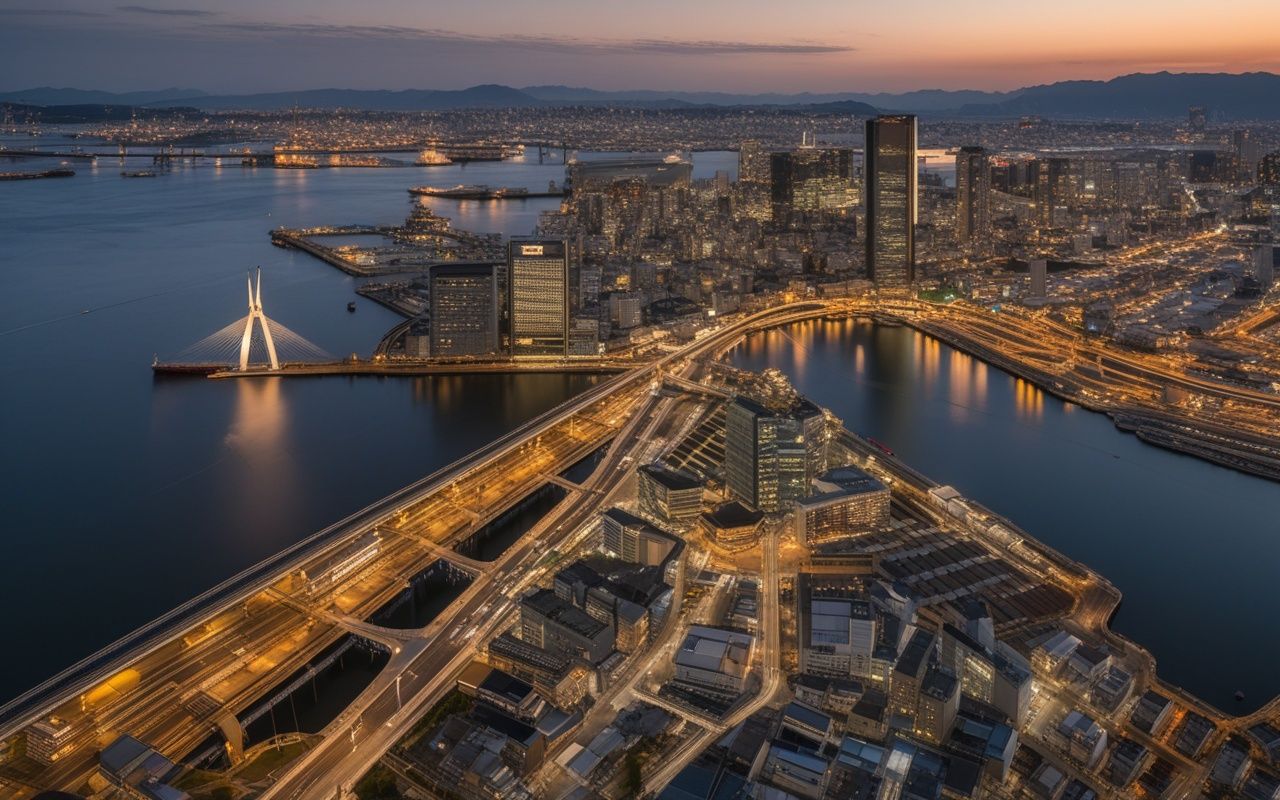
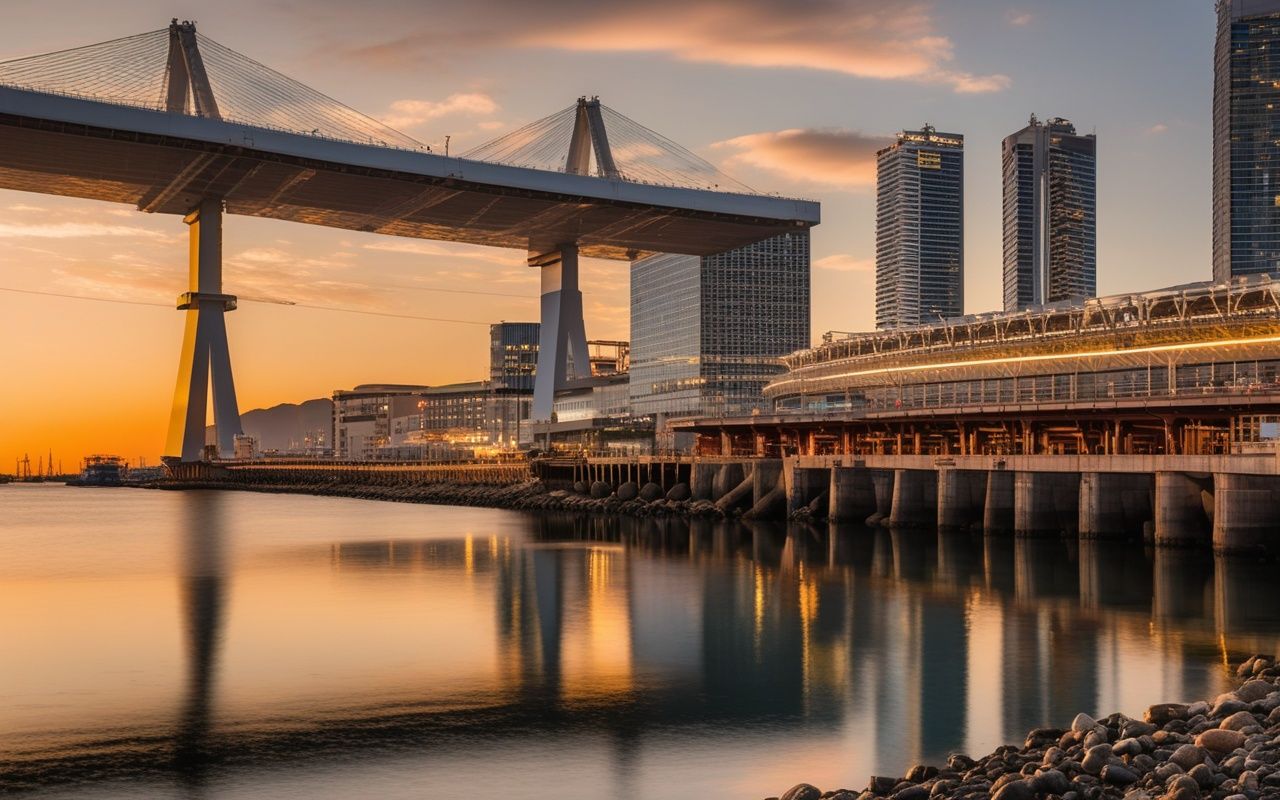
    Even if you are not buying, Minato Mirai’s waterfront promenade offers one of the best walking experiences in Yokohama. The 2-kilometer path from Landmark Tower to World Porters passes through gardens, plazas, and along the harbor. On clear days, you can see Mount Fuji across the bay from several points along the route. This area is particularly beautiful at sunset, when the buildings reflect gold and orange across the water. Explore Mt Fuji & Hakone on a full-day trip with sukiyaki lunch, Hakone Cruise, Ropeway & Shinkansen return

    Yokohama Minato Mirai shopping at MARK IS mall interior

    Best Times to Shop in Minato Mirai

    Weekday mornings (10:00-12:00) are the quietest time across all four complexes. Landmark Plaza and Queen’s Square see the most foot traffic during lunch hours (12:00-13:30) as office workers from nearby buildings visit the food courts. Afternoons (14:00-17:00) are moderately busy, especially on weekends when families and tourists fill the corridors. Quietest days: Tuesday through Thursday. Monday can be surprisingly busy due to national holidays shifting.

    Busiest periods: Weekends (especially sunny Saturdays), Golden Week (late April-early May), summer vacation (mid-July to August), and the year-end holiday season (mid-December to Christmas). During these periods, I recommend arriving at opening time (10:00) to enjoy the stores before crowds peak around 13:00.

    Evening shopping: On Fridays and Saturdays, many stores in Landmark Plaza and MARK IS stay open until 21:00. The waterfront promenade is beautifully lit after sunset β€” combine evening shopping with a night view walk.

    Tax-Free Shopping Guide

    All major shopping complexes in Minato Mirai participate in Japan’s tax-free shopping program for foreign visitors: Requirements:

    • Must hold a foreign passport (temporary visitor status)
    • Minimum purchase: Β₯5,000 (consumables) or Β₯5,000 (general goods)
    • Tax refund: 10% consumption tax deducted at purchase

    How to claim:

    1. Shop at stores displaying the “Tax-Free” logo (most stores in Landmark Plaza and MARK IS)
    2. Present your passport at the register
    3. Tax is deducted immediately (no need to go to a separate refund counter)
    4. Consumables (food, cosmetics, medicine) must be sealed in special bags and not opened until leaving Japan

    Best stores for tax-free shopping:

    • Muji (Landmark Plaza, 4F): Full tax-free counter β€” their skincare and stationery make excellent gifts
    • Loft (MARK IS, 3F-4F): Tax-free counter on 3F β€” stock up on Japanese stationery and cosmetics
    • Daiso (MARK IS, B1): Tax-free for purchases over Β₯5,000 (50 items at Β₯100 β€” easy to hit minimum)

    Best of all, since the shopping complexes are close together within walking distance, you can hit all the tax-free stores in a single shopping route without rushing.

    Nearby Attractions

    Yokohama Minato Mirai shopping at Landmark Plaza

    Combine your shopping trip with these nearby attractions, all within walking distance:

    • Yokohama Landmark Tower Sky Garden (Β₯1,000): The 69th-floor observation deck offers panoramic views. Visit before or after shopping at Landmark Plaza β€” it’s in the same building.
    • Yokohama Red Brick Warehouse (15-minute walk from World Porters): Two historic buildings turned into shops and event spaces. The smaller building houses a curated selection of craft shops and cafes.
    • Noge Izakaya District (15-minute walk from Queen’s Square): Perfect for dinner after a day of shopping β€” narrow streets packed with tiny izakaya bars.
    • Yokohama Cosmo World (adjacent to World Porters): The amusement park with the iconic ferris wheel β€” night rides are popular after shopping hours.

    Budget Shopping Guide

    Shopping Complex Price Range Best For Footwear-Friendly
    Landmark Plaza Β₯Β₯Β₯-Β₯Β₯Β₯Β₯ Luxury fashion, quality souvenirs βœ… (flat, marble floors)
    World Porters Β₯-Β₯Β₯Β₯ Family shopping, quirky gifts βœ… (ramps available)
    MARK IS Β₯-Β₯Β₯Β₯ Youth fashion, stationery βœ… (wide corridors)
    Queen’s Square Β₯Β₯-Β₯Β₯Β₯ Mid-range fashion, convenience βœ… (connected station)
    Daiso (MARK IS) Β₯ Budget souvenirs, everyday items βœ…

    Money-saving tip: Download the official MARK IS app for coupon offers (Β₯500 off purchases over Β₯5,000, updated monthly). World Porters offers a 5% discount to visitors who show their same-day Shinkansen ticket at the information desk.

    Frequently Asked Questions

    Q: Which Minato Mirai shopping complex is best for luxury brands?
    A: Landmark Plaza has the highest concentration of luxury brands, including Burberry, Gucci, Coach, and Tiffany & Queen’s Square has a few mid-range international brands but no high-end luxury. World Porters and MARK IS focus on accessible fashion and lifestyle brands.

    Q: Are the shopping complexes connected indoors?
    A: Yes and no. Landmark Plaza and Queen’s Square are connected via the Queen’s Walk β€” a climate-controlled pedestrian bridge. Queen’s Square connects directly to Minato Mirai Station. World Porters is a 7-minute outdoor walk from Queen’s Square (covered walkway, partially exposed). MARK IS is a 10-minute walk from Landmark Plaza, partially covered but not fully enclosed. In bad weather, I recommend focusing on the Landmark Plaza-Queen’s Square corridor.

    Q: What are the best Yokohama-specific souvenirs?
    A: The top five souvenirs unique to Yokohama are: (1) Silk sweet potato sticks (γ―γΎγγ‚Šζ£’, Β₯600-800) β€” a Yokohama-classic snack, (2) Yokohama curry paste (Β₯800-1,200) β€” the city’s famous navy curry in a jar, (3) Minato Mirai cookies (Β₯1,000-1,500) β€” shaped like landmark buildings, (4) Korin-brand Yokohama towels (Β₯1,500-3,000) β€” high-quality cotton towels produced in Yokohama since 1908, (5) Yokohama-themed stationery (Β₯500-2,000) β€” available at Loft’s Yokohama-exclusive section.

    Q: Is Minato Mirai shopping suitable for children?
    A: Yes. World Porters has a playground and Kiddy Land character goods store. MARK IS has a children’s play area on 4F (Β₯500 per 30 minutes, supervised). Most department stores have family restrooms and nursing rooms. The connecting walkways are stroller-friendly.

    Q: What time do stores open and close?
    A: Most stores open at 10:00-10:30 AM and close at 20:00-21:00. Restaurants typically stay open until 21:00-23:00 (last order at 21:00-22:00). Note that some stores have irregular closing days β€” check individual store websites before visiting, especially during Golden Week (late April-early May) and New Year (December 29-January 3).


    Last Updated: 2026-07-16
    Written by: Anaba OffJapan Editorial Team
    Photos: Editorial photography and on-site field research

    Conclusion

    Whether you are planning exploring Yokohama for its shopping for the first time or returning for another visit, taking a little extra time to go beyond the obvious sights makes all the difference. During my visit to Yokohama I went with a rough plan and found that leaving room to wander made the trip far more memorable. I hope this guide helps you build an itinerary that fits your pace, and that your time in Kanagawa leaves you with memories worth coming back for.

  • Kamakura Traditional Crafts Guide 2026

    Kamakura Traditional Crafts Guide 2026

    Overview

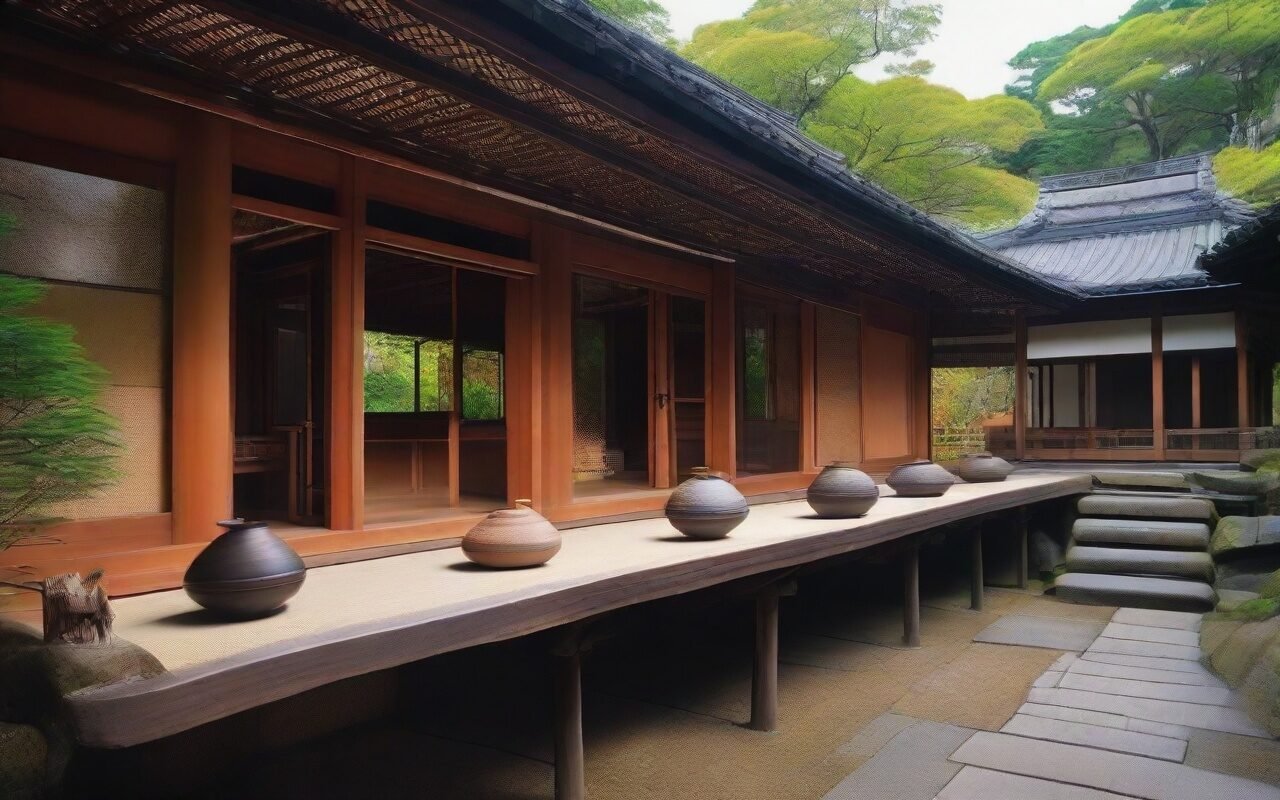
    Kamakura has been a center of traditional craftsmanship since the Kamakura period (1185–1333), when the samurai government’s patronage of local artisans established craft traditions that continue today. Unlike Tokyo’s mass-produced souvenirs, Kamakura’s handmade crafts β€” Kamakurabori lacquerware, pottery, textiles, and wood carving β€” carry centuries of technique and cultural significance.

    I spent an afternoon exploring the craft shops along Komachi-dori and the quieter side streets near Tsurugaoka Hachimangu. Watching a Kamakurabori artisan at work was the highlight β€” the patience required to apply 20–30 layers of lacquer, each cured before the next, gave me a new appreciation for the price tags on these pieces. For more context on Kamakura’s cultural heritage, see our Kamakura temple guide or the Kamakura area guide.

    Kamakura Traditional Crafts Guide 2026 β€” Overview

    Kamakurabori: The Signature Craft of Kamakura

    Kamakurabori (ιŽŒε€‰ε½«) is a carved lacquerware technique that originated in the 13th century. Buddhist monks at Kencho-ji Temple began carving wooden utensils and applying lacquer to protect them, creating a distinctive red-and-black style that became Kamakura’s most famous craft. It was designated a Traditional Craft by the Japanese government in 1976.

    What to Look For

    Feature Description
    Base material Carved wood (cypress or pine)
    Lacquer layers 20–30 layers, each hand-applied and cured
    Traditional colors Vermillion red on black background
    Common motifs Flowers, landscapes, cranes, Mount Fuji
    Starting price Β₯3,000 for small items (coasters, chopsticks)
    Investment pieces Β₯30,000–200,000+ (serving trays, jewelry boxes)

    The best place to see Kamakurabori being made is the Kamakurabori Cooperative Association workshop near Kamakura Station. They offer short demonstrations (free, 15–20 minutes) and have a showroom with pieces from multiple artisans. I bought a set of coasters (Β₯4,500) here β€” each one has slight variations in the carving that reveal the hand of the maker.

    Pottery: Kamakura’s Ceramic Tradition

    Kamakura’s pottery tradition is less well-known than Kamakurabori but equally authentic. Local kilns produce tea bowls, sake cups, and plates in earthy tones that reflect the region’s natural materials. The pottery village near the Daibutsu (Great Buddha) has several workshops where you can watch potters at work. Visit Kamakura’s iconic Great Buddha, Tsurugaoka Hachimangu Shrine & Enoshima on a guided day trip

    Type Price Range Where to Buy
    Tea bowls (chawan) Β₯3,000–15,000 Pottery Village, Komachi-dori shops
    Sake cups (guinomi) Β₯2,000–8,000 Kiln gallery near Kencho-ji
    Small plates Β₯2,000–5,000 Kamakura Station shopping area
    Vases Β₯8,000–50,000 Specialized pottery galleries

    What distinguishes Kamakura pottery is the use of local clay and traditional wood-firing techniques that create unique glazes. Each piece has subtle imperfections that are celebrated rather than hidden β€” the Japanese aesthetic of wabi-sabi.

    Textiles and Wood Carving

    Kamakura Textiles

    Traditional hand-woven textiles are available at the Kamakura Textile Museum and select shops on Komachi-dori. Scarves (Β₯2,000–5,000) and tenugui (traditional cotton hand towels, Β₯800–1,500) make affordable, packable souvenirs. The lighter weight of cotton tenugui means you can easily carry several as gifts.

    Kamakura Wood Carving

    The tradition of Buddhist wood carving continues in Kamakura’s temple workshops. While purchasing an original Buddha statue is expensive (Β₯50,000+), smaller carved items like zodiac animals (Β₯5,000–15,000) and decorative panels (Β₯10,000–30,000) are more accessible. Temple shops near Kencho-ji and Engaku-ji have authentic pieces.

    Where to Shop for Authentic Crafts

    Location Best For Price Level
    Komachi-dori Souvenirs, textiles, small lacquerware Β₯1,000–10,000
    Kamakurabori Cooperative Authentic Kamakurabori, demonstrations Β₯3,000–200,000
    Pottery Village (near Daibutsu) Tea bowls, sake cups Β₯2,000–15,000
    Temple shops (Kencho-ji, Engaku-ji) Wood carving, incense Β₯1,000–50,000
    Kamakura Station shopping area Tenugui, small gifts Β₯500–3,000

    How to Get There

    Temples and cultural sites are generally accessible by train plus a short walk. Many temples in Kamakura and Hakone are clustered together, allowing you to visit multiple sites on foot. Wear comfortable walking shoes as some temples are located on hills or up stone staircases.

    Best Time to Visit

    Temples and cultural sites are most enjoyable during weekdays when crowds are smaller. Early morning before 9 AM offers a peaceful atmosphere. Spring and autumn provide the most pleasant weather for exploring outdoor sites. Many temples have seasonal events and special openings.

    What to Expect

    Cultural sites in Kanagawa offer a window into Japan’s rich history. Temples and shrines range from centuries-old national treasures to peaceful neighborhood shrines. Many sites have informative English displays or offer audio guides for a small fee. Photography is generally allowed in outdoor areas but often restricted inside temple buildings. Shoes must be removed when entering temple halls and traditional buildings. Some temples offer unique experiences like zazen meditation, calligraphy workshops, or garden tours.

    Nearby Recommendations

    Cultural sites in Kanagawa are often clustered together, making it easy to visit multiple temples or shrines in a single walk. Many temple areas have charming streets lined with traditional shops and tea houses. Consider combining your cultural visit with a nearby museum or gallery for a deeper understanding of the area’s history and artistic heritage.

    Local Tips

    Cultural enthusiasts recommend visiting on weekdays when crowds are smaller and the atmosphere is more contemplative. Some temples offer special access to normally restricted areas during certain times of the year. Photography is best in early morning or late afternoon when the light creates dramatic shadows and warm tones. Dress in layers as temple buildings can be significantly cooler or warmer than outside.n

    Conclusion

    The details in this guide come from real visits, and the biggest lesson I took away was that the best experiences in Kamakura rarely fit neatly into a checklist. During my visit to Kamakura I went with a rough plan and found that leaving room to wander made the trip far more memorable. Plan the essentials, keep your schedule flexible, and you will leave Kanagawa wanting to return.