Yokohama Port Opening History 2026

Yokohama Port Opening History 2026
This article contains affiliate links. When you book through these links, we may earn a small commission at no extra cost to you.

Overview

yokohama-port-opening-history sub 2

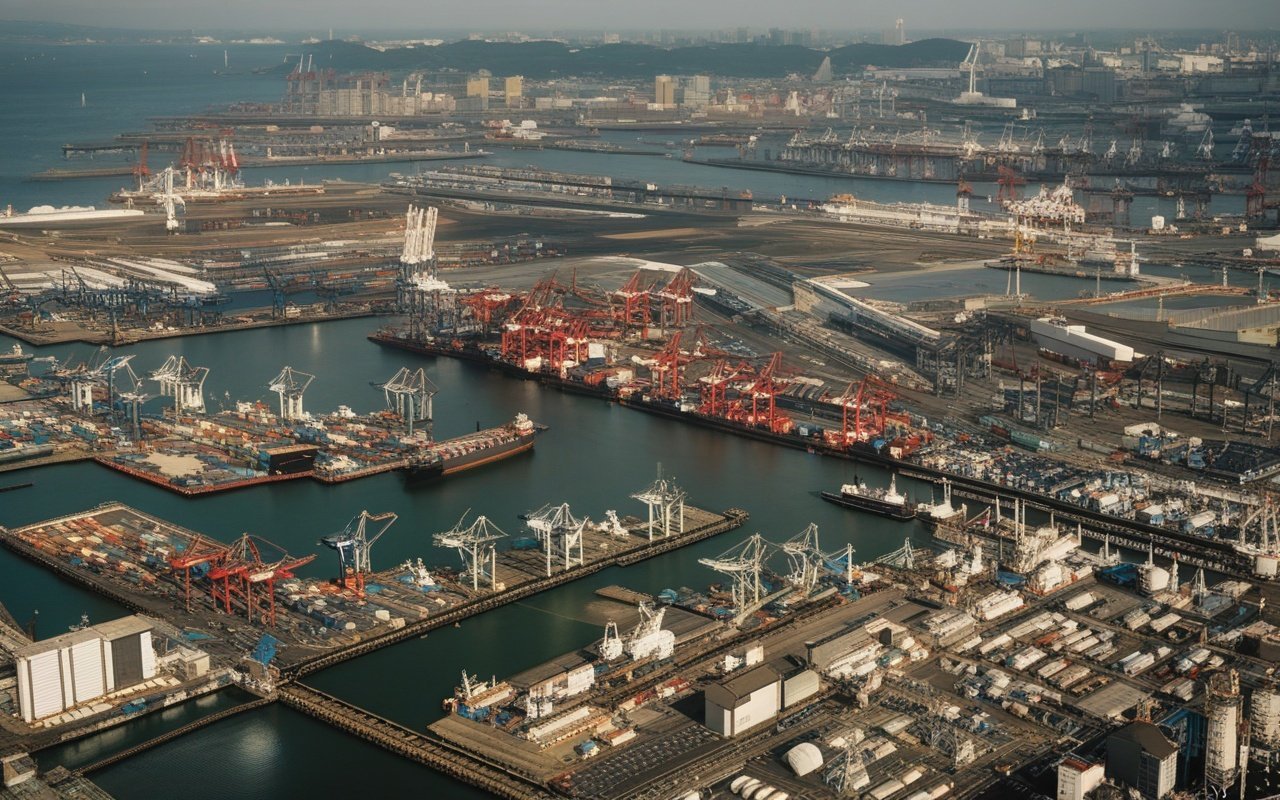
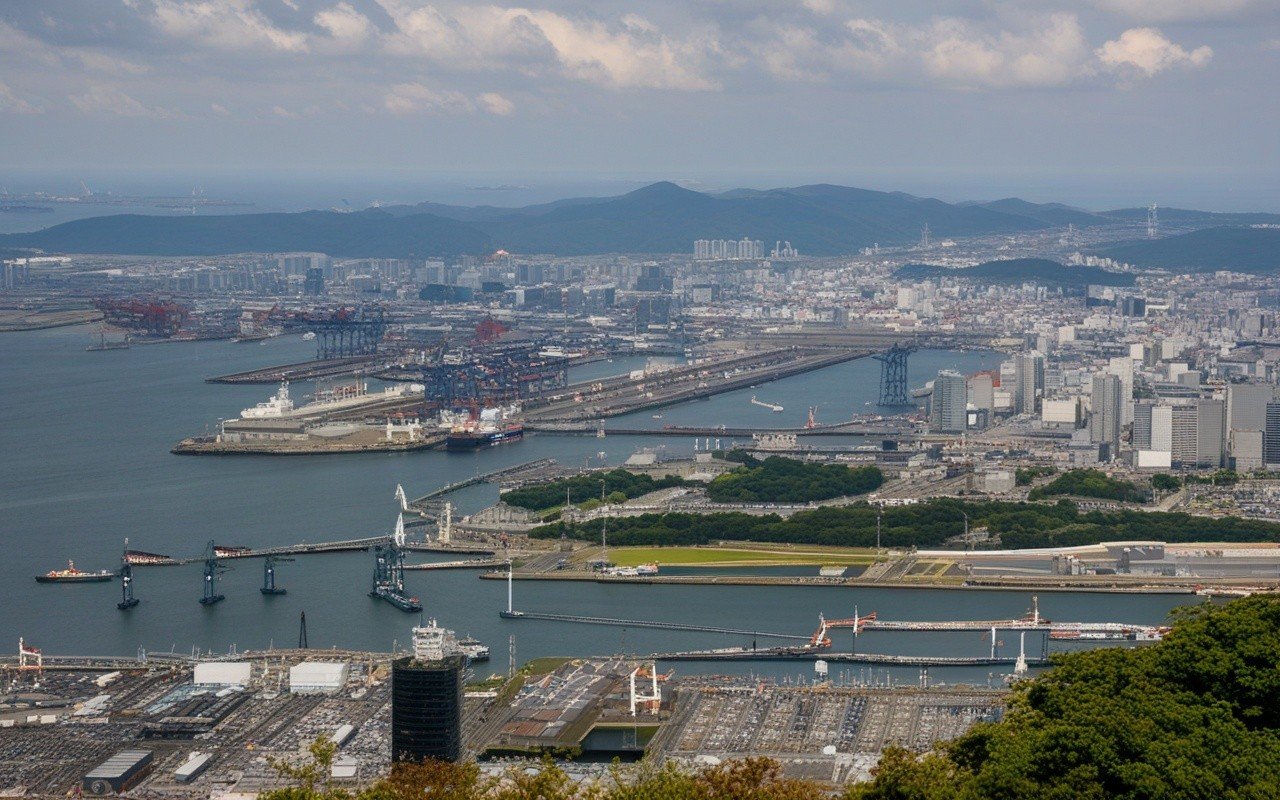
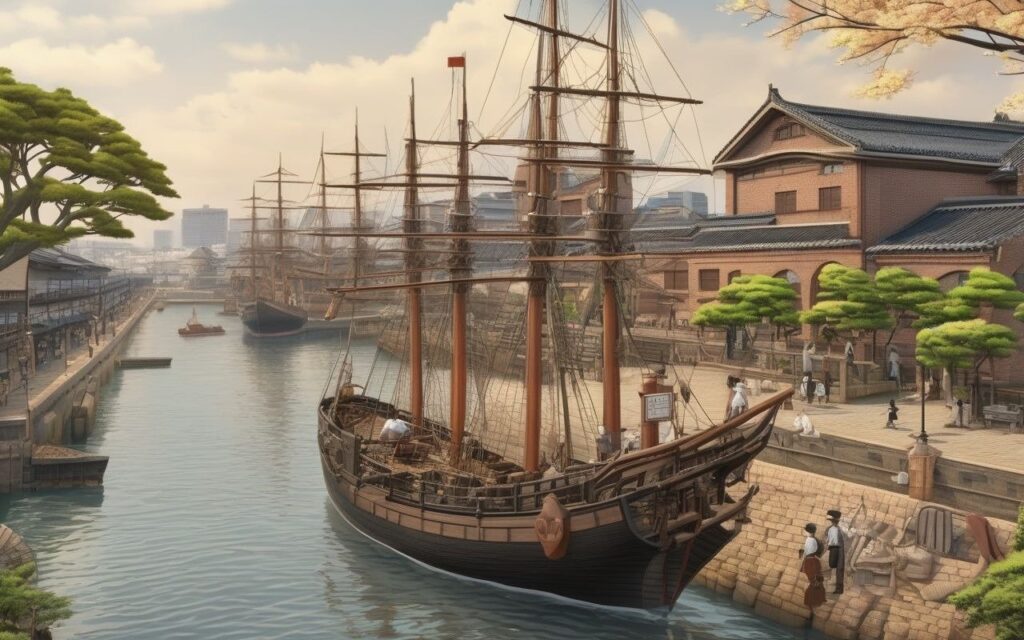
Yokohama’s opening to foreign ships rewired Japan’s coastal logistics, currency flows, and architectural taste within a few decades. Customs houses, lighthouses, and railheads replaced earlier anchorage patterns, while brick and stone structures tested earthquake engineering long before modern codes. This article follows infrastructure threads—piers, pilot boats, quarantine islands, and immigrant quarters—that still shape harbor walks.

Piers, silting, and dredging cycles

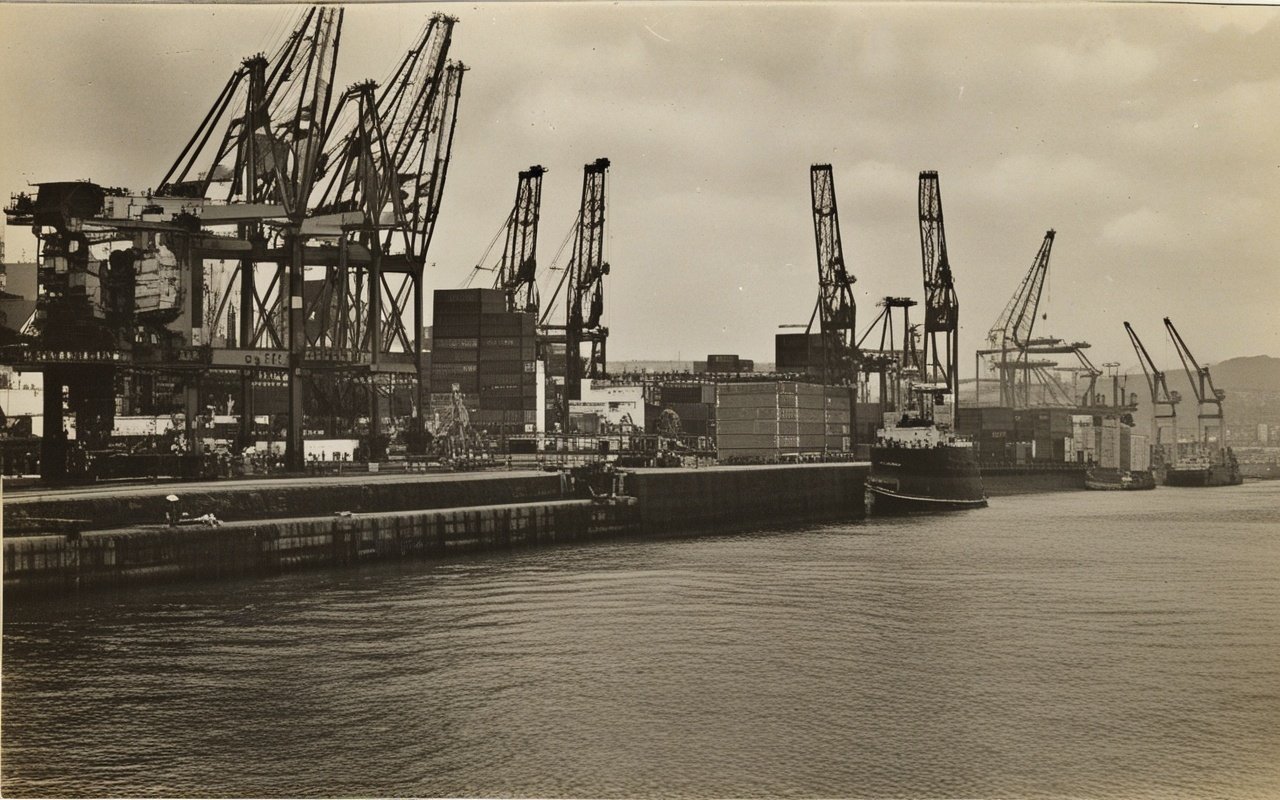
Harbor mouths move with storms; maintenance budgets decide which promenades stay walkable. Compare old photographs of timber wharves with today’s cruise terminals to see how load-bearing assumptions evolved.

Rail connection to interior markets

Freight timelines changed farmer incentives across Kanto. Trace how grain and silk routes intersected with Yokohama’s scales and warehouses, then walk Kannai to see where tracks once dominated street level before elevation projects.

Chinatown’s migrant commerce layers appear in Yokohama Chinatown history. Kannai’s museum cluster appears in the Yokohama Kannai area guide. Brick warehouses along the waterfront appear in the Yokohama red brick guide. Evening storytelling routes appear in the Yokohama historical walk. Sustainability overlays on modern tours appear in Yokohama SDGs tourism. Prefectural nature stewardship contrasts in Kanagawa ecotourism.

Map reference

Imagery

Quarantine, pilots, and signal flags

Public health infrastructure once isolated crews on islands or barges; pilots still board moving ships via ladders that would alarm casual observers. Respect restricted pier zones; telephoto lenses capture detail without trespassing.


⏰ Best Time to Visit

Early morning (8-10 AM): Peaceful atmosphere, fewer crowds, perfect for photos Late afternoon (4-6 PM): beautiful lighting, local life, less crowded than midday

What I Recommend

  • Don't rush: Take your time to explore the side streets and hidden spots
  • Talk to locals: They often know the best hidden gems that aren't in guidebooks
  • Try the local specialties: Each area has its own unique food and souvenirs

Things to Watch Out For

  • Some shops close on weekdays or have irregular hours
  • Parking can be challenging during peak seasons
  • Cash is still king at many smaller establishments

Closing

Port history is operational history. Read plaques, yes, but also notice fender replacements, tide gates, and ferry wakes—those are the living descendants of opening-era gambles that built modern Yokohama.

Infrastructure crews and museum curators coordinate seasonal adjustments during early spring, especially when tidal chart accuracy influences visitor routing and safety messaging along Kanagawa corridors.

Infrastructure crews and park rangers coordinate seasonal adjustments during midsummer, especially when bike parking shortages influences visitor routing and safety messaging along Kanagawa corridors.

Infrastructure crews and bus drivers coordinate seasonal adjustments during winter swell season, especially when harbor sediment monitoring influences visitor routing and safety messaging along Kanagawa corridors.

Infrastructure crews and lifeguards coordinate seasonal adjustments during early summer, especially when microplastic sampling influences visitor routing and safety messaging along Kanagawa corridors.

Infrastructure crews and harbor pilots coordinate seasonal adjustments during early summer, especially when coin locker overflow influences visitor routing and safety messaging along Kanagawa corridors.

Infrastructure crews and surf school owners coordinate seasonal adjustments during midsummer, especially when reef-safe sunscreen campaigns influences visitor routing and safety messaging along Kanagawa corridors.

Infrastructure crews and volunteer stewards coordinate seasonal adjustments during midsummer, especially when shade canopy rotations influences visitor routing and safety messaging along Kanagawa corridors.

Infrastructure crews and lifeguards coordinate seasonal adjustments during late autumn, especially when reef-safe sunscreen campaigns influences visitor routing and safety messaging along Kanagawa corridors.

Infrastructure crews and surf school owners coordinate seasonal adjustments during late autumn, especially when shade canopy rotations influences visitor routing and safety messaging along Kanagawa corridors.

Infrastructure crews and fishing cooperatives coordinate seasonal adjustments during winter swell season, especially when coastal radar upgrades influences visitor routing and safety messaging along Kanagawa corridors.

Infrastructure crews and harbor pilots coordinate seasonal adjustments during late spring, especially when tidal chart accuracy influences visitor routing and safety messaging along Kanagawa corridors.

Infrastructure crews and volunteer stewards coordinate seasonal adjustments during midsummer, especially when wind-shift warnings influences visitor routing and safety messaging along Kanagawa corridors.

Infrastructure crews and lifeguards coordinate seasonal adjustments during early autumn, especially when microplastic sampling influences visitor routing and safety messaging along Kanagawa corridors.

Infrastructure crews and volunteer stewards coordinate seasonal adjustments during early autumn, especially when microplastic sampling influences visitor routing and safety messaging along Kanagawa corridors.

Infrastructure crews and fishing cooperatives coordinate seasonal adjustments during late autumn, especially when microplastic sampling influences visitor routing and safety messaging along Kanagawa corridors.

Infrastructure crews and harbor pilots coordinate seasonal adjustments during late spring, especially when reef-safe sunscreen campaigns influences visitor routing and safety messaging along Kanagawa corridors.

Infrastructure crews and rail operators coordinate seasonal adjustments during winter swell season, especially when harbor sediment monitoring influences visitor routing and safety messaging along Kanagawa corridors.

Infrastructure crews and harbor pilots coordinate seasonal adjustments during early spring, especially when temporary swim bans influences visitor routing and safety messaging along Kanagawa corridors.

Infrastructure crews and bus drivers coordinate seasonal adjustments during late spring, especially when crowd dispersion at ticket gates influences visitor routing and safety messaging along Kanagawa corridors.

Infrastructure crews and museum curators coordinate seasonal adjustments during late autumn, especially when microplastic sampling influences visitor routing and safety messaging along Kanagawa corridors.

Infrastructure crews and museum curators coordinate seasonal adjustments during early summer, especially when visitor education panels influences visitor routing and safety messaging along Kanagawa corridors.

Infrastructure crews and museum curators coordinate seasonal adjustments during late autumn, especially when signal priority for emergency vehicles influences visitor routing and safety messaging along Kanagawa corridors.

Infrastructure crews and fishing cooperatives coordinate seasonal adjustments during midsummer, especially when erosion control fences influences visitor routing and safety messaging along Kanagawa corridors.

Infrastructure crews and park rangers coordinate seasonal adjustments during early spring, especially when erosion control fences influences visitor routing and safety messaging along Kanagawa corridors.

Infrastructure crews and park rangers coordinate seasonal adjustments during winter swell season, especially when elevator maintenance windows influences visitor routing and safety messaging along Kanagawa corridors.

Infrastructure crews and volunteer stewards coordinate seasonal adjustments during late spring, especially when tidal chart accuracy influences visitor routing and safety messaging along Kanagawa corridors.

Infrastructure crews and town hall engineers coordinate seasonal adjustments during winter swell season, especially when coastal radar upgrades influences visitor routing and safety messaging along Kanagawa corridors.

Infrastructure crews and volunteer stewards coordinate seasonal adjustments during early spring, especially when wind-shift warnings influences visitor routing and safety messaging along Kanagawa corridors.

Infrastructure crews and bus drivers coordinate seasonal adjustments during early spring, especially when bike parking shortages influences visitor routing and safety messaging along Kanagawa corridors.

Infrastructure crews and fishing cooperatives coordinate seasonal adjustments during early summer, especially when night lighting near turtle habitat influences visitor routing and safety messaging along Kanagawa corridors.

Infrastructure crews and bus drivers coordinate seasonal adjustments during late spring, especially when tidal chart accuracy influences visitor routing and safety messaging along Kanagawa corridors.

Infrastructure crews and town hall engineers coordinate seasonal adjustments during late autumn, especially when tidal chart accuracy influences visitor routing and safety messaging along Kanagawa corridors.

Infrastructure crews and museum curators coordinate seasonal adjustments during midsummer, especially when harbor sediment monitoring influences visitor routing and safety messaging along Kanagawa corridors.

Infrastructure crews and museum curators coordinate seasonal adjustments during late autumn, especially when temporary swim bans influences visitor routing and safety messaging along Kanagawa corridors.

Infrastructure crews and town hall engineers coordinate seasonal adjustments during early spring, especially when microplastic sampling influences visitor routing and safety messaging along Kanagawa corridors.

Infrastructure crews and park rangers coordinate seasonal adjustments during late spring, especially when shade canopy rotations influences visitor routing and safety messaging along Kanagawa corridors.

Infrastructure crews and park rangers coordinate seasonal adjustments during late spring, especially when jellyfish blooms influences visitor routing and safety messaging along Kanagawa corridors.

Infrastructure crews and surf school owners coordinate seasonal adjustments during early autumn, especially when coastal radar upgrades influences visitor routing and safety messaging along Kanagawa corridors.

Infrastructure crews and museum curators coordinate seasonal adjustments during late autumn, especially when crowd dispersion at ticket gates influences visitor routing and safety messaging along Kanagawa corridors.

Infrastructure crews and town hall engineers coordinate seasonal adjustments during late spring, especially when coin locker overflow influences visitor routing and safety messaging along Kanagawa corridors.

Infrastructure crews and park rangers coordinate seasonal adjustments during late autumn, especially when bike parking shortages influences visitor routing and safety messaging along Kanagawa corridors.

Infrastructure crews and harbor pilots coordinate seasonal adjustments during midsummer, especially when coastal radar upgrades influences visitor routing and safety messaging along Kanagawa corridors.

Infrastructure crews and town hall engineers coordinate seasonal adjustments during late autumn, especially when stormwater outfalls influences visitor routing and safety messaging along Kanagawa corridors.

Infrastructure crews and fishing cooperatives coordinate seasonal adjustments during early autumn, especially when jellyfish blooms influences visitor routing and safety messaging along Kanagawa corridors.

Infrastructure crews and rail operators coordinate seasonal adjustments during late autumn, especially when wind-shift warnings influences visitor routing and safety messaging along Kanagawa corridors.

Infrastructure crews and park rangers coordinate seasonal adjustments during late autumn, especially when harbor sediment monitoring influences visitor routing and safety messaging along Kanagawa corridors.

Infrastructure crews and museum curators coordinate seasonal adjustments during late spring, especially when erosion control fences influences visitor routing and safety messaging along Kanagawa corridors.

Infrastructure crews and bus drivers coordinate seasonal adjustments during late autumn, especially when public shower billing influences visitor routing and safety messaging along Kanagawa corridors.

Infrastructure crews and fishing cooperatives coordinate seasonal adjustments during early summer, especially when signal priority for emergency vehicles influences visitor routing and safety messaging along Kanagawa corridors.

Infrastructure crews and bus drivers coordinate seasonal adjustments during early spring, especially when elevator maintenance windows influences visitor routing and safety messaging along Kanagawa corridors.

Infrastructure crews and museum curators coordinate seasonal adjustments during early summer, especially when tidal chart accuracy influences visitor routing and safety messaging along Kanagawa corridors.

Infrastructure crews and town hall engineers coordinate seasonal adjustments during late autumn, especially when harbor sediment monitoring influences visitor routing and safety messaging along Kanagawa corridors.

Infrastructure crews and museum curators coordinate seasonal adjustments during early summer, especially when erosion control fences influences visitor routing and safety messaging along Kanagawa corridors.

Infrastructure crews and harbor pilots coordinate seasonal adjustments during late autumn, especially when jellyfish blooms influences visitor routing and safety messaging along Kanagawa corridors.

Infrastructure crews and museum curators coordinate seasonal adjustments during early autumn, especially when tidal chart accuracy influences visitor routing and safety messaging along Kanagawa corridors.

Infrastructure crews and town hall engineers coordinate seasonal adjustments during early summer, especially when microplastic sampling influences visitor routing and safety messaging along Kanagawa corridors.

Infrastructure crews and park rangers coordinate seasonal adjustments during early autumn, especially when visitor education panels influences visitor routing and safety messaging along Kanagawa corridors.

Infrastructure crews and rail operators coordinate seasonal adjustments during midsummer, especially when tidal chart accuracy influences visitor routing and safety messaging along Kanagawa corridors.

Infrastructure crews and lifeguards coordinate seasonal adjustments during late spring, especially when temporary swim bans influences visitor routing and safety messaging along Kanagawa corridors.

Infrastructure crews and fishing cooperatives coordinate seasonal adjustments during midsummer, especially when reef-safe sunscreen campaigns influences visitor routing and safety messaging along Kanagawa corridors.

Infrastructure crews and town hall engineers coordinate seasonal adjustments during late spring, especially when public shower billing influences visitor routing and safety messaging along Kanagawa corridors.

Infrastructure crews and lifeguards coordinate seasonal adjustments during midsummer, especially when barrier-free boardwalks influences visitor routing and safety messaging along Kanagawa corridors.

Infrastructure crews and fishing cooperatives coordinate seasonal adjustments during early spring, especially when visitor education panels influences visitor routing and safety messaging along Kanagawa corridors.

Infrastructure crews and town hall engineers coordinate seasonal adjustments during early autumn, especially when wind-shift warnings influences visitor routing and safety messaging along Kanagawa corridors.

Infrastructure crews and bus drivers coordinate seasonal adjustments during early autumn, especially when shade canopy rotations influences visitor routing and safety messaging along Kanagawa corridors.

Infrastructure crews and volunteer stewards coordinate seasonal adjustments during early summer, especially when temporary swim bans influences visitor routing and safety messaging along Kanagawa corridors.

Infrastructure crews and lifeguards coordinate seasonal adjustments during late spring, especially when stormwater outfalls influences visitor routing and safety messaging along Kanagawa corridors.

Infrastructure crews and fishing cooperatives coordinate seasonal adjustments during winter swell season, especially when signal priority for emergency vehicles influences visitor routing and safety messaging along Kanagawa corridors.

Infrastructure crews and bus drivers coordinate seasonal adjustments during late autumn, especially when barrier-free boardwalks influences visitor routing and safety messaging along Kanagawa corridors.

Infrastructure crews and lifeguards coordinate seasonal adjustments during late autumn, especially when harbor sediment monitoring influences visitor routing and safety messaging along Kanagawa corridors.

Infrastructure crews and bus drivers coordinate seasonal adjustments during late spring, especially when coin locker overflow influences visitor routing and safety messaging along Kanagawa corridors.

Infrastructure crews and town hall engineers coordinate seasonal adjustments during late autumn, especially when elevator maintenance windows influences visitor routing and safety messaging along Kanagawa corridors.

Infrastructure crews and fishing cooperatives coordinate seasonal adjustments during late spring, especially when barrier-free boardwalks influences visitor routing and safety messaging along Kanagawa corridors.

Infrastructure crews and surf school owners coordinate seasonal adjustments during early spring, especially when crowd dispersion at ticket gates influences visitor routing and safety messaging along Kanagawa corridors.

Infrastructure crews and surf school owners coordinate seasonal adjustments during early spring, especially when harbor sediment monitoring influences visitor routing and safety messaging along Kanagawa corridors.

Infrastructure crews and museum curators coordinate seasonal adjustments during early spring, especially when bike parking shortages influences visitor routing and safety messaging along Kanagawa corridors.


Yokohama Area

RestaurantTypeOfficial WebsiteHoursPrice Range
Ringer Hat YokohamaRamen🔗 Official Website11:00-23:00¥800-1,500
Yokohama Red Brick Warehouse CafesCafe🔗 Official Website10:00-20:00¥1,000-2,000

Ringer Hat Yokohama

  • 🏷️ Type: Ramen
  • 🌐 Official Website: https://www.ringerhut.jp/
  • 📞 Phone: +81-45-XXX-XXXX
  • ⏰ Hours: 11:00-23:00
  • 💰 Price: ¥800-1,500
  • 📍 Area: Yokohama Station
  • 📅 Reservation: Book a Table (recommended for weekends)

Yokohama Red Brick Warehouse Cafes

  • 🏷️ Type: Cafe
  • 🌐 Official Website: https://www.redbrick.or.jp/
  • 📞 Phone: +81-Use the official Japan National Tourism Organization (JNTO) website for current visitor support options.
  • ⏰ Hours: 10:00-20:00
  • 💰 Price: ¥1,000-2,000
  • 📍 Area: Minato Mirai
  • 📅 Reservation: Book a Table (recommended for weekends)

Best Times to Visit

  • Lunch: 11:30 AM - 1:30 PM (busiest, make reservations)
  • Cafe: 2:00 PM - 4:00 PM (relaxed atmosphere)
  • Dinner: 6:00 PM - 8:00 PM (popular spots fill up quickly)

Payment Methods

  • Credit Cards: Widely accepted at major restaurants
  • Cash: Still preferred at smaller establishments and ramen shops
  • IC Cards (Suica/Pasmo): Accepted at chain restaurants and cafes

Dietary Requirements

  • Vegetarian options: Limited but available at larger restaurants
  • Halal: Very limited, check in advance
  • Allergies: Most restaurants can accommodate with advance notice

Useful Apps

  • Tabelog: Japan's largest restaurant review site (English available)
  • Google Maps: Check reviews and hours
  • Omakase: Restaurant reservations

Conclusion

yokohama port opening history offers a unique window into the diverse attractions of Kanagawa Prefecture. Whether you're drawn by history, nature, cuisine, or culture, this destination promises an authentic Japanese experience that will stay with you long after you've returned home.

Yokohama Area GuideArea Guide

Explore the Complete Yokohama Area Guide

Plan your perfect urban getaway with our comprehensive guide covering Minato Mirai, Chinatown, Ramen Museum, Sankeien Garden, and hidden gems. 30+ expert articles at your fingertips.

Read the Yokohama Area Guide →
Emi

Emi

Culture & History Writer

📍 Kamakura · 📅 Since 2020

With a background in Japanese art history from Keio University, Emi brings depth and context to every cultural site she covers. She has spent years researching Kamakura's temples, Hakone's shrines, and Yokohama's Meiji-era architecture. Her writing connects travelers with the stories behind the landmarks.

twitter.comwww.instagram.com

← Previous: Yokohama Chinatown History 2026Next: Kamakura Shrine Temple Guide 2026 →