
Kanagawa offers a wide range of activities for every type of traveler. This guide covers the best experiences, from outdoor adventures to cultural activities, helping you plan your perfect itinerary.
Overview
Quick Links
Planning a visit to experience Kanagawa Onsen Guide – Kanagawa 2026 in Kanagawa? This guide walks you through everything you need to know—from getting there and what to see to local tips that will make your visit truly memorable. Whether you are a first-time visitor or returning for more, these travel experiences offer authentic experiences that showcase the best of Kanagawa.
📍 Location
- Access: 1-1.5 hours from Tokyo
- Best areas: Hakone, Yugawara, Miura
- Best for: Day trips, overnight stays, relaxation
- Best season: Year-round (winter especially popular)
Introduction: Why Kanagawa Onsen?
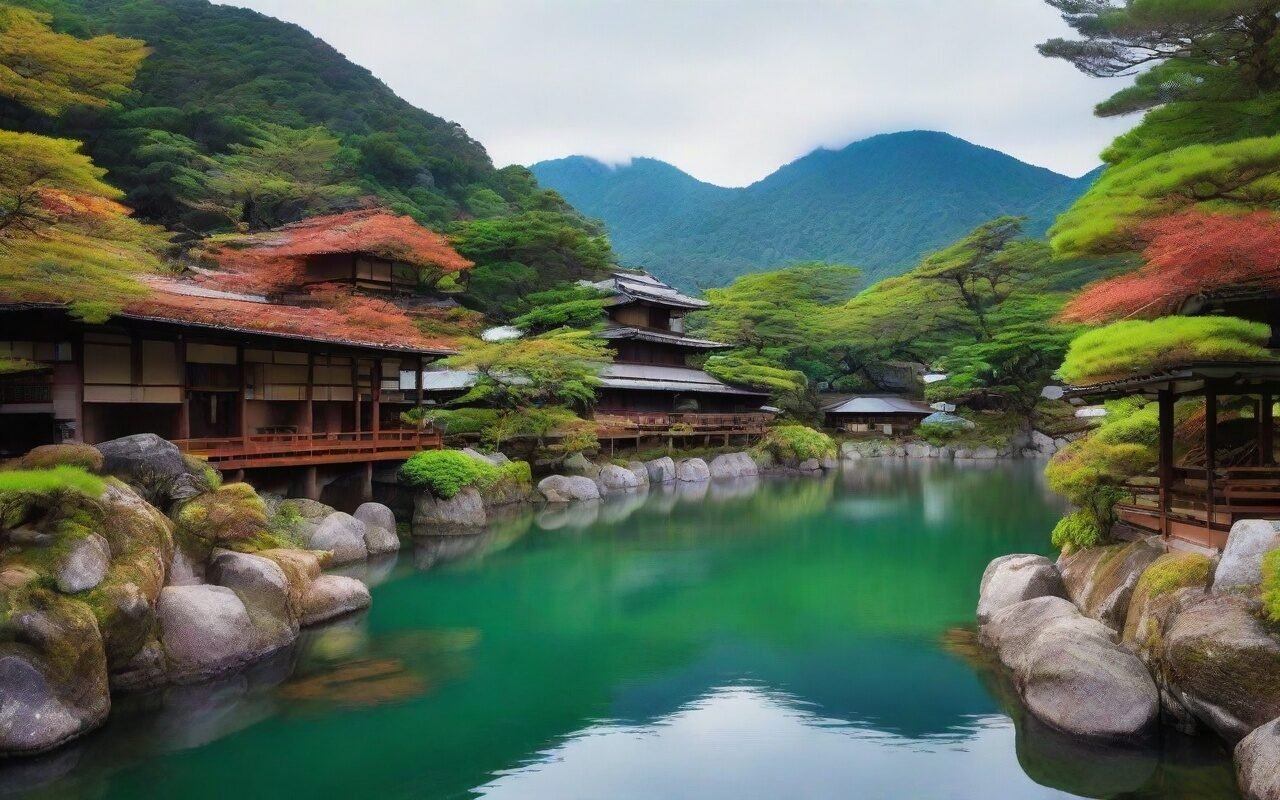
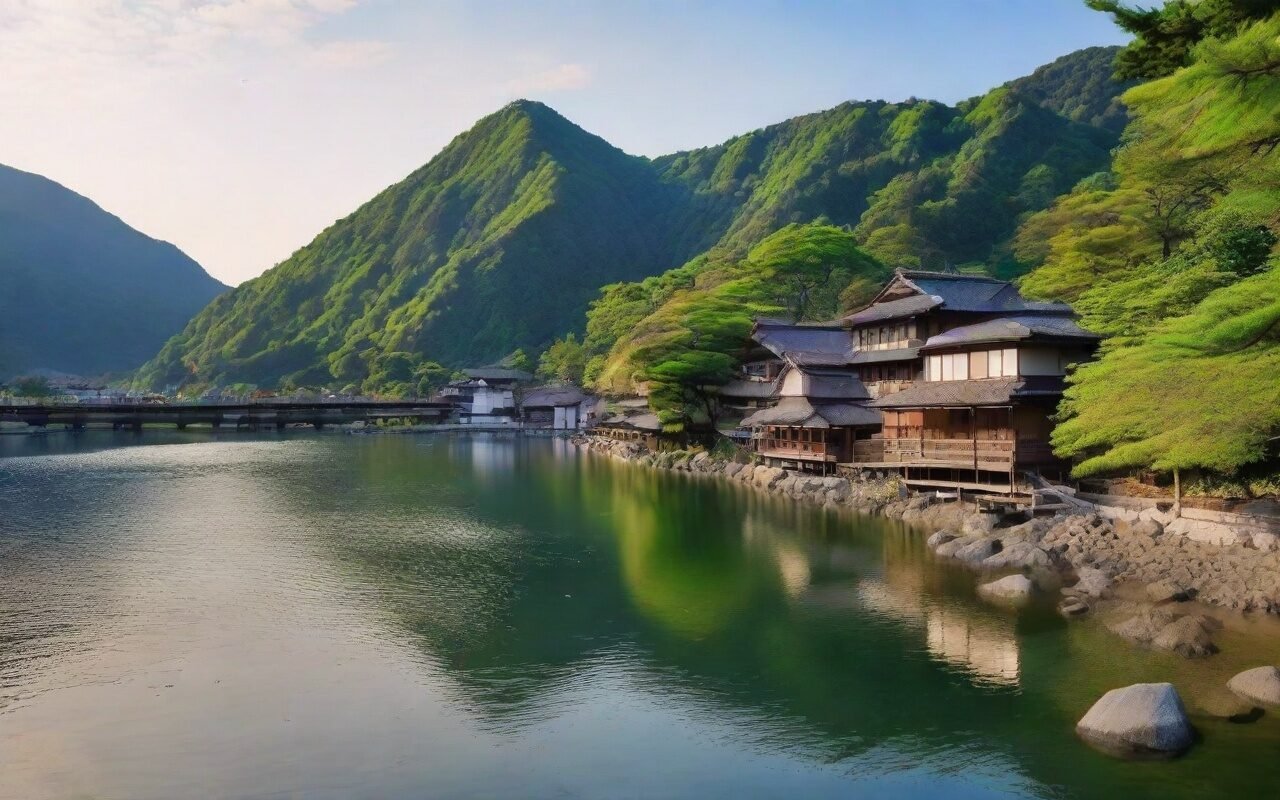
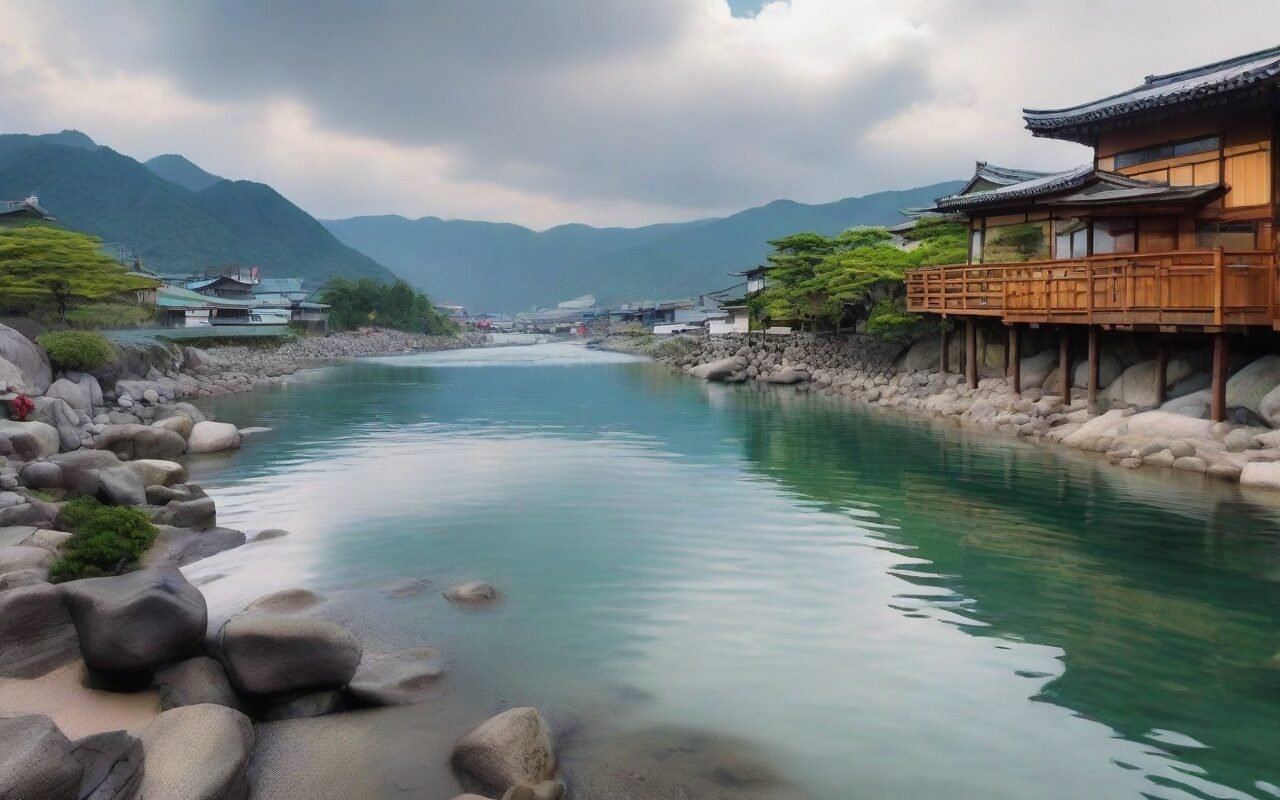
Kanagawa Prefecture is home to some of Japan’s best hot springs, all within easy reach of Tokyo. From the famous Hakone area to hidden coastal onsens, Kanagawa offers diverse onsen experiences for day trippers and overnight guests alike.
Highlights:
- 100+ onsen facilities
- Easy access from Tokyo (1-1.5 hours)
- Day trip and overnight options
- Various water types and benefits
- beautiful natural settings
Hakone
Best for: Resort experience, Mount Fuji views, tourism
Access: 1.5 hours from Tokyo
Onsen type: Sulfur, simple alkaline
Day trips: 20+ facilities
Overnight: 100+ ryokan
Japan’s most famous onsen resort area, offering stunning Mount Fuji views and numerous attractions. Top Onsen:
- Hakone Yuryo (day trip)
- Tenzan Onsen (day trip)
- Gora Kadan (luxury ryokan)
- Hakone Kowakien Ten-yu (resort)
Yugawara
Best for: Traditional atmosphere, quiet retreat
Access: 1 hour from Tokyo (Shinkansen)
Onsen type: Simple alkaline
Day trips: 10+ facilities
Overnight: 30+ ryokan
A quiet onsen town with over 1,300 years of history, perfect for a peaceful retreat. Top Onsen:
- Yugawara Station Onsen (day trip)
- Hot Spring Resort Yugawara (day trip)
- Traditional ryokan along the stream
Miura Peninsula
Best for: Coastal views, seafood, day trips
Access: 1.5 hours from Tokyo
Onsen type: Sodium chloride
Day trips: 5+ facilities
Overnight: 10+ hotels
Coastal onsen with ocean views and fresh seafood, ideal for day trips. Top Onsen:
- Misaki Onsen (day trip)
- Jogashima Onsen (day trip)
- Aburatsubo Onsen (day trip)
Hakone Yuryo
Best for: Forest setting, private baths
Cost: ¥1,400 (day trip)
Hours: 10:00 AM - 9:00 PM
Access: 10 min bus from Gora Station
Facilities: 11 baths, sauna, restaurant
A beautiful onsen resort set in a forest valley, offering 11 different baths including private options. Features:
- Outdoor rock baths
- Private family baths (¥2,000/50min)
- Forest views
- Restaurant on-site
Tenzan Onsen
Best for: Variety of baths, value
Cost: ¥1,500 (day trip)
Hours: 7:00 AM - 11:00 PM
Access: 15 min bus from Hakone-Yumoto
Facilities: 8 baths, sauna, restaurant
One of Hakone’s most popular day trip onsen with excellent facilities and reasonable prices. Features:
- Large outdoor bath
- Electric bath
- Sauna with water bath
- Massage services
Manyo Club (Yugawara)
Best for: 24-hour access, ocean views
Cost: ¥1,650 (day trip)
Hours: 24 hours
Access: 5 min walk from Yugawara Station
Facilities: 7 baths, restaurant, lounge
A 24-hour onsen resort with ocean views, perfect for early morning or late night visits. Features:
- Ocean view baths
- 24-hour operation
- Sleeping lounge
- Restaurant and bar
Luxury (¥40,000+/night)
Gora Kadan (Hakone)
Price: From ¥50,000/night
Features: Michelin-starred kaiseki, private onsen
Access: 5 min from Gora Station
Rating: 5 stars
Hakone Kowakien Ten-yu
Price: From ¥40,000/night
Features: All rooms with open-air bath
Access: 10 min from Kowakidani Station
Rating: 5 stars
Mid-range (¥15,000-30,000/night)
Hakone Suishoen
Price: From ¥20,000/night
Features: Large public baths, kaiseki meals
Access: Free shuttle from Hakone-Yumoto
Rating: 4 stars
Yugawara Onsen Yado Sakan
Price: From ¥18,000/night
Features: Traditional atmosphere, riverside location
Access: 5 min walk from Yugawara Station
Rating: 4 stars
Budget (Under ¥15,000/night)
Hakone Pax Yoshino
Price: From ¥12,000/night
Features: Simple rooms, good onsen
Access: 5 min walk from Hakone-Yumoto Station
Rating: 3 stars
Before Entering
- Remove shoes at the entrance
- Store belongings in provided lockers
- Wash thoroughly at shower stations
- No swimsuits (onsen are enjoyed nude)
- Tie up long hair
In the Bath
- No soap in the baths
- No swimming or splashing
- Keep towels out of the water
- Be quiet and relax
- No photography in most facilities
After Bathing
- Rinse off lightly (don’t wash off all minerals)
- Dry off before returning to locker room
- Hydrate with water or milk
- Rest in relaxation areas
Simple Alkaline (Tanjun Kaisei)
Found in: Hakone, Yugawara
Benefits: Skin beautification, pain relief
Color: Clear
Feel: Smooth, silky
Sulfur (Iou)
Found in: Owakudani (Hakone)
Benefits: Skin conditions, respiratory issues
Color: Milky white
Smell: Rotten egg scent
Sodium Chloride (Shio)
Found in: Miura Peninsula
Benefits: Wound healing, cold sensitivity
Color: Slightly yellow
Feel: Warm after bathing
To Hakone
Romancecar (Recommended):
- Shinjuku to Hakone-Yumoto: 85 minutes
- Cost: ¥2,470 (reserved seat)
- Frequency: Every 30 minutes Shinkansen:
- Tokyo to Odawara: 40 minutes
- Then local train: 15 minutes
- Cost: ¥4,500 (covered by JR Pass)
To Yugawara
Shinkansen:
- Tokyo to Yugawara: 50 minutes
- Cost: ¥3,500 (covered by JR Pass) Local train:
- Tokyo to Yugawara: 90 minutes
- Cost: ¥1,500
To Miura
Train + Bus:
- Tokyo to Misakiguchi: 90 minutes
- Then bus: 15 minutes
- Cost: ¥1,500
Day Trip from Tokyo
Morning:
- Depart Tokyo (8 AM)
- Arrive Hakone-Yumoto (9:30 AM)
- Visit Tenzan Onsen Afternoon:
- Lunch in Hakone
- Visit Owakudani
- Return to Tokyo (5 PM)
Overnight Trip
Day 1:
- Depart Tokyo (10 AM)
- Check into ryokan
- Enjoy onsen and kaiseki dinner Day 2:
- Morning onsen
- Sightseeing
- Return to Tokyo (3 PM)
What to Bring
Provided by most onsen:
- Towels
- Toiletries
- Yukata (at ryokan) Bring yourself:
- Change of clothes
- Medications
- Camera (for outside baths)
Tattoos
- Many onsen prohibit visible tattoos
- Some allow with covering patches
- Private baths available at some facilities
- Check policies in advance
Cost Savings
- Hakone Free Pass: Covers transport + discounts
- Day trip passes: ¥1,000-2,000
- Overnight packages: Often include meals and activities
Summary
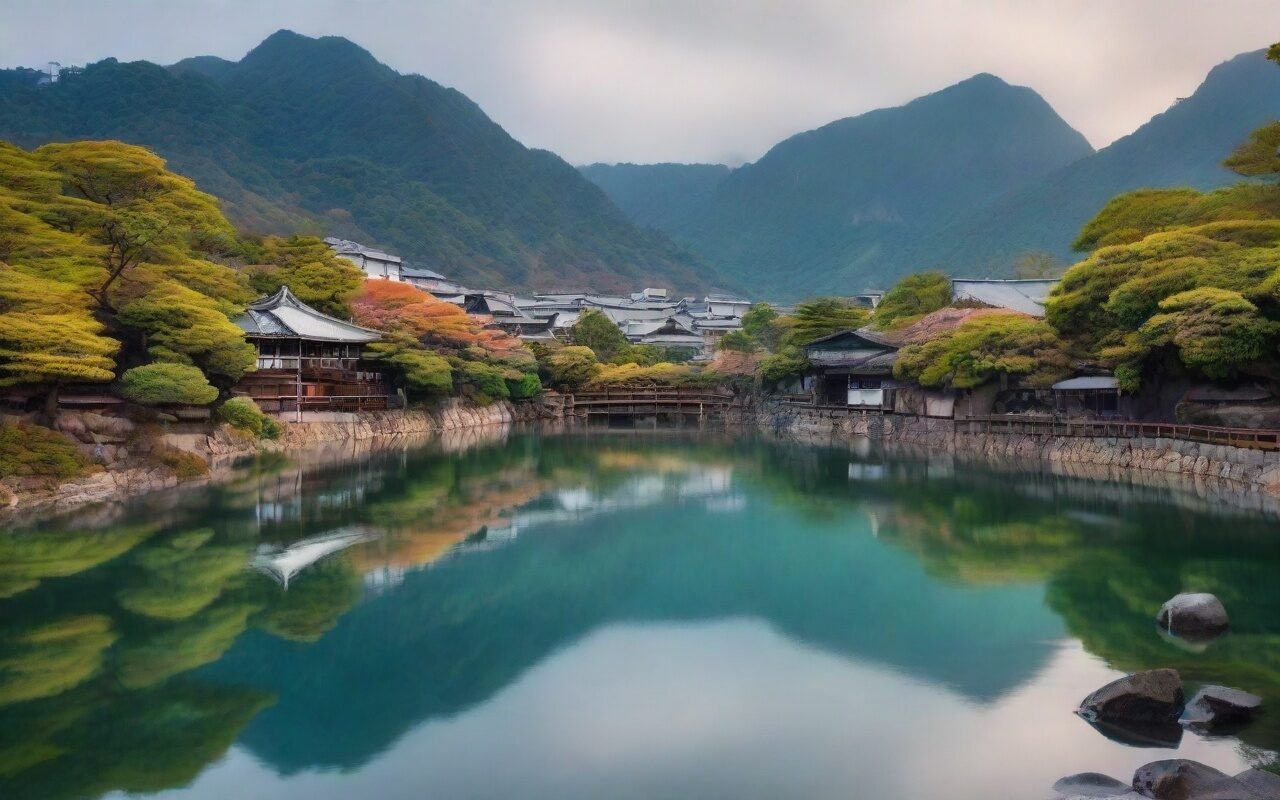
Kanagawa offers exceptional onsen experiences just 1-1.5 hours from Tokyo. Whether you’re looking for a quick day trip or a luxurious overnight stay, Kanagawa has the perfect onsen for you.
Key highlights:
- 100+ onsen facilities
- Easy access from Tokyo
- Day trip and overnight options
- Various water types
- beautiful natural settings
Kanagawa Onsen Guide There is nothing quite like soaking in a natural hot spring while overlooking Mount Fuji or a forested valley. Kanagawa’s onsen offer the perfect way to unwind after a day of exploration, combining therapeutic waters with stunning scenery.
Do onsen allow tattoos?
A. Many don’t, but some do with covering patches. Private baths are an option.
What should I wear?
A, Nothing! Onsen are enjoyed nude. Small towels are provided.
Can I visit onsen with children?
A. Yes, many onsen welcome families. Some have family baths.
Is the onsen water safe?
A. Yes, onsen water is naturally filtered and regularly tested.
Frequently Asked Questions
Q: What is the best season to plan a visit here?
A: The ideal seasons for visiting this area are spring (March-May) and autumn (September-November), when temperatures are moderate and rainfall is minimal. Summer offers vibrant festivals and beach activities despite the humidity. Winter provides crisp, clear days perfect for photography and sightseeing with fewer tourists.
Q: Which train line should I take to get there?
A: Multiple train lines serve different parts of Kanagawa from Tokyo. The JR Tokaido Line, Odakyu Line, Keikyu Line, and Shonan-Shinjuku Line all provide access. The best route depends on your starting point in Tokyo. Smartphone navigation apps provide real-time route guidance.
Q: Is this destination manageable as a day trip from Tokyo?
A: Yes, all destinations in this guide work well as day trips. Plan to arrive by late morning to see the main highlights. For a relaxed pace including lunch and optional detours, allow 6-8 hours. If you have more time, extending your stay overnight lets you explore at a leisurely pace and enjoy evening attractions.
Q: Do I need any special skills or equipment to enjoy this destination?
A: Most attractions in this guide are accessible to visitors of all backgrounds and fitness levels. Well-maintained paths, clear signage, and English information make navigation easy. For activities requiring specific gear (hiking shoes, swimwear, etc.), recommendations are included in the relevant sections above.
Kanagawa Onsen Guide – Kanagawa 2026 provides everything you need to make your Kanagawa trip smooth and enjoyable. With these tips in hand, you’re ready to explore this beautiful region with confidence. Safe travels!
Packing Essentials
For outdoor activities, wear moisture-wicking clothing and comfortable closed-toe shoes. Sunscreen and a hat are essential during summer. A small towel is useful for wiping sweat. A waterproof phone pouch is useful for water activities. Pack snacks and extra water for remote areas.
For more details, read our guide to Shonan Pet Friendly Spots.
Conclusion
exploring Kanagawa for its onsen can be as relaxed or as packed as you want it to be, and I have found that the best visits leave room for both planning and spontaneity. During my visit I went with a rough plan and found that leaving room to wander made the trip far more memorable. Use this guide to sort out the logistics in advance, then let the day surprise you — Kanagawa rewards travelers who stay curious.