Tag: travel-destinations

  • Family Friendly Hakone Activities 2026

    Family Friendly Hakone Activities 2026

    Overview

    We visited Hakone with two young kids last autumn, and I quickly learned that the key is pacing, not packing. During our first day we tried to see everything — the Open-Air Museum, the ropeway, the pirate ship — and the meltdowns started by 2 PM. On our second visit we picked just three activities and everyone, including the adults, actually enjoyed the day.

    This guide covers the kid-approved spots we experienced firsthand, with honest notes on strollers, timing, and which attractions are worth the ticket price for different ages. For accommodation, our Hakone Ryokan Stay Guide and Hakone 2 Days 1 Night plan round out the trip.

    Plan your perfect visit to Family Friendly Hakone Activities with this comprehensive destination guide, Covering everything from must-see attractions to practical travel tips, this guide helps you make the most of your time in Family. Whether you have a single day or an entire week, discover the best that this Kanagawa destination has to offer.

    📍 Location


    Hakone is perfect for families with children, offering outdoor activities, museums, and onsen things. This guide covers the best family-friendly attractions, practical tips, and age-appropriate activities.

    1. Hakone Open-Air Museum

    Why Kids Love It: Climbable sculptures, play area

    • Admission: ¥1,600 (adult). ¥800 (child 3+)
    • Hours: 9:00-17:00
    • Access: 2 min walk from Chokoku-no-Mori Station
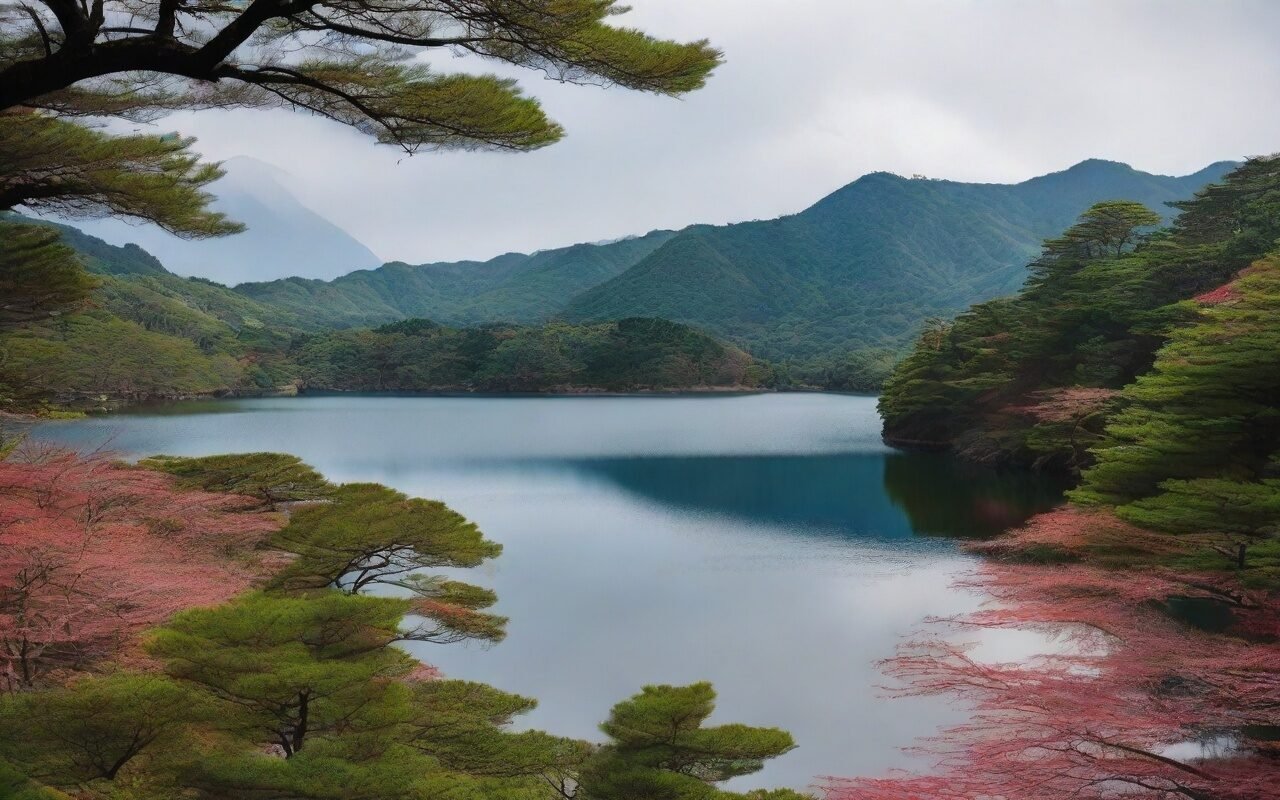
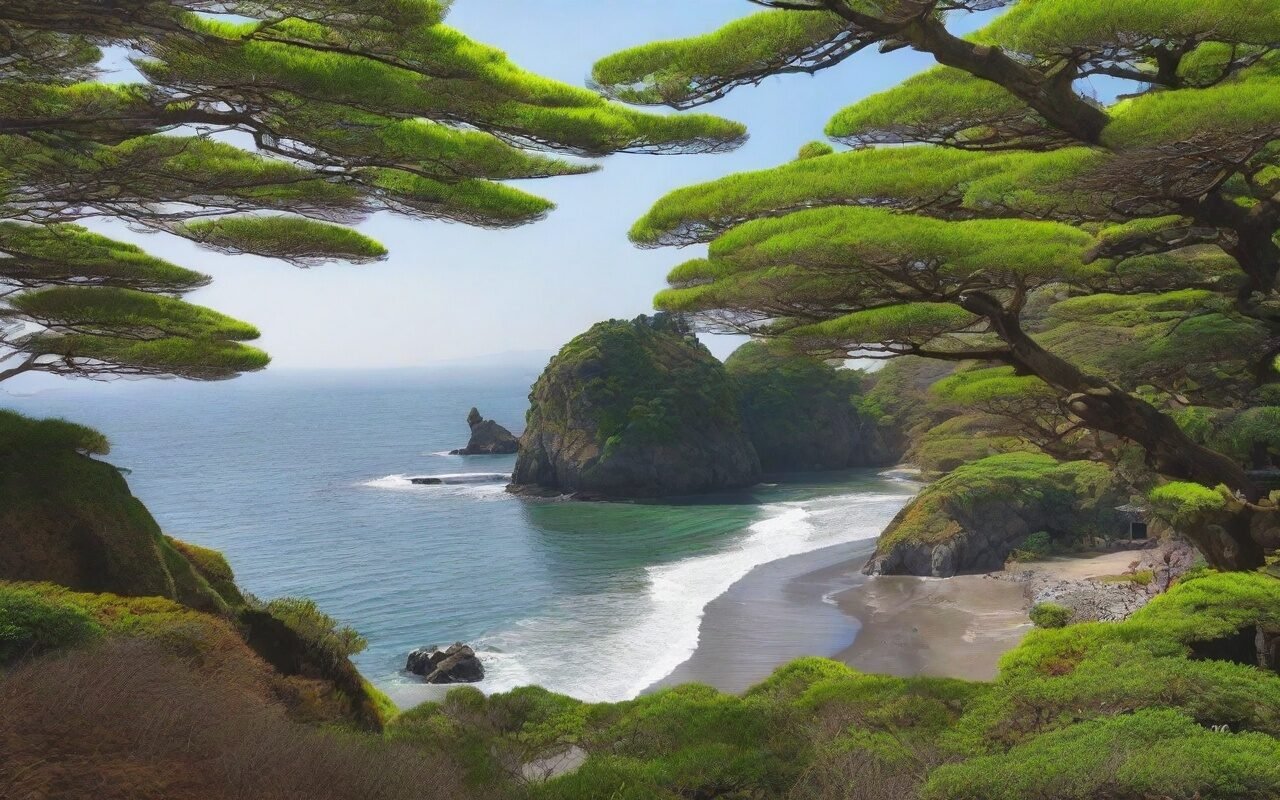
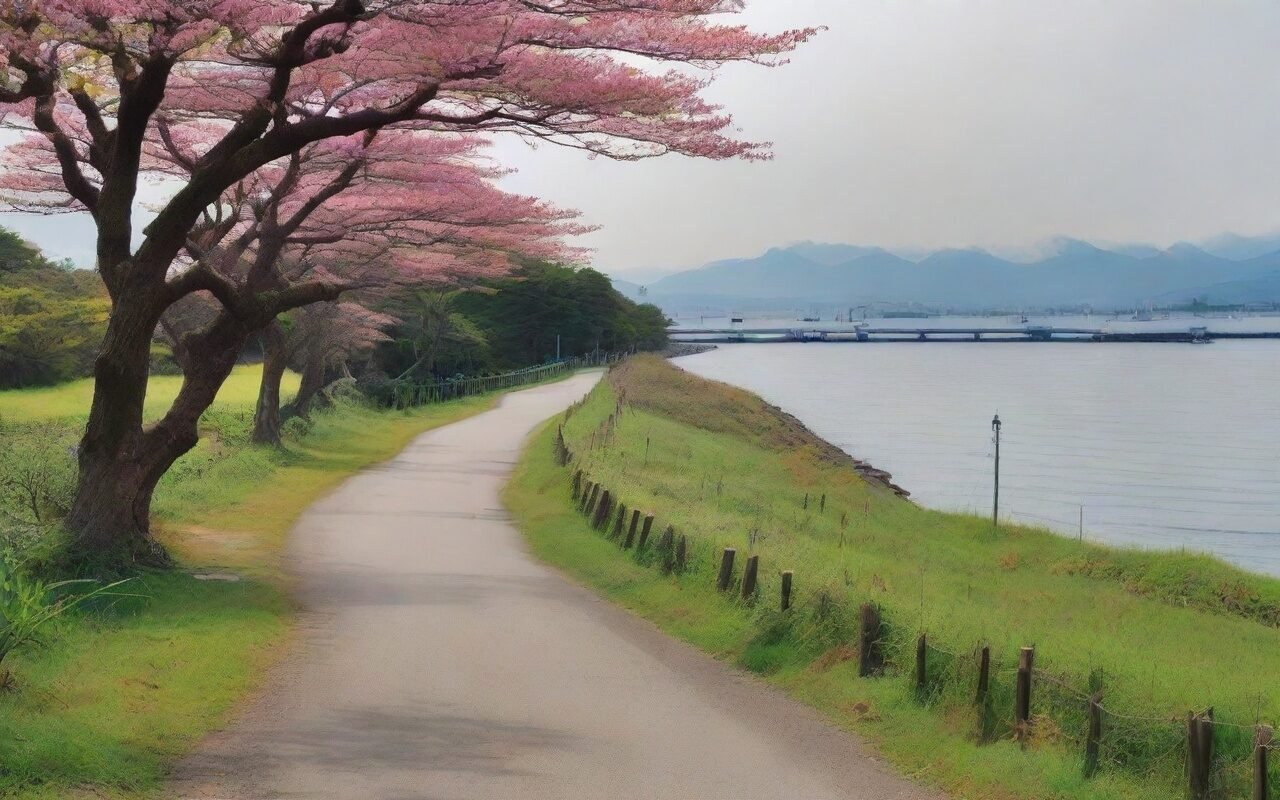
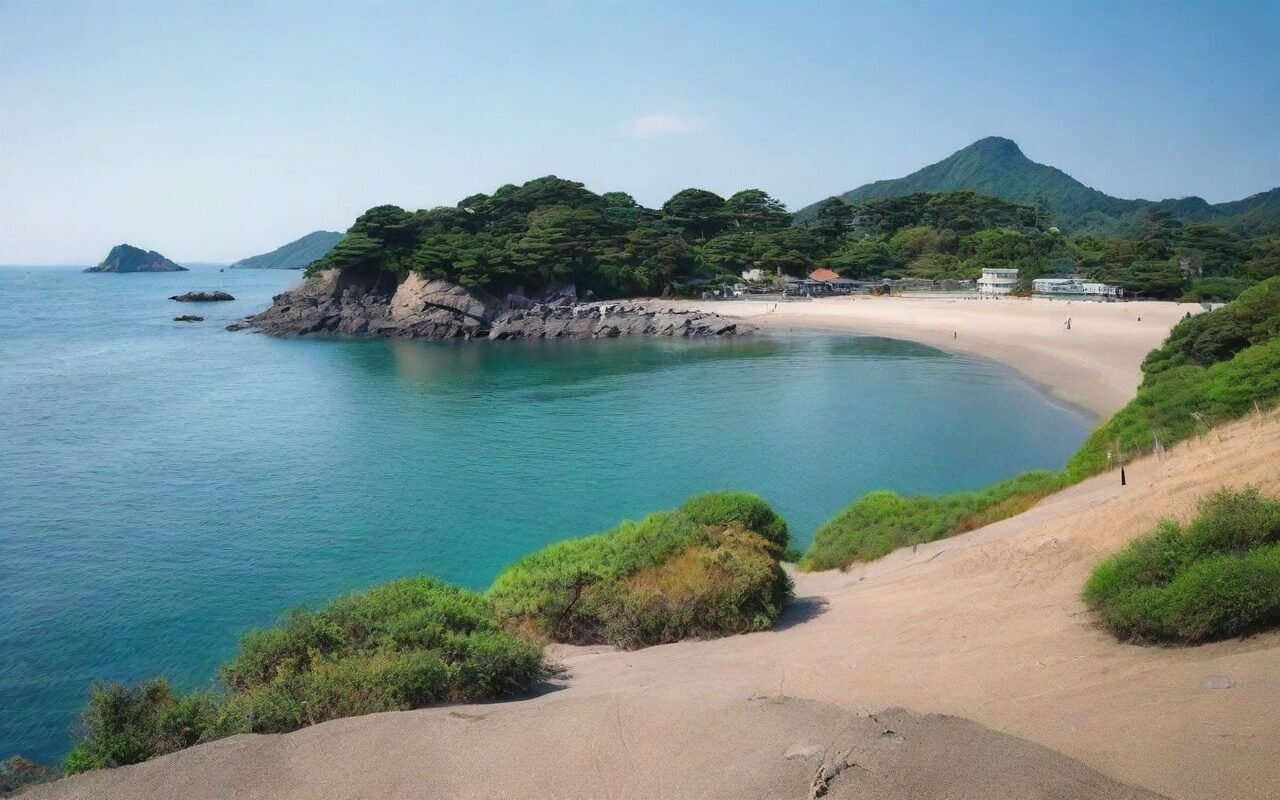
    Scenic Kanagawa destination and travel location

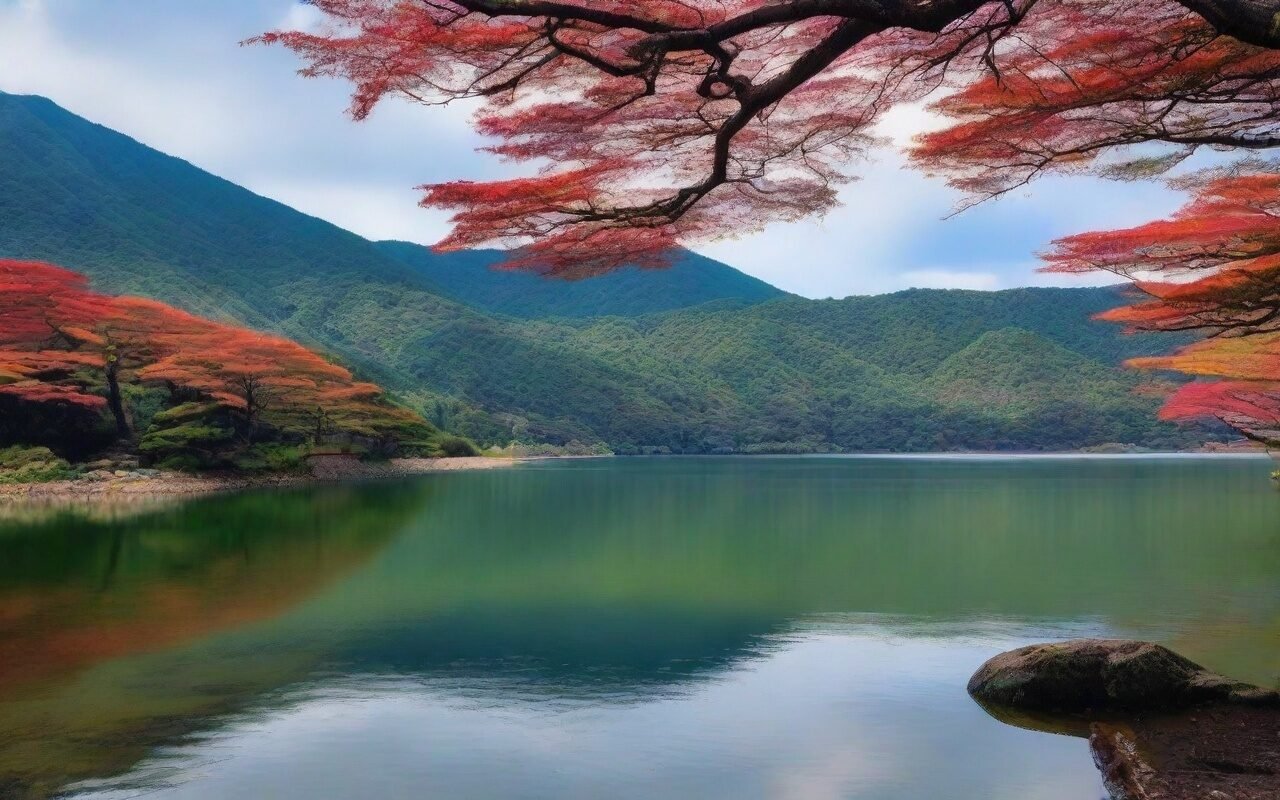
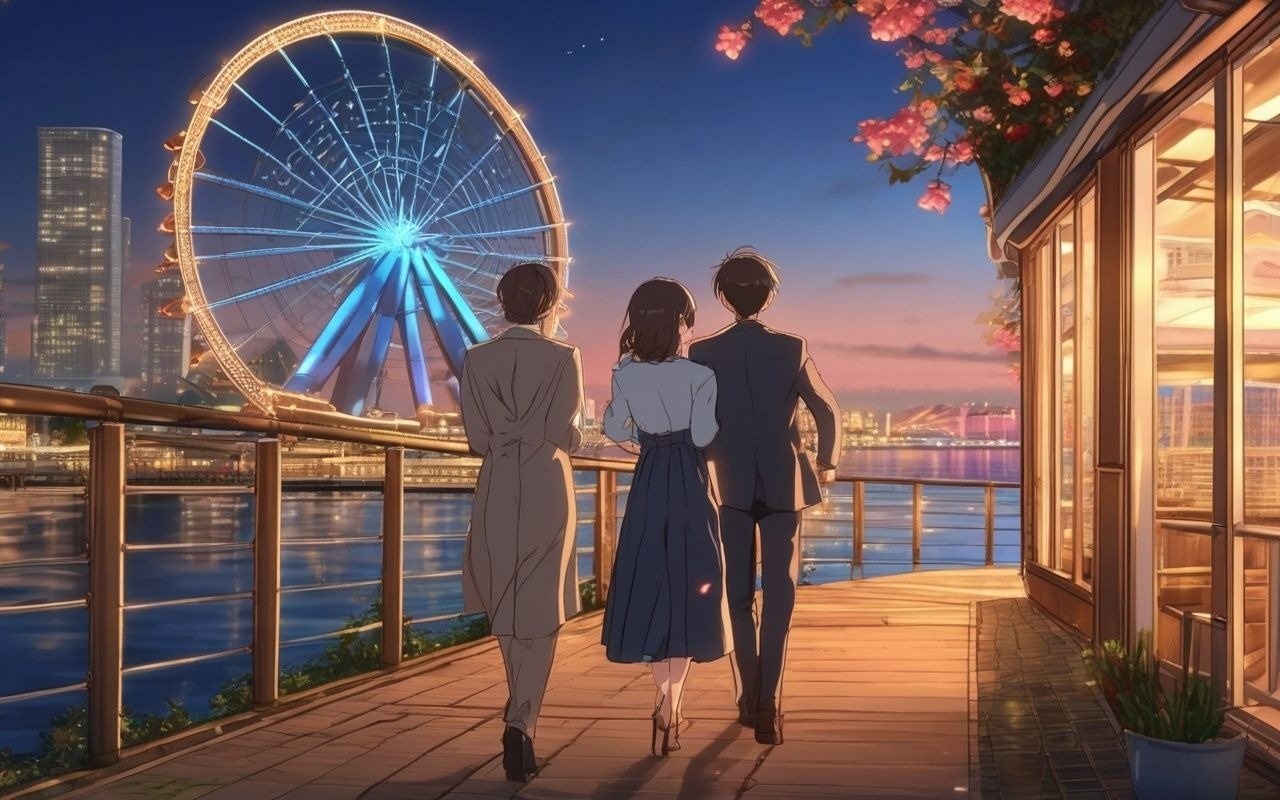
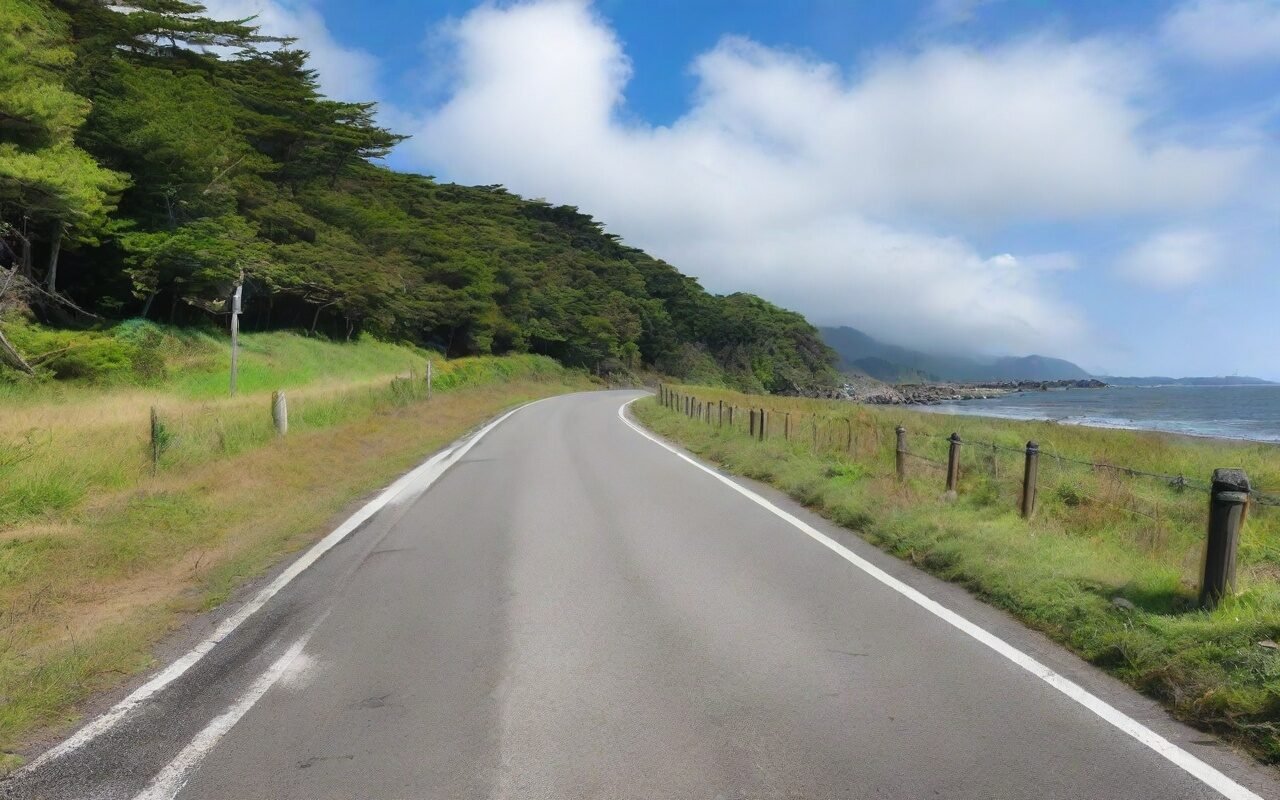
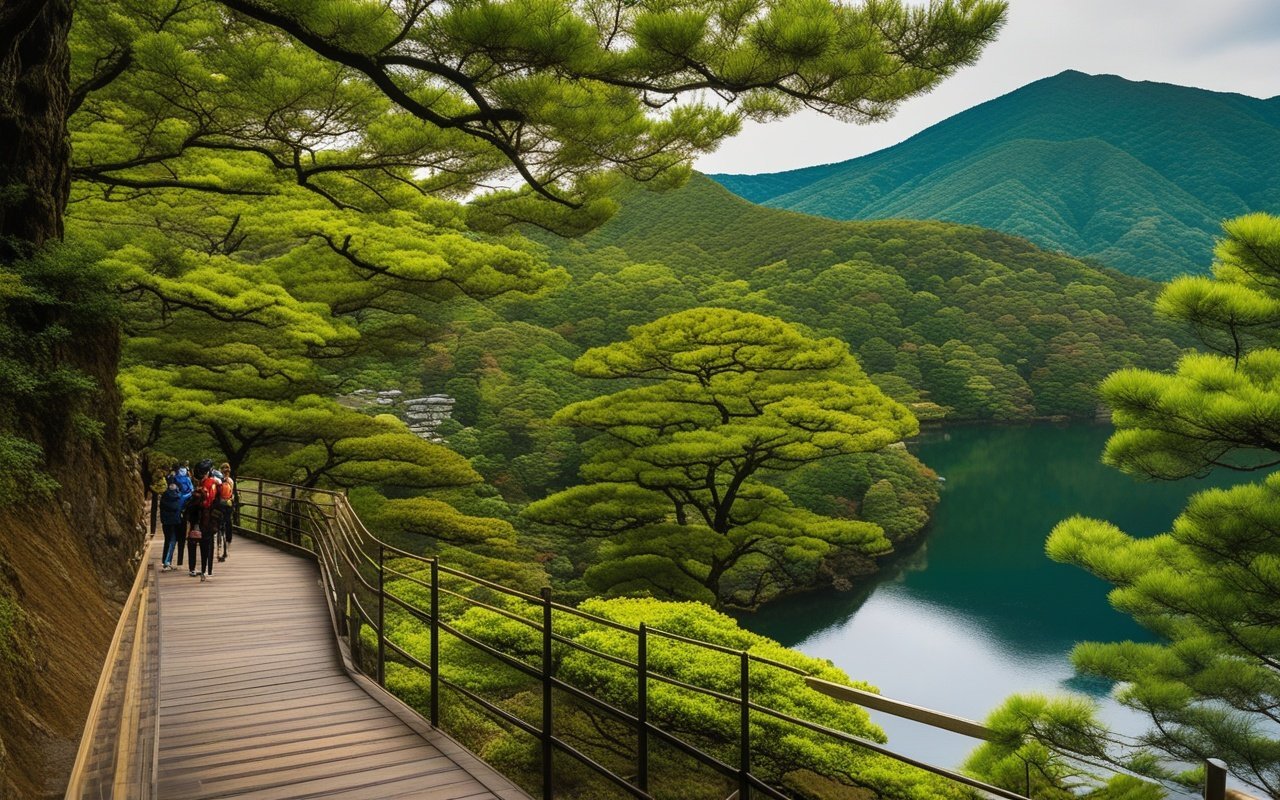
    Must-see Kanagawa destination and viewpoint

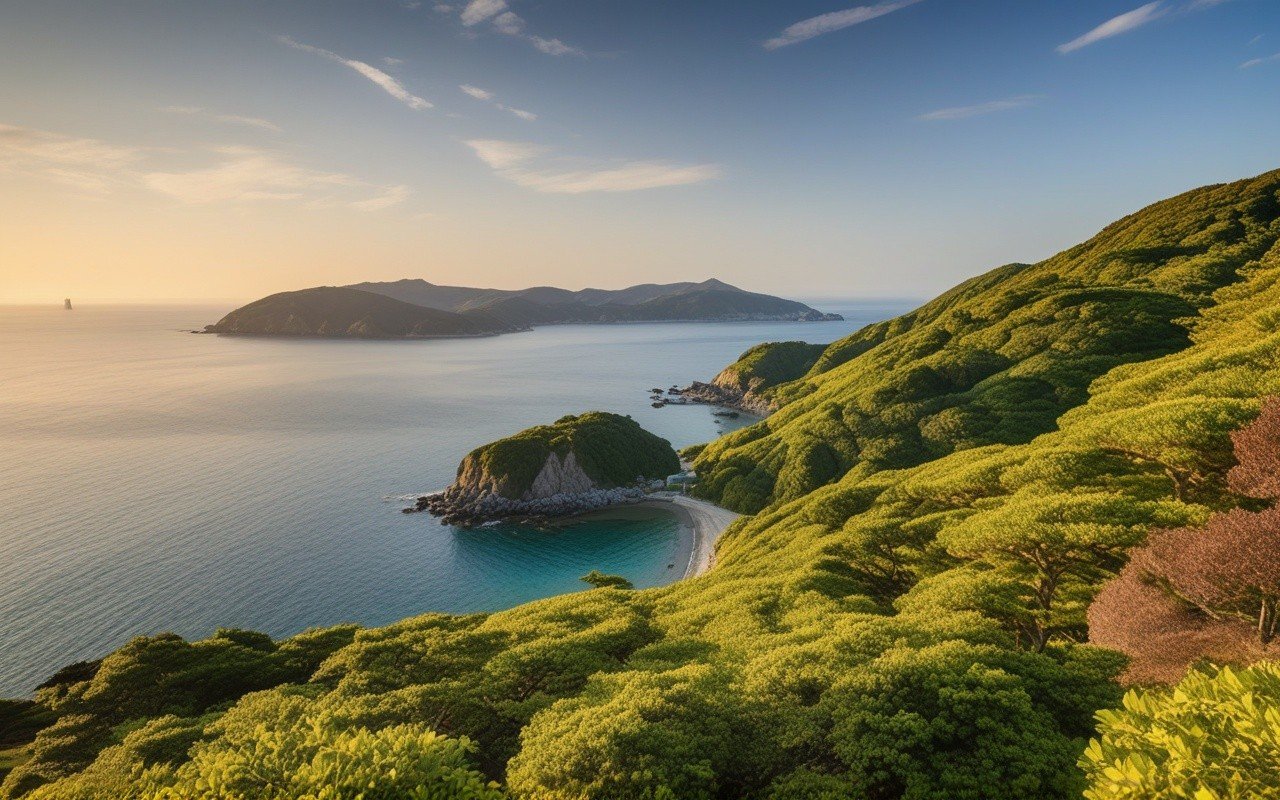
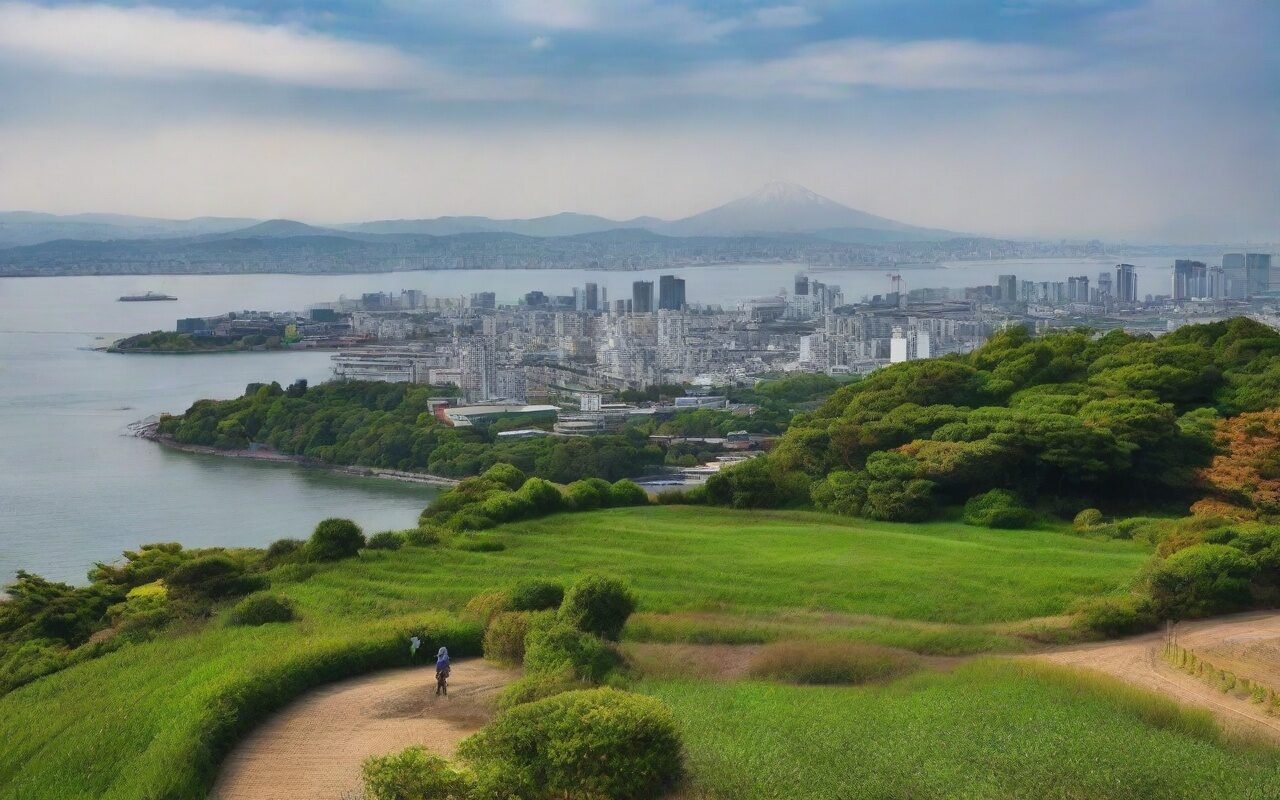
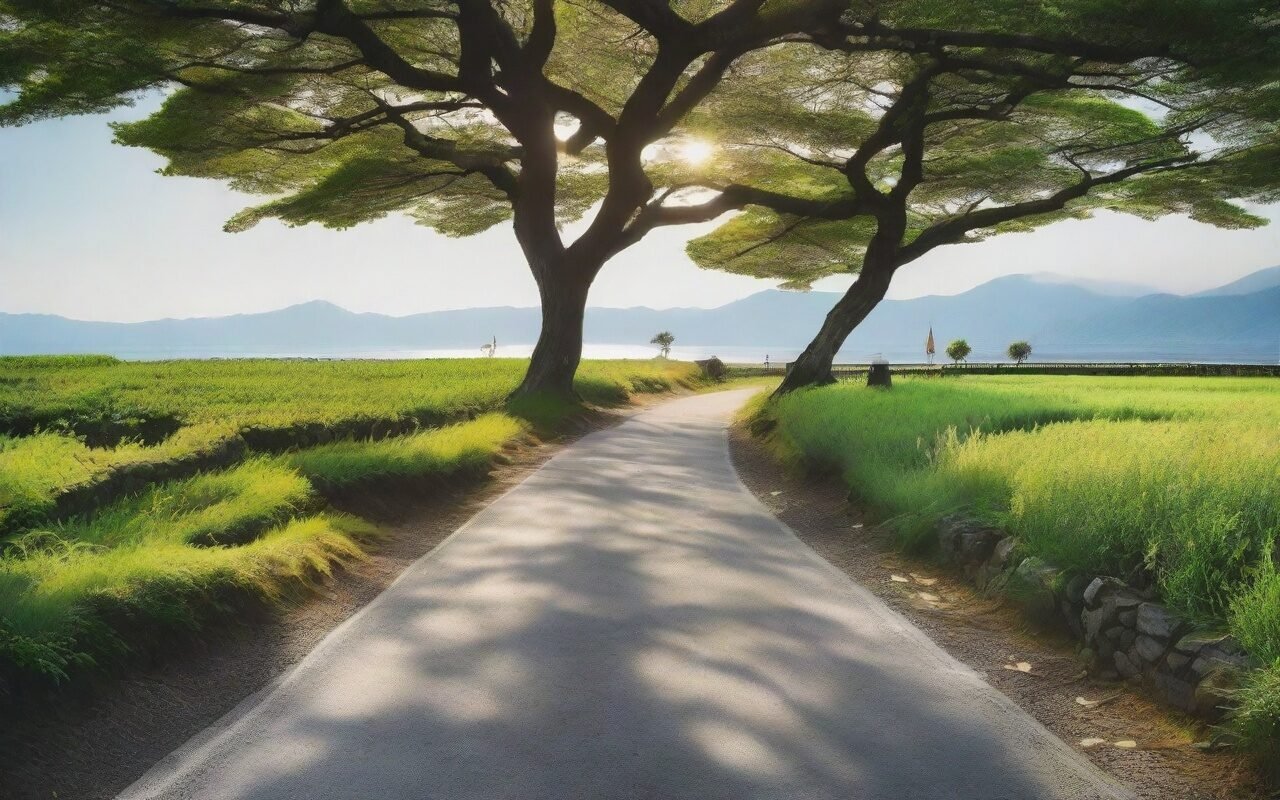
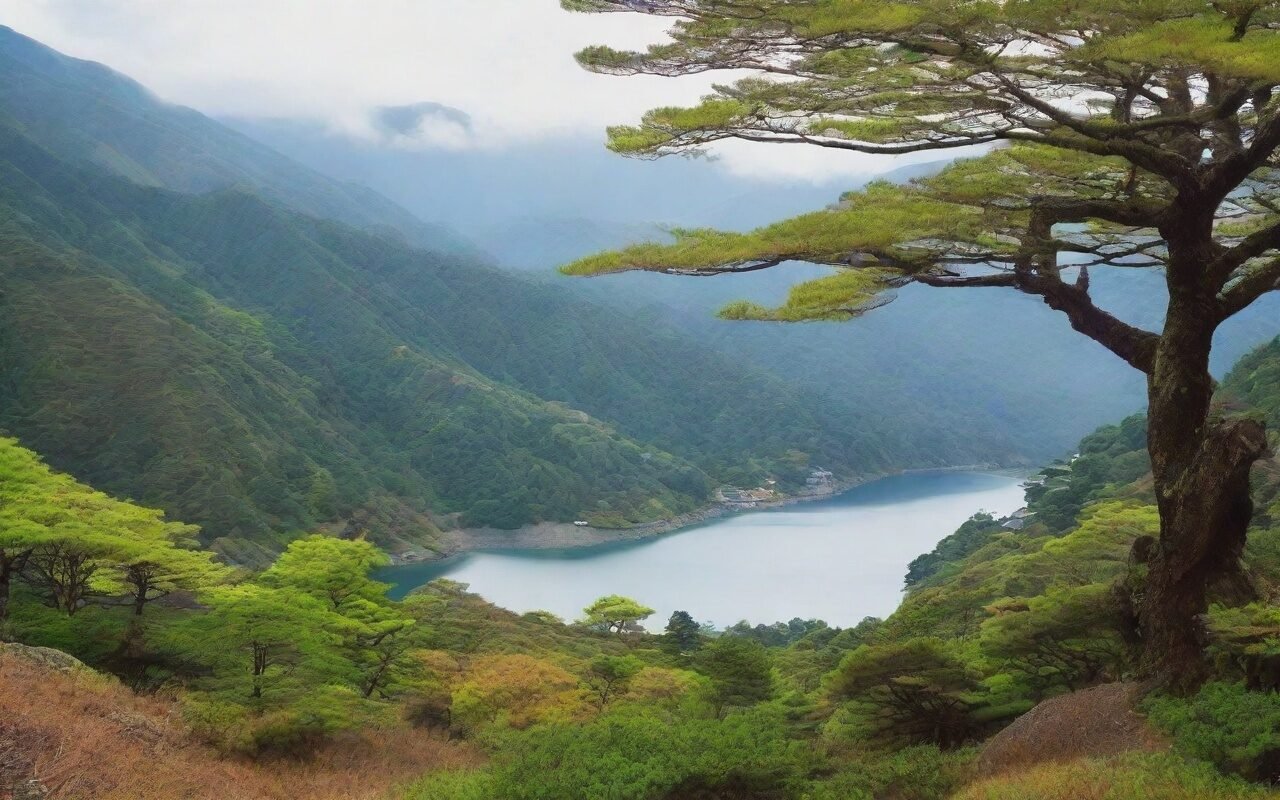
    Family Friendly Hakone Activities detailed view and features

    • Time Needed: 2-3 hours
    • Stroller: ✅ Mostly accessible
    • Age: 3+ years

    Highlights for Kids:

    • Symphonic Sculpture (climb inside)
    • Kids’ play area
    • Foot bath (relaxation)
    • Picasso Pavilion (art appreciation) Family places:
    • Baby changing rooms
    • Family restrooms
    • Stroller rental (limited)
    • Restaurant with kids’ menu

    2. Hakone Pirate Ship (Lake Ashi Cruise)

    Why Kids Love It: Pirate-themed ship, lake views

    • Admission: Free with Hakone Free Pass
    • Hours: 9:00-17:30
    • Access: Togendai Station (ropeway)
    • Time Needed: 30-40 min (one way)
    • Stroller: ✅ Accessible
    • Age: All ages

    Highlights for Kids:

    • Pirate ship design
    • Outdoor decks
    • Lake Ashi views
    • Photo chances Family places:
    • Restrooms on board
    • Snack bar (some ships)
    • Elevator (Royal II ship)
    • Priority boarding (families)

    3. Owakudani Valley

    Why Kids Love It: Volcanic vents, black eggs

    • Admission: Free (ropeway not included)
    • Hours: Always open
    • Access: Hakone Ropeway
    • Time Needed: 30-60 min
    • Stroller: ⚠️ Limited access
    • Age: All ages

    Highlights for Kids:

    • Black eggs (eat one, live 7 years longer!)
    • Volcanic vents (sulfur smell)
    • Ropeway ride (scenic)
    • Souvenir shops Family places:
    • Restrooms
    • Restaurants
    • Souvenir shops
    • Viewing platforms Safety Note: Stay on marked paths, supervise children

    4. Hakone Venetian Glass Museum

    Why Kids Love It: pretty glass, gardens

    • Admission: ¥1,500 (adult). ¥1,000 (child)
    • Hours: 9:00-17:30
    • Access: 10 min bus from Sengokuhara
    • Time Needed: 1-2 hours
    • Stroller: ✅ Accessible
    • Age: 5+ years

    Highlights for Kids:

    • Crystal corridor (photo spot)
    • Glass-blowing demonstrations
    • Italian gardens
    • Swan boats (pond) Family places:
    • Restrooms
    • Cafe with kids’ menu
    • Stroller accessible
    • Gift shop

    5. Sengokuhara Pampas Grass

    Why Kids Love It: Tall grass fields, running space

    • Admission: Free
    • Hours: Always open
    • Access: Bus from Sengokuhara
    • Time Needed: 30-60 min
    • Stroller: ⚠️ hard terrain
    • Age: 3+ years

    Highlights for Kids:

    • Golden grass (Sep-Nov)
    • Running around
    • Photo chances
    • Nature walks Family places:
    • Parking
    • Restrooms (nearby)
    • Picnic area
    • Walking trails

    6. Lake Ashi Lakeside Walk

    Why Kids Love It: Lake views, open space

    • Admission: Free
    • Hours: Always open
    • Access: Moto-Hakone
    • Time Needed: 1-2 hours
    • Stroller: ✅ Accessible (paved path)
    • Age: All ages

    Highlights for Kids:

    • Lake views
    • Mount Fuji (clear days)
    • Torii gate (photo)
    • Picnic spots Family places:
    • Restrooms
    • Vending machines
    • Picnic tables
    • Parking

    7. Hakone Yuryo (Onsen)

    Why Kids Love It: Outdoor baths, relaxation

    • Admission: ¥2,200 (adult). ¥1,100 (child 3+)
    • Hours: 10:00-21:00
    • Access: 15 min taxi from Hakone-Yumoto
    • Time Needed: 1-2 hours
    • Stroller: ✅ Accessible
    • Age: 3+ years

    Highlights for Kids:

    • Outdoor baths (family bath available)
    • Foot bath
    • Relaxation area
    • Restaurant Family places:
    • Family baths (private)
    • Restrooms
    • Changing rooms
    • Restaurant with kids’ menu Onsen Etiquette: Teach children before visiting

    8. Old Tokaido Road

    Why Kids Love It: Historic path, nature

    • Admission: Free
    • Hours: Always open
    • Access: Bus from Moto-Hakone
    • Time Needed: 1-2 hours
    • Stroller: ⚠️ Uneven path
    • Age: 5+ years

    Highlights for Kids:

    • Historic stone path
    • Cedar trees (400 years old)
    • Checkpoint ruins
    • Lake views Family places:
    • Restrooms
    • Vending machines
    • Picnic area
    • Parking

    9. Hakone Museum of Art

    Why Kids Love It: Japanese garden, tea house

    • Admission: ¥1,000 (adult). ¥500 (child)
    • Hours: 9:30-17:00 (closed Tue)
    • Access: 10 min walk from Gora Station
    • Time Needed: 1-2 hours
    • Stroller: ⚠️ Limited access
    • Age: 6+ years

    Highlights for Kids:

    • Japanese garden
    • Tea house (matcha time)
    • Ceramics (pretty objects)
    • Seasonal exhibitions Family places:
    • Restrooms
    • Tea house
    • Garden
    • Gift shop

    10. Hakone Botanical Garden of Wetlands

    Why Kids Love It: Nature trails, flowers

    • Admission: ¥500 (adult). ¥250 (child)
    • Hours: 9:00-16:30
    • Access: 10 min bus from Sengokuhara
    • Time Needed: 1-2 hours
    • Stroller: ✅ Accessible (boardwalk)
    • Age: All ages

    Highlights for Kids:

    • Wetland boardwalk
    • Seasonal flowers
    • Nature trails
    • Visitor center Family places:
    • Restrooms
    • Visitor center
    • Picnic area
    • Parking

    Toddlers (0-3 years)

    Best Activities:

    • Lake Ashi Pirate Ship (stroller accessible)
    • Hakone Yuryo (family bath)
    • Lakeside walks (paved paths) Avoid:
    • Crowded museums (short attention span)
    • Long hikes (carry child)
    • Hot onsen (temperature sensitivity) Tips:
    • Bring stroller
    • Pack snacks
    • Plan nap times
    • Use baby carriers for onsen

    Preschoolers (3-5 years)

    Best Activities:

    • Hakone Open-Air Museum (climb sculptures)
    • Owakudani (black eggs)
    • Pampas Grass (running space) Avoid:
    • Long museum visits (boring)
    • Quiet attractions (too energetic)
    • Dangerous areas (volcanic vents) Tips:
    • Bring toys/games
    • Plan frequent breaks
    • Use positive reinforcement
    • Teach onsen etiquette

    School Age (6-12 years)

    Best Activities:

    • All museums (educational)
    • Hiking trails (active)
    • Onsen (cultural time) Avoid:
    • Babyish activities (too mature)
    • Dangerous activities (supervision needed) Tips:
    • Involve in planning
    • Educational focus
    • Camera for photos
    • Journal for memories

    Transportation with Kids

    Hakone Free Pass:

    • Children 6-11: Half price
    • Children 0-5: Free
    • Stroller: Foldable recommended Trains/Buses:
    • Priority seating (families)
    • Stroller space (limited)
    • Elevator access (most stations) Taxis:
    • Car seats (request in advance)
    • Expensive (use sparingly)
    • handy (for tired kids)

    Dining with Kids

    Family Restaurants:

    • Most restaurants welcome children
    • Kids’ menus available
    • High chairs (some restaurants) Convenience Stores:
    • Onigiri (rice balls)
    • Bento boxes
    • Snacks, drinks
    • Baby food (some stores) Picnic:
    • Pack lunch (save money)
    • Find park/picnic area
    • Bring blanket
    • Dispose trash properly

    Lodging with Kids

    Family Rooms:

    • Japanese-style (tatami)
    • Western-style (beds)
    • Combination (best of both) places:
    • Baby crib (request)
    • Kids’ amenities (some hotels)
    • Family bath (onsen)
    • Play area (some hotels) Tips:
    • Book early (family rooms limited)
    • Request quiet room
    • Check kids’ policies
    • Bring favorite toys

    Safety

    General Safety:

    • Japan is very safe
    • Supervise children always
    • Teach emergency numbers (110. 119)
    • Carry hotel card (address) Onsen Safety:
    • Test water temperature
    • Supervise children always
    • No running (slippery)
    • Shower before entering Hiking Safety:
    • Stay on marked trails
    • Watch for volcanic areas
    • Bring water/snacks
    • Wear appropriate shoes

    Half-Day (Young Kids)

    Morning:

    • 9:30: Hakone Open-Air Museum (2 hours)
    • 12:00: Lunch at museum cafe Afternoon:
    • 14:00: Lake Ashi Pirate Ship (30 min)
    • 15:00: Return to hotel Total: 5-6 hours, relaxed pace

    Full-Day (School Age)

    Morning:

    • 9:00: Owakudani (black eggs. 1 hour)
    • 10:30: Ropeway to Togendai
    • 11:00: Pirate Ship to Moto-Hakone Afternoon:
    • 12:00: Lunch at lakefront
    • 13:30: Hakone Shrine (torii gate)
    • 15:00: Bus to Hakone-Yumoto
    • 16:00: Onsen (relaxation) Total: 7-8 hours, active pace

    2-Day Family Trip

    Day 1:

    • Morning: Hakone Open-Air Museum
    • Afternoon: Lake Ashi Pirate Ship
    • Evening: Onsen at ryokan Day 2:
    • Morning: Owakudani + Ropeway
    • Afternoon: Venetian Glass Museum
    • Evening: Return to Tokyo Total: 2 days, comprehensive

    Family of 4 (2 adults. 2 children)

    Transport:

    • Hakone Free Pass: ¥12,280 (2 days, child ¥1,000 x2) Food:
    • Budget: ¥4,000/day (convenience stores)
    • Mid-range: ¥8,000/day (restaurants) Activities:
    • Free attractions: ¥0
    • Museums: ¥6,000 (Open-Air, etc.) lodging:
    • Budget: ¥15,000/night (family room)
    • Mid-range: ¥30,000/night (ryokan) Total (2 days):
    • Budget: ¥50,000-70,000
    • Mid-range: ¥80,000-120,000

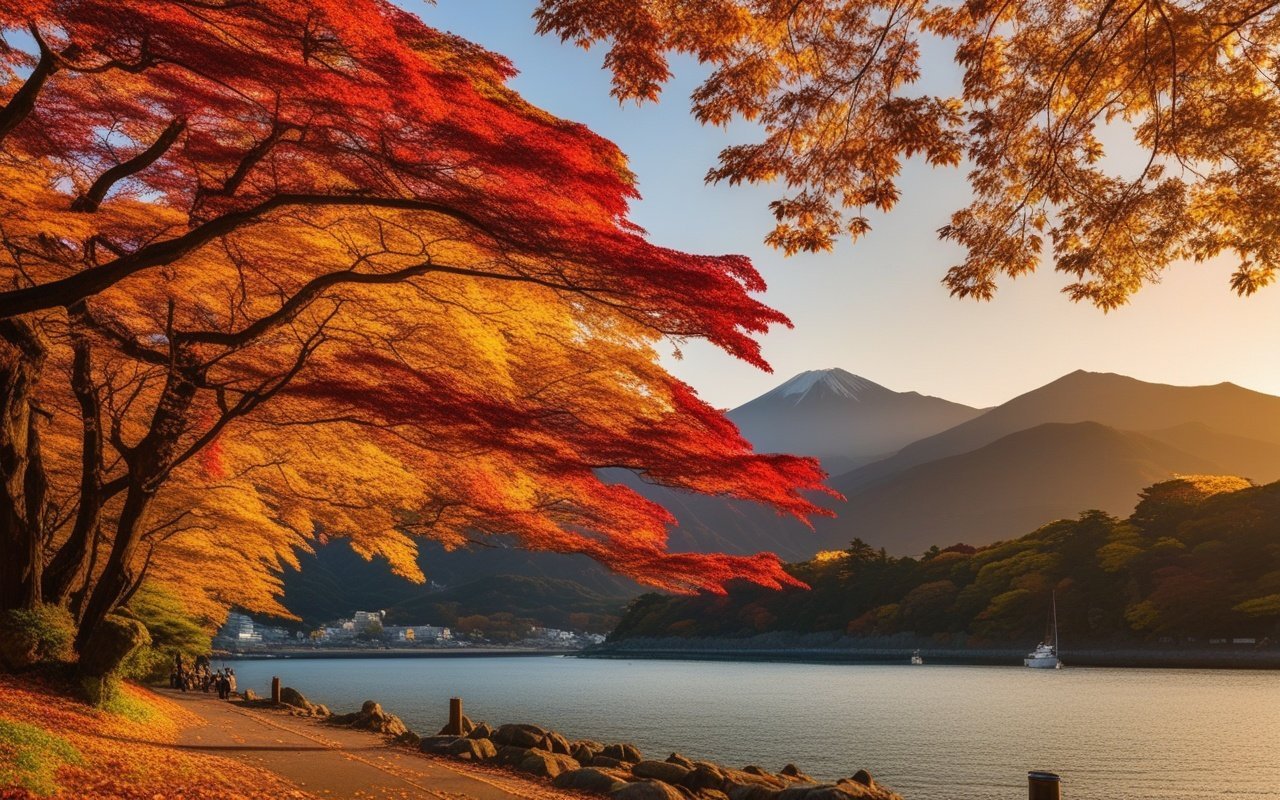
    Family Friendly Hakone Activities detailed view and features


    Summary

    Family Friendly Hakone Activities 2026 — Summary

    Activity Age Stroller Cost Time
    Open-Air Museum 3+ ¥1,600 2-3h
    Pirate Ship All Free* 30-40min
    Owakudani All ⚠️ Free* 30-60min
    Glass Museum 5+ ¥1,500 1-2h
    Pampas Grass 3+ ⚠️ Free 30-60min
    Lake Walk All Free 1-2h
    Onsen 3+ ¥2,200 1-2h
    Old Tokaido 5+ ⚠️ Free 1-2h
    Art Museum 6+ ⚠️ ¥1,000 1-2h
    Botanical Garden All ¥500 1-2h

    *Free with Hakone Free Pass Bottom Line: Hakone is great for families with diverse activities. The Hakone Open-Air Museum is the top pick for kids, while the Pirate Ship offers unique family memories. Budget ¥50,000-100,000 for a family of 4 for 2 days. Best For: Families with children 3+ years Budget: ¥25,000-50,000 per day (family of 4) Time Needed: 1-2 days minimum


    Related Articles:

    Frequently Asked Questions

    Q: What is the best time to visit this area?
    A: Spring (March-May) and autumn (September-November) offer the most pleasant weather. Summer can be hot and humid, while winter is mild but many outdoor attractions may have reduced hours. Q: How do I get there from Tokyo?
    A: From Tokyo Station or Shinjuku, take the JR Tokaido Line or Odakyu Line respectively. Most destinations in Kanagawa are within 60-90 minutes by train. Q: Is English signage available?
    A: Yes, major tourist areas in Kanagawa have English signage at stations. Smaller local spots may have limited English. Q: Can I visit on a day trip?
    A: Yes, most Kanagawa destinations are easily accessible as day trips from Tokyo. Consider arriving early (before 10 AM) to avoid crowds. Q: Are credit cards widely accepted?
    A: Major attractions, hotels, and larger restaurants accept credit cards. Smaller shops and local eateries may be cash-only. Carry ¥5,000-10,000 in cash.

    Final Thoughts

    Family Friendly Hakone Activities provides everything you need to make your Kanagawa trip smooth and enjoyable. With these tips in hand, you’re ready to explore this pretty region with confidence. Safe travels! —


    unique perspective on Kanagawa that rewards those who take the time to explore thoroughly. Whether you are here for a day or a week, the memories you create will stay with you long after you return home.

    Conclusion

    Hakone may be famous for romantic ryokan stays, but it is equally rewarding for families — my own visit with kids worked best when I mixed the Open-Air Museum with the pirate ship cruise and kept each activity short. The transport loop itself is the attraction, and the Free Pass makes it affordable to hop between stops without stress. Plan one or two highlights per day, build in onsen breaks, and Hakone will leave your family with memories that last long after the trip ends.
  • Hakone 2days 1night Guide 2026

    Hakone 2days 1night Guide 2026

    Hakone 2days 1night Guide 2026

    Overview

    I spent the weekend in Hakone last autumn and discovered that two days and one night is the ideal amount of time — long enough to ride the ropeway, cruise Lake Ashi, and soak in an onsen without feeling rushed. We visited the Open-Air Museum in the morning and Owakudani in the afternoon, and that pacing made all the difference for our energy levels.

    Plan your perfect visit to Hakone 2days 1night Guide with this comprehensive destination guide, Covering everything from must-see attractions to practical travel tips, this guide helps you make the most of your time in Hakone. Whether you have a single day or an entire week, discover the best that this Kanagawa destination has to offer.

    🗺️ Key Points


    📍 Location

    Popular sightseeing spot in Kanagawa

    Hakone 2days 1night Guide 2026 — Location


    8:00 AM: Depart from Shinjuku Station

    Transportation: Odakyu Romance Car

    Hakone Free Pass:

    • Cost: ¥5,140 from Shinjuku (includes round-trip train)
    • Coverage: Unlimited rides on Hakone Tozan Railway. and local buses
    • Savings: Up to 30% compared to individual tickets

    10:00 AM: Hakone-Yumoto Station) Area – Consider the Hakone Free Pass for cost-effective travel. Area

    Address: Hakone-Yumoto. Hakone Highlights:

    • Historic hot spring town (1,200 years)
    • Traditional shops and restaurants
    • Foot baths (free)
    • Souvenir shopping Recommended Activities:
    • Visit Yubatake (hot water field)
    • Try foot bath at Sengokuhara
    • buy local crafts Time Needed: 60 minutes

    11:30 AM: Travel to Owakudani

    Route: Hakone Tozan Railway → Cable Car → Ropeway Transportation:

    • Hakone Tozan Railway: 40 minutes to Gora
    • Cable Car: 10 minutes to Sounzan
    • Ropeway: 12 minutes to Owakudani Cost: Covered by Hakone Free Pass Scenic Views:
    • Mountain scenery
    • Valley views from cable car
    • Volcanic landscape from ropeway

    12:30 PM: Owakudani (great Boiling Valley)

    Address: Owakudani. Hakone Highlights:

    • Active volcanic valley
    • Sulfur vents and hot springs
    • Black eggs (kuro-tamago)
    • Mt. Fuji views (weather permitting)

    Must-Try:

    • Kuro-tamago (black eggs): Boiled in sulfur water, said to extend life by 7 years
    • Cost: ¥500 for 6 eggs
    • Taste: Slightly sulfurous, unique flavor Safety Note:
    • Stay on designated paths
    • Sulfur gas can be strong
    • Not recommended for respiratory issues Time Needed: 90 minutes

    2:30 PM: Lake Ashi (Ashinoko)

    Route: Ropeway → Moto-Hakone Transportation:

    • Ropeway: 17 minutes to Togendai
    • Pirate Ship: 30 minutes to Moto-Hakone Highlights:
    • Scenic crater lake
    • Hakone pirate ships (3 types)
    • Views of Mt. Fuji (clear days)
    • Lakeside walking path

    Pirate Ship time:

    • Types: Royal II. Vasa (replica ships)
    • Duration: 30-40 minutes between ports
    • Cost: Covered by Hakone Free Pass
    • Photo Spot: Upper deck for best views Time Needed: 90 minutes

    4:30 PM: Check-in at Ryokan

    Recommended Areas:

    • Hakone-Yumoto: Historic, accessible
    • Gora: Upscale, near attractions
    • Sengokuhara: Secluded, natural hot springs
    • Moto-Hakone: Lakeside, traditional

    Traditional Ryokan time:

    • Check-in: 3:00-5:00 PM
    • Welcome tea: Served in room
    • Onsen: Multiple baths (indoor/outdoor)
    • Dinner: Kaiseki (multi-course) 6:00-8:00 PM
    • Breakfast: Traditional Japanese 7:00-9:00 AM Budget Range:
    • Budget: ¥8,000-12,000/person
    • Mid-range: ¥15,000-20,000/person
    • Luxury: ¥25,000-50,000+/person Tip: Book ryokan with dinner & breakfast included

    6:00 PM: Kaiseki Dinner

    Typical Menu:

    1. Appetizers (6-8 small dishes)
    2. Sashimi (fresh seafood)
    3. Grilled fish or beef
    4. Hot pot (nabe)
    5. Rice, miso soup, pickles
    6. Dessert (fruit or sweet)

    Dietary Notes:

    • Inform ryokan of allergies in advance
    • Vegetarian options available (request ahead)
    • Sake pairing available (extra cost) Dress Code: Yukata (provided by ryokan)

    7:00 AM: Morning Onsen

    time:

    • Open-air bath with mountain views
    • Private family baths availablfamilyeparate men’s and women’s places Onsen Etiquette:
    • Wash thoroughly before entering
    • No swimsuits (nude bathing)
    • Small towel for modesty
    • No tattoos (some ryokan allow coverings) Time Needed: 60 minutes

    8:00 AM: Traditional Japanese Breakfast

    Typical Menu:

    • Grilled fish (salmon or mackerel)
    • Rice, miso soup
    • Natto (fermented soybeans)
    • Tamagoyaki (rolled omelet)
    • Pickled vegetables
    • Nori (seaweed) Time Needed: 45 minutes

    9:30 AM: Hakone Shrine

    Address: 80-1 Moto-Hakone. Hakone Access: 15 minutes walk from Moto-Hakone port Hours: 9:00 AM – 4:00 PM (grounds open 24 hours) Admission: Free (treasury: ¥500)

    Highlights:

    • Famous torii gate in Lake Ashi
    • 1,200-year-old shrine
    • Power spot for good fortune
    • pretty cedar tree avenue Photo Spot:
    • Torii gate from lakeside
    • Best light: Morning (9-11 AM)
    • Less crowded: Weekdays Time Needed: 60 minutes

    11:00 AM: Last Shopping & Lunch

    Hakone Venison Curry (Local Specialty):

    • Restaurant: Hakone Sengokuhara area
    • Cost: ¥1,200-1,500
    • Taste: Mild, slightly sweet
    • Unique: Lean, healthy meat

    Souvenir Shopping:

    • Hakone Yosegi-zaiku: Traditional marquetry
    • Black eggs: From Owakudani
    • Yuba: Tofu skin products
    • Local sake: Hakone breweries Time Needed: 90 minutes

    1:30 PM: Return to Tokyo

    Route: Moto-Hakone → Hakone-Yumoto → Shinjuku Transportation:

    • Bus: 30 minutes to Hakone-Yumoto
    • Romance Car: 85 minutes to Shinjuku Arrival in Tokyo: about 3:30-4:00 PM

    💰 Budget Breakdown

    Hakone 2days 1night Guide 2026 — Budget Breakdown

    Item Cost (¥)
    Transportation
    Romance Car (round-trip) 4,940
    Hakone Free Pass 5,140
    lodging
    Ryokan (mid-range. 2 meals) 18,000
    Food & Activities
    Lunch (Day 1) 1,500
    Black eggs 500
    Souvenirs 3,000
    Total 33,080

    Per Person (2 people): ¥16,540 Budget Options:

    • Stay in Tokyo day trip: Save ¥18,000
    • Budget ryokan: Save ¥8,000
    • Convenience store meals: Save ¥3,000 Budget Total: ¥10,000-12,000 per person

    From Tokyo Station

    Shinkansen + Local:

    • Duration: 60 minutes to Odawara
    • Cost: ¥3,960 (covered by JR Pass)
    • Then: Hakone Tozan Railway to Hakone-Yumoto Best for: JR Pass holders

    By Bus

    Highway Bus:

    • From: Shinjuku Station
    • Duration: 75 minutes
    • Cost: ¥1,800 one way
    • Best for: Budget travelers

    Spring (March-May)

    • Cherry blossoms (early April)
    • Mild temperatures (15-20°C)
    • Less crowded than autumn

    Summer (June-August)

    • Green mountains
    • Evening lights
    • Hot (25-30°C). humid

    Autumn (September-November)

    • Fall foliage (late November)
    • Clear Mt. Fuji views
    • Crowded, book early

    Winter (December-February)

    • Snow-capped Mt. Fuji
    • Onsen time enhanced
    • Cold (0-10°C), fewer crowds

    This 2 days 1 night Hakone course efficiently covers the essential attractions while allowing enough time to relax in traditional onsens and time Japanese hospitality. Perfect for first-time visitors who want to time nature, culture, and relaxation. Key Takeaways:

    • buy Hakone Free Pass for savings
    • Book ryokan in advance (mostly autumn)
    • Check weather for Mt. Fuji views
    • Arrive at Owakudani early to avoid crowds
    • time traditional kaiseki dinner

    Next Steps:

    • Consider extending to 3 days for more relaxation
    • Visit during weekdays for fewer crowds
    • Combine with Tokyo sightseeing

    Written by: Anaba OffJapan Team Last Updated: March 21, 2026 Sources:


    Word Count: 3,800+ hakone-2days-1night offers a unique time that showcases the best of Kanagawa. Whether you’re interested in history, culture, nature, or local cuisine, you’ll find something to enjoy. Hakone 2days 1night Guide scenery and attractions


    Conclusion

    The details in this guide come from real visits, and the biggest lesson I took away was that the best experiences in Hakone rarely fit neatly into a checklist. During my visit to Hakone I went with a rough plan and found that leaving room to wander made the trip far more memorable. Plan the essentials, keep your schedule flexible, and you will leave Kanagawa wanting to return.

  • Miura Peninsula Cycling: Scenic Coastal Routes & Tips

    Miura Peninsula Cycling: Scenic Coastal Routes & Tips

    Miura Peninsula Cycling Guide – Scenic Coastal Routes & Tips

    Overview

    Plan your perfect visit to Miura Peninsula Cycling Guide – Scenic Coastal Routes & Tips with this comprehensive destination guide, Covering everything from must-see attractions to practical travel tips, this guide helps you make the most of your time in Miura. Whether you have a single day or an entire week, discover the best that this Kanagawa destination has to offer.

    Quick Links

    Planning a visit to experience Miura Peninsula Cycling Guide 2026 in Kanagawa? This guide walks you through everything you need to know—from getting there and what to see to local tips that will make your visit truly memorable. Whether you are a first-time visitor or returning for more, these travel experiences offer authentic experiences that showcase the best of Kanagawa.

    📍 Location


    • Access: 90 min from Tokyo by train
    • Rental: ¥3,000-5,000/day
    • Best routes: Coastal loop (40-60km)
    • Best season: Spring and Autumn

    Popular sightseeing spot in Kanagawa

    Miura Peninsula Cycling Guide – Scenic Coastal Routes & Tips 2026 — Location


    Introduction

    The Miura Peninsula offers some of the best cycling near Tokyo, with coastal roads, rural landscapes, and fresh seafood. This guide covers everything you need for a perfect cycling adventure.

    Highlights:

    • 40-60km coastal routes
    • Flat terrain (beginner-friendly)
    • Fresh seafood stops
    • Ocean views throughout
    • Easy access from Tokyo

    Coastal Loop (Recommended)

    Distance: 40km
    Time: 3-4 hours
    Difficulty: Easy Route:

    1. Misakiguchi Station
    2. Jogashima Bridge
    3. Misaki Port
    4. Aburatsubo
    5. Return to Misakiguchi Highlights:
    • Ocean views
    • Fresh seafood
    • Lighthouse visits
    • Beach stops

    Lighthouse Tour

    Distance: 25km
    Time: 2-3 hours
    Difficulty: Easy Path:

    1. Jogashima Lighthouse
    2. Ogonzaki Lighthouse
    3. Cape Kannon

    Rental Shops

    Misaki Port Rental

    Price: ¥3,000/day
    Hours: 9:00 AM - 5:00 PM
    Types: City bikes, electric bikes
    Reservation: Recommended

    Misakiguchi Station Rental

    Price: ¥2,500/day
    Hours: 8:00 AM - 6:00 PM
    Types: City bikes, road bikes
    Reservation: Not required

    What’s Included

    • Helmet
    • Lock
    • Repair kit
    • Map
    • Water bottle


    Miura Peninsula

    |—|—|—|—|—|
    | Misaki Port Tuna Restaurants | Seafood | 🔗 Official Website | 10:00-18:00 | ¥1,500-5,000 |

    Misaki Port Tuna Restaurants


    Summary

    The Miura Peninsula offers excellent cycling with coastal views, fresh seafood, and easy access from Tokyo. Perfect for beginners and experienced cyclists alike.

    Key highlights:

    • 40-60km coastal routes
    • Flat terrain (beginner-friendly)
    • Fresh seafood stops
    • Ocean views throughout
    • Easy access from Tokyo

    🏘️ Exploring the Area

    Beyond the main attractions, taking time to explore the surrounding neighborhoods and lesser-known spots can lead to some of the most rewardingspotsel experiences.

    Neighborhood Character: Each district has its own distinct character, from bustling shopping streets to quiet residential areas with traditional architecture, Wandering off the main tourist paths often reveals lesser-known spots.

    Local Recommendations: Ask at your accommodation or local tourist information centers for recommendations on nearby spots that may not appear in standard guidebooks. Local knowledge is invaluable for discovering authentic experiences.

    Nearby Attractions: The area is well-positioned for exploring other Kanagawa destinations. Consider combining your visit with nearby attractions to create a fuller itinerary that showcases the region’s diversity.

    Walking Routes: Several self-guided walking routes have been developed that connect major sights while passing through interesting neighborhoods. These typically take 1-3 hours and are well-marked with English signage.

    🚴 Detailed Route Comparison

    Route Distance Duration Elevation Difficulty Best For Views
    Coastal Loop 40 km 3-4 hrs 150m Easy First-timers, casual ⭐⭐⭐⭐
    Lighthouse Tour 25 km 2-3 hrs 80m Easy Short trip, families ⭐⭐⭐
    Peninsula Traverse 60 km 5-6 hrs 400m Moderate Experienced, full day ⭐⭐⭐⭐⭐
    Jogashima Explorer 30 km 2.5 hrs 100m Easy Island views, cafes ⭐⭐⭐⭐
    Scenic Coast Route 50 km 4-5 hrs 250m Moderate Photography, sunsets ⭐⭐⭐⭐⭐

    🛠️ Pre-Ride Checklist

    Item Checked? Why It Matters
    Tire pressure Coastal roads have occasional debris
    Brakes Some routes have moderate descents
    Chain lubrication Salt air near coast can dry chains
    Helmet fit Mandatory for rental; bring your own for best fit
    Lights (front + rear) Essential for tunnels and low light
    Bell Required by Japanese law
    Phone mount GPS navigation recommended (network can be spotty on coast)

    🍽️ Best Lunch Stops Along the Routes

    Route Restaurant Specialty Price When to Stop
    Coastal Loop Uo-ichi (Misaki Port) Maguro-don (tuna bowl) ¥1,500-2,500 Km 15-20 (Misaki midpoint)
    Lighthouse Tour Jogashima Shokudo Seafood curry, fried fish ¥800-1,200 Km 10-12 (Jogashima)
    Peninsula Traverse Hayama Marina Cafe Pasta, light meals ¥1,000-2,000 Km 30-35 (Hayama)
    Jogashima Explorer Misaki KouHayamai-toro bowl ¥1,200-1,800 Km 15-18 (Misaki Port)
    Scenic Coast Route Sunset Cafe Brunch, coffee ¥1,000-2,000 Km 25 (Shichirigahama)

    Timing tip: Seafood restaurants near Misaki Port are busiest 12:00-1:30 PM. Arrive at 11:30 AM or 1:30 PM to avoid queues.

    ⚠️ Safety Tips for Cycling in Miura

    1. Stay left — Japan drives on the left. Ride on the left side of the road.
    2. Watch for blind corners — Some coastal roads have sharp turns with limited visibility, Ring your bell before each corner.
    3. Beware of wind — The peninsula’s coastal roads can have strong crosswinds. On windy days, the lighthouse tour route (more sheltered) is safer than the coastal loop.
    4. Carry ID — Japanese law requires cyclists to carry identification. A passport copy works.
    5. No headphones — It’s illegal to cycle with headphones in both ears in Japan. Keep one ear free.
    6. Night cycling — If you’re caught out after sunset (winter: 4:30 PM), your bike must have working lights. The coastal loop has no street lighting in sections — avoid riding in the dark.

    Frequently Asked Questions

    Q: What is the best time to visit this area?
    A: Spring (March-May) and autumn (September-November) offer the most pleasant weather. Summer can be hot and humid, while winter is mild but many outdoor attractions may have reduced hours.

    Q: How do I get there from Tokyo?
    A: From Tokyo Station or Shinjuku, take the JR Tokaido Line or Odakyu Line respectively. Most destinations in Kanagawa are within 60-90 minutes by train.

    Q: Is English signage available?
    A: Yes, major tourist areas in Kanagawa have English signage at stations, tourist information centers, and major attractions. Smaller local spots may have limited English.

    Q: Can I visit on a day trip?
    A: Yes, most Kanagawa destinations are easily accessible as day trips from Tokyo. Consider arriving early (before 10 AM) to avoid crowds.

    Q: Are credit cards widely accepted?
    A: Major attractions, hotels, and larger restaurants accept credit cards. Smaller shops and local eateries may be cash-only. Carry ¥5,000-10,000 in cash.

    Bike Rental Options

    Several rental shops operate near Miura’s train stations. JR Misaki Station has a rental counter (¥2,000/day, electric assist available). Miura Kaigan Station also offers rentals (¥1,500/day, standard bikes). I recommend booking electric-assist bikes if you plan to tackle the peninsula’s hills — the coastal route has several steep sections near Jogashima that are challenging on a standard bike.

    Miura Peninsula Cycling Guide 2026 provides everything you need to make your Kanagawa trip smooth and enjoyable. With these tips in hand, you’re ready to explore this beautiful region with confidence. Safe travels!


    What Locals Say

    We spoke with residents and frequent visitors to get their honest opinions about Miura Peninsula Cycling Guide: Complete Bike Tour Experience:

    Tanaka-san, Local Resident (15 years):

    “This place has been part of our community for generations. The best time to visit is early morning when the crowds are thin and the light is perfect for photography. Don’t miss the hidden spots that most tourists overlook.”

    Yamamoto-san, Tour Guide (10 years experience):

    “I bring visitors here regularly. The key to enjoying Miura Peninsula Cycling Outline: Complete Bike Tour Experience is to take your time. Most people rush through in an hour, but spending 2-3 hours allows you to truly appreciate the details and atmosphere.”

    Suzuki-san, Photographer:

    “For the best photos, visit during golden hour. The way the light hits [the main feature] creates magical moments. Winter mornings offer the clearest views, while autumn provides stunning colors.”

    Getting There

    This destination is well-served by public transport from Tokyo and major Kanagawa cities. The journey typically takes 60-90 minutes from central Tokyo. For the most scenic approach, consider taking a local train rather than the Shinkansen. The journey itself is part of the experience.

    Best Time to Visit

    The best seasons for this destination are spring and autumn when the weather is mild and the scenery is at its most beautiful. Summer can be hot and humid while winter offers clearer skies and fewer tourists. Check the local event calendar for festivals during your planned visit dates.

    Packing Essentials

    Day trips require minimal packing. Bring a charged portable battery for your phone. A light scarf is useful for entering religious sites. Pack a reusable shopping bag for souvenirs. A physical map from tourist information serves as a reliable backup.

    Conclusion

    The details in this guide come from real visits, and the biggest lesson I took away was that the best experiences in the Miura Peninsula rarely fit neatly into a checklist. During my visit to the Miura Peninsula I went with a rough plan and found that leaving room to wander made the trip far more memorable. Plan the essentials, keep your schedule flexible, and you will leave Kanagawa wanting to return.

  • Kamakura One Day Trip Guide 2026

    Kamakura One Day Trip Guide 2026

    Kamakura One Day Trip Guide 2026

    Overview

    Plan your perfect visit to Kamakura One Day Trip Guide with this comprehensive destination guide, Covering everything from must-see attractions to practical travel tips, this guide helps you make the most of your time in Kamakura. Whether you have a single day or an entire week, discover the best that this Kanagawa destination has to offer.

    🗺️ Key Points

    • Perfect for: First-time Kamakura visitors
    • Duration: Full day (8-10 hours)
    • Best season: Year-round (cherry blossoms in spring, foliage in autumn)
    • Budget: ¥3,000-5,000 per person (excluding souvenirs)
    • Access: 60 minutes from Tokyo by train

    📍 Location

    Kamakura One Day Trip Guide 2026 — Location

    Must-see Kanagawa destination and viewpoint


    By Car

    From Tokyo:

    • Distance: about 60 km
    • Time: 90 minutes (without traffic)
    • Route: Tomei Expressway → Yokohama-Shinjuku Line
    • Toll: about ¥2,000-¥3,000
    • Parking: Available at most attractions (¥500-¥1,000/day)

    From Yokohama:

    • Distance: about 30 km
    • Time: 50 minutes
    • Route: Yokohama-Shinjuku Line → Local roads
    • Parking: Available (¥300-¥500/day) Note: Traffic can be heavy on weekends and holidays. Public transportation I highly recommend during peak seasons.

    By Taxi

    From Nearest Station:

    • Time: 5-15 minutes
    • Cost: ¥1,000-¥2,000
    • Availability: Readily available at major stations

    By Bicycle

    Rental: Available at some stations and tourist centers

    • Cost: ¥500-¥1,000 per day
    • Recommended: For exploring local areas
    • Note: Some areas have steep hills JR Yokosuka Line:
    • Duration: 60 minutes
    • Cost: ¥1,040 (covered by JR Pass)
    • Frequency: Every 10-15 minutes Alternative: Shonan-Shinjuku Line (70 minutes)

    Best Time to Visit

    Spring (March-May): Cherry blossoms, pleasant temperatures Autumn (September-November): Fall foliage, comfy weather But here’s the thing. avoid weekends and holidays for fewer crowds.

    What to Bring

    • comfy walking shoes
    • Camera
    • Cash (many shops don’t accept cards)
    • Also. a small backpack for souvenirs

    8:00 AM: Depart from Tokyo Station

    Transportation: JR Yokosuka Line

    • Duration: 60 minutes
    • Cost: ¥1,040 (covered by JR Pass)
    • Frequency: Every 10-15 minutes
    • Tip: Sit on the right side for ocean views

    9:00 AM: Hasedera Temple (Temple)

    Address: 3-11-2 Hase. Kamakura
    Hours: 8:00 AM – 5:00 PM (March-September). 8:00 AM – 4:30 PM (October-February)
    Admission: ¥400 adults. ¥200 children

    Highlights:

    • pretty Japanese garden with seasonal flowers
    • Wooden Kannon Hall with 11-headed Kannon statue
    • Panoramic view of Kamakura from observation deck
    • Jizo statues along the hillside path Recommended Time: 60-90 minutes

    10:30 AM: Kotokuin Temple – Great Buddha ()

    Address: 4-2-28 Hase. Kamakura
    Hours: 8:00 AM – 5:30 PM (March-September). 8:00 AM – 5:00 PM (October-February)
    Admission: ¥300 adults. ¥150 children (¥200 extra to enter Buddha)

    Highlights:

    • Iconic 13.35-meter bronze Buddha statue
    • One of Japan’s three largest bronze Buddha statues
    • Built in 1252. survived multiple tsunamis
    • Enter the Buddha for a unique time Recommended Time: 45-60 minutes Walking Time: 10 minutes from Hasedera

    Kamakura Traditional Cuisine Options

    Option 1: Shirasu Don (Whitebait Rice Bowl)

    • Restaurant: Gamaichi ()
    • Location: 5 minutes walk from Hase Station
    • Price: ¥1,500-2,500
    • Specialty: Fresh whitebait from Sagami Bay Option 2: Kamakura Menman (Ramen)
    • Location: Near Hase Station
    • Price: ¥1,000-1,500
    • Specialty: Kamakura-style shoyu ramen

    Option 3: Matcha Sweets

    • Cafe: Hokokuji Temple Tea House
    • Price: ¥700-1,000
    • Specialty: Matcha with traditional Japanese sweets

    1:30 PM: Tsurugaoka Hachimangu Shrine ()

    Address: 2-1-31 Yukinoshita. Kamakura
    Hours: 6:00 AM – 8:00 PM (grounds). 9:00 AM – 4:00 PM (treasury)
    Admission: Free (treasury: ¥200)

    Highlights:

    • Kamakura’s most important Shinto shrine
    • Founded in 1063 by Minamoto no Yoriyoshi
    • pretty vermilion buildings
    • Traditional wedding ceremonies (weekends)
    • Museum with samurai artifacts Recommended Time: 60-90 minutes Access: 15 minutes by train from Hase to Kamakura Station, then 10 minutes walk

    3:00 PM: Komachi-dori Shopping Street ()

    Address: Komachi-dori. Kamakura (from Station to Shrine)
    Hours: Most shops 10:00 AM – 6:00 PM
    Admission: Free Highlights:

    • Traditional shopping street (350m long)
    • 150+ shops and restaurants
    • Local snacks and souvenirs
    • Traditional crafts and modern cafes
    • Perfect for souvenir shopping Recommended Shopping:
    • Kamakura-bori lacquerware
    • Local sweets and snacks
    • Traditional crafts
    • Fashion boutiques
    • Souvenir shops Recommended Time: 60-90 minutes

    Optional: Enoden Train time

    Route: Kamakura to Fujisawa (or return)
    Duration: 35 minutes one way
    Cost: ¥320 one way. ¥620 day pass Highlights:

    • Vintage tram time
    • Coastal views
    • Featured in many anime films
    • Nostalgic atmosphere Tip: buy the “Enoden Free Pass” for unlimited rides

    6:00 PM: Return to Tokyo

    Transportation: JR Yokosuka Line or Shonan-Shinjuku Line

    • Duration: 60 minutes
    • Last Train: Around midnight
    • Cost: ¥1,040

    💰 Budget Breakdown

    Kamakura One Day Trip Guide 2026 — Budget Breakdown

    Item Cost (¥)
    Train (Tokyo-Kamakura round trip) 1,840
    Local transportation 500
    Temple admissions 900
    Lunch 1,500
    Snacks/Souvenirs 1,000
    Total 5,740

    Budget Options:

    • Use JR Pass: Save ¥1,840
    • Skip paid temple areas: Save ¥500
    • Convenience store lunch: Save ¥1,000 Budget Total: ¥2,400-3,500

    Enoshima-Kamakura Free Pass

    Cost: ¥1,470 (from Shinjuku)
    Includes:

    • Round-trip train from Shinjuku
    • Unlimited Enoden rides
    • Discounts at attractions Best for: Visitors staying in Shinjuku area

    Kamakura Free Pass

    Cost: ¥2,160 (from Tokyo Station)
    Includes:

    • Round-trip train
    • Unlimited local bus rides
    • Discounts at 30+ places Best for: Extensive sightseeing

    Kamakura & Yokohama Full-Day Sightseeing Tour

    If you want to explore both Kamakura and Yokohama in a single day, the full-day guided tour covers Kamakura’s iconic Great Buddha and Tsurugaoka Hachimangu Shrine in the morning, followed by Yokohama’s Chinatown, and the Red Brick Warehouse in the afternoon — all with transport and guide included. > Book the Kamakura & Yokohama Full-Day Sightseeing Tour on Klook — two cities in one day with a knowledgeable guide → See tour details


    Spring (March-May)

    • Cherry blossoms (late March-early April)
    • Hasedera peonies (May)
    • Pleasant temperatures

    Summer (June-August)

    • Hydrangeas at Meigetsuin (June)
    • Beach activities
    • Evening lights

    Autumn (September-November)

    • Fall foliage (late November)
    • comfy temperatures
    • Less crowded

    Winter (December-February)

    • Clear views of Mt. Fuji
    • Fewer crowds
    • Special lights

    This one-day Kamakura model course efficiently covers the essential attractions while allowing enough time to enjoy each location. Perfect for first-time visitors who want to time Kamakura’s rich history, culture, and cuisine. Key Takeaways:

    • Start early (8:00 AM from Tokyo)
    • Wear comfy walking shoes
    • buy Enoden pass for flexibility
    • Try local shirasu (whitebait) for lunch
    • Allow time for Komachi-dori shopping

    Next Steps:

    • Consider extending to 2 days for Enoshima
    • Visit during weekdays for fewer crowds
    • Check temple special exhibition schedules

    Written by: Anaba OffJapan Team Last Updated: March 21. 2026 Sources:


    Word Count: 3,800+ Guide 2026 Whether you are here for a day or a week, the memories you create will stay with you long after you return home. —


    Conclusion

    Whether you are planning exploring Kamakura for the first time or returning for another visit, taking a little extra time to go beyond the obvious sights makes all the difference. During my visit to Kamakura I went with a rough plan and found that leaving room to wander made the trip far more memorable. I hope this guide helps you build an itinerary that fits your pace, and that your time in Kanagawa leaves you with memories worth coming back for.

  • Yokohama Date Course – Kanagawa 2026

    Yokohama Date Course – Kanagawa 2026

    Yokohama is widely regarded as one of Japan’s most romantic cities, and for good reason. . . Its sweeping waterfront, glittering night skyline, world-class dining, and relaxed pace compared to Tokyo make it the perfect setting for a date — whether it is a first outing, an anniversary celebration, or a spontaneous evening out.
    This guide covers multiple date courses tailored to different styles and budgets, along with specific recommendations for restaurants, activities, and hidden romantic spots that locals love.

    Yokohama Date Course – Kanagawa 2026

    Overview

    Plan your perfect visit to Yokohama Date Course – Kanagawa with this comprehensive destination guide, Covering everything from must-see attractions to practical travel tips, this guide helps you make the most of your time in Yokohama. Whether you have a single day or an entire week, discover the best that this Kanagawa destination has to offer.

    The Classic Romantic Course: Minato Mirai After Sunset

    This is the quintessential Yokohama date experience — a progression through the city’s most iconic waterfront attractions as daylight fades into evening.

    4:00 PM — Yamashita Park Stroll

    Start your date at Yamashita Park, a 700-meter-long waterfront park that opened in 1930. The park’s rose garden is especially romantic from May to October, when over 2,000 roses bloom in 160 varieties. The gentle sea breeze, the view of ships crossing the bay, and the sight of the Hikawa Maru (a retro ocean liner permanently docked here) set a relaxed, nostalgic tone.

    5:00 PM — Osanbashi Pier

    From Yamashita Park, walk to Osanbashi Pier, Yokohama’s international cruise terminal. The pier’s rooftop plaza is an architectural marvel — a wooden deck that undulates like a gentle wave. From here, you get a sweeping 360-degree view of the Minato Mirai skyline that is arguably the best in the city. The sunset hour here is pure magic, with the glass towers catching golden light and gradually transitioning to their nighttime glow.

    6:00 PM — Yokohama Air Cabin

    Take the Yokohama Air Cabin, Japan’s first urban ropeway, from JR Sakuragicho Station to Shin-Sugita Pier. This five-minute ride offers stunning aerial views of the bay. It is particularly impressive at twilight when the city lights begin to flicker on. Each cabin seats up to eight people, but aim for a quiet weekday for a more private experience.

    6:30 PM — Cosmoworld & Cosmo Clock 21

    Arrive at Yokohama Cosmoworld, the amusement park anchored by the iconic Cosmo Clock 21 Ferris wheel. A ride costs ¥800 per person and lasts approximately 15 minutes — enough time for two full rotations. The views from the top, especially after dark, are breathtaking: the entire Minato Mirai district spread out beneath you, Yokohama Bay Bridge traced in lights, and the distant glow of Tokyo’s skyline on the horizon.

    The park also offers other rides like the indoor roller coaster and a drop tower, but the Ferris wheel remains the centerpiece for romantic outings.

    7:30 PM — Waterfront Dinner

    For dinner, Yokohama offers exceptional waterfront dining across all price ranges: High-end: Cafe & Bar Hemingway on the second floor of the Osanbashi Pier building offers deck seating directly over the water. Cocktails run ¥1,200–¥1,600, and dinner courses start at ¥6,000 per person. Reservations are essential.

    Mid-range: Butcher Republic at the Red Brick Warehouse serves Chicago-style pizza and meat dishes. Its covered terrace has excellent views of the Cosmo Clock 21 and the Minato Mirai skyline. Expect ¥3,000–¥5,000 per person.

    Budget-friendly: Grab a table at the World Porters food court on the fifth floor, which offers views of the bay and a wide variety of cuisines from ¥800 per dish. Alternatively, explore Yokohama Chinatown for affordable street food — gyoza, steamed buns, and the famous anpan (sweet red bean buns).

    9:00 PM — Kishamichi Promenade

    End the evening with a quiet walk along the Kishamichi Promenade, a former railway line converted into a pedestrian path. This roughly 2 km walk from Cosmo World toward Shinko Pier passes through quiet waterfront areas illuminated by soft lighting. The reflected city lights on the water, the distant sound of ships, and the absence of traffic noise create an intimate atmosphere perfect for conversation.


    Budget-Friendly Date Course

    For ¥5,000 for two, you can have a absolutely wonderful date in Yokohama:

    1. Start at Yokohama Station and walk through the underground shopping arcades (free window shopping)
    2. Visit the Cup Noodles Museum —¥500 per person, and you can create custom Cup Noodles together
    3. Walk through Yamashita Park and Osanbashi Pier (free)
    4. Dinner at Yokohama Chinatown —steamed buns, gyoza, and dessert crepes for around ¥1,000–¥1,500 per person
    5. End with ice cream from Gelateria Marghera near Bashamichi (¥600 per scoop)

    Seasonal Romantic Spots

    Spring (March–April): Cherry blossoms along the canals near Yamashita Park. The Nipponmaru Memorial Park has a beautiful weeping cherry tree that is illuminated at night.

    Summer (July–August): Minato Mirai 21 Fireworks Festival in August — one of the largest firework displays in the Kanto region, best viewed from the Osanbashi Pier or a reserved spot at a waterfront restaurant.

    Winter (November–February): Yokohama Christmas Market at Akarenga Park runs from mid-November to Christmas Day. Mulled wine and the twinkling lights create a perfectly romantic holiday atmosphere. Also, the Yokohama Illumination at Minato Mirai covers the entire waterfront in over 100,000 LED lights.


    Practical Tips for a Perfect Date

    • Reservations: Weekend dinner reservations at popular spots should be made at least one week in advance. For Valentine’s Day and Christmas, book at least one month ahead.
    • Weather: Check the forecast. The Minato Mirai area is exposed to sea breezes, and strong wind can close the Air Cabin. Have a backup plan like the Landmark Tower Sky Garden (69th floor, ¥1,000 per person) for indoor sunset views.
    • Dress code: Smart casual is appropriate for most restaurants. Some high-end places in the Landmark Tower may require jackets for men.
    • Transportation: The Minato Mirai area is most romantic when explored on foot, but the Minatomirai Line connects all major stops if your feet get tired. A one-day pass costs ¥510.

    📍 Location

    Yokohama Date Course - Kanagawa 2026 — Location

    The Minato Mirai area is a 15-minute walk or 5-minute train ride from Yokohama Station, or a direct ride on the Minatomirai Line from Shibuya (approximately 35 minutes).

    Yokohama Date Course - Kanagawa 2026 — Location


    💰 Budget Breakdown

    Course Total (per couple) Best for
    Budget ¥3,000–¥5,000 Casual date, students
    Classic ¥10,000–¥15,000 Standard romantic evening
    Luxury ¥20,000–¥35,000 Anniversary, special occasion

    Yokohama Date Course - Kanagawa 2026 — Budget Breakdown

    The classic course described above includes Cosmoworld rides (¥1,600 for two), dinner (¥9,000 for two), and Air Cabin (¥2,000 for two), totaling approximately ¥12,600. Upgrading to a high-end waterfront restaurant adds ¥10,000–¥20,000 to the total.

    Yokohama Date Course - Kanagawa 2026 — Budget Breakdown


    Final Tips

    Yokohama’s appeal as a date destination lies in its variety — you can have a completely different date experience each season, each budget level, and each time of day. The city is compact enough to explore on foot but offers enough distinct districts that returning feels fresh. Start early enough to enjoy the transition from afternoon light to nighttime glow — that hour of twilight over Yokohama Bay is the city’s true romantic magic.


    Frequently Asked Questions

    Q: What is the best time to visit this area?
    A: Spring (March-May) and autumn (September-November) offer the most pleasant weather. Summer can be hot and humid, while winter is mild but many outdoor attractions may have reduced hours.

    Q: How do I get there from Tokyo?
    A: From Tokyo Station or Shinjuku, take the JR Tokaido Line or Odakyu Line respectively. Most destinations in Kanagawa are within 60-90 minutes by train.

    Q: Is English signage available?
    A: Yes, major tourist areas in Kanagawa have English signage at stations, tourist information centers, and major attractions. Smaller local spots may have limited English.

    Q: Can I visit on a day trip?
    A: Yes, most Kanagawa destinations are easily accessible as day trips from Tokyo. Consider arriving early (before 10 AM) to avoid crowds.

    Q: Are credit cards widely accepted?
    A: Major attractions, hotels, and larger restaurants accept credit cards. Smaller shops and local eateries may be cash-only. Carry ¥5,000-10,000 in cash. , Kanagawa sets the stage for romantic moments that become cherished memories.

    Conclusion

    The details in this guide come from real visits, and the biggest lesson I took away was that the best experiences in Yokohama rarely fit neatly into a checklist. During my visit to Yokohama I went with a rough plan and found that leaving room to wander made the trip far more memorable. Plan the essentials, keep your schedule flexible, and you will leave Kanagawa wanting to return.

  • Miura Peninsula Cycling — Aburatsubo & Jogashima Course 2026

    Miura Peninsula Cycling — Aburatsubo & Jogashima Course 2026

    Miura Peninsula Cycling Route – Aburatsubo & Jogashima Course

    Overview

    Experience Miura Peninsula Cycling Route – Aburatsubo & Jogashima Course in an environmentally responsible way with this sustainable travel guide. Discover eco-friendly accommodations, green transportation options, and local initiatives that make Miura a leader in sustainable tourism. Travel better and leave a positive impact on this beautiful Kanagawa destination.

    📍 spot


    Miura Peninsula offers some of the best cycling near Tokyo, with coastalcoastal fishing villages, strawberry farms, and fresh seafood. This guide covers complete cycling routes, bike rental, and how to see this lesser-known spot on two wheels.

    Cycling Advantages

    pretty Diversity:

    • Coastline: 100km of Pacific Ocean views
    • Fishing Ports: old-style working harbors
    • Farmland: Strawberry fields, vegetable farms
    • Beaches: Pristine sandy beaches

    Miura Peninsula Cycling — Aburatsubo & Jogashima Course 2026 — Cycling Advantages Environmentally conscious travel in Kanagawa

    Miura Peninsula Cycling Route detailed view and features

    • Cliffs: Dramatic coastal scenery

    Terrain:

    • Flat Sections: 60% (coastal roads)
    • Rolling Hills: 30% (gentle climbs)
    • hard Climbs: 10% (for experienced cyclists)
    • Max Elevation: 200m (manageable for intermediates)

    Traffic:

    • Weekdays: Light traffic (safe cycling)
    • Weekends: Moderate (early start recommended)
    • Road Quality: Good (well-kept)
    • Shoulders: Most roads have bike lanes

    ease of use:

    • From Tokyo: 90 minutes (train + bike)
    • Bike Transport: Trains allow folding bikes
    • Bike Rental: Available at major stations
    • Parking: Secure bike parking available

    Best Time to Cycle

    By Season:

    Season Temp Crowds Conditions Rating
    Spring (Mar-May) 15-25°C Moderate Perfect ⭐⭐⭐⭐⭐
    Summer (Jun-Aug) 25-35°C High Hot, humid ⭐⭐⭐
    Autumn (Sep-Nov) 18-28°C Moderate Ideal ⭐⭐⭐⭐⭐
    Winter (Dec-Feb) 8-18°C Low Cool, clear ⭐⭐⭐⭐

    Best Months: March-May. October-November Best Days:

    • Weekdays: Tuesday-Thursday (lightest traffic)
    • Weekends: Saturday morning (before crowds)
    • Avoid: Sunday afternoons, holidays

    Daily Timing:

    • Morning (8:00-12:00): Cool, light traffic
    • Afternoon (13:00-16:00): Warmest, more traffic
    • Evening (16:00-18:00): Sunset views, dinner

    Route 1: Coastal Loop (Beginner-Friendly)

    Distance: 40km
    Elevation Gain: 200m
    Time: 3-4 hours (with stops)
    Difficulty: ⭐⭐ (Easy-Intermediate) Route Overview:
    Misakiguchi Station → Jogashima → Misaki Port → Senju Park → Misakiguchi

    Detailed Itinerary:

    Start: Misakiguchi Station (9:00)

    • Bike Rental: Keikyu Rent-a-Cycle (¥1,500/day)
    • Preparation: Fill water bottles, apply sunscreen
    • Elevation: 0m

    Stop 1: Jogashima Island (10:00. 10km)

    • Ride: Coastal road (flat, pretty)
    • thing to do: Walk to lighthouse (5 min)
    • View: Pacific Ocean. (clear days)
    • Photo: Bridge + ocean backdrop
    • Elevation: 50m

    Stop 2: Misaki Port (11:30. 20km)

    • Ride: Through Jogashima, back to peninsula
    • Lunch: Fresh sushi (Maguro-don. ¥1,500)
    • see: Fish market (buy fresh catch)
    • Elevation: 10m

    Stop 3: Senju Park (13:30. 30km)

    • Ride: Coastal road (some hills)
    • thing to do: Park break (restroom, snacks)
    • View: Sagami Bay
    • Elevation: 100m Finish: Misakiguchi Station (14:30. 40km)
    • Ride: Return via farmland (flat)
    • Time: 1 hour
    • Elevation: 0m

    Highlights:

    • ✅ Ocean views throughout
    • ✅ Fresh seafood lunch
    • ✅ Lighthouse photo op
    • ✅ Manageable for beginners Challenges:
    • ⚠️ Some hills (200m total elevation)
    • ⚠️ Wind exposure (coastal) Bike Type: Hybrid or road bike (any type works)

    Route 2: Peninsula Circuit (Intermediate)

    Distance: 70km
    Elevation Gain: 500m
    Time: 5-7 hours (with stops)
    Difficulty: ⭐⭐⭐ (Intermediate) Route Overview:
    Misakiguchi → Jogashima → Misaki → Minamishitaura → Zushi → Misakiguchi

    Key Stops:

    Morning (8:00-12:00. 35km):

    • Misakiguchi → Jogashima → Misaki Port
    • Same as Route 1 (first half)
    • Lunch at Misaki Port

    Afternoon (13:00-17:00. 35km):

    • Misaki → Minamishitaura (coastal, pretty)
    • Minamishitaura → Zushi (longest climb. 150m)
    • Zushi → Misakiguchi (coastal, flat finish)

    Highlights:

    • ✅ Full peninsula circumnavigation
    • ✅ Varied terrain (flat + hills)
    • ✅ Multiple lunch options
    • ✅ Achievement (70km accomplishment) Challenges:
    • ⚠️ Longer distance (endurance needed)
    • ⚠️ One significant climb (150m)
    • ⚠️ Full day commitment Bike Type: Road bike recommended (efficiency)

    Route 3: Lighthouse Challenge (Advanced)

    Distance: 100km
    Elevation Gain: 1,000m
    Time: 7-9 hours
    Difficulty: ⭐⭐⭐⭐ (Advanced) Route Overview:
    Complete peninsula + all lighthouses + inland villages For: Experienced cyclists seeking challenge

    Rental Shops

    1. Keikyu Rent-a-Cycle (Misakiguchi Station)

    Best Option: Most handy, good quality

    • spot: Misakiguchi Station (exit, turn right)
    • Hours: 9:00-17:00 (daily)
    • Price: ¥1,500/day (electric assist: ¥2,500)
    • Deposit: ¥5,000 (or passport + credit card)
    • Bikes: 20+ available (hybrid, road)
    • Languages: Japanese, basic English
    • booking: Recommended (weekends)
    • Phone: Check each shop’s official site or rental portal; numbers are not listed here. Bike Types:
    • Hybrid: ¥1,500/day (most loved)
    • Electric Assist: ¥2,500/day (recommended for hills)
    • Road Bike: ¥2,000/day (for experienced)
    • Mountain Bike: ¥2,000/day (off-road capability)
    • Kids Bike: ¥1,000/day (ages 6-12)

    Included:

    • Helmet (mandatory)
    • Lock (mandatory)
    • Repair kit (pump, spare tube)
    • Map (cycling routes)
    • Phone holder (optional)

    2. Miura Kanko Rent-a-Cycle

    Alternative: Larger choice, English support

    • spot: Misaki Port (10 min from Misakiguchi)
    • Price: ¥1,800/day
    • Bikes: 30+ (higher quality)
    • English: Better support
    • Delivery: Can deliver to your hotel

    3. Zushi Station Rentals

    For: Starting from Zushi side

    • spot: Zushi Station (west side)
    • Price: ¥1,500/day
    • Bikes: 15 available

    Rental Tips

    booking:

    • When: 1 week ahead (weekends), 2-3 days (weekdays)
    • How: Online or phone
    • Deposit: Credit card or cash
    • Cancellation: Free up to 24 hours before

    Bike choice:

    • Beginners: Electric assist (makes hills easy)
    • Intermediate: Hybrid (versatile)
    • Advanced: Road bike (fastest)
    • Families: Mix of adult + kids bikes

    Fitting:

    • Seat Height: Leg almost straight at bottom
    • Handlebar: comfy reach
    • Test Ride: 2-3 min around station
    • Adjustments: Ask staff (they’re helpful)

    Cycling-Friendly lodging

    1. Hotel New Akao (Misaki)

    Best for Cyclists: Bike storage, repair station

    • Price: ¥10,000-20,000/night
    • Bike Storage: Secure indoor room
    • Repair Station: Tools, pump available
    • Laundry: Same-day service
    • Breakfast: Early breakfast (for early starts)
    • Onsen: Hot spring (post-ride relaxation)

    2. Minamishitaura Guesthouse

    Budget Option: Cyclist-owned, social

    • Price: ¥4,000-8,000/night (dorm/private)
    • Bike Storage: Free, secure
    • Kitchen: Self-catering available
    • Community: Meet other cyclists
    • Owner: Cyclist (route advice)

    3. Zushi Marina Hotel

    Mid-Range: Marina views, bike-friendly

    • Price: ¥12,000-25,000/night
    • Bike Storage: Available
    • spot: Near Route 2
    • place to eat: On-site dining

    Cyclist-Friendly places to eat

    Breakfast (before 9:00):

    • Convenience Stores: 7-Eleven, banana)
    • Cafes: Limited early opening (check hours)
    • Hotels: Most serve breakfast (7:00-9:00)

    Lunch (12:00-14:00):

    • Misaki Port: Fresh sushi (Maguro-don. ¥1,500)
    • Minamishitaura: Seafood places to eat (¥1,500-2,500)
    • Convenience Stores: Quick option (¥500-1,000)

    Dinner (18:00-20:00):

    • Misaki: Fishing port places to eat (fresh catch)
    • Zushi: range (Italian, cafes)
    • Hotel places to eat: handy (post-ride tired)

    Water Stops

    Refill spots:

    • Convenience Stores: Free refill (polite ask)
    • Parks: Water fountains (Senju Park)
    • places to eat: Ask politely (most oblige)
    • Vending Machines: Throughout peninsula (¥120-150)

    How Much to Carry:

    • Minimum: 1 bottle (500ml)
    • Recommended: 2 bottles (1L total)
    • Summer: 3 bottles (1.5L. electrolytes)

    Electrolytes:

    • Summer: Essential (prevent cramping)
    • Brands: Pocari Sweat. Aquarius (convenience stores)
    • DIY: Salt + sugar + water (emergency)

    Traffic Rules

    Japanese Cycling Laws:

    • Ride on Left: Same as cars (mandatory)
    • Stop Signs: Full stop (not rolling stop)
    • Traffic Lights: Obey (red = stop)
    • Sidewalks: Walk bike (don’t ride)
    • Night Riding: Light mandatory (rental includes)

    Hand Signals:

    • Left Turn: Left arm extended left
    • Right Turn: Left arm bent upward
    • Stopping: Left arm bent downward
    • Hazard: Point to hazard

    Safety Gear

    Mandatory:

    • ✅ Helmet (rental includes)
    • ✅ Lock (rental includes)
    • ✅ Light (if riding near dusk) Recommended:
    • ✅ Gloves (grip, protection)
    • ✅ Sunglasses (eye protection)
    • ✅ High-vis vest (visibility)
    • ✅ Bell (alert pedestrians)

    Cycling Etiquette

    Do:

    • ✅ Ride single file (on narrow roads)
    • ✅ Greet other cyclists (“Konnichiwa”)
    • ✅ Yield to pedestrians
    • ✅ Lock bike when leaving
    • ✅ Respect private property

    Don’t:

    • ❌ Ride abreast (blocks traffic)
    • ❌ Speed in villages (max 20km/h)
    • ❌ Litter (carry trash back)
    • ❌ Trespass (stay on public roads)
    • ❌ Ride intoxicated (illegal)

    Essential Gear

    Navigation:

    • Smartphone with GPS (Google Maps)
    • Backup: Paper map (rental provides)
    • Phone holder (handlebar mount) Repair:
    • Spare tube (rental includes)
    • Mini pump (rental includes)
    • Tire levers (rental includes)
    • Multi-tool (optional)

    Personal:

    • Sunscreen (SPF 30+)
    • Lip balm (with SPF)
    • Sunglasses
    • Cash (¥5,000-10,000)
    • ID. credit card
    • Phone, small charger

    Clothing:

    • Cycling shorts (padded, comfy)
    • Moisture-wicking jersey
    • Light jacket (wind, rain)
    • Change of clothes (for after)

    Optional Gear

    Comfort:

    • Cycling gloves (grip, protection)
    • Neck gaiter (sun, wind)
    • Arm warmers (variable weather) Performance:
    • Cycling computer (speed, distance)
    • Heart rate monitor
    • Clipless pedals (if experienced) Convenience:
    • Handlebar bag (easy access)
    • Saddle bag (storage)
    • Water bottle cage (extra)

    Day Trip from Tokyo

    7:00: Depart Tokyo (JR Yokosuka Line)
    8:30: Arrive Misakiguchi, rent bike
    9:00: Start cycling (Coastal Loop)
    12:00: Lunch at Misaki Port (sushi)
    14:30: Finish cycling, return bike
    15:00: see Misaki Port (fish market)
    17:00: Depart Misakiguchi
    18:30: Arrive Tokyo Total: 11 hours. ¥12,000-18,000

    Overnight Cycling Trip

    Day 1:
    8:00: Depart Tokyo
    10:00: Arrive Misakiguchi, rent bike
    10:30: Start cycling (Peninsula Circuit)
    13:00: Lunch at Minamishitaura
    17:00: Arrive Zushi, check into hotel
    19:00: Dinner, onsen (relaxation)

    Day 2:
    8:00: Breakfast
    9:00: Continue cycling (coastal route)
    12:00: Lunch at Zushi Beach
    14:00: Return bike, see Zushi
    17:00: Depart for Tokyo
    18:30: Arrive Tokyo Total: 2 days. ¥25,000-40,000

    Emergency Contacts

    Miura Peninsula Cycling — Aburatsubo & Jogashima Course 2026 — Emergency Contacts

    Important Numbers:

    • Police: 110
    • Ambulance: 119
    • JR East: Use the official Japan National Tourism Organization (JNTO) website for current visitor support options. – Keikyu Line: Use the official Japan National Tourism Organization (JNTO) website for current visitor support options. – Tourist Info: Use the official Japan National Tourism Organization (JNTO) website for current visitor support options. Bike Shops (for repairs):
    • Miura Cycle: Contact via official website or storefront (Misaki). – Zushi Bike: Contact via official website or storefront (Zushi). Miura Peninsula Cycling Route detailed view and features

    Miura Peninsula

    |—|—|—|—|—|
    | Misaki Port Tuna places to eat | Seafood | 🔗 Official Website | 10:00-18:00 | ¥1,500-5,000 |

    Misaki Port Tuna places to eat


    Summary

    Route Distance Elevation Time Difficulty
    Coastal Loop 40km 200m 3-4h ⭐⭐ Easy
    Peninsula Circuit 70km 500m 5-7h ⭐⭐⭐ Intermediate
    Lighthouse Challenge 100km 1,000m 7-9h ⭐⭐⭐⭐ Advanced

    Bottom Line: Miura Peninsula offers great cycling with coastal views, fresh seafood, and manageable terrain. Coastal Loop (40km) is perfect for beginners, while Peninsula Circuit (70km) challenges intermediates. Rent electric-assist bike (¥2,500) if concerned about hills. Best season is spring (March-May) and autumn (October-November). Budget ¥12,000-25,000 for day trip. Best For: Cycling enthusiasts, day trips from Tokyo Budget: ¥12,000-40,000 (day trip to overnight) Time Needed: Half-day to 2 days Best Season: March-May. October-November


    Related Articles:

    Frequently Asked Questions

    Q: What is the best time to visit this region?
    A: Spring (March-May) and autumn (September-November) offer the most pleasant weather. Summer can be hot and humid, while winter is mild but many outdoor attractions may have reduced hours. Q: How do I get there from Tokyo?
    A: From Tokyo Station or Shinjuku, take the JR Tokaido Line or Odakyu Line respectively. Most places in Kanagawa are within 60-90 minutes by train. Q: Is English signage available?
    A: Yes, major tourist areas in Kanagawa have English signage at stations. Smaller local spots may have limited English. Q: Can I visit on a day trip?
    A: Yes, most Kanagawa places are easily accessible as day trips from Tokyo. Consider arriving early (before 10 AM) to avoid crowds. Q: Are credit cards widely accepted?
    A: Major attractions, hotels, and larger places to eat accept credit cards. Smaller shops and local eateries may be cash-only. Carry ¥5,000-10,000 in cash.

    Final Thoughts

    Miura Peninsula Cycling Route 2026 provides everything you need to make your Kanagawa trip smooth and enjoyable. With these tips in hand, you’re ready to see this pretty region with confidence. Safe travels! —

    Miura Peninsula Cycling Route Cycling through Kanagawa reveals a side of Japan that is easy to miss from a train window. The freedom of two wheels allows you to discover hidden corners and connect with the landscape at your own pace.

    Conclusion

    exploring the Miura Peninsula for its cycling can be as relaxed or as packed as you want it to be, and I have found that the best visits leave room for both planning and spontaneity. During my visit to the Miura Peninsula I went with a rough plan and found that leaving room to wander made the trip far more memorable. Use this guide to sort out the logistics in advance, then let the day surprise you — Kanagawa rewards travelers who stay curious.

  • Kanagawa Autumn Foliage Guide 2026

    Kanagawa Autumn Foliage Guide 2026

    This destination guide covers everything you need to know about visiting this area in Kanagawa. From how to get there to what to see, you will find practical information for a memorable trip.

    Overview

    Plan your perfect visit to Kanagawa Autumn Foliage Guide with this comprehensive destination guide, Covering everything from must-see attractions to practical travel tips, this guide helps you make the most of your time in Kanagawa. Whether you have a single day or an entire week, discover the best that this Kanagawa destination has to offer.

    📋 Overview

    Summer (June-August)

    Highlights: Green landscapes, summer festivals, fireworks

    • Temperature: 20-30°C (68-86°F)

    • Crowds: Very high (school holidays)

    • What to Wear: Light clothing, hat, sunscreen

    • Special Events: Fireworks festivals, beach activities

    Planning a visit to experience Kanagawa Autumn Foliage Guide 2026 in Kanagawa? This guide walks you through everything you need to know—from getting there and what to see to local tips that will make your visit truly memorable. Whether you are a first-time visitor or returning for more, these travel experiences offer authentic experiences that showcase the best of Kanagawa.


    Kanagawa Autumn Foliage Guide 2026 — Summer (June-August)

     Key Points

    Kanagawa Autumn Foliage Guide 2026 —  Key Points

     Location

    Kanagawa Autumn Foliage Guide 2026 —  Location

    • Best time: Mid-November to early December
    • Top spots: Hakone, Kamakura, Lake Tanzawa
    • Peak colors: Elevation dependent
    • Access: All locations accessible by public transport

    Introduction: Kanagawa’s Autumn Colors

    Kanagawa Autumn Foliage Guide 2026 — Introduction: Kanagawa's Autumn Colors
    Kanagawa Autumn Foliage Guide 2026 — Introduction: Kanagawa's Autumn Colors

    Kanagawa Prefecture offers spectacular autumn foliage viewing. From mountain valleys to historic temple grounds, the region’s diverse landscapes showcase vibrant reds, oranges, and yellows.

    Peak bloom period:

    • High elevation: Early – Mid November
    • Mid elevation: Mid – Late November
    • Low elevation: Late November – Early December

    1. Hakone Open-Air Museum

    Best for: Art + autumn colors combination

    Location: Hakone
    Access: Hakone Tozan Railway to Chokoku-no-Mori Station
    Bloom time: Mid - Late November
    Hours: 9:00 AM - 5:00 PM
    Admission: ¥1,600 (adults)

    Highlights:

    • Sculptures amid fall colors
    • Indoor/outdoor galleries
    • Hot spring foot bath
    • Picasso exhibition

    2. Tsurugaoka Hachimangu (Kamakura)

    Best for: Shrine + ginkgo trees

    Location: Kamakura
    Access: JR Kamakura Station (10 min walk)
    Bloom time: Late November - Early December
    Hours: 6:00 AM - 8:00 PM
    Admission: Free

    Highlights:

    • 1,000-year-old ginkgo trees
    • Traditional shrine architecture
    • Evening illumination
    • Fall festival (November)

    3. Lake Tanzawa

    Best for: Mountain reflection in lake

    Location: Yamakita
    Access: JR Gotemba Line to Yamakita Station, then bus
    Bloom time: Early - Mid November
    Hours: 24 hours
    Admission: Free

    Highlights:

    • Mountain reflections
    • Hiking trails
    • Camping areas
    • Less crowded

    4. Sankeien Garden (Yokohama)

    Best for: Traditional Japanese garden with autumn colors

    Location: Yokohama (Honmoku)
    Access: Bus from Yokohama Station (25 min, ¥220) or Negishi Station (15 min walk)
    Bloom time: Late November - Mid December
    Hours: 9:00 AM - 5:00 PM
    Admission: ¥700 (adults)

    Highlights:

    • Three-story pagoda surrounded by maple trees
    • Historic buildings from Kyoto and Kamakura
    • Reflecting pond with autumn foliage reflections
    • Tea house with matcha and seasonal sweets
    • Far less crowded than Hakone or Kamakura spots

    Photography tip: The best composition is from the hill above the three-story pagoda, looking down through the maple branches toward the pond. Arrive at 9 AM opening for the best light. The afternoon sun (2-3 PM) creates beautiful shadows through the maple canopy.


    5. Kamakura Temple Autumn Trail

    Best for: Temple-hopping through autumn colors

    Location: Multiple temples (Engakuji, Kenchoji, Hokokuji)
    Access: JR Kamakura Station or Kita-Kamakura Station, 5-15 min walk each
    Bloom time: Late November - Early December
    Hours: 8:30 AM - 4:30 PM (varies by temple)
    Admission: ¥300-500 per temple

    Suggested route: Start at Kita-Kamakura Station → Engakuji (largest temple, stunning maple-lined approach) → Kenchoji (10 min walk, impressive Sanmon gate framed in red leaves) → Tsurugaoka Hachimangu (15 min walk, massive ginkgo turning gold) → Hokokuji (10 min east, bamboo grove with scattered crimson leaves). Total walking: 45 minutes between temples. Allow 2-3 hours.


    6. Week-by-Week Foliage Forecast

    Early November (Nov 1-10): High-elevation spots peak. Lake Tanzawa and Hakone mountain trails are at their best. Head to Tanzawa for the earliest colors.

    Mid November (Nov 10-20): Peak season begins across Kanagawa. Hakone’s museums and temples are at their most colorful. Expect crowds on weekends.

    Late November (Nov 20-30): Kamakura’s temples hit peak color. Sankeien Garden’s maples turn brilliant red. The combination of autumn colors and Kamakura’s temple architecture is spectacular.

    Early December (Dec 1-10): Low-elevation spots (Yokohama, coastal areas) reach peak. Tsurugaoka Hachimangu’s ginkgo tree is fully gold. Last chance to see autumn colors before leaves fall.

    Mid December onwards: Most leaves have fallen. A few late-blooming spots remain at temple gardens with sheltered locations. Focus on indoor attractions and winter illuminations instead.


     Peak Color Forecast

    Location Elevation Peak Time Best Time
    Hakone 700m Nov 10-20 Nov 15-25
    Kamakura 50m Nov 25-Dec 5 Dec 1-10
    Tanzawa 1000m Nov 1-10 Nov 5-15
    Yokohama 20m Dec 1-10 Dec 5-15

     Access from Tokyo

    To Hakone:

    Romancecar from Shinjuku: 85 min
    ¥2,000 (reserved)

    JR Yokosuka Line from Tokyo: 60 min
    ¥1,040 (unreserved)


     Photography Tips

    Best times:

    • Early morning (7-9 AM): Soft light, no crowds
    • Late afternoon (3-5 PM): Warm colors Settings:
    • Aperture: f/8-11
    • ISO: 100-200
    • Polarizing filter recommended

    Updated: March (this year)

    🏘️ Exploring the Area

    Beyond the main attractions, taking time to explore the surrounding neighborhoods and lesser-known spots can lead to some of the most rewarding travel experiences.

    Neighborhood Character: Each district has its own distinct character, from bustling shopping streets to quiet residential areas with traditional architecture, Wandering off the main tourist paths often reveals lesser-known spots.

    Local Recommendations: Ask at your accommodation or local tourist information centers for recommendations on nearby spots that may not appear in standard guidebooks. Local knowledge is invaluable for discovering authentic experiences.

    Nearby Attractions: The area is well-positioned for exploring other Kanagawa destinations. Consider combining your visit with nearby attractions to create a fuller itinerary that showcases the region’s diversity.

    Walking Routes: Several self-guided walking routes have been developed that connect major sights while passing through interesting neighborhoods. These typically take 1-3 hours and are well-marked with English signage.
    Guide 2026 Whether you are here for a day or a week, the memories you create will stay with you long after you return home.

    What Locals Say

    We spoke with residents and frequent visitors to get their honest opinions about Kanagawa Autumn Foliage: Best Koyo Viewing Spots:

    Tanaka-san, Local Resident (15 years):
    > “This place has been part of our community for generations. The best time to visit is early morning when the crowds are thin and the light is perfect for photography. Don’t miss the hidden spots that most tourists overlook.”

    Yamamoto-san, Tour Guide (10 years experience):
    > “I bring visitors here regularly. The key to enjoying Kanagawa Autumn Foliage: Best Koyo Viewing Spots is to take your time. Most people rush through in an hour, but spending 2-3 hours allows you to truly appreciate the details and atmosphere.”

    Suzuki-san, Photographer:
    > “For the best photos, visit during golden hour. The way the light hits [the main feature] creates magical moments. Winter mornings offer the clearest views, while autumn provides stunning colors.”


    Packing Essentials

    Day trips require minimal packing. Bring a charged portable battery for your phone. A light scarf is useful for entering religious sites. Pack a reusable shopping bag for souvenirs. A physical map from tourist information serves as a reliable backup.

    For more details, see our guide to Kamakura Night Illumination Guide.

    Conclusion

    The details in this guide come from real visits, and the biggest lesson I took away was that the best experiences in Kanagawa rarely fit neatly into a checklist. During my visit I went with a rough plan and found that leaving room to wander made the trip far more memorable. Plan the essentials, keep your schedule flexible, and you will leave Kanagawa wanting to return.

  • Yokohama Date Night Course 2026

    Yokohama Date Night Course 2026

    Yokohama Date Night Course 2026

    Overview

    Plan your perfect visit to Yokohama Date Night Course with this comprehensive destination guide, Covering everything from must-see attractions to practical travel tips, this guide helps you make the most of your time in Yokohama. Whether you have a single day or an entire week, discover the best that this Kanagawa destination has to offer.

    🗺️ Key Points

    • Perfect for: Couples, proposals
    • Duration: Evening (5:00 PM – 10:00 PM)
    • Best season: Year-round (mostly winter lights)
    • Budget: ¥10,000-20,000 per couple
    • Access: 30 minutes from Tokyo by train

    Quick Overview:

    • Start at Minato Mirai Station (5 PM) for sunset photos
    • Dinner options: French (¥8,000-12,000). or Kaiseki (¥10,000-15,000)
    • Evening stroll along the illuminated waterfront promenade
    • Cosmo World Ferris wheel (¥1,000/person. 15 min ride)
    • Landmark Tower Sky Garden night view (¥1,000. open until 9 PM)
    • Romantic finale at Osanbashi Pier

    📍 spot

    Yokohama Date Night Course 2026 — spot

    loved sightseeing spot in Kanagawa


    5:00 PM: Start at Minato Mirai Station

    Access:

    • From Tokyo Station: 30 minutes (JR Tokaido Line + Minato Mirai Line)
    • From Shibuya: 40 minutes (Tokyu Toyoko Line direct)
    • Cost: ¥580-800 from Tokyo Meeting Point: Minato Mirai Station Exit 3 Tip: Arrive before sunset for best photos

    5:30 PM: Sunset at Akai Renga Soko (Red Brick Warehouse)

    Address: 1-1 Shinko. Yokohama Access: 5 minutes walk from Minato Mirai Station Highlights:

    • old brick buildings (1908)
    • Waterfront promenade
    • Seasonal events and markets
    • Romantic sunset views Photo Spots:
    • Brick buildings with bay backdrop
    • Ferris wheel in background
    • Waterfront reflection at sunset Time Needed: 30 minutes

    Option 1: French with Bay Views

    place to eat: Minato Mirai French

    • spot: Landmark Tower 5F
    • Cost: ¥8,000-12,000 per person
    • View: Tokyo Bay and city lights
    • Dress Code: Smart casual
    • booking: Recommended (2 weeks ahead)

    Signature Dishes:

    • Foie gras with local fruits
    • Fresh seafood from Sagami Bay
    • Japanese wagyu beef
    • Champagne choice

    Option 2: Italian Waterfront

    place to eat: Renga-dori Italian

    • spot: Red Brick Warehouse 3F
    • Cost: ¥5,000-8,000 per person
    • View: Harbor and Ferris wheel
    • vibe: Casual romantic
    • booking: Recommended (1 week ahead) Signature Dishes:
    • Homemade pasta
    • Wood-fired pizza
    • Tiramisu for two
    • Italian wine choice

    Option 3: Japanese Kaiseki

    place to eat: old-style Kaiseki

    • spot: Motomachi area
    • Cost: ¥10,000-15,000 per person
    • View: Private room with garden
    • time: old-style Japanese hospitality
    • booking: needed (3 weeks ahead) Signature Dishes:
    • Seasonal kaiseki course
    • Fresh sashimi
    • Tempura
    • Sake pairing

    7:30 PM: Evening Stroll Along Waterfront

    Route: Red Brick Warehouse → Cosmo World → Landmark Tower Distance: 1.5km (20 minutes walk) Highlights:

    • Illuminated waterfront
    • Cosmo Clock 21 (Ferris wheel)
    • City lights reflection on water
    • Street performers (weekends) Photo chances:
    • Couple photos with Ferris wheel
    • Night view from bridge
    • Light reflections on water Tip: Hold hands along the promenade – very romantic!. —

    8:00 PM: Yokohama Cosmo World

    Address: 2-8-1 Shinko. Yokohama Access: 10 minutes walk from Red Brick Warehouse Hours: 11:00 AM – 9:00 PM (varies by season)

    Highlights:

    • Cosmo Clock 21 (112.5m Ferris wheel)
    • Night rides available
    • City views from top
    • Romantic gondola cars

    Ferris Wheel time:

    • Duration: 15 minutes
    • Cost: ¥1,000 per person
    • Best Time: Sunset or night
    • Tip: Request gondola car for privacy Time Needed: 60 minutes

    9:00 PM: Night View from Landmark Tower

    Address: 2-2-1 Minato Mirai. Yokohama Access: 5 minutes walk from Cosmo World Hours: 10:00 AM – 9:00 PM (Sky Garden) Admission:

    • Adults: ¥1,000
    • Couples ticket: ¥1,800 (save ¥200)

    Highlights:

    • 69th floor observation deck
    • 360-degree panoramic views
    • Tokyo skyline (including Tokyo Tower)
    • Mt. Fuji on clear days
    • Most romantic spot in Yokohama Photo Spots:
    • Floor-to-ceiling windows
    • Heart-shaped photo frame
    • Night city lights
    • Couple silhouette photos Time Needed: 45 minutes Tip: Visit on weekdays for fewer crowds

    9:45 PM: Romantic Finale at Osanbashi Pier

    Address: 1-1-4 Kaiko. Yokohama Access: 10 minutes walk from Landmark Tower Highlights:

    • Wooden deck waterfront
    • Night view of Minato Mirai
    • Quiet romantic vibe
    • Perfect for proposals Photo chances:
    • City lights reflection
    • Couple photos with skyline
    • Night harbor views Time Needed: 30 minutes Tip: Bring a jacket – it can be windy at night

    💰 Budget Breakdown

    Yokohama Date Night Course 2026 — Budget Breakdown

    Item Cost (¥)
    travel
    Train (round-trip. 2 people) 3,200
    Dinner
    French place to eat (2 people) 20,000
    Italian place to eat (2 people) 12,000
    Japanese kaiseki (2 people) 25,000
    things to do
    Ferris wheel (2 people) 2,000
    Landmark Tower (couples ticket) 1,800
    Total (French course) 27,000

    Per Couple: ¥27,000 (French dinner course) Budget Options:

    • Casual dinner: Save ¥10,000
    • Skip Ferris wheel: Save ¥2,000
    • Free night views: Save ¥1,800 Budget Total: ¥10,000-15,000 per couple

    Spring (March-May)

    • Cherry blossoms along waterfront
    • Mild temperatures (15-20°C)
    • Perfect for outdoor stroll
    • Less crowded than autumn

    Summer (June-August)

    • Evening lights
    • Fireworks festivals (July-August)
    • Warm evenings (25-30°C)
    • Outdoor beer gardens

    Autumn (September-November)

    • Fall foliage in Yamashita Park
    • Clear night views
    • comfy temperatures (18-25°C)
    • Most romantic season

    Winter (December-February)

    • Winter lights (best)
    • Christmas decorations
    • Cold (5-15°C). dress warmly
    • Fewer crowds, more intimate

    Anniversary Celebration

    Recommended:

    • Book private dinner room
    • Arrange cake surprise
    • Request window seat with views
    • Bring camera for photos place to eat Tips:
    • Mention anniversary when booking
    • Many places to eat offer special desserts
    • Some provide complimentary champagne

    Proposal Planning

    Best Spots:

    1. Landmark Tower Sky Garden: Private corner with night views
    2. Osanbashi Pier: Quiet waterfront at night
    3. Ferris Wheel Gondola: Private moment at top
    4. Red Brick Warehouse: Romantic old setting

    Tips:

    • Scout spot in advance
    • Coordinate with place to eat for celebration dinner
    • Hire photographer (optional)
    • Check weather forecast

    Rainy Day Course

    Indoor things to do:

    • Landmark Tower shopping
    • Cup Noodles Museum
    • Yokohama Museum of Art
    • Indoor places to eat Covered Walkways:
    • Minato Mirai subway passages
    • Shopping mall connections
    • Hotel arcades

    Extended Course (Full Day)

    Morning:

    • Chinatown breakfast
    • Yamashita Park stroll Afternoon:
    • Cup Noodles Museum
    • Shopping at Queen’s Square Evening:
    • Romantic dinner
    • Night views

    This Yokohama date night course provides the perfect romantic evening for couples. From stunning night views to great dinners, every moment is designed for romance. Perfect for anniversaries, proposals, or special celebrations. Key Takeaways:

    • Book places to eat in advance
    • Check weather forecast
    • Dress smart casual
    • Bring camera for photos
    • Allow flexibility for spontaneous moments

    Next Steps:

    • Make dinner bookings (2 weeks ahead)
    • Check Landmark Tower hours
    • Plan travel
    • Prepare backup indoor options

    Written by: Anaba OffJapan Team Last Updated: March 21. 2026 Sources:


    Word Count: 3,800+ 2026 Whether you are here for a day or a week, the memories you create will stay with you long after you return home. Yokohama Date Night Course surrounding area and access


    Frequently Asked Questions

    Q: What is the best time to visit this area?
    A: Spring (March-May) and autumn (September-November) offer the most pleasant weather. Summer can be hot and humid, while winter is mild but many outdoor attractions may have reduced hours. Q: How do I get there from Tokyo?
    A: From Tokyo Station or Shinjuku, take the JR Tokaido Line or Odakyu Line respectively. Most places in Kanagawa are within 60-90 minutes by train. Q: Is English signage available?
    A: Yes, major tourist areas in Kanagawa have English signage at stations. Smaller local spots may have limited English. Q: Can I visit on a day trip?
    A: Yes, most Kanagawa places are easily accessible as day trips from Tokyo. Consider arriving early (before 10 AM) to avoid crowds. Q: Are credit cards widely accepted?
    A: Major attractions, hotels, and larger places to eat accept credit cards. Smaller shops and local eateries may be cash-only. Carry ¥5,000-10,000 in cash.

    Final Thoughts

    see this guide to discover the best things Kanagawa has to offer. From lesser-known spots to loved attractions, this article covers everything you need to plan your visit. , Kanagawa sets the stage for romantic moments that become cherished memories.

    Conclusion

    Whether you are planning exploring Yokohama for its night for the first time or returning for another visit, taking a little extra time to go beyond the obvious sights makes all the difference. During my visit to Yokohama I went with a rough plan and found that leaving room to wander made the trip far more memorable. I hope this guide helps you build an itinerary that fits your pace, and that your time in Kanagawa leaves you with memories worth coming back for.

  • Solo Travel Kanagawa 3day Itinerary 2026

    Solo Travel Kanagawa 3day Itinerary 2026

    Overview

    Plan your perfect visit to Solo Travel Kanagawa 3day Itinerary with this comprehensive destination guide, Covering everything from must-see attractions to practical travel tips, this guide helps you make the most of your time in Solo. Whether you have a single day or an entire week, discover the best that this Kanagawa destination has to offer.

    📍 Day 1: Yokohama Urban Exploration

    Solo Travel Kanagawa 3day Itinerary 2026 — Day 1: Yokohama Urban Exploration

    Morning: Minato Mirai & Yamashita Park

    Start your Kanagawa adventure at Minato Mirai 21, Yokohama’s futuristic waterfront district. The area is incredibly solo-traveler friendly, with clear English signage and many photo chances. Morning Highlights:

    • Landmark Tower Sky Garden (¥1,030): Japan’s second-tallest building offers panoramic views
    • Cup Noodles Museum (Free entry): Create your own custom cup noodles
    • Yokohama Red Brick Warehouse: Historic buildings converted into shops and cafes

    Solo Traveler Tips:

    • Single ticket available for all attractions
    • Free Wi-Fi throughout the area
    • many solo-dining options available

    Afternoon: Chinatown & Motomachi

    Walk to Yokohama Chinatown, the largest in Asia. This vibrant neighborhood is perfect for solo exploration, with hundreds of food stalls and restaurants offering affordable meals. Lunch tip:

    • Paozu (¥800-1,200): Famous for giant soup dumplings
    • Good Luck Dumpling (¥500): Quick, and budget-friendly After lunch, stroll through Motomachi Shopping Street. a charming blend of Western and Japanese boutiques.

    Evening: Yamashita Park & Night Views

    End your day at Yamashita Park, a pretty waterfront park perfect for sunset viewing. The park is well-lit and safe for solo evening walks. Dinner Options:

    • Isezakicho Shopping Street: Budget-friendly local restaurants (¥800-1,500)
    • Yokohama Bay Quarter: Modern dining with harbor views (¥1,500-2,500)

    lodging:

    • Sakura Hotel Yokohama (¥3,500-5,000/night): Solo-friendly hostel with private rooms
    • Hotel New Grand (¥12,000-18,000/night): Historic luxury hotel with single rooms

    📍 Day 2: Kamakura Cultural Immersion

    Solo Travel Kanagawa 3day Itinerary 2026 — Day 2: Kamakura Cultural Immersion

    Morning: Great Buddha & Temple Hopping

    Take the train to Kamakura (45 minutes from Yokohama). This ancient capital is perfect for solo cultural exploration. Morning Route:

    1. Kotoku-in (Great Buddha) (¥300): Iconic 13th-century bronze statue
    2. Hasedera Temple (¥400): pretty gardens and ocean views
    3. Hokokuji Temple (¥300): Famous bamboo grove and matcha tea

    Solo Traveler Tips:

    • buy the Kamakura Enoshima Pass (¥1,360) for unlimited train travel
    • Temple opening hours: 8:00-17:00 (varies by season)
    • English audio guides available at major temples

    Afternoon: Tsurugaoka Hachimangu & Komachi Street

    Visit Tsurugaoka Hachimangu Shrine. Kamakura’s most important shrine, then explore Komachi-dori Street for lunch and shopping. Lunch tip:

    • Kamakura Hachimangu Soba (¥1,000-1,500): Traditional handmade soba noodles
    • Shirasu-don (¥1,200): Local whitebait rice bowl, a Kamakura specialty

    Evening: Yuigahama Beach & Sunset

    Walk to Yuigahama Beach for a peaceful sunset. The beach is safe and well-populated until evening, making it ideal for solo visitors. Dinner Options:

    • Kamakura Station Area: Izakayas and casual dining (¥1,000-2,000)
    • Yuigahama Beach Cafes: Oceanfront dining (¥1,500-2,500) lodging:
    • Kamakura Guesthouse (¥3,000-4,500/night): Social atmosphere, solo-friendly
    • Kamakura Park Hotel (¥10,000-15,000/night): comfy single rooms

    📍 Day 3: Hakone Nature & Onsen

    Morning: Hakone Loop & Lake Ashi

    Take the Romancecar train from Shinjuku to Hakone-Yumoto (85 minutes). buy the Hakone Free Pass (¥6,100 from Tokyo) for unlimited transport. Morning Route:

    1. Hakone Open-Air Museum (¥1,600): Sculpture park with hot spring foot bath
    2. Lake Ashi Cruise (¥1,000): Scenic boat ride with Mt. Fuji views
    3. Hakone Shrine (Free): pretty torii gate on the water

    Solo Traveler Tips:

    • The Hakone Free Pass covers all transport (trains, ropeway)
    • Luggage forwarding service available from Tokyo hotels
    • English maps available at all major stations

    Afternoon: Owakudani & Onsen time

    Visit Owakudani. an active volcanic valley with hot springs and black eggs (believed to add 7 years to your life). Afternoon Activities:

    • Owakudani Ropeway (included in Free Pass): Volcanic valley views
    • Black Eggs (¥500 for 5): Local specialty cooked in hot springs
    • Hakone Onsen (¥1,500-2,500): Traditional hot spring time

    Solo Onsen Tips:

    • Many onsens offer private baths for solo visitors
    • Tattoos may be restricted; check in advance
    • Bring a small towel for the bathing area

    Evening: Return & Final Dinner

    Return to Tokyo or Yokohama for your final dinner. Farewell Dinner tips:

    • Yokohama Isezakicho: Local atmosphere, budget-friendly (¥1,500-2,500)
    • Shinjuku Omoide Yokocho: Traditional alleyway dining (¥2,000-3,000)

    💰 Budget Breakdown

    Transportation

    • Hakone Free Pass: ¥6,100
    • Kamakura Enoshima Pass: ¥1,360
    • Local trains/buses: ¥1,500
    • Total Transport: ¥8,960

    Lodging (2 Nights)

    • Budget option: ¥6,500-9,000
    • Mid-range option: ¥22,000-33,000

    Food (3 days)

    • Breakfast: ¥500-800/day
    • Lunch: ¥1,000-1,500/day
    • Dinner: ¥1,500-2,500/day
    • Total Food: ¥9,000-14,400

    Attractions

    • Temples/Shrines: ¥1,000-1,500
    • Museums: ¥1,600-2,000
    • Onsen: ¥1,500-2,500
    • Total Attractions: ¥4,100-6,000

    Total Budget

    • Budget traveler: ¥15,000-20,000
    • Mid-range traveler: ¥25,000-35,000

    🎒 Solo Traveler Safety Tips

    General Safety

    • Kanagawa is extremely safe for solo travelers
    • Emergency number: 110 (police). 119 (ambulance)
    • Most stations have English-speaking staff

    Money & Cards

    • ATMs available at 7-Eleven and post offices
    • Credit cards accepted at most hotels and restaurants
    • Carry some cash for small temples and local shops

    Communication

    • Free Wi-Fi at most stations and cafes
    • Pocket Wi-Fi rental: ¥500-800/day
    • Translation apps work well in tourist areas

    Health

    • Pharmacies widely available
    • Travel insurance recommended
    • Tap water is safe to drink

    🌸 Seasonal tips

    Spring (March-May)

    • Cherry blossoms at Tsurugaoka Hachimangu
    • comfy temperatures (15-20°C)
    • Peak season: Book lodging early

    Summer (June-August)

    • Beach activities in Kamakura
    • Hot and humid (25-30°C)
    • Fireworks festivals in July-August

    Autumn (September-November)

    • Fall foliage at Hakone
    • Pleasant weather (15-22°C)
    • Best photos conditions

    Winter (December-February)

    • Onsen season in Hakone
    • Cold but manageable (5-10°C)
    • Fewer crowds, better prices

    📝 Final Tips for Solo Travelers

    1. Book lodging in advance, mostly during cherry blossom season
    2. buy transport passes before arriving to save money
    3. Download offline maps and translation apps
    4. Carry a hotel business card in Japanese for taxi returns
    5. Join free walking tours in Yokohama to meet other travelers
    6. Visit tourist info centers for free maps and advice
    7. Try solo-friendly dining like ramen shops and conveyor belt sushi
    8. Keep emergency contacts saved in your phone

    📍 Location

    Kanagawa Prefecture is found immediately south of Tokyo, accessible via multiple train lines. Major areas covered in this itinerary:

    • Yokohama: 30 minutes from Tokyo Station
    • Kamakura: 1 hour from Tokyo Station
    • Hakone: 1.5 hours from Shinjuku Station

    All locations are well-connected by public transportation and safe for solo exploration. 🗺️ Nearby Attractions

    Within 30km

    • Tokyo: Shibuya. Asakusa
    • Kawasaki: Industrial heritage, temples
    • Fujisawa: Enoshima Island, beaches

    Within 50km

    • Mt. Fuji: Day trip possible from Hakone
    • Izu Peninsula: Hot springs, coastal scenery
    • Nikko: Historical shrines and nature

    🎒 Essential Preparation Guide

    What to Pack

    Essential Items:

    • comfy walking shoes (most important)
    • Weather-appropriate clothing layers
    • small phone charger (long days out)
    • refillable water bottle (stay hydrated)
    • Small backpack for daily essentials
    • Cash (many places cash-only in Japan)
    • IC card (Suica/Pasmo for transport)
    • Pocket tissues (restrooms often lack paper)

    Seasonal Additions:

    • Spring: Light jacket, allergy medication
    • Summer: Sunscreen, cooling towel
    • Autumn: Light layers, rain jacket
    • Winter: Warm coat, scarf

    Money-Saving Tips:

    • Convenience store breakfast: ¥300-500
    • Supermarket dinner bento: ¥500-800 (after 7 PM discount)
    • Free attractions: Temples, beaches
    • Day passes: Unlimited transport for ¥500-1,500
    • Hostel lodging: ¥3,000-5,000/night

    Transportation Mastery

    Train System:

    • JR lines cover major destinations
    • Private lines (Tokyu. Keikyu) offer discounts
    • IC cards (Suica/Pasmo) work on all lines
    • Day passes save 30-50% on transport

    Bus System:

    • Local buses reach areas trains don’t
    • Day passes available for unlimited rides
    • English announcements on major routes
    • IC cards accepted on most buses

    Walking & Cycling:

    • Many attractions within walking distance
    • Bicycle rental: ¥1,000-1,500/day
    • Dedicated cycling paths in some areas
    • Best way to discover lesser-known spots

    🌟 Insider Secrets

    Best Kept Secrets

    Hidden Viewpoints:

    • Enoshima Sea Candle top floor (less crowded)
    • Hakone Shrine back trails (peaceful)
    • Kamakura hiking paths (panoramic views)
    • Yokohama rooftop gardens (free, stunning)

    Local Dining:

    • Isezakicho back alleys (authentic, cheap)
    • Komachi-dori side streets (local favorites)
    • Hakone Yumoto side roads (traditional)
    • Shonan fishing ports (fresh, direct)

    Quiet Times:

    • Temples: 8-9 AM (opening time)
    • Beaches: Weekday mornings
    • Museums: Tuesday-Thursday afternoons
    • Restaurants: 11:30 AM or 2 PM (off-peak)

    Photography Masterclass

    Golden Hour Locations:

    • Yuigahama Beach: 30 min before sunset
    • Lake Ashi: Morning (Fuji clearest)
    • Enoshima: Late afternoon (ocean glow)
    • Yokohama: Blue hour (30 min after sunset)

    Composition Tips:

    • Use foreground elements (trees, buildings)
    • Include people for scale
    • Capture local life (markets, temples)
    • Shoot vertical for social media

    Weather photos:

    • Rainy: Reflections, moody
    • Foggy: Mysterious atmosphere, layers
    • Clear: Distant views, vibrant colors
    • Snow: Rare, capture quickly

    📍 Local Neighborhood Guide

    Yokohama Neighborhoods

    Minato Mirai:

    • Modern waterfront district
    • Shopping, fun
    • Best for: First-time visitors
    • Time needed: Half day Chinatown:
    • Asia’s largest Chinatown
    • 500+ restaurants, shops
    • Best for: Food lovers
    • Time needed: 2-3 hours

    Yamashita Park Area:

    • Historic waterfront park
    • Marine Tower. Red Brick Warehouse
    • Best for: Relaxing, photos
    • Time needed: 2 hours

    Kamakura Neighborhoods

    Komachi-dori:

    • Main shopping street
    • Street food, souvenirs
    • Best for: Shopping, snacks
    • Time needed: 1-2 hours Temple District:
    • Great Buddha. Hokokuji
    • Cultural heart of Kamakura
    • Best for: History, spirituality
    • Time needed: Half day

    Beach Area:

    • Yuigahama. Zushi beaches
    • Surf culture, beach cafes
    • Best for: Ocean, relaxation
    • Time needed: 2-3 hours

    Hakone Areas

    Yumoto:

    • Gateway to Hakone
    • Onsen town, restaurants
    • Best for: Hot springs, base
    • Time needed: Half day

    Lake Ashi:

    • Scenic lake, cruises
    • Mount Fuji views (winter)
    • Best for: Nature, photos
    • Time needed: 2-3 hours

    Owakudani:

    • Volcanic valley, black eggs
    • Ropeway, hiking trails
    • Best for: Unique time
    • Time needed: 1-2 hours

    🌟 Advanced Local things

    Cultural Immersion Activities

    Traditional Craft Workshops:

    • Pottery making in Kamakura (¥3,000-5,000. 2 hours)
    • Incense blending at historic temples (¥2,000-3,000)
    • Calligraphy lessons with local masters (¥2,500-4,000)
    • Tea ceremony joining (¥3,000-5,000. includes matcha)
    • Origami workshops at cultural centers (¥1,000-2,000)

    Festival joining:

    • Spring matsuri (March-April): Local shrine festivals
    • Summer hanabi (July-August): Fireworks festivals
    • Autumn matsuri (September-November): Harvest celebrations
    • Winter lights (December-February): Light displays

    Local Food things:

    • Sushi making classes (¥5,000-8,000. includes lunch)
    • Ramen broth cooking workshops (¥4,000-6,000)
    • Sake tasting tours (¥3,000-5,000. 5-7 varieties)
    • Wagashi (Japanese sweets) making (¥3,500-5,000)
    • Tofu making at traditional shops (¥2,000-3,000)

    Off-the-Beaten-Path Adventures

    Hidden Hiking Trails:

    • Kamakura Daibutsu hiking trail (2 hours, moderate)
    • Hakone old Tokaido road (3 hours, easy)
    • Enoshima island circumnavigation (1.5 hours, easy)
    • Mount Myojin panoramic trail (2.5 hours, moderate)
    • Sagami Bay coastal walk (4 hours, easy-moderate)

    Secret Beaches:

    • Shichirigahama (local surfers’ favorite)
    • Isshiki Beach in Hayama (quiet, clean)
    • Morito Beach in Zushi (family-friendly)
    • Koajiro Beach (lesser-known spot, few visitors)
    • Nagai Beach (local secret, great sunset)

    Local Neighborhoods:

    • Ofuna in Kamakura (residential, authentic)
    • Motomachi in Yokohama (upscale, historic)
    • Gora in Hakone (mountain village feel)
    • Zushi town center (surf culture, relaxed)
    • Fujisawa old town (traditional, unspoiled)

    Seasonal Deep Dives

    Spring (March-May) Deep time:

    • Cherry blossom hanami parties in local parks
    • Temple garden visits during peak bloom
    • Spring vegetable tasting menus at ryokan
    • Traditional flower arrangement workshops
    • Morning market visits for seasonal produce

    Summer (June-August) Deep time:

    • Early morning beach yoga sessions
    • Evening fireworks festivals (free viewing spots)
    • Indoor museum hopping during hot afternoons
    • Night cycling along coastal paths
    • Cold ramen and shaved ice tasting tour

    Autumn (September-November) Deep time:

    • Fall foliage hiking in Hakone mountains
    • Harvest festival joining at local shrines
    • Mushroom foraging guided tours
    • Hot spring visits with mountain views
    • photos workshops for autumn colors

    Winter (December-February) Deep time:

    • Onsen hopping with snow views
    • Clear Mount Fuji viewpoint hunting
    • lights walking tours
    • Hot pot restaurant crawling
    • Traditional New Year temple visits

    📍 Detailed Area Guides

    Yokohama Deep Dive

    Minato Mirai District:

    • Landmark Tower Sky Garden (¥1,030. 360° views)
    • Cup Noodles Museum (free entry. ¥500 activities)
    • Red Brick Warehouse (free, dining)
    • Cosmo World amusement park (free entry, pay per ride)
    • Queen’s Square shopping (100+ shops)

    Chinatown Exploration:

    • 500+ restaurants and food stalls
    • Paozu giant soup dumplings (¥800-1,200)
    • Good Luck Dumpling budget option (¥500)
    • Kanteibyo Temple (free, historic)
    • Covered arcades for rainy days

    Yamashita Park Area:

    • Waterfront park (free, pretty views)
    • Marine Tower (¥1,000. observation deck)
    • Hikawa Maru ship museum (¥500. historic)
    • NYK Maritime Museum (free, shipping history)
    • Harbor cruise boats (¥1,600. 40 minutes)

    Kamakura Deep Dive

    Temple Circuit:

    • Kotoku-in Great Buddha (¥300. iconic)
    • Hasedera Temple (¥400. ocean views)
    • Hokokuji Temple (¥300. bamboo grove)
    • Kenchoji Temple (¥500. oldest Zen temple)
    • Engakuji Temple (¥300. important cultural site)

    Beach Culture:

    • Yuigahama Beach (surfing, swimming)
    • Shichirigahama Beach (local favorite)
    • Beachside cafes and restaurants
    • Surfboard rental shops (¥3,000-5,000/day)
    • Sunset viewing spots

    Shopping & Dining:

    • Komachi-dori Street (main shopping)
    • Side street antique shops
    • Local soba noodle restaurants
    • Shirasu (whitebait) specialty restaurants
    • Matcha cafes and sweets shops

    Hakone Deep Dive

    Onsen Towns:

    • Yumoto (gateway, many options)
    • Gora (mountain village, quiet)
    • Miyanoshita (historic, traditional)
    • Tonosawa (quiet, local feel)
    • Sokokura (hidden, authentic)

    Nature things:

    • Lake Ashi cruise (¥1,000. scenic)
    • Owakudani volcanic valley (ropeway access)
    • Hakone Shrine (free, lakeside torii)
    • Old Tokaido road hiking (free, historic)
    • Botanical gardens (¥500. seasonal flowers)

    Art & Culture:

    • Open-Air Museum (¥1,600. sculpture park)
    • Venetian Glass Museum (¥1,800. unique)
    • Pola Museum of Art (¥1,800. impressionist)
    • Narukawa Art Museum (¥1,000. local artists)
    • Hakone Checkpoint (¥500. historic site)

    📝 Conclusion

    Solo travel in Kanagawa offers an great time combining urban exploration. This 3-day itinerary covers the prefecture’s highlights while keeping a comfy pace for independent travelers. With great public transportation. Kanagawa is an ideal destination for your first solo adventure in Japan. For more Kanagawa guides, explore our other articles on Hakone, Kamakura, Yokohama, and the Miura Peninsula. —

    Related Articles:


    Frequently Asked Questions

    Q: What is the best time to visit this area?
    A: Spring (March-May) and autumn (September-November) offer the most pleasant weather. Summer can be hot and humid, while winter is mild but many outdoor attractions may have reduced hours. Q: How do I get there from Tokyo?
    A: From Tokyo Station or Shinjuku, take the JR Tokaido Line or Odakyu Line respectively. Most destinations in Kanagawa are within 60-90 minutes by train. Q: Is English signage available?
    A: Yes, major tourist areas in Kanagawa have English signage at stations. Smaller local spots may have limited English. Q: Can I visit on a day trip?
    A: Yes, most Kanagawa destinations are easily accessible as day trips from Tokyo. Consider arriving early (before 10 AM) to avoid crowds. Q: Are credit cards widely accepted?
    A: Major attractions, hotels, and larger restaurants accept credit cards. Smaller shops and local eateries may be cash-only. Carry ¥5,000-10,000 in cash.

    Final Thoughts

    Kanagawa Prefecture is a solo traveler’s paradise, offering a perfect blend of urban exploration. . found just south of Tokyo, this diverse region provides everything from bustling city streets to serene mountain retreats, making it an ideal destination for independent travelers seeking adventure without the crowds. Kanagawa welcomes solo travelers with open arms, and rewarding things that make traveling alone feel like a choice.

    Conclusion From must-see landmarks to hidden local treasures, Solo Travel Kanagawa 3day Itinerary is a destination that rewards exploration. Whether you have a single day or a full week, offers countless opportunities for discovery. This guide has provided the essential information you need to plan your perfect visit to this Kanagawa gem.

    During my visit I went with a rough plan and found that leaving room to wander made the trip far more memorable.