
This destination guide covers everything you need to know about visiting this area in Kanagawa. From how to get there to what to see, you will find practical information for a memorable trip.
Overview
Plan your perfect visit to Kanagawa Autumn Foliage Guide with this comprehensive destination guide, Covering everything from must-see attractions to practical travel tips, this guide helps you make the most of your time in Kanagawa. Whether you have a single day or an entire week, discover the best that this Kanagawa destination has to offer.
📋 Overview
Summer (June-August)
Highlights: Green landscapes, summer festivals, fireworks
-
Temperature: 20-30°C (68-86°F)
-
Crowds: Very high (school holidays)
-
What to Wear: Light clothing, hat, sunscreen
-
Special Events: Fireworks festivals, beach activities
Planning a visit to experience Kanagawa Autumn Foliage Guide 2026 in Kanagawa? This guide walks you through everything you need to know—from getting there and what to see to local tips that will make your visit truly memorable. Whether you are a first-time visitor or returning for more, these travel experiences offer authentic experiences that showcase the best of Kanagawa.
Key Points
Location
- Best time: Mid-November to early December
- Top spots: Hakone, Kamakura, Lake Tanzawa
- Peak colors: Elevation dependent
- Access: All locations accessible by public transport
Introduction: Kanagawa’s Autumn Colors
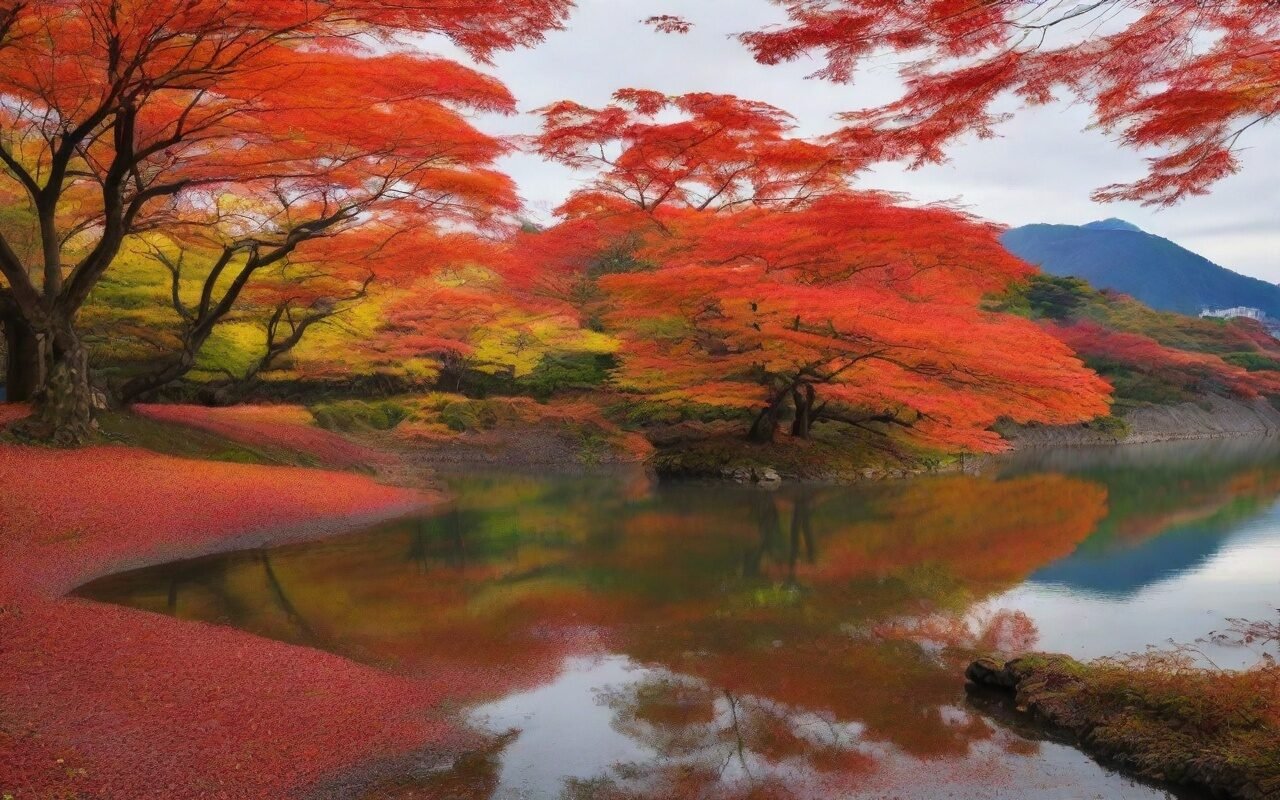
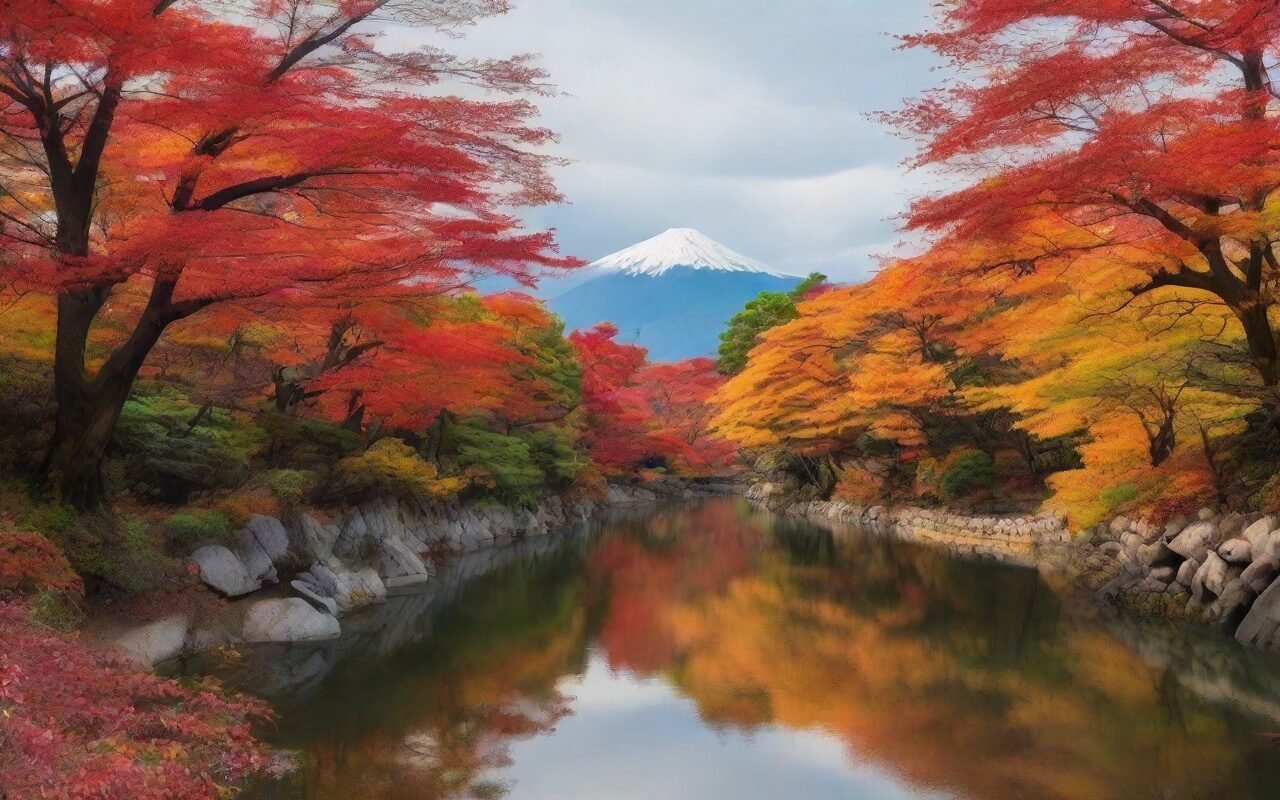
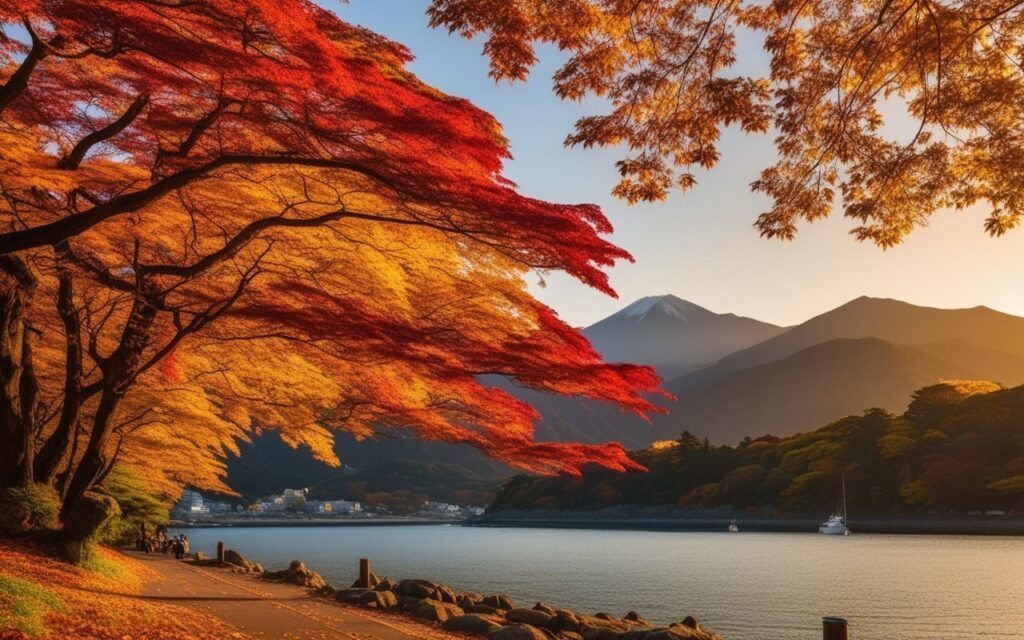
Kanagawa Prefecture offers spectacular autumn foliage viewing. From mountain valleys to historic temple grounds, the region’s diverse landscapes showcase vibrant reds, oranges, and yellows.
Peak bloom period:
- High elevation: Early – Mid November
- Mid elevation: Mid – Late November
- Low elevation: Late November – Early December
1. Hakone Open-Air Museum
Best for: Art + autumn colors combination
Location: Hakone
Access: Hakone Tozan Railway to Chokoku-no-Mori Station
Bloom time: Mid - Late November
Hours: 9:00 AM - 5:00 PM
Admission: ¥1,600 (adults)Highlights:
- Sculptures amid fall colors
- Indoor/outdoor galleries
- Hot spring foot bath
- Picasso exhibition
2. Tsurugaoka Hachimangu (Kamakura)
Best for: Shrine + ginkgo trees
Location: Kamakura
Access: JR Kamakura Station (10 min walk)
Bloom time: Late November - Early December
Hours: 6:00 AM - 8:00 PM
Admission: FreeHighlights:
- 1,000-year-old ginkgo trees
- Traditional shrine architecture
- Evening illumination
- Fall festival (November)
3. Lake Tanzawa
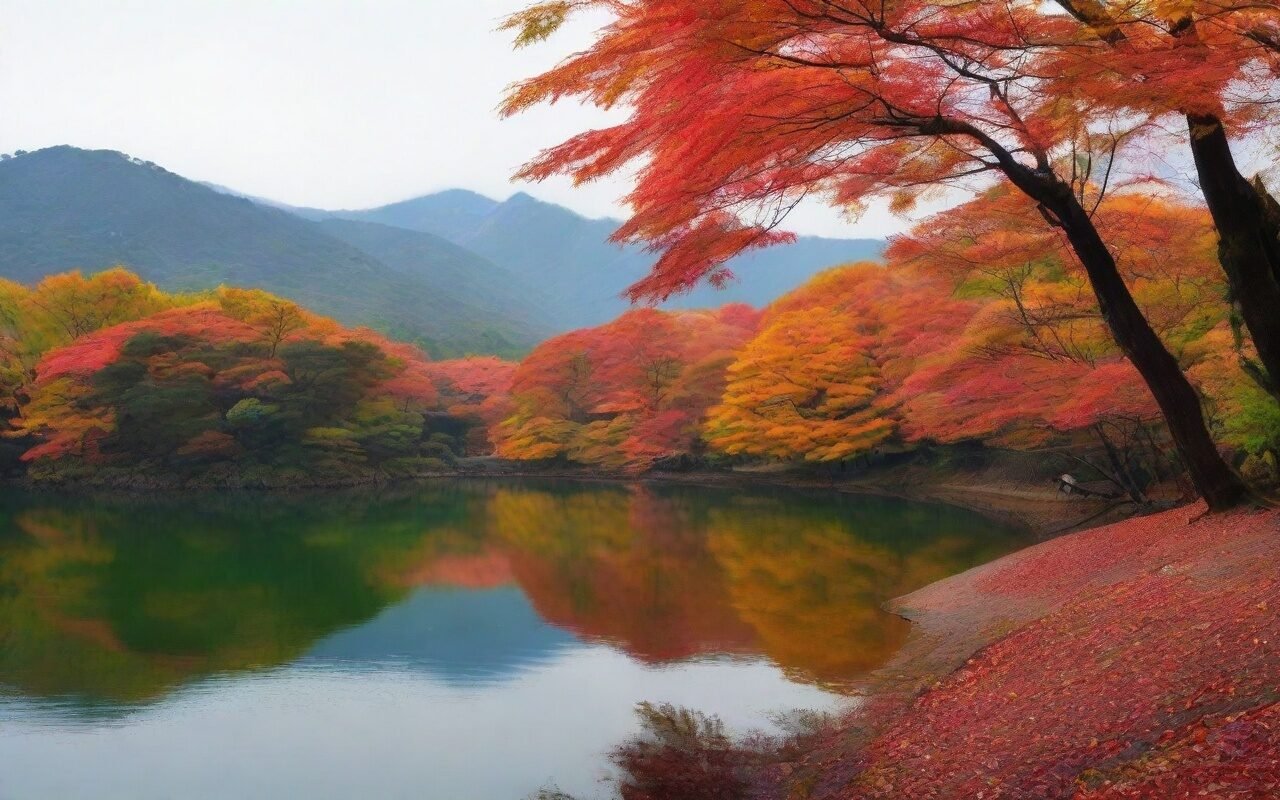
Best for: Mountain reflection in lake
Location: Yamakita
Access: JR Gotemba Line to Yamakita Station, then bus
Bloom time: Early - Mid November
Hours: 24 hours
Admission: FreeHighlights:
- Mountain reflections
- Hiking trails
- Camping areas
- Less crowded
4. Sankeien Garden (Yokohama)
Best for: Traditional Japanese garden with autumn colors
Location: Yokohama (Honmoku)
Access: Bus from Yokohama Station (25 min, ¥220) or Negishi Station (15 min walk)
Bloom time: Late November - Mid December
Hours: 9:00 AM - 5:00 PM
Admission: ¥700 (adults)Highlights:
- Three-story pagoda surrounded by maple trees
- Historic buildings from Kyoto and Kamakura
- Reflecting pond with autumn foliage reflections
- Tea house with matcha and seasonal sweets
- Far less crowded than Hakone or Kamakura spots
Photography tip: The best composition is from the hill above the three-story pagoda, looking down through the maple branches toward the pond. Arrive at 9 AM opening for the best light. The afternoon sun (2-3 PM) creates beautiful shadows through the maple canopy.
5. Kamakura Temple Autumn Trail
Best for: Temple-hopping through autumn colors
Location: Multiple temples (Engakuji, Kenchoji, Hokokuji)
Access: JR Kamakura Station or Kita-Kamakura Station, 5-15 min walk each
Bloom time: Late November - Early December
Hours: 8:30 AM - 4:30 PM (varies by temple)
Admission: ¥300-500 per temple
Suggested route: Start at Kita-Kamakura Station → Engakuji (largest temple, stunning maple-lined approach) → Kenchoji (10 min walk, impressive Sanmon gate framed in red leaves) → Tsurugaoka Hachimangu (15 min walk, massive ginkgo turning gold) → Hokokuji (10 min east, bamboo grove with scattered crimson leaves). Total walking: 45 minutes between temples. Allow 2-3 hours.
6. Week-by-Week Foliage Forecast
Early November (Nov 1-10): High-elevation spots peak. Lake Tanzawa and Hakone mountain trails are at their best. Head to Tanzawa for the earliest colors.
Mid November (Nov 10-20): Peak season begins across Kanagawa. Hakone’s museums and temples are at their most colorful. Expect crowds on weekends.
Late November (Nov 20-30): Kamakura’s temples hit peak color. Sankeien Garden’s maples turn brilliant red. The combination of autumn colors and Kamakura’s temple architecture is spectacular.
Early December (Dec 1-10): Low-elevation spots (Yokohama, coastal areas) reach peak. Tsurugaoka Hachimangu’s ginkgo tree is fully gold. Last chance to see autumn colors before leaves fall.
Mid December onwards: Most leaves have fallen. A few late-blooming spots remain at temple gardens with sheltered locations. Focus on indoor attractions and winter illuminations instead.
Peak Color Forecast
| Location | Elevation | Peak Time | Best Time |
|---|---|---|---|
| Hakone | 700m | Nov 10-20 | Nov 15-25 |
| Kamakura | 50m | Nov 25-Dec 5 | Dec 1-10 |
| Tanzawa | 1000m | Nov 1-10 | Nov 5-15 |
| Yokohama | 20m | Dec 1-10 | Dec 5-15 |
Access from Tokyo
To Hakone:
Romancecar from Shinjuku: 85 min
¥2,000 (reserved)
JR Yokosuka Line from Tokyo: 60 min
¥1,040 (unreserved)
Photography Tips
Best times:
- Early morning (7-9 AM): Soft light, no crowds
- Late afternoon (3-5 PM): Warm colors Settings:
- Aperture: f/8-11
- ISO: 100-200
- Polarizing filter recommended
Updated: March (this year)
🏘️ Exploring the Area
Beyond the main attractions, taking time to explore the surrounding neighborhoods and lesser-known spots can lead to some of the most rewarding travel experiences.
Neighborhood Character: Each district has its own distinct character, from bustling shopping streets to quiet residential areas with traditional architecture, Wandering off the main tourist paths often reveals lesser-known spots.
Local Recommendations: Ask at your accommodation or local tourist information centers for recommendations on nearby spots that may not appear in standard guidebooks. Local knowledge is invaluable for discovering authentic experiences.
Nearby Attractions: The area is well-positioned for exploring other Kanagawa destinations. Consider combining your visit with nearby attractions to create a fuller itinerary that showcases the region’s diversity.
Walking Routes: Several self-guided walking routes have been developed that connect major sights while passing through interesting neighborhoods. These typically take 1-3 hours and are well-marked with English signage.
Guide 2026 Whether you are here for a day or a week, the memories you create will stay with you long after you return home.
What Locals Say
We spoke with residents and frequent visitors to get their honest opinions about Kanagawa Autumn Foliage: Best Koyo Viewing Spots:
Tanaka-san, Local Resident (15 years):
> “This place has been part of our community for generations. The best time to visit is early morning when the crowds are thin and the light is perfect for photography. Don’t miss the hidden spots that most tourists overlook.”
Yamamoto-san, Tour Guide (10 years experience):
> “I bring visitors here regularly. The key to enjoying Kanagawa Autumn Foliage: Best Koyo Viewing Spots is to take your time. Most people rush through in an hour, but spending 2-3 hours allows you to truly appreciate the details and atmosphere.”
Suzuki-san, Photographer:
> “For the best photos, visit during golden hour. The way the light hits [the main feature] creates magical moments. Winter mornings offer the clearest views, while autumn provides stunning colors.”
Packing Essentials
Day trips require minimal packing. Bring a charged portable battery for your phone. A light scarf is useful for entering religious sites. Pack a reusable shopping bag for souvenirs. A physical map from tourist information serves as a reliable backup.
For more details, see our guide to Kamakura Night Illumination Guide.
Conclusion
The details in this guide come from real visits, and the biggest lesson I took away was that the best experiences in Kanagawa rarely fit neatly into a checklist. During my visit I went with a rough plan and found that leaving room to wander made the trip far more memorable. Plan the essentials, keep your schedule flexible, and you will leave Kanagawa wanting to return.