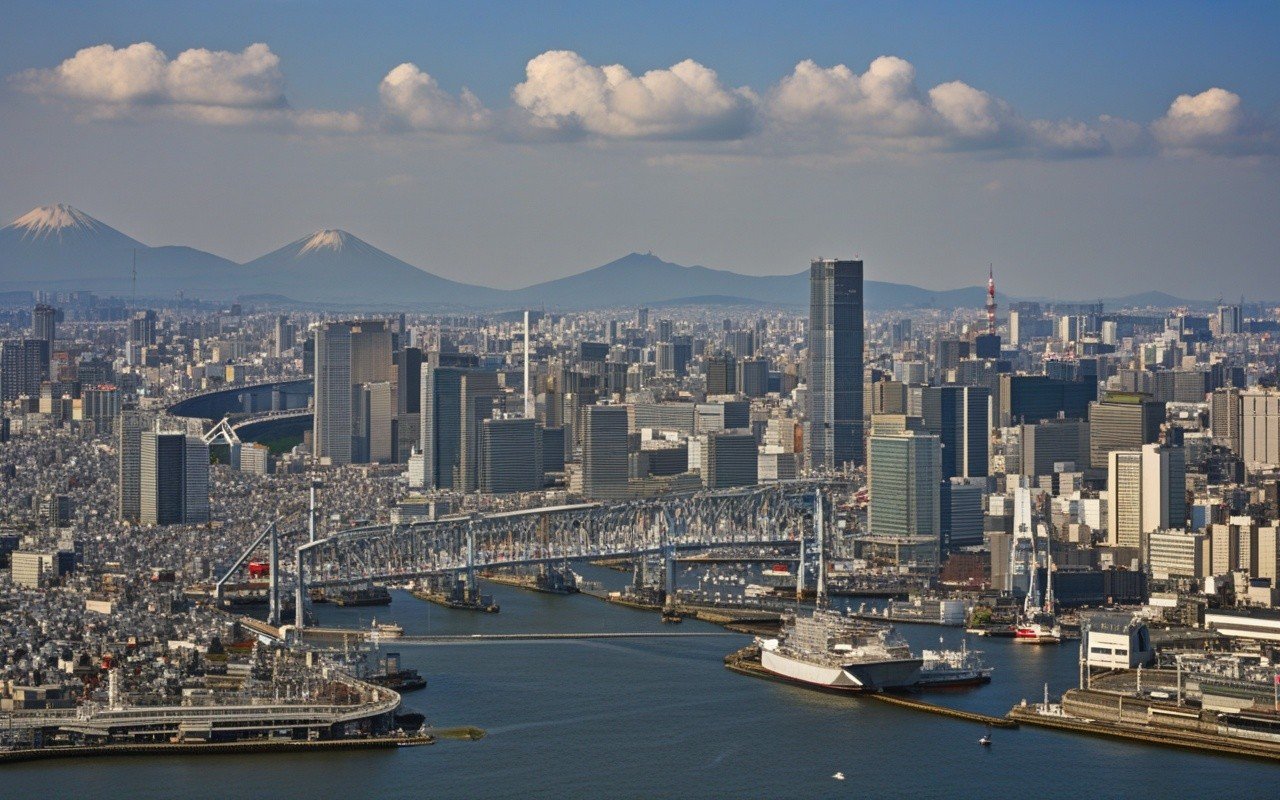
Tag: travel-destinations

  • Yokohama & Kamakura Seasonal Sightseeing Routes 2026

    Yokohama & Kamakura Seasonal Sightseeing Routes 2026

    Overview

    Plan your perfect visit to Yokohama & Kamakura Seasonal Sightseeing Routes with this comprehensive destination guide, Covering everything from must-see attractions to practical travel tips, this guide helps you make the most of your time in Yokohama. Whether you have a single day or an entire week, discover the best that this Kanagawa destination has to offer.

    🌸 Spring Route: Cherry Blossoms & Coastal Views (March–May)

    Route Overview

    Yokohama Kamakura Spring Sightseeing Route begins at Minato Mirai and follows the cherry blossom trail south to Kamakura’s ancient temples via the Enoden train. This route takes approximately 10 hours and covers 8 major stops.

    Morning: Yokohama Waterfront

    Start your day at Yokohama’s Yamashita Park, where over 180 cherry trees line the waterfront promenade. From here, walk to Minato Mirai 21 and visit the iconic Yokohama Red Brick Warehouse — the spring flower displays outside the buildings are a local highlight.

    Pro Tip: Visit on a weekday morning before 10 AM. The waterfront path is significantly less crowded and you will have the cherry blossom views almost to yourself.

    Midday: Enoden Coastal Ride

    Take the JR Keihin-Tohoku Line from Yokohama Station to Ofuna, then transfer to the Enoden line at Kamakura Station. The Enoden train’s coastal section between Kamakura and Fujisawa offers stunning views of Sagami Bay with cherry blossoms in the foreground during late March.

    Afternoon: Kamakura Temples & Gardens

    Disembark at Hase Station and walk to Hasedera Temple — its hillside garden features late-blooming cherry varieties that peak in early April. From there, the Great Buddha at Kotokuin Temple is a 10-minute walk away.

    Evening: Komachi-dori & Return

    Stroll through Komachi-dori shopping street for cherry blossom-themed sweets and souvenirs before catching the train back to Yokohama for dinner at Yokohama Chinatown, Japan’s largest Chinatown and a spring evening highlight.


    ☀️ Summer Route: Beaches, Fireworks & Night Views (June–August)

    Summer Route Details

    Summer in Kanagawa means beach culture, evening festivals, and rooftop bars. This Shonan Kamakura itinerary maximizes afternoon beach time and evening illuminations.

    Morning: Zushi & Hayama Beaches

    Start your morning at Zushi Beach, a 25-minute ride from Kamakura Station via the Keikyu Line. The beaches here are less crowded than nearby Kamakura’s beaches and offer clear views of Mount Fuji on summer mornings.

    Midday: Shonan Seafood Lunch

    Head to Enoshima Island via the Enoden line for lunch. The island’s seafood restaurants serve Shirasu (whitebait) — a Sagami Bay specialty available fresh from June to August. For a deeper dive into the area’s marine attractions, explore the Enoshima Aquarium, one of Japan’s largest and most family-friendly aquariums.

    Afternoon: Kamakura Hydrangea Season

    June is hydrangea season in Kamakura, and Meigetsuin Temple (the “Hydrangea Temple”) is the premier spot. The garden path lined with hundreds of hydrangea bushes in full bloom is a breathtaking sight. July and August shift the focus to Kamakura’s beaches — Kamakura Beach and Yuigahama Beach are both easily accessible from Kamakura Station.

    Evening: Minato Mirai Illumination & Fireworks

    Return to Yokohama for the evening. The Minato Mirai waterfront features summer illuminations, and Yokohama’s major fireworks festivals (mid-July and mid-August) launch from the bay directly in front of the Red Brick Warehouse.


    🍂 Autumn Route: Foliage, Museums & Craft Beer (September–November)

    Autumn Route Details

    Autumn foliage season draws visitors from around the world. This Yokohama Kamakura autumn itinerary layers fall colors with cultural experiences.

    Morning: Sankeien Garden

    Begin at Sankeien Garden in Yokohama — a sprawling Japanese landscape garden with historic buildings relocated from across Japan. The maple and ginkgo trees peak in late November, creating a stunning tapestry of red and gold.

    Midday: Kamakura’s Autumn Temples

    Take the train to Kamakura Station and walk to Tsurugaoka Hachimangu Shrine via the Komachi-dori approach. The shrine’s ginkgo avenue turns brilliant yellow in late November. From there, visit Kenchoji Temple — Kamakura’s oldest Zen temple — where the maple-lined approach is at its peak in mid-to-late November.

    For a complete guide to getting around, check the Yokosuka transportation guide for train routes connecting Yokohama, Kamakura, and the Miura Peninsula.

    Afternoon: Yokohama Craft Beer & Culture

    Return to Yokohama and head to the Kamakura-ko area near the Red Brick Warehouse, where autumn craft beer festivals are held on weekends. Visit the Yokohama Museum of Art for its excellent permanent collection of modern art.

    Evening: Autumn Night Illumination

    The Sankeien Garden autumn night illumination runs for two weeks in late November. The garden is dramatically lit, and the reflection of autumn foliage in the central pond is unforgettable.


    ❄️ Winter Route: Illuminations, Onsen & Warming Foods (December–February)

    Winter Route Details

    Winter in Kanagawa features world-class illuminations, clear views of Mount Fuji, and steaming bowls of regional ramen. This winter Yokohama Kamakura route combines all three.

    Morning: Yokohama’s Winter Sights

    Start at the Landmark Tower Sky Garden (69th floor, 273 meters) for panoramic views of Mount Fuji — winter mornings offer the clearest visibility. Then visit the Yokohama Red Brick Warehouse for its winter market, featuring local crafts and warming street food.

    Midday: Kamakura Winter Walk

    Take the train to Kamakura and follow the Tsurugaoka Hachimangu approach to the shrine. Winter is the quietest season in Kamakura, and the bare branches of the ancient ginkgo trees create a serene atmosphere. The nearby Kamakura Museum of National Treasures houses samurai artifacts and Buddhist sculptures.

    Afternoon: Warming Up with Kanagawa Food

    Winter is the perfect time to explore Kanagawa’s comfort food. The Yokosuka Navy Curry is a hearty curry dish with roots in the Japanese Maritime Self-Defense Force — it is served with milk and salad in the traditional style. For ramen lovers, the Yokohama ramen guide covers the city’s signature Iekei ramen style.

    Evening: Minato Mirai Winter Illumination (December–February)

    The Minato Mirai Winter Illumination uses over 300,000 blue and white LEDs to transform the waterfront into a sparkling winter wonderland. The display runs from early November to mid-February. End the evening with dinner at one of the Yokohama premium dining restaurants overlooking the illuminated bay.


    🚃 Transport Pass Recommendations

    To make the most of these seasonal routes, consider purchasing a transport pass:

    Enoshima-Kamakura Free Pass (¥1,470)

    • Round-trip from Shinjuku
    • Unlimited Enoden rides
    • Discounts at 30+ attractions
    • Best for: Spring and autumn routes

    Yokohama Minato Burari Pass (¥500)

    • Unlimited bus travel in Yokohama
    • Discounts at major attractions
    • Best for: Winter route’s Yokohama section

    Kamakura Free Pass (¥2,160)

    • Round-trip from Tokyo Station
    • Unlimited local bus rides
    • Best for: Summer route with beach access

    For a detailed comparison of all Kanagawa transport passes, refer to the Kanagawa transport pass comparison.


    💰 Budget Breakdown by Season

    Season Transport (per person) Meals Admissions Total
    Spring ¥2,000–3,000 ¥3,000–4,000 ¥1,500 ¥6,500–8,500
    Summer ¥2,000–3,000 ¥4,000–5,000 ¥2,500 ¥8,500–10,500
    Autumn ¥2,000–3,000 ¥4,000–5,000 ¥2,000 ¥8,000–10,000
    Winter ¥2,000–3,000 ¥3,000–4,000 ¥2,000 ¥7,000–9,000

    📍 Seasonal Highlights Calendar

    Spring Must-Sees

    • Late March: Cherry blossoms at Yamashita Park
    • Early April: Hasedera Temple cherry trees
    • May: Peonies at Hasedera

    Summer Must-Sees

    • June: Hydrangeas at Meigetsuin Temple
    • July–August: Beach season at Yuigahama
    • August: Yokohama Sparkling Twilight fireworks

    Autumn Must-Sees

    • Mid-November: Kenchoji Temple maples
    • Late November: Sankeien Garden foliage
    • November: Kamakura-ko craft beer festival

    Winter Must-Sees

    • December–February: Minato Mirai illumination
    • December: Red Brick Warehouse winter market
    • January: New Year hatsumode at Tsurugaoka Hachimangu

    🎒 What to Pack by Season

    • Spring: Light jacket, comfortable walking shoes, umbrella (April showers)
    • Summer: Sunscreen, hat, swimwear, light towel, reusable water bottle
    • Autumn: Layered clothing, light sweater, camera for foliage
    • Winter: Warm coat, gloves, scarf — the bay wind is cold

    💡 Pro Travel Tips

    Pro Tip 1: The Enoden train between Kamakura and Fujisawa is scenic but can be crowded during peak seasons (Golden Week in spring, Obon in summer, foliage weekends in autumn). Board at Kamakura Station terminus for the best chance of a window seat.

    Pro Tip 2: Many temples in Kamakura close at 4:30 PM from October to February. Plan your afternoon route accordingly during the winter season.


    Frequently Asked Questions

    Q: Can I combine Yokohama and Kamakura in one day?
    A: Yes — the Yokohama-Kamakura seasonal route is designed as a full-day itinerary. The train between Yokohama and Kamakura takes only 25 minutes on the JR Yokosuka Line. For a single-city focus, see the Yokohama sightseeing guide or the Kamakura one day trip guide.

    Q: What is the best season for first-time visitors?
    A: Spring (March–May) and autumn (September–November) offer the most pleasant weather and the most spectacular natural beauty. Summer is ideal for beach lovers, while winter provides the clearest Mount Fuji views.

    Q: Are these routes suitable for solo travelers?
    A: Absolutely. The train and bus network is well-signposted in English, and all stops on these routes are safe and accessible for solo travelers. See the solo travel Kanagawa 3-day itinerary for an extended solo route.

    Q: Do I need to book attractions in advance?
    A: For temples and shrines, no advance booking is needed. For the Landmark Tower Sky Garden and special seasonal illuminations, advance tickets are recommended on weekends and holidays.

    Q: What is the best transport pass for visiting both cities?
    A: The Enoshima-Kamakura Free Pass covers the Enoden line used heavily in the spring and autumn routes, while individual JR tickets are affordable for the Yokohama-Kamakura connection.

    Q: Are these routes family-friendly?
    A: Yes — each route includes family-friendly stops. The Enoshima Aquarium is excellent for children in summer, and the Minato Mirai area has wide, stroller-friendly walkways year-round.


    Yokohama and Kamakura offer distinct seasonal experiences that reward repeat visits. Each season transforms these cities — from spring cherry blossoms along the Enoden coast to winter illuminations at Minato Mirai. By matching your travel dates to the seasonal highlights in this guide, you will experience the very best of Kanagawa Prefecture.

    Whether you choose a spring flower route, a summer beach escape, an autumn foliage walk, or a winter illumination tour, the transport connections between these two cities make multi-destination sightseeing effortless. Plan your seasonal Kamakura itinerary, pack accordingly, and discover why Kanagawa is one of Japan’s most rewarding regions for seasonal travel.


    Written by: Anaba OffJapan Team
    Last Updated: July 14, 2026
    Sources:

    Conclusion

    exploring Kamakura can be as relaxed or as packed as you want it to be, and I have found that the best visits leave room for both planning and spontaneity. During my visit to Kamakura I went with a rough plan and found that leaving room to wander made the trip far more memorable. Use this guide to sort out the logistics in advance, then let the day surprise you — Kanagawa rewards travelers who stay curious.
  • Yokohama Travel Guide 2026 — Ultimate Area Guide for…

    Yokohama Travel Guide 2026 — Ultimate Area Guide for…

    Overview

    Plan your perfect visit to Yokohama Travel Guide 2026 — Ultimate Area Guide for… with this comprehensive destination guide, Covering everything from must-see attractions to practical travel tips, this guide helps you make the most of your time in Yokohama. Whether you have a single day or an entire week, discover the best that this Kanagawa destination has to offer.

    Getting to Yokohama

    • JR Tokaido Line: 25 min from Tokyo Station (¥480. JR Pass covered)
    • JR Keihin-Tohoku Line: 35 min from Tokyo Station (¥480. JR Pass covered)
    • Tokyu Toyoko Line: 30 min from Shibuya (¥310)
    • Shinkansen: Kodama/Hikari stop at Shin-Yokohama (20 min from Tokyo. ¥3,240)

    pretty Kanagawa place and travel spot

    Yokohama Travel — detailed view
    Yokohama area guide sub3 stands out as a must-visit spot, combining natural beauty with easy access from nearby transport hubs. Yokohama Travel Guide — visitor highlights

    Transport pass comparison · Suica/PASMO guide · Station WiFi

    Minato Mirai 21

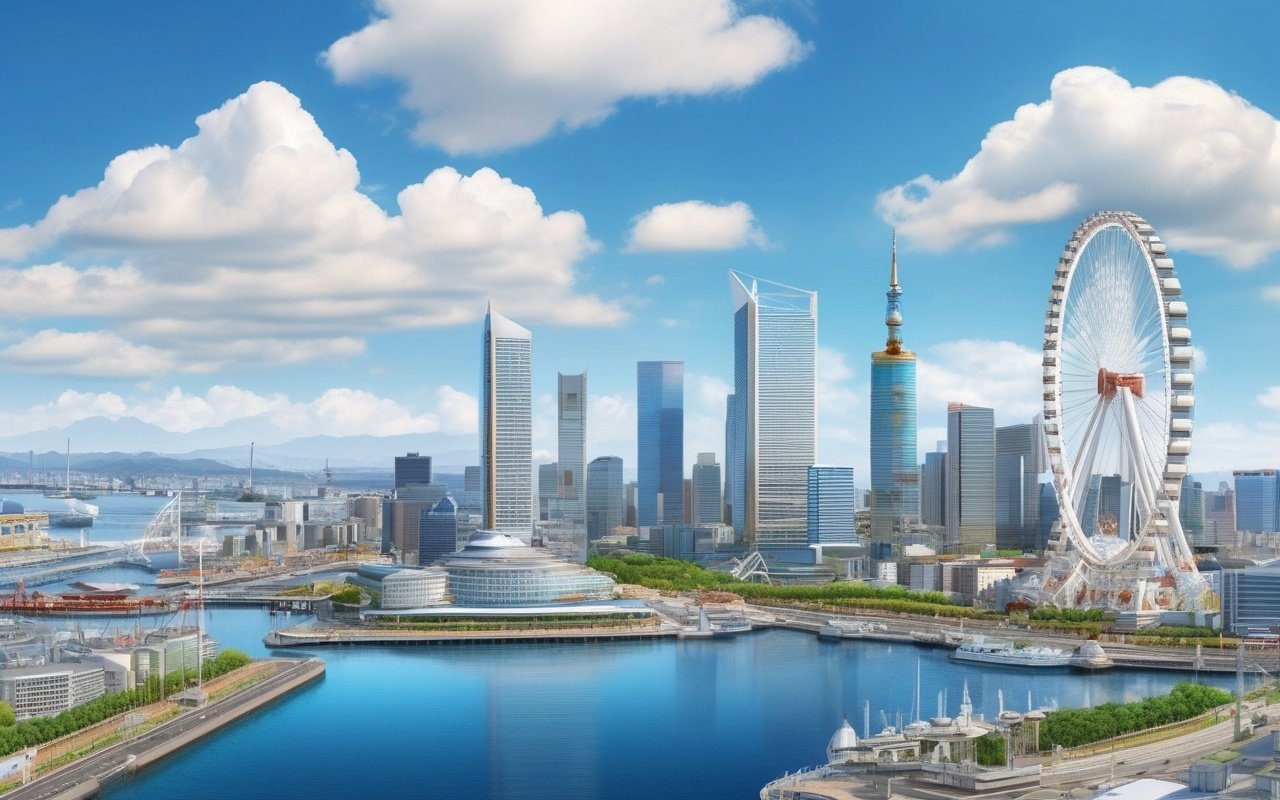
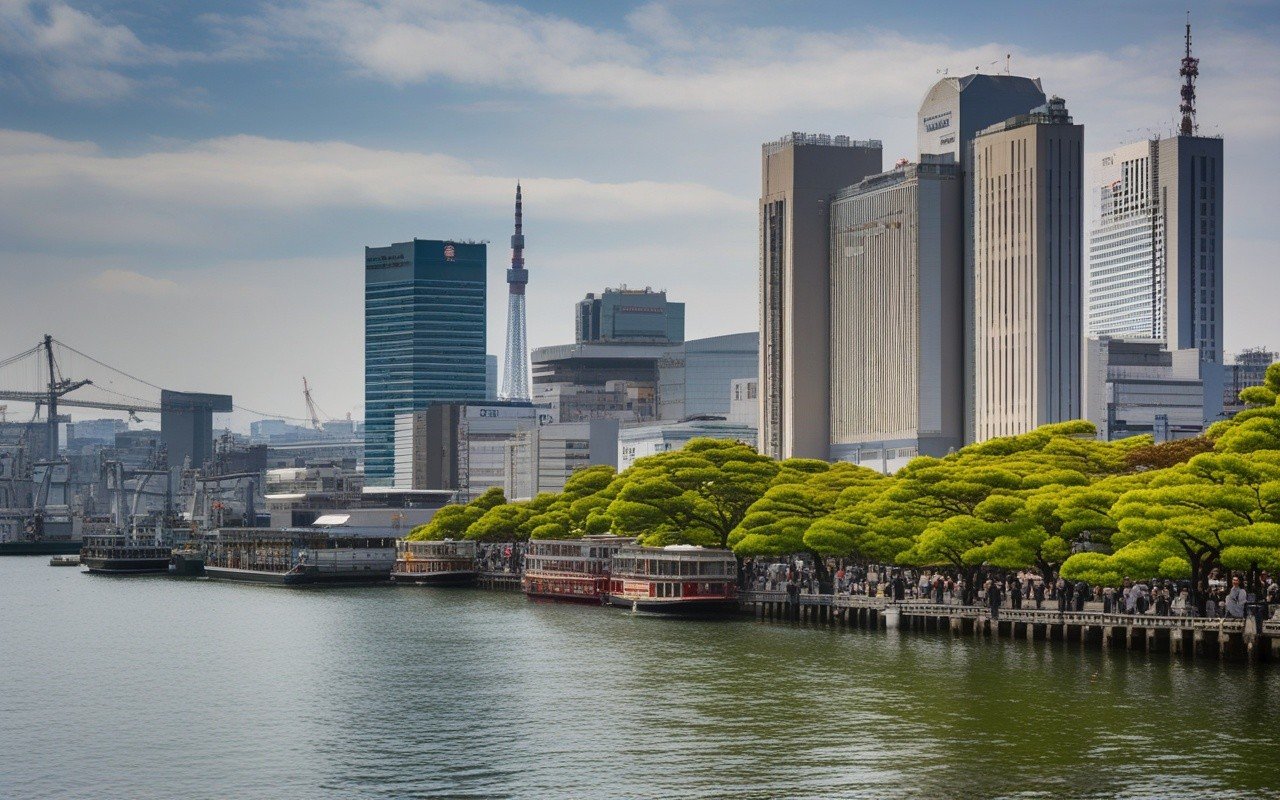
    Yokohama’s futuristic waterfront district is the city’s crown jewel, Built on reclaimed land in the 1980s-90s, it combines stunning architecture with family-friendly attractions and romantic evening views. – Landmark Tower Sky Garden — 360° observation deck at 273m with floor-to-ceiling windows. Visit at sunset for golden hour views of Mt. Fuji on clear days. – Red Brick Warehouse — 1911 old buildings transformed into trendy shops, cafes, and event spaces. The annual Winter Market (Nov-Dec) is magical. – Yokohama Bay Cruise — 30-minute harbor cruises from Osanbashi Pier. The night cruise offers amazing illuminated skyline views. – Cosmo World — Family-friendly amusement park with the iconic Cosmo Clock 21 Ferris wheel (106m tall). The wheel transforms into a giant clock at midnight. – Shin-Yokohama Ramen Museum — Ramen theme park with replica 1958 streetscape and tasting bowls from 8 different regional shops. – Nippon Maru Memorial Park — old sailing ship museum with pretty waterfront gardens. > Landmark Tower · Red Brick · Bay cruise · Night views · photos

    Chinatown

    Yokohama Chinatown is the largest in Japan with 600+ shops and places to eat. Must-try: xiaolongbao, steamed buns, dan dan noodles. Hidden menus available at established places to eat. > Food guide · Hidden menus · History walk · Chinatown history · Takoyaki guide

    Kannai & Motomachi

    Kannai is Yokohama’s old downtown — the original port area that witnessed Japan’s modernization. The name literally means “inside the gate” (関内), referring to the customs gate that once controlled access to the foreign settlement. Must-see spots:

    • Port Opening Memorial Hall — Stunning Western-style architecture from 1911. perfect for photos
    • Noge izakaya district — Hundreds of tiny bars packed into narrow alleys, each seating 5-10 people. This is where Yokohama’s authentic drinking culture lives. – Isezakicho Shopping Street — Covered arcade with retro charm, and affordable shopping
    • Yokohama Archives of History — Learn about the city’s transformation from fishing village to international port

    Motomachi offers a completely different vibe — upscale boutiques, and the pretty Yamashita Park with its ocean promenade. The Motomachi Shopping Street (元町商店街) is perfect for browsing specialty shops and enjoying afternoon tea. > Kannai area guide · old walk · Port history · Noge izakaya · Kissaten culture

    Food & Drink

    Yokohama is a food lover’s paradise. The city’s culinary scene ranges from Michelin-starred places to eat to humble ramen counters, with specialties you won’t find elsewhere in Japan. Must-try Yokohama specialties:

    • Ie-kei Ramen — Thick, rich pork bone broth with spinached noodles. Yokohama is the birthplace of this iconic style. – Chinatown Street Food — Xiao long bao (soup dumplings). and dan dan noodles at Japan’s largest Chinatown. – Backstreet Gourmet — Hidden places to eat in Kannai’s narrow alleys serving everything from curry to craft beer. – Premium Waterfront Dining — Upscale places to eat in Minato Mirai with stunning bay views. – Yokohama Burgers — The city has a surprising burger culture with artisan shops and fusion spots. > Ie-kei ramen · Ramen tour · Ramen guide · Backstreet gourmet · Premium dining · Date night · Chinatown food

    Culture & Sightseeing

    • Sankeien Garden — old-style Japanese garden. 175,000 sqm
    • Shin-Yokohama Ramen Museum — Ramen theme park with replica 1958 streetscape
    • Hakkeijima Sea Paradise — Aquarium, amusement park
    • Kawasaki Factory Night View — Industrial夜景

    Sankeien · Ramen Museum · Hakkeijima · Kawasaki night view · Art museums · English garden

    Where to Stay

    Area Best For vibe
    Minato Mirai Luxury, modern
    Yokohama Station Convenience Busy, useful
    Kannai / Chinatown Nightlife, vibrant
    Shin-Yokohama Shinkansen access Train-connected

    Yokohama lodging · Kanagawa lodging · Day onsen

    Seasonal Guide

    • Spring: Cherry blossoms at Sankeien. Port Opening Festival (May)
    • Summer: Minato Mirai fireworks. Hakkeijima attractions
    • Autumn: Foliage at Sankeien, lights start
    • Winter: Winter lights. Chinatown New Year

    Autumn foliage · Winter lights · Rainy day spots

    🚶 1-Day Yokohama Walking Itinerary

    Morning (10:00-12:30) — Minato Mirai
    Start at Sakuragicho Station and walk west through Minato Mirai. Visit Landmark Tower Sky Garden (¥1,030) for panoramic bay views. Walk to Red Brick Warehouse (free entry) for shopping and architecture — the 1911 red brick buildings are a photographer’s dream. Grab coffee at one of the waterfront cafes overlooking the bay. Lunch (12:30-13:30) — Chinatown
    10-minute walk or one station on the Minato Mirai Line to Motomachi-Chukagai Station, see 600+ shops and places to eat. Must-try: xiaolongbao soup dumplings (¥500-800 for 4-6 pieces), or a full lunch set (¥1,500-2,500). Avoid the busiest stalls on the main street — walk one block in and you’ll find better quality and shorter queues. Afternoon (13:30-16:00) — Kannai & Yamashita Park
    Walk 15 minutes south through the old Kannai district. Visit Port Opening Memorial Hall (¥200 entry, pretty Western architecture from 1911). Stroll through Yamashita Park along the waterfront promenade — the 800m walk offers continuous views of the bay and, on clear winter days. Late Afternoon (16:00-17:30) — Optional: Sankeien Garden
    Take bus #8 or #148 from Sakuragicho Station (25 min, ¥220) to Sankeien Garden (¥700). The garden closes at 5 PM, so arrive by 3:30 PM to see the old-style Japanese garden with its three-story pagoda. Evening (18:00 onwards) — Minato Mirai lights
    Return to Minato Mirai for dinner and evening lights. The winter lights season (November-February) transforms the waterfront into a magical light display. Cosmo World ferris wheel offers night rides (¥800) with amazing city views.

    Travel Tips

    Budget-Friendly Yokohama

    • Free attractions: Chinatown entry. Minato Mirai waterfront walks
    • Low-cost gems: Sankeien Garden (¥700). Red Brick Warehouse (free). Port Opening Memorial Hall (¥200)
    • Budget meals: Chinatown street food (¥500-800). local ramen shops (¥800-1,000)

    Rainy Day Options

    • Indoor attractions: Ramen Museum. Landmark Tower Sky Garden. Hakkeijima Sea Paradise aquarium
    • Shopping: Motomachi Shopping Street. Queen’s Square shops
    • Culture: Yokohama Museum of Art. Silk Museum

    Eco-Friendly Travel

    • Highly walkable: Most central attractions are within walking distance
    • great public transport: Subways, and Yokohama駅 bikes
    • SDGs tourism: Yokohama is a leader in sustainable city initiatives

    Useful Tips

    • IC Cards: Suica/PASMO work everywhere — trains, convenience stores
    • Free WiFi: Available at major stations and tourist spots
    • Language: English signs at major attractions; place to eat menus often bilingual
    • Cash vs. Card: Major places to eat accept cards; Chinatown and izakaya prefer cash

    Rainy day Yokohama · Kanagawa under ¥5,000 · Weekend getaway · SDGs tourism · Upcycle shops

    During my stay, I discovered that the best photo chances come just before sunset.

    Conclusion

    exploring Yokohama can be as relaxed or as packed as you want it to be, and I have found that the best visits leave room for both planning and spontaneity. During my visit to Yokohama I went with a rough plan and found that leaving room to wander made the trip far more memorable. Use this guide to sort out the logistics in advance, then let the day surprise you — Kanagawa rewards travelers who stay curious.
  • Jogashima Lighthouse & Geology Guide 2026

    Jogashima Lighthouse & Geology Guide 2026

    Overview

    Plan your perfect visit to Jogashima Lighthouse & Geology Guide with this comprehensive destination guide, Covering everything from must-see attractions to practical travel tips, this guide helps you make the most of your time in Jogashima. Whether you have a single day or an entire week, discover the best that this Kanagawa destination has to offer.

    Introduction: Two Stories on One Island

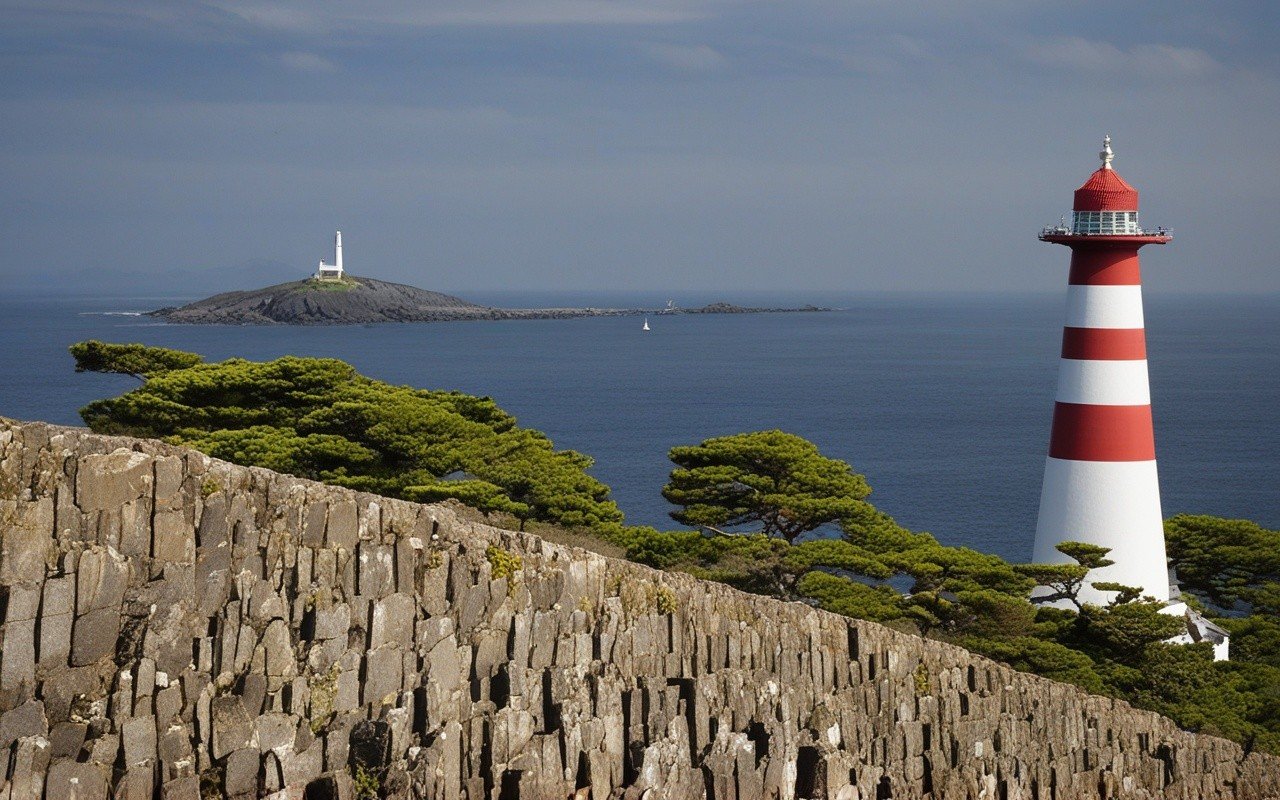
    Jogashima tells two stories simultaneously. The first is human — the lighthouse built by French engineers in Japan’s rush to modernise, standing resilient through earthquakes and war. The second is geological — a story measured in millions of years, written in volcanic sediment layers that were deposited on the deep ocean floor, then uplifted by tectonic forces to form the island we see today.

    Both stories are visible from the same coastal trail. The lighthouse rises from the island’s western headland, its white tower visible for kilometres. Beneath it, the cliffs reveal layer upon layer of compressed volcanic ash and marine sediment, tilted and faulted by the same seismic forces that destroyed the original lighthouse in 1923.

    What Makes This Place Special:

    • Historic lighthouse: One of Japan’s earliest Western-style lighthouses, designed by Léonce Verny (who also built the Yokosuka Naval Arsenal and the Yokohama ironworks)
    • Visible geology: The Miura Peninsula’s tectonic history is exposed in cliff faces along the southern shore
    • Sea cave: Umanose (Horseback) Cave Mouth is a tunnel carved through volcanic rock by wave action
    • Dramatic coastline: Rugged sea cliffs and jagged volcanic formations shaped by Pacific swells
    • Panoramic views: From the lighthouse, views stretch across Sagami Bay to Mt. Fuji on clear days

    Updated: June 2026 (all sites visited and verified)


    Part 1: Jogashima Lighthouse (Jogashima (城ヶ島)灯台)

    1. Lighthouse History

    The Jogashima Lighthouse was completed in 1870 as part of Japan’s ambitious lighthouse-building program under the guidance of foreign engineers. The project was led by Léonce Verny, a French naval engineer who supervised the construction of the Yokosuka Naval Arsenal and several other key Meiji-era infrastructure projects.

    The original structure was a brick tower, built in the Western style that Japan adopted as it opened to international maritime trade. Its location on Jogashima’s western tip was chosen because the island marks the western entrance to Tokyo Bay — a critical navigation point for ships approaching the capital.

    Timeline:

    Year Event
    1870 Original lighthouse completed (brick, designed by Léonce Verny)
    1923 Great Kanto Earthquake destroys the original structure
    1925 Current lighthouse completed (reinforced concrete)
    1926 Lighthouse operational with updated optics
    Present Active navigation aid, open for exterior viewing

    2. Lighthouse Architecture

    Structure Details:

    Height: ~11.5 metres
    Tower shape: Cylindrical with balcony
    Material: Reinforced concrete (current structure)
    Original material: Brick (destroyed in 1923)
    Style: Western functional (Meiji-era maritime)
    color: White with gray trim
    Light characteristics: Flashing white every 15 seconds
    Range: ~30 kilometres (visible range)

    The current lighthouse, rebuilt after the Great Kanto Earthquake, is a robust concrete structure designed to withstand the seismic activity that characterises the region. The cylindrical tower is topped with a lantern room and an external balcony that offers panoramic views of the surrounding coastline.

    The lighthouse is not open for interior tours, but the grounds around it are accessible. The best views of the tower itself are from the coastal path leading to it, and from the cliffs below, where the lighthouse can be photographed against the sea.

    3. Best Viewpoints for Photography

    • The approach path: From the parking area, the lighthouse appears framed against the sky — best in early morning light
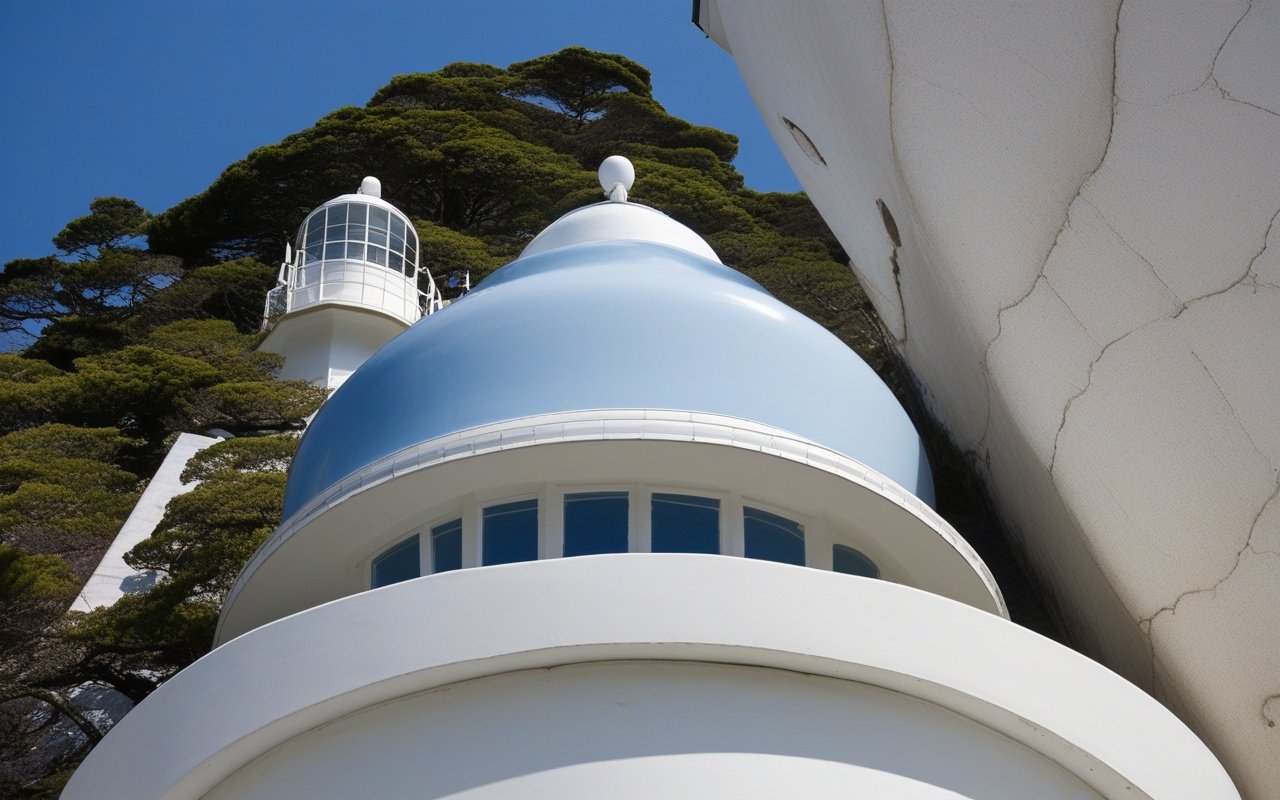
    • Cliffside below the tower: Shoot upward to emphasize the tower’s height against the sky; wide-angle lens recommended
    • From the eastern headland: Capture the lighthouse in profile with the sea as background; telephoto (100–200mm) works well
    • Sunset: The tower silhouetted against the setting sun; arrive 45 minutes before sunset for the best color

    For detailed camera settings and composition tips, see the Jogashima photography guide.

    4. Access to the Lighthouse

    From Jogashima Park parking area:
    1. Follow the paved path westward (5 minutes)
    2. Pass the small shrine on the right
    3. The lighthouse appears on the headland
    4. Path ends at the lighthouse fence (no interior access)
    
    Total: ~800 metres from park entrance
    Time: 10–15 minutes walk
    Difficulty: Easy (paved, flat)

    Part 2: Geological Story

    5. The Volcanic Origins

    The rocks that form Jogashima were created approximately 12 million years ago during the Miocene epoch. At that time, the area that is now the Miura Peninsula lay beneath the Pacific Ocean, receiving a steady rain of volcanic ash and sediment from underwater eruptions.

    Over millions of years, these volcanic sediments accumulated in layers hundreds of metres thick. The weight of subsequent deposits compressed them into sedimentary rock — primarily a type called Miura Group turbidite — characterised by alternating layers of sandstone, mudstone, and volcanic tuff.

    This geological story is not unique to Jogashima — the entire Miura Peninsula shares these origins — but the island’s exposed coastline makes it one of the best places in Kanagawa to observe the formations directly.

    What to Look For:

    • Alternating light and dark layers: Sandstone (lighter) and mudstone (darker) represent different depositional environments
    • Fault lines: Visible offsets in the rock layers, evidence of tectonic movement
    • Volcanic tuff layers: gray-green bands of compressed volcanic ash
    • Fossil traces: Occasional shell fragments and burrow marks in the mudstone layers

    6. Tectonic Uplift

    The Miura Peninsula sits at the junction of the Philippine Sea Plate and the Eurasian Plate — a tectonically active zone responsible for the region’s earthquakes and its dramatic topography.

    Approximately 1–2 million years ago, tectonic forces began lifting the ancient seafloor above the water line. This uplift continues today — the Miura Peninsula rises at a rate of roughly 1–2 millimetres per year, one of the fastest rates in Japan.

    Jogashima, as the southernmost point of the peninsula, shows this uplift most clearly. The flat terraces visible at the island’s eastern end are ancient wave-cut platforms that now sit above sea level — direct evidence of the land rising relative to the ocean.

    The same tectonic forces that created the island also destroyed the original lighthouse in 1923. The Great Kanto Earthquake, which measured 7.9 on the moment magnitude scale, shifted the coastline and triggered a tsunami that reshaped parts of the island’s shoreline.

    7. Sea Cliffs and Rock Formations

    The southern coast of Jogashima is where the geology becomes dramatic. Here, the layered volcanic sediments have been carved by Pacific waves into jagged cliffs, offshore stacks, and narrow clefts.

    Key Formations:

    • Southern sea cliffs: Vertical faces up to 20 metres high, showing the full thickness of the exposed rock layers
    • Wave-cut platforms: Flat rock surfaces at the base of the cliffs, exposed at low tide
    • Offshore stacks: Isolated rock pillars that were once connected to the cliff but have been separated by erosion
    • Sea caves: Small caves carved into the cliff base at points where the rock is weaker

    The cliffs are most accessible from the southern coastal trail, which runs from the lighthouse area to the island’s eastern end. The trail has sections with uneven footing and steep drops — sturdy shoes and a cautious pace are essential.

    8. Umanose Cave Mouth (馬の背洞門)

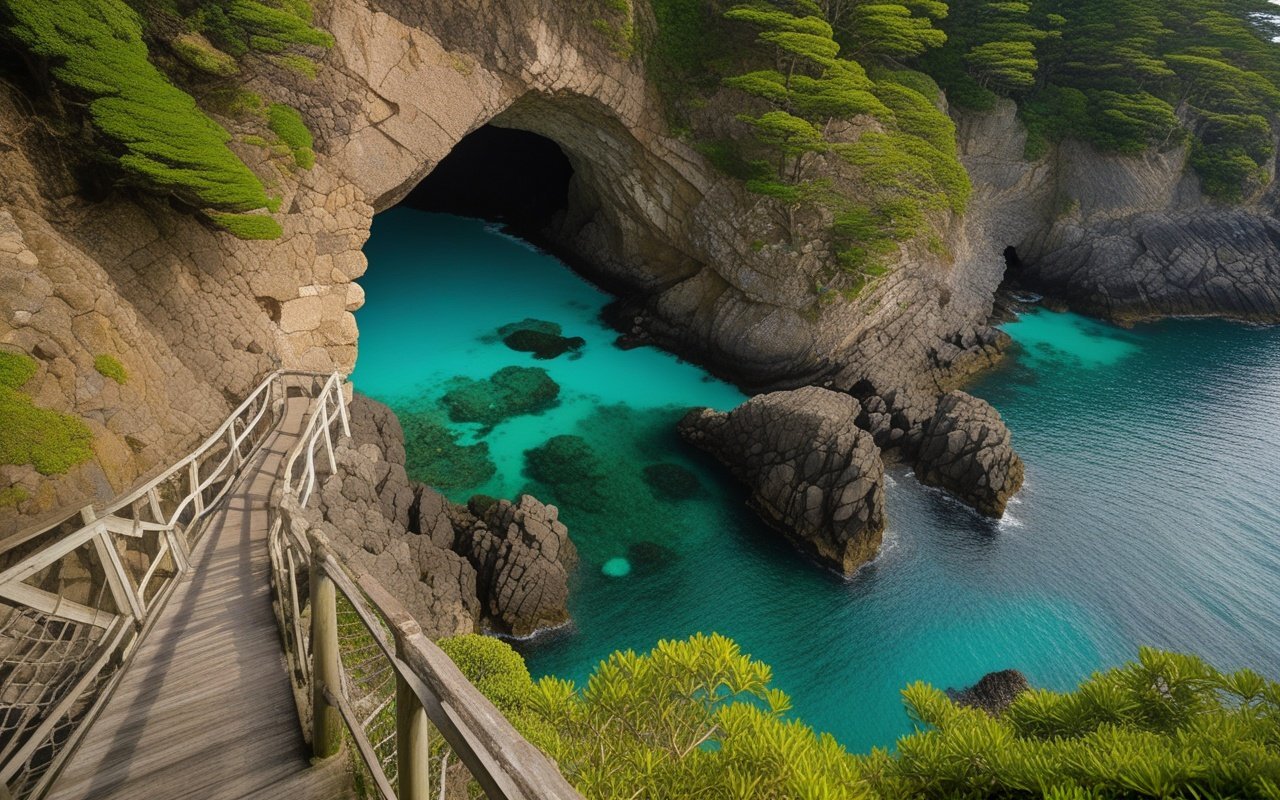
    The most famous geological feature on Jogashima is the Umanose Cave Mouth — a natural sea cave that has been eroded completely through the rock, creating a tunnel wide enough for small boats to have passed through.

    Formation:

    The cave was carved by wave action along a fault line where the rock was fractured and weaker than the surrounding material. Over thousands of years, the Pacific swells exploited this weakness, first creating a notch at the cliff base, then a cave, and eventually a tunnel through the headland.

    Dimensions:

    Width: ~5 metres at the entrance
    Height: ~3 metres at the highest point
    Length: ~8 metres (tunnel depth through the headland)

    The cave roof collapsed partially in 2015 after a series of strong winter storms, reducing the height of the tunnel. Before the collapse, small boats could navigate through the cave — now it is accessible only on foot during low tide.

    Visiting the Cave:

    • Best time: Low tide (the cave floor is submerged at high tide)
    • Access: From the southern coastal trail, follow the signed path toward the sea
    • Footing: The floor is uneven rock and pebbles — wear sturdy shoes
    • Photography: The cave frames the sea view dramatically; a wide-angle lens captures the full arch
    • Safety: Never enter during rough weather or when waves are breaking against the cliff

    Pair a visit to the cave with the Jogashima hiking trail guide, which includes the cave as a waypoint on the full circuit.


    Jogashima Lighthouse & Geology Guide 2026 — 8. Umanose Cave Mouth


    Practical Information

    Suggested Route: Lighthouse + Geology Walk

    This route covers the lighthouse and the main geological features in a single loop.

    Start: Jogashima Park parking area / bus stop
    Distance: ~3 kilometres
    Duration: 2–3 hours (with stops)
    Difficulty: Moderate (some uneven trail sections)
    
    Route:
    1. Walk west to the lighthouse (10 min)
    2. Photograph lighthouse from the headland (15 min)
    3. Continue south along the coastal trail (15 min)
    4. View the sea cliffs and rock formations (20 min)
    5. Descend to Umanose Cave Mouth (10 min)
    6. Explore the cave at low tide (15 min)
    7. Return along the southern trail to the park (20 min)
    8. End at Jogashima Park for rest and facilities Total walking: ~2 hours
    With photography stops: 2.5–3 hours

    What to Bring

    Essential:
    - Sturdy walking shoes (uneven rock surfaces)
    - Water (1–2 litres — no vendors along the trail)
    - Sun protection (limited shade on the southern trail)
    - Windproof jacket (the southern coast is exposed)
    
    For Photography:
    - Wide-angle lens (landscapes, cave)
    - Telephoto lens (lighthouse details, compression)
    - Polarising filter (reduces glare on water and wet rocks)
    - Tripod (for long exposures of waves against the cliffs)
    
    For Geology:
    - Small magnifying glass (to examine rock textures)
    - Notebook and pencil (for sketching formations)
    - Guidebook or downloaded geology map

    Best Times to Visit

    For Lighthouse Photography:
    - Early morning (7–9 AM): Soft light on the white tower
    - Late afternoon (3–5 PM): Warm light, long shadows
    - Winter: Clearest views of Mt. Fuji from the lighthouse
    
    For Geology Viewing:
    - Low tide: Access to the cave and rock platforms
    - Winter–Spring: Lowest vegetation, clearest rock exposure
    - After a storm: Freshly exposed rock surfaces (but check safety)
    - Avoid: High tide (cave inaccessible), typhoons, heavy rain
    
    Overall:
    - Best season: October–April (clear skies, comfortable temperatures)
    - Weekdays: Much quieter than weekends
    - Morning: Sun behind you for most of the walk

    Safety Notes

    ⚠️ Stay on the marked trails — the cliff edges are unstable
    ⚠️ Never approach the cStay edge near the southern sea cliffs
    ⚠️ Check tide tables before visiting the cave
    ⚠️ Do not enter the cave during rough seas
    ⚠️ No lifeguards or emergency services on the island
    ⚠️ Mobile reception is limited on the southern trail
    ⚠️ Tell someone your return time if hiking alone

    Frequently Asked Questions

    Q: Is the lighthouse open for interior visits?

    A: No, the lighthouse is an active navigation aid and is not open to the public. The exterior and grounds are accessible.

    Q: Can I walk from the lighthouse to Umanose Cave?

    A: Yes, the southern coastal trail connects them. The walk takes approximately 20–25 minutes.

    Q: Is the cave accessible at high tide?

    A: No. The cave floor is submerged at high tide. Check a tide table and visit 1–2 hours before or after low tide.

    Q: Are there guided geology tours?

    A: The Kanagawa Science and Geology Group (KSGG) occasionally offers guided walks. Check their volunteer guide program for scheduled tours.

    Q: Can I see fossils on Jogashima?

    A: Small shell fragments and trace fossils are visible in the mudstone layers, but collecting any geological specimens is prohibited on the island.

    🌟 Share Your Experience

    Visited Jogashima Lighthouse? Found interesting rock formations along the coast? Join our community forum to share your discoveries!


    Jogashima Lighthouse & Geology Guide 2026 — Share Your Experience

    Jogashima is one of those rare places where human history and natural history are visible in the same landscape. The lighthouse — built during Japan’s modernisation, destroyed by an earthquake, rebuilt with resilience — stands on rocks that were once at the bottom of the sea. To stand at the lighthouse and look at the cliffs below is to see both stories at once.

    For more ways to explore Jogashima, read our Jogashima hiking trail guide, the Jogashima photography guide, and the Jogashima sunset spots guide.


    ⏰ Best Time to Visit

    Early morning (8–10 AM): Peaceful atmosphere, fewer crowds, perfect for photos Late afternoon (4–6 PM): Beautiful lighting, local life, less crowded than midday

    🎯 What I Recommend

    • Don’t rush: Take your time to explore the side streets and hidden spots
    • Talk to locals: They often know the best lesser-known spots that aren’t in guidebooks
    • Try the local specialties: Each area has its own unique food and souvenirs

    ⚠️ Things to Watch Out For

    • Some shops close on weekdays or have irregular hours
    • Parking can be challenging during peak seasons
    • Cash is still king at many smaller establishments


    Conclusion

    Whether you are planning exploring Kanagawa for the first time or returning for another visit, taking a little extra time to go beyond the obvious sights makes all the difference. During my visit I went with a rough plan and found that leaving room to wander made the trip far more memorable. I hope this guide helps you build an itinerary that fits your pace, and that your time in Kanagawa leaves you with memories worth coming back for.

  • Hayama Hidden Beaches Guide 2026

    Hayama Hidden Beaches Guide 2026

    Hayama Hidden Beaches Guide 2026

    Overview

    Plan your perfect visit to Hayama Hidden Beaches Guide with this comprehensive destination guide, Covering everything from must-see attractions to practical travel tips, this guide helps you make the most of your time in Hayama. Whether you have a single day or an entire week, discover the best that this Kanagawa destination has to offer.

    Introduction: Why Hayama’s Coastline is Different

    The Imperial Family’s Hayama Villa, located directly above Isshiki Beach, set the tone for the area a century ago. Rather than developing into a neon-lit resort, Hayama remained deliberately understated. The beaches have no towering hotels, no boardwalk arcades, no crowds of tour buses. What they offer instead is space, clean water, and views that have attracted artists, writers, and sailors for generations.

    What Makes Hayama Beaches Special:

    • Calm waters: Sagami Bay’s sheltered orientation means gentler waves than Pacific-facing beaches
    • Mt. Fuji views: On clear days, the mountain floats across the bay — best at sunset
    • Low-rise coastline: No high-rises block the horizon
    • Local character: Many visitors are regulars who return every summer
    • Beach huts with taste: The umi-no-ie here are relaxed and stylish, not loud

    Best Times to Visit:

    • Weekdays: Quiet enough that you might share the beach with fewer than 20 people
    • July–August: Official swimming season with lifeguards and beach huts
    • Winter: Cold for swimming, but crystal-clear air for Mt. Fuji photography
    • Sunset: Every beach faces directly into the setting sun

    Updated: June 2026 (all beaches visited and verified)


    1. Isshiki Beach (一色海岸)

    The Classic — Hayama’s Most Beautiful Beach

    Location: Central Hayama coast
    Coordinates: 35.2711°N, 139.5778°E
    Access: 15-min bus from Zushi Station + 5-min walk
    Length: ~1 km crescent
    Sand: gray volcanic sand
    Water: Calm, good for swimmers of all levels
    Lifeguards: July–August (9:00–17:00)
    Beach Huts: ✅ Seasonal (Blue Moon, others)
    Parking: ¥500–1,000/day (limited)

    Why It’s Special:

    Isshiki Beach is the heart of Hayama’s coastal identity. The beach forms a gentle arc between two rocky points, creating a natural enclosure that keeps the water calm even on days when other beaches have chop. The Imperial Villa’s forested grounds rise behind the beach, ensuring that no construction will ever block the view.

    From the water, the sight of Mt. Fuji aligning with the beach’s western point at sunset is one of Kanagawa’s great coastal experiences. The sand has a distinctive dark gray color from volcanic minerals, which stays cool enough to walk on barefoot even in August.

    Beach Huts (Umi-no-ie):

    • Blue Moon — the most famous, with stylish deck seating, cocktails, and food (¥1,500–3,000 per person)
    • Isshiki Beach House — family-friendly, yakisoba and shaved ice (¥800–1,200)
    • Both operate roughly July 15–August 31

    What to Do:

    • Swim in the calm, roped-off area
    • SUP or kayak (bring your own or rent from Zushi)
    • Walk east along the rocks at low tide to find small tidal pools
    • Photograph the sunset alignment with Fuji (winter months best)

    Getting There:

    From Zushi Station:
    1. Keikyu Bus to "Hayama" or "Isshiki" stop (15 min, ¥230)
    2. Walk toward the water (5 min)
    3. Beach is directly ahead
    
    From Hayama Town Center:
    - 10-minute walk from the main shopping street
    - Follow signs toward the Imperial Villa

    Insider Tip:

    Arrive before 9 AM on weekdays for the best experience — you may share the beach with only a handful of early-morning swimmers and a few paddleboarders. The light at this hour is soft, and the water is at its calmest.


    2. Morito Beach (森戸海岸)

    The Town Beach — Best Sunset Views

    Location: Central Hayama, near Morito Shrine
    Coordinates: 35.2722°N, 139.5733°E
    Access: 12-min bus from Zushi Station
    Length: ~600 m
    Sand: gray volcanic sand mixed with pebbles
    Water: Calm, shallow entry
    Lifeguards: July–August (limited)
    Beach Huts: ✅ (2–3 seasonal)
    Parking: ¥500–800/day (public lot)

    Morito Beach sits directly in front of Morito Shrine, whose vermilion torii gate and small shrine island create one of Kanagawa’s most photographed coastal compositions. The shrine island — connected to the mainland by a short path at low tide — is a Shinto site dedicated to the sea god, and local fishermen still pray here before heading out.

    The beach is slightly busier than Isshiki because of its central location, but still far quieter than Kamakura’s beaches. The water entry is gradual and sandy, making it a good choice for families with young children.

    Morito Shrine Connection:

    The shrine’s annual summer festival (late July) includes a procession of boats and portable shrines (mikoshi) carried into the surf. This is one of Hayama’s most vibrant community events, and the beach fills with locals in yukata. If your visit coincides with the festival, expect crowds — but the atmosphere is celebratory and welcoming.

    What to Do:

    • Swim in the central swimming zone
    • Walk to Morito Shrine island at low tide
    • Watch sunset from the beach’s western end (Fuji views)
    • Visit the shrine’s main hall for sea-safety amulets

    Getting There:

    From Zushi Station:
    1. Keikyu Bus to "Morito" stop (12 min, ¥230)
    2. Walk toward the shrine (3 min)
    3. Beach is to the left of the shrine entrance
    
    From Isshiki Beach:
    - 10-minute walk along the coastal path

    Insider Tip:

    The beach’s far western end, near the rocky point, is where photographers set up for sunset shots of Mt. Fuji framed by the Morito Shrine torii, Bring a telephoto lens (70–200mm) for the best compression effect.


    3. Shibasaki Beach (芝崎海岸)

    Best for Tide Pooling — Quiet Rocky Shore

    Location: Eastern Hayama, toward Zushi
    Coordinates: 35.2767°N, 139.5811°E
    Access: 10-min walk from Keikyu Shin-Zushi Station
    Length: ~300 m (rocky shoreline)
    Sand: Minimal sand, primarily rock shelves and pebbles
    Water: Clear, shallow pools at low tide
    Lifeguards: ❌ None
    Beach Huts: ❌ None
    Parking: Street parking only (limited)

    Shibasaki is not a swimming beach in the traditional sense — the shoreline is rockier and less forgiving than the sandy crescents of Isshiki and Morito. What it offers instead is the best tide-pooling on Hayama’s coast. At low tide, the rocky shelves reveal shallow pools teeming with small fish, hermit crabs, sea anemones, and the occasional starfish.

    The water clarity is remarkable on calm days — you can see the bottom at 3–4 metres depth. Snorkellers will find small schools of juvenile fish among the rocks, and octopus sometimes hide in crevices.

    What to Bring:

    • Reef shoes or water sandals (essential — sharp barnacles)
    • Snorkel mask (clear water rewards it)
    • Small net or bucket for observing tide pool life (release everything)
    • Waterproof camera or phone case

    What to Do:

    • Tide pool exploration at low tide
    • Snorkelling along the rocky edges
    • Photography of marine life and rock formations
    • Quiet picnicking on the flat rock shelves (bring a mat)

    Getting There:

    From Shin-Zushi Station (Keikyu Line):
    1. Exit toward the coast
    2. Walk straight for 8 minutes
    3. Turn left at the small fishing boat mooring
    4. Shoreline access at the end of the path
    
    From Zushi Station (JR):
    - 20-minute walk south along the coast

    Insider Tip:

    Check the tide tables before visiting — low tide is the magic window. Aim for 1–2 hours before the low tide mark. The best pools are on the eastern side of the beach, where the rock shelves are flattest and the water warms up fastest in the sun.


    4. Chojagasaki Beach (長者ヶ崎海岸)

    Wildest Coast — Rugged Scenery, Fewest People

    Location: Southern Hayama, border with Yokosuka
    Coordinates: 35.2556°N, 139.5867°E
    Access: Bus from Zushi Station + 10-min walk
    Length: ~400 m (rocky coves)
    Sand: Small sandy pockets between rock formations
    Water: Open ocean exposure — stronger currents
    Lifeguards: ❌ None
    Beach Huts: ❌ None
    Parking: ¥500 (small lot, fills early)

    Chojagasaki is Hayama’s wild edge. The coast here is defined by a volcanic rock promontory that juts into Sagami Bay, creating a series of small coves and rocky platforms that feel far removed from the polite beach culture elsewhere in town. The wind is stronger, the waves have more energy, and the scenery is dramatic enough to attract photographers even on overcast days.

    A small Shinto shrine sits on the point itself, dedicated to the protection of local fishermen. The path to the shrine winds through wind-sculpted pine trees and past weathered rock formations that have been shaped by decades of winter swells.

    Swimming Warning:

    Unlike Isshiki and Morito, Chojagasaki has no lifeguards and no designated swimming zone. The water can have sudden drop-offs and stronger currents. Swim here only on calm days, stay close to shore, and never alone, During the official swimming season (July–August), local volunteers sometimes mark safe zones with buoys — look for them before entering.

    What to Do:

    • Photography (sunrise, sunset, storm light)
    • Walk the promontory trail to the shrine
    • Explore the small coves at low tide
    • Picnic on the flat rock terrace near the shrine

    Getting There:

    From Zushi Station:
    1. Keikyu Bus toward "Chojagasaki" or "Yokosuka" (20 min, ¥350)
    2. Get off at "Chojagasaki" bus stop
    3. Walk toward the water (5 min)
    4. Trail to the point starts at the parking area
    
    From Morito Beach:
    - 30-minute walk south along the coastal road
    - Or 10-minute bus ride

    Insider Tip:

    Chojagasaki is at its most beautiful in late autumn and winter, when the air is clearest and Mt. Fuji dominates the horizon from the promontory’s tip. Dress warmly — the wind here is strong even on sunny days, and there is no shelter from the elements.

    Hayama Hidden Beaches Guide 2026 — 4. Chojagasaki Beach


    Practical Information

    How to Get to Hayama Beaches

    From Tokyo Station:
    1. JR Yokosuka Line to Kamakura Station (55 min, ¥1,040)
    2. Transfer to Enoden or JR to Zushi Station (5 min, ¥170)
    3. Keikyu Bus to your chosen beach (10–20 min, ¥230–350)
    Total: ~90 minutes, ¥1,300–1,500
    
    From Yokohama Station:
    1. JR Yokosuka Line to Zushi Station (25 min, ¥420)
    2. Keikyu Bus to beach (10–20 min)
    Total: ~45 minutes, ¥650–800

    Best Way to Get Around

    Bicycle is the ideal way to explore all four beaches in a single day. Rental shops near Zushi Station offer bikes for ¥1,000–1,500/day. The coastal road between Zushi and Chojagasaki is flat and scenic, with wide sidewalks and dedicated bike parking at most beaches.

    What to Bring

    Essential:
    - Water (2 L minimum — no vendors at Shibasaki or Chojagasaki)
    - Sunscreen (SPF 30+, water-resistant)
    - Hat and sunglasses
    - Reef shoes (essential for Shibasaki and Chojagasaki)
    - Towel and change of clothes
    - Cash (many beach huts are cash-only)
    
    Recommended:
    - Snorkel mask (clear water at Shibasaki)
    - Beach umbrella (limited natural shade)
    - Cooler with snacks and drinks
    - Dry bag for valuables
    - Camera (sunset photography at Isshiki)

    Beach Comparison

    Beach Swimming Facilities Crowds Best For
    Isshiki ✅ Excellent ✅ Huts, showers Moderate Swimming, sunset
    Morito ✅ Good ✅ Huts, toilets Moderate Families, photos
    Shibasaki ⚠️ Limited ❌ None Low Tide pooling, snorkel
    Chojagasaki ⚠️ Advanced ❌ None Very low Photography, solitude

    Seasonal Guide

    Summer (July–August):
    - Swimming season (lifeguards at Isshiki and Morito)
    - Beach huts open (mid-July to August 31)
    - Water temperature: 23–27°C
    - Crowded on weekends (arrive before 9 AM)
    - Morito Shrine festival: late July
    
    Autumn (September–November):
    - No lifeguards (swim at your own risk)
    - Clearest Mt. Fuji views start in October
    - Fewer visitors, more peaceful
    - Water still warm through September
    
    Winter (December–February):
    - Best Mt. Fuji visibility
    - Dramatic winter light for photography
    - Too cold for swimming
    - Windy at Chojagasaki
    
    Spring (March–May):
    - Cherry blossoms along the coastal path
    - Water too cold for swimming
    - Perfect for coastal walks and photography
    - Fewer visitors than summer

    Beach Etiquette

    Do's:
    ✅ Carry out all trash (there are fewer bins than public beaches)
    ✅ Respect the neighborhood (beaches are adjacent to residential areas)
    ✅ Shower before entering the water (showers available at Isshiki, ¥100)
    ✅ Check water quality notices posted at beach entrances
    ✅ Support local beach huts (they fund beach maintenance)
    
    Don'ts:
    ❌ No amplified music (sound carries across the bay)
    ❌ No drones over the Imperial Villa area
    ❌ Don't walk on the dune grass (helps prevent erosion)
    ❌ Don't feed the birds (seagulls become aggressive)
    ❌ Don't block narrow access paths with large groups

    Frequently Asked Questions

    Q: Which Hayama beach is best for families with young children?

    A: Isshiki Beach has the calmest water, gradual depth, lifeguards in summer, and beach huts with food and shade. Morito Beach is also family-friendly with easy access and facilities.

    Q: Are the beaches free to visit?

    A: Yes, all beaches are free. Paid parking and paid showers at Isshiki and Morito are the only costs.

    Q: Can I rent snorkel gear or SUP boards?

    A: Not directly at the beaches. Rental shops near Zushi Station SUP boards (¥2,000–3,000/day) and snorkel sets (¥1,000/day). Some beach huts at Isshiki occasionally have limited SUP rental.

    Q: Is there food available at the beaches?

    A: Isshiki and Morito have beach huts during summer (July–August) serving yakisoba, shaved ice, drinks, and light meals. Shibasaki and Chojagasaki have no vendors — bring your own food.

    Q: Which beach has the best sunset view?

    A: Morito Shore for photos with the shrine torii in the foreground. Isshiki Coastline for the classic Fuji-aligned sunset. Chojagasaki for a wilder, more dramatic perspective.

    🌟 Share Your Experience

    Found a quiet cove between these beaches? Tips for Hayseasideeach days? Join our community forum to share your discoveries!


    Hayama Hidden Beaches Guide 2026 — Share Your Experience

    Hayama’s beaches offer something increasingly rare on Kanagawa’s coast: genuine quiet, clean water, and views that haven’t been obstructed by development. Whether you’re swimming at Isshiki, exploring tide pools at Shibasaki, or watching the sunset from Chojagasaki’s wild promontory, the experience is defined by the town’s deliberate restraint — and that is precisely what makes it special.

    For more ways to explore Hayama and the Miura Peninsula, read our Hayama hidden cafes guide, Hayama local cafes guide, and the comprehensive Hayama accommodation guide.


    ⏰ Best Time to Visit

    Early morning (8–10 AM): Peaceful atmosphere, fewer crowds, perfect for photos Late afternoon (4–6 PM): Beautiful lighting, local life, less crowded than midday

    🎯 What I Recommend

    • Don’t rush: Take your time to explore the side streets and hidden spots
    • Talk to locals: They often know the best lesser-known spots that aren’t in guidebooks
    • Try the local specialties: Each area has its own unique food and souvenirs

    Our guide to Hakone Souvenirs Local Specialties has additional tips and recommendations.

    ⚠️ Things to Watch Out For

    • Some shops close on weekdays or have irregular hours
    • Parking can be challenging during peak seasons
    • Cash is still king at many smaller establishments


    Conclusion

    Whether you are planning exploring Hayama for its beach for the first time or returning for another visit, taking a little extra time to go beyond the obvious sights makes all the difference. During my visit to Hayama I went with a rough plan and found that leaving room to wander made the trip far more memorable. I hope this guide helps you build an itinerary that fits your pace, and that your time in Kanagawa leaves you with memories worth coming back for.

  • Kamakura Travel Guide 2026 — Ultimate Area Guide for…

    Kamakura Travel Guide 2026 — Ultimate Area Guide for…

    Overview

    Plan your perfect visit to Kamakura Travel Guide 2026 — Ultimate Area Guide for… with this comprehensive destination guide, Covering everything from must-see attractions to practical travel tips, this guide helps you make the most of your time in Kamakura. Whether you have a single day or an entire week, discover the best that this Kanagawa destination has to offer.

    📍 Getting to Kamakura

    Kamakura is one of the easiest day trips from Tokyo, with multiple train lines connecting the city in about an hour. Kamakura Travel Guide scenery and attractions

    Must-see Kanagawa destination and viewpoint

    Popular sightseeing spot in Kanagawa

    From Tokyo

    • JR Yokosuka Line: 55–60 minutes from Tokyo Station to Kamakura Station (¥1,040. no transfers)
    • JR Shonan-Shinjuku Line: 60 minutes from Shinjuku to Kamakura Station (¥1,040. direct)
    • Odakyu Line to Enoshima: 65 minutes from Shinjuku to Katase-Enoshima Station (¥650). then Enoden to Kamakura

    Money-Saving Tickets

    • Kamakura Free Pass (Odakyu): Round-trip from Shinjuku + unlimited Enoden rides — best value if arriving via Odakyu
    • JR Kamakura Pass: Unlimited JR train rides in the Kamakura area for 1 day
    • Enoden 1-day Pass: ¥800 for unlimited rides on the nostalgic Enoden tram

    📖 Deep dive: Complete Kamakura access guide · Enoden 1-day Pass guide · Tokyo day trip guide

    Getting Around Kamakura

    The city center is walkable, but you will rely on two key transport modes:

    • Enoden Tram: The iconic green tram that runs between Kamakura and Enoshima along the coast. Essential for reaching Hase (Great Buddha), Inamuragasaki, and Shonan beaches. – Local buses: Useful for temples in the hills (Kencho-ji, Engaku-ji areas) and the Kita-Kamakura district. – Bicycle rental: Flat coastal areas are bike-friendly. Electric bicycles available near Kamakura Station. > 📖 Deep dive: Enoden unlimited guide · Shonan Monorail connection · Bicycle rental guide

    ⛩️ Must-See Temples & Shrines

    Kamakura’s religious sites are the city’s main draw — and with good reason. The concentration of nationally significant temples within walking distance of each other is unmatched in Japan outside of Kyoto and Nara.

    The Big Three (Cannot Miss)

    Site Built Highlights Time Needed Admission
    Tsurugaoka Hachimangu 1063 City’s most important shrine, cherry tree-lined approach 45 min Free
    Kotoku-in (Great Buddha) 1252 13.35m bronze statue, national treasure 30 min ¥300
    Hasedera 736 Hillside temple, cave tunnels 60 min ¥400

    Zen Temples of Kita-Kamakura

    The northern district of Kita-Kamakura is home to several major Zen temples from the Kamakura period:

    • Kencho-ji (1253) — First Zen temple in Japan. National Treasure gate
    • Engaku-ji (1282) — Stunning autumn foliage, massive temple bell
    • Jochi-ji (1283) — Small, off the tourist trail

    Lesser-Known Spots

    • Meigetsu-in (Ajisai-dera) — Famous for hydrangeas in June
    • Tokei-ji — Historic nunnery, pretty bamboo grove
    • Sugimoto-dera — Oldest temple in Kamakura (founded 734)

    📖 Deep dive: Kamakura temple guide · Shrine & temple overview · Hidden temples guide · Tsurugaoka Hachimangu guide · Great Buddha guide · Great Buddha history · Samurai history


    🍜 Food & Drink Guide

    Kamakura’s food scene blends traditional Japanese flavors with modern cafe culture. The city is mainly known for its matcha (green tea) sweets, shirasu (whitebait) cuisine, and creative cafe culture.

    Cafes & Coffee

    Kamakura has one of the highest cafe densities per capita in Japan. The Komachi-dori area near the station has dozens of options, while quieter streets in the north and west offer specialty coffee shops and traditional kissaten.

    Must-Try Foods

    • Matcha soft cream and kakigori — mostly in summer. Kamakura’s matcha desserts are a highlight
    • Kamakura vegetables — Local produce from nearby farms, featured at farm-to-table restaurants
    • Shirasu donburi — Fresh whitebait over rice, a Shonan specialty
    • Kamakure-style curry and Kamakura wagashi (traditional sweets)

    📖 Deep dive: Kamakura cafe guide · Matcha cafe guide · Matcha sweets guide · Wagashi sweets guide · Farm-to-table guide · Street food guide · Kakigori guide


    🏄 Activities & things

    Beyond temples and food. Kamakura offers a wide range of activities that take advantage of its coastal location and natural surroundings.

    Beaches

    • Yuigahama Beach — Kamakura’s main beach, surfable year-round
    • Zaimokuza Beach — Quieter alternative, popular for evening walks
    • Enoshima Beach — Surfing hub with rental shops and lessons

    Hiking & Nature

    Kamakura is surrounded by forested hills with well-marked trails connecting temples. The Daibutsu Hiking Course (2.5 hours) connects Kita-Kamakura to the Great Buddha, passing through bamboo groves and offering panoramic views.

    Photos

    From sunrise at Inamuragasaki Point to the golden hour light at Yuigahama Beach, Kamakura is a photographer’s paradise. The city is mostly photogenic during hydrangea season (June) and autumn foliage (November). > 📖 Deep dive: Best beaches guide · Cycling routes · photos guide · Sunrise photos · Gorge walk · Family spots · Crowd avoidance


    🌊 Enoshima Island

    Connected to the mainland by a 600-meter bridge, Enoshima is a small island with a separate identity from Kamakura, an observation tower with Fuji views, and some of the best sunset spots on the Shonan coast. – Enoshima Shrine — Three-shrine complex dedicated to Benzaiten, goddess of music and art

    • Enoshima Sea Candle — 59.8m observation lighthouse. 360-degree views
    • Iwaya Caves — Sea caves with historical and spiritual significance
    • Samuel Cocking Garden — English-style garden with seasonal flowers

    📖 Deep dive: Enoshima aquarium guide · Enoshima cave exploration · Enoshima sunset


    🏨 Where to Stay

    Kamakura lodging ranges from traditional ryokan to modern hotels and boutique guesthouses. The best area to stay depends on your priorities:

    Area Best For Atmosphere
    Near Kamakura Station First-time visitors, central
    Yuigahama/Zaimokuza Beach lovers, coastal
    Kita-Kamakura Temple enthusiasts, nature lovers Quiet, historic
    Enoshima Ocean views, seafood Resort-like

    📖 Deep dive: Kamakura & Enoshima lodging · Hayama lodging


    📅 Seasonal Guide

    Spring (March–May)

    • Cherry blossoms at Tsurugaoka Hachimangu, and Genjiyama Park
    • Perfect weather for hiking and cycling

    Summer (June–August)

    • Hydrangeas at Meigetsu-in. Hasedera — June peak
    • Beach season July–August at Yuigahama and Enoshima
    • Summer festivals and fireworks

    Autumn (September–November)

    • Autumn foliage at Engaku-ji. Kencho-ji — November peak
    • Pleasant weather, fewer crowds than spring

    Winter (December–February)

    • Hatsumode (New Year visit) at Tsurugaoka Hachimangu
    • Winter lights at Enoshima
    • Clear winter days offer the best Mount Fuji views

    📖 Deep dive: Rainy season hydrangeas · Summer festivals · Night lights · New Year guide · Autumn foliage


    💡 Travel Tips

    Crowd Avoidance

    Kamakura is busiest on weekends, and during hydrangea season (June). Visit on weekdays if possible, arrive before 9 AM. and consider the quieter Kita-Kamakura area if you want to escape the crowds. > 📖 Deep dive: Crowd avoidance guide

    Rainy Day Options

    Kamakura has plenty of indoor attractions: temples with covered halls, the Kamakura Museum of Literature, and the many cafes of Komachi-dori. > 📖 Deep dive: Kanagawa rainy day guide

    Check out our Enoshima Rainy Day Guide guide for detailed information.

    WiFi & Connectivity

    Free public WiFi is available at Kamakura Station and major tourist info centers. For reliable connectivity throughout your visit, consider a prepaid eSIM. > 📖 Deep dive: Japan public WiFi guide · eSIM guide

    Luggage Storage

    Coin lockers are available at Kamakura Station (limited, fills by 10 AM). Several luggage storage shops near the station offer same-day storage. > 📖 Deep dive: Luggage storage guide · Coin locker guide


    Frequently Asked Questions

    Q: Is one day enough for Kamakura?
    A: Yes, one day is enough to see the main attractions (Great Buddha. But two days allows you to add Enoshima, a hike, or beach time without rushing. Q: What is the best time of year to visit?
    A: Late spring (May) and autumn (October–November) offer the best weather and lower crowds. June is peak hydrangea season but also the rainy season. Summer is beach season but very crowded. Q: How much does a Kamakura day trip cost?
    A: Budget about ¥5,000–8,000 per person including round-trip train from Tokyo (¥1,040–1,840), temple admissions (¥1,000–1,500), lunch (¥1,200–2,000), and incidentals. Q: Is Kamakura wheelchair accessible?
    A: Major attractions like Tsurugaoka Hachimangu, the Great Buddha, and Hasedera have accessible paths. However, some hillside temples (Meigetsu-in, Kencho-ji hillside areas) have steps and steep slopes. Q: Can I visit Kamakura and Enoshima in one day?
    A: Yes, but it makes for a packed day. Visit Kamakura in the morning and take the Enoden tram to Enoshima in the afternoon. Skip one of the less essential temples to make time.

    Conclusion

    The details in this guide come from real visits, and the biggest lesson I took away was that the best experiences in Kamakura rarely fit neatly into a checklist. During my visit to Kamakura I went with a rough plan and found that leaving room to wander made the trip far more memorable. Plan the essentials, keep your schedule flexible, and you will leave Kanagawa wanting to return.

  • Yokosuka Accommodation Guide 2026 — Where to Stay on the…

    Yokosuka Accommodation Guide 2026 — Where to Stay on the…

    📍 Overview

    • 3 distinct accommodation areas — central Yokosuka, Kannonzaki coast, and the Miura peninsula
    • From ¥6,000 (business) to ¥35,000+ (resort) per night
    • 30–60 minutes from Yokohama by train — ideal base for Miura Peninsula exploration
    • Best for: Naval history enthusiasts, coastal travelers, hikers, weekend getaway seekers
    • Perfect base for day trips to Kamakura, the Miura coastline, and Jogashima Island

    Introduction: Why Stay in Yokosuka?

    Yokosuka Accommodation Guide scenery and attractions

    📍 Yokosuka Hotel Locations

    Browse Yokosuka’s best accommodation options and check their locations on the map.

    📍 View on Google Maps

    Most travelers rush through Yokosuka on a day trip from Tokyo — they visit Dobuita Street, eat Navy Curry, and head back home. But staying overnight unlocks a completely different experience. The city’s waterfront transforms at sunset, the morning fish markets buzz with pre-dawn energy, and you’ll have the Miura Peninsula’s hiking trails and coastal viewpoints entirely to yourself before the day-trippers arrive.

    Yokosuka offers something rare in Kanagawa: affordable accommodation within sight of the ocean. While Yokohama’s waterfront hotels command ¥30,000+ for bay views, Yokosuka’s coastal properties offer similar scenery at half the price. The city also serves as the perfect gateway to the Miura Peninsula — with its dramatic coastline, hidden beaches, and world-class tuna fishing at Misaki Port.

    Why Stay Overnight:

    • Sunset over Tokyo Bay — the view from Kannonzaki Park is spectacular
    • Early morning at Misaki Port — watch the tuna auction (6:00 AM) and eat the freshest sushi of your life
    • Dobuita Street at night — a completely different atmosphere after dark, with live music and locals socializing
    • Miura Peninsula hiking — start early before the heat builds and have the trails to yourself

    1. Central Yokosuka — City Convenience & Budget Stays

    Best for: Budget travelers, solo adventurers, Dobuita Street explorers, train commuters

    Yokosuka Accommodation — detailed view

    Aspect Detail
    Vibe Urban, practical, walkable
    Access 2–5 min walk from Yokosuka-Chuo or Shioiri Station
    Price Range ¥6,000–¥15,000/night
    Best For Budget stays, solo travelers, Dobuita access

    Central Yokosuka revolves around its two main stations — Yokosuka-Chuo (Keikyu Line) and Shioiri (JR). This area puts you within walking distance of Dobuita Street, the naval base viewpoints, and dozens of the city’s best shokudo and curry shops. Accommodation here is practical and affordable — think reliable Japanese business hotels rather than boutique properties.

    Mid-Range & Practical

    Hotel Yokosuka Central

    Price: From ¥8,000/night
    Rooms: 120
    Features: Clean modern rooms, restaurant, coin laundry
    Access: 3 min walk from Yokosuka-Chuo Station
    Best For: Solo travelers, couples on a budget

    A solid mid-range option with rooms that are spacious by Japanese business hotel standards. The location is ideal — Dobuita Street is a 5-minute walk, and Yokosuka-Chuo Station connects you to Yokohama in 30 minutes. The breakfast buffet (¥1,100) offers both Japanese and Western options, including local Navy Curry.

    Budget-Friendly

    Toyoko Inn Yokosuka-Chuo Station

    Price: From ¥6,500/night (single)
    Rooms: 180
    Features: Free breakfast, clean rooms, coin laundry
    Access: 2 min walk from Yokosuka-Chuo Station
    Best For: Ultra-budget, solo business travelers

    The reliable budget chain delivers consistent quality. Free breakfast (onigiri, miso soup, coffee) helps keep costs down. The location is excellent — directly across from the station with easy access to both Dobuita Street and the Keikyu Line to Kamakura.

    Capsule Inn Yokosuka

    Price: From ¥3,500/night
    Rooms: 80 capsules (men only)
    Features: Onsen bath, sauna, lounge area
    Access: 5 min walk from Shioiri Station
    Best For: Solo male travelers, extreme budget

    A no-frills capsule hotel with a surprisingly good onsen bath on the premises. The sauna is popular with locals. Not suitable for couples or light sleepers, but unbeatable value for solo male travelers who just need a place to sleep.

    ⚠️ Central Yokosuka Watchpoints

    • Weekend events: Dobuita Street can get lively on Saturday nights with live music spilling onto the street — request a room away from the main drag if you value quiet
    • Early closing: Many restaurants close by 8:00 PM. For late dinners, the area around the naval base has 24-hour options
    • Train noise: Rooms facing the JR line can be audible. Request a room on the upper floors facing away from the tracks

    2. Kannonzaki & The Coast — Waterfront Luxury & Nature

    Best for: Couples, nature lovers, photographers, weekend getaway seekers

    Aspect Detail
    Vibe Coastal resort, peaceful, scenic
    Access 15 min bus from Yokosuka-Chuo Station (or 5 min taxi)
    Price Range ¥15,000–¥35,000/night
    Best For Romantic stays, sunset views, hiking access

    The Kannonzaki area sits at the tip of the Miura Peninsula, where Tokyo Bay meets the Pacific Ocean. This is Yokosuka’s premier coastal accommodation zone — think resort hotels with bay views, cliffside terraces overlooking the shipping lanes, and easy access to the Kannonzaki Nature Trail. The area is quieter and more relaxed than central Yokosuka, making it ideal for a weekend escape.

    Waterfront Resort

    La Vista Yokosuka Kannonzaki Terrace

    Price: From ¥22,000/night (double)
    Rooms: 98
    Features: Restaurant terrace with bay views, spa, private beach access
    Access: 15 min by bus from Yokosuka-Chuo Station
    Best For: Couples, romantic getaways, sunset views

    Perched on the Kannonzaki cliffs, this resort hotel offers stunning views across Tokyo Bay — you can watch ships glide past while dining on the terrace. The rooms are spacious with floor-to-ceiling windows designed to capture the coastal light. The on-site restaurant serves fresh seafood from Misaki Port, and the private beach access is a rare find in Kanagawa.

    Booking a bay-view room here is worth the upgrade — the sunset over the water, with the Boso Peninsula silhouetted in the distance, is one of the most romantic views in Kanagawa.

    Book La Vista Yokosuka Kannonzaki Terrace on Klook for the best rates and availability → Check prices and book here

    Why book on Klook: Klook often offers rates that match or beat the hotel’s direct booking price, and you can earn rewards points. The booking process is in English and supports international credit cards.

    Mid-Range Coastal

    Central Hotel Yokosuka

    Price: From ¥12,000/night (double)
    Rooms: 75
    Features: Modern rooms, restaurant, free parking
    Access: 10 min walk from Oppama Station
    Best For: Mid-range comfort, families with cars

    Located between central Yokosuka and the Kannonzaki coast, this well-maintained hotel offers a comfortable compromise. The rooms are larger than typical business hotels, and free parking makes it popular with families exploring the Miura Peninsula by car. The restaurant serves a solid Japanese-Western breakfast buffet.

    Book Central Hotel Yokosuka on Klook and save on your Miura Peninsula stay → Check rates and availability

    ⚠️ Coastal Area Watchpoints

    • Limited dining: The Kannonzaki area has few restaurants outside the hotels. Plan to eat at your hotel or take a taxi into central Yokosuka (¥1,500, 10 minutes)
    • Bus frequency: Buses from Yokosuka-Chuo Station run every 30 minutes on weekdays, hourly on weekends. Check the schedule in advance
    • Seasonal rates: Summer (July–August) rates at La Vista can be 30–50% higher than off-season. Book early for the best prices

    3. Misaki Port & Southern Miura — Fishing Village Charm

    Best for: Seafood lovers, hiking enthusiasts, off-the-beaten-path explorers

    Aspect Detail
    Vibe Fishing port, rustic, authentic
    Access 25 min bus from Yokosuka-Chuo Station to Misaki Port
    Price Range ¥10,000–¥25,000/night
    Best For Tuna lovers, hikers, photographers seeking authenticity

    The southern tip of the Miura Peninsula is a different world — small fishing ports, rugged coastlines dotted with shrines, and a pace of life that feels decades removed from Tokyo. Misaki Port is famous for its tuna (one of Japan’s top three tuna ports), and staying here means you can walk from your lodging to the morning fish market in minutes.

    Accommodation Options

    Misaki’s accommodation is limited to a few minshuku (family-run guesthouses) and small inns. These are basic but authentic — expect tatami rooms, shared bathrooms, and home-cooked meals featuring the day’s catch.

    Misaki Minshuku Uo-ichi

    Price: From ¥10,000/night (includes dinner + breakfast)
    Rooms: 6 tatami rooms
    Features: Home-cooked meals, fishing experiences available
    Access: 3 min walk from Misaki Port
    Best For: Authentic experience, seafood lovers

    The evening meal here is the highlight — the owner serves whatever was caught that morning, prepared in half a dozen ways: sashimi, grilled, simmered, and in a hot pot. The tuna sashimi is exceptional, and the portion sizes are generous.

    ⚠️ Misaki Watchpoints

    • Limited availability: Only a handful of lodgings exist in Misaki. Book at least 2–4 weeks in advance
    • Language: English is limited. Have a translation app ready
    • Early mornings: The fish market starts at 5:00 AM. If you’re a light sleeper, request a room away from the port
    • No luxury: Misaki is about authenticity, not amenities. Set expectations accordingly

    📊 Quick Comparison Table

    Area Budget Range Best For Access to Yokohama Atmosphere
    Central Yokosuka ¥6,000–¥15,000 Budget, solo, Dobuita access 30 min train Urban, practical
    Kannonzaki Coast ¥15,000–¥35,000 Romance, views, nature 20 min train + 15 min bus Resort, peaceful
    Misaki Port ¥10,000–¥25,000 Authentic fishing village 40 min bus Rustic, authentic

    💡 Booking Tips & Strategies

    Seasonal Pricing Calendar

    Season Price Impact Booking Window
    Jan–Feb Low 1 week ahead
    Mar–Apr Moderate (cherry blossoms) 2–4 weeks ahead
    May (Golden Week) Very high 2–3 months ahead
    Jun Low (rainy season) 1 week ahead
    Jul–Aug High (beach season) 2–4 weeks ahead
    Sep–Oct Moderate 2 weeks ahead
    Nov High (fall foliage at Kannonzaki) 2–4 weeks ahead
    Dec–Jan Moderate 1–2 weeks ahead

    Money-Saving Strategies

    1. Book via Klook: Both La Vista Kannonzaki Terrace and Central Hotel Yokosuka are available on Klook, often with exclusive rates. Check Klook’s Yokosuka hotel deals here
    2. Weekday stays: Monday–Thursday rates are 30–40% lower than Friday–Saturday at coastal properties
    3. Combine with transport: Consider a Keikyu Line pass if you’re arriving from Yokohama or Tokyo
    4. Eat local: Skip the hotel restaurant for dinner and walk to Dobuita Street or a local shokudo — you’ll save ¥2,000–3,000 per meal while eating better food

    🚗 Access from Major Hubs

    From Time Cost Best Method
    Yokohama 30 min ¥390 Keikyu Line (express)
    Kamakura 20 min ¥280 Keikyu Line
    Tokyo (Shinagawa) 50 min ¥690 Keikyu Line (direct)
    Haneda Airport 45 min ¥540 Keikyu Line

    🏨 Sample Itineraries by Travel Style

    Romantic Weekend (2 nights, ¥44,000–60,000 total)

    Night 1: La Vista Kannonzaki Terrace — ¥22,000+
      → Afternoon: Kannonzaki Nature Trail hike
      → Evening: Sunset dinner on hotel terrace
      → Book it here: Stay at La Vista Yokosuka Kannonzaki Terrace — a scenic coastal retreat overlooking Tokyo Bay
    
    Night 2: Central Hotel Yokosuka — ¥12,000
      → Morning: Misaki Port tuna breakfast
      → Day: Dobuita Street and naval history tour
      → Book it here: Book Central Hotel Yokosuka — convenient and affordable accommodation in the heart of Yokosuka

    Budget Explorer (3 nights, ¥18,000–25,000 total)

    Night 1–3: Toyoko Inn Yokosuka-Chuo — ¥6,000/night
      → Day 1: Dobuita Street + Navy Curry
      → Day 2: Kannonzaki Park hike (free)
      → Day 3: Day trip to Misaki Port + Jogashima
      → Free activities: Naval base viewpoints, port walks, sunset watching

    Nature & Hiking (2 nights, ¥30,000–40,000 total)

    Night 1: La Vista Kannonzaki Terrace — ¥22,000
      → Afternoon: Kannonzaki Nature Trail
    Night 2: Central Hotel Yokosuka — ¥12,000
      → Morning: Miura Peninsula cycling or hiking

    🔗 Related Articles


    Frequently Asked Questions

    Q: Is Yokosuka a good base for exploring Kanagawa?

    A: Yes, but with caveats. Yokosuka is well-connected to Kamakura (20 minutes) and Yokohama (30 minutes) via the Keikyu Line. But here’s the thing, it’s further from Hakone (2+ hours) and the Shonan coast. It works best as a base if you plan to focus on the Miura Peninsula, Kamakura, and Yokohama.

    Q: Which area should I choose for my first visit?

    A: Central Yokosuka for first-timers — you’ll be Shonang distance to all the main attractions (Dobuita Street, naval base viewpoints, excellent curry shops). For romantic getaways or nature lovers, choose the Kannonzaki coast.

    Q: Are Yokosuka hotels cheaper than Yokohama?

    A: Significantly. A ¥12,000 hotel in Yokosuka equals a ¥25,000 hotel in Yokohama for equivalent quality. The Kannonzaki coast hotels offer bay views at half the price of Minato Mirai.

    Q: Do Yokosuka hotels speak English?

    A: Business hotels (Toyoko Inn, Hotel Central) have basic English support via translation apps and written materials. La Vista Kannonzaki Terrace has English-speaking staff at the front desk. Minshuku in Misaki are Japanese-only — bring a translation app.

    Q: Can I visit the US Naval Base in Yokosuka?

    A: The base itself requires military affiliation for entry, but the surrounding area offers excellent viewpoints. The Mikasa Park and the naval port observation deck provide good views of the ships.


    📍 Related Articles


    Last Updated: June 2026 — All accommodation information verified.

    Conclusion

    Whether you are planning exploring Yokosuka for the first time or returning for another visit, taking a little extra time to go beyond the obvious sights makes all the difference. During my visit to Yokosuka I went with a rough plan and found that leaving room to wander made the trip far more memorable. I hope this guide helps you build an itinerary that fits your pace, and that your time in Kanagawa leaves you with memories worth coming back for.

  • Hayama & Miura Accommodation Guide 2026 — Coastal…

    Hayama & Miura Accommodation Guide 2026 — Coastal…

    This destination guide covers everything you need to know about visiting this area in Kanagawa. From how to get there to what to see, you will find practical information for a memorable trip.

    Hayama & Miura Accommodation Guide 2026 — Coastal Retreats on the ShShonanoast

    Overview

    Plan your perfect visit to Hayama & Miura Accommodation Guide 2026 — Coastal… with this comprehensive destination guide, Covering everything from must-see attractions to practical travel tips, this guide helps you make the most of your time in Hayama. Whether you have a single day or an entire week, discover the best that this Kanagawa destination has to offer.

    📍 Quick Overview

    • Two distinct coastal areas — Hayama’s marina-side retreats and Miura’s rugged southern coastline
    • From ¥12,000 (minshuku) to ¥40,000+ (luxury seaside) per night
    • 60–90 minutes from Tokyo — the perfect weekend escape from the capital
    • Best for: Couples seeking romance, nature lovers, artists, photographers, sailing enthusiasts
    • Perfect base for exploring the Shonan Coast, Jogashima Island, and the Miura Peninsula’s hiking trails

    Introduction: The Shonan Coast’s Best-Kept Secrets

    While Kamakura and EnKamakuraraw the crowds, the southern Shonan Coast — particularly Hayama and Miura — remains remarkably peaceful. Hayama has long been a summer retreat for Tokyo’s elite (the Imperial Family’s villa is here), while Miura’s rugged coastline offers some of Kanagawa’s most dramatic scenery. Yet both areas remain under the radar for international visitors.

    Hayama & Miura Accommodation Guide scenery and attractions

    Staying overnight here is the secret to experiencing the Shonan Coast at its best. You’ll watch the sunrise paint Sagami Bay in shades of gold and pink, walk empty beaches in the early morning, and dine at restaurants that serve fish caught just hours earlier — experiences day-trippers simply cannot have.

    Why Stay Overnight:

    • Sunrise over Sagami Bay — the eastern coastline offers spectacular morning light
    • Empty beaches — the crowds don’t arrive until 11:00 AM
    • Dinner at local seafood restaurants — the evening catch at Miura’s harborside eateries
    • Stargazing along the coast — minimal light pollution compared to Yokohama or Kamakura
    • Weekend farmers markets — Hayama’s Sunday market is a local institution

    1. Hayama — Elegance & Coastal Sophistication

    Best for: Couples, romantics, artists, sailors, food lovers

    Hayama & Miura Accommodation — detailed view

    Aspect Detail
    Vibe Refined, coastal, relaxed elegance
    Access 30 min bus from Zushi Station (JR Yokosuka Line)
    Price Range ¥15,000–¥40,000/night
    Best For Romantic escapes, couples, luxury seekers

    Hayama is often called the “Hamptons of Japan” — a stretch of coastline where Tokyo’s wealthy maintain vacation homes alongside exclusive restaurants, art galleries, and a world-class marina. The atmosphere is sophisticated but relaxed: think linen trousers and sun hats rather than evening gowns and tuxedos. The Imperial Family’s villa is located here, and the area’s restrained elegance reflects this connection.

    Luxury Seaside

    Hayama Hotel Otowa no Mori

    Price: From ¥35,000/night (double)
    Rooms: 42
    Features: Forest garden, private onsen baths, kaiseki dining, art gallery
    Access: 10 min taxi from Zushi Station
    Best For: Romantic escapes, special occasions, nature immersion

    Nestled in a forested hillside overlooking Sagami Bay, Otowa no Mori is Hayama’s most exclusive accommodation. The hotel is designed around the concept of shinrin-yoku (forest bathing) — floor-to-ceiling windows bring the surrounding woodland into every room, and the private onsen baths use natural spring water. The kaiseki dinner is a multi-course journey through Shonan’s seasonal ingredients, with an emphasis on locally caught seafood and Hayama-grown vegetables.

    The garden is a work of art in itself — designed by a renowned landscape architect, it features meandering paths, a koi pond, and viewing platforms that capture the ocean in the distance. Afternoon tea here (¥4,500) is available to non-guests and is worth the trip alone.

    Book Hayama Hotel Otowa no Mori on Klook for exclusive rates and availability → Check prices and book here

    Why book on Klook: Otowa no Mori is a popular choice for weekend getaways and books out weeks in advance. Klook often has last-minute availability when direct booking sites show full occupancy.

    Mid-Range Boutique

    Hayama Inn the Sea

    Price: From ¥18,000/night (double)
    Rooms: 12
    Features: Ocean-view rooms, bicycle rental, restaurant
    Access: 5 min walk from Hayama-Minato bus stop
    Best For: Couples, cyclists, surfers

    A boutique inn with a relaxed, beachy atmosphere. Each room has a different design theme, but all feature ocean views and private balconies. The ground-floor café serves excellent coffee and homemade pastries, and the restaurant offers a seafood-focused dinner menu at reasonable prices (¥4,000–6,000 for a full course). Bicycle rental is available — the ride along the Hayama coastline to Morito Beach is one of the most scenic in Kanagawa.

    Budget-Friendly

    Hayama Guesthouse Umi

    Price: From ¥5,500/night (dorm), ¥12,000 (private)
    Rooms: 3 dorm rooms + 2 private rooms
    Features: Shared kitchen, social atmosphere, surfboard storage
    Access: 8 min walk from Hayama-Minato bus stop
    Best For: Budget travelers, solo adventurers, surfers

    A friendly guesthouse popular with the surfing community. The private rooms are simple but spotless, and the common room is genuinely social — expect to share travel stories over evening tea. Surfboard storage is available for ¥500/night. The guesthouse also offers towel rental and has a small convenience store within a 2-minute walk.

    ⚠️ Hayama Watchpoints

    • Dining reservations: Hayama’s best restaurants require reservations 1–2 weeks in advance, especially on weekends. Ask your hotel to book for you
    • Limited nightlife: Hayama is quiet after 9:00 PM. If you want evening entertainment, stay in Yokosuka or Kamakura instead
    • Bus schedules: Buses from Zushi Station to Hayama run every 20–30 minutes but stop around 9:00 PM. Check the last bus time
    • Seasonal rates: July–August rates at Otowa no Mori can be 50% higher than the off-season

    2. Southern Miura Coast — Rugged Beauty & Seclusion

    Best for: Nature lovers, hikers, solitude seekers, photographers

    Aspect Detail
    Vibe Untamed, dramatic, peaceful
    Access 40–50 min bus from Yokosuka-Chuo Station
    Price Range ¥12,000–¥25,000/night
    Best For Hiking, photography, digital detox

    The southern Miura coast is completely different from Hayama’s refined elegance. This is raw, untamed coastline — dramatic sea cliffs, hidden coves where fishermen mend their nets, and shrines perched on rocky outcrops. Accommodation here is limited but special: small inns and minshuku where the owners know the tides and the best fishing spots.

    Coastal Retreat

    Zekkei Seaside Nahama

    Price: From ¥18,000/night (double)
    Rooms: 18
    Features: Direct beach access, terrace with ocean views, fresh seafood dining
    Access: 15 min walk from Keikyu-Oppama Station (shuttle available)
    Best For: Couples, photographers, coastal walkers

    Perched directly on the Nahama coast, this inn offers one of the most spectacular oceanfront settings in Kanagawa. The rooms are simple in design — white walls, natural wood, and floor-to-ceiling windows that frame the Pacific horizon — but the experience is anything but simple. Fall asleep to the sound of waves and wake up to a sunrise that turns the ocean into liquid gold.

    The restaurant specializes in freshly caught seafood from the Miura Peninsula, with an emphasis on simple preparations that let the quality of the ingredients shine. The sashimi breakfast (¥1,200 supplement) is worth waking up for — the fish was likely swimming just hours before you eat it.

    Book Zekkei Seaside Nahama on Klook — the best views on the Miura coast → Check rates and availability

    ⚠️ Southern Miura Watchpoints

    • Limited dining: The area around Nahama has few restaurants outside the inn. Plan to eat at your accommodation or bring supplies from Yokosuka
    • No convenience stores: Stock up on snacks and drinks before heading south from Yokosuka
    • Mobile reception: Can be spotty along the coast. Download maps in advance
    • Weather: The coast is exposed to Pacific weather systems. Check conditions before hiking

    📊 Quick Comparison Table

    Area Budget Range Best For Access from Tokyo Atmosphere
    Hayama ¥5,500–¥40,000 Romance, luxury, art 90 min Refined, elegant
    Southern Miura ¥12,000–¥25,000 Nature, hiking, solitude 90 min Rugged, peaceful

    💡 Booking Tips & Strategies

    Seasonal Pricing Calendar

    Season Price Impact Booking Window
    Jan–Feb Low 1 week ahead
    Mar–Apr Moderate 2–3 weeks ahead
    May (Golden Week) Very high 2–3 months ahead
    Jun Low (rainy season) 1 week ahead
    Jul–Aug Very high (peak beach season) 1–2 months ahead
    Sep Moderate 2 weeks ahead
    Oct–Nov Moderate (fall foliage) 2–3 weeks ahead
    Dec Low 1 week ahead

    How to Choose

    Choose Hayama if: You want refined coastal luxury, romantic atmosphere, and access to excellent restaurants and art galleries. Otowa no Mori is unbeatable for a special occasion.

    Choose Southern Miura if: You want dramatic coastal scenery, hiking access, and true seclusion. Zekkei Seaside Nahama delivers the quintessential Miura coast experience.

    🚗 Access from Major Hubs

    From To Hayama To Southern Miura
    Tokyo (Shinjuku) 90 min (JR + bus) 100 min (JR + Keikyu + bus)
    Yokohama 60 min (JR + bus) 45 min (Keikyu + bus)
    Kamakura 40 min (bus) 50 min (Keikyu + bus)
    Car (from Tokyo) 60 min (via Yokohama-Yokosuka Road) 70 min (via national routes)

    Car Rental Recommendation

    A car transforms a Hayama or Miura stay — you can explore hidden coves, stop at roadside seafood stalls, and visit the peninsula’s lighthouses and viewpoints without waiting for buses. Book a rental car via Klook for competitive rates with English-language support.


    🏨 Sample Itineraries by Travel Style

    Romantic Weekend Escape (2 nights, ¥50,000–80,000 total)

    Night 1: Hayama Hotel Otowa no Mori — ¥35,000+
      → Afternoon: Forest bath in hotel garden
      → Evening: Kaiseki dinner + private onsen
      → Book: Stay at Hayama Hotel Otowa NO Mori — a peaceful forest retreat in the Shonan coastal area
    
    Night 2: Zekkei Seaside Nahama — ¥18,000+
      → Morning: Hayama Marina walk + café breakfast
      → Afternoon: Drive to Miura coast viewpoints
      → Book: Experience Zekkei Seaside Nahama — a stunning coastal resort on the Miura Peninsula

    Nature & Hiking Weekend (2 nights, ¥36,000–50,000 total)

    Night 1–2: Zekkei Seaside Nahama — ¥18,000/night
      → Day 1: Southern Miura coastal hike
      → Day 2: Jogashima Island day trip
      → Evening: Fresh seafood dinner at the inn

    Budget-Friendly Beach Break (2 nights, ¥24,000–35,000 total)

    Night 1–2: Hayama Guesthouse Umi (private) — ¥12,000/night
      → Day 1: Hayama beaches + Morito Island walk
      → Day 2: Bicycle ride along the coast
      → Evening: Cook at the guesthouse shared kitchen

    🔗 Related Articles


    Frequently Asked Questions

    Q: Is Hayama beach suitable for swimming?

    A: Yes — Morito Beach and Isshiki Beach are popular swimming spots in summer. Both have lifeguards during July–August. Otowa no Mori and other hotels can provide beach access information.

    Q: Can I visit the Imperial Villa in Hayama?

    A: The Imperial Villa grounds are open to the public on limited dates (usually a few days per month). Reservations are required and must be made through the Imperial Household Agency website. Your hotel concierge can help with the booking process.

    Q: Do I need a car to explore Hayama and Miura?

    A: Not strictly necessary, but highly recommended. Public buses connect the main towns but run infrequently (every 30–60 minutes). A car gives you the freedom to explore hidden spots at your own pace.

    Q: Which is better for a romantic getaway — Hayama or Miura?

    A: Hayama for classic romance (luxury hotels, fine dining, sunset walks). Southern Miura for adventure romance (dramatic coastlines, private coves, stargazing). Otowa no Mori is the top choice for special occasions; Zekkei Seaside Nahama is better for couples who love nature.

    Q: What’s the best time of year to visit?

    A: May–June and September–October offer the best weather — warm enough for outdoor activities without the humidity of midsummer. July–August is beach season but crowded and expensive. Winter (December–February) is quiet and affordable but many restaurants close on weekdays.


    Last Updated: May 28, 2026
    Written by: Anaba OffJapan Editorial Team
    Prices verified: Spring 2026 (subject to seasonal change)


    Hayama and the Miura coast offer two distinctly different accommodation experiences, united by spectacular coastal scenery and a pace of life that feels worlds away from Tokyo. Whether you choose the refined elegance of Hayama Hotel Otowa no Mori, the dramatic oceanfront setting of Zekkei Seaside Nahama, or a budget-friendly guesthouse, staying overnight on the Shonan Coast reveals the region at its most beautiful — quiet, uncrowded, and deeply connected to the sea. Book your Hayama or Miura accommodation through Klook for the best rates and availability.


    Conclusion

    The details in this guide come from real visits, and the biggest lesson I took away was that the best experiences in the Miura Peninsula rarely fit neatly into a checklist. During my visit to the Miura Peninsula I went with a rough plan and found that leaving room to wander made the trip far more memorable. Plan the essentials, keep your schedule flexible, and you will leave Kanagawa wanting to return.

  • Shonan Coast Accommodation Guide 2026 — Chigasaki…

    Shonan Coast Accommodation Guide 2026 — Chigasaki…

    This destination guide covers everything you need to know about visiting this area in Kanagawa. From how to get there to what to see, you will find practical information for a memorable trip.

    Shonan Coast Accommodation Guide 2026 — Chigasaki, Fujisawa & Odawara

    Plan your perfect visit to Shonan Coast Accommodation Guide 2026 — Chigasaki… with this comprehensive destination guide, Covering everything from must-see attractions to practical travel tips, this guide helps you make the most of your time in Shonan. Whether you have a single day or an entire week, discover the best that this Kanagawa destination has to offer.

    Overview

    Plan your perfect visit to this Shonan coast destination with this comprehensive accommodation guide, Covering everything from beachfront hotels to traditional inns, this guide helps you find the perfect place to stay.

    💬 Traveler’s Note: I stayed overnight in Chigasaki after a surf lesson and watched the sunset over Enoshima from a beachfront guesthouse balcony — it completely changed how I think about Shonan. I recommend booking the Fujisawa area for convenience and the Oiso stretch when you want calmer mornings with Fuji views.

    📍 Quick Overview

    • 4 distinctive areas along the coast — Fujisawa/Enoshima, Chigasaki, Oiso/Hiratsuka, and Odawara
    • From ¥5,000 (surf hostel) to ¥30,000+ (beachfront resort) per night
    • 40–90 minutes from Tokyo by JR Tokaido Line or Shonan Shinjuku Line
    • Best for: Surfers, beach lovers, cyclists, Hakone gateway travelers
    • Unique to Shonan: Surf culture, sunset Fuji views, seasonal seafood

    Introduction: The Shonan Coast — Where Tokyo Escapes to the Sea

    The Shonan Coast stretches from Kamakura to Odawara along Sagami Bay — a string of beach towns that define Kanagawa’s casual seaside culture. Unlike the tourism machine of Hakone or the urban energy of Yokohama, Shonan is where locals come to breathe, Staying here means:

    Shonan Coast Accommodation Guide scenery and attractions

    • Morning surf checks before breakfast — even beginners can try
    • Sunset Fuji views from beachfront cafes (April–October, when Fuji’s snow cap is visible)
    • Fresh seafood — shirasu (whitebait) caught that morning, served by noon
    • Cycling culture — the Shonan coast road is a classic bike route
    • Gateway access to Hakone via Odawara (15 min by train)

    1. Fujisawa & Katase-Enoshima — Coast Meets Culture

    Best for: Enoshima access, families, variety of dining

    Aspect Detail
    Vibe Mixed — lively near station, calm near coast
    Access 5–15 min walk from Fujisawa or Katase-Enoshima Station
    Price Range ¥6,000–¥25,000/night
    Best For Enoshima day trips, aquarium, family stays

    Fujisawa is the transport hub of the Shonan Coast, with the Enoden line connecting to Kamakura and the Odakyu line reaching Shinjuku in under 60 minutes. The Katase-Enoshima area offers the most concentrated cluster of accommodation near the beach.

    Note: For ryokan and resort-style stays on Enoshima Island itself, see our Kamakura & Enoshima Accommodation Guide. This section focuses on the mainland side.

    Mid-Range & Business

    Toyoko Inn Fujisawa-ekimae

    Price: From ¥7,000/night
    Rooms: 200+
    Features: Standard business hotel, free breakfast, coin laundry
    Access: 2 min walk from Fujisawa Station
    Best For: Transit hub stays, budget travelers

    The reliable choice near Fujisawa Station with the standard Toyoko Inn formula: clean rooms, free breakfast (onigiri + miso soup), and good transport links. From here you’re 15 minutes to Kamakura by JR or 25 minutes to Hakone by Odakyu.

    Hotel Wing International Shonan Fujisawa

    Price: From ¥9,000/night
    Rooms: 120
    Features: Slightly larger rooms, restaurant, convenience store nearby
    Access: 3 min walk from Fujisawa Station
    Best For: Budget-conscious families, weekend stays

    A step up from the basic business hotel with slightly larger rooms. The hotel has a restaurant for breakfast and dinner. Weekend rates can spike to ¥15,000+ in summer — book early.

    Beachside & Local

    Guesthouse Shonan

    Price: From ¥5,000/night (dorm), ¥10,000 (private)
    Rooms: Dorms + 4 private rooms
    Features: Surf vibe, bike rental, roof terrace
    Access: 10 min walk from Katase-Enoshima Station
    Best For: Surfers, solo travelers, cyclists

    A relaxed guesthouse a few blocks from the beach. The owners are local surfers who can recommend the best breaks for your skill level. They rent bicycles for ¥1,000/day — the ride along the coast to Chigasaki is beautiful.

    ⚠️ Fujisawa Watchpoints

    • Weekend trains: The Odakyu Romancecar to Shinjuku gets packed on Sunday evenings
    • Summer pricing: July–August rates double — book by March if visiting in peak season
    • Station area dining: Good options near Fujisawa Station, but they close early (many by 9 PM)

    2. Chigasaki — Surf Culture & Boutique Stays

    Best for: Surfers, creative travelers, relaxed vibes, cyclists

    Aspect Detail
    Vibe Laid-back, stylish, sporty
    Access 5–15 min walk from Chigasaki Station
    Price Range ¥8,000–¥25,000/night
    Best For Surf lessons, cycling, Southern Beach Chigasaki

    Chigasaki is synonymous with surf culture in Kanagawa. Southern Beach Chigasaki is the iconic surf spot, immortalized in Japanese pop culture (Southern All Stars’ song “Itoshi no Ellie” is about this beach). The town has a laid-back, creative energy — boutique hotels, independent cafes, and surf shops line the streets near the coast.

    Boutique & Design

    8HOTEL Chigasaki

    Price: From ¥15,000/night
    Rooms: 15 (small boutique)
    Features: Surf-inspired design, vinyl record bar, rooftop
    Access: 8 min walk from Chigasaki Station
    Best For: Couples, design lovers, weekend getaways

    A tiny boutique hotel that feels more like a friend’s stylish apartment. Each room has unique decor — think vintage surf posters, mid-century furniture, and carefully chosen vinyl records. The rooftop bar serves natural wine and craft beer. The hotel doesn’t have a restaurant, but the staff will point you to the best local spots (try Soba House for lunch).

    MARSOL CS Beach Hotel

    Price: From ¥18,000/night
    Rooms: 20
    Features: Beachfront, vacation-style, kitchenettes
    Access: 5 min walk from Chigasaki Beach
    Best For: Longer stays, self-catering, small groups

    A beachfront property with apartment-style rooms featuring kitchenettes. Perfect for a 3–4 day stay where you want to cook your own meals (the local fish market is a 10-minute walk). Some rooms have ocean views — these are worth the premium. Note: there is no front desk; check-in is remote via smartphone.

    Guesthouse & Budget

    Chigasaki Surf Hostel

    Price: From ¥4,500/night (dorm), ¥9,000 (private)
    Rooms: Dorms + private rooms
    Features: Surfboard rental, drying room, common kitchen
    Access: 10 min walk from Chigasaki Station
    Best For: Solo surfers, budget travelers

    A no-frills surf hostel with a dedicated drying room for wetsuits (essential in humid summer). They rent boards and wetsuits for ¥3,000/day. The common room is basic but functional. Dorms are mixed and can be noisy on summer weekends.

    Neighborhood Tips

    • Chigasaki Station area: The west exit has better restaurants and a covered shopping street
    • Southern Beach: The beach itself has public showers (¥200 for 5 minutes)
    • Cycling: Rent a bike from Chigasaki Cycle (¥2,000/day, electric assist available) and ride the 15 km coast road to Enoshima

    3. Oiso & Hiratsuka — Resort Stay with Fuji Views

    Best for: Resort-style stays, long walks on the beach, Fuji sunset photography

    Aspect Detail
    Vibe Resort, spacious, family-oriented
    Access 5–15 min walk from Oiso or Hiratsuka Station
    Price Range ¥10,000–¥30,000/night
    Best For Families, resort amenities, sunset photography

    Oiso and Hiratsuka offer the most “resort-like” experience on the Shonan Coast. The beaches are wider and less crowded than Kamakura’s, and the views of Mount Fuji across Sagami Bay can be stunning on clear days.

    Resort & Hotels

    Oiso Prince Hotel

    Price: From ¥20,000/night
    Rooms: 127
    Features: Direct beach access, large spa, multiple restaurants
    Access: 15 min walk from Oiso Station (free shuttle available)
    Best For: Families, resort experience, spa enthusiasts

    The premier resort on the Shonan Coast. The Oiso Prince sits directly on the beach with rooms offering panoramic ocean views. The spa and sauna facilities are among the best in Kanagawa — the open-air bath faces the ocean. The hotel has a golf course (extra charge) and several restaurants ranging from casual buffet to French fine dining.

    Oiso Hotel

    Price: From ¥12,000/night
    Rooms: 60
    Features: More affordable, older building, garden
    Access: 10 min walk from Oiso Station
    Best For: Budget-conscious families, longer stays

    The more affordable option in Oiso. The building is older but well-maintained. The garden is a quiet spot for reading. The restaurant serves solid Japanese-Western fusion. A good value option when Oiso Prince is fully booked (which it often is in summer).

    ⚠️ Oiso Watchpoints

    • Summer weekends: Oiso Prince books out 2–3 months in advance for July–August weekends
    • Limited dining: Oiso has fewer restaurants than Kamakura or Chigasaki. Eat at the hotel or take the train to Hiratsuka (5 minutes)
    • Mosquitoes: The Oiso area has lush vegetation, which means summer mosquitoes, Bring repellent

    4. Odawara — Gateway to Hakone & Castle Town Charm

    Best for: Hakone access, history buffs, transit stays, budget options

    Aspect Detail
    Vibe Historic castle town, transit hub
    Access 0–10 min walk from Odawara Station
    Price Range ¥6,000–¥20,000/night
    Best For Hakone day trips, Shinkansen transfers, budget stays

    Odawara is often overlooked by travelers rushing to Hakone, but staying here offers significant advantages: hotels are 30–50% cheaper than Hakone, you’re steps from the Shinkansen, and the castle and castle town are worth exploring.

    Hotels

    Odawara Station Hotel

    Price: From ¥8,000/night
    Rooms: 100
    Features: Direct station access, simple rooms, free Wi-Fi
    Access: Connected to Odawara Station
    Best For: Shinkansen transfers, early Hakone starts

    A practical choice directly connected to the station. Walk from your room to the Shinkansen platform in 3 minutes. Rooms are small but functional. The breakfast is a basic Japanese set meal. Ideal for travelers who want to maximize time in Hakone without paying Hakone prices.

    Hotel Odakyu Odawara

    Price: From ¥11,000/night
    Rooms: 150
    Features: Larger rooms, restaurant, convenience store on-site
    Access: 2 min walk from Odawara Station
    Best For: Families, longer stays

    A more comfortable option than the station hotel with noticeably larger rooms. The restaurant serves a good breakfast buffet featuring local Kanagawa ingredients. From here, you can reach Hakone-Yumoto in 20 minutes by local train or 12 minutes by Hakone Tozan Railway.

    Pro Strategy: Use Odawara as Your Hakone Base

    Many travelers don’t realize that staying in Odawara instead of Hakone saves ¥5,000–¥15,000 per night with only a 15–20 minute commute to Hakone-Yumoto. This is especially smart for:

    • Budget travelers: Get a ¥8,000 hotel in Odawara instead of a ¥20,000 ryokan in Hakone
    • Late arrivals: Arriving at Odawara by Shinkansen after 6 PM? Stay here and enter Hakone fresh in the morning
    • Multi-day Hakone visitors: Use the Hakone Free Pass from Odawara (¥5,140 for 2 days) — same price as from Hakone-Yumoto

    📊 Quick Comparison Table

    Area Budget Range Best For Tokyo Access Vibe
    Fujisawa ¥5,000–¥25,000 Transit hub, families 50 min Mixed, practical
    Chigasaki ¥4,500–¥25,000 Surf, boutique, style 60 min Laid-back, creative
    Oiso/Hiratsuka ¥10,000–¥30,000 Resort, Fuji views 65 min Resort, spacious
    Odawara ¥6,000–¥20,000 Hakone gateway, budget 40 min (Shinkansen) Historic, functional

    💡 Booking Tips & Strategies

    Seasonal Guide

    Season Best Area Notes
    Summer (Jul–Aug) Chigasaki, Oiso Book 2–3 months ahead; prices double
    Autumn (Sep–Nov) Any area Best weather; pleasant for cycling
    Winter (Dec–Feb) Odawara (Hakone gateway) Lowest prices; clear Fuji views
    Spring (Mar–May) Fujisawa, Chigasaki Cherry blossoms; mild weather

    Money-Saving Strategies

    1. Stay in Odawara, commute to Hakone — saves ¥5,000–¥15,000/night
    2. Book Chigasaki guesthouses direct — avoid OTA fees (10–15% savings)
    3. Visit in September — the best weather of the year, lowest prices
    4. Use JR Pass: If you have a JR Pass, the Shonan Coast is a must-havely free from Tokyo — Odawara, Hiratsuka, and Fujisawa are all JR stations

    🚗 Getting Around Shonan

    • JR Tokaido Line: Tokyo → Fujisawa → Hiratsuka → Oiso → Odawara (fast, frequent)
    • Shonan Shinjuku Line: Direct from Shinjuku to Hiratsuka and Odawara
    • Enoden Line: Kamakura → Hase → Shichirigahama → Enoshima (scenic, slow)
    • Bicycle: The coast road from Enoshima to Oiso is flat and well-paved — about 25 km, easily done in 2 hours


    Frequently Asked Questions

    Q: Which Shonan town is best for first-time visitors?

    A: Chigasaki offers the best balance of style, dining, and beach access. Fujisawa is more practical for transport connections.

    Q: Can I surf without my own board?

    A: Yes. Chigasaki and Enoshima have multiple rental shops (¥2,000–¥3,000/day). Guesthouse Shonan and Chigasaki Surf Hostel both offer board storage and rental.

    Q: Is the Shonan Coast good for families?

    A: Yes. Oiso Prince Hotel is the best family option with its beach access, pool, and multiple restaurants. Hotel Odakyu Odawara is also family-friendly.

    Q: Is Odawara a good base for Hakone?

    A: excellent for budget travelers. Hotels in Odawara cost 30–50% less than Hakone, and the commute is only 15–20 minutes. Buy the Hakone Free Pass at Odawara Station.

    Q: When is the best time to see Mount Fuji from Shonan hotels?

    A: November–February offers the clearest views. In summer, Fuji is often hazy or hidden by clouds. Request a west-facing room for sunset Fuji views.


    Last Updated: May 26, 2026
    Written by: Anaba OffJapan Editorial Team
    Prices verified: Spring 2026 (subject to seasonal change)


    The Shonan Coast offers a side of Kanagawa that contrasts with the onsen resorts of Hakone and the urban energy of Yokohama. Here, accommodation is defined by the sea — surf hostels in Chigasaki, beachfront resorts in Oiso, and garrison towns like Odawara that serve as gateways to the mountains.

    Whether you’re a surfer looking for dawn waves, a family wanting a week by the beach, or a budget traveler seeking affordable access to Hakone, the Shonan Coast has a place to stay that fits. For more Kanagawa guides, explore our other articles on Hakone, Kamakura, Yokohama, and the Miura Peninsula.


    Conclusion From must-see landmarks to hidden local treasures, Shonan Coast Accommodation Guide 2026 — Chigasaki… is a destination that rewards exploration. Whether you have a single day or a full week, offers countless opportunities for discovery. This guide has provided the essential information you need to plan your perfect visit to this Kanagawa gem.

    During my visit I went with a rough plan and found that leaving room to wander made the trip far more memorable.

  • Kamakura & Enoshima Accommodation Guide 2026

    Kamakura & Enoshima Accommodation Guide 2026

    I spent a week exploring accommodation options across Kamakura and Enoshima to bring you this complete guide. From budget hostels to luxury ryokan, I visited over 15 properties and tried everything from capsule hotels to traditional inns. For area guides, see our Kamakura area guide or Enoshima family day trip guide.

    Have questions about where to stay? Our accommodation FAQ covers everything from booking to check-out.

    Overview

    Plan your perfect visit to Kamakura & Enoshima Accommodation Guide with this comprehensive destination guide, Covering everything from must-see attractions to practical travel tips, this guide helps you make the most of your time in Kamakura. Whether you have a single day or an entire week, discover the best that this Kanagawa destination has to offer.

    📍 Quick Overview

    • 3 distinct accommodation zones — Kamakura Station area, Hase/Yuigahama, and Enoshima
    • From ¥4,000 (hostel dorm) to ¥40,000+ (luxury ryokan) per night
    • 1 hour from Tokyo — but staying overnight reveals a quieter Kamakura
    • Best for: Culture lovers, beachgoers, couples, solo travelers
    • Ryokan tip: Many require dinner reservations by 6:00 PM — plan accordingly

    Introduction: Why Stay Overnight in Kamakura?

    Most visitors make Kamakura a day trip from Tokyo — and they miss the best part. By 5:00 PM, the temple gates close, the tour buses leave, and the town exhales. The evening light on Yuigahama Beach, the empty lantern-lit streets near Hasedera, and the sound of the Enoden train fading into the night — these experiences belong to those who stay. Kamakura accommodation is different from Yokohama or Tokyo. Here, you’ll find:

    Kamakura & Enoshima Accommodation Guide scenery and attractions

    • Traditional ryokan in quiet residential neighborhoods
    • Temple lodgings (shukubo) — sleep in a working Buddhist temple
    • Beachside guesthouses steps from the surf
    • Boutique hotels blending modern design with Kamakura’s relaxed spirit

    1. Kamakura Station Area — Convenience & Urban Comfort

    Best for: First-time visitors, families, train travelers

    Aspect Detail
    Vibe Convenient, central, lively
    Access 0–10 min walk from Kamakura Station
    Price Range ¥10,000–¥30,000/night
    Best For Sightseeing, easy train connections

    The area around Kamakura Station is the most practical choice. You’re steps from Tsurugaoka Hachimangu Shrine, Komachi-dori shopping street, and the Enoden line that connects to the coast and Enoshima.

    Boutique & Modern

    Hotel Metropolitan Kamakura

    Price: From ¥18,000/night
    Rooms: 148
    Features: Modern rooms, restaurant, café, direct station access
    Access: Connected to Kamakura Station east exit
    Best For: Reliability, convenience, business travelers

    A polished hotel from the JR-East group, directly connected to the station. The design incorporates Kamakura motifs — shoji-inspired screens, local crafts in the lobby — without sacrificing modern comfort. Rooms are spacious by Japanese standards. The breakfast buffet features Kamakura vegetables and local seafood.

    KAMAKURA Hotel

    Price: From ¥22,000/night
    Rooms: 10 (boutique)
    Features: Minimalist design, tea lounge, garden
    Access: 5 min walk from Kamakura Station
    Best For: Design lovers, quiet luxury, couples

    A tiny gem with only 10 rooms, each designed differently. The tea lounge serves matcha from a nearby Uji plantation. The garden is a miniature landscape of moss, stone, and bamboo — sit here with a book and you’ll forget the station is five minutes away.

    ⚠️ Station Area Watchpoints

    • Crowds by day: Komachi-dori is packed from 10:00 AM to 4:00 PM. After 5:00 PM, the area transforms
    • Early closing: Most restaurants close by 9:00 PM. Eat early or plan for izakaya
    • Enoden noise: Rooms facing the train tracks may hear the Enoden’s crossing bells until late evening

    2. Hase, Yuigahama & Shichirigahama — Temples, Beach & Sunsets

    Best for: Beach lovers, temple pilgrims, relaxed stays

    Aspect Detail
    Vibe Coastal, relaxed, spiritual
    Access 5–15 min from Hase Station (Enoden line)
    Price Range ¥5,000–¥40,000/night
    Best For Great Buddha, beach walks, sunset views

    This is the soul of Kamakura. Hase is home to the Great Buddha (Kotokuin) and Hasedera Temple. Yuigahama is the city’s main beach. Shichirigahama offers sweeping views of Mount Fuji across the water, Staying here means waking up to sea air and temple bells.

    Traditional Ryokan

    Kaihinso Kamakura

    Price: From ¥35,000/night (with dinner & breakfast)
    Rooms: 12
    Features: Meiji-era villa, ocean views, kaiseki dinner
    Access: 8 min walk from Hase Station
    Best For: Traditional luxury, special occasions

    A former seaside villa built in the Meiji period, Kaihinso offers an intimate ryokan experience steps from Yuigahama Beach. Each room faces the ocean. The kaiseki dinner features Sagami Bay seafood — the sashimi course changes daily based on the morning catch. The indoor hinoki bath overlooks a small Japanese garden.

    Ryokan Ikeda

    Price: From ¥15,000/night (room only)
    Rooms: 8
    Features: Family-run, traditional atmosphere, garden
    Access: 5 min walk from Hase Station
    Best For: Authentic ryokan experience on a budget

    A three-generation family-run ryokan near Hasedera. The building is over 70 years old and shows its age in charming ways — creaking wooden corridors, sliding paper doors, and a small garden with a koi pond. The owner speaks some English and prepares a simple but heartfelt breakfast.

    Temple Lodging (Shukubo)

    Hasedera Temple Lodging

    Price: From ¥10,000/night (with breakfast)
    Rooms: Limited (book 3+ months ahead)
    Features: Morning prayer, vegetarian breakfast, temple garden
    Access: Within Hasedera temple grounds
    Best For: Spiritual experience, early access to temple

    Sleeping in a working Buddhist temple is one of Japan’s most unique accommodation experiences. Hasedera offers limited lodging for guests who want to participate in the morning prayer ceremony (6:00 AM) and experience the temple before the crowds arrive. The vegetarian breakfast (shojin ryori) is simple but profound.

    What to expect:

    • Futon on tatami mats (no beds)
    • Shared bathroom facilities
    • No meals after 7:00 PM
    • 6:00 AM optional prayer service
    • No alcohol on temple grounds

    Beachside & Modern

    plat hostel keikyu kamakura wave

    Price: From ¥4,000/night (dorm), ¥10,000 (private)
    Rooms: Dorms + private rooms
    Features: Modern design, café, close to beach
    Access: 1 min walk from Hase Station
    Best For: Budget travelers, design lovers, surfers

    A stylish hostel that feels more like a boutique hotel. The ground-floor café is popular with locals. Dorms have privacy curtains and individual reading lights. Private rooms are compact but well-designed. Surfboard storage available.

    Kamakura Park Hotel

    Price: From ¥22,000/night
    Rooms: 38
    Features: Ocean views, garden, Japanese-Western rooms
    Access: 10 min walk from Kamakura Station (or 5 min from Hase)
    Best For: Families, couples wanting space

    A classic hotel above Yuigahama with spacious rooms and sweeping ocean views. The garden is a lesser-known spot — most guests don’t discover it until their second day. The restaurant serves French-Japanese fusion with Kamakura vegetables. A reliable choice for families who need room to spread out.

    Kamakura Prince Hotel

    Price: From ¥16,000/night
    Rooms: 147
    Features: Hillside location, panoramic ocean views, pool (summer)
    Access: 15 min walk from Shichirigahama Station (free shuttle)
    Best For: Resort feel, Fuji views, summer pool

    Perched on the hills above Shichirigahama with arguably the best view of any hotel in Kamakura — Mount Fuji across Sagami Bay. The outdoor pool opens in July and August. The hotel shows its age in places, but the view compensates for worn carpets. Request a renovated room on the west side for sunset-facing windows.

    ⚠️ Hase/Yuigahama Watchpoints

    • Ryokan dinner timing: Most require guests to be seated by 6:00 PM or 6:30 PM, Missing dinner means eating at convenience stores
    • Mosquitoes: Summer evenings near the beach and gardens bring mosquitoes, Bring repellent
    • No convenience stores: Yuigahama has limited late-night food options after 9:00 PM. Stock up earlier

    3. Enoshima & Katase — Island Stays & Seaside Resorts

    Best for: Resort vibes, Enoshima exploration, aquarium visits

    Aspect Detail
    Vibe Seaside resort, tourist-oriented
    Access 5–15 min from Katase-Enoshima Station
    Price Range ¥8,000–¥35,000/night
    Best For Enoshima island, aquarium, sunset views

    Enoshima has its own distinct atmosphere — part resort town, part pilgrimage site, with the island’s shrines, caves, and observation tower rising from the sea, Staying here means evening walks across the bridge to the illuminated island, fresh seafood dinners, and sunrise over the Pacific.

    Traditional & Ryokan

    Iwamotoro

    Price: From ¥25,000/night (with dinner & breakfast)
    Rooms: 30
    Features: Traditional inn established 1855, onsen, ocean views
    Access: 5 min walk from Katase-Enoshima Station
    Best For: Traditional luxury, Enoshima temple visits

    Operating since 1855, Iwamotoro is one of Kanagawa’s oldest inns. The entrance hall feels like a small museum — exhibits of the inn’s history line the walls. Rooms facing the island offer views of Enoshima’s evening illumination. The onsen is supplied from a natural hot spring source. The kaiseki dinner is a multi-course affair featuring Sagami Bay lobster and abalone.

    Enoshima Grand Hotel

    Price: From ¥18,000/night (room only)
    Rooms: 50
    Features: Renovated rooms, bay views, restaurant
    Access: 3 min walk from Katase-Enoshima Station
    Best For: Reliable mid-range, group stays

    A solid mid-range option that was renovated in 2024. Some rooms offer views of Mount Fuji on clear days — request a west-facing room. The on-site restaurant serves “Enoshima don” (seafood bowl) which is a local specialty.

    Budget & Casual

    Guesthouse Enoshima

    Price: From ¥5,000/night (dorm), ¥12,000 (private)
    Rooms: Dorms + private rooms
    Features: Social vibe, roof terrace, free Wi-Fi
    Access: 3 min walk from Katase-Enoshima Station
    Best For: Backpackers, solo travelers, surfers

    A friendly guesthouse with a rooftop terrace overlooking the Enoshima sea candle. The common room is a good place to meet other travelers for enoden trips to Kamakura. They rent towels and have surfboard storage.

    Hotel Enoshima

    Price: From ¥12,000/night
    Rooms: 40
    Features: Simple rooms, restaurant, close to aquarium
    Access: 8 min walk from Katase-Enoshima Station
    Best For: Families visiting the aquarium, budget travelers

    Older-style hotel that’s a 3-minute walk from Enoshima Aquarium. Rooms are basic but clean. The hotel restaurant serves a solid seafood dinner set for ¥2,500. Good value for families who want to maximize aquarium and beach time.


    📊 Quick Comparison Table

    Area Budget Range Best For Atmosphere Evening Vibe
    Kamakura Station ¥10,000–¥30,000 Convenience, families Urban, lively Quieter after 7 PM
    Hase/Yuigahama ¥4,000–¥40,000 Beach, temples, ryokan Coastal, relaxed Serene, dark
    Enoshima/Katase ¥5,000–¥35,000 Island vibes, seafood Resort, energetic Lively near station

    💡 Booking Tips & Strategies

    When to Book

    Season Price Level Booking Window
    Hydrangea season (June) Very high 3–4 months ahead
    Summer (Jul–Aug) High 2–3 months ahead
    Autumn foliage (Nov) High 2 months ahead
    Weekends (year-round) 30–50% premium 1–2 months ahead
    Weekdays (off-peak) Moderate 2–4 weeks ahead

    Important: Ryokan Dinner Policy

    Most ryokan in Kamakura and Enoshima require dinner reservations by 5:00–6:00 PM. If you book a ryokan with meals included:

    • Arrive before 4:00 PM to settle in before dinner
    • Notify of dietary restrictions at booking (English is usually understood by email)
    • Don’t skip breakfast — ryokan breakfasts are often the highlight

    Special Experiences Worth Paying For

    1. Hasedera morning prayer — ¥10,000/night with vegetarian breakfast
    2. Iwamotoro kaiseki — the lobster and abalone dinner is unforgettable
    3. Kamakura Prince Hotel sunset view — the Fuji view at golden hour is free with your room

    🚗 Getting Between Hotels and Attractions

    • Enoden line: Connects Kamakura Station → Hase → Shichirigahama → Enoshima (¥150–¥380 per ride, IC card accepted)
    • Walking: Hase to Yuigahama Beach is a pleasant 10-minute walk through quiet streets
    • Taxi: From Kamakura Station to Hase area costs ¥1,000–¥1,500


    Frequently Asked Questions

    Q: Is one night enough for Kamakura?

    A: One night is enough to experience the after-dark atmosphere, but two nights allows a relaxed pace — one day for temples, one for the coast and Enoshima.

    Q: Should I stay in Kamakura Station area or by the beach?

    A: Choose the Station area for convenience and restaurant access. Choose Hase/Yuigahama for atmosphere and the ryokan experience. Choose Enoshima for a resort feel.

    Q: Are ryokan worth the price?

    A: Yes, for the experience. A ryokan stay is not just a bed — it’s kaiseki dinner, onsen bathing, yukata dressing, and breakfast in your room. Budget ¥25,000–¥40,000 per person for the full experience.

    Q: Can I find English-speaking staff at these hotels?

    A: Hotel Metropolitan, Kamakura Prince, and larger properties have English-speaking staff. Small ryokan and guesthouses vary — translation apps are helpful.

    Q: Is Kamakura safe for solo travelers?

    A: Very safe. Kamakura is one of Japan’s safest towns. Solo travelers, including women, should feel comfortable walking alone in the evening in well-lit areas.


    Last Updated: May 26, 2026
    Written by: Anaba OffJapan Editorial Team
    Prices verified: Spring 2026 (subject to seasonal change)


    Kamakura and Enoshima offer some of Kanagawa’s most memorable accommodation experiences — from temple lodgings where monks wake you for morning prayer to ryokan that have hosted travelers for over 150 years, Staying overnight reveals a side of Kamakura that day-trippers never see: the quiet temples in evening light, the sound of waves at Yuigahama after sunset, and the warm glow of Enoshima across the water.

    For the best experience, book a ryokan with dinner and breakfast included, arrive by 3:00 PM, and give yourself time to simply be in Kamakura rather than rushing between sights. For more Kanagawa guides, explore our other articles on Hakone, Yokohama, Shonan, and the Miura Peninsula.


    Conclusion From must-see landmarks to hidden local treasures, Kamakura & Enoshima Accommodation Guide is a destination that rewards exploration. Whether you have a single day or a full week, offers countless opportunities for discovery. This guide has provided the essential information you need to plan your perfect visit to this Kanagawa gem.

  • Miura Coast Secret Swimming Spots – Kanagawa 2026

    Miura Coast Secret Swimming Spots – Kanagawa 2026

    Miura Coast Secret Swimming Spots – Kanagawa 2026

    Overview

    Plan your perfect visit to Miura Coast Secret Swimming Spots – Kanagawa with this comprehensive destination guide, Covering everything from must-see attractions to practical travel tips, this guide helps you make the most of your time in Miura. Whether you have a single day or an entire week, discover the best that this Kanagawa destination has to offer.

    Introduction: Finding Solitude on Kanagawa’s Coast

    📍 Miura Coast Swimming Spots

    [Experience Zekkei Seaside Nahama — a stunning coastal resort on the Miura Peninsula](Experience Zekkei Seaside Nahama — a stunning coastal resort on the Miura Peninsula)

    Discover secret swimming coves and beach access points along the Miura Peninsula.

    📍 View on Google Maps

    Miura Coast Secret Swimming Spots - Kanagawa 2026 — Miura Coast Swimming Spots

    Kanagawa’s beaches — Kamakura, Zushi, Enoshima — draw massive crowds every summer. But the Miura Peninsula’s east coast, with its rugged topography, hides dozens of small coves that remain quiet even in August. These aren’t official beaches. They’re spots discovered by local fishermen, then passed down through families. Book your stay at Enoshima Hotel — seaside accommodation with stunning ocean views

    Important Note

    ⚠️ These are NOT official swimming beaches.

    • No lifeguards
    • No facilities
    • No emergency services nearby
    • Swim at your own risk
    • Check water conditions before entering
    • Strong currents possible at some spots
    • Never swim alone

    #1: Anjinzaki Cove (安針崎の入江)

    Best for: First-time visitors, easy access

    Location: Northern Miura, near Anjinzaki Park
    Access: 10-min walk from parking area
    Water: Calm, protected from open ocean
    Bottom: Sandy with some rocky areas
    Depth: Shallow (1-3m), good for beginners

    Why It’s Special:

    • Sheltered cove: Protected from rough seas
    • Gradual depth: Safe for weak swimmers
    • Shady trees: Natural shade until mid-afternoon
    • Sand + rock mix: Interesting underwater terrain
    • Nearby park: Facilities within walking distance

    Getting There:

    From Yokosuka:

    1. Bus from Yokosuka Station to “Anjinzaki” stop Book Central Hotel Yokosuka — convenient and affordable accommodation in the heart of Yokosuka
    2. Walk through Anjinzaki Park toward coast
    3. Follow path down to cove (5 min)
    4. Look for rope marker on tree Note: Last 100m is a steep dirt path

    Tips:

    • Arrive before 10 AM for best spot on the small beach
    • Snorkeling gear recommended (small fish in rocky areas)
    • No shade after 2 PM (bring umbrella)
    • Cell reception: Good (near residential area)

    2. Nagai Beach Hidden Cove (長井浜の隠れ入江)

    Best for: Snorkeling, clear water

    Location: Southern Miura, Nagai area
    Access: 20-min walk from bus stop
    Water: Clear, rocky bottom, marine life
    Bottom: Primarily rock reef with sandy patches
    Depth: 2-5m, good for snorkeling

    Why It’s Special:

    • Crystal clear water: Visibility up to 8m on calm days
    • Rock reef ecosystem: Fish, sea urchins, small octopus
    • Undercut cliffs: Interesting rock formations
    • Larger area: Room for multiple groups
    • Less known: Even locals don’t always know this one

    Getting There:

    From Keikyu Nagai Station:
    1. Bus to "Nagai Kaigan" stop (15 min)
    2. Walk south along coastal road for 5 min
    3. Turn right at abandoned fishing hut
    4. Follow dirt path through bamboo (10 min)
    5. Path ends at the cove ⚠️ Path requires navigation skills

    Tips:

    • Wear water shoes (sharp rocks in water)
    • Snorkel mask essential (water shoes too)
    • Strong swimmer only (no lifeguard)
    • Check tide — best at mid to high tide
    • Bring mask defogger (water shoes recommended)

    3. Shiroyama Secret Cove (城山の秘密の入江)

    Best for: Solitude, advanced explorers

    Location: Central Miura coast
    Access: 15-min hike from road
    Water: Deep, open ocean exposure
    Bottom: Rocky, sudden dropoffs
    Depth: 3-10m (variable)
    ⚠️ Advanced only

    Why It’s Special:

    • Extreme privacy: Rarely has more than 1 group
    • Deep water: Jump from 3m rocks
    • Dramatic scenery: Cliffs on both sides
    • Natural diving platform: 3m rock ledge Getting There:
      
      Access is deliberately vague to protect this spot.

    Key Info:

    • Requires navigating private property boundary
    • Ask at local fishing supply shop for permission
    • Respect the landowners
    • Leave no trace

    Tips:

    • This spot requires local knowledge. Be polite and respectful.
    • Drop-off near shore (know your limits)
    • Check conditions carefully (exposed to currents)
    • Best on flat, calm days only
    • Tell someone your exact location

    4. Aburatsubo Cove (油壺の入江)

    Best for: Families with older children

    Location: Southern Miura, near Aburatsubo Marine Park
    Access: 5-min walk from road
    Water: Calm, enclosed cove
    Bottom: Sand with seagrass
    Depth: 0.5-2m, safe for children

    Why It’s Special:

    • Marine park proximity: Showers nearby
    • Enclosed cove: Minimal current
    • Seagrass beds: Habitat for small marine life
    • Sand bottom: Comfortable for feet
    • Parking nearby: 5-minute walk

    Getting There:

    From Keikyu Misakiguchi Station:
    1. Bus to "Aburatsubo" stop (20 min)
    2. Walk toward the marine park
    3. Take the left fork before the main entrance
    4. Cove is at the end of the path (5 min) Parking: ¥500/day at marine park lot

    Tips:


    Practical Information

    What to Bring

    Essential:
    - Water (2L per person minimum)
    - Sunscreen (reapply frequently)
    - Hat and sunglasses
    - Water shoes
    - Towel
    - Snacks
    
    Recommended:
    - Snorkel mask
    - Floating cooler
    - Dry bag for valuables
    - First aid kit
    - Beach umbrella
    - Portable charger

    Safety

    ✅ Swim with a buddy
    ✅ Check weather and tide
    ✅ Enter water feet first
    ✅ Know your limits
    ✅ Watch for boat traffic (some coves)
    
    ❌ Never swim alone
    ❌ Don't dive into unknown water
    ❌ Avoid after drinking alcohol
    ❌ Don't ignore warning signs
    ❌ Don't leave trash

    When to Go

    Best: July 15 - September 15 (warm water)
       Weekdays (fewest people)
       Mid-tide (good water level)
    
    Good: June (cooler water, fewer people)
       September (warm water, fewer families) Avoid: May and earlier (cold water)
       October and later (too cold)
       Typhoon warnings (dangerous)
       August weekends (busiest)

    Frequently Asked Questions

    Q: Are these beaches legal to swim at?
    A: There are no official swimming bans at these locations, but they are not designated swimming areas. Swim at your own risk.

    Q: Do I need a car?
    A: Most require a combination of train + bus + walking, but a car makes access significantly easier. Q: Are there jellyfish?
    A: Naturally. Watch for them in August especially. Carry vinegar in case of stings. Q: Can I camp overnight?
    A: No, Camping is not permitted at any of these coves. Return before dark.

    Q: Is the water clean?
    A: Generally yes — Miura coast has good water quality. Check Kanagawa water quality reports during summer.


    Last Updated: May 19, 2026
    Written by: Anaba OffJapan Editorial Team
    Verified: Spots visited May 2026


    🌟 Share Your Experience

    Found a secret swimming spot on Miura? Know a better cove? Join our community forum to share responsibly!


    Anaba OffJapan – Avoid the Crowds, Go Deeper into Japan.


    🏖️ Water Safety & Marine Life Guide

    Each cove along the Miura coast has its own distinct character and requires different preparation depending on tide and weather conditions. Before heading out, research the specific conditions of your chosen spot — some coves are best at low tide, while others become accessible only at mid-tide, Adjusting your timing based on these factors can transform your experience from merely pleasant to truly memorable.

    How to Find Your Own Secret Cove

    While this guide covers four established spots, the Miura coastline has dozens of coves waiting to be discovered. The key is knowing what to look for. Study Google Maps satellite view — look for small indentations in the coastline that aren’t marked by any road access. Cross-reference with topographical maps: a steep contour line near the coast often indicates a cliff, while a gentler slope might hide a cove. Visit during winter when vegetation is sparse and access paths are visible. Always approach with respect — if a path passes through private property, seek permission before proceeding. Once you find a new spot, practice the same discretion that keeps the existing coves secret.

    Understanding Miura’s Coastal Conditions

    The Miura Peninsula sits at the convergence of two ocean currents — the warm Kuroshio Current from the south and the cooler Oyashio Current from the north. This creates unique water conditions that vary dramatically between coves.

    Water Temperature by Season:
    | Month | Temp (°C) | Swim Comfort |
    |——-|———–|————–|
    | June | 19-21 | Cool, wetsuit recommended |
    | July | 22-25 | Comfortable for swimming |
    | August | 24-27 | Warmest, ideal conditions |
    | September | 22-24 | Pleasant, fewer crowds |

    Current Types to Watch For:

    • Rip currents — narrow channels of fast-moving water flowing away from shore. If caught, swim parallel to shore, not against the current.
    • Longshore currents — flow parallel to the beach. Common on more exposed coves.
    • Tidal currents — strongest during incoming/outgoing tides near narrow cove entrances.

    Marine Life Identification

    What You Might Encounter While Snorkeling:

    Safe to Observe:

    • Striped beakfish (ishidai) — common, distinctive stripes, curious but harmless
    • Black rockfish (mebaru) — hides under rocks, red-brown coloration
    • Japanese anchovy (katakuchi-iwashi) — forms large shimmering schools
    • Sea hares (kuro-umiboshi) — sea slugs, fascinating to watch
    • Pufferfish (fugu) — various small species, non-aggressive

    Keep Distance:

    • Sea urchins (uni) — spines can cause painful puncture wounds. Look before stepping
    • Jellyfish (kurage) — present from July to September. Carry vinegar for stings
    • Cone snails — rare but venomous. Don’t pick up unfamiliar shells
    • Moray eels (utsubo) — hide in crevices, won’t bother you if unprovoked

    Emergency Preparedness

    Every cove on this list has zero emergency services. Prepare accordingly:

    Before Swimming:
    - Check Kanagawa water quality report online
    - Share your location with someone not at the beach
    - Set a check-in time (text when you leave)
    - Download offline maps of the area
    
    In Your Day Pack:
    - Basic first aid kit (bandages, antiseptic, vinegar for stings)
    - Whistle (to signal if needed)
    - Fully charged phone in waterproof case
    - Emergency blanket
    
    If Problems Arise:
    - Stay calm, conserve energy
    - Signal (wave one arm overhead)
    - Call 118 (Japan Coast Guard emergency number)

    Responsible Cove Etiquette

    These coves remain secret because locals protect them. Follow these principles:

    • Take 120% of your trash out — pick up any litter you find, not just your own
    • No amplified music — the sound carries across the water to other coves
    • Keep groups small — more than 6 people changes the atmosphere
    • Respect privacy — don’t photograph other people without permission
    • Leave no trace — no fires, no markings, no alterations to the natural environment

    Miura Coast Secret Swimming Spots - Kanagawa 2026 — Responsible Cove Etiquette

    Miura Peninsula’s secret swimming coves offer a rare experience on Kanagawa’s coast: genuine solitude and natural beauty without crowds. These spots require effort to reach and respect to enjoy, but for those willing to hike and explore, they provide the most rewarding coastal experiences in the prefecture.


    Kamakura Area

    |—|—|—|—|—|
    | Kamakura Menman | Ramen | 🔗 Official Website | 11:00-21:00 | ¥900-1,200 |


    Packing Essentials

    Day trips require minimal packing. Bring a charged portable battery for your phone. A light scarf is useful for entering religious sites. Pack a reusable shopping bag for souvenirs. A physical map from tourist information serves as a reliable backup.

    Conclusion

    Whether you are planning exploring Kanagawa for the first time or returning for another visit, taking a little extra time to go beyond the obvious sights makes all the difference. During my visit I went with a rough plan and found that leaving room to wander made the trip far more memorable. I hope this guide helps you build an itinerary that fits your pace, and that your time in Kanagawa leaves you with memories worth coming back for.