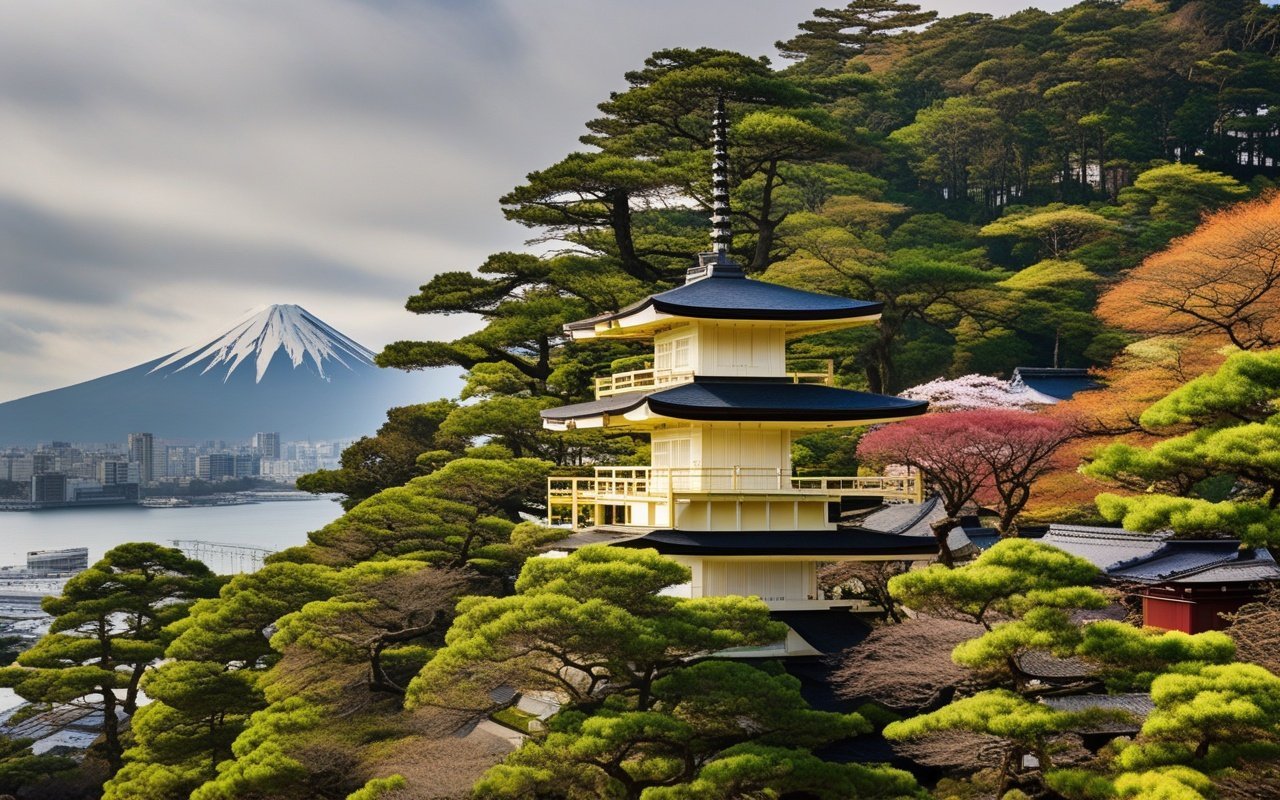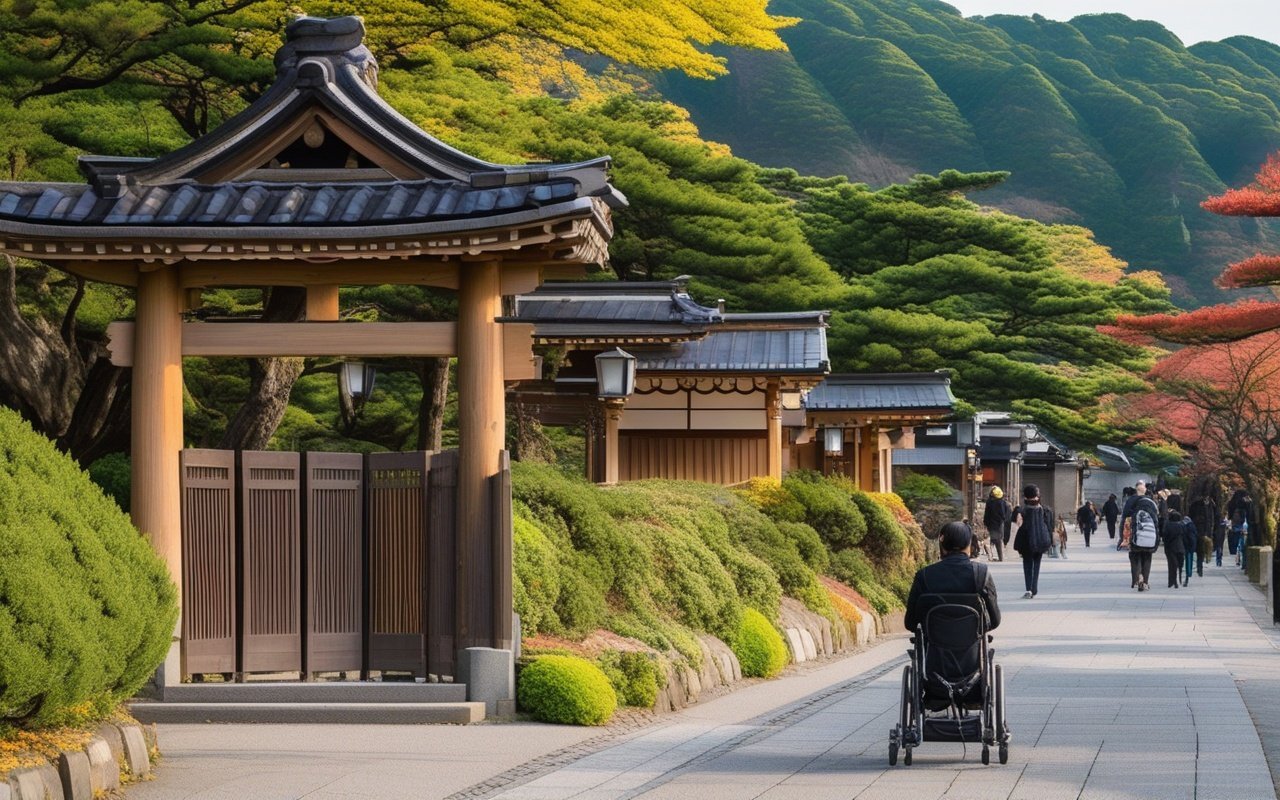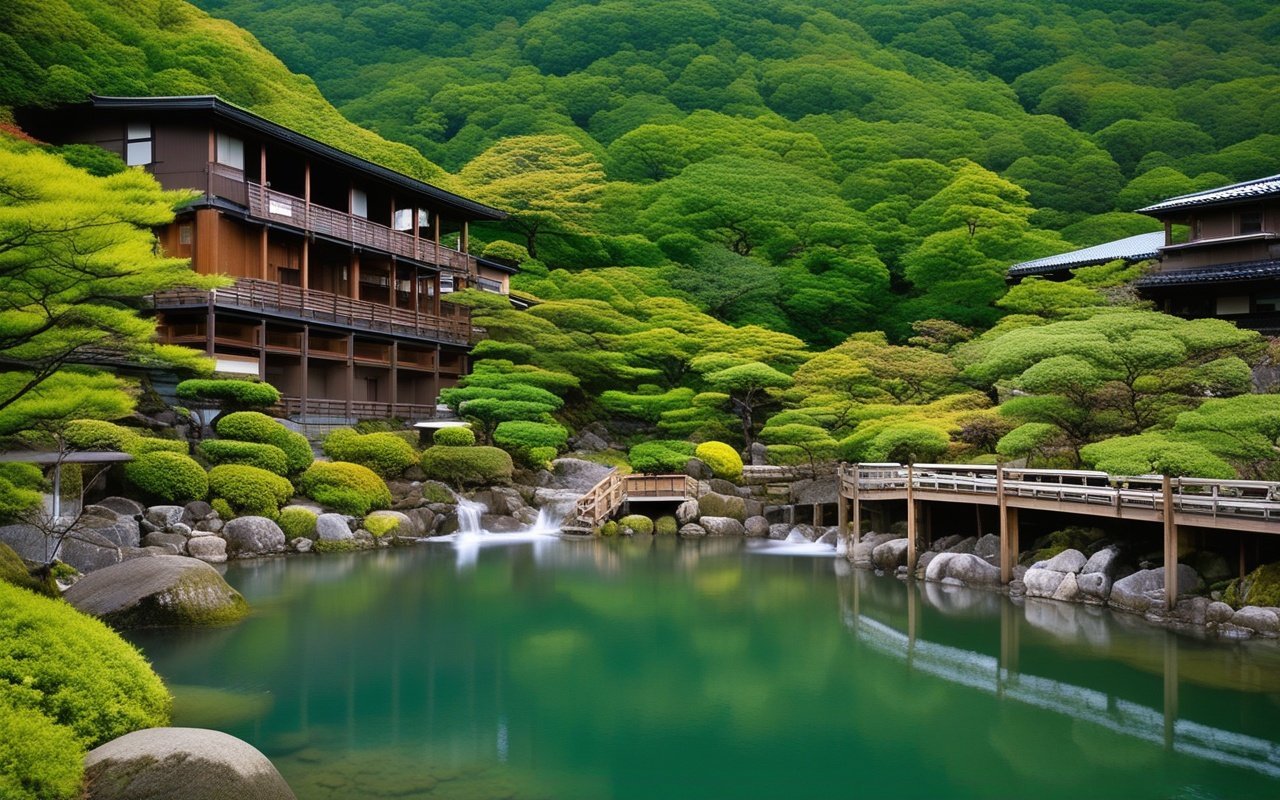
💬 Traveler’s Note: I visited Kawasaki and was pleasantly surprised by the excellent accaccommodationtions near the station. I recommend the area around Kawasaki Station for easy access to both Tokyo and Yokohama.
Introduction
Kawasaki offers excellent value accommodation with convenient access to both Tokyo and Yokohama. This guide covers the best hotels, guesthouses, and budget options in Kawasaki, along with transport tips and local attractions.
Types of Accommodation Available
KanKanagawafers a diverse range of accommodation options to suit every budget and preference. From luxury ryokan with private onsens in Hakone to budget-friendly capsule hotels near Yokohama Station, travelers can find exactly what they need. Business hotels are the most common choice for solo travelers, offering clean, compact rooms with essential amenities.
Booking Tips and Best Practices
Booking accommodation in Kanagawa is straightforward, but a few tips can help you secure the best rates. Weekday stays are significantly cheaper than weekends, especially at ryokan and resort properties, Booking directly through the hotel’s website often provides better cancellation terms than third-party platforms, and many properties offer member-only discounts.
What to Look for in Each Area
Each area of Kanagawa offers a distinct accommodation experience. Hakone is ideal for onsen ryokan with kaiseki dining. Kamakura specializes in boutique guesthouses near temples and beaches. Yokohama provides international hotel chains with bay views. Consider your itinerary when choosing — staying in one base area and using day trips can be more relaxing than moving hotels every night.
Kawasaki’s accommodation advantage is its transport connectivity: Keikyu Line reaches Shinagawa in 15 minutes and Yokohama in 10 minutes, while JR lines connect to Shinjuku and Shibuya. The Kawasaki Station area has over 20 restaurants open until late, plus the LAZONA shopping complex with a cinema and grocery store.
For extended stays, Kawasaki offers several monthly apartment hotels (weekly mansion) at rates 20-30% below nightly hotel prices. These include kitchenettes and laundry facilities, making them ideal for remote workers or travelers spending more than a week exploring the Tokyo-Yokohama corridor.
Kawasaki Accommodation Guide 2026
Overview
Kawasaki is Kanagawa’s best-kept accommodation secret. Between Tokyo and Yokohama (15 min each), hotels are 30-40% cheaper — smart base for exploration.
Recommended
Toyoko Inn Kawasaki (¥6,000-9,000). APA Hotel Kawasaki (¥5,000-8,000). Sunlife Kawasaki (¥8,000-12,000, family-friendly). Hotel Metropolitan (¥10,000-15,000, connected to station).
Area
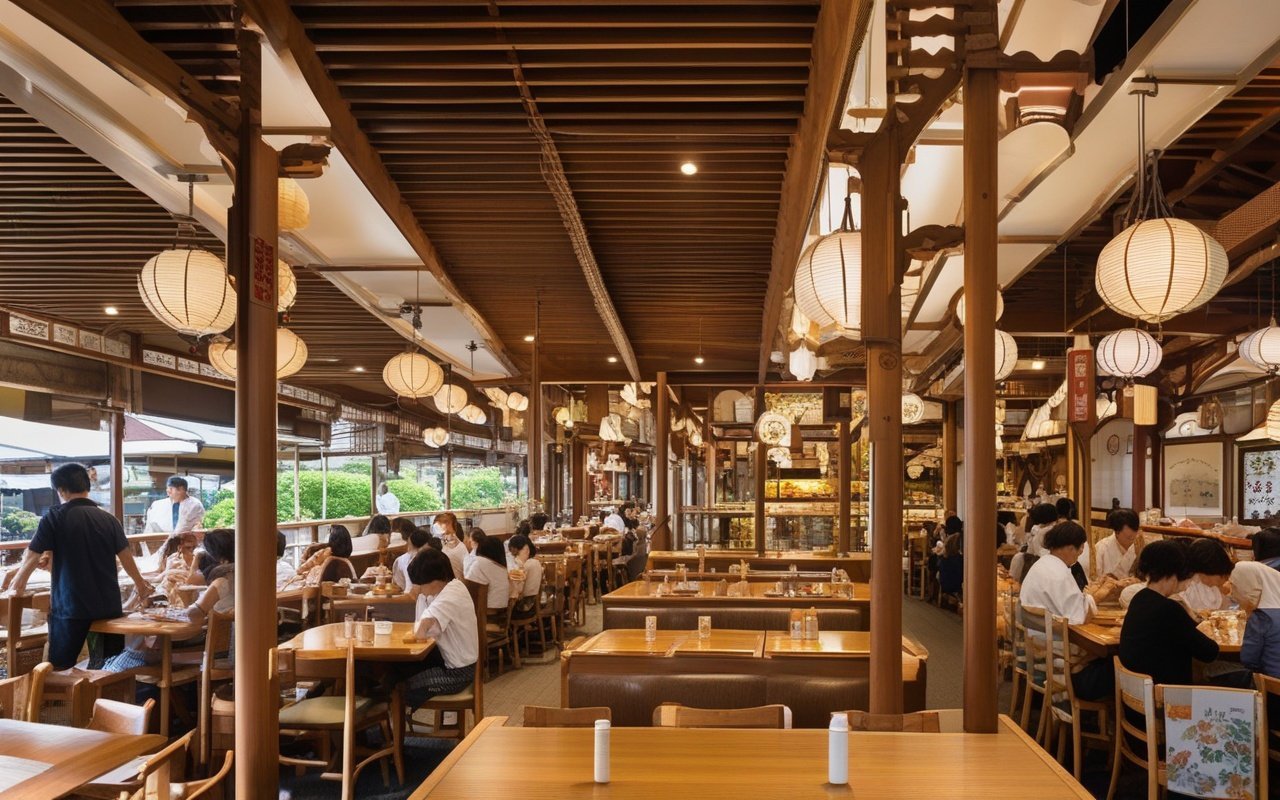
East Exit: LAZONA shopping/dining complex. West Exit: business district. Safe at night. Restaurants open until 10-11 PM.
Best For
Budget travelers, business, easy Tokyo+Kanagawa access. Not for atmosphere-seekers.nn
Frequently Asked Questions
Q: Q: Is this service/amenity easy to find in Kanagawa?
A: A: Yes, most practical services in Kanagawa are well-distributed and clearly signposted. Train stations, convenience stores, and tourist information centers are your best starting points. Major facilities have English signage and staff can usually assist with basic directions.
Q: Q: Are there free alternatives available?
A: A: Many facilities offer free alternatives. Coin lockers charge ¥300-700 per use but some tourist centers offer free short-term storage. Public restrooms are free throughout Kanagawa. Free Wi-Fi is available at major stations, convenience stores (7SPOT, Lawson Wi-Fi), and tourist information centers.
Q: Q: What payment methods are accepted?
A: A: IC cards (Suica/Pasmo) are accepted at most facilities including lockers, parking meters, and bicycle rentals. Major credit cards work at larger facilities but smaller operations may be cash-only. Always carry ¥5,000-10,000 in small bills for coin lockers and vending machines.
Q: Q: Is this service accessible for non-Japanese speakers?
A: A: Most major facilities in Kanagawa have English signage and instructions. Tourist-oriented services offer multilingual support. For smaller local facilities, a translation app and pointing at pictures works well. Save key Japanese phrases like “sumimasen” (excuse me) and “arigatou gozaimasu” (thank you).
Q: Q: What are the operating hours I should know?
A:** A: Most services operate during standard business hours (9:00-18:00), but convenience stores are 24/7. Coin lockers at major stations are accessible during station hours (usually 5:00-24:00). Public restrooms in parks may close at sunset. Always check specific facility hours online before visiting.
Why Kawasaki Is Smarter Than You Think
Kawasaki rarely appears in tourist guidebooks, but that is precisely its appeal. After staying there for a week while exploring the Tokyo-Yokohama corridor, I discovered a practical base city that deserves more attention.
Hidden Value: The Kawasaki Accommodation Advantage
Kawasaki’s hotel prices are consistently 30-40% cheaper than equivalent properties in Tokyo or Yokohama, During my stay at the Toyoko Inn Kawasaki (¥6,500/night), the same room in Shinagawa (15 minutes away by train) was ¥9,800. Over a week, that difference saved me over ¥20,000.
Why the price difference? Kawasaki is primarily a business and industrial city with high hotel supply serving corporate travelers on weeknights. On weekends, demand drops significantly and prices fall further. If you are a leisure traveler visiting Kanagawa on a weekend, you benefit from this inverted pricing.
The Station Proximity Advantage
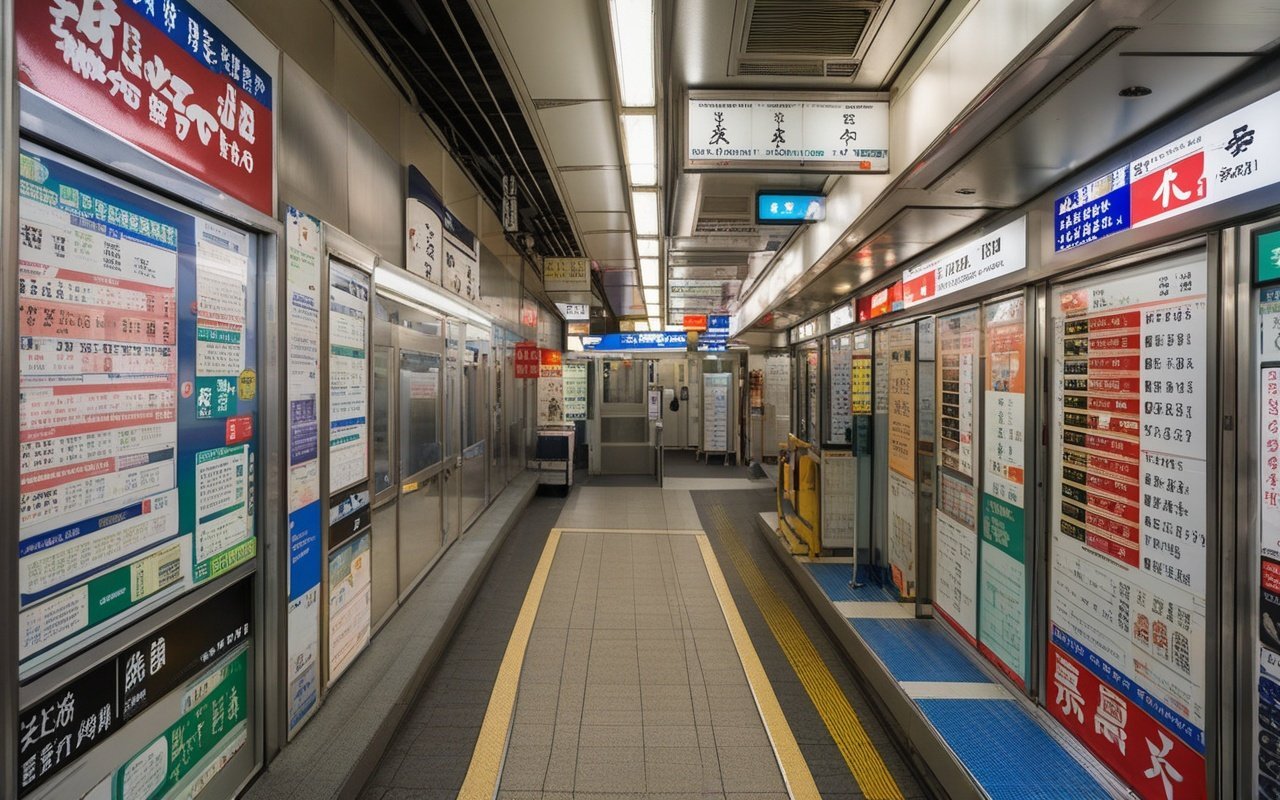
Kawasaki Station is served by four train lines:
- JR Tokaido Line: To Tokyo Station (20 minutes), Yokohama (8 minutes)
- Keikyu Line: To Shinagawa (15 minutes), Haneda Airport (15 minutes), Yokohama (10 minutes)
- JR Keihin-Tohoku Line: To Shinagawa (15 minutes), Yokohama (12 minutes)
- JR Nambu Line: To Musashi-Kosugi, Noborito (for Fujiko F. Fujio Museum)
Practical benefit: Staying in Kawasaki means you can reach both Shinjuku (25 minutes) and Hakone-Yumoto (60 minutes) from the same base. You never need to change hotels when shifting between Tokyo and Kanagawa exploration.
What to Do in Kawasaki Between Train Trips
Kawasaki may not have Mt. Fuji views, but it has several worthwhile attractions:
- Kawasaki Daishi (Heiken-ji Temple): One of Japan’s most visited temples, famous for warding off evil. A 10-minute walk from Kawasaki Daishi Station (5 minutes from Kawasaki Station by Keikyu Line). Free entry.
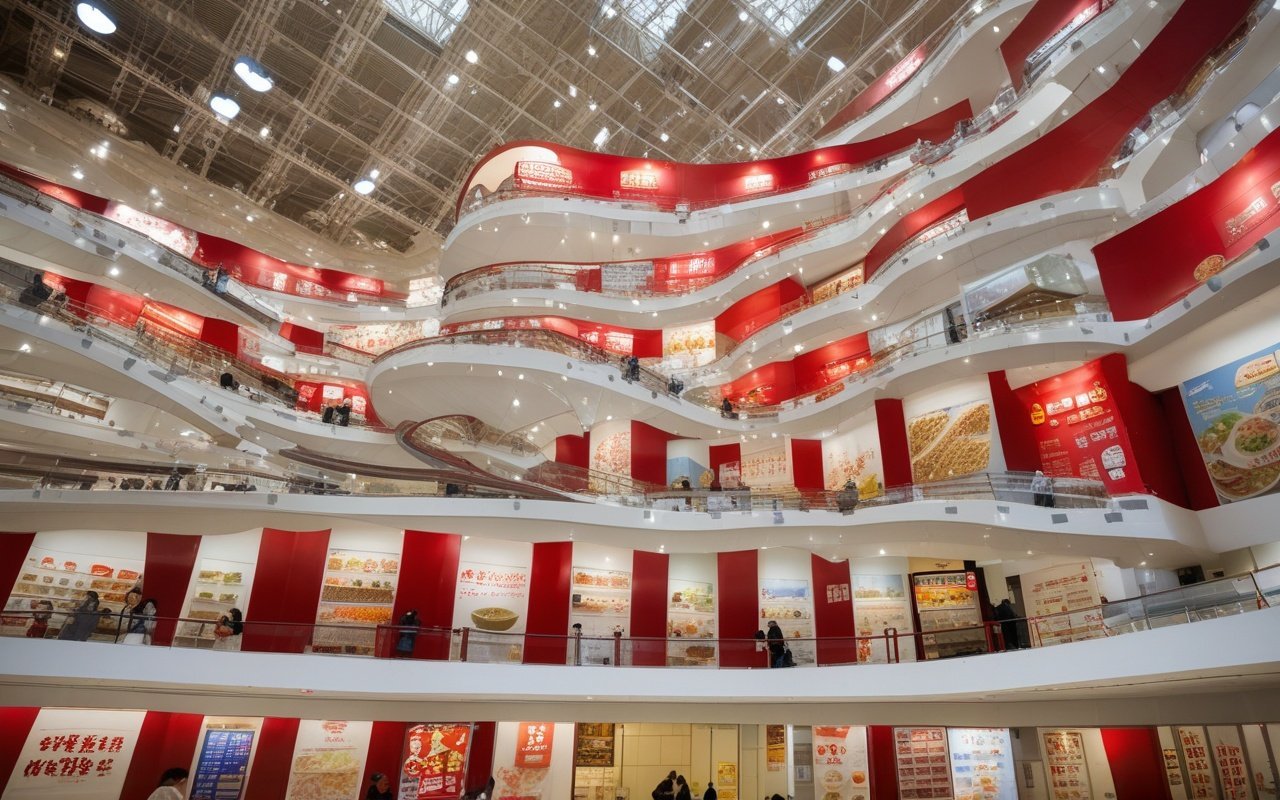
- LAZONA Kawasaki Plaza: A massive shopping complex directly connected to Kawasaki Station’s east exit. Cinema, restaurants, clothing stores, and a grocery store for self-catering.
- Fujiko F. Fujio Museum (Doraemon museum): 15-minute bus ride from Noborito Station. Reserve tickets in advance (¥1,000). The museum is excellent for families and anime fans.
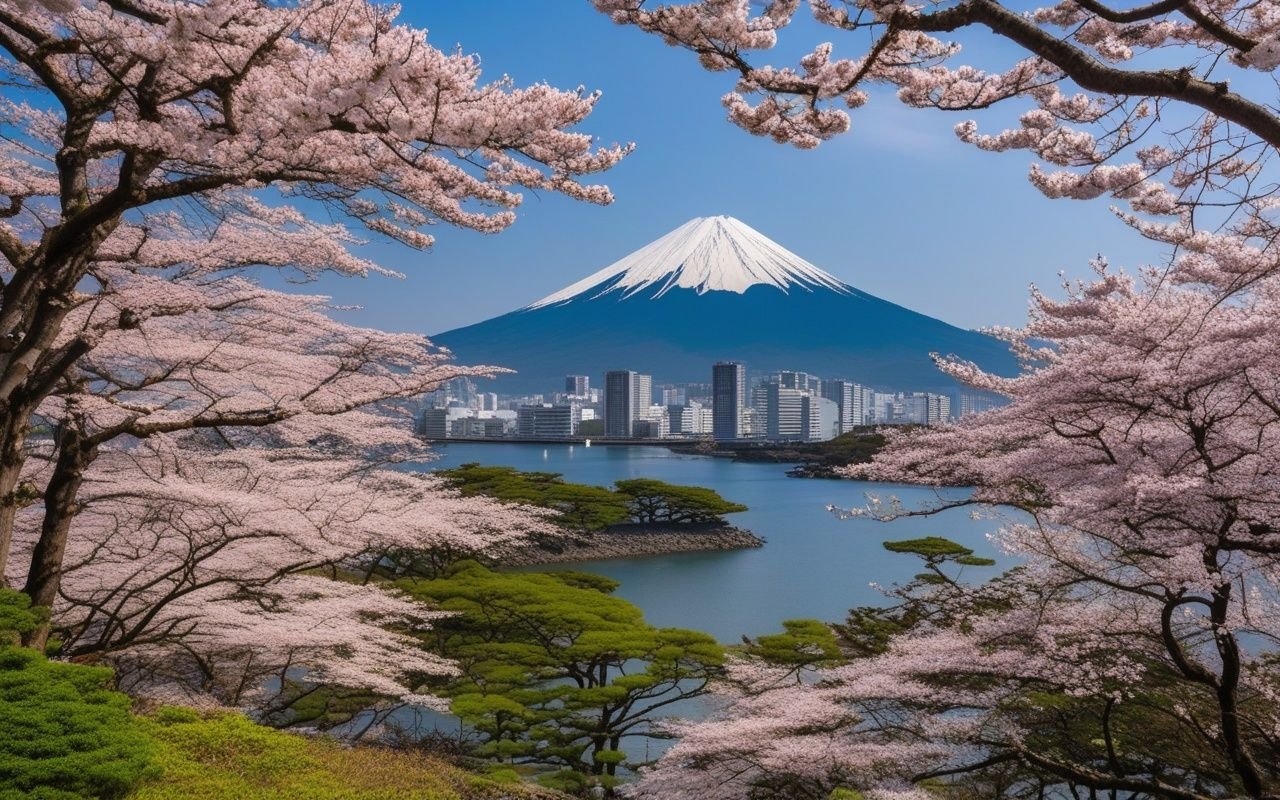
- Kawasaki Marien: An observation deck with views of Tokyo Bay and (on clear days) Mount Fuji. Free. Best visited at sunset.
Dining Without Breaking the Bank
Kawasaki’s restaurant scene is geared toward budget-conscious business travelers:
- Ekimaeria Kawasaki: A food hall in the station building with 20+ restaurants. Ramen from ¥700, set meals from ¥800.
- LAZONA restaurant floor: Mid-range options (¥1,000-2,000) including Japanese, Italian, Chinese, and Korean.
- Yakitori alley: A small street of yakitori shops under the train tracks near the west exit (¥3,000 for dinner with drinks).
Best For Different Travel Styles
| Travel Style | Why Kawasaki Works |
|---|---|
| Budget travelers | Rooms 30-40% cheaper than Tokyo/Yokohama |
| Business travelers | Direct Keikyu Line to Haneda (15 min) |
| Tokyo + Kanagawa combo | Midpoint between both, never change hotels |
| Late arrivals | Hotels accept late check-ins (midnight+) |
| Weekend explorers | Best rates Friday-Sunday (inverted demand) |
Who should skip Kawasaki: Travelers seeking atmospheric Japanese streets, walkable sightseeing, or a resort experience. Kawasaki is practical, not picturesque.
Conclusion
exploring Kawasaki can be as relaxed or as packed as you want it to be, and I have found that the best visits leave room for both planning and spontaneity. During my visit I went with a rough plan and found that leaving room to wander made the trip far more memorable. Use this guide to sort out the logistics in advance, then let the day surprise you — Kanagawa rewards travelers who stay curious.