
Overview
Transportation: ¥1,000-1,500
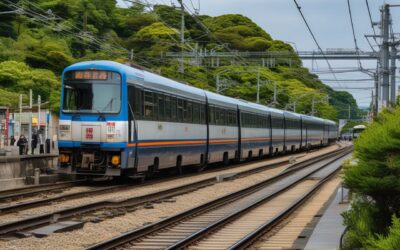
- Local trains: ¥200-400 per trip
- Day passes: ¥500-1,000
- Walking: Free (many areas are walkable)
Food: ¥2,000-2,500
- Breakfast: ¥300-500
- Lunch: ¥700-1,000
- Dinner: ¥1,000-1,200
Attractions: ¥500-1,000
- Free temples/shrines: Many available
- Parks/beaches: Free
- Museums: ¥300-800
Lodging: ¥1,000-1,500 (If Staying Overnight)
- Hostels: ¥2,500-3,500/night
- Capsule hotels: ¥3,000-4,000/night
- Day trip from Tokyo: ¥0 (return same day)
🚃 Budget Transportation Tips
Essential Passes
1. Tokyu Freepass (¥1,000)
- Unlimited travel on Tokyu lines
- Covers Shibuya to Yokohama, and more
- Valid for 1 day
2. Enoden 1-Day Pass (¥800)
- Unlimited travel on Enoden line
- Covers Kamakura to Fujisawa
- Perfect for temple hopping
3. Hakone Free Pass (¥5,000 from Odawara)
- Covers all Hakone transport
- Includes ropeway, buses
- Valid for 2 days
Money-Saving Transport Strategies
- Walk whenever possible: Many attractions are within walking distance
- Use IC cards: Suica/Pasmo offer small discounts
- Avoid taxis: Extremely expensive; use trains/buses instead
- Travel off-peak: Some passes are cheaper outside rush hours
- Combine passes: Use regional passes strategically
🍜 Budget Food Guide
Breakfast (¥300-500)
Convenience Store Options:
- 7-Eleven: Onigiri (¥120). coffee (¥100)
- FamilyMart: Sandwich (¥200). tea (¥80)
- Lawson: Rice ball set (¥300). coffee (¥100) Local Options:
- Standing soba shops: ¥300-400
- Bakeries: ¥200-400
- Hotel breakfast: Often included in room rate
Lunch (¥700-1,000)
Budget-Friendly Options:
- Ramen shops: ¥700-900
- Gyudon chains (Yoshinoya. Matsuya): ¥400-600
- Conveyor belt sushi: ¥100-300 per plate
- Local set meals: ¥800-1,000
Recommended Budget Spots:
- Yokohama Isezakicho: Local restaurants ¥700-1,000
- Kamakura Komachi-dori: Street food ¥500-800
- Hakone Yumoto: Local soba ¥800-1,000
Dinner (¥1,000-1,200)
Budget Options:
- Izakayas: ¥1,000-1,500 (with drinks)
- Supermarket bento: ¥500-800 (evening discounts)
- Local ramen: ¥800-1,000
- Curry shops: ¥700-900
Money-Saving Tips:
- Eat at supermarkets after 7 PM for 20-30% discounts
- Look for “teishoku” (set meals) for better value
- Avoid tourist areas for cheaper prices
🏛️ Free & Cheap Attractions
Completely Free
Temples & Shrines:
- Tsurugaoka Hachimangu (Kamakura)
- Hakone Shrine (Lake Ashi)
- Zeniarai Benzaiten (Kamakura) Parks & Nature:
- Yamashita Park (Yokohama)
- Yuigahama Beach (Kamakura)
- Lake Ashi walking trails (Hakone) Cultural:
- Yokohama Red Brick Warehouse (exterior)
- Kamakura Komachi-dori Street
- Hakone hot spring foot baths
Under ¥500
Temples:
- Kotoku-in Great Buddha: ¥300
- Hasedera Temple: ¥400
- Hokokuji Temple: ¥300 Museums:
- Yokohama Museum of Art: ¥500 (first Sunday free)
- Kamakura Museum of National Treasures: ¥200
- Hakone Open-Air Museum: ¥1,600 (worth the splurge)
Budget Day Trip Examples
Day 1: Kamakura (¥3,500)
- Transport: ¥1,000 (round trip from Tokyo)
- Breakfast: ¥400
- Lunch: ¥800
- Dinner: ¥1,000
- Attractions: ¥300 (Great Buddha)
Day 2: Yokohama (¥4,000)
- Transport: ¥600 (round trip from Tokyo)
- Breakfast: ¥400
- Lunch: ¥900
- Dinner: ¥1,200
- Attractions: ¥900 (Cup Noodles Museum + Sky Garden)
Day 3: Hakone (¥4,800)
- Transport: ¥1,500 (with pass)
- Breakfast: ¥400
- Lunch: ¥1,000
- Dinner: ¥1,200
- Attractions: ¥700 (shrines + foot baths)
🏨 Budget lodging
Hostels (¥2,500-3,500/night)
Yokohama:
- Sakura Hotel Yokohama: ¥3,000-4,000
- Khaosan Tokyo Yokohama: ¥2,800-3,500 Kamakura:
- Kamakura Guesthouse: ¥2,500-3,000
- WeBase Kamakura: ¥3,000-3,500
Capsule Hotels (¥3,000-4,000/night)
- 9h Nine Hours (Yokohama): ¥3,500-4,000
- Capsule Inn (Kamakura area): ¥3,000-3,500
Money-Saving lodging Tips
- Book in advance: Prices increase closer to date
- Stay Sunday-Thursday: Cheaper than weekends
- Use booking apps: Rakuten, Jalan offer discounts
- Consider day trips: Skip lodging entirely
- Look for free breakfast: Saves ¥400-500/day
🎯 3-Day Budget Itinerary
Day 1: Kamakura (¥3,800)
Morning:
- Train from Tokyo: ¥570
- Great Buddha: ¥300
- Hasedera Temple: ¥400 Afternoon:
- Lunch at Komachi-dori: ¥800
- Tsurugaoka Hachimangu: Free
- Komachi-dori shopping: Free Evening:
- Dinner at local izakaya: ¥1,200
- Return train: ¥570
- Optional hostel: ¥3,000 Total: ¥3,840 (without lodging)
Day 2: Yokohama (¥4,200)
Morning:
- Train from Tokyo: ¥300
- Cup Noodles Museum: Free
- Red Brick Warehouse: Free Afternoon:
- Lunch at Isezakicho: ¥900
- Landmark Tower Sky Garden: ¥1,030
- Yamashita Park: Free Evening:
- Dinner at Chinatown: ¥1,200
- Night view: Free
- Return train: ¥300 Total: ¥3,730
Day 3: Hakone (¥4,800)
Morning:
- Romancecar to Hakone: ¥1,230
- Hakone Free Pass: ¥5,000 (2 days)
- Open-Air Museum: ¥1,600 Afternoon:
- Lake Ashi cruise: Included in pass
- Hakone Shrine: Free
- Lunch at local restaurant: ¥1,000 Evening:
- Onsen foot bath: Free
- Dinner at Yumoto: ¥1,200
- Return train: Included in pass Total: ¥4,800 (including pass)
💡 Advanced Budget Tips
Free Wi-Fi Strategy
- 7-Eleven Wi-Fi: Free with sign-up
- Starbucks Wi-Fi: Free with buy
- Station Wi-Fi: Available at major stations
- Pocket Wi-Fi: ¥500/day if needed
Discount Timing
- Supermarket discounts: 7-8 PM (20-30% off)
- Museum discounts: First Sunday of month (free)
- Train passes: buy online for 10% discount
- Hotel deals: Book 2-3 months in advance
Money-Saving Apps
- Japan Travel by Navitime: Free route planning
- Gurunavi: Restaurant discounts
- Hot Pepper Gourmet: Coupon deals
- Rakuten: Cashback on bookings
🌸 Seasonal Budget Variations
Spring (March-May)
- Prices: 20-30% higher (peak season)
- Strategy: Book 3 months ahead
- Budget: ¥5,500-6,000/day
Summer (June-August)
- Prices: Standard
- Strategy: Free beaches, evening events
- Budget: ¥4,500-5,000/day
Autumn (September-November)
- Prices: 10-20% higher
- Strategy: Free foliage viewing spots
- Budget: ¥5,000-5,500/day
Winter (December-February)
- Prices: 20-30% lower
- Strategy: Free onsen foot baths, lights
- Budget: ¥4,000-4,500/day
💡 Local Insider Tips
Best Times to Visit
Early Morning (6-8 AM):
- Fewer crowds at popular locations
- Best photos light (golden hour)
- Cooler temperatures during summer months
- Peaceful atmosphere for relaxation
- Local residents’ favorite time
Late Afternoon (4-6 PM):
- Golden hour for stunning photos
- Sunset views over ocean and mountains
- Romantic atmosphere for couples
- Cooler temperatures after hot days
- Evening lights begins
Weekdays vs Weekends:
- 30-50% fewer crowds on weekdays
- Better photo chances without crowds
- More relaxed pace at temples and museums
- Easier restaurant bookings
- Lower lodging prices
Money-Saving Strategies
Transportation:
- buy day passes for unlimited travel
- Use IC cards (Suica/Pasmo) for small discounts
- Walk between nearby attractions (free, healthy)
- Avoid taxis (extremely expensive in Japan)
- Rent bicycles for local exploration
Food:
- Supermarket bento after 7 PM (20-30% discounts)
- Convenience store coffee (¥100 vs cafe ¥400)
- Lunch specials at restaurants (30% cheaper than dinner)
- Local markets for fresh, affordable seafood
- Standing soba shops for quick, cheap meals
Attractions:
- First Sunday of month: Many museums free
- Temple grounds often free to enter
- Parks and beaches completely free
- Combination tickets for multiple attractions
- Student discounts with valid ID
Top Photo Locations:
- Enoshima Sea Candle for 360-degree panoramic views
- Yuigahama Beach for ocean sunset photos
- Lake Ashi with Mount Fuji backdrop (winter clearest)
- Kamakura Great Buddha for iconic shots
- Yokohama Minato Mirai for night cityscapes
Seasonal photos:
- Spring: Cherry blossoms at temples (late March-early April)
- Summer: Beach scenes, fireworks festivals
- Autumn: Fall foliage at Hakone (mid-November peak)
- Winter: Clear Mount Fuji views, lights
🌟 lesser-known spots Only Locals Know
Secret Spots
Quiet Beaches:
- Shichirigahama (less crowded than Yuigahama)
- Isshiki Beach in Hayama (local favorite)
- Morito Beach in Zushi (peaceful, clean)
Hidden Temples:
- Hokokuji Temple bamboo grove (early morning best)
- Jufukuji Temple (hidden, rarely visited)
- Myohonji Temple (peaceful garden, few tourists)
Local Cafes:
- Cafe Rhine in Hayama (ocean views, local art)
- Bill’s Shonan (famous soufflé pancakes)
- Cafe La Mer in Zushi (beachfront, sunset views)
Seasonal Secrets
Spring Secrets:
- Cherry blossoms at lesser-known temples
- Avoid Golden Week (late April-early May)
- Book lodging 3 months ahead
- Hanami parties in local parks (free, fun)
Summer Secrets:
- Early morning beach visits (before 9 AM)
- Evening fireworks festivals (free viewing spots)
- Indoor museums for hot afternoon escape
- Night cycling along coast (cool, pretty)
Autumn Secrets:
- Fall foliage at Hakone (mid-November peak)
- Harvest festivals at local shrines (free entry)
- Best photos light in October (clear air)
- Mushroom foraging tours (unique time)
Winter Secrets:
- Clear Mount Fuji views (January-February best)
- Onsen with snow views (magical time)
- Fewer crowds, better prices everywhere
- lights displays (free, amazing)
🎒 Essential Planning Checklist
Before You Go
Book in Advance:
- lodging (mostly weekends, holidays)
- Popular restaurants (1-2 days ahead)
- Activity tours (onzen, cooking)
- Transport passes (online discounts)
Pack Smart:
- comfy walking shoes (essential)
- Weather-appropriate clothing layers
- small phone charger (long days out)
- Cash (many places cash-only)
- IC card (Suica/Pasmo for transport)
Download Apps:
- Google Maps (offline maps available)
- Google Translate (camera translation)
- Japan Travel by Navitime (route planning)
- Gurunavi (restaurant discounts)
- Hyperdia (train schedules)
Daily Planning
Morning Routine:
- Check weather forecast
- Confirm transport schedules
- Reserve lunch spots if needed
- Charge camera and phone
- Pack water and snacks
Evening Routine:
- Review next day’s itinerary
- Charge all devices overnight
- Confirm restaurant bookings
- Check transport for morning
- Organize day’s photos
Emergency Preparedness
Important Numbers:
- Police: 110
- Ambulance/Fire: 119
- Coast Guard: 118
- Tourist Info: Use the official Japan National Tourism Organization (JNTO) website for current visitor support options. Emergency Kit:
- Hotel business card (for taxi returns)
- Emergency cash (¥10,000 minimum)
- Basic first aid supplies
- small phone charger
- Copy of passport and insurance
🎒 Essential Preparation Guide
What to Pack
Essential Items:
- comfy walking shoes (most important)
- Weather-appropriate clothing layers
- small phone charger (long days out)
- refillable water bottle (stay hydrated)
- Small backpack for daily essentials
- Cash (many places cash-only in Japan)
- IC card (Suica/Pasmo for transport)
- Pocket tissues (restrooms often lack paper)
Seasonal Additions:
- Spring: Light jacket, allergy medication
- Summer: Sunscreen, cooling towel
- Autumn: Light layers, rain jacket
- Winter: Warm coat, scarf
Money-Saving Tips:
- Convenience store breakfast: ¥300-500
- Supermarket dinner bento: ¥500-800 (after 7 PM discount)
- Free attractions: Temples, beaches
- Day passes: Unlimited transport for ¥500-1,500
- Hostel lodging: ¥3,000-5,000/night
Transportation Mastery
Train System:
- JR lines cover major destinations
- Private lines (Tokyu. Keikyu) offer discounts
- IC cards (Suica/Pasmo) work on all lines
- Day passes save 30-50% on transport
Bus System:
- Local buses reach areas trains don’t
- Day passes available for unlimited rides
- English announcements on major routes
- IC cards accepted on most buses
Walking & Cycling:
- Many attractions within walking distance
- Bicycle rental: ¥1,000-1,500/day
- Dedicated cycling paths in some areas
- Best way to discover lesser-known spots
🌟 Insider Secrets
Best Kept Secrets
Hidden Viewpoints:
- Enoshima Sea Candle top floor (less crowded)
- Hakone Shrine back trails (peaceful)
- Kamakura hiking paths (panoramic views)
- Yokohama rooftop gardens (free, stunning)
Local Dining:
- Isezakicho back alleys (authentic, cheap)
- Komachi-dori side streets (local favorites)
- Hakone Yumoto side roads (traditional)
- Shonan fishing ports (fresh, direct)
Quiet Times:
- Temples: 8-9 AM (opening time)
- Beaches: Weekday mornings
- Museums: Tuesday-Thursday afternoons
- Restaurants: 11:30 AM or 2 PM (off-peak)
Photography Masterclass
Golden Hour Locations:
- Yuigahama Beach: 30 min before sunset
- Lake Ashi: Morning (Fuji clearest)
- Enoshima: Late afternoon (ocean glow)
- Yokohama: Blue hour (30 min after sunset)
Composition Tips:
- Use foreground elements (trees, buildings)
- Include people for scale
- Capture local life (markets, temples)
- Shoot vertical for social media
Weather photos:
- Rainy: Reflections, moody
- Foggy: Mysterious atmosphere, layers
- Clear: Distant views, vibrant colors
- Snow: Rare, capture quickly
📍 Local Neighborhood Guide
Yokohama Neighborhoods
Minato Mirai:
- Modern waterfront district
- Shopping, fun
- Best for: First-time visitors
- Time needed: Half day Chinatown:
- Asia’s largest Chinatown
- 500+ restaurants, shops
- Best for: Food lovers
- Time needed: 2-3 hours
Yamashita Park Area:
- Historic waterfront park
- Marine Tower. Red Brick Warehouse
- Best for: Relaxing, photos
- Time needed: 2 hours
Kamakura Neighborhoods
Komachi-dori:
- Main shopping street
- Street food, souvenirs
- Best for: Shopping, snacks
- Time needed: 1-2 hours Temple District:
- Great Buddha. Hokokuji
- Cultural heart of Kamakura
- Best for: History, spirituality
- Time needed: Half day
Beach Area:
- Yuigahama. Zushi beaches
- Surf culture, beach cafes
- Best for: Ocean, relaxation
- Time needed: 2-3 hours
Hakone Areas
Yumoto:
- Gateway to Hakone
- Onsen town, restaurants
- Best for: Hot springs, base
- Time needed: Half day
Lake Ashi:
- Scenic lake, cruises
- Mount Fuji views (winter)
- Best for: Nature, photos
- Time needed: 2-3 hours
Owakudani:
- Volcanic valley, black eggs
- Ropeway, hiking trails
- Best for: Unique time
- Time needed: 1-2 hours
Exploring Kanagawa on a budget of under ¥5,000 per day is entirely achievable with proper planning. By using transport passes, eating at local restaurants, and staying at budget lodging, you can time authentic Japanese culture without overspending. The key is to prioritize things over comfort and embrace the local way of life. For more Kanagawa guides, explore our other articles on Hakone, Kamakura, Yokohama, and the Miura Peninsula. —
Related Articles:
For more info, check out our guide on Hakone On A Budget Guide – Kanagawa 2026. For more info, check out our guide on Kanagawa Budget lodging Guide 2026 — Hostels…. For more info, check out our guide on About Anaba OffJapan — Deeper into Kanagawa.
Frequently Asked Questions
Q: Is this service/amenity easy to find in Kanagawa?
A: Yes, most practical services in Kanagawa are well-distributed and clearly signposted. Train stations, convenience stores, and tourist info centers are your best starting points. Major places have English signage and staff can usually assist with basic directions. Q: Are there free alternatives available?
A: Many places offer free alternatives. Coin lockers charge ¥300-700 per use but some tourist centers offer free short-term storage. Public restrooms are free throughout Kanagawa. Free Wi-Fi is available at major stations, convenience stores (7SPOT, Lawson Wi-Fi), and tourist info centers. Q: What payment methods are accepted?
A: IC cards (Suica/Pasmo) are accepted at most places including lockers, parking meters, and bicycle rentals. Major credit cards work at larger places but smaller operations may be cash-only. Always carry ¥5,000-10,000 in small bills for coin lockers and vending machines. Q: Is this service accessible for non-Japanese speakers?
A: Most major places in Kanagawa have English signage and instructions. Tourist-oriented services offer multilingual support. For smaller local places, a translation app and pointing at pictures works well. Save key Japanese phrases like “sumimasen” (excuse me) and “arigatou gozaimasu” (thank you). Q: What are the operating hours I should know?
A: Most services operate during standard business hours (9:00-18:00), but convenience stores are 24/7. Coin lockers at major stations are accessible during station hours (usually 5:00-24:00). Public restrooms in parks may close at sunset. Always check specific facility hours online before visiting.
Final Thoughts
Kanagawa Prefecture doesn’t have to break the bank. With careful planning and local knowledge, you can time the best of this diverse region for under ¥5,000 per day. This comprehensive guide reveals budget-friendly strategies used by locals and experienced travelers. Kanagawa proves that great travel doesn’t need an unlimited budget — with smart choices, even modest spending unlocks rich things.
Conclusion
The details in this guide come from real visits, and the biggest lesson I took away was that the best experiences in Kanagawa rarely fit neatly into a checklist. During my visit I went with a rough plan and found that leaving room to wander made the trip far more memorable. Plan the essentials, keep your schedule flexible, and you will leave Kanagawa wanting to return.