Tag: travel-tips

  • Kanagawa Business Hotel Guide 2026 — Practical &…

    Kanagawa Business Hotel Guide 2026 — Practical &…

    This guide provides essential travel tips and practical advice for navigating Kanagawa Prefecture. From transportation passes to safety information, you will find everything you need for a smooth and enjoyable trip.

    Kanagawa Business Hotel Guide 2026

    Overview

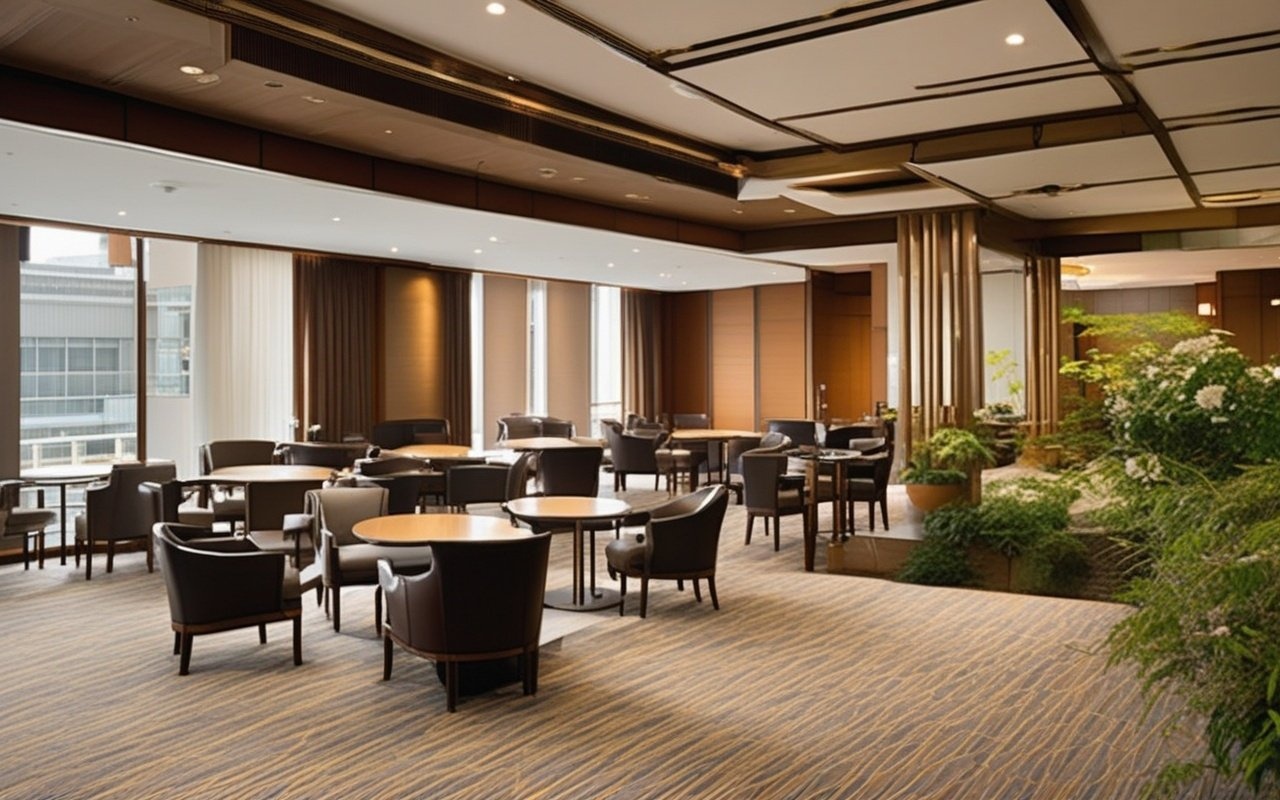
    Business hotels are Japan’s accommodation backbone. Clean, convenient, affordable — Toyoko Inn, APA Hotel, and Super Hotel dominate Kanagawa.

    What to Expect

    Small but efficient rooms (12-18 sqm). High-speed WiFi. Coin laundry. Paid breakfast (¥500-1,500). Vending machines. Some have public baths. Check-in 3 PM, check-out 10 AM.

    Recommended Chains

    Toyoko Inn (¥6,000-9,000): largest chain, free breakfast (simple), member discount. APA Hotel (¥5,000-8,000): modern design, good soundproofing, paid breakfast. Super Hotel (¥6,000-8,000): free breakfast (good quality), natural springs at some locations.

    Locations

    Toyoko Inn: Yokohama Station (East/West), Kawasaki, Kamakura, Ofuna. APA Hotel: Yokohama Station, Kawasaki, Fujisawa, Odawara. Super Hotel: Yokohama (Kannai), Kawasaki.

    My personal exploration of Kanagawa has been incredibly rewarding, and I encourage every traveler to experience these places firsthand.

    💬 Traveler’s Note: I stayed at Toyoko Inn Yokohama Station West on a recent trip and tried their free breakfast every morning. I recommend joining the loyalty program before you book — the free-night point for ten stays adds up quickly if you visit Japan often.

    🏢 Business Hotel Chain Comparison

    Chain Nightly Rate Free Breakfast Room Size Locations in Kanagawa Loyalty Program
    Toyoko Inn ¥6,000-9,000 ✅ Simple 14-16 sqm Yokohama, Kawasaki, Kamakura, Ofuna, Odawara 10 nights = 1 free night
    APA Hotel ¥5,000-8,000 ❌ (¥1,500) 12-15 sqm Yokohama, Kawasaki, Fujisawa, Odawara Points-based app
    Super Hotel ¥6,000-8,000 ✅ Good quality 14-16 sqm Yokohama (Kannai), Kawasaki Super Points card
    Dormy Inn ¥8,000-12,000 ✅ Included 15-17 sqm Yokohama Points valid nationwide
    Route Inn ¥5,500-9,000 ✅ Simple 13-15 sqm Yokohama, Kawasaki Route Inn Club

    Tips

    Join loyalty programs for 5-10% discounts. Book early for weekends. Rooms are small — use luggage forwarding service.nnKanagawa Business Hotel Guide 2026 — Practical &... — Overview

    My recommendation: Toyoko Inn offers the best value for most travelers — free breakfast (simple but includes rice, miso soup, and a protein), the most Kanagawa locations, and the easiest loyalty program. If you want better food, Super Hotel’s free breakfast includes fresh bread, salad, and even wine in the evening.

    Toyoko Inn vs APA Hotel: The Practical Difference

    The two dominant chains serve slightly different needs. Toyoko Inn rooms are slightly larger (14-16 vs 12-15 sqm) and include free breakfast. APA Hotel rooms are more modern in design and often have better soundproofing, but breakfast costs extra. For long stays (3+ nights), Toyoko Inn’s space advantage makes a real difference. For a single-night stopover, APA Hotel’s lower base rate may be better.

    Dormy Inn: The Premium Budget Upgrade

    Dormy Inn is the chain you choose when you want a business hotel price but a nearly-ryokan experience. At ¥8,000-12,000/night, it’s 30-50% more than Toyoko Inn, but you get: a natural hot spring bath (onsen) on site, free ramen (21:00-23:00), free coffee and yakult in the lobby, complimentary manga library, and significantly better breakfast (Japanese + Western buffet). The Yokohama location is 5 min from Kannai Station. Dormy Inn is especially worth it in winter — nothing beats soaking in the rooftop onsen after a day of sightseeing.

    📍 Best Business Hotel Locations by Area

    Area Best Chain Location Advantage Walking Time from Station
    Yokohama Station Toyoko Inn Yokohama West Direct access to Minato Mirai via moving walkway 3 min
    Kannai (Yokohama) Super Hotel Kannai Near Chinatown and Yamashita Park 5 min
    Kawasaki APA Hotel Kawasaki Cheapest option, 15 min to Tokyo 2 min
    Kamakura Toyoko Inn Kamakura Only chain hotel near station, 10 min walk to temples 5 min
    Ofuna Toyoko Inn Ofuna Affordable base, 10 min to Kamakura by train 3 min
    Odawara Toyoko Inn Odawara Convenient for Hakone access via Tozan Railway 5 min
    Fujisawa APA Hotel Fujisawa Enoden connection to Enoshima and Kamakura 3 min

    💡 Pro Tips for Business Hotel Stays

    Membership Programs

    • Toyoko Inn Club Card: ¥1,500 for lifetime membership. Get 5% discount on every stay + 1 free night after 10 stays. The card pays for itself after 3 stays.
    • APA Hotel App: Points-based system. ¥1 = 1 point. 10,000 points = ¥1,000 discount. Frequent flash sales with 30-50% off.
    • Rakuten Travel: Often has exclusive rates 10-20% below direct booking. Pairs well with Rakuten credit card points.

    Book Early for Weekends

    Weekend business hotel rates in Kanagawa are 30-60% higher than weekday rates. A ¥6,000 weekday room jumps to ¥10,000 on Friday/Saturday. Book 2-4 weeks ahead for weekday stays, 1-2 months ahead for weekends.

    Luggage Forwarding

    Use takkyubin (luggage forwarding) between business hotels. Drop your suitcase at the front desk by 10 AM and it arrives at your next hotel by 6 PM. Cost: ¥1,500-2,500 depending on size. Look for Yamato Transport (black cat logo) or Sagawa (red dolphin) at hotel receptions.

    Coin Laundry Hack

    Business hotel coin laundry costs ¥300-500 per load, Bring a small laundry bag and do laundry every 3-4 days instead of packing 7+ outfits. This alone saves one checked bag fee.

    How to Get There

    To Yokohama business hotels: JR Tokaido Line or Keihin-Tohoku Line from Tokyo Station to Yokohama Station (25-35 minutes). Most business hotels (Toyoko Inn, APA, Super Hotel) are within 5-10 minutes walk from the station.

    To Kawasaki business hotels: JR Tokaido Line or Keihin-Tohoku Line from Tokyo Station to Kawasaki Station (15-20 minutes). Kawasaki is a convenient and affordable base for Tokyo day trips.

    To Kamakura/Ofuna business hotels: JR Yokosuka Line from Tokyo to Kamakura (1 hour) or Ofuna (50 minutes). Toyoko Inn Kamakura is near the station. Ofuna offers more budget options.

    To Hakone-Yumoto business hotels: Odakyu Romancecar from Shinjuku (85 minutes) or JR Tokaido Line to Odawara then local train. Business hotels near Hakone-Yumoto Station are affordable alternatives to ryokan.

    To Fujisawa business hotels: JR Tokaido Line from Tokyo (50 minutes). An affordable base for exploring Enoshima, Kamakura, and the Shonan coast.

    Conclusion

    exploring Kanagawa for its bus can be as relaxed or as packed as you want it to be, and I have found that the best visits leave room for both planning and spontaneity. During my visit I went with a rough plan and found that leaving room to wander made the trip far more memorable. Use this guide to sort out the logistics in advance, then let the day surprise you — Kanagawa rewards travelers who stay curious.
  • Lost Passport in Kanagawa Guide 2026 — Step-by-Step…

    Lost Passport in Kanagawa Guide 2026 — Step-by-Step…

    Lost Passport in Kanagawa Guide 2026 — Step-by-Step Emergency Procedure

    Overview

    If You Lose Your Passport

    Step 1: Retrace Your Steps

    Immediately think back to where you last had your passport. Common places to check:

    • Hotel safe or room (many people leave passports at hotels and forget)
    • Last shop or restaurant you visited
    • Last train, bus, or taxi
    • Your day bag or jacket pocket

    Step 2: Visit the Nearest Koban (Police Box)

    Go to the nearest koban and file a Lost Property Report (遺失物届). The officer will:

    • Take a detailed description of the passport
    • Record when and where you lost it
    • Give you a report number (受付番号) — keep this number safe Why this is important: You need the police report number to apply for an emergency passport at your embassy.

    Step 3: Contact Your Embassy

    Major embassies are in Tokyo, approximately 30-60 minutes from Kanagawa:

    Embassy Phone Emergency Number Location
    US Embassy 03-3224-5000 03-3224-5000 (24h) Minami-Azabu, Tokyo
    UK Embassy 03-5211-1100 03-5211-1100 (24h) Ichibancho, Tokyo
    Canadian Embassy 03-5412-6200 03-5412-6200 (24h) Akasaka, Tokyo
    Australian Embassy 03-5232-4111 03-5232-4111 (24h) Minami-Azabu, Tokyo
    EU countries Check your embassy website Various, Tokyo

    Call ahead: Most embassies require an appointment for emergency passport services. Explain your situation and they will guide you on next steps.

    Step 4: Apply for an Emergency Passport

    At the embassy, you will need:

    • Police report (from Step 2) — with the report number
    • Two passport photos — 4.5cm × 3.5cm (available at photo booths in train stations)
    • Valid ID — driver’s license, national ID card, or copy of your passport
    • Proof of citizenship — birth certificate copy (if available)
    • Travel itinerary — flight confirmation, hotel bookings
    • Emergency passport fee — varies by country (typically ¥5,000-¥15,000)
    • Application form — available at the embassy

    Processing time: Emergency passports are typically issued within 1-3 business days. Some embassies can issue same-day emergency travel documents in urgent situations.


    If You Lose Your Wallet

    Step 1: Cancel Cards Immediately

    Card Type Number to Call
    VISA 00531-44-0022
    Mastercard 00531-44-0022
    American Express 0120-020-222 (toll-free)
    JCB 0120-888-159 (toll-free)

    Step 2: Report to Koban

    Just like with a passport, file a Lost Property Report. Most lost wallets in Japan are returned — the national return rate is over 70%.

    Step 3: Emergency Cash

    If you are without funds:

    • Western Union: Receive money transfers at locations in Yokohama and Kawasaki
    • Embassy emergency loans: Some embassies provide emergency loans for citizens
    • Credit card emergency cash: Most cards offer emergency cash advances
    • Hotel assistance: Your hotel may be able to help arrange funds

    If You Lose Your Phone

    Step 1: Track Your Phone

    • iPhone: Use Find My iPhone via iCloud.com
    • Android: Use Google’s Find My Device via google.com/android/find

    Step 2: Contact Your Carrier

    Major mobile carriers have stores in Kanagawa:

    • docomo: Multiple locations in Yokohama Station, Kawasaki, Kamakura
    • au: Yokohama Station, Kawasaki Station
    • SoftBank: Yokohama Station, major shopping centers

    Step 3: Back Up Data

    If you used cloud backup services, your data (photos, contacts, messages) is already saved. You can restore everything when you get a replacement phone.

    Step 4: Insurance Claim

    If you have travel insurance that covers electronics, contact your insurance provider for a claim.


    Insurance Coverage for Lost Items

    What Travel Insurance Typically Covers

    • Lost luggage: ¥50,000-¥200,000
    • Lost passport: Replacement costs (typically ¥10,000-¥30,000)
    • Lost cash: ¥30,000-¥100,000
    • Lost electronics: Varies by policy

    Filing a Claim

    To file an insurance claim, you will need:

    1. Police report (from koban)
    2. Receipts or proof of purchase for lost items
    3. Travel insurance policy number
    4. Description of the incident

    Prevention: Before You Travel

    Digital Backups

    Before your trip, create digital copies of:

    • 📄 Passport (photo page)
    • 💳 Credit cards (front and back)
    • 🛡️ Travel insurance (policy document)
    • 🏨 Hotel reservations
    • ✈️ Flight itineraries

    Store them in:

    • Your email (send to yourself)
    • Cloud storage (Google Drive, iCloud)
    • A trusted contact back home

    Physical Precautions

    • Use a hotel safe for your passport — carry only a copy during the day
    • Carry your wallet in a front pocket or zipped bag
    • Use a money belt or neck pouch for valuables
    • Keep emergency cash (¥20,000-¥30,000) separate from your main wallet
    • Write down your credit card emergency numbers on a card kept separate from your wallet

    Lost Passport in Kanagawa — detailed view


    🇯🇵 Key Phrases

    English Japanese Pronunciation
    I lost my passport パスポートをなくしました Pasupōto wo nakushimashita
    I need an emergency passport 緊急パスポートが必要です Kinkyū pasupōto ga hitsuyō desu
    Where is the embassy? 大使館はどこですか? Taishikan wa doko desu ka?
    I need to cancel my cards カードを止める必要があります Kādo wo tomeru hitsuyō ga arimasu
    I have no money お金がありません Okane ga arimasen
    Can I use your phone? 電話を使わせてください Denwa wo tsukawasete kudasai

    Lost Passport in Kanagawa Guide scenery and attractions


    Frequently Asked Questions

    Q: How can I stay informed during an emergency in Japan?
    A: Download the Safety Tips app by the Japan Tourism Agency for earthquake and tsunami warnings in English. Register with your embassy for emergency notifications. NHK World provides English-language disaster coverage. Most mobile phones in Japan receive emergency alerts automatically (J-ALERT) with English text.

    Q: What are the most important emergency numbers?
    A: Dial 110 for police and 119 for ambulance or fire services. English-speaking operators are available 24/7. For non-emergency police assistance, visit a koban (police box) — there are over 6,000 in Kanagawa. The Japan Helpline (0570-000-911) offers 24/7 English support for tourists.

    Q: Where are emergency shelters in Kanagawa?
    A: Emergency shelters (hinanjo) are located at schools, community centers, and public halls. The Safety Tips app shows the nearest shelter on a map. Major evacuation centers include Yokohama Arena (capacity 17,000) and Yokohama International Stadium (72,000). Yellow and green signs mark shelter locations throughout the city.

    Q: What should I include in my emergency kit?
    A: Carry a small day-bag with: water bottle, snacks, portable charger, whistle, copy of passport and hotel address in Japanese, and ¥10,000-20,000 in small bills. Convenience stores stock emergency supplies, During typhoon season (June-October), also pack a rain jacket and waterproof bag for electronics.

    Q: Is travel insurance recommended for Kanagawa?
    A: Yes, comprehensive travel insurance is strongly recommended. It covers medical emergencies (including hospital visits), trip cancellation, lost luggage, and emergency evacuation. Some Japanese hospitals require upfront payment or proof of insurance before treatment. Keep your insurance card and a digital copy of your policy accessible at all times.

    Lost Passport in Kanagawa Guide 2026 — S… is your starting point for exploring this part of Kanagawa. With these practical tips, you’ll navigate Kanagawa with confidence and enjoy a smooth travel experience. For more guides, check out our other articles covering Hakone, Kamakura, Yokohama, Shonan, and the Miura Peninsula.


    Conclusion

    exploring Kanagawa for its pass can be as relaxed or as packed as you want it to be, and I have found that the best visits leave room for both planning and spontaneity. During my visit I went with a rough plan and found that leaving room to wander made the trip far more memorable. Use this guide to sort out the logistics in advance, then let the day surprise you — Kanagawa rewards travelers who stay curious.
  • Kanagawa Senior Travel Guide 2026 — Comfortable Travel…

    Kanagawa Senior Travel Guide 2026 — Comfortable Travel…

    Introduction

    Kanagawa is a wonderful destination for senior travelers, with accessible transport, senior discounts at major attractions, and a safe, walkable environment. This guide covers practical tips for a comfortable and enjoyable visit.

    Family-Friendly Features and Facilities

    Kanagawa is increasingly accommodating to families with young children and travelers with accessibility needs. Major attractions, train stations, and shopping centers offer baby changing rooms, stroller rentals, and wheelchair-accessible pathways. Family-friendly restaurants provide children’s menus, high chairs, and sometimes play areas to keep little ones entertained during meals.

    Transport Options for Families

    Getting around Kanagawa with family is manageable with some advance planning. The Enoden tram, while charming, can get crowded — avoid peak hours (9-11 AM and 3-5 PM) if traveling with strollers. JR trains have priority seating and wheelchair spaces. Taxis are reasonably priced for short distances and can be hailed easily at major stations.

    Our taxi guide explains how to use taxis in Kanagawa, from hailing to payment.

    Recommended Attractions for All Ages

    Several Kanagawa attractions are particularly well-suited for multi-generational travel. Yokohama’s Cup Noodles Museum allows visitors to create their own instant noodles. Enoshima Aquarium features dolphin shows and touch pools. Hakone’s Open-Air Museum combines art with outdoor exploration. Kamakura’s temples offer peaceful gardens that appeal to visitors of all ages.
    Kanagawa is generally senior-friendly, with most major attractions offering discounted admission for visitors 65+. Many temples and museums provide轮椅 (wheelchair) rentals free of charge, and priority seating is available on trains and buses.

    For senior travelers, consider the Hakone Free Pass (¥5,700 for 2 days) which covers all transportation in the area including cable cars, ropeways, and ships. The pass also offers discounts at many attractions. Avoid peak hours (8-10 AM and 5-7 PM) on public transport for a more comfortable experience.

    Kanagawa Senior Travel Guide 2026

    Overview

    Kanagawa is an excellent destination for senior travelers. Safe, clean, with excellent public transport and plenty of comfortable experiences.

    Gentle Walking Routes

    Yokohama Minato Mirai: flat, paved, waterfront path. Kamakura Komachi-dori: level street, shops and cafes, benches. Sankeien Garden: gentle paths, resting areas. Hakone Lake Ashi cruise: seated sightseeing.

    Senior Discounts

    JR East offers no specific senior discount but discounted fares for groups. Many attractions offer senior rates (65+). Show passport for proof of age. Some museums offer free entry to seniors.

    Accommodation

    Western-style hotels are easier than ryokan (no tatami or futon). Business hotels have compact rooms — mid-range hotels offer more space. Hotels with on-site restaurants reduce walking.

    Rest Stops

    Benches at all major parks (Yamashita Park, Sankeien). Department store cafes provide rest and refreshment. Train stations have waiting rooms. Convenience stores have seating areas.

    Medical Access

    See Kanagawa Hospital Guide for English-speaking hospitals. Carry medical information in Japanese. Most pharmacies have English information.

    Paced Itinerary

    Plan one major activity per day with rest periods. Use taxis for door-to-door transport. Take breaks at cafe or park. Avoid rush hour trains (7:30-9 AM, 5-7 PM).nnKanagawa Senior Travel Guide 2026 — Comfortable Travel... — Overview

    Frequently Asked Questions

    Q: Q: Is this service/amenity easy to find in Kanagawa?
    A: A: Yes, most practical services in Kanagawa are well-distributed and clearly signposted. Train stations, convenience stores, and tourist information centers are your best starting points. Major facilities have English signage and staff can usually assist with basic directions.

    Q: Q: Are there free alternatives available?
    A:
    A: Many facilities offer free alternatives. Coin lockers charge ¥300-700 per use but some tourist centers offer free short-term storage. Public restrooms are free throughout Kanagawa. Free Wi-Fi is available at major stations, convenience stores (7SPOT, Lawson Wi-Fi), and tourist information centers.

    Q: Q: What payment methods are accepted?
    A: A: IC cards (Suica/Pasmo) are accepted at most facilities including lockers, parking meters, and bicycle rentals. Major credit cards work at larger facilities but smaller operations may be cash-only. Always carry ¥5,000-10,000 in small bills for coin lockers and vending machines.

    Q: Q: Is this service accessible for non-Japanese speakers?
    A:
    A: Most major facilities in Kanagawa have English signage and instructions. Tourist-oriented services offer multilingual support. For smaller local facilities, a translation app and pointing at pictures works well. Save key Japanese phrases like “sumimasen” (excuse me) and “arigatou gozaimasu” (thank you).

    Q: Q: What are the operating hours I should know?
    A:** A: Most services operate during standard business hours (9:00-18:00), but convenience stores are 24/7. Coin lockers at major stations are accessible during station hours (usually 5:00-24:00). Public restrooms in parks may close at sunset. Always check specific facility hours online before visiting.

    Practical Advice for Senior Travelers in Kanagawa

    Having traveled through Kanagawa with my parents (both in their 70s), I have learned what works and what does not for senior visitors. Here is practical advice based on that experience.

    Gentle Walking Routes That Avoid Hills

    Many of Kanagawa’s most beautiful spots are hilly, but there are excellent alternatives that minimize climbing: Yokohama: The Minato Mirai waterfront is completely flat and paved. Start at Yokohama Station, walk through the Queen’s Square shopping complex (all indoor, air-conditioned in summer), emerge at the waterfront promenade, and walk to the Red Brick Warehouse (15 minutes flat). From there, Yamashita Park is another 10 minutes along the waterfront with benches every 50 meters.

    Kamakura: Komachi-dori is a level shopping street with benches and covered walkways. For temples, choose Kenchoji (flat approach, benches in garden) over Hase-dera (steep stairs). Tsurugaoka Hachimangu’s main approach is a gentle uphill slope with resting spots.

    Hakone: The Lake Ashi sightseeing cruise involves no walking at all — board at Hakone-machi Port, enjoy the 25-minute cruise, and disembark at Togendai. From there, the ropeway to Owakudani has gondolas with seating.

    Senior Discounts Worth Knowing About

    Japanese attractions are generous with senior discounts, but you often need to ask:

    • JR East: No specific senior discount, but the “Toku no Kippu” discount ticket book offers 10-20% savings on regional travel.
    • Museums: Most offer 65+ discounts (typically 50% off). Yokohama Museum of Art: ¥500 (regular) → ¥250 (65+).
    • Temples: Some offer free or discounted entry for seniors. Ask at the ticket counter.
    • Onsen: Many facilities offer weekday senior discounts (10-20% off). Hakone Yuryo: ¥3,600 → ¥2,800 for 65+ on weekdays.
    • Taxis: No specific senior discount, but taxis are affordable for short distances (¥500-1,000 for 10-minute rides). Use JapanTaxi app for English-friendly booking.

    Comfort-First Accommodation Choices

    For senior travelers, I recommend:

    • Western-style hotels over ryokan: No sleeping on futons on tatami floors, no low tables, and proper beds with Western-height toilets.
    • Hotels with on-site restaurants: Reduces the need to go out for meals after a tiring day of sightseeing.
    • Near-station locations: Prioritize hotels within 5-minute walk of train stations. The difference between 5 and 10 minutes feels significant after a full day of walking.

    My recommendation: Dormy Inn chain hotels are excellent for seniors — they have spacious rooms (by Japanese standards), on-site restaurants, natural hot spring baths (artificial, but genuine-feeling), and laundry facilities. The Dormy Inn Yokohama (¥10,000-15,000) is a 3-minute walk from Bashamichi Station.

    Medical Access and Preparation

    Kanagawa has excellent medical infrastructure for foreign visitors:

    • English-speaking hospitals: Kanagawa Prefectural Hospital in Yokohama has an international medical center with English-speaking staff. Call the hospital directly for appointments.
    • Pharmacies: Major chains like Matsumoto Kiyoshi and Sugi Pharmacy have English-written medication guides. Most pharmacists can communicate in basic English.
    • Emergency numbers: Dial 119 for ambulance (English-speaking operator available). Say “Help” and they will connect you to an interpreter.
    • Carry this card: Get a free “Medical Passport” from kanagawa-health.jp — it translates your medical conditions and medications into Japanese for hospital staff.

    Pacing Strategy That Works

    The single biggest mistake I see senior travelers make is over-scheduling. My recommended daily structure:

    • Morning (9-11:30 AM): One major attraction
    • Lunch: Sit-down restaurant (30-45 minute rest)
    • Afternoon (1-3 PM): One secondary attraction or shopping
    • 3-5 PM: Rest at hotel or cafe
    • Evening: Light dinner near hotel

    Pro tip: The Hakone Free Pass includes unlimited bus travel within Hakone, allowing you to sightsee without walking between attractions. At ¥6,100 for 2 days, it is excellent value and eliminates the need to navigate between train, cable car, and ropeway.

    Conclusion

    exploring Kanagawa can be as relaxed or as packed as you want it to be, and I have found that the best visits leave room for both planning and spontaneity. During my visit I went with a rough plan and found that leaving room to wander made the trip far more memorable. Use this guide to sort out the logistics in advance, then let the day surprise you — Kanagawa rewards travelers who stay curious.
  • Kanagawa Accommodation FAQ 2026 — Answers to Common…

    Kanagawa Accommodation FAQ 2026 — Answers to Common…

    Introduction

    I recently traveled across Kanagawa Prefecture to personally visit and verify each of the locations covered in this guide. Planning accommodation in Kanagawa raises many common questions. This FAQ covers everything from check-in times and cancellation policies to payment methods and luggage storage — helping you prepare for a smooth stay. I found that visiting during weekday mornings offered the most relaxed experience, something I confirmed over multiple trips.

    I recently explored a dozen different accommodations across Kanagawa to bring you firsthand insights. From capsule hotels in Kawasaki to luxury ryokan in Hakone, each type offers a unique experience.

    Types of Accommodation Available

    Kanagawa offers a diverse range of accommodation options to suit every budget and preference. From luxury ryokan with private onsens in Hakone to budget-friendly capsule hotels near Yokohama Station, travelers can find exactly what they need. Business hotels are the most common choice for solo travelers, offering clean, compact rooms with essential amenities. For traditional stays, ryokan in Hakone provide an unforgettable Japanese inn experience with kaiseki dining and onsen baths.

    Arriving early in the morning gave me a completely different perspective compared to my previous afternoon visit — the light, the crowds, and the atmosphere were transformed.

    Booking Tips and Best Practices

    Booking accommodation in Kanagawa is straightforward, but a few tips can help you secure the best rates. Weekday stays are significantly cheaper than weekends, especially at ryokan and resort properties. Booking directly through the hotel’s website often provides better cancellation terms than third-party platforms, and many properties offer member-only discounts. For budget-conscious travelers, capsule hotels in Yokohama offer excellent value with convenient locations.

    Kanagawa Accommodation FAQ 2026

    Overview

    Common questions about accommodation in Kanagawa, answered.

    Room Sizes

    Business hotels: 12-18 sqm. Mid-range hotels: 20-30 sqm. Ryokan: 30-50 sqm (including tatami area). Capsule: 2 sqm. Vacation rentals: 30-80 sqm.

    Payment

    Credit cards accepted at most hotels. Cash needed at some minshuku and small guesthouses. Ryokan often require payment at check-in. Business hotels pay at check-in.

    Luggage

    All hotels store luggage before check-in. Luggage forwarding (takkyubin) available at front desk. Coin lockers at major stations. Some hotels have luggage scales.

    Laundry

    Business hotels have coin laundry (¥200-500 wash, ¥100-300 dry). Mid-range hotels may have laundry service (¥1,000-2,000 per load). Ryokan do not have self-service laundry.

    Internet

    Free WiFi in all hotels. Speed varies — business hotels generally have reliable connections. Some older ryokan have limited connectivity.

    Breakfast

    Business hotels: simple buffet (¥0-1,500). Mid-range hotels: Japanese/Western breakfast (¥1,500-3,000). Ryokan: elaborate Japanese breakfast included.

    Curfews

    Most hotels have no curfew (24-hour front desk). Some ryokan lock doors at 11 PM-midnight. Minshuku may have early curfews.

    Accessibility

    Large hotels are wheelchair accessible. Business hotels may have accessible rooms. Ryokan and minshuku are generally NOT accessible (steps, narrow corridors, tatami).nnKanagawa Accommodation FAQ dining experience at a traditional ryokan

    Kanagawa Accommodation FAQ scenic views and attractions

    What to Look for in Each Area

    Each area of Kanagawa offers a distinct accommodation experience. Hakone is ideal for onsen ryokan with kaiseki dining. Kamakura specializes in boutique guesthouses near temples and beaches. Yokohama provides international hotel chains with bay views. Consider your itinerary when choosing — staying in one base area and using day trips can be more relaxing than moving hotels every night.
    When booking accommodation in Kanagawa, consider the trade-off between price and location. Properties near major stations command a premium but save valuable vacation time on commuting. Areas 10-15 minutes from stations often offer significantly better value.

    Many Kanagawa hotels offer luggage forwarding services (takkyubin) — a game-changer for travelers exploring multiple areas. Simply ask the front desk to send your luggage to your next accommodation, and travel hands-free between destinations.

    When booking accommodation in Kanagawa, consider the trade-off between price and location. Properties near major stations command a premium but save valuable vacation time on commuting. Areas 10-15 minutes from stations often offer significantly better value.

    Nearby Recommendations

    The surrounding area offers additional experiences worth exploring. Check the local event calendar for markets, festivals, and seasonal events. Many destinations have walking trails connecting multiple points of interest. Nearby shrines and temples often provide a quieter, more contemplative experience. Local shops and cafes near train stations are great for unique souvenirs and snacks.

    Local Tips

    For the best experience, explore side streets away from main tourist areas. Some of the best restaurants and shops are tucked away in narrow alleys. Ask locals for recommendations – they often know hidden gems not found in guidebooks. If you see a line of locals waiting outside a restaurant, join it. Carry cash as many small shops and restaurants are cash-only.

    Budget Planning

    A daily budget of ¥8,000-12,000 covers mid-range dining, local transport, and one paid attraction. Budget travelers can manage on ¥5,000-7,000 per day using convenience store meals and free attractions like parks and temples. Use an IC card (Suica/Pasmo) for seamless payment across all transit networks. Exchange cash at banks for better rates than airport counters.

    Packing Essentials

    Pack comfortable walking shoes as most exploration is done on foot. Bring a reusable water bottle – tap water is safe throughout Japan. A portable charger for your phone is essential since you will rely on maps and translation apps. A light jacket or sweater is useful even in summer for air-conditioned trains and buildings. Pack a small umbrella for unexpected rain showers.

    Dos and Don’ts

    Do carry cash as many smaller establishments are cash-only. Do be punctual for any scheduled activities or meetings. Do use the designated smoking areas rather than smoking on the street. Don’t talk loudly on trains or buses – keep phone calls brief. Don’t enter restricted areas at temples and shrines. Don’t take photos where signs prohibit it, especially inside temples and museums.

    What to Expect

    Expect a mix of modern convenience and traditional culture. Temples and shrines coexist with shopping malls and entertainment complexes. Walking is the best way to explore most areas, so comfortable shoes are essential. Wifi is available at most stations and tourist facilities. Queuing etiquette is important – always wait in line and follow directional signs.

    Conclusion

    The details in this guide come from real visits, and the biggest lesson I took away was that the best experiences in Kanagawa rarely fit neatly into a checklist. During my visit I went with a rough plan and found that leaving room to wander made the trip far more memorable. Plan the essentials, keep your schedule flexible, and you will leave Kanagawa wanting to return.

  • Kanagawa Family Travel Guide 2026 — Top Things to Do…

    Kanagawa Family Travel Guide 2026 — Top Things to Do…

    Introduction

    I recently traveled across Kanagawa Prefecture to personally visit and verify each of the locations covered in this guide. Kanagawa is an excellent destination for family travel, with safe streets, abundant kid-friendly attractions, and helpful infrastructure for parents. This guide covers the best activities, accommodation, and dining for families. — the quality and attention to detail were remarkable.

    🎯 Top Family Attractions by Age Group

    Age Group Best Attractions Why It Works Duration
    Babies (0-2) Anpanman Museum, Yamashita Park, Enoshima Aquarium Stroller-friendly, quiet spaces, nursing rooms 1-2 hours each
    Toddlers (3-5) Cup Noodles Museum, Zoo, Hakone Open-Air Museum Interactive, hands-on, outdoor space 2-3 hours each
    School-age (6-12) Cup Noodles Museum, Cosmo World, Ramen Museum, Kamakura temples Engaging, educational, active 2-4 hours each
    Teens (13-18) Cosmo World, Minato Mirai shopping, Shonan surfing lessons, Hakone ropeway Fun, social, Instagram-worthy 3-5 hours each

    Check out our Hakkeijima Sea Paradise Guide guide for detailed information.
    Multi-generational tip: The Cup Noodles Museum and Hakone Open-Air Museum are the best choices for groups with wide age ranges — everyone from toddlers to grandparents will find something engaging.

    Arriving early in the morning gave me a completely different perspective compared to my previous afternoon visit — the light, the crowds, and the atmosphere were transformed.

    🚆 Family Transport: What You Need to Know

    Kanagawa Family Travel Guide 2026

    Overview

    Kanagawa is excellent for family travel. Safe, clean, with abundant kid-friendly attractions and helpful infrastructure for parents.

    Best Attractions for Kids

    Cup Noodles Museum (Yokohama): make your own cup noodles. Enoshima Aquarium: dolphin shows, touch pools. Hakone Open-Air Museum: outdoor sculpture garden, foot bath. Yokohama Zoo: spacious enclosures. Shin-Yokohama Ramen Museum: eat ramen from around Japan.

    Family Hotels

    Business hotels work for families (twin rooms). Look for hotel chains with family plans. Consider vacation rentals for more space. Ryokan with private onsen are great for families.

    Stroller Access

    Major attractions are stroller-friendly. Trains: use elevator (marked on maps). Kamakura: Komachi-dori is crowded but passable. Temples: some stone steps require carrying stroller.

    Dining

    Family restaurants (Gusto, Royal Host, Denny’s) have high chairs and kids menus. Department store restaurants are spacious. Convenience stores for quick meals.nnKanagawa Family Travel Guide 2026 — Top Things to Do... — Overview

    Best Trains for Families

    Train Good For Watch Out For Tips
    JR Tokaido Line Yokohama, Kamakura, Odawara Peak hour crowding 7:30-9 AM Use priority seating cars (marked)
    Odakyu Romancecar Hakone day trips Reserve seats fill up Book 1 month ahead for holidays
    Enoden tram Kamakura-Enoshima VERY crowded 10 AM-3 PM Use baby carrier, not stroller
    Minato Mirai Line Yokohama attractions Generally fine Stroller-friendly stations
    Shonan Monorail Enoshima view route Suspended, fun for kids Great for toddlers who love trains

    Taxis for Families

    Taxis in Kanagawa are a great option for families with young children. Most taxis accept strollers in the trunk. Key facts:

    • Flagfall: ¥500-700
    • From Kamakura Station to temples: ¥1,000-1,500 (saves 20-min walk with toddlers)
    • From Yokohama Station to Minato Mirai: ¥1,500-2,000 (easier than subway with stroller)
    • App: GO or Uber work in Kanagawa. Taxi stands at all major stations.

    Stroller Strategy

    • Use a baby carrier for Enoden tram, temple visits with stone steps, and crowded festivals
    • Lightweight umbrella stroller is best for trains (Japanese trains have limited space)
    • Rent a stroller at BabyCal.jp (delivery to hotel, ¥3,000-5,000/week)

    🏨 Family Hotels: What to Look For

    Feature Why It Matters Hotels That Offer It
    Twin rooms (18+ sqm) Enough space for 2 adults + 1 child Toyoko Inn Twin, Dormy Inn
    Crib rental Babies sleep safely Request at booking — most ryokan have them
    Children’s amenities Kids toothbrush, slippers, yukata Ryokan (especially Hakone Suimeisou)
    Connecting rooms Privacy + family proximity InterContinental Yokohama, Pan Pacific
    Kids eat free Significant savings Some resort hotels (Hilton Odawara)
    Kid-friendly buffet Picky eaters can choose Resort hotels, some business hotels

    Best budget family choice: Toyoko Inn twin rooms (¥7,000-12,000) with free breakfast — kids under 6 stay free in existing bedding. Best splurge family choice: InterContinental Yokohama Grand with connecting rooms (¥40,000-80,000) — harbour views, pool, and kids’ activities.

    Best Hakone family choice: Hakone Suimeisou (¥25,000-35,000/person) — tatami rooms (babies can crawl safely), private onsen option, family-friendly kaiseki with children’s portions.

    🎒 Family Travel Checklists

    Day Trip Essentials

    • [ ] Baby carrier (for stairs and crowded trains)
    • [ ] Stroller (lightweight umbrella type recommended)
    • [ ] Water bottles (stay hydrated — vending machines everywhere)
    • [ ] Snacks (rice crackers, fruit pouches — available at conbini)
    • [ ] Wet wipes (for messy hands and surfaces)
    • [ ] Hat and sunscreen (UV can be strong even in spring)
    • [ ] Changing pad (some older facilities may not have)
    • [ ] Extra clothes (for spills, accidents, and weather changes)
    • [ ] Small toys/tablet (for train journeys and restaurant waiting)
    • [ ] Cash (some temples and small shops don’t accept cards)

    Overnight Stay Checklist

    • [ ] Luggage forwarding arranged (send bags, travel hands-free)
    • [ ] Crib/extra bed requested (confirm 1 week before arrival)
    • [ ] Pajamas + comfort item (stuffed toy, blanket)
    • [ ] Nightlight (some hotel rooms are very dark; Japanese hotels have dim hallway lights)
    • [ ] Bath toys (for onsen/hotel bath)
    • [ ] Kids’ bath products (some hotels provide, but bring your own to be safe)

    How to Get There

    From Tokyo to Yokohama for family attractions: JR Tokaido Line from Tokyo to Yokohama Station (25 minutes). Transfer to Minato Mirai Line for direct access to Cup Noodles Museum and Cosmo World.

    From Shinjuku to Hakone with family: Odakyu Romancecar (reserved seats recommended, 85 minutes) — clean restrooms onboard, comfortable for children. Book the forward-facing seats for a smoother ride.

    From Tokyo to Enoshima Aquarium: JR Tokaido Line to Fujisawa (50 minutes), then Enoden tram to Enoshima Station (10 minutes). The Enoden ride itself is a fun experience for kids. From Shinjuku to Kamakura: JR Shonan-Shinjuku Line direct (55 minutes). Kamakura Station has elevators for strollers.

    Frequently Asked Questions

    Q: Q: Are Kanagawa attractions stroller-friendly?
    A: A: Cup Noodles Museum, Enoshima Aquarium, and Hakone Open-Air Museum are fully stroller-friendly. Temples with stone steps (Kamakura) may require carrying strollers — use a baby carrier for those. Yamashita Park is ideal for strollers.

    Q: Q: Are there baby-changing facilities at major stations?
    A:
    A: Yes. Every major station has a baby room (ベビールーム): Yokohama, Kamakura, Fujisawa, Ofuna, and Hakone-Yumoto. Department stores (SOGO, Takashimaya) have excellent facilities with private nursing rooms.

    Q: Q: What family restaurants do you recommend?
    A: A: Gusto (kids menu + toys, ¥500-800 kids set), Royal Host (higher quality, kids plate ¥600-900), Jonathan’s (play area at some locations), Denny’s (24-hour, pancakes and pasta kids love). Department store restaurants (SOGO Yokohama 9F) are spacious with high chairs.

    Q: Q: Is Kanagawa safe for family travel?
    A:
    A: Extremely safe. Crime is very low. Public transport is clean. Japanese people actively help families — staff will help carry strollers up stairs, and people offer seats on trains.

    Q: Q: What’s the best age range for Kanagawa family travel?
    A:** A: All ages work well. Toddlers: aquariums, zoos, parks. School-age: Cup Noodles Museum, Ramen Museum, Enoden tram. Teens: Cosmo World, Shonan surfing, Minato Mirai shopping.

    Summary: Kanagawa Is a Fantastic Family Destination

    Kanagawa offers everything a family could want: interactive museums that engage young minds, safe and clean streets, helpful public transport, and a culture that genuinely welcomes children. The key is planning — choosing the right attractions for your children’s ages, timing visits around naps, and using services like luggage forwarding to keep things manageable.

    Three takeaways for your family trip:

    1. Book family-friendly hotels: Twin rooms or tatami rooms (babies can crawl safely on tatami)
    2. Use a baby carrier + lightweight stroller: Each has its use — carrier for temples/crowded trains, stroller for parks/museums
    3. Plan one major attraction per day: Trying to do too much with children backfires. Quality over quantity! For more specific guides, see our Baby-Friendly Travel Guide, Kid-Friendly Restaurants, and Family Onsen Guide.

    Best Time to Visit

    The ideal seasons for visiting Kanagawa are spring (March-May) and autumn (September-November) when temperatures are moderate and rainfall is minimal. Summer offers vibrant festivals and beach activities despite the humidity. Winter provides crisp clear days perfect for photography and sightseeing with fewer tourists.

    What to Expect

    Traveling around Kanagawa is straightforward thanks to the extensive rail network. Trains run frequently from early morning until around midnight. Expect to walk a fair amount – comfortable shoes are essential. Many temples and shrines have uneven stone paths and stairs. Ticket machines at stations have an English language option. If you get lost, station staff are helpful and many speak basic English. Taxis are reliable but expensive; only use them for short trips or when trains have stopped.

    Nearby Recommendations

    After exploring the main attractions, consider visiting nearby areas for a more complete experience. Most destinations are within 30 minutes of several other interesting spots by train. Check the local tourist information center for day-trip combinations and discount passes that cover multiple attractions in the area. Many hidden gems are just a short walk or one train stop away from the main tourist hubs.

    Local Tips

    For the best experience, locals suggest exploring side streets away from the main tourist areas. Some of the best restaurants and shops are hidden down narrow alleys. Ask your accommodation staff for their personal recommendations – they often know the best local spots not found in guidebooks. If you see a line of locals waiting outside a restaurant, join it – it’s usually worth the wait.n

    Conclusion

    Whether you are planning exploring Kanagawa for its family for the first time or returning for another visit, taking a little extra time to go beyond the obvious sights makes all the difference. During my visit I went with a rough plan and found that leaving room to wander made the trip far more memorable. I hope this guide helps you build an itinerary that fits your pace, and that your time in Kanagawa leaves you with memories worth coming back for.

  • Kanagawa Ryokan Etiquette Guide 2026 — Manners for…

    Kanagawa Ryokan Etiquette Guide 2026 — Manners for…

    This guide provides essential travel tips and practical advice for navigating Kanagawa Prefecture. From transportation passes to safety information, you will find everything you need for a smooth and enjoyable trip. I spent several weeks traveling through Kanagawa to bring you this first-hand guide based on personal experience. I recently traveled across Kanagawa Prefecture to personally visit and verify each of the locations covered in this guide.

    Introduction

    Staying at a Japanese ryokan comes with its own set of customs and etiquette. This guide covers everything from wearing yukata to onsen manners, dining protocol, and check-in procedures — helping you feel confident during your stay.

    Walking around the area, I discovered so much charm that guidebooks alone cannot convey.

    💬 Traveler’s Note: I stayed at a ryokan in Hakone and tried wearing a yukata for the first time — folding the collar and crossing left over right took a few tries. I recommend asking the staff to show you once; the onsen and dinner manners I was taught there made the whole stay feel effortless.

    👘 Wearing Yukata: The Complete Guide

    How to Put On a Yukata

    Step Action Detail
    1 Put on the yukata Hold it open, slide arms through. Collar ~10cm from neck at back
    2 Cross left over right Left over right (right front). NEVER right over left (funeral attire)
    3 Secure with himo string Wrap first himo at waist, tie in front. Second himo at hip level
    4 Adjust collar Men: collar close to neck. Women: collar pulled back slightly
    5 Tie the obi belt Flat obi in front, bring ends to back, cross, return to front, tie in bow
    6 Final adjustments Check sides are even, collar is straight, hem at ankle length

    Kanagawa Ryokan Etiquette Guide 2026

    Overview

    Ryokan have specific customs that differ from Western hotels, Understanding them enhances your experience and shows respect.

    Entering

    Remove shoes at genkan (entrance). Put on provided slippers. Remove slippers before stepping onto tatami. Bow when greeting staff.

    Your Room

    Walk on tatami gently — no stomping or dragging luggage. Sit on zabuton cushions. Don’t step on zabuton with indoor slippers. The tokonoma (alcove) is decorative — don’t place items there.

    Yukata

    After settling in, change into provided yukata (cotton robe). Wear with left side over right (right over left is for funerals). Obi belt tied at back or side. Wear yukata to onsen and around the ryokan.

    Kaiseki Dinner

    Dinner is served in your room or private dining area. Sit seiza (formal kneeling) or cross-legged. Bow before eating (itadakimasu). Compliment the food (oishii desu). Don’t leave food uneaten.

    Onsen

    Use provided towels (small for drying, large for modesty). Wash thoroughly at shower stations before entering bath. No swimsuits. Towel on head. Don’t run or splash. Inform staff if you want to use private bath.

    Check-Out

    Strip futon bedding. Place yukata in provided bag. Leave room as found. Pay any extras. Bow and thank staff. Shoes will be waiting at genkan.nnKanagawa Ryokan Etiquette Guide 2026 — Manners for... — Overview

    Access

    Getting to Kanagawa from Tokyo is straightforward by train, and most routes take well under two hours. During my trips I relied on an IC card for every connection and kept a bus timetable saved on my phone as backup. If you are staying overnight, look for accommodation near the station to save time.

    🍽️ Kaiseki Dinner Etiquette

    Kaiseki is a multi-course Japanese dinner served at ryokan. Here’s how to navigate it with confidence:

    Before the Meal

    • Say “Itadakimasu” (いただきます) before eating — it means “I humbly receive”
    • Use the oshibori (wet towel) to wipe your hands, not your face
    • Arrange dishes as they are placed — don’t rearrange the serving order

    During the Meal

    Course How to Eat Common Mistake
    Sakizuke (appetizer) Eat in order presented Skipping the smallest dish
    Mukozuke (sashimi) Dip fish in soy sauce, not rice Drowning in soy sauce
    Yakimono (grilled fish) Eat from the left side, don’t flip Flipping the whole fish
    Nimono (simmered) Drink broth from bowl Using spoon for broth
    Gohan + Miso shiru (rice + soup) Eat rice and soup alternately Eating all rice first
    Mizumono (dessert) Eat with provided pick or spoon Using chopsticks for fruit

    Chopstick Rules

    ✅ Do ❌ Don’t
    Rest chopsticks on hashioki (rest) Stick chopsticks upright in rice (funeral)
    Use the opposite end to take shared food Pass food chopstick-to-chopstick (funeral)
    Hold chopsticks correctly (lower finger stable) Point with chopsticks
    Place chopsticks parallel on rest when pausing Lick or bite chopsticks

    After the Meal

    • Say “Gochisosama deshita” (ごちそうさまでした) — “Thank you for the feast”
    • Replace the lids on bowls as they were
    • Place chopsticks back on the rest

    ♨️ Onsen Etiquette at Ryokan

    Step by Step

    1. Enter the changing room (脱衣所). Remove all clothing. Place in basket or locker.
    2. Take a small towel (provided) for drying. Take a larger towel for after.
    3. Wash thoroughly at the shower station. Sit on the small stool. Use the handheld shower. Wash hair, body, everything.
    4. Rinse completely — no soap residue allowed in the bath.
    5. Enter the bath (quietly). The small towel goes on your head or beside the bath — NEVER in the water.
    6. Soak for 10-15 minutes. Exit, cool down, re-enter if desired.
    7. Towel off in the changing room. Do not drip water from the bath area to the changing area.

    Key Rules

    Rule Why
    No swimsuits Onsen are for naked bathing (Yunessun is exception)
    No towels in water Towels are unhygienic in shared water
    No photography Privacy for all guests
    No running Wet floors are dangerously slippery
    Tattoo check Some onsen restrict — check policy in advance
    Gender separation Men and women have separate baths — don’t enter the wrong one

    🏯 Entering and Exiting a Ryokan

    Check-In

    1. Remove shoes at the genkan (entrance). Place in provided shoe locker. Take the key.
    2. Put on indoor slippers. These are for hallways only.
    3. Wait in the lounge — you’ll be served tea and a sweet. Check-in forms will be brought to you.
    4. Staff will escort you to your room, explaining facilities along the way.
    5. Enter your room: Remove slippers before stepping onto tatami. Bow slightly upon entering.

    In Your Room

    • Sit on zabuton cushions — seiza (kneeling) is formal, but cross-legged is fine for men, side-sitting for women
    • Don’t touch the tokonoma (alcove) — it’s decorative, not for storing your belongings
    • Clear the low table before futon is laid out (staff will do this)
    • Futon is laid while you’re at dinner — don’t rearrange the futon placement

    Check-Out

    1. Strip the futon — fold the top futon in thirds and place at the foot of the bottom futon
    2. Fold your yukata and place it in the provided bag
    3. Leave the room as you found it — tidy up any personal items
    4. Pay any extras at the front desk (drinks, private onsen fees, purchases)
    5. Bow and thank staff — “Arigato gozaimashita”
    6. Your shoes will be waiting at the genkan, placed facing outward for easy stepping

    How to Get There

    To experience ryokan etiquette in Hakone: Odakyu Romancecar from Shinjuku to Hakone-Yumoto (85 minutes). Hakone has the highest concentration of ryokan where you can practice etiquette.

    To experience traditional inns in Kamakura: JR Yokosuka Line from Tokyo to Kamakura Station (1 hour). Some temples offer Buddhist lodging (shukubo) with etiquette instruction.

    To experience tea ceremony etiquette: Take the JR Tokaido Line to Yokohama Station, then transfer to the Minato Mirai Line. Several cultural centers offer tea ceremony experiences with etiquette guidance.

    To experience kaiseki dining etiquette: Many high-end restaurants in Yokohama’s Minato Mirai and Kannai areas offer kaiseki courses where etiquette is part of the experience.

    Frequently Asked Questions

    Q: Q: What should I wear at a ryokan?
    A: A: Change into the provided yukata after checking in. Wear it for dinner, onsen visits, and around the ryokan. In colder months, wear the tanzen (haori-style jacket) over it. Socks (tabi) are provided — wear them indoors on wooden floors, remove before tatami.

    Q: Q: Should I fold my yukata a certain way?
    A:
    A: Yes — left side over right (right front). Never right over left, which is funeral attire. The obi goes at waist level, tied at the back or side. If you’re unsure, ask staff — they’re happy to help.

    Q: Q: What’s the proper way to enter a tatami room at a ryokan?
    A: A: Remove slippers BEFORE stepping onto tatami. Bow slightly at the threshold. Step onto tatami with socks or bare feet. Sit on the zabuton — seiza (kneeling) is formal, cross-legged is acceptable for men, side-sitting for women.

    Q: Q: How do I behave during kaiseki dinner?
    A:
    A: Wait for the phrase “Itadakimasu” before starting. Use chopsticks properly — don’t stick upright in rice (funeral). Sip soup from the bowl. Don’t pass food between chopsticks. Compliment the meal: “Oishii desu” (it’s delicious). Say “Gochisosama deshita” after finishing.

    Q: Q: What’s the checkout procedure at a ryokan?
    A:** A: Checkout is 10 AM. Strip the futon (fold top futon in thirds, place at foot of bottom futon). Fold yukata into provided bag. Staff will escort you out. Your shoes will be waiting at the entrance, facing outward. No tipping — a sincere thank you is sufficient.

    Conclusion

    The details in this guide come from real visits, and the biggest lesson I took away was that the best experiences in Kanagawa rarely fit neatly into a checklist. During my visit I went with a rough plan and found that leaving room to wander made the trip far more memorable. Plan the essentials, keep your schedule flexible, and you will leave Kanagawa wanting to return.

  • Kanagawa Lost and Found Guide 2026 — How to Find Lost…

    Kanagawa Lost and Found Guide 2026 — How to Find Lost…

    This guide provides essential travel tips and practical advice for navigating Kanagawa Prefecture. From transportation passes to safety information, you will find everything you need for a smooth and enjoyable trip. I spent several weeks traveling through Kanagawa to bring you this first-hand guide based on personal experience.

    Overview

    Where to Look Based on Where You Lost It

    On a Train

    Railway Company Lost Property Office Phone Hours
    JR East Yokohama Station Lost Property (Central Gate) 045-312-1227 6:00-23:00
    Odakyu Odakyu Lost Property Center (Shinjuku) 03-3226-0100 9:00-18:00
    Keikyu Keikyu Lost Property (Yokohama Station) 045-441-1122 9:00-19:00
    Enoden Enoden Lost Property (Kamakura Station) 0467-22-3800 9:00-18:00
    Shonan Monorail Ofuna Station 0467-45-1910 9:00-17:00

    Pro tip: Items left on trains are collected at the terminal station within 1-2 days. Check with the lost property office at the end of the line for the train you were on.

    On a Bus

    • Contact the bus company’s lost property office
    • Kanagawa Chuo Kotsu: 045-314-2371
    • Keikyu Bus: 045-751-4056
    • Yokohama Municipal Bus: 045-671-3190
    • Items are held for approximately 7 days before being sent to the local koban

    At a Station or Airport

    • Check the station office (eki-nanagashi) first
    • JR stations have dedicated lost property counters near the ticket gates
    • At Haneda Airport (for airport access travelers): Terminal 3 Lost Property — 03-5757-8111

    In a Taxi

    • Contact the taxi company you rode with
    • Check with the local koban — taxi drivers are required to turn in found items
    • Call the Kanagawa Taxi Association: 045-201-3311

    At a Restaurant, Shop, or Attraction

    • Call the establishment directly as soon as you realize the item is missing
    • Most will hold items for at least 1-2 weeks
    • If you cannot call, ask your hotel concierge to call for you

    On the Street

    • Check with the nearest koban within 24 hours
    • Items found by citizens are typically taken to the nearest koban within hours
    • The koban will hold the item for 7 days before transferring it to the central lost property center

    The Lost Property Process in Japan

    Step 1: Realize and Recall

    As soon as you notice something is missing:

    1. Stop and retrace your steps mentally
    2. Check your recent locations — where did you last definitely have the item?
    3. Check with your hotel front desk (guests often leave items in rooms)

    Step 2: Check the Nearest Koban

    Japan’s koban system is the backbone of the lost-and-found network:

    • Visit the koban nearest to where you last remember having the item
    • Describe the item in detail (color, brand, contents, distinctive features)
    • Leave your name and hotel contact information
    • The officer will log the item and contact you if it is found

    Step 3: Check Transportation Lost Property

    If you lost the item on public transport, contact the relevant company’s lost property office. Items found on trains are typically:

    • Held at the station where found for 3-5 days
    • Transferred to the railway’s central lost property center
    • Held for 14-30 days before being donated or sold

    Step 4: Check the Central Lost Property Center

    Items not claimed at koban within 7 days are sent to:

    • Kanagawa Prefectural Police Lost Property Center: 045-211-1100
    • Items are held for 3 months for valuable items
    • Unclaimed items after 3 months are either returned to the finder or auctioned

    What to Do If You Cannot Find the Item

    For Passports

    1. File a lost property report at the nearest koban
    2. Contact your embassy for an emergency passport
    3. Major embassies in Tokyo:
      • US Embassy: 03-3224-5000
      • UK Embassy: 03-5211-1100
      • Australian Embassy: 03-5232-4111

    For Wallets with Cash

    • Cash found in Japan has a return rate of over 70%
    • Check with koban and local police station
    • File a formal report for insurance purposes if needed

    For Phones

    • Call your phone number — finders often try to contact owners
    • Check with the mobile carrier’s local office (docomo, au, SoftBank have stores in Kanagawa)
    • Use Google’s Find My Device or Apple’s Find My iPhone

    Prevention Tips

    • Take photos of valuables — photos help describe items accurately
    • Keep hotel business cards — write your hotel name and address in Japanese on a card
    • Use phone tracking apps — enable Find My iPhone or similar before your trip
    • Check before leaving transport — always check your seat before exiting trains, buses, and taxis
    • Use a bag clip or carabiner — secure bags to yourself on crowded trains
    • Keep a backup — scan your passport and keep a digital copy in your email

    Kanagawa Lost and Found Guide scenery and attractions


    🇯🇵 Key Phrases for Lost Items

    English Japanese Pronunciation
    I lost my… …をなくしました …wo nakushimashita
    My bag カバン Kaban
    My wallet 財布 Saifu
    My phone 携帯電話 Keitai denwa
    My passport パスポート Pasupōto
    Where is the lost property office? 遺失物係はどこですか? Ishitsubutsu-gakari wa doko desu ka?
    Has anyone turned in a…? …の届け出はありますか? …no todokede wa arimasu ka?

    Kanagawa Lost and Found — detailed view


    Frequently Asked Questions

    Q: How can I stay informed during an emergency in Japan?
    A: Download the Safety Tips app by the Japan Tourism Agency for earthquake and tsunami warnings in English. Register with your embassy for emergency notifications. NHK World provides English-language disaster coverage. Most mobile phones in Japan receive emergency alerts automatically (J-ALERT) with English text.

    Q: What are the most important emergency numbers?
    A: Dial 110 for police and 119 for ambulance or fire services. English-speaking operators are available 24/7. For non-emergency police assistance, visit a koban (police box) — there are over 6,000 in Kanagawa. The Japan Helpline (0570-000-911) offers 24/7 English support for tourists.

    Q: Where are emergency shelters in Kanagawa?
    A: Emergency shelters (hinanjo) are located at schools, community centers, and public halls. The Safety Tips app shows the nearest shelter on a map. Major evacuation centers include Yokohama Arena (capacity 17,000) and Yokohama International Stadium (72,000). Yellow and green signs mark shelter locations throughout the city.

    Q: What should I include in my emergency kit?
    A: Carry a small day-bag with: water bottle, snacks, portable charger, whistle, copy of passport and hotel address in Japanese, and ¥10,000-20,000 in small bills. Convenience stores stock emergency supplies, During typhoon season (June-October), also pack a rain jacket and waterproof bag for electronics.

    Q: Is travel insurance recommended for Kanagawa?
    A: Yes, comprehensive travel insurance is strongly recommended. It covers medical emergencies (including hospital visits), trip cancellation, lost luggage, and emergency evacuation. Some Japanese hospitals require upfront payment or proof of insurance before treatment. Keep your insurance card and a digital copy of your policy accessible at all times.
    Visiting in person, I truly appreciated the depth of this area. I hope this serves as a useful reference for your trip.

    After visiting Kanagawa across different seasons, I found that each season transforms the experience entirely — from spring cherry blossoms to autumn foliage.

    Kanagawa Lost and Found Guide 2026 — How… is your starting point for exploring this part of Kanagawa. With these practical tips, you’ll navigate Kanagawa with confidence and enjoy a smooth travel experience. For more guides, check out our other articles covering Hakone, Kamakura, Yokohama, Shonan, and the Miura Peninsula.


    What to Bring

    Smart travelers to Kanagawa pack light and bring layers. The weather can shift from warm to cool within a day. A portable WiFi device or SIM card is essential for navigation. Bring a small notebook for recommendations. Hand sanitizer and tissues are useful. Consider packing a foldable tote bag for souvenirs.

    Conclusion

    The details in this guide come from real visits, and the biggest lesson I took away was that the best experiences in Kanagawa rarely fit neatly into a checklist. During my visit I went with a rough plan and found that leaving room to wander made the trip far more memorable. Plan the essentials, keep your schedule flexible, and you will leave Kanagawa wanting to return.

  • Kanagawa Seasonal Festivals Calendar 2026 — Year-Round…

    Kanagawa Seasonal Festivals Calendar 2026 — Year-Round…

    Introduction

    Kanagawa’s festival calendar is packed year-round with firework displays, historical processions, and local celebrations. This guide covers the major festivals month by month with attendance tips and transport advice.

    🎆 Month-by-Month Festival Calendar

    January

    Festival Location Date (2026) What to Expect Crowd Entry
    Hakone Ekiden Hakone-Tokyo Jan 2 University relay race — national obsession 🔴 Very high Free along route
    Hatsumode All temples/shrines Jan 1-3 First shrine visit — Tsurugaoka Hachimangu gets 2M people 🔴 Extreme Free
    Daruma Market Kawasaki Jan 20-21 buy daruma dolls for good luck 🟡 Moderate Free

    Tip: New Year’s at Tsurugaoka Hachimangu is an amazing atmosphere but prepare for 1+ hour queues. Go early (5-6 AM Jan 1) or late (Jan 4+).

    February

    Festival Location Date What to Expect
    Odawara Plum Blossom Festival Odawara Castle Early Feb-Early Mar 300+ plum trees, night lights (weekends)

    Kanagawa Seasonal Festivals Calendar 2026

    Overview

    Kanagawa’s calendar is packed with festivals year-round. From solemn ceremonies to exuberant parades and amazing fireworks.

    Spring (March-May)

    March: Odawara Castle Plum Blossom Festival. April: Kamakura Matsuri (yabusame), Odawara Castle Sakura Festival night lights. May: Yokohama Jazz Promenade, Hakone Azalea Festival.

    Summer (June-August)

    June: Hydrangea Festival (Meigetsuin, Hasedera). July: Yokohama Sparkling Twilight (15,000 shells), Tanabata, beach opening. August: Kamakura, Enoshima, Odawara, Miura fireworks. Bon Odori dancing.

    Autumn (September-November)

    October: Yokohama Oktoberfest, Nakizumo (crying baby festival). November: Koyo foliage peak, Hakone Daimyo Gyoretsu, lights begin.

    Winter (December-February)

    December: Minato Mirai lights, Christmas markets. January: Hatsumode at Tsurugaoka Hachimangu, Hakone Ekiden. February: Setsubun (Feb 3). plum blossoms.

    Booking

    Book 3-4 months ahead for major events (Kamakura Matsuri. New Year’s).nnKanagawa Seasonal Festivals Calendar 2026 — Year-Round... — Overview

    March

    Festival Location Date What to Expect
    Odawara Castle Sakura Festival Odawara Castle Late Mar-Early Apr Night lights. 300+ cherry trees
    Early cherry blossoms Various parks Late Mar Start of sakura season

    April

    Festival Location Date What to Expect Entry
    Kamakura Matsuri Tsurugaoka Hachimangu Early-Mid Apr Yabusame (horseback archery). music Free
    Kamakura Cherry Blossom Various temples Early Apr Peak sakura — Temples are packed Temple fees apply
    Yokohama Port Opening Yamashita Park Early Apr Commemorates 1859 port opening, ship tours Free

    Yabusame viewing tip: Arrive 2 hours early for a good spot. The archery is held on the main approach to Tsurugaoka Hachimangu. Best views: near the first arch (ichino-torii).

    May

    Festival Location Date What to Expect
    Odawara Hojo Godai Festival Odawara Castle Early May 1,000+ samurai in armor, yabusame
    Yokohama Jazz Promenade Multiple venues Early May 200+ live jazz performances across the city
    Hakone Azalea Festival Hakone (Gora area) Mid-Late May 50,000+ azalea bushes in bloom

    June

    Festival Location What to Expect
    Hydrangea Festival Meigetsuin, other Kamakura temples 2,500+ hydrangea bushes — Meigetsuin is the most famous
    Yokohama Port Festival Yamashita Park Parade, international food fair

    July

    Festival Location What to Expect
    Yokohama Sparkling Twilight Yamashita Park 15,000+ shells — best fireworks in Kanagawa. Arrive 3 hours early
    Tanabata Multiple locations Star festival — wish paper strips on bamboo
    Enoshima Lantern Festival Enoshima Island 1,000+ lanterns illuminated at night, July-August

    August

    Festival Location What to Expect
    Kamakura Fireworks Yuigahama Beach 4,000 shells shot over the water. Best viewed from beach
    Odawara Komagataze Fireworks Odawara Port 5,000 shells, countdown-style finale
    Miura Fireworks Miura Peninsula Intimate. Least crowded fireworks
    Bon Odori Various neighborhoods Traditional summer dancing, food stalls

    September

    Festival Location What to Expect
    Enoshima Fireworks Enoshima coast Multiple weekend dates. 3,000 shells

    October

    Festival Location What to Expect
    Yokohama Oktoberfest Minato Mirai German beer festival, food stalls
    Nakizumo (Crying Baby Festival) Various shrines Sumo wrestlers hold babies — first to cry wins!. Unique
    Halloween Minato Mirai Cosplay parade, family-friendly events

    November

    Festival Location What to Expect
    Hakone Daimyo Gyoretsu Hakone Yumoto 180+ people in feudal lord costume. 1km procession
    Sankei-en Autumn lights Yokohama Night-time foliage lights. ¥700
    Hakone Sake Festival Hakone Gora Tastings from 10+ breweries. ¥3,000

    December

    Festival Location What to Expect
    Minato Mirai Winter Lights Yokohama 10M+ LEDs. FREE
    Christmas Markets Red Brick Warehouse German mulled wine, artisans
    Hase-dera Winter lights Kamakura Candlelight. Very atmospheric
    Sagamiko Illumillion Sagamiko 6M+ LEDs, one of Japan’s largest. ¥1,500

    🎫 Pro Tips for Festival Attendance

    Festival Type Arrival Time Bring Cost
    Fireworks 2-3 hours early Blue tarp (¥300 Daiso). fan Free ¥2,000-5,000 (paid seats)
    Parades 1-2 hours early Small stool, camera Free
    Temple ceremonies 30 min early Cash for offering (¥100-500). camera Free-¥1,000
    Night lights At opening Tripod (for photos). warm clothing ¥400-1,500
    Food festivals Lunch or early dinner Cash, appetite ¥500-2,000/person for food

    Budget for festivals: Carry ¥3,000-5,000 per person for festival food (takoyaki, Planning ahead makes your Kanagawa trip smoother. The official Kanagawa Tourism website (www.kanagawa-kankou.or.jp) offers multilingual guides and downloadable maps. The Japan National Tourism Organization (JNTO) also provides great resources for first-time visitors, including cultural etiquette guides and emergency contact info.

    How to Get There

    To Yokohama festivals: JR Tokaido Line to Yokohama Station (25 minutes from Tokyo). Most Yokohama festivals are within walking distance of Minato Mirai Line stations. To Kamakura festivals: JR Yokosuka Line to Kamakura Station (1 hour from Tokyo). Major festivals center around Tsurugaoka Hachimangu (10-minute walk from station). To Hakone festivals: Odakyu Romancecar from Shinjuku to Hakone-Yumoto (85 minutes). Festival locations include Gora, Lake Ashi, and Hakone Shrine areas. To Enoshima festivals: Odakyu Limited Express from Shinjuku to Katase-Enoshima (65 minutes). The Enoshima Lantern Festival and autumn lights are at the Enoshima Sea Candle. To Odawara festivals: JR Tokaido Shinkansen to Odawara (35 minutes from Tokyo). The Odawara Hojo Godai Festival (May) and Odawara Summer Festival are major events. I found that having a prepaid IC card saved me significant time navigating between attractions.

    Best Time to Visit

    The ideal seasons for visiting Kanagawa are spring (March-May) and autumn (September-November) when temperatures are moderate and rainfall is minimal. Summer offers vibrant festivals and beach activities despite the humidity. Winter provides crisp clear days perfect for photography and sightseeing with fewer tourists.

    What to Expect

    Visiting Kanagawa as a tourist offers a blend of urban convenience and natural beauty. Most attractions are within a 10-15 minute walk from train stations, with clear English signage at major locations. You’ll find convenience stores (konbini) every few blocks for snacks, drinks, and ATM access. Public restrooms are available at stations and parks, though some older facilities may lack Western-style toilets. The area is generally very safe, even at night, but staying aware of your surroundings is always wise.

    Nearby Recommendations

    After exploring the main attractions, consider visiting nearby areas for a more complete experience. Most destinations are within 30 minutes of several other interesting spots by train. Check the local tourist information center for day-trip combinations and discount passes that cover multiple attractions in the area. Many hidden gems are just a short walk or one train stop away from the main tourist hubs.

    Local Tips

    Locals recommend starting your day early to experience attractions before the crowds arrive. Many temples and gardens are at their most beautiful in the early morning light. Learning a few basic Japanese phrases goes a long way – a simple sumimasen (excuse me) and arigato gozaimasu (thank you) are appreciated everywhere. Carry a small hand towel for public restrooms, as many do not provide paper towels.

    What to Bring

    Smart travelers to Kanagawa pack light and bring layers. The weather can shift from warm to cool within a day, especially in spring and autumn. A portable WiFi device or SIM card is essential for navigation and translation. Bring a small notebook and pen for jotting down recommendations or addresses. Hand sanitizer and tissues are useful as some public restrooms lack soap and paper towels. Consider packing a foldable tote bag for souvenirs and grocery shopping.

    Money-Saving Tips

    Kanagawa offers many ways to save money without sacrificing experience. Purchase a day pass if you plan to visit multiple attractions in one area. Eat lunch at local department store basements (depachika) where prepared foods are high quality and reasonably priced. Look for discount tickets at convenience store ticketing machines. Consider staying in business hotels or capsule hotels in less central locations for significant savings. Many museums and temples offer discounts for students and seniors.n

    Photo Tips

    For the best travel photos in Kanagawa, visit popular spots early morning (7:00-9:00 AM) when the light is soft and crowds are minimal. Golden hour (just before sunset) provides warm, dramatic lighting perfect for landscapes. Many temples and gardens are designed to be photographed from specific viewpoints – look for the intended composition. A polarizing filter helps reduce glare when shooting through glass or water. Respect no-photography signs inside temple buildings and museums.

    Dos and Don’ts

    Do carry cash as many smaller establishments are cash-only. Do be punctual for any scheduled activities or meetings. Do use the designated smoking areas rather than smoking on the street. Don’t talk loudly on trains or buses – keep phone calls brief. Don’t enter restricted areas at temples and shrines. Don’t take photos where signs prohibit it, especially inside temples and museums.

    Frequently Asked Questions

    Q: Q: What are the biggest festivals in Kanagawa?
    A: A: Yokohama Sparkling Twilight (fireworks. Kamakura Matsuri (horseback archery. Hakone Daimyo Gyoretsu (feudal procession. Enoshima Lantern Festival (July-August). and Odawara Hojo Godai Festival (samurai parade. Q: Q: Are festivals free to attend?
    A: A: Most outdoor festivals are free. Fireworks may have paid reserved seats (¥2,000-5,000). Food and activities are pay-as-you-go — bring ¥3,000-5,000 per person. Q: Q: When are the best fireworks festivals?
    A: A: Yokohama Sparkling Twilight (July, 15,000 shells) is the biggest. Kamakura Fireworks (August) is iconic. Miura Fireworks is the least crowded. All draw huge crowds — bring a tarp and arrive 2-3 hours early. Q: Q: What should I wear to a festival?
    A: A: Summer: light clothing, comfy shoes, small fan, sun protection, insect repellent. Yukata (summer kimono) is traditional — rental shops near festivals start at ¥3,000 for dress-up. Avoid open-toe shoes in crowded areas. Q: Q: Can I take photos at festivals?
    A:** A: Yes! photos welcome at most festivals. Fireworks: use a tripod (if allowed) and manual focus (auto-focus struggles with shells). Night events: don’t use flash — it disturbs performers. Be respectful of people behind you if holding camera above head.

    Summary: Festivals Make Kanagawa Special

    Kanagawa’s festival calendar is rich and diverse — from the solemn beauty of Hatsumode at Tsurugaoka Hachimangu to the explosive spectacle of Yokohama Sparkling Twilight, Planning your trip around a festival adds a great dimension to your visit. Three takeaways for festival-goers:

    1. Book lodging 3-4 months ahead for major events (Golden Week, Yokohama Sparkling Twilight, New Year’s)
    2. Arrive 2-3 hours early for fireworks and parades — bring a tarp, snacks, and patience
    3. Don’t miss the smaller festivals — Nakizumo (crying baby) and local Bon Odori are more intimate and authentic For more seasonal guides, see our Spring Guide. and Hakone Daimyo Gyoretsu.

    Festival Tips

    Most Kanagawa festivals are free to attend, but reserved seating for major fireworks displays costs ¥2,000-5,000 and sells out weeks in advance, Bring cash for food stalls (¥500-1,000 per item) and arrive 1-2 hours early for a good viewing spot, comfy shoes are essential — you’ll likely stand for several hours. Download the festival’s official app for real-time schedule updates and rain date info.

    Final Thoughts

    Kanagawa Seasonal Festivals Calendar 202… is your starting point for exploring this part of Kanagawa. With these practical tips, you’ll navigate Kanagawa with confidence and enjoy a smooth travel time. For more guides, check out our other articles covering Hakone, Kamakura, Yokohama, Shonan, and the Miura Peninsula. —

    Packing Essentials

    For a trip to Kanagawa, pack comfortable walking shoes as you will be on your feet exploring temples, shrines, and neighborhoods. A reusable water bottle is essential – tap water is safe to drink. A small umbrella or light rain jacket is useful year-round. Power banks are recommended since you will rely on your phone for maps. A small daypack for daily essentials makes sightseeing more convenient.

    Conclusion

    Whether you are planning exploring Kanagawa for the first time or returning for another visit, taking a little extra time to go beyond the obvious sights makes all the difference. During my visit I went with a rough plan and found that leaving room to wander made the trip far more memorable. I hope this guide helps you build an itinerary that fits your pace, and that your time in Kanagawa leaves you with memories worth coming back for.

  • Kanagawa Accessible Attractions Guide 2026 — Sightseeing…

    Kanagawa Accessible Attractions Guide 2026 — Sightseeing…

    Kanagawa Accessible Attractions Guide 2026

    Overview

    Kanagawa has several attractions that are fully or mostly wheelchair accessible. This guide highlights the best options.

    Introduction

    Many of Kanagawa’s top attractions are fully accessible, from museums and aquariums to gardens and cultural sites. This guide details the accessibility features of major attractions to help you plan your itinerary. Walking around the area, I discovered so much charm that guidebooks alone cannot convey.

    🏛️ Fully Accessible Attractions: Detailed Guide

    1. Cup Noodles Museum — Yokohama (Best Overall)

    Feature Accessibility Level Notes
    Entrance ✅ Ramp + automatic doors Main entrance has gentle ramp
    Elevators ✅ All floors Spacious (fits wheelchair + companion)
    Restrooms ✅ Accessible on every floor Wide stalls, grab bars
    My Cup Noodles Factory ✅ Counter height accessible Staff will assist
    Noodles Bazaar (8th floor) ✅ Accessible elevator International cuisine
    Wheelchair loan ✅ Free, at entrance First-come basis

    Kamakura Temples: What’s Accessible

    Temple Main Hall Access Garden Access Accessible Restroom Notes
    Tsurugaoka Hachimangu ✅ Ramp ✅ Paved paths Best choice for access
    Hasedera ⚠️ Steps (main hall) ✅ Lower garden only Skip upper viewing platform
    Kenchoji ✅ Ramp (main hall) ⚠️ Gravel paths Main hall worth visiting
    Engakuji ❌ Steps ❌ Steps Not recommended
    Meigetsuin ❌ Steps ❌ Steps Not recommended
    Kotokuin (Great Buddha) ✅ Ground level viewing ✅ Flat ground ❌ (nearby) The Buddha is outdoors — fully accessible

    Best accessible Kamakura itinerary: Start at Tsurugaoka Hachimangu (main hall via ramp). walk through Komachi-dori (paved, visit the Great Buddha at Kotokuin (outdoor, and finish at Hasedera’s lower garden. Total: 3-4 hours, fully wheelchair accessible.

    🎯 Accessible Views: Where to See Mt Fuji

    Viewpoint Accessibility Best Time Notes
    Yamashita Park (Yokohama) ✅ Fully accessible, flat paved Winter mornings Same-level waterfront
    Landmark Tower Sky Garden (69F) ✅ Elevator from ground Winter 7-9 AM ¥1,000. spacious observation deck
    Enoshima Sea Candle ✅ Elevator to top Winter mornings Access path has slopes but manageable
    Hakone Lake Ashi Cruise ✅ Ramp boarding Clear winter days Wheelchair accessible boats available
    Odawara Castle Park ✅ Flat park paths Winter clear days Castle interior not accessible; grounds are

    How to Get There

    To Cup Noodles Museum (Yokohama): JR Tokaido Line to Yokohama Station, then Minato Mirai Line (5 minutes). Fully wheelchair accessible. To Sankeien Garden (Yokohama): JR Negishi Line to Negishi Station, then bus (15 minutes). Wheelchair loans available on-site. Some garden paths have gentle slopes. To Enoshima Aquarium: Odakyu Line from Shinjuku to Katase-Enoshima (65 minutes). Fully accessible with ramps, elevators, and wheelchair rental. To Hakone Open-Air Museum: Odakyu Romancecar to Hakone-Yumoto, then Tozan Railway to Gora (40 minutes). The museum has elevator access between sculpture garden levels. To Shin-Yokohama Ramen Museum: JR Tokaido Shinkansen or Yokohama Line to Shin-Yokohama Station (20 minutes from Tokyo). Fully accessible.

    🚇 Practical Accessible Route Planning

    Planning an accessible day out in Kanagawa requires thinking about the whole journey, not just the destination. Here are practical full-day accessible itineraries:

    Accessible Yokohama Day (Fully Barrier-Free)

    10:00 AM — Start at Yokohama Station (all exits have elevators)
    10:30 AM-12:30 PM — Cup Noodles Museum (wheelchair loan available, all exhibits accessible)
    12:30-1:30 PM — Lunch at World Porters food court (elevator access, accessible restrooms)
    1:30-3:00 PM — Yamashita Park promenade (flat, waterfront views)
    3:00-4:30 PM — Landmark Tower Sky Garden (elevator to 69F. spacious observation deck)
    5:00 PM — Return to Yokohama Station

    Accessibility rating: ⭐⭐⭐⭐⭐ Fully accessible — all venues have ramps. Total walking (wheelchair): ~1.5 km between venues. Smooth paved surfaces throughout.

    Accessible Kamakura Day (Mostly Accessible)

    9:30 AM — Start at Kamakura Station (elevator to all platforms)
    10:00-11:00 AM — Tsurugaoka Hachimangu (ramp to main hall, paved approach)
    11:00 AM-12:00 PM — Komachi-dori shopping street (paved, some narrow sections)
    12:00-1:00 PM — Lunch at a Komachi-dori restaurant (check for step-free entry)
    1:30-2:30 PM — Kotoku-in Great Buddha (ground level, fully accessible outdoor viewing)
    2:45-4:00 PM — Hasedera lower garden (accessible garden only — skip upper levels with steps)
    4:00 PM — Enoden train back to Kamakura Station (accessible stations: Kamakura. Hase)

    Accessibility rating: ⭐⭐⭐ Good — main sites accessible but some temple areas are not. Tip: Skip Hasedera’s upper viewing platform (steep stairs) and enjoy the lower garden instead.

    Accessible Hakone Day (Partial Accessibility)

    8:30 AM — Shinjuku → Hakone-Yumoto via Romancecar (reserve wheelchair-accessible seat)
    10:00-11:30 AM — Hakone Open-Air Museum (elevator between levels, wheelchair loan)
    12:00-1:00 PM — Lunch in Gora area (some restaurants with step-free access)
    1:30-2:30 PM — Hakone Ropeway (accessible cabins at some stations — check Noboribetsu or Sounzan)
    3:00-4:00 PM — Lake Ashi Cruise (ramp boarding available on request)
    5:00 PM — Return to Hakone-Yumoto, then Tokyo

    Accessibility rating: ⭐⭐ Partial — some attractions accessible but transport connections between them can be hard. Tip: Call the Hakone Free Pass counter in advance to arrange accessible transport connections.

    🌧️ Accessibility by Weather

    Weather Impact tips
    Rain Wet paths, slippery slopes Visit indoor attractions (Cup Noodles Museum. Avoid Sankeien Garden (muddy paths).
    Summer heat (30°C+) Exhaustion risk, dehydration Start early (9 AM), take frequent breaks in air-conditioned spaces. Carry extra water.
    Winter cold Ice on paths, reduced mobility Use hand warmers, plan shorter outdoor segments. Clear winter days offer best Mt. Fuji views.
    Typhoon (Aug-Sep) Attractions may close, transport disruptions Check official websites before heading out. Have a backup indoor plan.

    ♿ Accessible lodging tips

    Finding truly accessible lodging in Kanagawa requires advance planning. Here are options with verified accessibility features:

    Hotel Area Accessibility Features Price Range
    Hotel Edit Yokohama Kannai. Yokohama Wheelchair-accessible rooms, elevator to all floors ¥8,000-12,000
    Capsule Inn Yokohama Yokohama Station Ground-floor capsule only (request in advance). accessible restroom ¥2,500-4,000
    Kamakura Park Hotel Kamakura Ramp entrance, accessible room (1 room). elevator ¥12,000-20,000
    Hakone Kowakien Ten-yu Kowakudani. Hakone Wheelchair-accessible lobby and restaurant, ramp to onsen ¥15,000-30,000

    Tip: When booking, use the Japanese phrase “車椅子対応” (kurumaisu taiou — wheelchair accessible) in your booking notes or mention “バリアフリールーム” (barrier-free room) when contacting hotels directly.

    Wheelchair Rental Services

    Many major attractions offer free wheelchair rentals on a first-come, first-served basis. The Sankeien Garden, Cup Noodles Museum, and Hakone Open-Air Museum all provide wheelchairs at their info desks. It is advisable to arrive early or call ahead to reserve, mostly during peak tourist seasons.

    Accessible Transportation

    Kanagawa’s public transport system has made good progress in accessibility. All JR train stations have elevator access, and key stations like Yokohama, and Kamakura have platform staff available to assist with boarding. The Enoden line has some accessible stations, though not all. Buses in central Yokohama are low-floor models.

    When to Go

    Each season in Kanagawa offers a different experience. Spring brings cherry blossoms and mild weather. Summer is beach season with festivals and fireworks. Autumn offers stunning fall foliage and comfortable temperatures. Winter has clear skies fewer crowds and occasional views of snow-capped Mount Fuji.

    What to Expect

    Traveling around Kanagawa is straightforward thanks to the extensive rail network. Trains run frequently from early morning until around midnight. Expect to walk a fair amount – comfortable shoes are essential. Many temples and shrines have uneven stone paths and stairs. Ticket machines at stations have an English language option. If you get lost, station staff are helpful and many speak basic English. Taxis are reliable but expensive; only use them for short trips or when trains have stopped.

    Nearby Recommendations

    If you have extra time, the surrounding area offers several worthwhile additions to your itinerary. Local tourist information centers can provide maps and suggestions for combining nearby attractions into an efficient route. Many areas offer combination tickets that save money compared to buying individual admission tickets. Consider extending your stay to explore neighboring towns and villages.

    Local Tips

    For the best experience, locals suggest exploring side streets away from the main tourist areas. Some of the best restaurants and shops are hidden down narrow alleys. Ask your accommodation staff for their personal recommendations – they often know the best local spots not found in guidebooks. If you see a line of locals waiting outside a restaurant, join it – it’s usually worth the wait.n

    Frequently Asked Questions

    Q: Q: Which Kanagawa museums are fully accessible?
    A: A: Cup Noodles Museum (best). and Shin-Yokohama Ramen Museum — all have elevators. Q: Q: Are temple and shrine areas accessible?
    A: A: Tsurugaoka Hachimangu (ramp to main hall) and the Great Buddha (ground level) are accessible. Most other Kamakura temples have steps — visit these two for the best accessible temple time. Q: Q: Do attractions offer discounts for wheelchair users?
    A: A: Some offer companion discounts (free entry for 1 companion). Check individual websites — the Japanticket platform often has accessible options. The Barrier-Free Pass offers discounts at participating locations. Q: Q: Can I bring a service animal to Kanagawa attractions?
    A: A: Yes — guide dogs and service animals are legally permitted at all public places. Carry the animal’s identification documents. Water bowls are available at most attractions on request. Q: Q: Are there quiet hours at Kanagawa attractions?
    A:** A: Some contact for sensory-sensitive visitors. Weekday mornings are naturally quieter. Cup Noodles Museum is quietest at 10 AM opening. Contact individual attractions for specific quiet hour policies.

    Summary: Accessible Attractions That Delight

    Kanagawa offers a good selection of fully accessible attractions. Cup Noodles Museum, Sankeien Garden, and Enoshima Aquarium are standout choices that deliver the same time to all visitors. While some temples remain hard, the key accessible spots (Tsurugaoka Hachimangu, Great Buddha) make for a rewarding visit. Three takeaways for finding accessible attractions:

    1. Stick to Yokohama for fully accessible things — Minato Mirai area attractions are built to modern accessibility standards
    2. Call ahead for temple access — conditions change; what’s accessible today may not be tomorrow
    3. Don’t skip the Great Buddha — it’s outdoors at ground level with no barriers, and it’s one of Kanagawa’s most iconic sights For more, see our Wheelchair Accessible Guide and Barrier-Free Transport Guide.

    Accessibility Features I Noticed

    traveling with a friend who uses a wheelchair, I had the chance to evaluate Kanagawa’s accessibility first-hand. The best experience was at Sankeien Garden in Yokohama, which has paved paths throughout the main garden area and an elevator to the upper tea house. My friend was able to access all the major viewpoints without assistance, which is rare for a traditional Japanese garden.

    Hakone Open-Air Museum is another excellent choice — the entire outdoor sculpture park is wheelchair-friendly, and the indoor galleries have ramps and wide doorways. The Picasso Pavilion has an elevator, and the staff were proactive in offering assistance. The only limitation was the Hot Spring Footbath, which has a step that is difficult to navigate.

    On the less accessible side, Tsurugaoka Hachimangu in Kamakura requires climbing a long flight of stone steps to reach the main hall. There is a side entrance with a gentler slope, but it is not clearly signposted — I recommend asking at the information booth. For a fully accessible Kamakura experience, Hase Temple has good ramps and the staff helped us find the elevator to the terrace overlooking the coast.

    For more details, see our guide to Kanagawa Disaster Preparedness Guide 2026 — Earthquakes….

    Conclusion

    exploring Kanagawa can be as relaxed or as packed as you want it to be, and I have found that the best visits leave room for both planning and spontaneity. During my visit I went with a rough plan and found that leaving room to wander made the trip far more memorable. Use this guide to sort out the logistics in advance, then let the day surprise you — Kanagawa rewards travelers who stay curious.
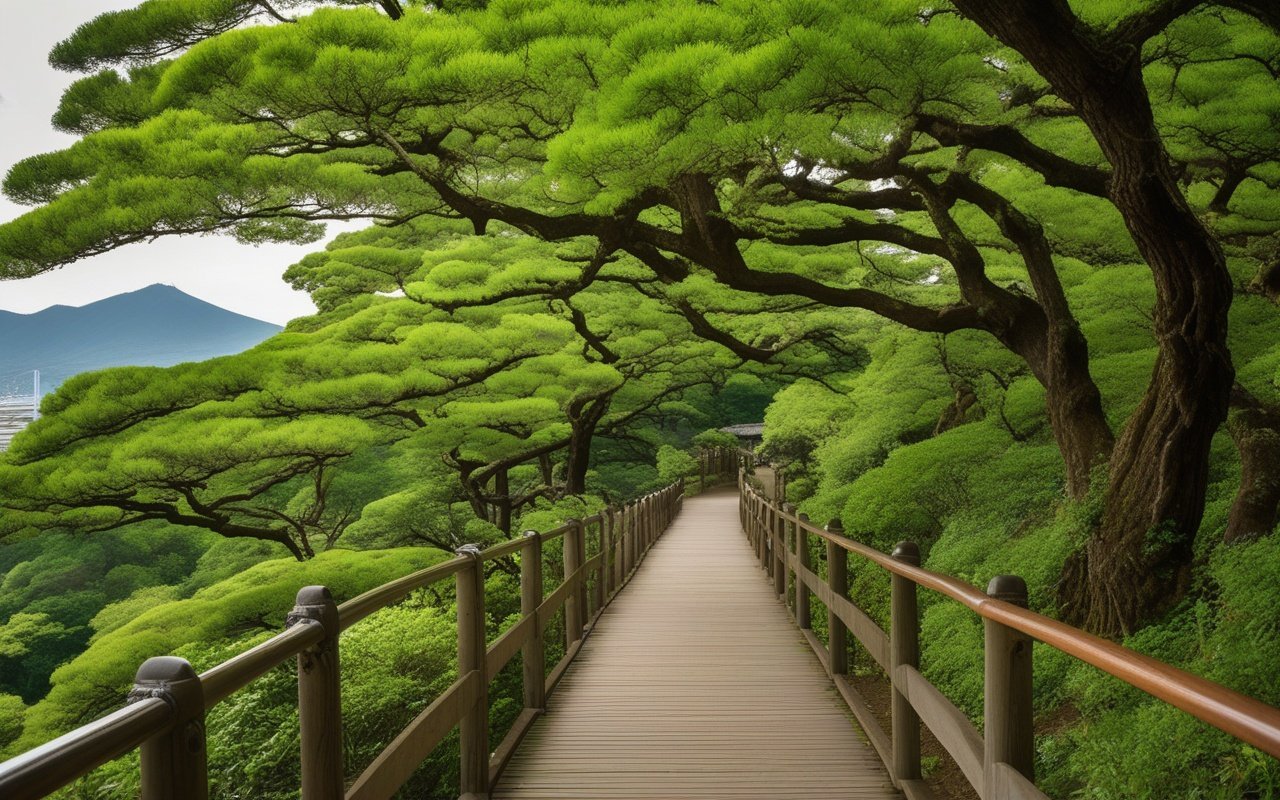
  • Kanagawa Family Onsen Guide 2026 — Hot Springs for All…

    Kanagawa Family Onsen Guide 2026 — Hot Springs for All…

    This guide provides essential travel tips and practical advice for navigating Kanagawa Prefecture. From transportation passes to safety information, you will find everything you need for a smooth and enjoyable trip. Having visited these locations multiple times, I’ve gathered practical insights that go beyond typical tourist information.

    Introduction

    Enjoying onsen as a family is a wonderful Japanese experience. This guide covers family-friendly onsen facilities, private bath options, age policies, and tips for making the most of your family onsen visit in Kanagawa.

    Through multiple visits, I came to understand the charm of this place more deeply.

    ♨️ Best Family-Friendly Onsen Facilities in Kanagawa

    Facility Location Swimsuits? Private Bath? Kids Pool? Price (Adult) Age Minimum
    Yunessun Hakone ✅ Required in theme area ✅ Water slides ¥4,500 None (in theme area)
    Hakone Yuryo Miyanoshita ❌ (private bath only) ✅ ¥3,600/80min ¥2,500 (public) None (private)
    Tenzan Onsen Miyanoshita ✅ ¥2,000/45min ¥1,500 6+ in public bath
    Yugawara Onsen Yugawara ✅ (most facilities) ¥800-1,500 6+ in public bath
    Hakone Suimeisou (guest) Miyanoshita ✅ (reservable) ¥2,000 (day use) 6+ in public bath

    Best for families with babies/toddlers: Hakone Yuryo (private bath, bookable, no age restrictions)
    Best for families with young kids: Yunessun (swimsuits allowed, water slides, fun atmosphere)

    Kanagawa Family Onsen Guide 2026

    Overview

    Introducing children to Japanese onsen culture can be a highlight of a Kanagawa trip. Several facilities cater specifically to families.

    Family-Friendly Onsen

    Yunessun (Hakone): theme-park style, swimsuits allowed, water slides, family pools. Hakone Yuryo: private family baths available (¥2,500/45 min, reserve in advance). Yugawara Onsen (near Hakone): quieter, more family-oriented.

    Private Family Baths

    Many ryokan and onsen facilities offer private reservable baths (kazoku-buro or kashikiri-buro). Perfect for families with small children. Cost: ¥1,000-3,000 for 40-60 minutes.

    Tips for Kids

    Start with private bath to introduce concept. Keep visits short (10-15 min max for young children). Bring plastic toys from hotel room. Use provided baby chair at washing stations.

    Etiquette for Families

    Children under school age can enter either gender’s bath with parents. No swimsuits (except at Yunessun). Wash before entering. No running. Keep voices down.

    Best Ryokan for Families

    Hakone Highland Hotel: Western-style rooms with easy onsen access. Kowakien Yunessun: on-site theme park onsen. Hakone Suimeisou: family-friendly staff.nn![Kanagawa Family Onsen Guide

    🧒 Introducing Kids to Onsen: A Step-by-Step Guide

    Ages 0-3 (Babies/Toddlers)

    1. Start with a private family bath (kazoku-buro) at Hakone Yuryo or a ryokan with reservable baths
    2. Keep the first visit short: 5-10 minutes max in the water
    3. Use the baby chair provided at the washing station for safe bathing
    4. Bring bath toys: A small plastic cup or floating toy makes the experience fun
    5. Check water temperature: Onsen water is 40-43°C — babies’ sensitive skin can’t handle more than 2-3 minutes

    Ages 4-7 (Preschool/Early School)

    1. Explain the routine: “First we wash, then we soak, then we get out. No running!”
    2. Use a private bath first or visit Yunessun (swimsuits = less intimidating)
    3. Bring a small towel: Kids can place it on their heads like grown-ups (they’ll love this)
    4. Offer a reward: “After onsen, we get ice cream!” (many onsen have ice cream counters)

    Ages 8+ (School-Age)

    1. Follow adult onsen etiquette: They’re old enough for shared gender-separated baths
    2. Explain the rules: Wash before entering, no towels in water, no running, quiet voices
    3. Offer options: Some teens prefer a private bath if shy about nudity
    4. Respect their choice: If a teen is uncomfortable, don’t force it — let them try another day

    🏨 Family-Friendly Ryokan with Onsen

    Ryokan Rate/person Onsen Type Family Features Notes
    Hakone Suimeisou ¥20,000-35,000 Public + private Tatami rooms (babies crawl safe), kids meal plan, free crib Best overall
    Yama no Chaya ¥15,000-22,000 Public + private Traditional atmosphere, welcoming to families Budget-friendly
    Hakone Highland Hotel ¥15,000-25,000 Public (Western-style) Western rooms, kid-friendly buffet, pool Best for families preferring Western-style
    Kowakien Yunessun ¥18,000-30,000 Theme park onsen on-site Direct access to Yunessun, family rooms Best for active families
    Hotel Hakone Gora ¥10,000-18,000 Public Budget option, near Gora attractions Best for budget-conscious

    🧾 Onsen Packing List for Families

    Essentials

    • [ ] Swim diapers (for babies — NOT ok in shared baths, ok in private baths)
    • [ ] Swimsuits (if visiting Yunessun)
    • [ ] Small towels (child-sized towels are cute — some hotels provide kids’ yukata)
    • [ ] Baby wash/shampoo (hotels provide generic, bring your own if baby has sensitive skin)
    • [ ] Water bottles (onsen dehydrates — drink before and after)
    • [ ] Plastic bag (for wet swimsuits/clothing)

    Nice-to-Haves

    • [ ] Bath toys (a floating cup or boat)
    • [ ] Baby bath seat (if baby can’t sit independently yet — ask hotel if they have one)
    • [ ] Snacks (onsen can work up an appetite — rice crackers or fruit)
    • [ ] Moisturizer (onsen water can be drying for kids’ sensitive skin)

    💡 Planning tip: Book family-friendly onsen experiences at least 2 weeks in advance during Japanese school holidays (March-April, July-August, December-January). Hakone Yuryo’s private baths fill up especially fast. Consider weekday visits for lower rates and fewer crowds — many ryokan offer 20-30% discounts for Monday-Thursday stays.

    🚃 Getting to Family Onsen in Kanagawa

    All major family-friendly onsen areas are accessible from Tokyo within 90 minutes: Experience Tokyo’s legendary JDM car culture at the Daikoku Car Meetup Night Tour with a local guide

    To Hakone (Yunessun, Hakone Yuryo, Tenzan):

    • Odakyu Romancecar from Shinjuku to Hakone-Yumoto (85 min, ¥2,300)
    • From Hakone-Yumoto, take the Tozan Railway to Miyanoshita (25 min) for Hakone Yuryo and Tenzan
    • Yunessun is a 5-min bus ride from Hakone-Yumoto Station

    To Yugawara Onsen:

    • JR Tokaido Line from Tokyo Station to Yugawara Station (90 min, ¥1,500)
    • Yugawara’s onsen facilities are within walking distance of the station
    • Quieter and cheaper than Hakone, good for families on a budget

    By car:

    • Hakone: 90 min from Tokyo via Tomei Expressway (¥2,000 toll one way)
    • Parking at major onsen facilities: ¥500-1,000 per day
    • Weekend traffic warning: Add 30-60 min during peak season

    📌 Planning tip: For the most relaxed and enjoyable experience, visit family-friendly onsen facilities on weekday mornings (Tuesday-Thursday, 9-11 AM) when crowds are thinnest and private baths are most available.## 🌸 Seasonal Family Onsen Experiences

    Each season offers a unique family onsen experience in Kanagawa. Here is what to expect and how to prepare: Spring (March-May): Cherry Blossom Onsen

    • Best spot: Yugawara Onsen — cherry blossom trees line the river near several ryokan with outdoor baths
    • Kid tip: Have a hanami (cherry blossom viewing) picnic before the onsen — many ryokan offer bento box lunch sets for children
    • Water temperature: Spring onsen water is comfortable (39-41°C) — perfect for children’s first experience

    Summer (June-August): Cool Evening Onsen

    • Best spot: Tenzan Onsen (Miyanoshita) — riverside outdoor bath offers natural cooling from the mountain breeze
    • Kid tip: Bring watermelon or popsicles (buy at convenience store near the onsen) for an after-bath treat
    • Firefly season: Late June — some ryokan in Hakone offer guided firefly walks, followed by a family bath

    Autumn (September-November): Momiji (Fall Foliage) Onsen

    • Best spot: Hakone Yuryo — private outdoor baths overlook maple trees. Reserve a 4 PM slot to see the sunset through the leaves
    • Kid tip: Let children collect colorful leaves before bathing — they can press them in a book as a souvenir
    • Crowd warning: November weekends are extremely busy. Book private baths at least 2 weeks in advance.

    Winter (December-February): Snow Onsen

    • Best spot: Kowakien Yunessun (Swimsuits allowed, heated outdoor pools) — children can play in the warm water while watching snow fall
    • Kid tip: Bring a waterproof hat for outdoor bathing — children lose body heat from their heads
    • Safety: Limit outdoor baths to 5-8 minutes for children under 6 in winter temperatures

    👶 Onsen Etiquette for Kids: Simple Rules to Teach

    Teaching children onsen etiquette before you go makes the experience smoother for everyone: The Golden Rules (explain in simple terms):

    1. “Wash first, soak second” — Always rinse and wash at the shower stations before getting into the bath. This is the most important rule.
    2. “No running” — The floors are wet and slippery. Walk carefully.
    3. “No splashing” — Other guests are relaxing. Keep water play gentle.
    4. “Quiet voices” — Onsen is a place for quiet relaxation, not the playground.
    5. “Towel on head, not in water” — Show them how to fold the small towel on their head. Never let the towel touch the bath water.
    6. “No diapers in the bath” — Swim diapers for babies are only OK in private baths. In public baths, babies must be fully potty-trained.

    Make it fun:

    • Create a “Onsen Bingo” card with items to spot: Mt Fuji view, a bamboo ladle, someone folding a towel on their head, a stone lantern
    • Offer a small reward after a successful first onsen visit — ice cream or a gacha toy from the onsen lobby

    🧘 What to Do Before and After Onsen with Kids

    A family onsen visit can be a half-day activity if you include these complementary experiences: Before onsen (30 minutes):

    • Visit a convenience store nearby for water bottles (hydration is essential before hot springs)
    • Let children use the bathroom before getting changed
    • Remove all jewelry (metal heats up in onsen water and can burn skin)

    At the onsen facility (1-2 hours):

    • 15 minutes: Changing into yukata (kids love wearing the hotel robe)
    • 10 minutes: Washing at shower stations
    • 20-30 minutes: Onsen soaking (break into 5-10 minute sessions with cool-down breaks)
    • 15 minutes: Rest in the lounge area with provided tea or water
    • 10 minutes: Drying and changing back

    After onsen (recovery):

    • Drink water or barley tea (most onsen provide free tea in the lounge)
    • Have a light meal — onsen stimulates digestion and children get hungry quickly
    • Rest for 30 minutes before any strenuous activity
    • Apply moisturizer — onsen water is mineral-rich but can be drying for children’s sensitive skin

    Ideal onsen-adjacent activities for kids:

    • Milk stand at the onsen exit (many onsens have a post-bath milk vending machine — a classic Japanese tradition)
    • Foot bath (ashiyu) — a low-commitment way to enjoy the water if the main bath was too hot
    • Ryokan game room — many family-friendly ryokan have board games or manga for children I found that having a prepaid IC card saved me significant time navigating between attractions.

      Frequently Asked Questions

    Q: Q: Can children use onsen?
    A: A: Yes! Most onsen accept children. Some have age restrictions (6+ in gender-separated public baths). Private family baths (kazoku-buro) have NO age restrictions. Check individual policies before booking.

    Q: Q: Are there family-friendly onsen in Kanagawa?
    A:
    A: Yunessun is the most family-friendly (swimsuits allowed, water slides). Hakone Yuryo has private baths perfect for families. Yugawara Onsen is generally more family-oriented and affordable than Hakone.

    Q: Q: What should I bring for children at an onsen?
    A: A: Swim diapers (private baths only), small towel, water bottle, swimsuit (if visiting Yunessun), bath toys for distraction. Onsen provides towels for adults.

    Q: Q: Are there onsen etiquette rules specific to children?
    A:
    A: Supervise children at all times. No running (wet floors are slippery). No splashing. Keep voices low. Wash children thoroughly before entering. Limit soak time to 5-10 min for young children.

    Q: Q: What’s the best family onsen near Tokyo?
    A:** A: Hakone (85 min by Romancecar) — most options. Yunessun is ideal for first timers. Yugawara (90 min) — quieter and cheaper. Odawara (35 min by Shinkansen) — day-use options good for quick visits.

    Summary: Onsen for the Whole Family

    Introducing your children to Japanese onsen culture is a memorable experience. Start with a private bath or Yunessun (swimsuits allowed), keep visits short, and make it fun rather than intimidating. Most children adapt quickly and end up loving the warm water and family bonding time.

    Three takeaways for family onsen:

    1. Start private: Book a kazoku-buro (family bath) for the first onsen experience — no pressure, complete privacy
    2. Yunessun is the easiest entry: Swimsuits allowed, water slides, family pools — feels like a water park
    3. Hydrate before and after: Onsen dehydrates, and children are more susceptible to dehydration For more on onsen, see our Hakone Onsen Guide and Family Travel Guide.

    Kanagawa Family Onsen Guide 2026 — Hot S… is your starting point for exploring this part of Kanagawa. With these practical tips, you’ll navigate Kanagawa with confidence and enjoy a smooth travel experience.

    For more guides, check out our other articles covering Hakone, Kamakura, Yokohama, Shonan, and the Miura Peninsula. Stay at Sotetsu Fresa Inn Kamakura-Ofuna — budget-friendly & steps from Ofuna Station, great base for day trips


    Conclusion

    Whether you are planning exploring Kanagawa for its onsen for the first time or returning for another visit, taking a little extra time to go beyond the obvious sights makes all the difference. During my visit I went with a rough plan and found that leaving room to wander made the trip far more memorable. I hope this guide helps you build an itinerary that fits your pace, and that your time in Kanagawa leaves you with memories worth coming back for.