
Overview
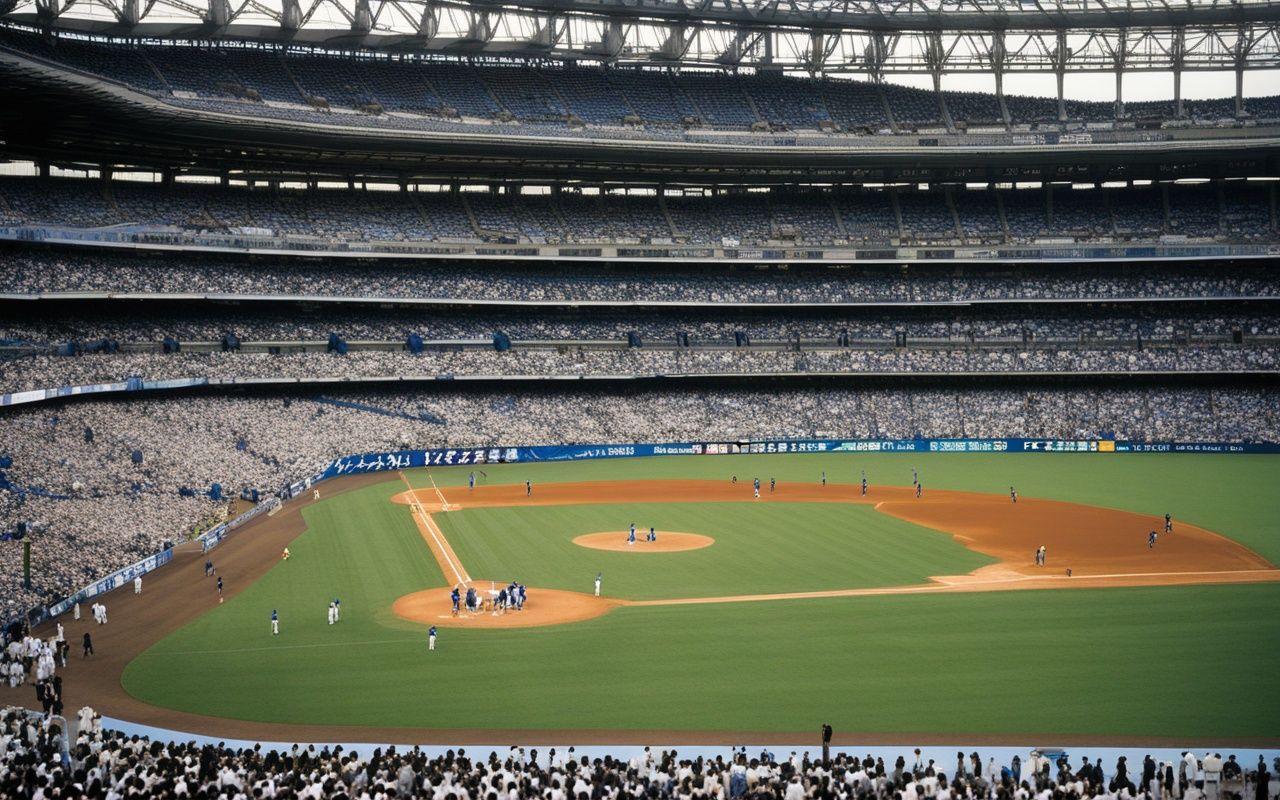
Baseball is more than a sport in Japan — it is a cultural event with passionate fan chants, unique stadium food, and an atmosphere that every visitor should experience at least once. The Yokohama DeNA BayStars, one of twelve teams in Nippon Professional Baseball (NPB), play at Yokohama Stadium — affectionately called Hamasta by locals — in the heart of the city. This guide covers everything you need to know: ticket purchasing, seat selection, stadium food, game day rituals, and how to enjoy the experience as a first-time visitor to Japanese baseball. Whether you are a lifelong baseball fan or completely new to the sport, a BayStars game offers an unforgettable evening in Yokohama.
Top Game Day Experiences
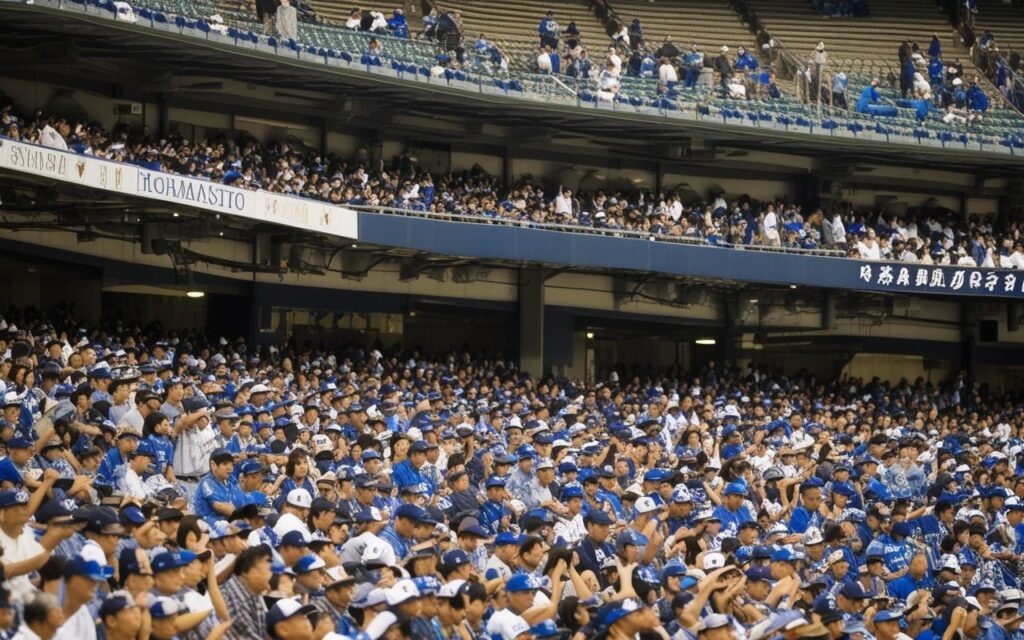
Based on my visits across three different seasons, these are the three experiences that define a BayStars game: 1. The Seventh-Inning Balloon Release: At the end of the seventh inning, the entire stadium releases hundreds of blue and white balloons into the air. The synchronized countdown, the collective release, and the sight of balloons drifting over the field create a moment of pure joy that transcends language and culture.
2. The Beer Vendors: Young men and women in blue BayStars uniforms carrying keg-shaped tanks on their backs navigate the steep stadium steps with athletic grace. They pour fresh beer directly into your cup with a practiced twist, and their cheerful calls of “Biiru! Biiru! Oishii biiru!” echo through the stands throughout the game.
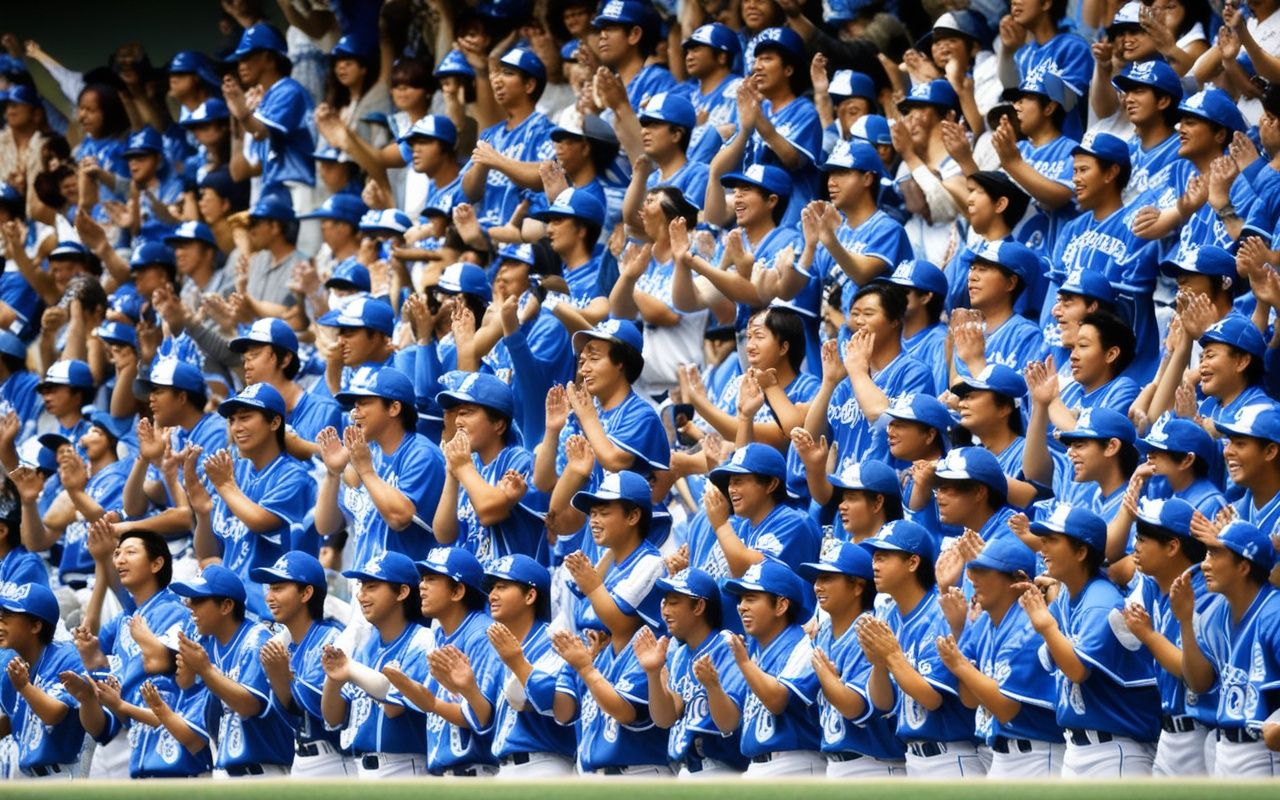
3. The Outfield Cheering Section: In the left-field stands, a dedicated group of fans with drums, trumpets, and flags leads coordinated chants for every BayStars batter. Each player has a personalized cheer song, and the entire section moves together — standing, sitting, and waving towels in perfect synchronization.
How to Get to Yokohama Stadium
Yokohama Stadium is remarkably well-connected, sitting just a few minutes’ walk from multiple train stations in central Yokohama. Get the Yokohama Seaside Gourmet Train Pass — combine transport & dining for a perfect bay area day out
From Tokyo
- JR Yokohama Line: From Shibuya Station to Kannai Station (35 minutes, ¥380). From Kannai Station, the stadium is a 3-minute walk through the Yokohama Park.
- Tōkyū Tōyoko Line / Minatomirai Line: From Shibuya Station to Kannai Station (30 minutes, ¥380, some trains run direct). This route is convenient if you are staying near Shibuya.
- JR Keihin-Tōhoku Line: From Tokyo Station to Kannai Station (35 minutes, ¥480). Frequent departures every 5-10 minutes.
From Yokohama Station
- Municipal Subway Blue Line: Yokohama Station to Kannai Station (5 minutes, ¥200). Exit 3 leads directly toward the stadium.
- JR Keihin-Tōhoku Line: Yokohama Station to Kannai Station (3 minutes, ¥150). The fastest option.
- Taxi: ¥1,000-1,500 (10 minutes). Convenient for groups of 3-4.
From Shin-Yokohama (Shinkansen)
- JR Yokohama Line: Shin-Yokohama Station to Kannai Station (15 minutes, ¥250). Direct train, no transfers needed.
- Subway Blue Line: Shin-Yokohama Station to Kannai Station (12 minutes, ¥250).
Stadium Address and Entrance
Yokohama Stadium is located at 2-1-1 Yokohama Park, Naka-ku, Yokohama. The main entrance (Gate 5) faces the Yokohama Park side and is the most recognizable access point. If approaching from Kannai Station, walk through Yokohama Park — the stadium’s white arches become visible within minutes.
Ticket Types and Prices
NPB tickets fall into several categories, each offering a different experience. Prices vary by opponent (popular teams like the Yomiuri Giants cost more), day of the week, and seat location.
Seat Categories
| Seat Type | Price Range (JPY) | Best For | Notes |
|---|---|---|---|
| Outfield Reserved (外野指定) | ¥2,200-¥3,500 | Budget-conscious, most energetic atmosphere | BayStars fans sit in left field; visiting fans in right field, Bring a towel for the famous “towel dance.” |
| Infield Reserved (内野指定) | ¥3,500-¥6,000 | Families, balanced view | Covered by roof (rain-safe). Good views of the entire field. |
| Infield Box Seat (内野BOX) | ¥5,000-¥8,500 | Best overall view | Wider seats with cup holders. Closest to the action. |
| Outfield Bleachers (外野自由) | ¥1,800-¥2,500 | Cheapest option | First-come, first-served. Arrive early on weekends. |
| Premium Box (S指定) | ¥8,000-¥12,000 | VIP experience | Best sightlines, dedicated food-and-drink service to your seat. |
Where to Buy Tickets
- Online (Recommended): The official BayStars website (www.baystars.co.jp) has an English-language ticket purchasing interface. Tickets go on sale 1-2 months before game day. Payment by credit card is accepted.
- Convenience Stores: Lawson (Loppi terminal), FamilyMart (FamiPort), and 7-Eleven (Seven Ticket) sell remaining tickets from 10 AM on game day. The terminal interface is Japanese-only, but store staff can assist.
- Stadium Box Office: Opens 2 hours before game time. Expect queues on weekends and popular matchups. Cash and credit cards accepted.
Pro tip: For popular weekend games or rivalry matches (vs. Yomiuri Giants, Hanshin Tigers), book online at least 2-3 weeks in advance. Weekday games against less popular teams often have same-day availability.
Stadium Food and Drinks
Japanese baseball stadium food is legendary, and Yokohama Stadium offers some of the best options in the league.
Must-Try Stadium Food
BayStars Sausage (ベイスターズソーセージ) — ¥700: The signature stadium food. A grilled pork sausage served on a bun with your choice of mustard, ketchup, or Japanese mayonnaise. Available at multiple stands throughout the concourse. The best version is from the stand near Gate 5, where they grill the sausages over charcoal.
Yokohama Ie-kei Ramen (横浜家系ラーメン) — ¥1,200: A stadium adaptation of Yokohama’s famous ie-kei ramen — thick, rich pork-bone broth with thick noodles, nori seaweed, and a soft-boiled egg. Served in a special BayStars-themed bowl, Located behind Section B on the first-base side. Visit the Shin-Yokohama Ramen Museum — taste ramen from across Japan & explore the history of this iconic dish
Stadium Yakitori (焼き鳥) — ¥600-1,000: Skewered chicken grilled to order. Choose from negima (chicken and leek), tsukune (chicken meatball), or sasami (chicken breast with wasabi). Available from mobile vendors who walk through the stands — listen for their distinctive calls.
Beer (生ビール) — ¥700-900 (medium), ¥1,200-1,500 (large): Beer vendors in distinctive blue BayStars uniforms walk through the stands throughout the game. They carry kegs on their backs and pour fresh beer directly into your cup. The most popular options are Kirin Lager (¥800) and Asahi Super Dry (¥900). Tipping is not expected, but a smile and a nod of thanks is appreciated.
BayStars Soft Serve (ベイスターズソフト) — ¥500: Blue-colored soft-serve ice cream topped with the BayStars star logo in white chocolate, Popular with families and popular on social media for photos. Available at the dessert stand behind center field.
Bringing Your Own Food
Unlike many Western stadiums, Yokohama Stadium permits outside food and drinks. Many local fans bring homemade bento boxes and snacks. Alcoholic beverages from outside are technically prohibited but enforcement is relaxed for non-glass containers. I recommend bringing water on hot summer days — stadium prices for bottled water start at ¥200.
Game Day Atmosphere
Attending a BayStars game is an immersive cultural experience that differs significantly from baseball in North America or other countries.
The Fan Experience
Cheering Sections: The most distinctive feature of Japanese baseball is the organized cheering. In the outfield bleachers, fans with drums and trumpets lead coordinated chants for each batter. Every BayStars player has a personalized cheer song, and the crowd rises collectively when their team is at bat. The energy in the outfield is electric — if you want the full experience, buy an outfield reserved seat.
Leaving Early / Entering Late: Japanese fans typically stay until the final out, even when their team is losing, Leaving early is considered disrespectful. Conversely, arriving late is common and accepted — many fans arrive in the second or third inning.
Seventh-Inning Stretch: At the end of the seventh inning, the entire stadium participates in the balloon release. Small balloons (¥200, sold at the stadium) are inflated and released simultaneously. The sight of hundreds of blue and white balloons floating over the field is genuinely moving. Note that balloons are only released on weekends and holidays — check your game date.
Fireworks: Night games on weekends and holidays feature a 5-minute fireworks display after the game. The fireworks are launched from the outfield and are visible from all seats. Even if your team loses, the fireworks are a consolation.
Game Day Schedule
| Time | Activity |
|---|---|
| 2 hours before | Stadium gates open. Explore the concourse, buy merchandise, find your seat. |
| 30 minutes before | Player warm-ups, national anthem, starting lineup announcements. |
| Game Start | First pitch. Games last approximately 3-3.5 hours. |
| 5th inning | Field maintenance. Good time for food and bathroom breaks. |
| 7th inning | Balloon release (weekends/holidays). Team cheer song. |
| After game | Fireworks (weekend night games). Post-game hero interview on field. |
Best Time to Visit
The NPB regular season runs from late March to early October, with the postseason (Climax Series) extending into November.
Seasonal Considerations
| Season | Weather | Crowd | Best For |
|---|---|---|---|
| Spring (Mar-May) | Mild, occasional rain | Weekend games sell out | Cherry blossoms near stadium; comfortable evening games |
| Summer (Jun-Aug) | Hot, humid (30-35°C) | Peak season, all games crowded | Fireworks and night games; bring a fan and hydration |
| Autumn (Sep-Oct) | Pleasant, cooler evenings | Moderate | Best weather for baseball; pennant race excitement |
| Winter (Nov-Mar) | Off-season (no games) | N/A | Stadium tours available; pre-season training in February |
Rainy season (June-mid-July): Rain delays are common. Check the BayStars official Twitter account for postponement announcements. If a game is cancelled before the 5th inning, you can exchange your ticket for a future game (reserved seats) or receive a partial refund (bleacher seats).
What to Bring
Based on my three games at Yokohama Stadium across spring and summer, here is what I recommend bringing: Essential Items:
- Towel: You will need it for the famous “towel dance” (タオル回し). Official BayStars towels are sold at the stadium (¥2,500), but any blue towel works, During rally moments, fans spin towels above their heads in synchronized circles — it is spectacular to watch from the upper deck.
- Sunscreen and hat: Day games in summer are intense. The outfield bleachers have no shade. Sunscreen and a cap are essential.
- Cash: While credit cards are accepted at the box office and major food stands, beer vendors, balloon sellers, and smaller food stalls are cash-only. I recommend carrying ¥5,000-10,000 in small bills.
- Portable fan (uchiwa): Traditional Japanese fans are sold at the stadium (¥500-800) and are surprisingly effective in the humid Yokohama summer. I bought one on my first visit and have used it every game since.
Optional Items:
- Glove: Catching a foul ball is rare but possible. Japanese children often bring gloves, and adults occasionally do too.
- Camera: Photography is permitted from your seat. Professional equipment (large telephoto lenses, tripods) is not allowed. Smartphone photography is fine.
- Rain gear: A compact umbrella or poncho. The infield seats are covered by a roof, but outfield seats are exposed.
Seating Tips for First-Timers
Choosing the right seat makes a significant difference to your experience. For the most energetic atmosphere: Left-field outfield reserved seats (ライト外野指定) place you among the most passionate BayStars supporters. You will hear the drummers, join the chants, and feel the intensity of Japanese baseball fandom. The view of the game is from behind the outfield, so you will see plays develop in front of you.
For families: Infield reserved seats on the first-base side (一塁側内野指定) offer protection from rain (roof coverage), proximity to the kids’ play area behind Section D, and easy access to the widest variety of food stalls. The family restrooms on the first-base concourse are the cleanest.
For the best overall view: Infield box seats behind home plate (本塁後方BOX) provide the clearest sightlines for pitch trajectories and defensive positioning. These seats are also closest to the stadium’s television cameras, so you might end up on the broadcast.
For budget travelers: Outfield bleacher seats (外野自由席) at ¥1,800-2,500 are the cheapest option. These are first-come, first-served, so arriving 90 minutes before game time is recommended on weekends. The bleachers have no backrests and are uncovered, but the camaraderie among fans in this section is unmatched.
Game Day Checklist
Before the Game:
- Buy tickets online (BayStars website or convenience store)
- Check the weather forecast
- Pack: towel, sunscreen, cash, portable fan
- Confirm the gate opening time (usually 2 hours before first pitch)
- Plan your route to Kannai Station
At the Stadium:
- Buy an official BayStars towel at the merchandise shop (near Gate 5)
- Try the BayStars Sausage (charcoal-grilled version near Gate 5)
- Take a photo with the BayStars mascot (DB. Starman, appears near the main gate)
- Find your seat and explore the concourse before the game starts
During the Game:
- Stand and cheer during the team’s at-bats
- Participate in the seventh-inning balloon release (weekends/holidays)
- Try stadium yakitori from a mobile vendor
- Stay for the post-game fireworks (weekend night games)
Nearby Attractions
Yokohama Stadium sits in the heart of Yokohama’s most walkable entertainment district, making it easy to combine a game with other activities.
Yokohama Chinatown (10-minute walk): The largest Chinatown in Japan, with hundreds of restaurants and food stalls open until late. After night games, many restaurants stay open until 10 PM. I recommend trying the steamed buns (豚まん) from the street vendors while walking back to the station. For a full guide to the area, see our Yokohama Chinatown Food Guide.
Minato Mirai (15-minute walk): The waterfront entertainment district with the Cosmo World Ferris Wheel, shopping malls, and the Landmark Tower Sky Garden observation deck. After a night game, the illuminated skyline is beautiful.
Noge District (10-minute walk): The narrow streets of Noge are packed with tiny izakaya and bars that come alive after games. For a deep dive into the area, check out our Noge Izakaya Complete Guide.
Frequently Asked Questions
Q: Do I need to understand Japanese to enjoy a BayStars game?
A: Not at all. Baseball is a visual sport, and the atmosphere at Japanese stadiums is infectious regardless of language. Cheer songs are repetitive and easy to learn. The electronic scoreboard displays player names in both Japanese and English. Stadium staff at the information booth near Gate 5 speak basic English and have English-language stadium maps.
Q: Is it safe to bring children to night games?
A: Yes. Japanese baseball stadiums are exceptionally family-friendly. The concourse is well-lit, security is visible throughout, and the crowd is generally well-behaved. Alcohol consumption is moderate compared to Western stadiums. Family restrooms are available on the first-base concourse, and diaper-changing stations are located in both men’s and women’s restrooms.
Q: What happens if it rains during the game?
A: Games continue in light rain. Infield seats are covered by a roof, but outfield seats are exposed. If rain becomes heavy, the game may be suspended. If the game is cancelled before the 5th inning, you can exchange your ticket for a future game or receive a partial refund. Check the official BayStars Twitter account for real-time updates on game status.
Q: Can I buy BayStars merchandise at the stadium?
A: Yes. The official team shop, BayStars Store (ベイスターズストア), is located inside the stadium near Gate 5. It opens 2 hours before game time and stays open for 30 minutes after the game, Popular items include replica jerseys (¥12,000-15,000), caps (¥3,500), towels (¥2,500), and keychains (¥800). Credit cards are accepted. The store is busiest in the hour before the game and the 30 minutes after the final out.
Q: Are there vegetarian or halal food options at the stadium?
A: Limited but available. Vegetarian options include edamame (¥400), french fries (¥500), and some salad options at the food court near Section D. The BayStars Sausage can be ordered without meat by asking for the egg-and-vegetable sandwich from the same vendor. Halal options are not specifically marked, but seafood options such as grilled squid (¥600) and fish-based dishes are available at several stands.
Last Updated: 2026-07-16
Written by: Anaba OffJapan Editorial Team
Photos: Editorial photography and on-site field research
Conclusion
Whether you are planning exploring Yokohama for the first time or returning for another visit, taking a little extra time to go beyond the obvious sights makes all the difference. During my visit to Yokohama I went with a rough plan and found that leaving room to wander made the trip far more memorable. I hope this guide helps you build an itinerary that fits your pace, and that your time in Kanagawa leaves you with memories worth coming back for.