Tag: yokohama

  • Ghost in the Shell Pilgrimage in Yokohama — Cyberpunk Walk

    Ghost in the Shell Pilgrimage in Yokohama — Cyberpunk Walk

    Overview

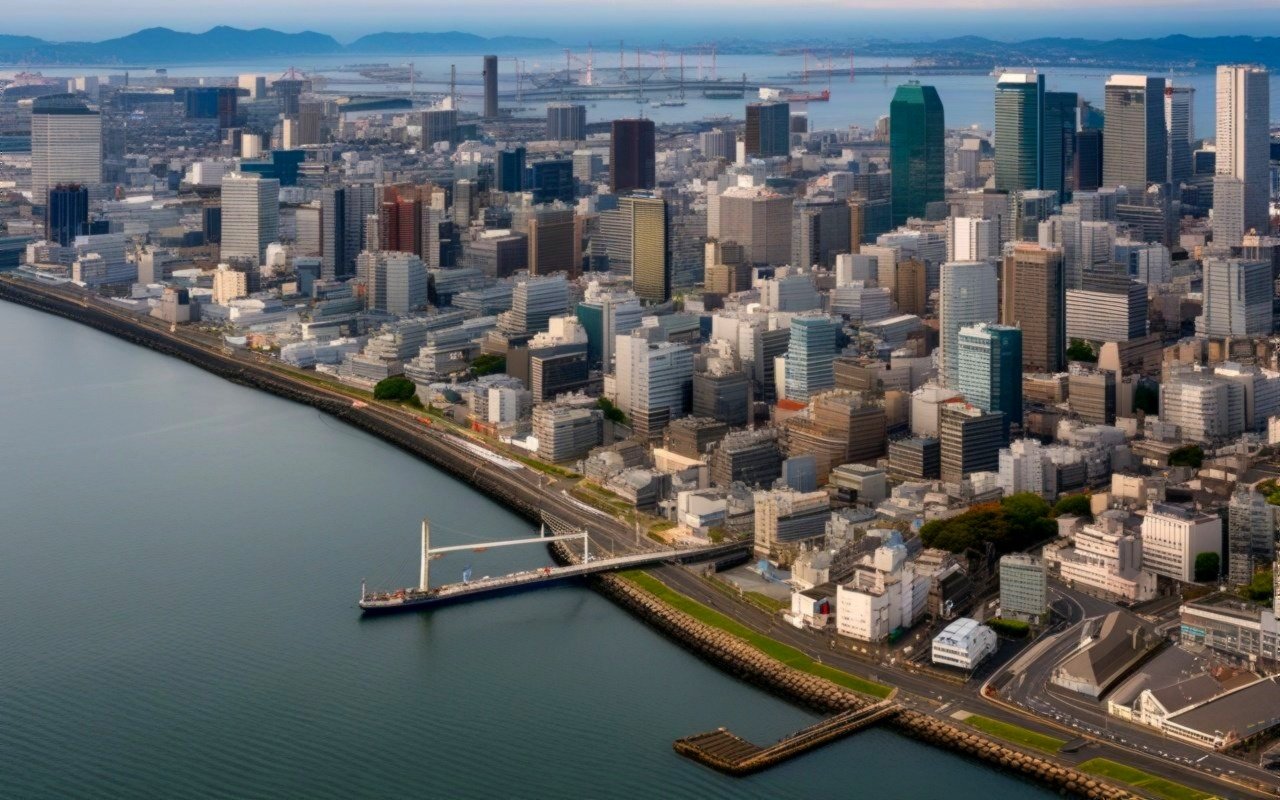
    Ghost in the Shell — from Masamune Shirow’s original manga to Mamoru Oshii’s 1995 film and the Stand Alone Complex series — is the definitive cyberpunk anime. Its rain-slicked streets, towering glass headquarters, and fog-draped waterfronts define a vision of a near-future Japan. What many fans do not realize is that Yokohama’s Minato Mirai district, with its glass towers, port facilities, and dramatic bay views, was one of the primary visual inspirations for this world.

    The city’s real geography maps onto the anime’s iconic imagery: the soaring Landmark Tower echoes the mega-corporation headquarters that dominate the series’ skyline, the sweeping curves of Osanbashi Pier feel lifted straight from the movie’s harbor scenes, and the fog that rolls off the bay in spring and autumn gives the whole district the moody, atmospheric quality of the films. For a pilgrimage, Yokohama is a place where you can literally stand at the intersection of the real and the imagined future.

    This guide covers the five essential spots, how to reach them from Tokyo, and how to time your visit for the best cyberpunk atmosphere — which, as any fan knows, means fog, rain, or neon-lit evenings.


    📍 Getting There

    Minato Mirai 21 is Yokohama’s bay-front district, about 25-35 minutes from central Tokyo by train.

    From Tokyo

    The most convenient routes:

    1. JR Tokaido Line / Yokosuka Line (25-30 min, ¥480) — Take a rapid train from Tokyo or Shinagawa to Yokohama Station, then transfer to the Minatomirai Line or walk 15 minutes to the bay. Fastest option from east Tokyo.
    2. Tokyu Toyoko Line (35 min, ¥490) — Take the Tokyu Toyoko Line from Shibuya directly to Minatomirai Station, in the heart of the district. No transfer needed.
    3. Keikyu Line (30 min, ¥450) — From Shinagawa to Yokohama Station, then transfer. Useful if you are coming from south Tokyo or Haneda Airport.

    Money-Saving Tickets

    If you plan to explore Minato Mirai comprehensively, the Minato Burari Ticket covers the Minatomirai Line, the Seaside Line, and offers discounts at major attractions — a genuine money-saver for a full pilgrimage day. For a broader Yokohama day trip, the Kamakura, Enoshima & Yokohama day tour bundles several areas if you are short on time.


    🎯 Pilgrimage Spots

    Spot 1: Landmark Tower — The Corporate HQ of Your Imagination

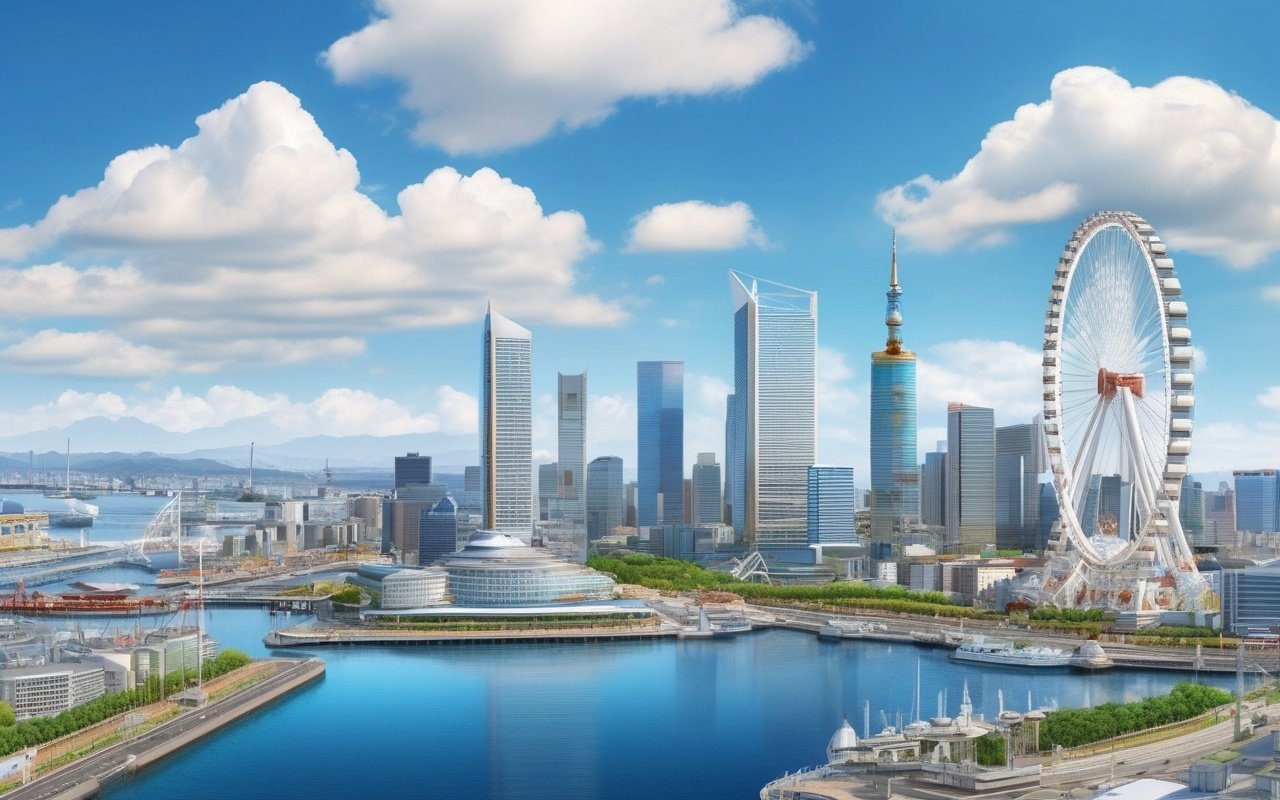
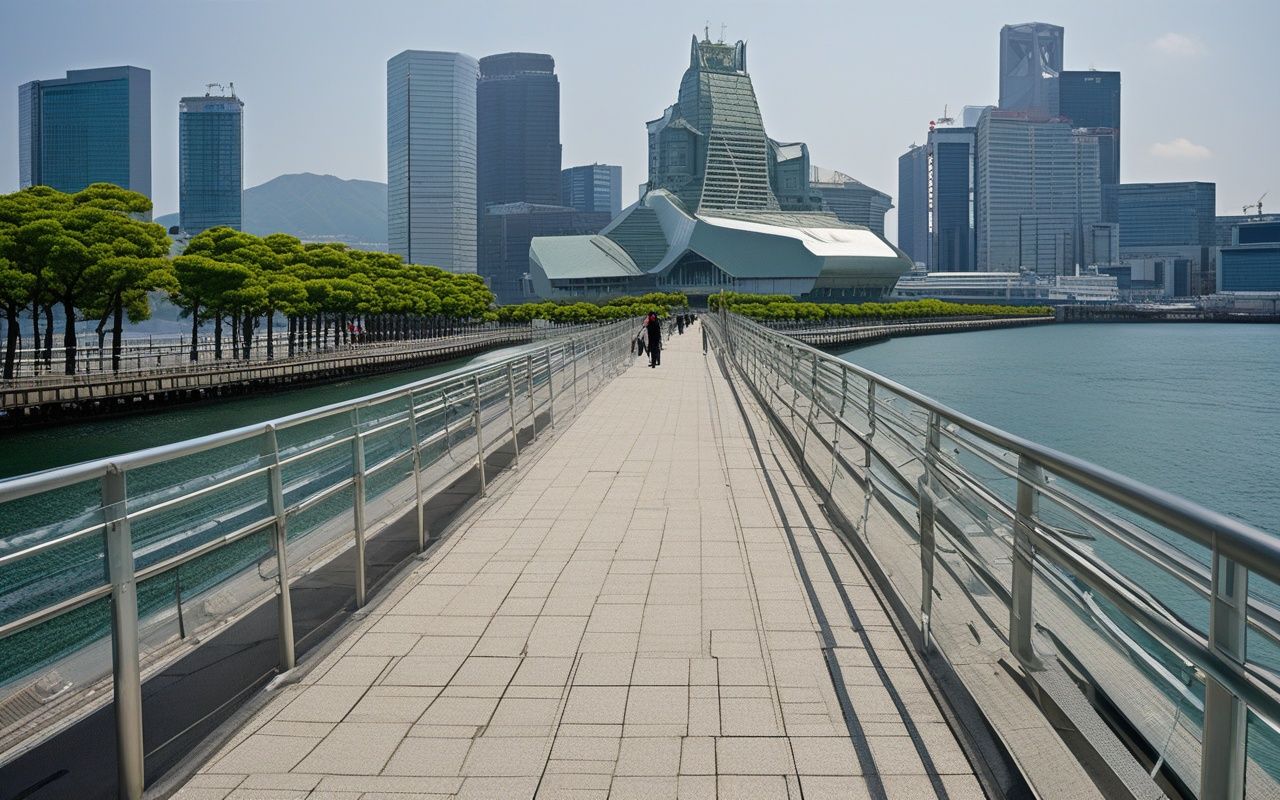
    Anime reference: The towering glass headquarters of megacorporations like Section 6 and its rivals define the Ghost in the Shell skyline. The Landmark Tower — Japan’s second-tallest building at 296 meters — is the closest real-world match to these monolithic presences.
    Ghost in the Shell Pilgrimage in Yokohama scenery and attractions

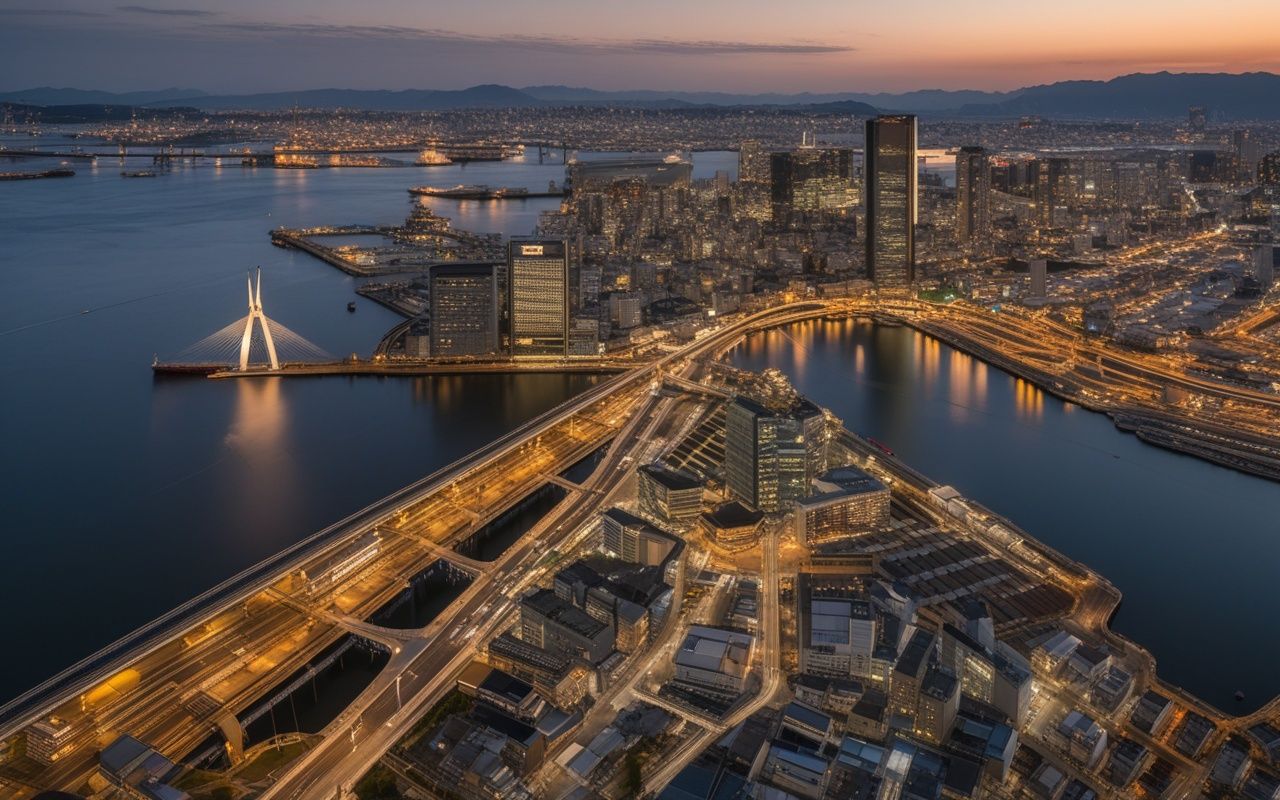
    Standing at the base of the Landmark Tower, looking up at its sheer glass face, you will feel the same vertigo the anime’s establishing shots create. The tower’s Sky Garden observatory on the 69th floor offers a 360-degree view of the bay, the port, and the city stretching to Tokyo — a vantage point that mirrors the aerial surveillance shots that open many Ghost in the Shell scenes. On a clear evening, the lights of Yokohama spread out below like a circuit board, exactly the cyberpunk aesthetic the franchise is known for.

    • Access: 3 min walk from Minatomirai Station; Sky Garden entrance on the ground floor
    • Hours: Sky Garden 10:00 AM – 9:00 PM (last entry 8:30 PM)
    • Admission: ¥1,000 for the observation deck
    • Photo tip: Visit at sunset and shoot through the west-facing glass for silhouettes against the burning sky

    Spot 2: Osanbashi Pier (大さん橋) — The Harbor of Ghosts

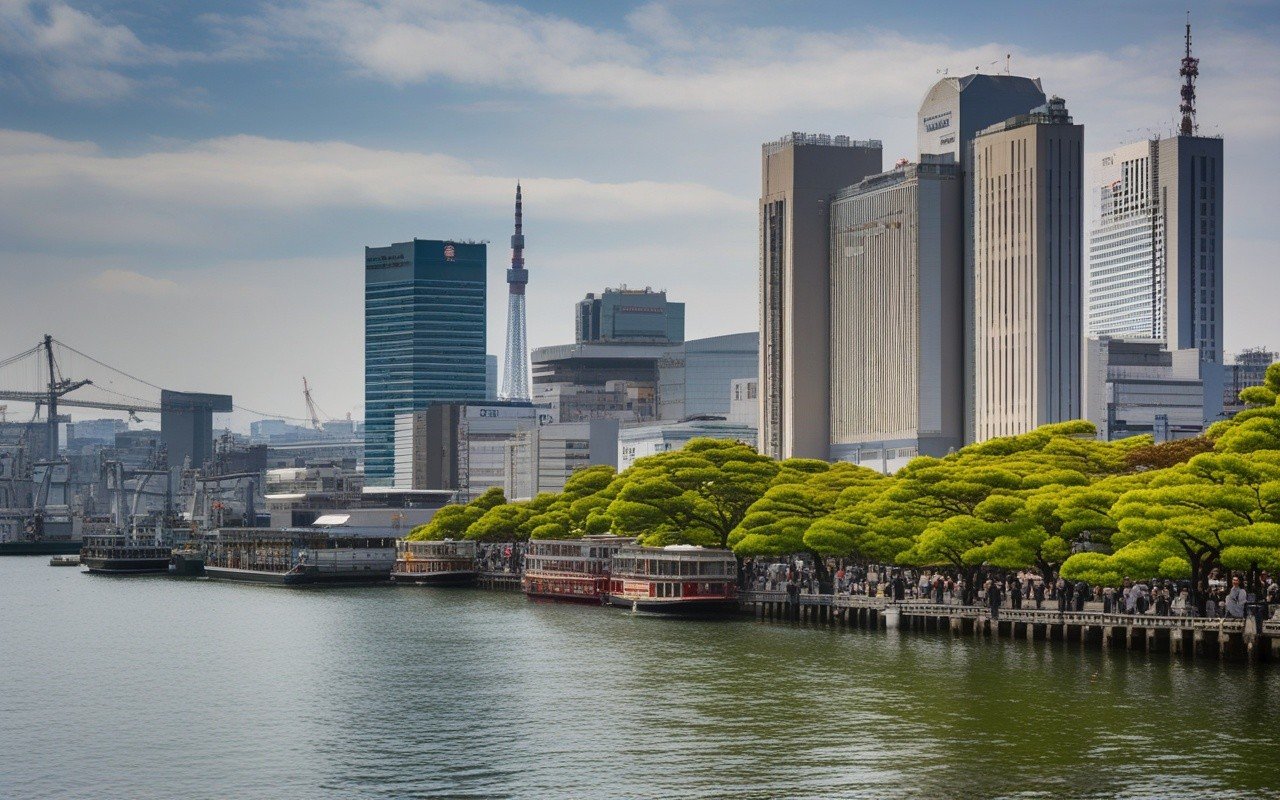
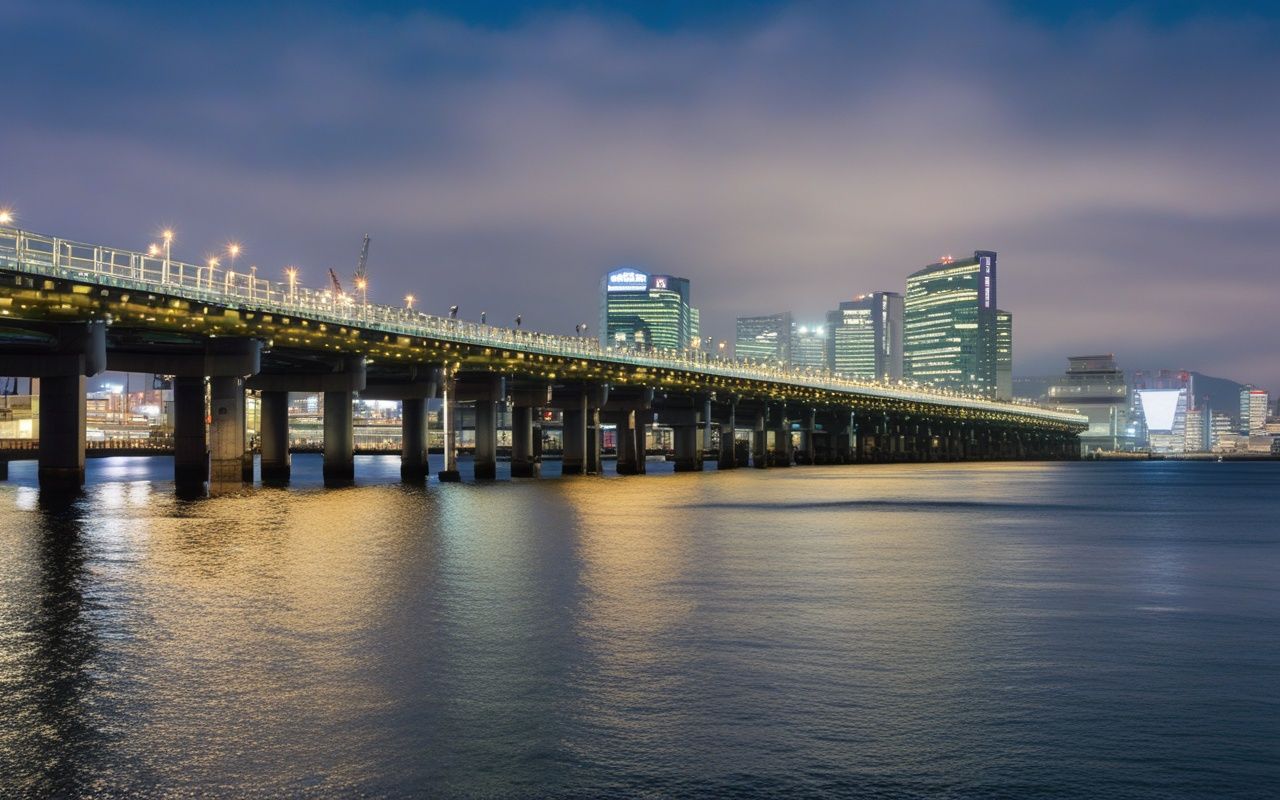
    Anime reference: The long, sweeping curves of Osanbashi Pier — Yokohama’s international passenger terminal — evoke the futuristic port facilities that appear throughout the films. Its distinctive roof deck is one of the most photogenic spots in the city.
    Ghost in the Shell Pilgrimage in Yokohama detailed view and features

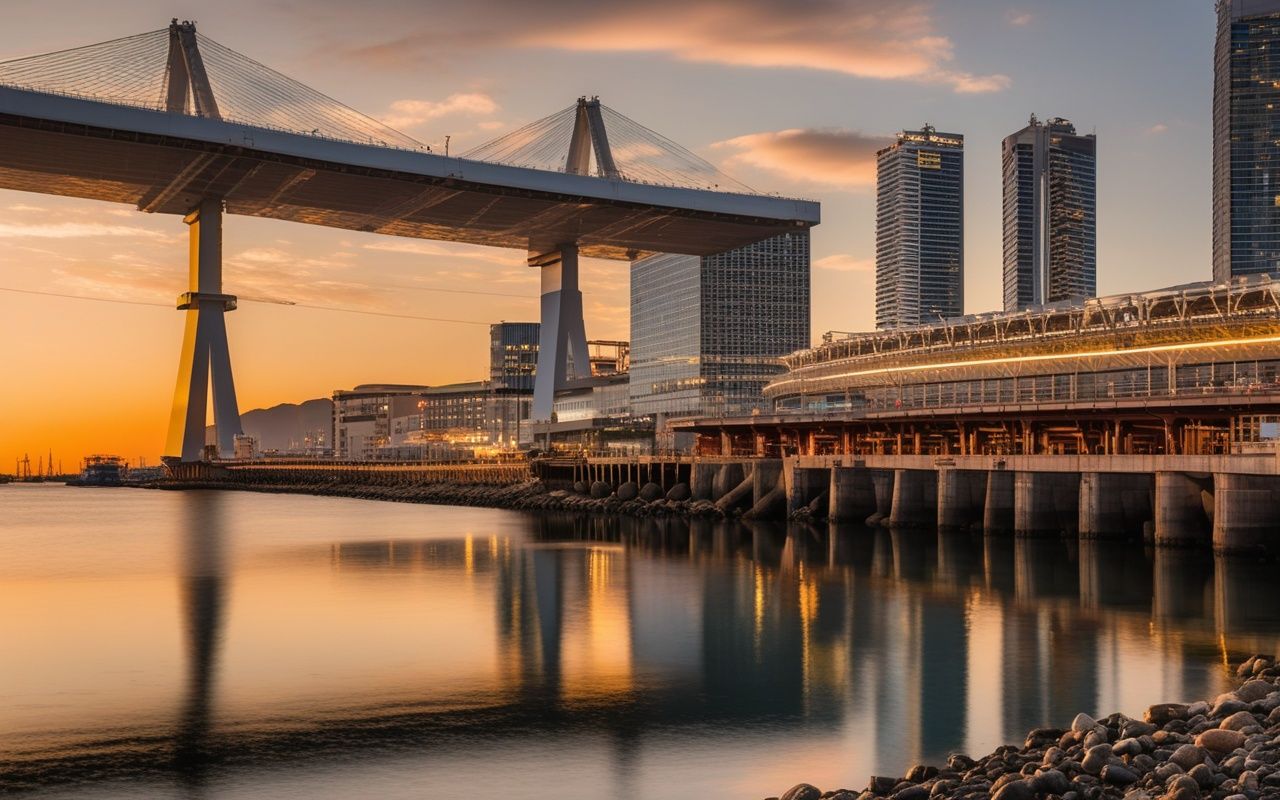
    Osanbashi Pier is a masterpiece of modern architecture: a gently undulating wooden roof deck that rises and falls like a wave, surrounded by water on three sides. Cruise ships dock here, and the deck offers uninterrupted views of the bay, the city skyline, and the port. On foggy mornings — common in spring and autumn — the pier feels uncannily like a scene from the 1995 film, with silhouettes emerging from the mist and the lowing of ships’ horns replacing the anime’s industrial soundscape.

    • Access: 10 min walk from Nihon-Odori Station (Minatomirai Line) or 15 min from Yokohama Station
    • Best time: Foggy mornings or sunset; the deck is open 24 hours
    • Photo tip: Shoot along the deck’s curved railing with a wide-angle lens; the “line leading to the horizon” composition is the classic here

    Spot 3: Minato Mirai 21 — The Neon Skyline

    Anime reference: The neon-lit streets and glass towers of Minato Mirai — with their glowing signage and crowds of commuters — capture the bustling, high-tech urban atmosphere that defines the franchise’s city scenes.

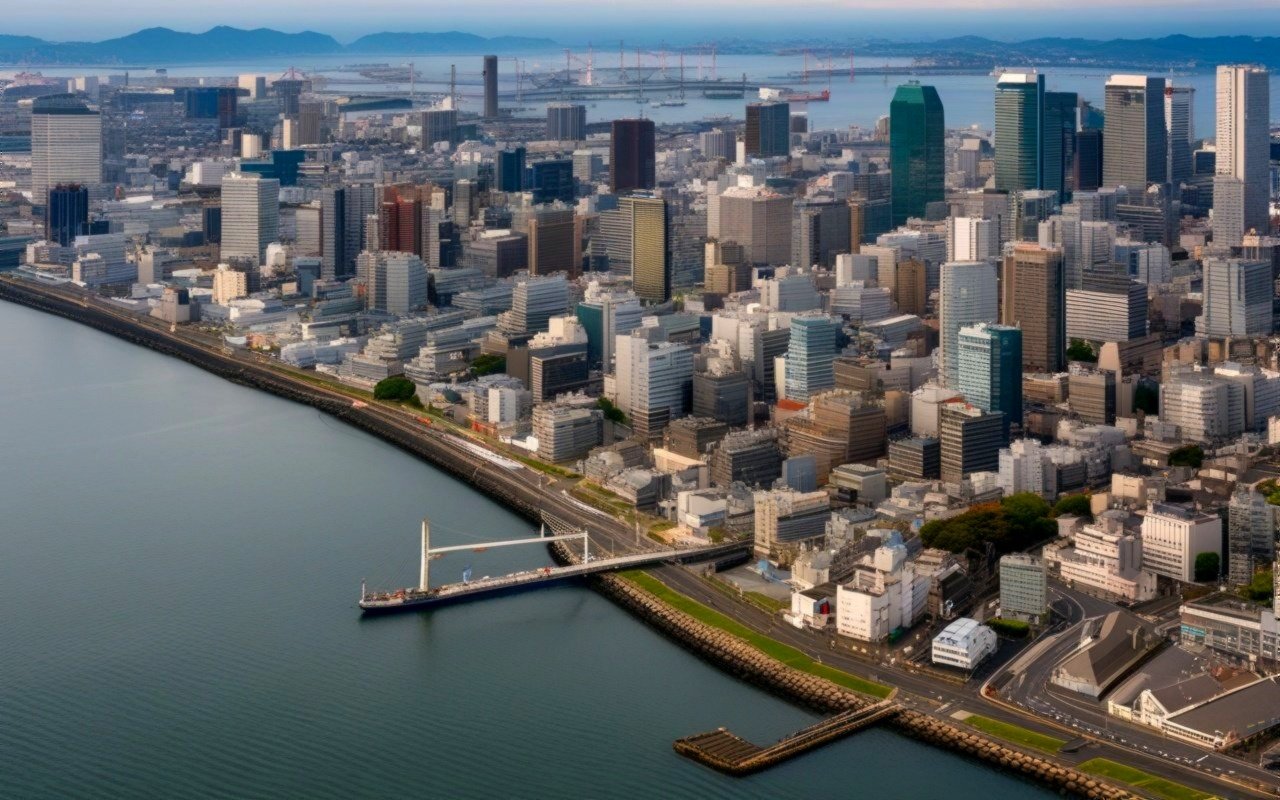
    Minato Mirai 21 is Yokohama’s flagship urban development, a district of office towers, hotels, and entertainment complexes arranged around the bay. Its streets are wide and clean, its architecture glass and steel, and its night lighting transforms the area into a neon wonderland. Walking the promenade after dark — the Queens Square plaza, the Grand Mall, the illuminated Ferris wheel at Cosmoworld — gives you the closest real-world approximation of the anime’s nighttime city walks, when the streets are full of people and light.

    • Access: Centered around Minatomirai Station; the promenade runs along the waterfront
    • Best time: Evening (6:00 PM onward) for the neon and reflections on the water
    • Photo tip: Shoot the Ferris wheel and skyline reflections from the bay-side walkway, using a long exposure (2-4 seconds) for light trails

    Spot 4: Yokohama Port & the Maritime Museum — The Navy Connection

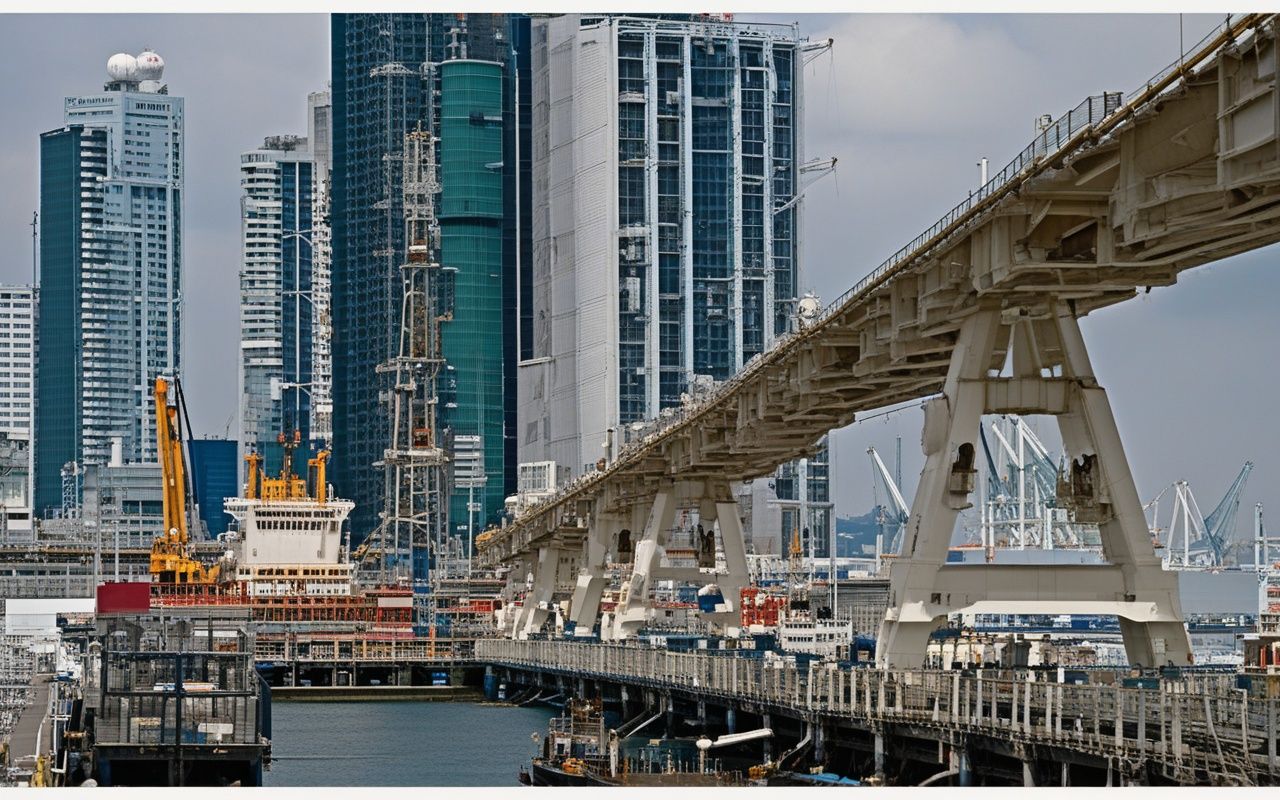
    Anime reference: The port, with its cranes, container ships, and naval vessels, is the working heart of the franchise’s harbor imagery — the place where the real world of trade and the near-future of cyberwarfare collide.
    Ghost in the Shell Pilgrimage in Yokohama surrounding area and access

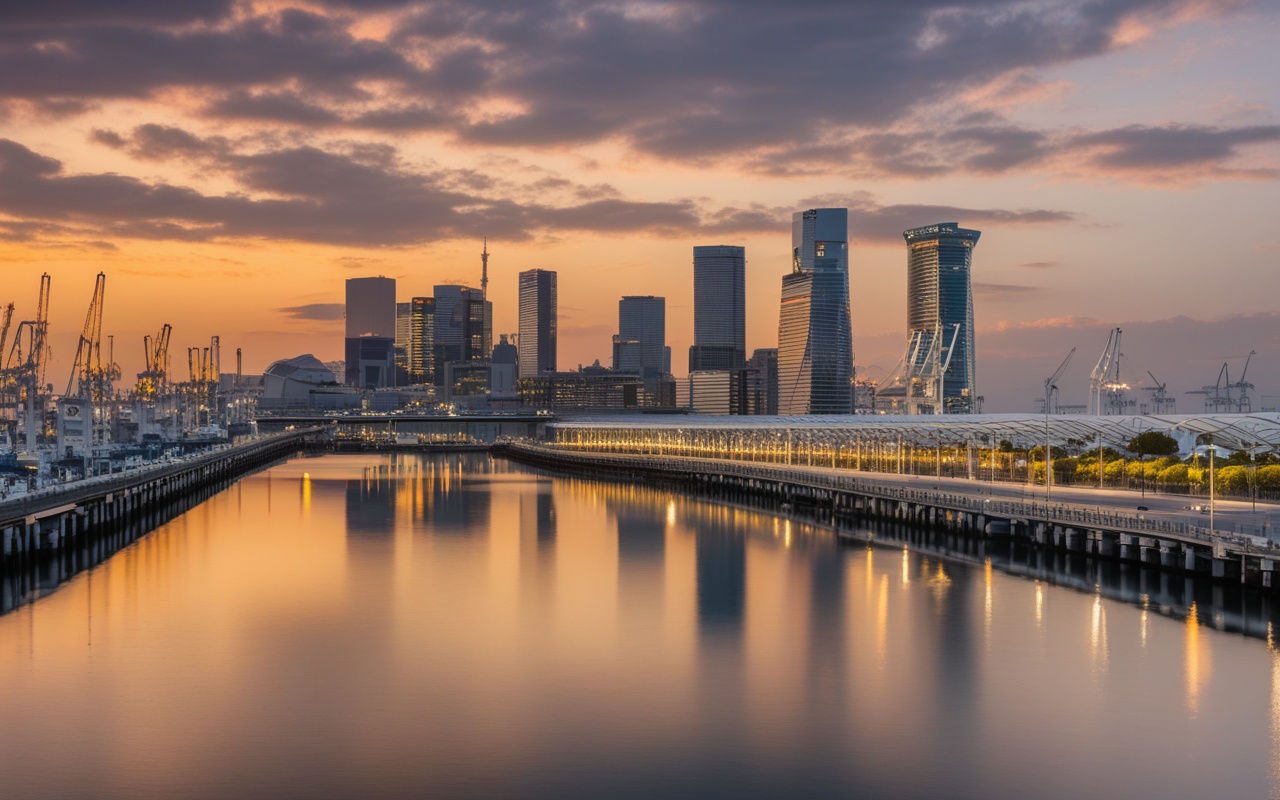
    The working port of Yokohama is visible from multiple points along the bay. Container cranes rise over the harbor, and ships of every size pass between the city and the horizon. For a deeper look at the port’s history, the Yokohama Port Museum and the sailing ship Nippon Maru, moored beside it, offer exhibits on the city’s maritime heritage. These real facilities give the pilgrimage a tangible connection to the industrial imagery that underpins the anime’s world-building.

    • Access: 5 min walk from Minatomirai Station, near the Nippon Maru
    • Hours: Museum 10:00 AM – 5:00 PM (closed Mondays; check the official schedule)
    • Photo tip: Photograph the container cranes at dusk from the bay-side walkway; their silhouettes echo the industrial forms of the anime

    Spot 5: Yamashita Park & the Bay at Night

    Anime reference: The bay itself — wide, dark, and reflective — is a recurring visual motif in Ghost in the Shell, appearing in establishing shots and as a backdrop for the films’ most contemplative moments.
    Ghost in the Shell Pilgrimage in Yokohama — visitor highlights

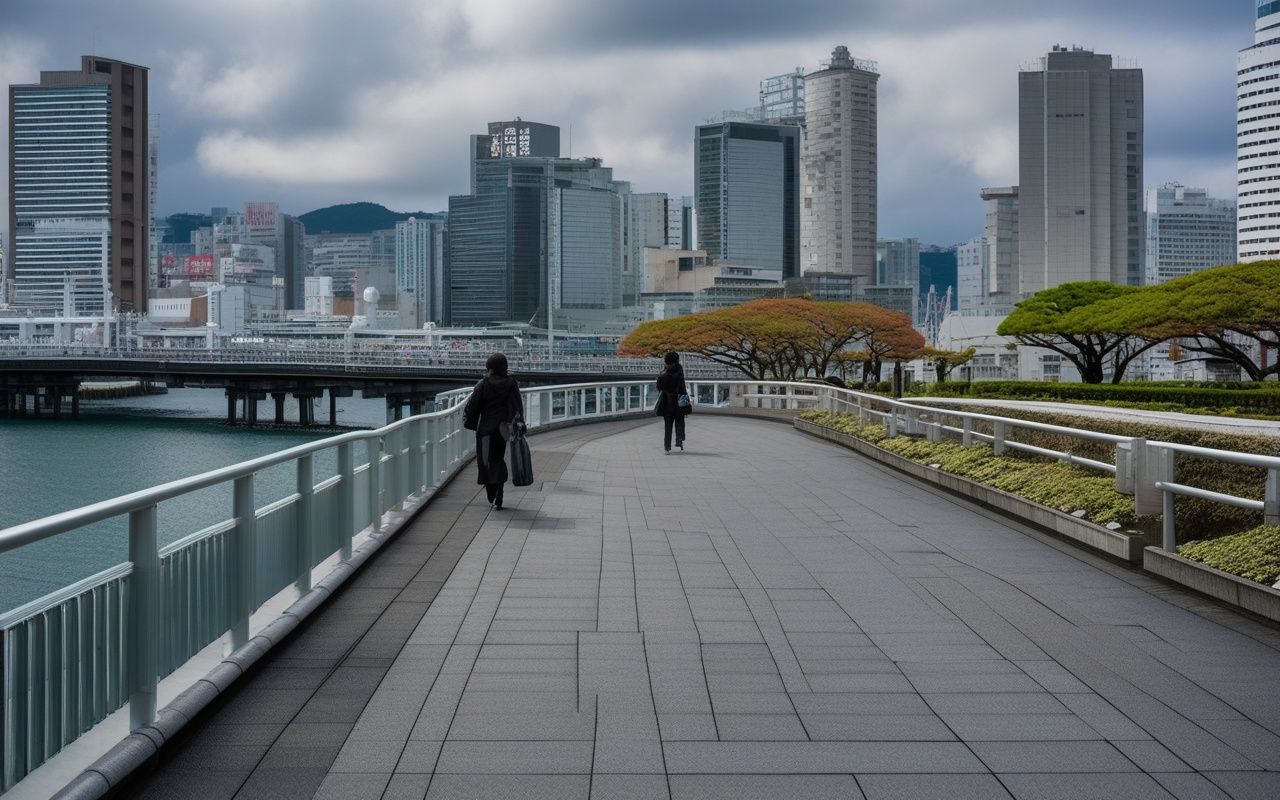
    Yamashita Park stretches along the waterfront between the pier and the city’s port area, offering one of the best bay views in Yokohama. At night, the lights of the skyline and the Ferris wheel reflect across the water, and the park’s quiet paths feel like the anime’s reflective scenes — a moment of stillness between the rush of the city. It is the perfect place to end a pilgrimage day, watching the harbor lights flicker on the water.

    • Access: 5 min walk from Motomachi-Chukagai Station (Minatomirai Line) or 10 min from Osanbashi Pier
    • Best time: Night, when the skyline reflections are at their most dramatic
    • Photo tip: Use a tripod for long-exposure shots of the bay reflections; a 50mm lens at f/8 keeps everything sharp

    🗺 Sample Itinerary

    Full-Day Cyberpunk Pilgrimage Route (6-8 hours)

    Time Activity
    9:00 AM Depart from Tokyo (JR or Tokyu Line)
    10:00 AM Arrive at Minatomirai Station, photograph the district
    10:30 AM Landmark Tower Sky Garden observation deck
    12:00 PM Lunch at a bay-view restaurant in Queens Square
    1:30 PM Walk the bay promenade to Osanbashi Pier
    3:00 PM Explore the pier’s roof deck and harbor views
    4:30 PM Yamashita Park walk
    5:30 PM Return to Minato Mirai as the lights come on
    6:30 PM Night photography along the waterfront
    8:00 PM Return to Tokyo

    Half-Day Route (for a focused pilgrimage)

    • Morning: Landmark Tower Sky Garden → bay promenade → Osanbashi Pier → Yamashita Park
    • Afternoon: Lunch in Minato Mirai, then return to Tokyo or extend with the Bungo Stray Dogs pilgrimage, which covers overlapping ground

    💡 Travel Tips

    Chasing the Cyberpunk Atmosphere

    • Fog (spring and autumn mornings) makes the port and pier look straight out of the films — check the weather forecast and aim for a foggy morning if possible
    • Rain is your friend: the wet streets reflect the neon and create the classic cyberpunk look (bring an umbrella and a waterproof camera bag)
    • Evening neon from 6:00 PM onward transforms Minato Mirai into the anime’s night city
    • Weekday evenings are the best compromise: fewer crowds than weekends with the full neon display

    Best Time to Visit

    • Spring (March-May): Frequent foggy mornings and cherry blossoms near the port
    • Summer (June-August): Evenings are warm and lively; fireworks displays in August
    • Autumn (September-November): Clear skies, foggy mornings, and comfortable temperatures
    • Winter (December-February): Crisp air and the clearest night views of the illuminated skyline

    What to Bring

    • Comfortable walking shoes (the full route is 8-10 km)
    • Camera with a 24-70mm lens and a tripod (essential for night and long-exposure shots)
    • Umbrella (useful for both rain and the cyberpunk atmosphere)
    • Minato Burari Ticket (book ahead for transport + attraction discounts)
    • Layer clothing — the waterfront wind is stronger than inland

    Frequently Asked Questions

    Q: Is Yokohama really the inspiration for Ghost in the Shell?

    A: Yes. The franchise’s artists drew extensively from Yokohama’s Minato Mirai district and harbor — its glass towers, port facilities, and bay views are widely recognized as visual models for the near-future city. Hong Kong also inspired parts of the 1995 film, but Yokohama’s waterfront is the franchise’s Japanese anchor.

    Q: Can I visit the actual locations from the anime?

    A: The locations are inspirations rather than exact sets — no scene was filmed on these streets. But walking the real waterfront, seeing the towers and the port, and experiencing the fog and night lights brings you as close as the real world allows to the world the anime imagined.

    Q: How long should I spend in Minato Mirai?

    A: A half-day covers the five spots, but the district rewards a full day, especially if you add the Sky Garden at sunset and night photography afterward. The atmosphere changes dramatically from day to night, so staying until after dark is highly recommended.

    Q: What other anime locations are nearby?

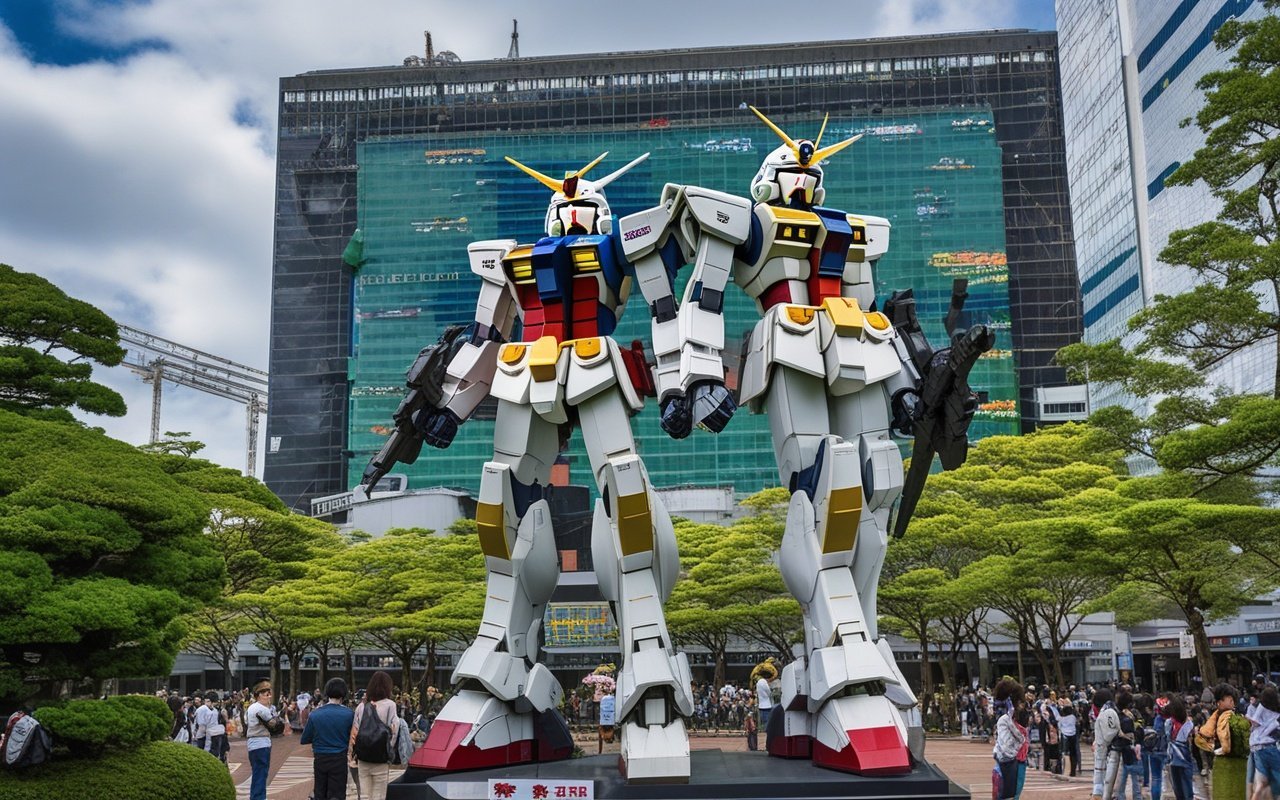
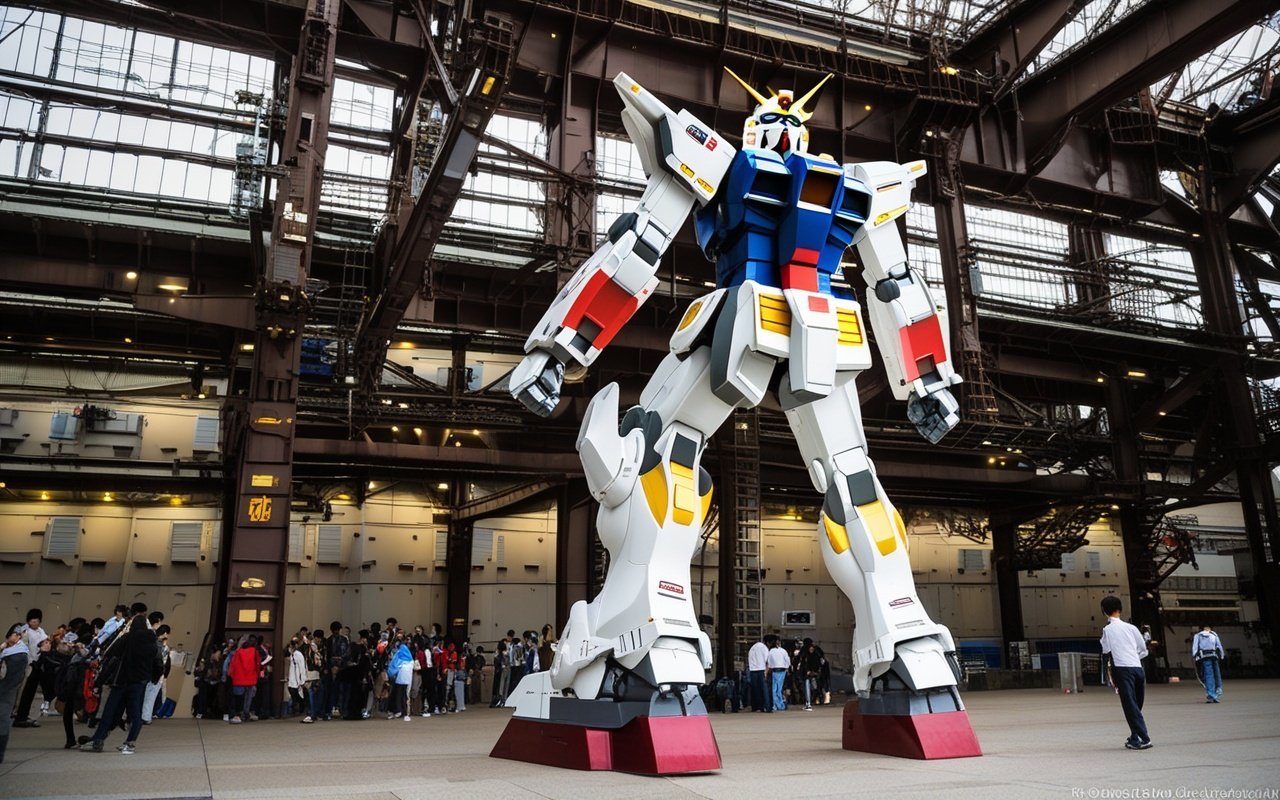
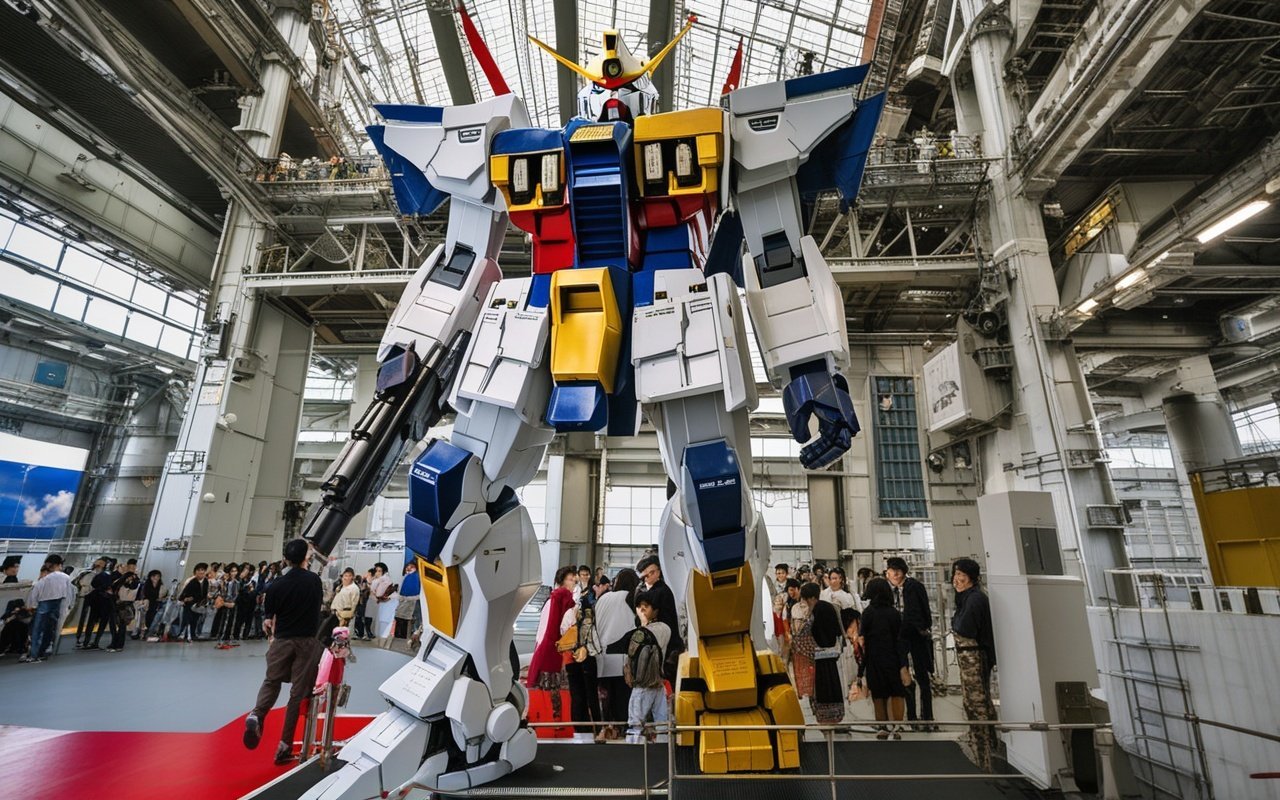
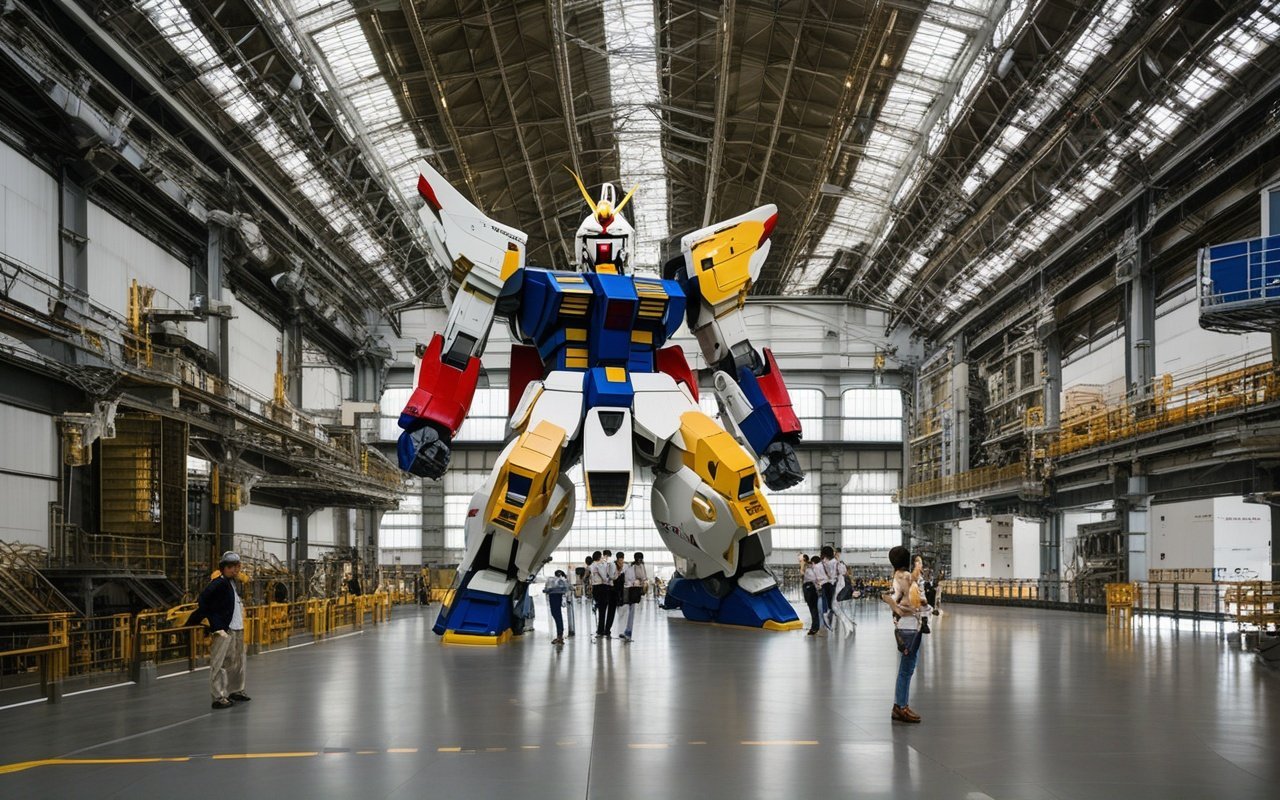
    A: Yokohama is a rich pilgrimage city. The Bungo Stray Dogs pilgrimage covers similar ground, the Gundam Factory brings a life-size mobile suit to the bay, and the Kanagawa Anime Pilgrimage Guide maps the full region.

    Q: Is the Sky Garden worth the admission?

    A: Absolutely. The 69th-floor observation deck offers unmatched views of the bay and city — and from a cyberpunk standpoint, the aerial perspective mirrors the franchise’s signature surveillance shots. Sunset visits give the best light.

    Q: Can I visit in winter?

    A: Yes. Winter offers the clearest views and crisp night air, and the illuminated skyline is at its most photogenic. Just bring warm layers — the waterfront wind can be biting.


    🔗 Related Articles


    Last Updated: 2026-07-31
    Written by: Anaba OffJapan Editorial Team


    A Ghost in the Shell pilgrimage in Yokohama is less about finding exact filming locations and more about discovering that the anime’s future was built from a place you can actually visit. The Landmark Tower’s glass monolith, the sweeping roof of Osanbashi Pier, the neon reflections on the bay — these are the raw materials the franchise’s artists transformed into cyberpunk’s most enduring cityscape. Walking Minato Mirai at night, with the fog rolling off the harbor and the lights shimmering on the water, you understand why this district inspired one of the most influential anime of all time. For any fan of the genre, it is a pilgrimage that delivers exactly what the franchise promises: the future, made visible in the present.

    The most surreal moment of my visit came on a foggy autumn morning at Osanbashi Pier. The deck disappeared into the mist ahead of me, ships’ horns echoed across the water, and for a few minutes the real Yokohama looked exactly like the anime’s opening frames. It was a reminder that the most powerful science fiction isn’t invented from nothing — it’s the world around us, seen with sharper eyes. Yokohama gave Ghost in the Shell its soul, and visiting it gave me a new appreciation for both.

    Conclusion

    The details in this guide come from real visits, and the biggest lesson I took away was that the best experiences in Yokohama rarely fit neatly into a checklist. During my visit to Yokohama I went with a rough plan and found that leaving room to wander made the trip far more memorable. Plan the essentials, keep your schedule flexible, and you will leave Kanagawa wanting to return.
  • Yokohama BayStars Game Guide — Stadium Baseball Experience

    Yokohama BayStars Game Guide — Stadium Baseball Experience

    Overview

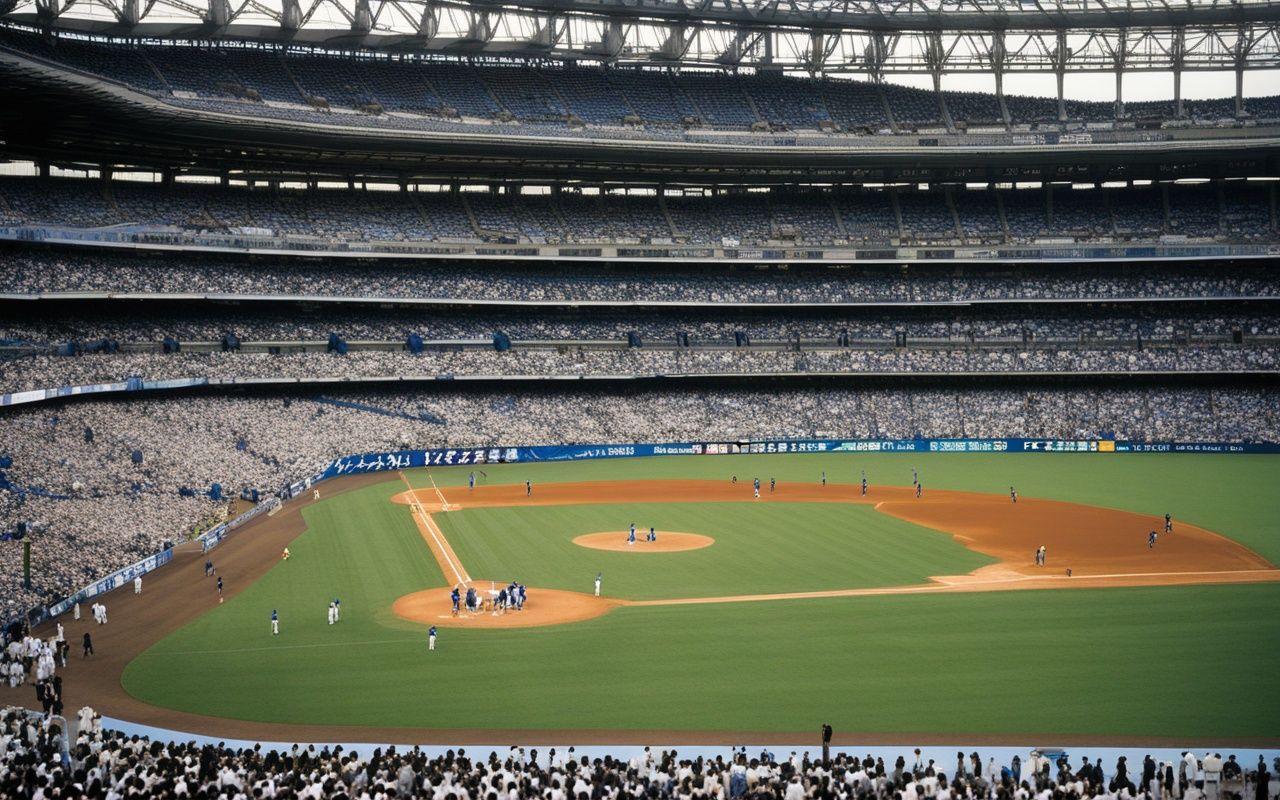
    Baseball is more than a sport in Japan — it is a cultural event with passionate fan chants, unique stadium food, and an atmosphere that every visitor should experience at least once. The Yokohama DeNA BayStars, one of twelve teams in Nippon Professional Baseball (NPB), play at Yokohama Stadium — affectionately called Hamasta by locals — in the heart of the city. This guide covers everything you need to know: ticket purchasing, seat selection, stadium food, game day rituals, and how to enjoy the experience as a first-time visitor to Japanese baseball. Whether you are a lifelong baseball fan or completely new to the sport, a BayStars game offers an unforgettable evening in Yokohama.

    Top Game Day Experiences

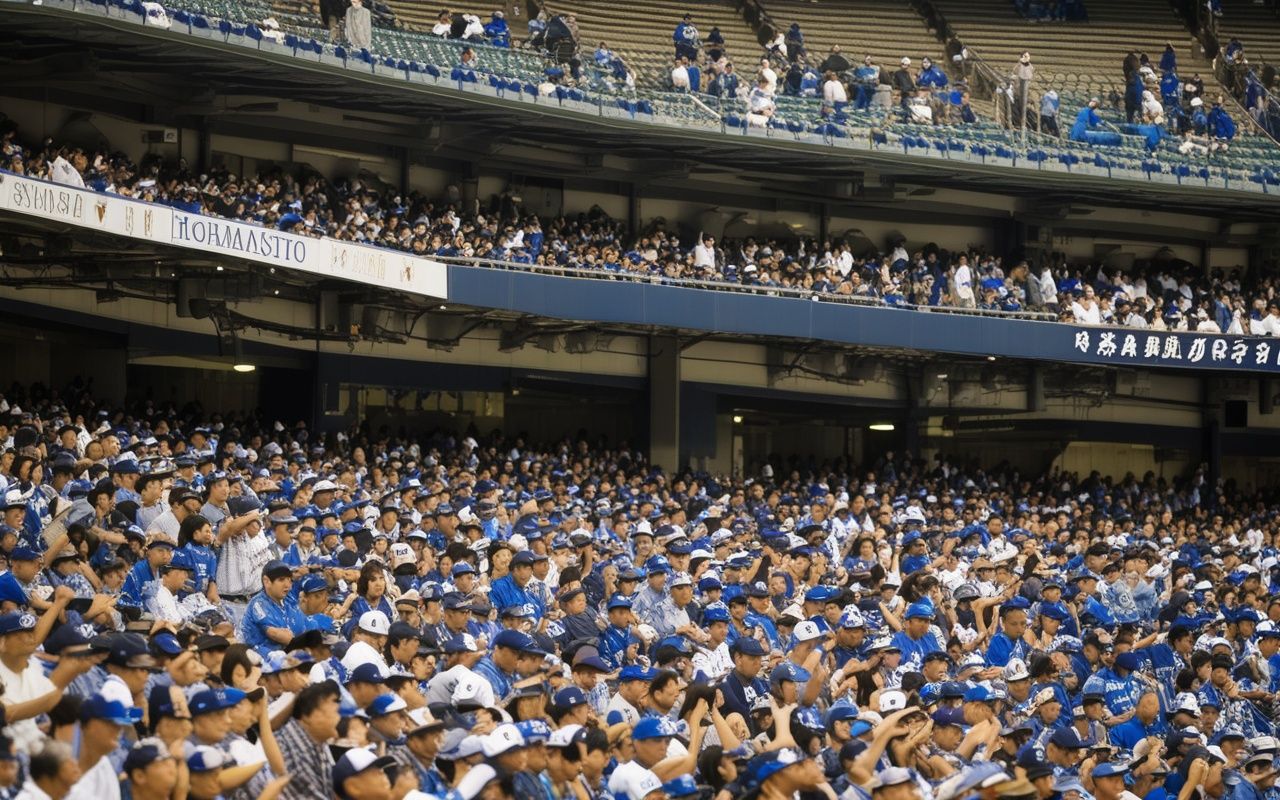
    Based on my visits across three different seasons, these are the three experiences that define a BayStars game: 1. The Seventh-Inning Balloon Release: At the end of the seventh inning, the entire stadium releases hundreds of blue and white balloons into the air. The synchronized countdown, the collective release, and the sight of balloons drifting over the field create a moment of pure joy that transcends language and culture.

    2. The Beer Vendors: Young men and women in blue BayStars uniforms carrying keg-shaped tanks on their backs navigate the steep stadium steps with athletic grace. They pour fresh beer directly into your cup with a practiced twist, and their cheerful calls of “Biiru! Biiru! Oishii biiru!” echo through the stands throughout the game.

    3. The Outfield Cheering Section: In the left-field stands, a dedicated group of fans with drums, trumpets, and flags leads coordinated chants for every BayStars batter. Each player has a personalized cheer song, and the entire section moves together — standing, sitting, and waving towels in perfect synchronization.

    How to Get to Yokohama Stadium

    Yokohama Stadium is remarkably well-connected, sitting just a few minutes’ walk from multiple train stations in central Yokohama. Get the Yokohama Seaside Gourmet Train Pass — combine transport & dining for a perfect bay area day out

    From Tokyo

    • JR Yokohama Line: From Shibuya Station to Kannai Station (35 minutes, ¥380). From Kannai Station, the stadium is a 3-minute walk through the Yokohama Park.
    • Tōkyū Tōyoko Line / Minatomirai Line: From Shibuya Station to Kannai Station (30 minutes, ¥380, some trains run direct). This route is convenient if you are staying near Shibuya.
    • JR Keihin-Tōhoku Line: From Tokyo Station to Kannai Station (35 minutes, ¥480). Frequent departures every 5-10 minutes.

    From Yokohama Station

    • Municipal Subway Blue Line: Yokohama Station to Kannai Station (5 minutes, ¥200). Exit 3 leads directly toward the stadium.
    • JR Keihin-Tōhoku Line: Yokohama Station to Kannai Station (3 minutes, ¥150). The fastest option.
    • Taxi: ¥1,000-1,500 (10 minutes). Convenient for groups of 3-4.

    From Shin-Yokohama (Shinkansen)

    • JR Yokohama Line: Shin-Yokohama Station to Kannai Station (15 minutes, ¥250). Direct train, no transfers needed.
    • Subway Blue Line: Shin-Yokohama Station to Kannai Station (12 minutes, ¥250).

    Stadium Address and Entrance

    Yokohama Stadium is located at 2-1-1 Yokohama Park, Naka-ku, Yokohama. The main entrance (Gate 5) faces the Yokohama Park side and is the most recognizable access point. If approaching from Kannai Station, walk through Yokohama Park — the stadium’s white arches become visible within minutes.

    Ticket Types and Prices

    NPB tickets fall into several categories, each offering a different experience. Prices vary by opponent (popular teams like the Yomiuri Giants cost more), day of the week, and seat location.

    Seat Categories

    Seat Type Price Range (JPY) Best For Notes
    Outfield Reserved (外野指定) ¥2,200-¥3,500 Budget-conscious, most energetic atmosphere BayStars fans sit in left field; visiting fans in right field, Bring a towel for the famous “towel dance.”
    Infield Reserved (内野指定) ¥3,500-¥6,000 Families, balanced view Covered by roof (rain-safe). Good views of the entire field.
    Infield Box Seat (内野BOX) ¥5,000-¥8,500 Best overall view Wider seats with cup holders. Closest to the action.
    Outfield Bleachers (外野自由) ¥1,800-¥2,500 Cheapest option First-come, first-served. Arrive early on weekends.
    Premium Box (S指定) ¥8,000-¥12,000 VIP experience Best sightlines, dedicated food-and-drink service to your seat.

    Where to Buy Tickets

    1. Online (Recommended): The official BayStars website (www.baystars.co.jp) has an English-language ticket purchasing interface. Tickets go on sale 1-2 months before game day. Payment by credit card is accepted.
    2. Convenience Stores: Lawson (Loppi terminal), FamilyMart (FamiPort), and 7-Eleven (Seven Ticket) sell remaining tickets from 10 AM on game day. The terminal interface is Japanese-only, but store staff can assist.
    3. Stadium Box Office: Opens 2 hours before game time. Expect queues on weekends and popular matchups. Cash and credit cards accepted.

    Pro tip: For popular weekend games or rivalry matches (vs. Yomiuri Giants, Hanshin Tigers), book online at least 2-3 weeks in advance. Weekday games against less popular teams often have same-day availability.

    Stadium Food and Drinks

    Japanese baseball stadium food is legendary, and Yokohama Stadium offers some of the best options in the league.

    Must-Try Stadium Food

    BayStars Sausage (ベイスターズソーセージ) — ¥700: The signature stadium food. A grilled pork sausage served on a bun with your choice of mustard, ketchup, or Japanese mayonnaise. Available at multiple stands throughout the concourse. The best version is from the stand near Gate 5, where they grill the sausages over charcoal.

    Yokohama Ie-kei Ramen (横浜家系ラーメン) — ¥1,200: A stadium adaptation of Yokohama’s famous ie-kei ramen — thick, rich pork-bone broth with thick noodles, nori seaweed, and a soft-boiled egg. Served in a special BayStars-themed bowl, Located behind Section B on the first-base side. Visit the Shin-Yokohama Ramen Museum — taste ramen from across Japan & explore the history of this iconic dish

    Stadium Yakitori (焼き鳥) — ¥600-1,000: Skewered chicken grilled to order. Choose from negima (chicken and leek), tsukune (chicken meatball), or sasami (chicken breast with wasabi). Available from mobile vendors who walk through the stands — listen for their distinctive calls.

    Beer (生ビール) — ¥700-900 (medium), ¥1,200-1,500 (large): Beer vendors in distinctive blue BayStars uniforms walk through the stands throughout the game. They carry kegs on their backs and pour fresh beer directly into your cup. The most popular options are Kirin Lager (¥800) and Asahi Super Dry (¥900). Tipping is not expected, but a smile and a nod of thanks is appreciated.

    BayStars Soft Serve (ベイスターズソフト) — ¥500: Blue-colored soft-serve ice cream topped with the BayStars star logo in white chocolate, Popular with families and popular on social media for photos. Available at the dessert stand behind center field.

    Bringing Your Own Food

    Unlike many Western stadiums, Yokohama Stadium permits outside food and drinks. Many local fans bring homemade bento boxes and snacks. Alcoholic beverages from outside are technically prohibited but enforcement is relaxed for non-glass containers. I recommend bringing water on hot summer days — stadium prices for bottled water start at ¥200.

    Yokohama BayStars game — stadium food and beer vendors

    Game Day Atmosphere

    Attending a BayStars game is an immersive cultural experience that differs significantly from baseball in North America or other countries.

    The Fan Experience

    Cheering Sections: The most distinctive feature of Japanese baseball is the organized cheering. In the outfield bleachers, fans with drums and trumpets lead coordinated chants for each batter. Every BayStars player has a personalized cheer song, and the crowd rises collectively when their team is at bat. The energy in the outfield is electric — if you want the full experience, buy an outfield reserved seat.

    Leaving Early / Entering Late: Japanese fans typically stay until the final out, even when their team is losing, Leaving early is considered disrespectful. Conversely, arriving late is common and accepted — many fans arrive in the second or third inning.

    Seventh-Inning Stretch: At the end of the seventh inning, the entire stadium participates in the balloon release. Small balloons (¥200, sold at the stadium) are inflated and released simultaneously. The sight of hundreds of blue and white balloons floating over the field is genuinely moving. Note that balloons are only released on weekends and holidays — check your game date.

    Fireworks: Night games on weekends and holidays feature a 5-minute fireworks display after the game. The fireworks are launched from the outfield and are visible from all seats. Even if your team loses, the fireworks are a consolation.

    Game Day Schedule

    Time Activity
    2 hours before Stadium gates open. Explore the concourse, buy merchandise, find your seat.
    30 minutes before Player warm-ups, national anthem, starting lineup announcements.
    Game Start First pitch. Games last approximately 3-3.5 hours.
    5th inning Field maintenance. Good time for food and bathroom breaks.
    7th inning Balloon release (weekends/holidays). Team cheer song.
    After game Fireworks (weekend night games). Post-game hero interview on field.

    Best Time to Visit

    The NPB regular season runs from late March to early October, with the postseason (Climax Series) extending into November.

    Seasonal Considerations

    Season Weather Crowd Best For
    Spring (Mar-May) Mild, occasional rain Weekend games sell out Cherry blossoms near stadium; comfortable evening games
    Summer (Jun-Aug) Hot, humid (30-35°C) Peak season, all games crowded Fireworks and night games; bring a fan and hydration
    Autumn (Sep-Oct) Pleasant, cooler evenings Moderate Best weather for baseball; pennant race excitement
    Winter (Nov-Mar) Off-season (no games) N/A Stadium tours available; pre-season training in February

    Rainy season (June-mid-July): Rain delays are common. Check the BayStars official Twitter account for postponement announcements. If a game is cancelled before the 5th inning, you can exchange your ticket for a future game (reserved seats) or receive a partial refund (bleacher seats).

    What to Bring

    Based on my three games at Yokohama Stadium across spring and summer, here is what I recommend bringing: Essential Items:

    • Towel: You will need it for the famous “towel dance” (タオル回し). Official BayStars towels are sold at the stadium (¥2,500), but any blue towel works, During rally moments, fans spin towels above their heads in synchronized circles — it is spectacular to watch from the upper deck.
    • Sunscreen and hat: Day games in summer are intense. The outfield bleachers have no shade. Sunscreen and a cap are essential.
    • Cash: While credit cards are accepted at the box office and major food stands, beer vendors, balloon sellers, and smaller food stalls are cash-only. I recommend carrying ¥5,000-10,000 in small bills.
    • Portable fan (uchiwa): Traditional Japanese fans are sold at the stadium (¥500-800) and are surprisingly effective in the humid Yokohama summer. I bought one on my first visit and have used it every game since.

    Optional Items:

    • Glove: Catching a foul ball is rare but possible. Japanese children often bring gloves, and adults occasionally do too.
    • Camera: Photography is permitted from your seat. Professional equipment (large telephoto lenses, tripods) is not allowed. Smartphone photography is fine.
    • Rain gear: A compact umbrella or poncho. The infield seats are covered by a roof, but outfield seats are exposed.

    Seating Tips for First-Timers

    Choosing the right seat makes a significant difference to your experience. For the most energetic atmosphere: Left-field outfield reserved seats (ライト外野指定) place you among the most passionate BayStars supporters. You will hear the drummers, join the chants, and feel the intensity of Japanese baseball fandom. The view of the game is from behind the outfield, so you will see plays develop in front of you.

    For families: Infield reserved seats on the first-base side (一塁側内野指定) offer protection from rain (roof coverage), proximity to the kids’ play area behind Section D, and easy access to the widest variety of food stalls. The family restrooms on the first-base concourse are the cleanest.

    For the best overall view: Infield box seats behind home plate (本塁後方BOX) provide the clearest sightlines for pitch trajectories and defensive positioning. These seats are also closest to the stadium’s television cameras, so you might end up on the broadcast.

    For budget travelers: Outfield bleacher seats (外野自由席) at ¥1,800-2,500 are the cheapest option. These are first-come, first-served, so arriving 90 minutes before game time is recommended on weekends. The bleachers have no backrests and are uncovered, but the camaraderie among fans in this section is unmatched.

    Game Day Checklist

    Before the Game:

    • Buy tickets online (BayStars website or convenience store)
    • Check the weather forecast
    • Pack: towel, sunscreen, cash, portable fan
    • Confirm the gate opening time (usually 2 hours before first pitch)
    • Plan your route to Kannai Station

    At the Stadium:

    • Buy an official BayStars towel at the merchandise shop (near Gate 5)
    • Try the BayStars Sausage (charcoal-grilled version near Gate 5)
    • Take a photo with the BayStars mascot (DB. Starman, appears near the main gate)
    • Find your seat and explore the concourse before the game starts

    During the Game:

    • Stand and cheer during the team’s at-bats
    • Participate in the seventh-inning balloon release (weekends/holidays)
    • Try stadium yakitori from a mobile vendor
    • Stay for the post-game fireworks (weekend night games)

    Yokohama BayStars game — outfield cheering section with towel dance

    Nearby Attractions

    Yokohama Stadium sits in the heart of Yokohama’s most walkable entertainment district, making it easy to combine a game with other activities.

    Yokohama Chinatown (10-minute walk): The largest Chinatown in Japan, with hundreds of restaurants and food stalls open until late. After night games, many restaurants stay open until 10 PM. I recommend trying the steamed buns (豚まん) from the street vendors while walking back to the station. For a full guide to the area, see our Yokohama Chinatown Food Guide.

    Minato Mirai (15-minute walk): The waterfront entertainment district with the Cosmo World Ferris Wheel, shopping malls, and the Landmark Tower Sky Garden observation deck. After a night game, the illuminated skyline is beautiful.

    Noge District (10-minute walk): The narrow streets of Noge are packed with tiny izakaya and bars that come alive after games. For a deep dive into the area, check out our Noge Izakaya Complete Guide.

    Frequently Asked Questions

    Q: Do I need to understand Japanese to enjoy a BayStars game?
    A: Not at all. Baseball is a visual sport, and the atmosphere at Japanese stadiums is infectious regardless of language. Cheer songs are repetitive and easy to learn. The electronic scoreboard displays player names in both Japanese and English. Stadium staff at the information booth near Gate 5 speak basic English and have English-language stadium maps.

    Q: Is it safe to bring children to night games?
    A: Yes. Japanese baseball stadiums are exceptionally family-friendly. The concourse is well-lit, security is visible throughout, and the crowd is generally well-behaved. Alcohol consumption is moderate compared to Western stadiums. Family restrooms are available on the first-base concourse, and diaper-changing stations are located in both men’s and women’s restrooms.

    Q: What happens if it rains during the game?
    A: Games continue in light rain. Infield seats are covered by a roof, but outfield seats are exposed. If rain becomes heavy, the game may be suspended. If the game is cancelled before the 5th inning, you can exchange your ticket for a future game or receive a partial refund. Check the official BayStars Twitter account for real-time updates on game status.

    Q: Can I buy BayStars merchandise at the stadium?
    A: Yes. The official team shop, BayStars Store (ベイスターズストア), is located inside the stadium near Gate 5. It opens 2 hours before game time and stays open for 30 minutes after the game, Popular items include replica jerseys (¥12,000-15,000), caps (¥3,500), towels (¥2,500), and keychains (¥800). Credit cards are accepted. The store is busiest in the hour before the game and the 30 minutes after the final out.

    Q: Are there vegetarian or halal food options at the stadium?
    A: Limited but available. Vegetarian options include edamame (¥400), french fries (¥500), and some salad options at the food court near Section D. The BayStars Sausage can be ordered without meat by asking for the egg-and-vegetable sandwich from the same vendor. Halal options are not specifically marked, but seafood options such as grilled squid (¥600) and fish-based dishes are available at several stands.


    Last Updated: 2026-07-16
    Written by: Anaba OffJapan Editorial Team
    Photos: Editorial photography and on-site field research

    Conclusion

    Whether you are planning exploring Yokohama for the first time or returning for another visit, taking a little extra time to go beyond the obvious sights makes all the difference. During my visit to Yokohama I went with a rough plan and found that leaving room to wander made the trip far more memorable. I hope this guide helps you build an itinerary that fits your pace, and that your time in Kanagawa leaves you with memories worth coming back for.

  • Yokohama Minato Mirai Shopping — Best Malls & Boutiques 2026

    Yokohama Minato Mirai Shopping — Best Malls & Boutiques 2026

    Yokohama Minato Mirai Shopping Guide — Best Malls & Boutiques

    Overview

    Minato Mirai 21 is Yokohama’s premier waterfront district, and its shopping scene rivals anything in Tokyo. With four major shopping complexes connected by climate-controlled walkways, you can spend an entire day exploring without stepping outside. This guide covers every shopping destination in Minato Mirai — from luxury brands at Landmark Plaza to quirky souvenirs at World Porters — with practical tips on navigating the area and finding the best deals.

    Landmark Plaza — Luxury and Landmark Views

    Location: Connected to Landmark Tower and Sakuragicho Station (5-minute walk)
    Hours: 10:00-20:00 (restaurants until 22:00)
    Stores: 190+ Landmark Plaza is Minato Mirai’s premier shopping destination, occupying the lower floors of the iconic Landmark Tower. The five-story atrium, with its dramatic glass ceiling and fountain, hosts a mix of Japanese and international brands.

    Fashion highlights:

    • Beams (3F): Japanese select shop with curated collections from international and domestic designers
    • United Arrows (3F): High-end Japanese casual wear — excellent quality at prices below European luxury
    • Muji (4F): The largest Muji in Yokohama, with their full furniture and home goods line
    • Uniqlo (B1): Standard selection but less crowded than Tokyo locations

    Souvenir highlights:

    • Yokahama-ya (1F): Specializes in Yokohama-themed souvenirs — from the famous “Yokohama” branded towels (¥1,500) to limited-edition Landmark Tower chocolates (¥800)
    • Sogo Museum of Art Shop (2F): Art prints and design objects from the museum’s collection (¥1,000-5,000)

    Food court: The basement-level food court (Dining Court, ¥800-1,500) offers 15 options including ramen, udon, curry, and Italian. I recommend Menya Itto (¥1,100), which serves a rich tsukemen (dipping noodles) that rivals Tokyo’s best.

    World Porters — Quirky and Family-Friendly

    Location: A 7-minute walk from Landmark Plaza, on the waterfront side
    Hours: 10:30-21:00
    Stores: 100+ World Porters has a more casual, family-oriented atmosphere than Landmark Plaza. The building is designed like a European port town, with winding corridors and harbor views.

    Best for souvenirs:

    • Village Vanguard (2F): A chaotic, wonderful store selling everything from bizarre stationery to regional snacks. Perfect for unusual gifts (¥500-3,000)
    • Yokohama World Porters Souvenir Shop (1F): The best selection of Yokohama-specific snacks, including silk sweet potato sticks (¥600), Yokohama curry paste (¥800), and Minato Mirai cookies (¥1,000)
    • Kiddy Land (3F): Character goods from Sanrio, Snoopy, and Disney — popular with children and collectors

    Entertainment: World Porters also has a small amusement park, Yokohama Cosmo World, immediately adjacent, with the iconic Cosmo Clock 21 Ferris Wheel (¥800). The ferris wheel is the world’s largest timepiece and offers stunning night views.

    MARK IS Minato Mirai — Youth Fashion and Lifestyle

    Location: 10-minute walk from Landmark Plaza toward Yokohama Station
    Hours: 10:00-21:00
    Stores: 180+ MARK IS opened in 2019 and targets a younger demographic with trend-focused fashion and lifestyle brands.

    Must-visit stores:

    • Loft (3F-4F): A massive lifestyle store spanning two floors — stationery, cosmetics, kitchen goods, and home decor. Their Yokohama-exclusive section (3F) sells Minato Mirai-themed washi tape (¥400), postcards (¥150), and hand towels (¥800).
    • H&M (2F): The largest H&M in Kanagawa — three floors of fashion at international prices
    • Daiso (B1): Everything ¥100 — the best place to pick up affordable souvenirs like folding fans, chopsticks, and furoshiki wrapping cloths
    • Tsutaya Books (5F): A beautiful bookstore with an attached Starbucks and views of the harbor

    Events: MARK IS regularly hosts pop-up markets and seasonal events in its central atrium. Check their website for craft fairs, farmers’ markets, and holiday events during your visit.

    Queen’s Square — Connected Comfort

    Location: Directly connected to Minato Mirai Station (via underground passage)
    Hours: 10:00-20:00
    Stores: 80+ Queen’s Square is the transport hub of Minato Mirai, directly connected to the Minatomirai Line station. It’s smaller than the other complexes but has excellent mid-range shopping.

    Highlights:

    • Francfranc (2F): Japanese home goods brand with stylish, affordable interior items — their seasonal collections are excellent for gift shopping (¥1,000-5,000)
    • Zara (B1): Standard international fast fashion
    • ABC Mart (B1): Japanese shoe retailer with good prices on sneakers (¥4,000-8,000)
    • Tully’s Coffee (2F): A reliable coffee stop with harbor-view seating

    Nippon Maru Memorial Park Open-Air Market

    Location: Between World Porters and Queen’s Square
    Hours: Weekends and holidays, 10:00-16:00 (weather permitting) On weekends, Nippon Maru Memorial Park hosts a small open-air market with local artisans selling handmade crafts, jewelry, and food. This is an excellent place to find unique, non-mass-produced souvenirs. Items range from ¥500 (handmade postcards) to ¥10,000 (ceramic tableware). The park itself features the Nippon Maru training ship (open for tours, ¥600) and the Yokohama Port Museum.

    Window Shopping on the Waterfront Promenade

    Even if you are not buying, Minato Mirai’s waterfront promenade offers one of the best walking experiences in Yokohama. The 2-kilometer path from Landmark Tower to World Porters passes through gardens, plazas, and along the harbor. On clear days, you can see Mount Fuji across the bay from several points along the route. This area is particularly beautiful at sunset, when the buildings reflect gold and orange across the water. Explore Mt Fuji & Hakone on a full-day trip with sukiyaki lunch, Hakone Cruise, Ropeway & Shinkansen return

    Yokohama Minato Mirai shopping at MARK IS mall interior

    Best Times to Shop in Minato Mirai

    Weekday mornings (10:00-12:00) are the quietest time across all four complexes. Landmark Plaza and Queen’s Square see the most foot traffic during lunch hours (12:00-13:30) as office workers from nearby buildings visit the food courts. Afternoons (14:00-17:00) are moderately busy, especially on weekends when families and tourists fill the corridors. Quietest days: Tuesday through Thursday. Monday can be surprisingly busy due to national holidays shifting.

    Busiest periods: Weekends (especially sunny Saturdays), Golden Week (late April-early May), summer vacation (mid-July to August), and the year-end holiday season (mid-December to Christmas). During these periods, I recommend arriving at opening time (10:00) to enjoy the stores before crowds peak around 13:00.

    Evening shopping: On Fridays and Saturdays, many stores in Landmark Plaza and MARK IS stay open until 21:00. The waterfront promenade is beautifully lit after sunset — combine evening shopping with a night view walk.

    Tax-Free Shopping Guide

    All major shopping complexes in Minato Mirai participate in Japan’s tax-free shopping program for foreign visitors: Requirements:

    • Must hold a foreign passport (temporary visitor status)
    • Minimum purchase: ¥5,000 (consumables) or ¥5,000 (general goods)
    • Tax refund: 10% consumption tax deducted at purchase

    How to claim:

    1. Shop at stores displaying the “Tax-Free” logo (most stores in Landmark Plaza and MARK IS)
    2. Present your passport at the register
    3. Tax is deducted immediately (no need to go to a separate refund counter)
    4. Consumables (food, cosmetics, medicine) must be sealed in special bags and not opened until leaving Japan

    Best stores for tax-free shopping:

    • Muji (Landmark Plaza, 4F): Full tax-free counter — their skincare and stationery make excellent gifts
    • Loft (MARK IS, 3F-4F): Tax-free counter on 3F — stock up on Japanese stationery and cosmetics
    • Daiso (MARK IS, B1): Tax-free for purchases over ¥5,000 (50 items at ¥100 — easy to hit minimum)

    Best of all, since the shopping complexes are close together within walking distance, you can hit all the tax-free stores in a single shopping route without rushing.

    Nearby Attractions

    Yokohama Minato Mirai shopping at Landmark Plaza

    Combine your shopping trip with these nearby attractions, all within walking distance:

    • Yokohama Landmark Tower Sky Garden (¥1,000): The 69th-floor observation deck offers panoramic views. Visit before or after shopping at Landmark Plaza — it’s in the same building.
    • Yokohama Red Brick Warehouse (15-minute walk from World Porters): Two historic buildings turned into shops and event spaces. The smaller building houses a curated selection of craft shops and cafes.
    • Noge Izakaya District (15-minute walk from Queen’s Square): Perfect for dinner after a day of shopping — narrow streets packed with tiny izakaya bars.
    • Yokohama Cosmo World (adjacent to World Porters): The amusement park with the iconic ferris wheel — night rides are popular after shopping hours.

    Budget Shopping Guide

    Shopping Complex Price Range Best For Footwear-Friendly
    Landmark Plaza ¥¥¥-¥¥¥¥ Luxury fashion, quality souvenirs ✅ (flat, marble floors)
    World Porters ¥-¥¥¥ Family shopping, quirky gifts ✅ (ramps available)
    MARK IS ¥-¥¥¥ Youth fashion, stationery ✅ (wide corridors)
    Queen’s Square ¥¥-¥¥¥ Mid-range fashion, convenience ✅ (connected station)
    Daiso (MARK IS) ¥ Budget souvenirs, everyday items

    Money-saving tip: Download the official MARK IS app for coupon offers (¥500 off purchases over ¥5,000, updated monthly). World Porters offers a 5% discount to visitors who show their same-day Shinkansen ticket at the information desk.

    Frequently Asked Questions

    Q: Which Minato Mirai shopping complex is best for luxury brands?
    A: Landmark Plaza has the highest concentration of luxury brands, including Burberry, Gucci, Coach, and Tiffany & Queen’s Square has a few mid-range international brands but no high-end luxury. World Porters and MARK IS focus on accessible fashion and lifestyle brands.

    Q: Are the shopping complexes connected indoors?
    A: Yes and no. Landmark Plaza and Queen’s Square are connected via the Queen’s Walk — a climate-controlled pedestrian bridge. Queen’s Square connects directly to Minato Mirai Station. World Porters is a 7-minute outdoor walk from Queen’s Square (covered walkway, partially exposed). MARK IS is a 10-minute walk from Landmark Plaza, partially covered but not fully enclosed. In bad weather, I recommend focusing on the Landmark Plaza-Queen’s Square corridor.

    Q: What are the best Yokohama-specific souvenirs?
    A: The top five souvenirs unique to Yokohama are: (1) Silk sweet potato sticks (はまぐり棒, ¥600-800) — a Yokohama-classic snack, (2) Yokohama curry paste (¥800-1,200) — the city’s famous navy curry in a jar, (3) Minato Mirai cookies (¥1,000-1,500) — shaped like landmark buildings, (4) Korin-brand Yokohama towels (¥1,500-3,000) — high-quality cotton towels produced in Yokohama since 1908, (5) Yokohama-themed stationery (¥500-2,000) — available at Loft’s Yokohama-exclusive section.

    Q: Is Minato Mirai shopping suitable for children?
    A: Yes. World Porters has a playground and Kiddy Land character goods store. MARK IS has a children’s play area on 4F (¥500 per 30 minutes, supervised). Most department stores have family restrooms and nursing rooms. The connecting walkways are stroller-friendly.

    Q: What time do stores open and close?
    A: Most stores open at 10:00-10:30 AM and close at 20:00-21:00. Restaurants typically stay open until 21:00-23:00 (last order at 21:00-22:00). Note that some stores have irregular closing days — check individual store websites before visiting, especially during Golden Week (late April-early May) and New Year (December 29-January 3).


    Last Updated: 2026-07-16
    Written by: Anaba OffJapan Editorial Team
    Photos: Editorial photography and on-site field research

    Conclusion

    Whether you are planning exploring Yokohama for its shopping for the first time or returning for another visit, taking a little extra time to go beyond the obvious sights makes all the difference. During my visit to Yokohama I went with a rough plan and found that leaving room to wander made the trip far more memorable. I hope this guide helps you build an itinerary that fits your pace, and that your time in Kanagawa leaves you with memories worth coming back for.

  • Yokohama & Kamakura Seasonal Sightseeing Routes 2026

    Yokohama & Kamakura Seasonal Sightseeing Routes 2026

    Overview

    Plan your perfect visit to Yokohama & Kamakura Seasonal Sightseeing Routes with this comprehensive destination guide, Covering everything from must-see attractions to practical travel tips, this guide helps you make the most of your time in Yokohama. Whether you have a single day or an entire week, discover the best that this Kanagawa destination has to offer.

    🌸 Spring Route: Cherry Blossoms & Coastal Views (March–May)

    Route Overview

    Yokohama Kamakura Spring Sightseeing Route begins at Minato Mirai and follows the cherry blossom trail south to Kamakura’s ancient temples via the Enoden train. This route takes approximately 10 hours and covers 8 major stops.

    Morning: Yokohama Waterfront

    Start your day at Yokohama’s Yamashita Park, where over 180 cherry trees line the waterfront promenade. From here, walk to Minato Mirai 21 and visit the iconic Yokohama Red Brick Warehouse — the spring flower displays outside the buildings are a local highlight.

    Pro Tip: Visit on a weekday morning before 10 AM. The waterfront path is significantly less crowded and you will have the cherry blossom views almost to yourself.

    Midday: Enoden Coastal Ride

    Take the JR Keihin-Tohoku Line from Yokohama Station to Ofuna, then transfer to the Enoden line at Kamakura Station. The Enoden train’s coastal section between Kamakura and Fujisawa offers stunning views of Sagami Bay with cherry blossoms in the foreground during late March.

    Afternoon: Kamakura Temples & Gardens

    Disembark at Hase Station and walk to Hasedera Temple — its hillside garden features late-blooming cherry varieties that peak in early April. From there, the Great Buddha at Kotokuin Temple is a 10-minute walk away.

    Evening: Komachi-dori & Return

    Stroll through Komachi-dori shopping street for cherry blossom-themed sweets and souvenirs before catching the train back to Yokohama for dinner at Yokohama Chinatown, Japan’s largest Chinatown and a spring evening highlight.


    ☀️ Summer Route: Beaches, Fireworks & Night Views (June–August)

    Summer Route Details

    Summer in Kanagawa means beach culture, evening festivals, and rooftop bars. This Shonan Kamakura itinerary maximizes afternoon beach time and evening illuminations.

    Morning: Zushi & Hayama Beaches

    Start your morning at Zushi Beach, a 25-minute ride from Kamakura Station via the Keikyu Line. The beaches here are less crowded than nearby Kamakura’s beaches and offer clear views of Mount Fuji on summer mornings.

    Midday: Shonan Seafood Lunch

    Head to Enoshima Island via the Enoden line for lunch. The island’s seafood restaurants serve Shirasu (whitebait) — a Sagami Bay specialty available fresh from June to August. For a deeper dive into the area’s marine attractions, explore the Enoshima Aquarium, one of Japan’s largest and most family-friendly aquariums.

    Afternoon: Kamakura Hydrangea Season

    June is hydrangea season in Kamakura, and Meigetsuin Temple (the “Hydrangea Temple”) is the premier spot. The garden path lined with hundreds of hydrangea bushes in full bloom is a breathtaking sight. July and August shift the focus to Kamakura’s beaches — Kamakura Beach and Yuigahama Beach are both easily accessible from Kamakura Station.

    Evening: Minato Mirai Illumination & Fireworks

    Return to Yokohama for the evening. The Minato Mirai waterfront features summer illuminations, and Yokohama’s major fireworks festivals (mid-July and mid-August) launch from the bay directly in front of the Red Brick Warehouse.


    🍂 Autumn Route: Foliage, Museums & Craft Beer (September–November)

    Autumn Route Details

    Autumn foliage season draws visitors from around the world. This Yokohama Kamakura autumn itinerary layers fall colors with cultural experiences.

    Morning: Sankeien Garden

    Begin at Sankeien Garden in Yokohama — a sprawling Japanese landscape garden with historic buildings relocated from across Japan. The maple and ginkgo trees peak in late November, creating a stunning tapestry of red and gold.

    Midday: Kamakura’s Autumn Temples

    Take the train to Kamakura Station and walk to Tsurugaoka Hachimangu Shrine via the Komachi-dori approach. The shrine’s ginkgo avenue turns brilliant yellow in late November. From there, visit Kenchoji Temple — Kamakura’s oldest Zen temple — where the maple-lined approach is at its peak in mid-to-late November.

    For a complete guide to getting around, check the Yokosuka transportation guide for train routes connecting Yokohama, Kamakura, and the Miura Peninsula.

    Afternoon: Yokohama Craft Beer & Culture

    Return to Yokohama and head to the Kamakura-ko area near the Red Brick Warehouse, where autumn craft beer festivals are held on weekends. Visit the Yokohama Museum of Art for its excellent permanent collection of modern art.

    Evening: Autumn Night Illumination

    The Sankeien Garden autumn night illumination runs for two weeks in late November. The garden is dramatically lit, and the reflection of autumn foliage in the central pond is unforgettable.


    ❄️ Winter Route: Illuminations, Onsen & Warming Foods (December–February)

    Winter Route Details

    Winter in Kanagawa features world-class illuminations, clear views of Mount Fuji, and steaming bowls of regional ramen. This winter Yokohama Kamakura route combines all three.

    Morning: Yokohama’s Winter Sights

    Start at the Landmark Tower Sky Garden (69th floor, 273 meters) for panoramic views of Mount Fuji — winter mornings offer the clearest visibility. Then visit the Yokohama Red Brick Warehouse for its winter market, featuring local crafts and warming street food.

    Midday: Kamakura Winter Walk

    Take the train to Kamakura and follow the Tsurugaoka Hachimangu approach to the shrine. Winter is the quietest season in Kamakura, and the bare branches of the ancient ginkgo trees create a serene atmosphere. The nearby Kamakura Museum of National Treasures houses samurai artifacts and Buddhist sculptures.

    Afternoon: Warming Up with Kanagawa Food

    Winter is the perfect time to explore Kanagawa’s comfort food. The Yokosuka Navy Curry is a hearty curry dish with roots in the Japanese Maritime Self-Defense Force — it is served with milk and salad in the traditional style. For ramen lovers, the Yokohama ramen guide covers the city’s signature Iekei ramen style.

    Evening: Minato Mirai Winter Illumination (December–February)

    The Minato Mirai Winter Illumination uses over 300,000 blue and white LEDs to transform the waterfront into a sparkling winter wonderland. The display runs from early November to mid-February. End the evening with dinner at one of the Yokohama premium dining restaurants overlooking the illuminated bay.


    🚃 Transport Pass Recommendations

    To make the most of these seasonal routes, consider purchasing a transport pass:

    Enoshima-Kamakura Free Pass (¥1,470)

    • Round-trip from Shinjuku
    • Unlimited Enoden rides
    • Discounts at 30+ attractions
    • Best for: Spring and autumn routes

    Yokohama Minato Burari Pass (¥500)

    • Unlimited bus travel in Yokohama
    • Discounts at major attractions
    • Best for: Winter route’s Yokohama section

    Kamakura Free Pass (¥2,160)

    • Round-trip from Tokyo Station
    • Unlimited local bus rides
    • Best for: Summer route with beach access

    For a detailed comparison of all Kanagawa transport passes, refer to the Kanagawa transport pass comparison.


    💰 Budget Breakdown by Season

    Season Transport (per person) Meals Admissions Total
    Spring ¥2,000–3,000 ¥3,000–4,000 ¥1,500 ¥6,500–8,500
    Summer ¥2,000–3,000 ¥4,000–5,000 ¥2,500 ¥8,500–10,500
    Autumn ¥2,000–3,000 ¥4,000–5,000 ¥2,000 ¥8,000–10,000
    Winter ¥2,000–3,000 ¥3,000–4,000 ¥2,000 ¥7,000–9,000

    📍 Seasonal Highlights Calendar

    Spring Must-Sees

    • Late March: Cherry blossoms at Yamashita Park
    • Early April: Hasedera Temple cherry trees
    • May: Peonies at Hasedera

    Summer Must-Sees

    • June: Hydrangeas at Meigetsuin Temple
    • July–August: Beach season at Yuigahama
    • August: Yokohama Sparkling Twilight fireworks

    Autumn Must-Sees

    • Mid-November: Kenchoji Temple maples
    • Late November: Sankeien Garden foliage
    • November: Kamakura-ko craft beer festival

    Winter Must-Sees

    • December–February: Minato Mirai illumination
    • December: Red Brick Warehouse winter market
    • January: New Year hatsumode at Tsurugaoka Hachimangu

    🎒 What to Pack by Season

    • Spring: Light jacket, comfortable walking shoes, umbrella (April showers)
    • Summer: Sunscreen, hat, swimwear, light towel, reusable water bottle
    • Autumn: Layered clothing, light sweater, camera for foliage
    • Winter: Warm coat, gloves, scarf — the bay wind is cold

    💡 Pro Travel Tips

    Pro Tip 1: The Enoden train between Kamakura and Fujisawa is scenic but can be crowded during peak seasons (Golden Week in spring, Obon in summer, foliage weekends in autumn). Board at Kamakura Station terminus for the best chance of a window seat.

    Pro Tip 2: Many temples in Kamakura close at 4:30 PM from October to February. Plan your afternoon route accordingly during the winter season.


    Frequently Asked Questions

    Q: Can I combine Yokohama and Kamakura in one day?
    A: Yes — the Yokohama-Kamakura seasonal route is designed as a full-day itinerary. The train between Yokohama and Kamakura takes only 25 minutes on the JR Yokosuka Line. For a single-city focus, see the Yokohama sightseeing guide or the Kamakura one day trip guide.

    Q: What is the best season for first-time visitors?
    A: Spring (March–May) and autumn (September–November) offer the most pleasant weather and the most spectacular natural beauty. Summer is ideal for beach lovers, while winter provides the clearest Mount Fuji views.

    Q: Are these routes suitable for solo travelers?
    A: Absolutely. The train and bus network is well-signposted in English, and all stops on these routes are safe and accessible for solo travelers. See the solo travel Kanagawa 3-day itinerary for an extended solo route.

    Q: Do I need to book attractions in advance?
    A: For temples and shrines, no advance booking is needed. For the Landmark Tower Sky Garden and special seasonal illuminations, advance tickets are recommended on weekends and holidays.

    Q: What is the best transport pass for visiting both cities?
    A: The Enoshima-Kamakura Free Pass covers the Enoden line used heavily in the spring and autumn routes, while individual JR tickets are affordable for the Yokohama-Kamakura connection.

    Q: Are these routes family-friendly?
    A: Yes — each route includes family-friendly stops. The Enoshima Aquarium is excellent for children in summer, and the Minato Mirai area has wide, stroller-friendly walkways year-round.


    Yokohama and Kamakura offer distinct seasonal experiences that reward repeat visits. Each season transforms these cities — from spring cherry blossoms along the Enoden coast to winter illuminations at Minato Mirai. By matching your travel dates to the seasonal highlights in this guide, you will experience the very best of Kanagawa Prefecture.

    Whether you choose a spring flower route, a summer beach escape, an autumn foliage walk, or a winter illumination tour, the transport connections between these two cities make multi-destination sightseeing effortless. Plan your seasonal Kamakura itinerary, pack accordingly, and discover why Kanagawa is one of Japan’s most rewarding regions for seasonal travel.


    Written by: Anaba OffJapan Team
    Last Updated: July 14, 2026
    Sources:

    Conclusion

    exploring Kamakura can be as relaxed or as packed as you want it to be, and I have found that the best visits leave room for both planning and spontaneity. During my visit to Kamakura I went with a rough plan and found that leaving room to wander made the trip far more memorable. Use this guide to sort out the logistics in advance, then let the day surprise you — Kanagawa rewards travelers who stay curious.

  • Yokohama Local Secrets: Hidden Gems Locals Love

    Yokohama Local Secrets: Hidden Gems Locals Love

    Overview

    Yokohama is more than Minato Mirai and Chinatown. The city’s real character lives in its older neighborhoods — Noge’s jazz bars, Kannai’s hidden markets, and Yamate’s hilltop gardens. I spent several weekends exploring these areas to put together this guide to Yokohama’s best-kept local secrets.
    Noge district at night with neon signs and narrow streets

    Noge: Yokohama’s Bar District

    The Neighborhood Guidebooks Skip

    Noge is Yokohama’s oldest entertainment district, tucked between the train tracks and the port. It survived the 1923 Great Kanto Earthquake and World War II bombing, and today it is a maze of narrow streets lined with tiny bars, jazz clubs, and izakaya.

    The atmosphere here is nothing like modern Yokohama. Walking through Noge feels like stepping back to 1960s Japan — weathered wooden buildings, glowing neon signs, and the sound of live jazz drifting from open doorways.

    My recommendation: Start at Noge Station and walk south along the main street. Duck into any bar that catches your interest. Most seat fewer than 10 people, and the bartenders are happy to chat using basic English or translation apps.

    The Jazz Scene

    Noge has more jazz clubs per square meter than almost anywhere in Japan. Some have been running since the 1950s. The music is live, the cover charges are reasonable (¥1,000-2,000), and you might find yourself sitting next to a local musician.

    Where to start: Blue Note Yokohama (not the chain — the original) and JBL Noge are both excellent. Check their schedules online before going.

    Kannai: The Original Yokohama

    The Street Market That Never Made It Big

    Behind the grand buildings of Kannai, there’s a narrow street called Isezakicho Shopping Street. It’s not the famous Isezakicho — it’s a quieter parallel street that locals call “Back Isezaki.” Here you’ll find:

    • Family-run fish shops that have been operating for 50+ years
    • A coffee shop that roasts its own beans (the owner learned from a 1970s American expat)
    • A tiny bookshop specializing in Yokohama history

    How to find it: From Kannai Station, walk east toward the stadium. Turn left at the second traffic light. The street is unmarked but follows a straight line between the buildings.

    The Harbor View Nobody Knows About

    The Yokohama Red Brick Warehouse is a popular tourist spot. But just behind it, there’s a small park called Koryu Park that has one of the best harbor views in the city. You can see the Queen Mary (now a hotel), the port cranes, and on clear days, the Boso Peninsula across the bay.

    Best time: Sunset, when the harbor lights start coming on, Bring a drink from a nearby convenience store and watch the show.

    Yamate: The Hilltop enclave

    The Western-Style Houses

    Yamate (the “Bluff”) was where foreign diplomats and merchants lived in the late 1800s. Many of the original Western-style houses still stand, and some are open to the public. The most interesting is the Yamate 111 Building — a British-style mansion that’s been preserved exactly as it was in 1920.

    What to see: The interior has original furniture, a grand staircase, and a ballroom. The gardens offer views of the bay that the original owners would have enjoyed.

    The Hidden Garden

    Behind the Yamate Garden, there’s a small nature preserve that most tourists never find. The trail winds through old-growth trees and leads to a viewpoint overlooking the port. In spring, the cherry blossoms here are spectacular — and you’ll share them with maybe two or three other people. Access: From Yamate Station, walk north toward the garden. The trail entrance is behind the playground.

    Kohoku: The Local Food Scene

    The Ramen Street Nobody Visits

    While tourists queue at the Shin-Yokohama Ramen Museum, locals head to Kohoku’s ramen street — a stretch of road near Higashi-Kanagawa Station with a dozen family-run ramen shops. Each one has its own style, and none of them have English menus. My favorites: Ramen Jiro (thick, garlic-heavy) and Shinasobaya (light, chicken-based). Both serve lunch sets under ¥1,000.

    The Izakaya District

    The area around Higashi-Kanagawa Station has a concentration of izakaya that rival Noge for atmosphere, but with half the tourists. These are places where salary workers go after work — the food is hearty, the beer is cold, and the prices are reasonable.

    Tip: Look for places with plastic food displays in the window. Point at what looks good — most places are happy to serve you whatever you point at.

    Yokohama Station Area: Modern Yokohama

    The Underground City

    Yokohama Station has one of the largest underground shopping areas in Japan. The “Yokohama Nambu” connects the east and west sides of the station, with dozens of shops, restaurants, and cafes. Most tourists walk right through it without exploring.

    What to find: Small craft shops selling Yokohama-made souvenirs, a manga cafe with private booths, and a standing-only sushi bar that serves incredible fish at lunch prices.

    The Rooftop Garden

    On top of the Sogo department store near Yokohama Station, there’s a small rooftop garden with seating, planters, and views of the station area. It’s free to enter and rarely crowded. A perfect place to rest after shopping. Access: Take the elevator in Sogo to the top floor. The garden is outside.

    Practical Information

    Getting Around

    Yokohama is well-connected by train. The JR Line covers the main areas. The Yokohama Municipal Subway connects to the subway system. The Minato Mirai Line is useful for sightseeing. For exploring neighborhoods like Noge and Kohoku, walking is best.

    Budget Tips

    • Many temples and shrines are free to enter
    • Convenience store meals are cheap and delicious (¥500-800)
    • Standing-only restaurants offer the best value
    • City buses are ¥210 flat rate for most routes

    Safety

    Yokohama is extremely safe, even at night. The main risk is getting lost in the narrow streets of Noge — but that’s part of the adventure.

    Recommended Itinerary

    Half-Day Noge + Kannai Tour (4-5 hours)

    Start at Noge Station around 11 AM. Spend an hour wandering the back streets — most bars open from late afternoon, but the area has a unique daytime atmosphere. Walk south toward Kannai and find the unmarked “Back Isezaki” street market. Have lunch at one of the family-run restaurants (budget ¥1,000-1,500). Afternoon: walk to Koryu Park behind the Red Brick Warehouse for sunset views of the harbor.

    Full-Day Hidden Yokohama Tour (8-10 hours)

    Morning (9 AM-12 PM): Start at Yamate Station. Explore the Western-style houses (Berrick Hall, Yamate 111 Building). Walk through the hidden garden behind Yamate Garden.
    Lunch (12-1:30 PM): Head to Kohoku near Higashi-Kanagawa Station. Try Ramen Jiro (thick, garlic-heavy) or Shinasobaya (light, chicken-based) — both under ¥1,000.
    Afternoon (1:30-5 PM): Take the train to Kannai. Explore the Isezakicho back streets. Walk to Koryu Park for harbor views.
    Evening (5 PM onwards): End at Noge. Pick a jazz bar, order a drink, and listen to live music.

    Family-Friendly Plan

    For families, focus on Yamate’s Western houses (kids enjoy the historic buildings) and the Yamate Garden with its open spaces. The Kohoku ramen street has family-friendly restaurants. Keep the pace relaxed with plenty of breaks.

    🌟 Local Tips

    • Ask Locals: Don’t hesitate to ask shopkeepers or staff for recommendations — they often know the best spots that aren’t in guidebooks.
    • Try Seasonal Specials: Many restaurants offer seasonal menus using local ingredients. These limited-time offerings are often the best representation of local cuisine.
    • Photography Etiquette: Always ask before taking photos inside shops, restaurants, or of people. Some temples and museums prohibit photography entirely.
    • Stay Hydrated: Especially during summer months, carry water with you, Vending machines are everywhere but can be expensive compared to buying from supermarkets.
    • Emergency Numbers: Save the Japan Helpline (0570-000-911) and your country’s embassy contact information before your trip.

    🌸 Seasonal Events in Yokohama’s Local Neighborhoods

    Most visitors plan their Yokohama trip around Minato Mirai and Chinatown, but the real magic happens in the local neighborhoods during festival season.

    Noge’s Autumn Jazz Festival (October)

    Every October, Noge’s narrow streets come alive with live jazz pouring out of every bar and restaurant. The Noge Jazz Festival is a grassroots event — no stages, no tickets, just musicians playing in their regular venues. You can walk from bar to bar, listening to everything from Dixieland to free jazz.

    • When: Second weekend of October
    • Cost: Free (pay for drinks at each venue)
    • Best for: Music lovers, night owls
    • Tip: Start at Noge Station and walk south — the best music is in the back streets.

    Kannai’s Winter Illumination (December-February)

    Kannai’s historic buildings are lit up with warm LED lights during winter, creating a magical atmosphere around the Red Brick Warehouse and Zounohana Park. Unlike the crowded Minato Mirai illuminations, Kannai’s lights are subtle and elegant.

    • When: Early December to mid-February
    • Best viewing: 5:00-9:00 PM
    • Highlight: The reflection of the Red Brick Warehouse in the waterfront
    • Photo tip: Bring a tripod for long exposures of the lit-up buildings.

    Yamate’s Spring Garden Open Days (April)

    Several of Yamate’s Western-style houses open their private gardens to the public in April. The Berrick Hall garden is especially beautiful — it’s normally closed to visitors. You’ll also find craft markets and tea ceremonies during these weekends.

    • When: Select weekends in April
    • Cost: ¥300-500 per garden
    • Best for: Garden lovers, photographers

      Frequently Asked Questions

    Q: Is Yokohama worth visiting if I am based in Tokyo?
    A: Absolutely. Yokohama offers a completely different experience — waterfront views, Chinatown, and historic neighborhoods that predate modern Tokyo. It is only 30 minutes from Shinjuku.

    Q: How many days do I need in Yokohama?
    A: Two days covers the highlights. Three days lets you explore the neighborhoods properly. A week lets you live like a local.

    Q: Do I need Japanese to explore Yokohama?
    A: Basic Japanese helps in local restaurants and shops. In tourist areas, English is fine. A translation app covers most gaps.

    Q: What is the best season to visit?
    A: Spring (cherry blossoms along the waterfront) and autumn (mild weather, fewer tourists) are ideal. Summer is hot and humid but great for festivals. Winter is cool but manageable.

    Conclusion

    Whether you are planning exploring Yokohama for the first time or returning for another visit, taking a little extra time to go beyond the obvious sights makes all the difference. During my visit to Yokohama I went with a rough plan and found that leaving room to wander made the trip far more memorable. I hope this guide helps you build an itinerary that fits your pace, and that your time in Kanagawa leaves you with memories worth coming back for.

  • Yokohama Family Attractions Guide 2026 — Best Things to…

    Yokohama Family Attractions Guide 2026 — Best Things to…

    💬 Traveler’s Note: I explored Yokohama with my family to test each attraction firsthand. I visited the major parks and museums and was impressed by how child-friendly they are. I recommend the Cup Noodles Museum for a fun, hands-on experience.

    Having visited these locations multiple times, I’ve gathered practical insights that go beyond typical tourist information.

    Introduction

    Yokohama is Kanagawa’s premier destination for family fun. With world-class museums, a zoo, amusement parks, and waterfront attractions all within easy reach, this guide helps you plan the perfect family day out. Walking around the area, I discovered so much charm that guidebooks alone cannot convey.

    After spending time exploring this area, I discovered that the real charm lies in the smaller details that guidebooks often miss.

    🏛️ Yokohama’s Top Family Attractions: Detailed Guide

    1. Cup Noodles Museum (Best for Ages 3+)

    Category Details
    Address 2-3-4 Shinko, Naka-ku, Yokohama
    Hours 10 AM – 6 PM (last entry 5 PM)
    Admission ¥500 (adults), free (under 6)
    My Cup Noodles Factory ¥500, 30 min — create your own cup with custom flavours
    Chicken Ramen Factory Weekend only, ¥500, 90 min — make noodles from scratch (ages 6+, reserve online)
    Noodles Bazaar Eat noodles from 8 countries (¥300-500 per bowl)

    Yokohama Family Attractions Guide 2026

    Overview

    Yokohama has Kanagawa’s best family attractions. The Cup Noodles Museum, zoo, science museum, and waterfront parks provide days of entertainment.

    Cup Noodles Museum

    Interactive exhibits. Make your own cup noodles (¥500). Chicken Ramen Factory (make noodles from scratch, weekends). My Cup Noodles Factory is the highlight. 10 AM-6 PM.

    Yokohama Zoo

    Spacious enclosures in a natural setting, Popular animals: giant anteater, orangutans, red pandas, Petting zoo area. Train within park. 9:30 AM-4:30 PM.

    Other Attractions

    Yokohama Cosmo World: amusement park with ferris wheel. Anpanman Museum: toddler favorite. NHK Yokohama Studio: broadcast experience. Harbour walks at Yamashita Park.

    Practical Tips

    Get the Yokohama Family Pass for discounts. Most attractions have nursing rooms. Strollers available for rent at major attractions.nnYokohama Family Attractions Guide 2026 — Best Things to... — Overview

    2. Yokohama Zoo (Zoorasia) — Best for All Ages

    Category Details
    Address 1175-1 Kamishirane, Asahi-ku, Yokohama
    Hours 9:30 AM – 4:30 PM (closed Mondays)
    Admission ¥800 (adults), ¥200 (kids), free (under 6)
    Highlights Red pandas, orangutans, giant anteaters, petting zoo
    Park train ¥300 per ride — fun for kids
    Stroller-friendly ✅ Wide paths, elevators at indoor areas
    Nursing room ✅ Near entrance
    Estimated visit time 3-4 hours

    Why kids love it: The petting zoo (goats, sheep, guinea pigs) is a hands-on highlight. The park train adds adventure. The red panda enclosure allows close viewing. Best for ages 2-12.

    3. Cosmo World — Best for Ages 5+

    Category Details
    Address 2-8-1 Shinko, Naka-ku, Yokohama
    Hours 11 AM – 9 PM (varies)
    Admission Free (pay per ride ¥300-800)
    Kids’ rides Merry-go-round, mini coaster, bumper cars
    Ferris wheel ¥800, 15 min — iconic Cosmo Clock 21
    Stroller-friendly ✅ Flat terrain
    Best for Evening visit after museums close

    4. Anpanman Museum — Best for Ages 0-4

    Category Details
    Address 2-9-14 Takashima, Nishi-ku, Yokohama
    Hours 10 AM – 6 PM
    Admission ¥2,200 (ages 1+), free (under 1)
    Activities Play area, stage shows, photo with characters, train ride
    Stroller-friendly
    Estimated visit time 1.5-2 hours

    🌧️ Rainy Day Family Options

    Attraction Kids’ Interest Cost Duration Cover from Rain?
    Cup Noodles Museum ⭐⭐⭐⭐⭐ ¥500+ ¥500/factory 2-3 hours ✅ Full indoor
    Ramen Museum ⭐⭐⭐⭐ ¥380 + ¥900/ramen 1.5-2 hours ✅ Full indoor
    Yokohama Museum of Art ⭐⭐⭐ (ages 6+) ¥1,200 1-2 hours ✅ Full indoor
    Shin-Yokohama Skate Center ⭐⭐⭐⭐ (ages 6+) ¥1,500 + ¥1,000/skate 2-3 hours ✅ Full indoor
    Minato Mirai Shopping ⭐⭐⭐ (all ages) Free 2-4 hours ✅ Connected underground

    🗺️ Sample Family Itineraries

    Half-Day (3-4 hours)

    Cup Noodles Museum only: Arrive 10 AM, My Cup Noodles Factory 10:30 AM, explore exhibits, lunch at Noodles Bazaar, finish by 1 PM. Perfect for toddlers with short attention spans.

    Full Day (7-8 hours)

    Morning: Cup Noodles Museum (10 AM-12:30 PM) → Lunch: World Porters food court (12:30-1:30 PM) → Afternoon: Cosmo World (1:30-3:30 PM) → Walk: Yamashita Park promenade (3:30-4:30 PM) → Evening: Ferris wheel at sunset (4:30-5 PM)

    Rainy Day Plan

    Cup Noodles Museum (10 AM-12:30 PM) → Ramen Museum (1:30-3:30 PM, head to Shin-Yokohama) → Return to hotel for rest

    🎫 Discount Passes for Families

    Pass Cost What It Covers Break-Even
    Yokohama Minato Burari Ticket ¥500 Discounts at 20+ attractions After 1-2 attractions
    Enoden 1-day Pass ¥700 Unlimited Enoden tram rides After 3 rides
    Yokohama Hop-on Hop-off Bus ¥2,500 Unlimited bus for 24 hours After 3 stops

    How to Get There

    From Tokyo to Yokohama: JR Tokaido Line (25 minutes, ¥590) or Keihin-Tohoku Line (35 minutes) from Tokyo Station to Yokohama Station.

    From Shibuya to Minato Mirai: Take the Tokyu Toyoko Line direct to Yokohama Station (30 minutes), then transfer to the Minato Mirai Line for direct access to Cup Noodles Museum and Cosmo World. From Shinjuku to Yokohama: JR Shonan-Shinjuku Line direct to Yokohama Station (30 minutes).

    Getting around Yokohama: The Minato Mirai Line connects all major family attractions — Cup Noodles Museum, Cosmo World, and Yokohama Station.

    🍽️ Family Dining Guide: Where to Eat Near Each Attraction

    Attraction Best Family Restaurant Type Kid-Friendly Features Price (adult)
    Cup Noodles Museum World Porters Food Court Food court High chairs, kids’ menus, microwave for baby food ¥500-1,200
    Zoorasia Zoo Restaurant Sylvania Cafe-style Kids’ bento boxes, high chairs, view of animal area ¥800-1,200
    Cosmo World Gusto Minato Mirai Family restaurant Kids’ menu (¥500), toys, high chairs, English menu ¥800-1,500
    Anpanman Museum Museum Cafe (inside) Cafe Character-themed food, kid portions, stroller parking ¥700-1,200
    Yamashita Park Yokohama Kaigan Cafe Casual Outdoor seating, fish and chips, kids’ menu ¥1,000-1,500
    Ramen Museum Ramen from 8 regions (inside) Food stalls Ramen is kid-friendly, small bowls available ¥900-1,200

    General tips for eating out with kids in Yokohama:

    • High chairs: Most family restaurants (Gusto, Jonathan’s, Bamiyan) have high chairs. Ask for “kodomo isu” (child chair).
    • Kids’ menus: Look for “お子様ランチ” (okosama lunch) — usually ¥500-800 with drink, toy, and child-friendly meal.
    • Nursing: Major department stores (SOGO, Takashimaya) have excellent nursing rooms with microwave, hot water, and private feeding areas.
    • Allergies: Write allergies in Japanese on your phone or use the phrase “ アレルギーがあります” ( arerugii ga arimasu). Most family restaurants can accommodate common allergies.

    👶 Toddler-Specific Advice (Ages 1-3)

    Traveling with toddlers requires different planning than with school-age kids. Here’s what works best in Yokohama: Top attractions for toddlers:

    1. Anpanman Museum — Purpose-built for ages 1-4. Indoor play areas, gentle rides, character meet-and-greet. ¥2,200 for ages 1+.
    2. Yamashita Park — Free, open space for crawling/walking. The paved promenade is stroller-friendly. Views of harbor and ships.
    3. Cup Noodles Museum — The My Cup Noodles Factory works for ages 3+; younger toddlers enjoy the colorful exhibits and Noodles Bazaar.
    4. Zoorasia — The petting zoo (goats, sheep) is perfect for toddlers. Wide paths for strollers. Train ride (¥300) is a hit.

    Stroller strategy:

    • Bring a lightweight umbrella stroller — narrow Japanese streets and crowded attractions make full-size strollers difficult.
    • Many attractions offer stroller parking at exhibit entrances — use provided locks.
    • Elevators: All major stations (Yokohama, Kannai, Sakuragicho) and attractions have elevators. Look for the wheelchair symbol.

    Napping on the go:

    • Minato Mirai Line trains are quiet — a good opportunity for a stroller nap between attractions.
    • The Cosmo Clock 21 Ferris wheel (¥800, 15 min) is a surprisingly good nap spot — gentle motion, enclosed cabin.
    • World Porters shopping center has quiet lounges on upper floors.

    🎒 Family Day Packing Checklist

    Item Why You Need It
    Change of clothes for kids Splash pads, spills, unexpected rain
    Snacks (¥500-1,000 worth) Kids get hungry between attractions — convenience stores are everywhere but snacks are cheaper from supermarkets
    Wet wipes Essential for sticky hands, public restrooms, and impromptu cleanups
    Portable charger Phone battery dies faster with kids (photos, games, navigation)
    Small toys/coloring book Waiting in lines (10-20 min common at popular attractions)
    Sunscreen + hats Especially for Yamashita Park and zoo — limited shade in open areas
    Water bottle Refillable at convenience stores (¥100) and attractions (water fountains available)
    Plastic bags Wet clothes, trash, snacks — always useful
    Small first-aid kit Band-aids, antiseptic, mosquito repellent (summer)

    💰 Family Budget Breakdown

    Here’s what a family of 4 (2 adults + 2 kids, ages 4 and 7) can expect to spend on a full day in Yokohama:

    Expense Budget Mid-Range Notes
    Train from Tokyo (round trip) ¥2,360 ¥2,360 JR Tokaido Line, family of 4
    Cup Noodles Museum ¥2,000 ¥3,000 ¥500/adult, +¥500/kid for My Cup Noodles
    Lunch ¥2,500 ¥4,500 World Porters food court vs, sit-down restaurant
    Cosmo World (3 rides + ferris wheel) ¥2,400 ¥3,600 ¥300-800 per ride
    Snacks/drinks ¥1,000 ¥2,000 Ice cream, drinks from vending machines
    Souvenir ¥1,000 ¥2,500 Cup Noodles Museum shop or station gift shop
    Total ¥11,260 ¥17,960 ~$75-120 USD

    Money-saving tips: Bring your own snacks and water (convenience stores are 50% cheaper than attraction prices). Use the Yokohama Minato Burari Ticket (¥500) for 10% off at participating attractions. Visit on weekdays for shorter lines and more relaxed atmosphere.

    Family-Friendly Transportation

    Yokohama is easy to navigate with children. The Minato Mirai Line connects major attractions like Yokohama Station, Minato Mirai, and Motomachi-Chukagai. Trains are stroller-friendly with wide gates and elevator access at all stations. Consider purchasing the Minato Mirai Pass for unlimited rides on the line.

    Rainy Day Options

    If the weather turns rainy, Yokohama has excellent indoor options. The Cup Noodles Museum, Anpanman Museum, and Sankeien Garden (covered areas) are all good choices. The underground shopping streets at Yokohama Station and the Minato Mirai complex provide covered strolling with dining and shopping.

    Frequently Asked Questions

    Q: Q: What are the best attractions for toddlers in Yokohama?
    A: A: Anpanman Museum (ages 1-4, ¥2,200) is purpose-built for toddlers. Cup Noodles Museum (ages 3+, ¥500) is excellent. Yamashita Park is free with open space. The zoo ($800) has gentle animals and open paths.

    Q: Q: Are there nursing rooms at Yokohama attractions?
    A:
    A: Cup Noodles Museum (2F, excellent), Yokohama Station (multiple), SOGO Yokohama (6F, best in area). Cosmo World has a basic room. Yamashita Park has no indoor nursing room — plan accordingly.

    Q: Q: Is the Cup Noodles Museum suitable for picky eaters?
    A: A: Yes — the Noodles Bazaar serves noodles from 8 countries (choose your cuisine) and the My Cup Noodles Factory lets kids create their own flavour. The Chicken Ramen Factory (weekends) requires advance reservation.

    Q: Q: How much time should I allocate per attraction?
    A:
    A: Cup Noodles Museum: 2-3 hours (plan My Cup Noodles at start). Zoo: 3-4 hours (arrive at opening to see active animals). Cosmo World: 1-2 hours (evening visit best). Anpanman Museum: 1.5-2 hours (half day max for toddlers).

    Q: Q: Are there family-friendly restaurants near the attractions?
    A:** A: World Porters food court (5-min walk from Cup Noodles Museum, diverse options), SOGO Yokohama 9F (high chairs at most restaurants), Minato Mirai area has Gusto, Jonathan’s, and dozens of family-friendly options.

    Summary: Yokohama — Kanagawa’s Family Entertainment Capital

    Yokohama has the highest concentration of family-friendly attractions in Kanagawa, from the spectacular Cup Noodles Museum to the zoo, amusement park, and waterfront parks. The Minato Mirai area is a self-contained family destination — you can easily spend 2-3 days without leaving the bay area.

    Three takeaways for your Yokohama family trip:

    1. Get the Minato Burari Ticket (¥500) for attraction discounts — pays for itself after one visit
    2. Start early at Cup Noodles Museum (10 AM opening, book My Cup Noodles first) to avoid queues
    3. Use the underground walkways — Minato Mirai has connected underground passages between all major attractions, perfect for rainy days and strollers For more, see our Cup Noodles Museum Guide and Yokohama Zoo Guide.

    After visiting Kanagawa across different seasons, I found that each season transforms the experience entirely — from spring cherry blossoms to autumn foliage.

    Yokohama Family Attractions Guide 2026 —… is your starting point for exploring this part of Kanagawa. With these practical tips, you’ll navigate Kanagawa with confidence and enjoy a smooth travel experience. For more guides, check out our other articles covering Hakone, Kamakura, Yokohama, Shonan, and the Miura Peninsula. —

    What to Bring

    Smart travelers to Kanagawa pack light and bring layers. The weather can shift from warm to cool within a day. A portable WiFi device or SIM card is essential for navigation. Bring a small notebook for recommendations. Hand sanitizer and tissues are useful. Consider packing a foldable tote bag for souvenirs.

    For more details, see our guide to Kamakura Hidden Sunrise Photo Spots – Kanagawa.

    For more details, see our guide to Kanagawa Budget Under 5000 Yen.

    Conclusion

    Whether you are planning exploring Yokohama for its family for the first time or returning for another visit, taking a little extra time to go beyond the obvious sights makes all the difference. During my visit to Yokohama I went with a rough plan and found that leaving room to wander made the trip far more memorable. I hope this guide helps you build an itinerary that fits your pace, and that your time in Kanagawa leaves you with memories worth coming back for.

  • Studio Ghibli Pilgrimage in Yokohama — Visit the Real 2026

    Studio Ghibli Pilgrimage in Yokohama — Visit the Real 2026

    I visited these locations and found the experience deeply rewarding. The practical tips below will help you plan your visit.

    *From Up on Poppy Hill* (コクリコ坂から) is one of Studio Ghibli’s most beloved films — a gentle, nostalgic story set in 1963 Yokohama, where a high school girl named Umi Matsuzaki works to save her school’s clubhouse from demolition while uncovering a family mystery. Directed by Goro Miyazaki, the film is a love letter to post-war Japan, capturing the optimism and uncertainty of a nation on the cusp of the 1964 Tokyo Olympics.
    Why American fans love this pilgrimage: Studio Ghibli has an almost unmatched cultural following in the United States, and *From Up on Poppy Hill* offers a rare glimpse into 1960s Japan — a period that most American visitors have never experienced. Ghibli fans of all ages will recognize the film’s distinctive warm color palette, the lovingly detailed period architecture, and the bittersweet coming-of-age story. Unlike action-oriented anime pilgrimages, this is a quiet, contemplative walk through history.

    Studio Ghibli Pilgrimage in Yokohama — Visit the Real Locations of From Up on Poppy Hill

    Overview

    Explore the rich cultural heritage and historical significance of Studio Ghibli Pilgrimage in Yokohama — Visit the Real… in Kanagawa Prefecture. This guide delves into the fascinating stories, traditions, and landmarks that define Studio. From ancient temples to modern museums, discover how this destination has shaped Japan’s cultural landscape over centuries.

    📍 Getting There

    Studio Ghibli Pilgrimage in Yokohama scenery and attractions

    The Yamate (Bluff) district is located in central Yokohama, about 30 minutes from Tokyo. The area is easily reached on foot from Motomachi-Chukagai Station or Ishikawacho Station.

    From Tokyo

    1. JR Keihin-Tohoku Line (35 min, ¥480) — Tokyo Station → Ishikawacho Station. Walk 10 min uphill to the Yamate area.
    2. Minatomirai Line (35 min, ¥310 from Shibuya) → Motomachi-Chukagai Station. Exit 4 leads directly to the Motomachi shopping street, the gateway to Yamate.
    3. JR Negishi Line (35 min, ¥480 from Tokyo) → Yamate Station. This is the closest station name-wise, but the Yamate district is actually a 15-min walk away.

    Getting Around Yamate

    The Yamate district is compact and best explored on foot. The area consists of several parallel streets running along the ridge of a hill overlooking Yokohama Port. The walking route from Motomachi-Chukagai Station through the Yamate Western House district to Harbor View Park covers about 2 km of gently sloping streets — comfortable for a leisurely afternoon stroll.


    🎯 Pilgrimage Spots

    Spot 1: Yamate Western Houses (Bluff District) — Umi’s Neighborhood

    Anime reference: The Yamate (Bluff) district, with its tree-lined streets and Western-style houses from the Meiji and Taisho eras, serves as the primary setting for Umi’s daily life. The film captures the unique atmosphere of this historic neighborhood, where European architecture meets Japanese residential streets.

    The Yamate area is home to several preserved Western-style residences that are open to the public. These houses, built in the late 19th and early 20th centuries when Yokohama was a major international port, create the exact atmosphere seen in From Up on Poppy Hill.

    Key houses to visit:

    • Yamate 111-ban-kan: A Western-style house built in 1926, furnished in period style

    • Berrick Hall: A Spanish-style mansion from 1930, the largest Western house in Yamate

    • Ehrismann Residence: A Swiss-style chalet from 1926 with a beautiful garden

    • Bluff 18-ban-kan: A two-story Western house with exhibits on Yamate’s history

    • Access: 8 min walk from Motomachi-Chukagai Station, follow the signs for “Yamate Western Houses”

    • Hours: Most houses open 9:30-17:00 (closed Mondays)

    • Admission: ¥200-400 per house; combination ticket available (¥650)

    • Best time: Morning (9:30-11:30 AM) for the softest light through the trees

    • Photo tip: Berrick Hall’s Spanish-style tower and courtyard are the most photogenic. The second-floor balcony offers views of the garden that could be straight out of a Ghibli film.

    Spot 2: Motomachi Shopping Street — The 1960s Main Street

    Anime reference: The vibrant shopping street where Umi buys groceries and runs errands captures the energy of 1960s Japan. Motomachi’s mix of traditional Japanese shops and Western-influenced boutiques reflects the cultural fusion that defines the film’s setting.

    Motomachi Shopping Street is one of Yokohama’s most fashionable shopping districts. Unlike the covered shopping arcades common in Japan, Motomachi is an open-air street lined with Japanese maples, creating a canopy of green in summer and brilliant red in autumn. The street runs about 500 meters from the Motomachi-Chukagai Station intersection to the Yamate hill base.

    • Access: Directly outside Motomachi-Chukagai Station Exit 4
    • Best time: Late morning (10:00 AM – 12:00 PM) when shops are just opening
    • Photo tip: Shoot from the top of the street looking down toward the station — the gentle curve of the road lined with trees creates a lovely Ghibli-esque composition.

    Spot 3: Harbor View Park (港の見える丘公園) — The Iconic Overlook

    Anime reference: The hilltop park with panoramic views of Yokohama Port is one of the film’s most recognizable locations. The scene where characters look out over the harbor, with ships and the bay bridge in the distance, is a Ghibli trademark moment.

    Studio Ghibli Pilgrimage in Yokohama detailed view and features

    Harbor View Park (Minato no Mieru Oka Koen) offers exactly what its name promises — a sweeping view of Yokohama Port, Yokohama Bay Bridge, and the industrial landscape that fascinated postwar Japan. The park is beautifully landscaped with rose gardens (best in May-June and October-November) and walking paths.

    • Access: 3 min walk from the Yamate Western Houses area; follow the signs uphill
    • Best time: Late afternoon (3:00-5:00 PM) for golden hour light over the port
    • Photo tip: From the main viewing platform, use a telephoto lens (70-200mm) to compress the view of the bay bridge and port cranes. The layering of green park foreground, blue water, and industrial background perfectly captures the film’s theme of nature and modernity coexisting.

    Spot 4: Yokohama Port & Bay Bridge — The Changing Horizon

    Anime reference: The port of Yokohama — with its cranes, ships, and the emerging skyline — represents the theme of change and progress that runs throughout the film. The 1963 setting places the story at a pivotal moment in Japan’s postwar development.

    While the specific cranes and ships in the film have long since been replaced, the view from Harbor View Park and the Yamate ridge still captures the essence of Yokohama as a working port city. The Yokohama Bay Bridge (completed in 1989) wasn’t present in the 1963 setting, but its elegant suspension profile has become a symbol of modern Yokohama.

    For the closest experience to the film’s 1960s port atmosphere, visit the Osanbashi Pier (see the Bungo Stray Dogs article for details) and the Yokohama Port Museum (Yokohama (横浜)みなと博物館), which documents the city’s maritime history.

    • Access: 10 min walk downhill from Harbor View Park
    • Best time: Sunset (4:30-6:00 PM depending on season)
    • Photo tip: From the waterfront near Osanbashi Pier, look back toward the Yamate hill with a telephoto lens (70-200mm). The contrast between the historic Western houses on the ridge and the modern port below captures the film’s central tension between past and future.

    Spot 5: The Yamate Bluff Cemetery

    Anime reference: The cemetery on the hill appears in a quiet, reflective scene in the film. The real Yokohama Foreign General Cemetery (横浜外国人墓地) is located in the Yamate district and offers a peaceful, contemplative atmosphere.

    The Yokohama Foreign General Cemetery is the final resting place of many of the foreign merchants, missionaries, and diplomats who lived in Yokohama during the late 19th and early 20th centuries. While not a typical tourist destination, the cemetery’s hilltop location offers beautiful views and a connection to the film’s themes of memory and heritage. Experience the Izu Atami Fireworks Festival and explore Omuroyama on this scenic tour from Tokyo

    • Access: 5 min walk from Harbor View Park, adjacent to Berrick Hall
    • Hours: Open to the public on weekends and holidays (9:00-16:00)
    • Best time: Late morning
    • Note: Be respectful — this is an active cemetery. Photography should focus on the landscape and architecture, not individual graves.

    Spot 6: Yamate Catholic Church (Sacred Heart Cathedral)

    Anime reference: The film’s school chapel and religious architecture draw inspiration from the historic churches in the Yamate district. The Sacred Heart Cathedral, with its distinctive Gothic Revival architecture, is a landmark of the area.

    The Sacred Heart Cathedral (Yamate Kyokai) was built in 1906 and is one of the oldest Catholic churches in Japan. Its red brick facade and stained glass windows are a beloved Yamate landmark. While it’s not an exact match for any specific scene in the film, the church’s architecture embodies the Western influence that shapes the film’s aesthetic.

    • Access: 5 min walk from Motomachi shopping street, on the Yamate hill
    • Best time: Morning for the best light through the stained glass
    • Photo tip: The church exterior from the street captures the red brick against the blue sky beautifully. A wide-angle lens fits the full facade.

    🗺 Sample Itinerary

    Half-Day Ghibli Pilgrimage Route (4-5 hours)

    Time Activity
    12:00 PM Depart from Tokyo (JR to Ishikawacho Station)
    12:30 PM Explore Motomachi Shopping Street — lunch at a traditional cafe
    1:30 PM Walk uphill to the Yamate Western Houses
    2:00 PM Visit Berrick Hall, Yamate 111-ban-kan, and Ehrismann Residence
    3:00 PM Walk to Harbor View Park — panoramic photo session
    3:30 PM Visit the church and cemetery area
    4:00 PM Descend to the waterfront — port photos at golden hour
    5:00 PM Dinner in Chinatown (adjacent to Motomachi)
    6:00 PM Return to Tokyo

    💡 Travel Tips

    Crowd Avoidance

    • Weekdays are very quiet — the Yamate area is mostly residential
    • The Western Houses are least crowded right at opening time (9:30 AM)
    • Harbor View Park is never truly crowded, even on weekends
    • Motomachi Shopping Street gets busy on weekend afternoons
    • Avoid the first weekend of any month (combination ticket events)

    Best Time to Visit

    • Spring (March-May): Cherry blossoms along Motomachi, rose garden blooms at Harbor View Park
    • Summer (June-August): Lush green foliage, but hot and humid for walking
    • Autumn (September-November): Best season — Motomachi’s maple trees turn brilliant red, comfortable temperatures
    • Winter (December-February): Clearest views of the port and Mount Fuji on the horizon; the bare trees reveal architecture hidden in summer

    What to Bring

    • Comfortable walking shoes (the Yamate hill involves 30-50 meters of elevation gain)
    • Camera (any lens works — 24-70mm is ideal for the mix of architecture and landscape)
    • Light cardigan (the hilltop can be windy)
    • Combination ticket (¥650 for multiple Western Houses — saves money and time)

    Frequently Asked Questions

    Q: Did Studio Ghibli really use Yokohama’s Yamate district as inspiration?

    A: Yes. Director Goro Miyazaki and the animation team visited the Yamate area extensively during pre-production to study the architecture, atmosphere, and lighting of the district. The Western-style houses, tree-lined streets, and port views directly inspired the film’s setting.

    Q: Is the school from the film a real location?

    A: The school in the film (the Latin Quarter clubhouse) is fictional, but it draws inspiration from several real buildings in Yamate. The Ehrismann Residence has a distinctive Swiss-chalet architecture that influenced the clubhouse design. Berrick Hall’s Spanish-style tower also contributed to the film’s architectural aesthetic.

    Q: Can I visit the Yamate Western Houses year-round?

    A: Yes, but check individual house schedules. Most are open 9:30-17:00, closed Mondays (or Tuesday if Monday is a holiday). The combination ticket (¥650) covers entry to the main houses and is valid for one day.

    Q: Is this pilgrimage suitable for non-Ghibli fans?

    A: Absolutely. The Yamate district is one of Yokohama’s most charming historical neighborhoods, independent of its anime connections. The Western houses, port views, and garden settings are enjoyable for anyone interested in Japanese history and architecture.

    Q: How much time should I budget for the Yamate area?

    A: A comfortable half-day (4-5 hours) allows you to visit the Western houses, explore Motomachi, enjoy Harbor View Park, and have a relaxed lunch. This is a slow, contemplative pilgrimage — very different from the action-oriented Bungo Stray Dogs route.


    🔗 Related Articles


    Last Updated: 2026-06-08
    Written by: Anaba OffJapan Editorial Team


    Studio Ghibli Pilgrimage in Yokohama — V… is your starting point for exploring this part of Kanagawa. Kanagawa’s rich cultural heritage continues to fascinate visitors from around the world.

    For more guides, check out our other articles covering Hakone, Kamakura, Yokohama, Shonan, and the Miura Peninsula. Book your ticket to the Hakone Open-Air Museum — a stunning outdoor sculpture park with mountain views


    Conclusion

    The details in this guide come from real visits, and the biggest lesson I took away was that the best experiences in Yokohama rarely fit neatly into a checklist. During my visit to Yokohama I went with a rough plan and found that leaving room to wander made the trip far more memorable. Plan the essentials, keep your schedule flexible, and you will leave Kanagawa wanting to return.
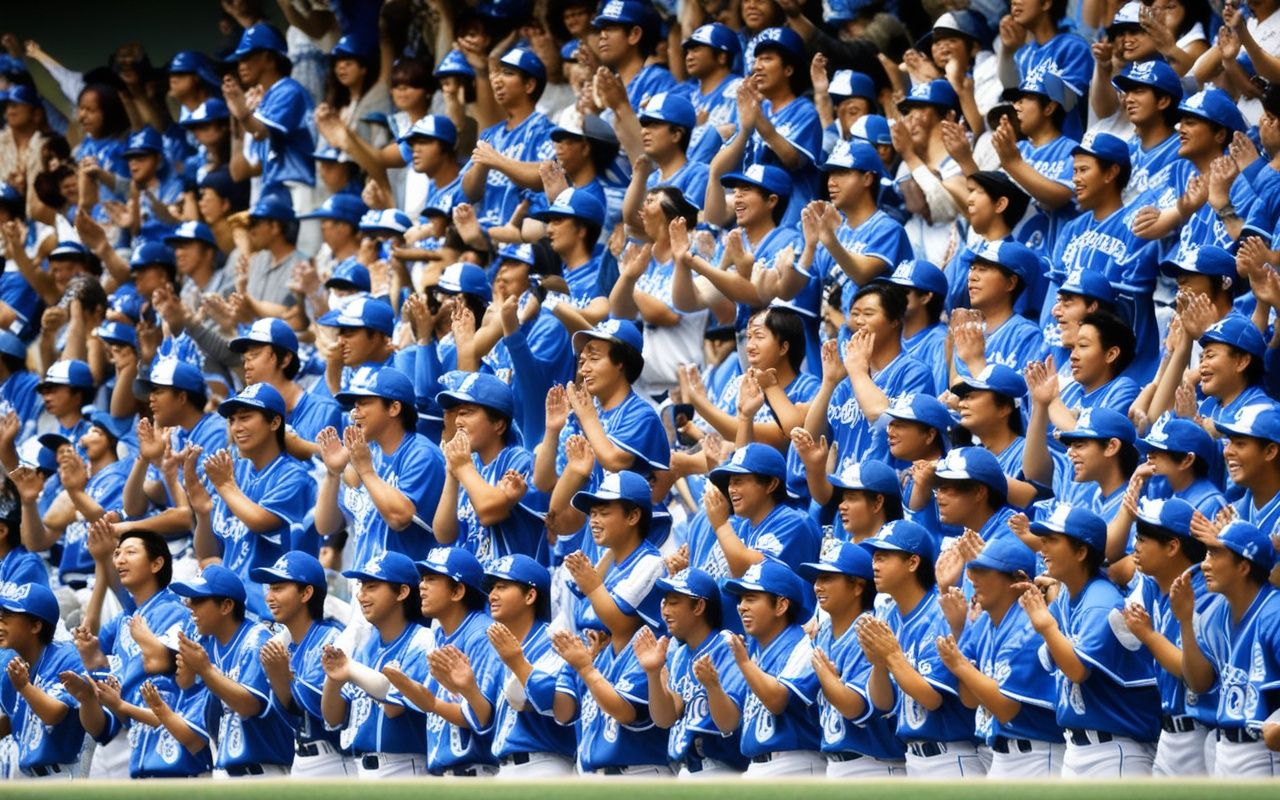
  • GUNDAM FACTORY YOKOHAMA — Moving Gundam History & Legacy

    GUNDAM FACTORY YOKOHAMA — Moving Gundam History & Legacy

    ⚠️ Permanently Closed (2020–2024)
    GUNDAM FACTORY YOKOHAMA closed on March 31, 2024 and has been fully dismantled. There are no plans to reopen or relocate the facility. The moving Gundam’s exterior parts were reused at the Osaka-Kansai Expo 2025 as a static 17-meter statue at the GUNDAM NEXT FUTURE PAVILION. This article serves as a old record of what was once one of the most amazing attractions in Kanagawa. —

    GUNDAM FACTORY YOKOHAMA Retrospective — The Life-Sized Moving Gundam (2020–2024)

    Overview

    I visited the GUNDAM FACTORY YOKOHAMA during its final months in early 2024, and watching the 18-meter RX-78-2 Gundam move under the night sky remains one of my most memorable experiences in Yokohama. I recommend arriving before sunset so you can see the machine first in daylight and then lit up against the bay — the contrast is unforgettable.

    📍 Where It Was

    GUNDAM FACTORY YOKOHAMA Retrospective scenery and attractions

    GUNDAM FACTORY YOKOHAMA was found at Yamashita Pier (山下ふ頭), a short walk from Yokohama’s major tourist areas. The site has since been cleared and returned to its original use as a working pier.

    Access to the Area Today

    Even though the factory is gone, the Yamashita Pier area remains a pleasant waterfront walking place:

    What to Visit Nearby Instead

    Attraction Distance Notes
    Yamashita Park Adjacent pretty waterfront, cruise ship views
    Yokohama Chinatown 10 min walk Largest Chinatown in Japan
    Red Brick Warehouse 15 min walk Shopping, events
    Cup Noodles Museum 20 min walk Interactive food museum
    Yokohama Hakkeijima Sea Paradise 20 min drive Aquarium + amusement park

    For more on this topic, see our guide to Hakkeijima Sea Paradise Guide.

    🎯 What Was There: A Retrospective

    The Gundam Performance

    The centerpiece of GUNDAM FACTORY YOKOHAMA was the 18-meter-tall RX-78-2 Gundam, mounted on a moving gantry platform called the GUNDAM-DOCK. The Gundam performed scheduled movements throughout the day, including:

    • Walking motion: The Gundam took slow, deliberate steps forward on its platform
    • Arm movements: Raising its arm, and striking iconic poses
    • Head rotation: Scanning the crowd and tracking movement
    • Knee bends: Crouching and standing
    • Combined sequence: A full choreographed performance combining all movements

    Each performance lasted about 2-3 minutes and occurred every 30-60 minutes. The engineering needed to move a 25-ton machine was amazing.

    The GUNDAM-DOCK

    GUNDAM FACTORY YOKOHAMA Retrospective detailed view and features

    The massive gantry structure that supported the Gundam — called the GUNDAM-DOCK — was an engineering marvel in itself. The 25-meter-tall structure included:

    • Main viewing deck: The primary observation area at ground level, with unobstructed views
    • Upper viewing platform: An elevated deck providing a perspective at eye level with the Gundam (more ¥3,300)
    • upkeep area: Visible sections of the internal mechanisms and control systems

    The GUNDAM LAB

    An indoor show space documented the engineering behind the moving Gundam, including:

    • Design blueprints: Original concept art and engineering diagrams
    • Mechanism displays: Actual components used in the Gundam’s articulation system
    • old timeline: The evolution of the GUNDAM FACTORY project from concept to reality
    • Interactive exhibits: Visitors could try controlling a miniature Gundam arm

    The GUNDAM Café & Shop

    • Official merchandise store: Exclusive GUNDAM FACTORY YOKOHAMA items, including:
      • Limited-edition Gundam model kits
      • Factory-exclusive apparel and accessories
      • Commemorative photo frames and postcards
    • GUNDAM Café: Light meals, and Gundam-themed desserts

    🎟 Ticket Pricing (old Reference)

    For archival purposes, here were the admission prices during operation:

    General Admission (Ground Level)

    Category Price Notes
    Adult (13+) ¥1,650 Main viewing area access
    Child (7-12) ¥1,100 Must be accompanied by adult
    Child (under 7) Free Must be accompanied by adult

    GUNDAM-DOCK Upper Deck

    Category Price Notes
    Adult (13+) ¥3,300 Includes general admission
    Child (7-12) ¥2,200 Includes general admission

    📸 Legacy: What Happened to the Gundam

    GUNDAM FACTORY YOKOHAMA Retrospective — visitor highlights

    The Osaka Expo 2025 Reuse

    After the Yokohama facility closed, the exterior armor parts of the moving Gundam were transported to the Osaka-Kansai Expo 2025 site. There, they were reassembled into a 17-meter-tall static Gundam statue at the GUNDAM NEXT FUTURE PAVILION. Key differences from the Yokohama version:

    Feature Yokohama (2020–2024) Osaka Expo (2025)
    Height 18m 17m
    Movement Full articulation Static pose
    Pose Standing One knee up, reaching forward
    Venue Yamashita Pier. Yokohama Expo site. Osaka
    Duration 3+ years Expo period only

    The Osaka statue was a static display — it did not move like the original did in Yokohama. However, it represented a symbolic continuation of the Gundam’s journey, with the pose depicting the Gundam reaching toward the future.

    No Plans for a New Yokohama Facility

    The operating company, Evolving G Co., Ltd., was dissolved in December 2025. There are no plans to rebuild or reopen GUNDAM FACTORY YOKOHAMA. The site has been fully restored to its original state as Yamashita Pier. —

    🗺 Sample Yokohama Anime Itinerary (Updated)

    While GUNDAM FACTORY is gone, Yokohama remains a fantastic place for anime fans. Here’s an updated itinerary:

    Full-Day Yokohama Anime time

    Time thing to do
    10:00 AM Landmark Tower Sky Garden (featured in Bungo Stray Dogs)
    11:00 AM Minato Mirai walk → Red Brick Warehouse
    12:00 PM Lunch at Red Brick Warehouse
    1:00 PM GUNDAM FACTORY memorial photo (Yamashita Pier — see the spot where it stood)
    2:00 PM Yamate Western Houses (featured in From Up on Poppy Hill)
    3:00 PM Harbor View Park (Ghibli spot)
    4:00 PM Yokohama Hakkeijima Sea Paradise
    6:00 PM Chinatown dinner

    Tip: Visit Yamashita Pier to take a photo at the spot where the GUNDAM-DOCK once stood. The waterfront view is still pretty, and you can imagine the 18-meter Gundam towering over the bay. —

    💡 Travel Tips for the Area Today

    Best Time to Visit Yamashita Pier

    • Daytime: Clear views of Yokohama Bay and the Bay Bridge
    • Late afternoon: pretty sunset over the water
    • Evening: Night lights of the bay area

    What to Bring

    • Camera for waterfront photos
    • comfy shoes for walking the port area
    • small charger — you’ll be taking lots of photos

    Nearby Attractions to Replace GUNDAM FACTORY

    If you were planning a trip mostly for GUNDAM FACTORY, consider these alternatives:

    Alternative Type Distance from Pier
    Yokohama Hakkeijima Sea Paradise Aquarium + rides 20 min drive
    Cup Noodles Museum Yokohama Interactive museum 20 min walk
    Yokohama Cosmo World Amusement park 20 min walk
    Nippon Maru Memorial Park Maritime museum 15 min walk
    Animate Yokohama Anime goods store 10 min by train

    What to Expect

    Most activities are designed to be accessible for international visitors. Staff at popular attractions are accustomed to non-Japanese speakers and can communicate through basic English or translation apps. Duration varies from 1-2 hour experiences to half-day adventures. Wear appropriate clothing – many activities involve walking or standing for extended periods. Some outdoor activities may have age or height restrictions. Always check the official website before visiting for the latest information.

    Local Tips

    Those who frequent these activities suggest checking social media for last-minute openings and special events. Some venues offer discounted admission during certain hours or days of the week. Combining multiple activities in the same area saves travel time and often qualifies for package discounts. Consider joining a group tour for activities that require specialized equipment or guidance.

    Money-Saving Tips

    Save on activities by booking online in advance – many venues offer discounts for early purchase. Combination tickets covering multiple attractions often provide 15-25% savings. Visit during off-peak hours when some venues offer reduced rates. Check local tourist websites for digital coupons and promotional codes. Consider free alternatives like public gardens and observation decks that offer similar experiences to paid attractions.n

    Packing Essentials

    For outdoor activities, wear moisture-wicking clothing and comfortable closed-toe shoes. Sunscreen and a hat are essential during summer. A small towel is useful for wiping sweat. A waterproof phone pouch is useful for water activities. Pack snacks and extra water for remote areas.

    Conclusion

    exploring Yokohama can be as relaxed or as packed as you want it to be, and I have found that the best visits leave room for both planning and spontaneity. During my visit to Yokohama I went with a rough plan and found that leaving room to wander made the trip far more memorable. Use this guide to sort out the logistics in advance, then let the day surprise you — Kanagawa rewards travelers who stay curious.

  • Yokohama Travel Guide 2026 — Ultimate Area Guide for…

    Yokohama Travel Guide 2026 — Ultimate Area Guide for…

    Overview

    Plan your perfect visit to Yokohama Travel Guide 2026 — Ultimate Area Guide for… with this comprehensive destination guide, Covering everything from must-see attractions to practical travel tips, this guide helps you make the most of your time in Yokohama. Whether you have a single day or an entire week, discover the best that this Kanagawa destination has to offer.

    Getting to Yokohama

    • JR Tokaido Line: 25 min from Tokyo Station (¥480. JR Pass covered)
    • JR Keihin-Tohoku Line: 35 min from Tokyo Station (¥480. JR Pass covered)
    • Tokyu Toyoko Line: 30 min from Shibuya (¥310)
    • Shinkansen: Kodama/Hikari stop at Shin-Yokohama (20 min from Tokyo. ¥3,240)

    pretty Kanagawa place and travel spot

    Yokohama Travel — detailed view
    Yokohama area guide sub3 stands out as a must-visit spot, combining natural beauty with easy access from nearby transport hubs. Yokohama Travel Guide — visitor highlights

    Transport pass comparison · Suica/PASMO guide · Station WiFi

    Minato Mirai 21

    Yokohama’s futuristic waterfront district is the city’s crown jewel, Built on reclaimed land in the 1980s-90s, it combines stunning architecture with family-friendly attractions and romantic evening views. – Landmark Tower Sky Garden — 360° observation deck at 273m with floor-to-ceiling windows. Visit at sunset for golden hour views of Mt. Fuji on clear days. – Red Brick Warehouse — 1911 old buildings transformed into trendy shops, cafes, and event spaces. The annual Winter Market (Nov-Dec) is magical. – Yokohama Bay Cruise — 30-minute harbor cruises from Osanbashi Pier. The night cruise offers amazing illuminated skyline views. – Cosmo World — Family-friendly amusement park with the iconic Cosmo Clock 21 Ferris wheel (106m tall). The wheel transforms into a giant clock at midnight. – Shin-Yokohama Ramen Museum — Ramen theme park with replica 1958 streetscape and tasting bowls from 8 different regional shops. – Nippon Maru Memorial Park — old sailing ship museum with pretty waterfront gardens. > Landmark Tower · Red Brick · Bay cruise · Night views · photos

    Chinatown

    Yokohama Chinatown is the largest in Japan with 600+ shops and places to eat. Must-try: xiaolongbao, steamed buns, dan dan noodles. Hidden menus available at established places to eat. > Food guide · Hidden menus · History walk · Chinatown history · Takoyaki guide

    Kannai & Motomachi

    Kannai is Yokohama’s old downtown — the original port area that witnessed Japan’s modernization. The name literally means “inside the gate” (関内), referring to the customs gate that once controlled access to the foreign settlement. Must-see spots:

    • Port Opening Memorial Hall — Stunning Western-style architecture from 1911. perfect for photos
    • Noge izakaya district — Hundreds of tiny bars packed into narrow alleys, each seating 5-10 people. This is where Yokohama’s authentic drinking culture lives. – Isezakicho Shopping Street — Covered arcade with retro charm, and affordable shopping
    • Yokohama Archives of History — Learn about the city’s transformation from fishing village to international port

    Motomachi offers a completely different vibe — upscale boutiques, and the pretty Yamashita Park with its ocean promenade. The Motomachi Shopping Street (元町商店街) is perfect for browsing specialty shops and enjoying afternoon tea. > Kannai area guide · old walk · Port history · Noge izakaya · Kissaten culture

    Food & Drink

    Yokohama is a food lover’s paradise. The city’s culinary scene ranges from Michelin-starred places to eat to humble ramen counters, with specialties you won’t find elsewhere in Japan. Must-try Yokohama specialties:

    • Ie-kei Ramen — Thick, rich pork bone broth with spinached noodles. Yokohama is the birthplace of this iconic style. – Chinatown Street Food — Xiao long bao (soup dumplings). and dan dan noodles at Japan’s largest Chinatown. – Backstreet Gourmet — Hidden places to eat in Kannai’s narrow alleys serving everything from curry to craft beer. – Premium Waterfront Dining — Upscale places to eat in Minato Mirai with stunning bay views. – Yokohama Burgers — The city has a surprising burger culture with artisan shops and fusion spots. > Ie-kei ramen · Ramen tour · Ramen guide · Backstreet gourmet · Premium dining · Date night · Chinatown food

    Culture & Sightseeing

    • Sankeien Garden — old-style Japanese garden. 175,000 sqm
    • Shin-Yokohama Ramen Museum — Ramen theme park with replica 1958 streetscape
    • Hakkeijima Sea Paradise — Aquarium, amusement park
    • Kawasaki Factory Night View — Industrial夜景

    Sankeien · Ramen Museum · Hakkeijima · Kawasaki night view · Art museums · English garden

    Where to Stay

    Area Best For vibe
    Minato Mirai Luxury, modern
    Yokohama Station Convenience Busy, useful
    Kannai / Chinatown Nightlife, vibrant
    Shin-Yokohama Shinkansen access Train-connected

    Yokohama lodging · Kanagawa lodging · Day onsen

    Seasonal Guide

    • Spring: Cherry blossoms at Sankeien. Port Opening Festival (May)
    • Summer: Minato Mirai fireworks. Hakkeijima attractions
    • Autumn: Foliage at Sankeien, lights start
    • Winter: Winter lights. Chinatown New Year

    Autumn foliage · Winter lights · Rainy day spots

    🚶 1-Day Yokohama Walking Itinerary

    Morning (10:00-12:30) — Minato Mirai
    Start at Sakuragicho Station and walk west through Minato Mirai. Visit Landmark Tower Sky Garden (¥1,030) for panoramic bay views. Walk to Red Brick Warehouse (free entry) for shopping and architecture — the 1911 red brick buildings are a photographer’s dream. Grab coffee at one of the waterfront cafes overlooking the bay. Lunch (12:30-13:30) — Chinatown
    10-minute walk or one station on the Minato Mirai Line to Motomachi-Chukagai Station, see 600+ shops and places to eat. Must-try: xiaolongbao soup dumplings (¥500-800 for 4-6 pieces), or a full lunch set (¥1,500-2,500). Avoid the busiest stalls on the main street — walk one block in and you’ll find better quality and shorter queues. Afternoon (13:30-16:00) — Kannai & Yamashita Park
    Walk 15 minutes south through the old Kannai district. Visit Port Opening Memorial Hall (¥200 entry, pretty Western architecture from 1911). Stroll through Yamashita Park along the waterfront promenade — the 800m walk offers continuous views of the bay and, on clear winter days. Late Afternoon (16:00-17:30) — Optional: Sankeien Garden
    Take bus #8 or #148 from Sakuragicho Station (25 min, ¥220) to Sankeien Garden (¥700). The garden closes at 5 PM, so arrive by 3:30 PM to see the old-style Japanese garden with its three-story pagoda. Evening (18:00 onwards) — Minato Mirai lights
    Return to Minato Mirai for dinner and evening lights. The winter lights season (November-February) transforms the waterfront into a magical light display. Cosmo World ferris wheel offers night rides (¥800) with amazing city views.

    Travel Tips

    Budget-Friendly Yokohama

    • Free attractions: Chinatown entry. Minato Mirai waterfront walks
    • Low-cost gems: Sankeien Garden (¥700). Red Brick Warehouse (free). Port Opening Memorial Hall (¥200)
    • Budget meals: Chinatown street food (¥500-800). local ramen shops (¥800-1,000)

    Rainy Day Options

    • Indoor attractions: Ramen Museum. Landmark Tower Sky Garden. Hakkeijima Sea Paradise aquarium
    • Shopping: Motomachi Shopping Street. Queen’s Square shops
    • Culture: Yokohama Museum of Art. Silk Museum

    Eco-Friendly Travel

    • Highly walkable: Most central attractions are within walking distance
    • great public transport: Subways, and Yokohama駅 bikes
    • SDGs tourism: Yokohama is a leader in sustainable city initiatives

    Useful Tips

    • IC Cards: Suica/PASMO work everywhere — trains, convenience stores
    • Free WiFi: Available at major stations and tourist spots
    • Language: English signs at major attractions; place to eat menus often bilingual
    • Cash vs. Card: Major places to eat accept cards; Chinatown and izakaya prefer cash

    Rainy day Yokohama · Kanagawa under ¥5,000 · Weekend getaway · SDGs tourism · Upcycle shops

    During my stay, I discovered that the best photo chances come just before sunset.

    Conclusion

    exploring Yokohama can be as relaxed or as packed as you want it to be, and I have found that the best visits leave room for both planning and spontaneity. During my visit to Yokohama I went with a rough plan and found that leaving room to wander made the trip far more memorable. Use this guide to sort out the logistics in advance, then let the day surprise you — Kanagawa rewards travelers who stay curious.

  • Yokohama Kimono Rental Guide 2026 — Dress Up & Explore…

    Yokohama Kimono Rental Guide 2026 — Dress Up & Explore…

    Yokohama Kimono Rental Guide 2026 — Dress Up & Explore…

    Overview

    Explore the rich cultural heritage and historical significance of Yokohama Kimono Rental Guide 2026 — Dress Up & Explore… in KanaKanagawafecture. This guide delves into the fascinating stories, traditions, and landmarks that define Yokohama. From ancient temples to modern museums, discover how this destination has shaped Japan’s cultural landscape over centuries.

    📍 Quick Overview

    • Starting from ¥5,000 for a full kimono rental package (includes dressing & hair styling)
    • Professional dressing takes 30–60 minutes
    • Return by 5:30 PM same day (most shops)
    • Perfect for: Instagram-worthy photos, special occasions
    • Best areas to explore in kimono: Minato Mirai. Chinatown

    I found that visiting during weekday mornings offered the most relaxed time, something I confirmed over multiple trips. —

    Introduction: Why Rent a Kimono in Yokohama? Yokohama offers a unique backdrop for kimono dressing that combines traditional Japanese aesthetics with a modern port city atmosphere. Unlike Kyoto’s temple-heavy streets or Asakusa’s crowded lanes. Yokohama provides spacious promenades, and a relaxed pace that makes kimono walking genuinely enjoyable. Why Yokohama over Kyoto or Tokyo:

    • Fewer crowds — You won’t be jostling through packed streets
    • Waterfront backdrops — Minato Mirai and Yamashita Park offer stunning photo chances
    • More affordable — Rental prices are typically 20–30% lower than Kyoto
    • Easier walking — Wide pavements and flat terrain throughout the tourist areas
    • Diverse scenery — From historic buildings to modern architecture to Japanese gardens

    Renting a kimono transforms your sightseeing time. You’ll find that shopkeepers, and locals treat you with extra warmth — and the photos you take will be your most great from the trip. —

    1. VASARA Kimono & Yukata Rental — Yokohama’s Premier Shop

    Best for: First-timers. English-friendly service

    Yokohama Kimono Rental Guide scenery and attractions

    Aspect Detail
    Location Central Yokohama, near Kannai Station
    Price From ¥5,000 (kimono set). from ¥3,500 (yukata set)
    Included Kimono/yukata, hair styling
    Hours 9:00 AM – 6:00 PM (return by 5:30 PM)
    Best For First-timers, quality-conscious travelers

    VASARA is one of Japan’s largest kimono rental chains, and their Yokohama location delivers the same high standards as their famous Kyoto and Asakusa shops — with the added benefit of Yokohama’s pretty settings. The time:

    When you arrive at VASARA Yokohama, you’ll be greeted by professional stylists who guide you through the selection process. The shop carries hundreds of kimono and yukata in every color and pattern imaginable — from classic floral motifs to bold modern designs. Your appointment includes:

    1. Kimono selection (15–20 minutes) — Browse racks of kimono organized by color. The staff will help you choose based on your preferences and the season
    2. Dressing (20–30 minutes) — A professional dresser wraps you in layers with practiced efficiency. The process involves multiple steps — undergarment, nagajuban (inner robe), kimono, obi (belt), obijime (cord), and accessories
    3. Hair styling (10–15 minutes) — Simple but elegant hair arrangements to complement your kimono
    4. Accessory selection (5 minutes) — Choose your sandals (zori), bag, and any hair ornaments
    5. Out the door — You’re ready to explore Yokohama in style

    Book VASARA Kimono Rental Yokohama on Klook to secure your preferred time slot → Reserve your kimono time

    What to Expect:

    • The entire process takes about 60 minutes from arrival to departure
    • You can leave your belongings at the shop (locked storage provided)
    • The kimono is comfy for walking — the stylists ensure the obi is tied securely but not too tightly
    • Return by 5:30 PM for undressing (late fees apply after 6:00 PM)
    • Next-day return is sometimes available for an additional fee

    Pro Tips:

    • Book the earliest slot (9:00 AM) for the best selection and the most time to explore
    • Choose a kimono with short or pushed-up sleeves if visiting in summer — yukata (cotton kimono) is the standard summer option
    • Wear a thin camisole and shorts under your clothes — you’ll be undressed and re-dressed, and fewer layers under your kimono means a smoother result
    • Bring your camera — VASARA staff are happy to take photos of you before you leave the shop

    2. Where to Go in Kimono — Best Photo Spots in Yokohama

    Yokohama Kimono Rental — detailed view

    Minato Mirai Waterfront

    The broad promenades of Minato Mirai are perfect for kimono walking. The contrast between traditional attire and modern architecture creates striking photos. Top Spots:

    • Cosmo World Ferris Wheel — The colorful amusement park provides a fun, vibrant backdrop
    • Red Brick Warehouse — The historic brick buildings offer a rustic European feel that contrasts beautifully with kimono
    • Queen’s Square Plaza — The open square with fountains and modern glass towers Walking time from VASARA: 15 minutes Best time: Late afternoon (3:00–5:00 PM) for golden hour light on the bay

    Yamashita Park

    Yokohama’s premier waterfront park stretches along the harbor, and iconic views of the bay. Top Spots:

    • The rose garden (seasonal. May–October) — Colorful blooms frame kimono beautifully
    • The Hikawa Maru — The permanently docked ocean liner makes a nostalgic backdrop
    • The waterfront railings — Classic harbor views with ships and bridges Walking time from VASARA: 10 minutes Best time: Morning (9:00–11:00 AM) for soft light and fewer people

    Sankeien Garden

    A traditional Japanese garden in southern Yokohama. Sankeien features historic buildings relocated from across Japan. Top Spots:

    • Three-story pagoda — A 15th-century pagoda from Kyoto, perfectly framed by cherry trees in spring
    • Choshukaku Villa — A 17th-century samurai residence with tatami rooms open to visitors
    • The pond with teahouse — Classic Japanese garden scenery Access: 25-minute bus ride from Kannai Station or taxi (¥2,000–2,500) Admission: ¥700 (adults) Best time: Early morning just after opening (9:00 AM) for solitude

    Yokohama Chinatown

    Yokohama’s vibrant Chinatown offers colorful, energetic backdrops with its ornate gates. Top Spots:

    • Zenrinmon Gate (Good Luck Gate) — The most photogenic entrance to Chinatown
    • Kanteibyo Temple — An elaborate Chinese temple in the heart of the district
    • Colorful alleyways — Lantern-lined streets with food stalls and shops Walking time from VASARA: 12 minutes Best time: Late morning (10:00–11:30 AM) before the lunch crowds

    3. What to Know Before You Go

    Seasonal Considerations

    Season Recommended Wear Duration Comfort Best Photo Spots
    Spring (Mar–May) Kimono (medium weight) All day comfy Sankeien Garden (cherry blossoms). Yamashita Park
    Summer (Jun–Aug) Yukata (light cotton) comfy, but avoid midday heat Minato Mirai waterfront (evening). Chinatown (air-conditioned)
    Autumn (Sep–Nov) Kimono (medium weight) All day comfy Sankeien Garden (fall foliage). Red Brick Warehouse
    Winter (Dec–Feb) Kimono + shawl provided 3–4 hours max (cold!) Indoors: Cup Noodles Museum, outdoor: Yamashita Park (clear skies)

    Kimono vs. Yukata — What’s the Difference? Kimono — The traditional full-length garment worn in cooler months, Made of silk or synthetic silk, with multiple layers, a formal obi, and zori sandals. More elegant, more structured, and warmer. Yukata — A lightweight cotton robe traditionally worn in summer. Single layer, simpler tying, and worn with geta (wooden sandals). More casual, cooler, and easier to move in. For most first-time visitors, yukata in summer and kimono in other seasons is the right choice

    Dress Code & Etiquette

    • Walk with small steps — The kimono’s narrow hem restricts your stride. This naturally creates the graceful, measured walk associated with kimono
    • Sit with care — When sitting on chairs. On tatami, use the proper kneeling position (seiza) or a modified side-sit
    • Food and drink — Be careful with dark-colored drinks near light kimono. Most rental shops have stain removal options if accidents happen
    • Restrooms — Kimono makes using restrooms a challenge. The staff will show you how to manage before you leave. Yukata is much easier
    • photos — Most places welcome kimono-clad visitors. Some temples and gardens offer discounted entry for those wearing kimono

    What to Bring

    • Thin inner layers (for under the kimono)
    • comfy tabi socks (some shops include them, but bring your own if you have them)
    • A small bag for your phone and wallet (the rental bag is small)
    • Lip balm — Your lips can dry out during the dressing process
    • A light jacket if visiting in winter

    4. Sample Kimono Itinerary

    Classic Yokohama Kimono Day

    9:00 AM — Arrive at VASARA Yokohama
      → Kimono selection & dressing
    10:00 AM — Depart in full kimono
    10:15 AM — Yamashita Park stroll & photos
    11:00 AM — Walk to Chinatown
      → Photos at Zenrinmon Gate
      → Dim sum lunch at a Chinatown restaurant
    1:00 PM — Walk to Minato Mirai
      → Photos at Red Brick Warehouse
      → Photos at Cosmo World
    2:30 PM — Tea break at a cafe near Queen's Square
    3:00 PM — Optional: Cup Noodles Museum or Sankeien Garden
    4:00 PM — Return to VASARA for undressing
    5:00 PM — Free to explore in regular clothes

    📊 Kimono Rental Comparison

    Shop Price (Kimono) Price (Yukata) Dressing Time English Support Location
    VASARA Yokohama ¥5,000 ¥3,500 60 min ✅ great Kannai
    VASARA Kamakura ¥5,000 ¥3,500 60 min ✅ great Kamakura Station

    Book VASARA Kimono Rental in Yokohama on Klook for guaranteed availability and exclusive online rates → Secure your kimono time


    Frequently Asked Questions

    Q: Do I need to make a booking?
    A: Yes — bookings are essential, mostly during cherry blossom season (March–April). Golden Week (late April–early May). and autumn foliage season (November). Walk-ins are sometimes accepted but may face long waits or limited selection. Q: Can I wear kimono if I have tattoos?
    A: Yes — kimono rental shops generally do not have tattoo restrictions. The kimono covers most of your body, so tattoos are invisible during wear. Q: Is the kimono heavy?
    A: A full kimono weighs about 3–5 kg (6–11 lbs). It’s noticeable but not uncomfortable. Most first-timers adjust within 30 minutes. Yukata is a lot lighter. Q: Can I eat and drink in kimono?
    A: Yes — just be careful with dark drinks (coffee, red wine) near light-colored kimono. Most rental shops provide napkins and have stain removal services. Q: What if it rains?
    A: Most shops provide plastic rain covers for your kimono. Yukata is less suitable for rain. Check the weather forecast before booking.

    Final Thoughts

    From ancient temples to living traditions, Kanagawa’s cultural heritage offers layers of discovery that reveal themselves with each visit.

    Conclusion

    Whether you are planning exploring Yokohama for its rental for the first time or returning for another visit, taking a little extra time to go beyond the obvious sights makes all the difference. During my visit to Yokohama I went with a rough plan and found that leaving room to wander made the trip far more memorable. I hope this guide helps you build an itinerary that fits your pace, and that your time in Kanagawa leaves you with memories worth coming back for.